
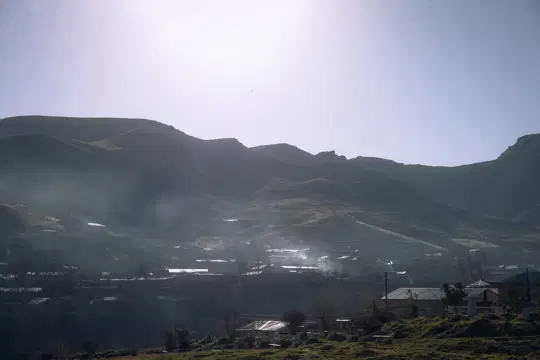
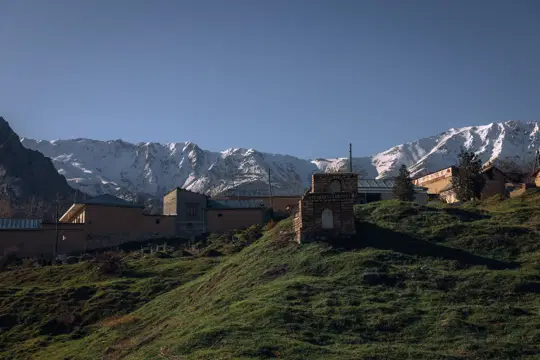
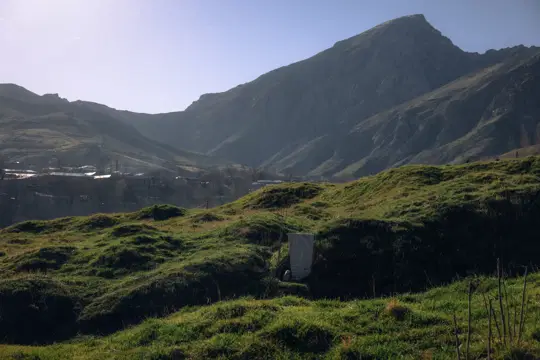
Approximately 40 kilometres from Samarkand lies the ancient city of Urgut, where local tobacco for cigarettes is produced. It is renowned for its vast bazaar, which frequently appears in fashionable travel guides to the country, and for its splendid views of the Zeravshan Range. Yet people come here for something else.
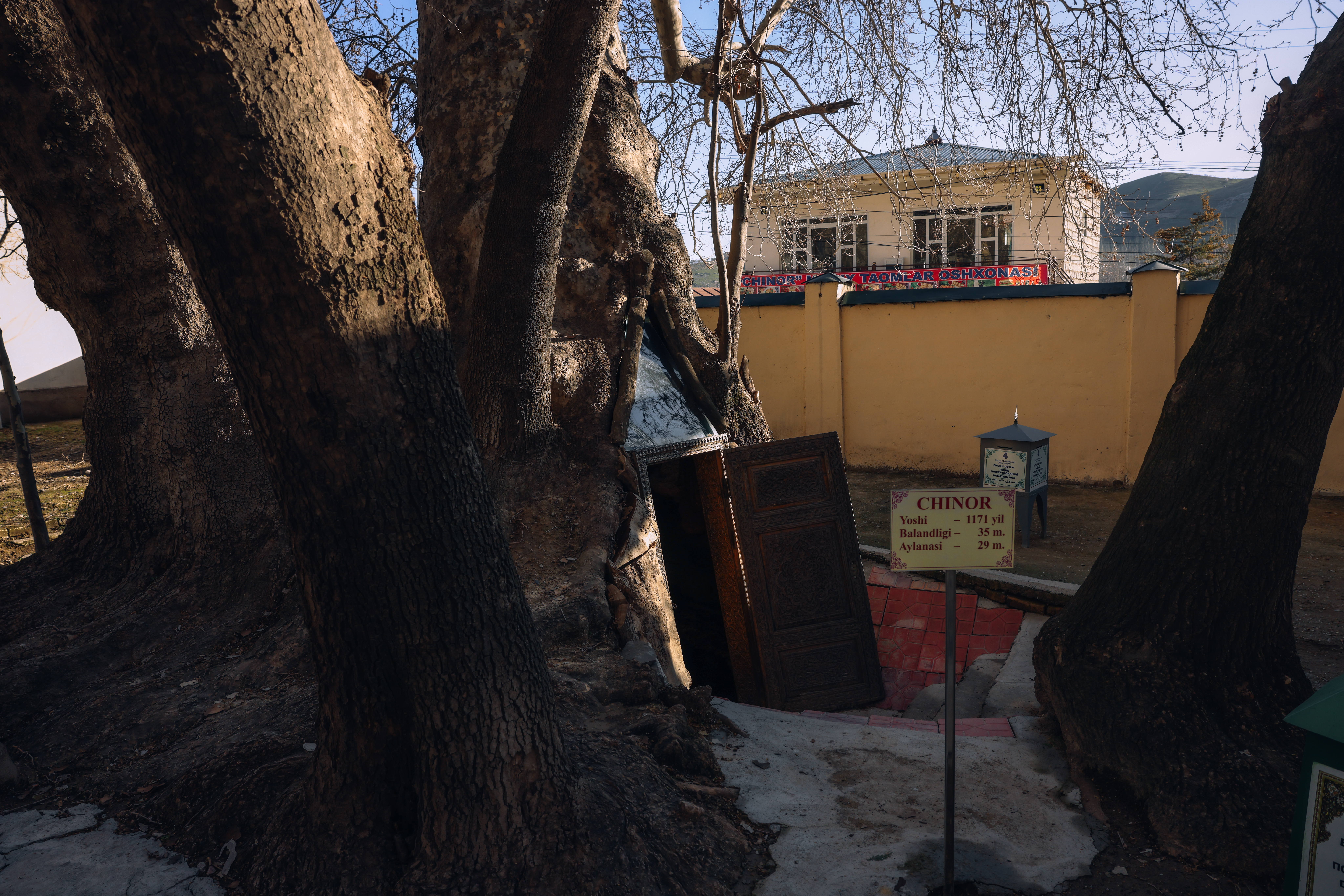 Photo: Ildar Sadykov
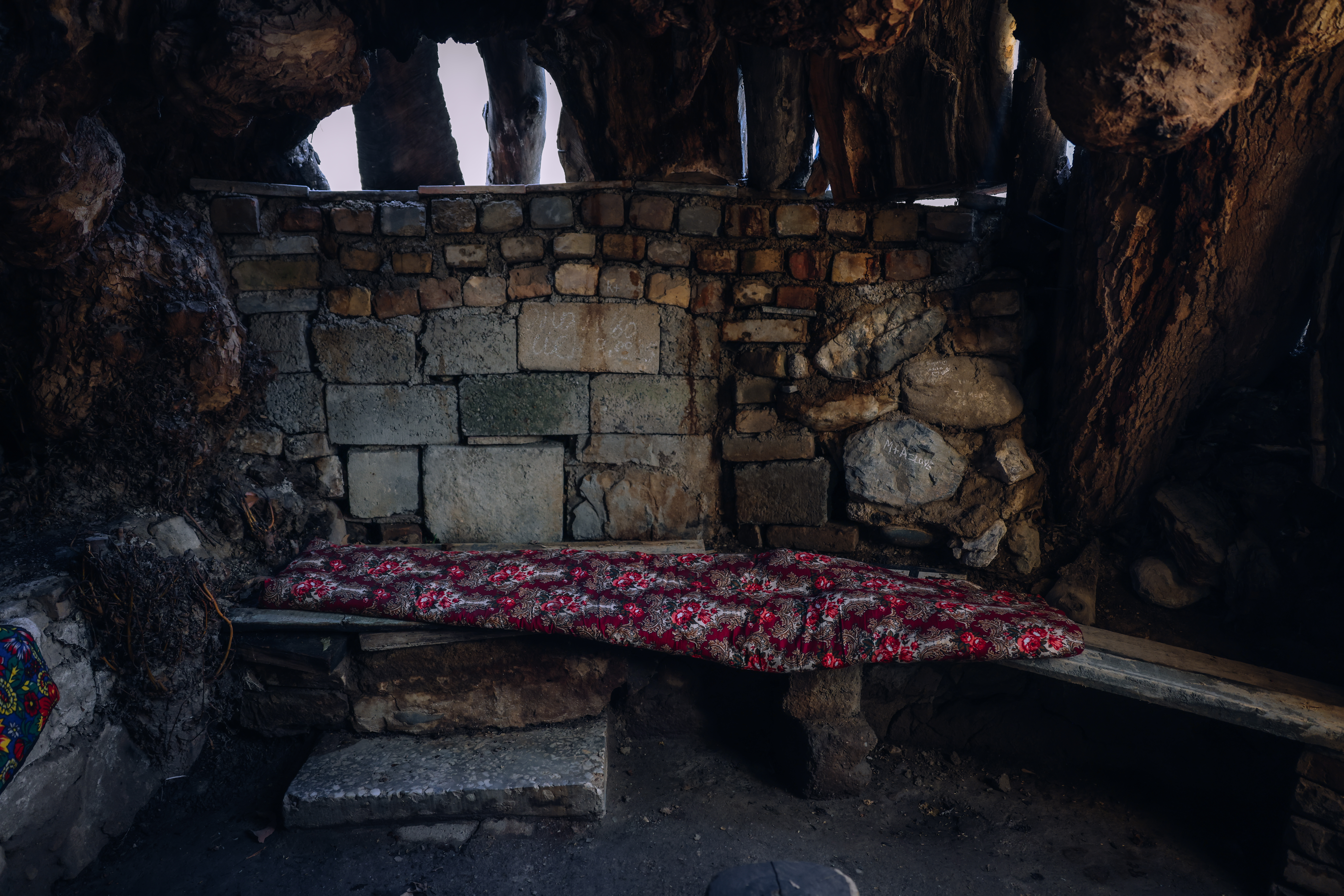 Photo: Ildar Sadykov
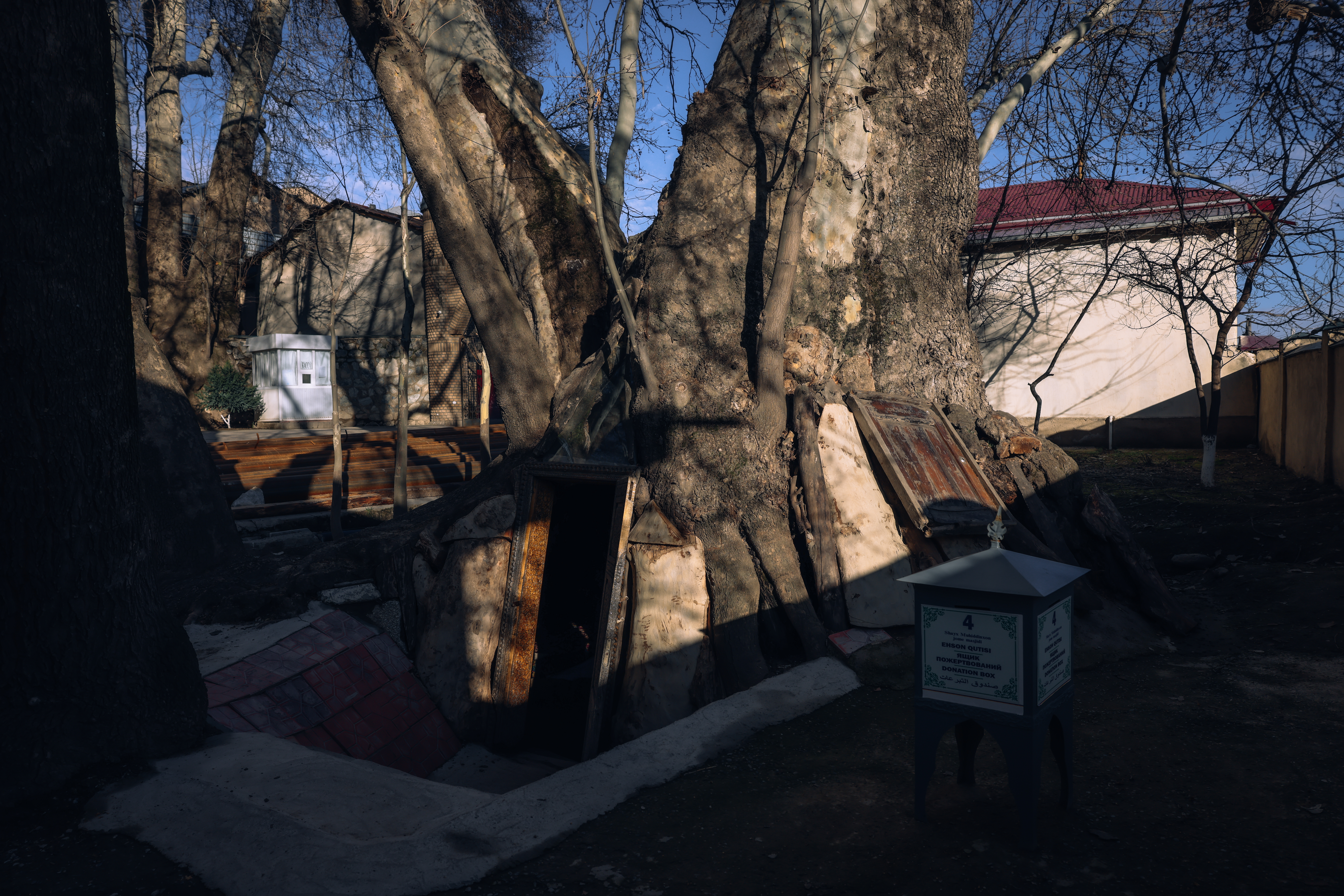 Photo: Ildar Sadykov
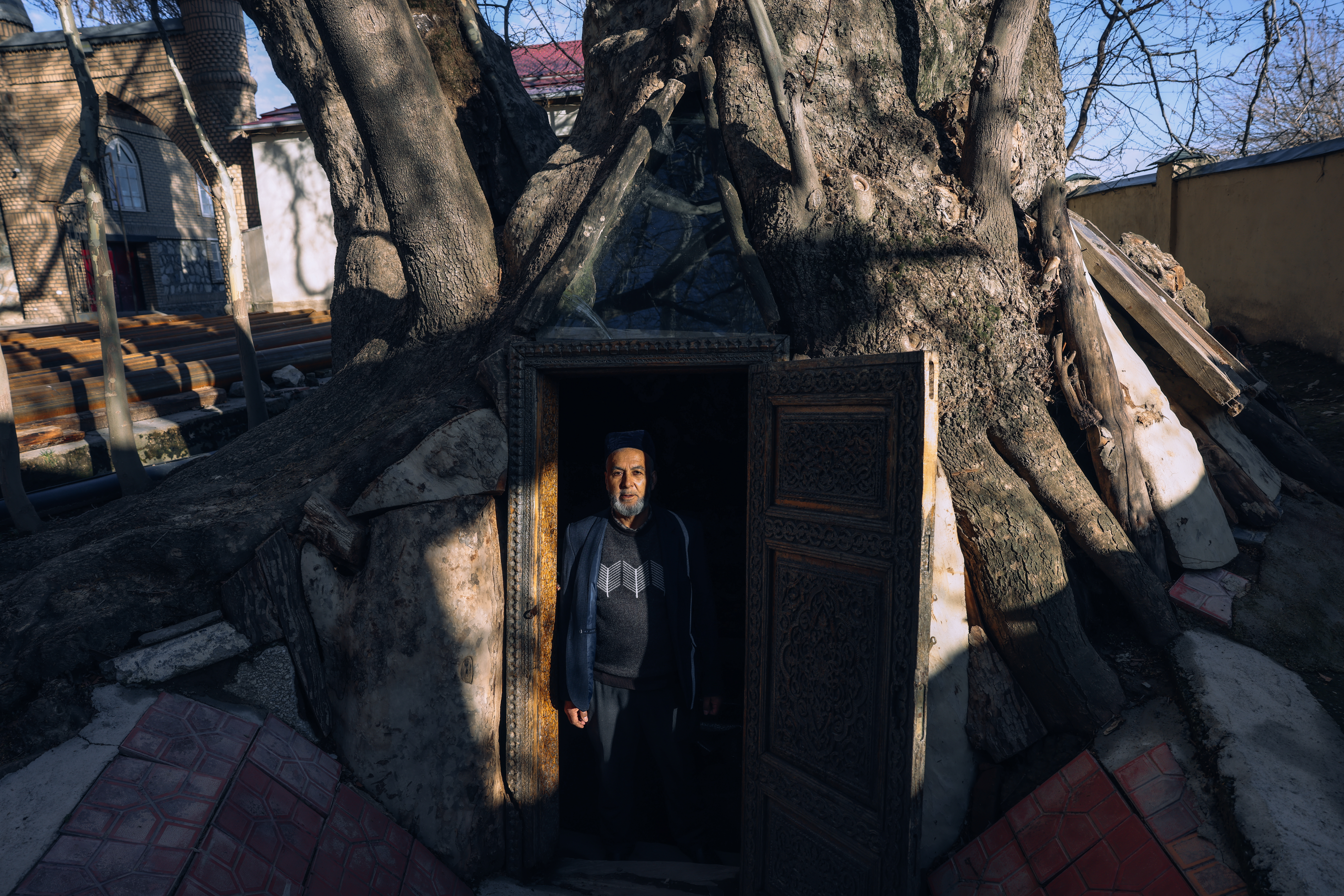 Photo: Ildar Sadykov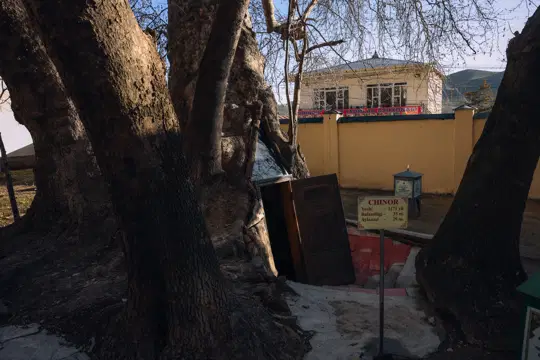
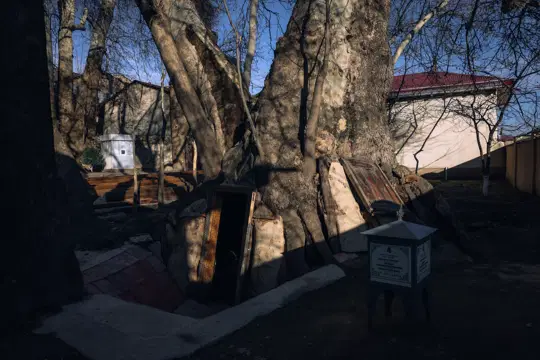
About five kilometres from the centre of Urgut lies a legendary grove, home to a colossal plane tree with a girth of 16 metres. Chor-Chinor means 'four plane trees' in Tajik. Today, there are far more than four; the garden has grown thanks to an entire 'dynasty' of plane trees, with the original four being the matriarchs of the lineage. The oldest trees are around 1,200 years old, while the younger ones are about 600.
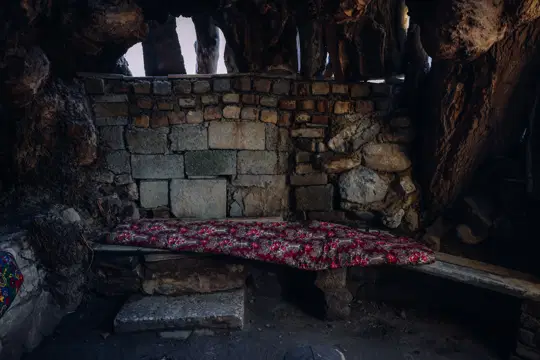
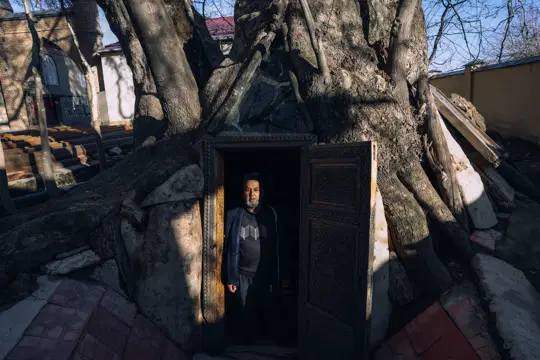
Inside the largest plane tree is a chamber that once served as a shelter for a Sufi school. It is said that up to forty people could fit inside. Later, elders gathered here. Today, pilgrims come to this place. An elderly guardian recites prayers here for alms.
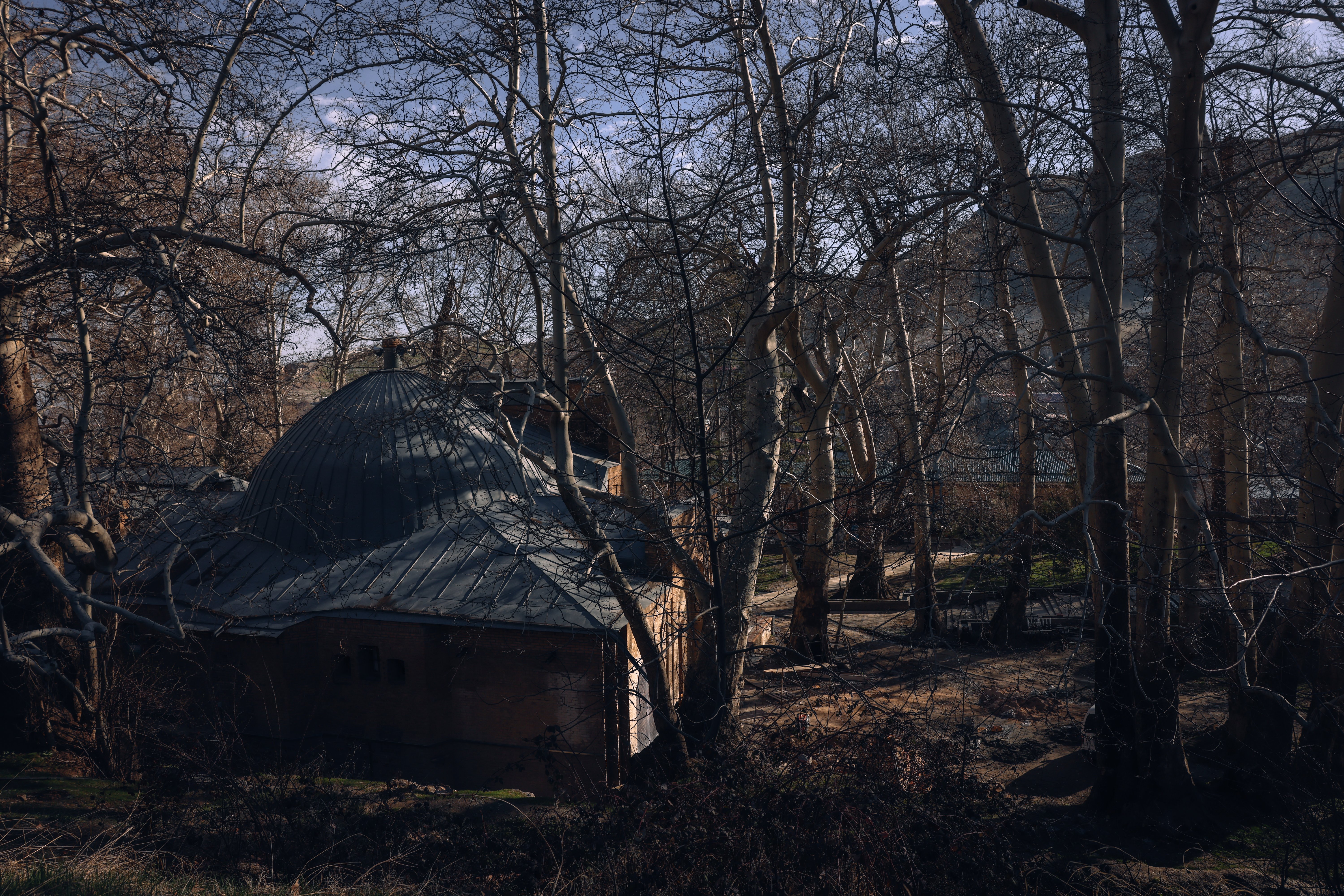 Photo: Ildar Sadykov
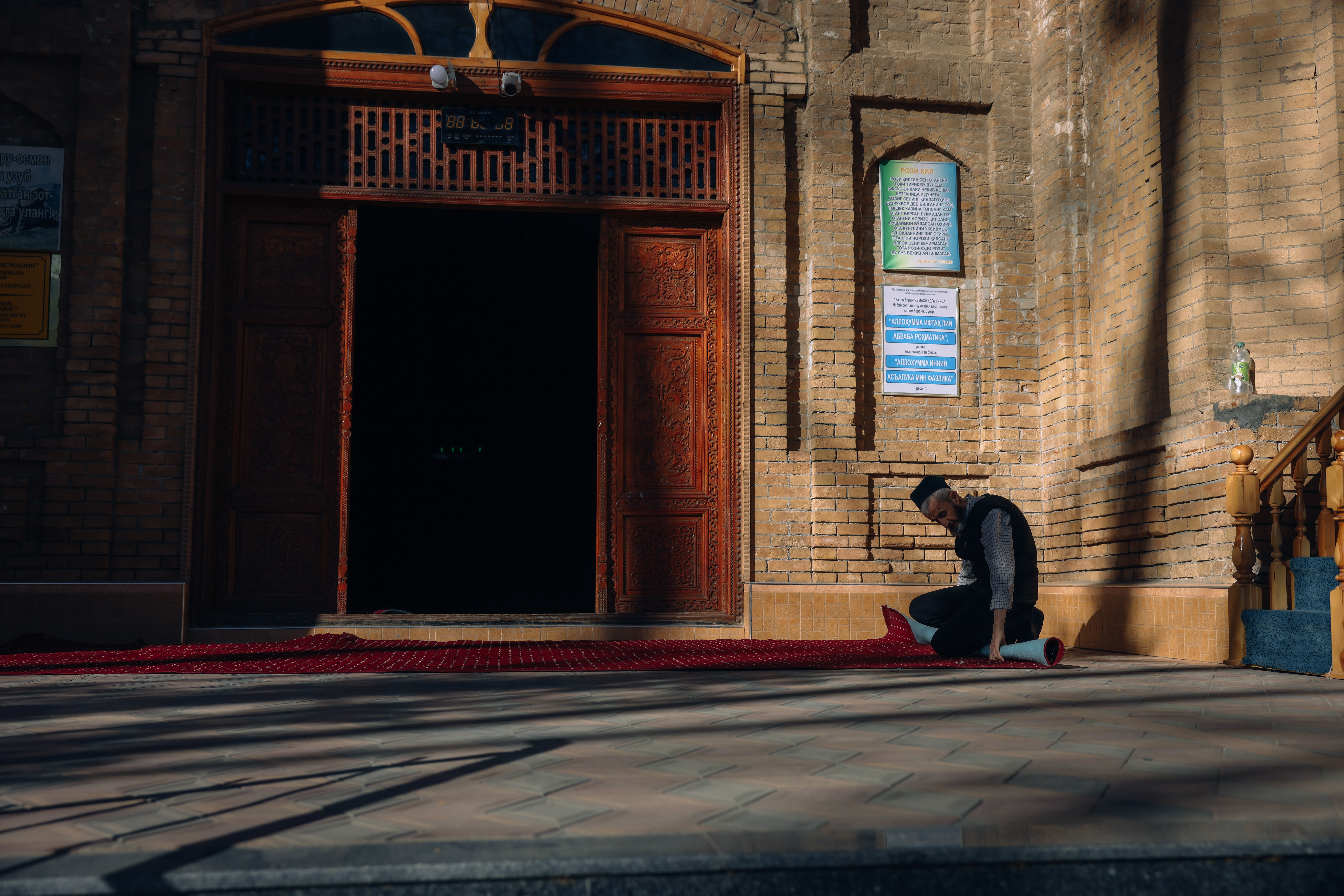 Photo: Ildar Sadykov
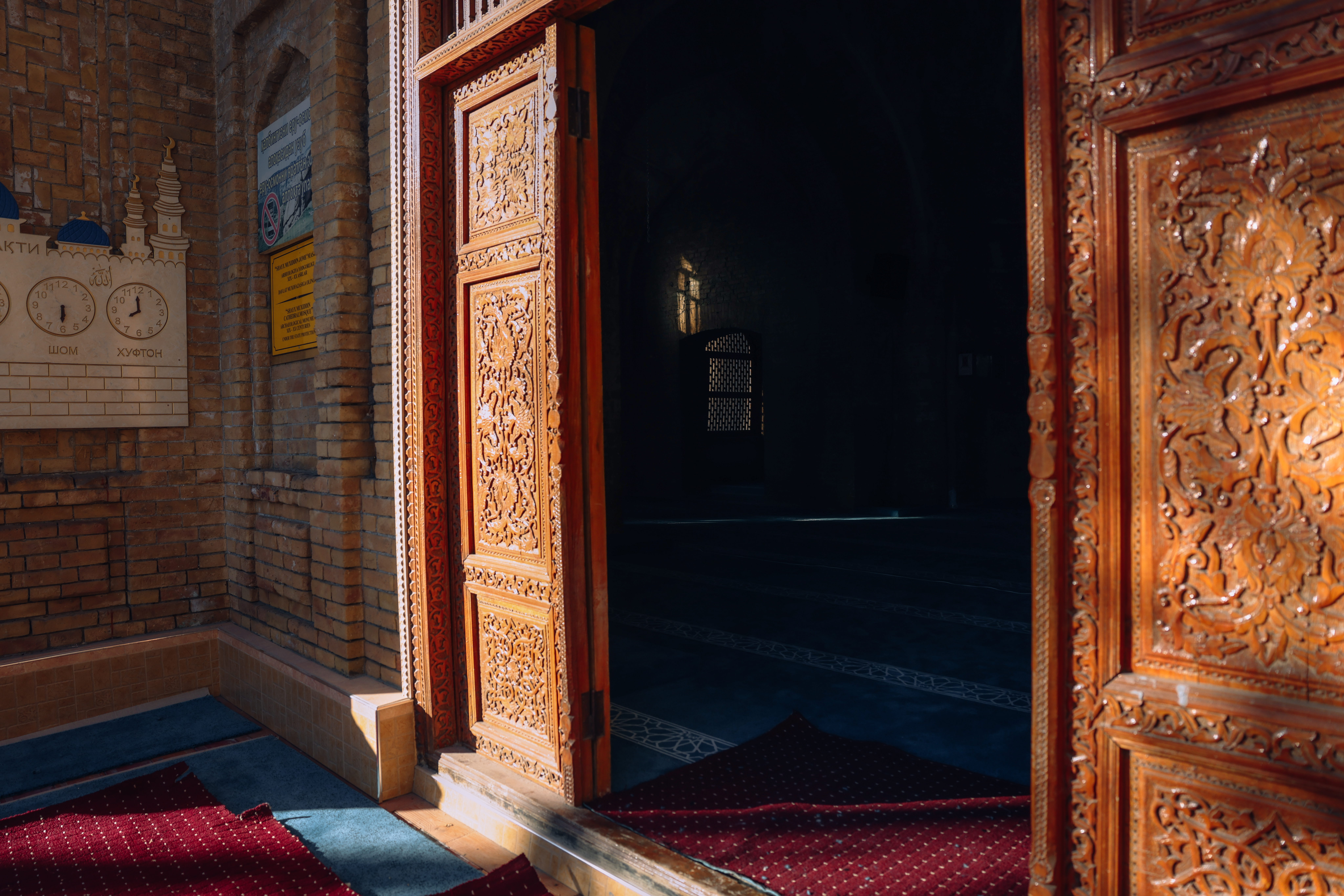 Photo: Ildar Sadykov
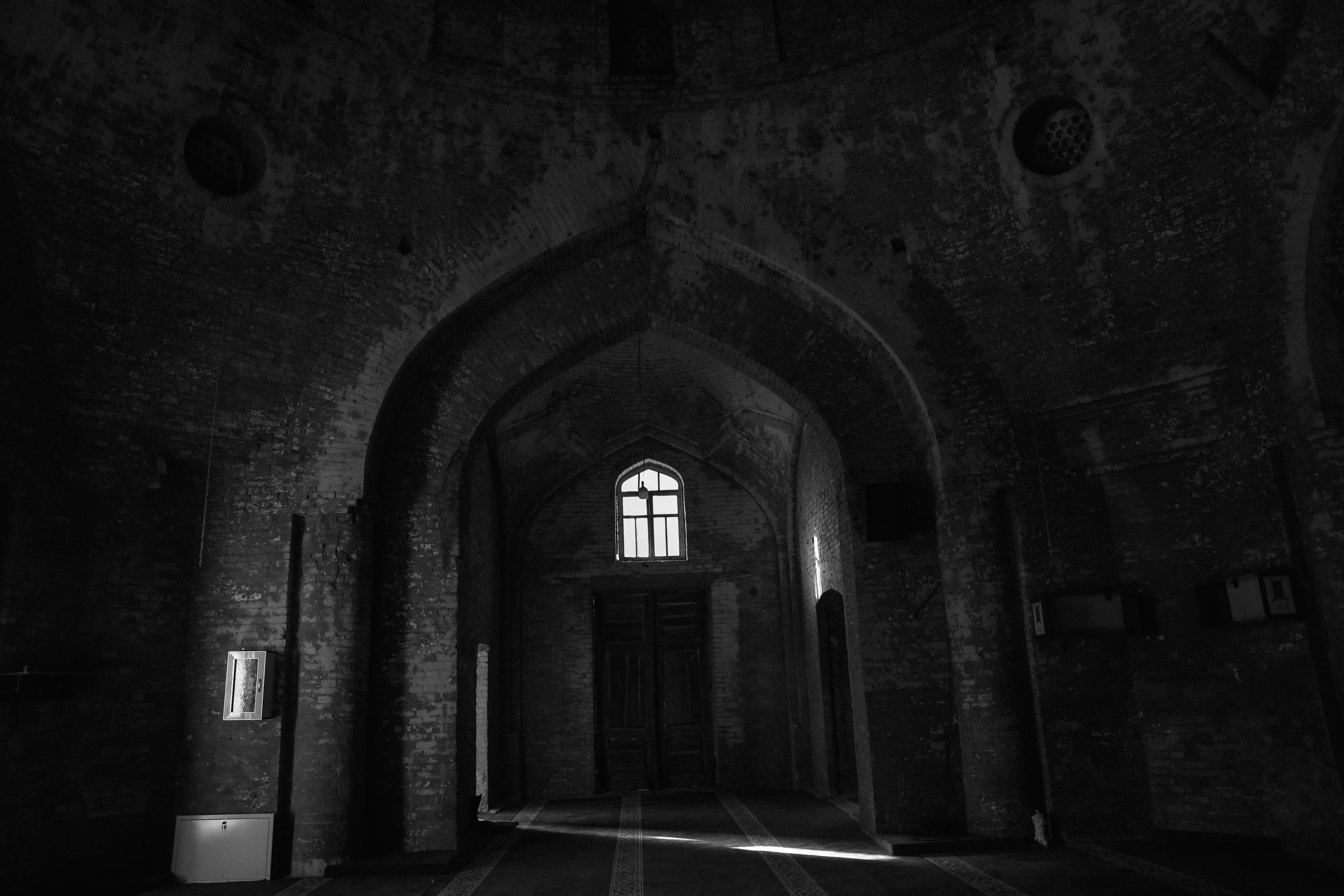 Photo: Ildar Sadykov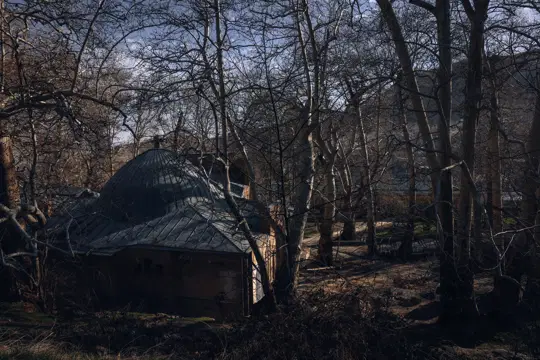
The roots of the trees emerge from the ground and spread across the surface. The enormous trunks expand outwards. When the trees are in leaf, their canopies block out the sun, casting a magical shade.
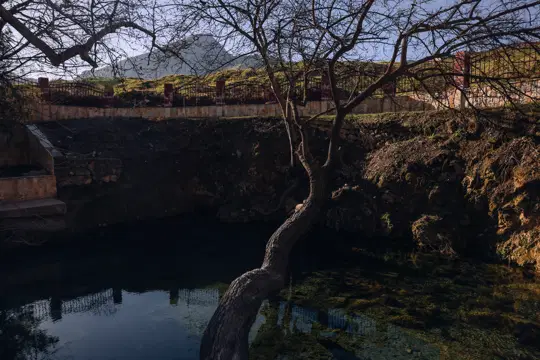
At the centre of the complex is a spring. Water gushes from a stone of unusual shape and collects in a small pond. Locals tell a legend about a hero who stole this stone from evil spirits. As soon as the stone was placed here, a spring of astonishingly fresh and pure water burst forth. The hero then planted shoots of four plane trees, brought by magical birds: that is why these trees are impervious to time and continue to grow to this day.
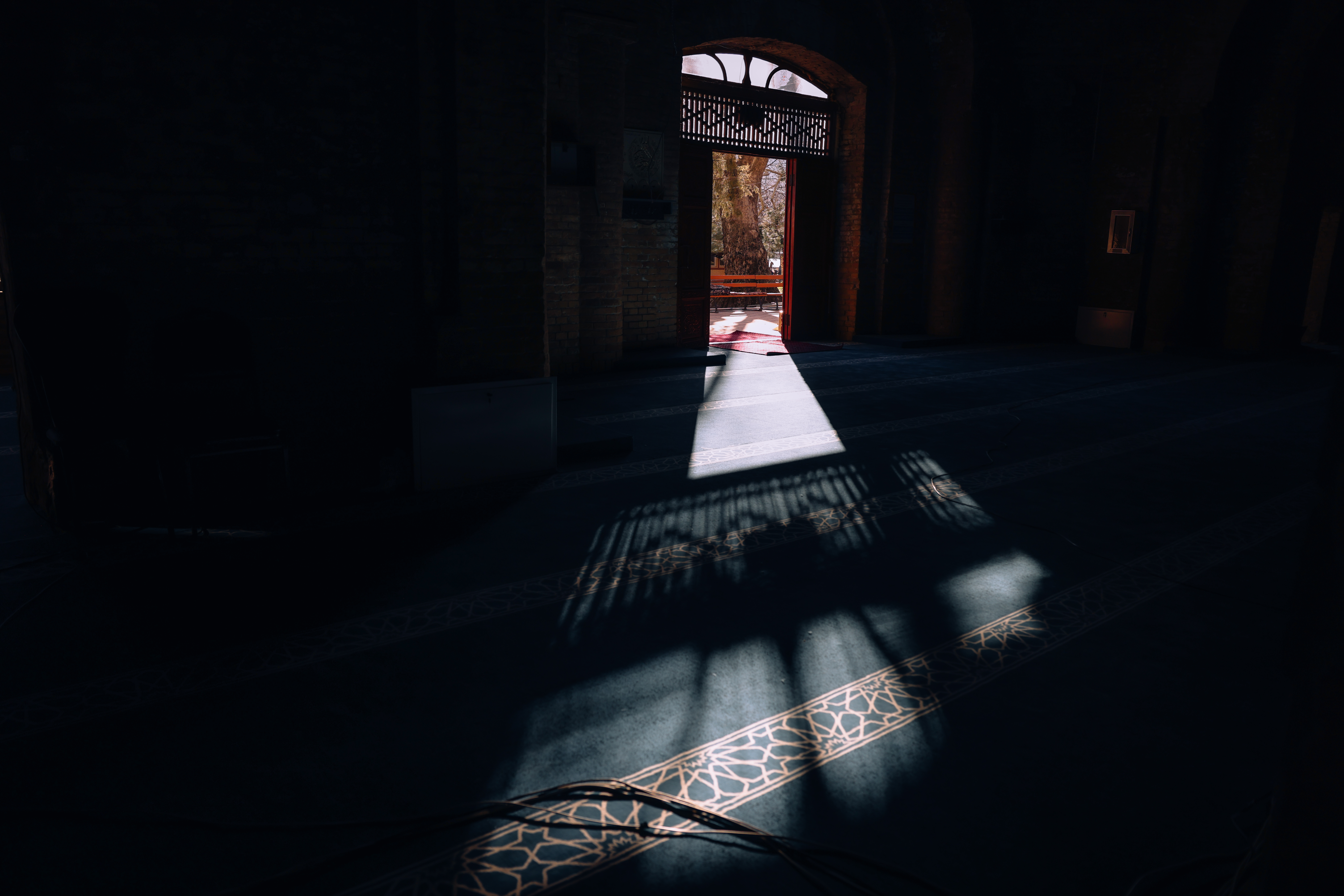 Photo: Ildar Sadykov
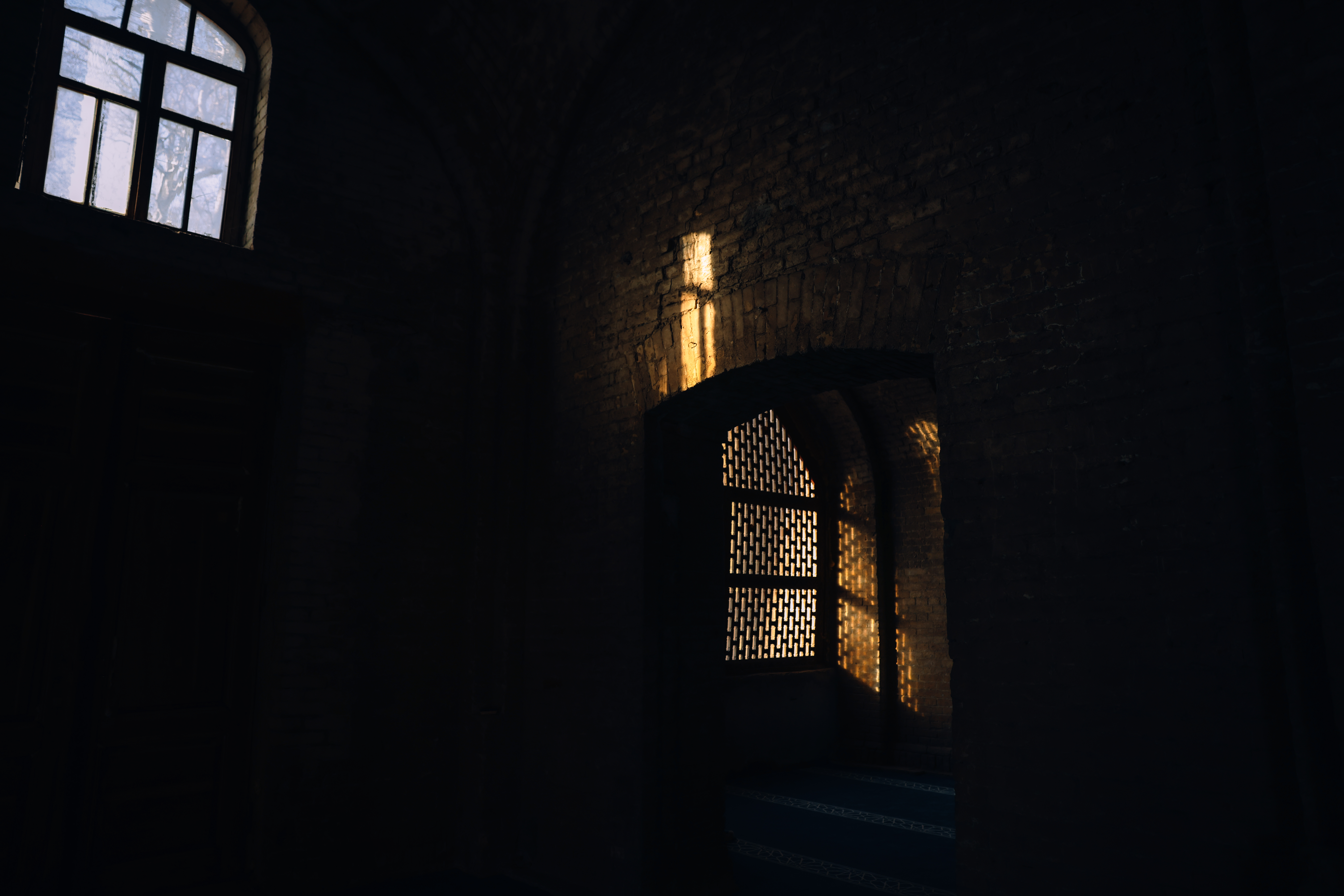 Photo: Ildar Sadykov
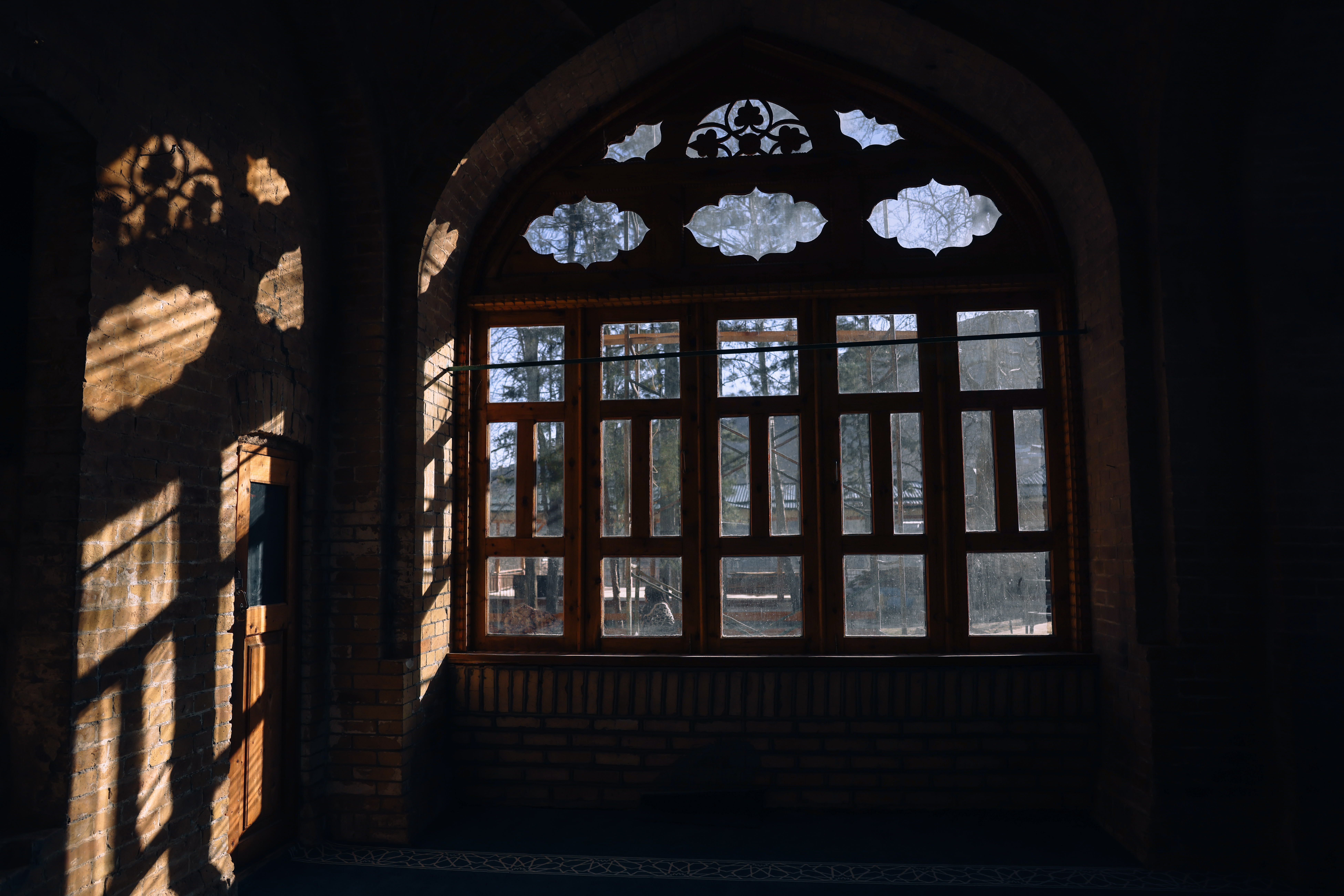 Photo: Ildar Sadykov
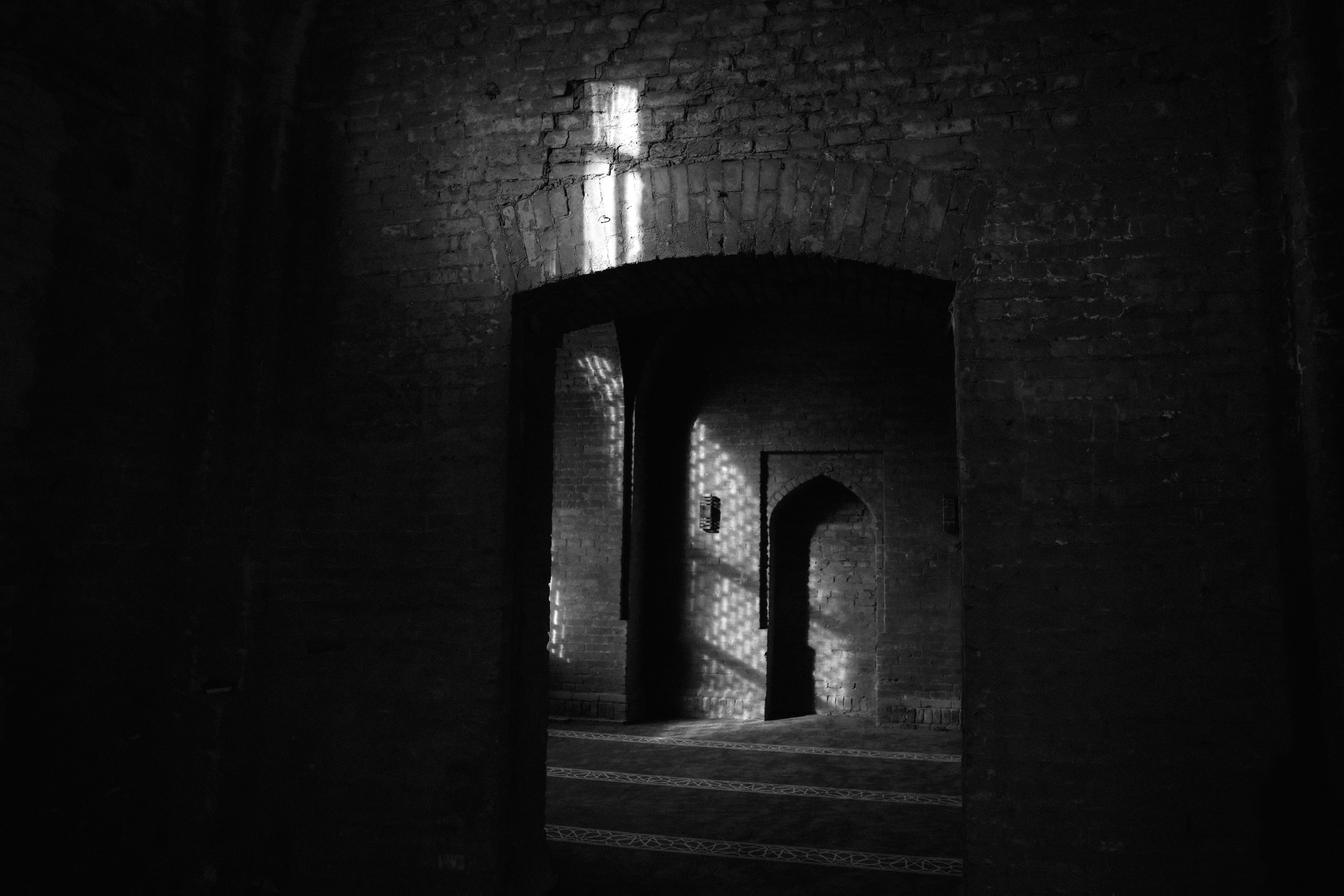 Photo: Ildar Sadykov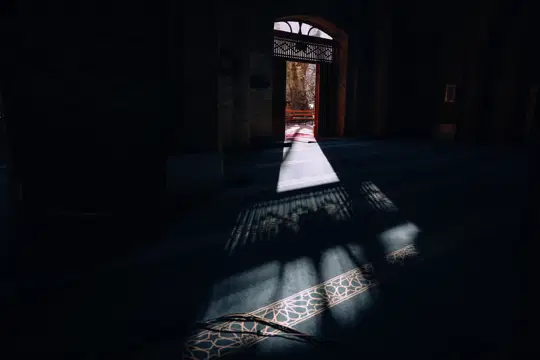
Standing inside the tree, it is difficult to grasp its age. Even harder to imagine how many people have visited this place over the centuries. Perhaps this is the secret of the site's allure – eternity seems to envelop you, compelling your thoughts to turn towards the Almighty…
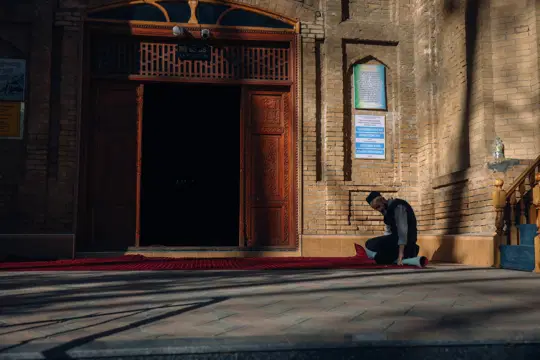
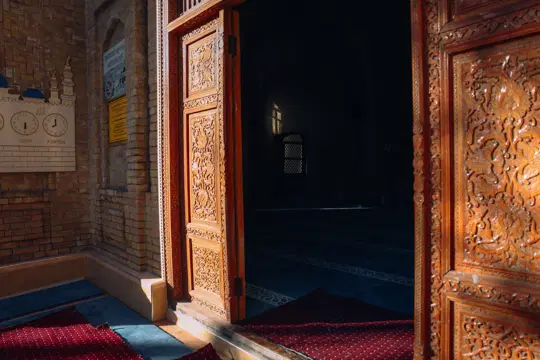
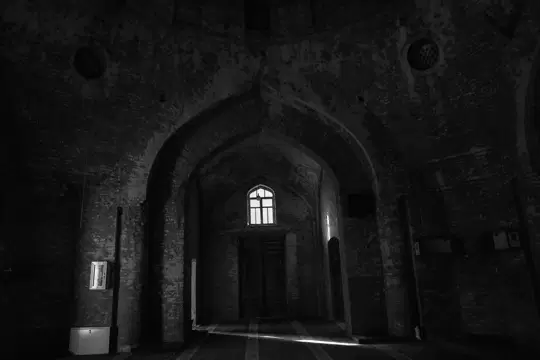
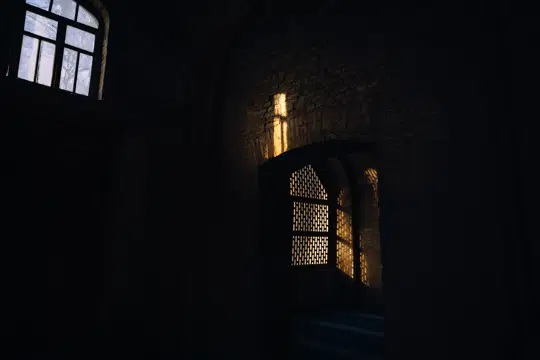
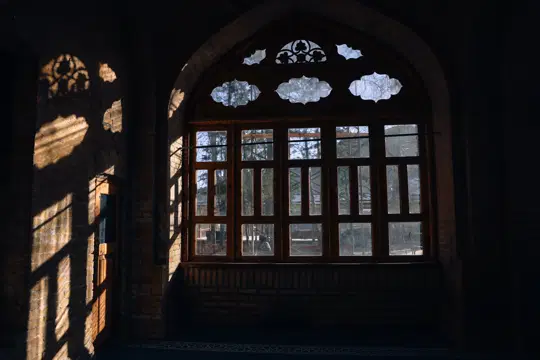
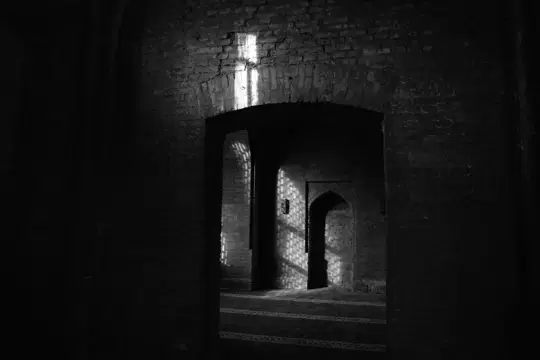
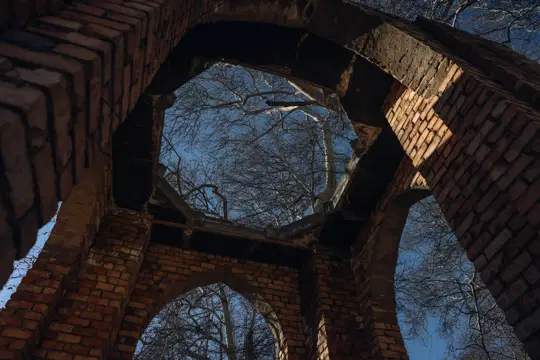
The old mosque is now gradually being restored. There is no electricity inside the building. Light enters only through the windows and doors. At the height of the day, this proves sufficient.
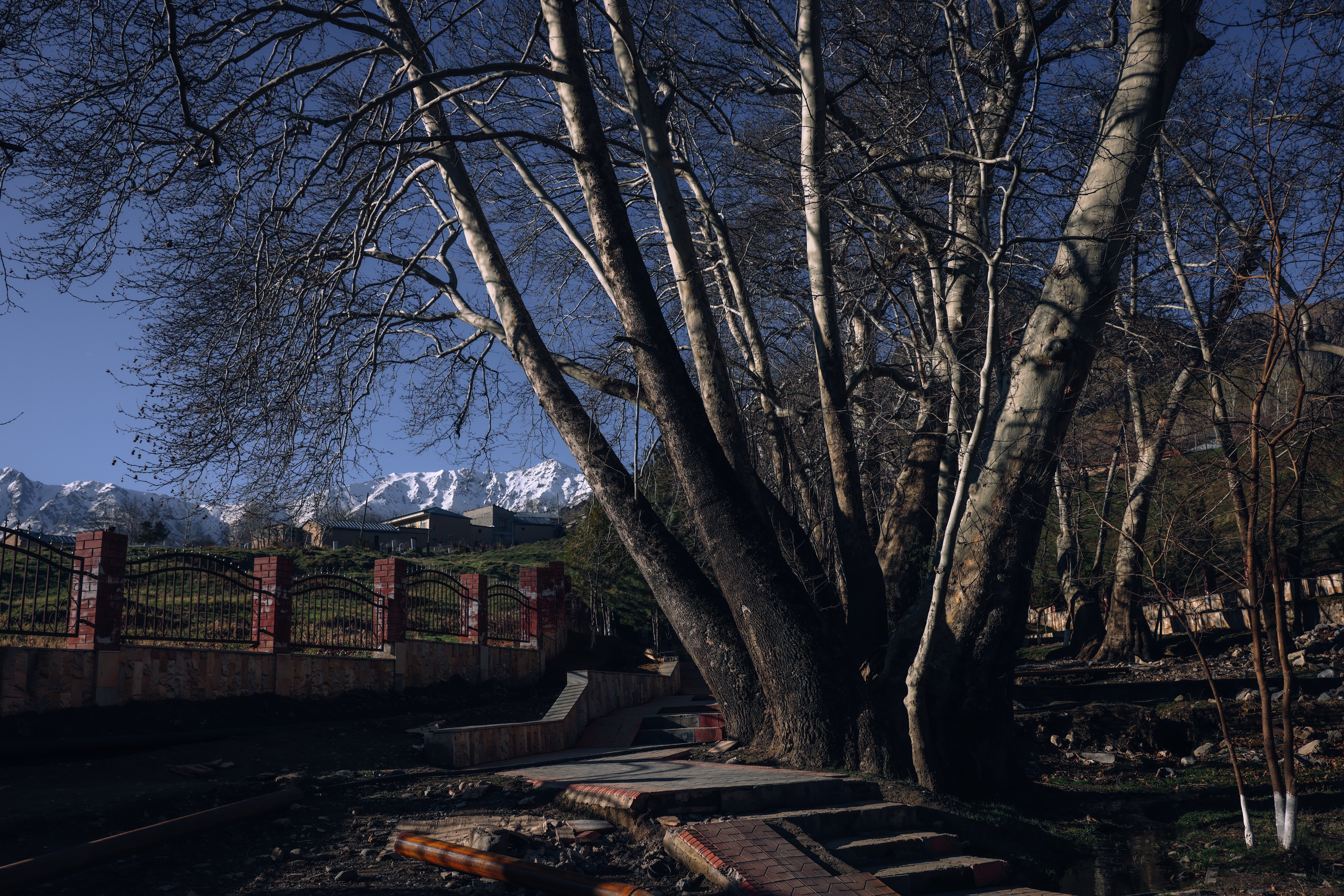 Photo: Ildar Sadykov
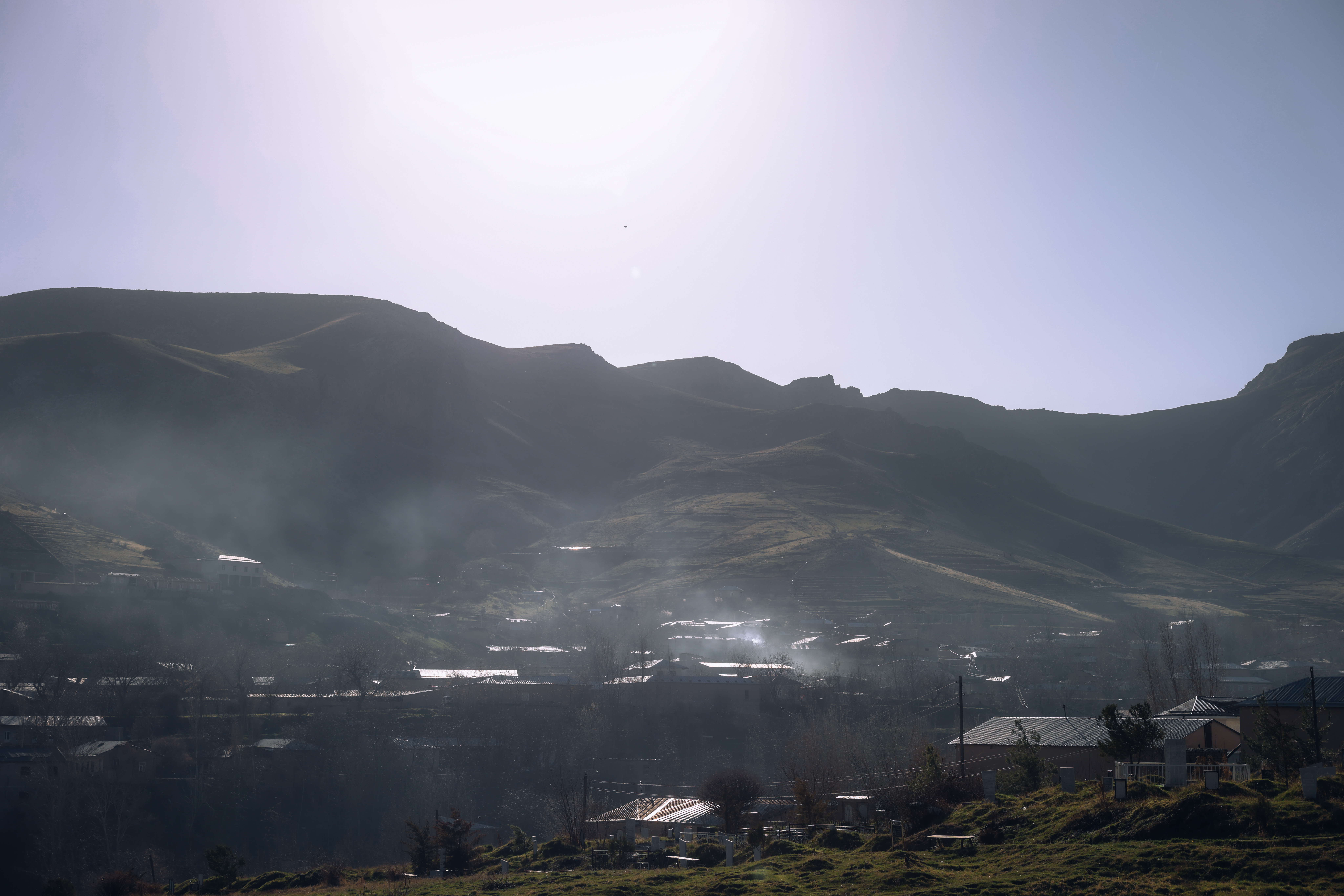 Photo: Ildar Sadykov
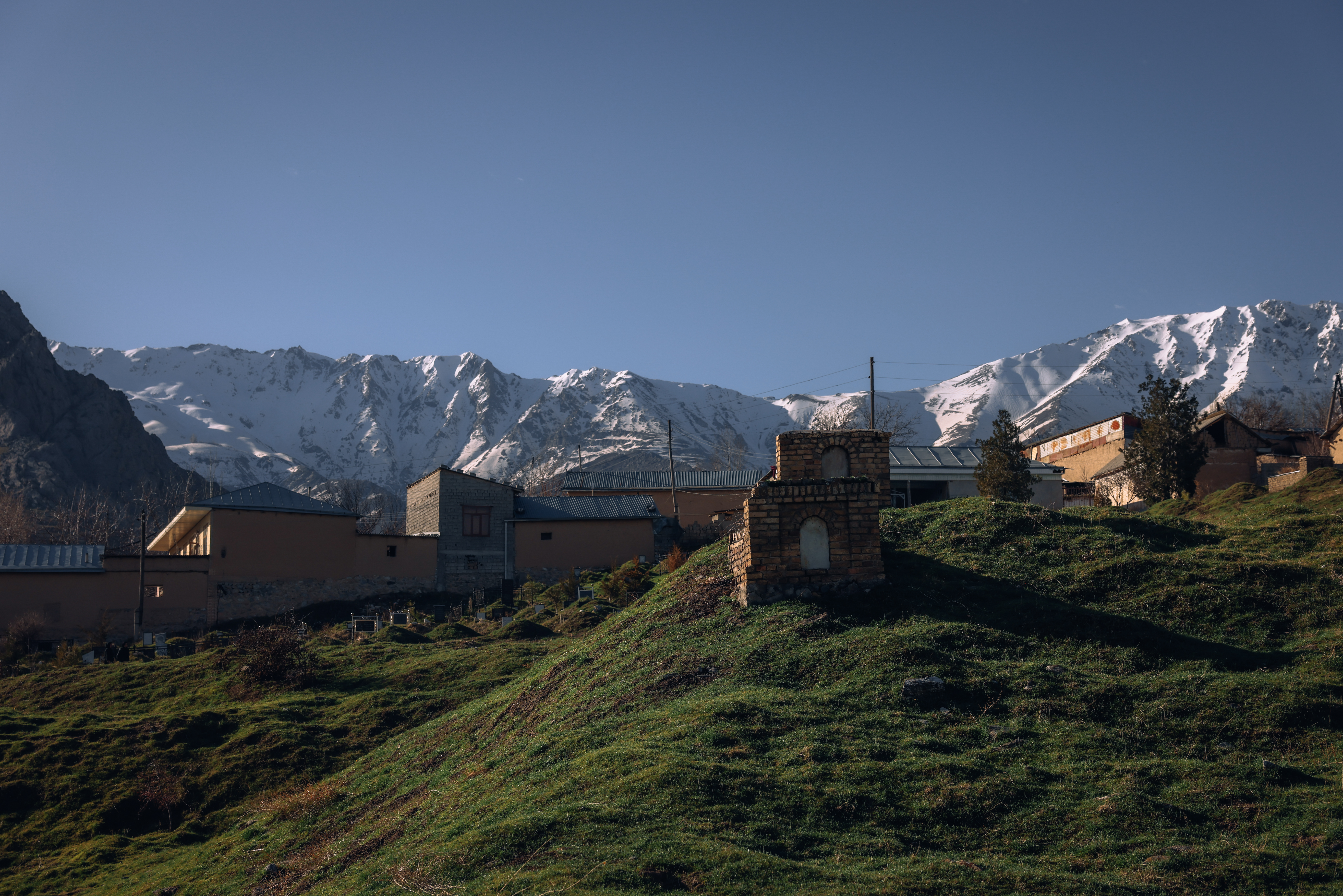 Photo: Ildar Sadykov
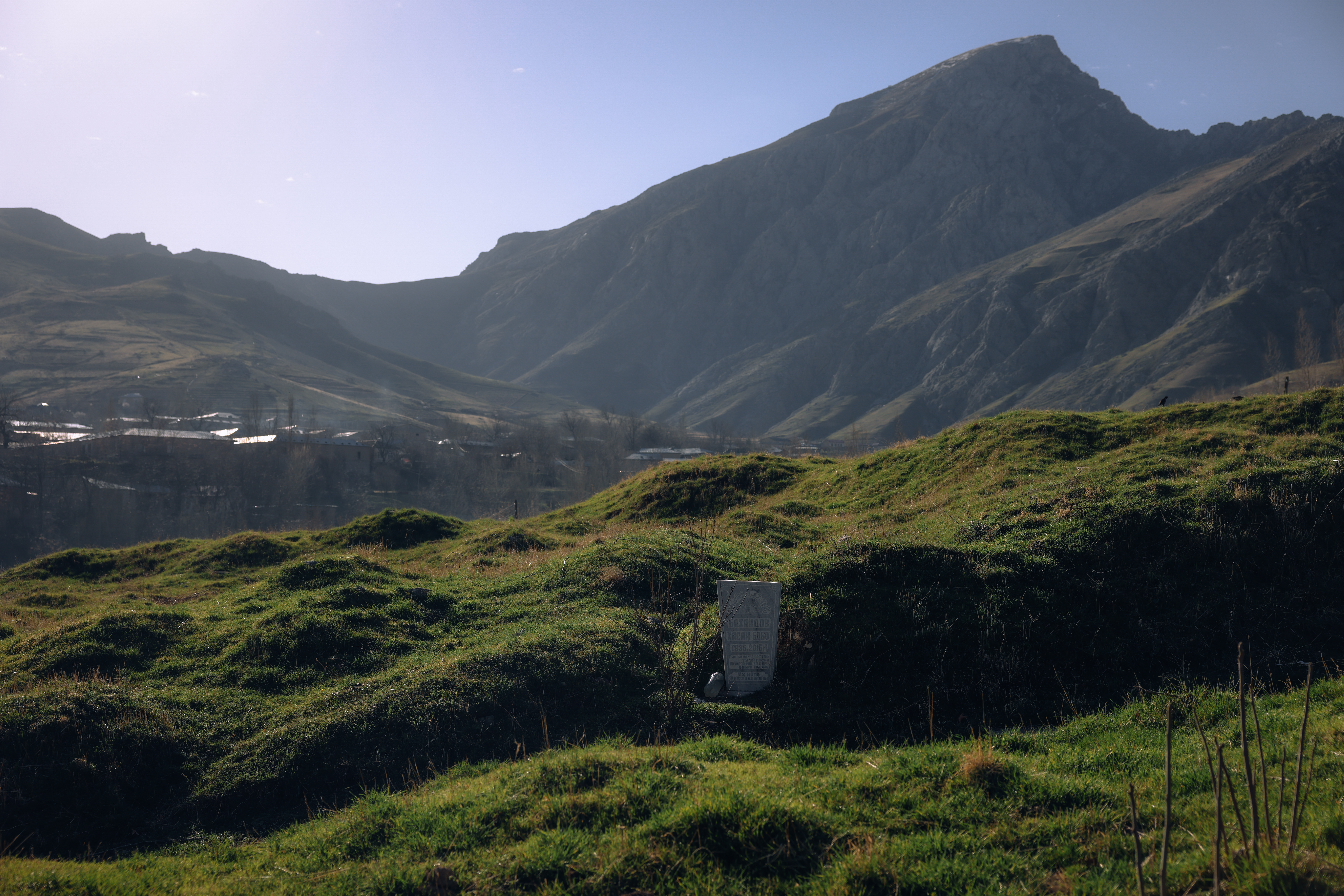 Photo: Ildar Sadykov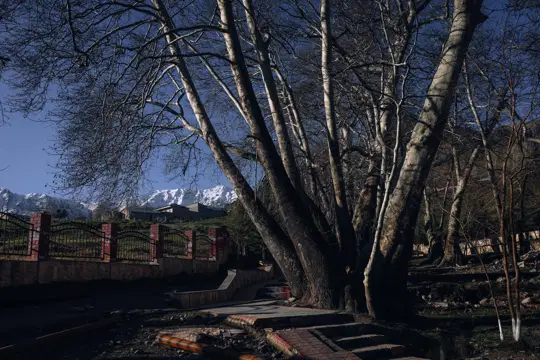
The complex is tended by an elderly guardian. He shows visitors around, opens the doors of the mosque, recounts stories he heard from his elders, and recites prayers.
Locals tell one of their favourite stories – that during the Soviet era, this place was slated for destruction. Excavators were brought in to uproot the trees, but the machinery could not budge the giant trees.
Today, the sacred complex faces a different danger: renovation works are underway, and rumour has it that the area is to be paved with concrete. As a tourist attraction, the complex must become more convenient for visitors. Yet how many more changes can a place that has endured for over a thousand years withstand? And will these changes be for the better?
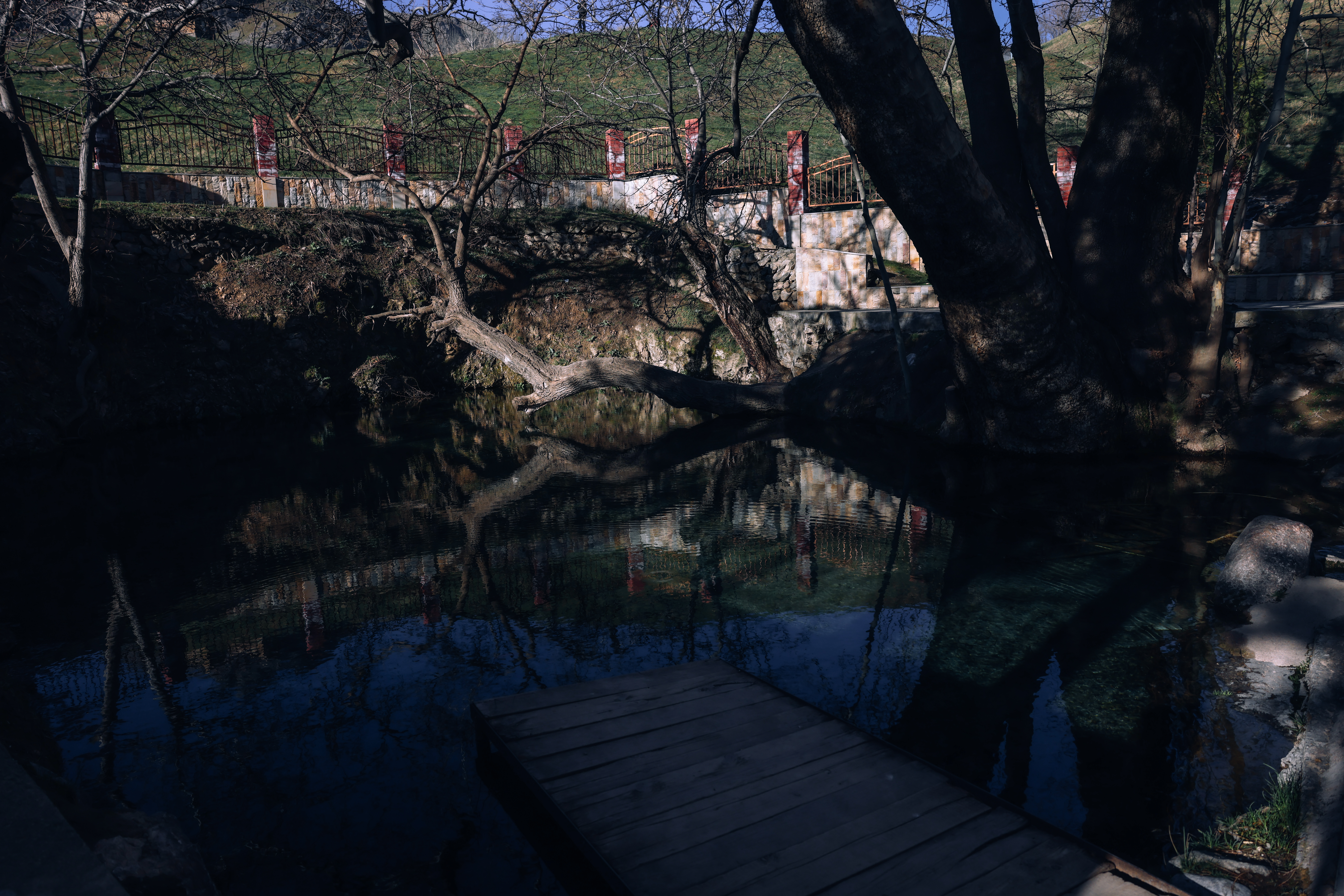 Photo: Ildar Sadykov
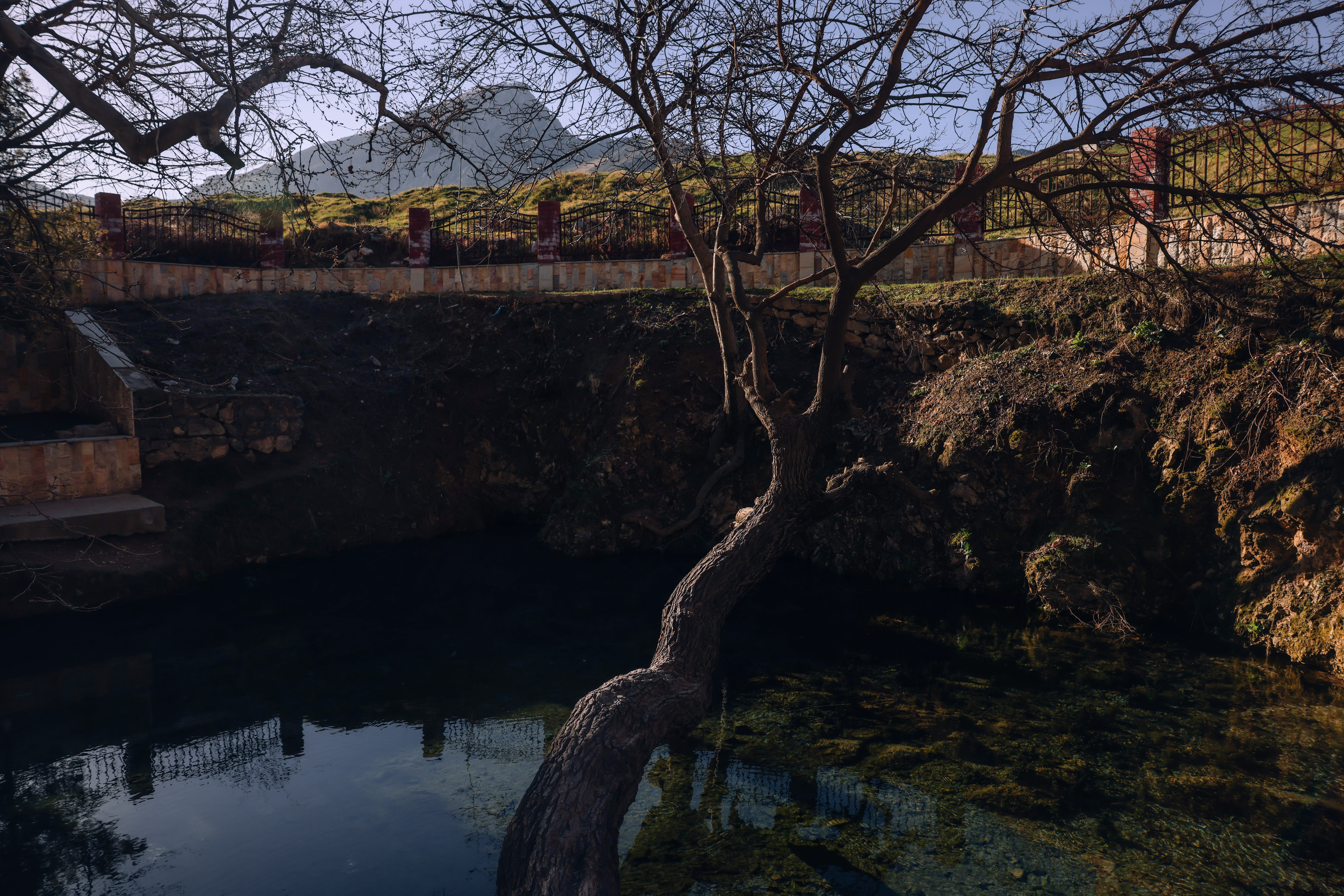 Photo: Ildar Sadykov
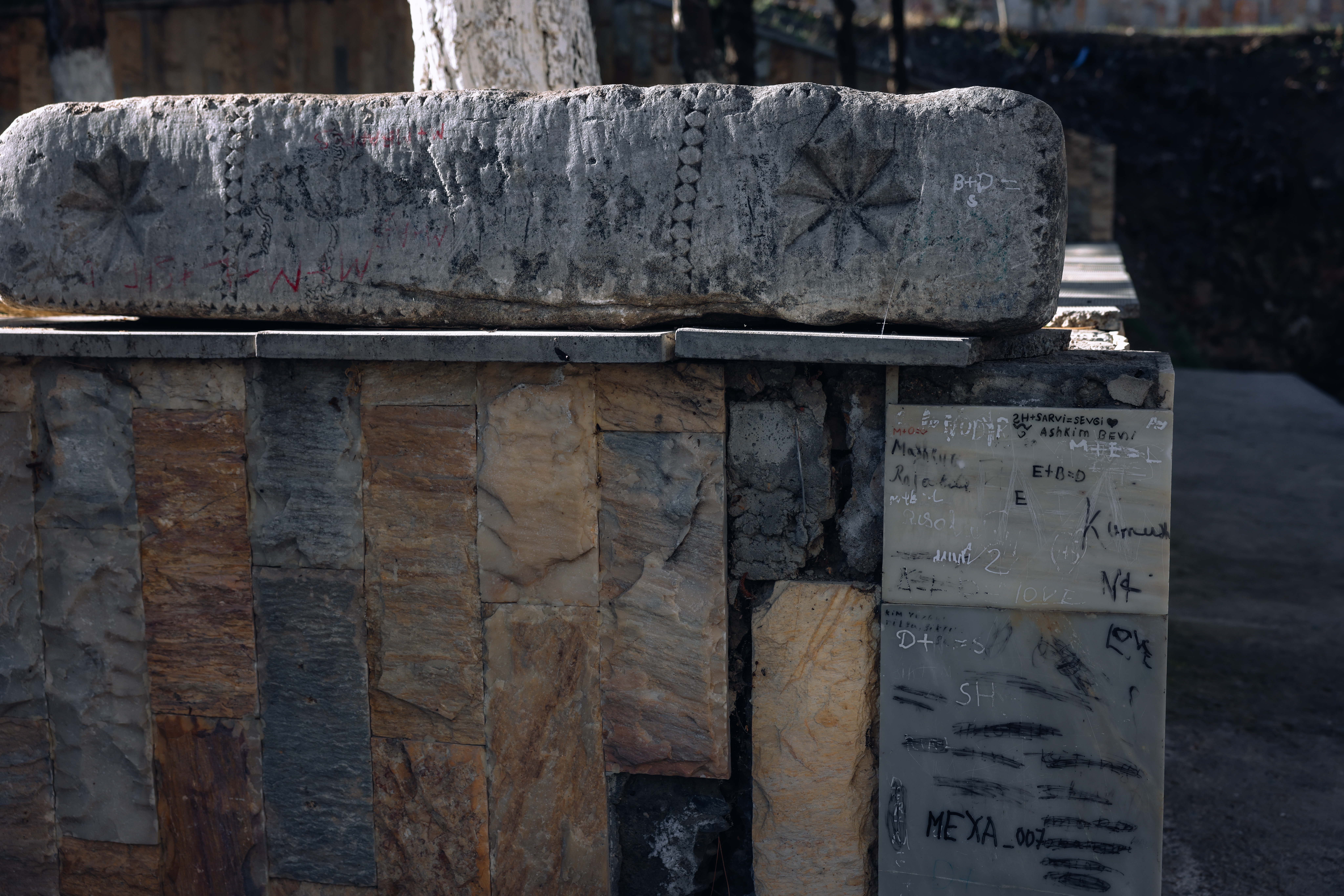 Photo: Ildar Sadykov
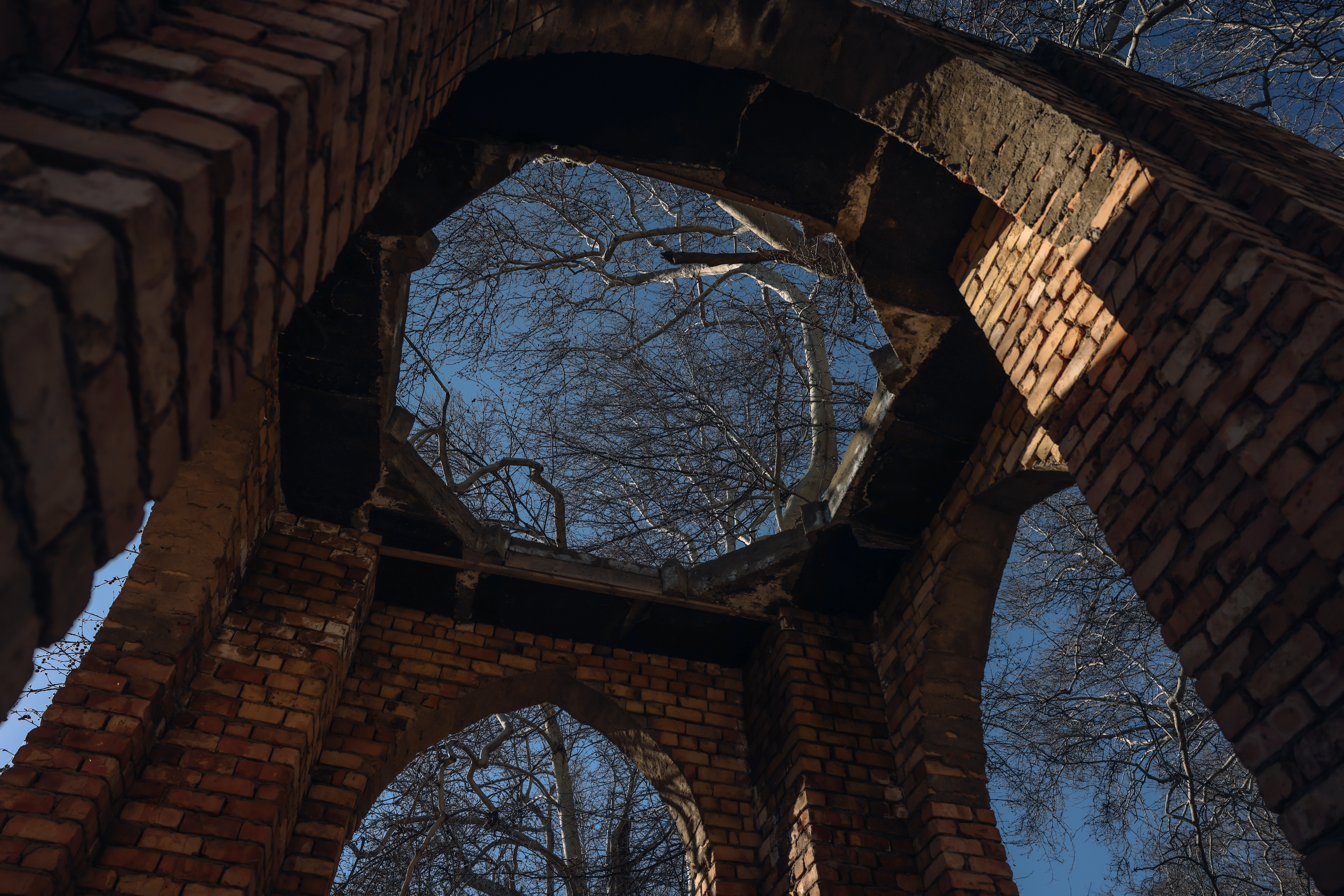 Photo: Ildar Sadykov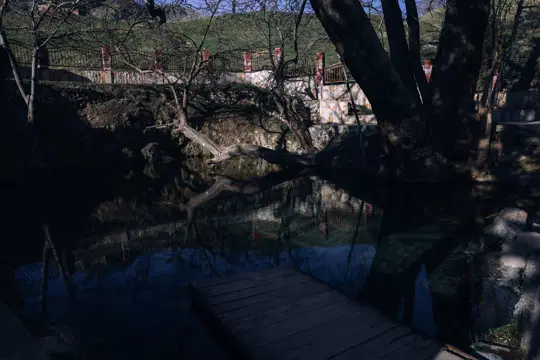
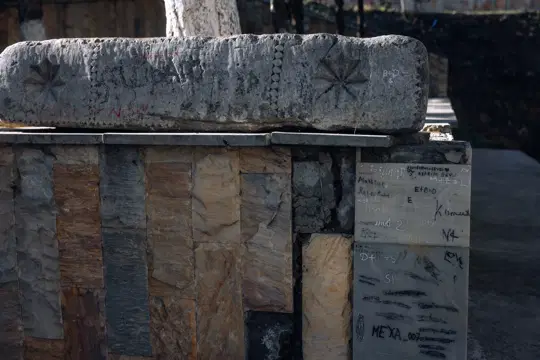
As a reminder of the finitude of our existence, an old cemetery stretches around Chor-Chinor. And embracing this place is the city, which itself has a very rich and long history. But that is a story for another time.


