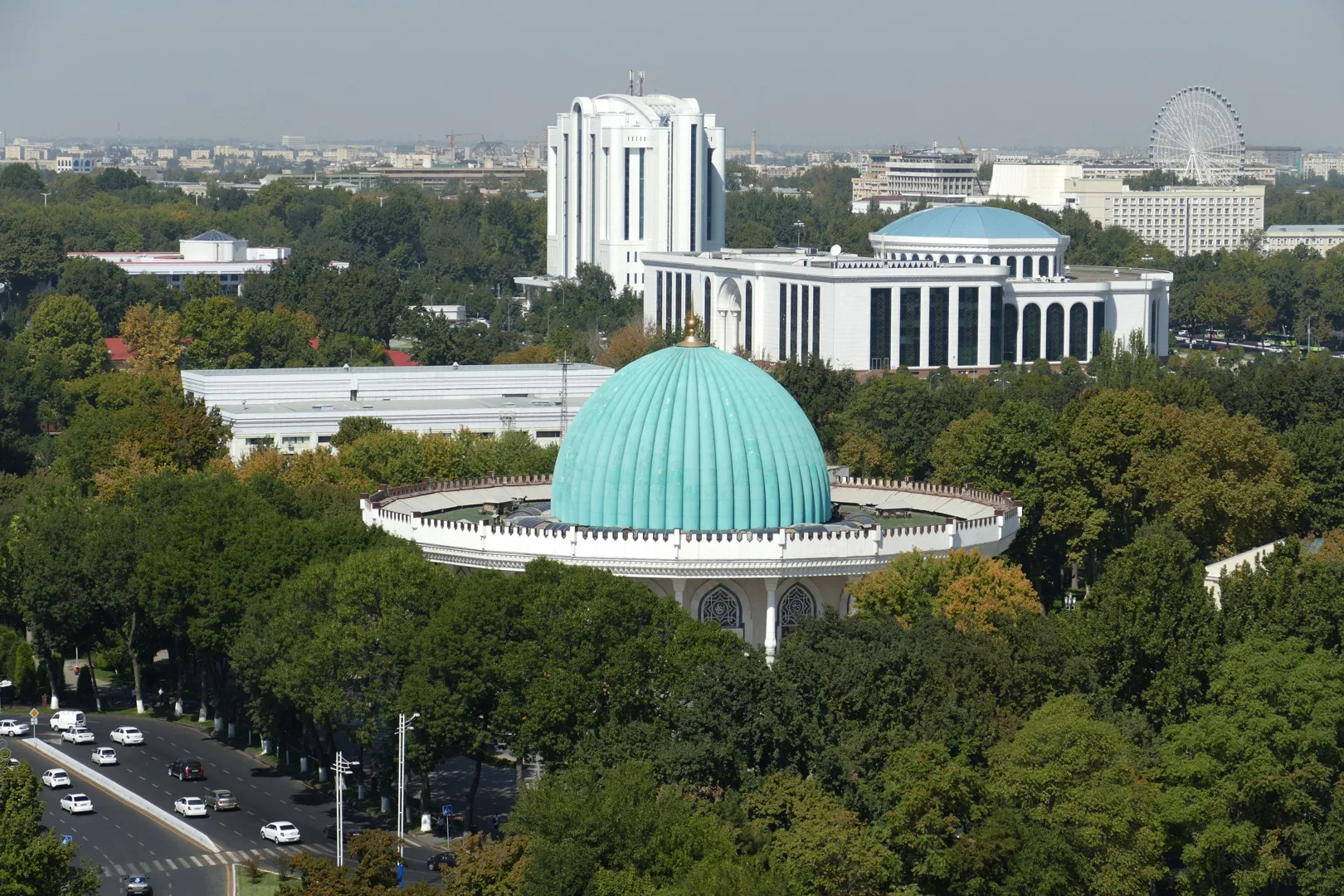
Tashkent in spring is sun, blossoming trees, and endless dust. It envelops the streets in a gray haze, settles on car windows, and seeps into the lungs. Breathing can be difficult, but what can you do when the city is a solid stone bag? Hide. In the parks.
There aren't many of them left, but they still provide refuge: from the heat, from the smog, from the constant hum of cars. Behind the shady alleys lie memories, entire layers of history, and sometimes surprising facts that few remember.
We will tell you about three parks that have seen too much: luxurious dachas, first zoos, and Czech carousels.
Central Park: Governor, Cotton, Privatization
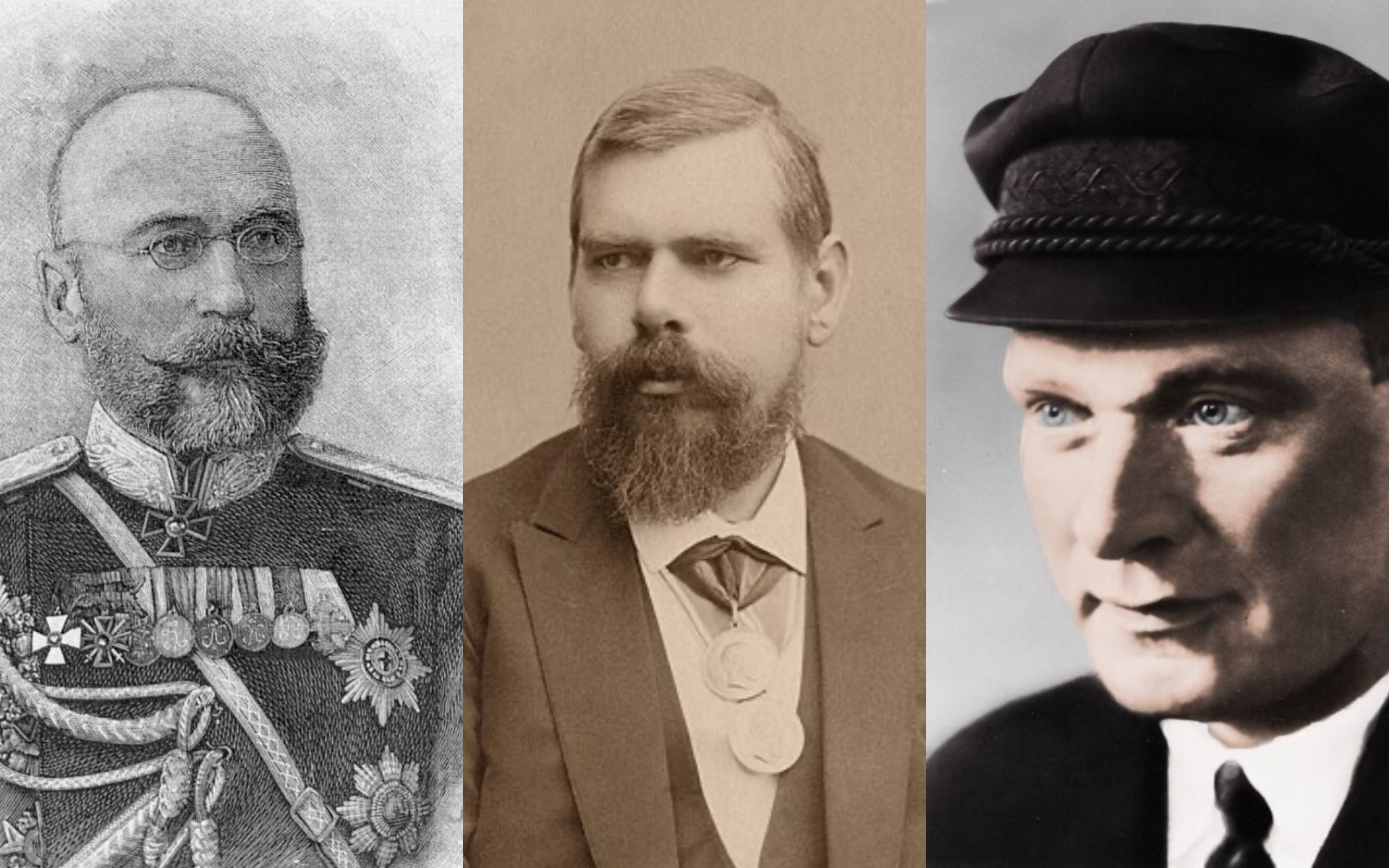
Tashkent residents still call it Telman Park, although since 2018 it has officially been the Central Park named after Mirzo Ulugbek. But even before all this, this was the dacha of the Governor-General of the Syr-Darya region, Nikolai Grodekov. He was an important man and loved comfort: terraces, oriental carpets, sofas, and in the main hall, stuffed giant tigers. We know this from the memoirs of the writer Yevgeny Markov, who was traveling through Turkestan at the time.
But generals are not eternal. Grodekov left to serve on the Amur, and at the beginning of the 20th century, entrepreneur Semyon Lakhtin settled here. He brought cotton seeds from America and planted them right by the Salar canal.
Then the Soviet government came, and in 1934, they opened a park in honor of Ernst Thälmann—the leader of the German communists who had never been to Tashkent. Along the shady avenues, sheltered by sprawling acacias, chestnuts, linden trees, pines, and sumac trees, Arkady Raikin, Alexei Tolstoy, and other intellectuals strolled. But, of course, the park was open to the working class as well.
During the war years, evacuated children were fed here free of charge. In 1942, the park's alleys became the backdrop for the besieged Leningrad in the filming of the movie "Two Soldiers".
And then the park experienced a second birth: Czech comrades arrived, brought with them rides and installed them in the park, and set up musical accompaniment.
However, by the mid-1980s, Telman Park began to decline. According to old-timers' recollections, the brass bands stopped playing first. Then the chess club and hobby groups closed down. The cinema, pavilions, cafes — one after another.
In the 1990s and 2000s, the park operated as best it could: the Czech rides were still spinning, but much of it seemed lost in time. The main attractions remained cotton candy, ice cream, and hot dogs.
By 2018, the park was transferred to private ownership and reconstructed. It was given a new name — Central Park. It sounds modern, I suppose, but Telman still lives in the hearts of Tashkent residents.
Ecopark: A Park Where "Zoo" Has Been Removed
General Grodekov's dacha was so large that it was enough for two parks. One part went to Central Park, the second in 1924 was settled with animals. Bears, lions, and monkeys lived here, but over time the place ceased to suit them: there weren't enough cages, and conditions became cramped. In 1997, the zoo was moved to a new location.
For a long time, the area looked abandoned, but people kept coming, walking along the old paths, swimming in the pond. And then in 2012, the first ecological park in Uzbekistan was opened here. Everything was beautiful: zones for rollerbladers, skateboarders, an art space with ceramic sculptures.
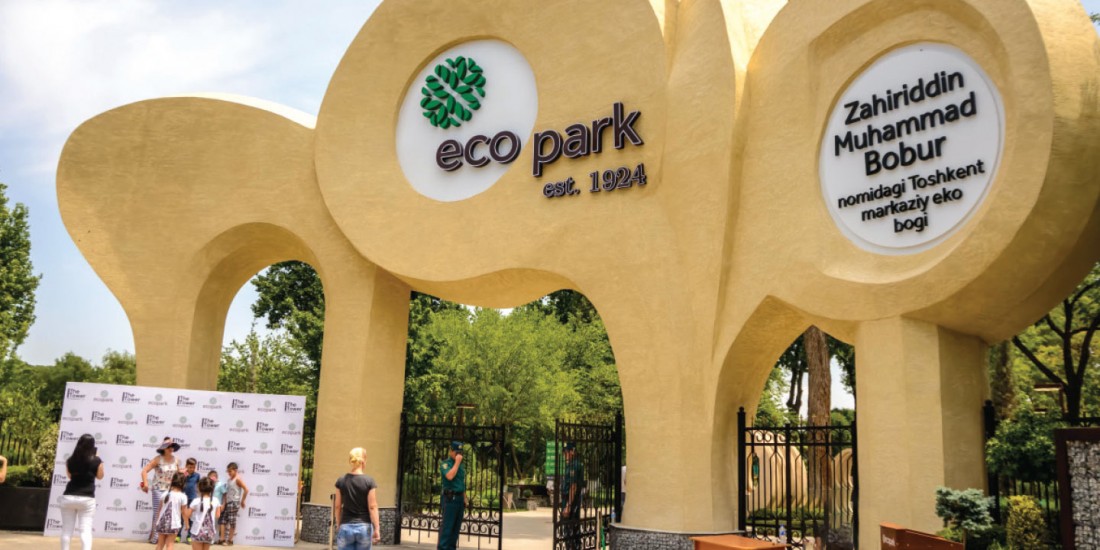
The most bizarre (and memorable) part of the park became the giant shoe. No one knew exactly why, but it became its unofficial symbol.
However, already in 2017, the eco-park underwent another transformation. The creative elements were removed, the shoe disappeared, and everything began to look traditional: paths, a fountain, trees, benches. But one could still hide from the heat.
Gafur Gulam Park: A Dream of Silence
This park has always been a place that everyone remembers in their own way. When it was laid out in 1967, the Chilanzar district was just being built, and the park was given the name "40 Years of the Komsomol of Uzbekistan". Two artificial lakes appeared at its center, the trees quickly grew, creating lifesaving shade. Families came here, rode boats, and watched movies in the summer cinema.
After gaining independence, the park was named after Mirzo Ulugbek, but a little later—after Gafur Gulyam. However, the nearby metro station was somehow never renamed.
By the early 2000s, the park was becoming dilapidated. The carousels were still working, but they creaked. The paint was peeling off the benches, but people continued to sit on them. The atmosphere was like that of an old courtyard—a bit neglected, but familiar.
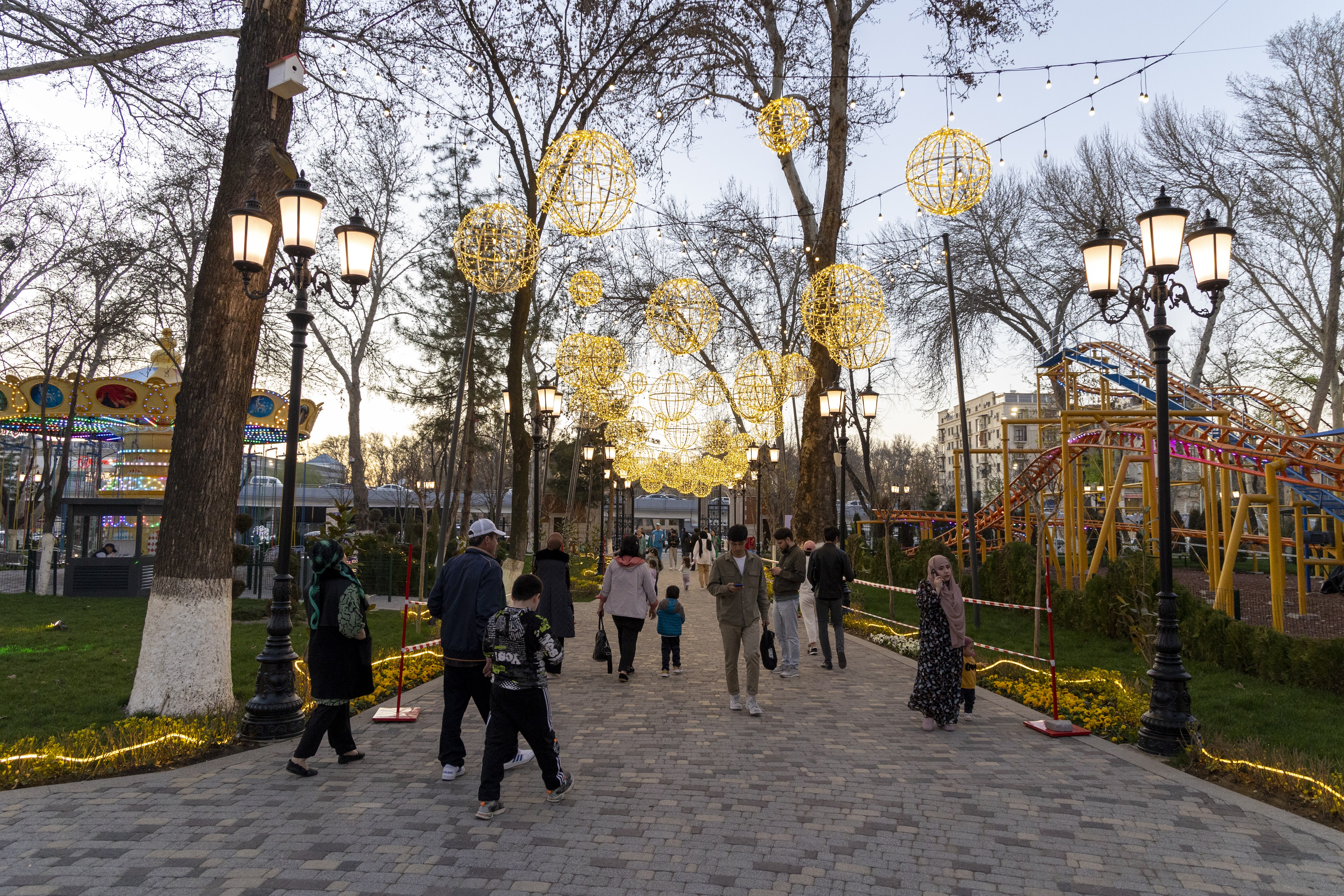
And then the park turned into Dream Park. Now, instead of silence, there's music and the shouts of visitors. Instead of peaceful walks, there are lines for the rides. But there are still pockets of tranquility left; you just have to venture deeper in.

Newsletter
A letter from the HD editors
Once a week, we send the best stories, events, and cultural discoveries from Central Asia.