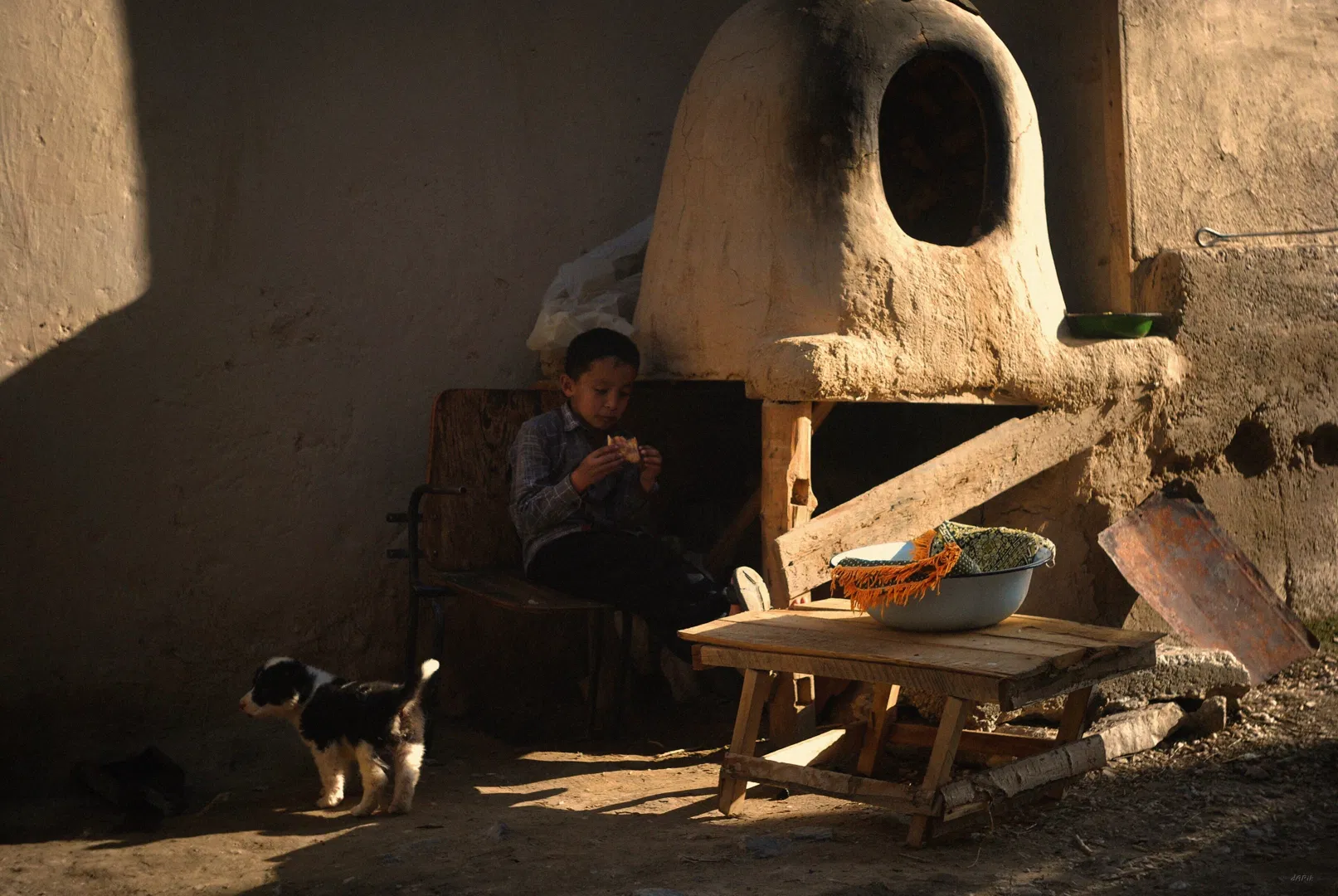
If you live in Uzbekistan, you live in a mahalla. Not in a district, not in a residential block, not simply on a street, but in a mahalla. And it is not easy to grasp what a mahalla is at first. Even those born here do not always find it easy to explain. It is not a neighbourhood in the usual sense, not a village, not just a collection of houses side by side. It is something more.
Where the mahalla comes from and why it is called that
The word mahalla (محلة) comes from Arabic and literally means “quarter” or “settlement”. In traditional Islamic cities, mahallas formed around a mosque, a bazaar, or a craft street, and their names often reflected the occupations of their residents.
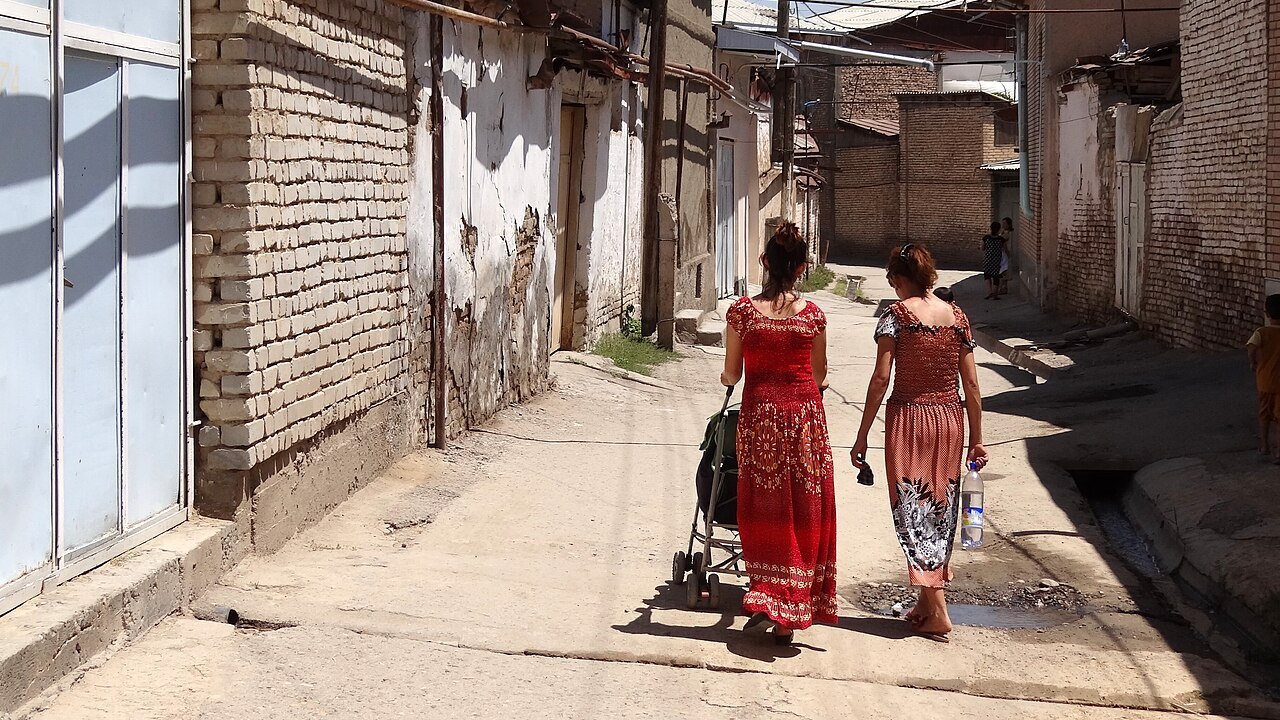
If a district was home to potters, it might be called Kullolon; if jewellers lived there, Zargaron; leatherworkers gave rise to Charmgaron, and needle-makers to Suzangaron. Sometimes a mahalla took its name from a landmark such as Guri Amir, or from a water source like Obi Mashat. In other cases, the name pointed to the origins of its settlers: Toshkandi, Urguti, Dahbedi, Havosi.
This was not unique to Uzbekistan. In other Muslim-majority countries such as Tajikistan, Turkmenistan, Azerbaijan, Iran, and Pakistan, the mahalla remains an important part of urban life, often functioning as a form of local self-organisation.
As early as the eleventh century, the Persian poet and thinker Nasir Khusraw, while travelling through the Middle East, wrote: “The city of Cairo consists of ten mahallas.” Nearly a thousand years have passed, yet the word is still part of everyday life in Tashkent.
What lies within a mahalla: the guzar
A mahalla is not just a row of houses. It is a network of streets where people know one another, where a neighbour might ask why you are coming home so late, and where it is not unusual to share plov on festive days.
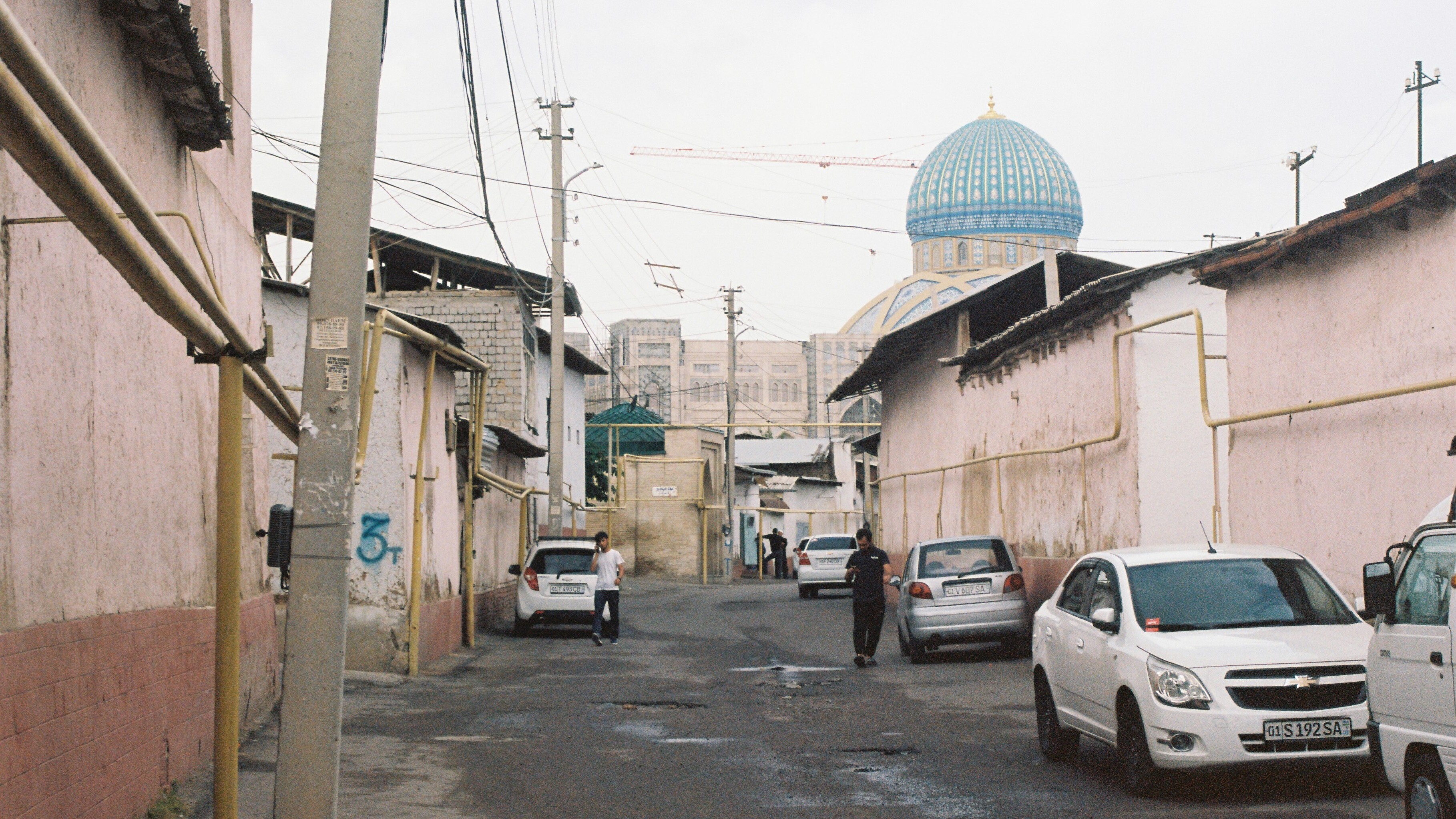
But within the mahalla there is an even more intimate space known as the guzar. It is a kind of sub-quarter, a focal point of community life where everyday matters used to be settled: there was a teahouse, a bakery, communal gatherings, local celebrations. Each guzar had its elder, the aksakal, who helped maintain order and resolve disputes.
Today, guzars are gradually disappearing. News is now received via Telegram rather than from a neighbour; bread is bought in supermarkets rather than from the local baker. Yet in the oldest mahallas, some guzars still survive, even if in a diminished form.
The mahalla and the rise of apartment blockshalla and the rise of apartment blocks
The mahalla continues to exist, but it is changing alongside the city. In new residential areas, life is structured differently. Neighbours may live side by side for years without ever speaking, meeting only in lifts where even greetings are not guaranteed. Evening conversations at the gate have largely disappeared, replaced by group chats rather than courtyard gatherings.
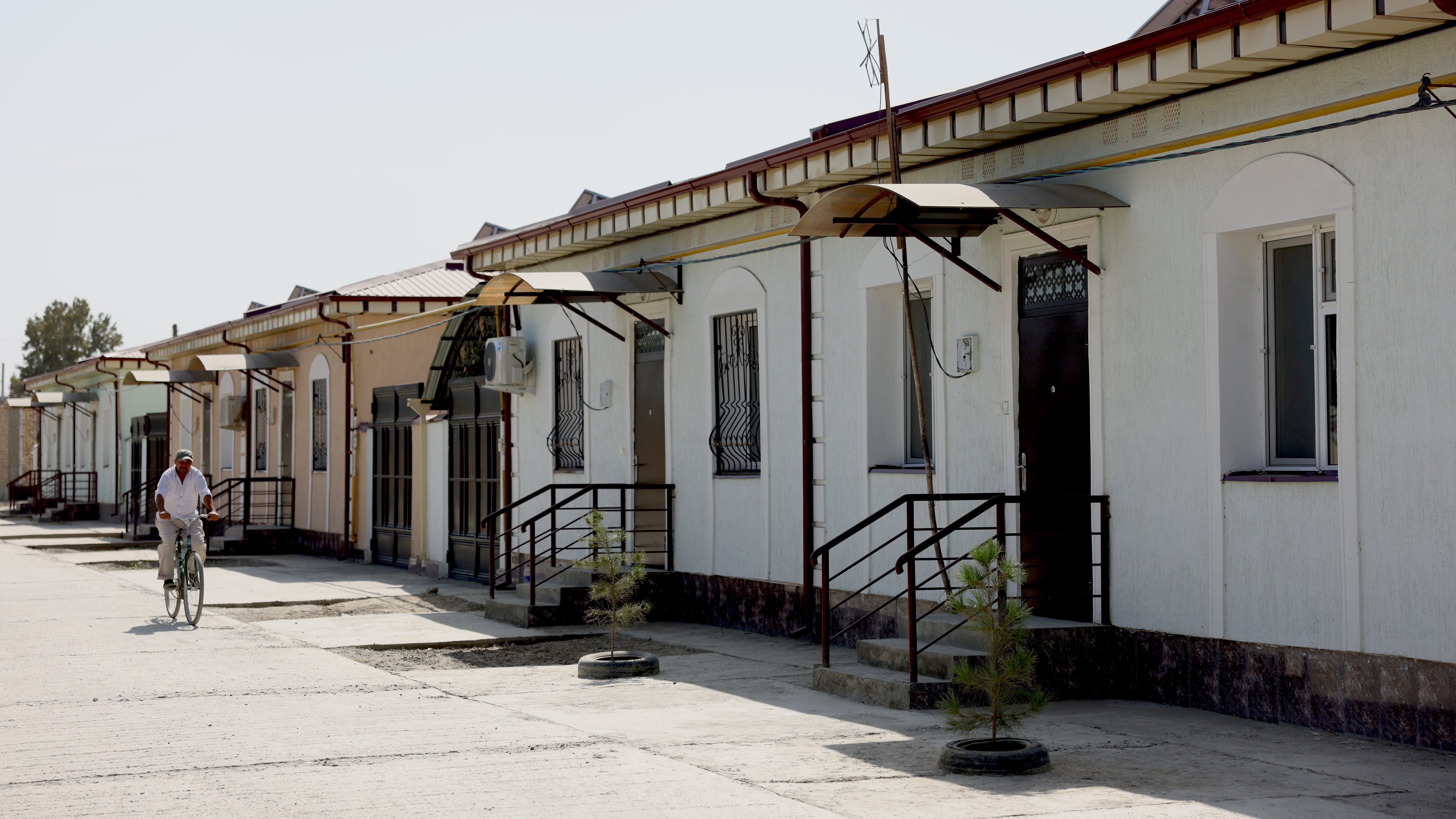
Apartment blocks are replacing old houses, and with them the familiar fabric of the mahalla fades. It is hard to imagine modern residential complexes preserving that same sense of community, where a neighbour was more than a figure behind a door.
And yet traditions don’t disappear overnight. Even among concrete blocks, you can still feel something of the mahalla spirit: some people share food, invite neighbours round for celebrations, or keep an eye on children playing in the yard. As long as there are those who pass on respect for elders and traditions, the mahalla will stay alive.
Why the mahalla matters
The mahalla is not always easy to love. It can be noisy, intrusive, and a bit too interested in other people’s lives. But without it, Tashkent is just a city. With it, there is still a sense of belonging, a feeling that people are not simply living next door to one another, but are part of something bigger.
Read also
 Traditions
Anime and Islam: How Uzbek Otaku Strike a Balance Between Faith and Fan Culture
Feride Mahsetova
 Traditions
The Story of Four Women Who Preserved the Uzbek School of Dance
Alfiya Kalmaganbetova
 Traditions
The Wizard’s Workshop: A Visit to Alisher Nazirov — photo essay
Ildar Sadykov, Maria Maksimycheva, Sergey Pogosyan
Newsletter
A letter from the HD editors
Once a week, we send the best stories, events, and cultural discoveries from Central Asia.