Guide
Snake in Glasses and the Ignorant Prince: Watching Uzbek Cartoons
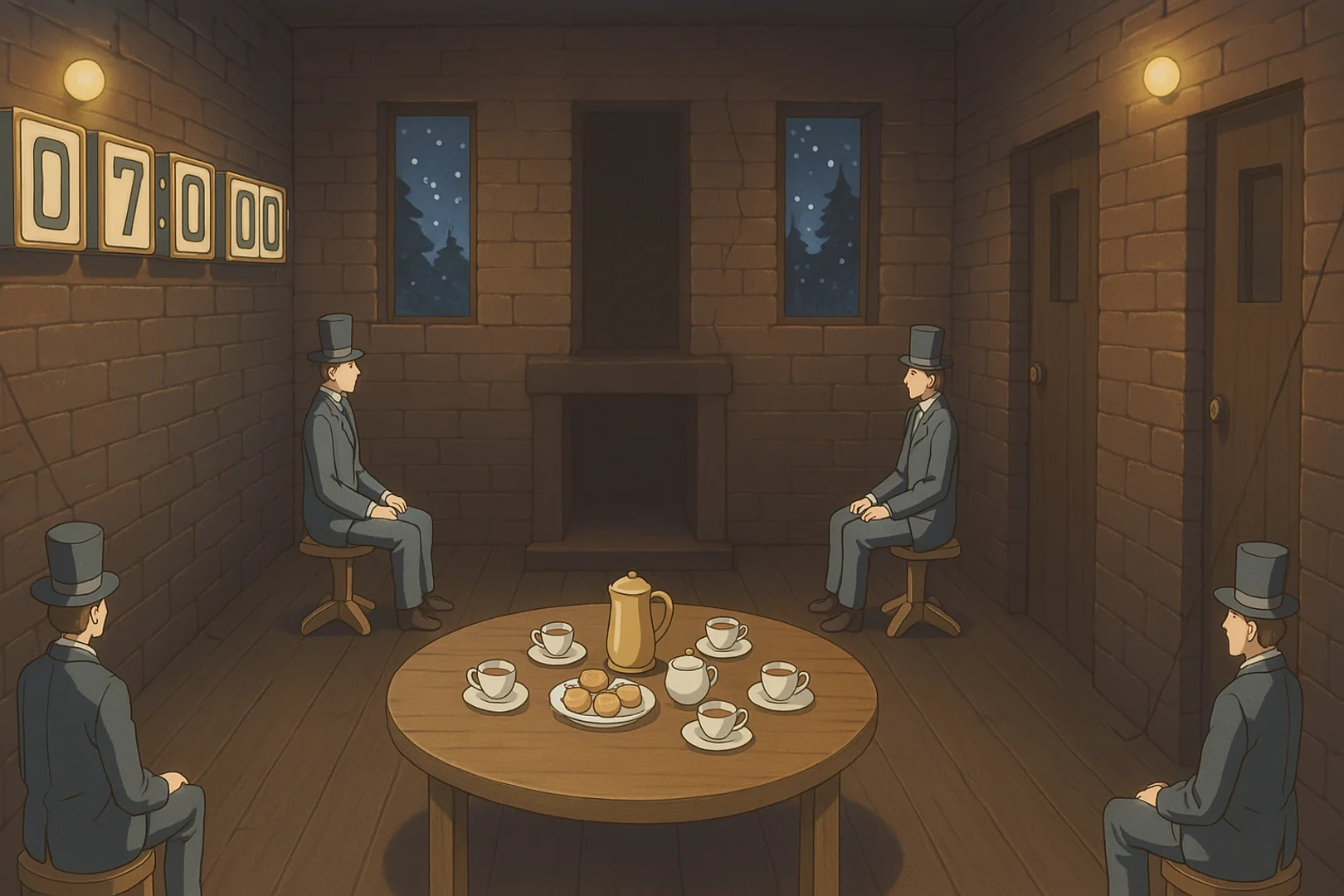
We reviewed five short animated films produced at "Uzbekfilm" studio during the Soviet and post-Soviet periods. Here you'll find folklore and satire, absurdity and philosophy, puppets and a spectacled cobra. Plus—recognizable emotions, moral parables, and a kindness that seems to always prevail. Even if it's the apocalypse outside.
"Alim and His Donkey" (1978)
Director: Akmal Akbarhodzhaev
Runtime: 9 minutes 28 seconds
Studio: «Uzbekfilm» + «Soyuzmultfilm»
Language: No words, except for the final song in Russian
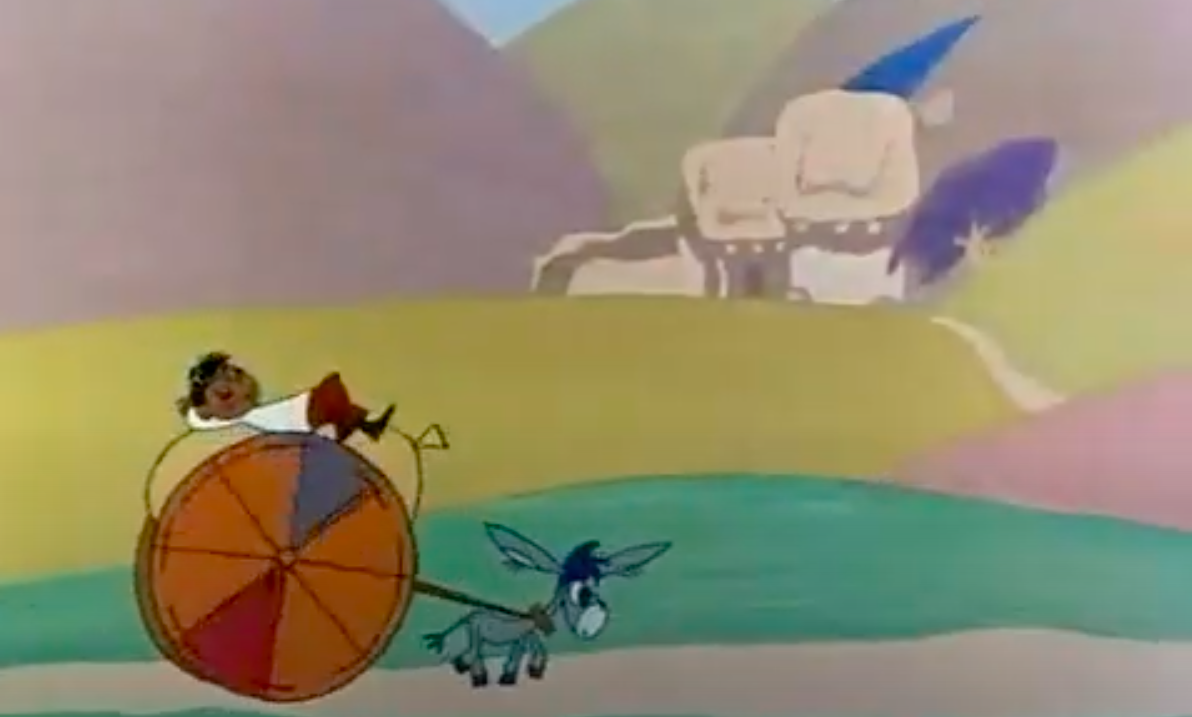
A still from the animated film "Alim and His Donkey"
The cartoon starts off cheerfully — with upbeat music and charming animation, but aggression immediately appears on screen: Alim, wielding a whip, chases after a little donkey, trying to force it to pull a cart overloaded with grain. He looks more like a villain from "Tom and Jerry" than a poor peasant. The donkey — small, stubborn, and clearly smarter than its owner — easily evades all attempts at taming.
The plot resembles a game of chase, but with a folkloric twist and grounded morality: first - violence and despair, then - transformation through friendship. After a series of failures and humiliations (including from the miller and his assistant), Alim reaches an extreme, planning to get rid of the animal in the cruelest way. But at the last moment, everything changes: a little snake in glasses appears - and Alim saves the donkey from it.
From this moment, everything becomes softer: he takes care of the donkey, brings it water and feed. And in return, it introduces him to a girl and saves him from vengeful millers. In the finale, the four (two donkeys, Alim, and the girl) ride off into the sunset to the lines from the song: "Kindness conquers all in life".
Why is it worth reconsidering?
To see how the hero's journey — from anger to kindness — fits into just 10 minutes. And also — to understand how the donkey became the main sage in this story.
Алим и его осликyoutube.com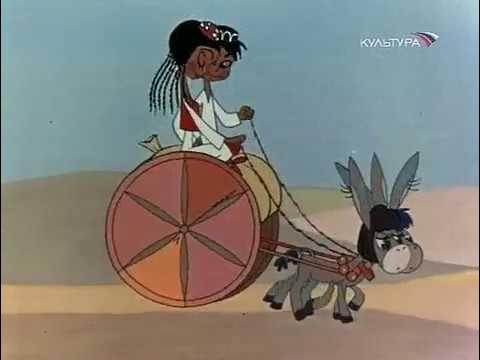
"The Pauper's Daughter and the Foolish Prince" (1981)
Director: Damir Salimov
Runtime: 9 minutes 34 seconds
Studio: «Uzbekfilm»
Language: Russian
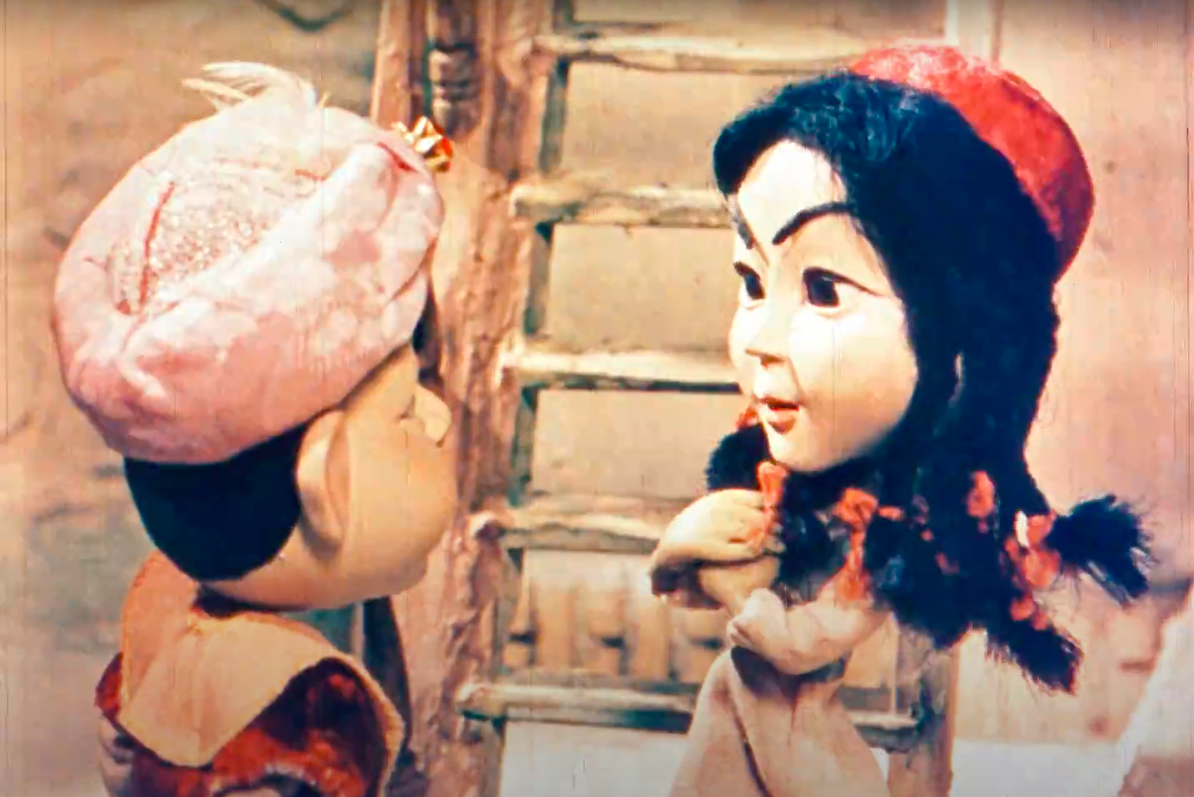
Frame from the animated film "The Poor Man's Daughter and the Foolish Prince"
The soundtrack plays briskly and brightly, with hints of traditional music, but the mood changes in the very first shot: before us is a prince-brat who, from atop the fortress wall, hurls a book at a guard, then — jumps down onto the guard himself and rides him through the entire market, smashing the trading stalls. The cartoon suddenly resembles a chronicle of traffic incidents in Tashkent.
Shakhzoda (the prince) absolutely refuses to study. The Padishah is furious: zero progress in half a year. As a result, punishments and ultimatums: one hundred lashes for the scholars, a challenge of the century for the people. Whoever teaches the prince to read and write in 40 days will be showered with gold. If no one succeeds, the city will be destroyed. That's the kind of public-private partnership this is.
But there is hope: the shoemaker Maksud has a daughter—a smart, well-read girl who is familiar with the stars (the ones in the sky, not on TV) and so confident that she simply says, "Bring the prince to me."
She acts subtly - she takes the young man for a ride, then mocks his ignorance. "What a pity," she says, looking at the prince through the telescope, "I was searching for the seal of intelligence on your brow but found not a trace." Crude? Yes. Effective? Absolutely. The jab worked: the prince becomes pliable, and the teaching - effective.
Forty days later, he brilliantly passes his father's inspection. There is a celebration in the palace; the learned men are miraculously saved from a flogging (that's how they appear), but the prince himself is no longer the same. The feast is unpleasant to him; he looks upon everything with cold contempt. The court suspects witchcraft. But it is not magic—it is knowledge.
Why is it worth reconsidering?
Because it is a satirical parable about education, told in the language of an Eastern fairy tale. Because it is both funny and terrifying—after all, the choice between knowledge and chaos is sometimes all too literal.
Дочь бедняка и принц балбес Узбекфильм 1981, Мультфильм СССРДочь бедняка и принц балбес Узбекфильм 1981, Мультфильм СССРСын падишаха был таким балбесом, что никто не мог даже выучить его грамоте. Падишах объявил, что…youtube.com
"The Mouse Princess" (1983)
Director: Irina Krivosheeva
Timing: 9 minutes 57 seconds
Studio: «Uzbekfilm»
Language: Russian
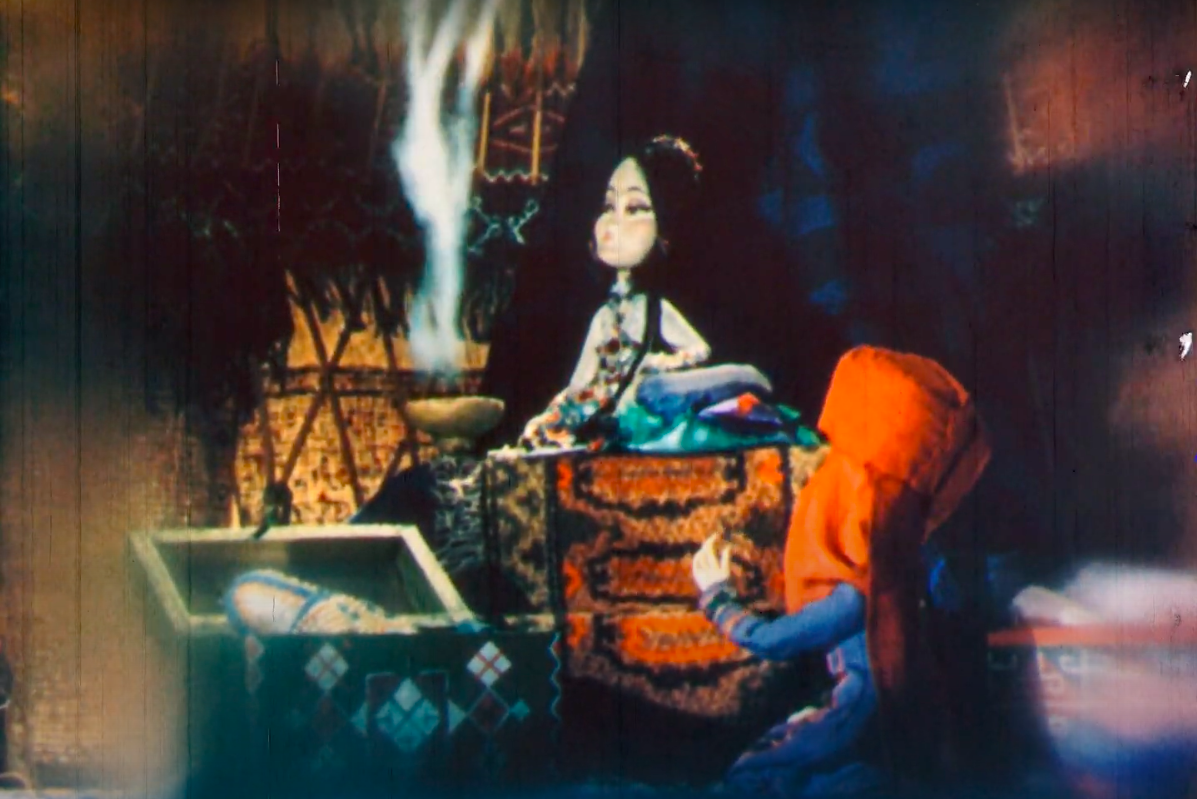
Frame from the cartoon "The Mouse Princess"
Heartfelt female singing opens the cartoon — like a lament for what never came to be. Before us is a desert, yurts, camels, a piercing wind, and tumbleweeds. At the center is a woman in an indigo dress and a scarlet headscarf, with a pale, as if faded, face. Her yurt is richly decorated, it has everything, but the most important thing is missing — the sound of children's laughter.
At the mother's plea — as if from a biblical story — a cradle with a girl appears. The mother loses her head with love: she doesn't leave her side for a moment, won't allow her to help with chores, hides her from the world. The child grows up on fumigations to ward off the evil eye and deification — and turns into a capricious beauty, convinced the whole world owes her.
Suitors arrive one after another—each bearing gifts more precious than the last. But all are refused. The mother goes to the wise men in search of a worthy match. They, after deliberating all night, say: only the sun is a match for such a daughter. But the sun yields to the moon, the moon to the wind, the wind to the cliff. And the cliff laments that even it is powerless against mice. So, the most powerful creature is the mouse. The mother goes to the king of mice, and he accepts the bride. The mother prays to the heavenly powers—and the daughter turns into a mouse. Squeak-squeak.
Why is it worth revisiting?
Because it's folklore with a psychological subtext: about maternal overprotection, about pride and the illusion of exceptionalism. Because it's like a tale of early socialization—but filmed in a desert, with puppets, to the singing of the wind. And also—to see the raging waves of the still full-flowing Aral Sea.
ЦАРЕВНА МЫШЕЙ - узбекский мультфильм (Узбекфильм) 1983По мотивам каракалпакских народных сказок.Растила мать единственную дочь, ничего не жалела для неё, холила, лелеяла. И выросла девочка жестокая и своенравная…youtube.com
"There Will Come Soft Rains" (1984)
Based on the story by Ray Bradbury
Director: Nazim Tulakhodzhaev
Duration: 10 minutes 28 seconds
Studio: «Uzbekfilm»
Language: Russian
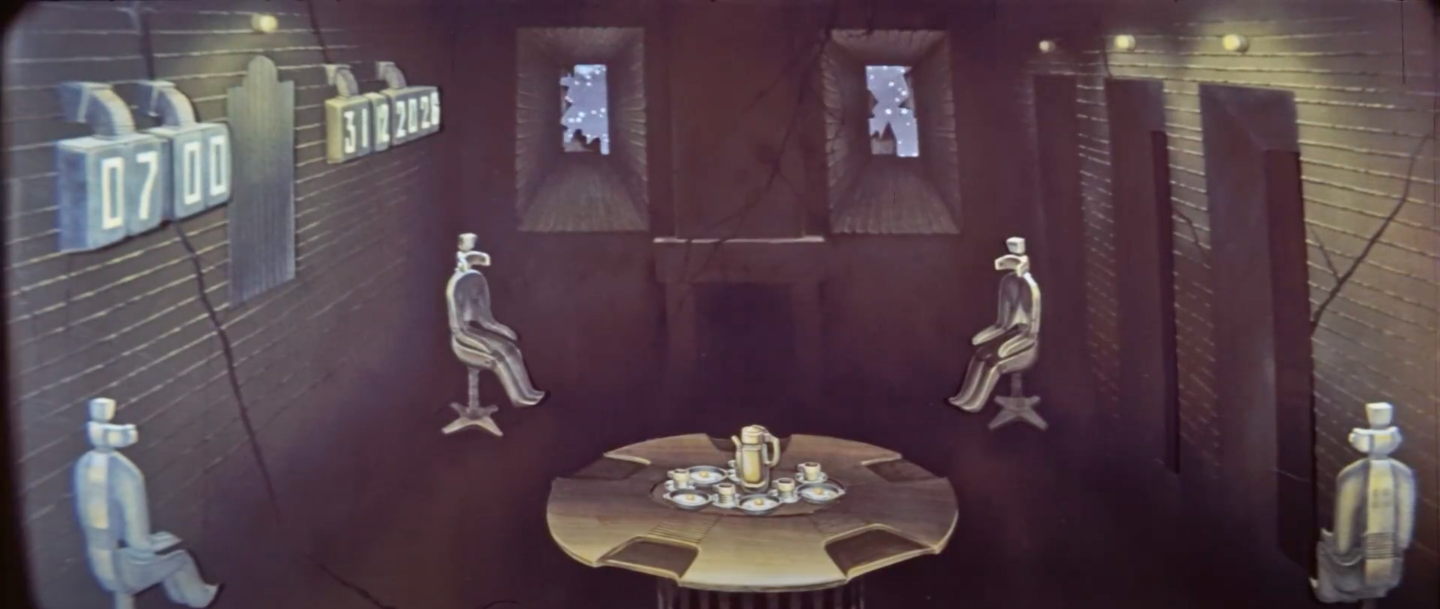
A frame from the animated film "There Will Come Soft Rains"
It's December 31, 2026. A robot sets the festive table, calls out the names of the father, mother, grandmother, and children, and summons them to the living room. But no one comes. Because no one is alive anymore. All that remains of the family is ash.
The robot, unaware that it's all over, continues to act according to its program as if it were a normal day. It says it's time for work, congratulates on the year 2027, roasts a turkey. But a bird flies in through the broken window — and everything goes awry. The machine demands a password from the bird. Not receiving an answer, it begins to pursue it with an almost hysterical obsession.
In this pursuit, the robot breaks things, destroys walls, and wreaks havoc everywhere. It even damages its own "eyes" — and goes blind. The chase ends with an explosion. Everything is destroyed.
The bird returns to the ashes — and accidentally starts the gramophone. Music begins to play. On the surviving screen — frames of past life: a sunny day, green trees. The bird taps on this screen, as if wanting to break through into the vanished world. And then begins the final poem by Sara Teasdale — "There Will Come Soft Rains"
Why is it worth revisiting?
Because it's not just a cartoon, but a mini-apocalypse lasting ten minutes. Because no one, except an Uzbek studio in 1984, dared to depict a nuclear end so poetically.
Будет ласковый дождь, 1984Мультфильм красочно показывает возможное постъядерное будущее.Узбекфильм, 1984 г.youtube.com
"One Hundred Bags of Snow" (2008)
Director: Dmitry Vlasov
Timing: 14 minutes 57 seconds
Studio: «Uzbekfilm»
Language: Russian
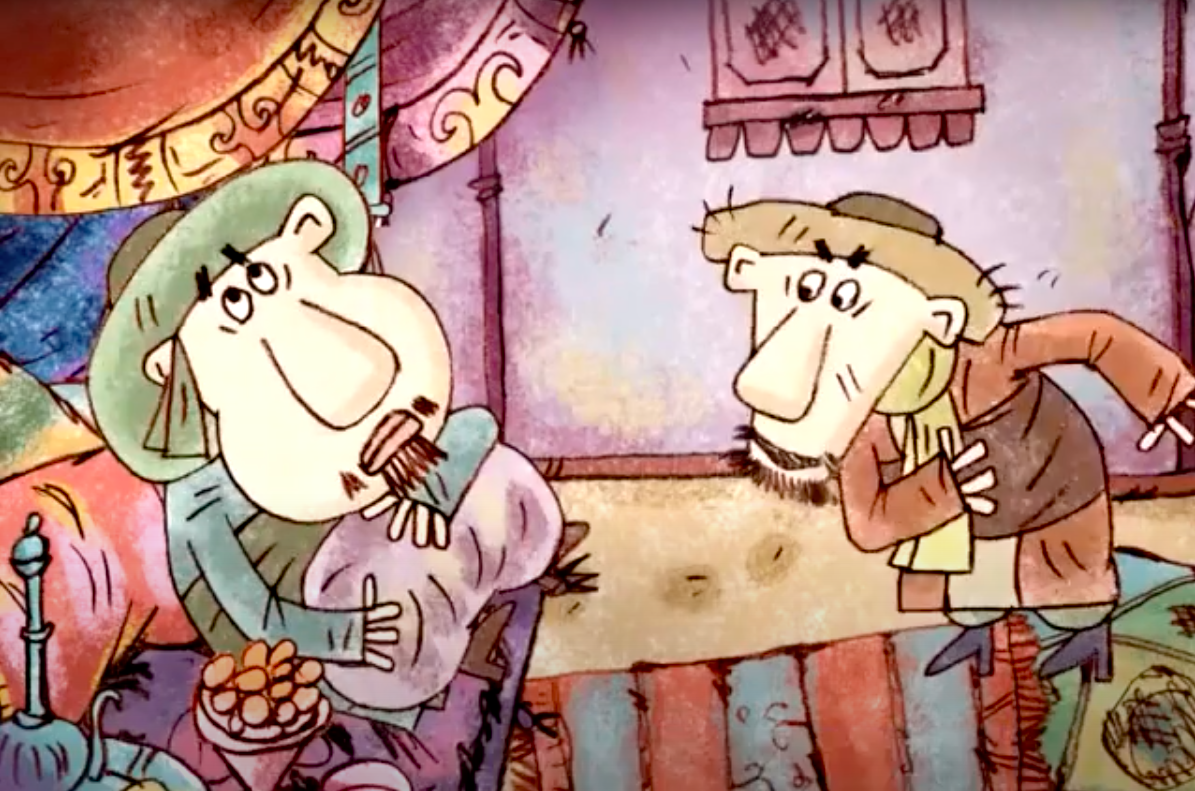
Still from the cartoon "A Hundred Sacks of Snow"
The cartoon begins cleverly: "This is a story about a very foolish padishah..." — but the narrator seems to catch himself and decides not to delve into politics. Better to tell a story about a fat man. And then — even better, about the unscrupulous rich man Sultanbay. And here everything becomes clear: we are dealing with a folk parable with a modern aftertaste.
Sultanbay is a classic archetype of a greedy and cunning employer. He has only one worker left — Said. Said works all year round, never refusing any task (here it seems to be about the absence of personal boundaries). But as soon as he says he's leaving, he is immediately sent on another impossible mission: to the forest.
When Said demands his salary in winter, Sultanbay pretends to be a rag: there is no money, but there is a sack of snow. Said asks for five. In the end, he leaves with an IOU for a hundred — and returns gloatingly... in the summer.
Next comes a miracle of stage tension. Said says he promised to sell snow to the Padishah for a hundred coins, and the receipt is already with him. Sultanbay panics. A contract is a contract. Trying to hush up the matter, Sultanbay gives Said two sacks of gold. But — folklore is not fantasy — the sacks fall into the river. Said just shrugs: my head is still on my shoulders — thank God.
Why is it worth revisiting?
Because it's almost an industrial drama in a fairy-tale setting. Because here, it's about workers' rights, bureaucracy, and the art of bargaining. And because sometimes a sack of snow is all you need to get gold. Especially if you have a receipt in your hand.
Сто мешков снега (мультфильм)RizaNova ilovasini yuklab oling @ https://rizanova.uz/apps Obuna bo’ling @ https://www.youtube.com/uzbekmultfilmRizaNova @ Instagram https://instagram.com…youtube.com
P.S.: The main illustration for this material was generated by a neural network in the style of the Japanese animation studio Ghibli. It's "There Will Come Soft Rains" from a kind reality, although it still turned out a bit frightening. We're chasing trends!


Newsletter
A letter from the HD editors
Once a week, we send the best stories, events, and cultural discoveries from Central Asia.