
This photo story is the first part of a larger project
titled Maps and Territories. Through a series of photo essays, we
attempt to look at contemporary Uzbekistan without orientalist filters or
exotic stereotypes. We want to tell the story of places that lie beyond
the routes marked in tourist guidebooks, how people live there
and what these territories look like today. The language of documentary
photography is particularly suited to exploring Uzbekistan’s historical
heartland, the borderlands of the Fergana Valley, industrial monotowns, and the
Karakalpak frontier.
Our first story is based on the accounts and photographs of
photographer Ildar Sadykov from the mountain kishlaks (villages) of Gilan and
Kul. A native of Tashkent, he explores quiet highland settlements where time
seems to flow several times more slowly than in the dusty, concrete-covered
cities of the plains.
The residents of both villages make their living through
farming and horticulture. At first glance, there is nothing unusual about this:
Uzbekistan has long been a settled agricultural culture. Yet the way the people
of Gilan and Kul cultivate the land differs strikingly from agriculture on the
plains, which still bears the imprint of Soviet collectivisation and the
“battles for the harvest.”
Until 2019, the village of Gilan in Kashkadarya remained
closed to outsiders. It lies near the border with Tajikistan, with which
relations were once strained. Because of the strict border regime, only local
residents were allowed to enter the area.
 © Ildar Sadykov
 © Ildar Sadykov
 © Ildar Sadykov
 © Ildar Sadykov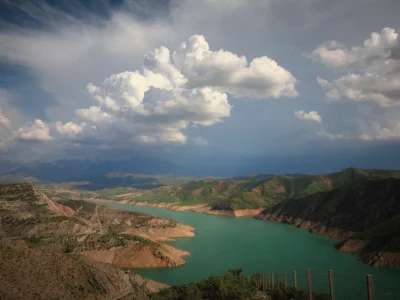
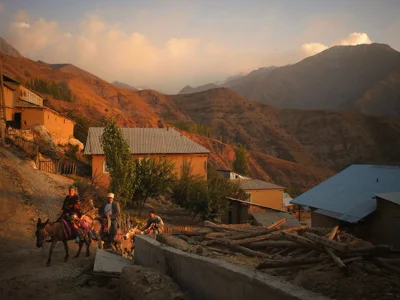
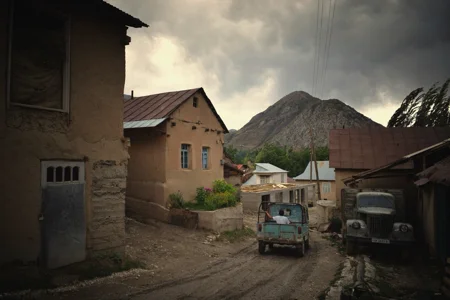
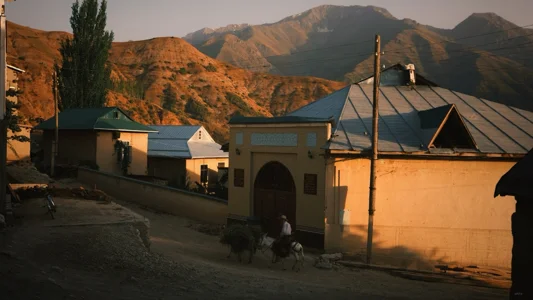
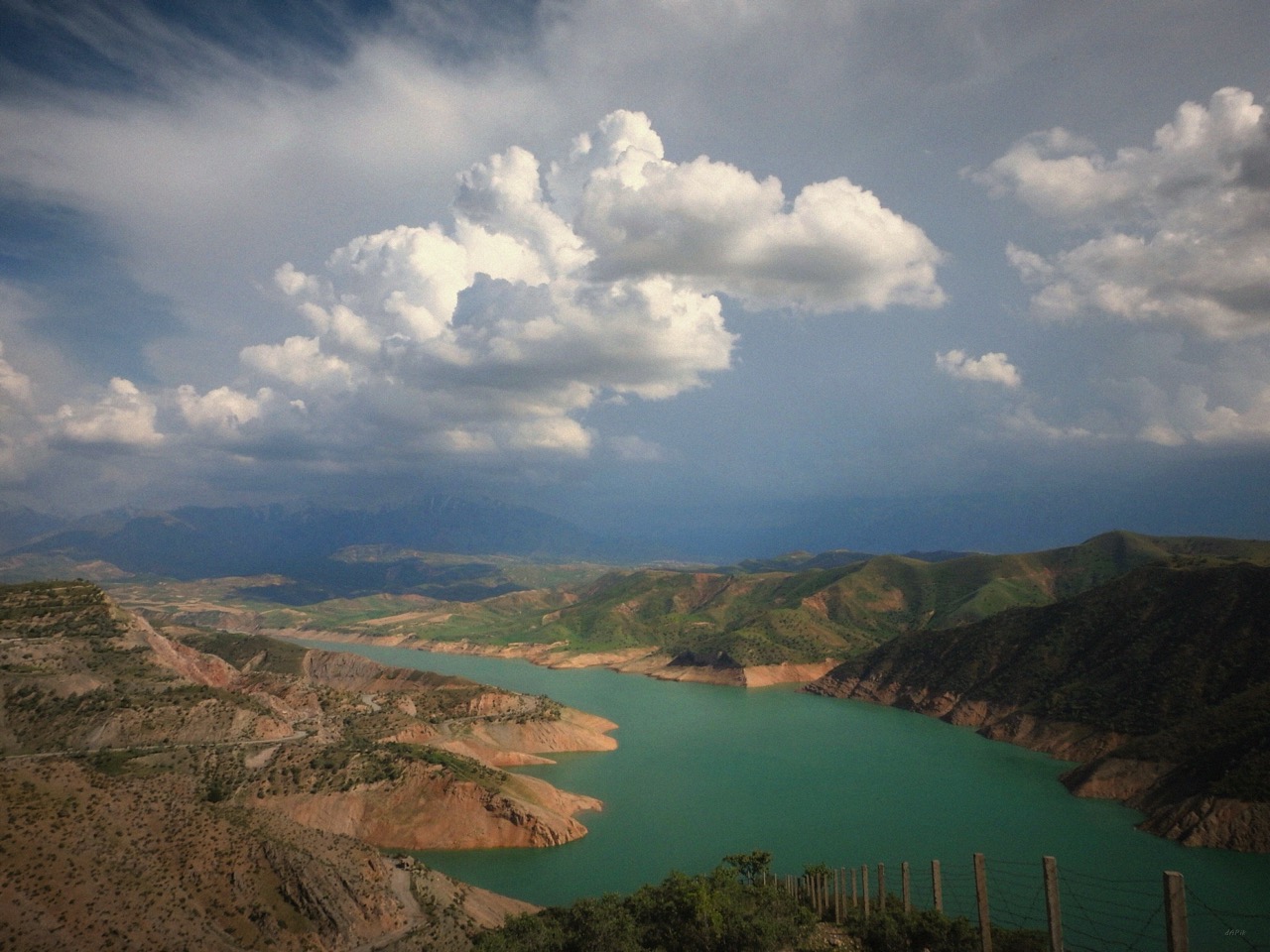
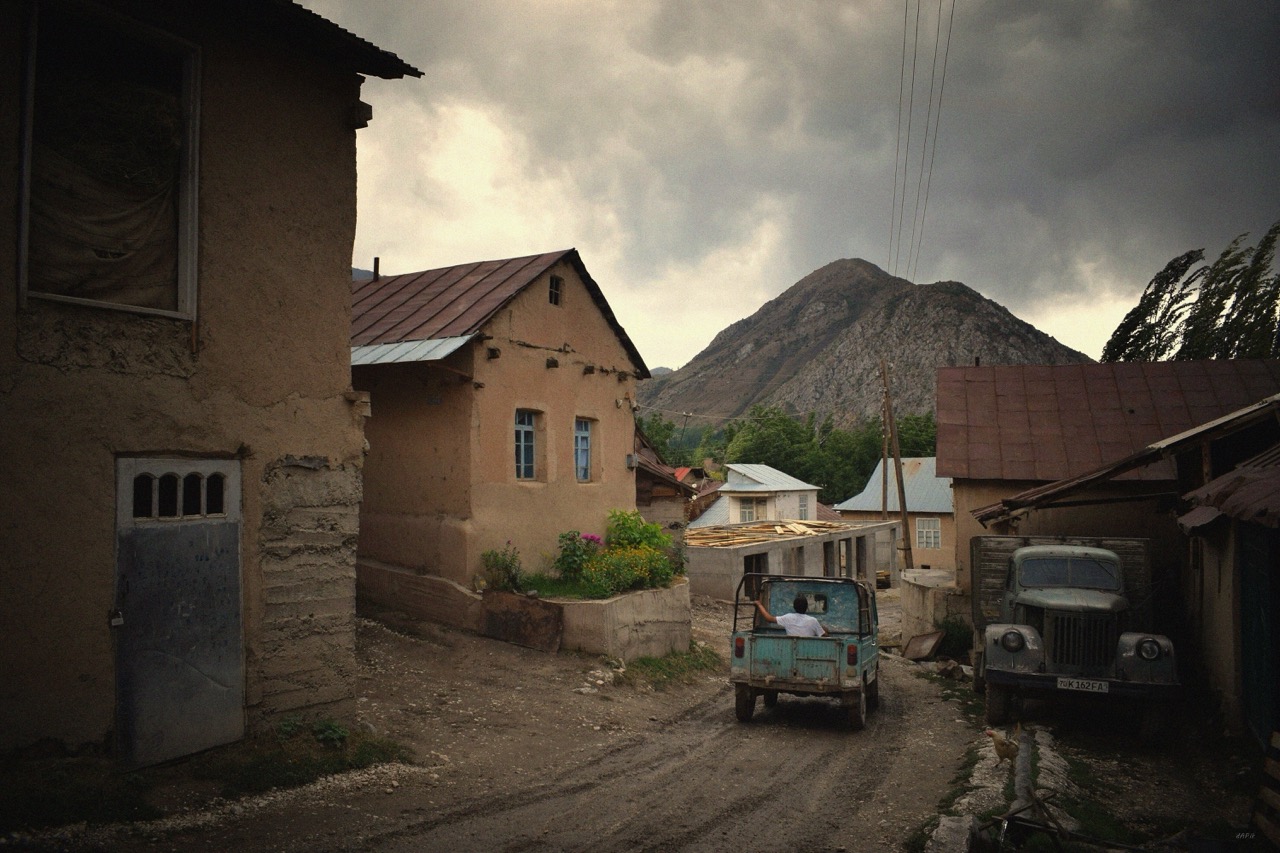
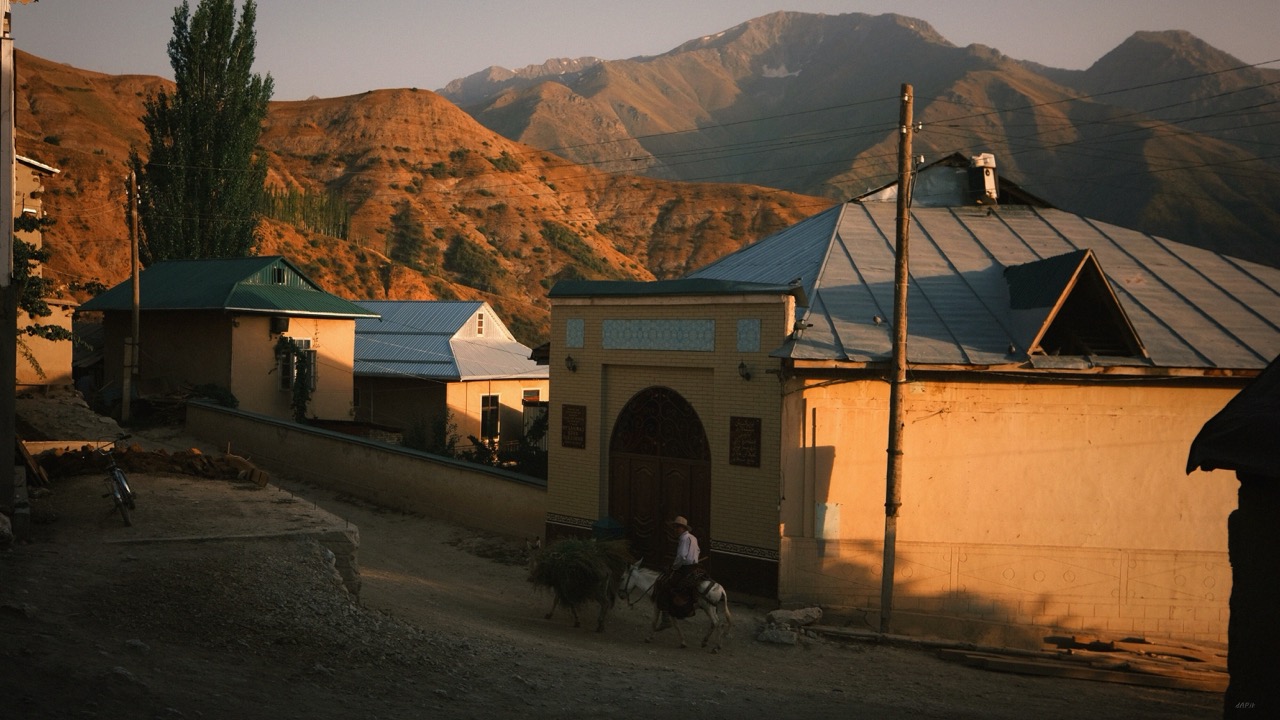
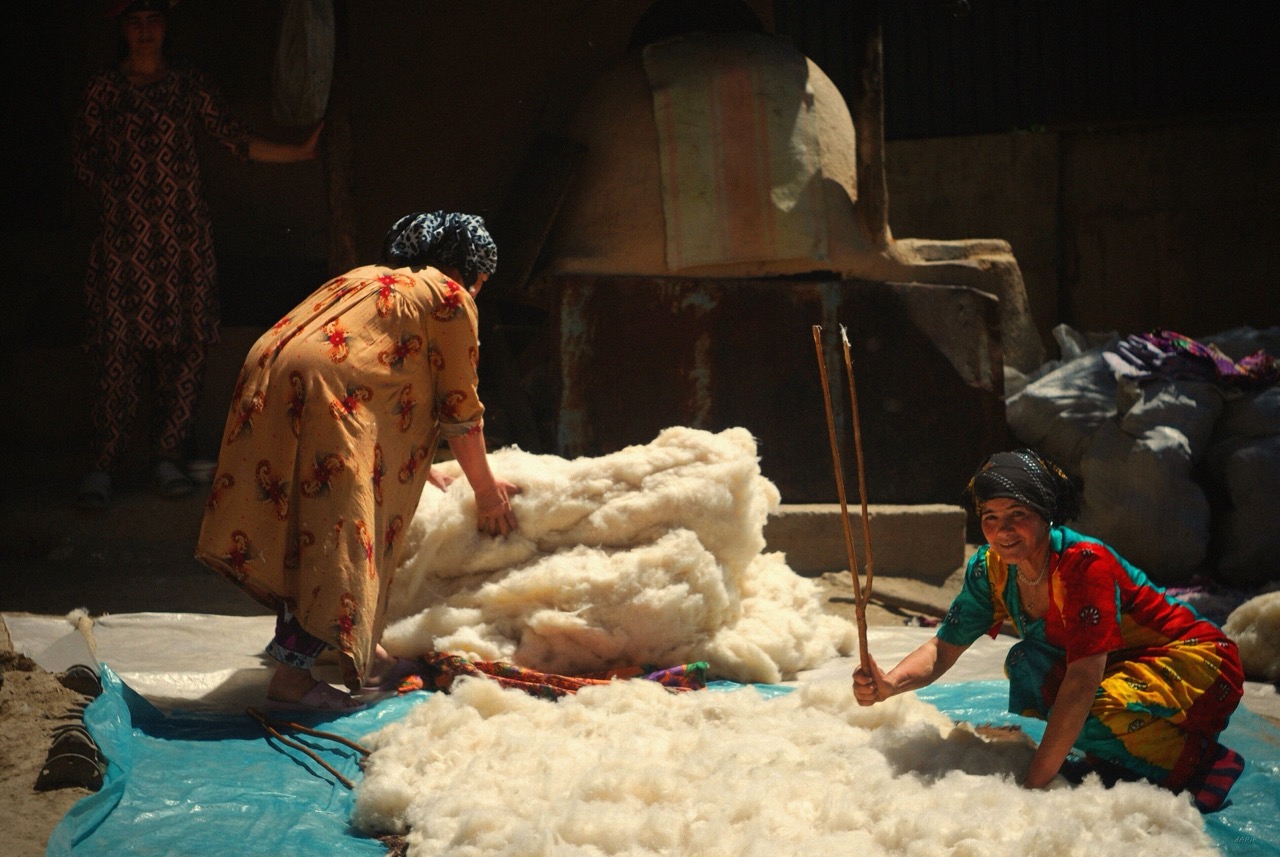
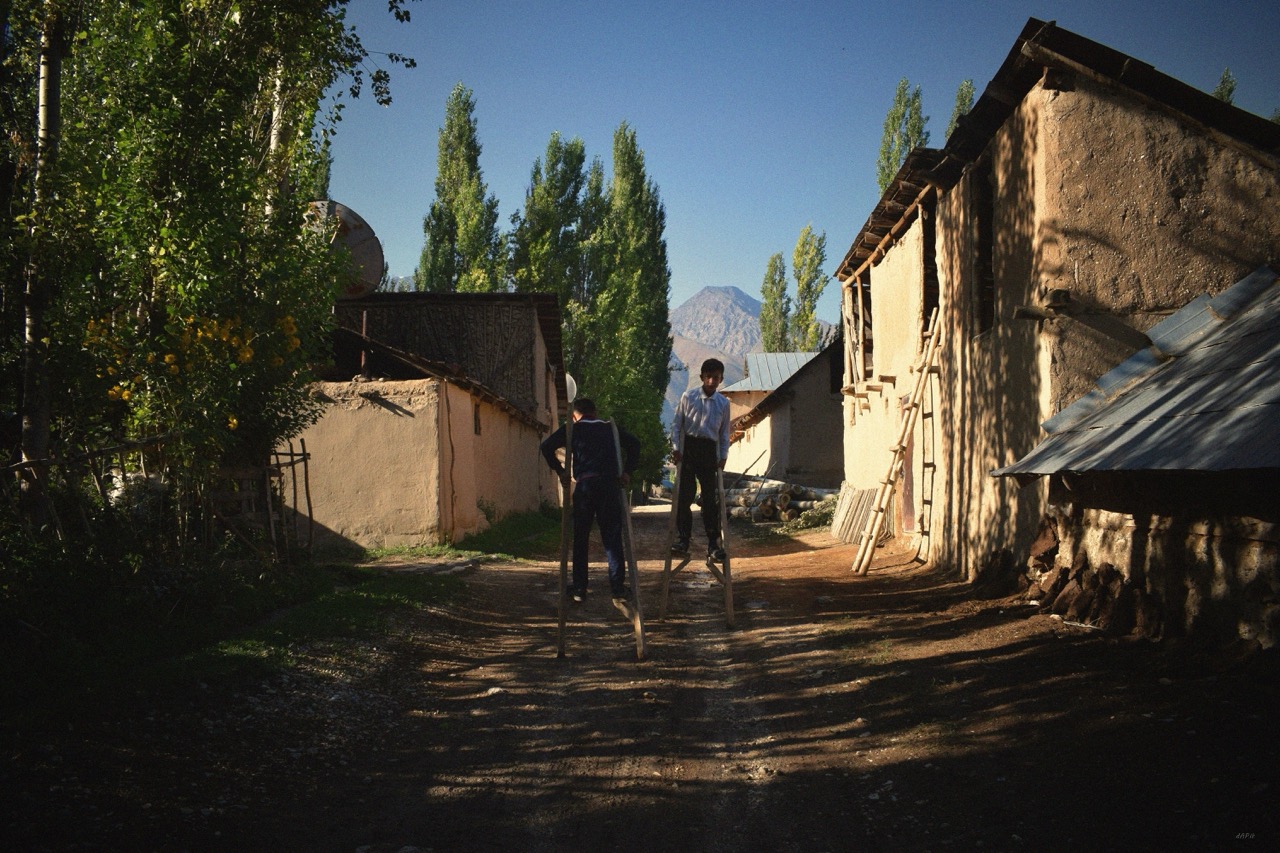
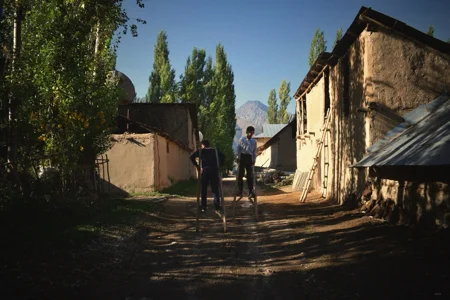
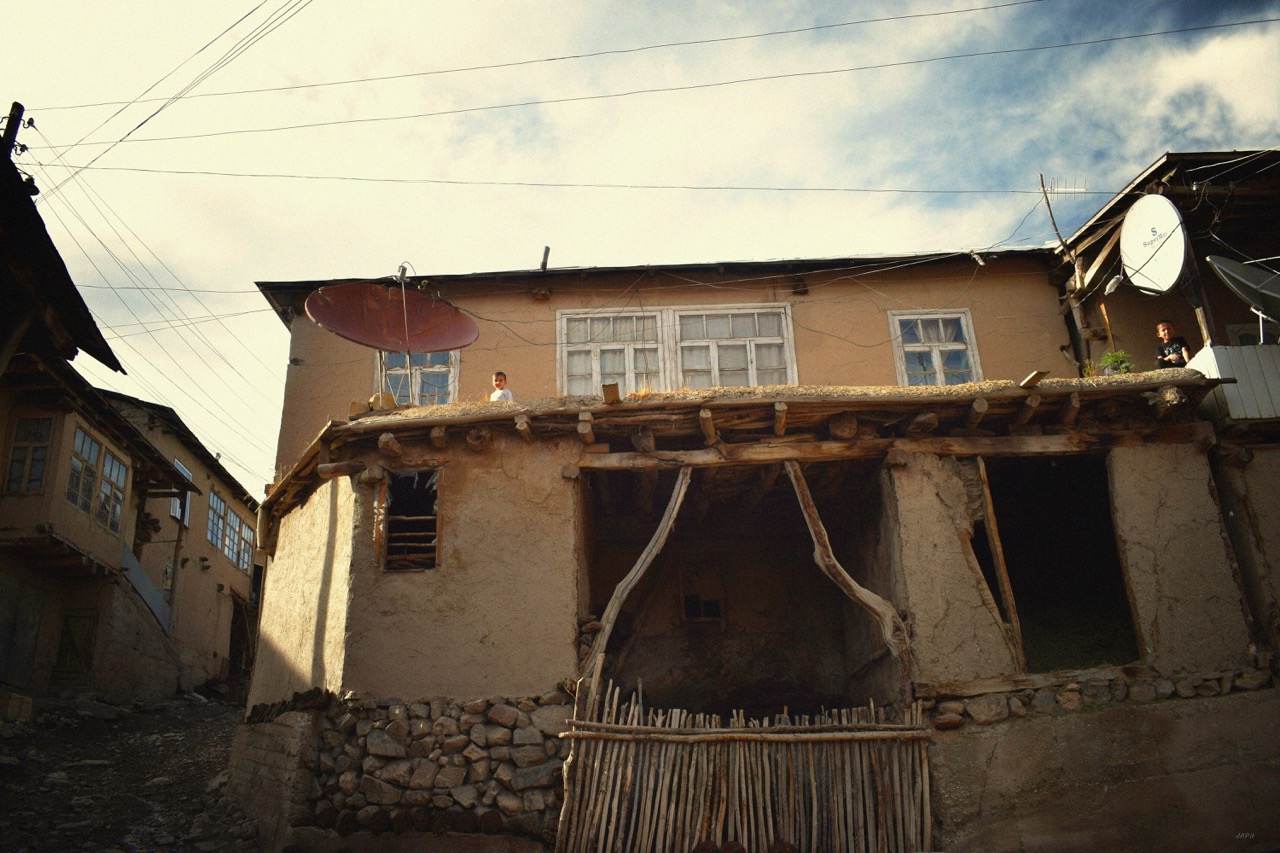
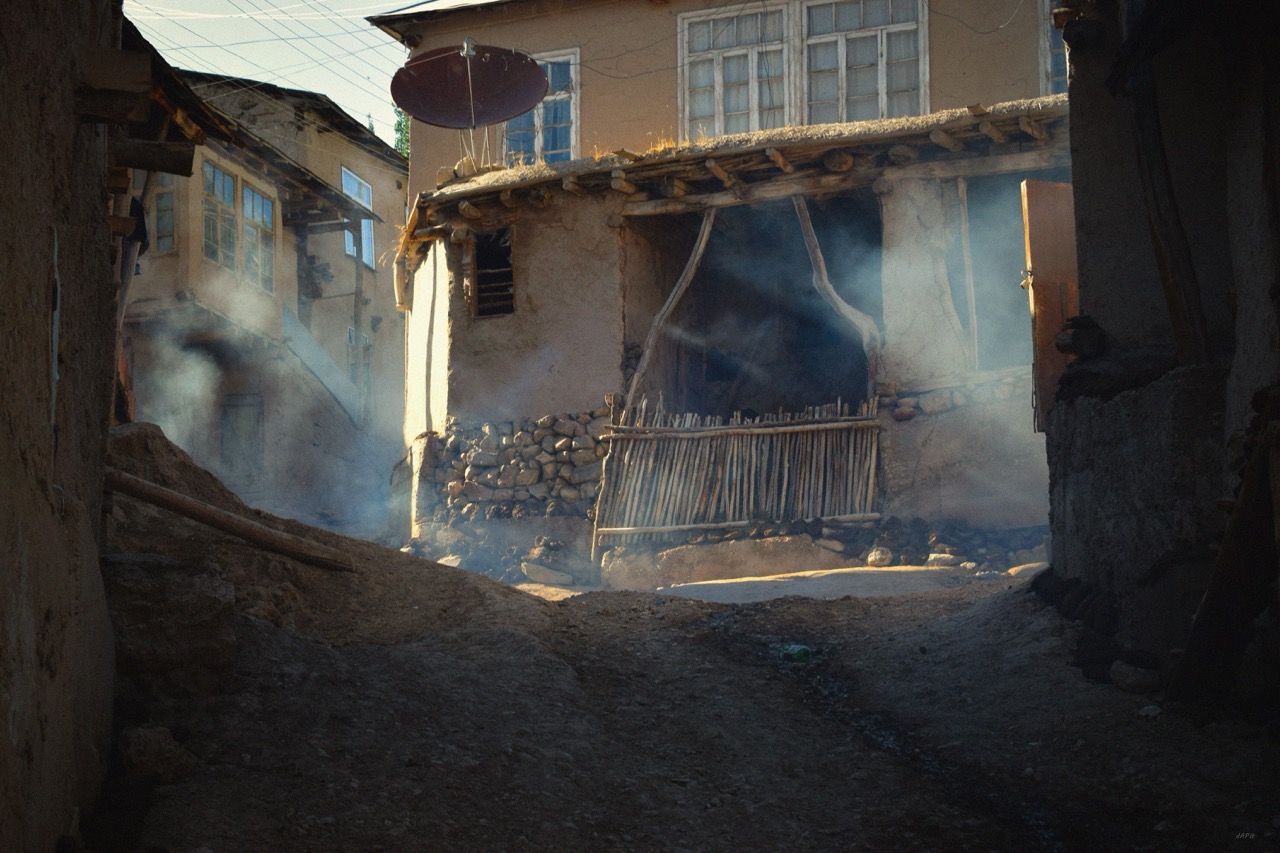
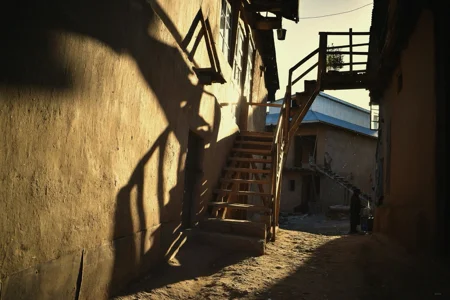
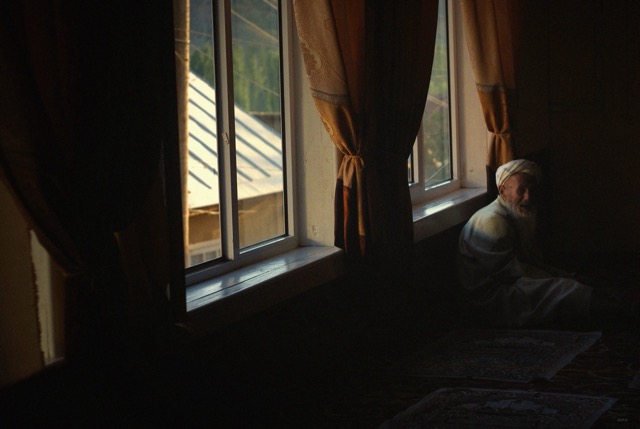
Gilan is a world where time seems to have frozen somewhere in the 1970s or 1980s. It is a village of long-lived people, craftsmen, and gardeners. Today it has been rediscovered thanks to photographers and researchers. After the first images were published, roads were built and tourist infrastructure began to appear. But even now you still feel a real, authentic life here; it is not the “plastic” Samarkand or the “newly reconstructed” Bukhara.
Ildar Sadykov
People here live at altitudes between 2,600 and 2,900
metres above sea level. In summer the temperature rarely rises above 25°C,
unlike the hot and arid Kashkadarya lowlands.
Because of the altitude, even the seasons are shifted. When spring has already arrived on the plains, it is still winter there. For example, cherry trees bloom only at the end of May.
Ildar Sadykov
 © Ildar Sadykov
 © Ildar Sadykov
 © Ildar Sadykov
 © Ildar Sadykov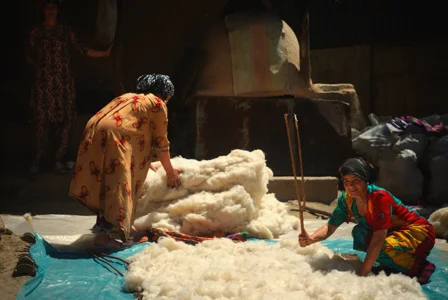
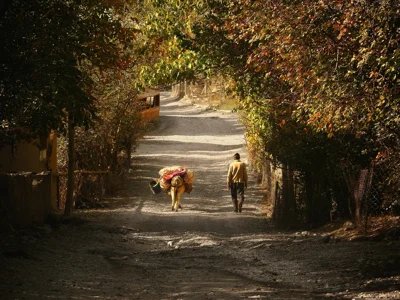
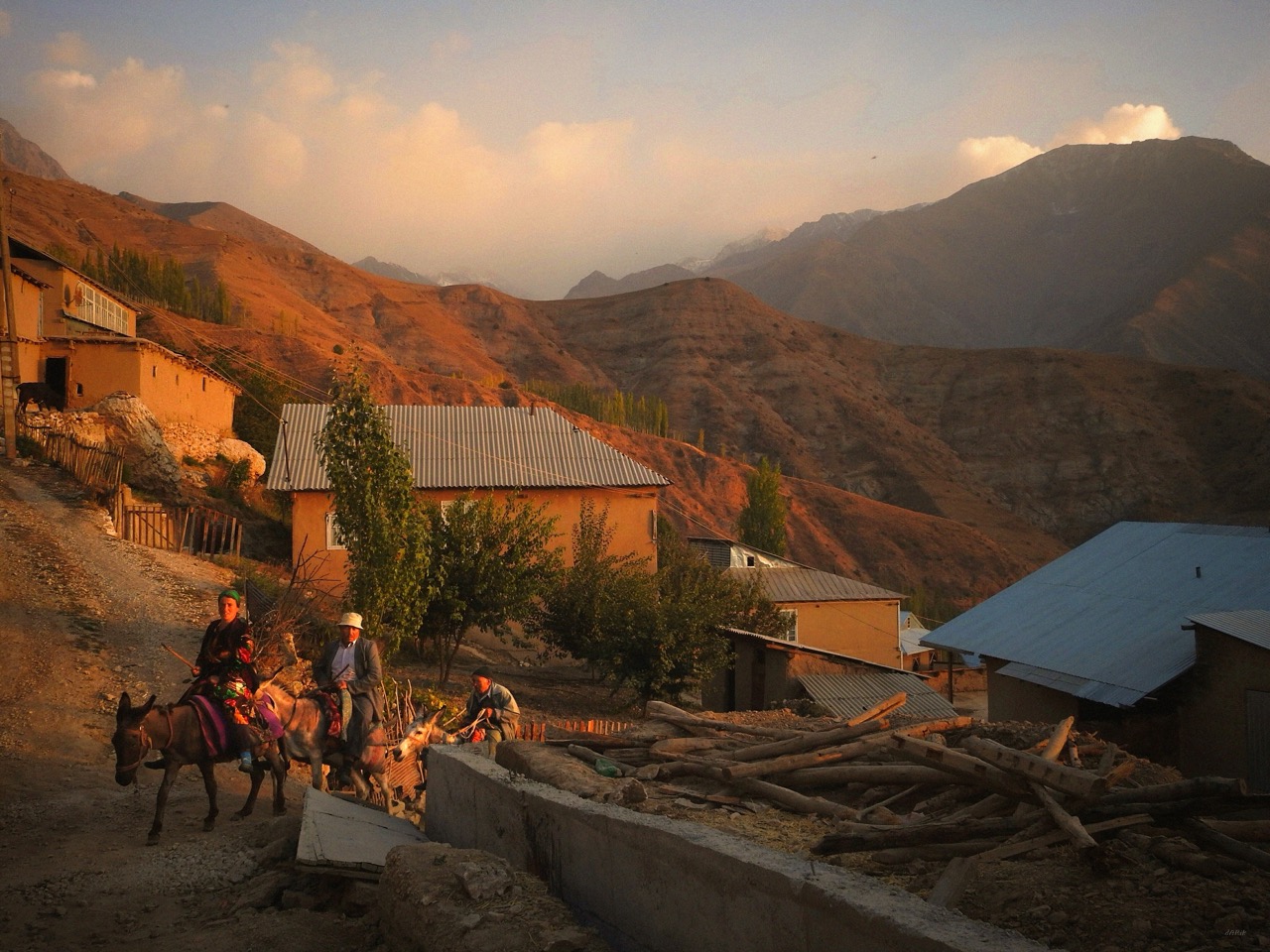
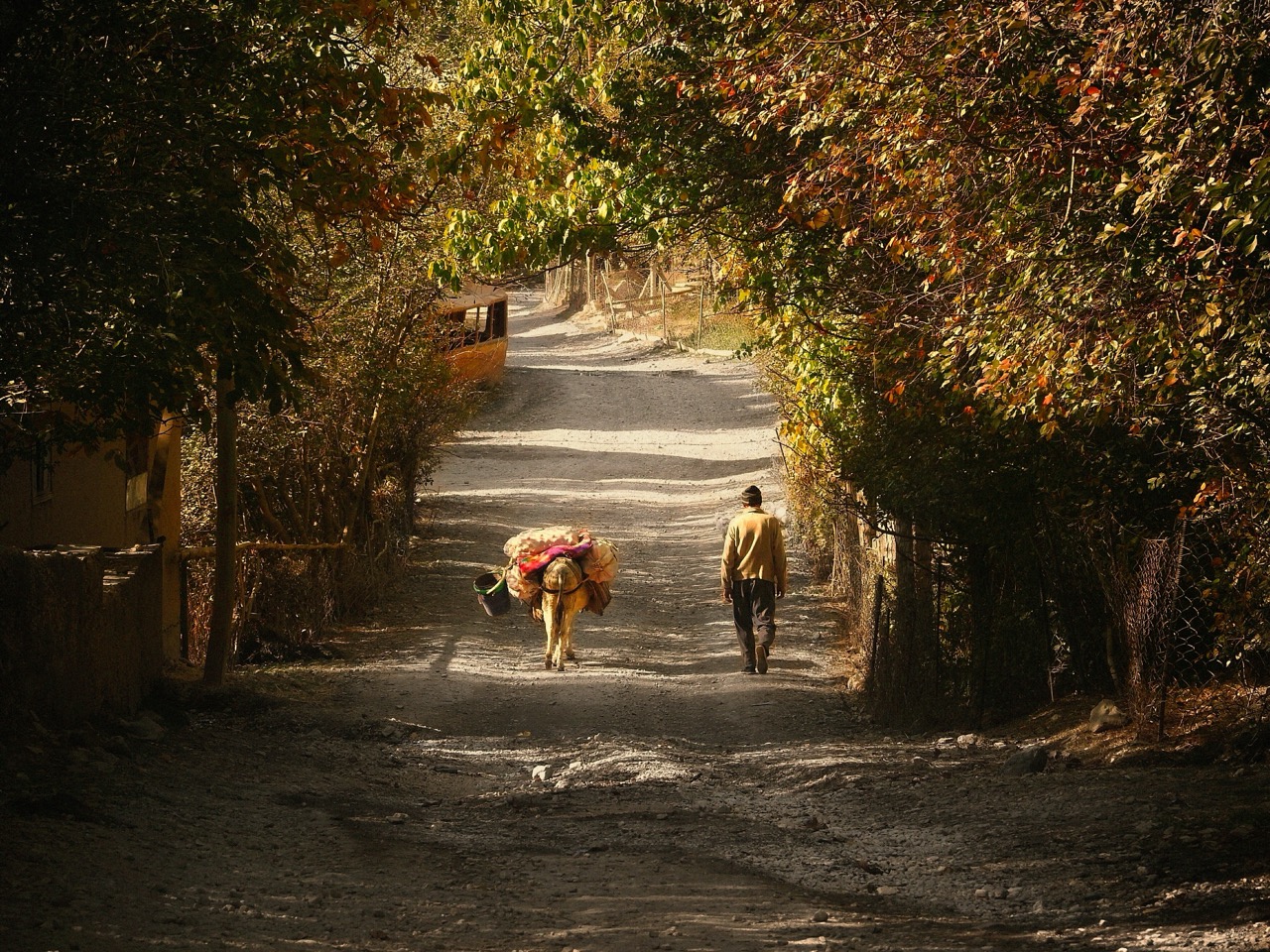
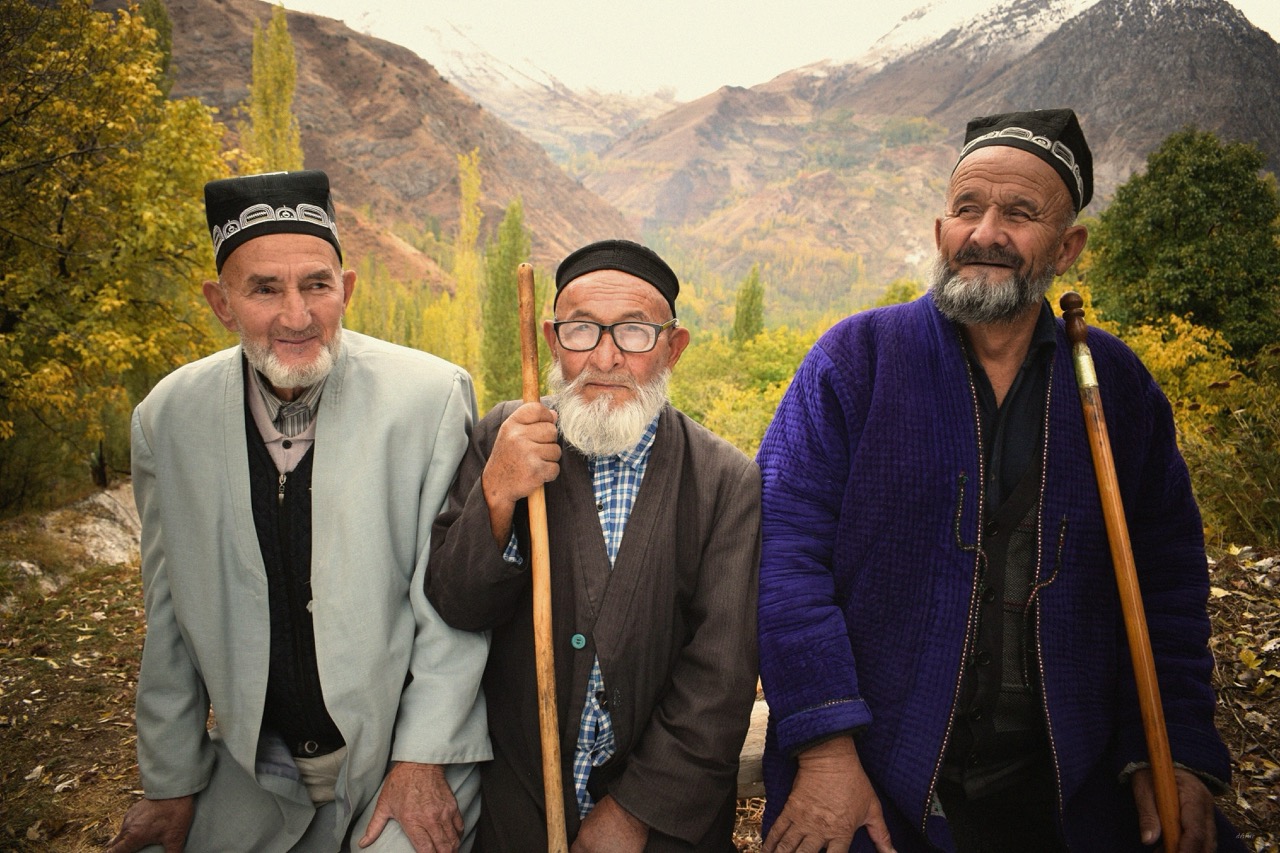
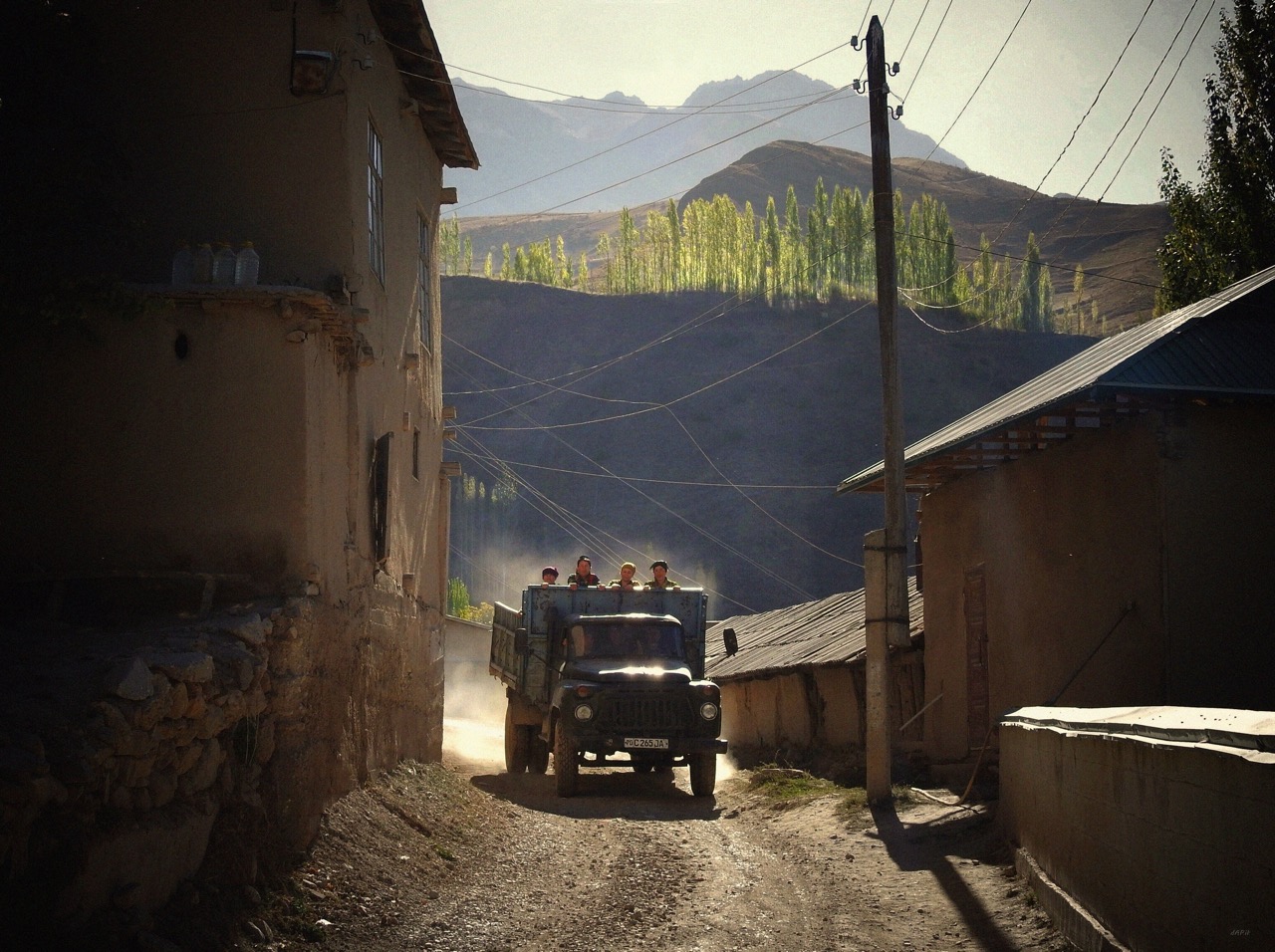
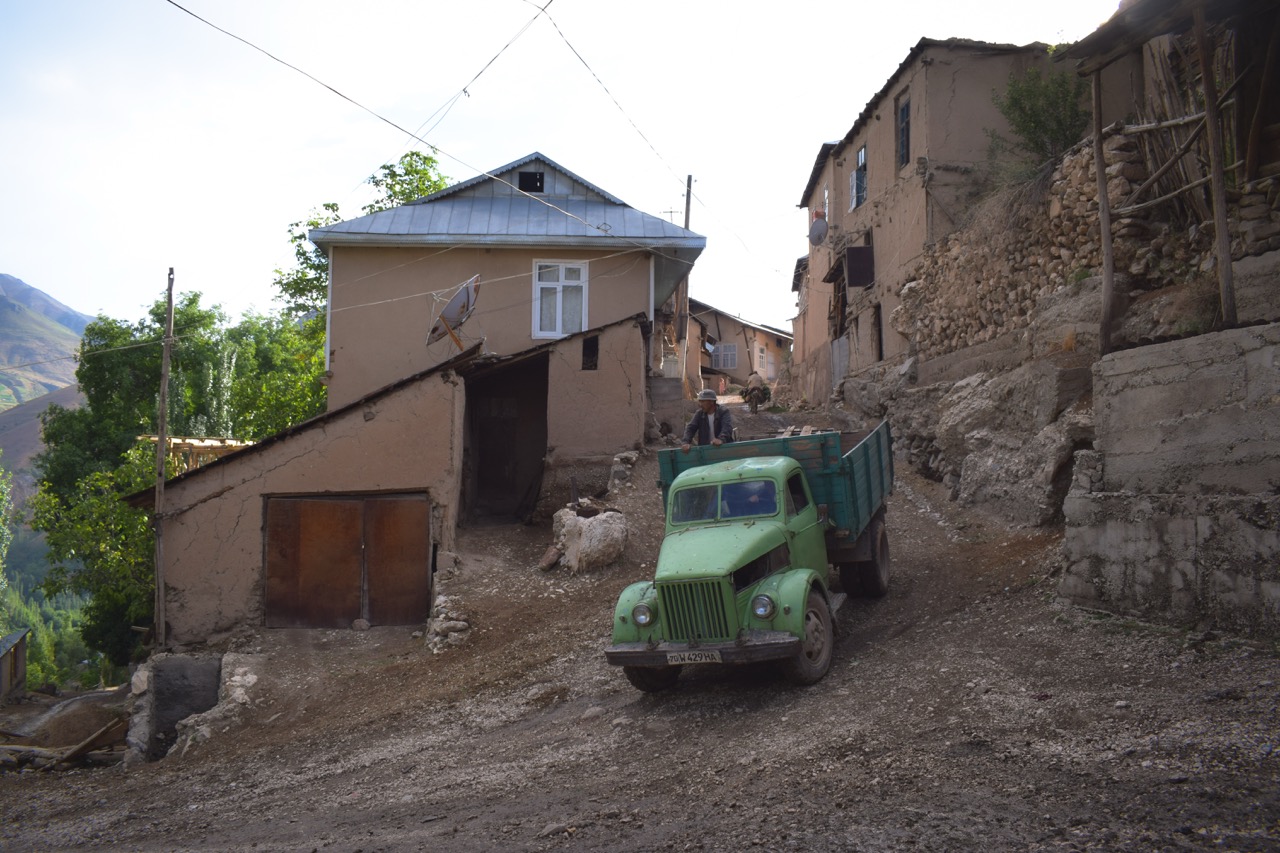
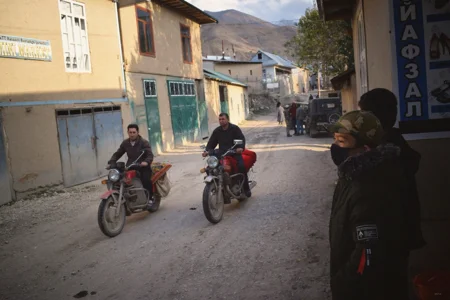
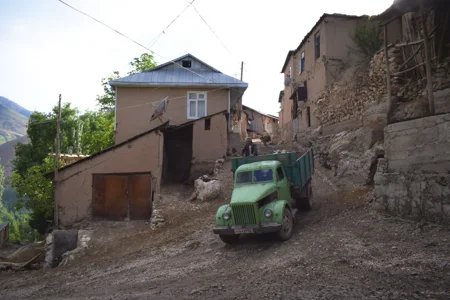
Not every car can manage the mountain serpentine roads
leading to the village. Today one might see Captivas and Lacettis on the road,
but in the past only Nivas, Soviet motorcycles, and donkeys could handle the
rough terrain. For local residents such differences in elevation pose no
difficulty: even elderly villagers move easily along the steep slopes, leaning on
staffs with sharp, knife-like tips. The people here are strong and healthy
thanks to clean air, natural food, and constant physical labour.
 © Ildar Sadykov
In Gilan, farmers grow unusually orange-coloured sweet
cherries, walnuts, apricots, and a special variety of potatoes considered the
best in Uzbekistan. The villagers began earning money from nuts and fruit,
especially cherries, as buyers come here from the lowlands. In the past, barter
was common, a sack of flour for a sack of walnuts, but this practice
lasted only until 2019.
 © Ildar Sadykov
 © Ildar Sadykov
 © Ildar Sadykov
 © Ildar Sadykov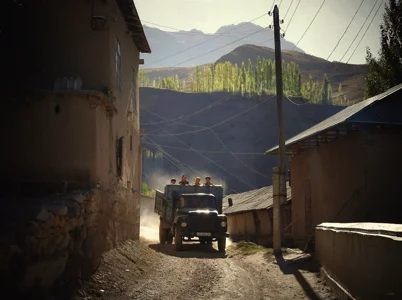
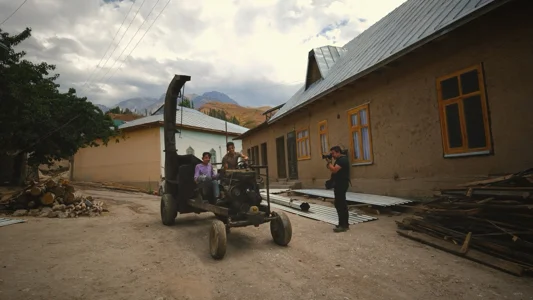
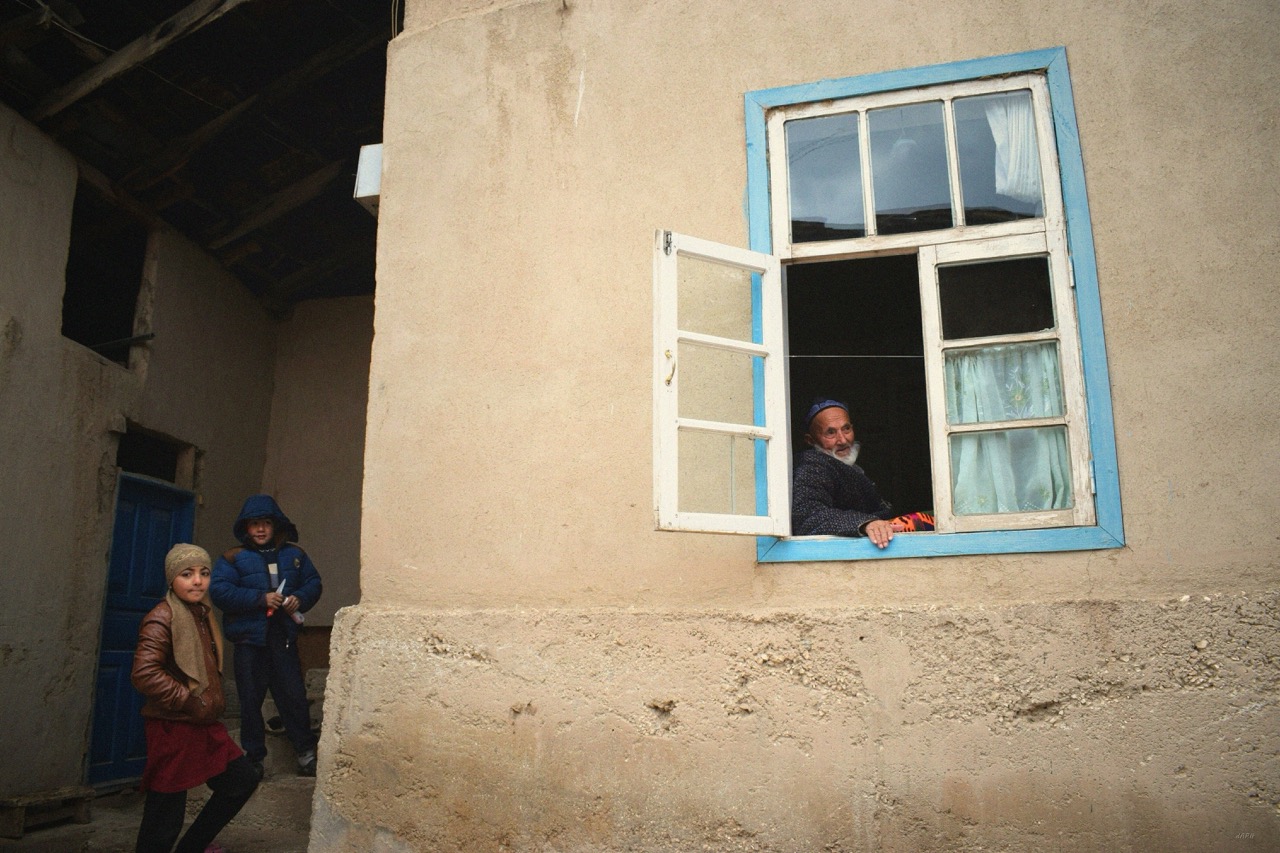
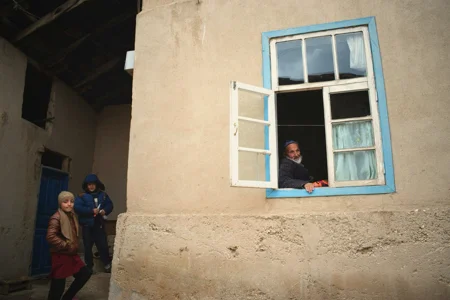
The locals are very reserved, but once they became accustomed to me, they even allowed me to photograph women — something that would previously have been unthinkable. They even offered me a plot of land and said, “If you decide to stay, we will build the house together as a whole village.” Here, trust is something far greater than a simple greeting.
Ildar Sadykov
The owner of the house where I stayed was born in Gilan. He
married a woman from the same kishlak, although she had lived for a long time
in Shahrisabz. For seven years they were not allowed to build a house until
they proved their true commitment to the village. During that time they lived
with relatives and friends, had two children, and only then received the
community’s blessing to start building.
 © Ildar Sadykov
 © Ildar Sadykov
 © Ildar Sadykov
 © Ildar Sadykov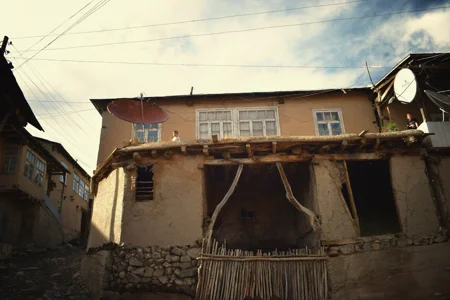
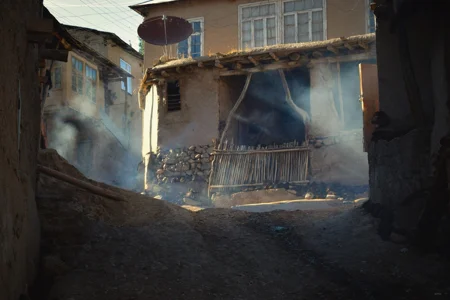
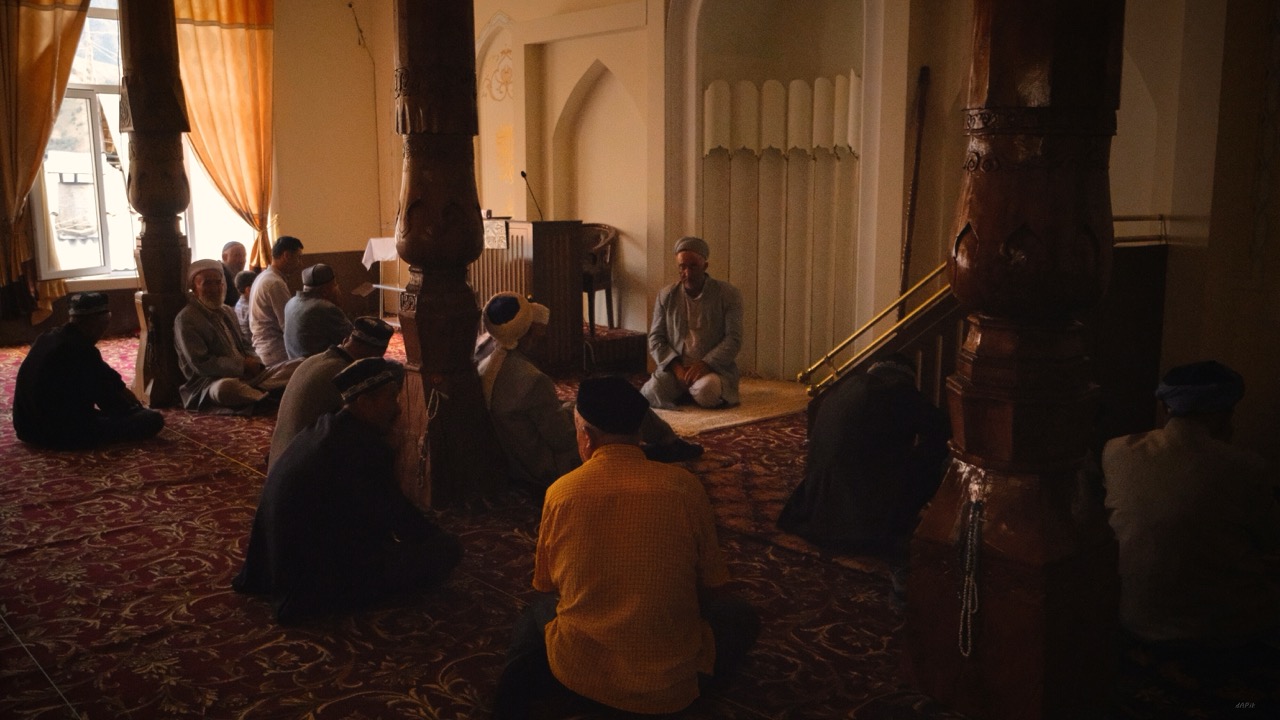
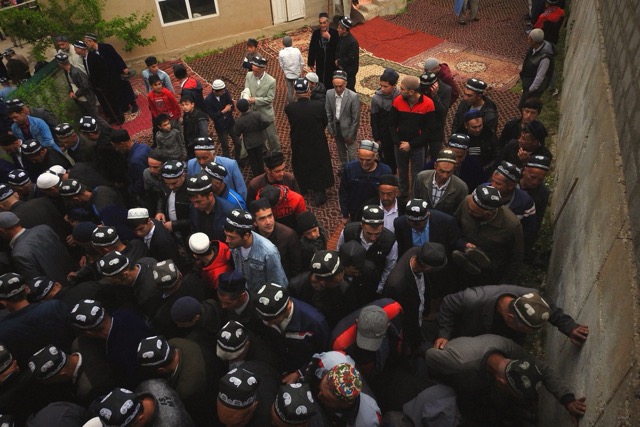
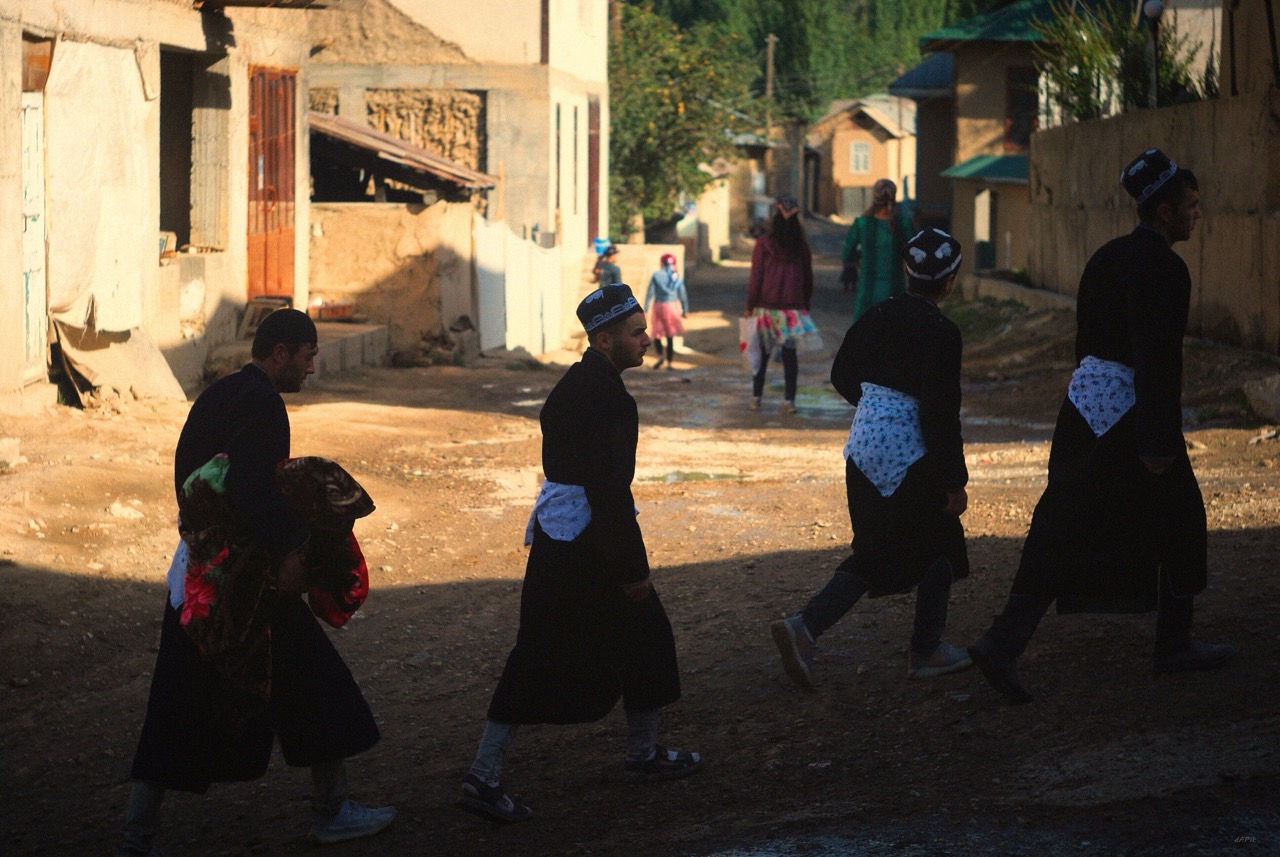
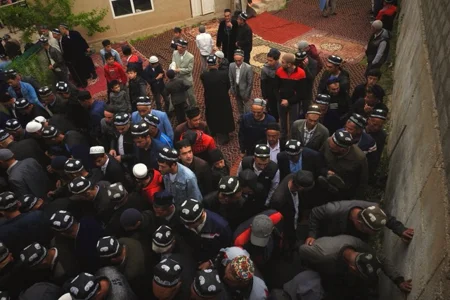
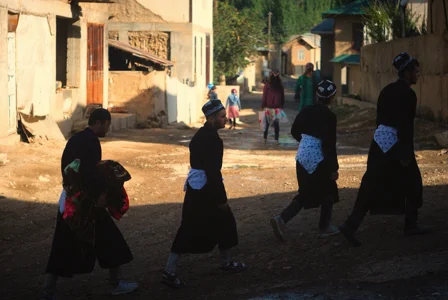
Twelve kilometres from Gilan lies the village of Kul. Its
inhabitants consider themselves descendants of the warriors of Alexander the
Great. Light-coloured eyes, strict customs, and a sense of isolation
immediately draw attention. Among the people of Kul, marriages with
representatives of other ethnic groups or regions are still not practised.
Women do not leave their homes without male accompaniment, and it is impossible
to buy cigarettes or alcohol in the village.
Compared with its neighbour, Gilan appears almost like a
progressive district centre.
If the men of Kul want a drink, they go to Gilan; Kul has a dry law.
Ildar Sadykov
 © Ildar Sadykov
 © Ildar Sadykov
 © Ildar Sadykov
 © Ildar Sadykov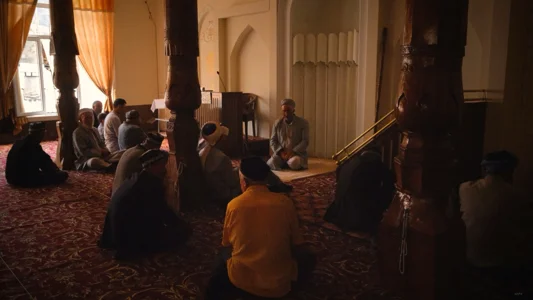
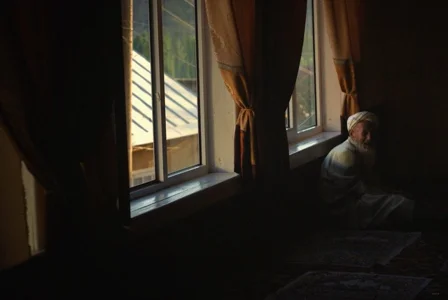
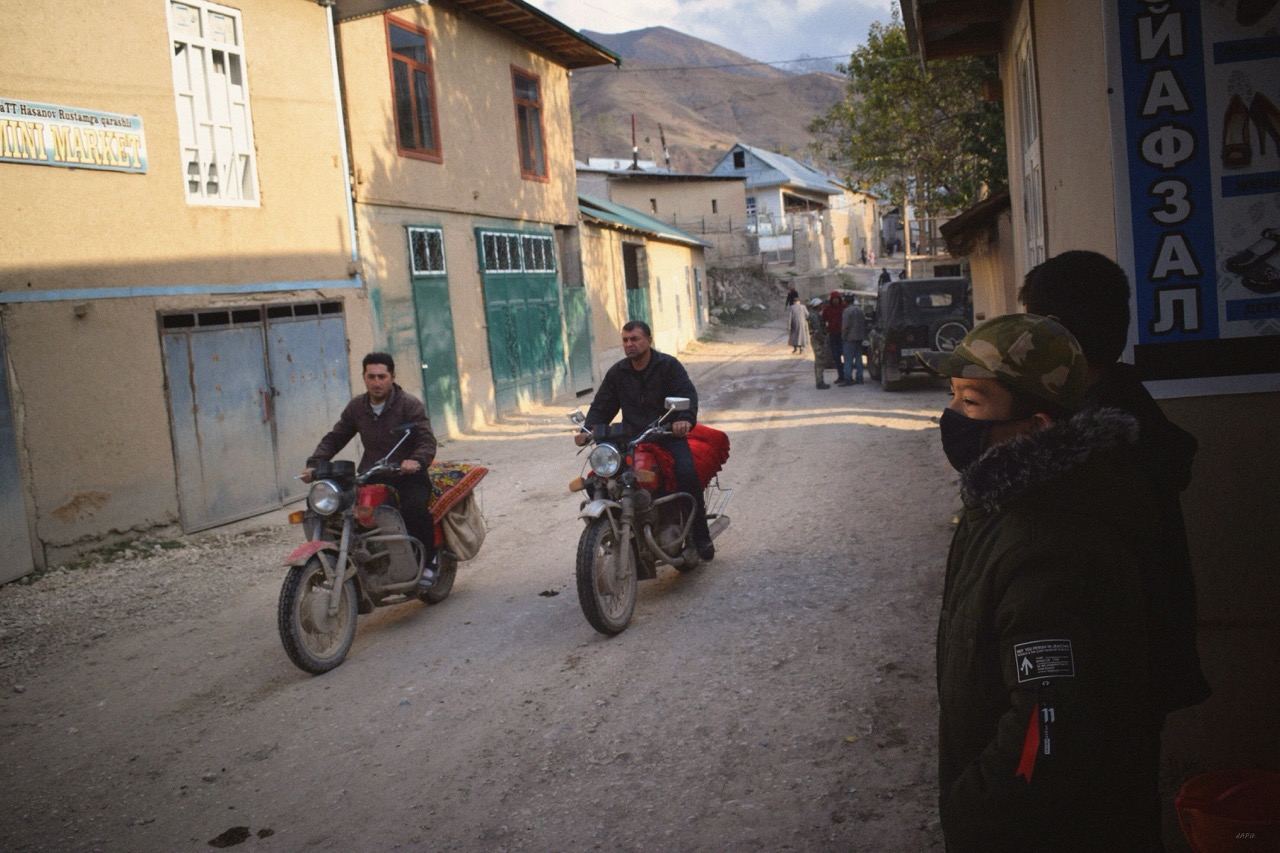
Modernity is slowly making its way into both villages.
Paved roads have appeared, and mobile communication has become available. First
Beeline installed a tower somewhere in the distance, and later Uzmobile erected
its own directly in Kul. When Sadykov returned with an expedition for the
second time, the locals were already filming them on their phones and posting
the videos on Instagram.
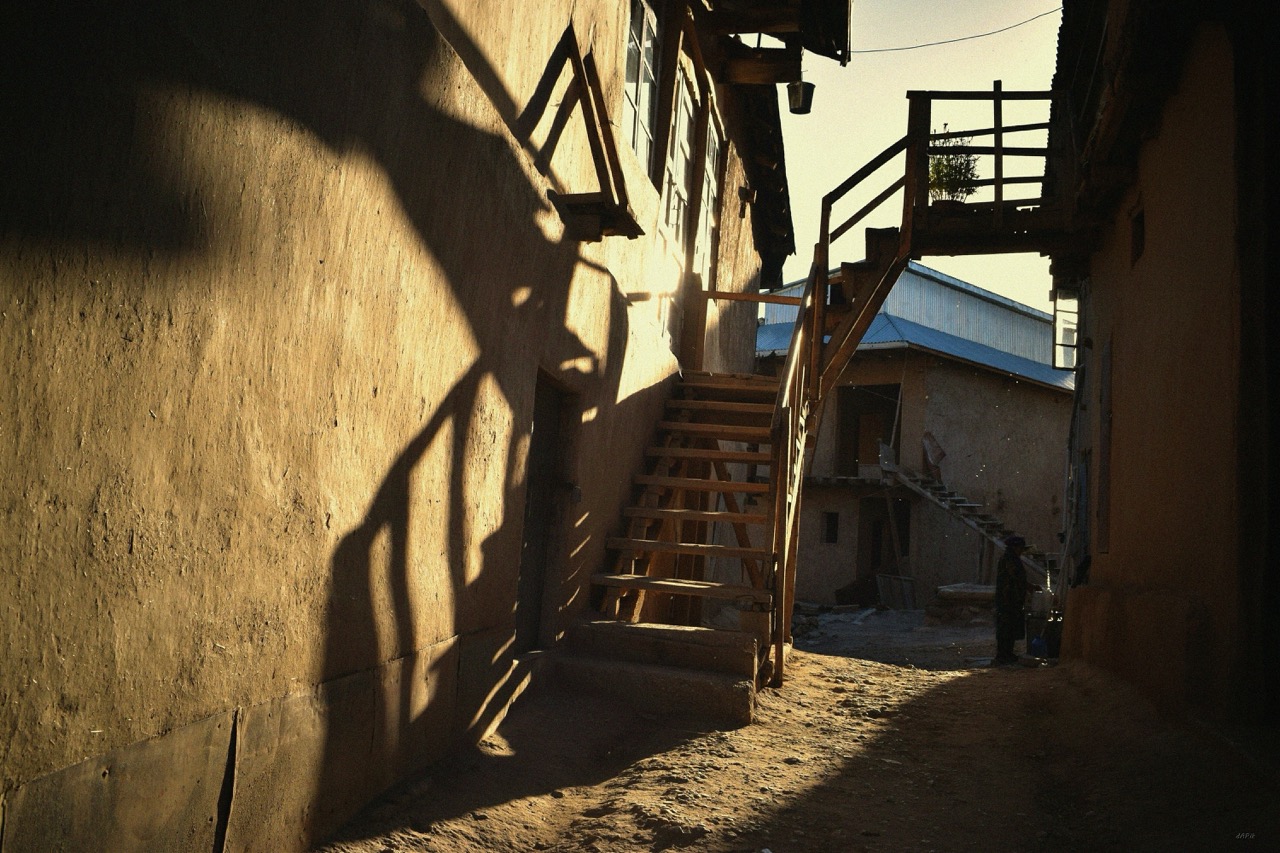
For all the traditionalism of the residents, what strikes you most is their reluctance to preserve the old. In Kul, almost all the old houses have been demolished, something people now regret. In Gilan, there are still buildings that are 250–300 years old, but their authenticity is gradually disappearing. I would give it another three or four years before it becomes an ordinary village.
Ildar Sadykov
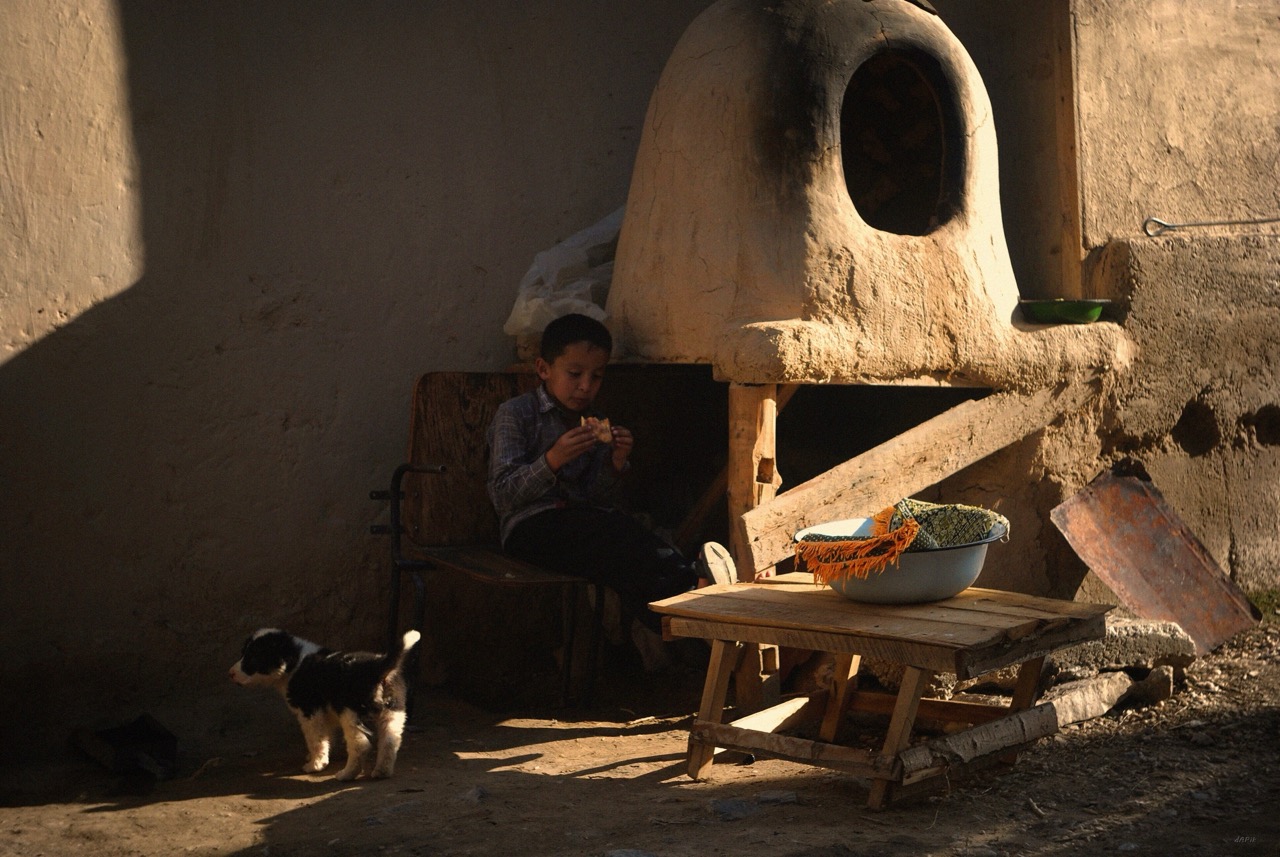
Life here is not easy. Some families have managed to
improve their living conditions, but many still have outdoor toilets and
showers, with no running water, and everything is done in the old way. In Kul,
for example, there is not even toilet paper; instead, people use a special type
of clay.
Gilan and Kul are Tajik-speaking settlements, and their
dialect is ancient and highly literary, Sadykov says. Almost every house has a
satellite dish, and Russian television is widely watched. Many men have long
travelled to Russia for seasonal work, so besides Uzbek and Tajik they can communicate
in Russian as well.
 © Ildar Sadykov


