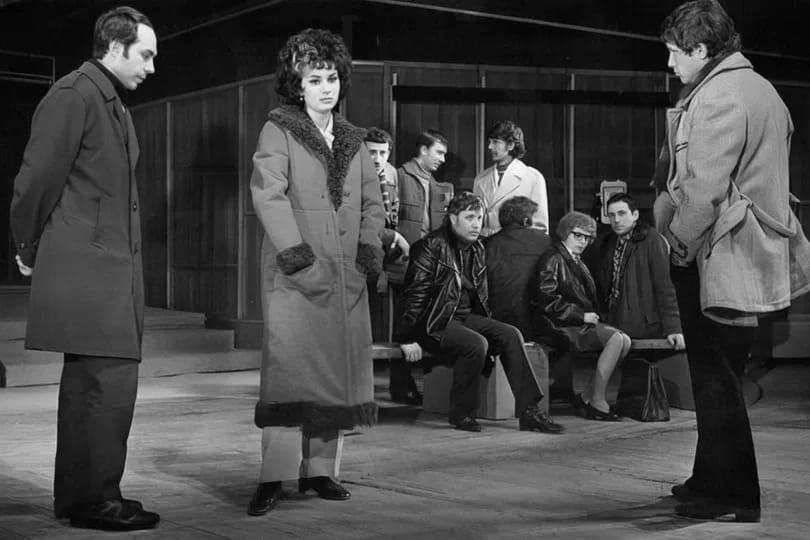
— Elsevar, you come from a "cinema" family. Your father is a renowned playwright, film director, and laureate of the State Prize of Uzbekistan. Your mother, Mastura Iskhakova, is a radio director, journalist, and screenwriter. Their joint contribution to the culture of Uzbekistan remains invaluable. Elsevar, you are continuing your family's legacy in the work of Uzbekistan's cinema. And you have chosen the profession of a costume designer.
— You correctly noted that I come from a "film" family. My brothers and I grew up on set, where we participated as extras or among actors in filming various episodes. I was fascinated by watching the filming process itself. Additionally, my mother's first profession was also a costume designer. So, since childhood, I have known all the "secrets" of off-screen life in film, including the profession of a costume designer.
I graduated from Benkov College in 1997, and then from the Kamoliddin Behzod National Institute of Arts and Design, completing the set designer course led by Javlon Umarbekov, Anatoly Zhiboedov, and Bobur Ismailov. I entered the film industry immediately after my studies and, in essence, began learning anew—right on set. Each film became a new lesson. Especially the complex projects. Something unexpected, fresh, and inspiring is born in them.
— Where does your work begin?
— As usual – it starts with an idea, then – a sketch, selection of fabric, accessories, shoes, headwear, and – creating the costume. Well, and of course – what's also important – you can't do without a good team here.
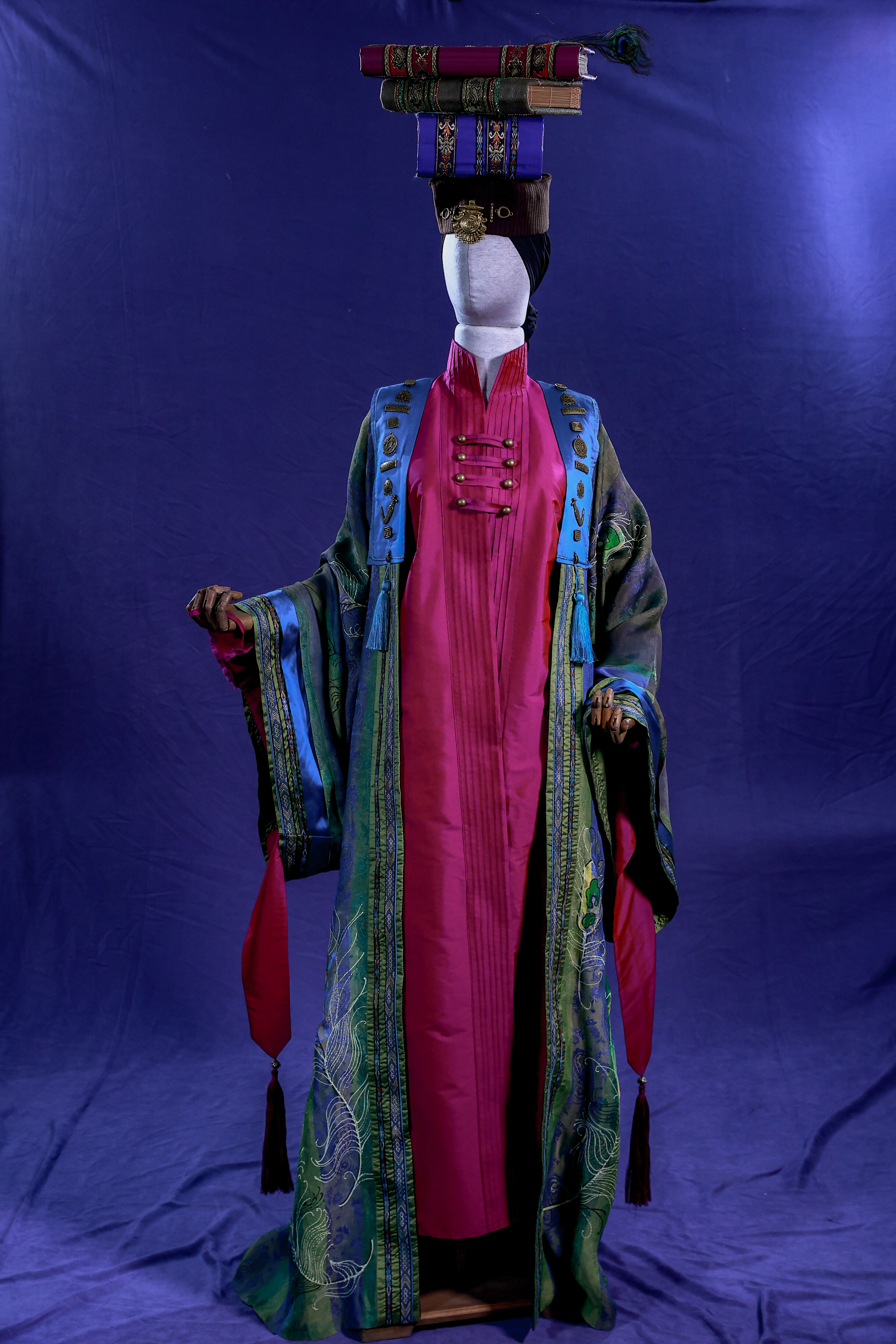 Photo: Dmitry Shekhovtsev
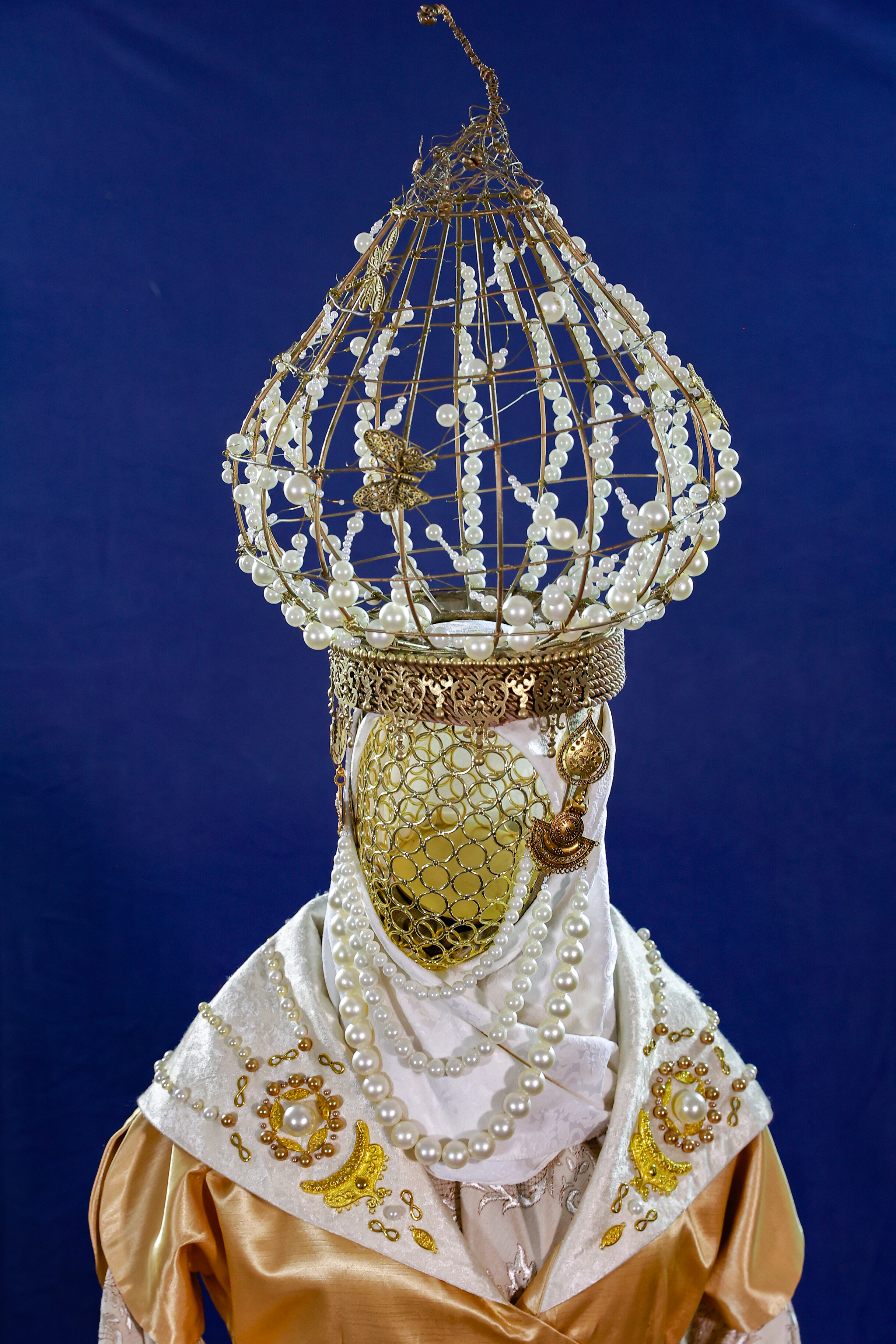 Photo: Dmitry Shekhovtsev
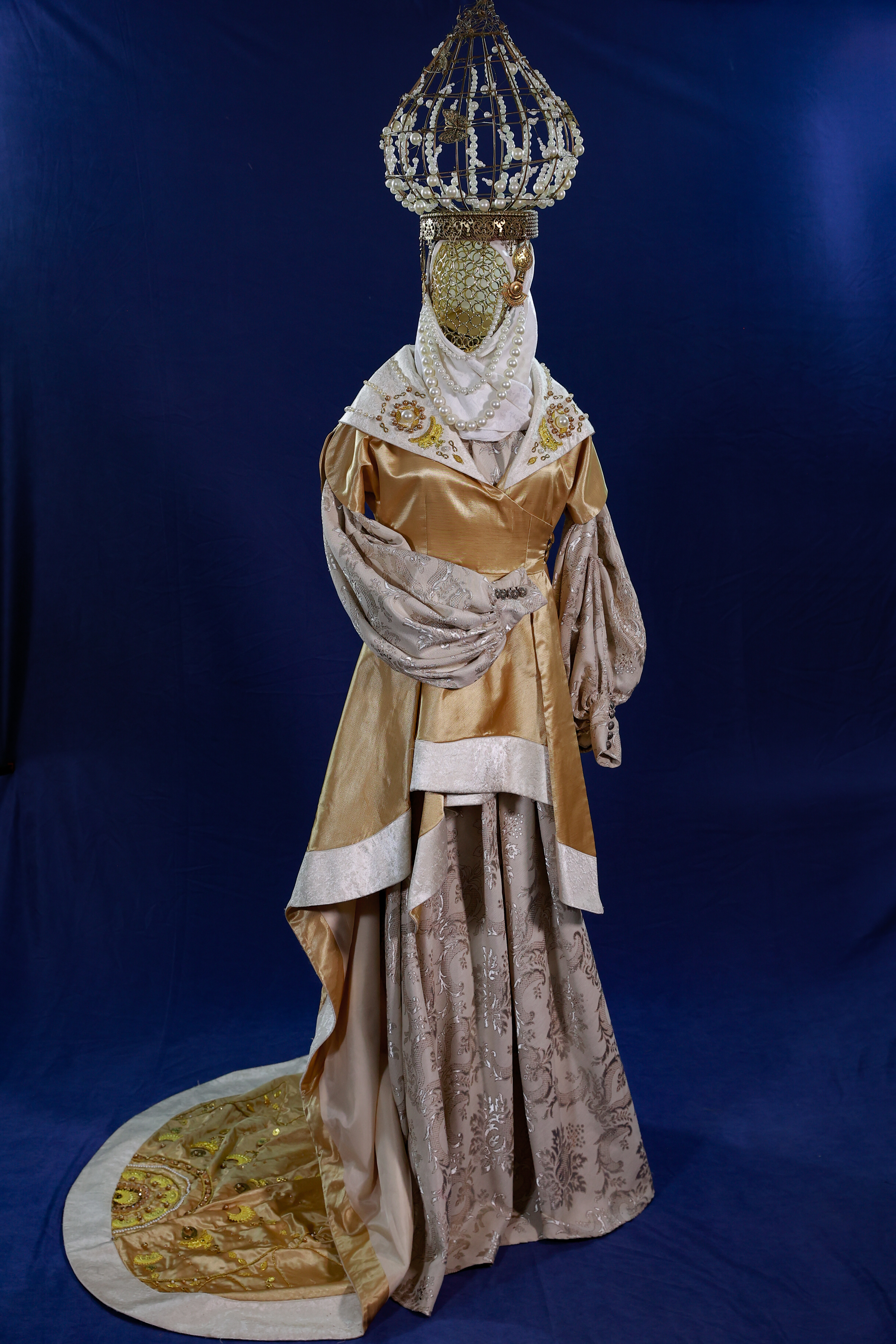 Photo: Dmitry Shekhovtsev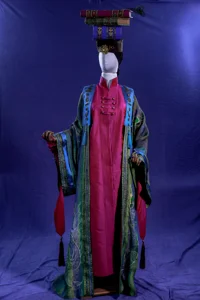
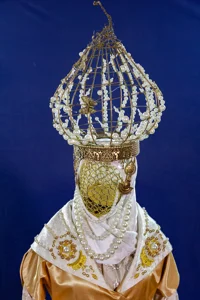
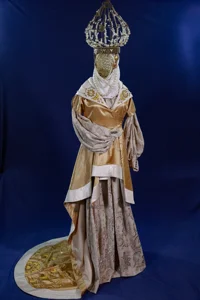
Photo: Dmitry Shekhovtsev
— And does the costume turn out as envisioned?
— Often, even better! Sometimes there's hardly any time, so I make a rough sketch. You look at it—nothing is clear! But in my head, the image, color palette, and texture have already formed, and in different variations. And when the costume is realized—it's a completely different story. It starts to "live."
From junk to art: secrets of a costume designer
— Of course, there is currently a huge selection of fabrics and accessories, but sometimes you simply need an unusual detail to complete the look. But you can't buy it in stores or at the market.
Once I found metal parts at the factory — small plates in the shape of the letter "Ш". It turned out they were parts from a carburetor. They became elements of the heroine's costume in the film "Sevginator", where the singer Manzura played a robot. These parts gave the image the necessary rigidity and technological feel — perfect for a robot character.
Sometimes I feel like the props "find" me themselves. I'm walking past a dumpster — and suddenly I see an old lampshade frame. A thought clicks in my head: it would make a great headpiece. It's not about hunting for junk — it's more of a professional habit.
And when making costumes of primitive people for an advertisement, I came up with an accessory - a necklace made from real bones. I went to the market, bought chicken bones, boiled them, cleaned them by hand... even gnawed on them—to achieve the desired texture. Then I even baked them in the oven. But the result was worth it.
There was another incident - in 2016, we were filming the fairy tale "Oyqiz ertagi" ("Desert Princess"). I visited some acquaintances and saw a strange hanger on a shelf that looked like horns. An idea was born immediately: to make a headdress out of it. That's how a jester character appeared, who wasn't even in the script. He didn't affect the plot, but added mood and atmosphere. For another heroine of this same fairy tale, I invented a necklace... made from chicken feet.
I'm not afraid to get my hands dirty. If I need to age fabric, add dust, rust - I do it myself. It's like alchemy: from dirt is born an object with character, with history.
— There's so much talk about artificial intelligence today. Has it already made its way into your work somehow?
- Honestly? I still view it with skepticism. Although there was an instance: I urgently needed some sketches — and someone recommended a guy who works with neural networks. He provided several options — and one was spot on, fantastic. The others missed the mark: either too cluttered or completely empty. So as a source of inspiration — quite viable, but as a full-fledged tool — not always. For me, what's more important is something else - that the costume is conceived by me and is exclusive.
— That sounds very authentic. And which of your projects were the most unexpected?
— There are orders that sound absurd, but creating them has become a pure pleasure for me! For example, a dust costume. Or a vacuum cleaner!
But the funniest order was for an advertisement for hemorrhoid medicine. It was a costume of a pink... HEMORRHOID! The shoot was in three days! For me, it was an interesting experiment and a challenge. I understood that I was unlikely to have another opportunity to create a costume of a disease, and such a one at that!
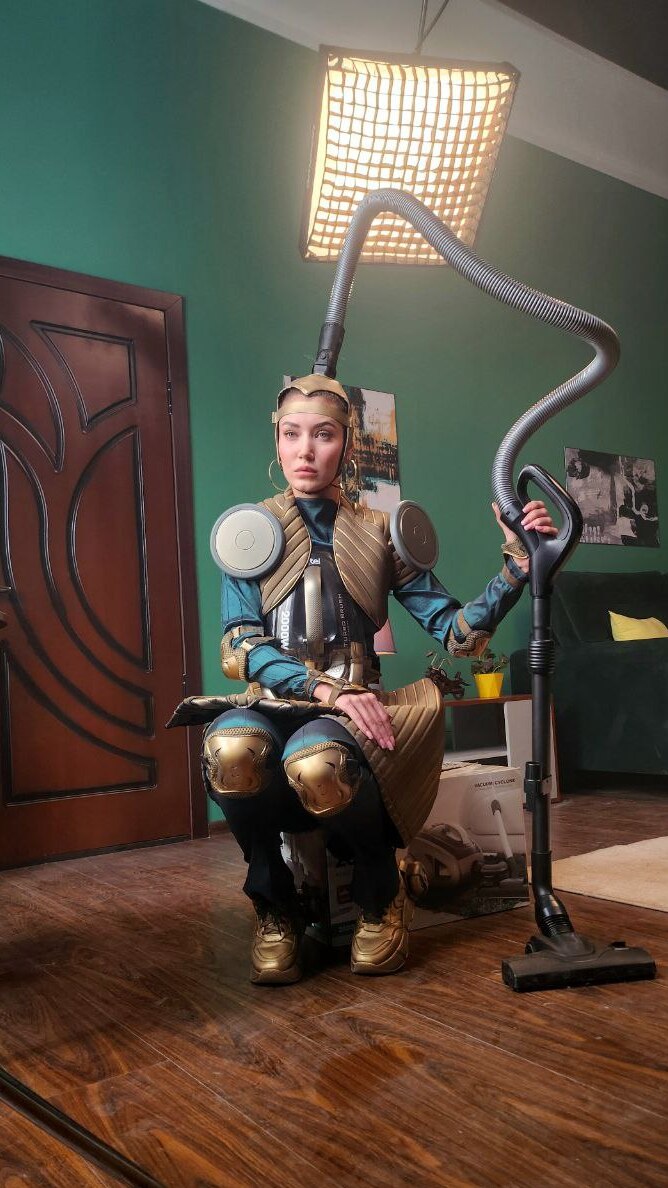 Photo: Elsevar Iskhakova
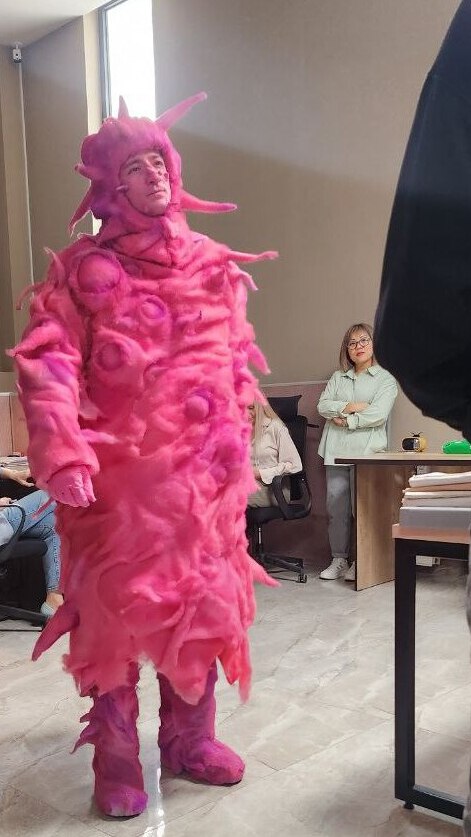 Photo: Elsevar Iskhakova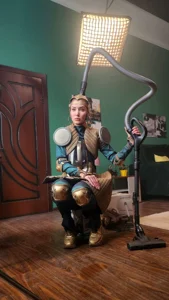
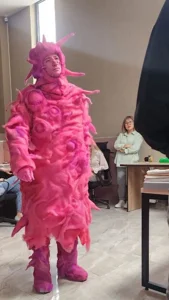
I don't like doing "cliché" things, I love non-standard!
When the suit sounds and comes to life
— What is the main feature of a costume designer's work? And what challenges do you face in this profession?
— In film and theater, the costume designer's task is to create an image that is alive, real. Of course, if the context allows or the director demands it, you can add a bit of artistic fiction, romance—you don't always need to strive for absolute authenticity. It's more important that the image is convincing.
— Can actors not only immerse themselves in a role but also into the costume you create for them, so that the image becomes unified?
— There are actors who can pull off anything – they work with the costume as if it were a partner: they feel it, present it, play with it. Even if you dress them as a homeless person, they will still look aesthetically pleasing. Then you start searching, experimenting, trying out cuts and fabrics to find what will 'resonate.' It doesn't happen often, but it does happen.
But most importantly, there must be an individual approach to each actor. Here, one must consider the peculiarities of the figure, external features, the suitable color palette, and the character's personality.
Sometimes a costume should be inconspicuous. In some films, it is a secondary element, almost 'silent.' But even in such cases, subtle work is needed: the costume should not draw attention.
When creativity meets reality
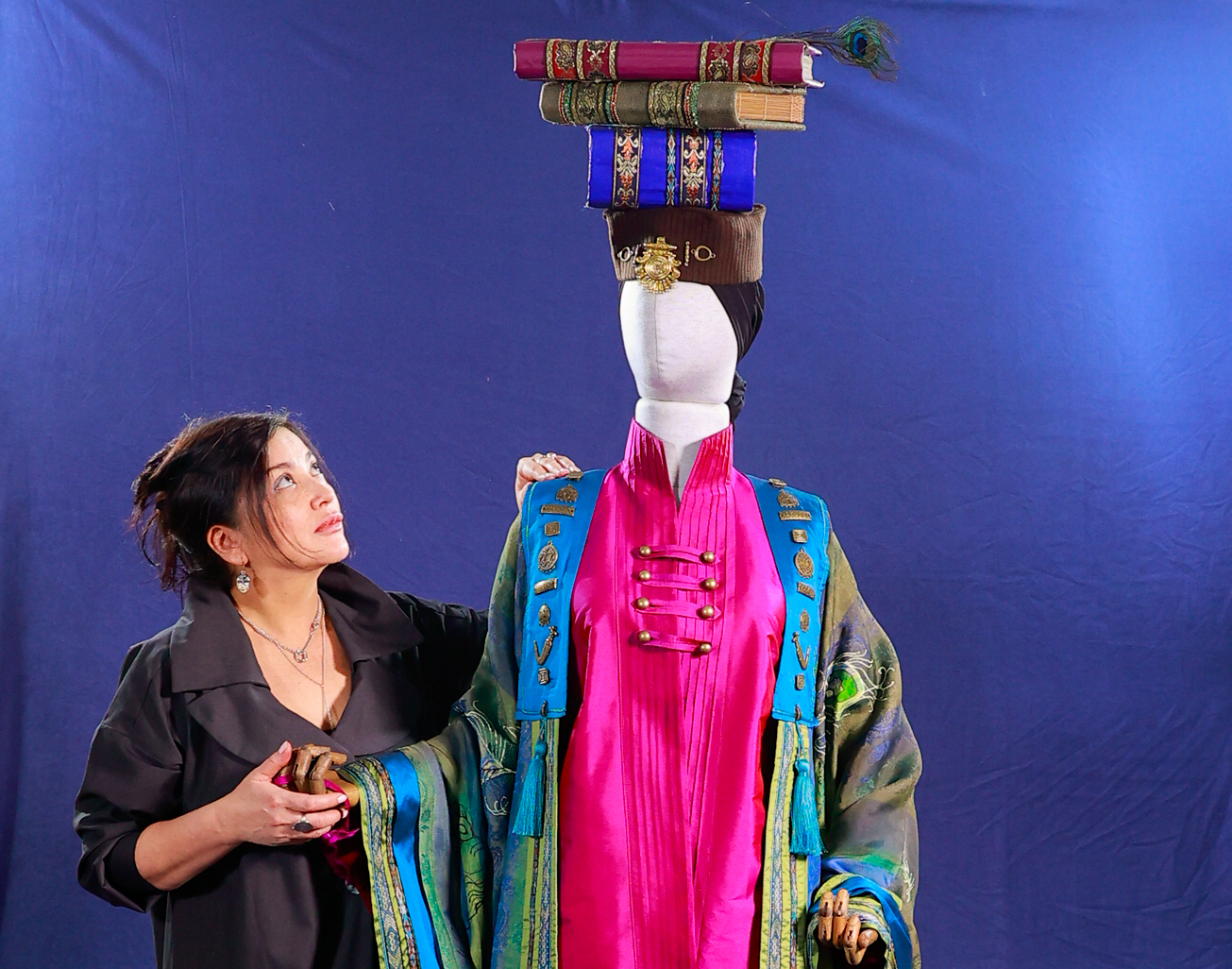 Photo: Dmitry Shekhovtsev
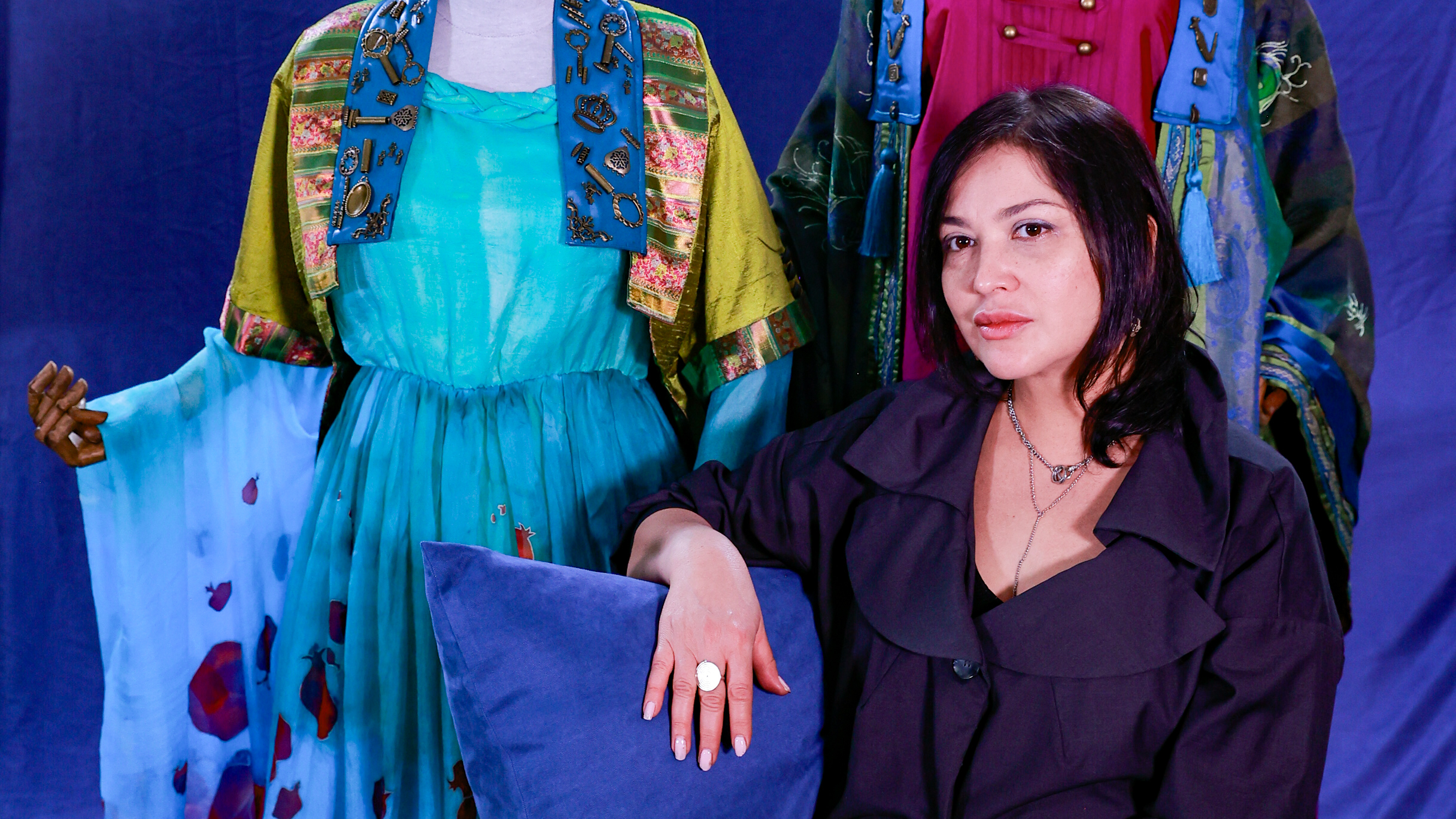 Photo: Dmitry Shekhovtsev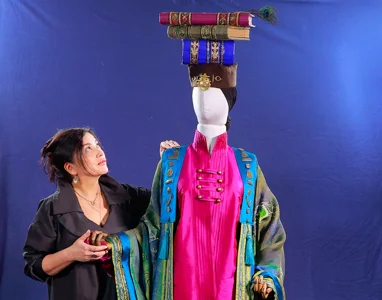
Photo: Dmitry Shekhovtsev
— Have you ever ruined costumes?
— There was one instance. I was creating minimalist white looks for a music video — they seemed boring, so I decided to add some color. I took a spray can… and ruined everything. The fabric became like paper.
— What are the most unpleasant moments in your work?
— It's when they simply cross you out or pass off your work as their own, 'scam' you for money. I've encountered such unpleasant moments in several projects. I don't want to remember these people – God be their judge!
Idea and money: how to find balance in creativity
— Have you ever encountered situations where your work was not paid for, citing ideas, art, inspiration?
— I encounter various situations. But lately, I try to state my fee "upfront," thereby protecting myself from dishonest people.
Sometimes I invest my own money into a project. For example, if the budget isn't enough for the costumes, but it's important to me that the visual image is exactly as I envision it—I'll add from my own pocket. That has happened.
That's why I always strive to see things through to the end. Although, like any creative person, I have pauses, doubts, and burnout. For example, my first short film as a director... I initially abandoned it completely. I left it. But I eventually came back to it and brought it to completion.
— Have you participated in any projects outside the film industry?
— The "Morozko" ice show is one of the most interesting projects I've had the chance to participate in. Working on such a production requires a special approach: the costumes must not only be beautiful, fairy-tale-like, and reflect the character's personality—they must also be comfortable and safe for the skaters.
In the end, we created 54 costumes. Out of these, 23 are LED snowflakes. I wanted them not just to move, but to glow like real frosty sparks.
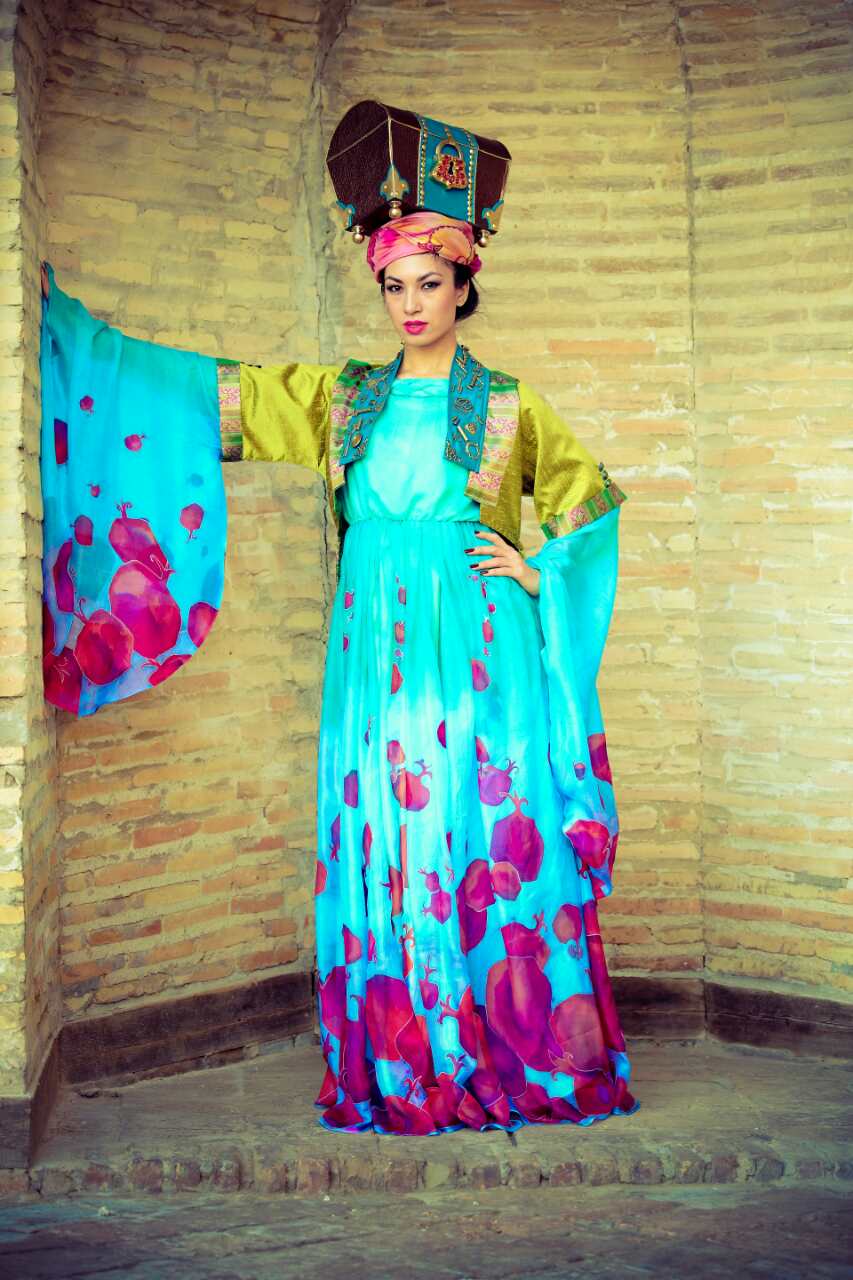
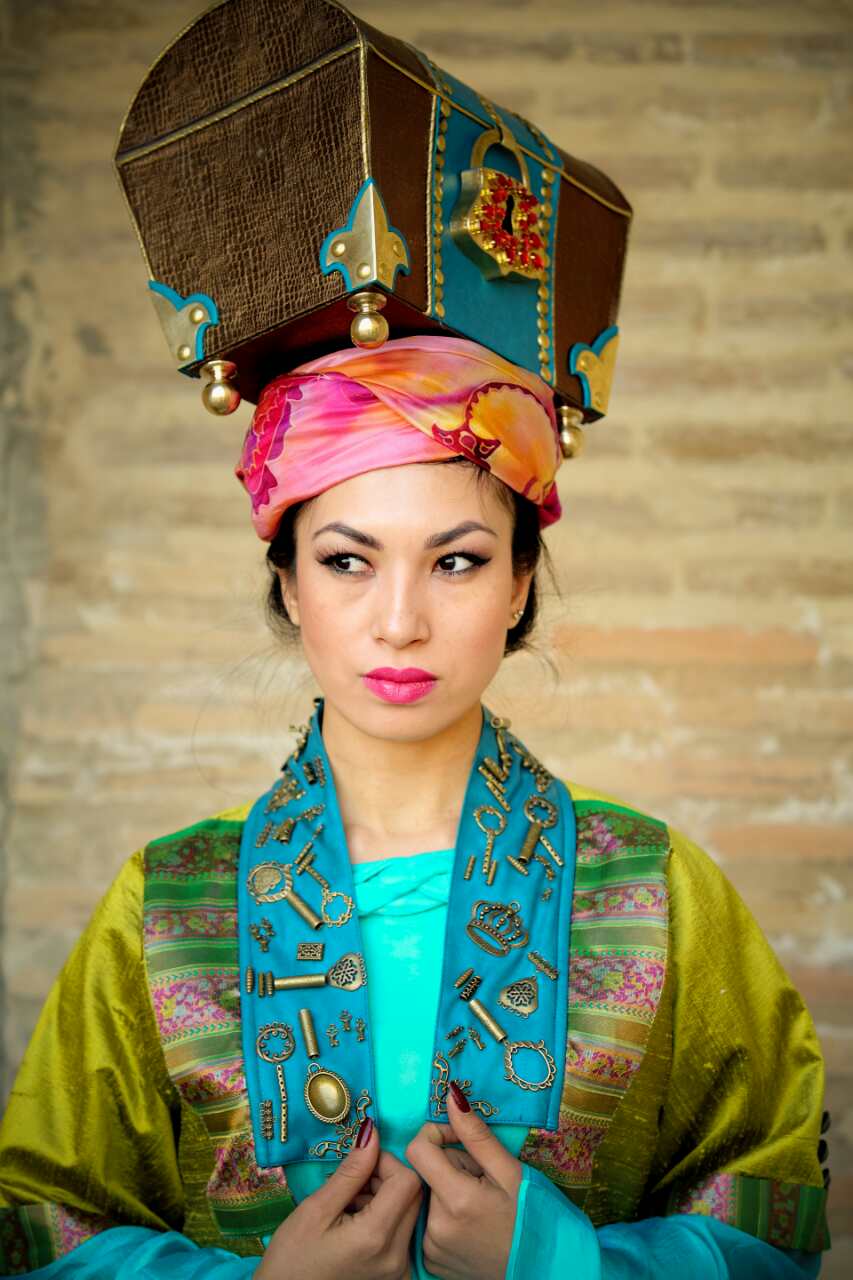
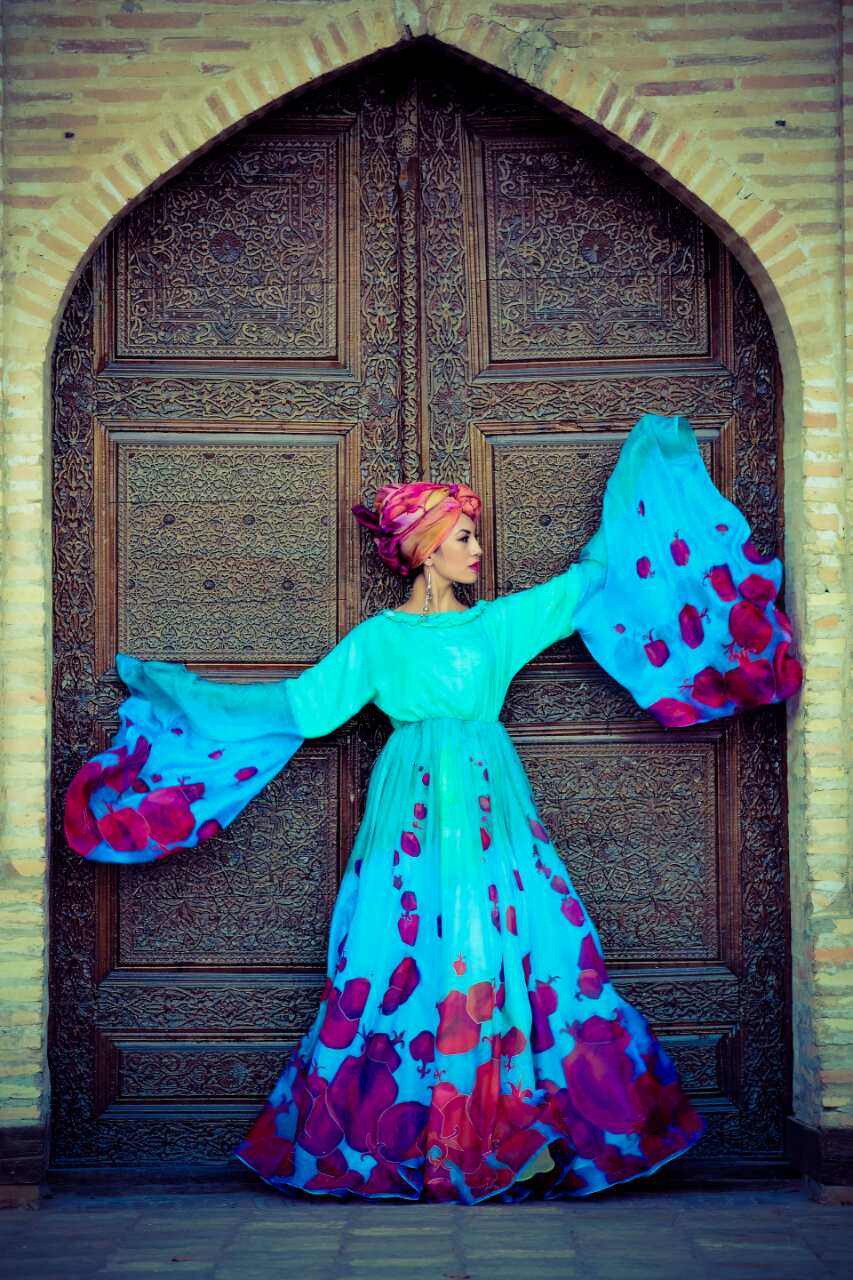
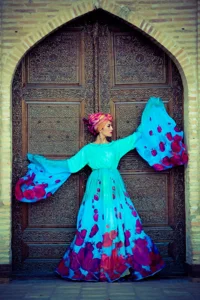
Costumes by Elsevar Iskhakova
From photo shoots to awards
— So we've come to Elsevar the director. Recently you've made a name for yourself as a short film director. And quite loudly at that — your film "Puppets" is already receiving awards. How did it all begin?
— It's funny to say, but I initially didn't even plan to make a film. This was about ten years ago. I was sitting without work, bored. And I thought: "Why not do a photoshoot?" Without much expense, using what was on hand. I came up with some looks. And then suddenly the thought came: "What if we made a video out of this?" That's how the idea was born — to create a short film based on fictional characters.
I gathered a team of talented and young friends, colleagues, like-minded individuals. All worked on enthusiasm. We filmed in the old "Uzbekfilm" building, even before its reconstruction.
I didn't have high expectations. I just wanted to try. But when I watched the footage, I felt uneasy. Everything seemed raw, unclear. We had catastrophically little time for shooting—we had to film four locations and prepare each one within 24 hours. I realized: it didn't work out. I shelved the project. Even years later, coming back to it, I could see it was a mess. But I knew I would finish what I started someday!
— What helped you complete the project?
— About nine years after that attempt, I was invited to an exhibition of film and theater artists. I showed photographs—the images I had once created. The organizer, Tatyana Fadeeva, saw one of the heroines and asked, "What is this?" I told her about the abandoned project. She was surprised: "Then finish it! Make it in time for the exhibition!" And I decided to do it.
I turned to the talented editor Rams Karimov. He brought everything to perfection — aligned the picture, made the material cohesive and expressive. The result was something like a music video — just six minutes long. But most importantly, it turned out to be something alive, genuine. I invested again — with money, time, emotions. Because I believed in this idea. Because I wanted to finish what I once was afraid to bring to an end.
I just decided to submit it to festivals through special platforms. Mom and I sat down, figuring out how everything works: registration, uploading, payment...
And suddenly — the film wins first place at a festival in Panama. Then — in Mexico. Then — in Moscow. And I receive information that I am a laureate of four International FREE WAY film festivals in different countries. As of today — already five official awards in the "Best Experimental Film" category. I haven't released it publicly yet — let it live the festival life for a while. It's especially nice that this was my idea!
— Would you like to continue as a director?
— Yes, I think about it. I have ideas; they are still living inside me, and I would like to try to realize them. If I suddenly got the chance to shoot something, it would be something in the genre of surrealism, fantasy, or arthouse.
— You've acted in movies, haven't you?
— Yes, I did appear in films, but those were just episodes, I don't consider myself an actress. For me, it's more like a hobby.
I understand that true acting is a special gift. But I am not an actress. I am an artist. I create visual worlds, I tell stories through images. This is my stage.
— And criticism? Has anything ever wounded you or, on the contrary, made you smile?
— Of course, it has happened. For instance, in one of the fairy tales, I created an outfit for the heroine that combined Spain and India. Some considered it strange, controversial. But it's a fairy tale! Isn't this precisely the genre where one can and should fantasize, give free rein to imagination? I stylize because that's how I feel. It's my handwriting and vision.
— Who is your main critic?
— I am myself. I'm always particular about my work. I constantly evaluate, analyze, and look for what could be done better. And that stimulates me to move forward.
— And if there was an opportunity to change something in famous movies? Would you dare?
— You know, sometimes you watch a cult film and catch yourself thinking: 'Just a little differently, and everything would have sounded different!' There are films where the costumes are too garish, even though each one individually is a true work of art. Undoubtedly, you can feel the immense work of the artists, their imagination and creativity — that commands respect. But sometimes you want harmony. A cohesive style. For the costumes not to clash with each other, but to complement one another. Because when there's too much visual 'noise' on screen, the eye gets tired, it doesn't rest.
Laziness and Travel: The Other Side of Creativity
— Do you have any shortcomings?
— Of course. To be honest, I admit I'm lazy. Truly lazy. If I were more driven, I probably would have achieved more.
— That sounds unexpected. Listening to you — and you see a person who is passionate about their work, invests their whole soul... And here — laziness?
— But opposites always coexist within a person. In me — definitely. I can work around the clock, forgetting about time and food, if an idea has ignited. And I can — just not want to. Even if you crack. I don't want to — and that's it. And then suddenly — a click, a switch inside — and I do in one day what I could have stretched out over a week. It all depends on the impulse, on the state.
— Andrea Bocelli once said that life has no subjunctive mood. But if we imagine that you didn't become a costume designer... what could you have been?
— I wouldn't say I have a hundred talents, but music is another one of my weaknesses. In my childhood years, I learned to play the violin. I have a musical ear, I love to sing. My voice used to be stronger, now it's a bit worn out... but still — it's mine. Music for me is like breathing, like a decoration for life. I love to listen to it when I need to pour out emotions, to feel something to the very depths. It's a special state in which you can dissolve.
— Were there moments when you wanted to drop everything and go far away, start with a clean slate?
— Of course. It's a normal human desire to change your surroundings, to give your eyes and mind a break. I believe you should travel whenever you have the chance. If I had the opportunity now, I would leave without hesitation. Just to reboot. A new environment always heals. It's beneficial — for both the mind and the soul.
— Thanks to your profession, you've probably visited various countries. Which trips were particularly memorable?
— Yes, I've been really lucky. I rarely allow myself to take a vacation just like that, but thanks to my work, I've visited the most diverse corners of the world. In Thailand—twice, Dubai, Morocco, St. Petersburg, Egypt, Malaysia, Kazakhstan, Ukraine... But you know, it's not just about the country. Sometimes you end up in a magical place, but the wrong people are with you. And that's it, the magic is gone. And sometimes it's the opposite—outwardly everything is very modest, almost poor, but the atmosphere, the company, the mood—and you remember those days for the rest of your life. It's like a hiking trip: without much comfort, but in your soul—it's a celebration.
— If we compare Elsevar at the beginning of their creative journey and now — what has changed?
— First and foremost, my demand for perfection in myself. I used to be much simpler in many ways, allowing myself frivolity. But now, everything must be impeccable. Every detail matters. I see how I am growing — and I understand: with this growth comes responsibility. I even feel it in everyday life. If I'm doing a renovation and something suddenly doesn't suit me, I don't just accept it. I might postpone it, but I will still redo it.
- And what is happiness for you? Do you feel happy now?
— Relatively. But overall — yes, I am happy. My happiness is my family — my mother, brothers, my son Ilkhom, my loved ones. They are my support and my backbone. When they are healthy, when they are near, when I feel their happiness and warmth — that is my true happiness. Life is always different, after all. There are periods when it seems like everything is falling apart. And then relief comes, and you start to appreciate even the simple things. We are often ungrateful. We get used to the good things and start to get fussy. And, undoubtedly, a huge part of my happiness is my profession. I love my work — it inspires, supports, and gives me purpose.
But if we're being completely honest, it's important for every person to meet their person. Someone with whom neither anxieties, nor daily routines, nor silence are frightening. A partner with whom you can be yourself — and perhaps that, too, is the essence of happiness.