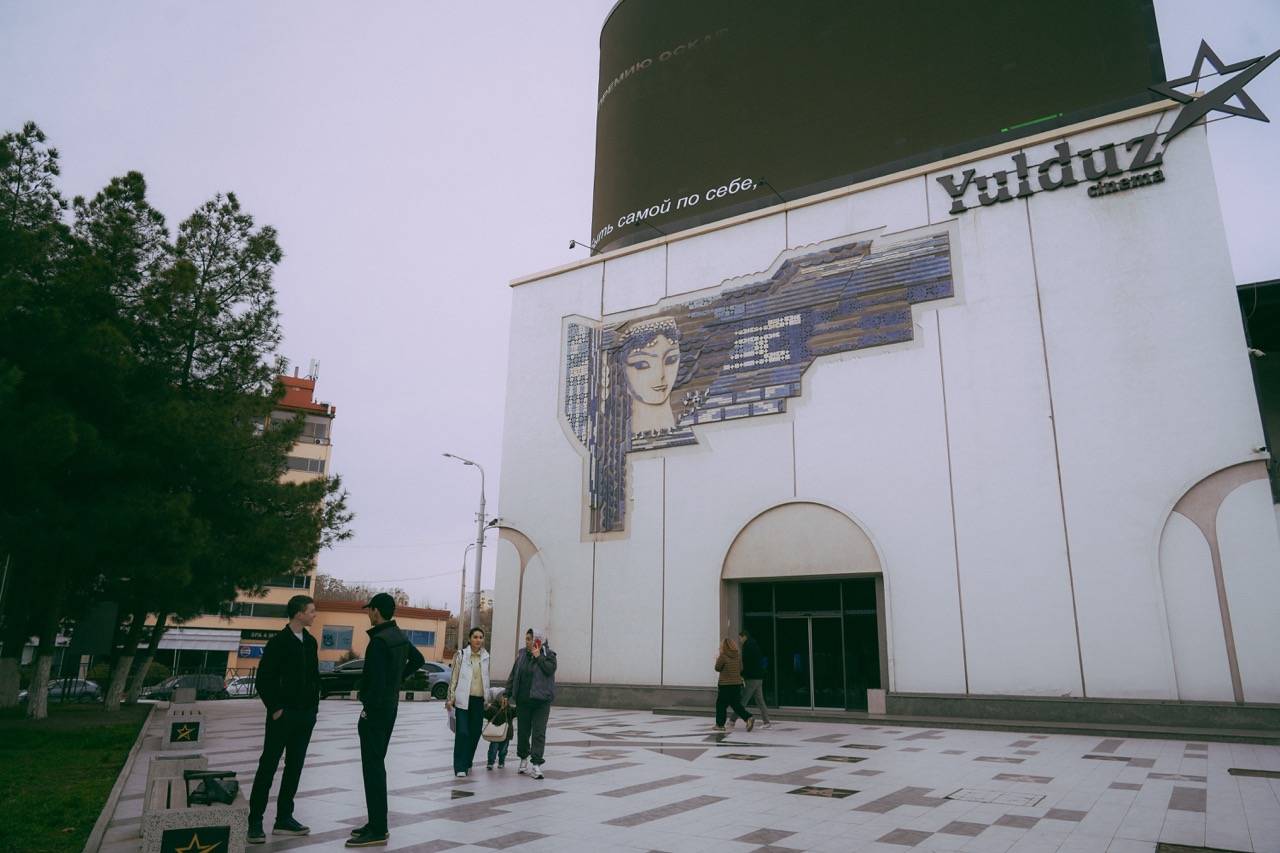
Shota Rustaveli Street appeared on the map of Tashkent in the second half of the 19th century. At that time, it was called Dachnaya and led to the garden of the Turkestan Governor-General — now Babur Park is located in its place. In 1938, the authorities of Soviet Tashkent decided to get rid of a relic of the past — thus, the name of the great Georgian poet appeared on the address plates. In 1991, after Uzbekistan gained independence, the street was renamed again, also in honor of a poet — the outstanding native of Namangan, Usman Nasir. In 2010, its former name was returned.
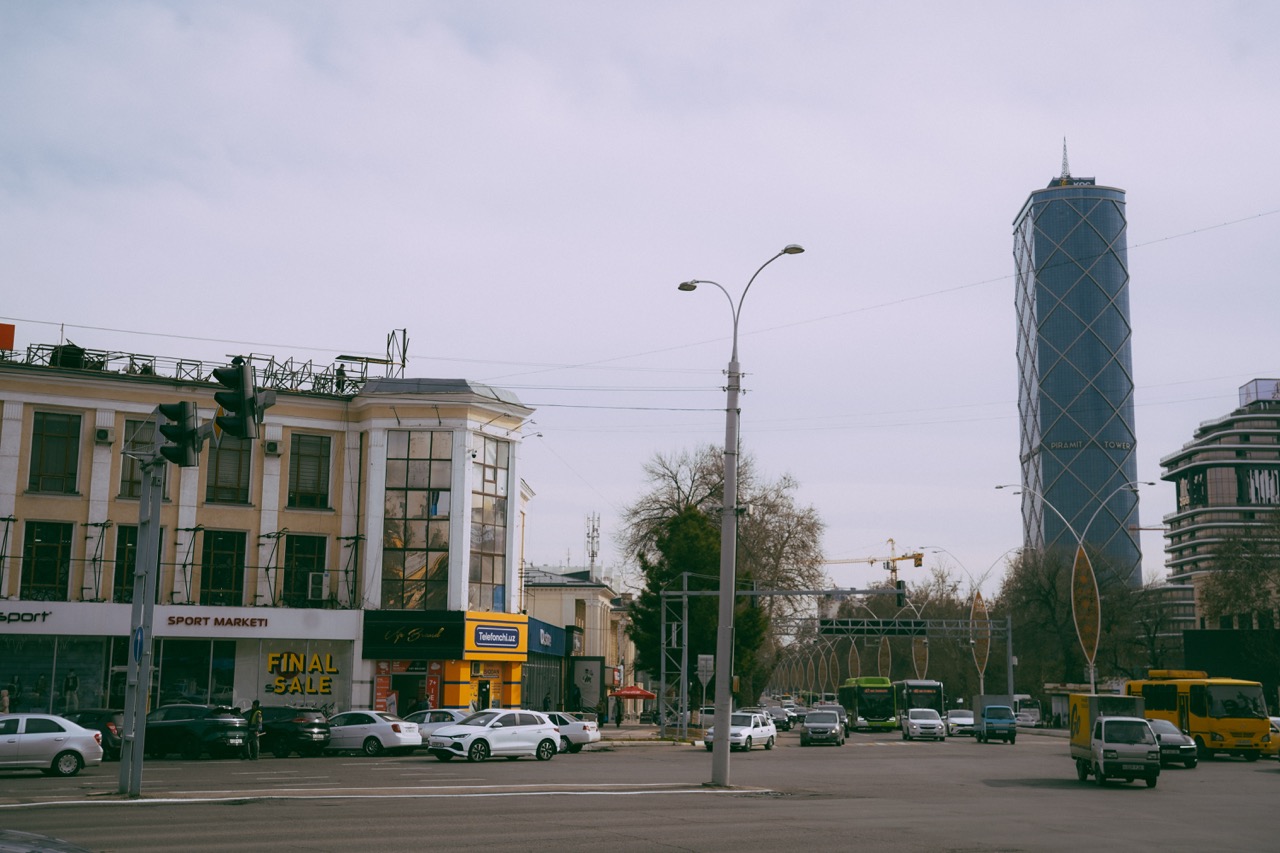
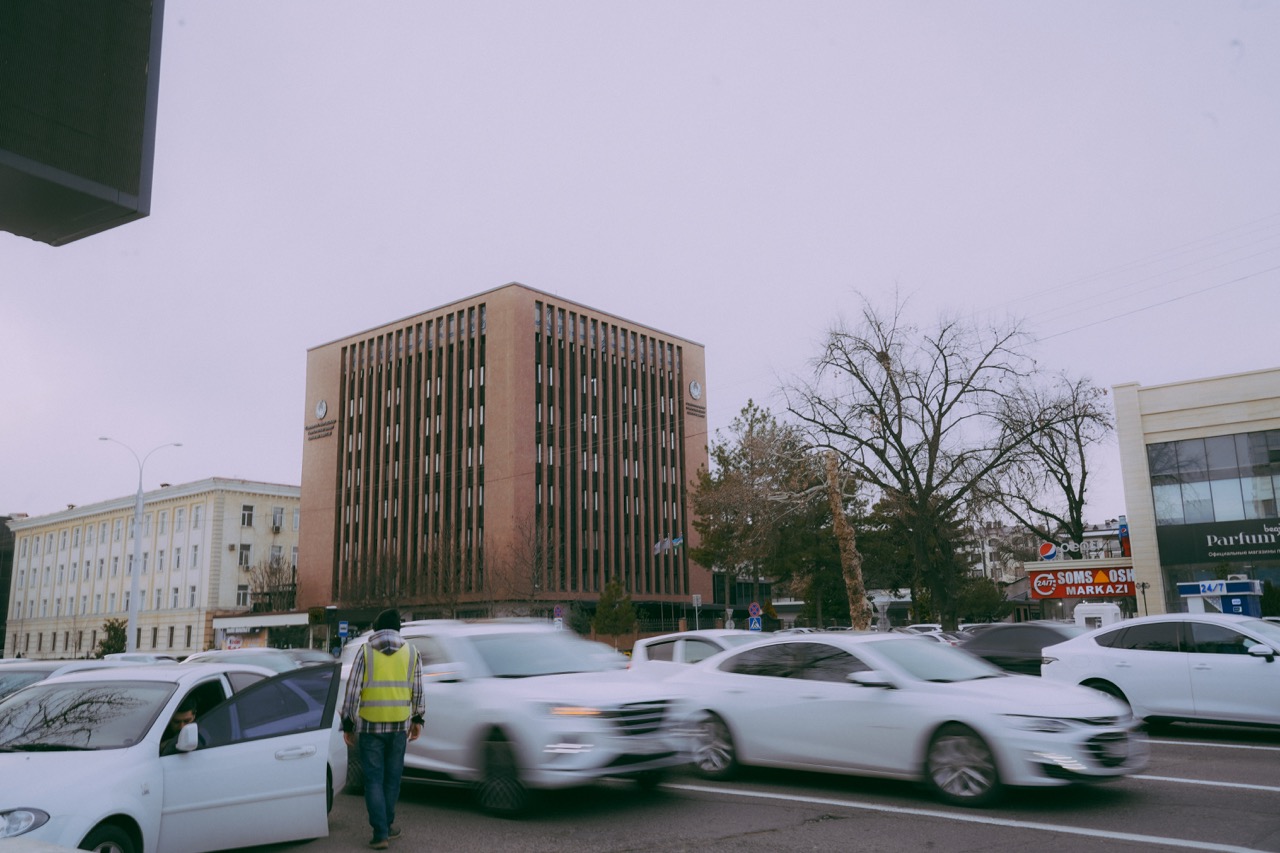
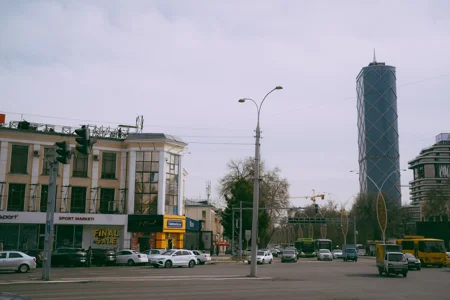
Currently, along Rustaveli Street, there are Friendship Park, the Grand Mir hotel, the Regional Court for Civil Cases, the "Saodat" shopping center, the Embassy of Switzerland, and the office of the International Fund for Saving the Aral Sea. The surrounding area is being actively developed with premium-class housing and office spaces. Recently, the architectural ensemble of the district was complemented by an interesting structure — the building of the Agency for Combating Corruption.
For Ildar Sadykov, a native Tashkent resident who explores Uzbekistan as a professional photo artist, this renovation is more a cause for sorrow than a reason for pride.
When people ask me about the most vivid memories of my childhood, the first thing that comes to mind is my street, Shota Rustaveli Street. I lived there until I was 19; my entire childhood unfolded near the "Rossiya" hotel. It was a special district where every lane, every courtyard, every corner was full of its own unique atmosphere.
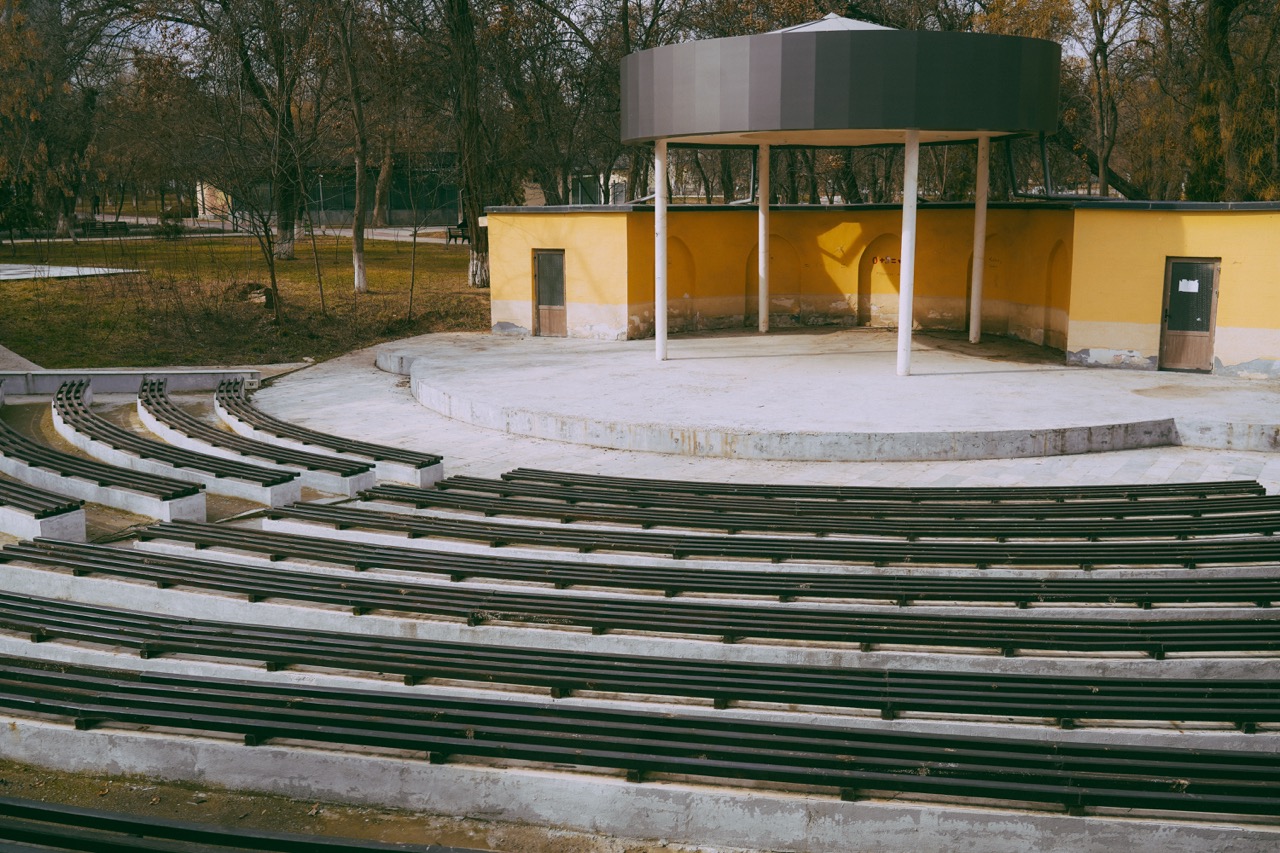
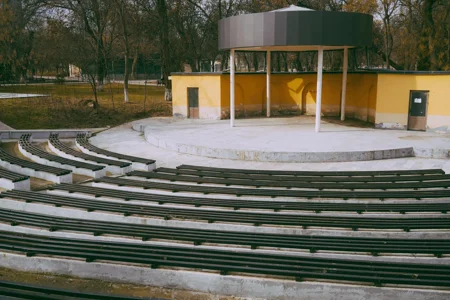
Babur Park, which was once named Kirov Park, the "Tekstilshchik" stadium where we used to kick a ball around with friends—these places are forever etched in my memory. We didn't know what boredom was; we found joy in the simplest things.
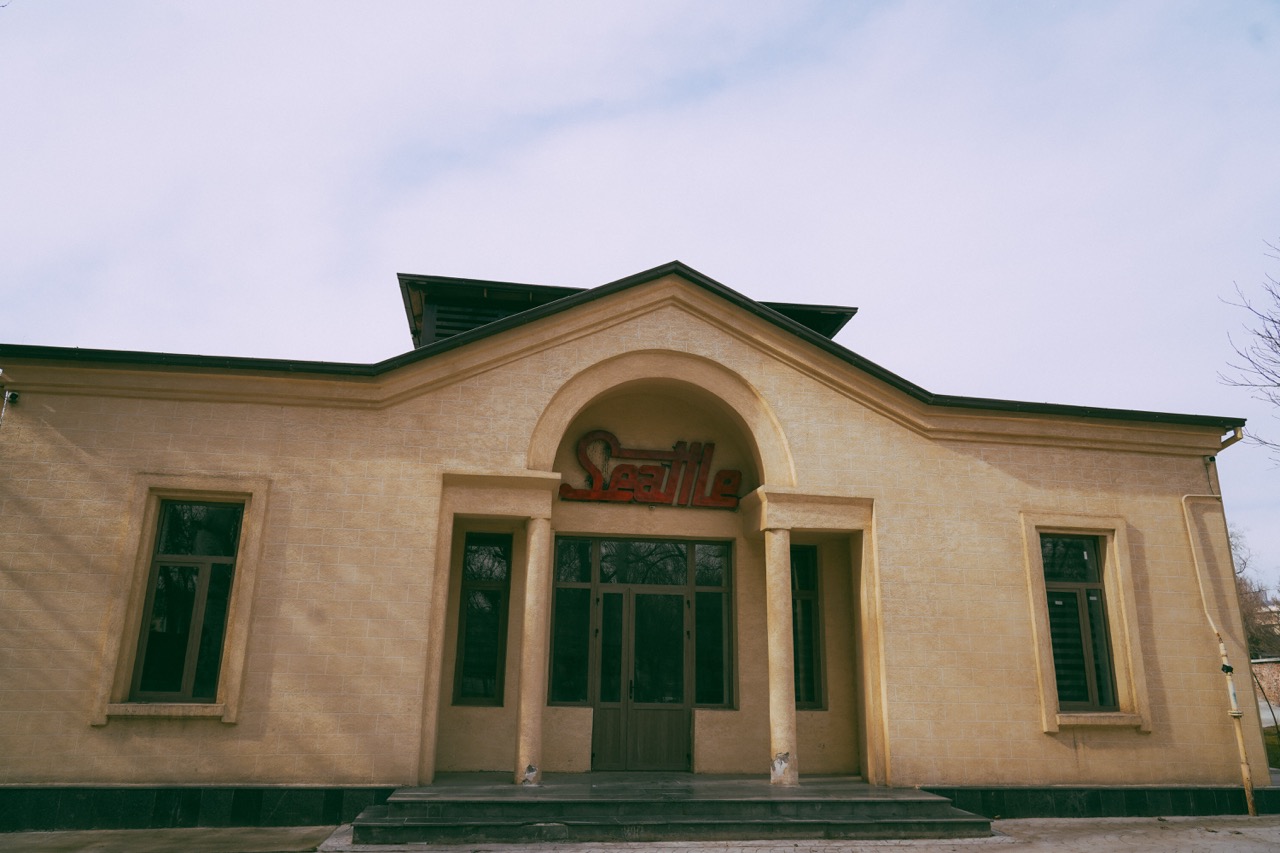
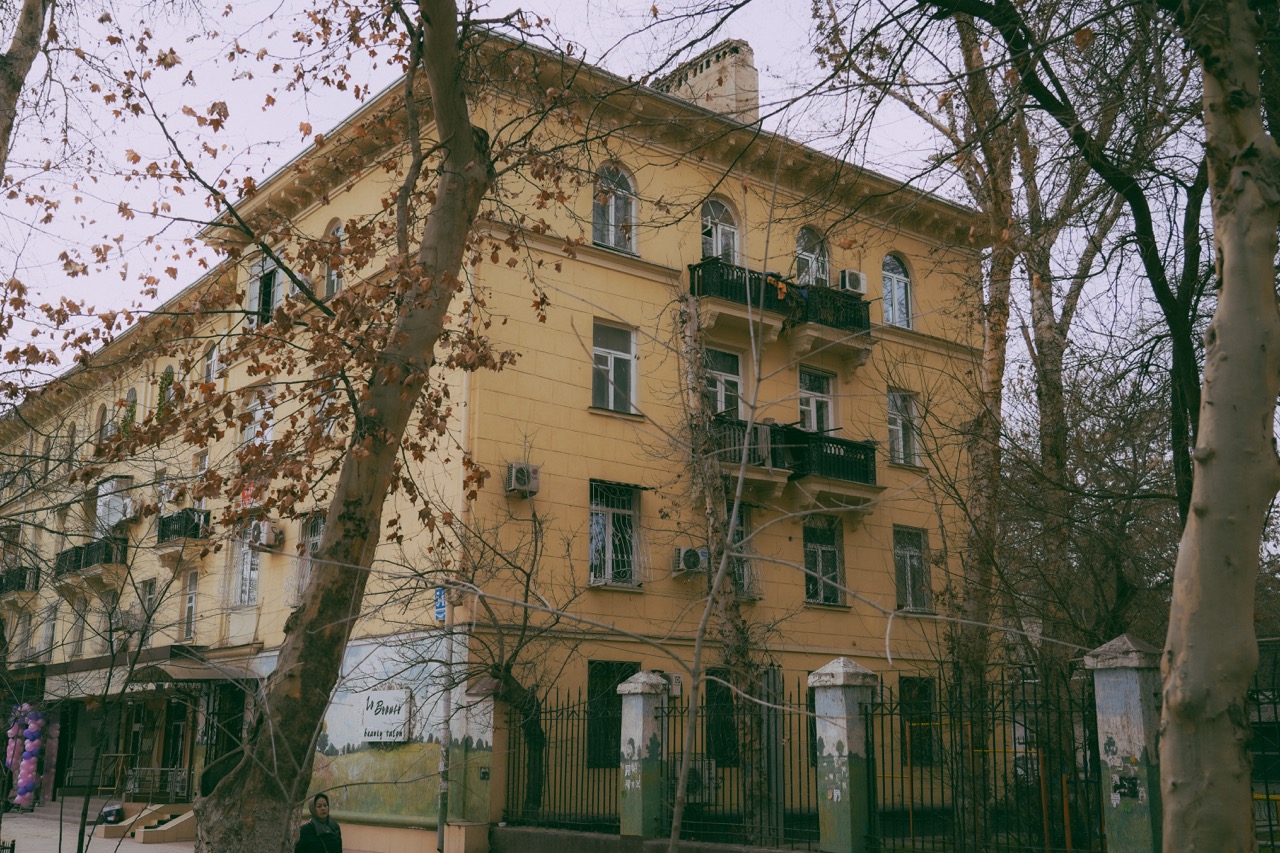
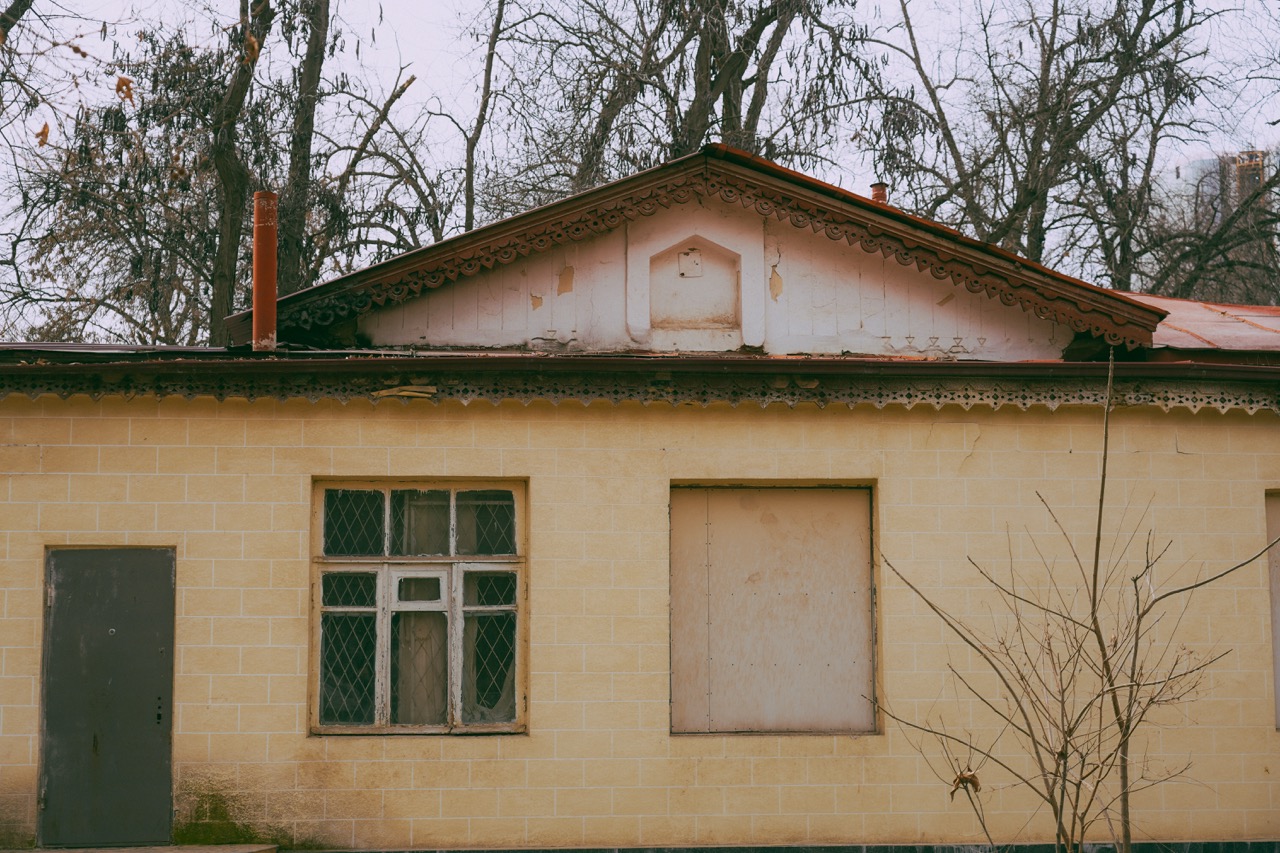
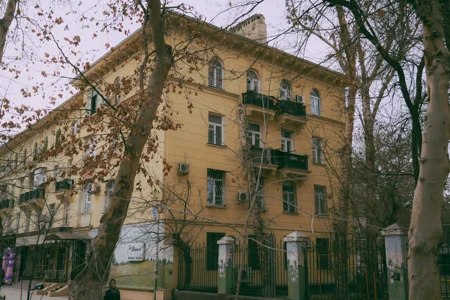
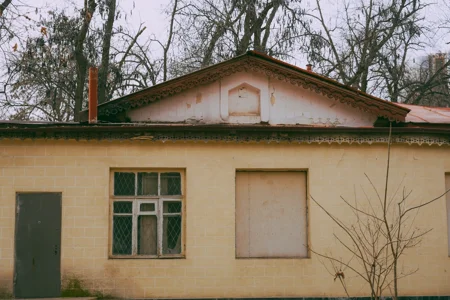
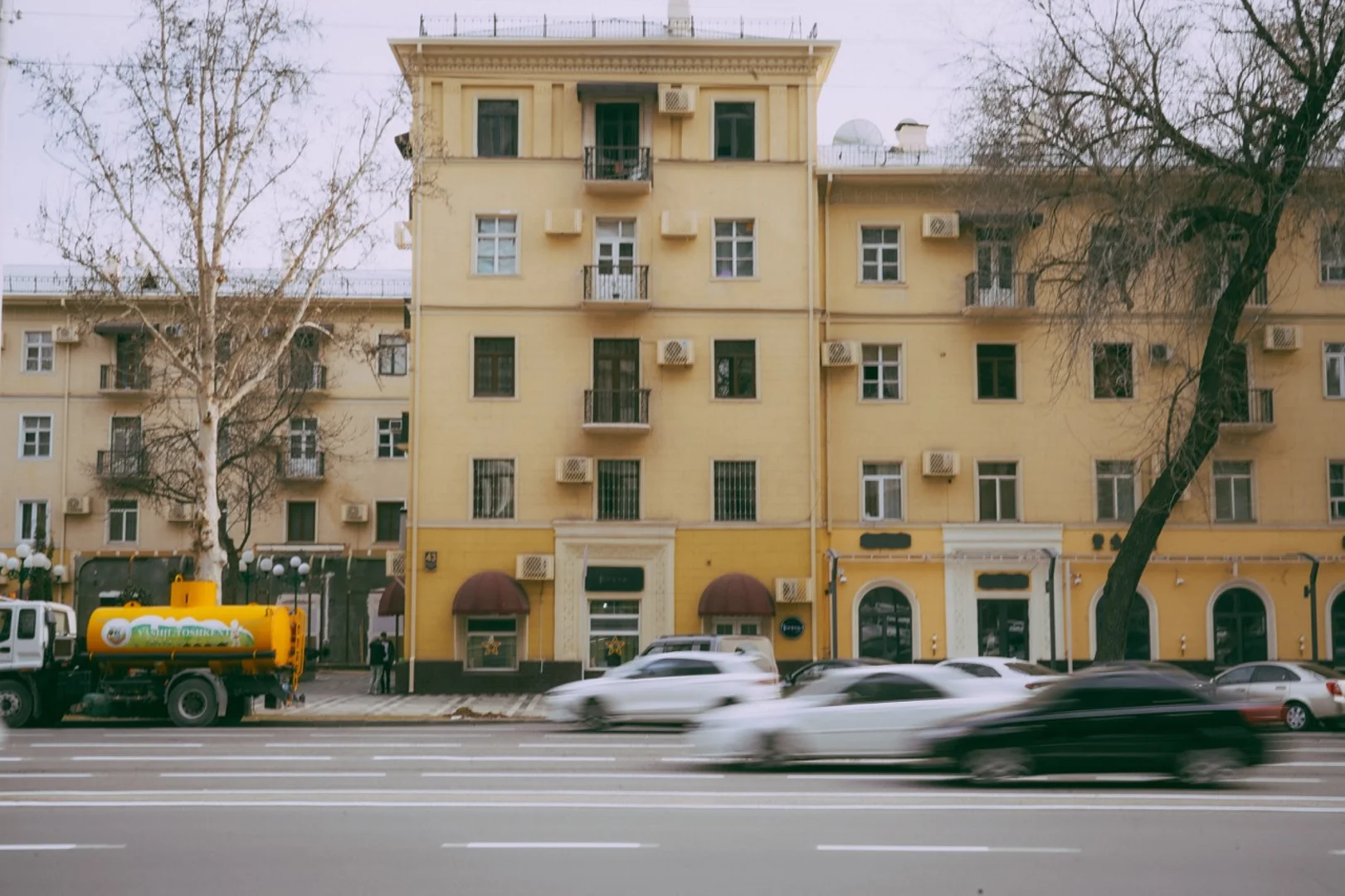
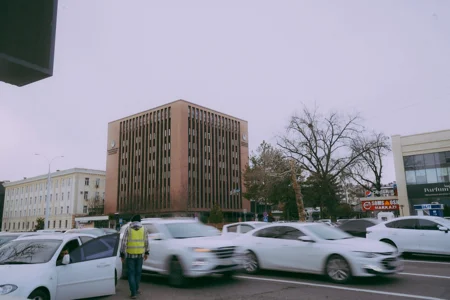
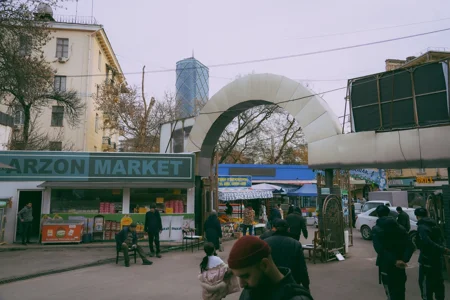
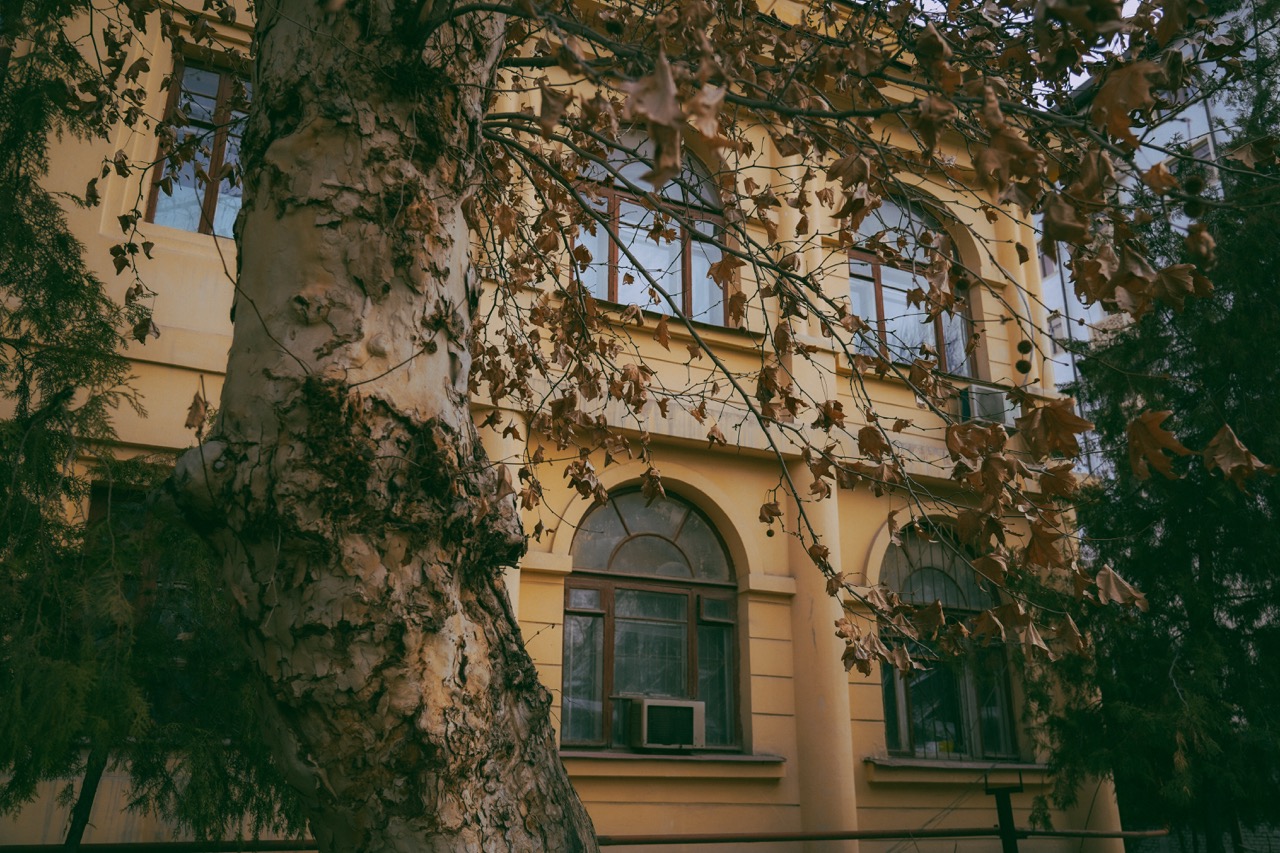
Some will say that the street has hardly changed: the facades of old four-story, three-story, and seven-story buildings, which still remember those times, have remained the same. This neighborhood as a whole has stayed as it was many years ago, but the feeling has changed. In place of the old cozy courtyards, new residential buildings have appeared, which, in my opinion, have disrupted the harmony of this area.
Rustaveli Street used to epitomize old Tashkent — now it's no longer the case.
I can't say they're bad, but they're definitely out of place. There was a time when this street wasn't just a place to live, but also an island of quiet in the heart of the city.
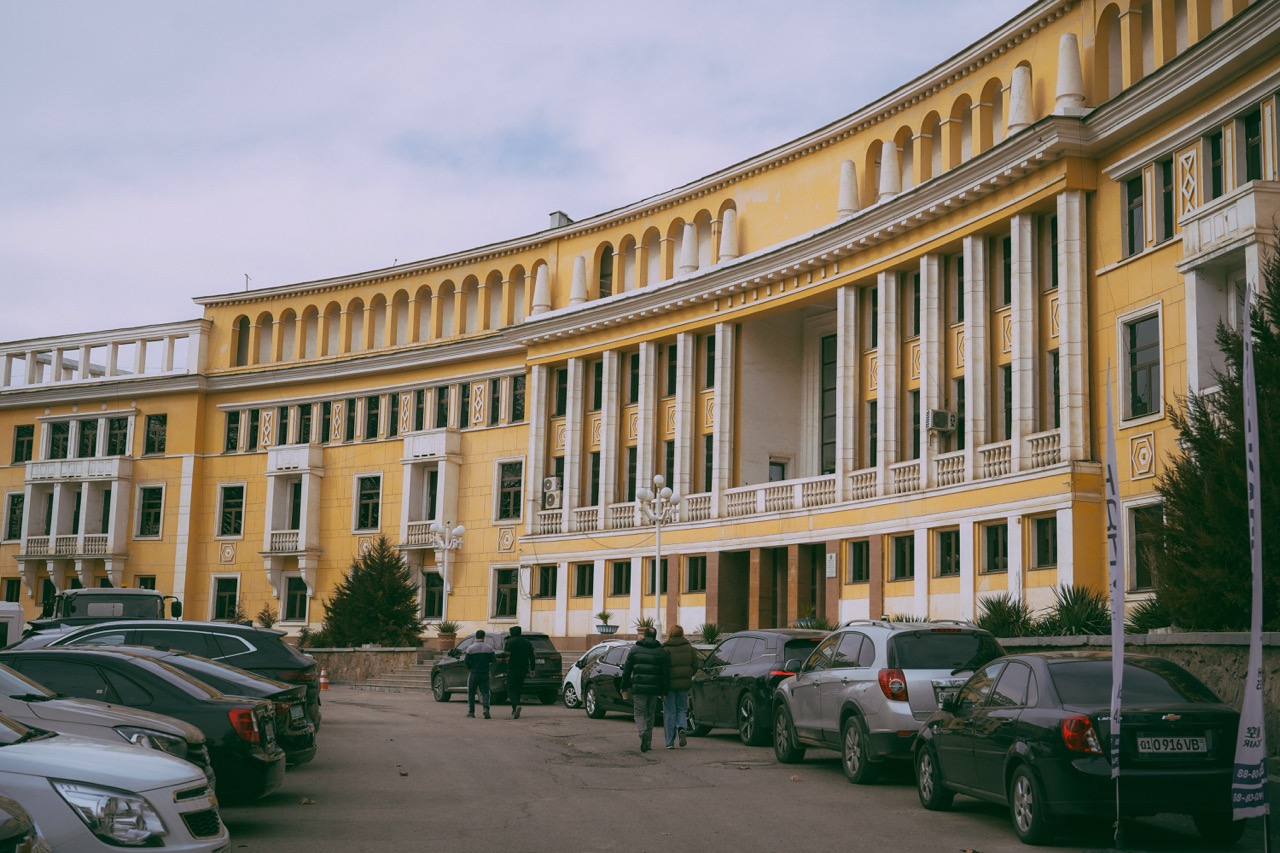
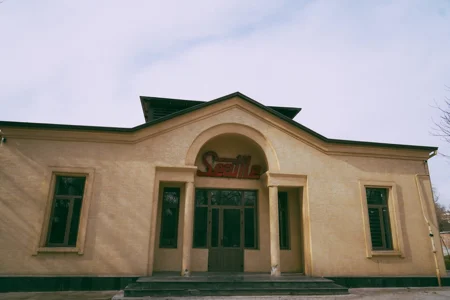
And there was also the Pioneer House - it was a whole world, a world of creativity, friendship, and new discoveries. I participated in school events, recited poetry at competitions, and took part in congresses and meetings. I cannot help but also remember the Textile Workers Palace, where my friends and I went on Wednesdays to watch movies; for us, it was a whole event. Exhibitions and competitions were held at the palace, and there was an art studio where I learned a lot as a photo artist.
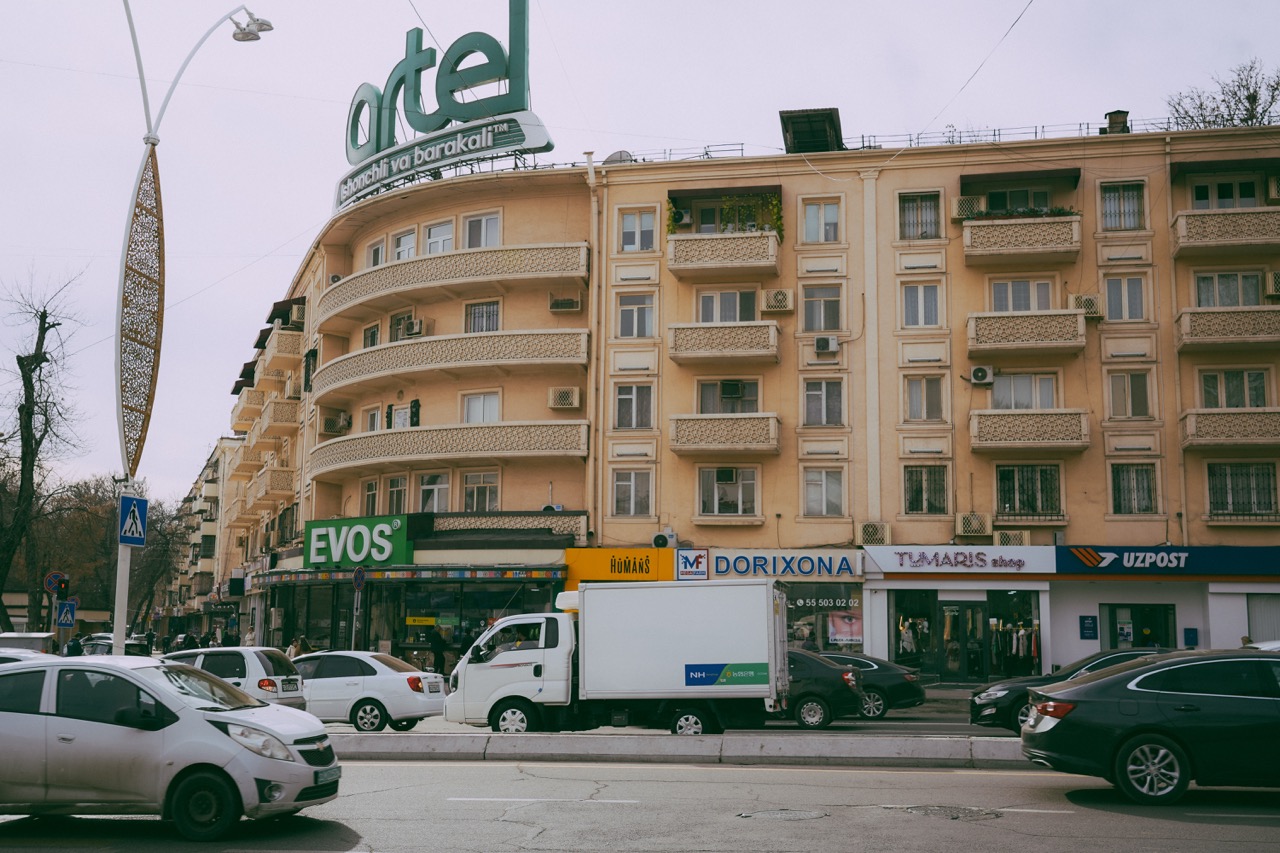
Active development of the street began in the 1930s, and since then, iconic structures have been preserved here — the avant-garde-style polyclinic of the Tashkent Textile Combine (1934), Stalin-era buildings from the 1940s-1950s, as well as the typical panel construction of the 1960s, familiar to every resident of a post-Soviet city.
One of the most memorable places on this street was the store "Radost" (Joy). In this store, my friends and I bought toys that were real treasures to us. That store is no longer there, and the place where it stood has long been abandoned.
That world no longer exists, and it is a great loss.
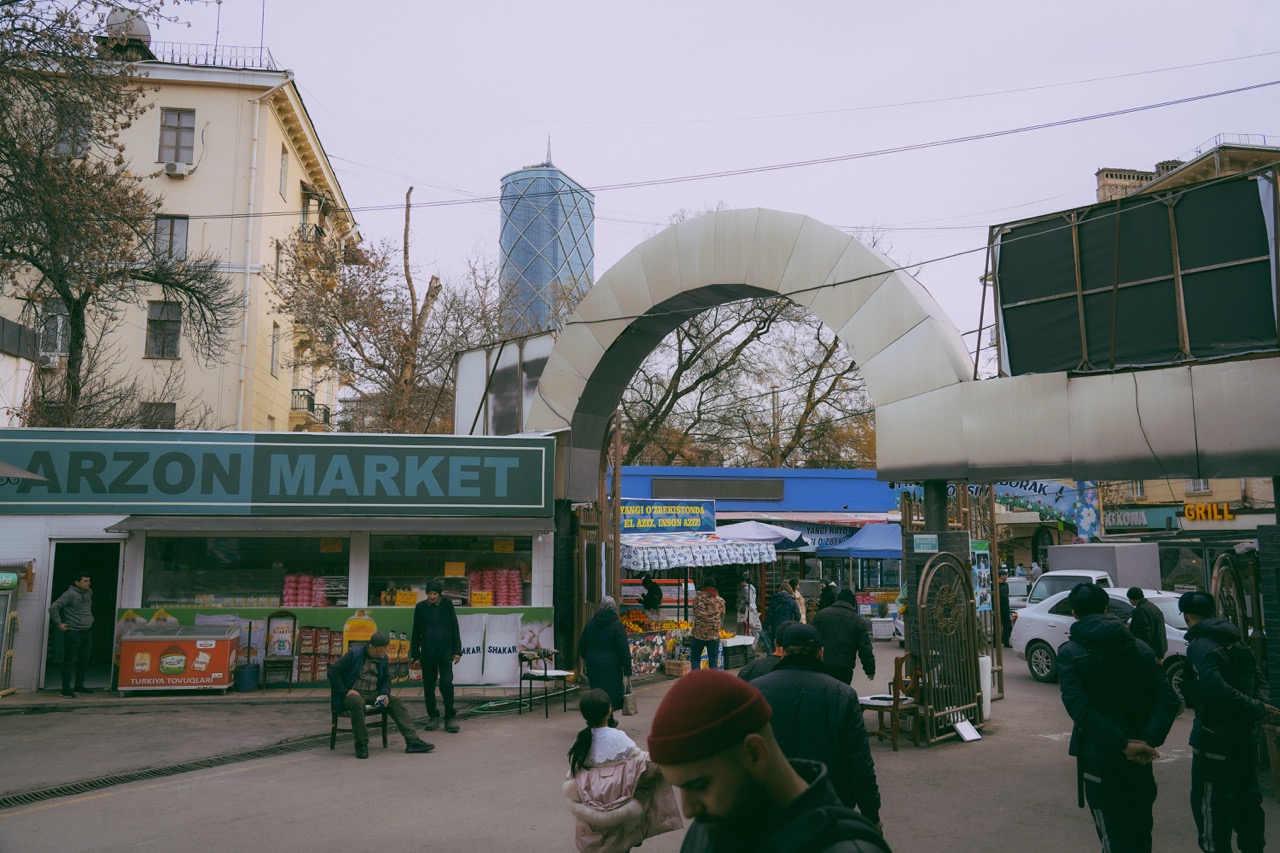
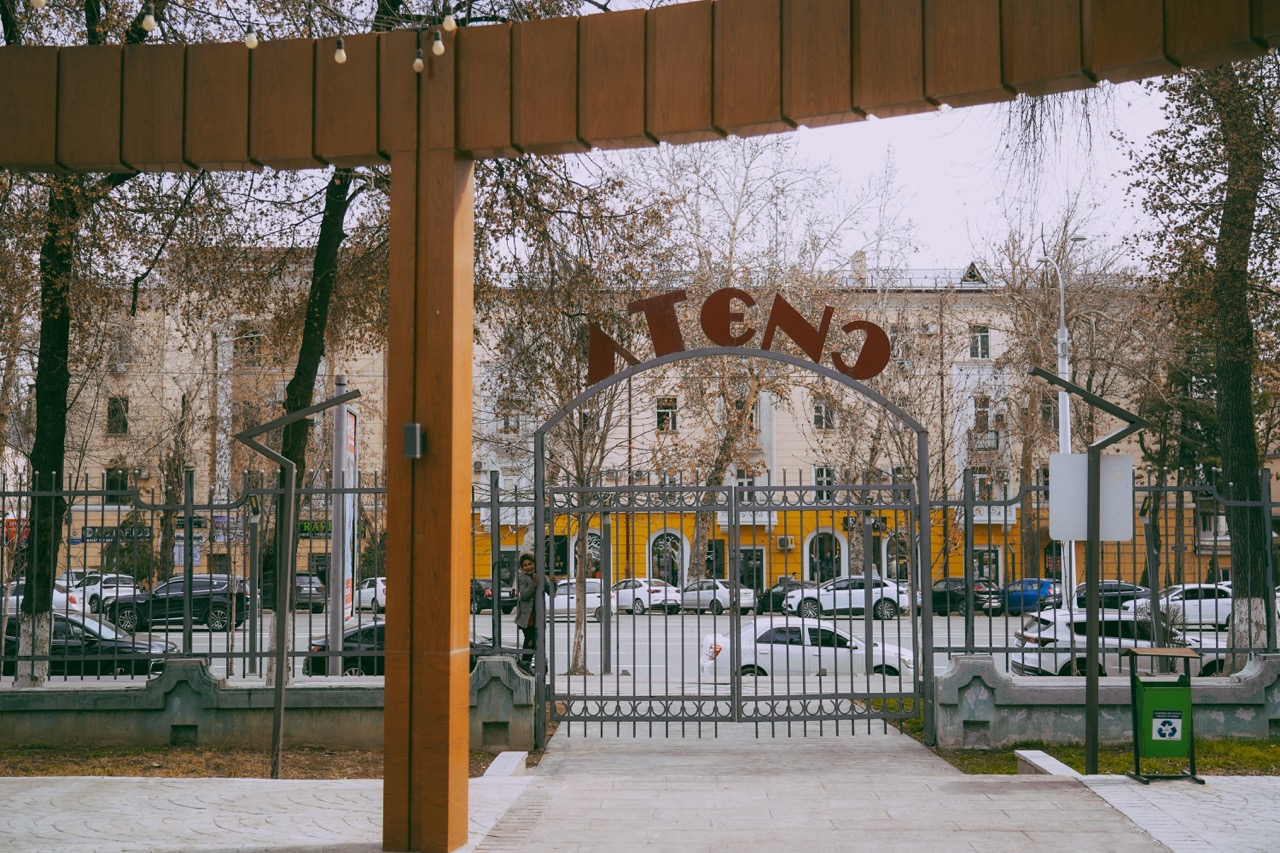
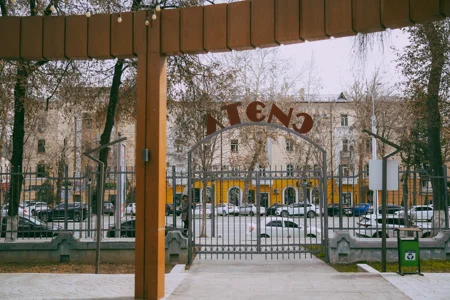
I always wanted this street to remain as it was in my childhood. I hope that the construction of high-rise buildings will stop, that they will cease destroying the places that are so dear to me. Let the street remain just as green, let there be more trees planted to replace those that were cut down. Let that feeling of coziness and quiet, which I value so much, remain.
I don't want this district to lose its uniqueness, its atmosphere. I don't want the memory of my childhood to be erased. Shota Rustaveli Street is not just a street. It is my life, my home, my history.