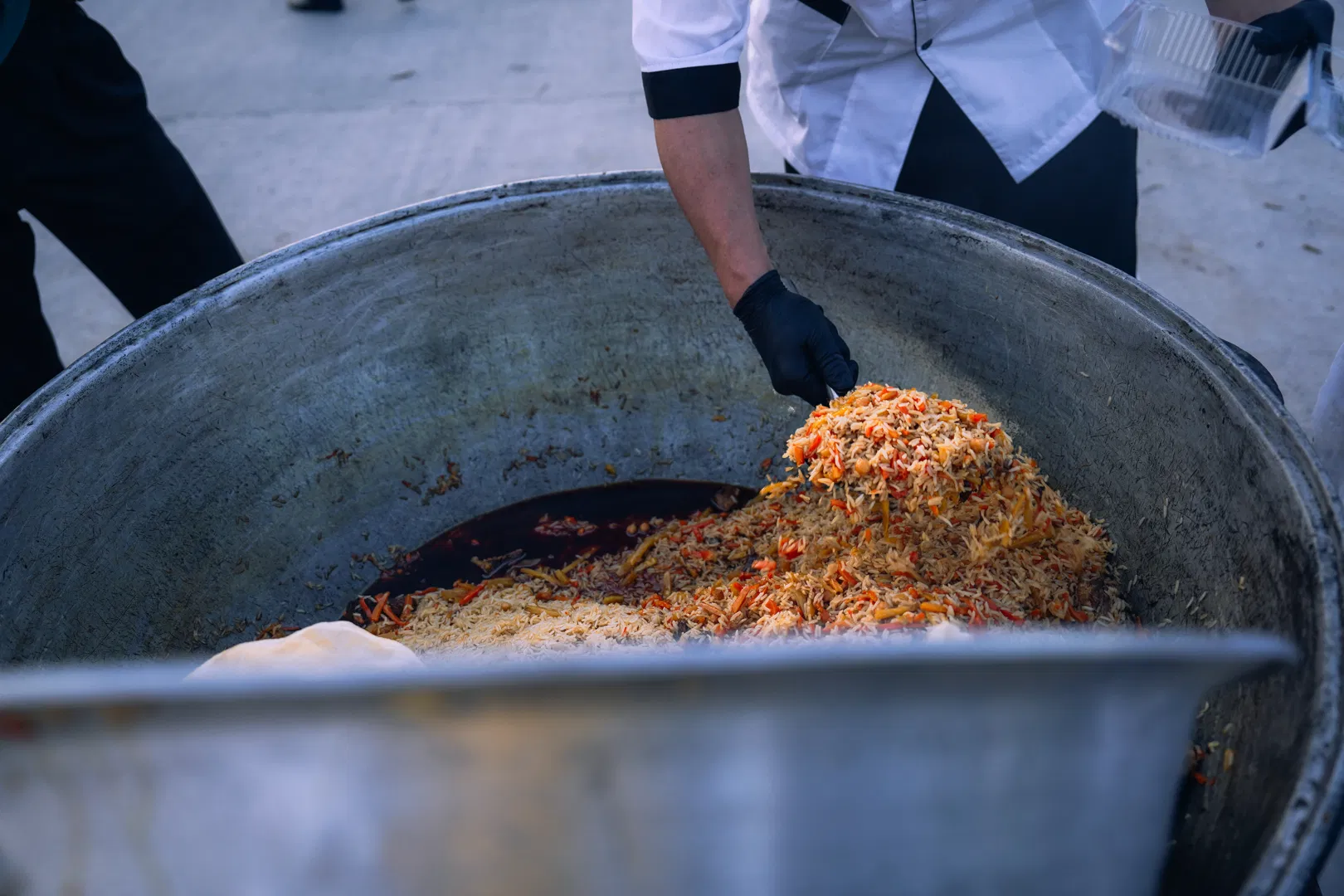
The pilaf you didn't expect: from India to Louisiana. We've found the global brothers of the Uzbek legend.
Every plov is unique, but everyone speaks of it with respect. Some prepare it for weddings, others eat it from a container for dinner, and some argue about where the "authentic" plov is from. While everyone divides it by region, the HD mag editorial team has gathered the dish's gastro-relatives: seemingly similar, but with entirely different character, accent, and destiny.
1. Simple Soviet pearl barley pilaf
The USSR collapsed, but the memory of it lives on—sometimes in the form of culinary flashbacks. Soviet pilaf is a culture unto itself, sometimes seeming almost alien. In a country striving for communism, the dish was made with tomato paste, sometimes with pork, and in military units—even with pearl barley. Legend has it that the "Manual for Food Preparation in Military Units" from 1964 prescribed: fry the meat, add water, add tomato and pearl barley soaked for two hours. The editorial team chose not to recreate the recipe.
2. Bulgur, Meatballs, and a Bit of Ali-Pasha
 Kamran Aydinov
Photo: Kamran Aydinov
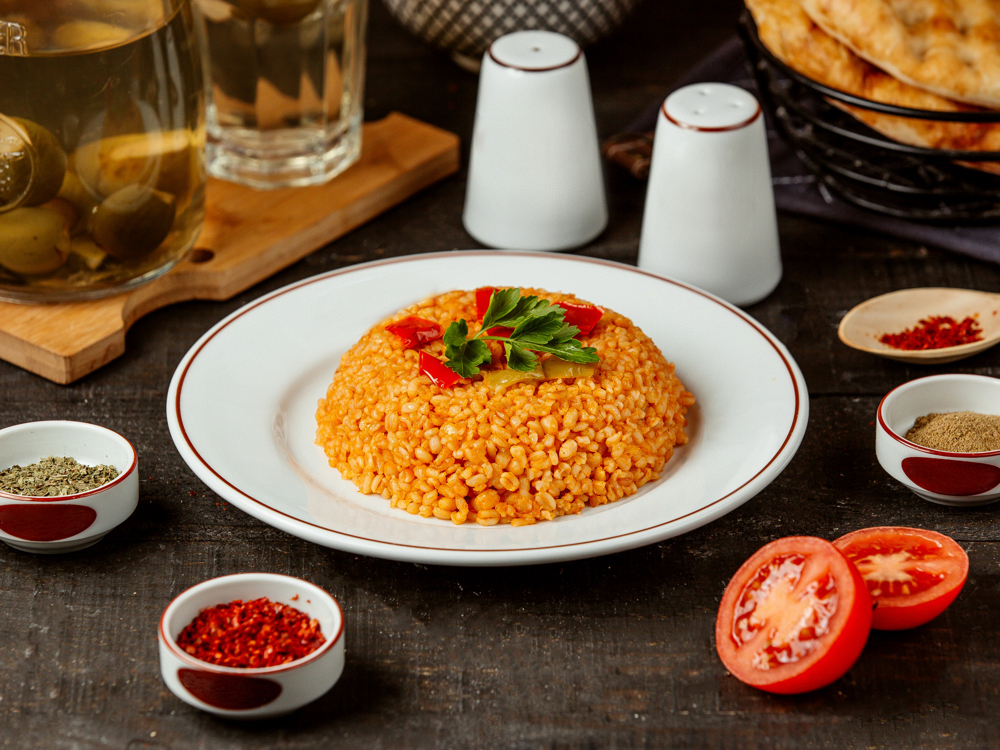
Turkish pilaf is called pilav and is often made not from rice but from bulgur. One version is Ali-Pasha Pilavı (Ali-Paşa Pilavı): fluffy rice with pine nuts and lamb meatballs made with soaked bread and spices.
There is also a version with eggplants, tomatoes, and herbs; in this case, the rice is cooked separately and mixed in at the end. Such pilaf can be served as a main dish or a side dish—cold or warm.
3. Pilaf, wine, and shrimp
The French are masters of elegant presentation. Riz pilaf aux crevettes is rice with saffron, sautéed onions, white wine, and shrimp. It's delicate, aromatic, and anything but restrained. You can find the recipe on the website of Le Creuset — the cookware manufacturer for the overly refined.
4. Mujaddara: Vegetarian Pilaf with Lentils
Mujadara — a Lebanese variation of pilaf, where lentils replace meat, and the spotlight is on Beirut's charisma and sweet fried onions. This dish is vegetarian, yet rich and hearty, especially when paired with Arabic spices and yogurt.
5. Indian Pilaf with Yogurt and Raisins
 Sohani Kamat
Photo: Sohani Kamat
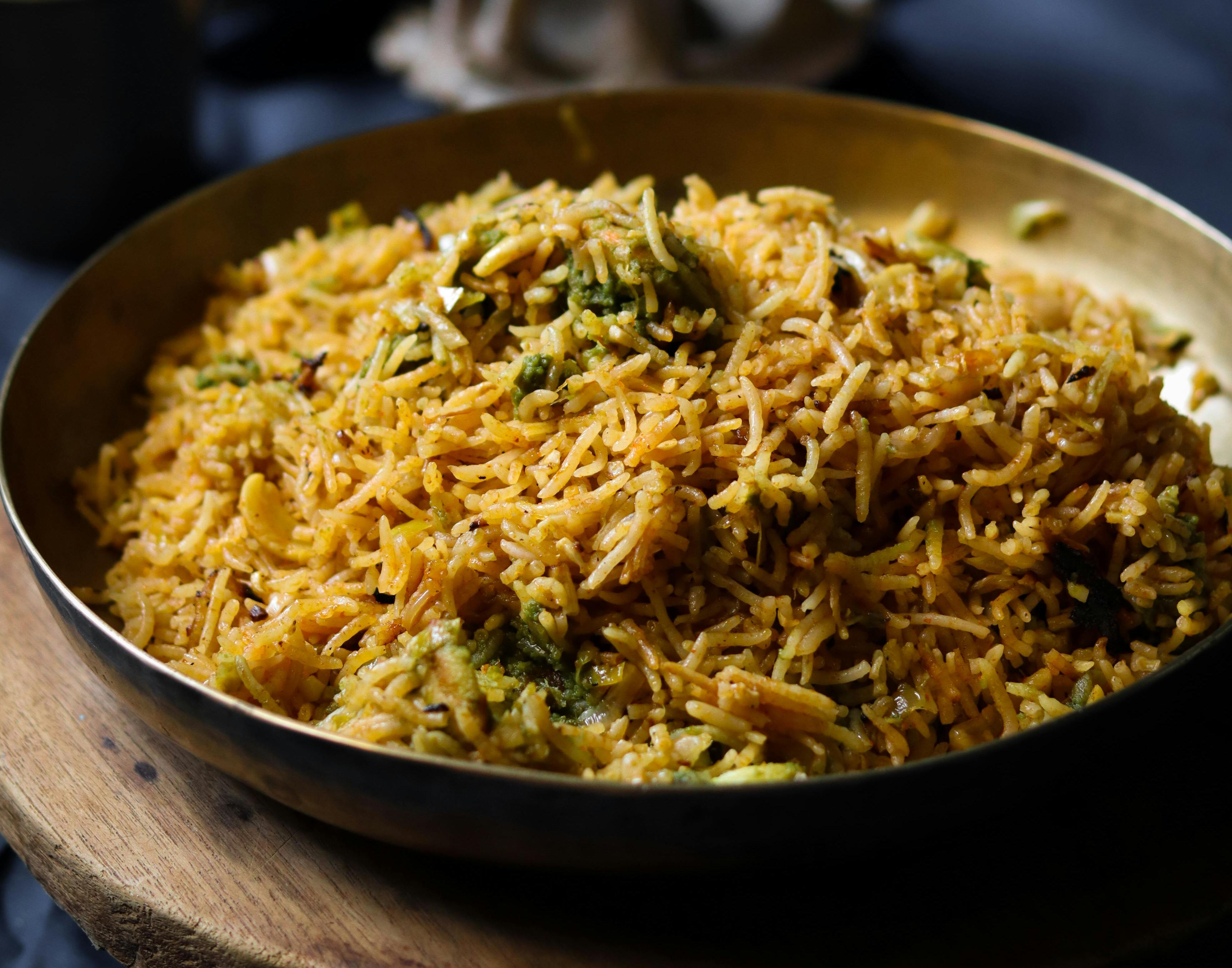
If you're in India and order pilaf, they'll bring you biriyani. It's like an Indian film composed of layers of post-irony, but instead of that, it's rice, marinade, meat, spices, nuts, raisins, and yogurt. Just as every film has a director's cut, biriyani has its Hyderabadi, Karnak, Lucknow versions, and in Iran—Isfahani.
6. Jambalaya: The Jazz-Listening Pilaf
Jambalaya originates from Louisiana — an American state where it's hot, spicy, and music is always playing. In the USA, they decided that "their" pilaf would include rice, chicken, smoked sausage, seafood, hot peppers, and tomatoes. Sometimes — crabs and oysters, depending on the mood.
7. Indonesian Seafood Plov
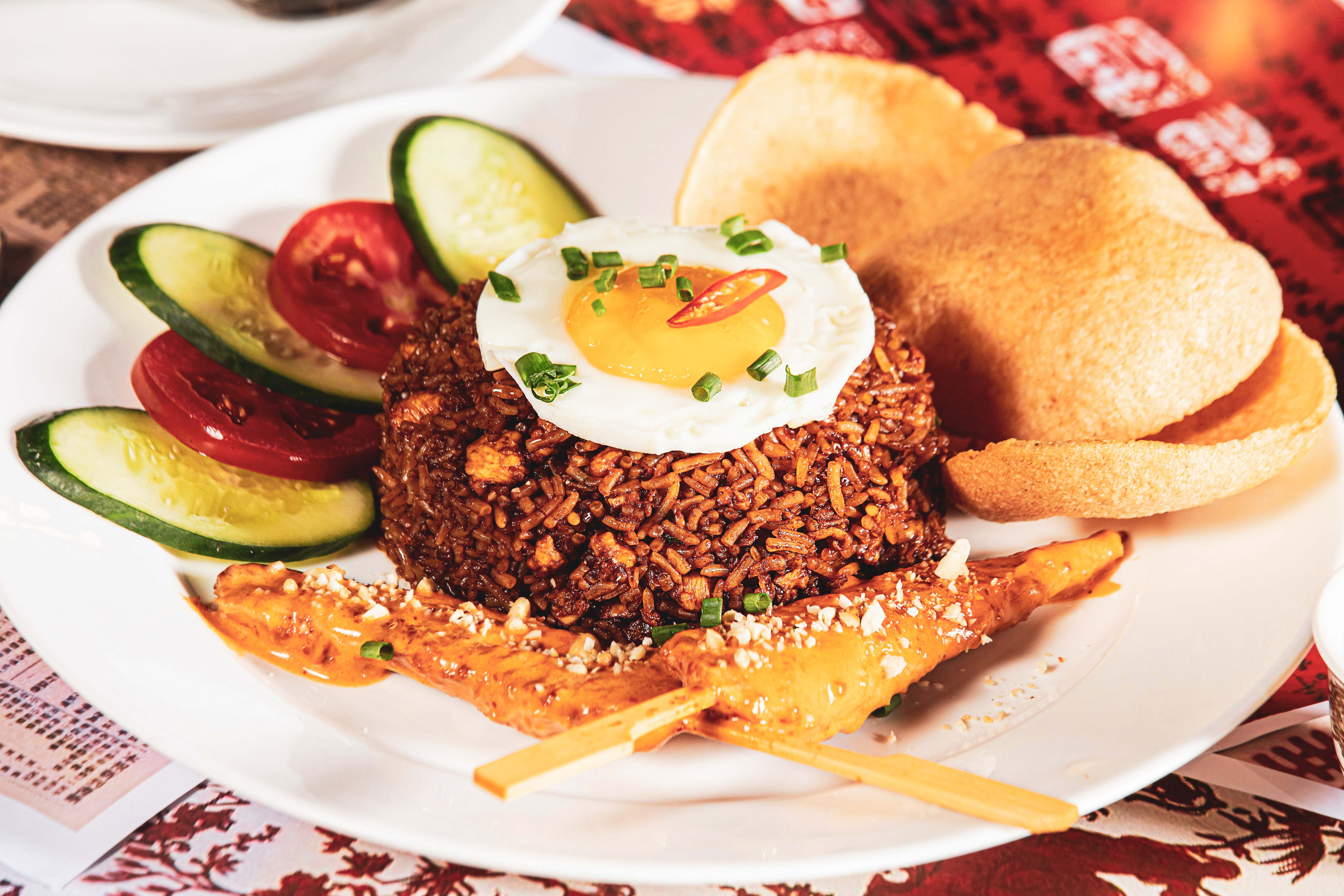
Nasi Goreng translates from Indonesian as fried rice. However, the rice is first boiled and then fried with various additions: meat, seafood, vegetables, and spices. It is often served with a fried egg, shrimp crackers, and pickled cucumbers—for a combination of juiciness and crunch. Soy sauce and shrimp paste add character—dark, rich, and street-food style.
8. Crispy crust and ... pasta originating from Spain
Paella is when pilaf has a crunch. It's all about the socarrat — the golden crust that forms at the bottom of the wide paella pan. This dish is prepared all over Spain, but it is especially revered in Valencia, where rice acts like a solar panel, absorbing everything.
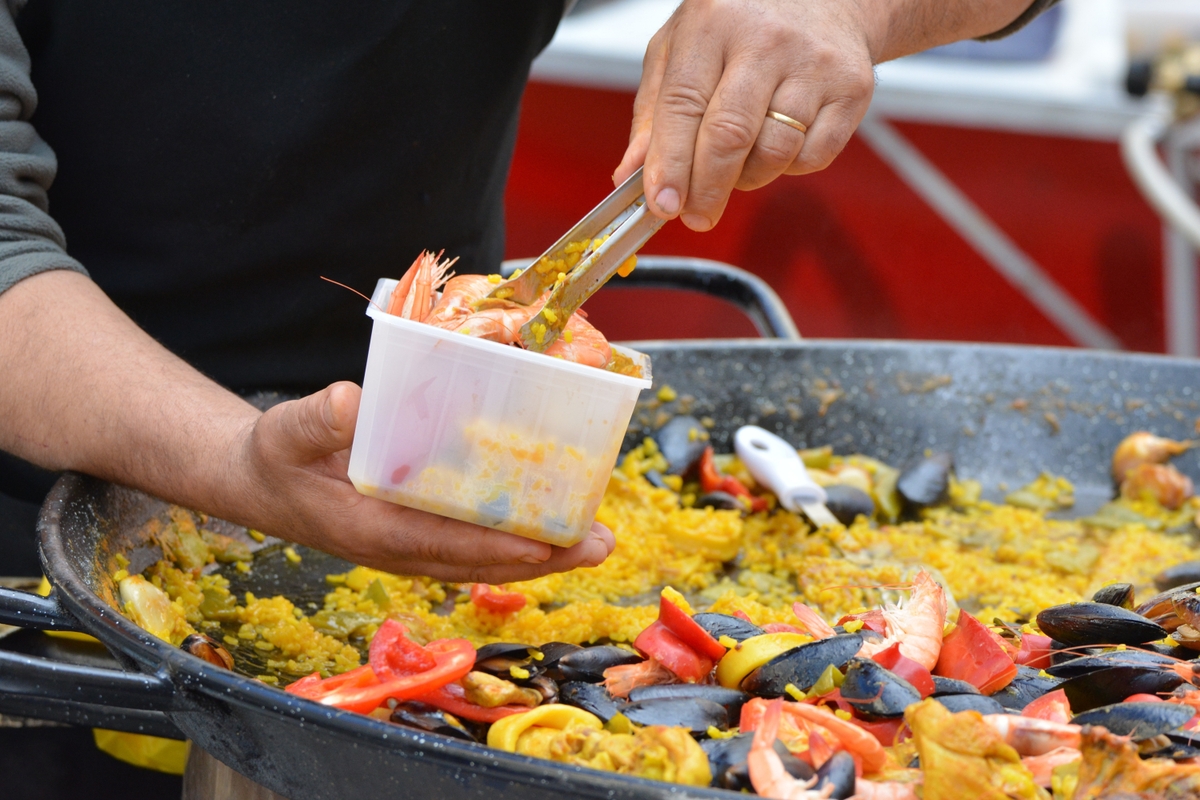
But the story doesn't end there. In Catalonia, they put thin noodles instead of rice into the same pan — and call it fideuá. The seafood stays, the spices too. Only the base changes.
9. Italian Pilaf with Wine
Risotto is a creamy rice dish originating from northern Italy. It is prepared using a special variety of rice with a high starch content — arborio.
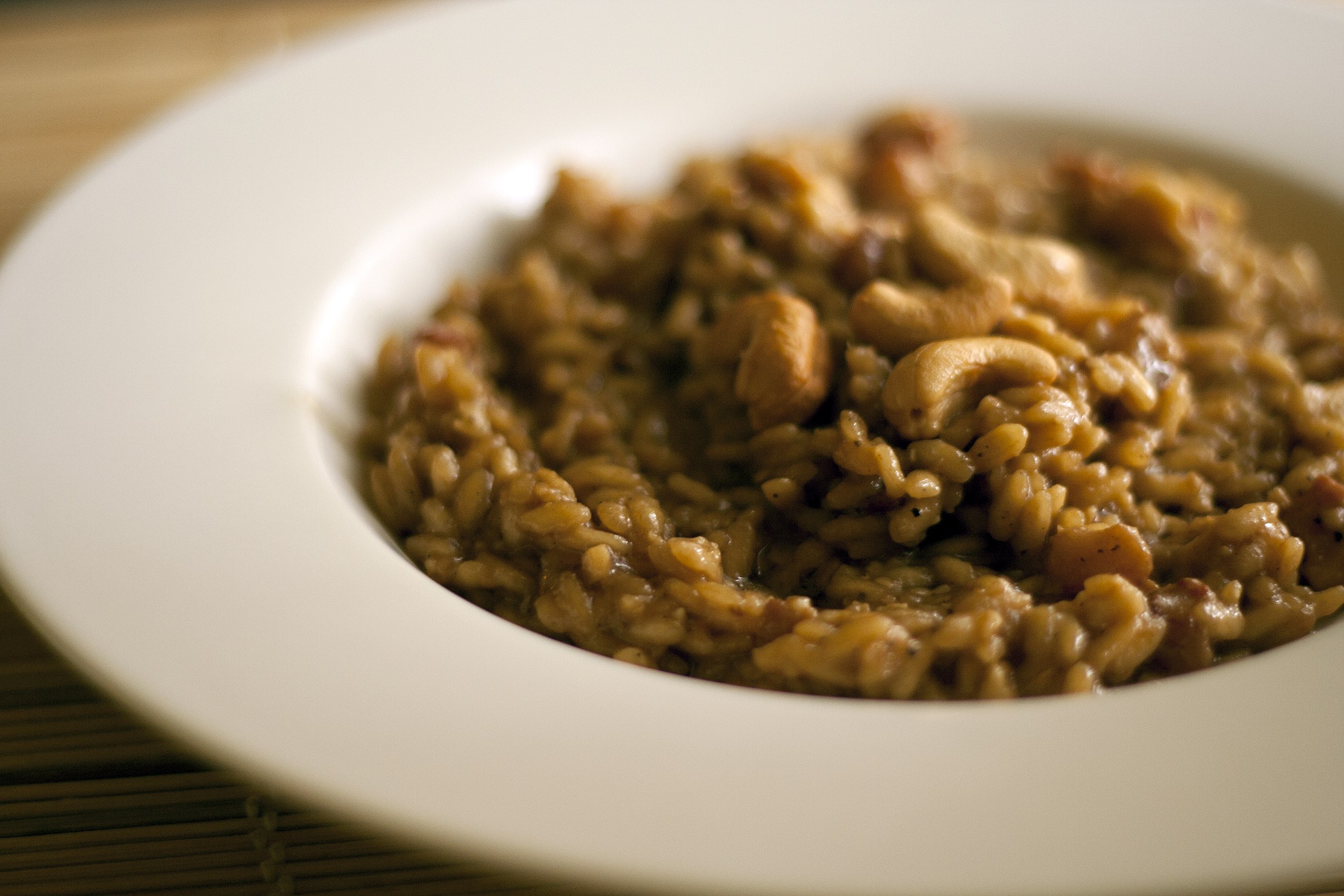 Luca Nebuloni
Photo: Luca Nebuloni
The rice is fried with onions, then broth is gradually added, allowing the rice to absorb the liquid and become creamy. Risotto often includes white wine, Parmesan cheese, mushrooms, seafood, or vegetables.
10. When you miscalculate the water in the pilaf
Shavlya — is what happens when plov fails. So say the naysayers, but in reality, it's a thick rice soup with meat (usually lamb or beef), carrots, onions, and spices. Served with flatbread, fresh vegetables, and sometimes a hint of embarrassment.
11. Chicken Rice: The Latin Cousin
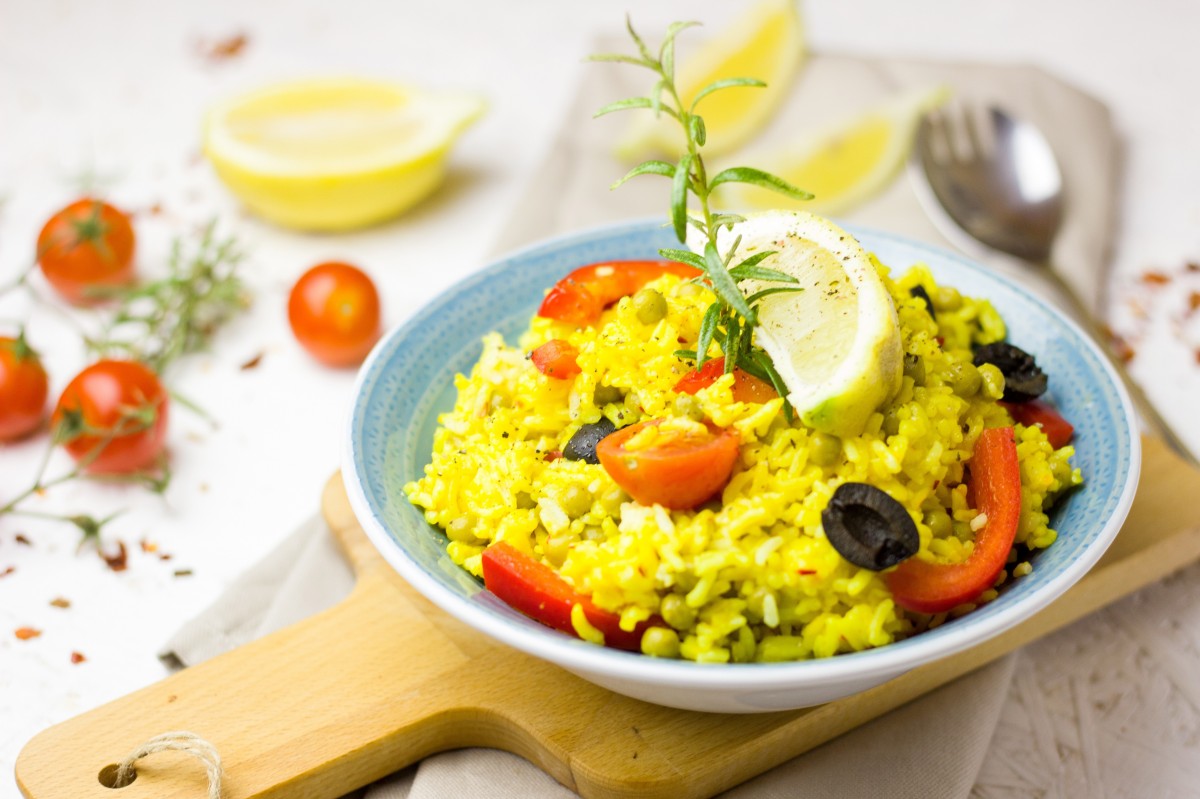
In Spain and Latin America, plov is called arroz con pollo. Chicken, rice, green peas, olives, corn, and a bunch of small variations from Panama to Peru. An acceptable way to say te quiero without words.
Plov is like a movie character: it has dozens of versions, each with its own genre. Somewhere it's an action movie with spices, somewhere it's a melodrama with yogurt. But as with a favorite film, you always want to return to the original. Although its friends are quite worthy too.

Newsletter
A letter from the HD editors
Once a week, we send the best stories, events, and cultural discoveries from Central Asia.