Fashion and Style
The Art of Art Collaborations: How Brands Partner with Artists
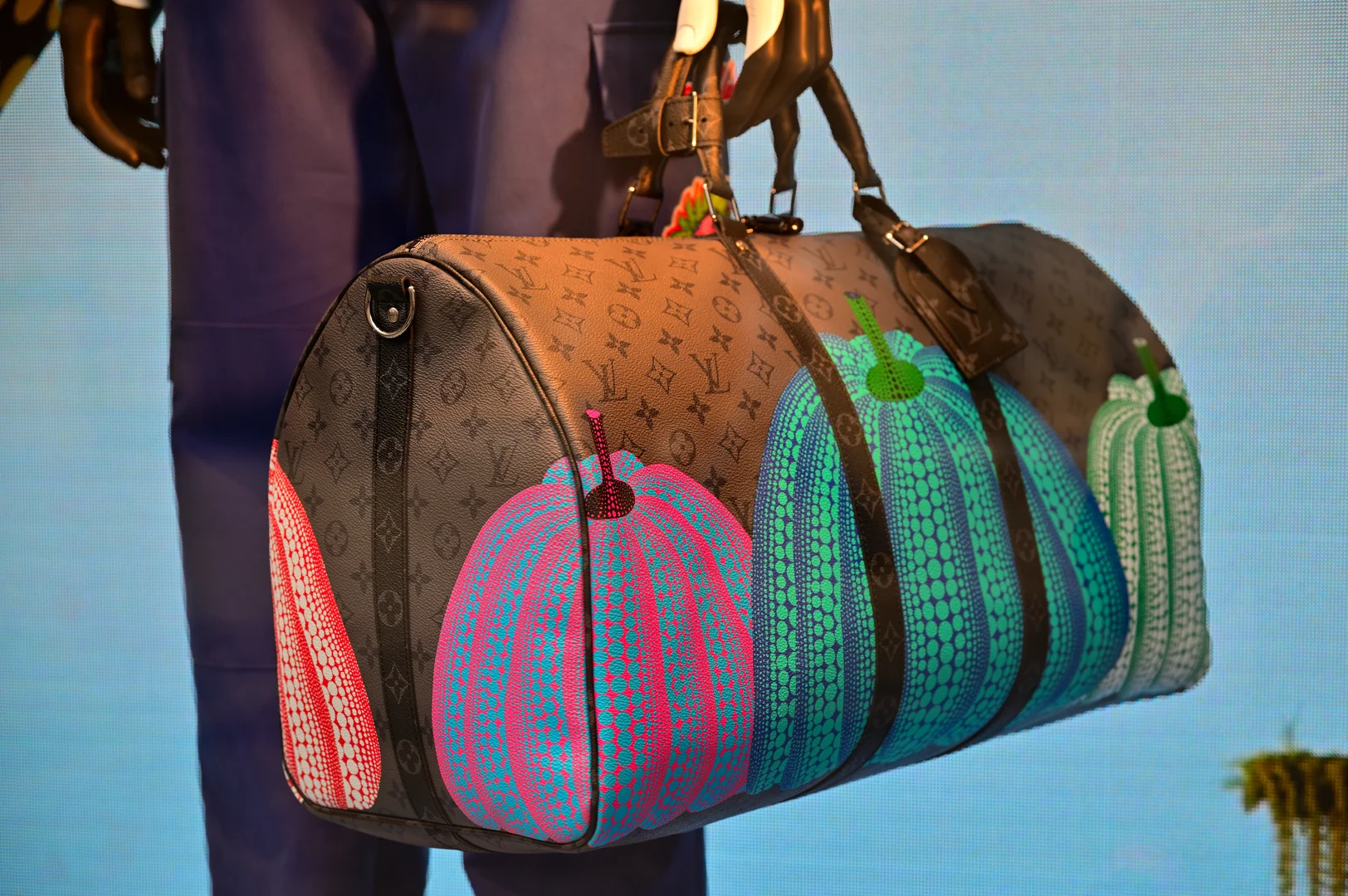
Today, collaborations between artists and brands are one of the main trends. Paintings, sculptures, and other art objects are moving from galleries onto clothing, accessories, and furniture. We explain why companies need artists, how to establish collaboration, and what both sides should consider.
Art collaborations have existed, perhaps, as long as art itself. Throughout history, artists have painted the walls of temples, the homes of wealthy nobles, and created interiors and furniture. In the 20th century, creative partnerships reached a new commercial level. The tandem of the famous artist Gustav Klimt and designer Emilie Flöge resulted in the invention of the "reform dress." These dresses were corset-free, meaning they did not hinder a woman's freedom of movement or breathing. Yves Saint Laurent, inspired by the paintings of Piet Mondrian, created a collection in honor of the artist and achieved explosive popularity worldwide.
In recent years, collaborations between artists and businesses have been gaining momentum. Yayoi Kusama's paintings adorn Louis Vuitton bags, the automotive brand Audi supports digital artists, and the jewelry brand Tiffany films an advertising campaign against the backdrop of a Jean-Michel Basquiat painting.
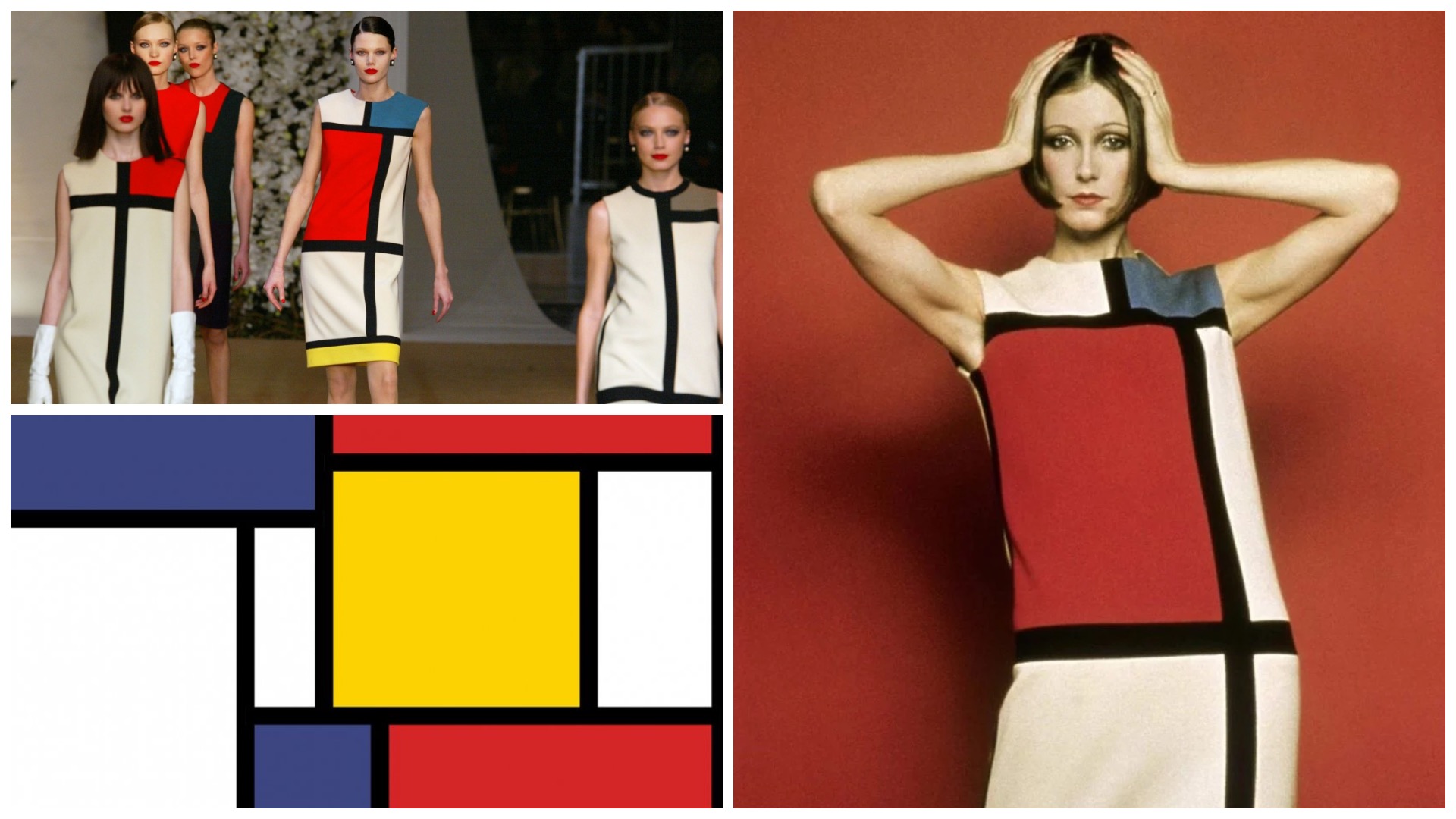
Yves Saint Laurent dresses, inspired by the work of Piet Mondrian. Photocollage
Why brands collaborate with artists
Business can attract attention to its products more quickly through novelty. The power of art lies in its ability to help us look at even familiar things from a different angle, to rethink what seemed painfully familiar.
Art collaborations give new products unique characteristics. For a brand that produces sweatshirts, it's difficult to come up with an original model: the basic construction remains unchanged: two sleeves, a neckline. But if you place a contemporary artist's painting on the clothing, the popular item gains exclusive features.
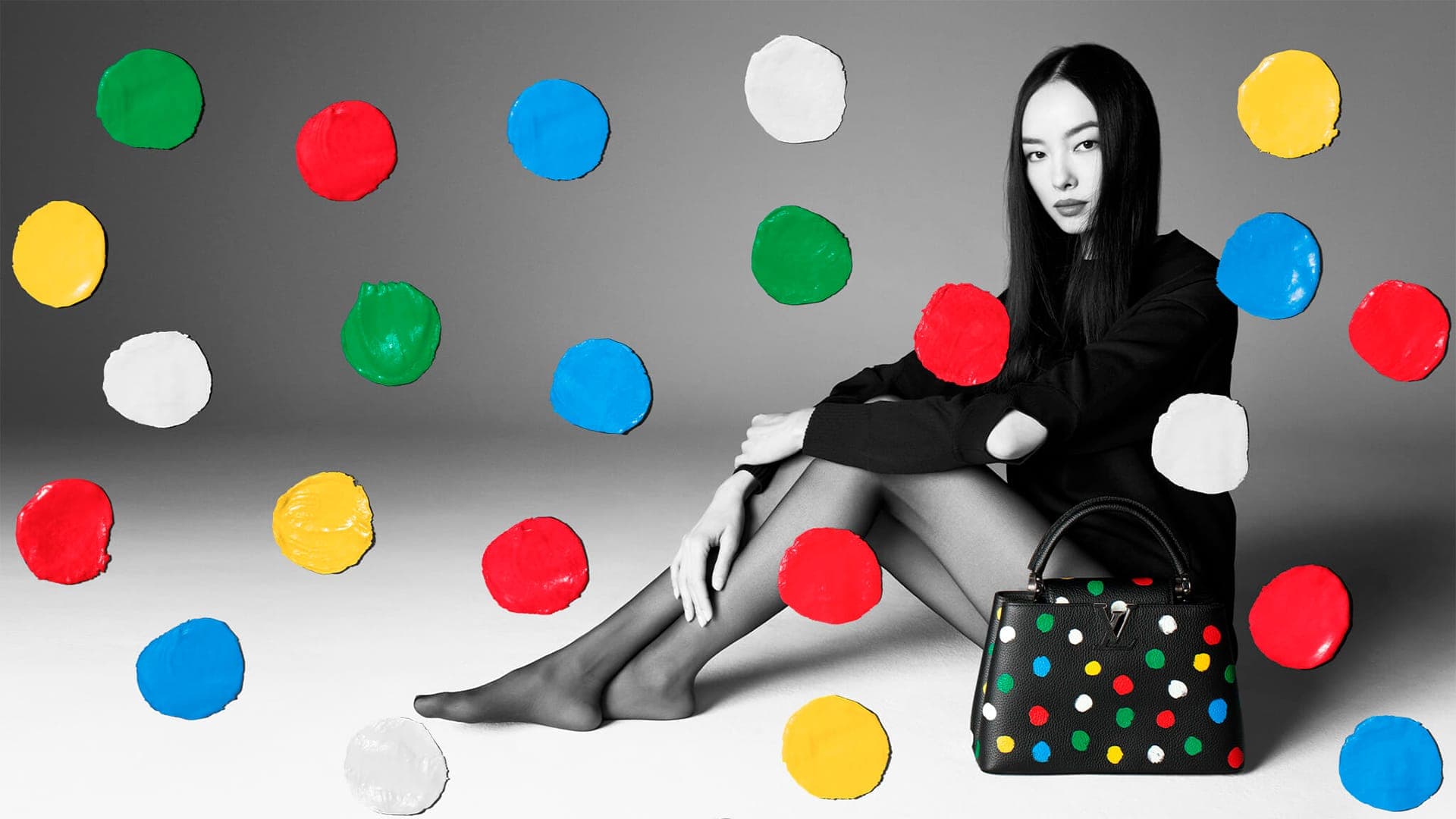 Photo: Louis Vuitton
Louis Vuitton X Yayoi Kusama advertising campaign. Photo: Louis Vuitton
Artists have their own audience that can expand the brand's customer base. How is this possible? Not everyone can buy a painting or see it in a museum. A canvas on a shopping bag, a sketchbook, or a postcard, on the other hand, is accessible. The artist becomes closer to their admirers, and the company gains new customers.
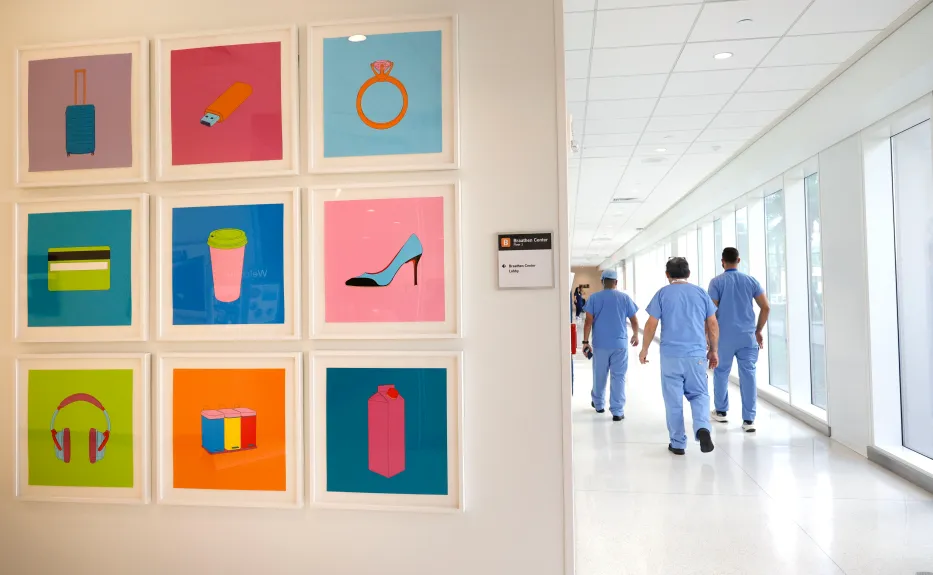
A few minutes of advertising time is not enough to convey all the brand's values. By hanging paintings on the walls of a dental clinic, it's possible to reduce anxiety levels for both adult and young patients. Art helps create an atmosphere of support and care, especially for those who are terrified of any dental procedures. Thus, art introduces an emotional component into the relationship between the brand and the client.
 卡琳·吉恩/南佛罗里达太阳哨兵报
Artworks at the Cleveland Clinic in the USA. Photo: Carline Jean/South Florida Sun Sentinel
Art projects demonstrate that the brand values social issues and is ready to share responsibility. Such goals are achieved through supporting young artists, sponsoring restoration works for architectural monuments, or investing in art-therapeutic spaces.
An event at the intersection of business and art is an excellent informational occasion. If a company was previously mentioned only in professional media, an alliance with the artistic community allows it to appear on the pages of other information resources, and therefore — to expand its audience.
How a brand can find an artist
The artist and the company must think in the same direction for the result to resonate with customers. To achieve this, the brand needs to formulate its request clearly and accessibly. You can contact artists directly or an agency that handles the implementation of such creative ideas on a turnkey basis. Professionals will help deeply consider the collaboration concept and resolve any potential disagreements between the artist and the client company.
Why collaborations are important for artists
Art projects help artists find their audience. It's a wonderful opportunity to talk about creativity, showcase it from different angles, strengthen a personal brand, and, of course, receive a fee.
For aspiring artists, working with brands is one way to become regular participants in the art market.
What a Partnership Between an Artist and Business Could Look Like
- Limited collections. Suitable for clothing, footwear, accessories, furniture items, and decor.
- Art objects. Street art on building walls, sculptures in public spaces, art compositions made from materials produced by the company.
- Art Events and Sponsorship Support. Exhibitions, festivals, competitions, and other events.
- Digital art. Collaboration with artists on various online platforms: product testing, feedback, giveaways, special projects.
Art Collaborations in Uzbekistan: The Experience of Artists and Brands
Collaborations between artists and businesses are becoming increasingly prominent in Uzbekistan as well. They help not only refresh the image of brands, but also open for artists new horizons in creativity.
So, Sardor Erkinov shared his experience of collaborating with the clothing brand LALI. What united them was a love for the East and a desire to speak about it through creativity. Together, they created a capsule collection of sweaters featuring embroidery of Erkinov's works.
"Collaborating with the brand helped me view my own works from a different perspective. The result was inspiring: the looks, photoshoots, music, and the collection's aesthetics opened up new horizons for my art."
For an artist, such projects are a way to expand influence without losing individuality. Erkinov notes that the most important condition for him remains the alignment of values: "I refuse offers where they just want to print my paintings on t-shirts. Quality and respect for creativity are important to me."
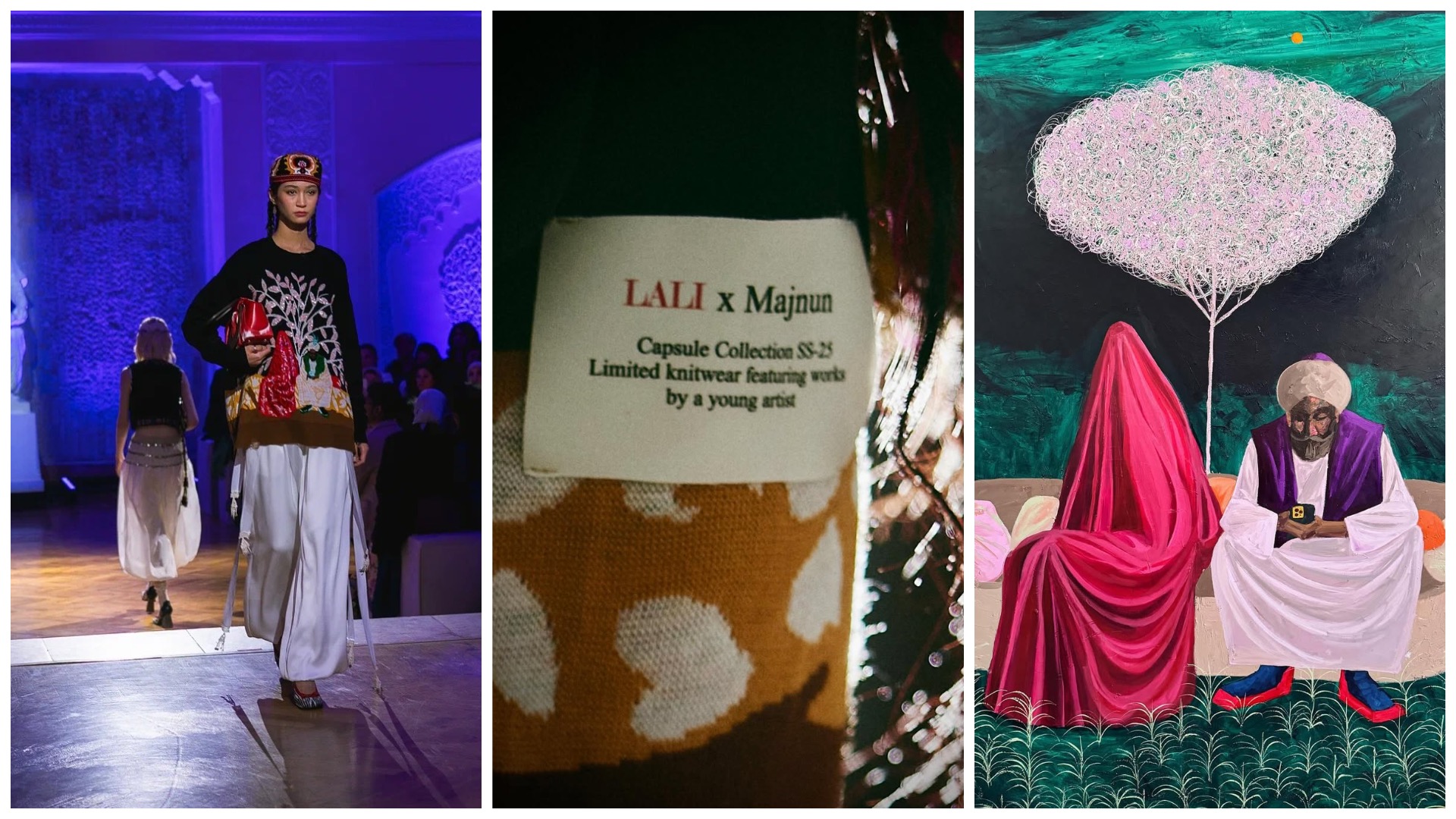
Collaboration between the LALI brand and artist Sardor Erkinov. Photocollage
Experience shows that collaborations not only create vibrant products but also shape new ideas about how art can exist in everyday life.
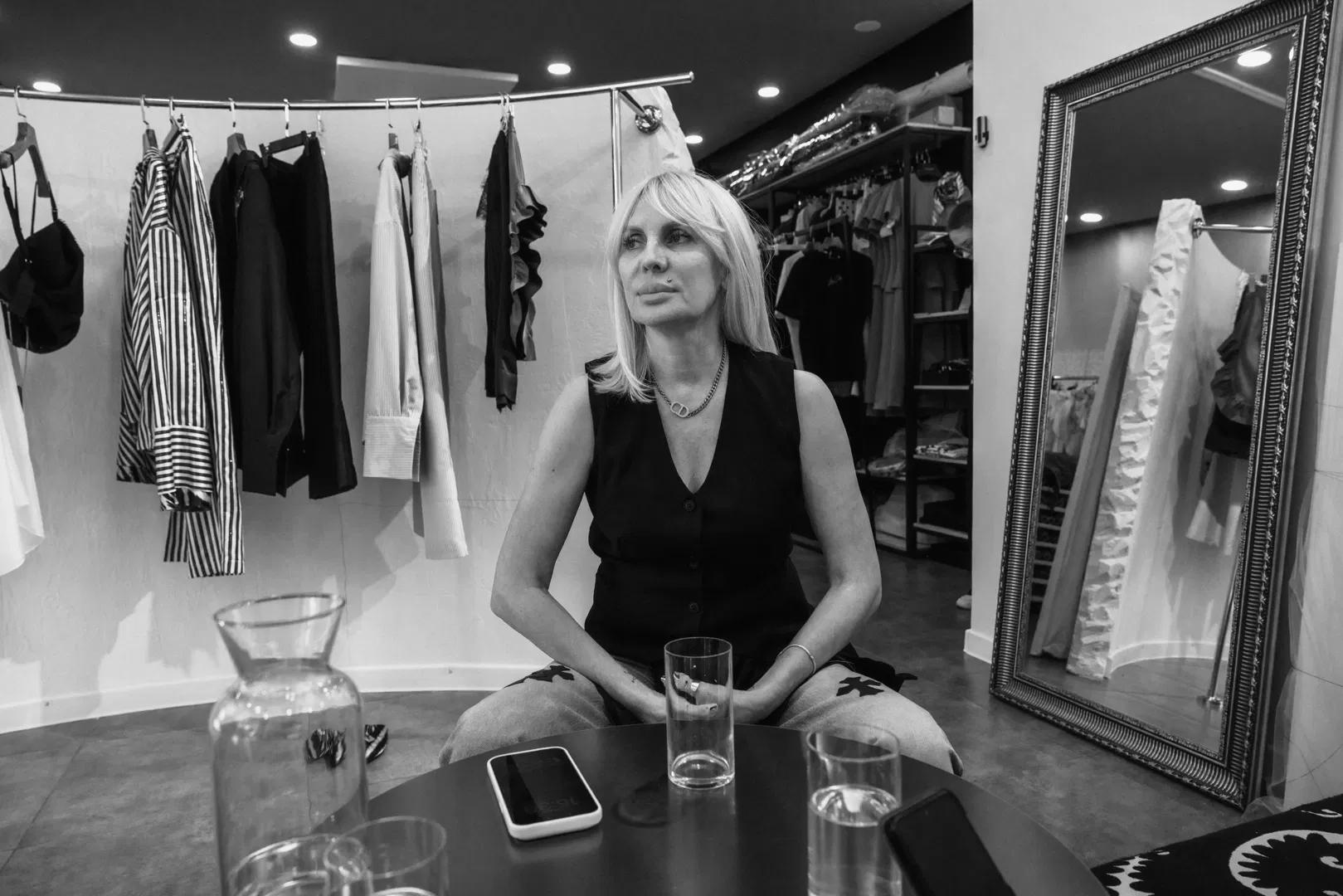
This is also stated by Delia Khaidarova, an entrepreneur and co-founder of the art space "Masterskaya":
"We are a creative space, and our mission is to create not just objects, but meaning, aesthetics, atmosphere. Collaboration with artists allows us to merge the applied with the profound. These works have imbued our creations with character, story, and the personal energy of the authors."
According to Deli, clients are keenly aware of this depth. The brand becomes more human, more alive, and the artists themselves get a chance to express themselves outside of conventional formats.
Uzbekistan is currently experiencing a powerful cultural upsurge, and artists are increasingly moving beyond gallery practices into the realms of design, interiors, and product aesthetics. The most important thing, as collaboration participants emphasize, is to give artists the freedom to express themselves and respect their creative vision.
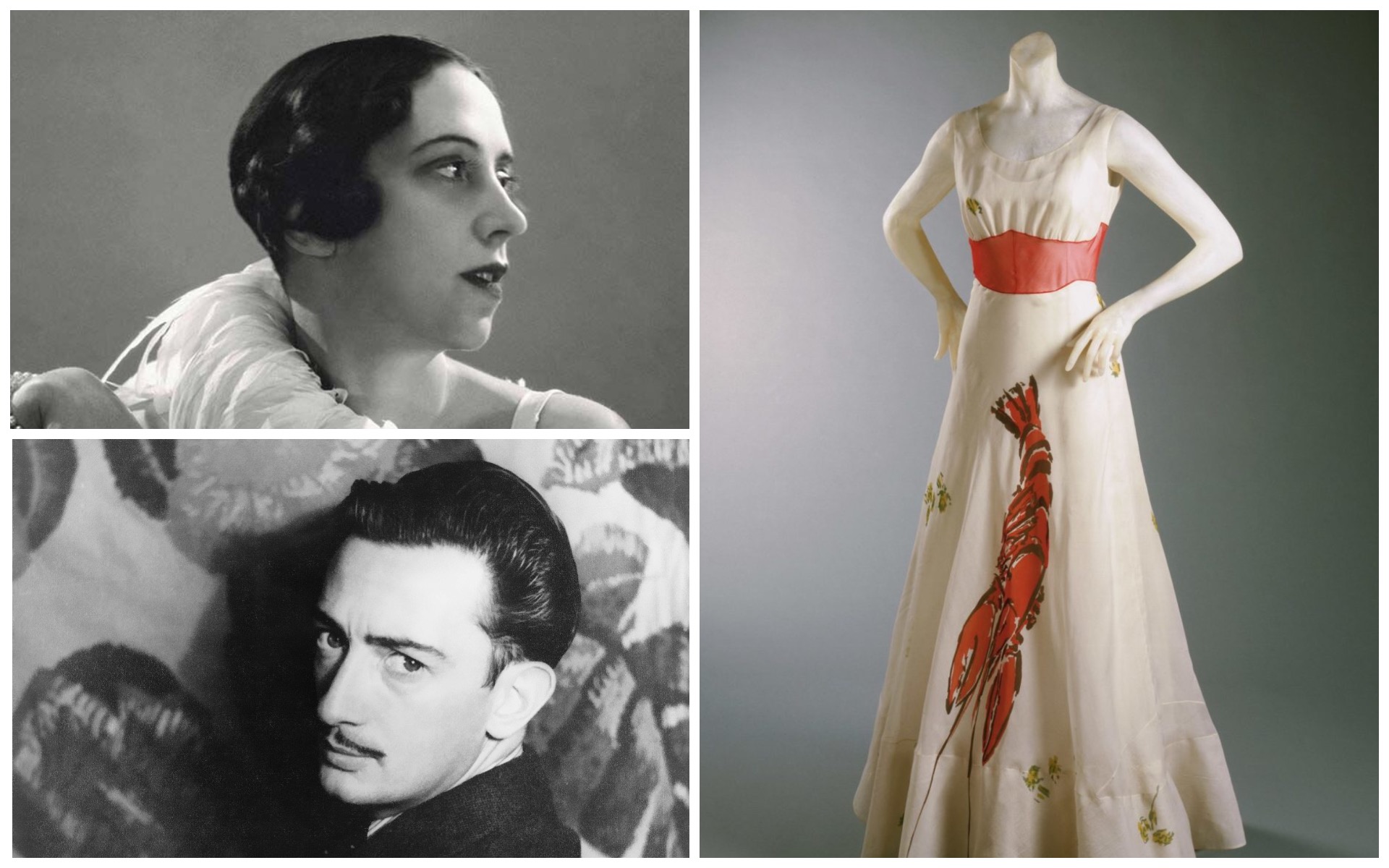
Dress with lobster by Elsa Schiaparelli and Salvador Dalí. Photocollage
How an artist can protect themselves when collaborating with a brand
"Collaborations between artists and brands are a powerful promotional tool, but it's important to remember that behind creativity there is always law. To maintain control over their works and avoid unfair copying, an artist should consider legal safeguards in advance."
Here are key tips from a lawyer:
1. Sign a written contract. Verbal agreements offer weak protection. In the contract, be sure to specify:
- who holds the copyright to the work;
- to what extent does the brand receive rights (for example, only for use within a single collection);
- term and territory of use;
- the form and amount of the author's remuneration.
2. Limit Usage. Even if you grant rights to use the work, it does not mean the brand can adapt, modify, or copy your style. Specify a direct prohibition on using the work outside of agreed formats and on creating derivative works without your consent.
3. Secure authorship. Require that your name or pseudonym is credited on every product or visual material where your work is used.
4. Protect your style and unique elements. If your style is easily recognizable, it is worth registering a trademark (logo, pseudonym) or an industrial design—this will provide additional protection tools, especially in international collaborations.
5. Control the print run and distribution channels. Set limits: how many copies can be produced, where the product will be sold, and whether a reprint is allowed.
6. Monitor NDA and exclusivity. If a project is kept secret until release—require a non-disclosure agreement (NDA). And if you work exclusively with a brand in a specific category—document this in writing.
And most importantly: don't be afraid to insist on protecting your rights. Respect for the author begins with their confidence and competent legal support.
Art and business have long ceased to be opposites. Their collaboration opens up new forms of dialogue with society, helping brands become more humane and artists find new meanings and audiences. Art collaborations today are not just a fashionable trend but a way to create things with history and character that stay with us for a long time.
Newsletter
A letter from the HD editors
Once a week, we send the best stories, events, and cultural discoveries from Central Asia.