
Uzbekistan is learning to be comfortable for both local and foreign travelers, upgrading its infrastructure and investing in transport. Several new airlines have appeared in the country, connecting regional centers with the capital. Railways are being modernized — in 2026, the authorities promise to launch a high-speed train on the Tashkent-Khiva route.
By 2025, you can reach Nukus by plane, train, or bus. From Tashkent to the capital of Karakalpakstan is 1,091 kilometers. This figure becomes tangible when you realize that you'll have to cover such a distance not in a coupe train car or an airplane cabin, but in a cramped sedan of the C-class. "Cobalts," "Gentras," and "Nexias" are the "workhorses" of shared taxis that operate where there is no airport or train ticket office.
From capital to capital
The economics of intercity taxi services are not always clear to an outside observer.
Tickets to Nukus under the hand-luggage-only economy class fare cost from 1 to 1.5 million soums round trip — with the average Uzbek salary being 5.8 million, this is a significant expense. Not every Nukus or Tashkent family, burdened with food costs, utility bills, and loans, has an extra 100 dollars.
Meanwhile, intercity taxi is at least no cheaper than other, less comfortable modes of transport. A reserved seat train ticket costs about 250 thousand, but seats are quickly sold out, as demand clearly exceeds the carrying capacity of "Uzbekiston Temir Yo'llari". A bus ticket costs from 175 thousand, but there are also too few buses — people often travel in the aisle, resting and sleeping there as well.
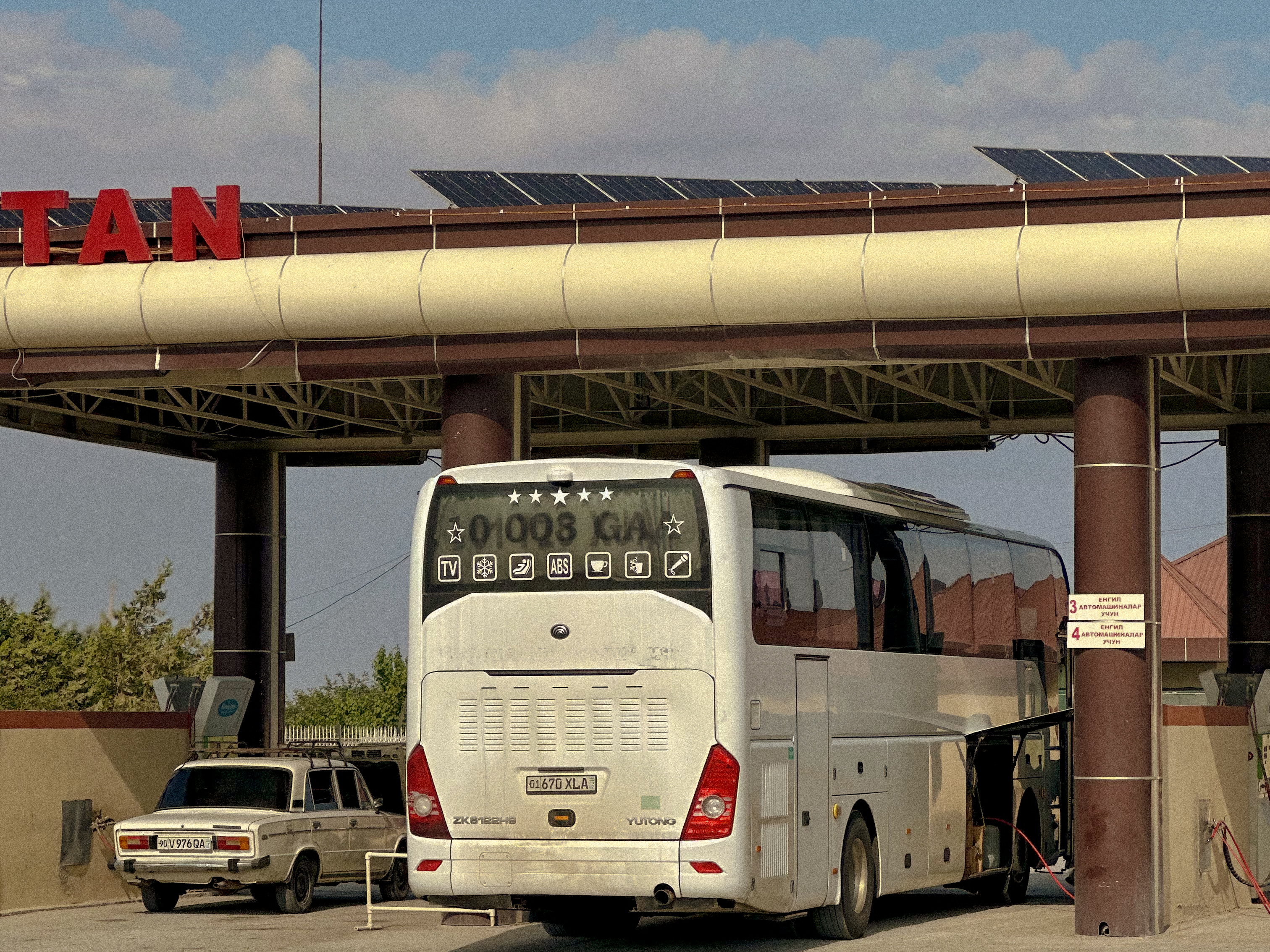
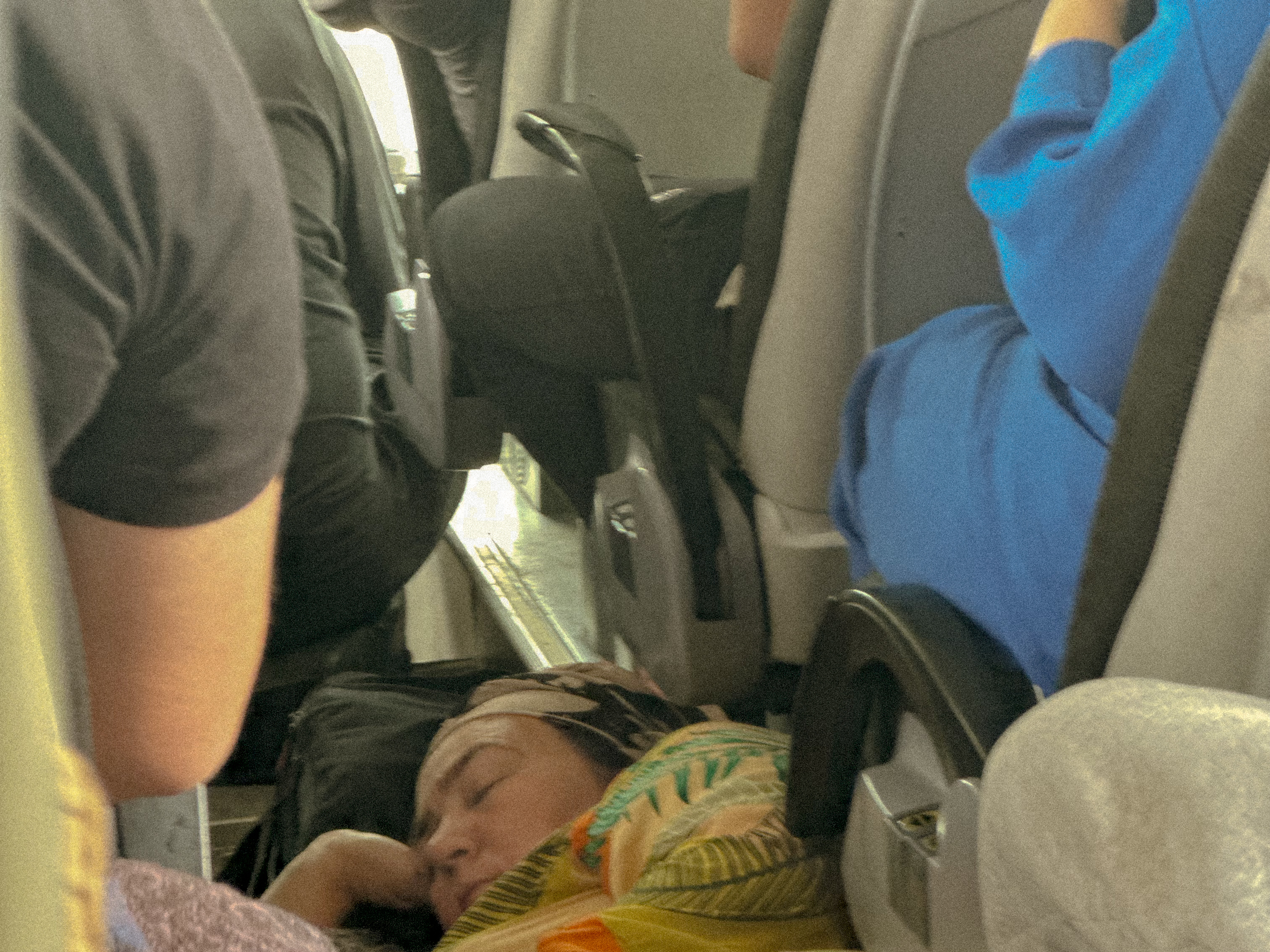
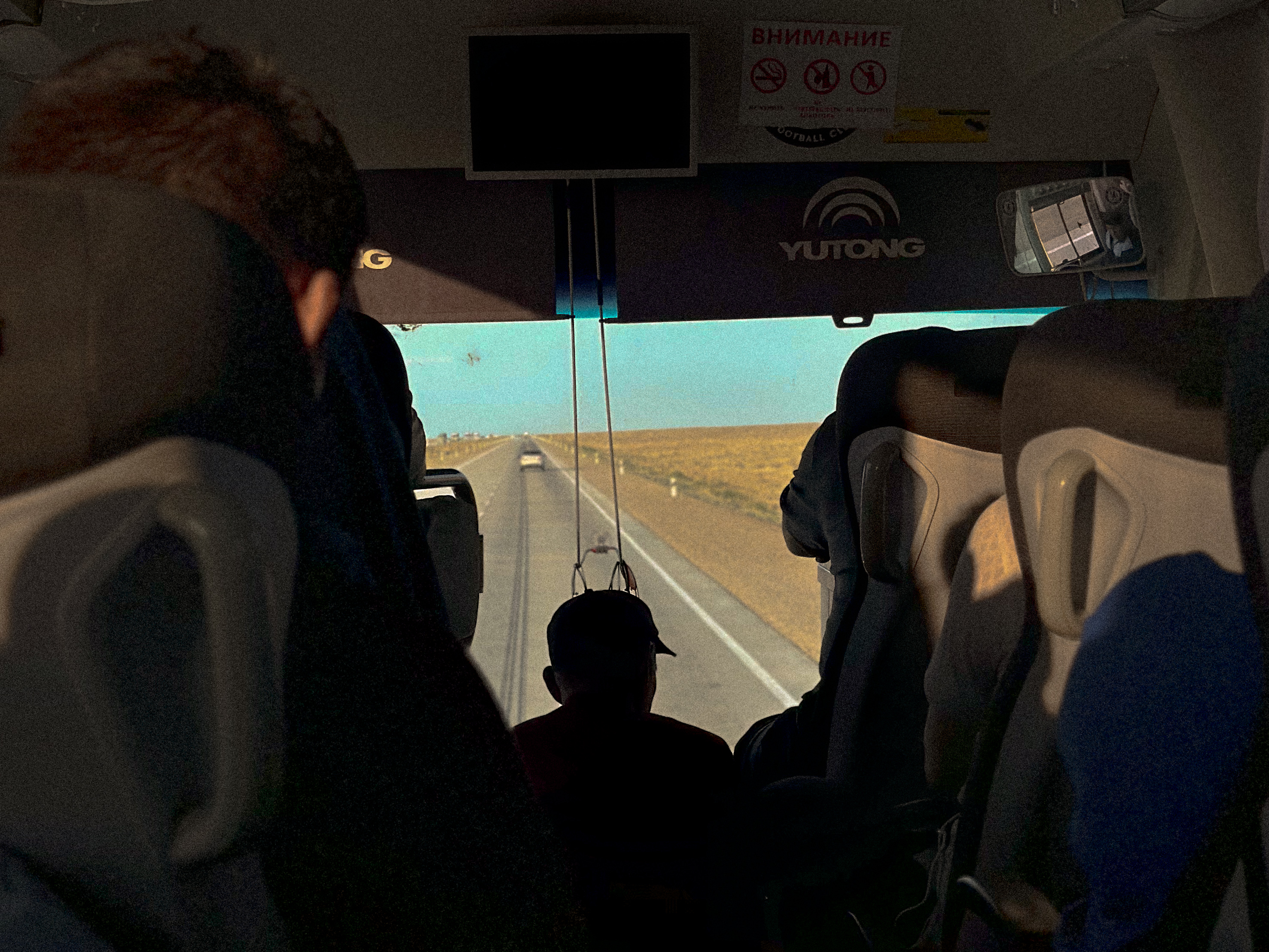
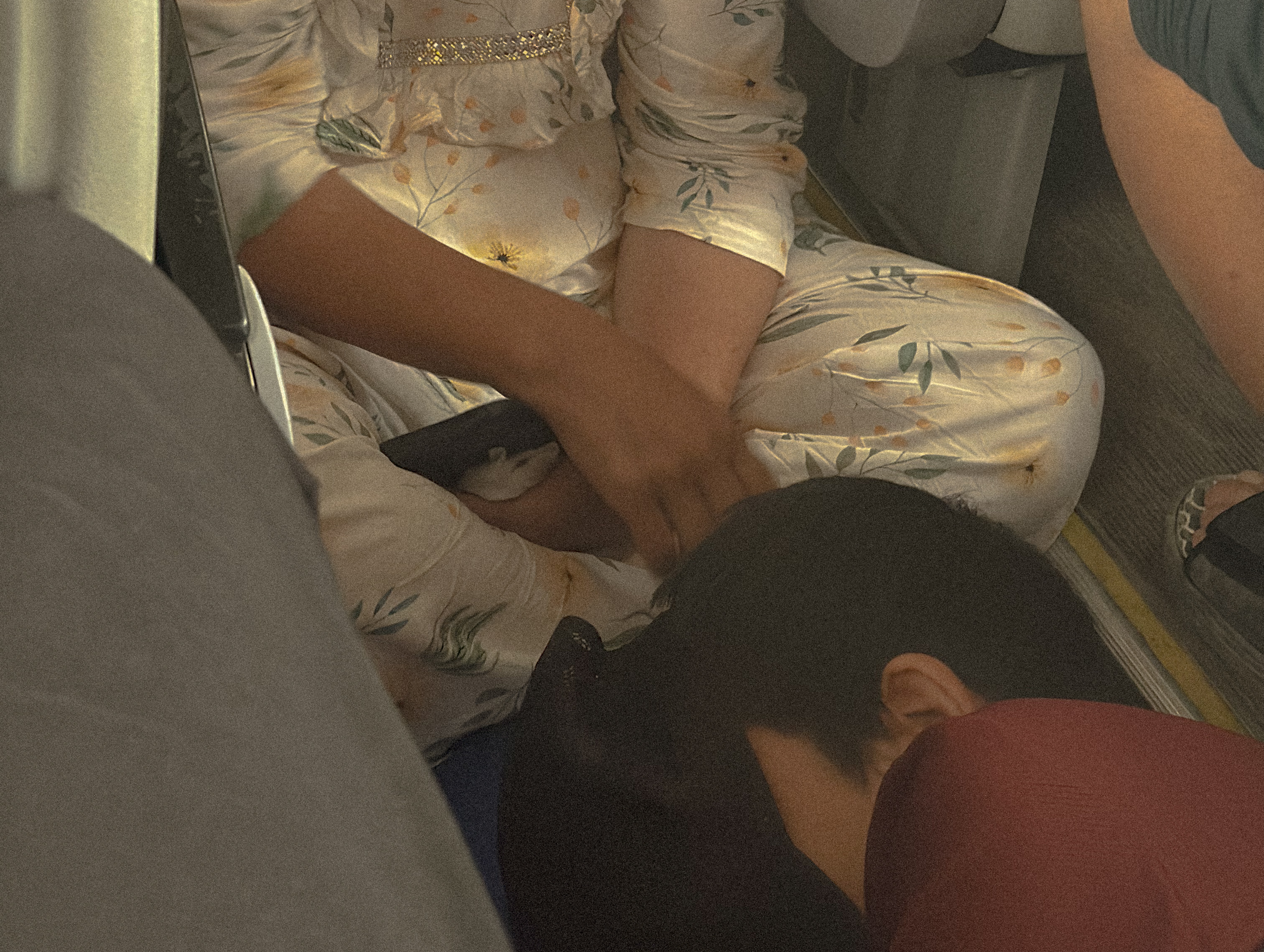
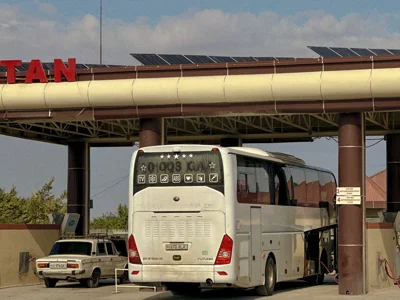
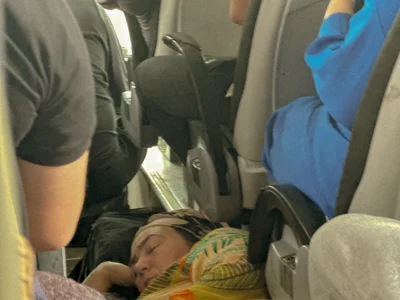
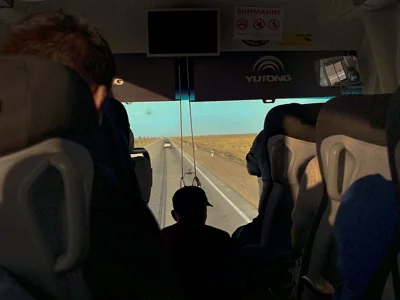
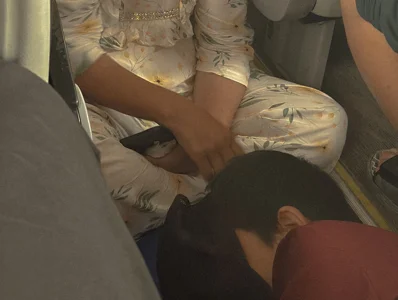
Bus interior on the way from Nukus to Tashkent. Photo: Feride Makhsetova
One seat in a shared taxi costs from 250 to 350 thousand. Long? Expensive? Yes. But it often happens that there are simply no other options. Traveling from Tashkent to Nukus by it is not only long (about 15 hours) but also dangerous. Drivers fall asleep at the wheel, and accidents occur. At the end of May, Karakalpak news publics posted a video showing the aftermath of a major traffic accident on the highway—there were casualties.
In 2022, the Ministry of Internal Affairs attempted to reduce prices for intercity bus routes and taxis: law enforcement officers visited parking lots, abolished parking fees, and imposed restrictions on price hikes before holidays. Administrative measures had no effect on dynamic pricing—on weekends and holidays, the cost of shared taxi rides soars two, three, or even four times.
"Pyatak" intercity taxi stand to Nukus and other cities is located next to the "Bek-baraka" market in the southwest of Tashkent. The parking is informal: cars are lined up along the sidewalk, routes are not externally marked in any way, yet the taxi drivers ensure passengers don't get lost. The fare is negotiated on the spot, an honest driver's word replaces a ticket, and departure is as the vehicle fills up.
We are heading to Nukus in a brand new Cobalt, its trunk packed with bundles of luggage. The driver explains that passenger transport alone can't cover the costs—each refueling takes 80–100 thousand soums.
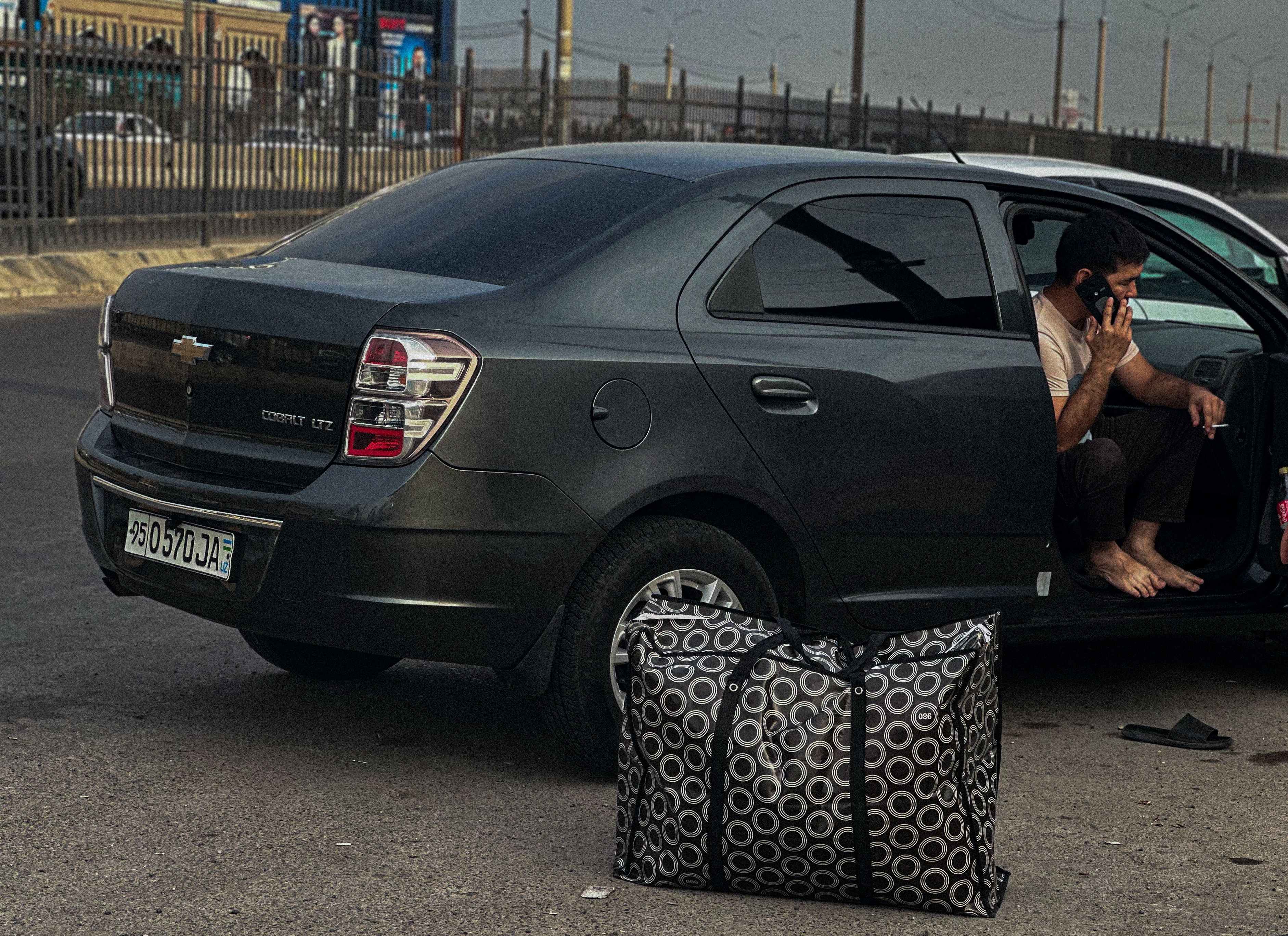
This is what a standard intercity taxi looks like. Photo: Feride Makhsetova
— One, two, and two more from over there. 350, 450, these are 350, and 500 min’ mail, — he mutters, calculating how much each owes for the ride. "Mail" refers to goods for sale, parcels and packages that are inconvenient to send as parcels.
On the way, we will have 5-6 pit stops, the first of which is in the very heart of the Hungry Steppe.
Capital of the Hungry Steppe
Shortly after departure, an Andijan native who works at a Chinese factory in Kegayli packaging chicken feed gets on the salon car. He explains that traveling from Andijan to Nukus is too long (the long-distance train takes almost a day) — in the June heat, it's tantamount to torture.
The taxi makes its first stop in Gulistan. The administrative center of the Syrdarya region is unremarkable in itself, but what catches the eye is how houses are arranged in the Uzbek heartland. In Nukus, where we are headed, you can see into the windows how families live—strangers, unfamiliar. In Uzbek houses, the windows face inward: either there are none at all, or they are very tiny and barely let in light. In Nukus, they face the world. You see them—and they see you.
At the gas station where storks have built their nests, dozens of liters of gasoline are poured into the "Kobalt". From here, we set off for Gagarin - a small town on the border with Kazakhstan - to pick up a married couple with a child.
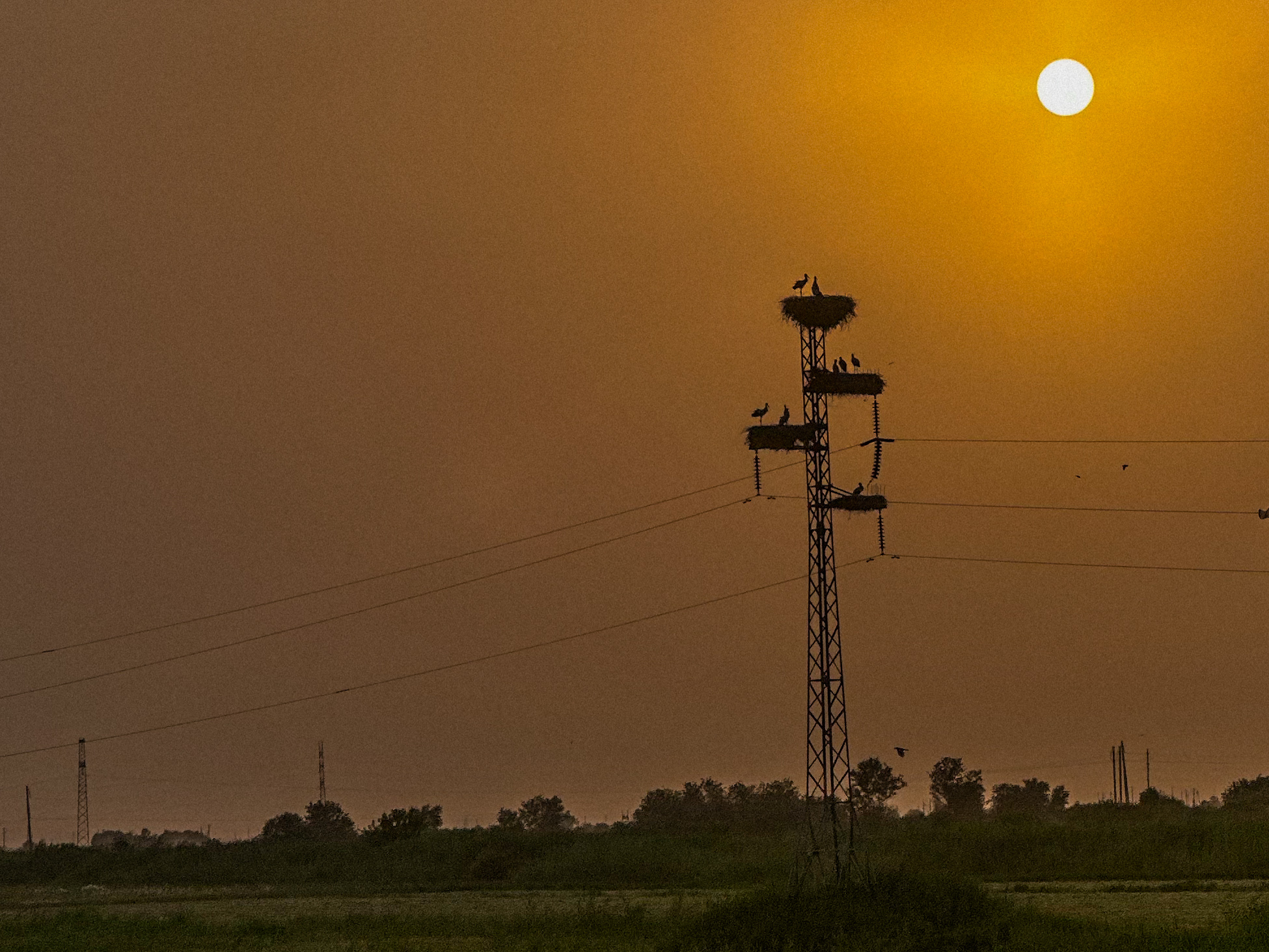
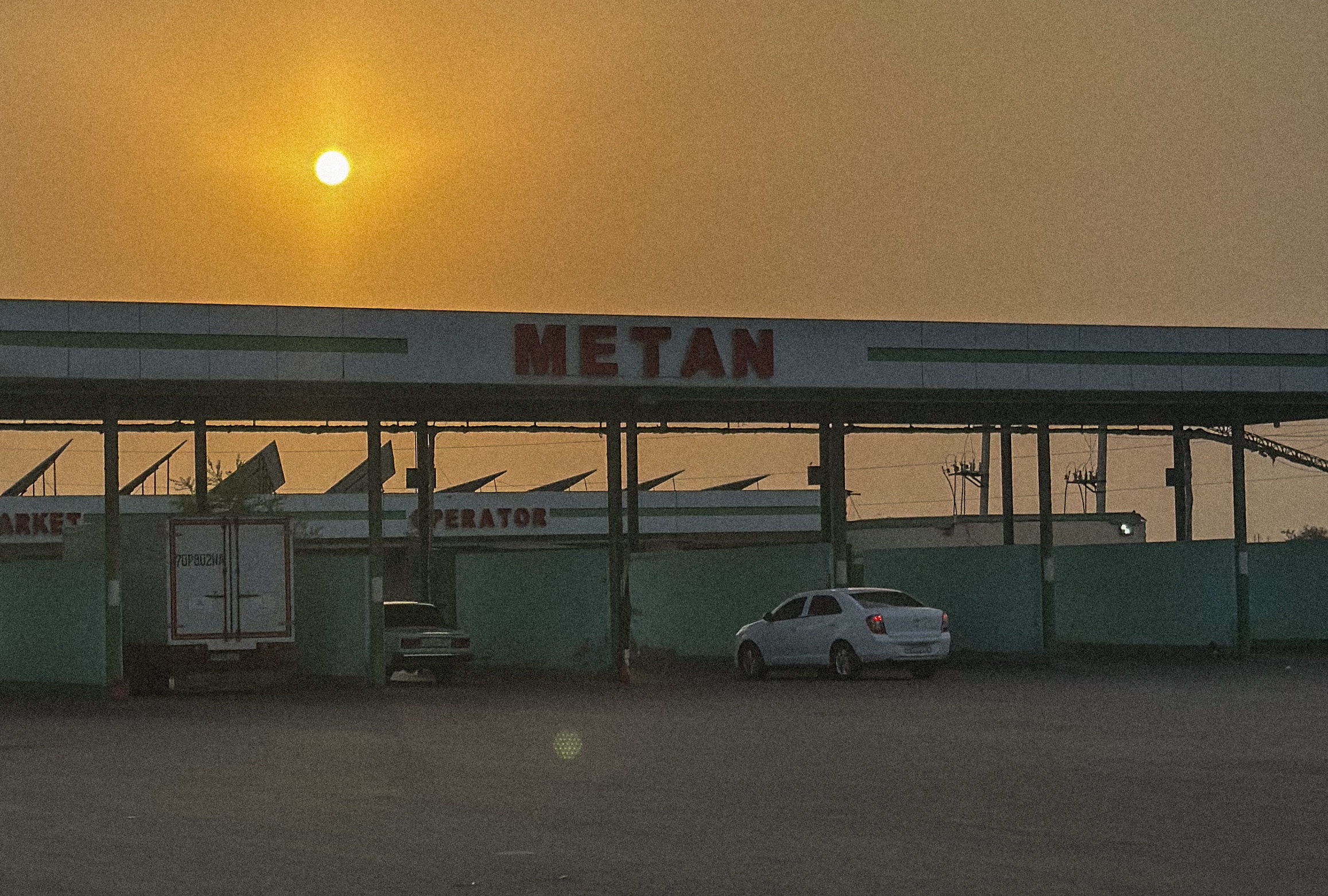
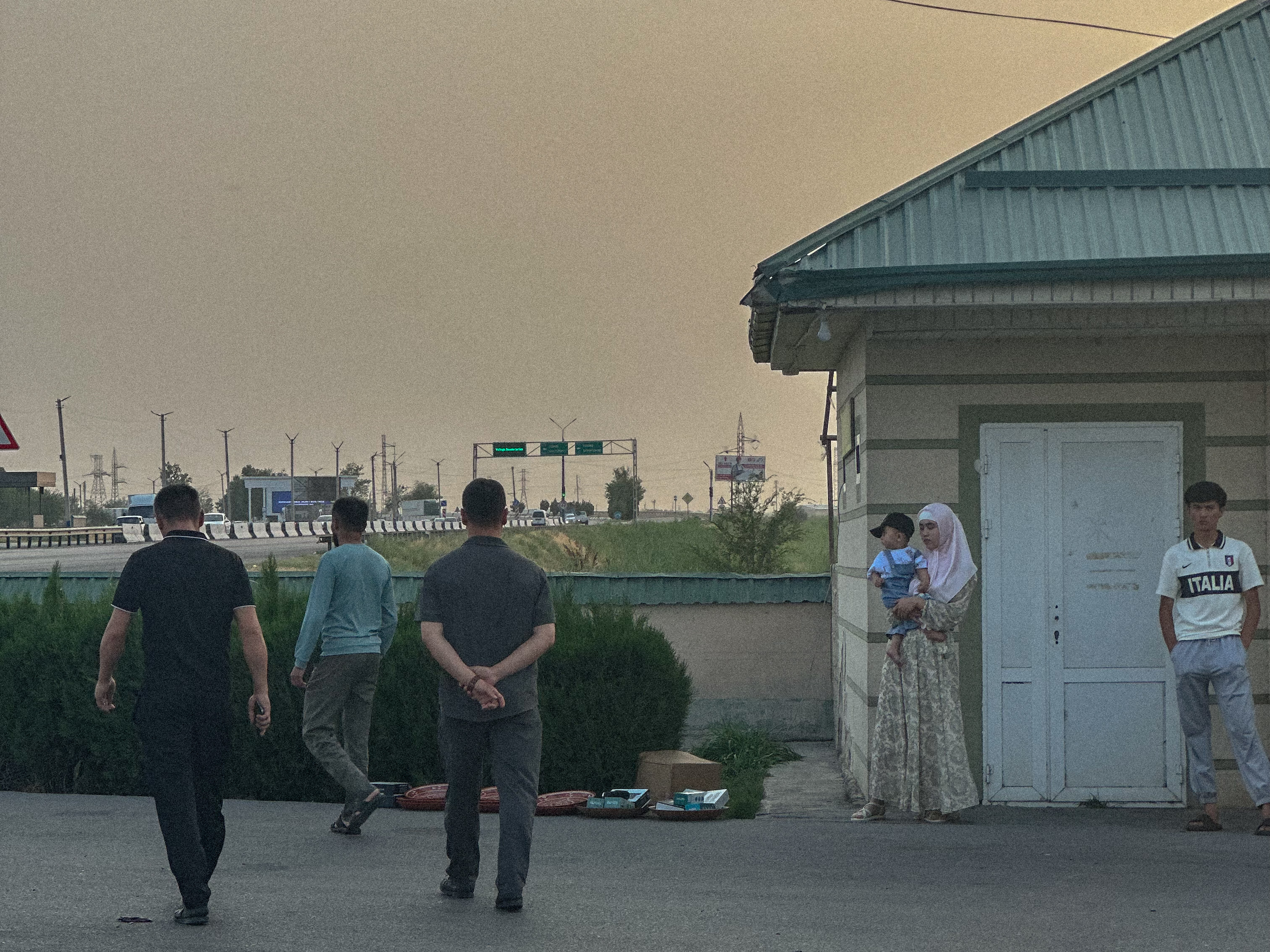
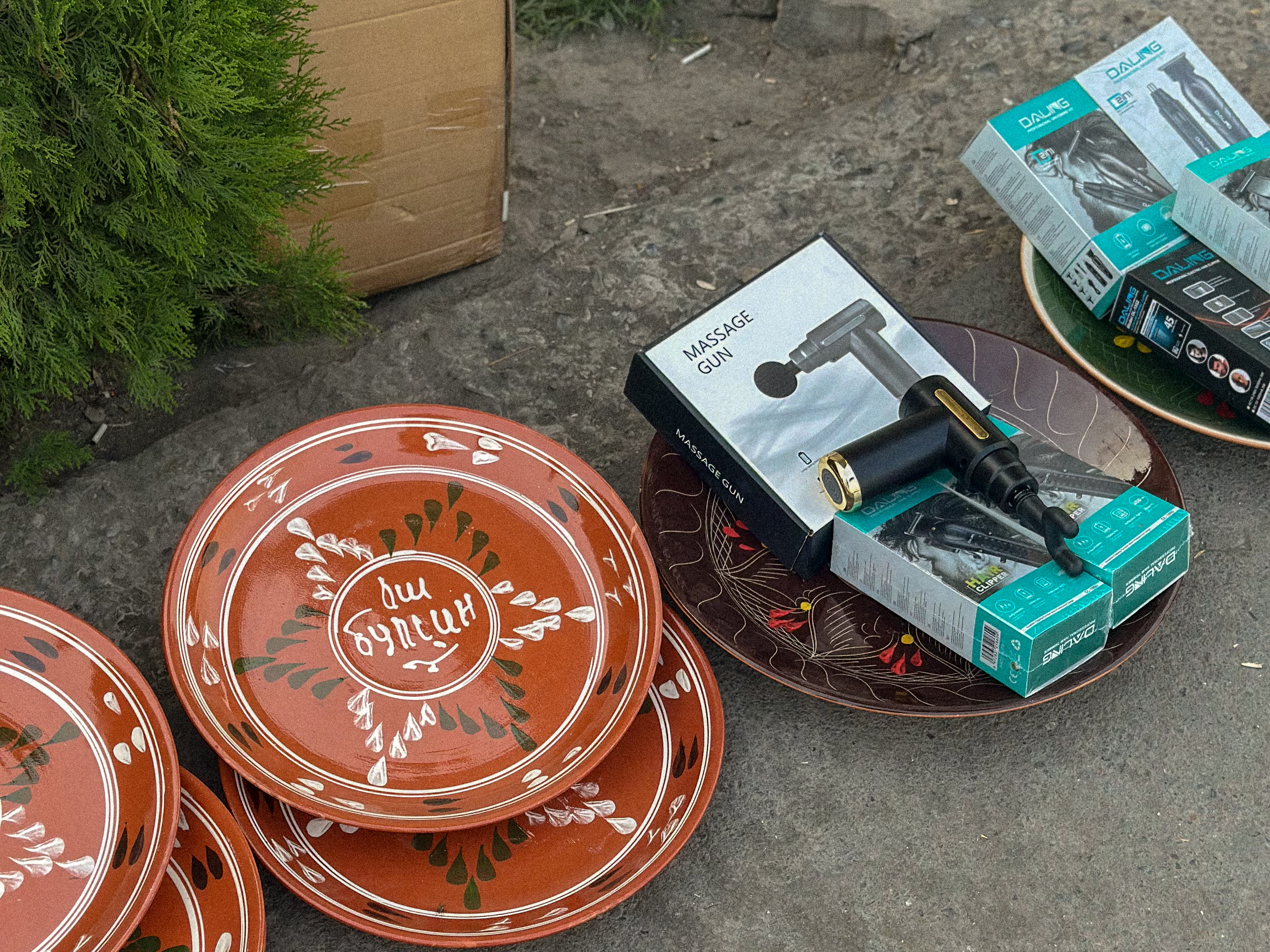
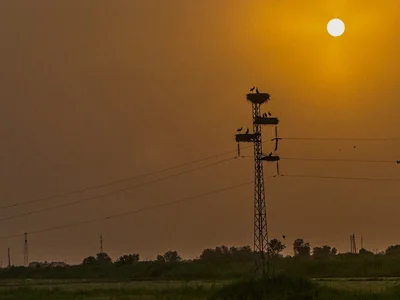
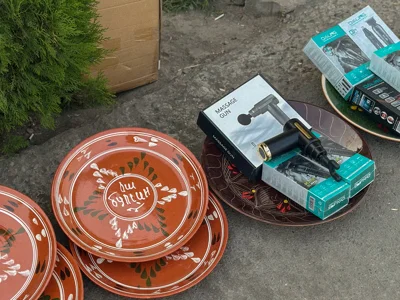
The concise landscapes of Syr Darya. Photo: Feride Makhsetova
Long Haul with "Kobalt"
On long stretches, long-haul truckers usually use radios — it makes it easier to pass the time, exchange important information, and ask for help. Our driver also communicates via radio, but over the phone: colleagues tell him where they are, how many passengers they're carrying, and warn about police ambushes, radars, and cameras.
While city taxi drivers suffer from aggregator commissions and fuel prices, the main scourge for intercity drivers is road cameras. They record any speeding, and the fine amounts sometimes reach up to a million soums.
The average taxi driver manages to make three to four round trips per week. They drive to Nukus, sleep on the roadside or at relatives' homes, and immediately head back to Tashkent. It's impossible to earn money in any other rhythm: this job has no schedules or shift workers, and no one asks the driver about their well-being, blood pressure, or hours of sleep before a trip.
The methods to combat drowsiness are standard - drivers rely on instant coffee, energy drinks, and loud music. And also - on luck, because "maybe" is an international concept.
Our driver — a guy around 27 with experience as a labor migrant — says he has developed immunity to traffic accidents. He remembers his first crash well — at sixteen, he got behind the wheel of a Zhiguli, flew off a bridge, and fell into a river. Onlookers quickly gathered on the shore and authoritatively declared that the driver had died.
"And I shout to them from the water: 'I'm alive!'" — he smiles.
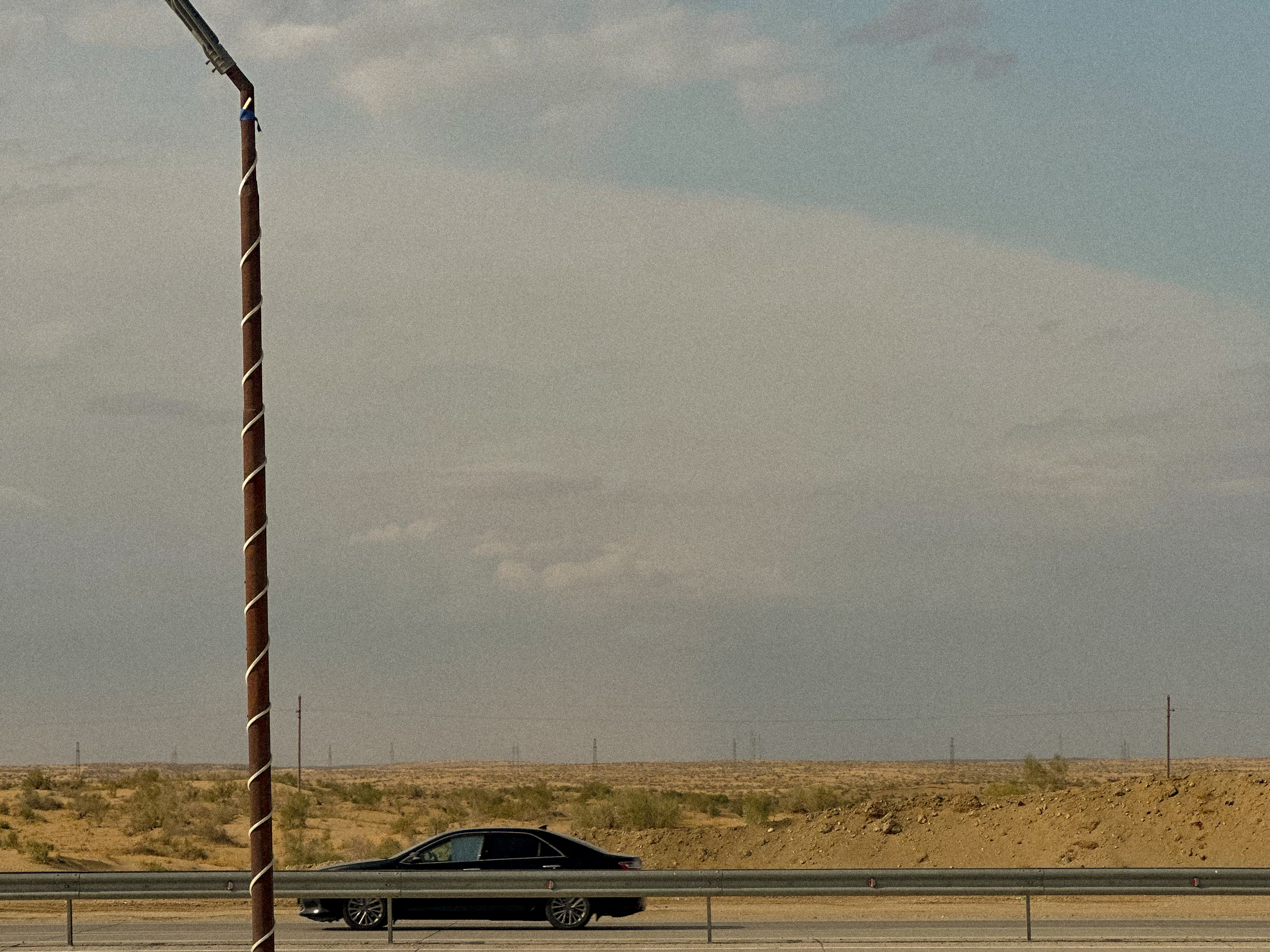
Photo: Feride Makhsetova
Then there was another serious accident - the car was thrown off the track, crashed into a barrier, and overturned. He says he is calm about death, but his parents are afraid of outliving their son. They gave him a pack of salt for the road - not a handful, as is customary, but a whole package at once. They ask every time if he has thrown away the parental talisman.
Roadside cafe in Jizzakh
Five hours later, the taxi stops at a roadside cafe near Jizzakh. In the USA, such places serve stereotypical burgers; in Russia, pelmeni and pseudo-Caucasian dishes; in the Caucasus, khinkali, churchkhela, and wine for those not driving. Here, the menu consists of shashlik, plov, lagman, and shurpa.
Shashlik here costs 25 thousand soums per serving, pilaf with drinks is 63 thousand.
For the spouses who boarded in Gagarin, this was too expensive - upon hearing the prices, the passenger, pregnant with her second child, changed her expression. Sitting down on the bench, she tells her story, which sounds like a plot from an Uzbek soap opera:
— I'm from Turtkul, I got married in Khorezm. My mother-in-law made my life miserable, she would swear and find fault with everything. I left my husband. My sister married a Karakalpak man — through her, they found me a second husband. He's from Gagarin, where there are Uzbeks and Kazakhs. Now we're going to Nukus — to my sister's for the holiday.
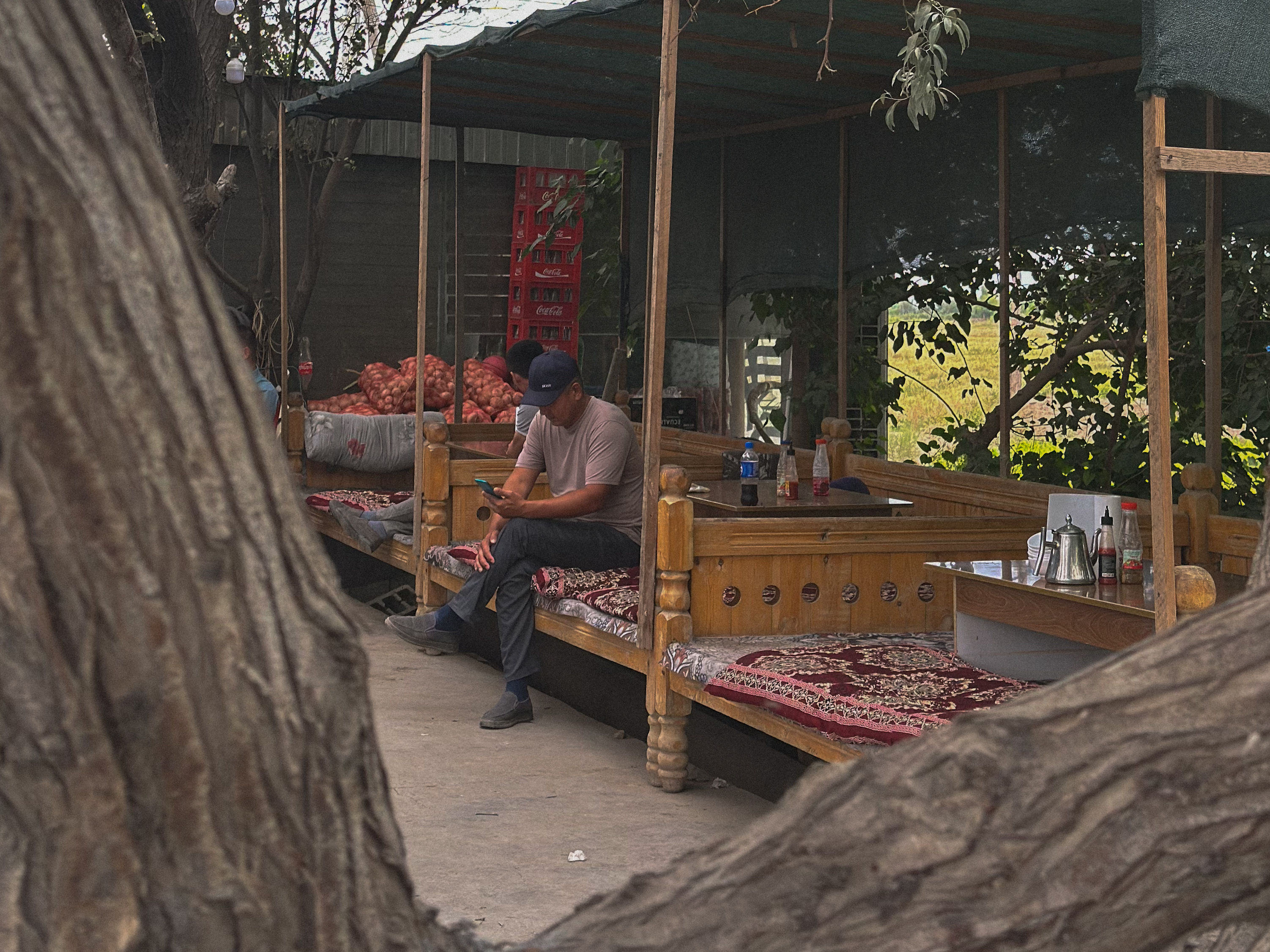
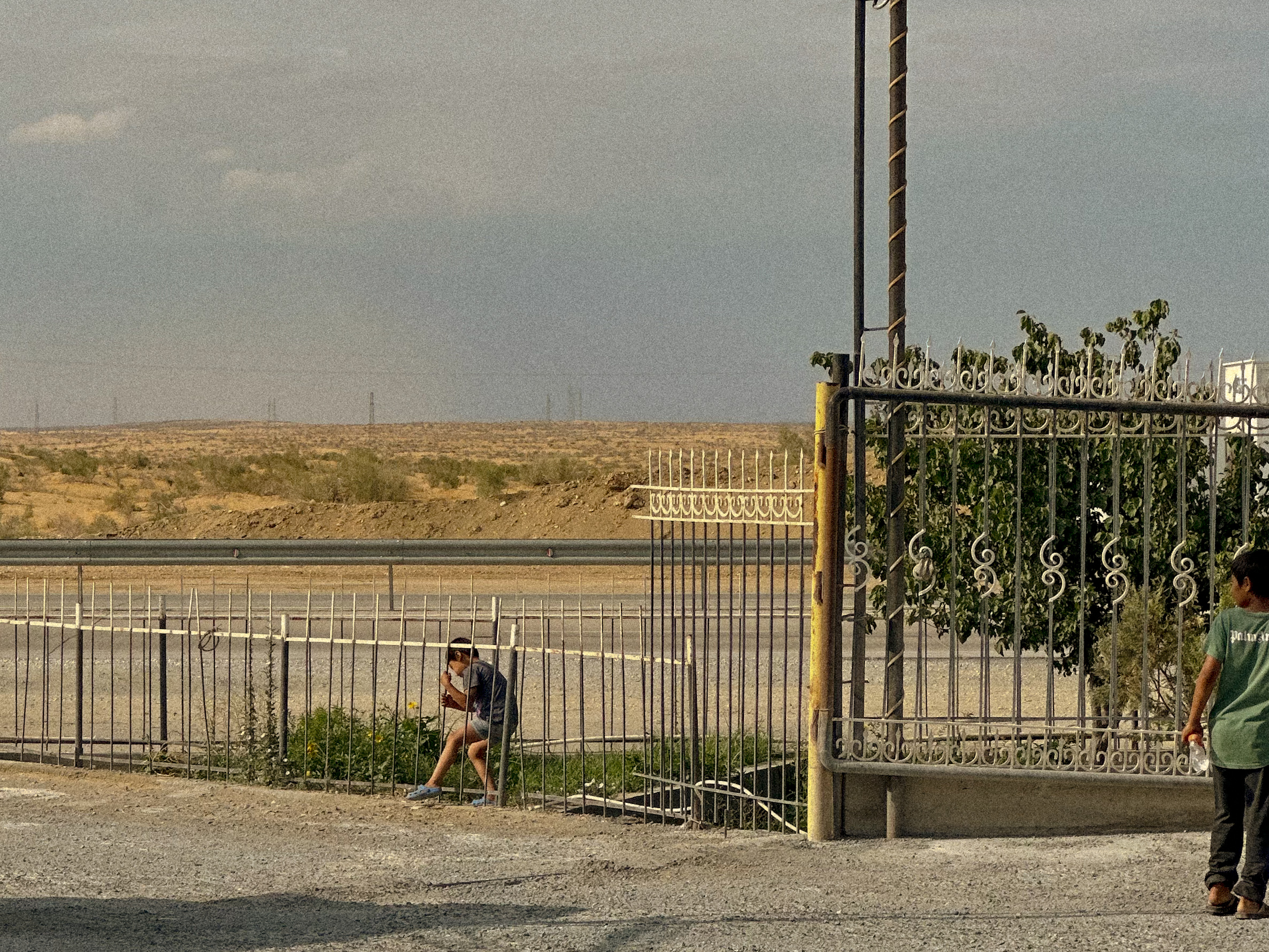
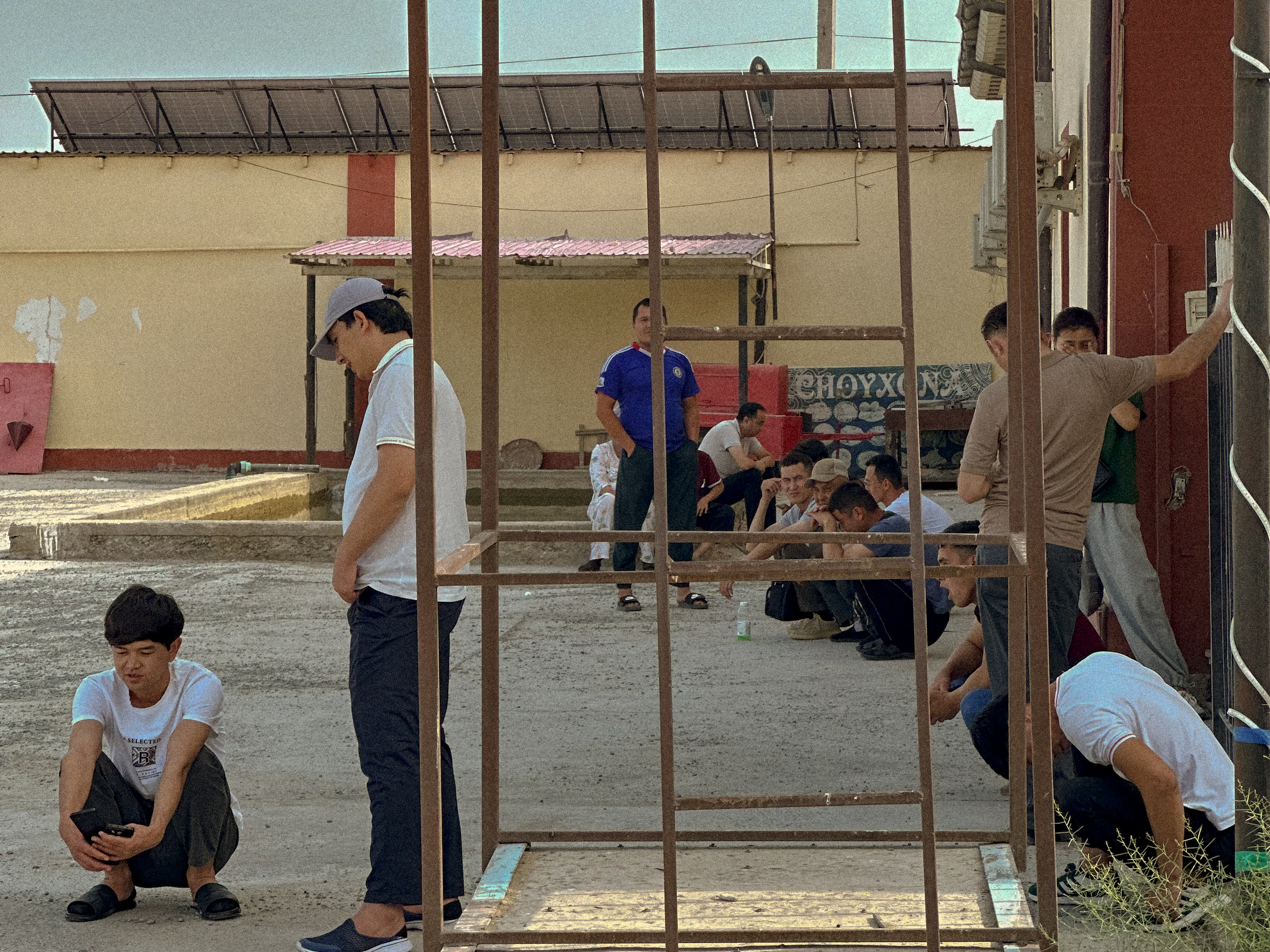
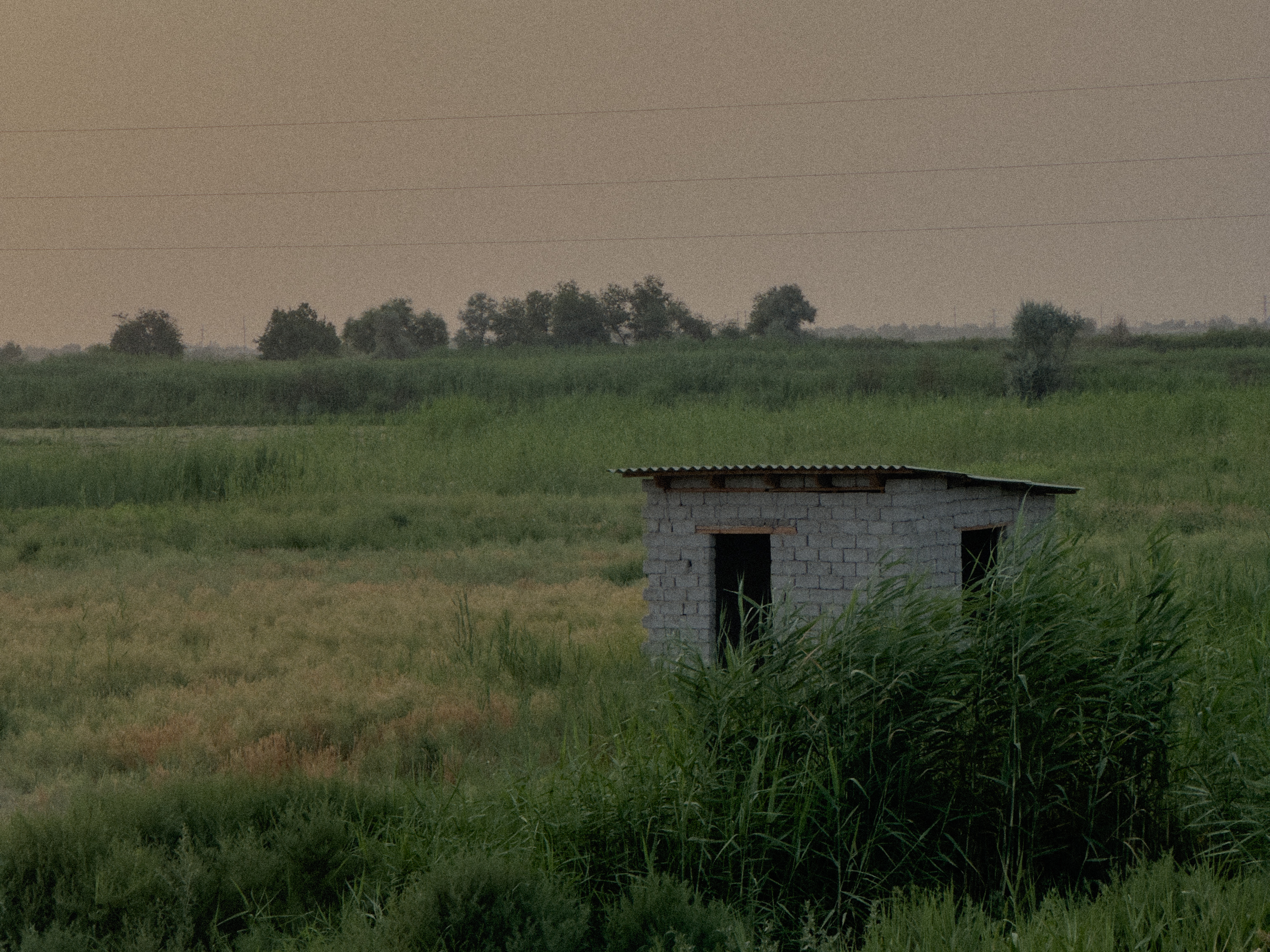
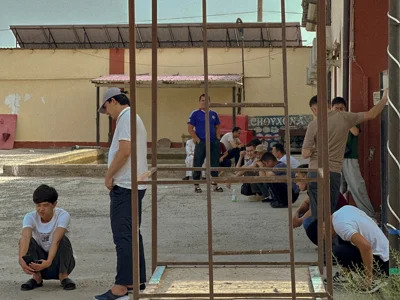
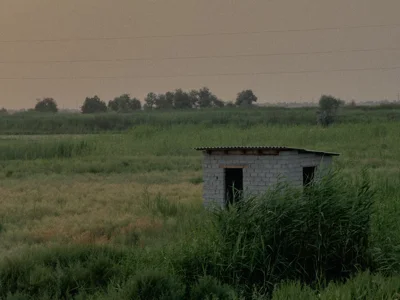
Aesthetics of roadside cafes. Photo: Feride Makhsetova
Moving on. Ahead lie another nine hours on the road. Outside the window, Samarkand, Navoi, and Bukhara flash by at 130 km/h. At two in the morning, the driver pulls over to the shoulder, turns off the headlights, and suggests we sleep. Cars occasionally speed past, and silence envelops the desert. Everyone drifts off to sleep.
Passengers wake up in the early morning already in Karakalpakstan. The driver makes the last refueling in Beruniy. From there to Nukus itself — 146 kilometers through the steppe.
Karakalpakstan is not just a region with two tourist attractions, but a distinctive, self-contained world with its own history and a stubborn, silent character. When you drive for hours through the dusty, silent steppe, you come to understand just how vast and unfathomable it is.
Perhaps this is the only reason why intercity taxis appear better in our eyes than planes and trains.


