What is Shashmaqom
Shashmaqom is a musical art form that intertwines Uzbek and Tajik traditions. It is structured as a large cycle consisting of six parts—called maqoms. Each maqom has its own mood, rhythm, and sound. Together, they resonate like six different stories within a single composition. These parts are named: Buzruk, Rost, Navo, Dugoh, Segoh, and Irok.
In its classical form, Shashmaqom begins with an instrumental introduction — the mushkilot. It sort of "warms up" the ear, slowly immersing the listener into the musical cycle. Gradually, various sections unfold, each with its own sound and mood. For example, the tasnif is typically a rhythmic part with a clear form; tarji and gardun are transitional segments with a changing tempo, and the saqil is the part where the music begins to "flow" with particular freedom. These fragments often combine into a form reminiscent of a rondo: when the melody moves in a circle, sometimes returning to a familiar theme, then veering off again. All this rises from low notes to a bright climax — the awj — and then smoothly fades and returns to a calm sound.
Musical parts of shashmaqam
- Mushkilot — an instrumental introduction. It gradually prepares the ear for the main cycle, establishing the mode and mood.
- Tasnif is the most structured and rhythmic part. It often sounds like a repeating melody to which one wants to sway gently in time.
- Tardji — a transitional section. The sound becomes more flexible and emotional, and the tempo can accelerate or slow down.
- Gardun is a connecting section. It helps to smoothly transition from one musical mood to another.
- Sakil is a free-form section where the music seems to begin breathing — developing more freely, like an improvisation.
- Climax — the culmination. The brightest, most intense moment of the entire composition — the peak of emotion and sound.
- Suporish — a transition to the next makom. The music gently passes the baton forward, maintaining the overall flow.
This is followed by a vocal section, in which verses from great Eastern poets — Navoi, Rudaki, Jami, and others — are performed. Essentially, it is narrative music, where poetry and melody intertwine to speak about the most important things — life, love, meaning.
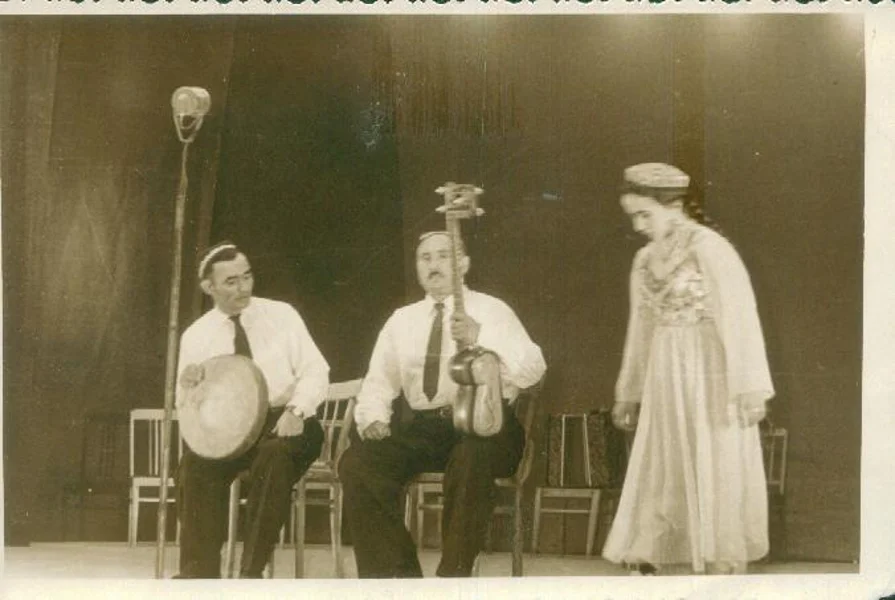
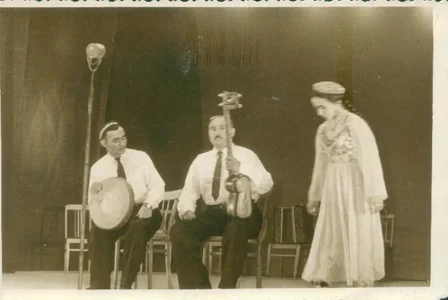
All of this is performed by an ensemble of vocalists and musicians. It includes traditional instruments: tanbur, dutar, rubab, gijak, and doira. Their melodies, combined with the live voice, create an extraordinarily rich and deep sound. To perform Shashmaqom well, one must not only master the instrument virtuosically but also have a subtle feel for the musical tradition.
The complete cycle of shashmaqom can last several hours—like a grand Eastern opera.
Shashmaqam Instruments: Who is Responsible for What in the Ensemble
- Tanbur is a long, plucked instrument with metal strings. It produces drawn-out, ringing notes—as if music is flowing through the air. It is considered one of the main instruments in the maqam tradition.
- Dutar is a two-stringed instrument with a soft, warm sound. Its name translates to "two strings." The dutar carries a smooth melodic line, adding depth and tranquility.
- Rubab is a plucked string instrument with a short neck and a rich, dense sound. It introduces rhythmic structure and velvety overtones into the music. Visually, it somewhat resembles both a harp and a lute at the same time.
- Gijak is a bowed string instrument, somewhat similar to a violin. Its timbre is anxious and piercing—it can "cry" or "flare up," enhancing the emotional component of a composition.
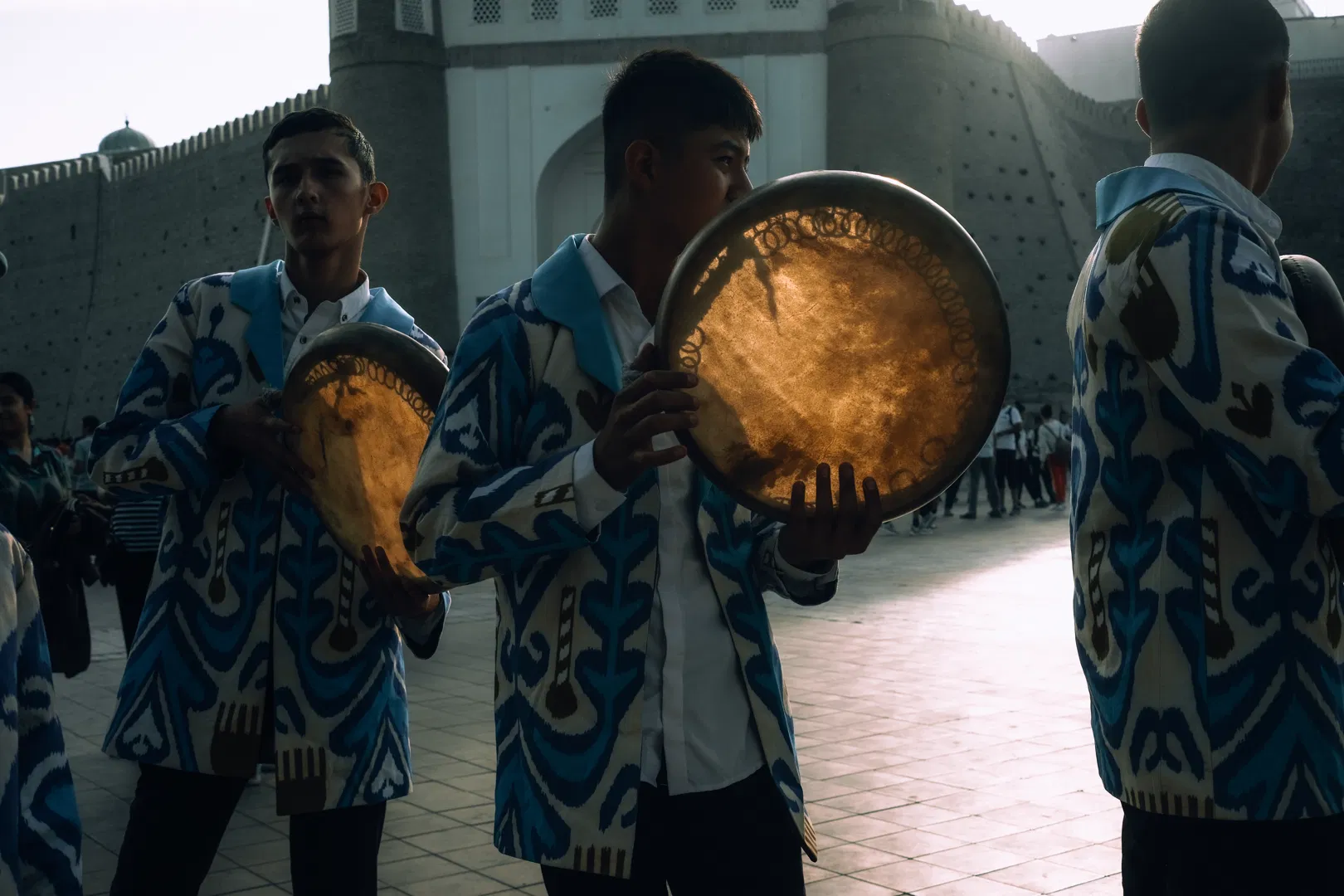
- Doira — at first glance, an ordinary tambourine. But it sets the pulse for all the music. Complex rhythmic patterns, accents, the breath of the melody—everything is born here. Playing it requires immense precision and a sense of rhythm.
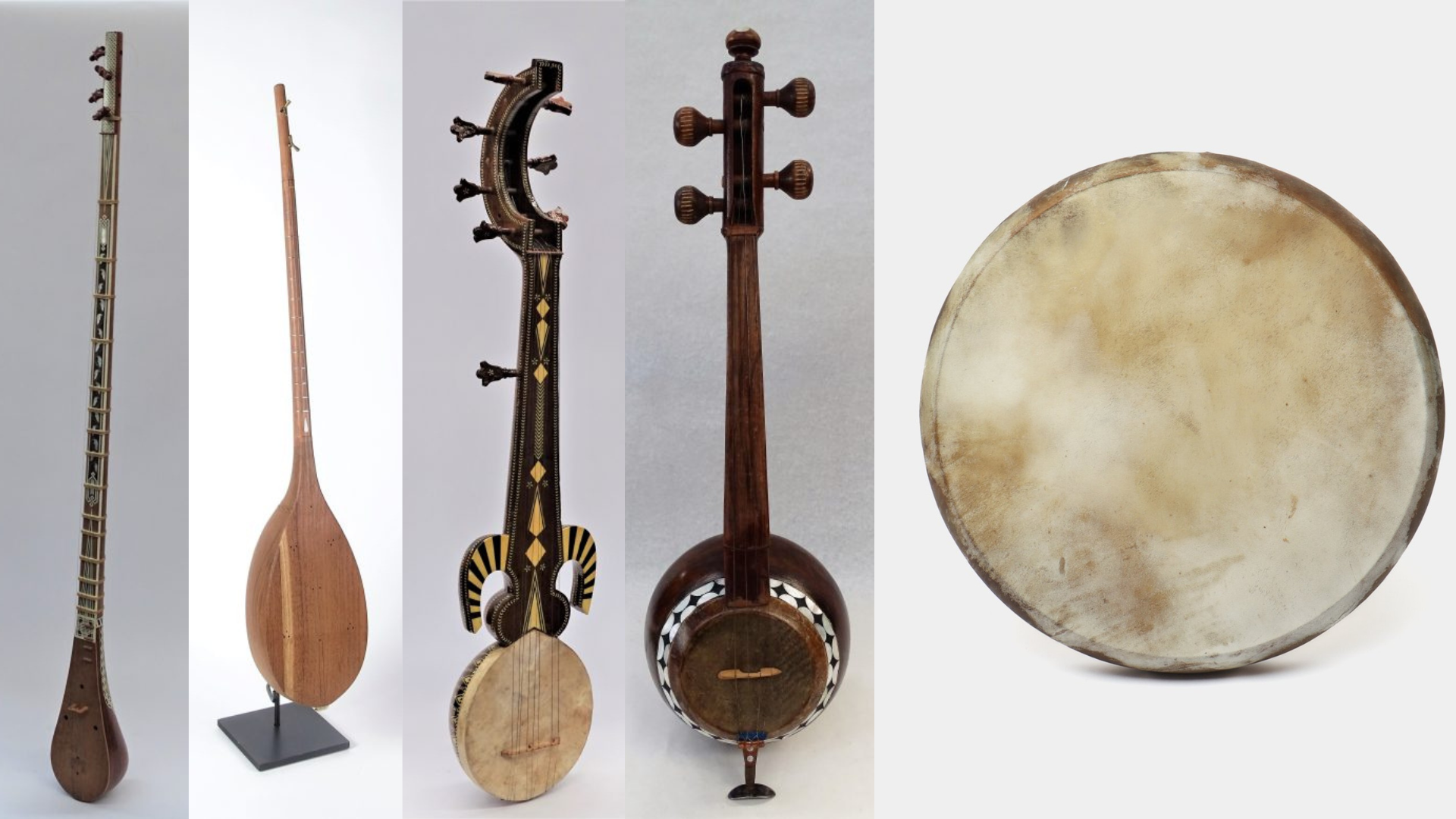
From left to right: tanbur, dutar, rubab, ghijak, doira
How Shashmaqom Originated
The genre's heyday occurred in Bukhara during the 16th–18th centuries. Compositions were created by masters of various nationalities, including Bukharan Jews. For a long time, maqom was performed exclusively in palace halls as an elite art form.
In Soviet times, shashmaqom was considered "music of the past," but thanks to the efforts of musicians and scholars, it was preserved. In the 1920s, they began recording melodies and transcribing them into musical notation. Later, Yunus Rajabi—a person, a station on the Tashkent metro, and one of the main keepers of this tradition—compiled the entire shashmaqom into six volumes to teach future performers.
Today, shashmaqom resonates once again—on stages, at festivals, in schools, and even at weddings. Major events are taking place in Uzbekistan, such as the International Maqom Forum and the Young Performers Festival in Bukhara. This music is performed in Uzbek and Tajik languages and is cherished in various corners of the country.
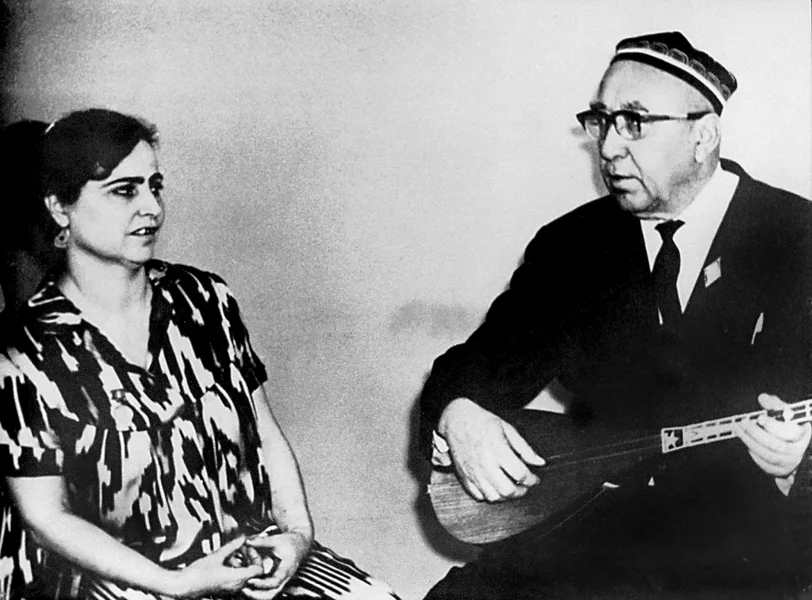
Among the famous performers are legendary singers of the past and present: Komiljon Otaniyazov, Berta Davydova, Turgun Alimatov, as well as the People's Artist of Uzbekistan Munojot Yulchieva, whose voice is known far beyond the country's borders.
How to Listen and Understand Shashmaqam
Shashmaqom is unlike familiar pop melodies: there are no standard verses, familiar chords, or repeating choruses. Instead, there is a unique rhythm, subtle transitions, and ancient modes. Therefore, a newcomer may find it difficult to immediately "enter" this music. But if you give yourself a little time and tune in, a whole world will open up.
Listening to shashmaqam is like embarking on a musical journey. It is slow, viscous, yet very rich. The music first sways, builds up, reaches a climax—and then softly fades away. All of this evokes a whole range of emotions: from light sadness to genuine delight.
The best way to listen to Shashmaqam is live — in a concert hall, with real instruments, with voices that come not from speakers, but from the depths of the soul. It's a completely different impression — and a much more powerful one.
If you're just starting to get acquainted, begin with short pieces — for example, with songs like sarokhbor or ufar.
Shashmaqam Today: Schools, Concerts, and Festivals
Today, shashmaqam is heard more and more often in Uzbekistan — and it has become much easier to listen to it. It is now not only performed but also studied officially: the Tashkent Conservatory has opened a "Shashmaqam" specialty, and similar departments operate in Samarkand, Bukhara, Kokand, as well as in Tajikistan — in Dushanbe and Khujand.
There is even an entire Yunus Rajabi Makom Institute dedicated to studying and preserving this art. Children are taught makom from an early age— for example, there is a music school in Margilan.
But you can hear shashmaqom not only in concert halls, but also in ancient buildings, open-air venues, and festivals. If you are in Bukhara, stop by the Nadir Divan-Begi Madrasah. Every evening, they hold a folklore show with live music for tourists there, where fragments of maqom are also performed. The Eastern architecture, ancient courtyard, tanbur, and doira create a unique atmosphere. Moreover, during major holidays like Navruz or Independence Day in Bukhara, local ensembles perform — at the Lyabi-Hauz square or the Modari-khon Palace. Often, this happens right in the open air — ask the locals for posters or simply wander the city by ear.
Since 2022, the "Shashmaqom" festival has been held in Bukhara — it is a competition among young performers under 30. Ensembles and soloists from all over the country perform classical maqoms. The performances take place in beautiful historical buildings — madrasas and philharmonic halls. The festival is usually held every two years, in spring or autumn — keep an eye on announcements in event listings.
And, of course, shashmaqom still resonates in daily life: at weddings, in family circles, and at folk festivals. Sometimes, after loud modern songs, the calm melody of a maqam plays—as a sign of respect for elders. And concerts by maqom performers are often broadcast on radio and television, especially during cultural holidays.