Fashion and Style
Modesty is the new black. What is modest fashion and why is it gaining popularity?
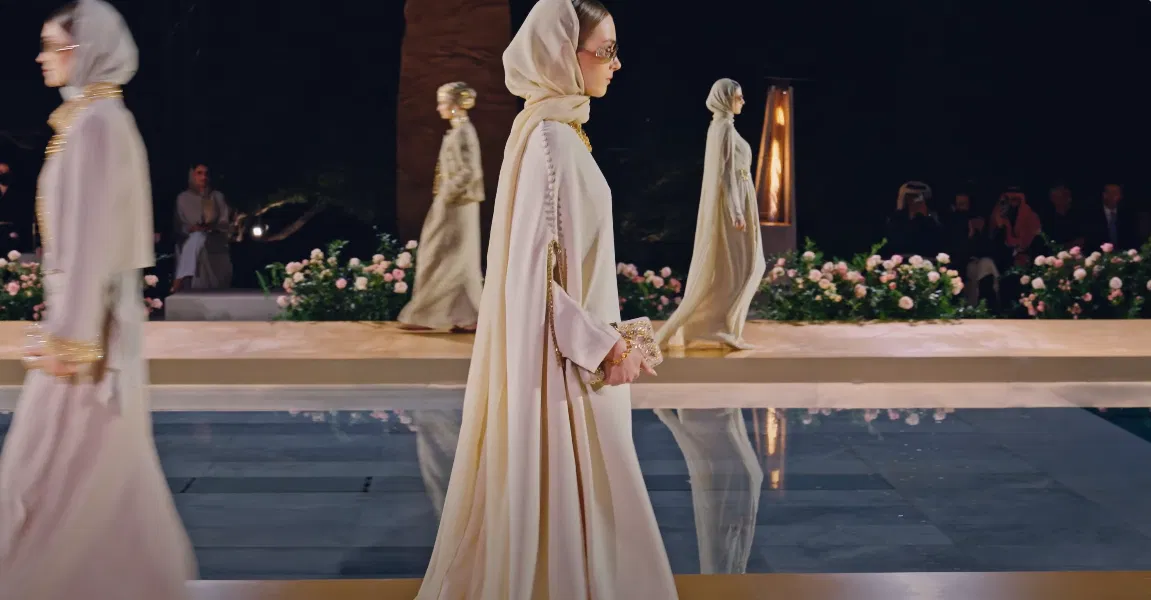
Modest fashion is a new trend that is commonly considered part of Muslim tradition. It was precisely from the style of covered women that the concept of "modest fashion" originated. However, notions of "decency" and "revealingness" have been known to humanity since ancient times. For instance, in Ancient Greece, an exposed female breast symbolized fertility and feminine power, while during the Byzantine Empire, a different image replaced the ancient beauty of the body—that of a spiritual woman whose body should be completely covered. Let's take a closer look at what modest fashion represents today.
Modest fashion is a trend among women who prefer to cover their bodies in accordance with the spiritual and stylistic requirements of faith, religion, or personal beliefs.
This trend translates as "modest fashion." It should be noted that the concept of modesty varies across religions and cultural codes—it's difficult to approach it unambiguously. If we talk about the degree of clothing coverage, until the 20th century, fashion was, rather, "proper": in a woman's everyday wardrobe, even in the summer heat, legs and arms remained covered, and a hat was invariably present on the head. Only at balls could ladies allow themselves a liberty—to reveal a décolleté and shoulders. Thus, the new trend in fashion actually has its roots in ancient traditions.
"Modest" fashion emerged as an independent trend in the early 2000s. The fact is that the style of the early 21st century allowed socialite women to wear extremely revealing clothing. However, Muslim women, orthodox Christian women, and those who, for ethical or personal beliefs, preferred simple and covered-up clothing, faced a problem: in regular stores, suitable items were extremely scarce. In the end, demand created supply.
However, it is important to distinguish modest clothing in the classic style from the image of a Muslim woman living according to Sharia norms.
Modest fashion is a style of moderation that can include calm shades, quality fabrics, a pencil skirt or perfectly fitted trousers, long-sleeved shirts and blouses, a string of pearls around the neck, and nude makeup.
Why is modest fashion in demand today?
Tolerance and respect for different cultures. Today, the world has become extremely diverse: we travel a lot and change places of residence. The cultural code of European countries allows women to wear miniskirts, short tops, and feel free in their wardrobe choices. At the same time, residents of many Asian countries that practice Islam choose closed and modest clothing. For successful adaptation in a new place, it is important not to arrive with "your own rules," but to consider the style rules of another country and culture: cover your shoulders, wear a midi or maxi skirt, put a scarf on your head if social norms require it.
Inclusivity and rejecting imposed beauty standards. Being different is becoming the norm today. Women wearing headscarves don't look like recluses at all: for example, Ibtihaj Muhammad participated in the 2016 Olympic Games in a hijab and won a bronze medal in the team sabre fencing competition. Halima Aden became the first hijab-wearing model to appear on the cover of British Vogue.
Modest and covered clothing is increasingly becoming a tool for self-expression and a way to draw attention to important social issues. One of the most striking examples is human rights activist Malala Yousafzai from Pakistan, who became the youngest Nobel Peace Prize laureate. In 2012, while returning from school, she survived an attack by militants who shot her in the face. The girl miraculously survived and subsequently dedicated her life to protecting the rights of children and women worldwide.
Pandemics, armed conflicts, and natural disasters heighten the feeling of human vulnerability, and closed, multi-layered clothing in such conditions creates a sense of bodily security. Today, sexuality is largely associated with the body and its parameters, so "modest fashion" is chosen by women who do not wish to sexualize their appearance. Adherents of modest fashion assert that attractiveness is expressed through inner energy and charisma, not just through a naked body.
The sexual revolution of the late 20th century stripped society of many notions of chastity. There became so many nude and semi-nude bodies that the public itself seems to have grown tired of this visual abundance. Designers caught the shift in mood, and increasingly, closed and multi-layered looks began appearing on the runways.
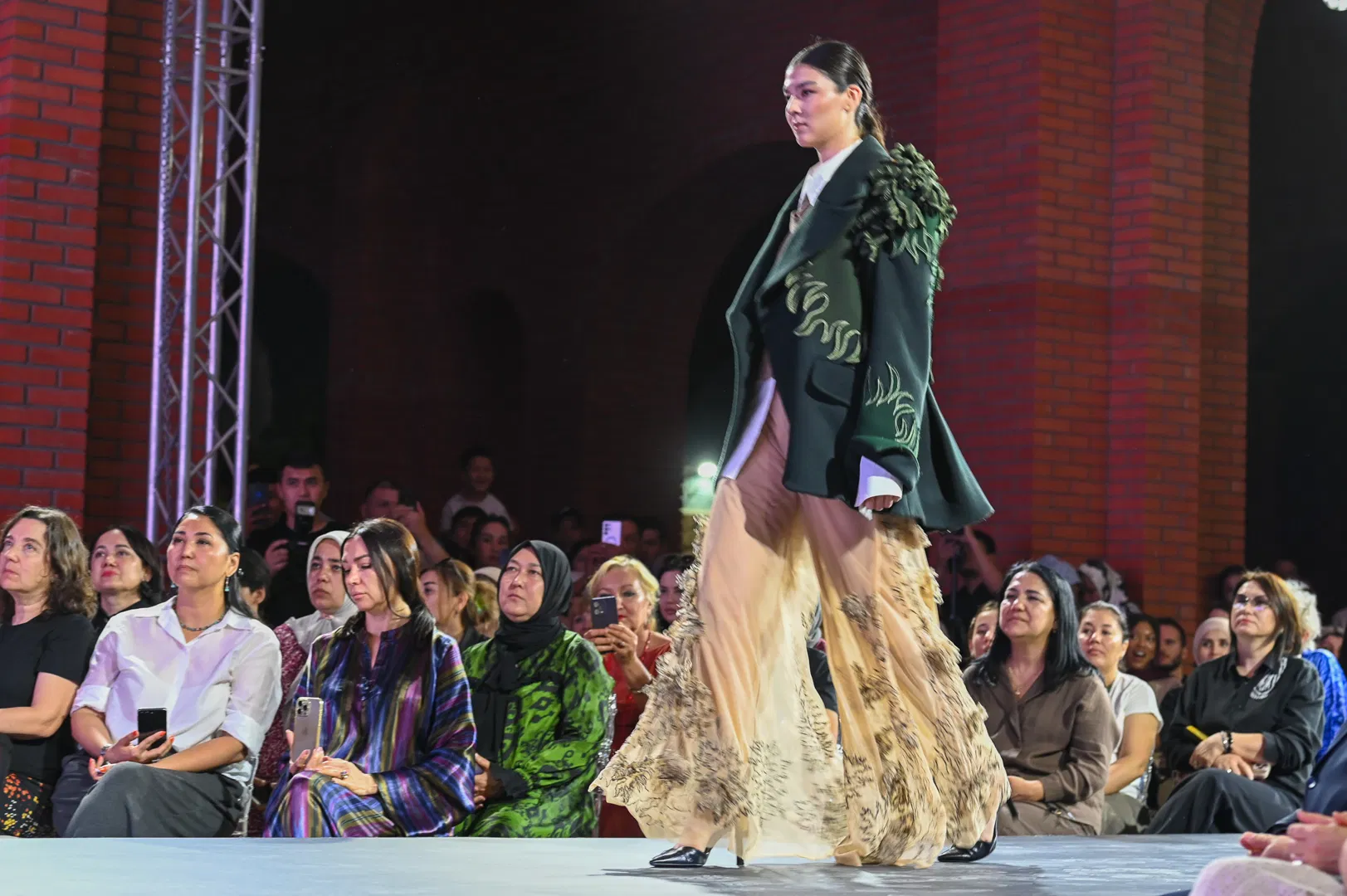
"Modest" fashion today takes on an intellectual hue: it is no longer enough for the consumer to simply cover the body and look beautiful—it is important that clothing conveys values, ideas, and helps one make a statement. A deconstructed jacket with seams turned outward can attract attention and say much more about its owner than a classic version.
Modern society is increasingly striving for conscious consumption. One of the ideas of modest fashion — is to create high-quality items that will last a long time, to produce capsules where blouses, skirts, and trousers combine well with each other, eliminating the need for new purchases. The fashion industry remains one of the largest polluters on the planet, which is why it is increasingly following the trend of abandoning "shopping for the sake of shopping" and the pursuit of status, shifting the focus to minimalism, functionality, and high quality of clothing.
Modest fashion and fashion brands
In recent years, interest in 'modest' fashion has largely grown due to the activity of bloggers from the Muslim world. They share their lifestyle, talk about how they combine faith and religious prescriptions with modern fashion trends, and demonstrate diverse stylistic solutions within modest fashion. For example, Sally Ashour publishes classic looks complemented by hats and scarves — which can be noted not only by Muslim women.
The growing demand for modest clothing is also evidenced by the fact that since 2015, Modest Fashion Week has been held annually in Istanbul, London, Dubai, and other cities around the world. The event brings together hundreds of designers, buyers, fashion experts, and fans of modest fashion from all over the globe.
Fashion houses and international clothing brands have also responded to the growing demand. For instance, Nike has released hijabs for Muslim female athletes, and in 2024, Prada presented a collection timed for the holy month of Ramadan. Even the Italian brand Dolce & Gabbana, known for its revealing outfits, launched a limited collection of Muslim attire in 2023, dedicated to Saudi Arabia.
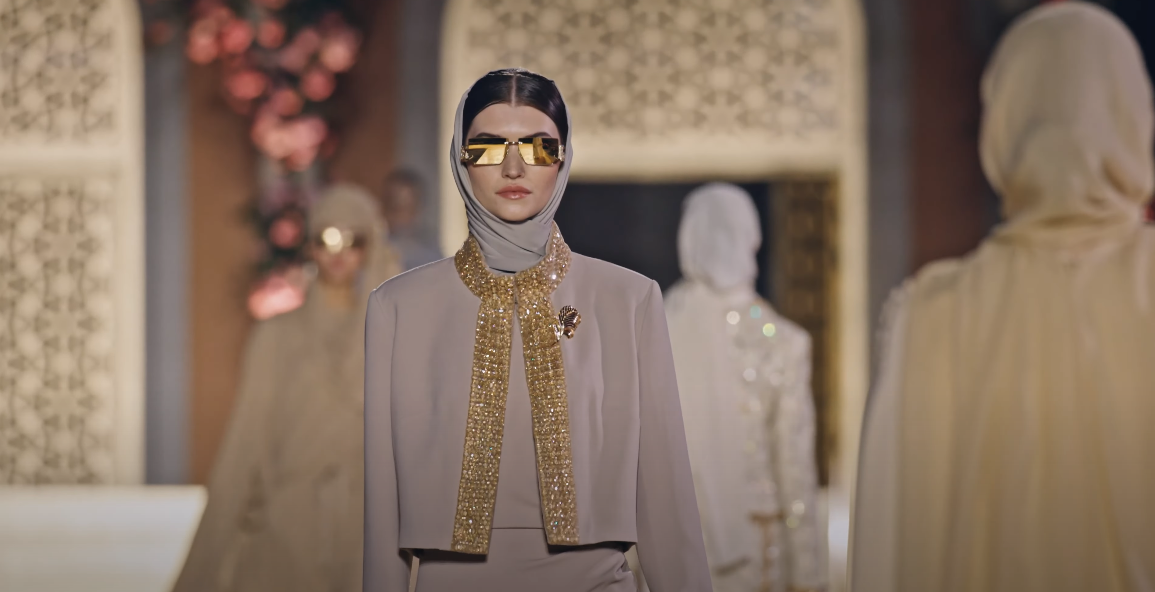
In 2011, the Modanisa platform was launched, uniting designers from all over Turkey, as well as owners of large and small ateliers, giving them the opportunity to sell their work online. This brand responded to the trend of Muslim women increasingly redefining themselves as entrepreneurs, employers, and pioneers. Modanisa's goal is to show that fashion for covered women is not limited to just black: a woman can remain faithful to her religious and personal principles while looking bright and stylish. Today, Modanisa is the largest international online platform where both women adhering to religious traditions and secular admirers of elegant and comfortable clothing can find suitable looks.
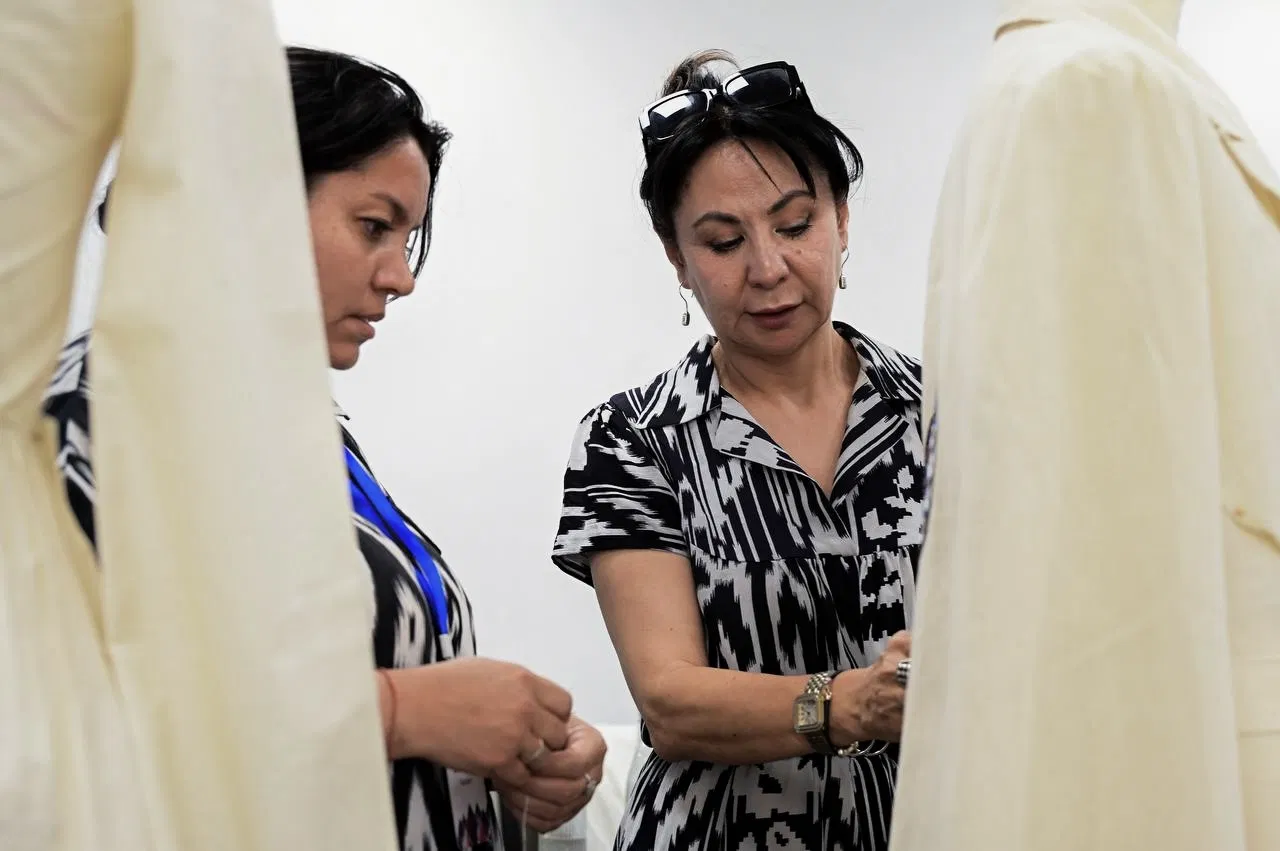
Designers from Uzbekistan are also actively developing the "modest" fashion trend. Brands such as Stone City, Dildora Kasimova, Moel Bosh, and others showcase successful examples of combining the country's cultural code, religious requirements, and modern materials. For instance, the brand UMM ABIYAM creates exclusive outfits for women who wear hijabs: dresses, trouser suits, and even swimwear sets allow girls to remain elegant, move at their own pace, and not feel restricted.
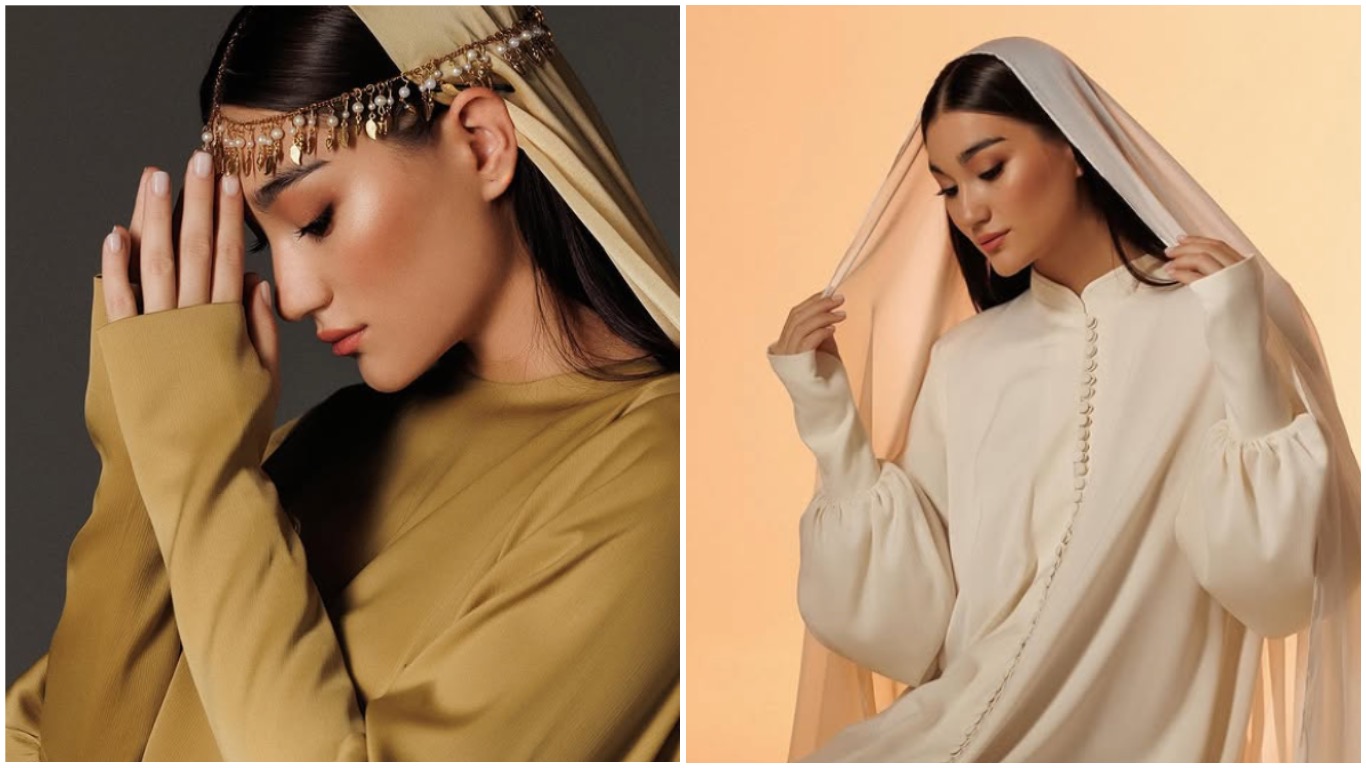
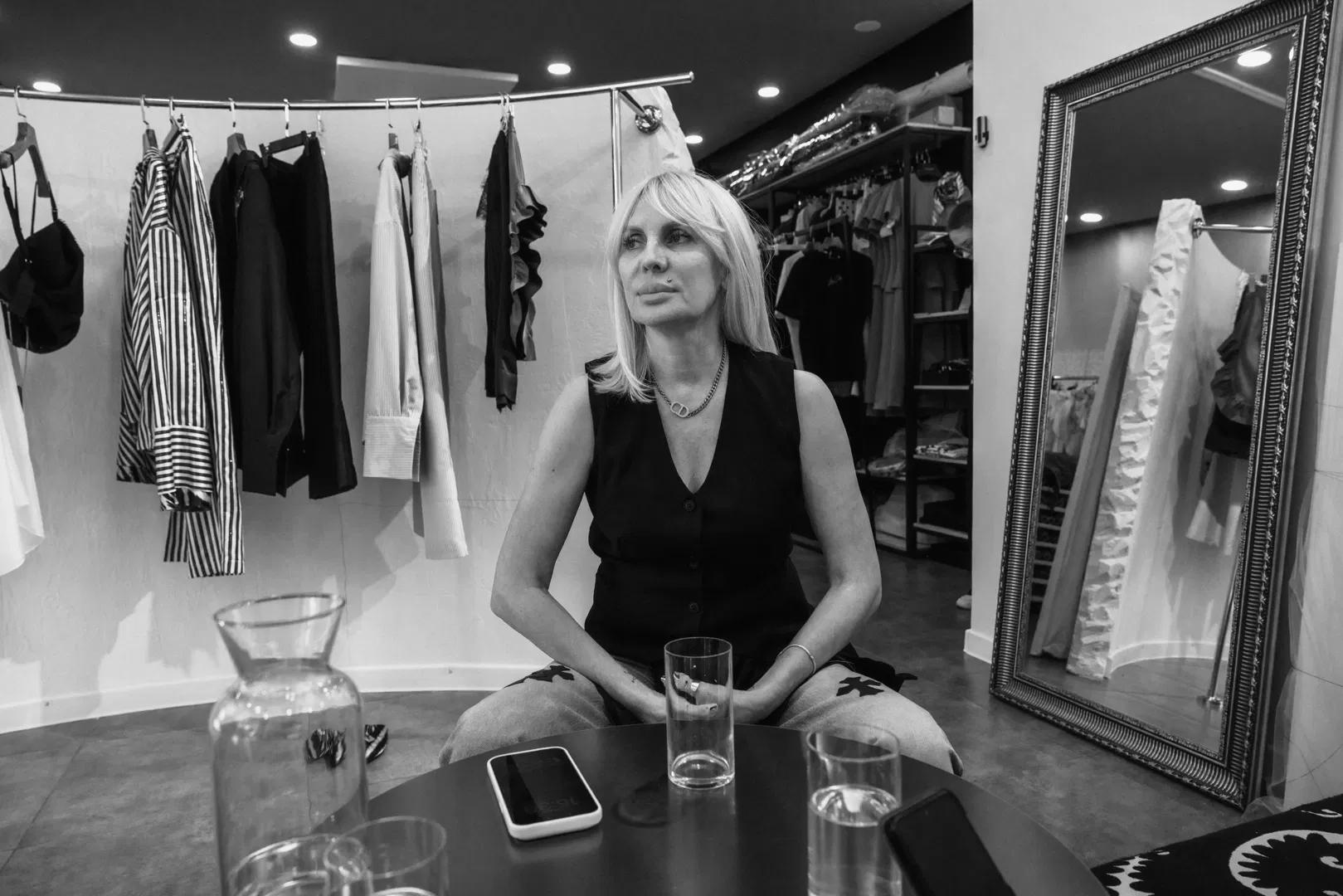
"Modest fashion is not an attempt to cover the body for safety, nor is it a technique for seduction. It is about confidence, elegance, and inner peace," notes designer and founder of the brand Stone City, Elnora Rizayeva.
"In the 2000s, we wore crop tops and mini shorts, and that was normal—it felt comfortable to us then. But now, lifestyles have changed: we want to do everything and be everywhere, to be active while still feeling confident and comfortable. This brings us back to the idea of clothing that accompanies us throughout the entire day—and more often than not, these are more covered-up, practical looks," adds the designer.
It can be said that local modest fashion brands draw inspiration from traditional Uzbek costume — multi-layered, covered, yet bright and decorative. Elnora Rizaeva notes that 'modest' fashion is in harmony with the aesthetics of Uzbekistan, which is full of poetry and subtle understatement. This cultural code can become a rich source of ideas for local designers and future collections.
Today, modest fashion is still often viewed as a "Muslim" phenomenon. However, Uzbek designers are expanding the boundaries of this concept, proving that it is connected not only to religion but also to respect for the body, one's roots, and inner self-sufficiency. Looking at the looks from the Uzbek brand DÚNA — slightly revealing yet with a covered head — one understands that true elegance is always built on simple and clear lines.
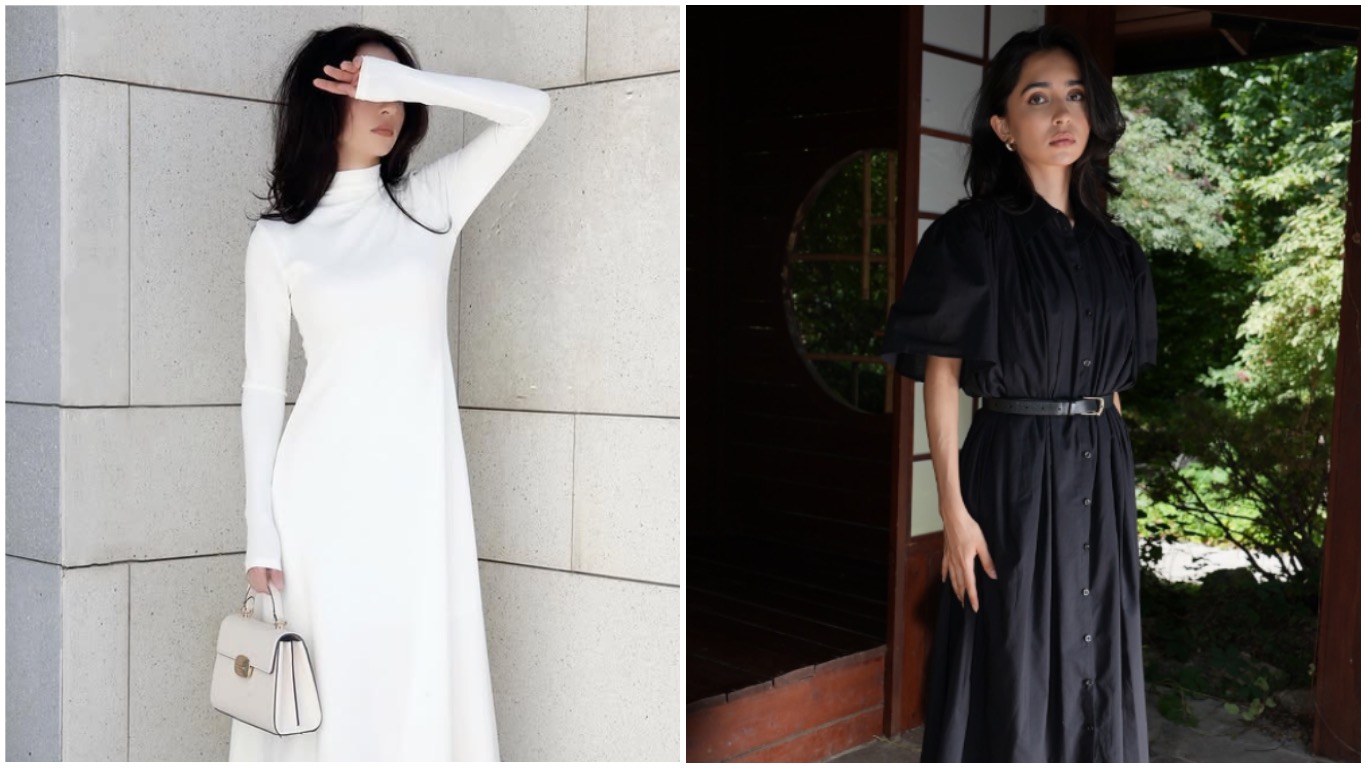
Modest fashion is not a war against extravagance and freedom, but a new facet of timeless classicism, taking into account the diversity of customers based on both religious and cultural principles. This niche allows everyone to find something of their own, and the simplicity of the garments leaves room for creative self-expression.
What do you think about this? Share your opinion on our Instagram and Telegram.
Newsletter
A letter from the HD editors
Once a week, we send the best stories, events, and cultural discoveries from Central Asia.