
Where the Cult of Wedding Luxury Came From
In Uzbek culture, a wedding has always been more than just a family celebration. A wedding invitation is a way to strengthen kinship and business ties and demonstrate the family's social capital. There was an unwritten rule: the wedding had to be held "as it should be" — that is, on such a scale that the entire mahalla, if not the entire city, would talk about it.
Recent research by the "Yuksalish" movement shows that this approach is often dictated not by personal desires, but by strong societal pressure and the fear of experiencing "uyat" — loss of face. A wedding is perceived not as a personal and intimate ritual, but as a public event. Therefore, many families spend more on the celebration than they can afford to avoid condemnation from society.
It is important to understand that large wedding expenses are not merely a whim or a lack of common sense. Russian ethnographer Sergei Abashin wrote in his 1999 article that people spend "ritual" money for a reason: in traditional society, a family confirms its status precisely in this way, gains support from relatives and neighbors, and strengthens the authority of the lineage or clan. However, in modern conditions, tension increasingly arises between this tradition and the real incomes of families.
A large wedding is a huge financial burden for an ordinary Uzbek family. According to a survey by "Yuksalish", 81% of families have a monthly income ranging from 5 to 12 million soums ($400-970 at the exchange rate at the time of the article's publication). Meanwhile, wedding expenses for 65% of respondents fall within the range of 50 to 100 million soums ($4,030-8,060). Such an amount is comparable to the annual income of an average Uzbek household.
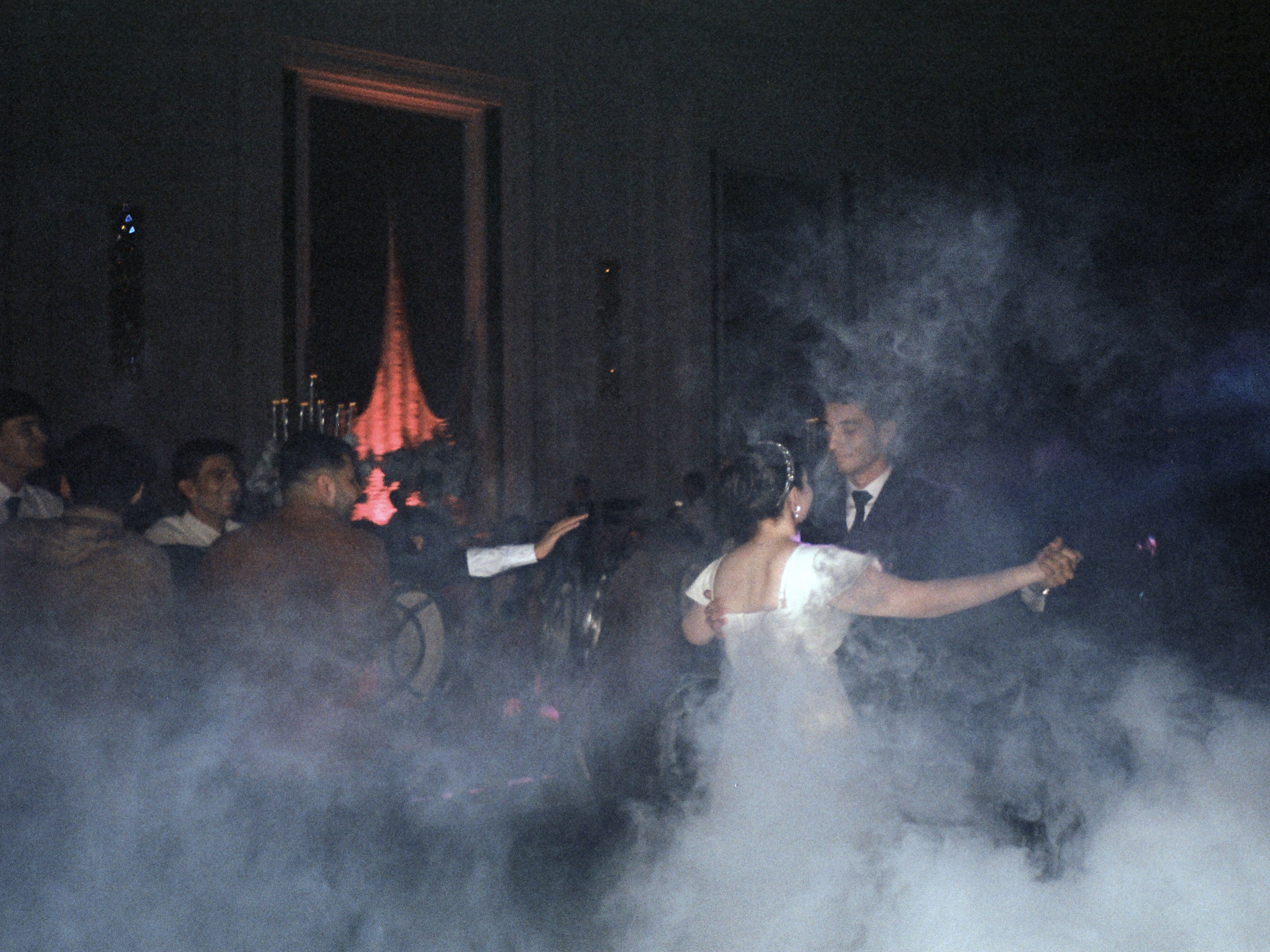
It's no surprise that few people are able to pay for a wedding on their own. More than half of families (55%) admitted to borrowing money from relatives, and one in four (25%) takes out a loan. Only 14% of respondents confirmed they can cover wedding expenses independently.
The reasons for such high expenses are not only due to the desires of the newlyweds themselves. Almost half of the respondents admitted that the main reason is societal pressure and the need to present themselves in the best light.
How much does it cost to not fall face first in the mud
In Uzbekistan, an entire industry has developed around wedding celebrations, involving organizers, chefs, musicians, hosts, photographers, decorators, and drivers. During the wedding season — in spring and autumn — restaurants and banquet halls are fully booked, while in winter they experience a "dead season."
How much does a wedding cost? It all depends on the scale and the family's requests — on average, a wedding for 150-200 guests in Tashkent costs 5-10 thousand dollars. The main expense item is venue rental and food, with the average per-person check ranging from 30-50 dollars. But the festive budget usually includes other expense items as well, for example, musicians, stylists for the newlyweds, a toastmaster, or sarpа.
Meanwhile, in some regions, they have found a way to save on wedding expenses. For example, in Karakalpakstan, the tradition of paying a bride price (kalym) still exists. Its amount can reach up to 60 million soums ($4,800) and more. For many, this is unaffordable, so the parties often agree on a symbolic bride kidnapping — in such a case, there is no need to pay the ransom.
Since January 2020, in Uzbekistan,new rules have been in effect stipulating that weddings and other family celebrations can only be held for one day — from 6 a.m. to 11 p.m. The number of guests is limited to two hundred (250 are allowed for the morning pilaf). It is permitted to invite no more than two artists or groups, and the wedding procession is limited to three cars. Restaurants must notify the Ministry of Internal Affairs about each wedding, and local authorities bear personal responsibility for the modesty of the celebrations.
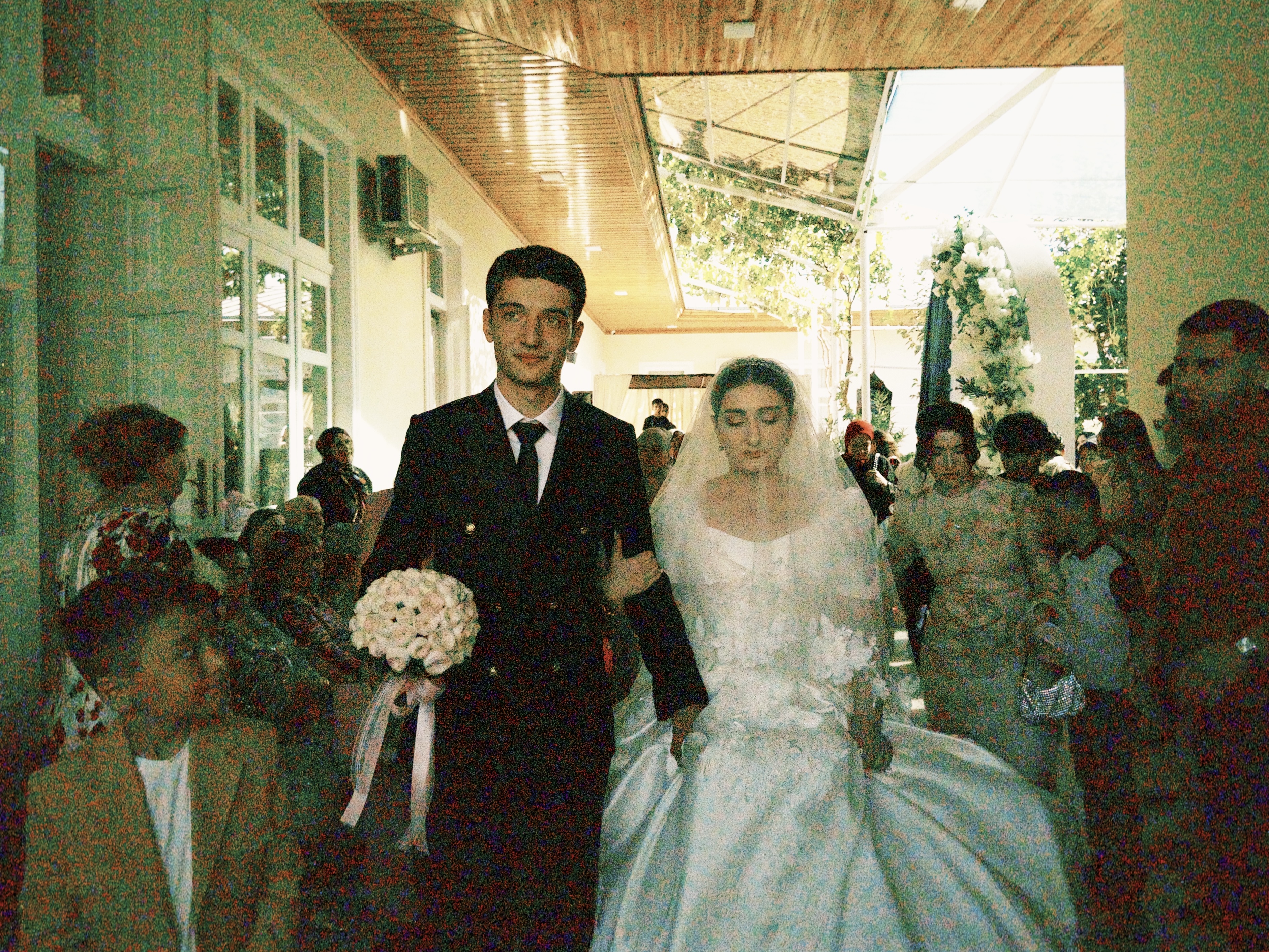
How does the state regulate wedding matters?
According to Sergey Abashin, discussions about reducing wedding expenses have been ongoing since the 1960s in Central Asia. He explains that lavish rituals are primarily a product of rural, agrarian, patriarchal societies. There, people lived in tight communal bonds: they worked together, married together, celebrated together, and helped each other. The rituals served the function of a kind of "bank" — you invest in someone else's wedding, and later others reimburse the expenses for your own.
"A significant portion of the population [of Central Asia] still lives in villages and auls, works in agriculture, and maintains extensive kinship and neighborly ties. For these people, rituals remain important: they help maintain social relationships, fulfill moral duties, and demonstrate 'correct' behavior," the scholar explains.
"But with migration to cities and the breakdown of rural communities, these functions are lost. In the city, people work in different fields, social networks disintegrate, and assistance is replaced by state institutions and the financial system—kindergartens, pensions, loans... As a result, large rituals lose their former meaning. They either disappear, shrink to a narrow circle of close ones, or turn into ostentatious events for showcasing wealth," explains the ethnographer.
This transformation—from communal rituals to individualized or demonstrative ones—is occurring worldwide: in Russia, in Europe, in the West. However, in Uzbekistan, although the origins of mass rituals lie in rural, agrarian life, they are reproduced in cities as well. People, moving from villages and auls, retain the habit of considering large weddings and other to'ys as the "norm." In mahallas—even if they are now multi-story buildings—they continue to celebrate collective holidays as if in a village.
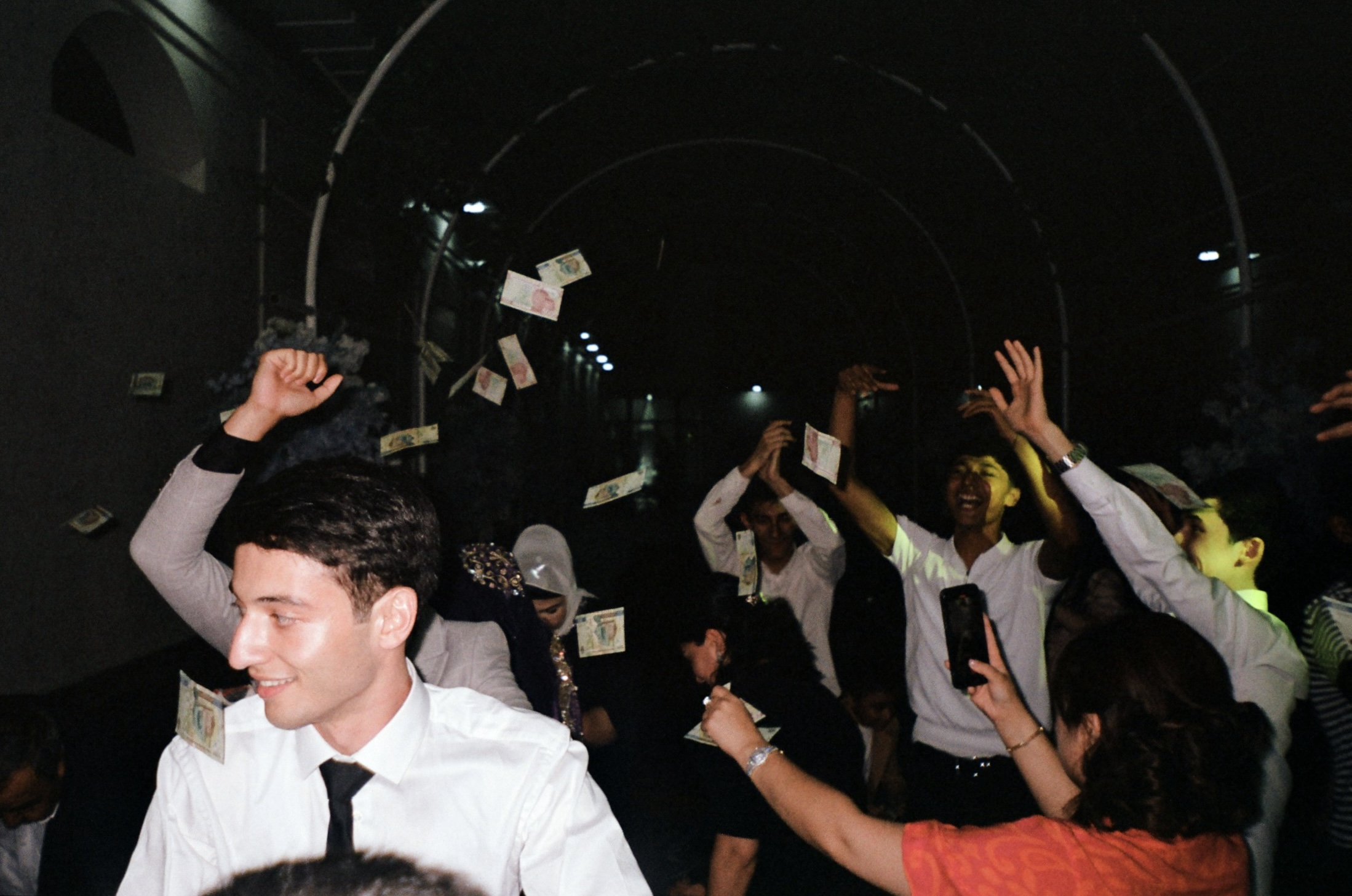
Survey by "Yuksalish" shows that attitudes towards weddings in Uzbekistan are indeed changing. Although 34% of respondents still consider expenses a personal family matter, the majority advocate for simplifying wedding rituals. The most popular option is "a modest or average wedding among close ones" (about 40%). Only 6.6% spoke in favor of lavish celebrations.
Almost every second person (44.5%) admitted that big weddings bring more stress and debt than joy and regretted the money spent. Many added: it's better to invest these sums in education, housing, medical treatment, or starting a business than to spend it all in one evening.


