Ernest Kurtveliev's photographic journey to the Bakhmal district of the Jizzakh region will evoke a poignant nostalgia even in those who have never been here. It captures the charm of the most genuine way of life, devoid of tourist attractions and festive fireworks—a life that cannot be preserved but can be captured. Behind the vivid frames lie the stories of living people: the very people who constitute a nation.
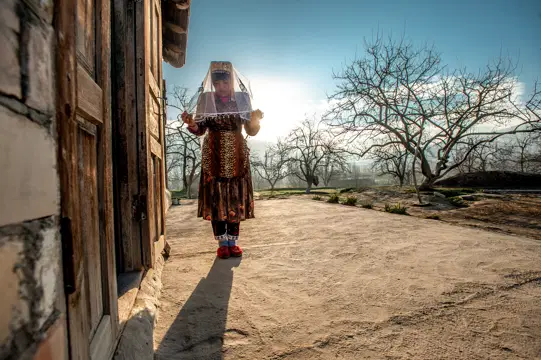
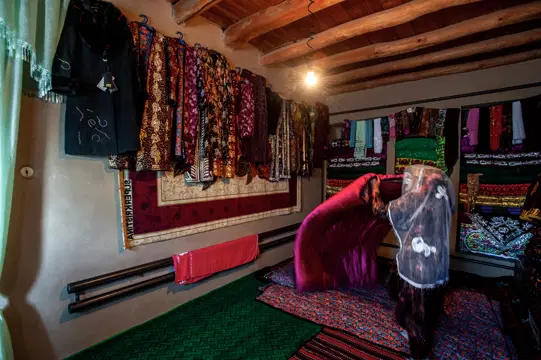
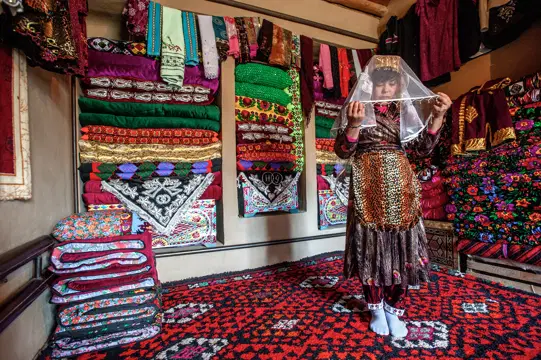
Bakhmal district is famous for the best apples in Uzbekistan. Once they were supplied from this fertile land directly to the tables of general secretaries, and now they are the basis of the region's economy. The district earns a decent income not only from fruit exports but also from tourism.
In addition to liquid apples, Bakhmal is known for several holy sites, among them "Novkat ota" with the legendary "Besh panzha" spring of healing water. This autumn, an Apple Festival was held here, where farmers and agro-holdings discussed the implementation of innovations.
The Upper Mountain Road connected the Bakhmal district with Zaamin, one of the country's main resorts; this road was opened just about 5 years ago, and the infrastructure of tourist zones is already beginning to be built up. As native inhabitants of these places, mountain sheep are frantically searching for new secluded corners, fleeing from the advancing civilization. But not so long ago, life here flowed differently.
The photo essay transports us to the not-so-distant past, when rams still knew no sorrow, trees were large, and lands were untrodden.
In the spring of 2011, we were filming kupkari in Jizzakh. We hadn't planned to go to Bakhmal. But, as often happens with us, we got to talking with one of the guests at the festive events, and he invited us to his native village. It was a mountain village, not far from the district's administrative center — Usmat.
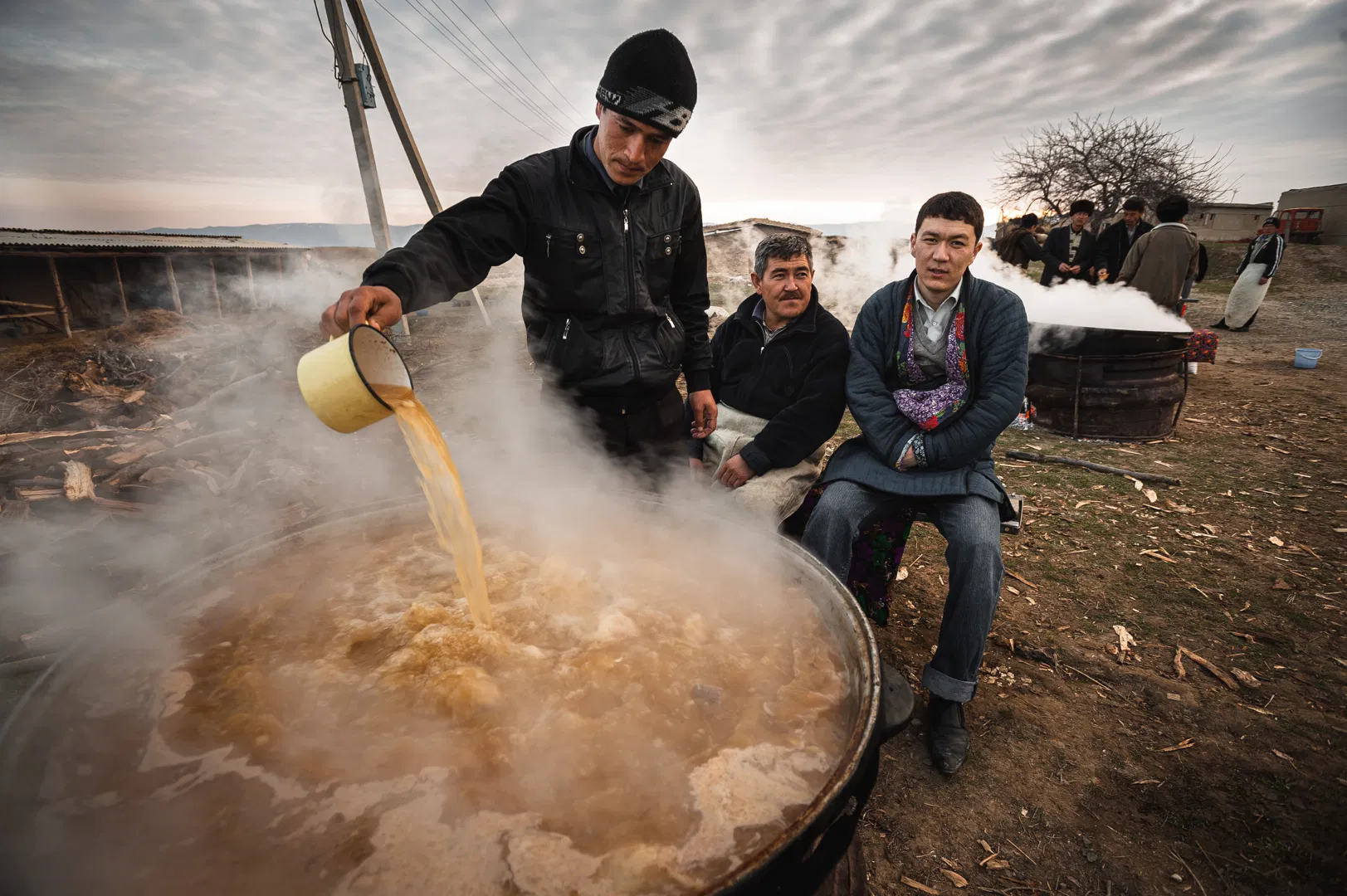
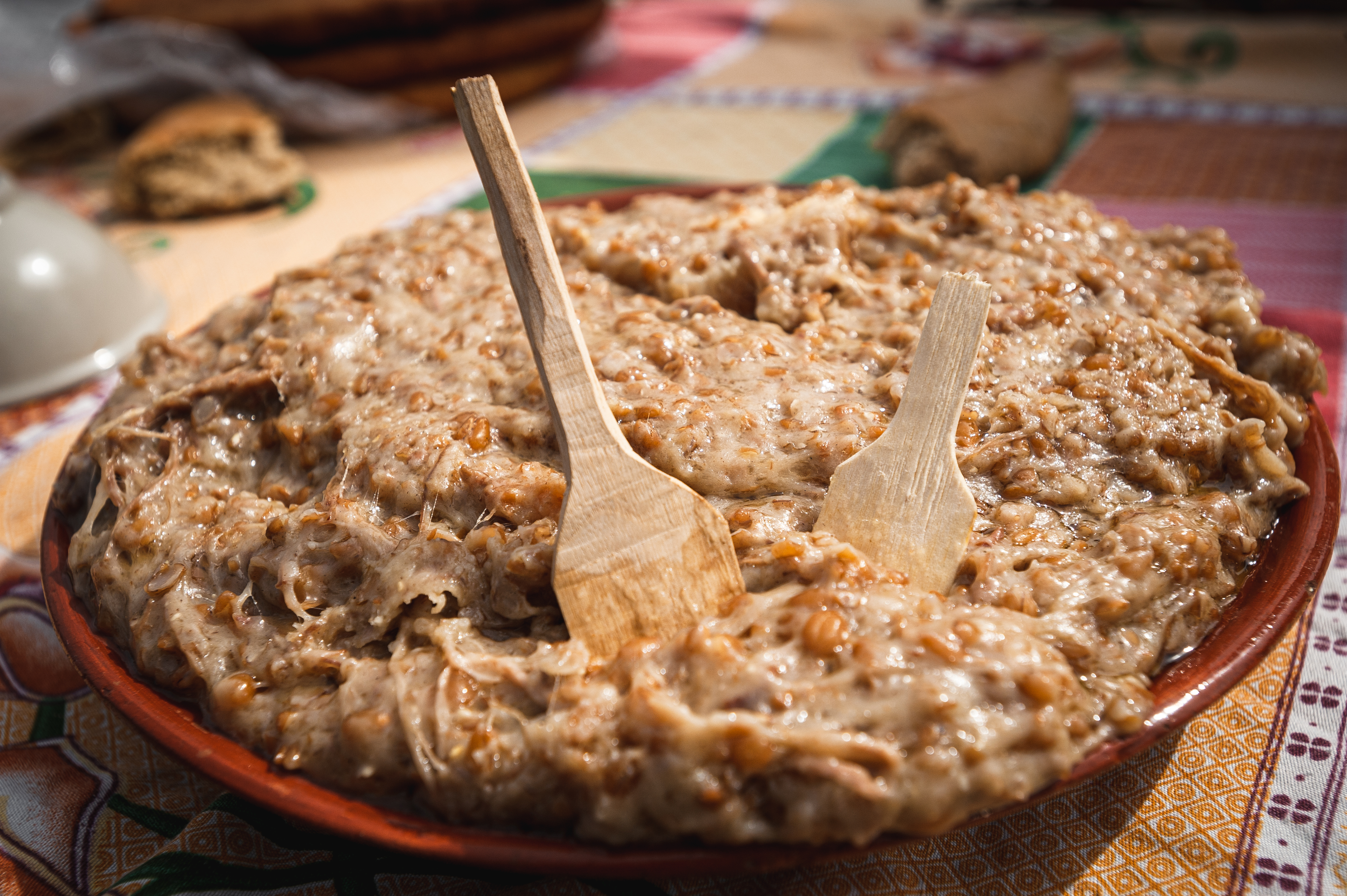
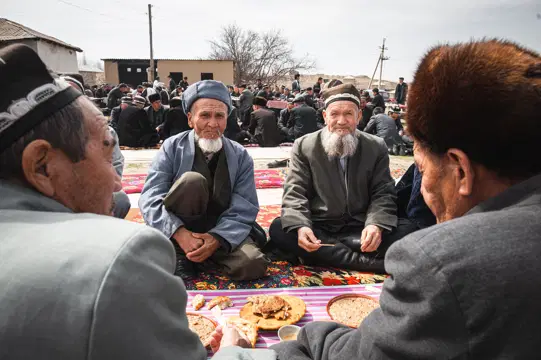
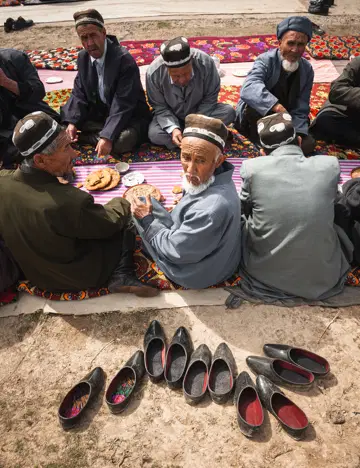
Upon arriving, we found preparations for the Navruz celebration in full swing. One of the main traditions in this village is the preparation of halim — an extremely nutritious and very tasty dish made from meat and wheat.
Ernest Kurtveliev
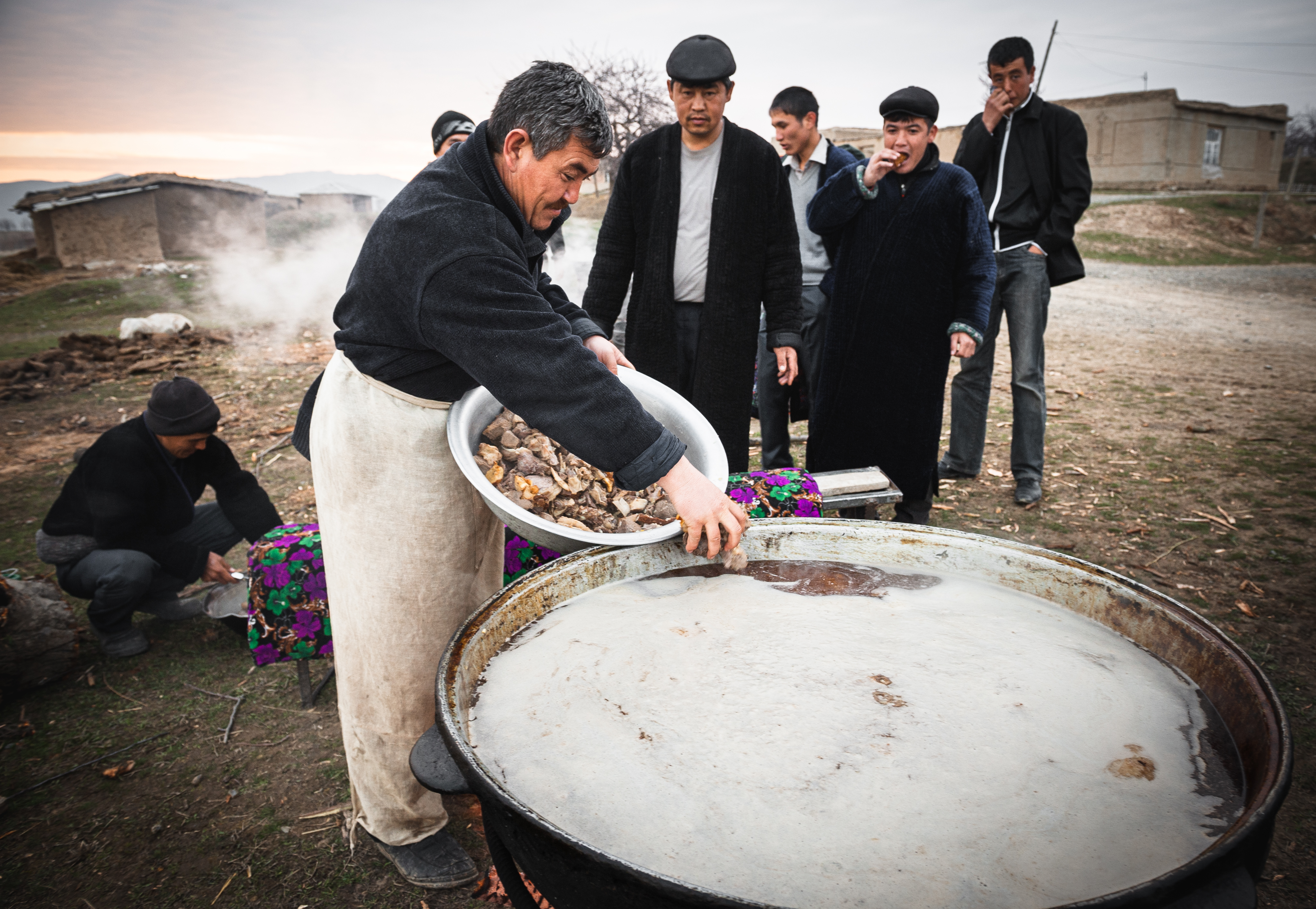
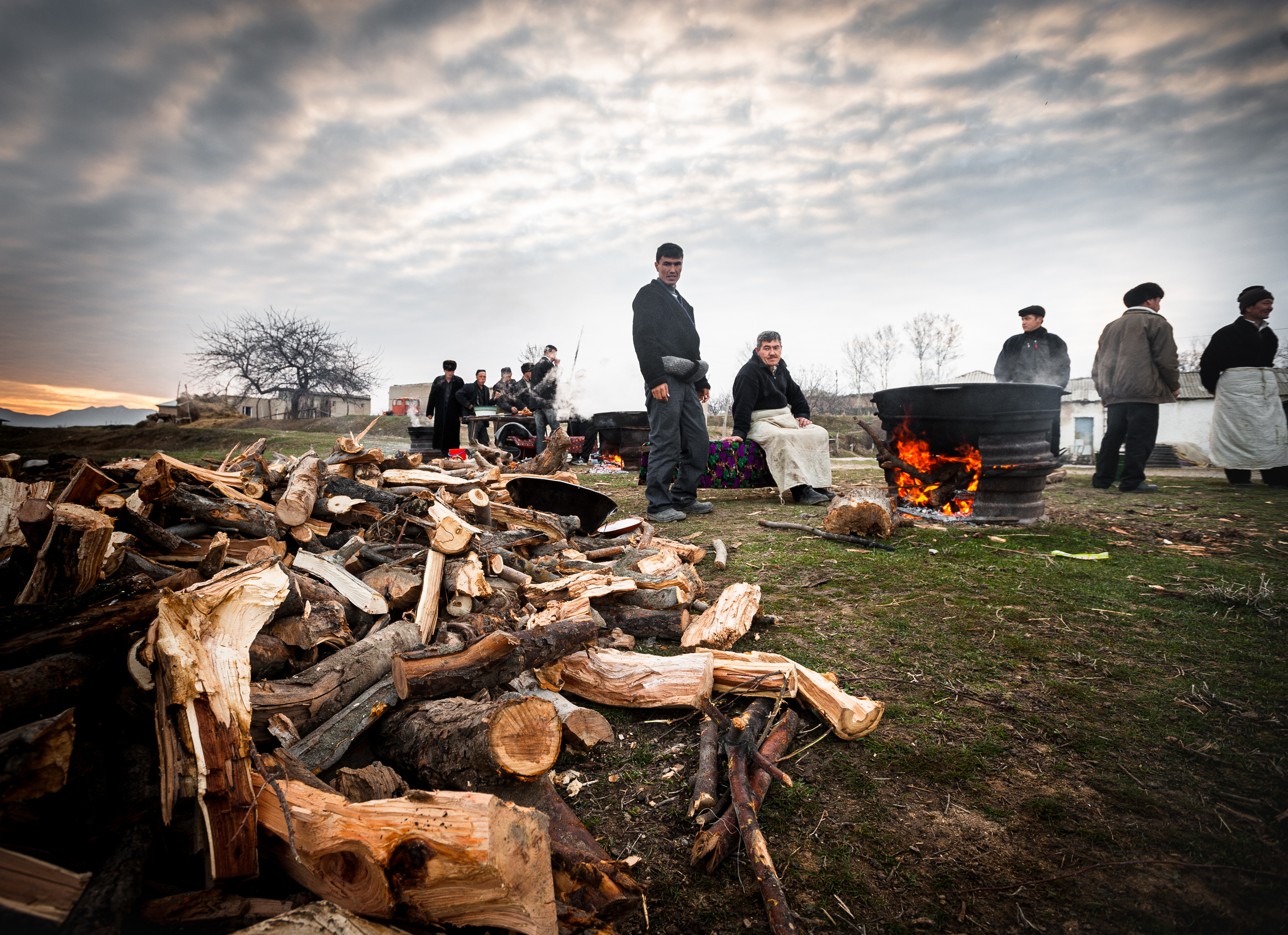
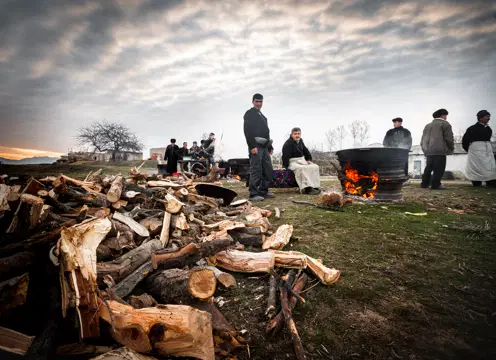
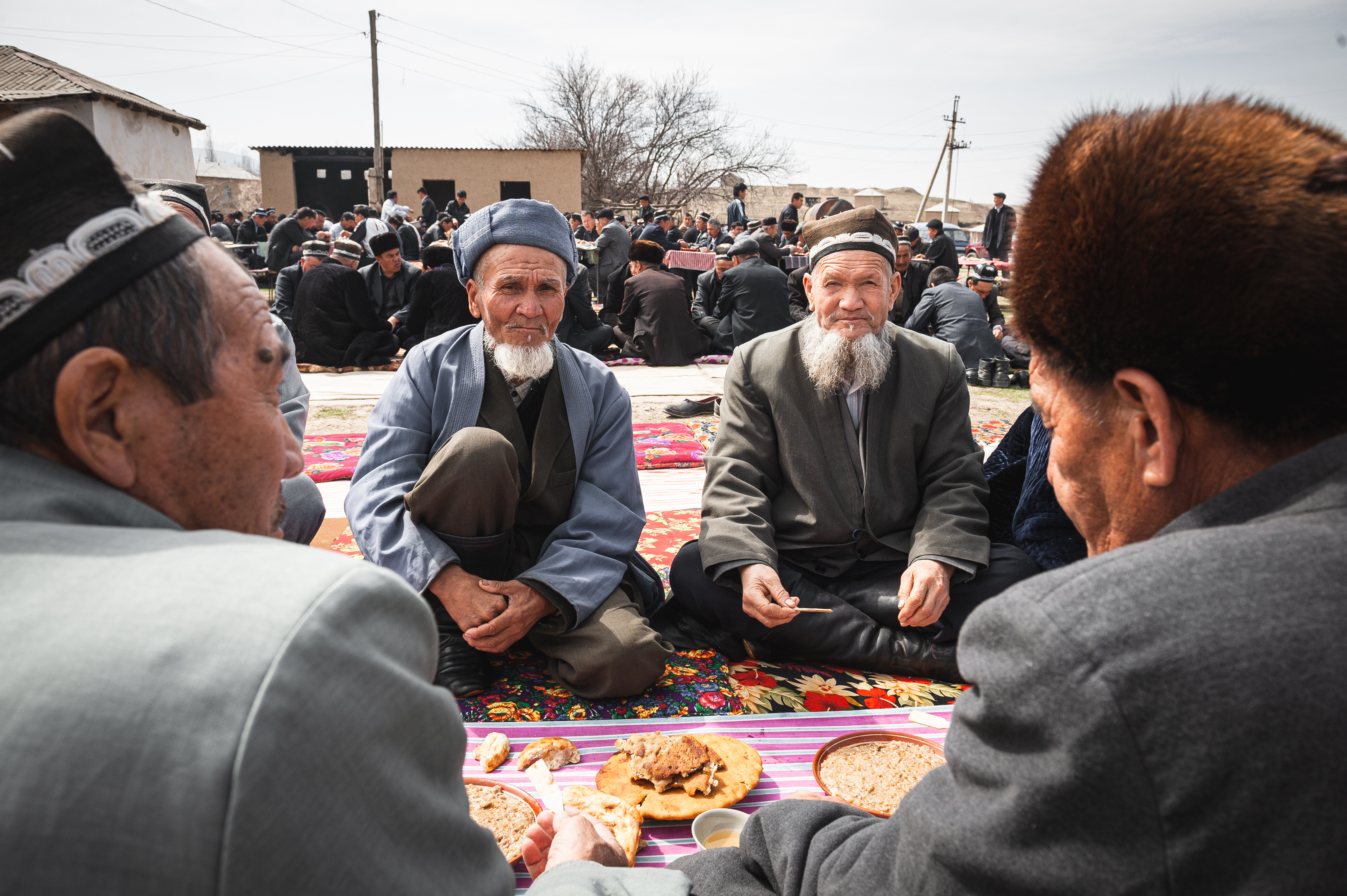
All 1500 families living in Bakhmal are required to participate in the event. The ceremoniousness of the process is worthy of respect: products are collected as a contribution and brought from all over the village. The cooking of halim begins in the evening. Only men stand by the cauldrons scattered here and there. All this is accompanied by leisurely conversations and folk festivities.
Khalim is not prepared anywhere else in the vicinity: it's difficult. Many don't know the recipe or are too lazy. — The difficulty in preparing khalim is that it must be stirred constantly with a long, thick stick for exactly 24 hours, otherwise the dish will burn.
Khalim, of course, is also prepared in other regions, for example in Urgut. But there they add chickpeas or lobia beans. In Tashkent, they make it too, but they add milk and serve it cold.
Ravshan-domla Yuldashev, a local resident.
In Bakhmal, festive events take place at ten locations throughout the surrounding area. During the Soviet era, the holiday was in disfavor as a religious relic, and locals prepared the traditional dish in secret, only in one place, then distributed it to the villagers. Navruz was ordered to be called "Navbahor," and the rituals associated with it, which date back to pre-Zoroastrian antiquity, were to be eradicated. Thus, the tradition of preparing festive halim in these places was almost lost.
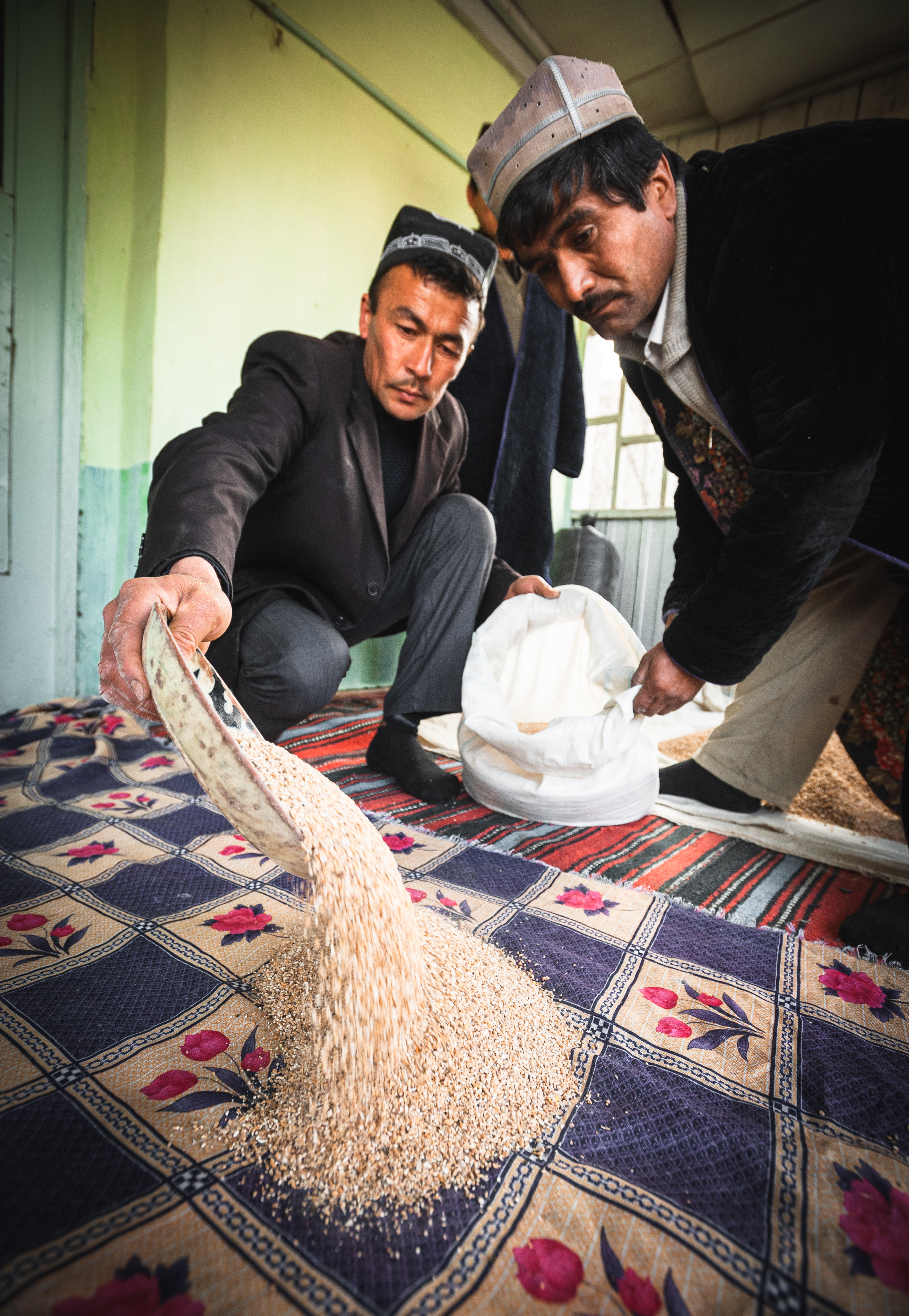
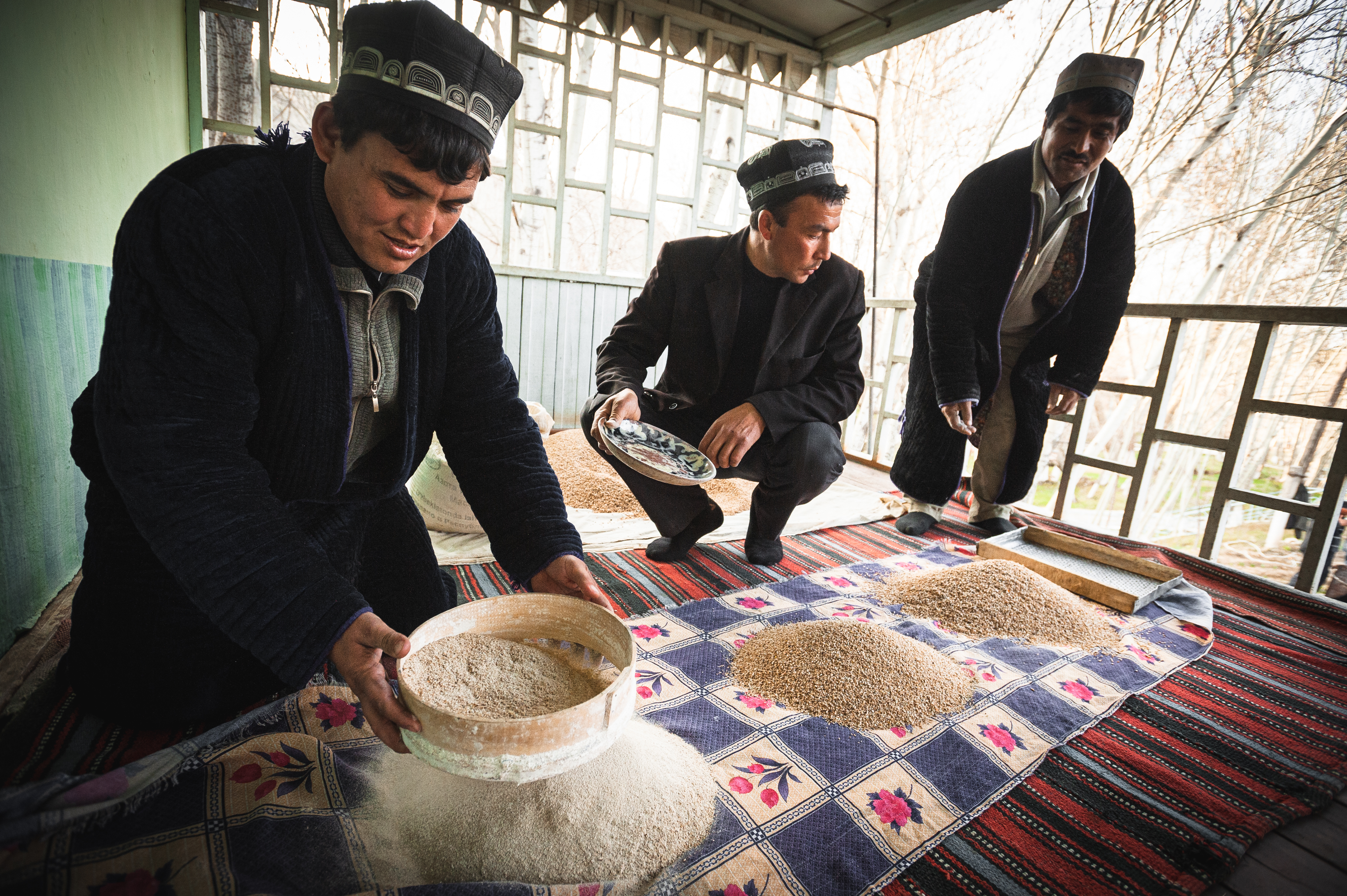
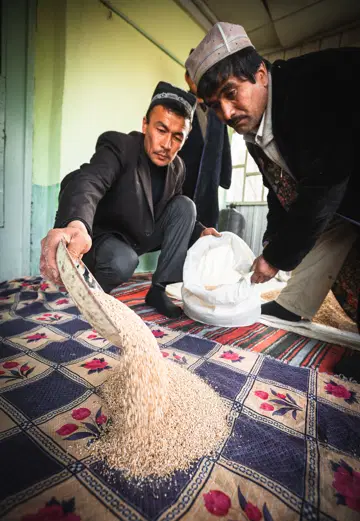
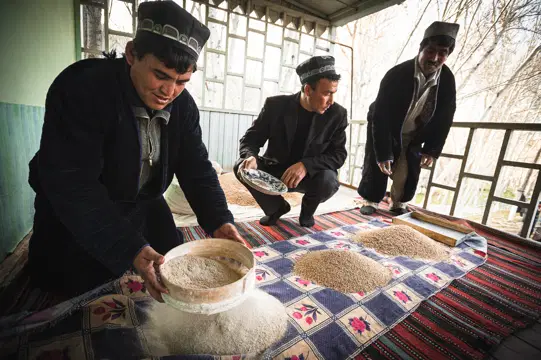
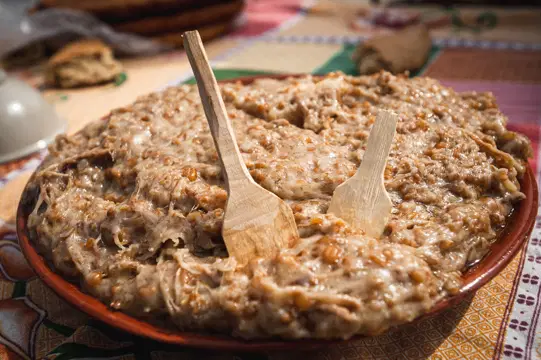
Meanwhile, the history of the dish is truly ancient and directly linked to a spring festival. It's all about spring wheat. People believed that before sowing the grain, it needed to be cooked in a cauldron. Wheat grains after milling are divided into three parts: coarse, medium grind, and finely ground flour.
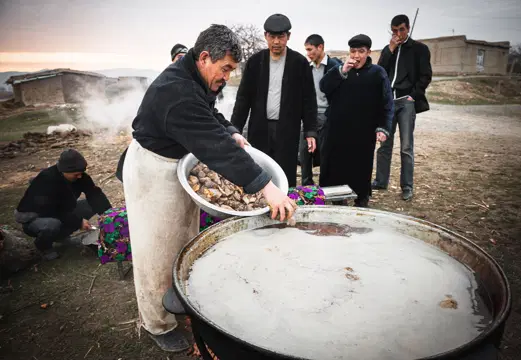
To make halim so delicious, the Bahmal people strictly adhere to the proportions of the traditional dish: they put meat, wheat in three forms, cottonseed oil, and 5 parts water. The meat—lamb, beef—is added in the evening, and in the morning, coarsely ground wheat is added. After the water boils, the first portion of coarsely ground wheat softens; after 2-3 hours, medium-ground grains are added. After the same amount of time, a flour-based broth resembling semolina porridge is placed into the cauldron, and everything is mixed into a single mass. The dish should cook for a full day. When this technology is followed, the meat turns out incredibly tender—melting on the tongue.
The meditative nature of the process and the collective responsibility are reminiscent of making sumalak, only here, the leading role is given to men. Four people stir the contents of the 200-liter cauldron.
To fill a huge cauldron to the brim, 125 liters of water are needed.
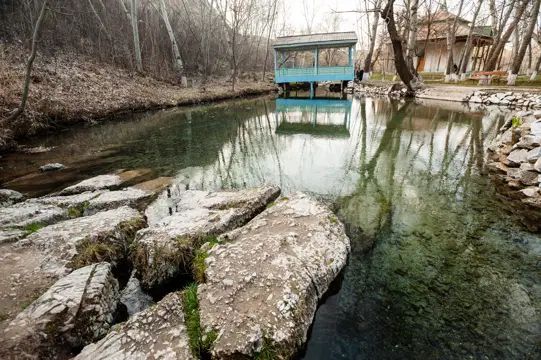
Local water is also a source of pride for the Bakhmal people. 1500-2000 households are supplied with water from the hot spring "Besh Panja" (Five Fingers), which originates in the mountain range of the Bakhmal Ridge and resembles a human hand in its outline. Locals call it a "gift from God": it is pure, transparent, and contains many beneficial minerals. Having appeared with the blessing of the local saint Novkat ota, the spring becomes the last hope for those who are ill or infertile.
We never know where barakah comes from. People come to a holy place to leave a stone with a cherished wish. And to those who pray sincerely, the Almighty sends a child.
Ravshan-domla Yuldashev
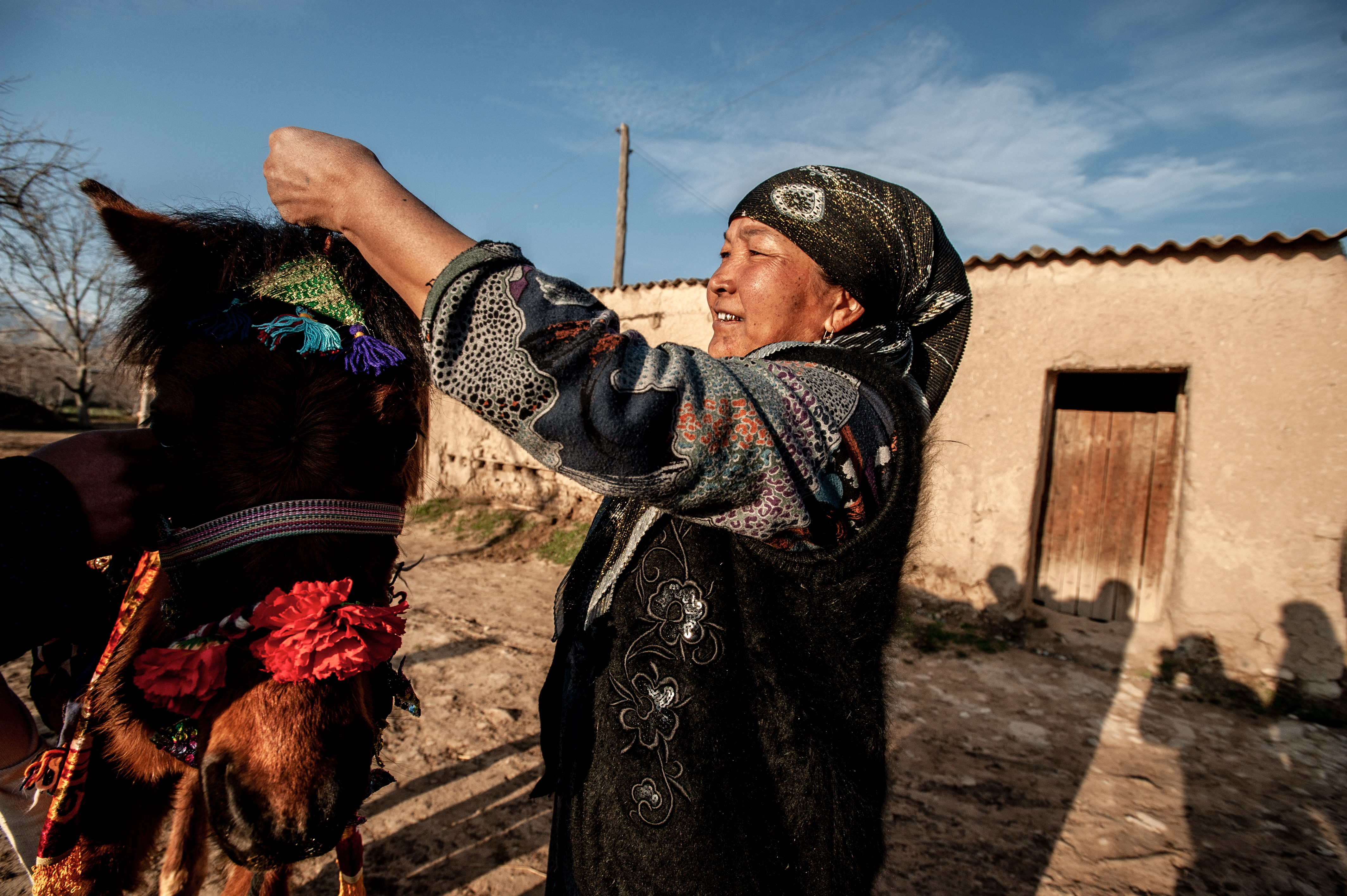
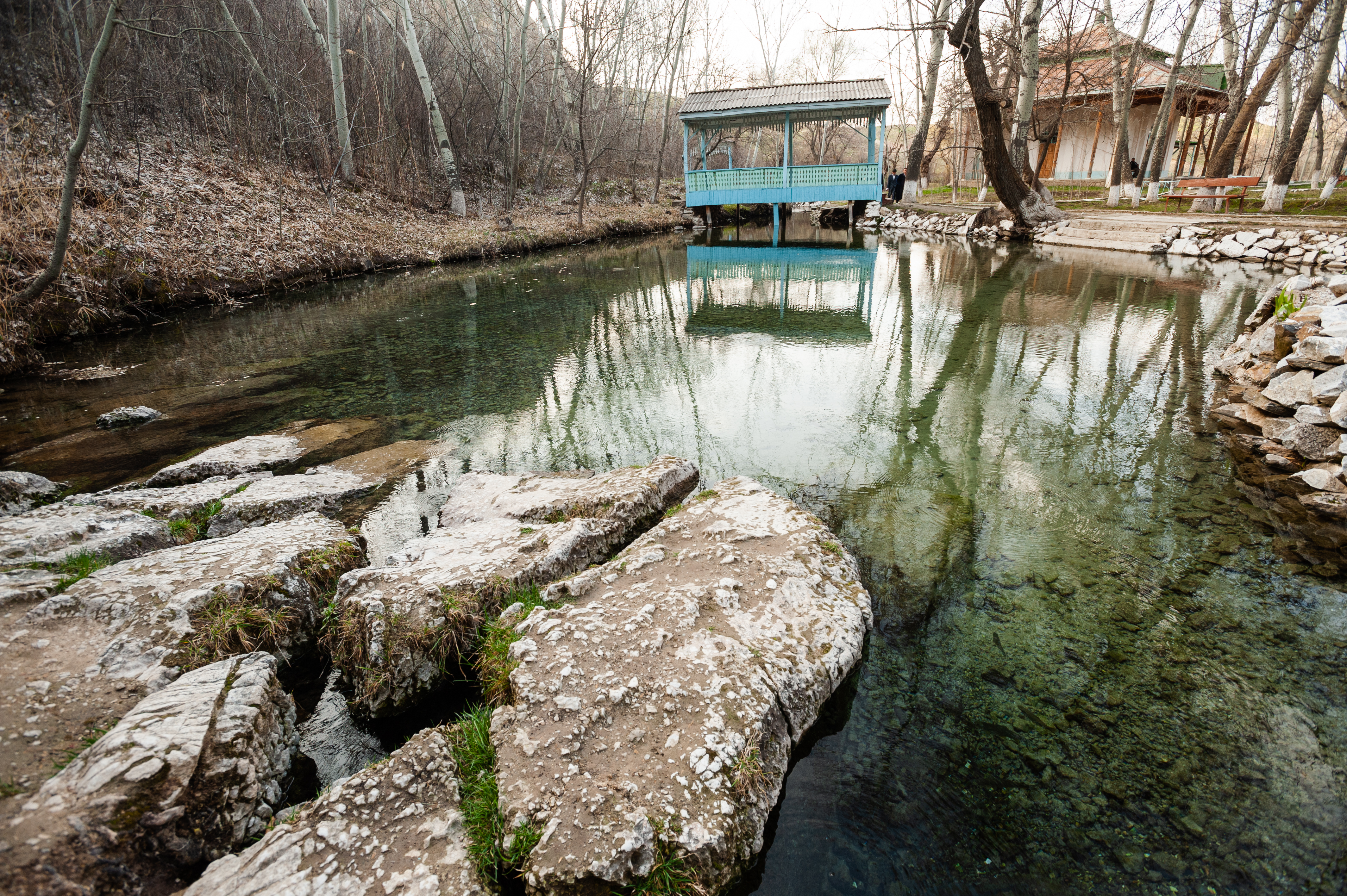
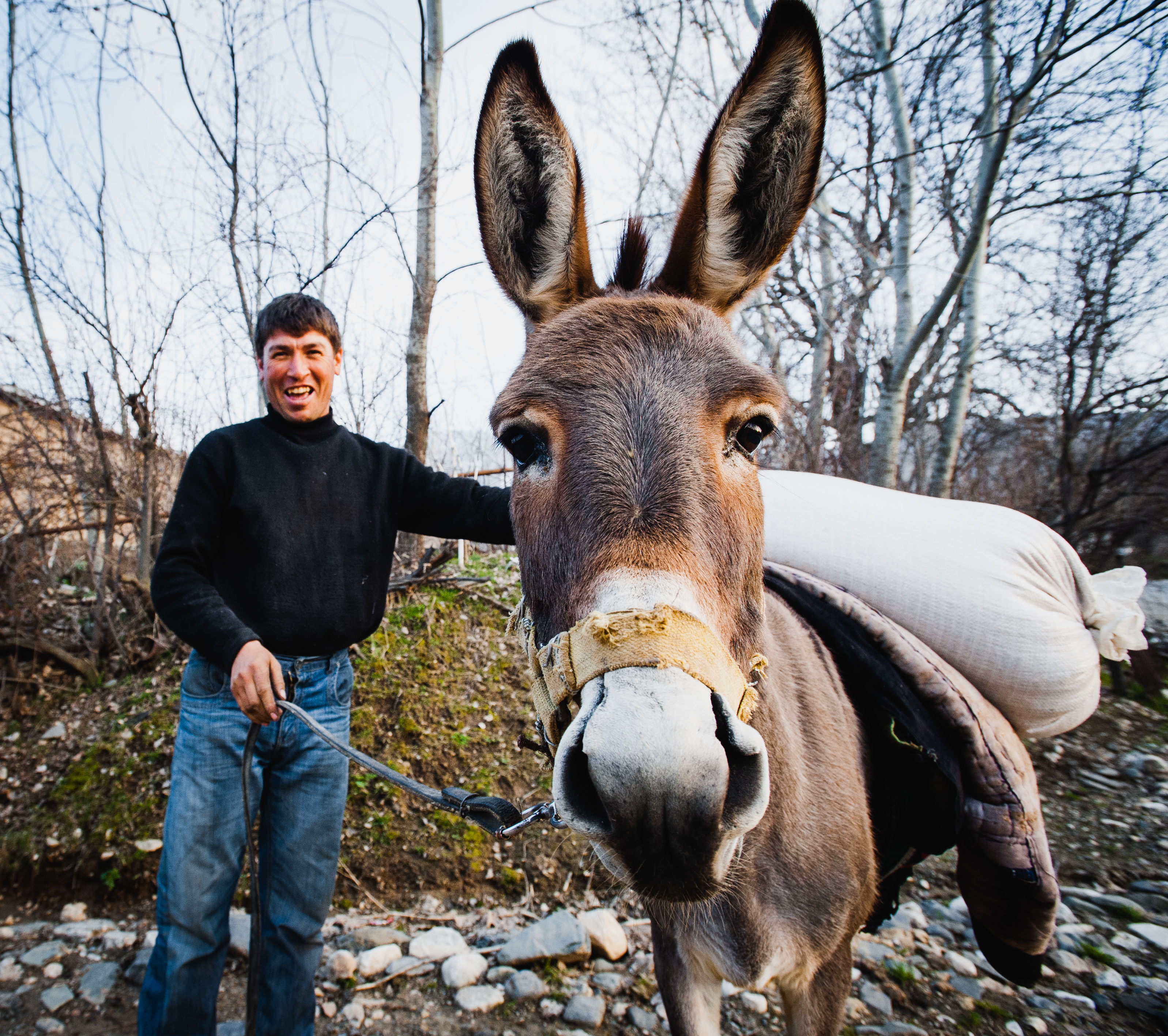
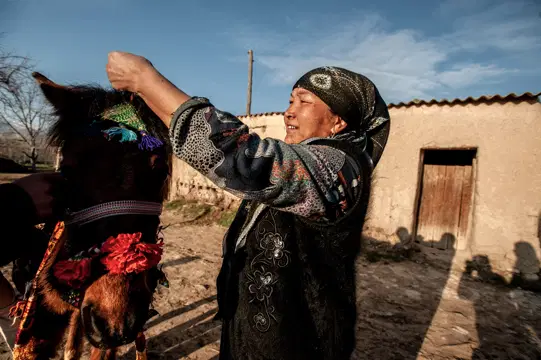
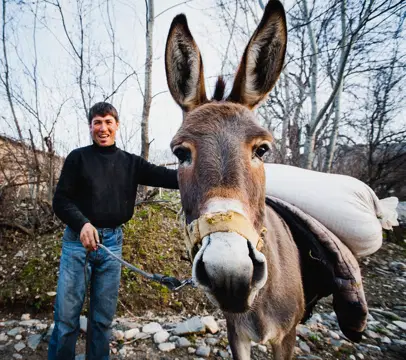
People here mainly live off agriculture and horticulture. The local mountain climate has provided ideal conditions for growing the very apples that once competed with the famous Almaty 'Aport' across the entire Union. The locals are proud: now, the yellow and red Bakhmal apples are officially the tastiest in the republic. When a son is born into a family, an apple orchard is planted for him so that in the future, he can provide for his family and run a business here. This has been the custom since ancient times. But the people of Bakhmal grow more than just orchards.
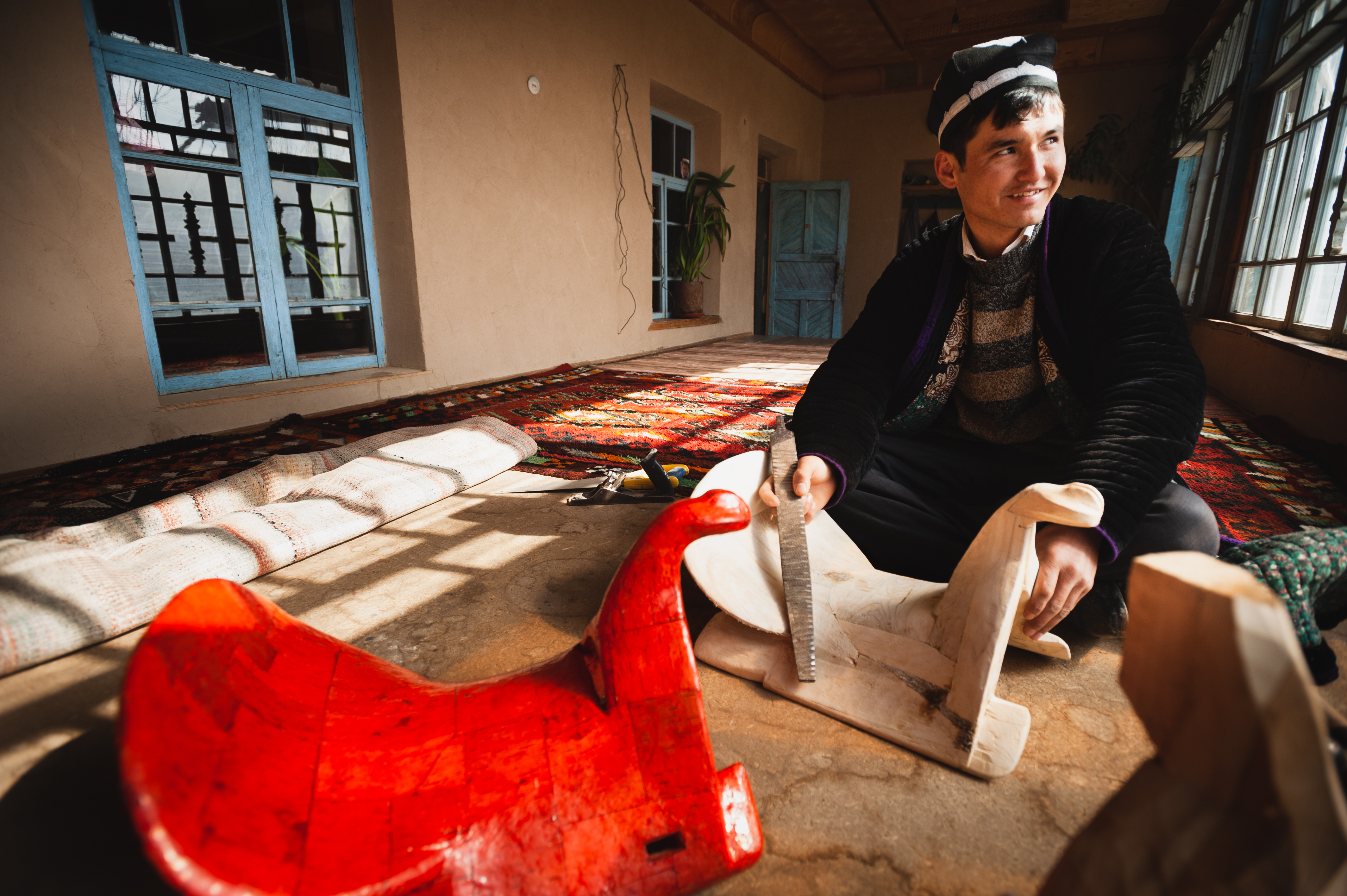
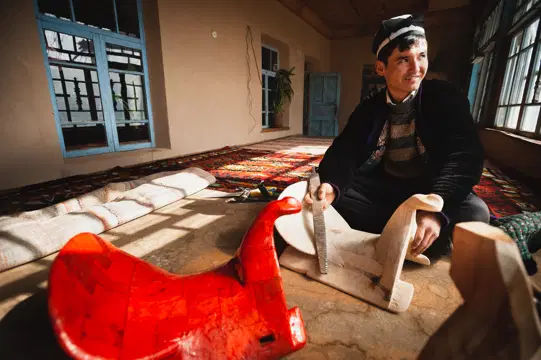
While visiting a family, I was fortunate enough to observe the process of making a saddle from a single piece of wood. These are sports saddles intended for kupkari, which is why they have this configuration—for shock absorption during races.
Ernest Kurtveliev
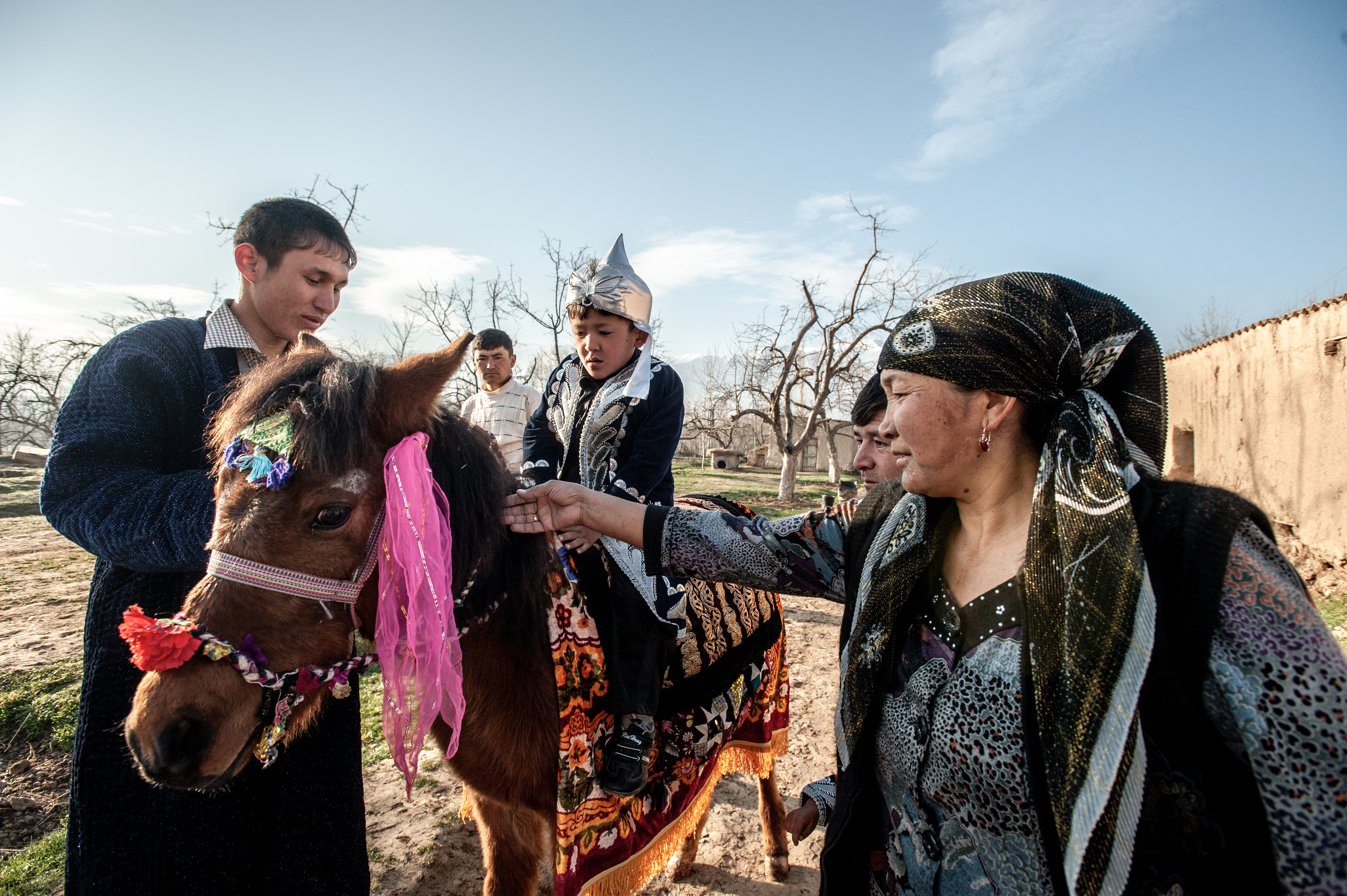
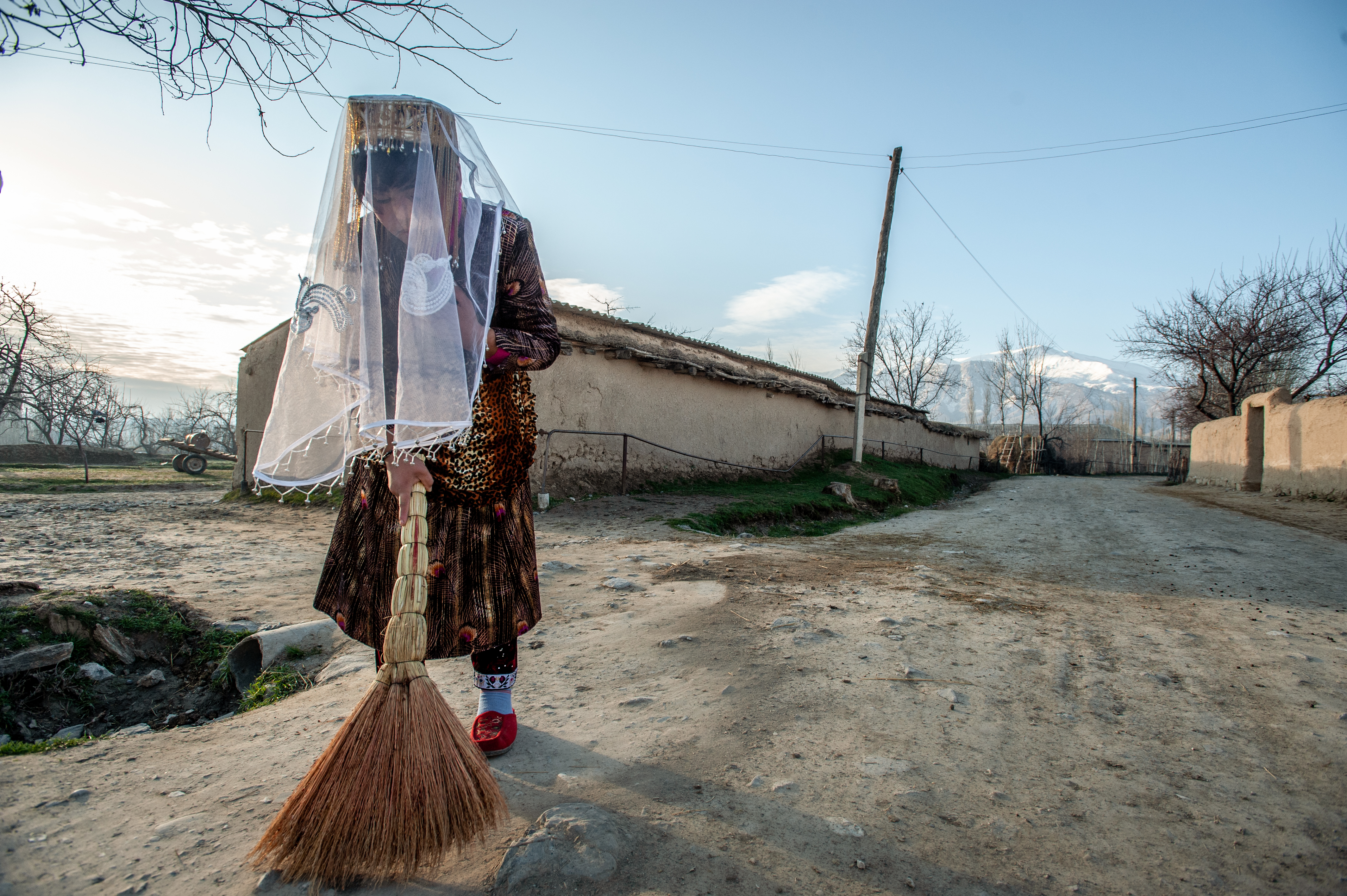
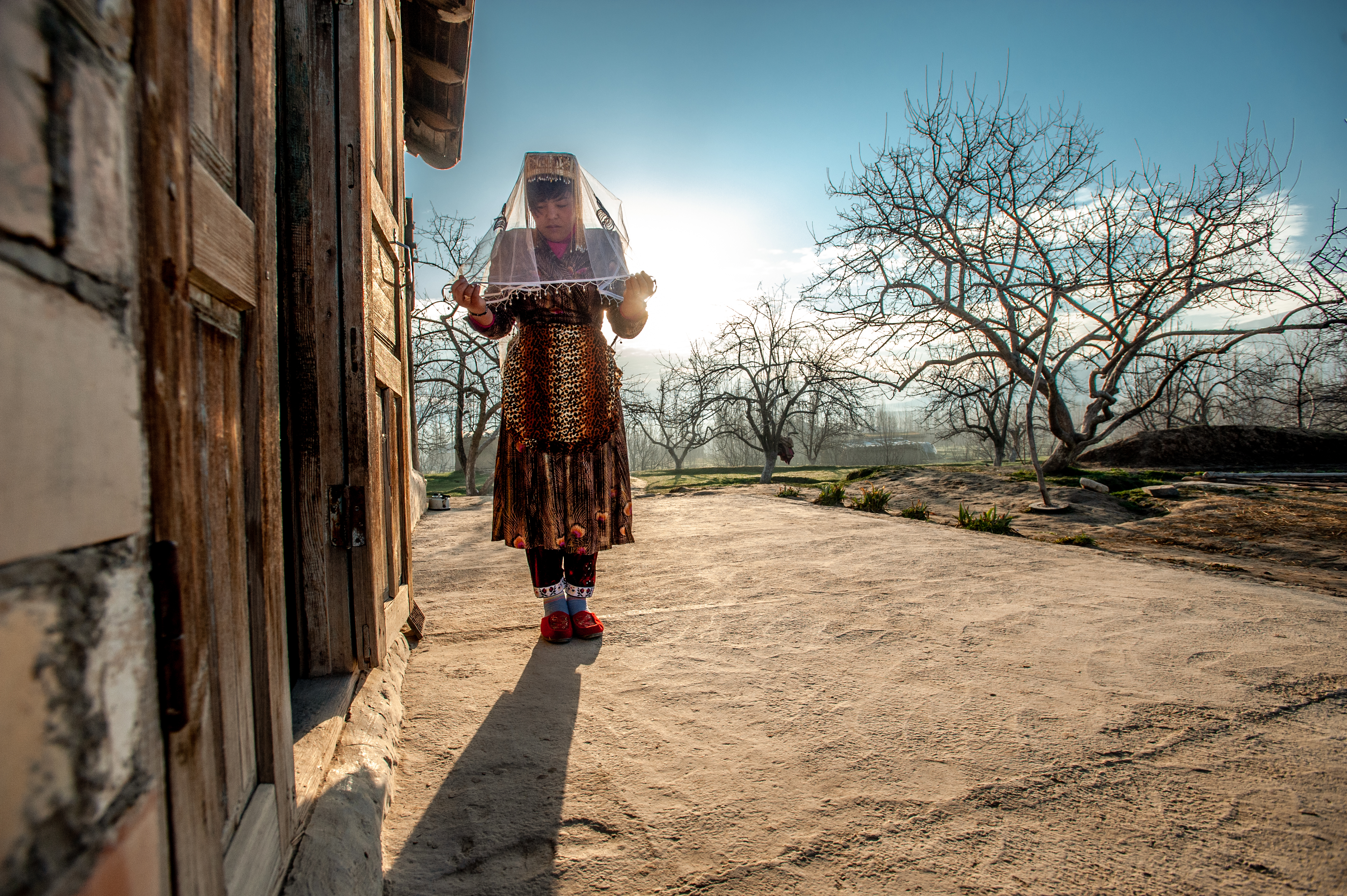
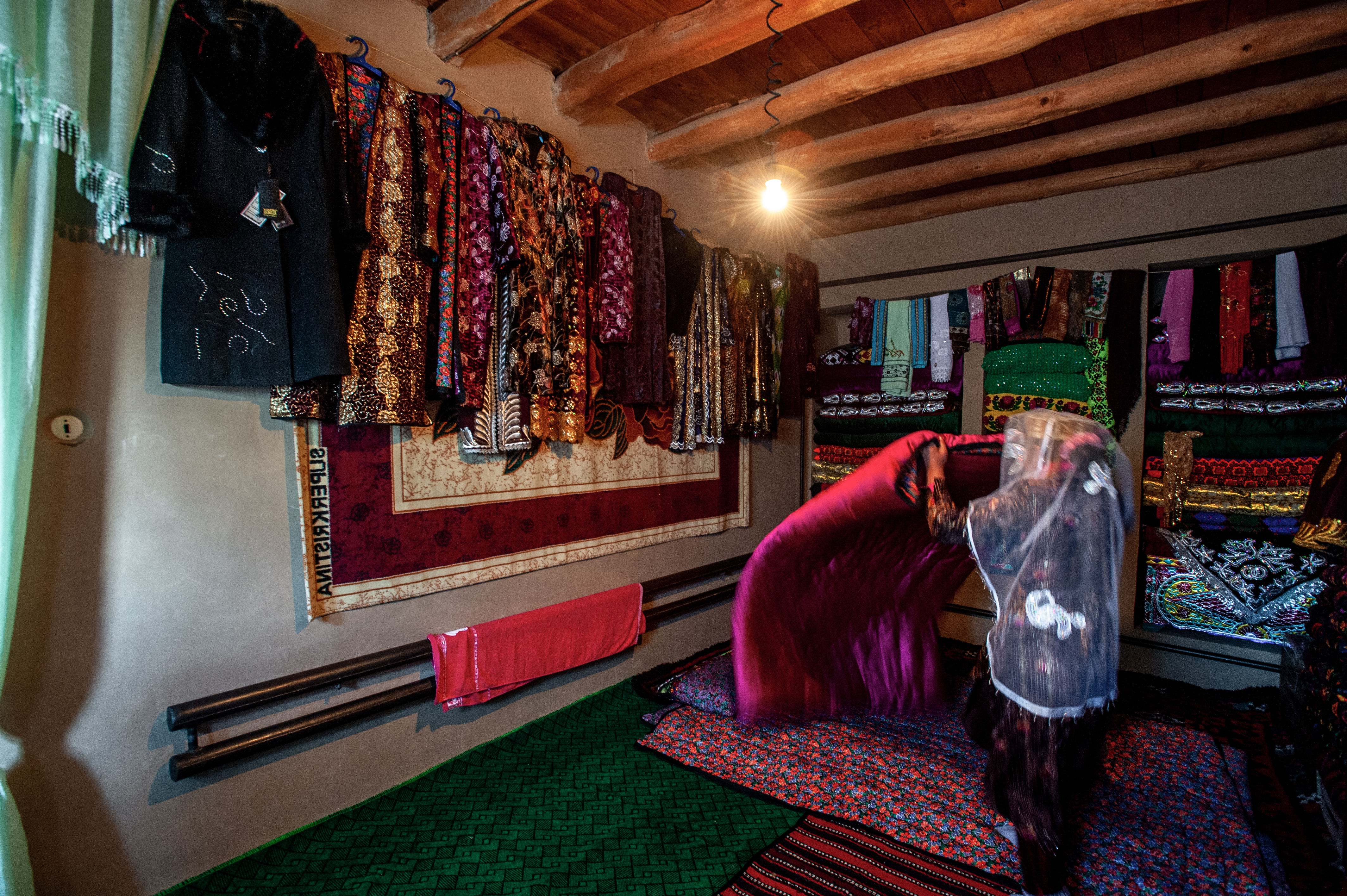
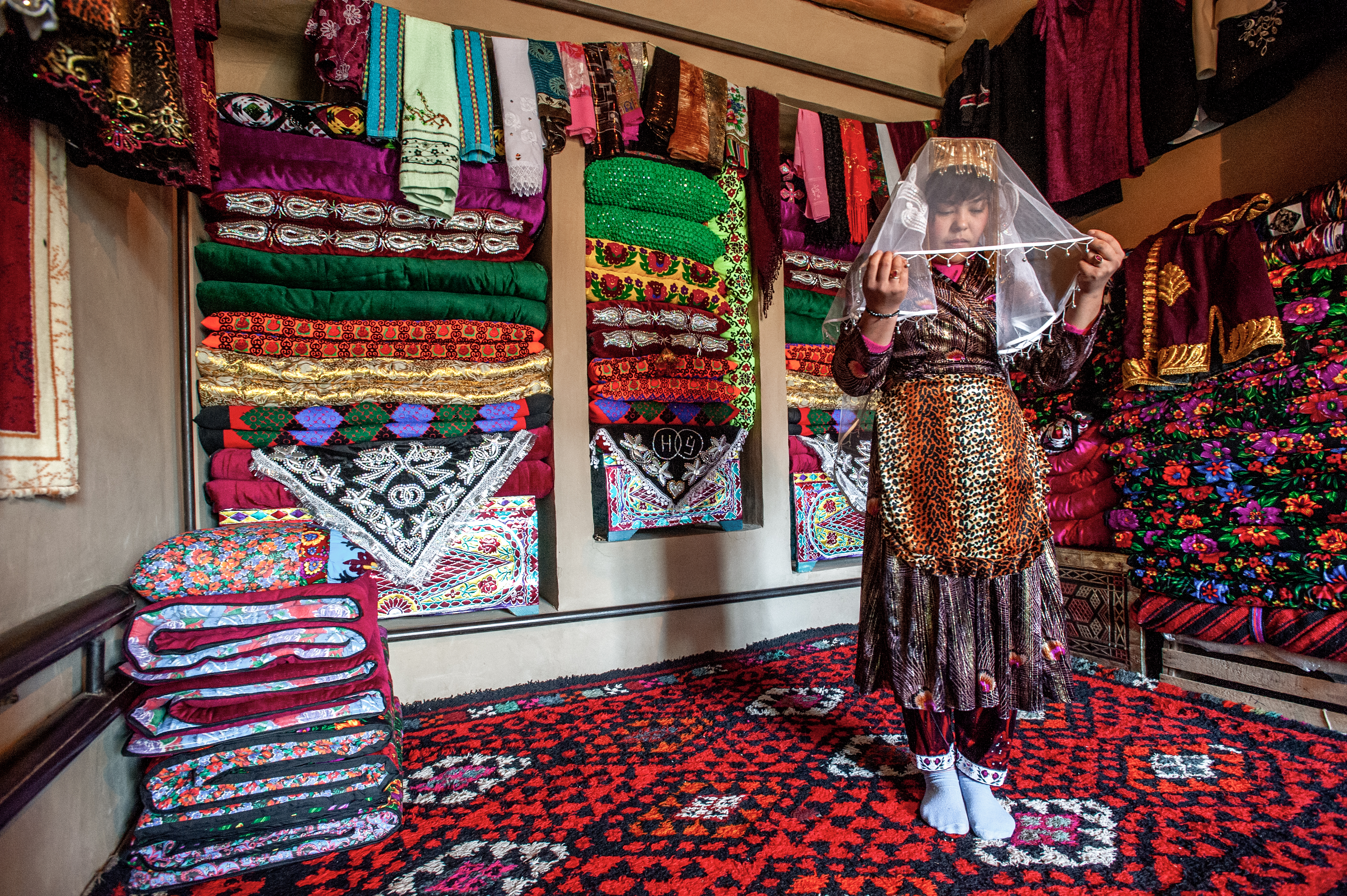
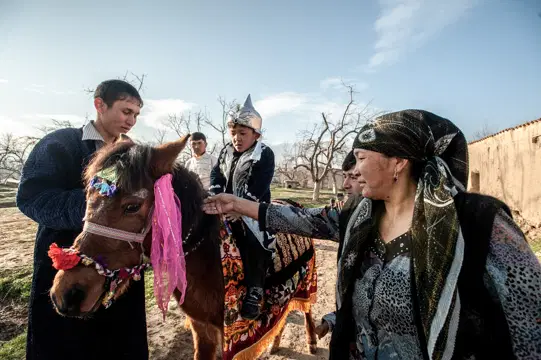
The guests had the opportunity to witness not only the preparation of a New Year's dish. In spring, sunnat-toys are held in rural areas and new brides are honored: a happy testament to the fact that life goes on as usual.
But let's return to the khalim.
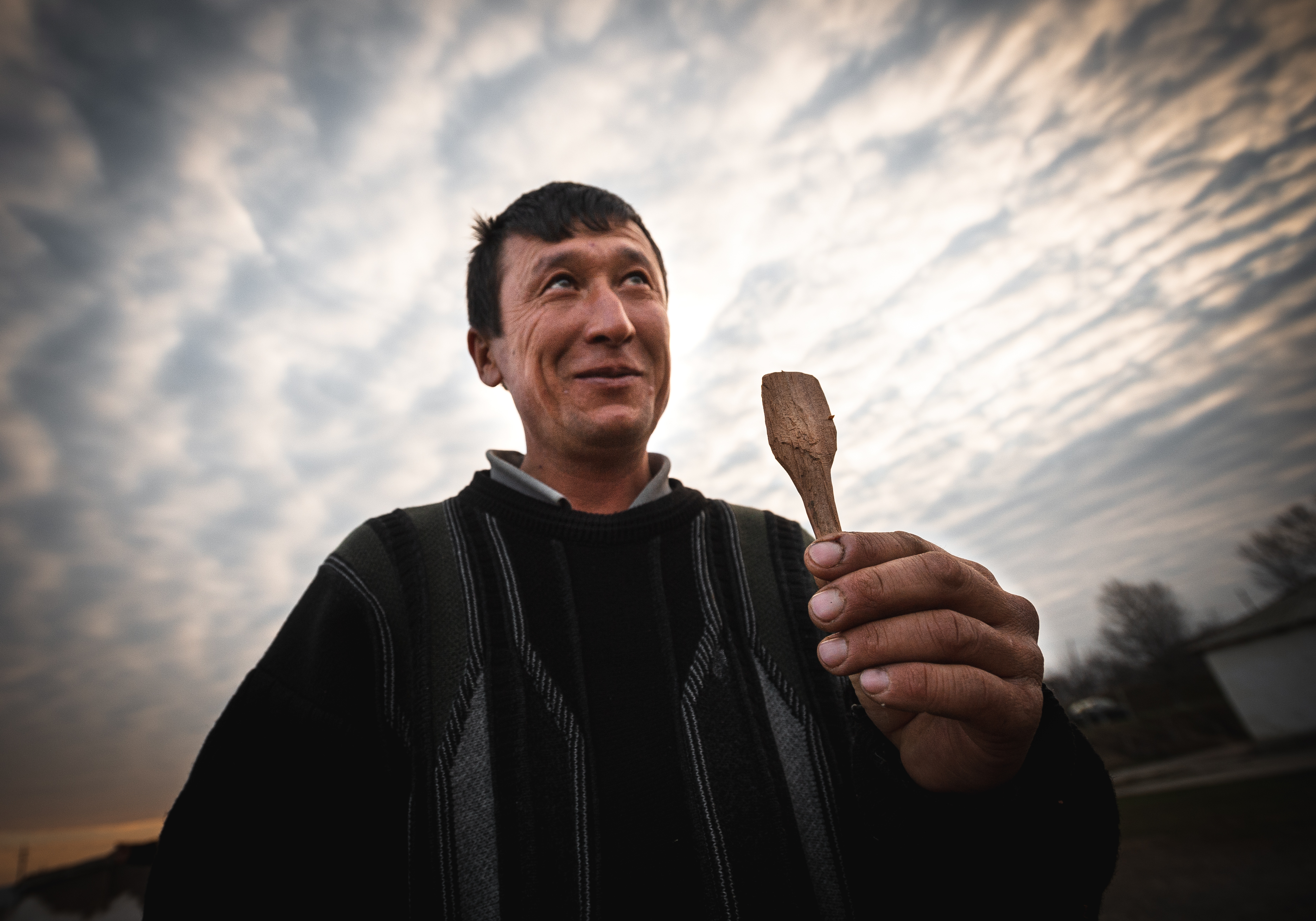
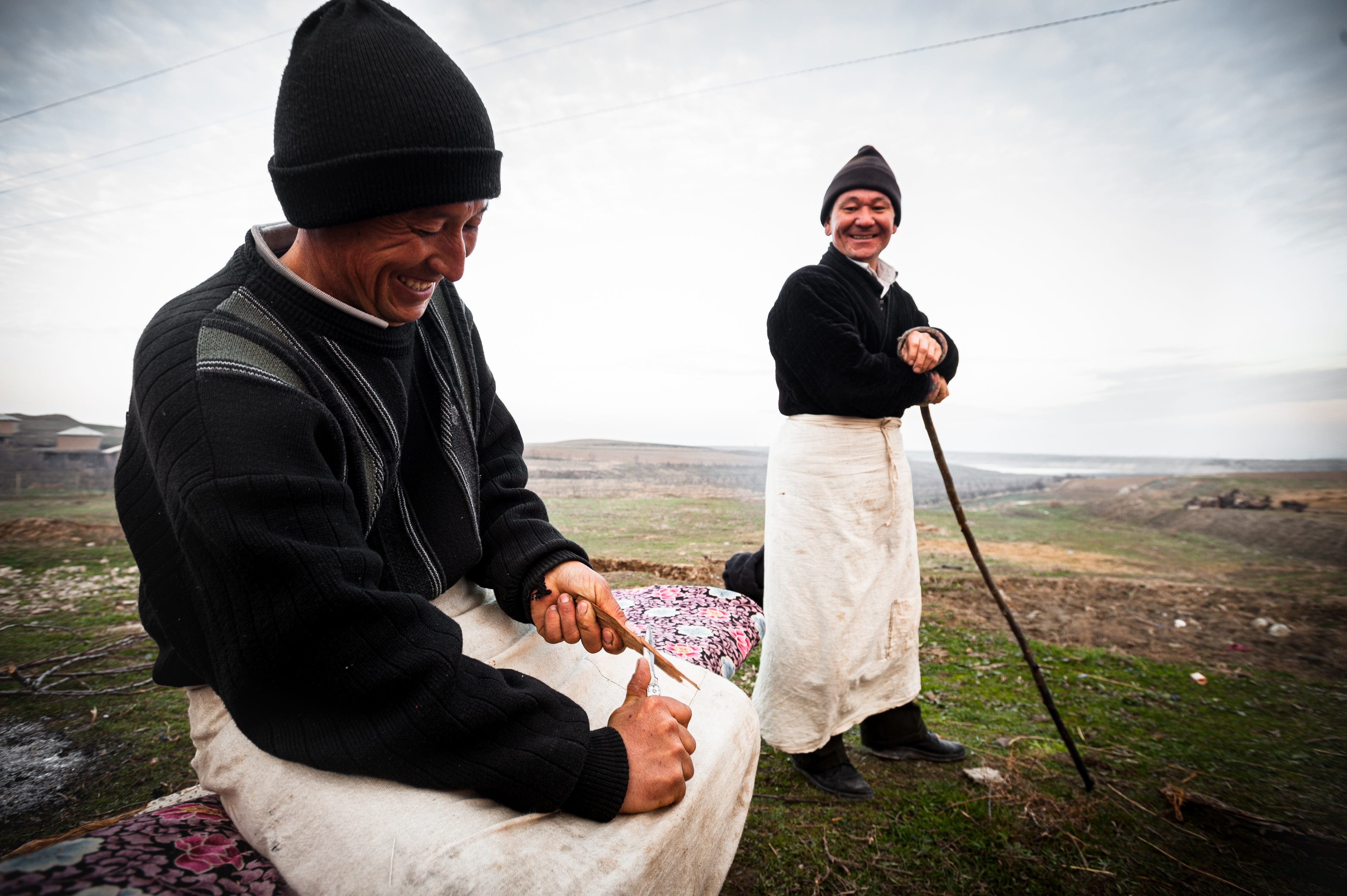
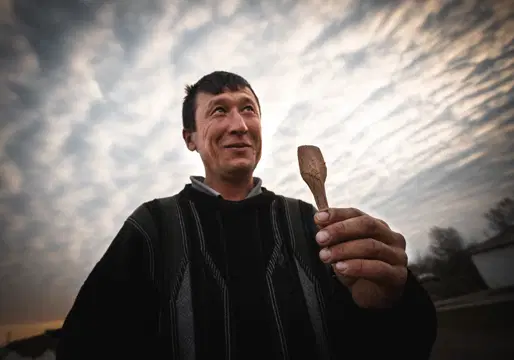
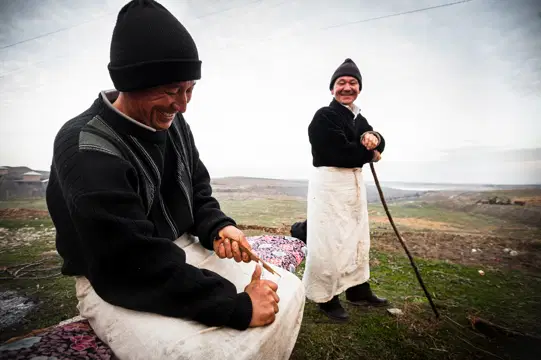
There is festive halim that is only supposed to be eaten with wooden spoons. This is a very important element of the traditional event. They are whittled right here, from wood chips. The readiness of the dish can be determined by the fatty layer that appears on the surface. This means the wheat has soaked up the oil and released excess fat. Halim must be eaten warm — piping hot.
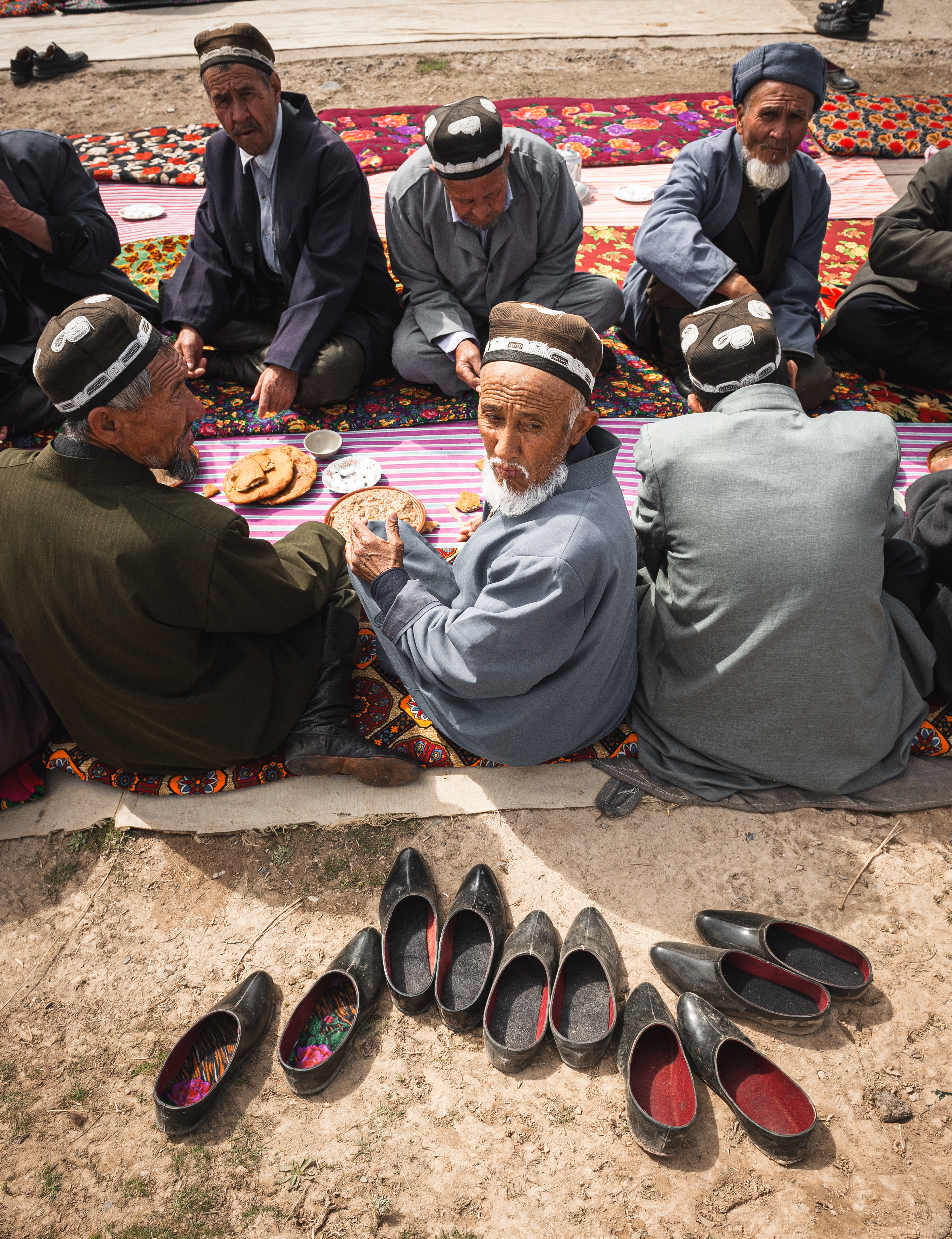
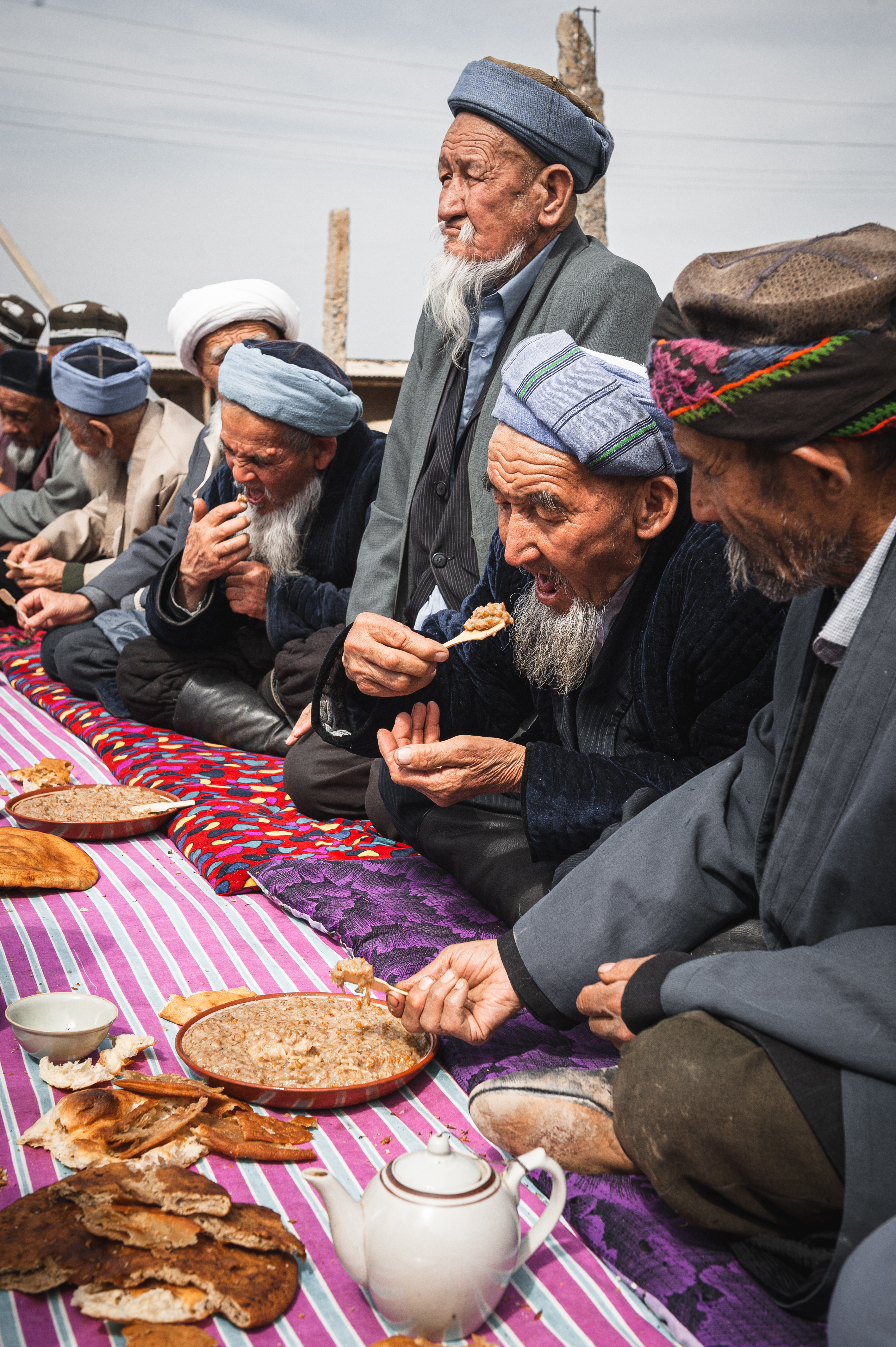
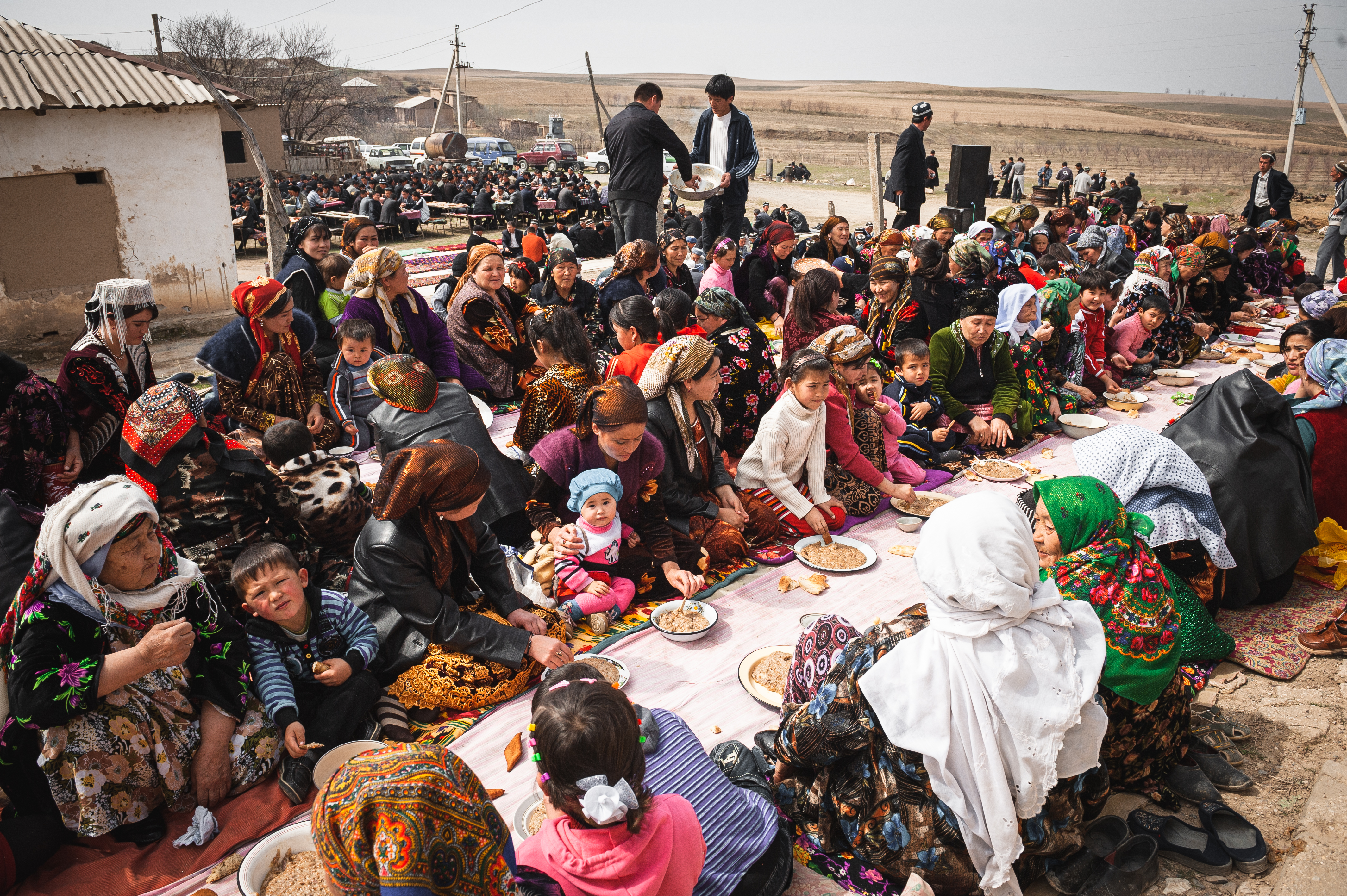
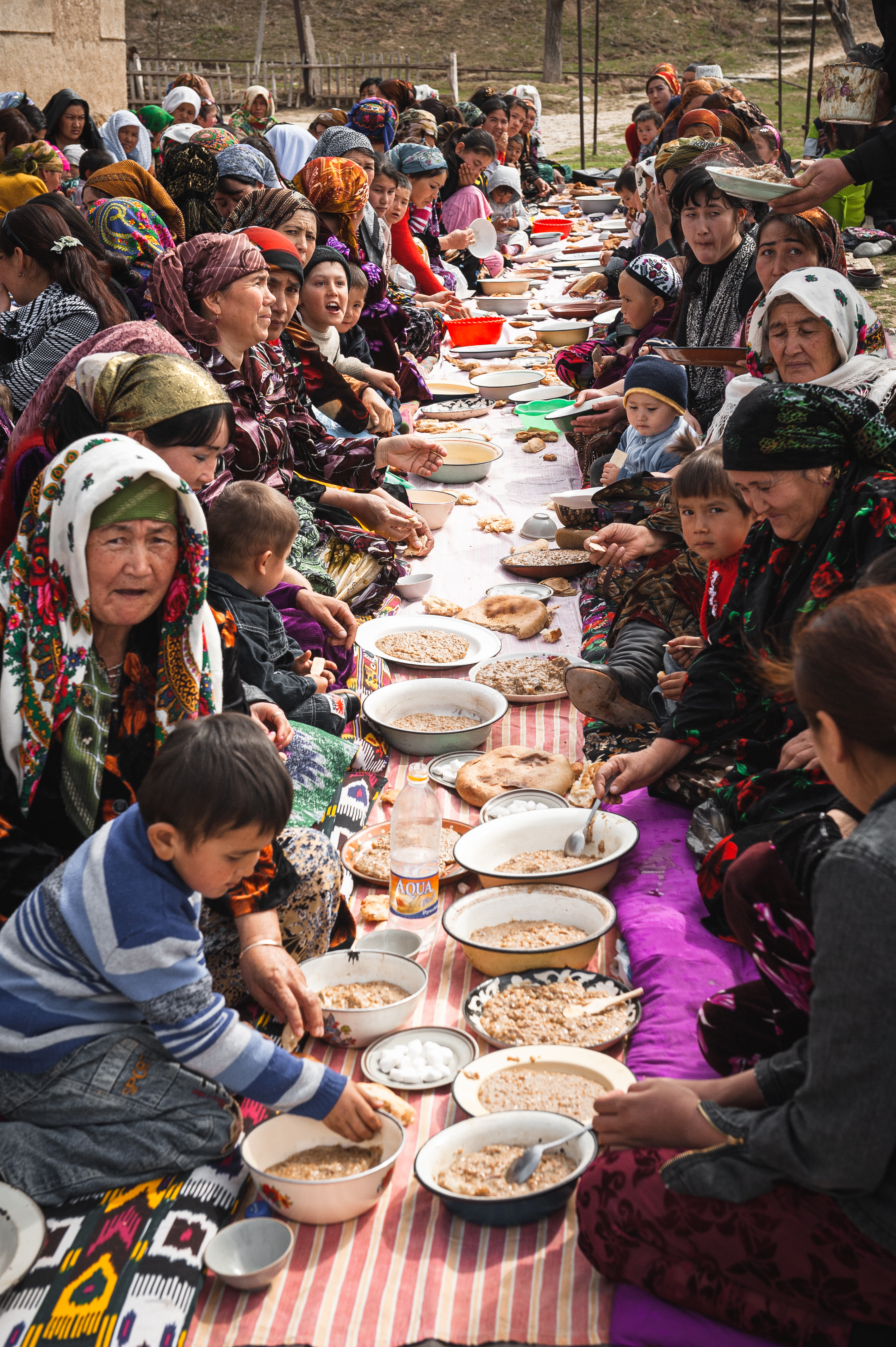
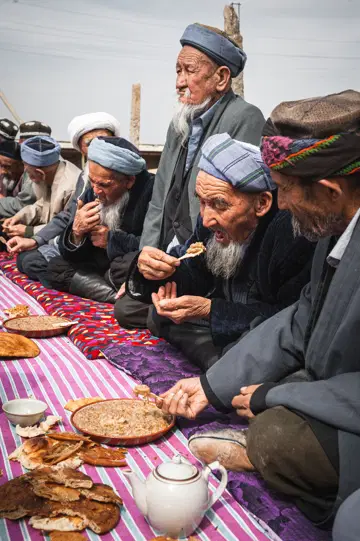
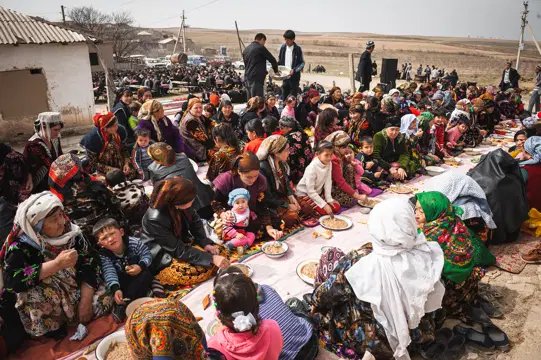
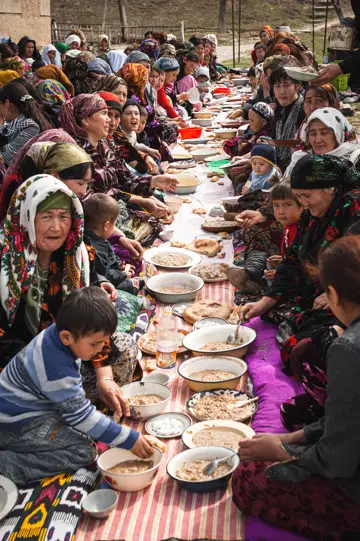
They say that now other villages have tried to adopt the skill and have also started preparing halim according to the Bakhmals' recipe, but here it is still the most delicious.
The Bakhmal people consider their land blessed. Sometimes in cities, we forget that Navruz is not only the celebration of the spring equinox but also the time for the start of field work. Thus continues the cycle of folk life — herding cattle to pastures again, cultivating the land, planting trees, raising children. And the holiday... The holiday will repeat at its appointed time. One just needs to remember the traditions.