This month, the first course of the program (January-July 2026) was launched, which focuses on the topic of food security and agricultural innovations. Participants explore and develop new agroecological approaches for Nukus and surrounding areas, adapting agriculture to changing climatic and environmental conditions. The program is fully funded: participants' tuition, accommodation, stipend, travel, and publication of results are covered.
The program is based on four principles: attentive listening, research, establishing connections, and experimentation. The school develops partnerships with universities and research institutes, engages local artists, designers, activists, and participants in ecological restoration projects. All outcomes are applied in nature and focused on practical solutions for regional development.
Aral School is the first initiative of its kind in Central Asia, representing an international postgraduate program for young professionals and university graduates. Created by the Art and Culture Development Foundation of Uzbekistan as a key educational pillar of the Aral Cultural Summit, the program functions as a "laboratory of the future," bringing together talented specialists from Karakalpakstan, various regions of Uzbekistan, and international participants.
The idea for the school was presented in 2023 at the UN Water Conference in New York and received official confirmation through a decree by the President of Uzbekistan, Shavkat Mirziyoyev. Organized by the Uzbekistan Culture and Art Development Foundation, the project envisions the creation of a comprehensive educational format where each academic year is built around a central theme that determines the direction of research and the final projects for the cohort.
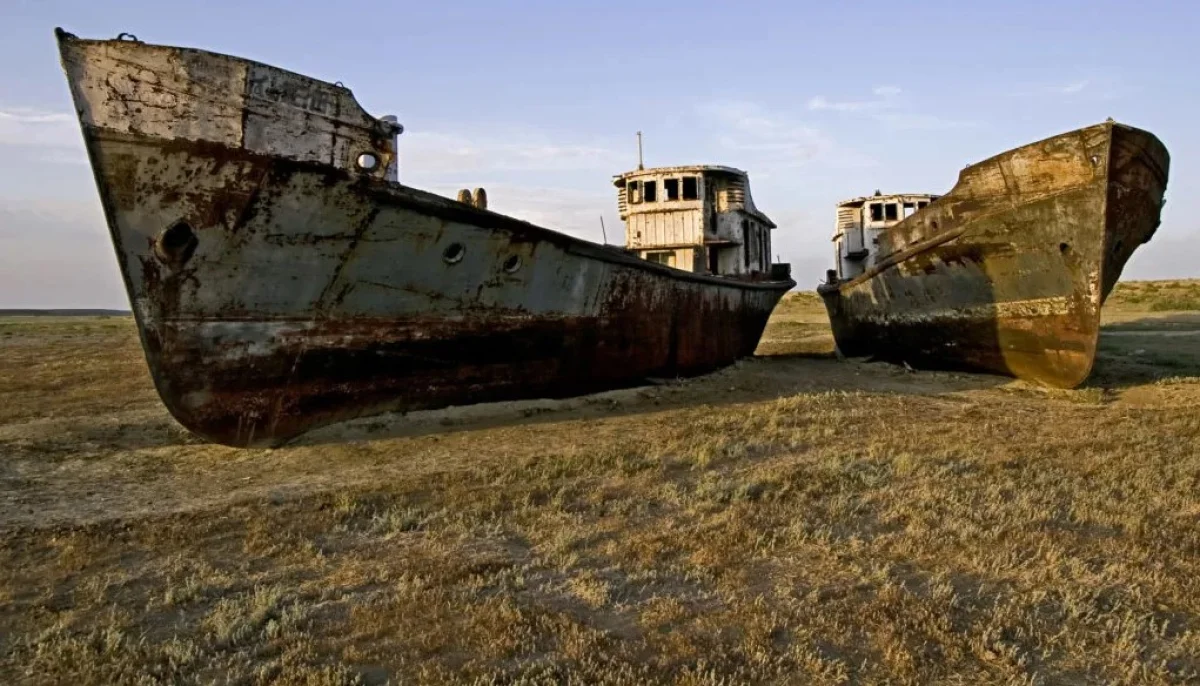
The Aral School positions Uzbekistan as an international center for environmental innovation, drawing on the unique historical experience of the Aral Sea region — one of the most dramatic ecological disasters of the 20th century. Through regenerative practices, innovative educational models, and the integration of knowledge from local communities and experts, the school works to transform the challenges of the Aral Sea region into opportunities for global learning and development.