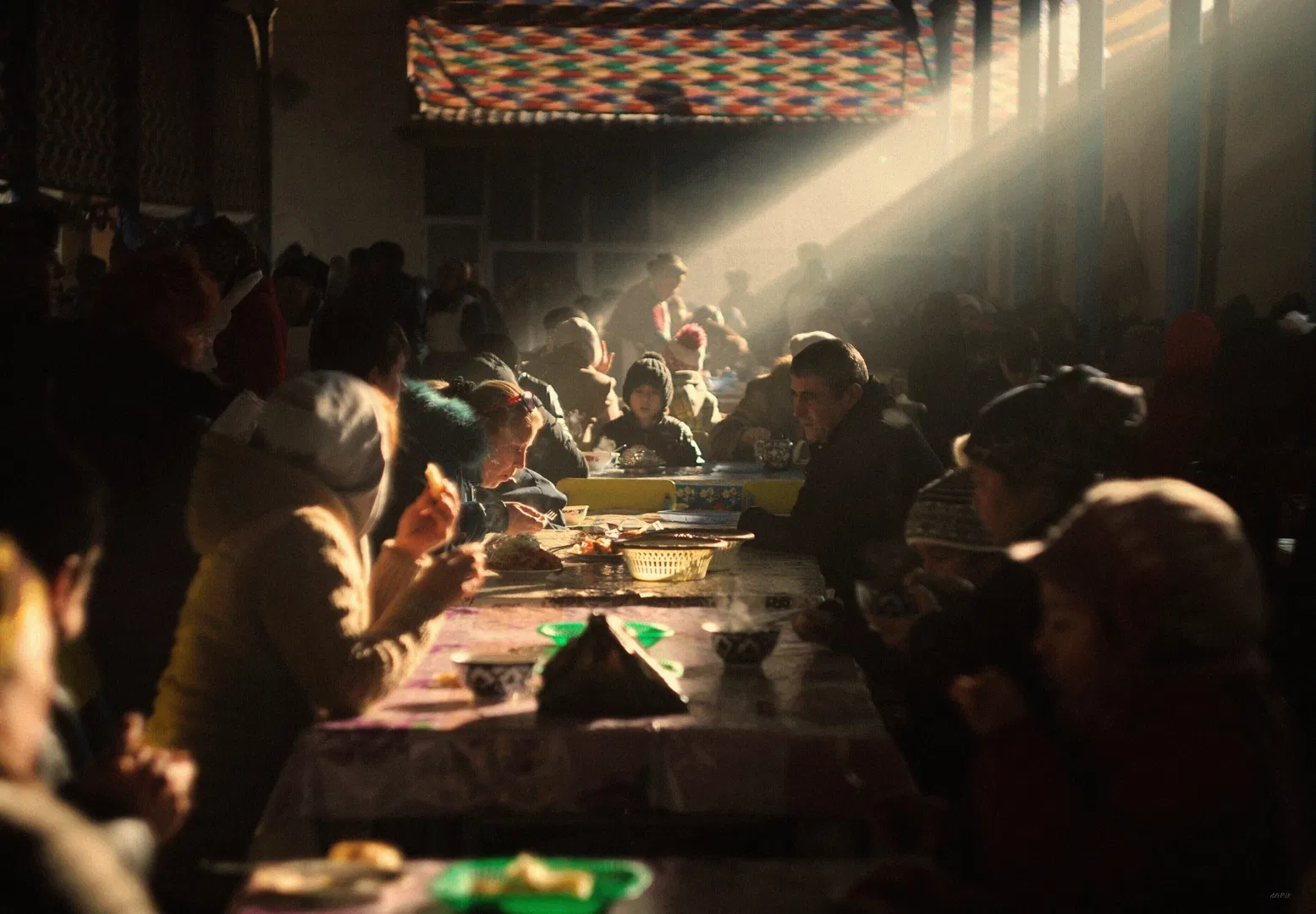
The large bazaar on the Great Silk Road lived its bustling, full-blooded life around the clock. It was an entire infrastructure complex: caravanserais, trade rows, a bathhouse, a mosque, and, of course, numerous teahouses.
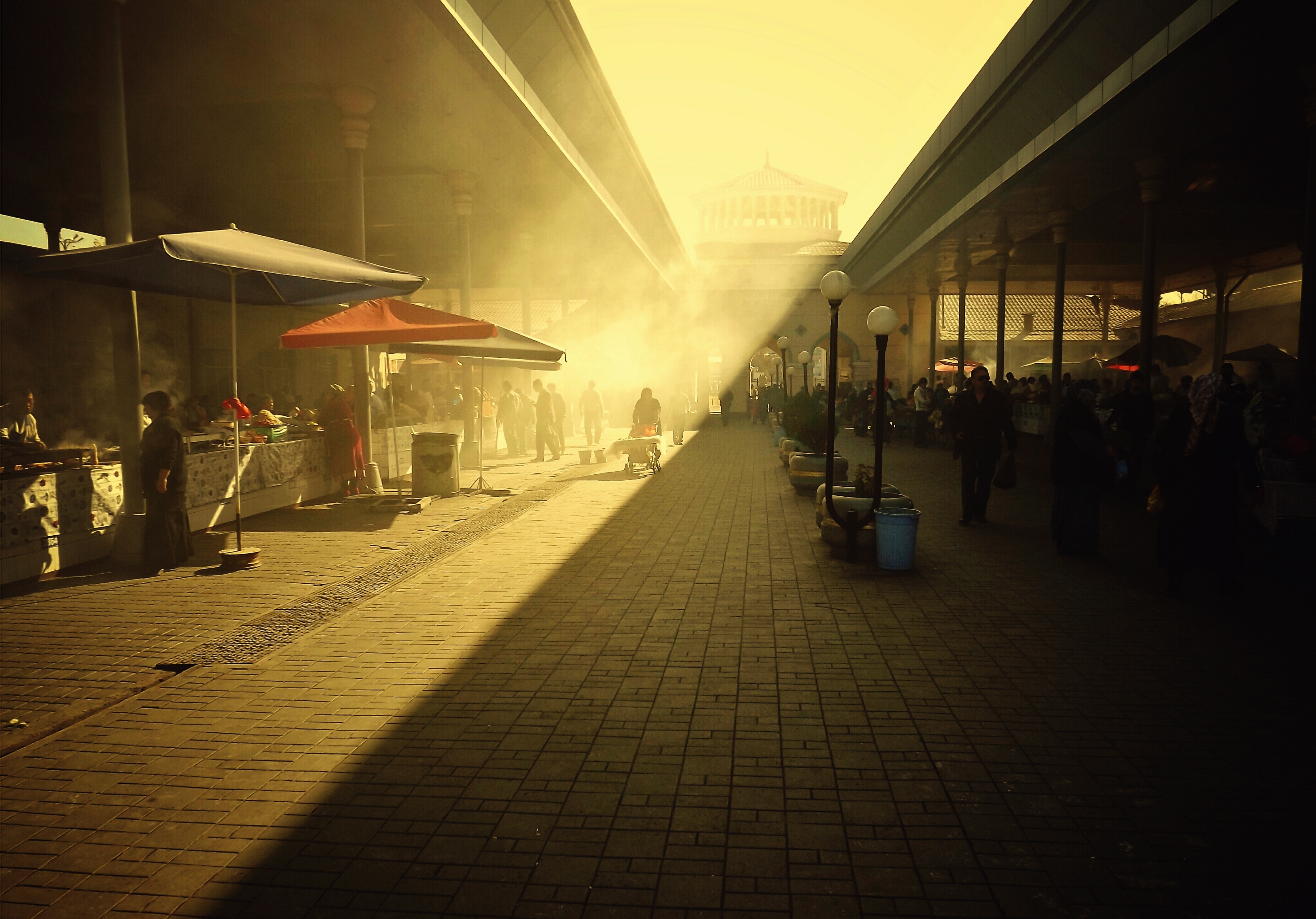
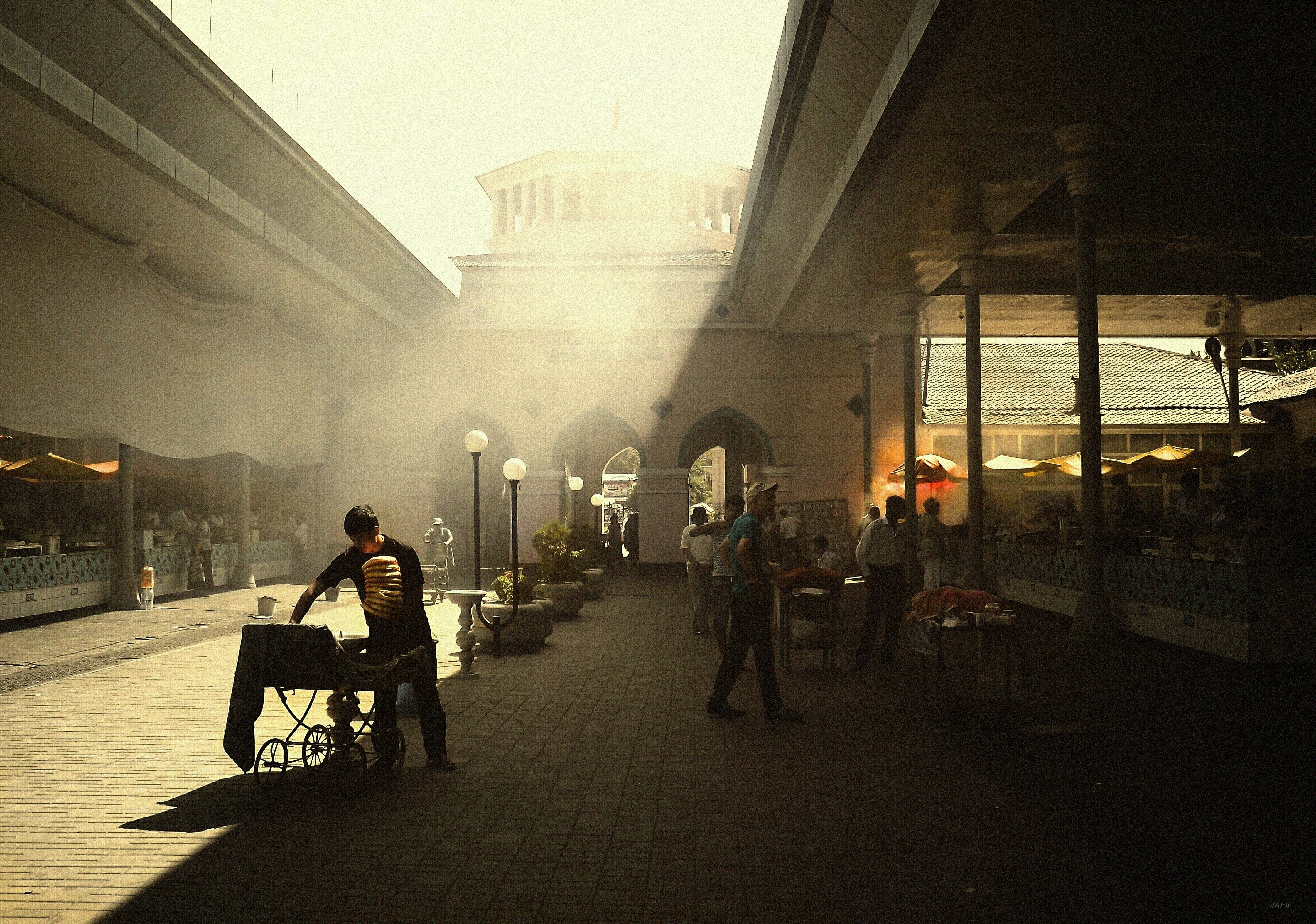
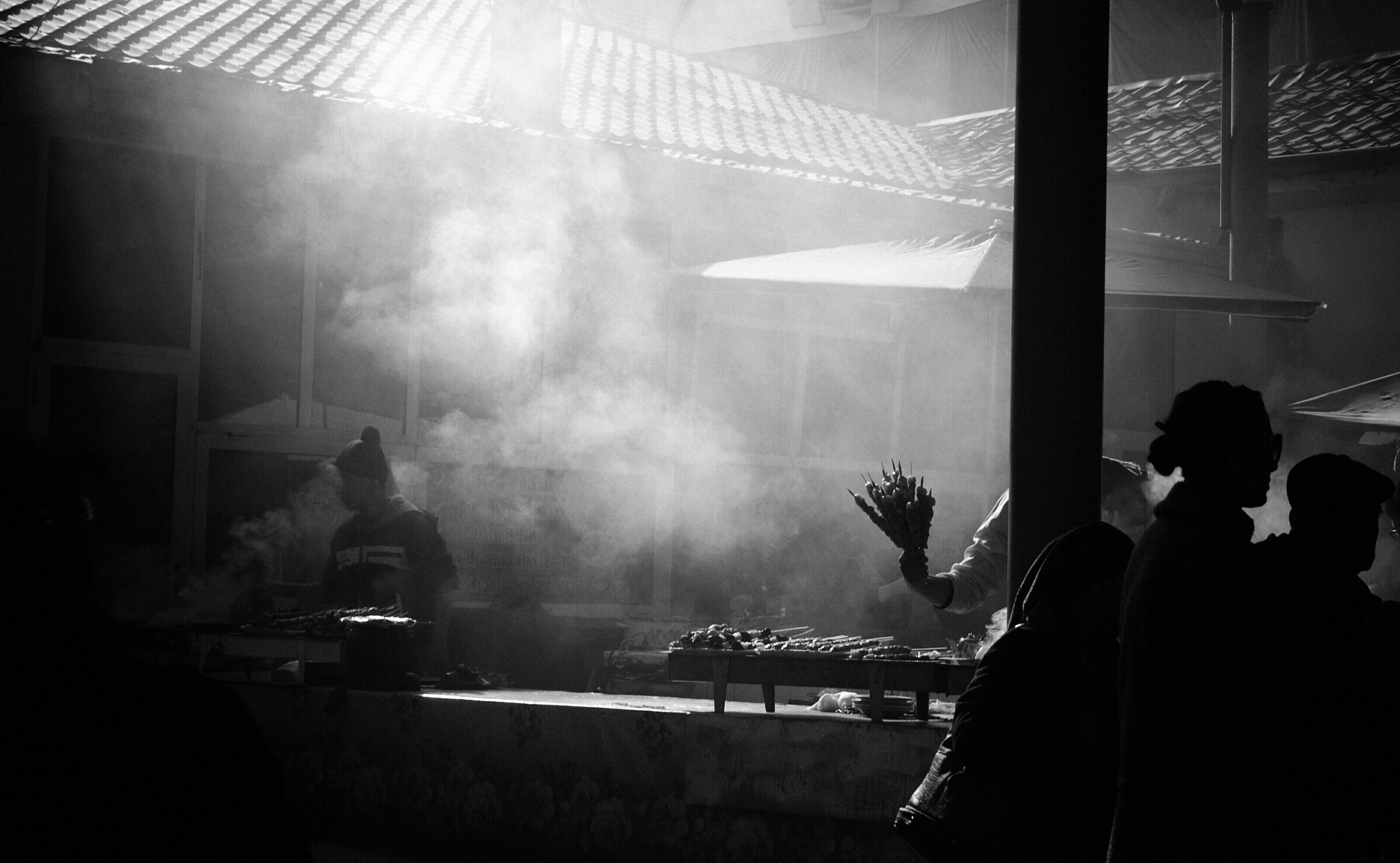
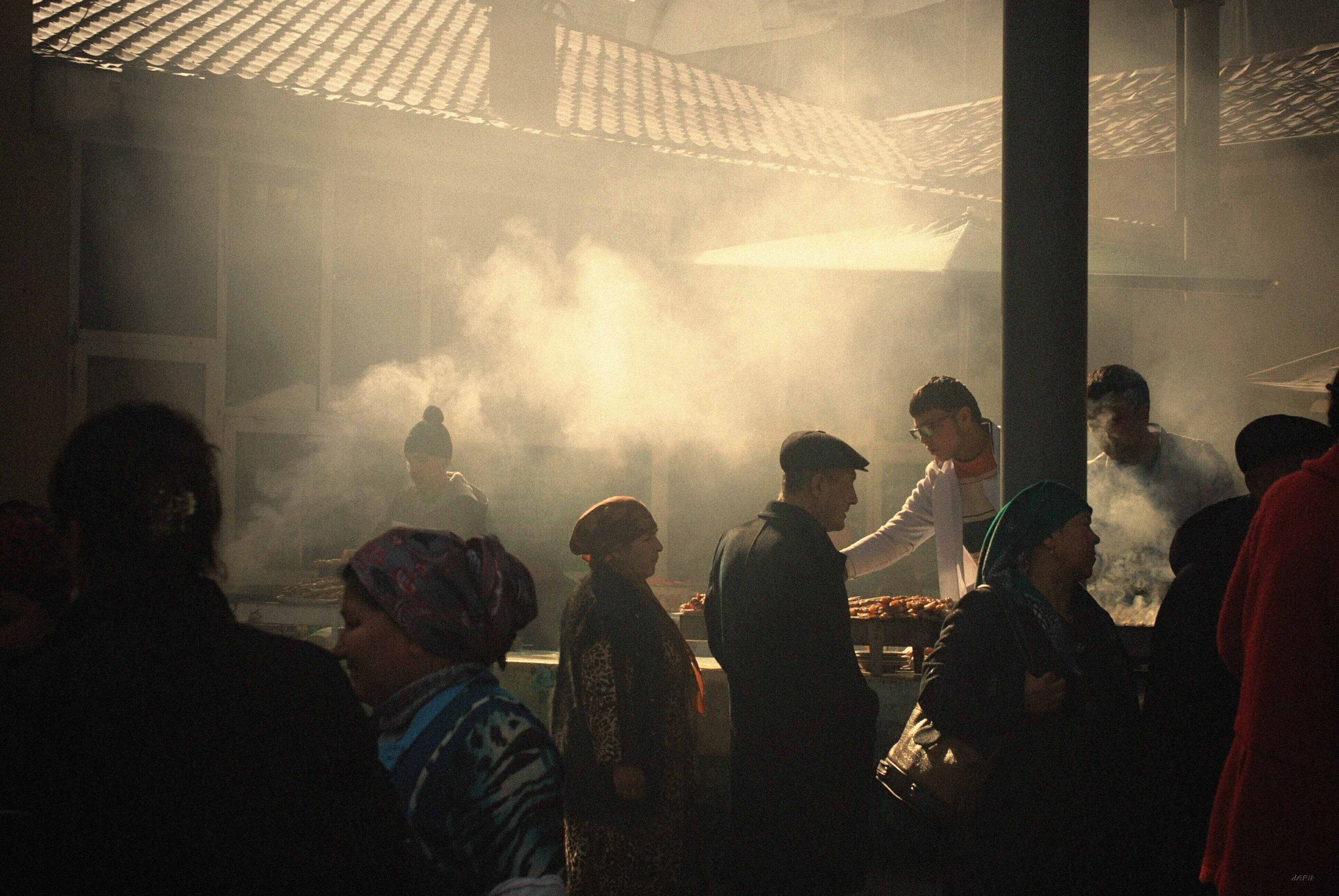
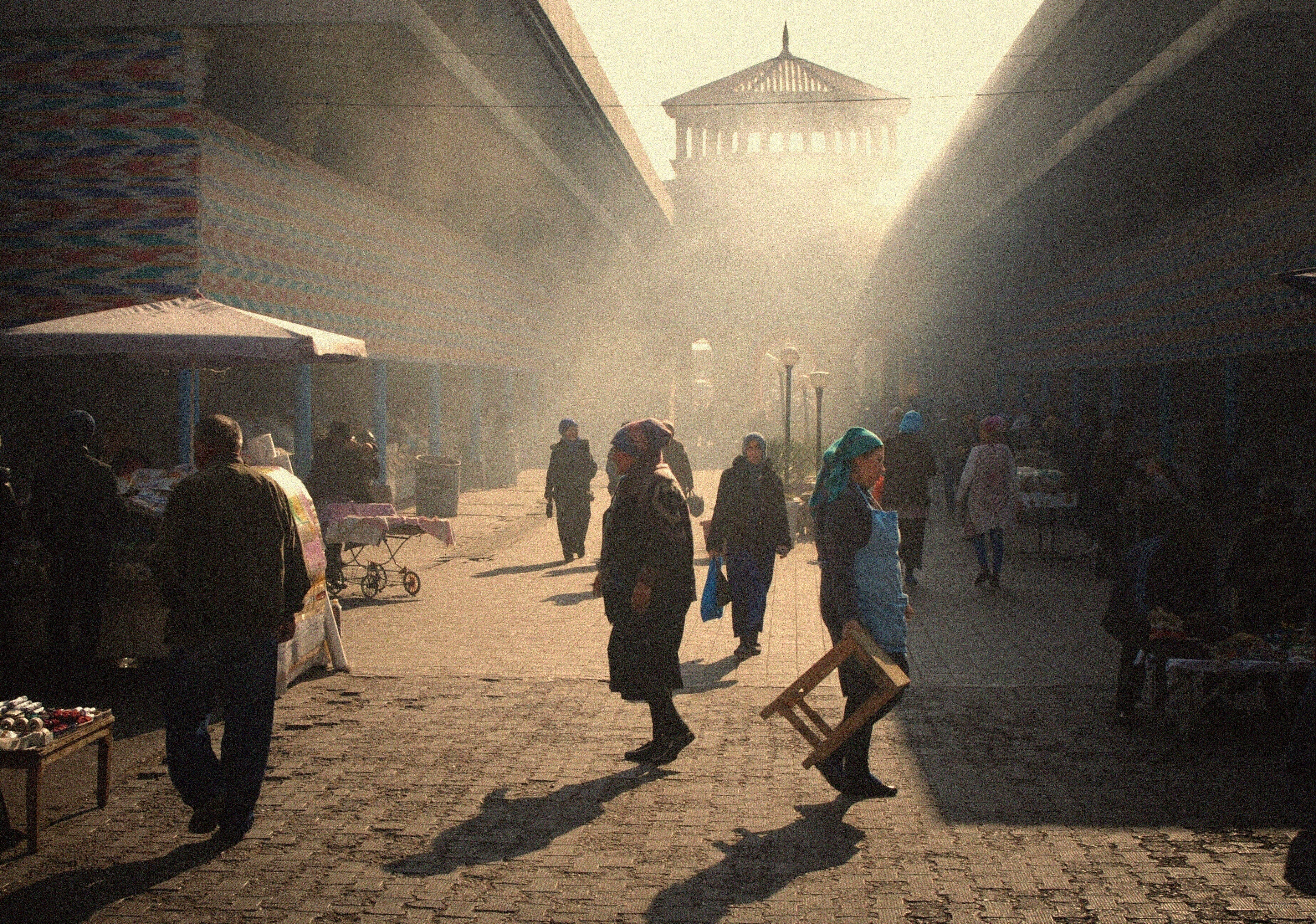
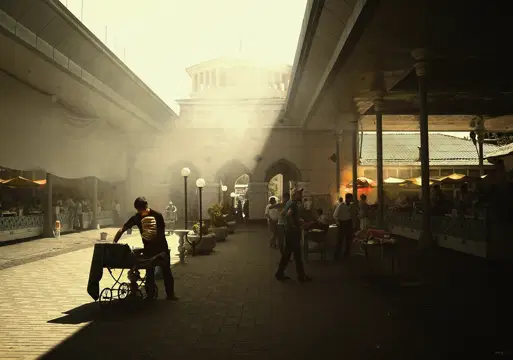
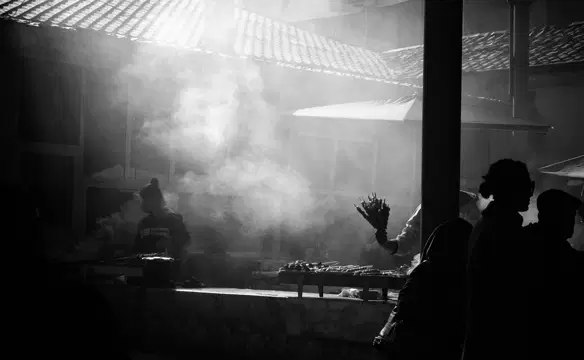
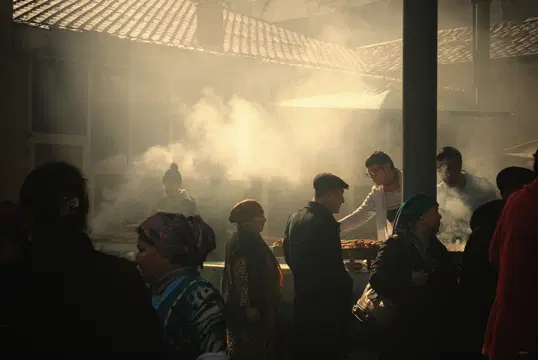
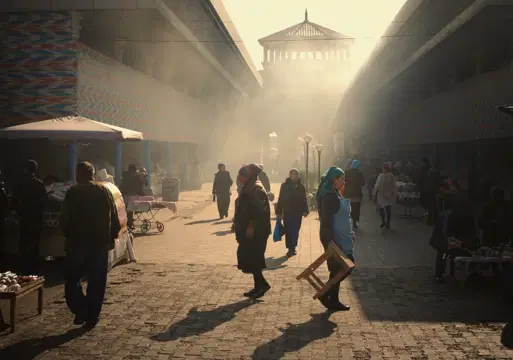
Speaking of the chaikhana — the one in the song by the group "Yalla", on Benkov's canvases, and in the public consciousness — it's worth remembering that this was a sociocultural phenomenon, deeply rooted in historical reality. In the chaikhana, people didn't just drink tea; there, destinies were decided, debates were held, poems were read, and there — for lack of social networks, radio, and television — people passed on invaluable knowledge, gossip, and news to each other. Visiting the chaikhana was a very important ritual that structured life, not just a pastime. Upon entering a chaikhana, you could see a social cross-section of a specific historical period — after all, people from all walks of life and occupations gathered there.
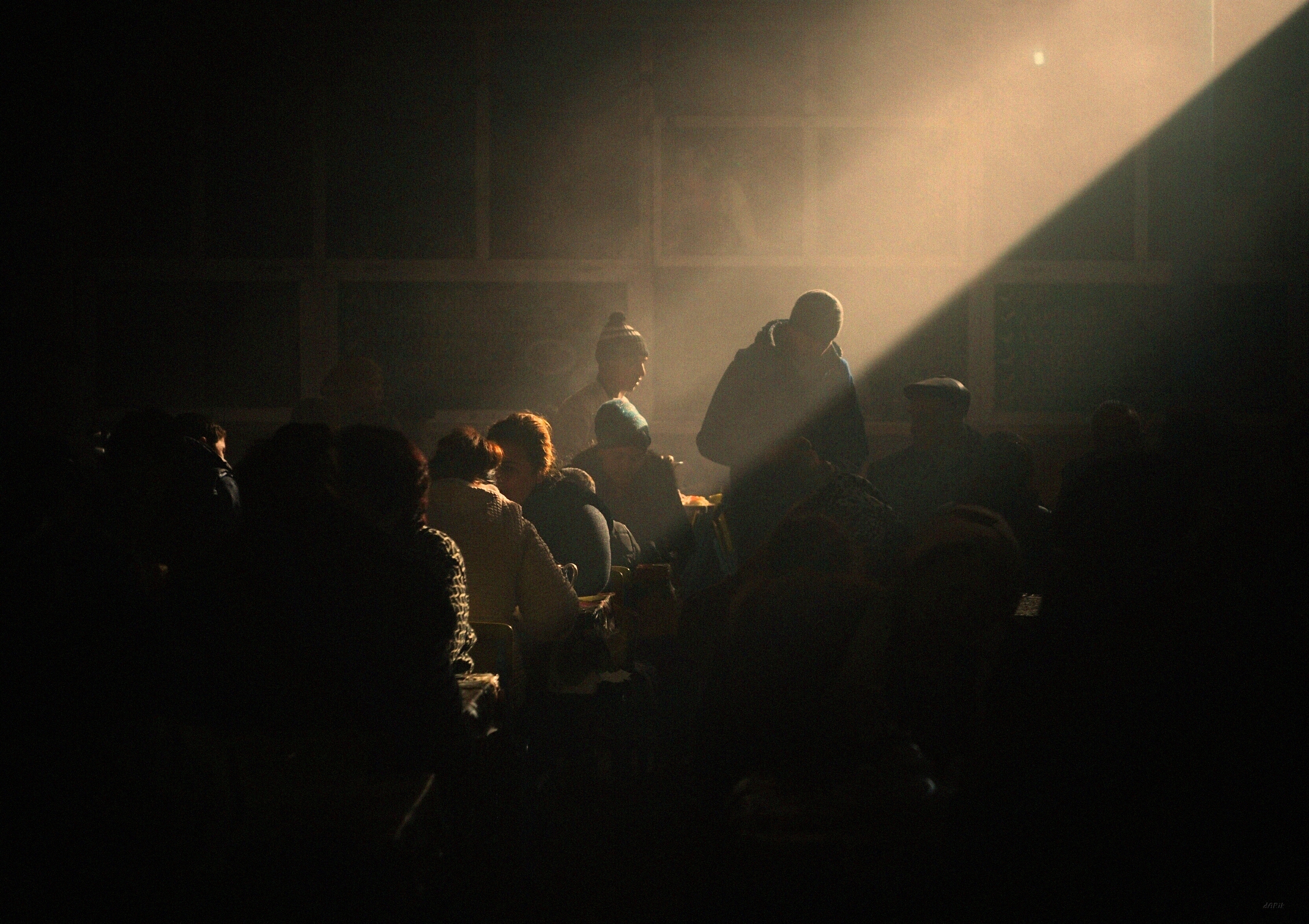
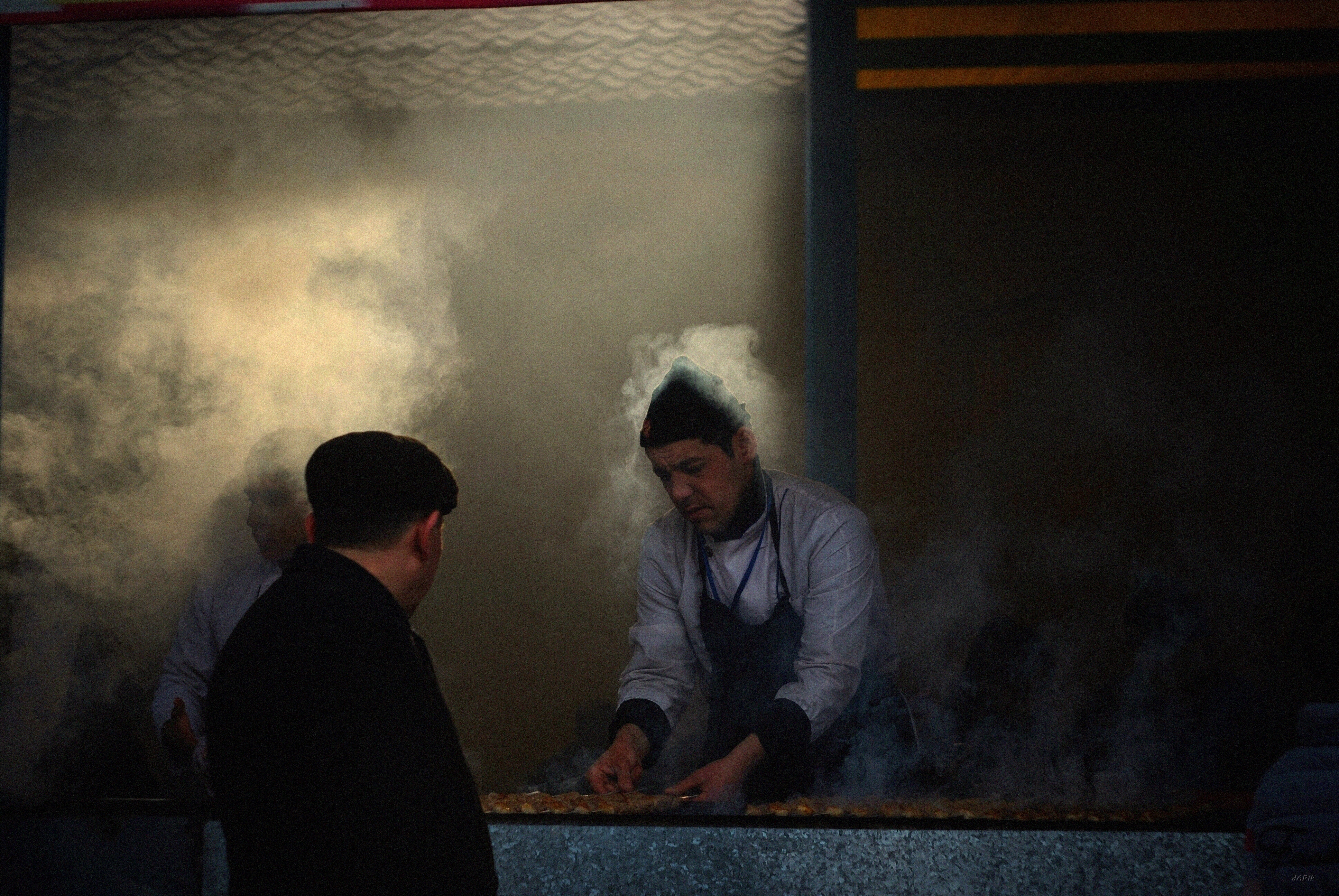
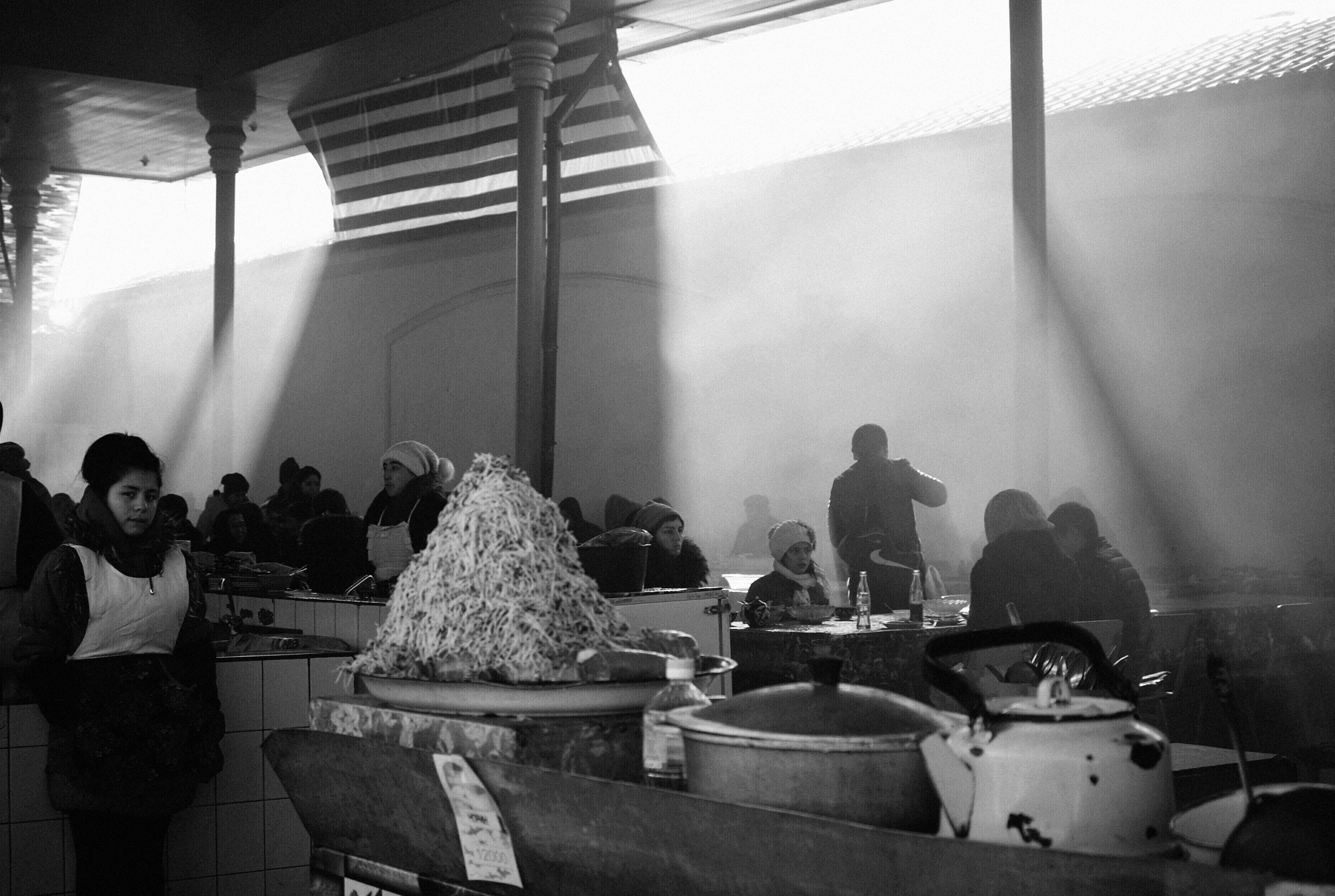
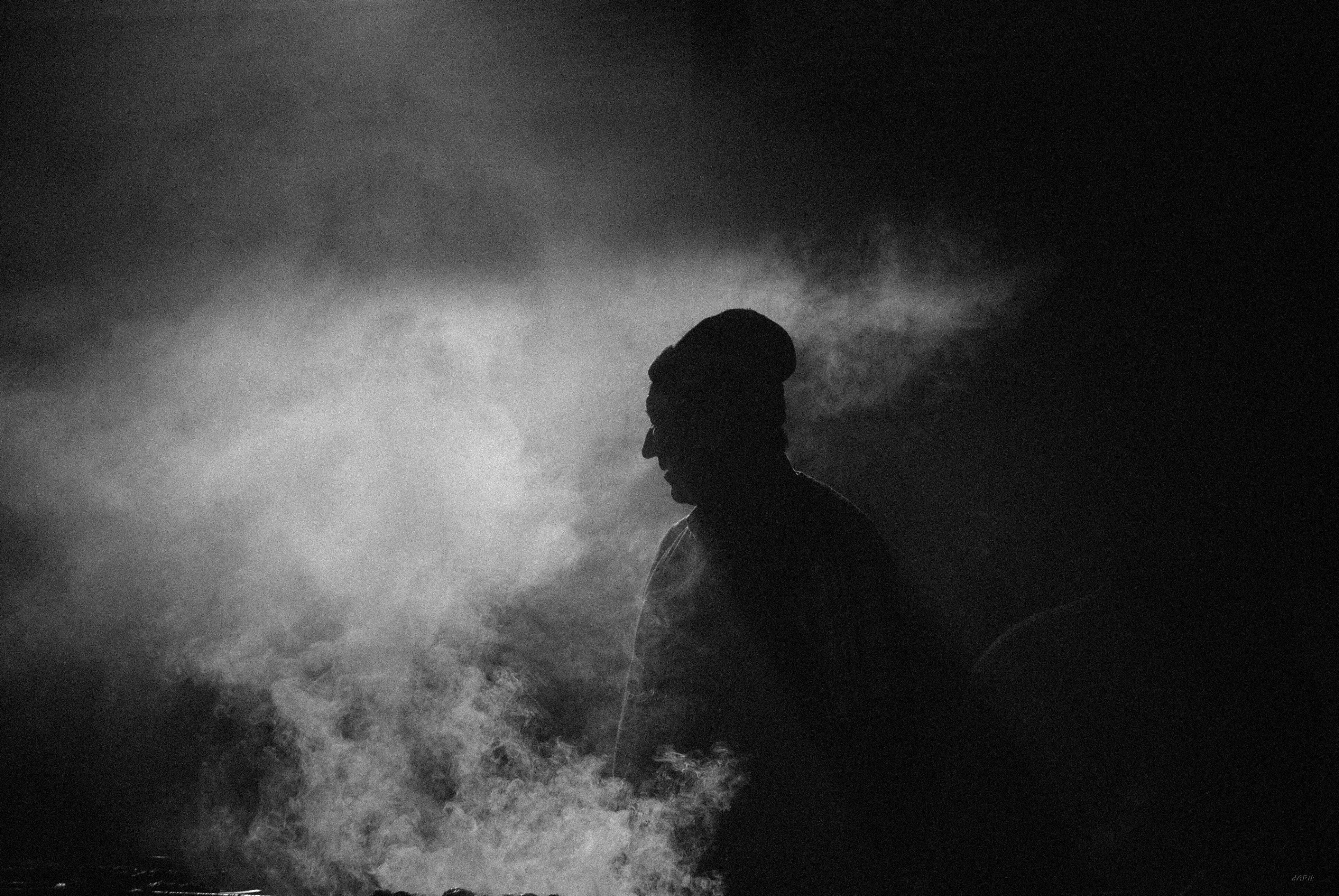
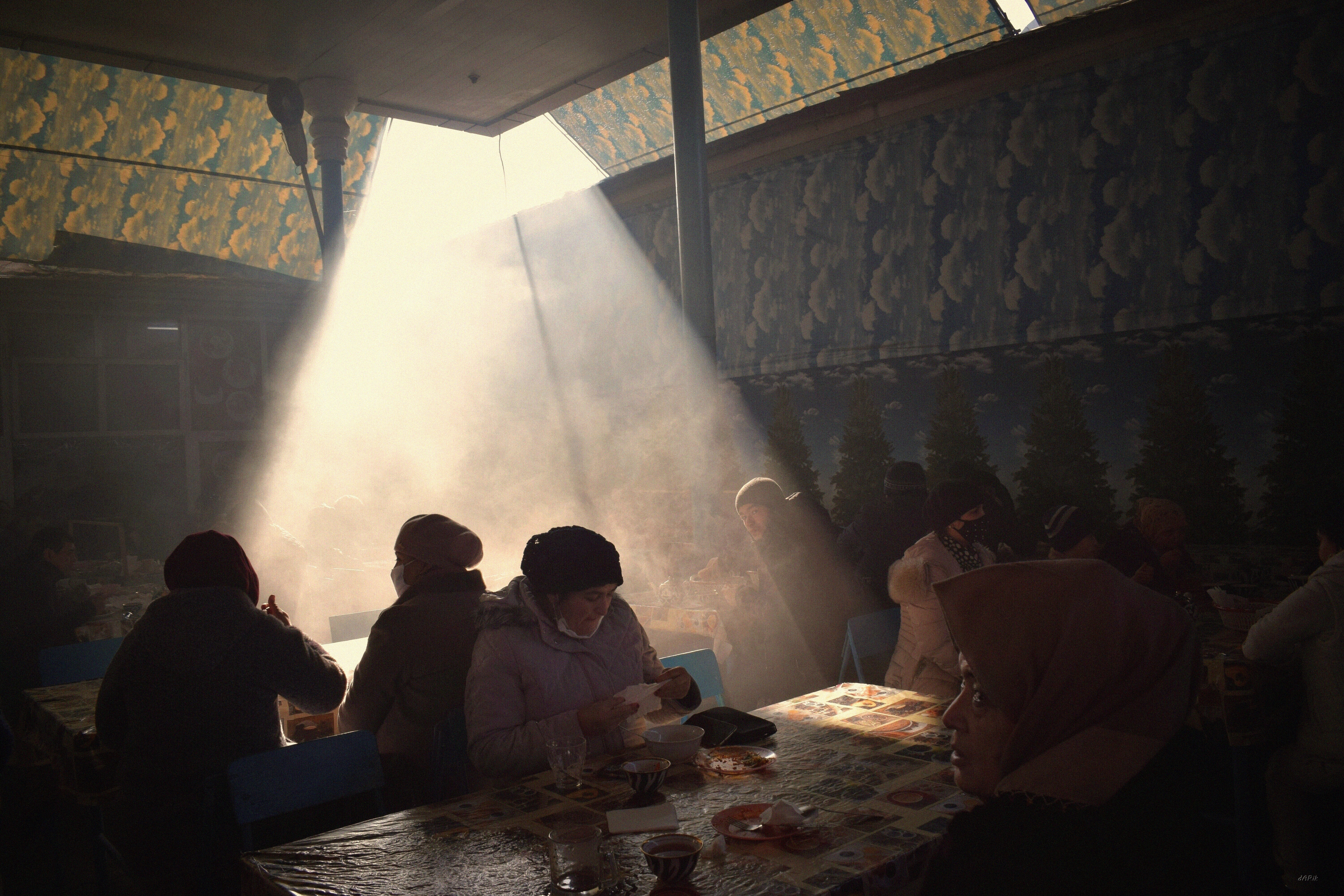
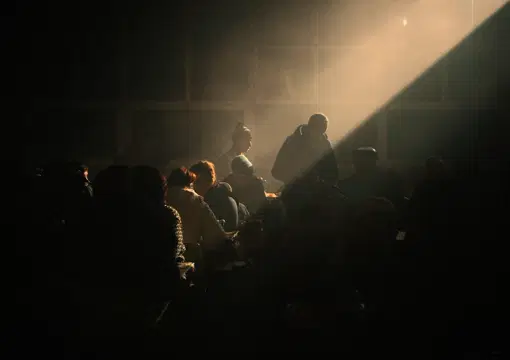
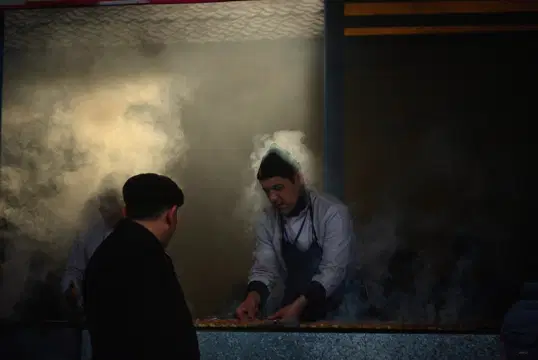
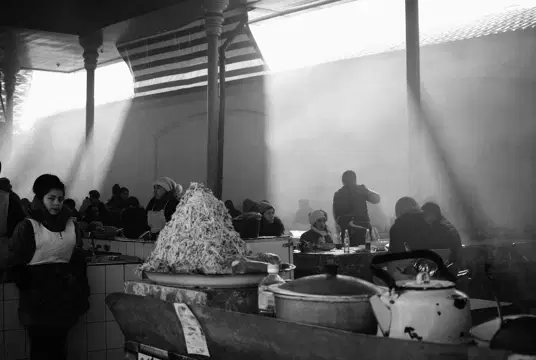
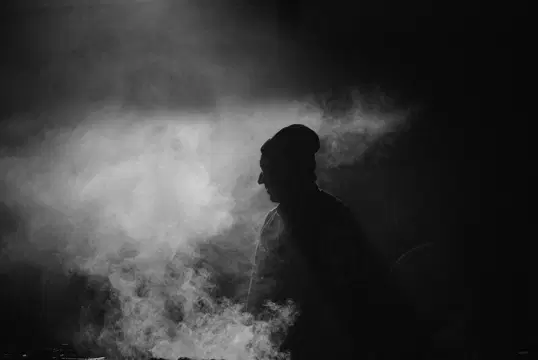
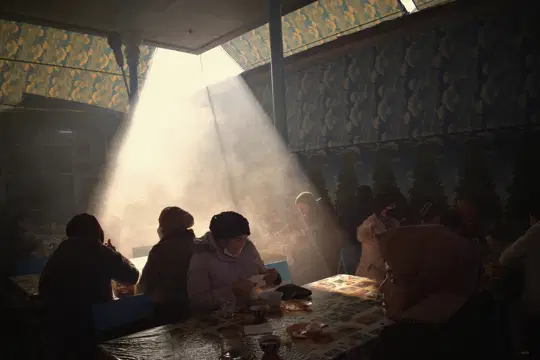
People have long come to the market as a whole family. First, they would go to the bathhouse — there was one at every major market. Then, leaving the household chores to their wives, the men would gather in the teahouse to drink tea and catch up on the week's news. Here, town criers would come to announce decrees issued by the city rulers, and performers, craftsmen, and masters would gather. Bird fights, performances, and other cultural events were held here.
In addition to serving as a city forum, the teahouse at the bazaar was a hub for various culinary traditions— after all, people of different cultures and tastes gathered here, which had to be taken into account.
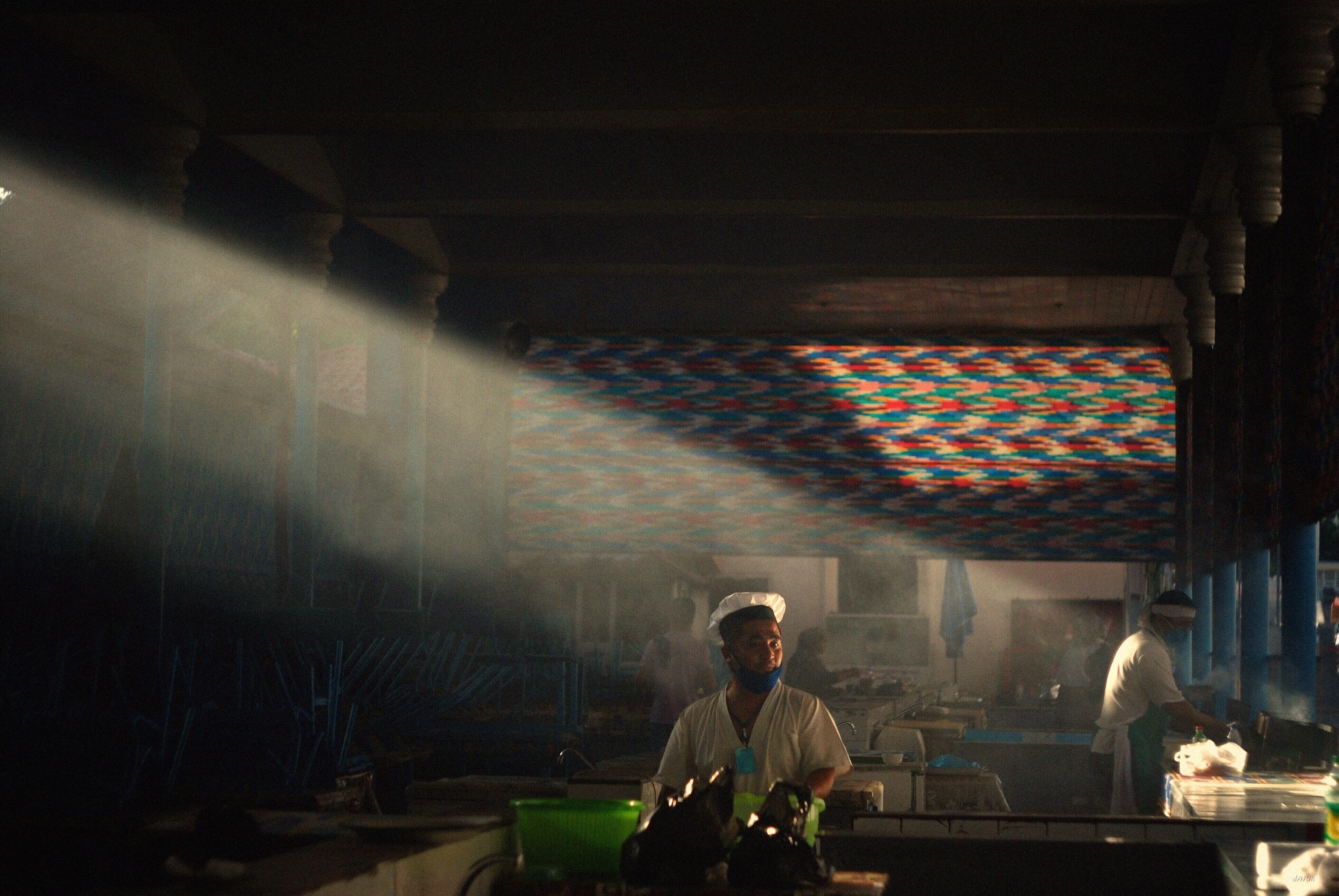
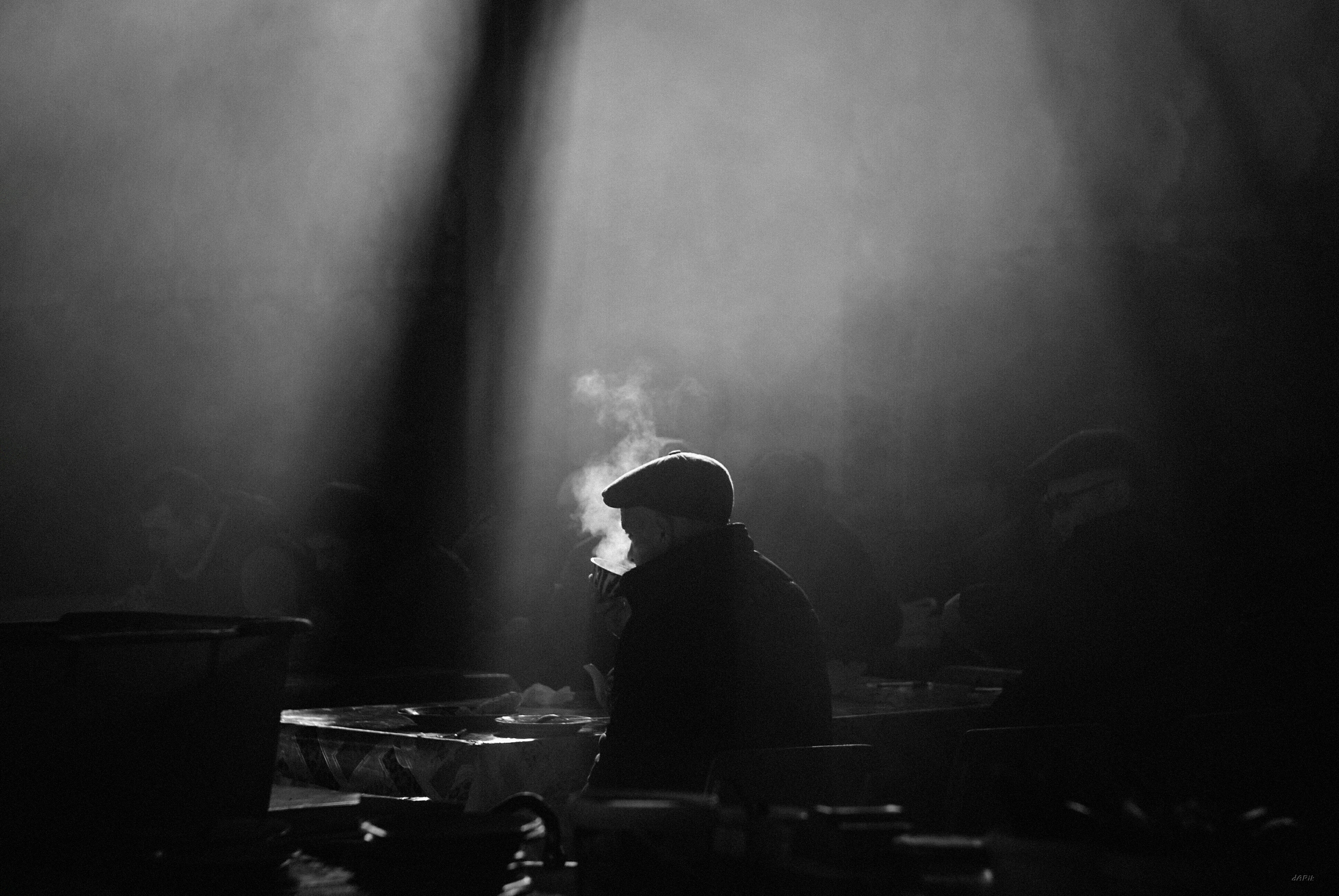
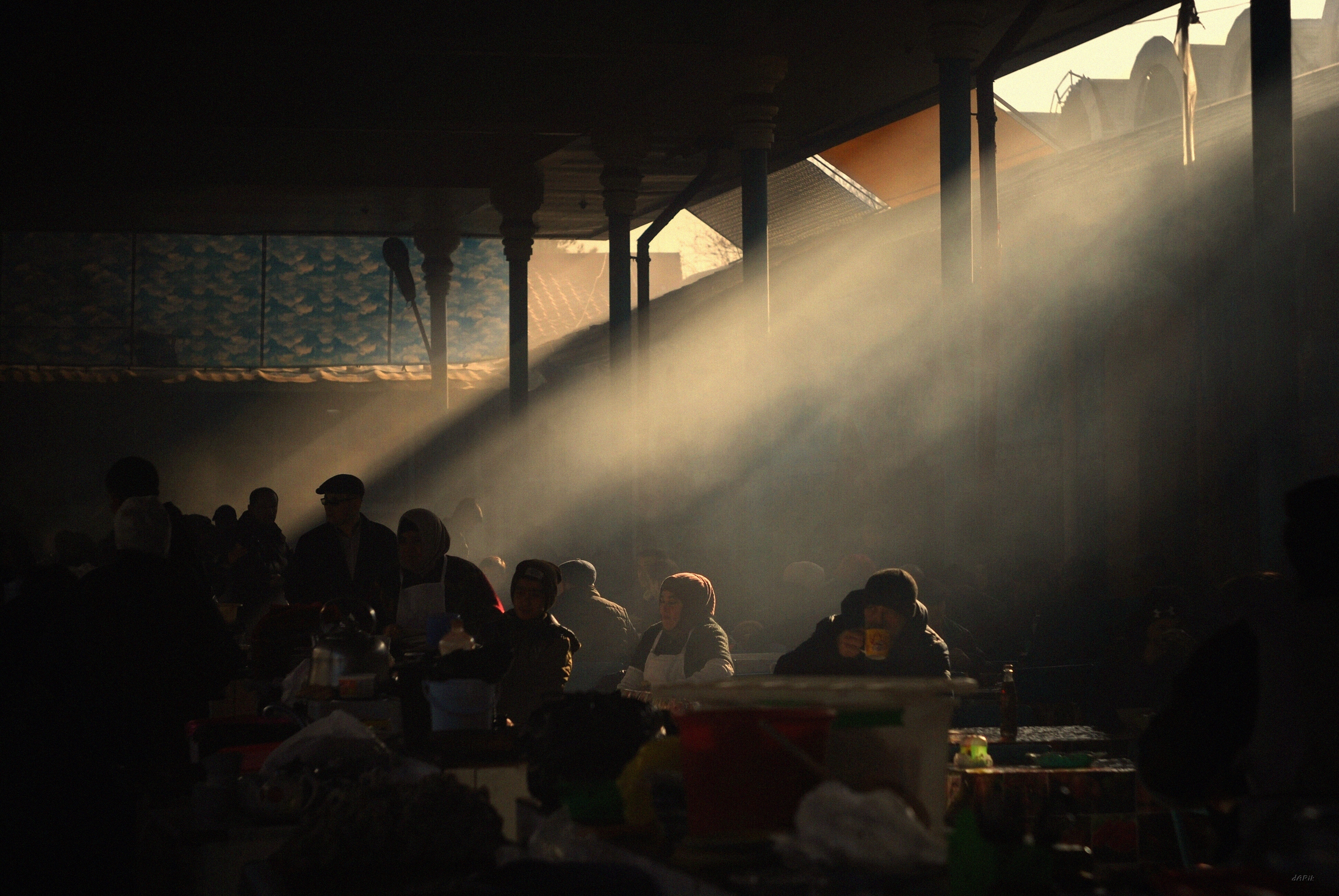
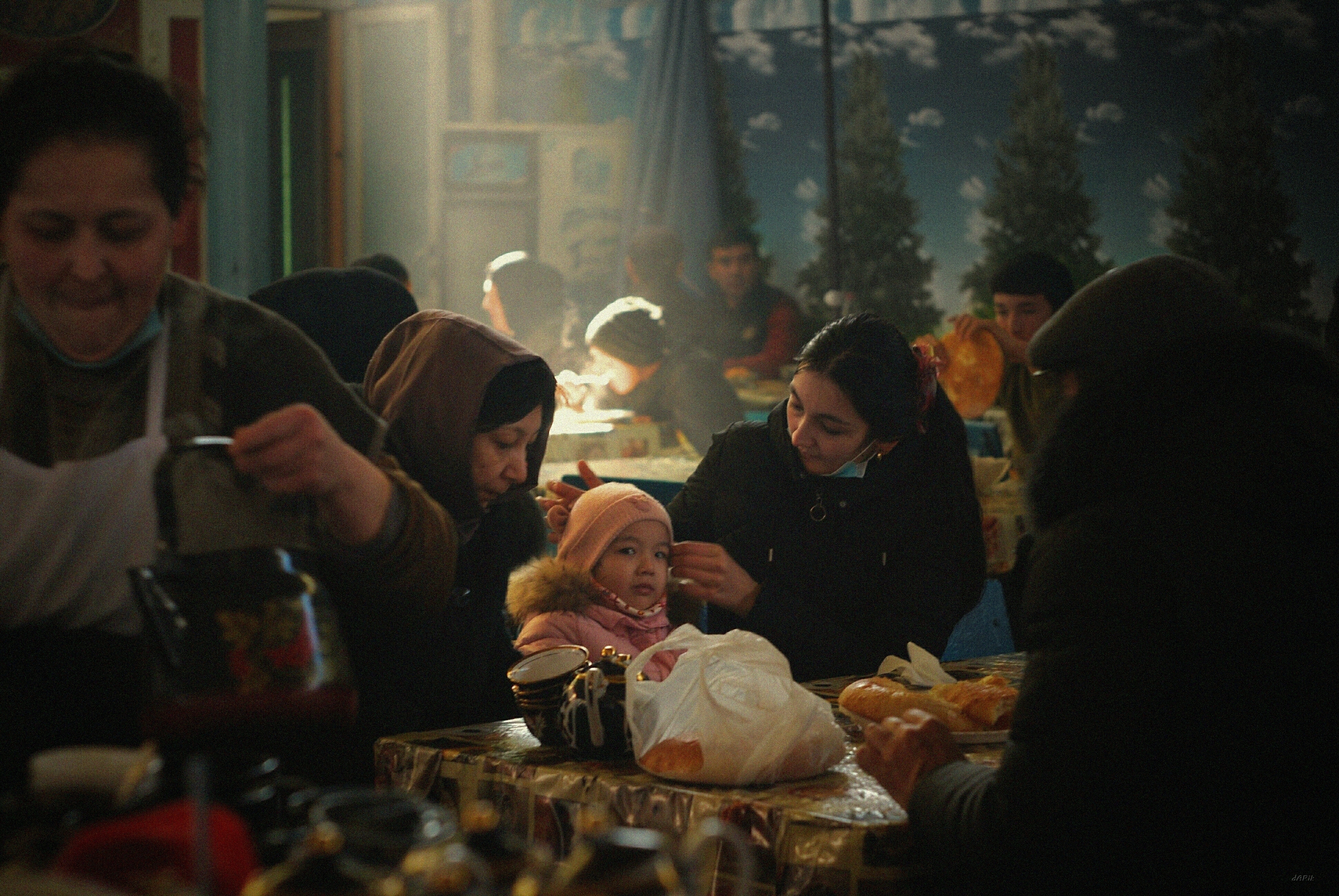
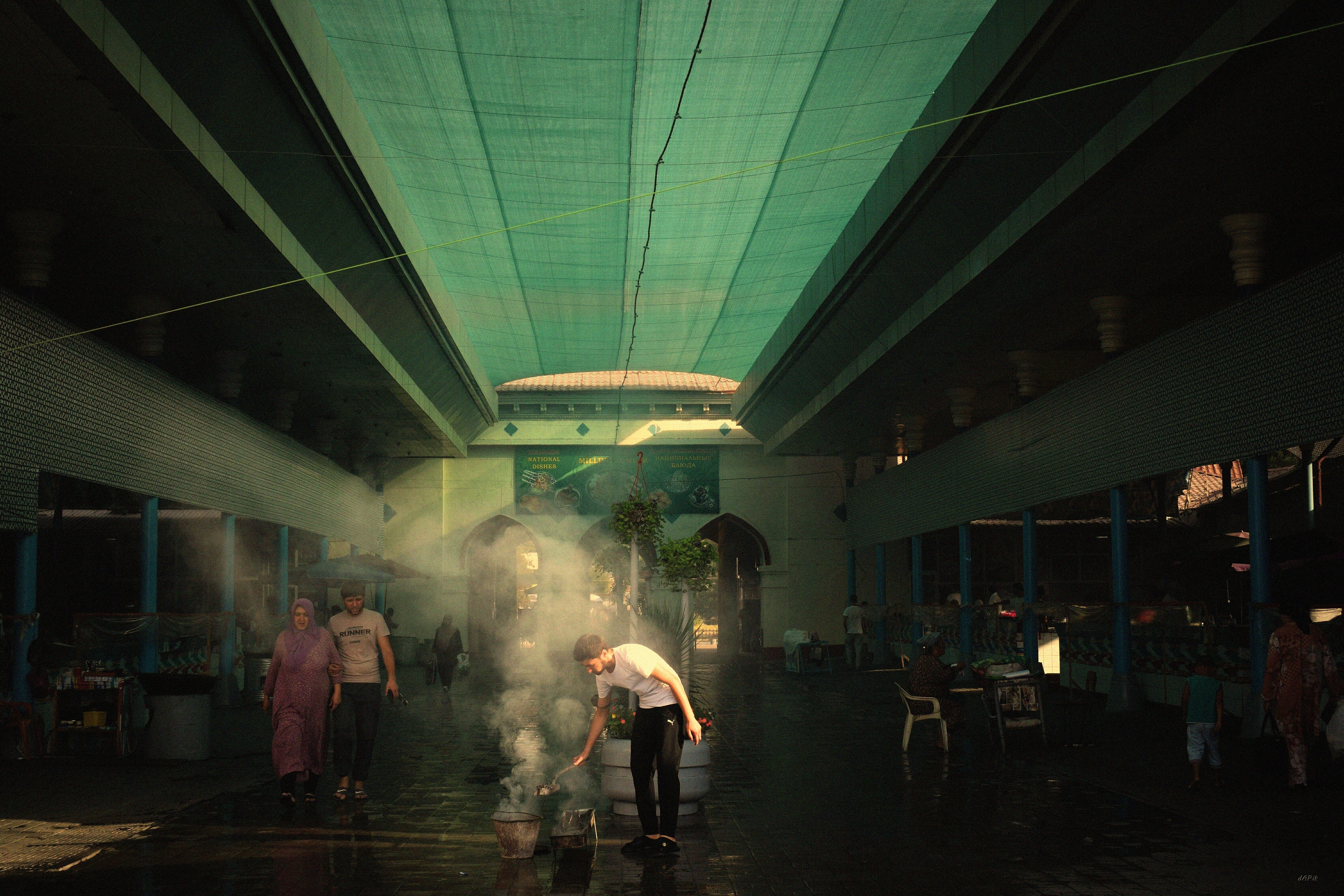
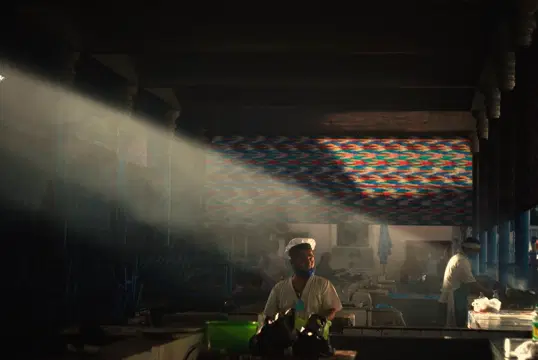
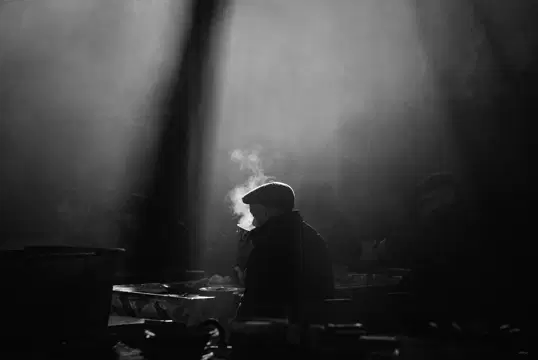
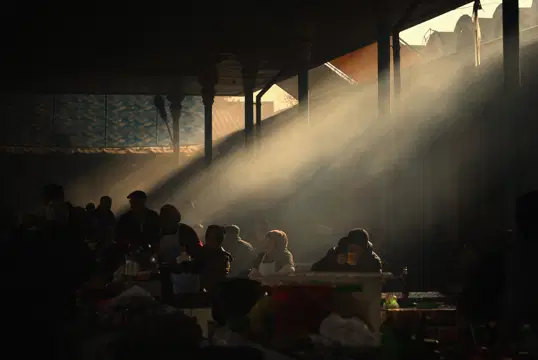
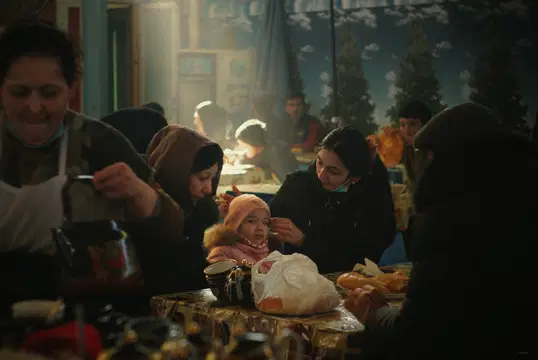
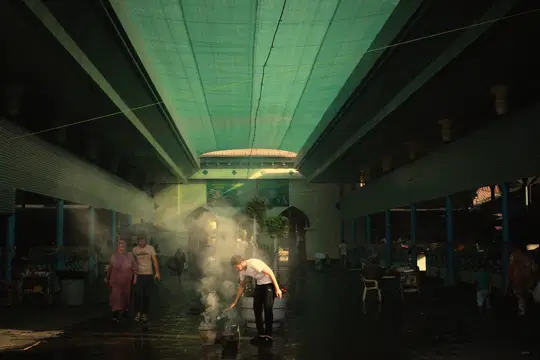
The Glutton Rows—one of those big old teahouses that were the homespun foundation of the bazaar "universe".
Today, people go to the Glutton Rows of Chorsu more for the atmosphere than for news and gossip. And also — to grasp the thread connecting generations.
...Decades have greatly changed the appearance of Chorsu—and this is just within my memory. I remember how the dome was built during my childhood. In the depths of the narrow old streets, there was a bird market, where they even held cockfights and quail fights. That doesn't exist now. Traditional crafts—making furniture, beshiks, chests, and other items—have been moved to separate rows outside the market. But they haven't lost their relevance, and you can still find many interesting things there.
Ildar Sadykov
Now, Obzhornye Rows — a cult place for both Tashkent residents and foreign tourists. The latter are taken there in organized groups as part of Old City tours. If before people used to relax and spend their free time here on market days, now it is an open-air museum with that very authenticity and unique aromas.
The Gluttonous Rows — also a culinary landmark. Mostly, hereditary chefs work here, cooking according to the recipes of their grandfathers and great-grandfathers. A kind of historical fast-food market.
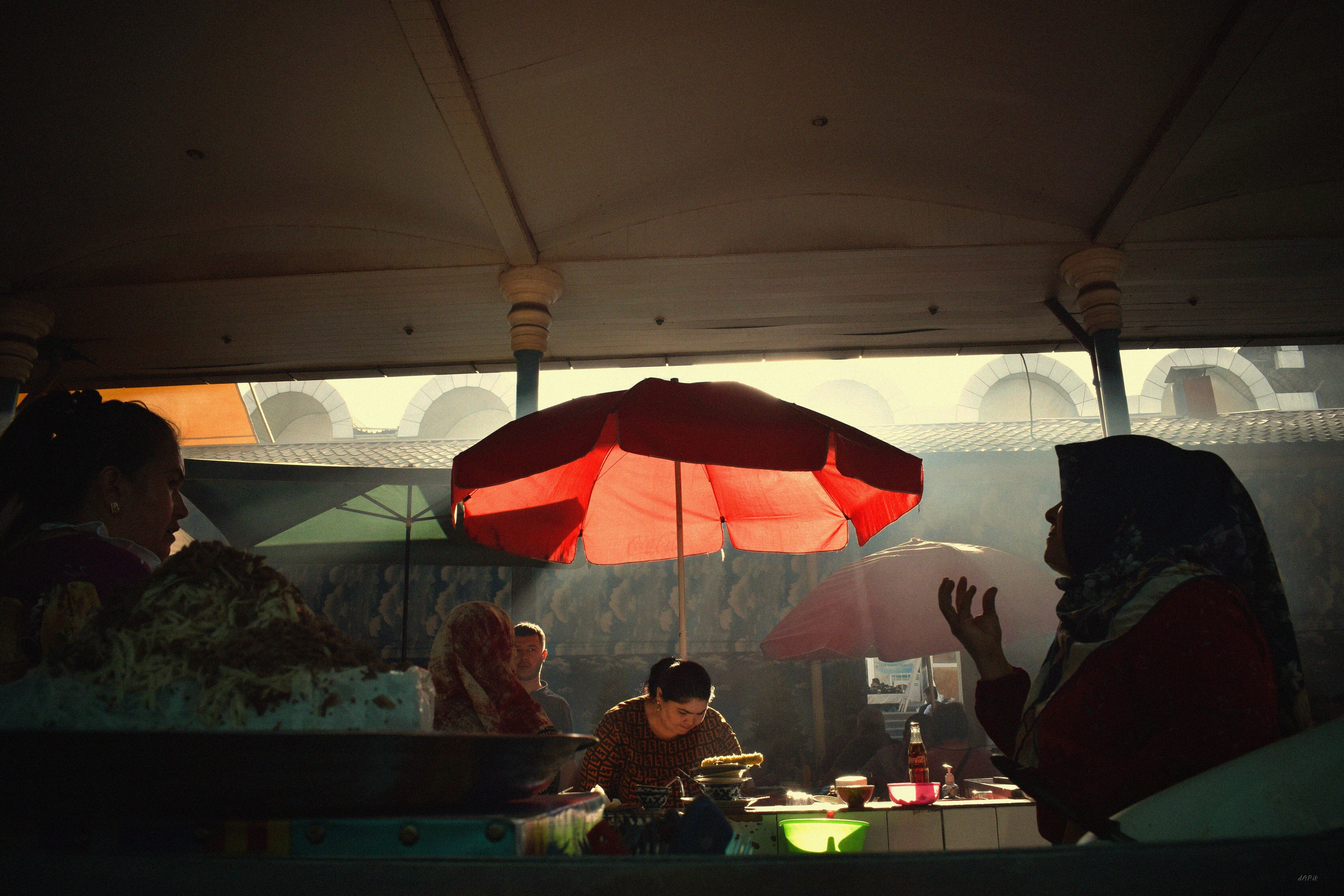
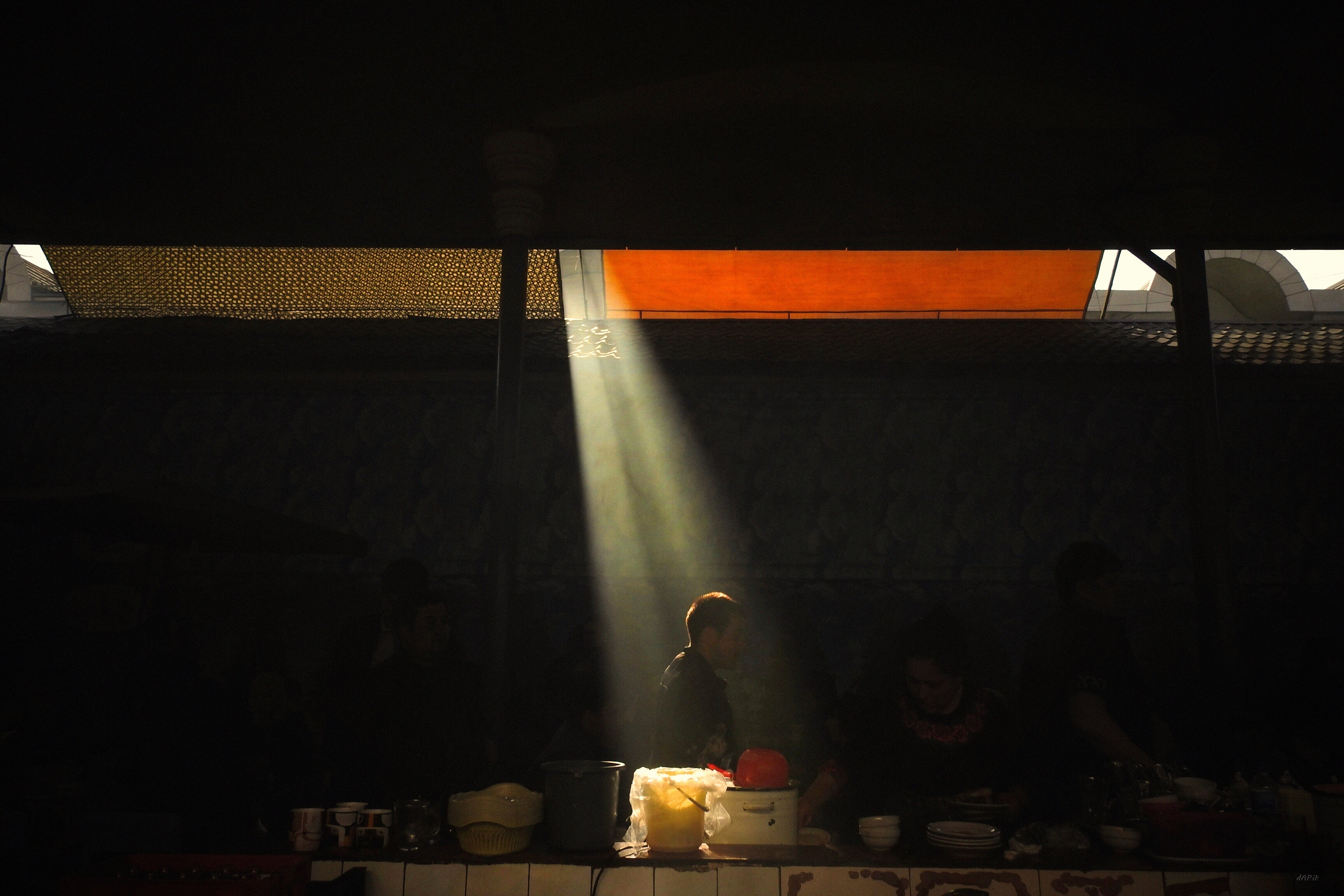
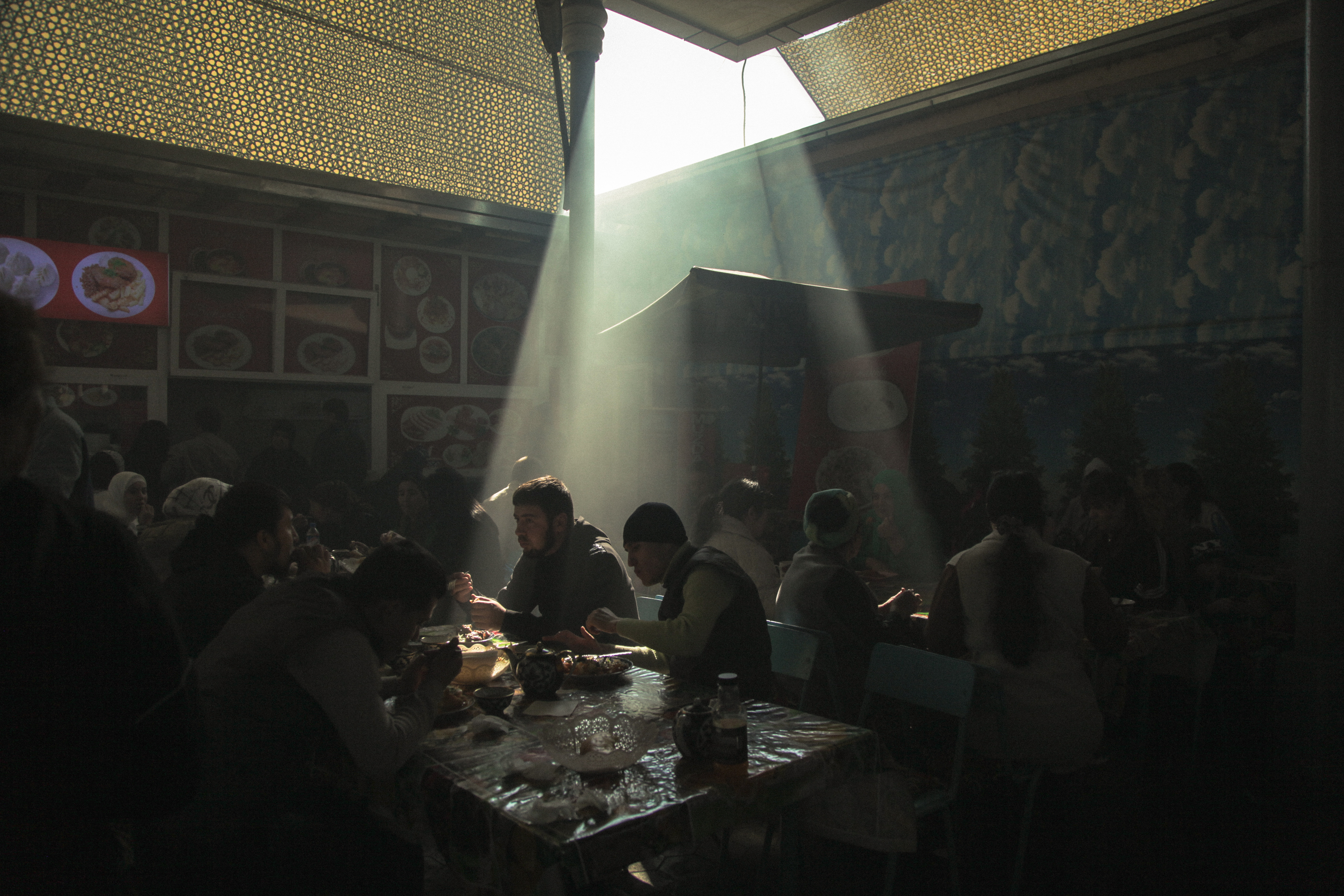
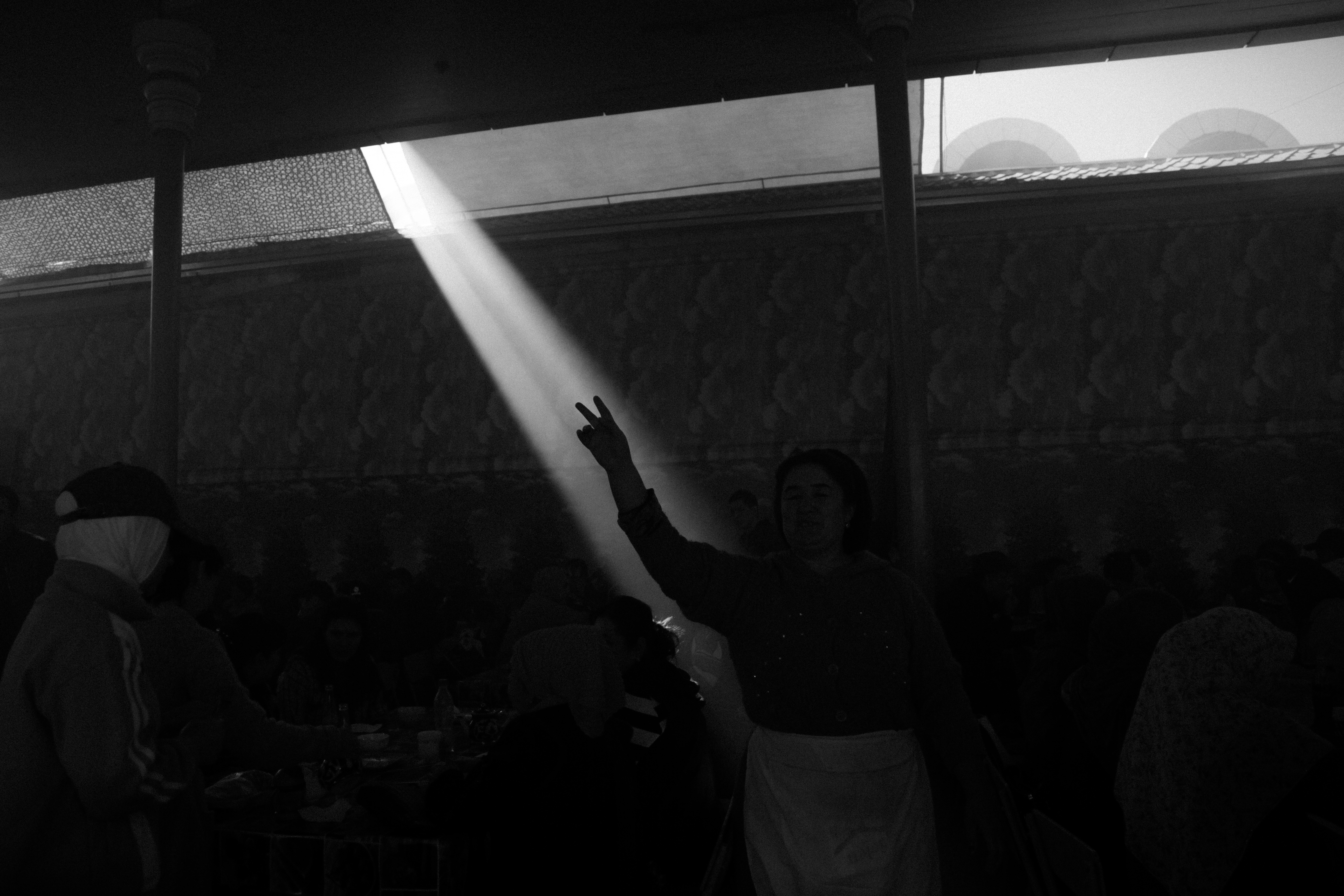
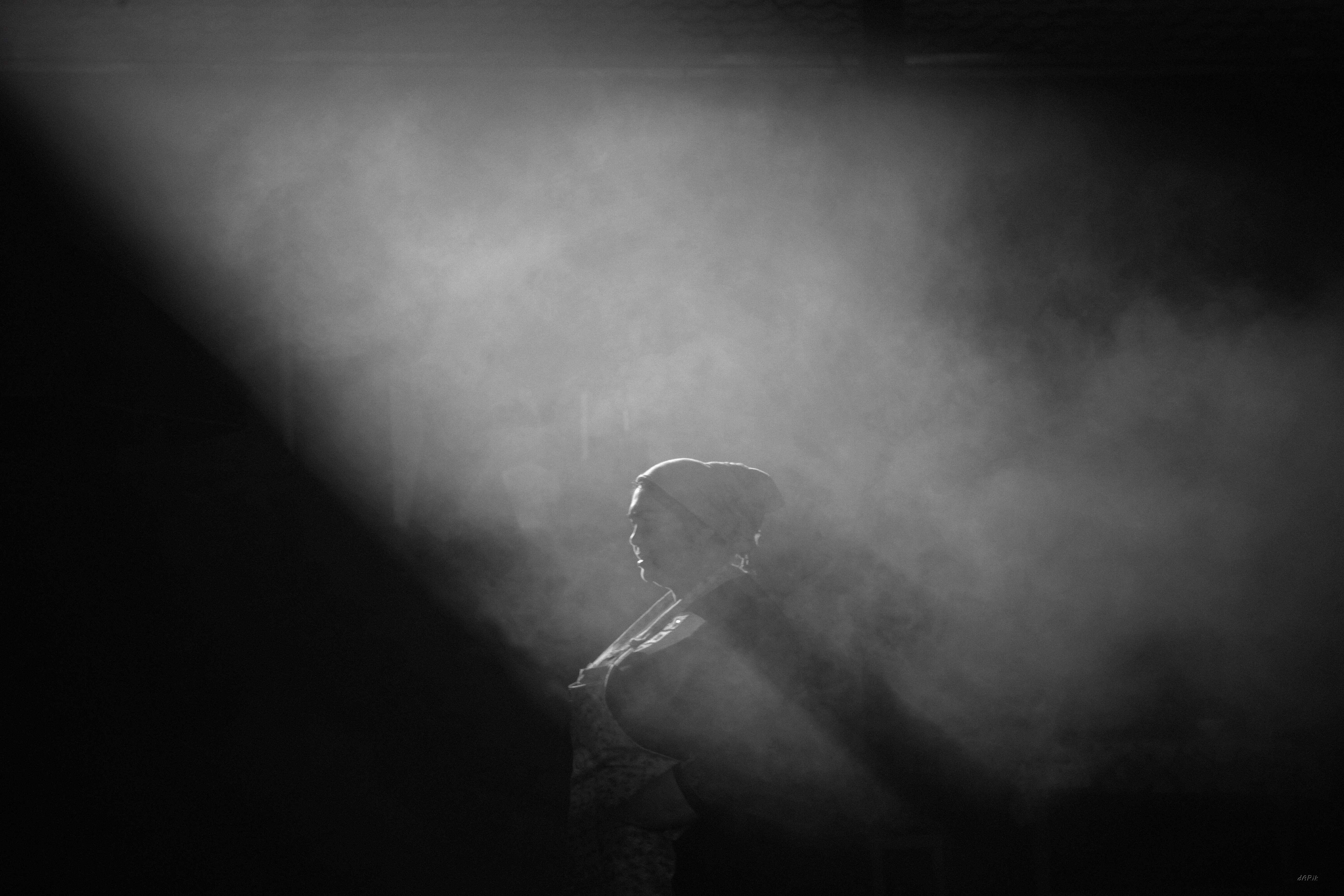
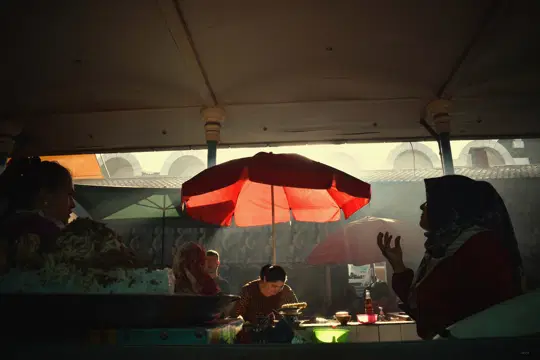
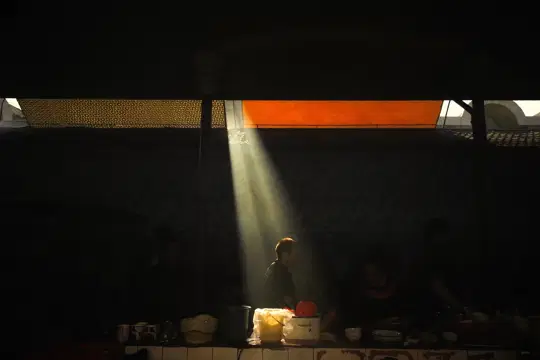
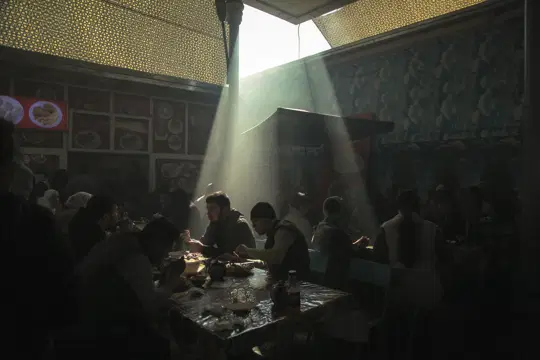
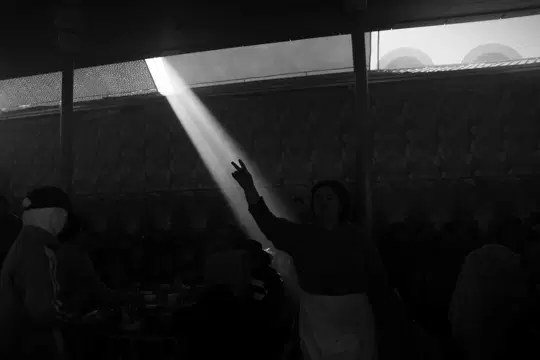
Nowadays, city residents come here not to discuss philosophical concepts, but rather to have a quick bite with their family or a group of friends, confident in the taste of familiar dishes. So, what remains in the 21st century from that ancient, original teahouse? One thing for sure: it is still a space of openness, acceptance, and tolerance… A place where you are welcome and where, along with hot tea, you will receive the warmth of hospitality, no matter where you're coming from or where you're headed.