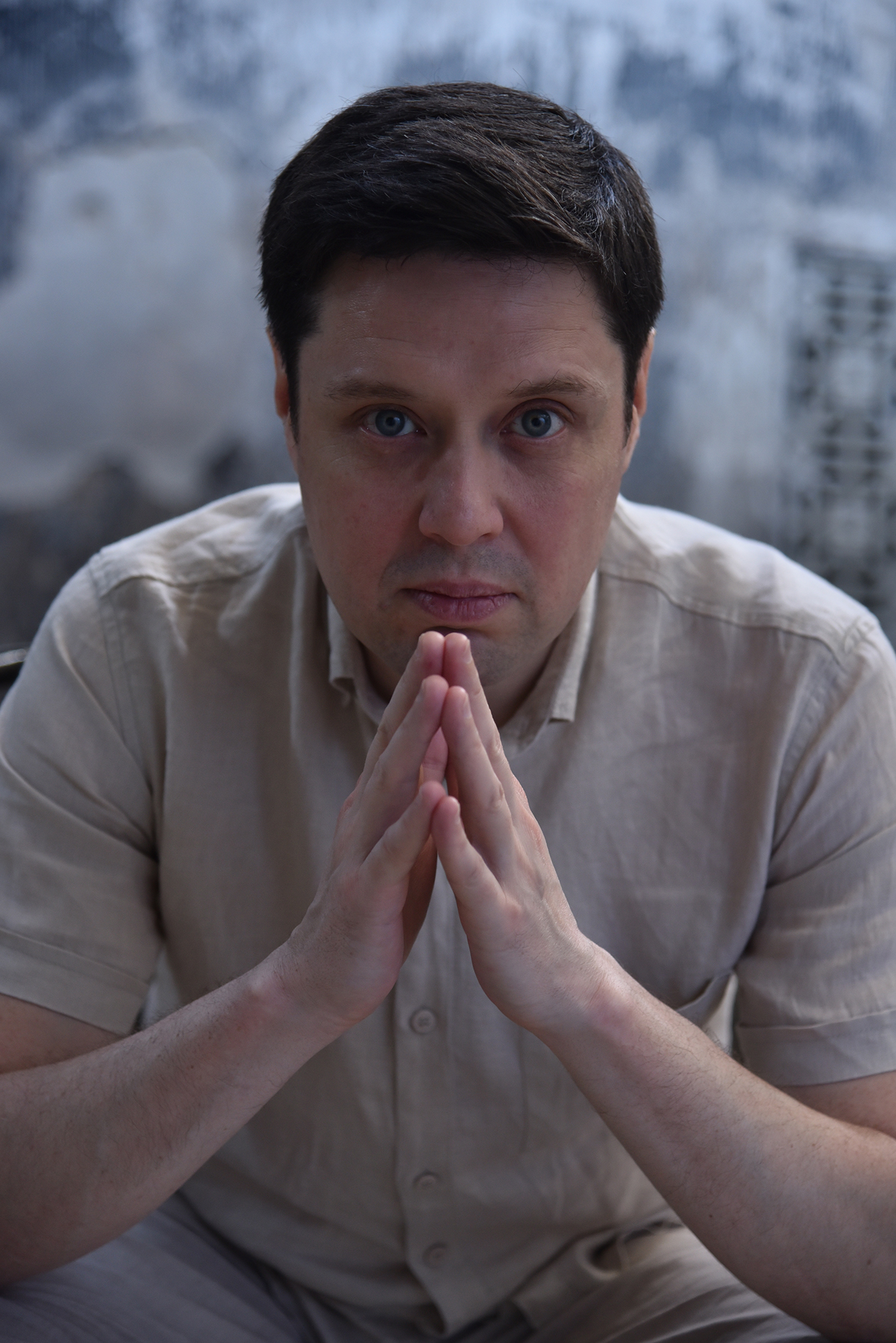
Bernar Nazarmukhamedov, known By the stage name Ben Zaplavski, has been part of it for many years. Technology, club culture and audience tastes have changed dramatically during that time, yet the essence of the profession has remained remarkably stable, because at its core lies one thing: a person's connection to music.
We asked Bernar Nazarmukhamedov to explain where the path of a DJ truly begins and what those considering the profession should understand from the outset.
 Bernard Nazarmukhamedov
"Music has been with me since childhood"
I wouldn't say that I see this date as some grand celebration. But for me it is a warm and meaningful day, because it serves as a worldwide reminder of the profession to which I have devoted myself. It is also an opportunity to meet close friends and happily play a charity set in support of children.
Many circumstances led me to this profession, and they began taking shape back in childhood. Music was always present in our creative family. I remember being six years old and already knowing how to switch on a vinyl turntable, carefully place a record without touching its surface, and gently lower the needle onto the spinning disc. Even then, I had begun to distinguish between different kinds of music: I could tell French chanson apart from jazz or classical works such as those by Wolfgang Amadeus Mozart.
Then came music school: seven years of piano lessons and a couple of years of classical guitar. In 1994, when I was fourteen, I first worked in the radio booth at a children’s summer camp, playing music at evening dances on an Elektronika-322 cassette recorder. At the time, I still had no idea what DJing or beatmatching were, while the first albums by DJ Bobo and Haddaway were playing everywhere.
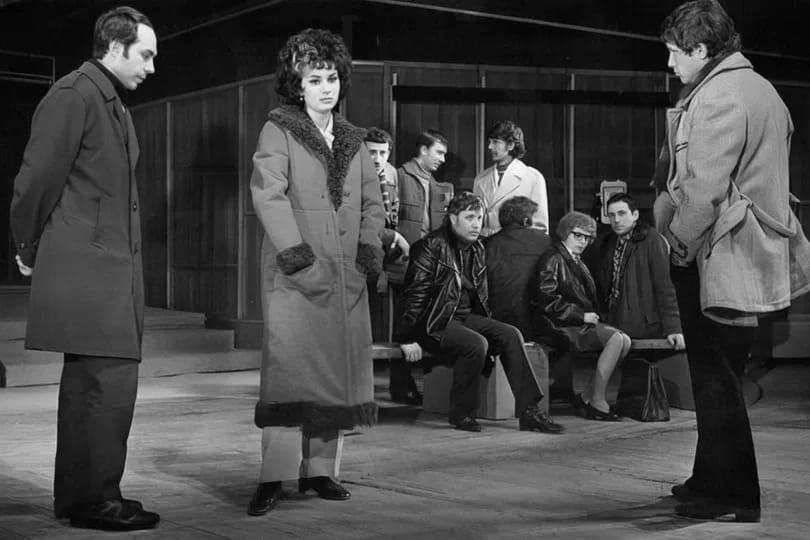
Later came the School of Dramatic Arts at the Ilkhom Theatre. We studied vocals and dance, took part in musical productions, and played percussion and piano. Music quite literally surrounded me from every direction.
All of this gradually shaped the qualities without which it is impossible to become a DJ: a sense of rhythm, timing, harmony and musical ear.
Bernard Nazarmuhamedov
Musical taste matters more than gear
There are plenty of myths surrounding DJing, one of them being that it all starts with gear. In reality, the foundation of the craft lies in the ability to listen and truly hear music.
Of course, I remember the moments that shaped my taste. One of them came in 1989, when Michael Jackson's album Thriller reached me. Since then, Billie Jean has never left me.
Turn it up and listen closely: not just to the song itself, but to its structure. Pay attention to the bassline. Notice how the pads come in, how the guitar enters, how the drum section is built. Listen to how the backing vocals work, and the individual vocal phrases. You will find yourself marvelling at how something so simple is simultaneously so brilliant, and that is exactly why this track still captivates millions of hearts to this day.
T he ability to hear the structure of a track comes with experience. The key is never to stop listening to music and analysing what exactly creates those “goosebumps”.
Another important point came later, in 1997, when I began promoting my first parties at Ilkhom. That was when I met my friend and mentor Gleb Deev, who revolutionised my musical consciousness. I discovered an enormous range of styles and, most importantly, learned to recognise harmonies that truly touch people and reach deep inside them. I realised there was not simply jazz, but Nu Jazz, Acid Jazz, Future Jazz and Jazz House; an entire universe of sound. Around the same time, CDs began to appear, and both my music collection and my musical awareness expanded significantly.
Bernard Nazarmukhamedov
Gear: What you need at the start
Naturally, the next question arises: what about equipment? Do you need expensive mixers, controllers or vinyl to get started?
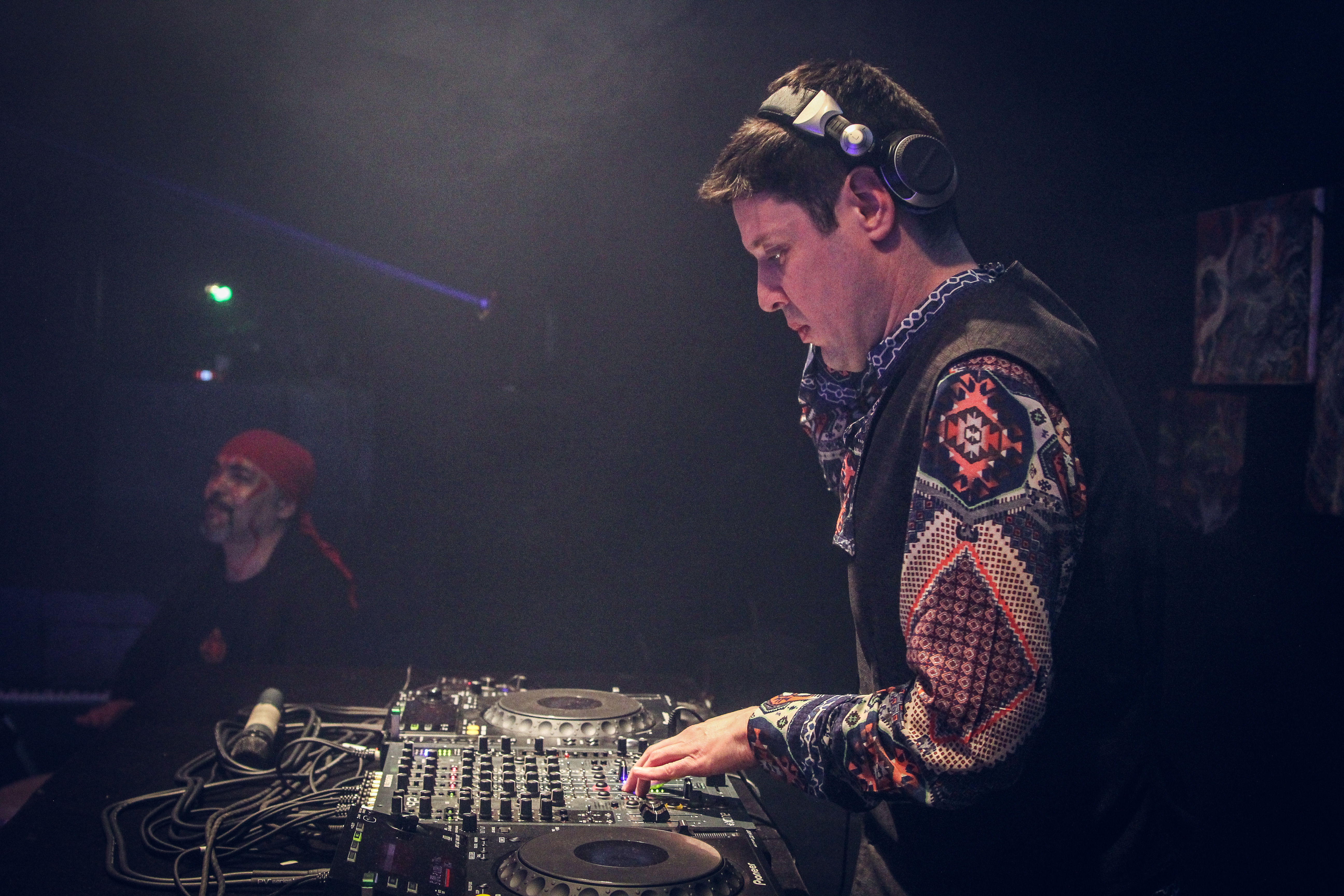
My first setup was a Behringer DJM-600 mixer and a Pioneer CDJ-200 player. That was where I learned to mix tracks. I had no mentor to explain how to set a cue point correctly, where to place the Low/Mid/High EQs or when to bring in the crossfader. I had to figure everything out on my own.
I spent hours watching DJs work in different clubs and then tried to repeat what I had seen, learning through trial and error. Of course, nowadays technology can do everything for me with a single press of the sync button, but I do not want to deceive either myself or the audience. I am inspired by creating through classic techniques, even on a controller.
Bernard Nazarmukhamedov
Today, starting out has become much easier: there are DJ schools with modern equipment, and many professionals teach students privately.
I also take on students from time to time. But it is simple: until you try it, you will never know whether this path is truly yours.
Bernard Nazarmukhamedov
Yet, the profession still retains its own romance. Vinyl, for example.
Some music is released only on records. You may hear it in DJs’ sets, yet it never appears digitally. I spent twenty years searching for one particular remix. It could only be bought on vinyl. Eventually, friends gifted me the record.
If you want to play vinyl, you need to constantly monitor record shops around the world and buy at least ten records a month to keep updating your playlist. After that, it simply becomes a matter of cost and delivery.
The accessibility of cheap digital music and the sync button has flooded the scene with competition. Many people now play for a pittance. But over time, audiences still begin to recognise genuine quality and taste. And only persistent, focused, daily work leads to results. Very banal, isn't it?
Bernard Nazarmukhamedov
The first club set
For many DJs, the first set is something they both eagerly await and deeply fear. After hours of practice comes, at last, the most unpredictable part of the profession: the audience.
I always prepare new sets. First I carefully compile lists and select tracks, and only then arrange the set according to dynamics and style.
Bernard Nazarmukhamedov
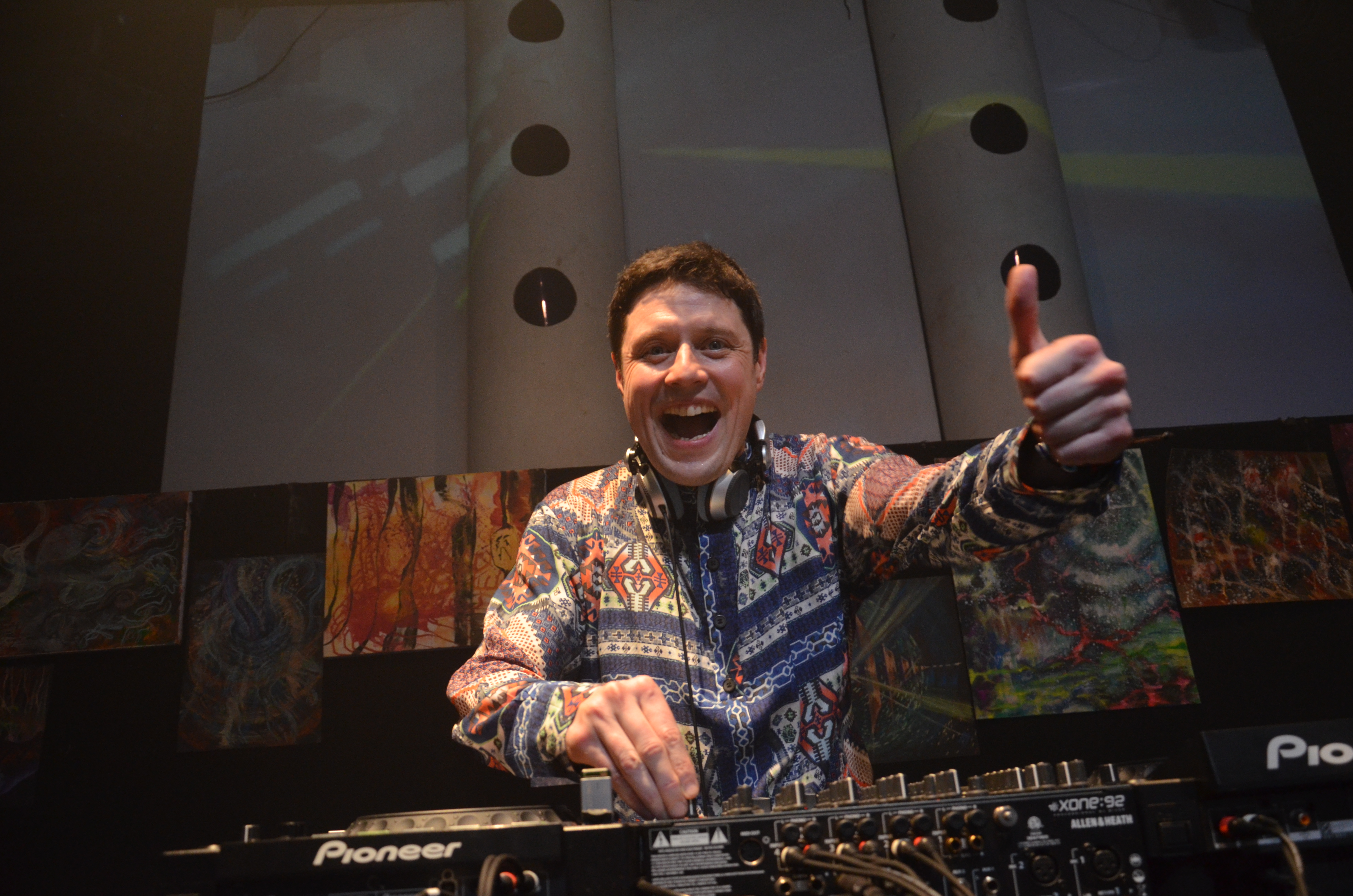
This means respecting dramaturgy: music has its own development, climax and resolution.
Despite all the preparation, there is always room for improvisation. A DJ has to watch the crowd, sense the atmosphere and read people’s reactions. You need to feel when a track “isn’t landing” and know how to transition away from it smoothly.
A set needs both rises and falls. You cannot spend two straight hours hammering people with hard techno. Even the most energetic set must include moments when people can catch their breath.
Bernard Nazarmukhamedov
The most challenging part of the profession
Instability, competition and constant emotional investment can eventually lead to burnout. And then the question arises: why continue?
Whether in theatre or music, everything for me rests on the belief that I create atmosphere, share beauty and spark thought. Through me comes a moment of immersion in bliss. A pure idea of beauty. The birth of inspiration through a light meditative state.
Immersion in dance through melody did not emerge yesterday. Our ancient ancestors entered musical trance states to cleanse the mind. Think about why you dance or simply nod your head to Techno, Drum’n’Bass, Funk, Disco or Melodic music.
Bernard Nazarmuhamedov
Even people who have spent many years in the profession experience doubts.
We are living souls, and there are rare moments of uncertainty. At such times, I return to the roots and to the masters. Today, there is a great deal of literature available on the origins of House and Techno. One of my favourite books is Electrochoc by Laurent Garnier. I highly recommend it.
Bernard Nazarmukhamedov
How the profession has changed
In recent years, it is not only technology that has changed in Tashkent, but the entire club scene itself.
Personally, I believe the reset happened around 2017–2018. A new wave of electronic music development began, and House and Techno started sounding entirely different.
At that time, my friend DJ Arthur Davidson and I decided to create a radio programme dedicated to electronic dance music. That is how Electro Esthetic Radio Show was born on Maxima 105.4 FM. Thanks to Arthur’s persistence, the programme still airs every Wednesday at 10 p.m.
Bernard Nazarmukhamedov
The next step was an attempt to unite different forms of art.
In 2019, together with a large group of musicians, DJs, experimenters and like-minded friends — Minas Connect, Potrvcheno and Farro Garsia — we organised one of the first festivals, United Underground / Ilkhom Electro Fest. It was there that I first combined electronic music with dramatic theatre. I now have several scripts written in this direction.
Bernard Nazarmukhamedov
Advice for beginners: Why it is important to keep moving forward
For many DJs, music production becomes the next stage. Ben Zaplavski arrived there gradually.
First came sketches on the piano, then learning a new DAW. Realising that, alongside DJing, you are gaining another profession is an incredible feeling. My first releases began appearing in early 2025. I feel most drawn to house music, though my genre palette remains quite broad.
I continue exploring the labyrinths of Ableton. There is still much ahead: discoveries, ideas and music. The goals and tasks are already outlined. The spirit is inspired, the movement continues — and I wish the same for everyone else.
Bernard Nazarmukhamedov
Why enter this profession?
If you remove money, nightlife and social media likes from the profession, what remains is the simplest and most important thing of all: music and the people who listen to it.
The desire to play favourite tracks for an audience, for people. The immense pleasure of seeing someone nodding in rhythm to a track I have played on air.
Bernard Nazarmukhamedov
And perhaps that feeling is exactly what keeps so many people in the profession even after years of work.
Through hardships to the stars!
Bernard Nazarmukhamedov
Ben Zaplavski's music is available at the link:

Celebrate DJ Day with HD Magazine and Ohang!