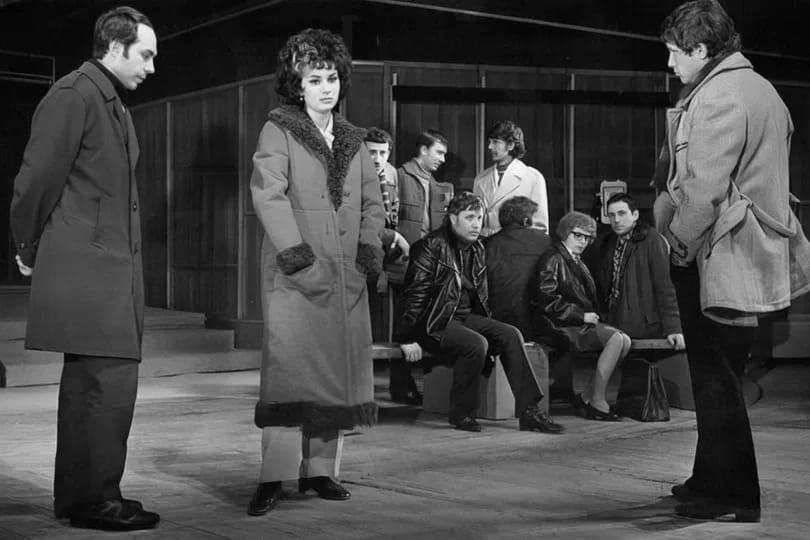
It is remarkable that in its 131-year history, cinema has generated an enormous number of professions. At the dawn of its existence, there were neither specialised schools nor a stable production system, and film itself was regarded more as fairground entertainment than as a visual art. Professional roles took shape gradually, as new challenges emerged, and for a long time the cinematographer was seen more as a technician than as an independent author of the image.
Cinematography ultimately shaped the language of cinema. In the Soviet tradition, which this article refers to, a key figure was Eduard Tisse, who began working with Sergei Eisenstein on Strike and went on to shoot all his films. This experience became part of a broader school. As early as 1923, the cinematography faculty opened at VGIK, and early production practices began to evolve into a structured educational tradition. The perception of the shot grew more complex: the camera ceased to passively record events and began to participate in the film’s dramaturgy.
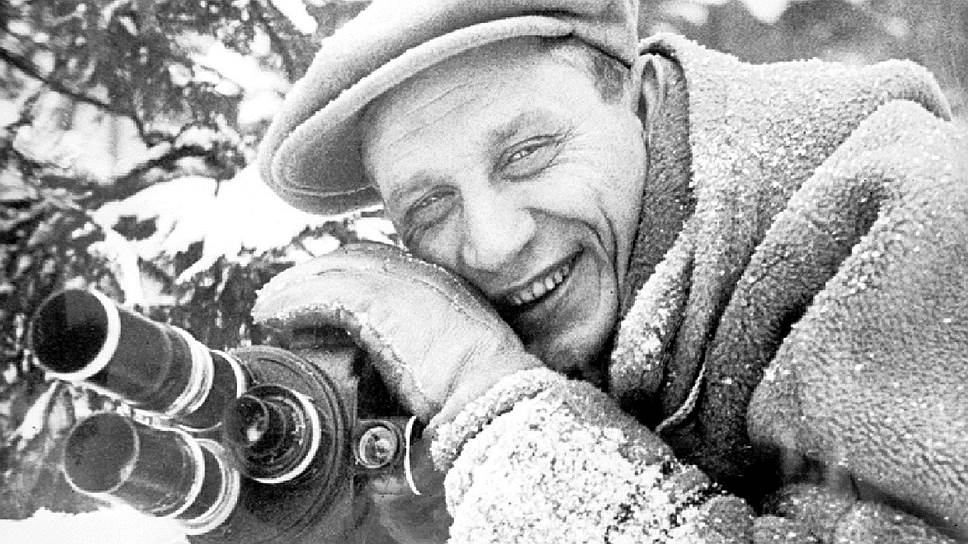 Eduard Tisse. Session
It was enthusiasts, driven by curiosity, boldness, and practical necessity, who explored this uncharted territory, while professional responsibilities expanded organically as new tasks emerged. Still, leaving historical background aside, this article is shaped by contemporary voices, cinematographers working in the industry today.
It is important to remember that cinema is a collective art, a complex mechanism in which every part determines the final result. Our Community section aims to make visible the work of each element within this process. We seek to assemble a picture of the industry through the voices of those behind the lens, quite literally, behind the camera.
This piece is based on conversations with cinematographers Ulugbek Khamraev, Bakhodir Yuldashev, and Boris Litovchenko. Each has followed a distinct professional path, making this collective portrait all the more compelling.
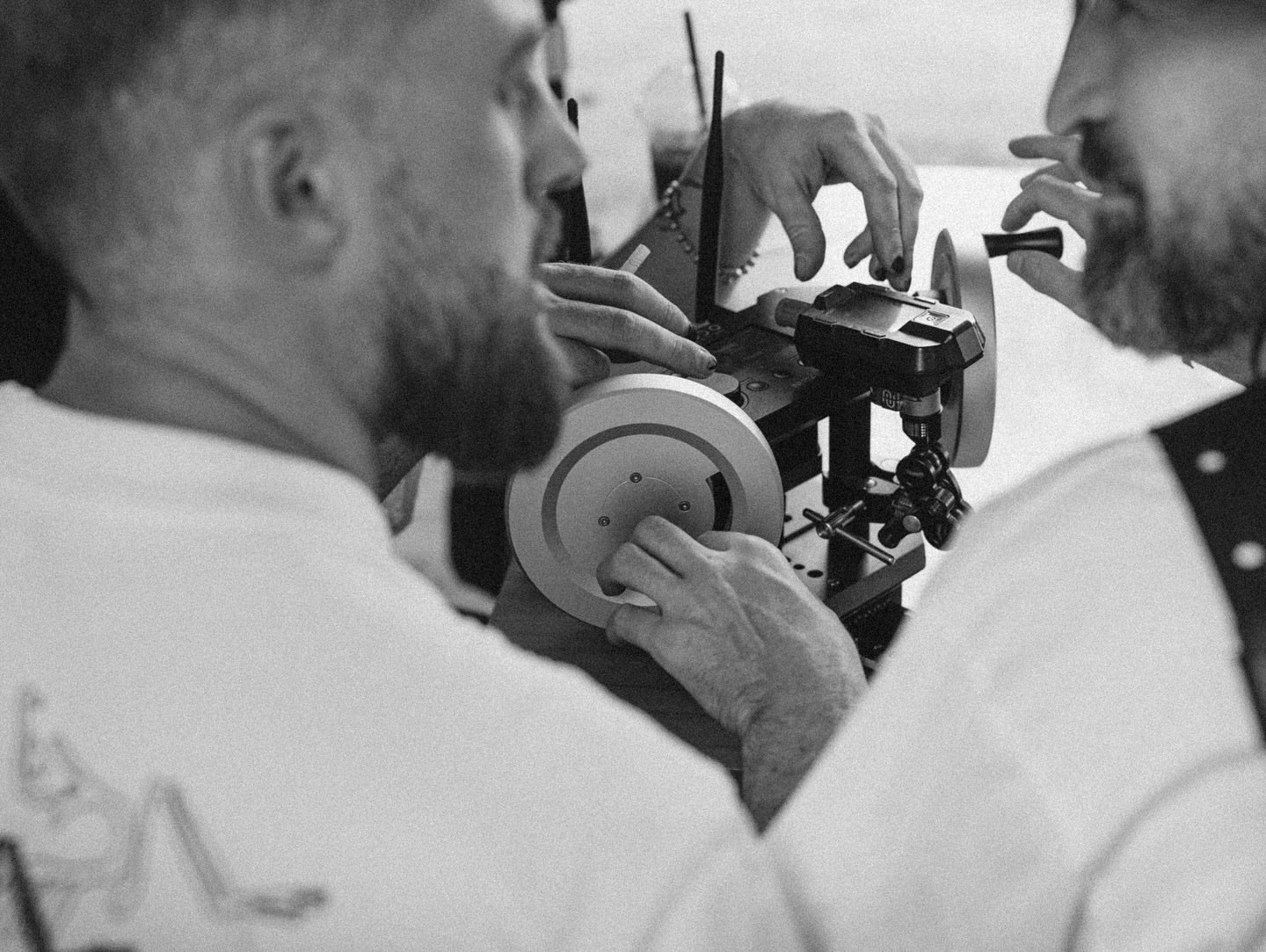 Photo: Azamov Ibragim, Abstract (instagram account)
The People Behind the Camera
Ulugbek Khamraev, an Uzbek and Russian cinematographer, is a graduate of the cinematography faculty at VGIK. He began his career in Uzbekistan at Uzbekfilm before moving on to Russian and international projects, working on commercials, music videos, feature films, and TV series. He is best known to wide audiences for his work on the TV series Silver Spoon (Rus: Mazhor), Klim, Trotsky, The Vampires of Midland (Rus: Vampiri Sredney Polosi), and a number of other popular projects from the 2010s to 2020s. For his cinematography in Silver Spoon (Rus: Mazhor), Klim, and Trotsky, Khamraev has repeatedly received awards from the Association of Film and Television Producers (AFITP).
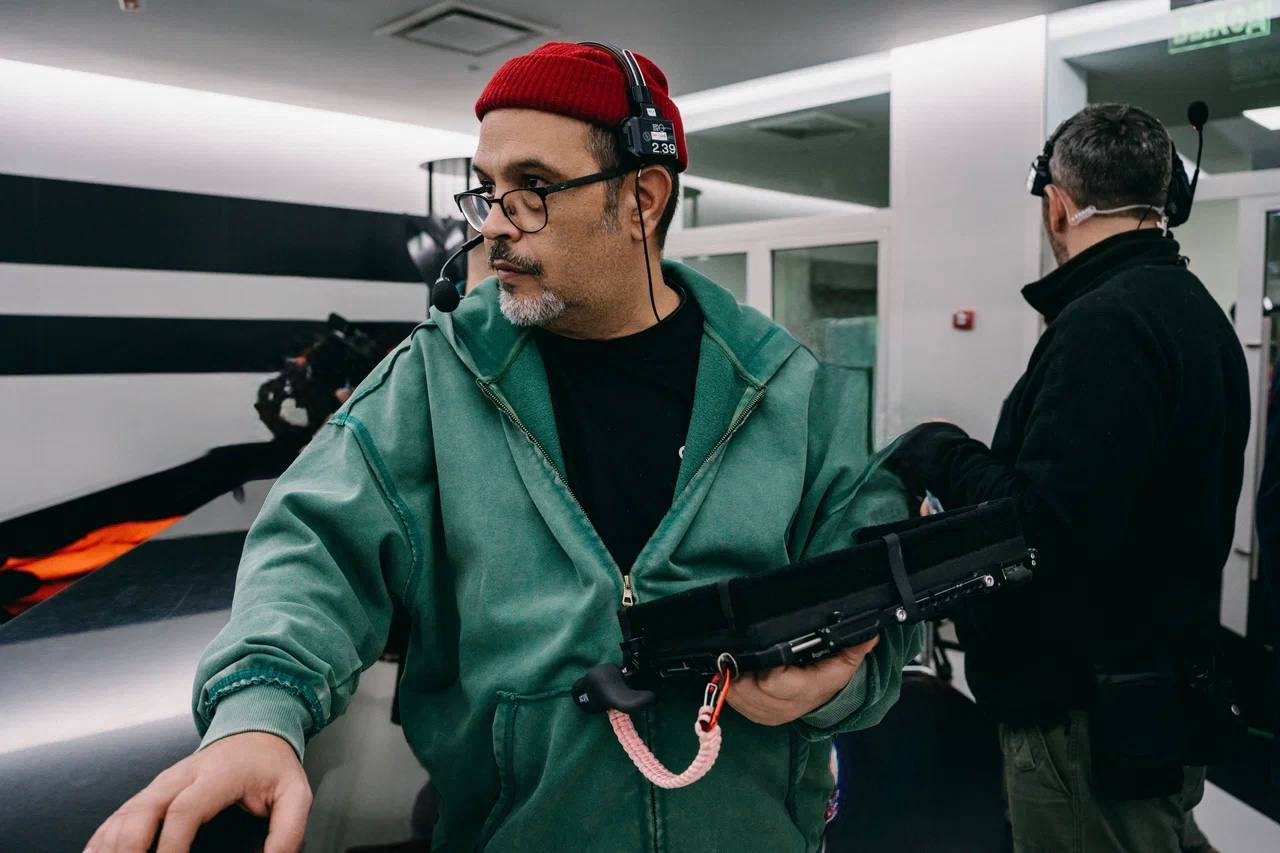 Ulugbek Khamraev
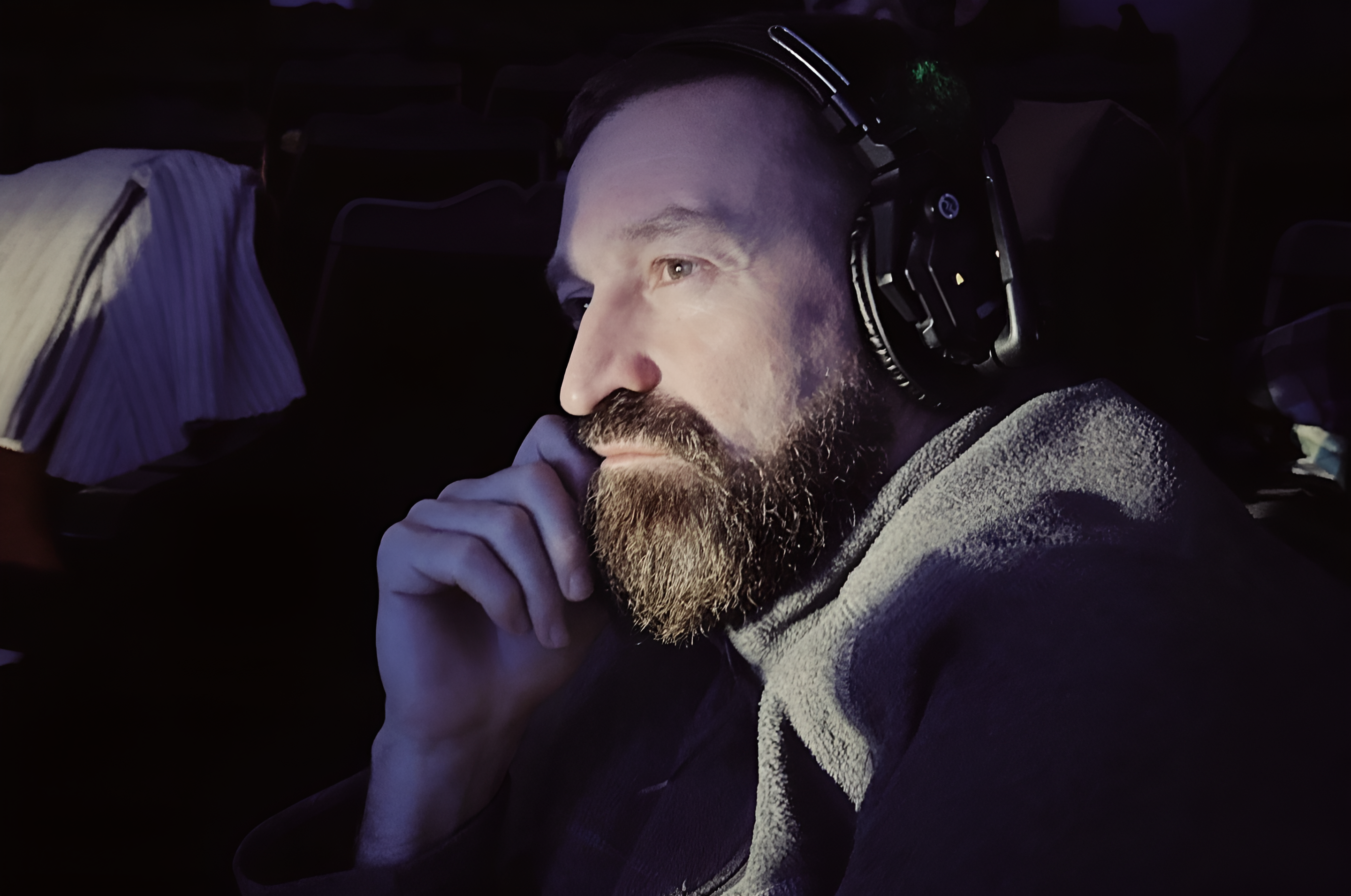
Boris Litovchenko is a cinematographer whose career is linked to auteur and genre cinema as well as international projects. His notable recent works include the space drama Challenge (Rus: Vyzov) and the romantic comedy Love Does Not Love (Rus: Lyubit ne lyubit). In Uzbekistan, Litovchenko has shot two feature films, one of which, Pakhta directed by Rashid Malikov, earned him the award for Best Cinematography at the Oltin Humo awards.
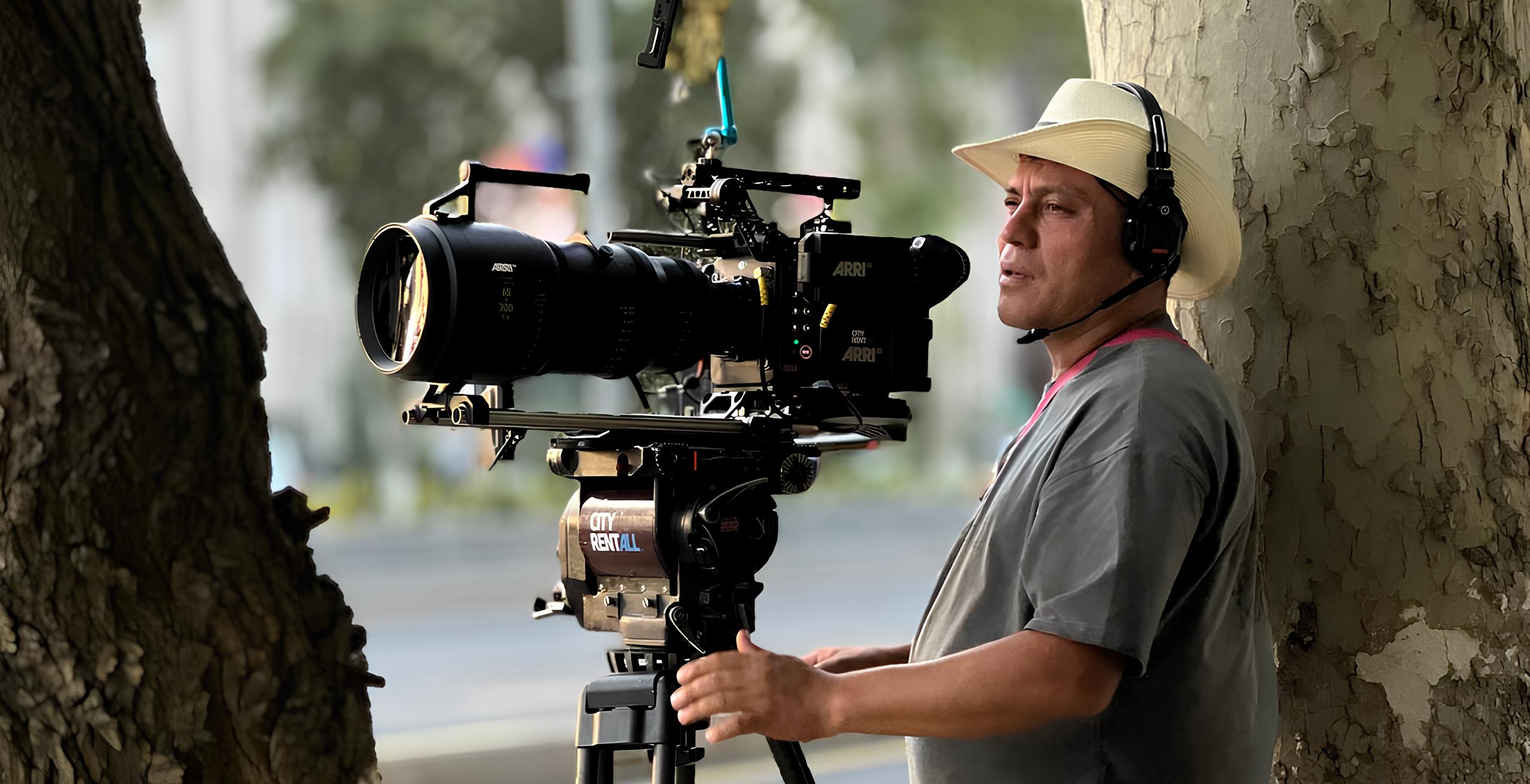
Bakhodir Yuldashev is a cinematographer and director whose career is largely associated with TV series and television formats. His portfolio includes Sun Tastes Like (Rus: Solnce Na Vkus), Fizruk, One Call Bar (Rus: Bar “Odin zvonok”), Offside, and On the Sunny Side of the Street (Rus: Na Solnechnoy Storone Ulitsi). Yuldashev has extensive experience working on Russian TV series, where he developed a personal approach to speed, discipline, and maintaining visual quality under tight schedules.
Chronology, System, the Soviet School
Any discussion of the current state of cinema requires understanding its historical context. Chronologically, our starting point is Uzbekistan’s independence. The filmmakers we spoke with began their careers or studies right at this turning point.
Ulugbek Khamraev recalls that after the collapse of the Soviet Union, the industry found itself in a state of rupture, as the old centralised financing system ceased to exist while a new one had yet to take shape.
After the collapse of the Union, no one really understood how to build a new system, how to finance cinema, or how to restructure it. As a result, film studios were left largely on their own. In the 1990s, a severe crisis began, and many people simply left.
Ulugbek Khamrayev
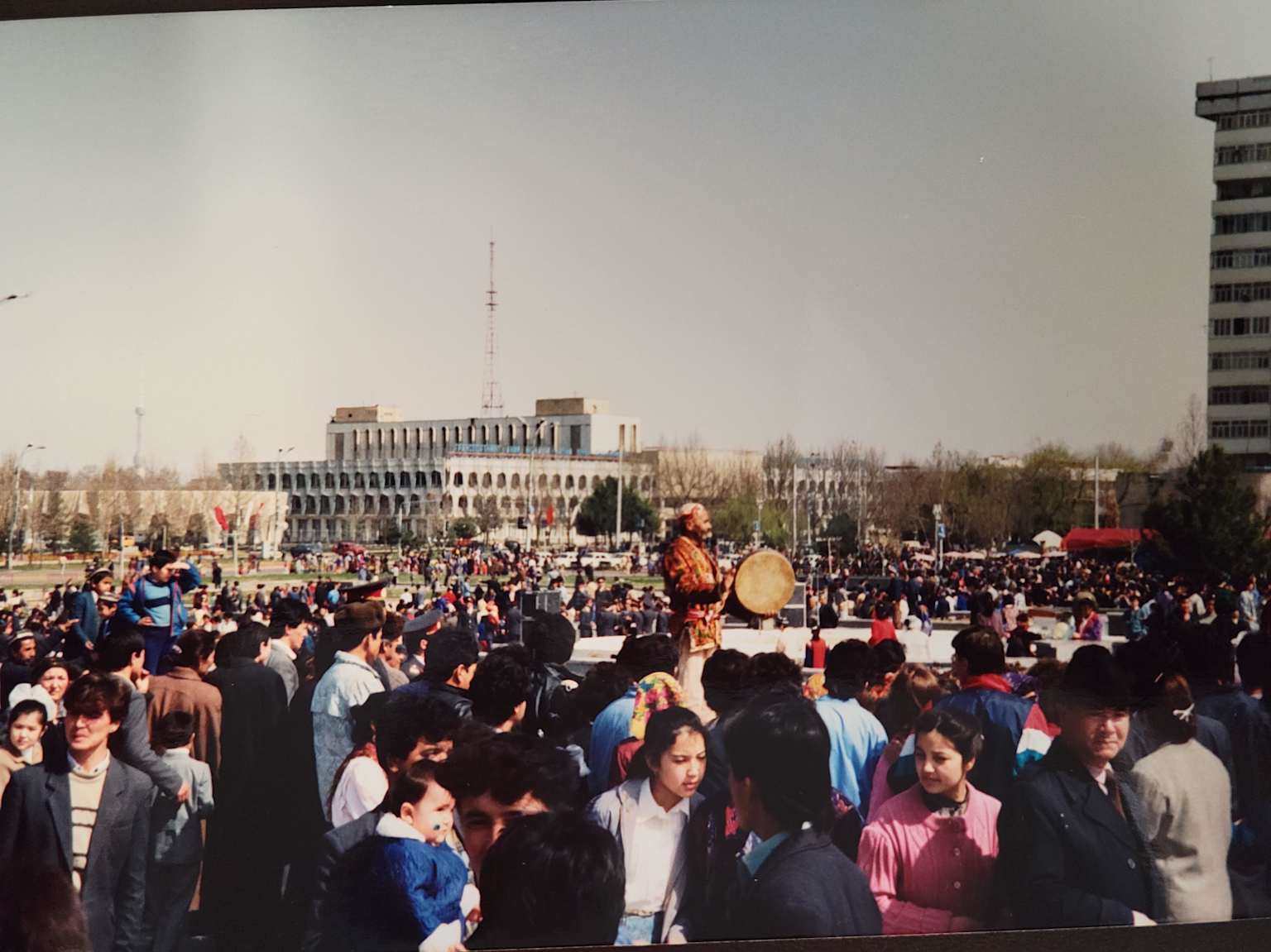 Tashkent, Uzbekistan in 1992. Caspianpolicy
This institutional break changed not only production methods but also the position of the individual within the profession. The collapse of the previous system was not only an economic challenge, but also a professional one. The industry, technologies, and production rhythms were changing, yet the fundamental principles of cinematographic thinking remained.
Over the past 15–20 years, cinema has changed dramatically, with production accelerating, approaches shifting, and digital technologies making the profession more accessible technically. But the most important thing remains the same: in every shot, the cinematographer must leave their own perspective, their own thought, and their own understanding of the image. What defines true work is not camera movement itself, but the depth of visual thinking.
Bakhodir Yuldashev
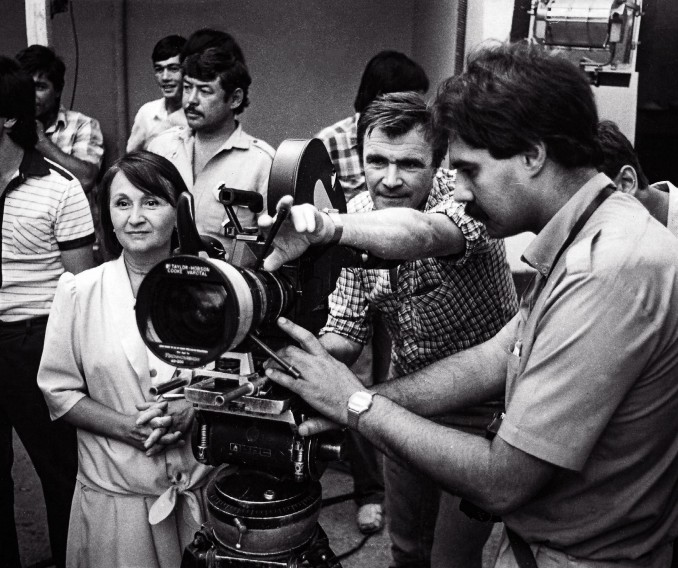 Kamara Kamolova. Cinema Archive
Here it becomes important to speak about the “school,” above all the professional way of seeing shaped by the Soviet tradition. The Soviet legacy in cinema is not limited to industry structure, its financing, or its crises; it lies in understanding the type of professional it produced and its defining internal philosophy. What exactly distinguished the Soviet tradition of cinematography, and why does it continue to attract renewed interest today?
When I was starting out, it seemed that the Soviet cinematography school lagged behind the West. Over time, I realised that in many ways it was the opposite. Its strength lay in the level of education, as cinematographers were expected to know literature, painting, and art in general. This formed a particular intellectual refinement within the profession.
Today the industry is faster and more pragmatic, and it often lacks that inner richness. Rewatching old films, especially Uzbek ones, I find myself increasingly thinking about how beautiful they are, and how subtly the presence of art is felt within the frame.
Ulugbek Khamrayev
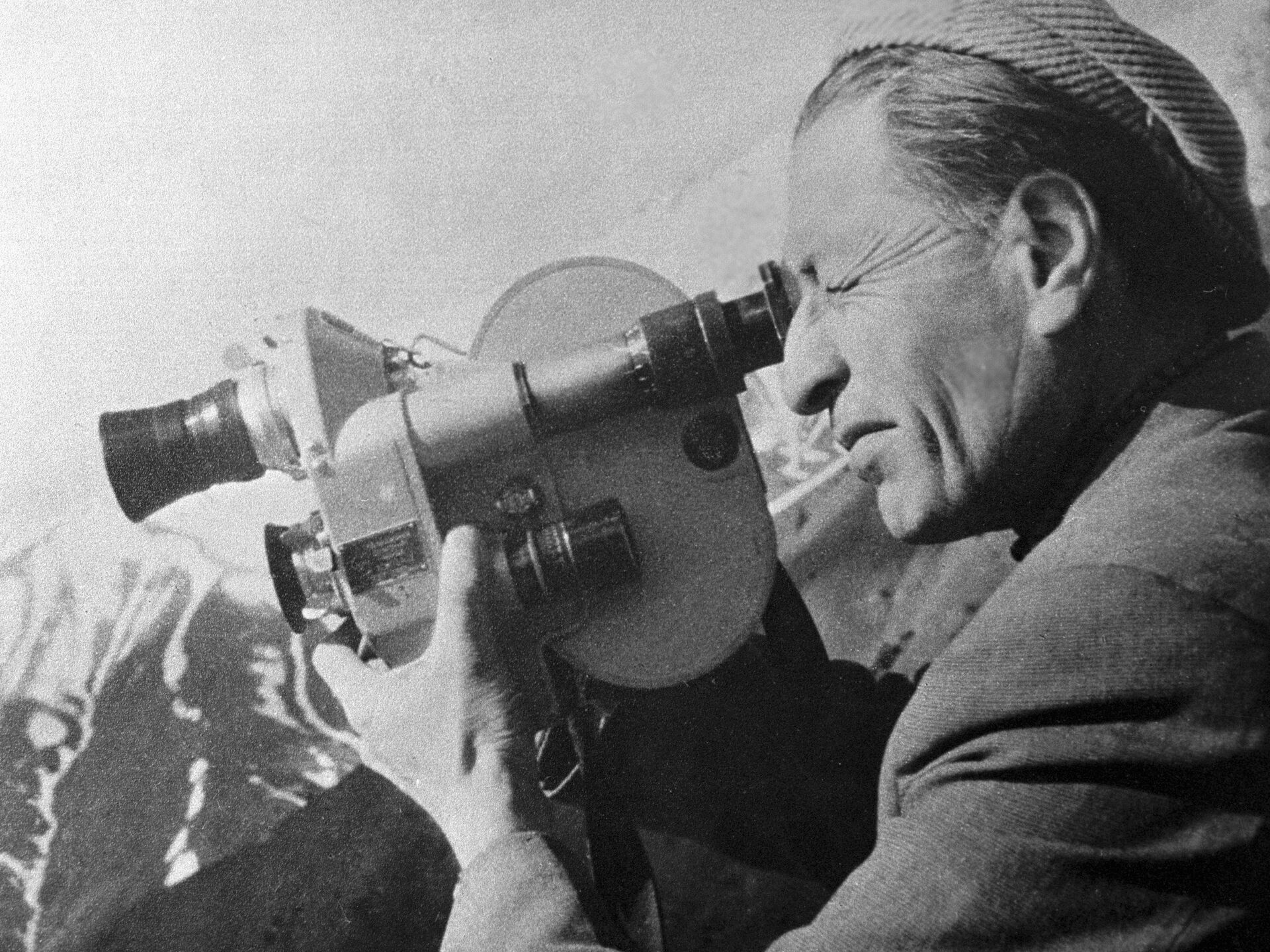 Malik Kayumov, Soviet cameraman. Cinema Archive
Is Cinema a Universal Language?
Cinematography is one of the key forms of cinematic language. Through composition, light, angle, camera movement, and spatial organisation, it shapes the viewer’s experience of the story.
Cinema is a universal language. I have worked with filmmakers from many countries as a director of photography, and as a second and third camera operator on international projects. In all that time, I have never felt that cinema is “made differently” anywhere. There are nuances such as budget, team structure, and technical capabilities. In Uzbekistan, a crew might consist of 30–40 people; in Moscow, 80; in Hollywood, 150–200. But that is a matter of scale and resources, not language. The cinematic language itself is the same everywhere.
When I travelled to shoot in other countries and worked with entirely local camera crews, we never encountered any barriers or misunderstandings. That’s because the principles of the profession are universal. The difference lies only in how well processes are refined. Where the industry is more developed, complex tasks are executed almost automatically.
For example, when we were filming an action scene involving a bus overturning, it was a first-time experience for one of the crews, and we had to do multiple takes, analyse mistakes, and account for dozens of details. A Hollywood team given the same technical brief delivered a finished solution within a couple of hours, simply because they handle such scenes on a regular basis. That is where the difference lies: in experience, scale, and budget. But the language of cinema itself is one and the same. And it is understood everywhere.
Bakhodir Yuldashev
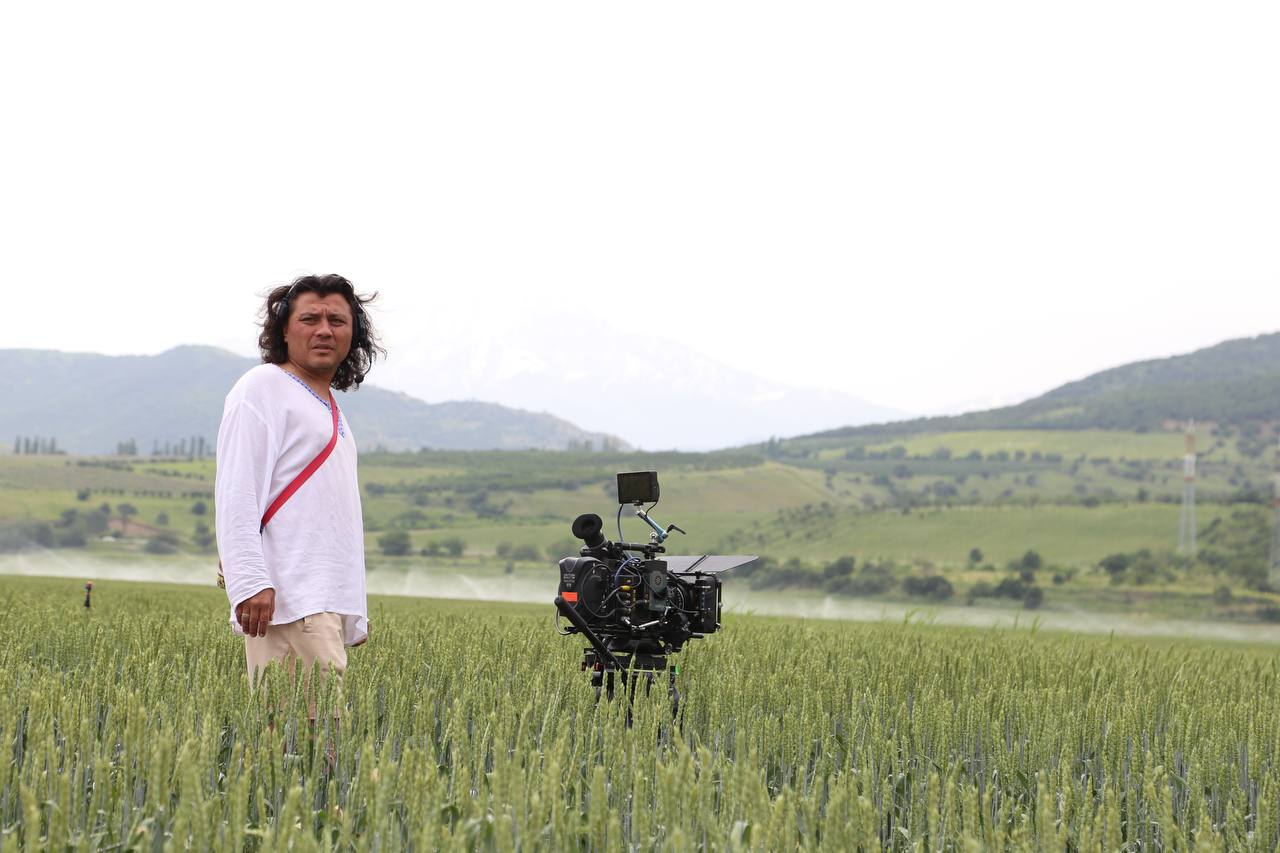 Bakhodir Yuldashev
Genre as a Space for Freedom
We set out to reflect on genre, since it is precisely within genre that a cinematographer’s craft becomes most visible. The director is responsible for dramaturgy and the overall statement, while the cinematographer shapes the form through which that statement becomes visible. The image must not only correspond to the logic of the story, but also enhance its emotional tone.
For me, it is easier to move between genres than it is for a director, as I have slightly more freedom here than one might expect.
Boris Litovchenko
Freedom is not limitless. A visual solution must remain within the logic of the film and not conflict with the script, the actors’ performances, or the mise-en-scène. At the same time, for a cinematographer, the differences between genres are not only formal, but also psychological.
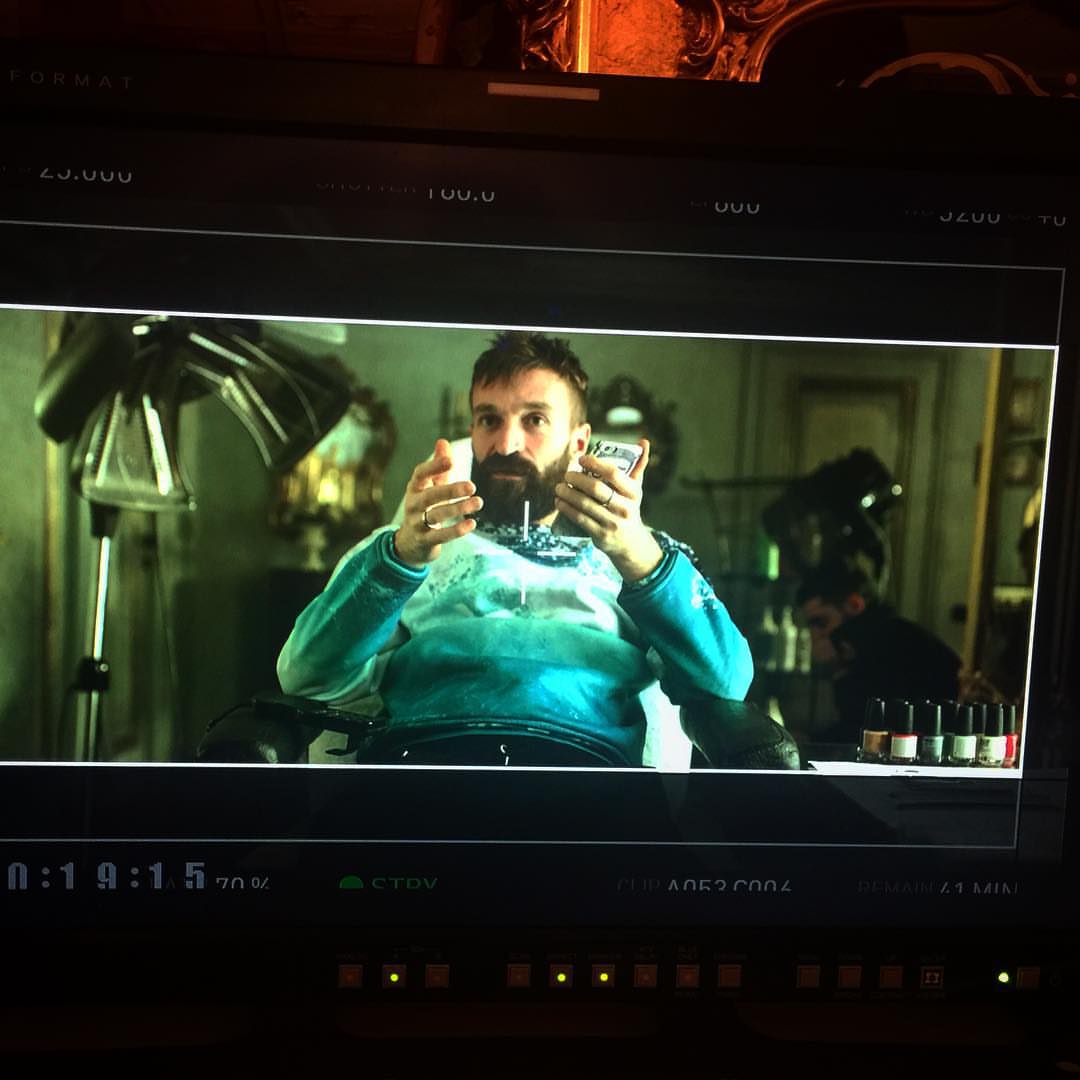 Nadezhda Ilyukevich (lemonadya instagram)
Genre conventions are not dogma. They can be broken, but only when this is justified by the material itself. As Boris Litovchenko notes, the image does not exist independently of the script. If a visual style does not organically grow out of the text, it begins to work against the film. A telling example of such a deliberate subversion of genre expectations is Ari Aster’s Midsommar, a horror film set in almost blinding daylight.
It is obvious that a comedy shot in near darkness, like a horror film, is unlikely to work. We once tried to borrow Wes Anderson’s visual style, but realised that it simply did not suit our script. His films are written so that the image grows organically out of the text. With comedies, I think, there are slightly more constraints, because cinematographers are naturally drawn toward light, contrast, and atmosphere, whereas comedy often requires lightness and joy. At times, that can feel a bit less engaging, perhaps because I am simply not particularly good at it.
I have a romantic comedy that I’m very fond of, Love Does Not Love. We shot it in St Petersburg, Paris, and Moscow. At the time, I was more inclined towards drama and was even somewhat dissatisfied to be working on a comedy. But now, looking back, I realise it was a great experience. You always start from the script, from the actors’ performances, from the scene itself.
When you convey pain and drama, you tend to feel more, think more, and doubt more. Comedic techniques, in many ways, are more straightforward. In any case, there is always the “bible,” the script. Everything ultimately grows out of it: the actors’ performances and the scene.
Boris Litovchenko
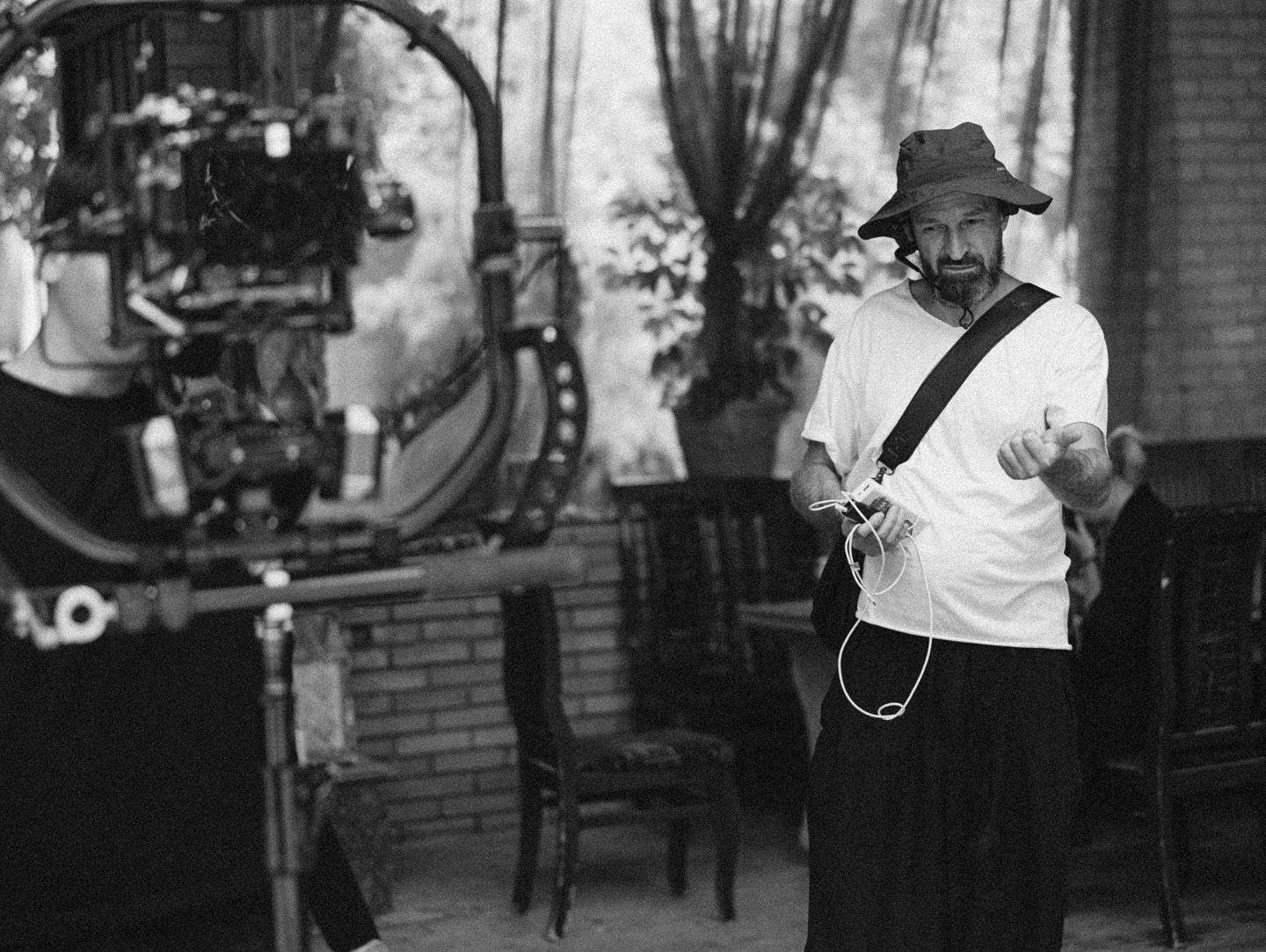 Boris Litovchenko. Photo: Azamov Ibragim, Abstract (Instagram account)
The Age of TV Series
Bakhodir Yuldashev is well known for his work in serial formats. We asked what distinguishes this specific field:
Working in series teaches discipline. In practical terms, it means an accurate assessment of your own capabilities. You stop “reaching for the stars” and begin to clearly understand what you can realistically achieve within a given shooting day. Time pressure arises when there is no preparation. If you find yourself on set scratching your head, trying to figure out what the next shot should be, you are already behind schedule.
Bakhodir Yuldashev
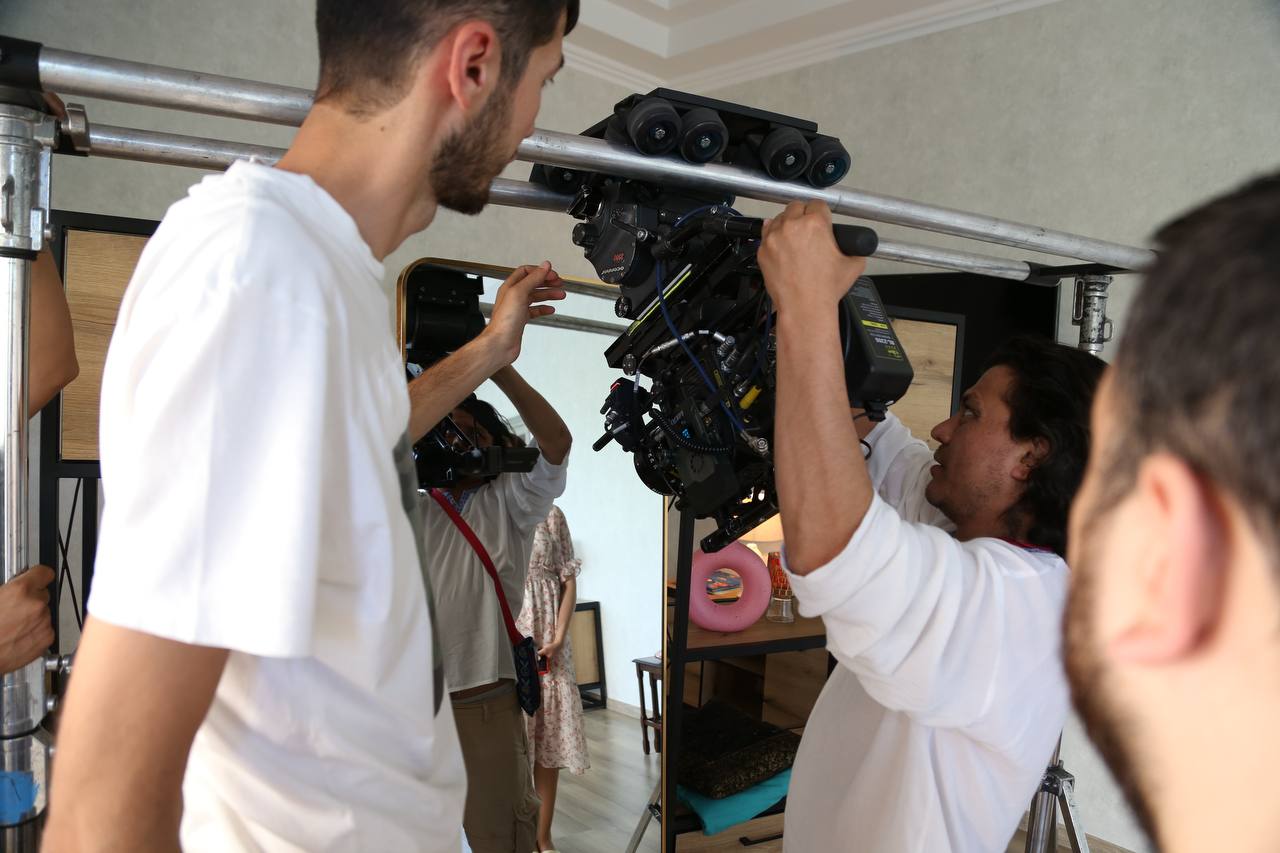 Bakhodir Yuldashev
Working in Tandem with the Director
The history of cinema offers many examples of creative partnerships in which a director’s style is inseparable from the cinematographer’s vision. Jean-Luc Godard and Raoul Coutard together shaped the visual language of the French New Wave; Mikhail Kalatozov and Sergei Urusevsky radically expanded the expressive possibilities of Soviet cinema; Ingmar Bergman and Sven Nykvist perfected the psychology of light and the close-up.
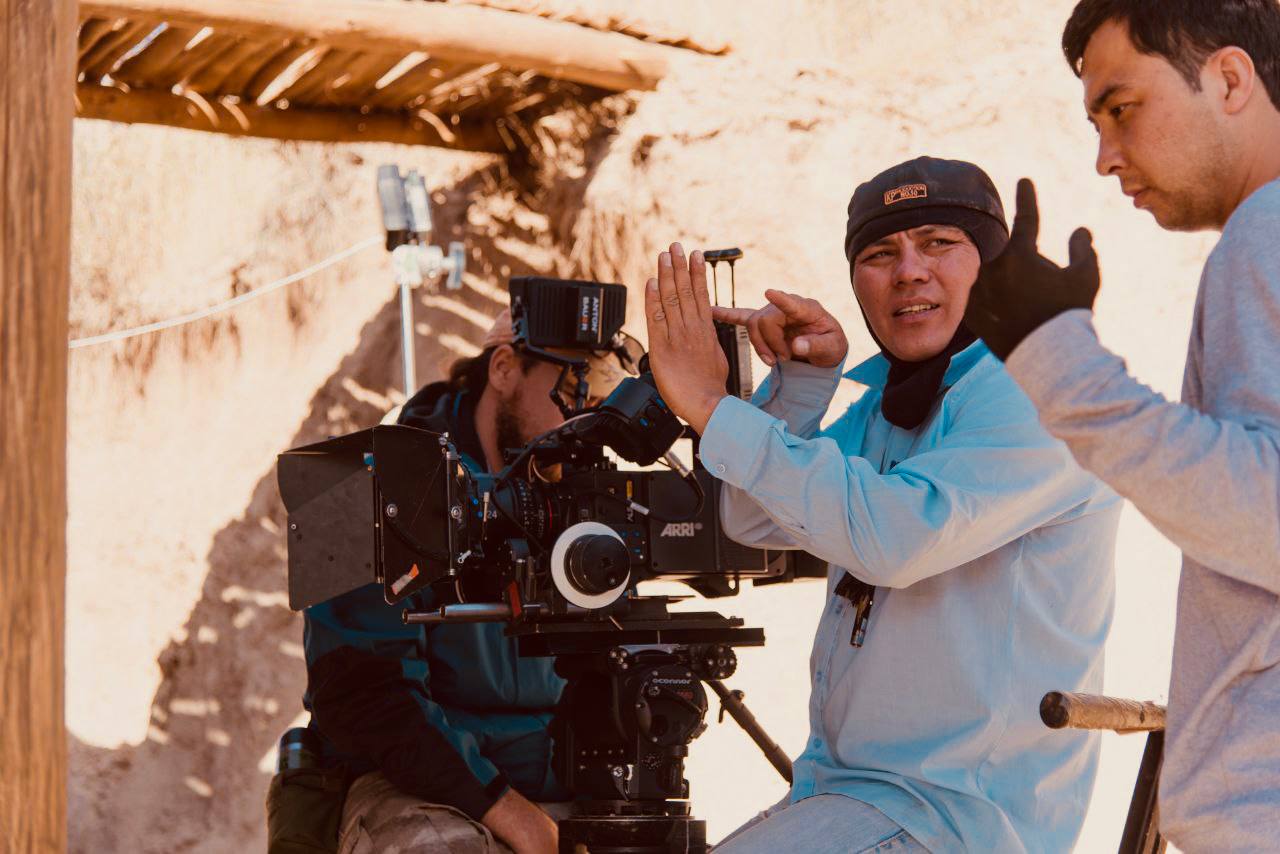
I begin everything in pre-production. I insist that the director and the team remove anything unnecessary from the script while it is still on paper. Everything that can be cut should be cut in advance. Excess is lost shooting time. Then comes blocking, a top-down scheme of the scene, and a precise understanding of the number of coverage shots required. I immediately assess whether we are on schedule. If not, I say so honestly to the director.
We sit down and determine what matters most. I always have a “minimum program” and a “maximum program.” We shoot the minimum first: the key shots without which the scene does not work. If time remains, we move on to the maximum. This way, speed stops being the enemy and becomes a tool of discipline. The key is to have the scene in the can by the end of the shooting day.
Bakhodir Yuldashev
Systemic Problems and a Crisis of Ideas
As is often the case in the cultural environments, there are persistent constraints that affect both individual creators and the process as a whole. Broadly speaking, these challenges can be divided into conceptual and practical ones. The former are more intangible: the difficult and often unclear path to visibility, to making one’s voice heard by a wider audience. The latter, by contrast, are very concrete, the primary one being budget.
Any discussion of cinema inevitably comes down to resources. Within these very tangible limitations, one might even envy writers and artists: their ideas can be realised with relatively modest means, and their imagination is not constrained by the availability or cost of technical equipment.
In our conversations with the cinematographers, professionals whose work is directly tied to technology and expensive equipment, these issues were impossible to avoid. It will hardly surprise our reader to hear that the main barrier in the industry is budget, but it is a reality that cannot be left unspoken.
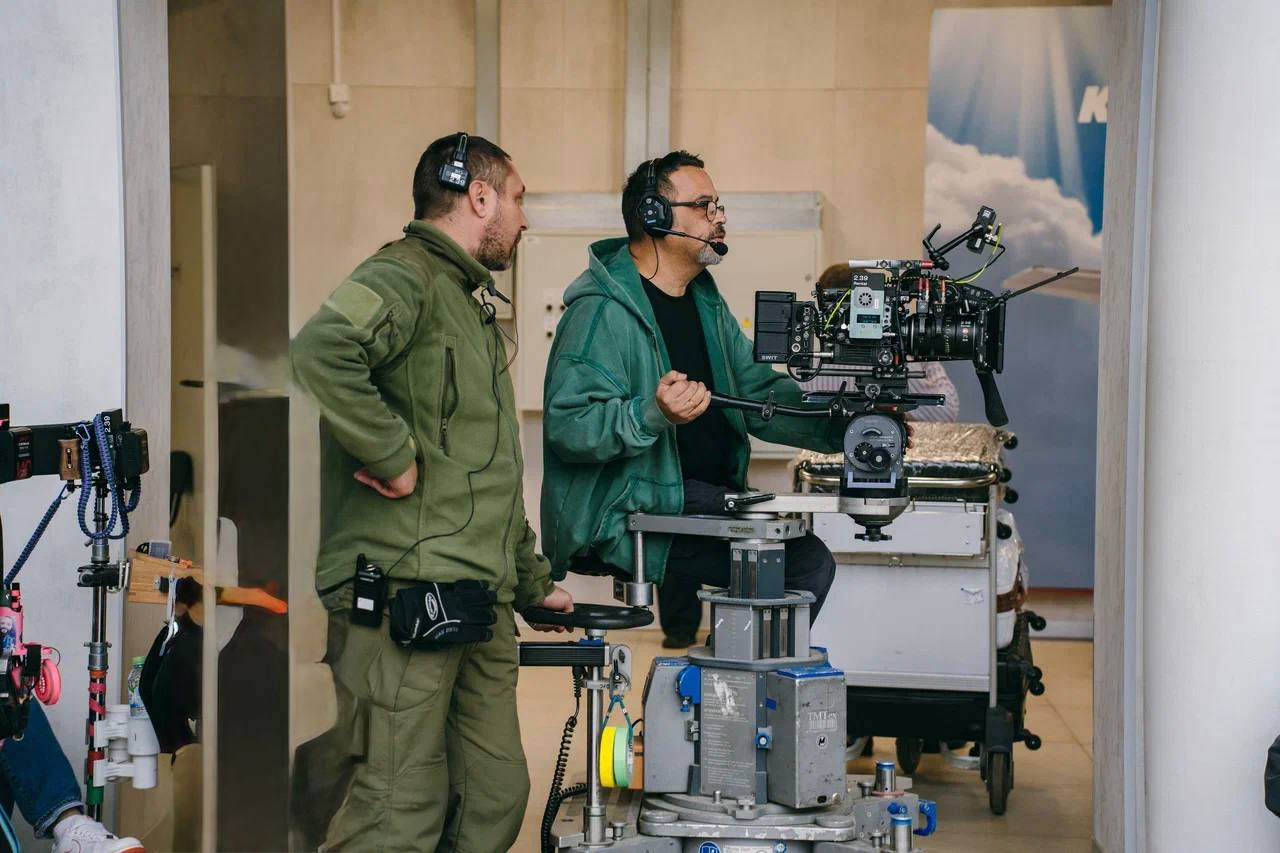
The main difficulty is the budget. Both the director and the cinematographer strive for something unique. But when it comes to technical execution, the producer often says “no.” If a complex shot is not backed by sufficient resources, I simply don’t shoot it. Attempting to realise a serious idea with improvised means often turns into a poor imitation. It neither strengthens the film nor enhances your portfolio. It is a compromise for the sake of illusion. I have a rule: if a technical solution is not approved, the shot doesn’t happen.
Ulugbek Khamraev
The main constraint in cinema is money. I have never worked on a single film that did not have financial problems, even those with very large budgets. I know people who have shot films in space, and even there they ran into funding issues.
Boris Litovchenko
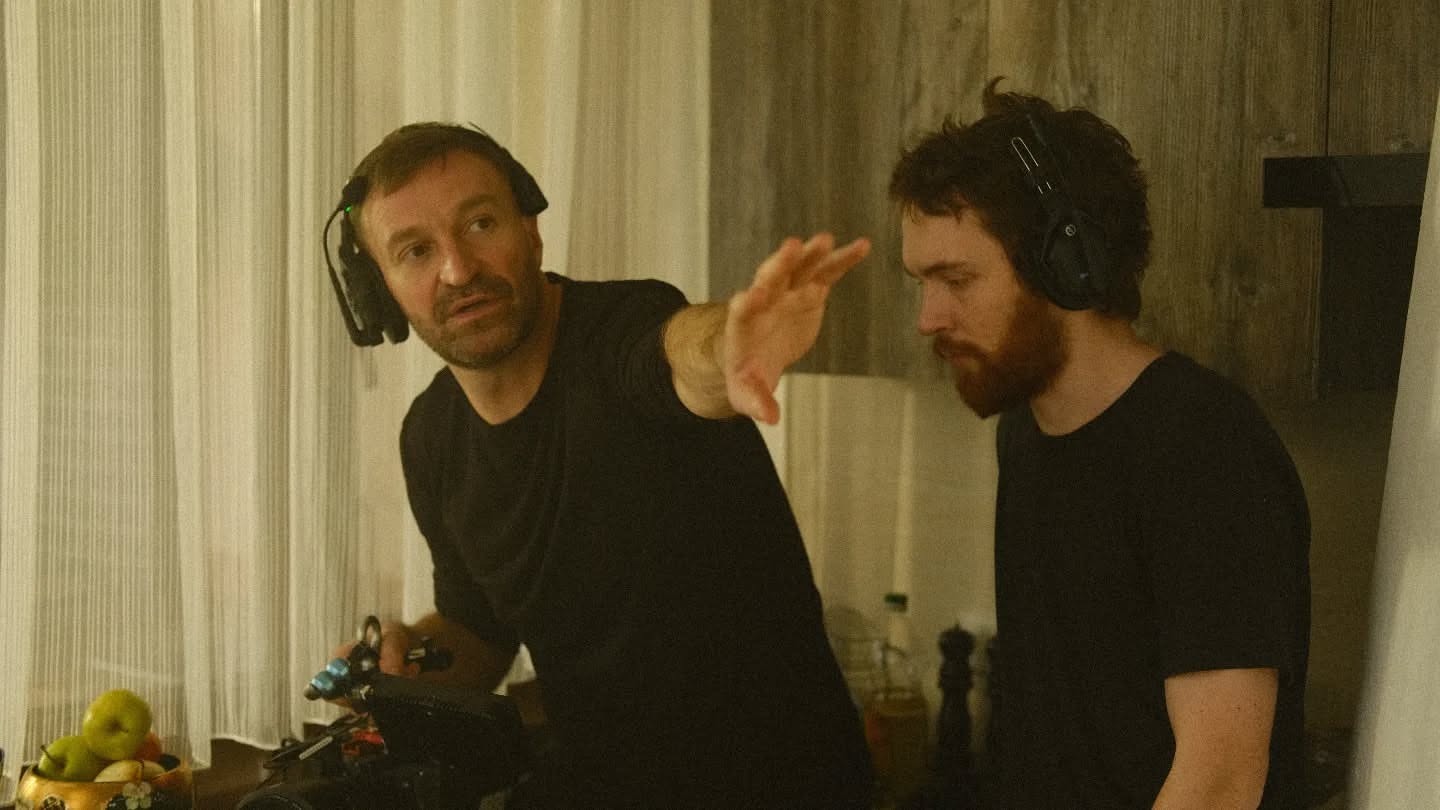 Shoom Production
However, no less troubling than financial or infrastructural constraints is another issue, that is the crisis of ideas. The history of art has repeatedly shown that external pressure, censorship, and social unfreedom can limit the artist, narrowing the very space of expression. One can endlessly debate whether difficult times give rise to stronger art or, on the contrary, diminish its freedom and depth; there is no definitive answer. It is precisely this conceptual insufficiency, and the challenges of developing strong scripts, that Bakhodir Yuldashev addresses.
The second major problem is the script. Over the years, I have begun to notice that stories have become poorer. Poetic, layered scripts appear far less frequently. An author draws material from the surrounding world. And if life itself contains less poetry, less inner depth, this inevitably finds its way into scripts.
There is simply less room for artistic scope. As a result, today a cinematographer faces not only budgetary constraints but also limitations in the dramaturgical field. Yet despite all this, the profession remains alive. As long as there is a story to be told through images, the cinematographer will find a way to do it honestly and precisely.
Bakhodir Yuldashev
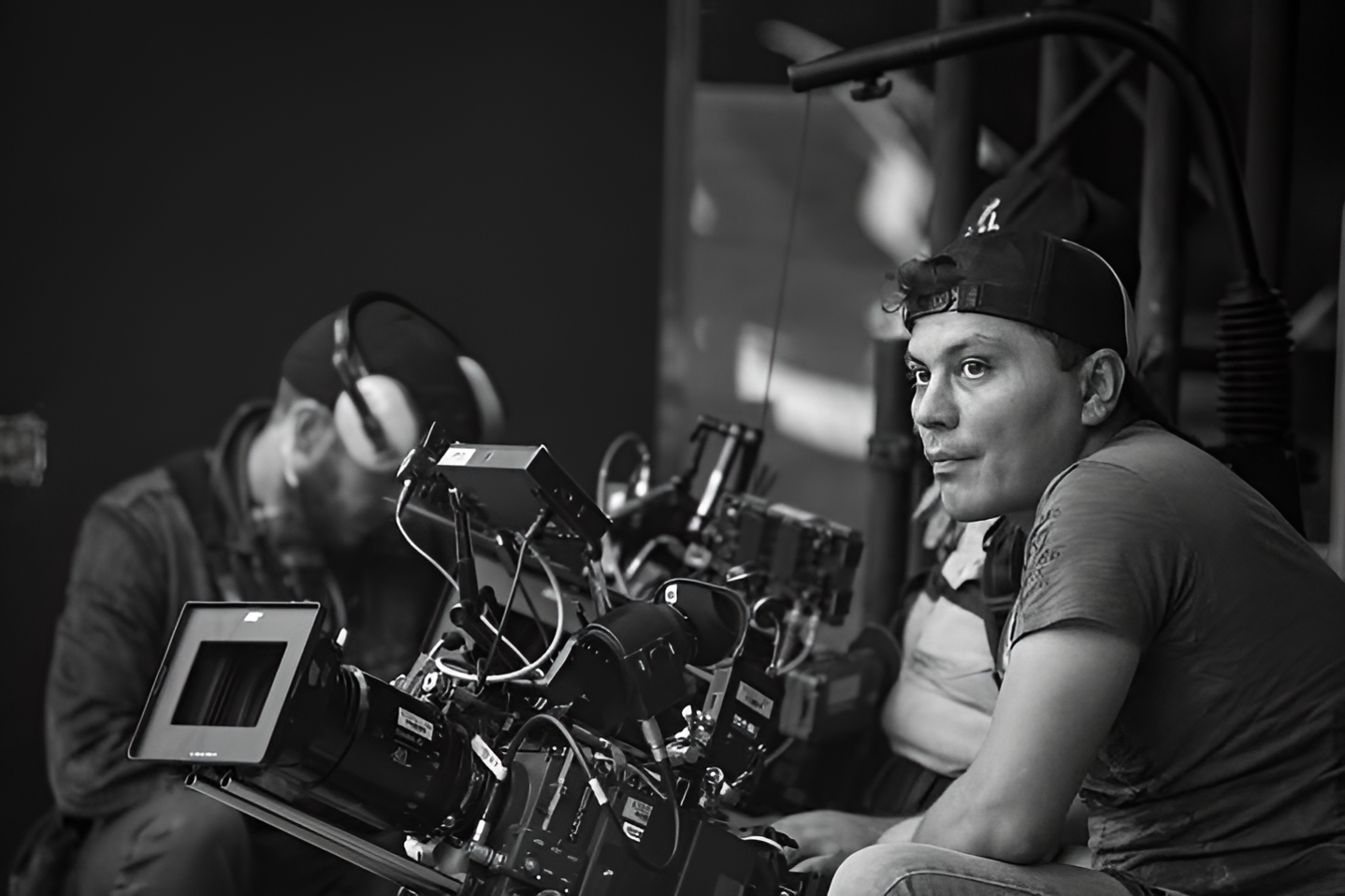
As Boris Litovchenko notes, a scene can be shot in countless ways, but the main thing is “not to miss the emotion”: this is where the director’s dramaturgy and the cinematographer’s form converge.
Cinema Hall Statistics: Representative but Not Very Encouraging
Even basic statistics speak volumes. The State Committee on Statistics of Uzbekistan reports two key figures in different publications: 99 cinemas at the beginning of 2022 and 76 cinemas as of January 1, 2023. On that date, the country’s permanent population was 36,024,946, so even without further calculations, it is clear that the cinema network remains extremely sparse. For comparison, in 2022, the French CNC counted 2,061 active cinemas and 6,298 screens in France.
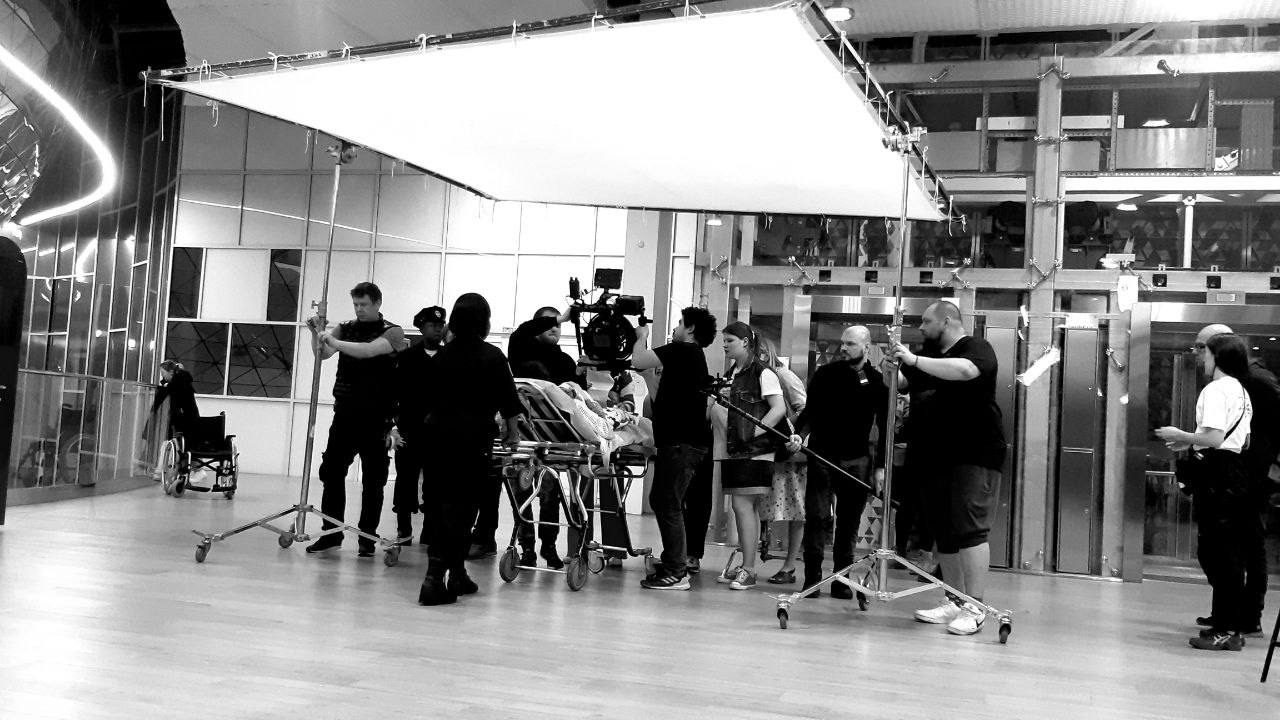 Bakhodir Yuldashev
The potential exists, but there is a systemic problem — infrastructure. When there are few cinemas, it is unclear where a film will “live” once it is made. Without this, the industry itself cannot properly function: even a weak film should have a chance to reach an audience.
Boris Litovchenko
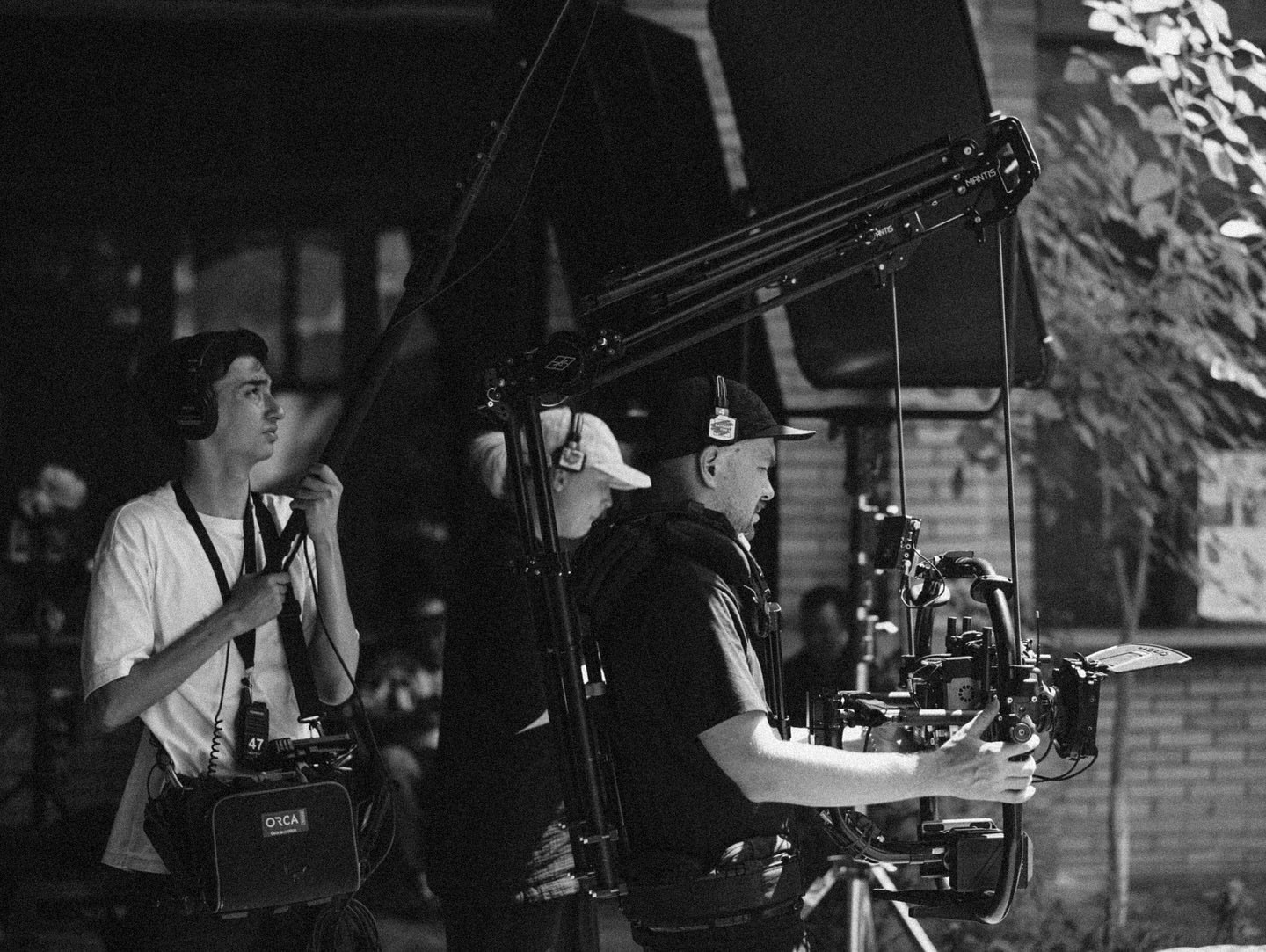 Photo: Azamov Ibragim, Abstract (instagram account)
From this follows the next point: it is not enough for the industry to simply produce films; it also needs an environment where they can be discussed, receive feedback, and return to the cultural circulation. This concerns not only cinemas, but also studios, festivals, film clubs, educational initiatives, and sustainable audience habits.
Films need to be made in greater numbers and receive some kind of feedback, if not financial, then at least festival recognition. Only then might the state pay closer attention to the structure itself. Of course, it is important that young people not only want to make films, but also watch them. Film clubs, lectures, and any spaces for discussion are truly important here.
Boris Litovchenko
This perspective resonates with the observations of Ulugbek Khamraev, who speaks about the systemic problems of Uzbek cinema in much broader terms, as issues of the environment rather than of individual specialists:
When we talk about cinematographers’ problems, there really are no separate operator-specific problems. These are problems of the entire industry. There are very few professional managers and producers in the industry, and this affects everything, including the work of cinematographers. There is no distribution system, no sales system, and cinema practically does not generate revenue.
Ulugbek Khamraev
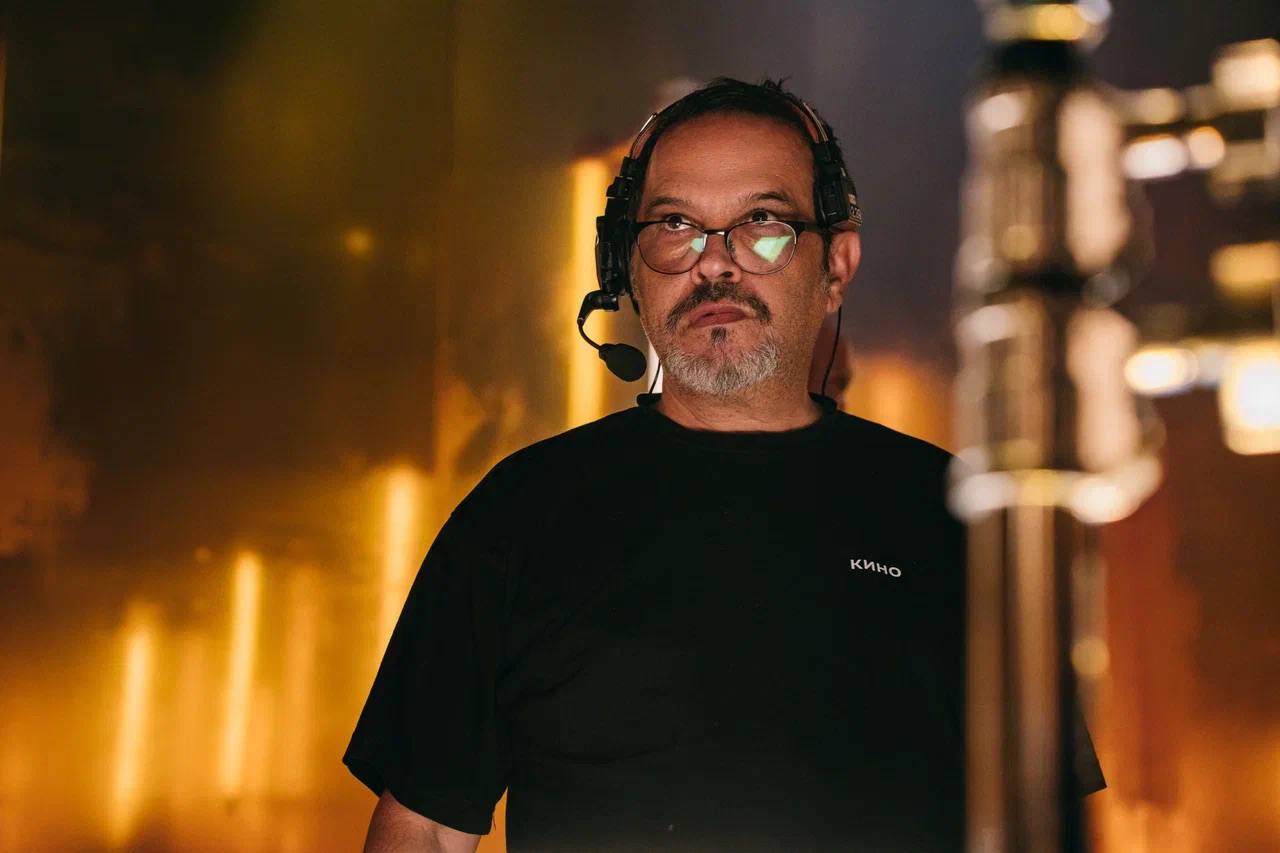 Ulugbek Khamraev
In this sense, the discussion about cinemas extends further, touching on the broader issue of cultural infrastructure as a whole: does cinema have a place in urban life, do audiences have the habit of watching films outside of streaming platforms, and do young creators feel that their work can actually reach someone?
On the Specifics of Working in Uzbekistan
Boris Litovchenko describes his experience in Uzbekistan as working in a more intimate, less predictable environment.
I shot two films here. One was Pakhta with Rashid Malikov. Everything is a bit different here: more intimate, with greater technical limitations. But, to be honest, I enjoy these conditions. I’ve just gotten somewhat out of practice with them recently. Sometimes it’s useful when something is lacking. That’s when creativity kicks in. When you have experience, you know that to achieve a certain result, you need to do this and that. And when half the tools aren’t available, you start looking for other solutions. That’s how you grow.
In Uzbekistan, I didn’t have much interaction with local film crews, but I worked with an excellent production designer, Bektosh Rajabov. We shared the same cultural code, because the story was deeply Uzbek, set in a kishlak, and he immersed me in that world. We walked a lot, he showed me details, textures. I was quite anxious, because I didn’t know this environment at all. And it’s precisely in poorer homes that you begin to understand how people live: the colours around them, the objects they use. I took a huge number of photographs. Sometimes you walk into a house and find a composition that no artist could deliberately create. People have simply hung up basins, plastic bags, curtains, and it results in an incredible visual composition. Completely accidental, but very alive.
I have just finished another film, Ouroboros by Tatyana Lyutaeva. It is a complex drama about the absence of love. The production structure there was different. We brought in a production designer from Berlin. The director, my friend Tanya, now lives in Spain. The lead actress came from Europe. But in Uzbekistan we found an absolutely brilliant young girl for the main role. We brought part of the crew with us: a gaffer, a second camera operator, and a key grip from Kazakhstan. Still, I had the impression that cinema here exists somewhat separately. There are commercial shoots and music videos; that is one industry. And cinema feels as though it is hidden somewhere.
Boris Litovchenko
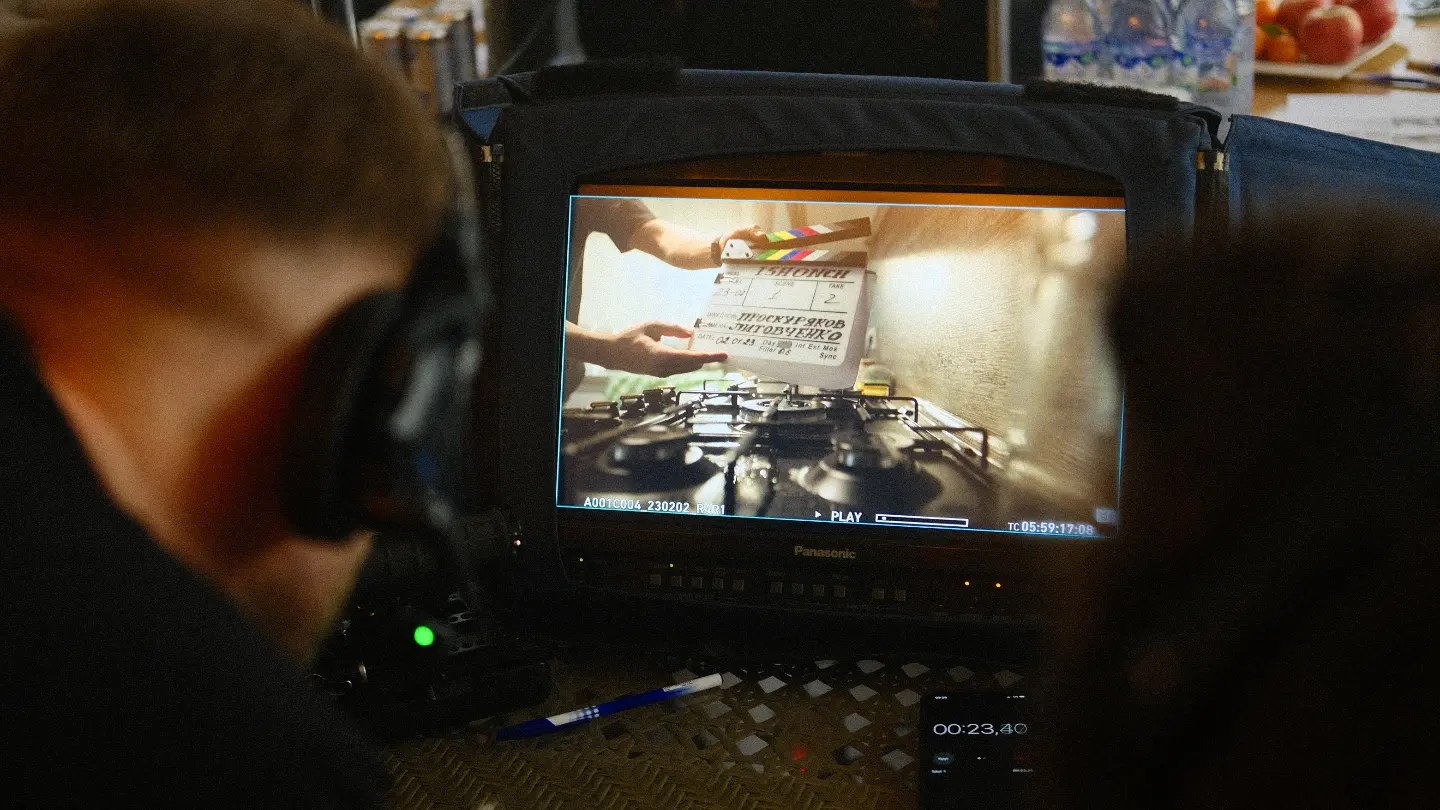 Shoom Production
Advice, Training, Perspective
It is clear that shooting commercials and music videos is popular now; there is good money in it. Especially when you are just starting out, you can fairly quickly enter a certain league if you have taste. But cinema is something different. It requires a different kind of knowledge. Although today you can read about it, listen, watch, I generally believe that at the beginning it is important to find your director or cinematographer, someone whose way of thinking resonates with you. And simply work together, grow together. Do not chase scale. I, for instance, spent a lot of time wanting to make big films right away. But it came at a different moment, not when I wanted it to.
It’s great that young filmmakers working in commercials and music videos, like Bekzod Abduvaliev (founder of Abstract Visuals), are now confidently moving toward making films, regardless of the overall system. I hope they succeed in all these efforts. It might help shift the stagnation we’re currently in.
Boris Litovchenko
Conclusion
In this article, we set out to take a brief look inside the cinematographer’s craft. Cinema possesses a particular kind of magic. When you meet someone who works in this field, you can be sure you are speaking to a true devotee, and that is always captivating. Cinematography today occupies a complex position. On the one hand, cinema is becoming more democratic; almost everyone now carries a camera in their pocket that surpasses professional equipment from twenty years ago. On the other hand, expectations for professional results continue to rise. It may seem that technology diminishes craftsmanship, but in fact it is making it more demanding.
Optimism, and the belief that the profession and the industry will endure, rests precisely on this: technology is becoming more accessible, but the ability to see, to think, to notice, to feel, and to transform an image into a meaningful statement remains rare. The simpler the tool becomes, the more evident the difference between a “person with a camera” and a true cinematographer.