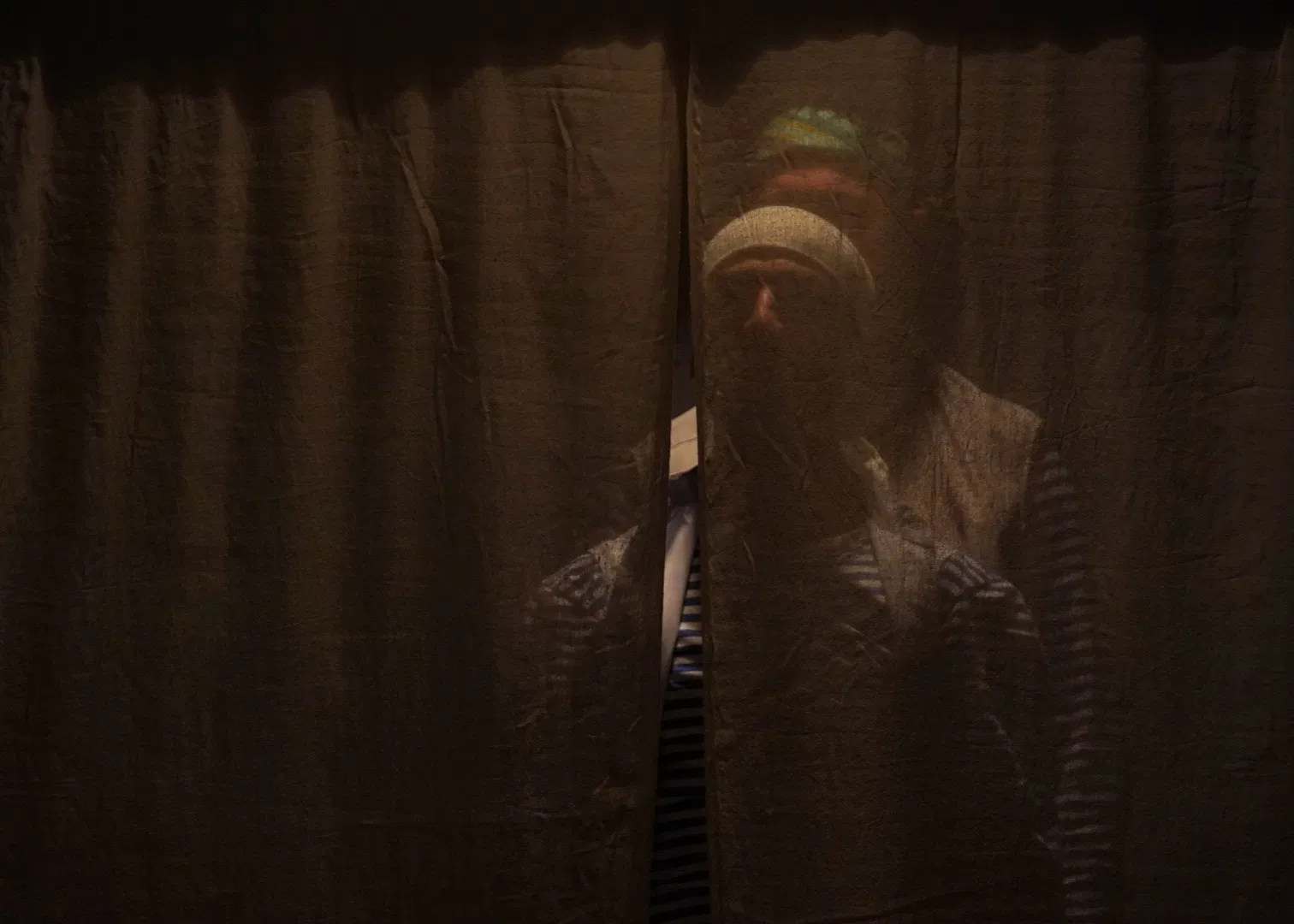
In Tashkent, independent theatres should be seen not as alternatives to state venues, but as spaces for experimentation, where teams of creative and technical specialists, led by directors, explore new ways of engaging with audiences. This includes immersive productions that blur the boundary between stage and auditorium, as well as performances and projects at the intersection of theatre, dance, and contemporary art.
To mark World Theatre Day, we have brought together a selection of projects that are already shaping the new theatrical identity of Tashkent. One of them may well become your entry point into this captivating and enchanting world.
Drugiye Zvery
Founded in 2022, the theatre studio Drugie Zveri (lit. Other Beasts) has quickly established itself as one of Tashkent’s most prominent independent venues. Initially, its repertoire focused on chamber theatre productions, consisting of intimate plays with small casts, yet from the outset the company set an ambitious tone, staging both ancient works by Aristophanes and contemporary texts such as Dmitry Danilov’s Chelovek iz Podolska (The Man from Podolsk).
At Drugiye Zvery, the emphasis is placed firmly on acting and text. A deliberate rejection of elaborate scenography, combined with a focus on strong dramaturgy, creates an intimate connection between performers and audience. The repertoire spans both classical and contemporary European, American and Asian drama, guided by an unspoken rule: all genres are welcome, except the dull ones.
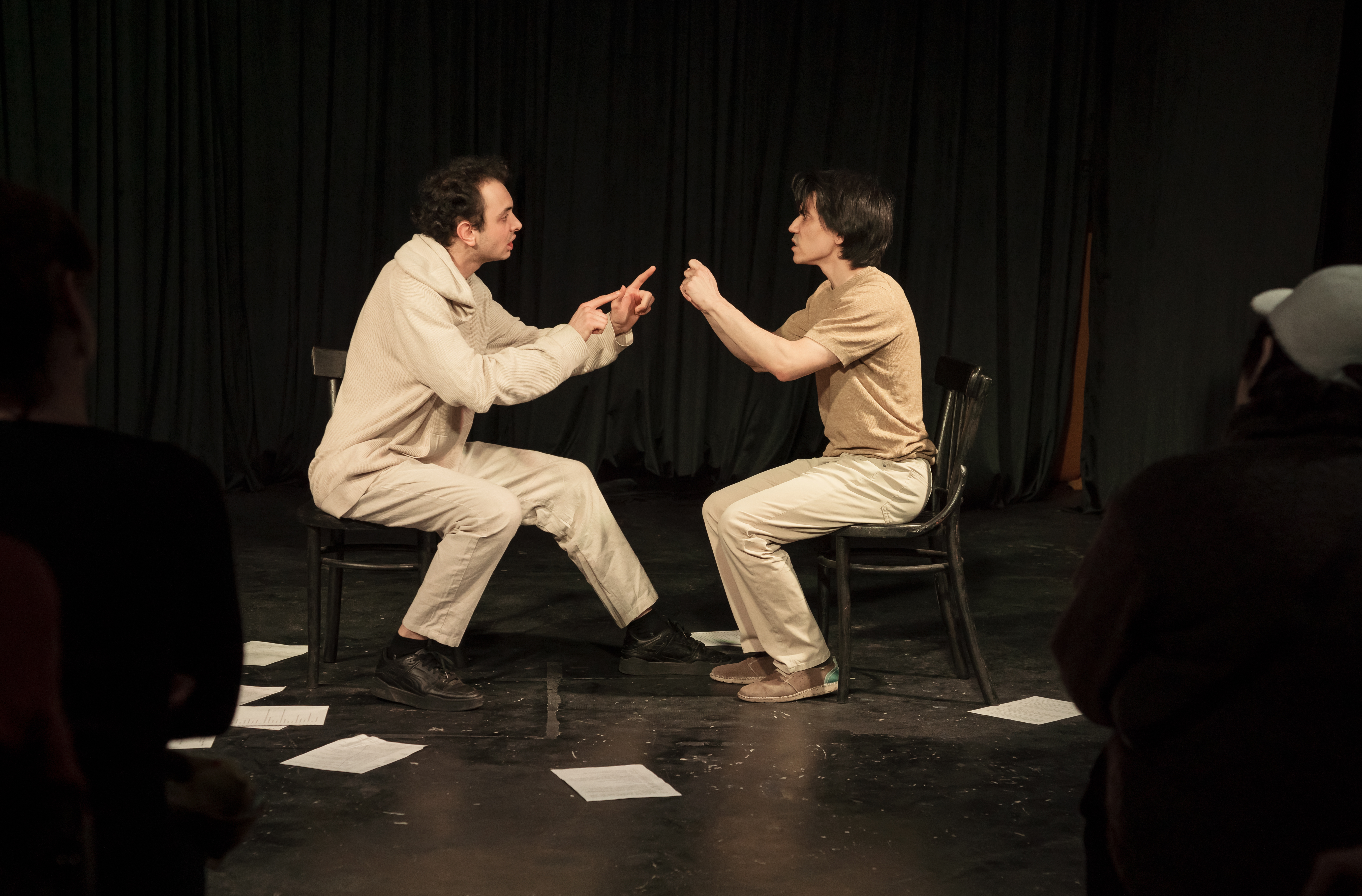
France holds a special place in the theatre’s artistic vision, from Maupassant to Jean-Paul Sartre and Jean-Luc Godard. Recent and upcoming productions include Sartre’s No Exit (Huis Clos) and a performance inspired by Godard’s films.
The theatre has recently acquired its own space in the Olmachi district. It’s a flexible venue where the stage can emerge anywhere within the hall. This marks a new chapter for the company, allowing it to host regular performances. Its doors are open to anyone ready to engage and feel.
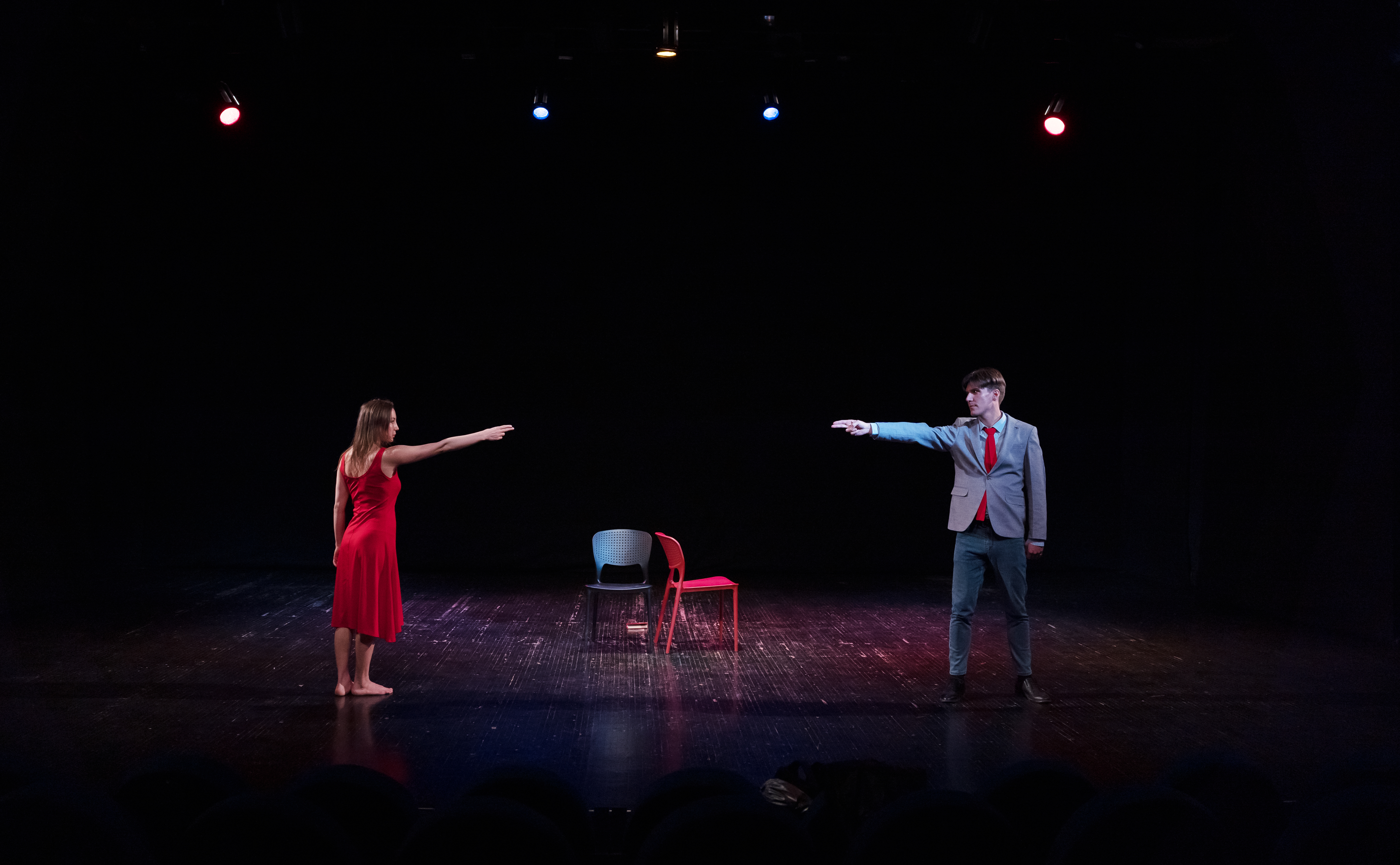
Shams i Qamar
In the late 2000s, a group formed around a course in art history and directing, eventually evolving into an independent theatre known as Shams i Qamar. From the outset, the company placed a strong emphasis on text, language and the internal rhythm of a work, beginning with readings and studies of Anton Chekhov staged in small spaces at the former Youth Theatre, now the Youth Theatre of Uzbekistan.
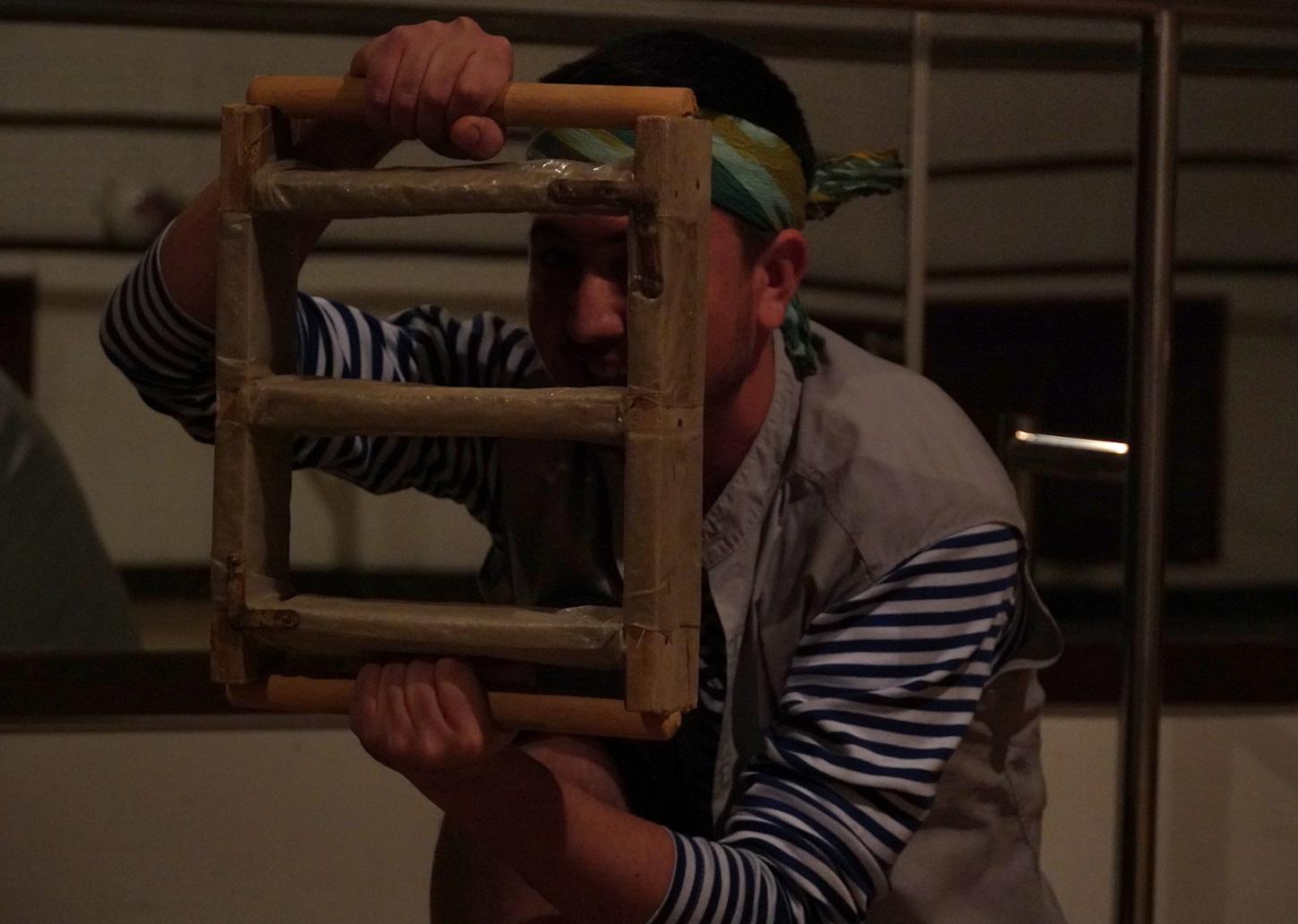
Today, Shams i Qamar is primarily an Uzbek-language theatre. Its repertoire includes adaptations of works such as The Old Man and the Sea by Ernest Hemingway and Siddhartha by Hermann Hesse, as well as stage compositions based on Marina Tsvetaeva, Sergei Yesenin and The Demon by Mikhail Lermontov. In recent years, the repertoire has expanded to include works inspired by Franz Kafka, Nodar Dumbadze, Jack London and Antoine de Saint-Exupéry. At the same time, the company is developing contemporary Uzbek drama in original interpretations, where dialogue remains the actor’s primary expressive tool.
The theatre is based at the Dance Academy and in artists’ studios, a setting that strongly influences the aesthetic of Shams i Qamar. Its audience is largely a young, Uzbek-speaking creative community: poets, artists, students and philologists.
Address: Dance Academy and Art Studios
ISTE'DOD
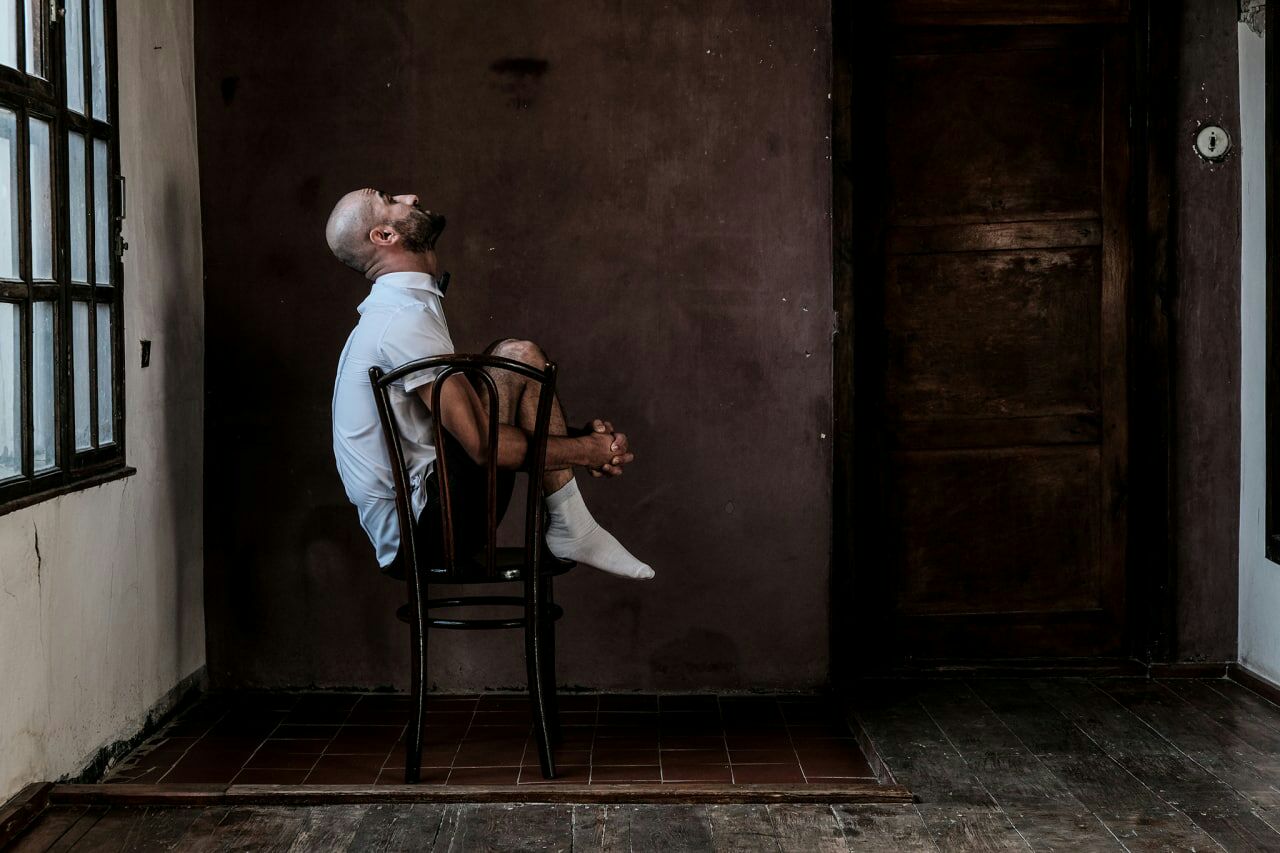
One of Tashkent’s youngest independent projects, the theatre studio Iste’dod, opened in November 2023 and quickly cultivated its own audience. Artistic director Vladimir Yudin has assembled a troupe largely made up of graduates from acting courses, many of whom have continued their training within the company.
In a short time, Iste’dod has staged a number of notable productions, including Hamlet NE-Mashina (Hamlet NOT-Machine), The Government Inspector, The Bedbug, Lysistrata, The Frogs, Fahrenheit 451 and The Blue Bird. The repertoire is rooted in classical texts, yet marked by a clear desire for reinterpretation. William Shakespeare, Nikolai Gogol and Vladimir Mayakovsky sound here in a contemporary and often unexpected way.
At the core of each production lies an attempt to pose timeless questions anew. Through classical works, the theatre speaks about the present day: about fear, choice, freedom and the human capacity to feel. It is this directness that resonates with audiences and makes the company stand out on the independent scene.
Address: Greek Cultural Centre
Drugie Igry. Improvisation
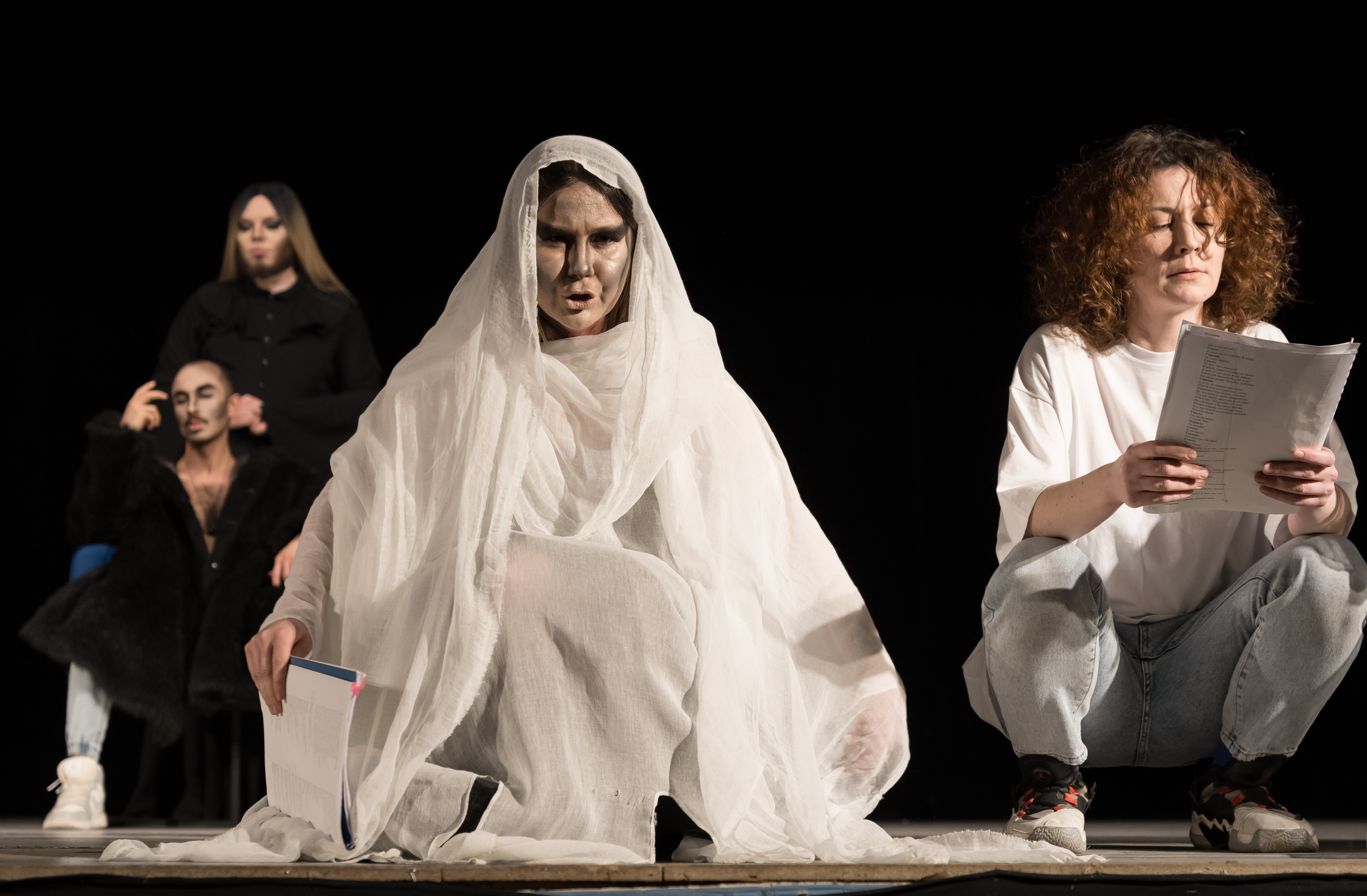
The first project in Tashkent dedicated entirely to theatrical improvisation, Drugie Igry (lit. Other Plays), emerged around four years ago as an extension of a training course. Its guiding principle is complete spontaneity: no scripts, no rehearsals, no predefined plot in the conventional sense. Everything that unfolds on stage is created in the moment, shaped by audience suggestions and random prompts. It is, in essence, the art of being fully present, here and now.
The team performs across a variety of venues throughout the city, from intimate spaces to gaming and creative hubs. This “nomadic” format only enhances the uniqueness of each performance: not only does the story change, but so too does the environment, the audience interaction and the very structure of the performance.
Constant experimentation with both form and content defines the project. Each show evolves organically, reflecting the personal interests of the performers, the audience and the rhythm of the city itself. Performances are held in Russian.
Venues: Stand-up Club Spot, C.I.R.K., Stand-up Club Sahna, Greek Cultural Centre, and others
TvoyTeatr
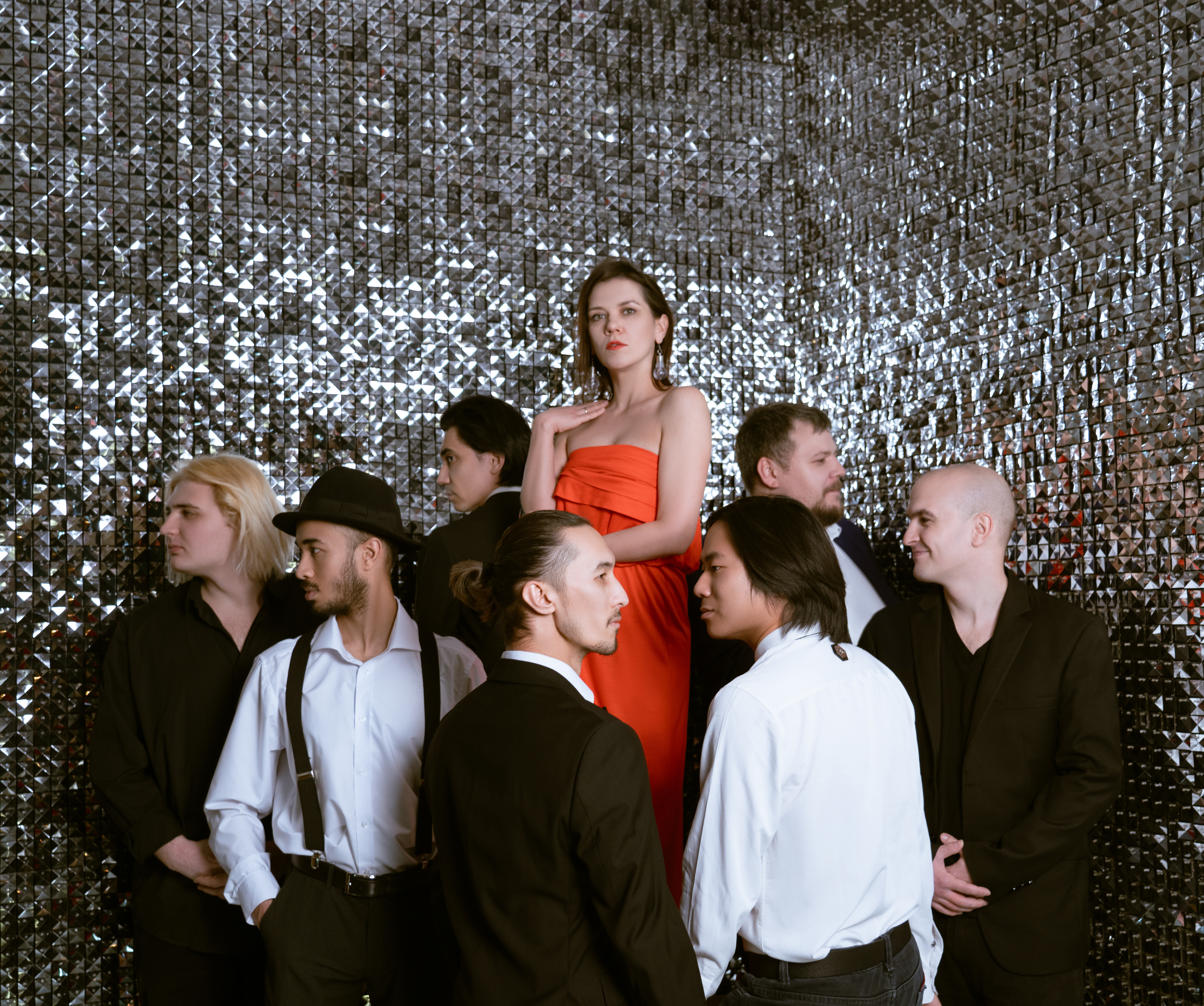
TvoyTeatr (lit.YourTheatre) is a platform for performance and artistic expression in a wide range of forms. The project was launched in 2024 as a result of a young directors’ laboratory at the Ilkhom Theatre. From the outset, it adopted a flexible format, rejecting the idea of a fixed stage as its defining feature. Instead, each production is shaped by its concept and location. For instance, the promenade performance Pod Asphaltom Plaj (Beneath the Asphalt Lies the Beach) unfolds along Shota Rustaveli Street, transforming an everyday urban route into a theatrical journey.
The project is built on experimental and documentary approaches. Works such as Andijanskaya Polka (The Andijan Polka) and Zametki (Notes) are based on real stories, personal experiences and observations of everyday life. Contemporary issues, from environmental concerns to domestic conflicts and even improper parking, become the basis for artistic reflection.
TvoyTeatr performs in Russian and has already developed its own audience, open to unconventional formats without a traditional stage or clear boundaries between art and life. It is a project that invites viewers not only to reconsider theatre, but also to reflect on their own place within it.
Address: no fixed venue; performances take place across various locations in the city
Teatr+ (Theatre+)
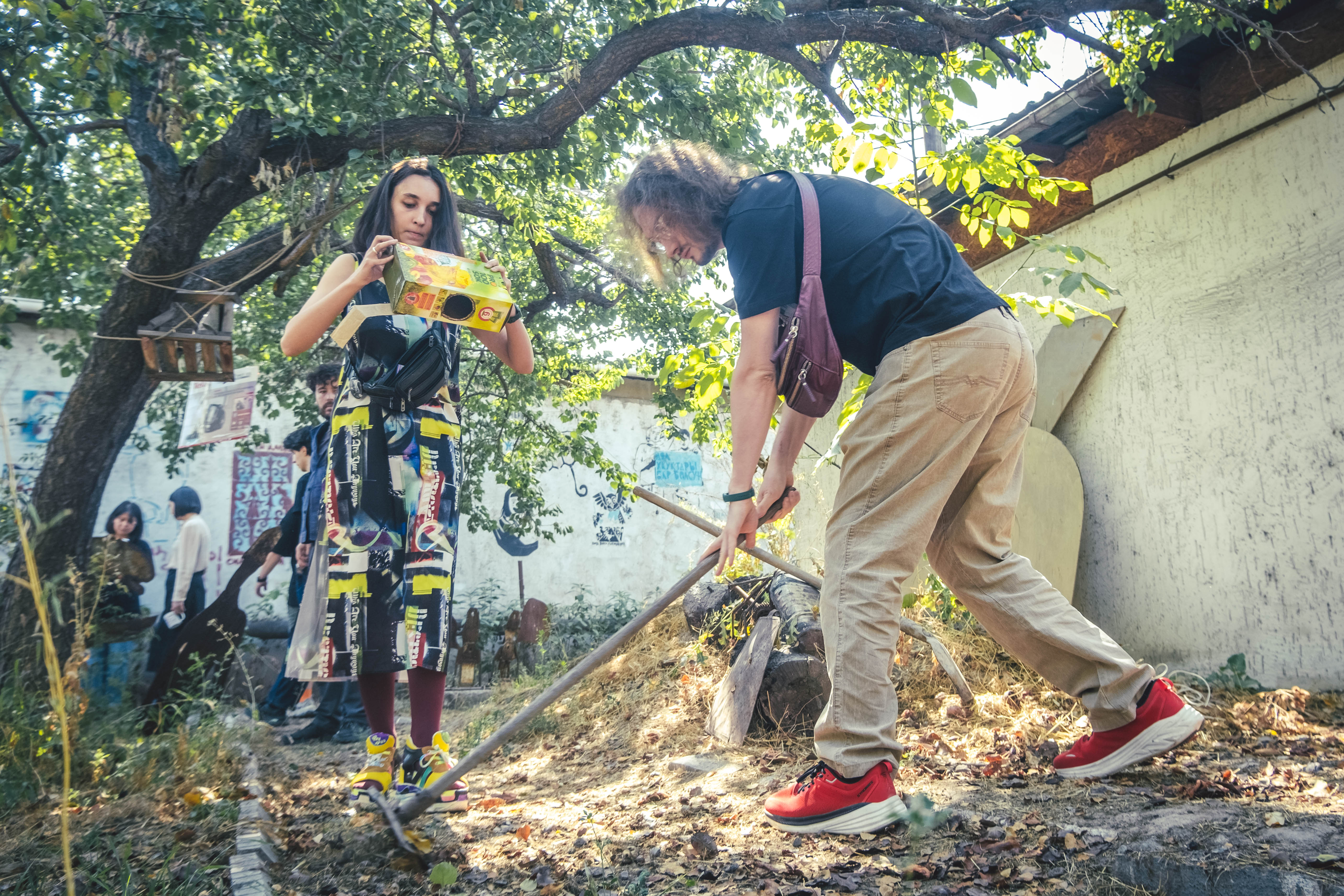
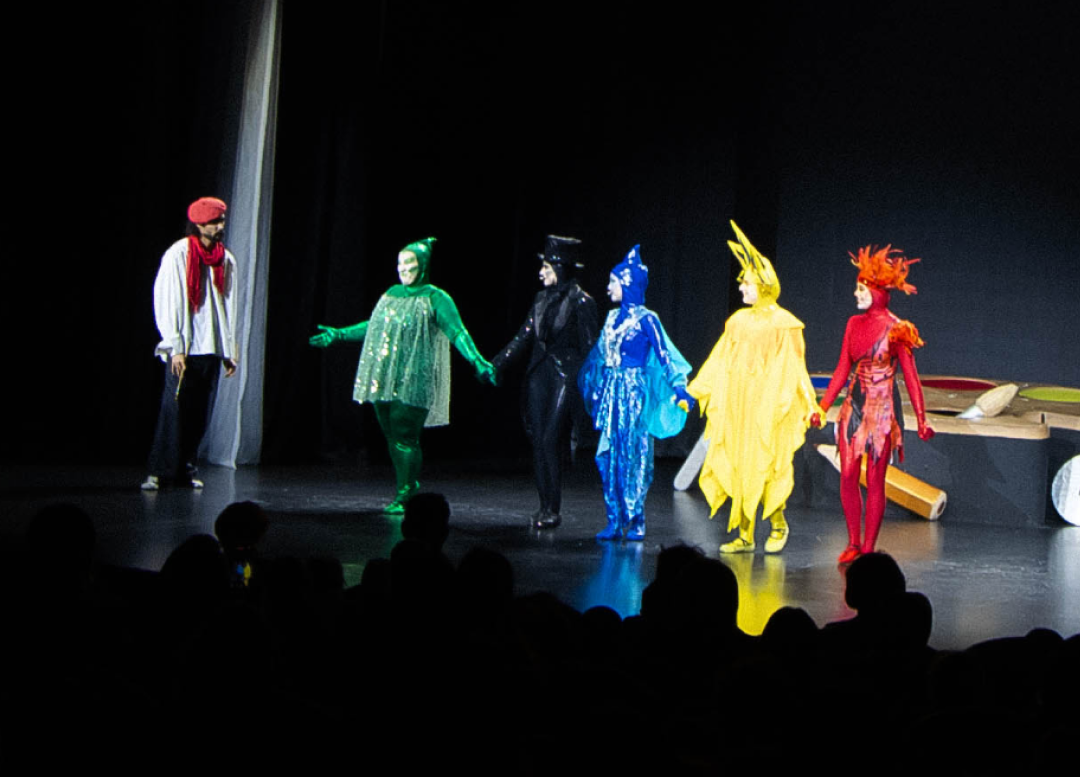
Opened in December 2025, Teatr+ is among the newest additions to Tashkent’s independent theatre landscape. Under the direction of Mikhail Doloko, who spent over 30 years working at Moscow Kurage Theatre, the project was conceived as an immersive theatre from the outset. This is particularly evident in its children’s productions, where audience involvement becomes central. Such a format demands flexibility and strong improvisational skills from performers.
The theatre is housed in the renovated former Zarafshan concert hall, featuring a 600-seat auditorium and a unique museum of masks collected by its artistic director over several decades. Performances are currently staged predominantly in Russian, with plans to expand into Uzbek-language productions.
Its repertoire consists of vibrant, multi-genre performances incorporating dance and elements of buffoonery. One of its key productions, Kraski (Paints), explores themes of tolerance and empathy, while new works are currently in development. These include the children’s play Masterskaya Igrushek (The Toy Workshop) and a philosophical piece for adult audiences.
Teatr+ places its emphasis on emotional engagement, using immersive techniques to dissolve the boundary between stage and audience.
Address: 17 Matbuotchilar Street
Picnic Dance Theatre
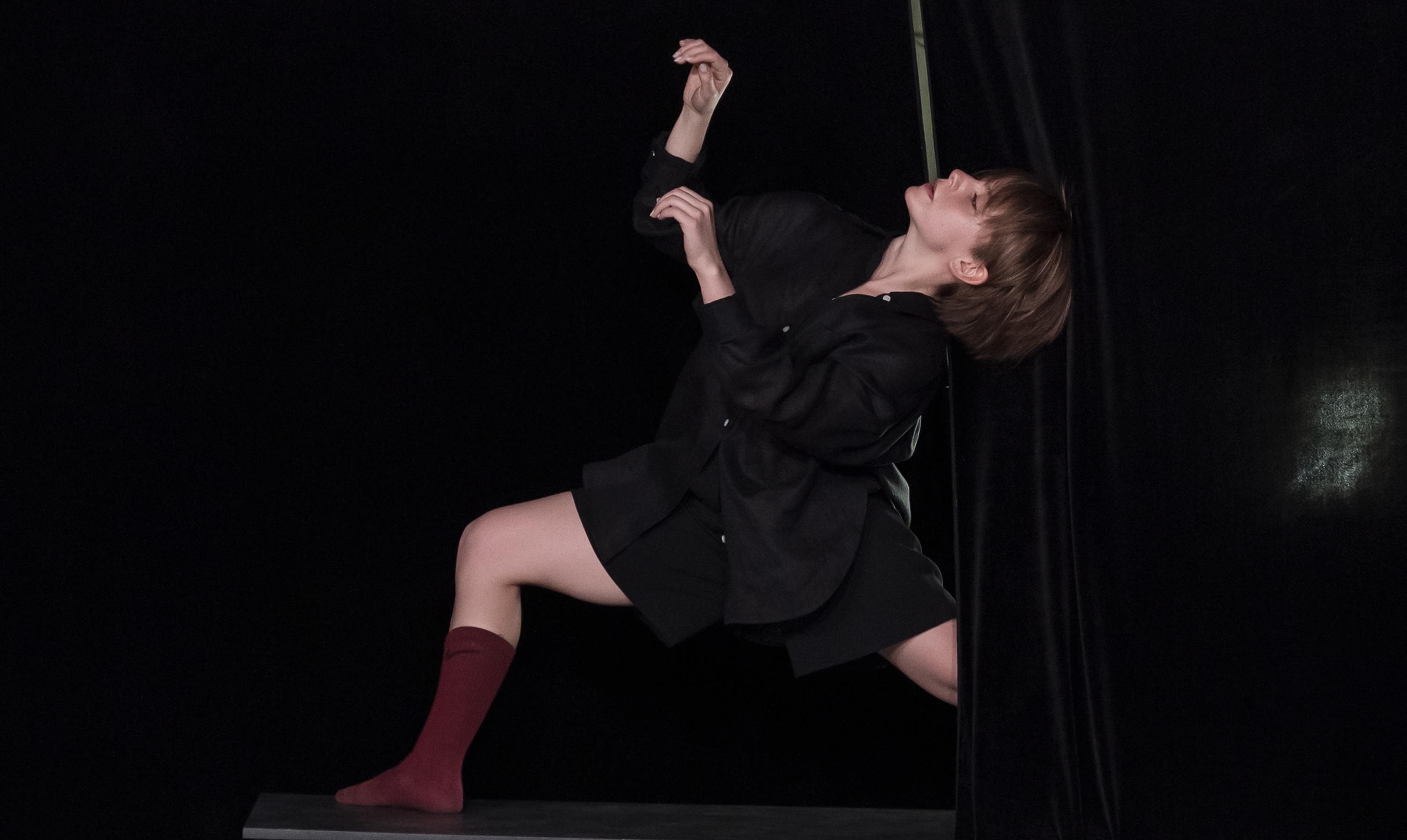
Picnic Dance Theatre is an independent dance project operating at the intersection of contemporary dance, performance and physical theatre. Founded in 2024 by Maria Tikhomolova and Zumrad Mukhrimova, it places movement at the centre of its artistic language. Narrative unfolds through the body, with text and voice used only as complementary elements to physical articulation. This approach requires a high level of technical training.
Picnic Dance Theatre is not tied to a single venue and moves fluidly between galleries, theatre spaces and alternative locations, adapting each performance to its environment.
Its works explore philosophical and personal themes, from human nature (To Be or Not to Be) to female identity (Tanovar) and the search for roots (Silk). This format appeals to audiences who see theatre not merely as entertainment, but as an experience, sometimes challenging, but deeply rewarding.
Address: no fixed venue; performances take place across the city
Independent theatre in Tashkent today can be intimate or large-scale, text-driven or physical, documentary or poetic. What unites these projects is a shared drive for a personal dialogue with the audience, a search for a language to address the most pressing topics of our time. Crucially, the audience understands this language, gradually shaping a new theatrical environment ready for experimentation. This is precisely what makes the independent stage a movement with a future.
On World Theatre Day, it’s worth remembering that theatre is, above all, a unique encounter: alive, sincere, happening here and now. If you haven’t been to the theatre in a while, visit one of the venues mentioned. It’s there that you might suddenly realise theatre is not something distant; It is here, close by, ready to speak. It seeks a conversation with us, and it certainly has something to say.