In the twenty-first century, the struggle is no longer only for territory and resources, but also for players’ attention across the globe. Poland exports millions of copies of The Witcher, Japan offers catharsis through the controller, and China projects soft power through the gacha format. But where does Uzbekistan stand in this global game? And will there be a project capable of making the world learn our myths, remember our names, and explore our architecture, even if only in virtual form?
Video Games as the New Cultural Force
If we rewind a couple of decades, video games were largely seen as a hobby competing with music and cinema for spare time. Today, the games industry is one of the largest in entertainment, already surpassing box office revenues and rivalled only by music. But the money is not the main point. Games have become an independent cultural medium that shapes the language of a generation.
Their influence extends to visual aesthetics, storytelling, and the way we engage with technology. While cinema and literature invite audiences into carefully constructed worlds, games allow players to take part in shaping them. The narrative of video games is no longer a simple linear storyline, but a space of choice, moral dilemmas grounded in personal experience, and difficult decisions.
Major game releases today are full-scale socio-cultural events. They generate fandoms, shape meme culture and fashion, and even influence how countries are perceived globally. For many players, games become a gateway to the everyday life and culture of different regions, sparking interest in mythology, mentality, history, architecture and politics. This is no longer a couple of hours before bed. It is a deep immersion of a global audience into shared narratives told in a language it understands.
In the modern world, games have become a new form of national expression. Where cinema once carried this role, development studios now take it on. The question is no longer whether the industry should be taken seriously, but whether a country can afford to ignore it.
How Game Development Put Countries on the Map
Poland: The Witcher 3: Wild Hunt
The first Witcher game by the Polish CD Projekt RED laid the groundwork for the future popularity of its monster-slaying hero, but it remained niche. The sequel strengthened the series. Then, in 2015, The Witcher 3: Wild Hunt introduced the world to drowners, strigas, crooked-roof villages, and a morally complex protagonist. All of it became Poland’s cultural export. Players worldwide began googling Slavic folklore, reading Sapkowski, and seeing Eastern Europe not as a post-Soviet space, but as the birthplace of dark Slavic fantasy.
Czech Republic: Kingdom Come: Deliverance
The Czech approach was different. Still a world of swords, but without magic. Warhorse Studios created what feels like an open-air museum, albeit with mud on your boots. Kingdom Come: Deliverance meticulously reconstructs fifteenth-century Bohemia, from architecture and clothing to social conflict. No fantasy, just uncompromising historical realism. Yet that risk made the project stand out and showed that Czech Republic is more than tourist Prague. It is a country with a complex and dramatic history shared across Central Europe.
Finland: Angry Birds and Control.
Finland proved that a country's image in the global games industry can be shaped not only through mass-market hits, but also through auteur art house projects. The legendary Finnish Angry Birds became a worldwide phenomenon in the 2000s thanks to its simple, intuitive mechanics and striking design, signalling to the world that Helsinki could produce global bestsellers.
Then came Control by Remedy: a cold-toned, surreal action game steeped in stark northern brutalism. It cemented Finland's reputation not only as the creator of accessible, crowd-pleasing hits, but as a home of strong artistic vision and technical excellence.
Estonia: Disco Elysium
If someone mentions a small country, an indie studio, and a philosophical manifesto, they are probably talking about Disco Elysium. A role-playing game without traditional combat, but full of text, politics, existential melancholy, and grotesque humour. It may lack cinematic spectacle, but it teaches players to look for hope amid the ruins of a broken world where Disco is dead, and listening to your own tie might not be such a bad idea.
China: Genshin Impact
The Chinese studio miHoYo has not only created a global hit but also popularised the gacha mechanic, where players repeatedly spend in-game currency in the hope of obtaining a desired character or item through random chance. Genshin Impact is wrapped in anime aesthetics, yet its regions draw heavily on Chinese architecture, mythology, and landscapes. It is a new kind of soft power, where millions explore a stylised version of China without even realising they are taking part in a form of cultural export.
Japan: Silent Hill, Resident Evil, Dark Souls
In Japan, video games have long been part of the national cultural code. The survival horror genre was defined by Silent Hill and Resident Evil, the former turning horror into a meditative experience of guilt and unease, the latter reshaping action games and teaching players to value every bullet. Souls games introduced an entire philosophy of difficulty built on patience, struggle, and hard-won catharsis, something distinctly Japanese in spirit.
Video games are no longer just products. They have become a form of cultural expression for entire countries, telling regional stories through mechanics, music, and visuals, retelling myths and transmitting values. Estonia captured the emotional rupture left by Disco Elysium, while the Czech Republic built a full-scale historical epic. The question is no longer “should it be done?”, but rather “who comes next?”
Uzbek GameDev Today: People, Teams, First Results
Uzbekistan's game development scene has already moved beyond simple prototypes by solo enthusiasts. Today, it involves entire teams with full-fledged projects, negotiating deals, calculating budgets, and setting deadlines. Yes, it's not yet at the level of, say, EA or Bethesda, but it's no longer just the futile efforts of individual developers.
Uzbek game development has moved beyond simple prototypes made by solo enthusiasts. Today it consists of full-fledged teams working on complete projects, negotiating deals, planning budgets, and setting deadlines. This is not yet EA or Bethesda, but it is no longer scattered individual effort either.
One of the most notable studios is East Games. With experience on international titles such as World of Tanks, World of Warships, and Tanks Blitz, a team of over ninety people, and active involvement in game jams, meet-ups, and educational initiatives for aspiring developers, East Games is helping shape a genuine game development culture in Uzbekistan.
A different path in the development of the local industry is represented by AmayaKids (AmayaSoft), a company producing educational games and apps for children. Their projects target global audiences on mobile platforms, demonstrating the ability to build products for the international market, albeit within a niche segment.
Another example is Cube of Skill, a small indie publisher that has released a number of action/RPG titles and original projects on Steam. Even experimental releases built around mechanic testing demonstrate real experience in bringing games to an international platform.
What does game development actually look like inside an Uzbek team? It usually starts with an idea. Then come brainstorming sessions, concept discussions and mechanics proposals. Gradually, this chaos forms a game design document, often shortened to a GDD, essentially a blueprint for the entire project. It describes controls, systems, level logic, characters, motivations and behaviour, all recorded in detail from the outset.
Artists and designers then search for a visual style. Concept artists explore ideas and shape a unified tone. 3D artists turn sketches into models, while level designers assemble environments. Finally, animators bring everything to life, and the world begins to move and breathe.
But that is not all. As the visual world is being created, programmers stitch everything together into a single, working system. Physics is implemented, inputs become responsive, characters begin to react, and gradually the game stops being a collection of separate parts and starts to behave like a living world.
All of this may sound logical and linear. In reality, however, game development is anything but a straight, calm road. It is more like a winding mountain path with a hundred branching routes. Some lead into dead ends, others loop back on themselves, and some send you right back to the beginning. During development, things rarely behave as intended. Some systems fail completely, others behave unpredictably, and bugs, unexpected technical errors, appear in the most unlikely places. Mechanics become increasingly complex, then have to be altered, reworked, or rebuilt from scratch. This cycle repeats again and again until, after countless iterations, the final world finally comes together on the player’s screen.
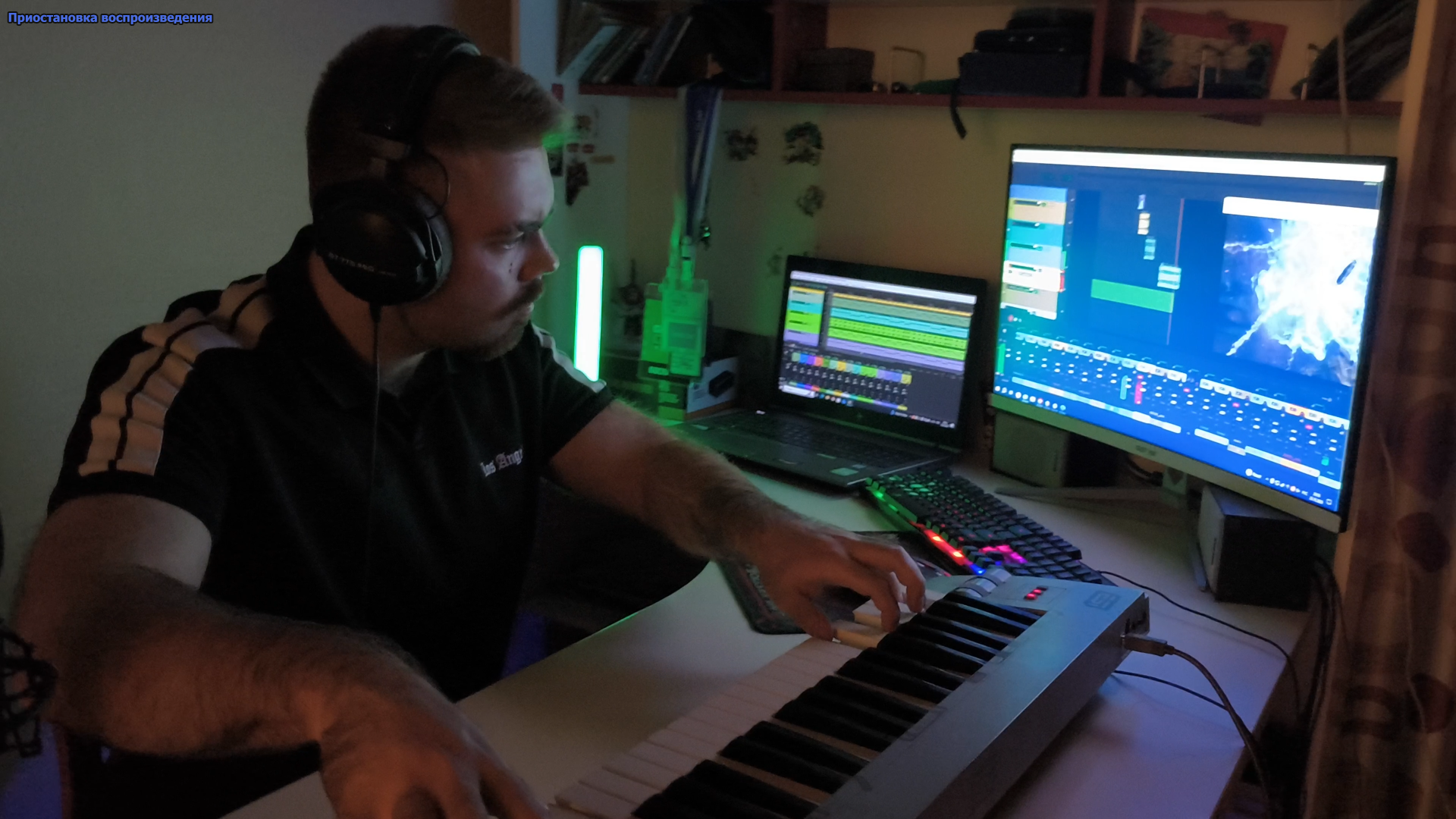
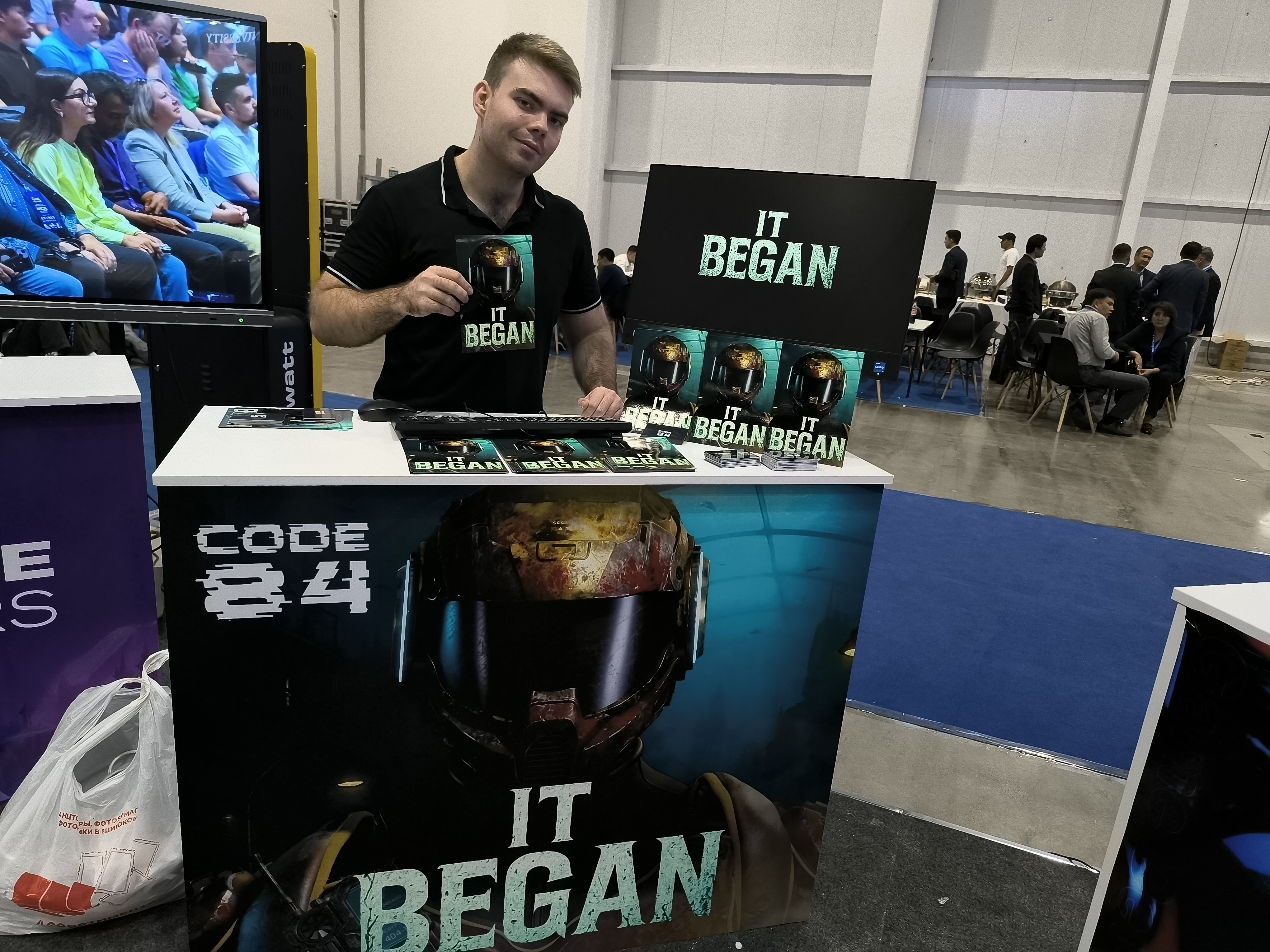
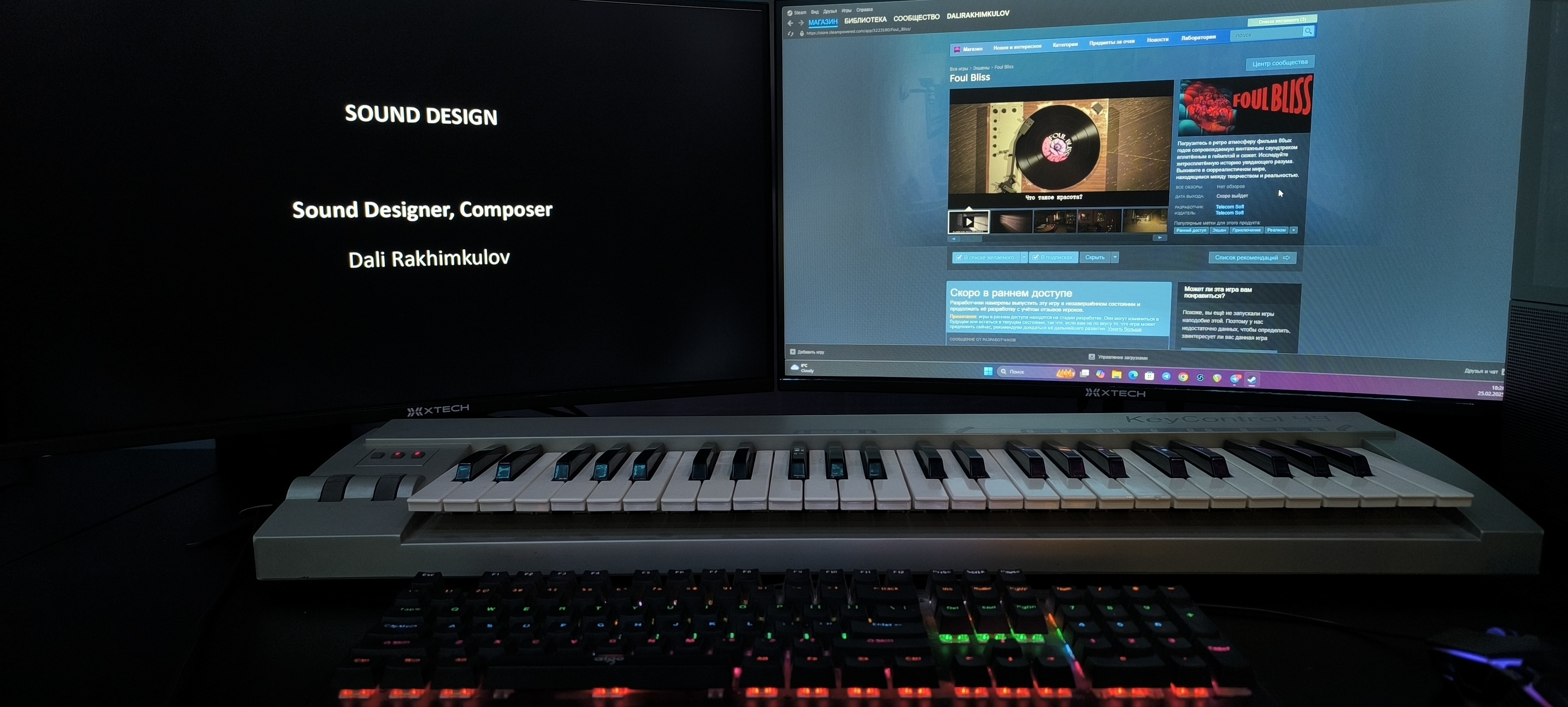
This is where the specifics of the local market become apparent. As a young sound producer and audio lead at independent studio Code 84, Dali Rakhimkulov, explains:
In small projects, one person often covers multiple roles. A sound designer is simultaneously a composer, a sound engineer, and a technical specialist responsible for integrating audio into the engine. An artist becomes an animator, while a programmer takes on game design on a part-time basis. This kind of versatility is useful at the start, but it slows down scaling.
Sound, meanwhile, is often underestimated. Frequently left "for later," it is precisely what creates a sense of presence. Ill-placed silence or an overly exaggerated soundscape can undermine even the strongest visuals. Audio integration remains one of the key areas for growth, as Uzbekistan has almost no specialised technical experts in this field.
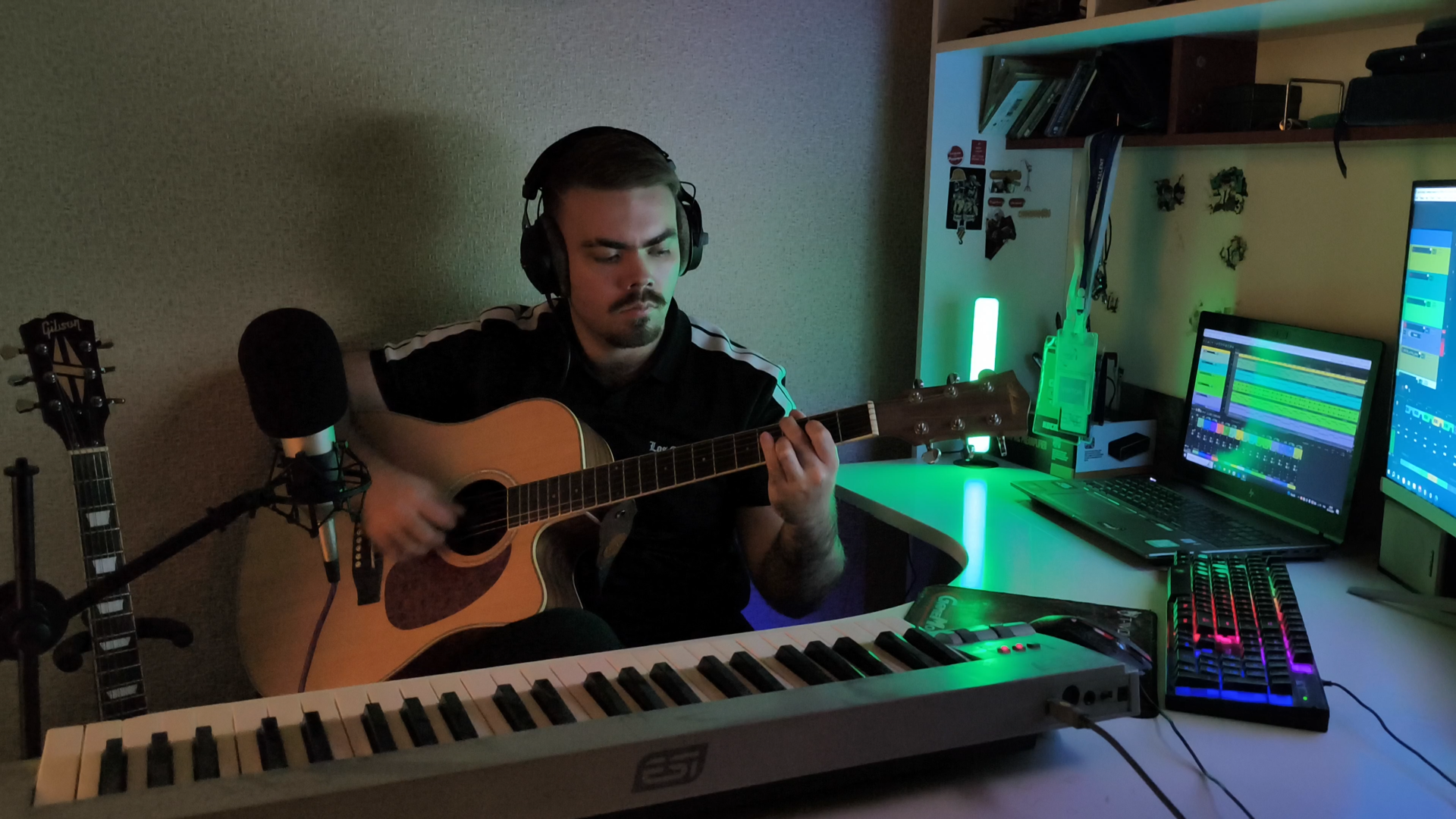 Photo from the personal archive of Dali RakhimkulovPhoto from the personal archive of Dali RakhimkulovPhoto from the personal archive of Dali RakhimkulovPhoto from the personal archive of Dali Rakhimkulov
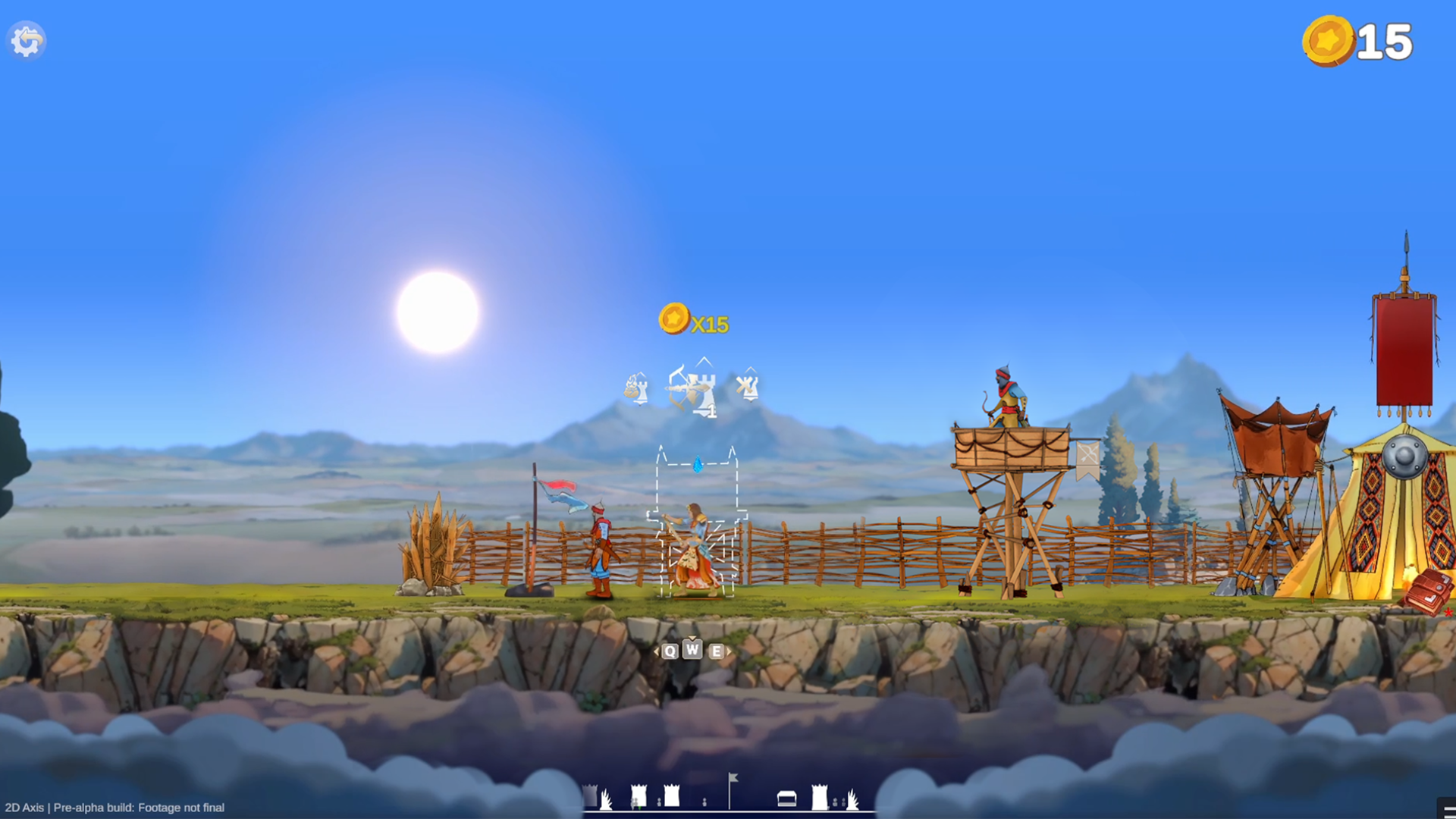
Another systemic challenge is funding, which continues to hinder development. According to Sergey Karasev, an artist, designer and art director with seventeen years of experience in visual communications and head of the 2D Axis team, many investors tend to cap their budgets at a psychologically comfortable threshold of around one hundred thousand dollars. This is the level that allows for experimentation without catastrophic risk. Anything beyond it is considered a serious investment.
Attracting investors is challenging not just in Uzbekistan. Publishers look at a team’s track record and completed projects. The market in Uzbekistan is still in its early stages, with very few teams that have actually shipped titles. As a result, this makes it a high-risk environment for investors. Development timelines depend largely on how realistic a developer’s ambitions are. A typical team consists of three to five people, with an optimal development cycle of around six to twelve months. Yet newcomers often try to make “AAA games from the sofa”, underestimate the scale of the work, and forget about optimisation and testing. As a result, the project can quickly turn into a mess.
This is why growth in Uzbekistan’s games industry is often hampered by a lack of funding, experience, and skilled personnel. Salaries in game development, which are generally lower than in more conventional areas of IT, also encourage some specialists to move into more stable fields. And yet, the industry persists, largely thanks to those willing to work for the idea itself.
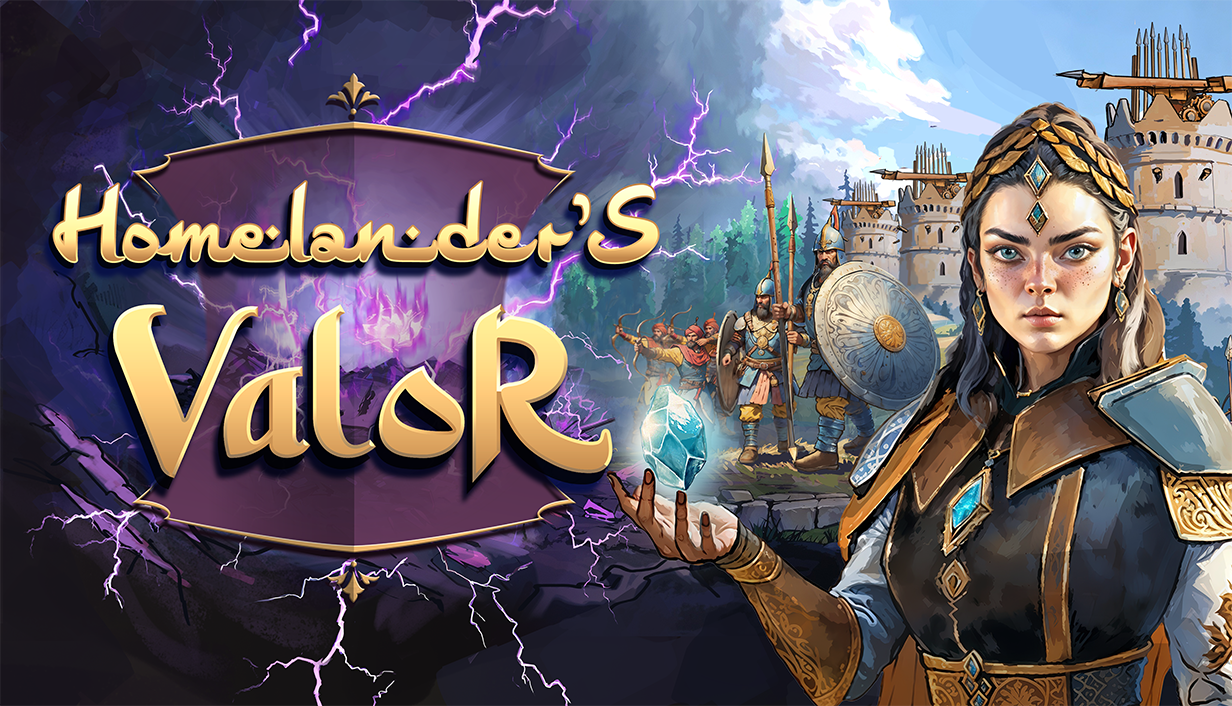
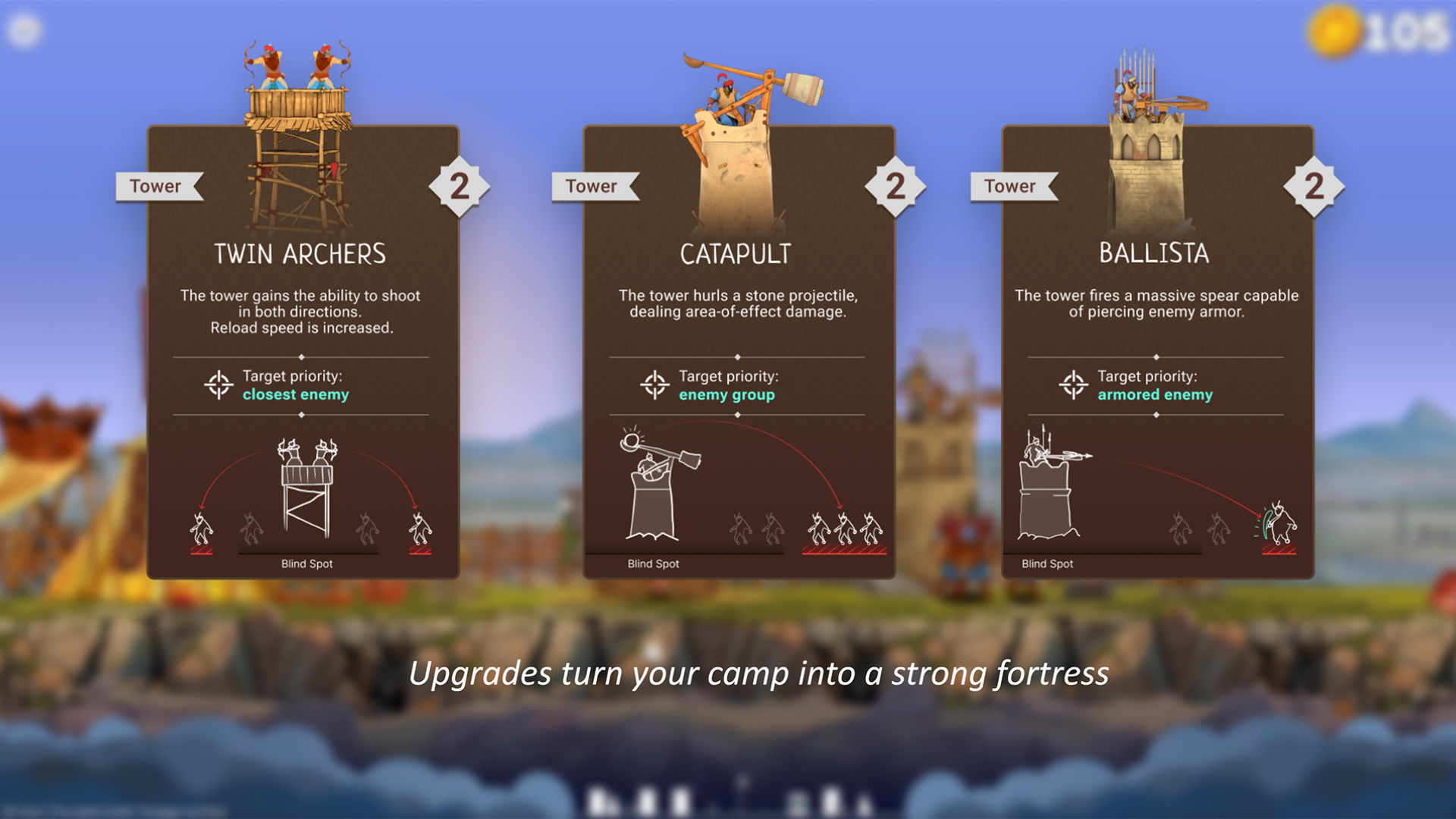
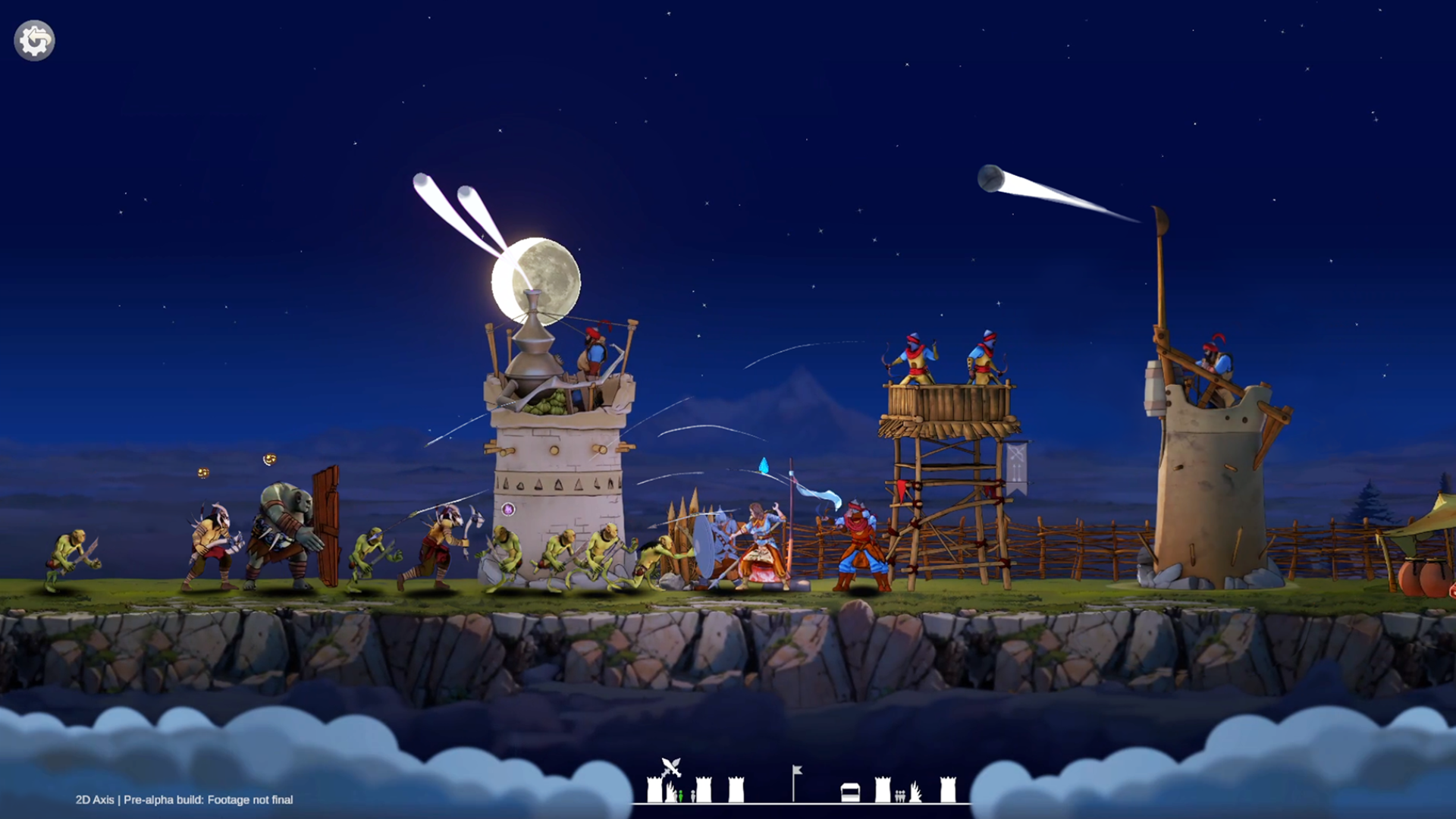
Screenshots from the upcoming 2D Axis studio game. The game is currently in development and the final version may differ.
State support also plays an important role in the development of Uzbekistan’s games industry. One example is IT Park, an organisation that offers tax incentives, operational support, and acceleration programmes, creating an environment in which young teams can not only launch projects but also enter global markets. Its initiatives include large-scale events such as Game Gap, where representatives of global studios and local developers discuss broader industry trends.
The development of Uzbekistan’s games industry is, first and foremost, an investment in young people, as game development is a field where one can grow as a programmer, artist, and writer. Today, more and more indie teams are entering the international market, creating an opportunity to present Central Asian culture to the world through a contemporary medium. The state is also actively involved, launching initiatives such as IT Park, where studios can work for export with minimal overheads, making Uzbekistan an increasingly promising hub for game development projects.
At the same time, the industry also faces the grey zone of distribution, namely piracy. For large studios, this may be less critical, but for smaller teams it can result in significant financial losses, especially in the early stages. On the other hand, piracy can function as a form of informal marketing. Even through unconventional channels, a game still reaches its audience. Its exact impact is difficult to measure, but for Uzbekistan’s games industry it remains both a risk and a potential means of expanding its reach.
Why Breaking into the Global Market Is Difficult
One of the main challenges facing Uzbek studios is breaking into the international market. Competition is extremely high, and even minor missteps in optimisation or marketing can cost a project its visibility on a platform or the rapidly shifting attention of players. With limited budgets and relatively little experience, teams have almost no margin for error.
And again, it comes back to funding. A shortage of investment, particularly long-term capital, remains a major barrier for Uzbek game studios. Local investors are not always willing to take the risk, while attracting international funding remains difficult. More often than not, teams secure enough backing to experiment, but not enough to sustain full-scale production, even at AA level.
A third challenge is the lack of production culture and experience with large-scale projects. Only a small number of specialists with backgrounds in major studios join local teams. As a result, gaps in understanding development cycles, asset integration, and team management often lead even talented teams to underestimate the time and resources required to create a complex and ambitious project.
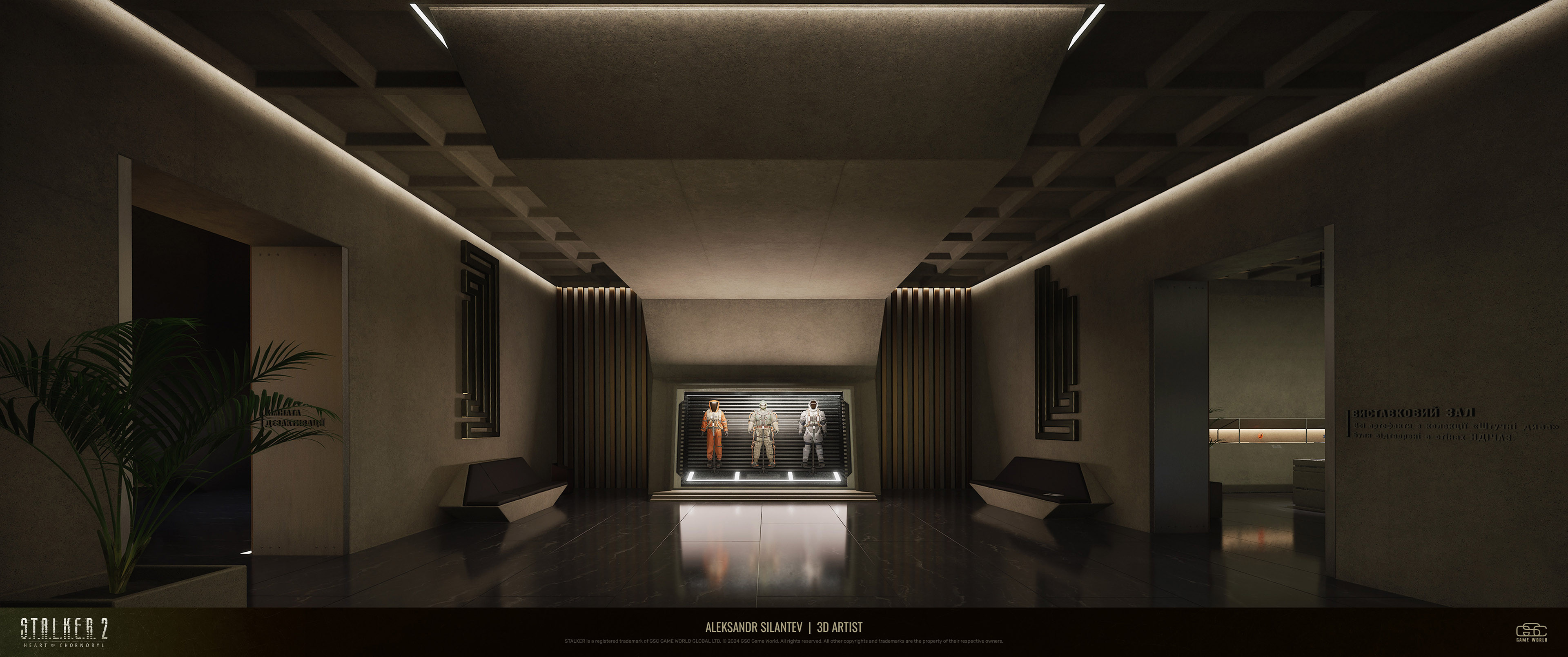
Alexander Silantyev, a 3D environment artist at GSC Game World who worked on S.T.A.L.K.E.R. 2: Heart of Chornobyl, has a clear view of what structured, large-scale game development looks like inside major international studios:
AAA production involves hundreds of specialists, over five hundred in the case of S.T.A.L.K.E.R. 2, with clearly defined roles. Every asset goes through multiple stages of verification, from automated testing to internal QA. Without strong production discipline, a project of this scale inevitably descends into production hell, with endless rework.
The main difference between Uzbekistan and the international market is not technology, as advanced tools are now widely available, but experience, funding, and production culture. The emergence of AA- or AAA-level projects requires long-term investment, producers and art directors with full-cycle development experience, and a steady influx of specialists capable of building this culture locally.
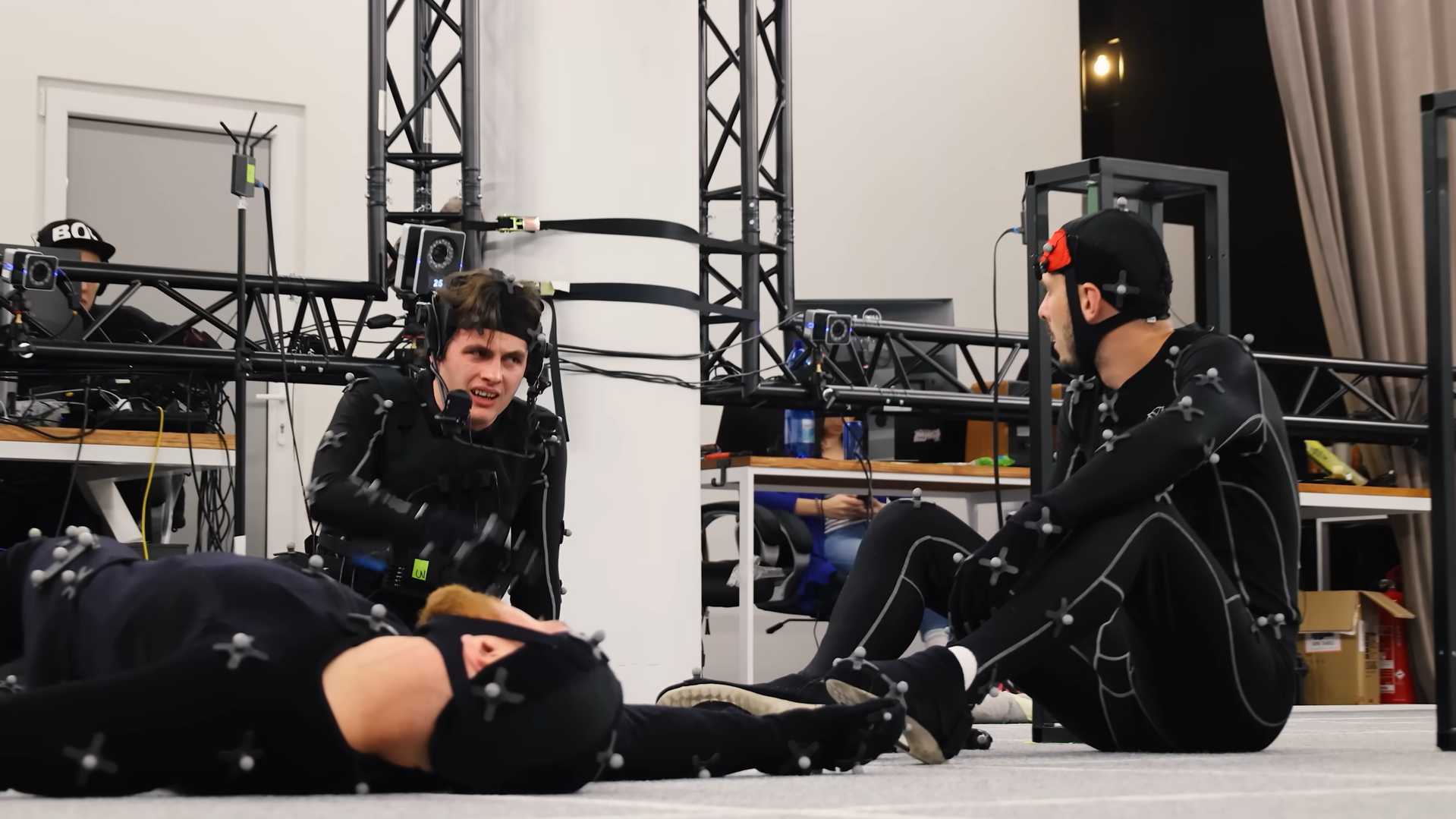
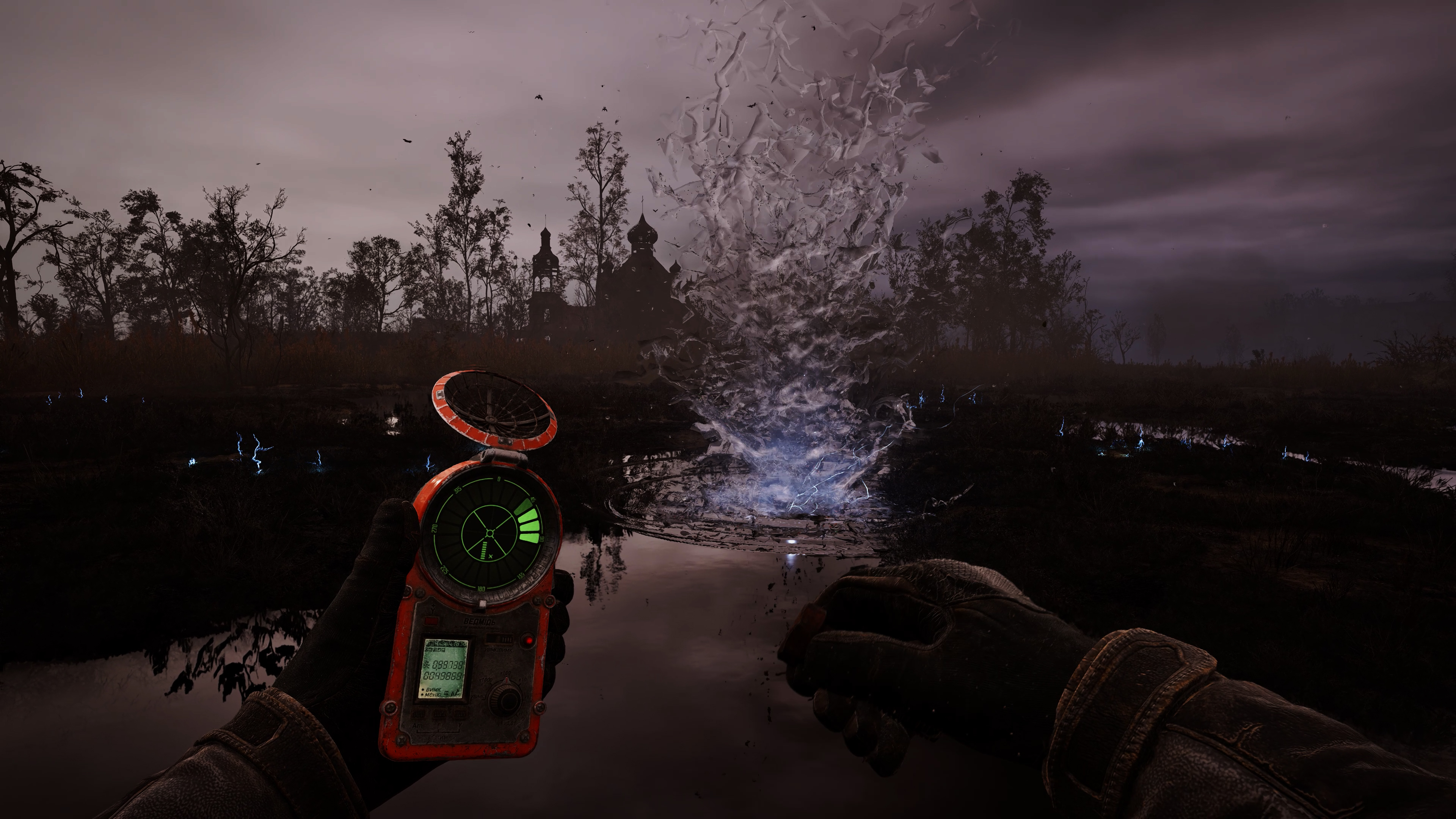 Source: GSC Game WorldSource: Alexander Silantyev's personal archiveSource: Alexander Silantyev's personal archiveSource: Development Diaries of S.T.A.L.K.E.R. 2: Heart of Chornobyl
The local market is still in an early stage of development, but its infrastructure is steadily improving. Accelerators, educational initiatives, and international exchange programmes are creating new opportunities for growth. This means that Uzbek companies are gradually narrowing the gap with global standards, although the path ahead remains long and demanding.
Inside View: What Uzbek Gamers Think
The games industry is not only about developers and investors, but also about its audience. Ultimately, it is the players who decide whether new local projects gain traction. Are they willing to trust them? What does a game need to offer for them to spend money on it rather than the next instalment of an established franchise or a new title from a proven studio? We spoke to members of the gaming community to find out.
Fyodor Davydov, lead software engineer, takes a cautiously optimistic view of the situation:
When considering the CIS region as a whole, the foundations in programming and game development are strengthening year by year, with new projects and opportunities emerging. This, in turn, creates a basis for improving studio quality and competitiveness. We are not yet talking about direct competition with global companies, but Uzbekistan’s technical education, national character, and growing ambition could eventually push the region to a new level.
Automation systems engineer, Ruslan Gazizulin, views the situation as a player:
The key driver of growth is strong storytelling. Without an ambitious narrative, it’s hard to make a game that really resonates. At the same time, a lot depends on the mechanics, since everyone has different preferences. There’s no universal formula, but a mix of a compelling story, well-thought-out mechanics, and stable funding is the bare minimum required.
According to Nurlan Sheranov, former editor-in-chief of the gaming and esports publication Damage.uz, demand for local games remains relatively limited.
Access to global releases is now incredibly straightforward thanks to modern distribution. A quick look at Steam presents tens of thousands of titles, making it difficult for local developers to break through. And yet, the rich mythological tapestry of Central Asia could serve as the foundation for a potential “Witcher”-like game. One day, such projects could stand alongside global hits.
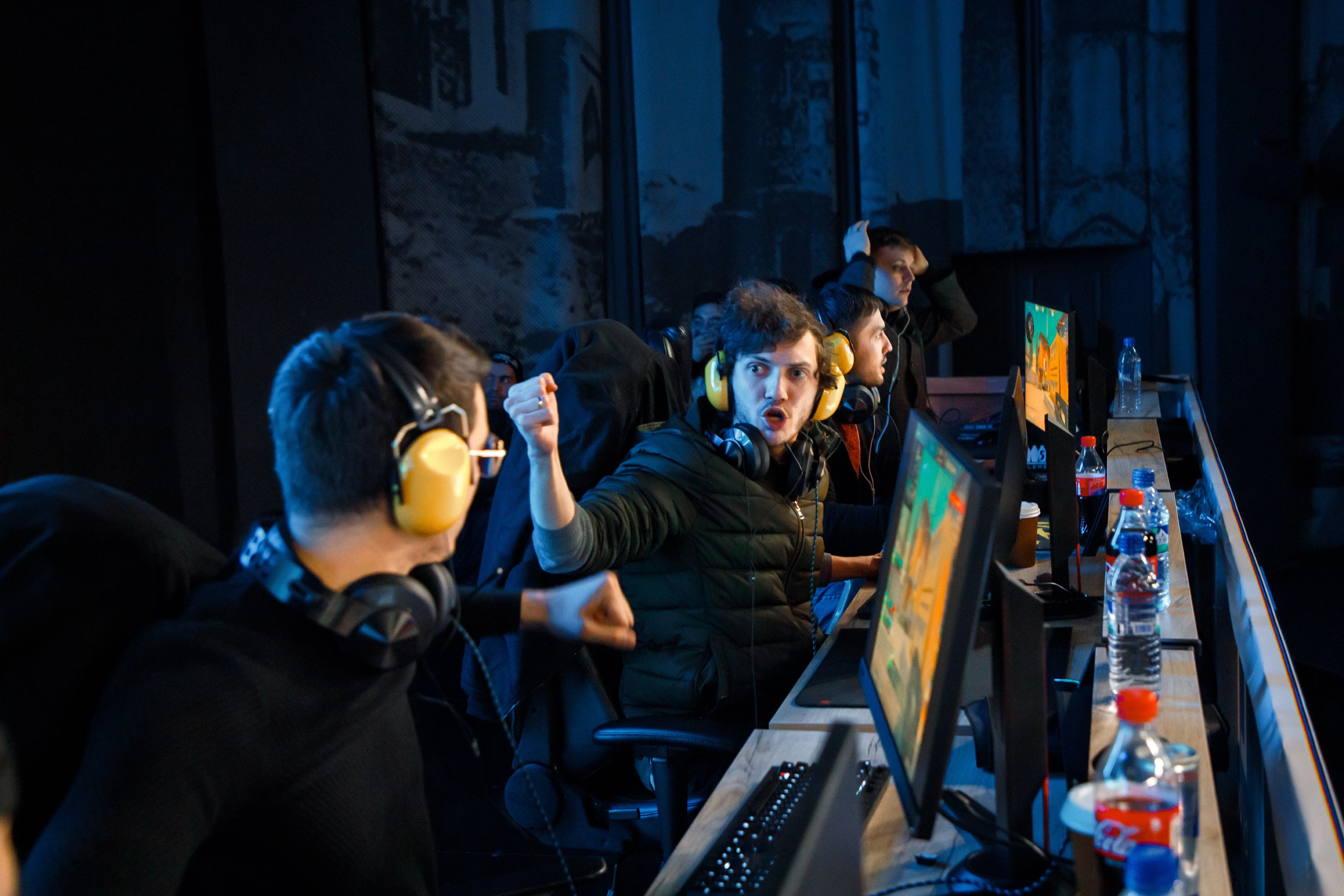 Source: Personal archive of Nurzhan Serikov
According to Anastasia Lazutkina, an artist and animator, there is no “perfect formula for a game.”
It's not always about genre or graphics, as even indie projects can resonate through their emotional core. Reasonable pricing and technical stability are important, but I would buy a game about cats without hesitation, especially something in the spirit of Stray, if it were set in a local context.
It is not always about genre or graphics, as even indie projects can resonate through their emotional core. Reasonable pricing and technical stability are important, but I would buy a game about cats without hesitation, especially something in the spirit of Stray, if it were set in a local context.
Timur Kholmatov, photographer and cosplayer, says he is willing to support Uzbek studios financially, but stresses the importance of transparency:
Trailers, gameplay reviews, and clear information about a project before release are essential. This is the stance of any mature player who is open to new experiences but not willing to buy blindly.
The views converge on one point: blind trust is still lacking, but interest and cautious optimism are clearly present. Players are willing to support local projects, provided there is quality, integrity, and a strong idea behind them. The demand for a local industry exists, but it remains highly discerning.
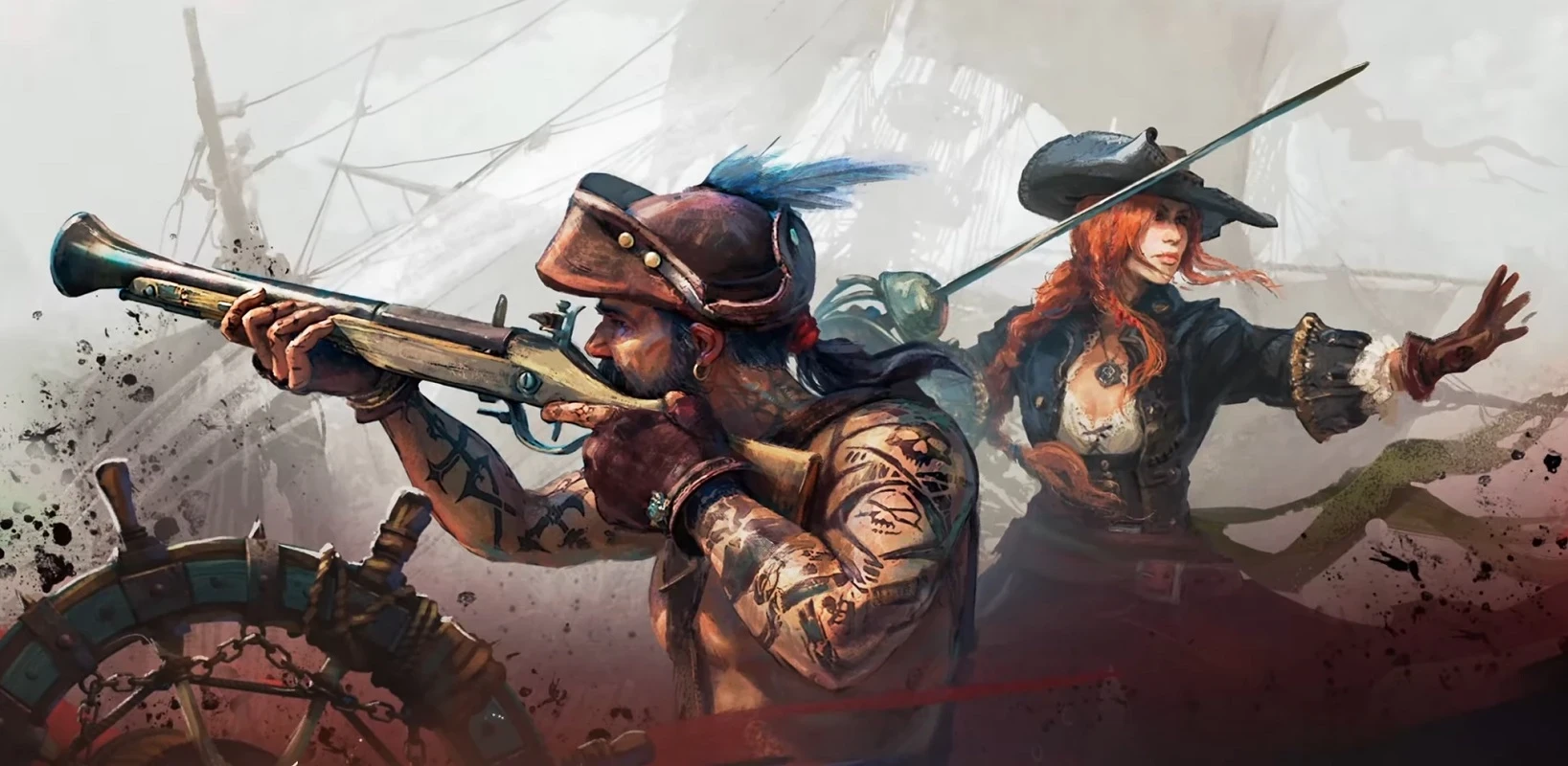
Yet it would be unfair to claim that Uzbekistan has no gaming industry. One example is Windrose by Windrose Crew, a title that became one of the most popular pirate-themed games on Steam, even surpassing the legendary Assassin’s Creed: Black Flag. This suggests that local developers already have the potential to create products capable of attracting a global audience. So the national games industry is not just an abstract dream; new achievements can realistically be expected. The path ahead is long, but the first steps have already been taken.
Read also


Newsletter
A letter from the HD editors
Once a week, we send the best stories, events, and cultural discoveries from Central Asia.