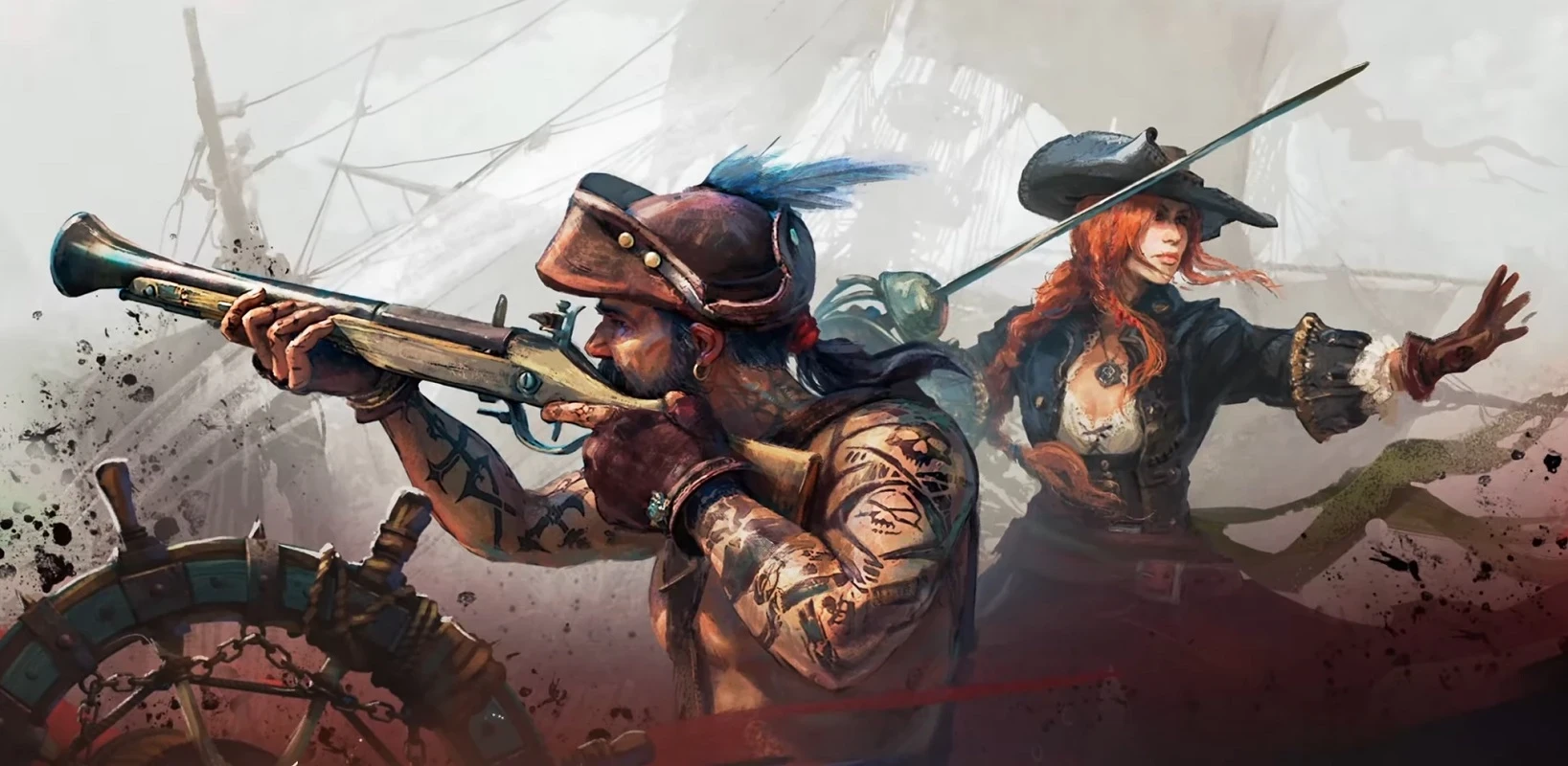
Today, April 21, marks World Creativity and Innovation Day. One of the most innovative creative industries today is video game development. Let's talk about how this community is thriving in Uzbekistan today.
Video Games as the New Major Culture
If we rewind a couple of decades, video games were largely seen as a hobby competing with music and cinema for spare time. Today, the games industry is one of the largest in entertainment, already surpassing box office revenues and rivalled only by music. But the money is not the main point. Games have become an independent cultural medium that shapes the language of a generation.
Their influence extends to visual aesthetics, storytelling, and the way we engage with technology. While cinema and literature invite audiences into carefully constructed worlds, games allow players to take part in shaping them. The narrative of video games is no longer a simple linear storyline, but a space of choice, moral dilemmas grounded in personal experience, and difficult decisions.
Major game releases today are full-scale socio-cultural events. They generate fandoms, shape meme culture and fashion, and even influence how countries are perceived globally. For many players, games become a gateway to the everyday life and culture of different regions, sparking interest in mythology, mentality, history, architecture and politics. This is no longer a couple of hours before bed. It is a deep immersion of a global audience into shared narratives told in a language it understands.
In the modern world, games have become a new form of national expression. Where cinema once carried this role, development studios now take it on. The question is no longer whether the industry should be taken seriously, but whether a country can afford to ignore it.
How Game Development Made Countries Visible
Poland: The Witcher 3: Wild Hunt
While the first "Witcher" game from Polish studio CD Projekt RED laid the foundation for the monster slayer's future popularity, it remained a niche title. The second installment solidified the series' standing. And when the third installment, "The Witcher 3: Wild Hunt," was released in 2015, the entire world learned about drowners, strigas, villages with crooked roofs, and a morally ambiguous hero—all of which became a cultural export from Poland. Users worldwide began googling about leshens, reading Sapkowski, and taking an interest in Eastern European territory not as a post-Soviet space, but as the homeland of grim Slavic fantasy.
Czech Republic. Kingdom Come: Deliverance
The Czech Republic, however, chose a slightly different path—also a world of the sword, but this time without magic. Kingdom Come, created by Warhorse Studios, became almost an open-air museum, albeit with mud on your boots: the game meticulously reconstructs 15th-century Bohemia. And by "meticulously," in this case, everything is meant—from architecture and clothing to the social conflicts of the era. There is not a drop of fantasy here, only harsh historical realism; yet it was precisely this risky step that made the project stand out. As a result, many learned that the Czech Republic is not just the tourist city of Prague, but a country with a complex and dramatic history, common to all of Central Europe.
Finland. Angry Birds and Control.
The Finns, however, managed to prove that a country's image on the global gamedev stage can be shaped not only through pop-culture games but also through auteur-driven arthouse projects. The legendary Finnish "Angry Birds" became a global phenomenon of the 2000s due to its simple and intuitive mechanics and vibrant design. The game made it clear to the whole world that Helsinki knows how to make bestsellers.
And then came Remedy's Control. A surreal, cold action game with the brutalism of Nordic aesthetics. The game solidified the country's image as the birthplace of creators not only of friendly, mass-market products like Angry Birds, but also of auteurs with a strong artistic vision and high technological prowess.
Estonia. Disco Elysium
If someone mentions a small country, an indie studio, and a philosophical manifesto, they're most likely talking about Disco Elysium. It's a role-playing game, but without classic combat—instead, it's packed with tons of text, politics, existential dread, and grotesque comedy. And while this game won't deliver epic cutscenes, it will teach you to find hope in the ruins of a world where Disco is dead, and listening to the advice of your own necktie isn't the worst idea.
China. Genshin Impact
The Chinese studio miHoYo has not only created a global hit but also an entire gacha game mechanic — where players repeatedly spend in-game currency hoping to obtain a desired character or item that drops randomly. Within Genshin Impact, an anime aesthetic reigns, but the regions are largely inspired by Chinese architecture, mythology, and nature. This is already a new type of soft power, as millions of players exploring a stylized China don't even realize they are participating in cultural export.
Japan. Silent Hill, Resident Evil, Dark Souls
In the Land of the Rising Sun, games have long been a part of the national cultural code. In the Survival Horror genre, the standards were set by Silent Hill and Resident Evil, where the former turned a conventional horror story into a meditative nightmare about guilt, and the latter changed the action genre itself and taught players to conserve ammunition. Souls-like games, meanwhile, formed an entire philosophy of difficulty based on patience, suffering, and the long-awaited final catharsis, which is very Japanese.
Video games have ceased to be merely a product and have become a means of a country's cultural expression—through mechanics, music, and visuals, they tell the story of a region, retell myths, and convey values. And if Estonia succeeded with the heartfelt melancholy of Disco Elysium, and the Czech Republic with a historical epic, then the question now is no longer "Is it worth it?" but rather, "Who will be next?"
Uzbek Game Development Today: People, Teams, First Results
Uzbekistan's game development scene has already moved beyond simple prototypes by solo enthusiasts. Today, it involves entire teams with full-fledged projects, negotiating deals, calculating budgets, and setting deadlines. Yes, it's not yet at the level of, say, EA or Bethesda, but it's no longer just the futile efforts of individual developers.
One of the most notable examples of studios is East Games. Experience participating in international projects like World of Tanks, World of Warships, and Tanks Blitz, a team of over ninety employees, active development of game jams and meetups, and educational projects for aspiring developers—all of this makes East Games an example of a team that is step by step shaping the culture of true game development in Uzbekistan.
Another path for the development of the local industry is demonstrated by AmayaKids (AmayaSoft); a company that creates educational games and applications for children. The studio's projects are aimed at an international audience and mobile platforms. Its educational games showcase the team's approach and its ability to produce a product for the global market, albeit within a niche segment.
Another example is Cube of Skill, a small indie publisher that has released minor action/RPG projects and its own developments on Steam. Nevertheless, the presence of experimental indie projects with mechanic tests already demonstrates experience in publishing on the international stage.
HitTube Game Trailer by Cube of Skill
So, what is game development like from the inside of an Uzbek team? According to practice, it all begins with an idea. Then the team holds a brainstorming session, discussing and proposing mechanics. Gradually, something relatively ordered emerges from this chaos—the game design document, or 'design doc' for short. In simple terms, the game design document is like a blueprint for the future game, containing a description of everything: controls, core mechanics, level progression logic, characters, their motivations and behavior—everything is initially recorded in this document.
Then it's the turn of the artists and designers. In search of a visual style, concept artists sift through numerous ideas, striving to bring them all into a unified atmosphere and mood. 3D artists then transform these sketches into volumetric models of characters and objects. From these many details, level designers assemble the space through which the future player will navigate. Finally, animators give all of this the ability to move—and thus the world begins to breathe, everything around comes to life.
But that's not all. Simultaneously with this visual creation process, programmers stitch the entire world's structure into one interconnected system. In the barely-begun-to-move world, its own physics emerges, buttons become clickable, characters start to react, and the world begins to respond to the player's actions.
All of this sounds truly logical and sequential, yet in practice, it is far from a calm, straight road; it is a winding mountain trail with a hundred forks. Some lead to dead ends, others loop back on themselves, and still others return you to the very beginning of the path. This is because, in the process of creating a game, some things do not work as intended at all, some do not work at all, bugs (technical errors) emerge in the most unexpected places, and mechanics become more complex. And this happens again, and again, and again, until from hundreds of iterations, that very world which appears on the player's monitor is finally assembled.
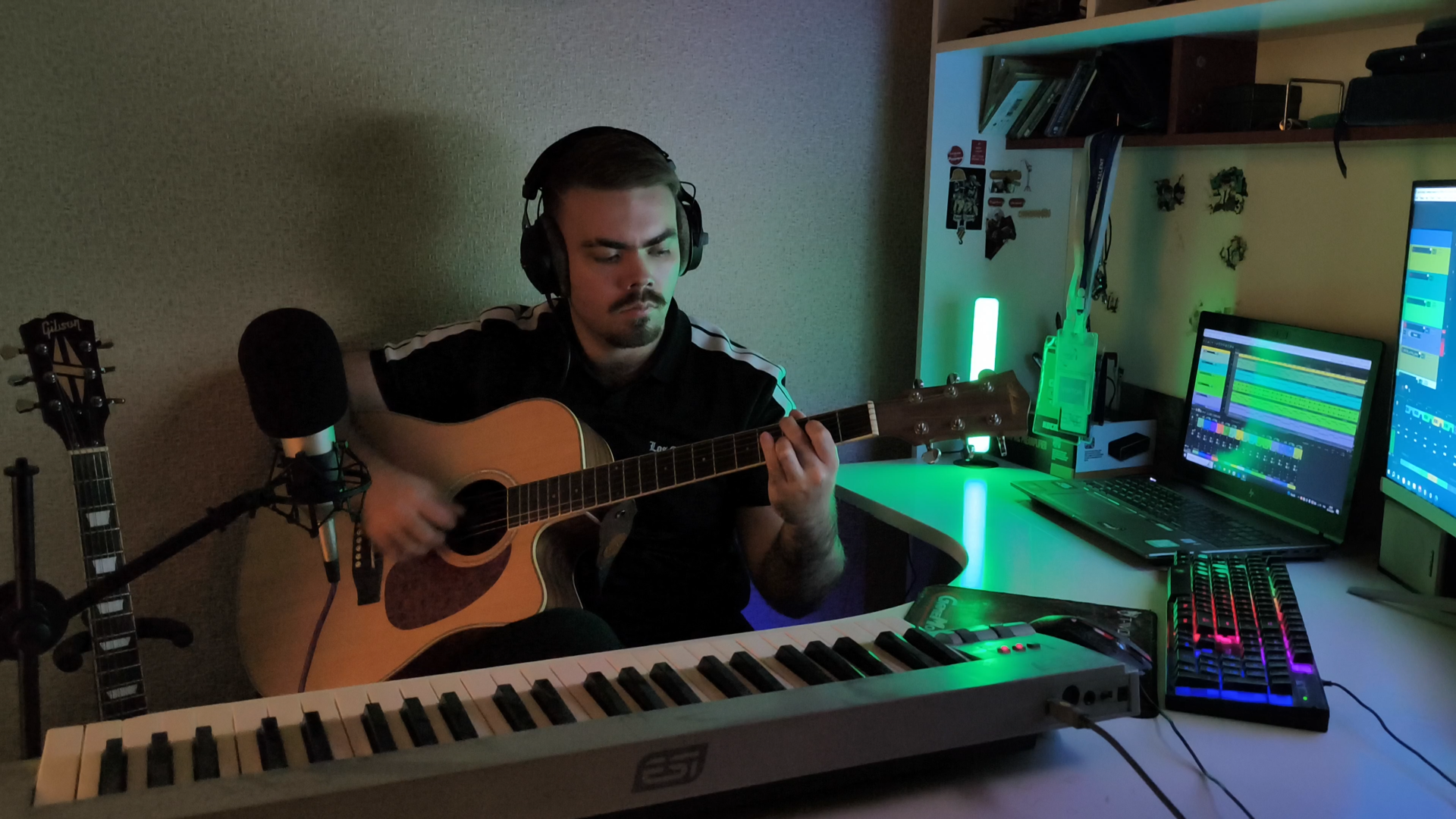
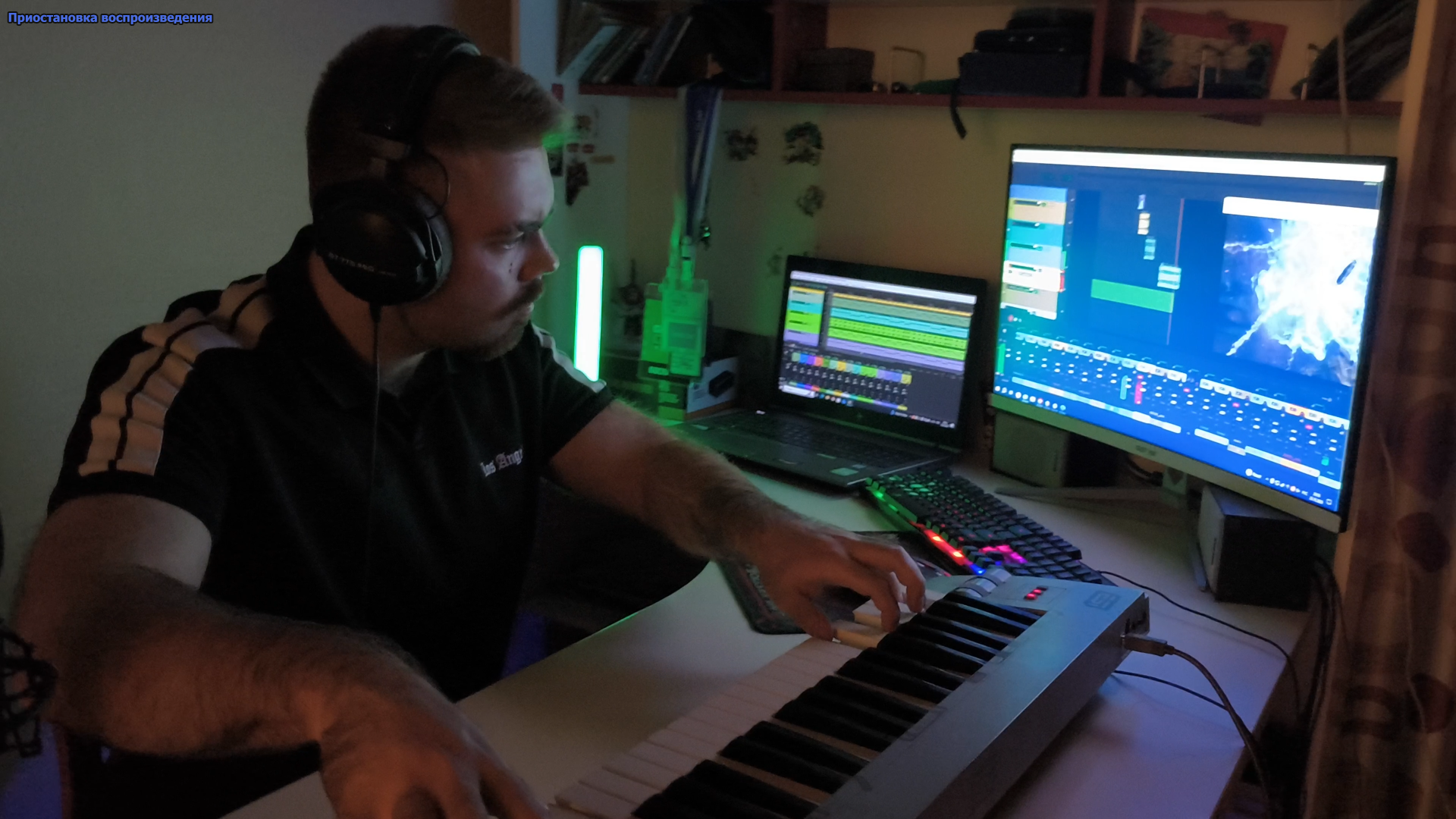
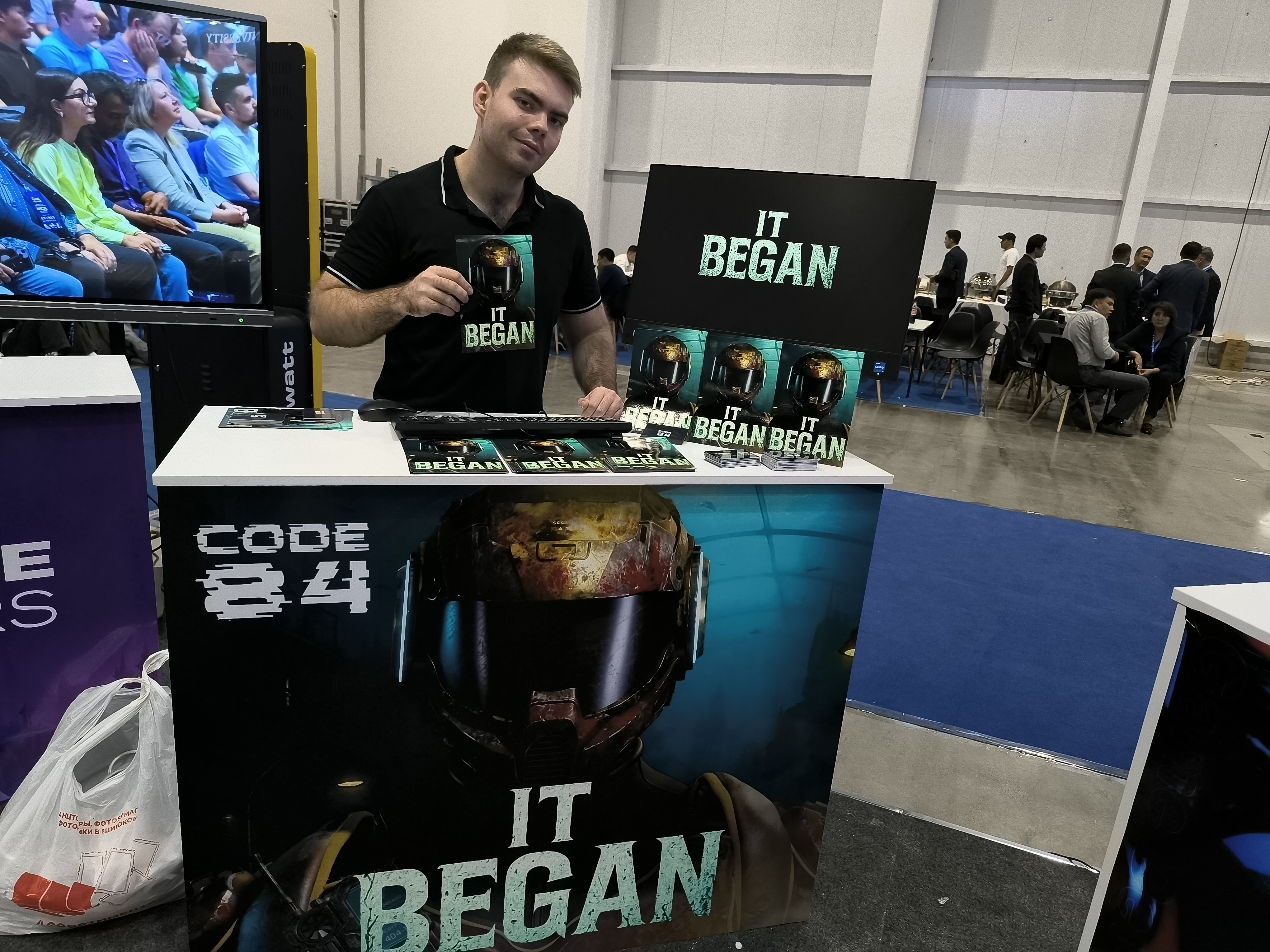
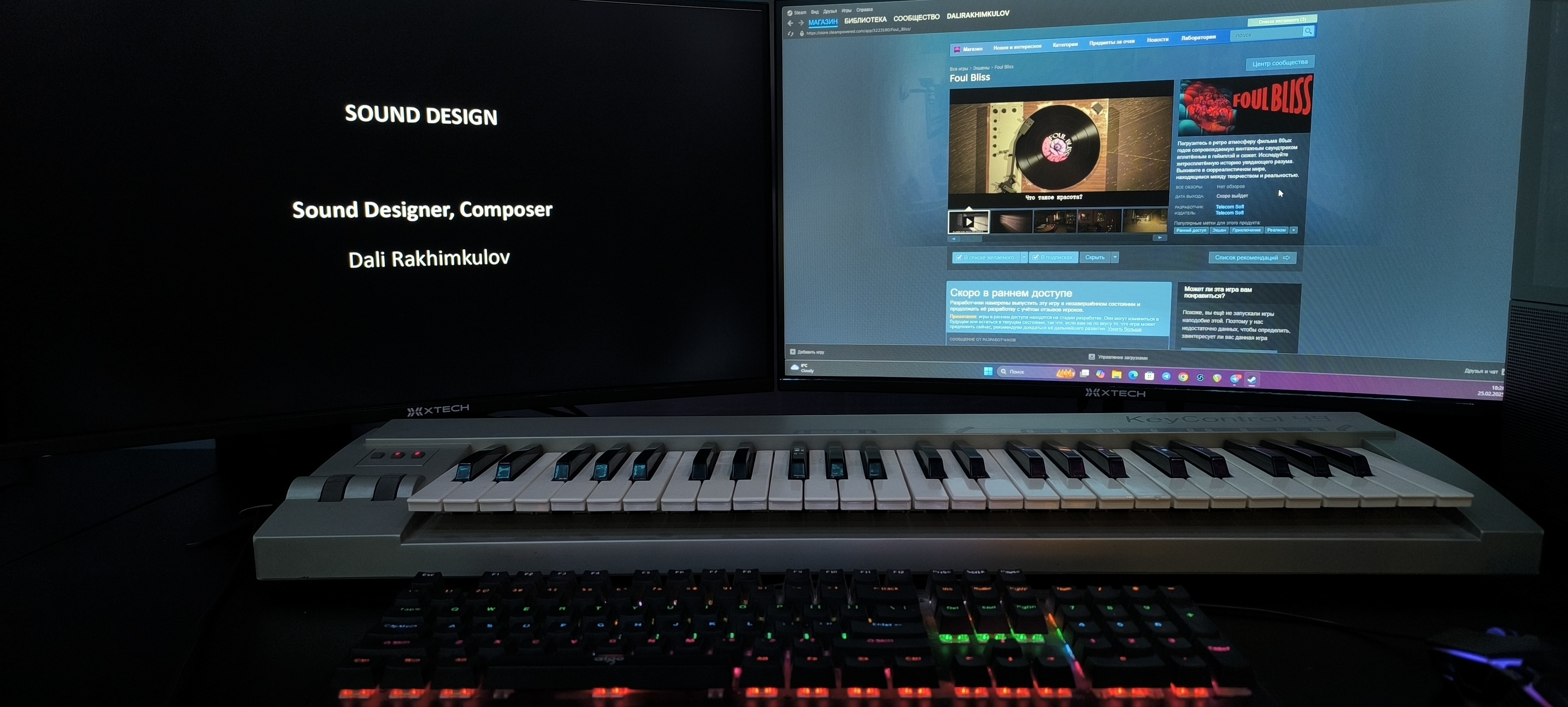
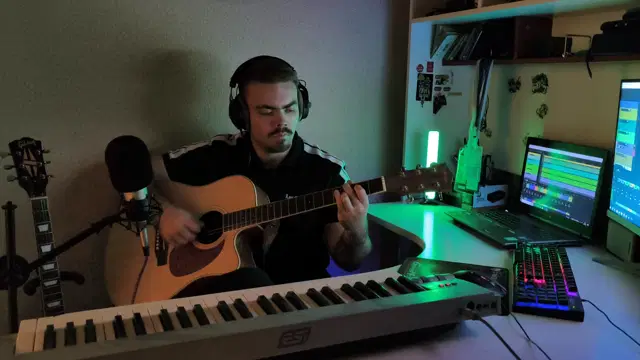
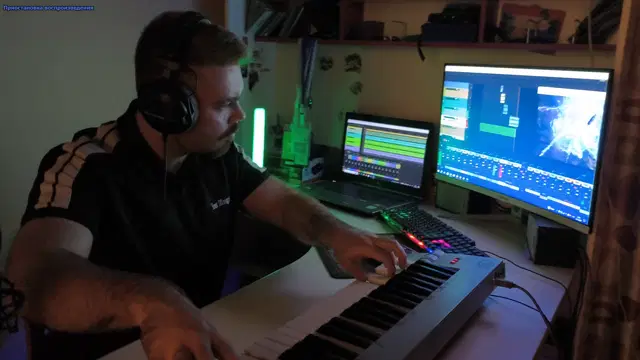
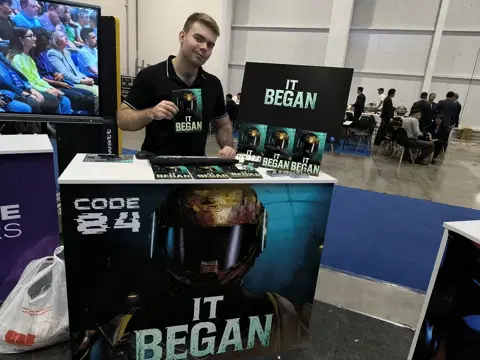
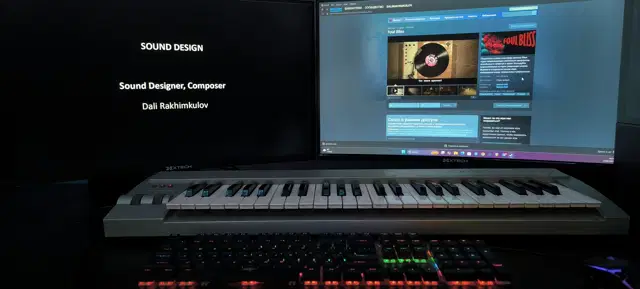
And here the specifics of the local market reveal themselves. According to Dali Rakhimkulov, a young sound producer and audio lead at the independent studio Code 84:
In small projects, one person often covers multiple roles. The sound designer is simultaneously the composer, the audio engineer, and the technical specialist for integrating audio into the engine. The artist becomes the animator, and the programmer works as a part-time game designer. This kind of versatility is helpful at the start but hinders scaling up.
As for sound, it is very often underestimated. Frequently left "for later," it is precisely sound that creates the sense of presence. Inappropriate silence or overly grotesque sound can ruin the impression even of high-quality visuals. One of the growth areas is indeed sound—in Uzbekistan, there are almost no narrow technical specialists in audio integration.
Another systemic challenge—money—also occasionally introduces difficulties into the work. According to Sergey Karasyov, an artist, designer, and art director with 17 years of experience in visual communications and the head of the 2D Axis team, many investors limit themselves to a psychologically comfortable sum of around one hundred thousand dollars. This is precisely the threshold for experimentation without catastrophic risks. Anything above that already constitutes serious investment.
Attracting investors is difficult not only in Uzbekistan. Publishers look at the team's experience and completed projects. The market in Uzbekistan is still raw, as there are very few teams with released titles. And for an investor, this is primarily a risk. Development timelines depend on the realism of the developer's ambitions. A team usually consists of three to five people, and the optimal development cycle is 6-12 months. At the same time, newcomers very often want to create a "AAA game from the couch," underestimating the scale, forgetting about optimization and testing, which turns the project into a mess.
Therefore, growth in Uzbekistan's industry is often hampered by money, experience, and personnel; salaries, which in game development are statistically lower than in conventional IT, motivate some specialists to move to more stable fields. But the industry persists, most often on the backs of those willing to work for the idea.
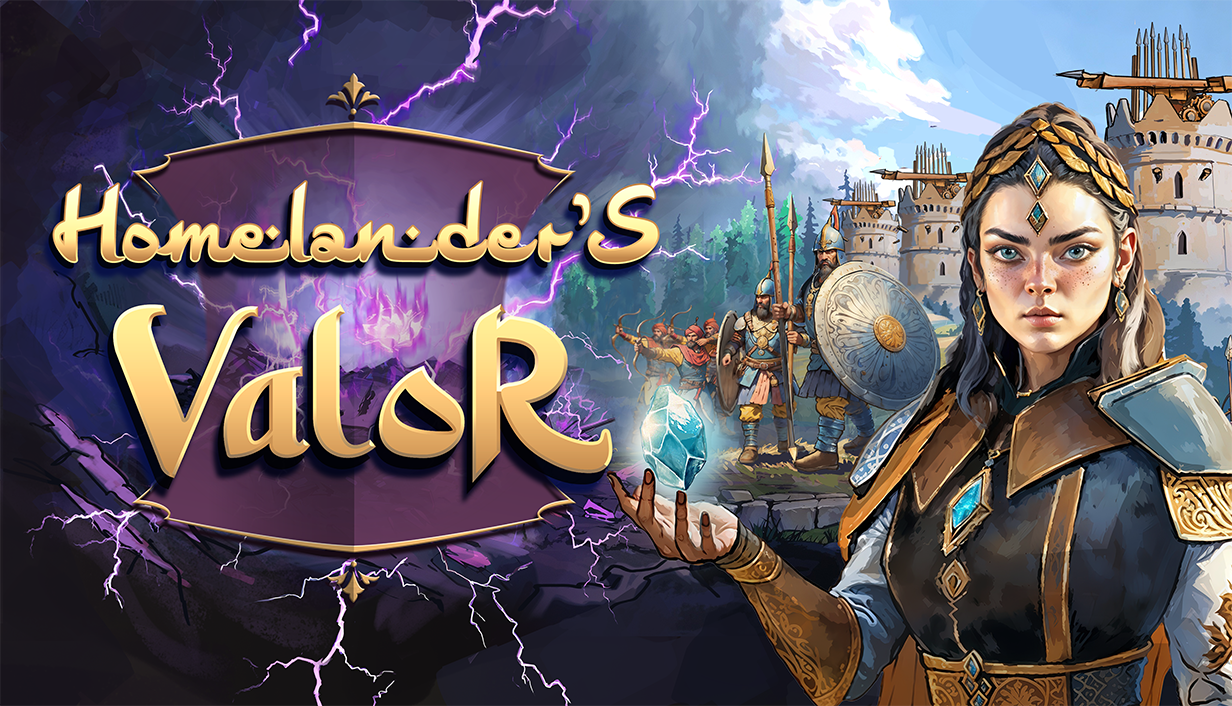
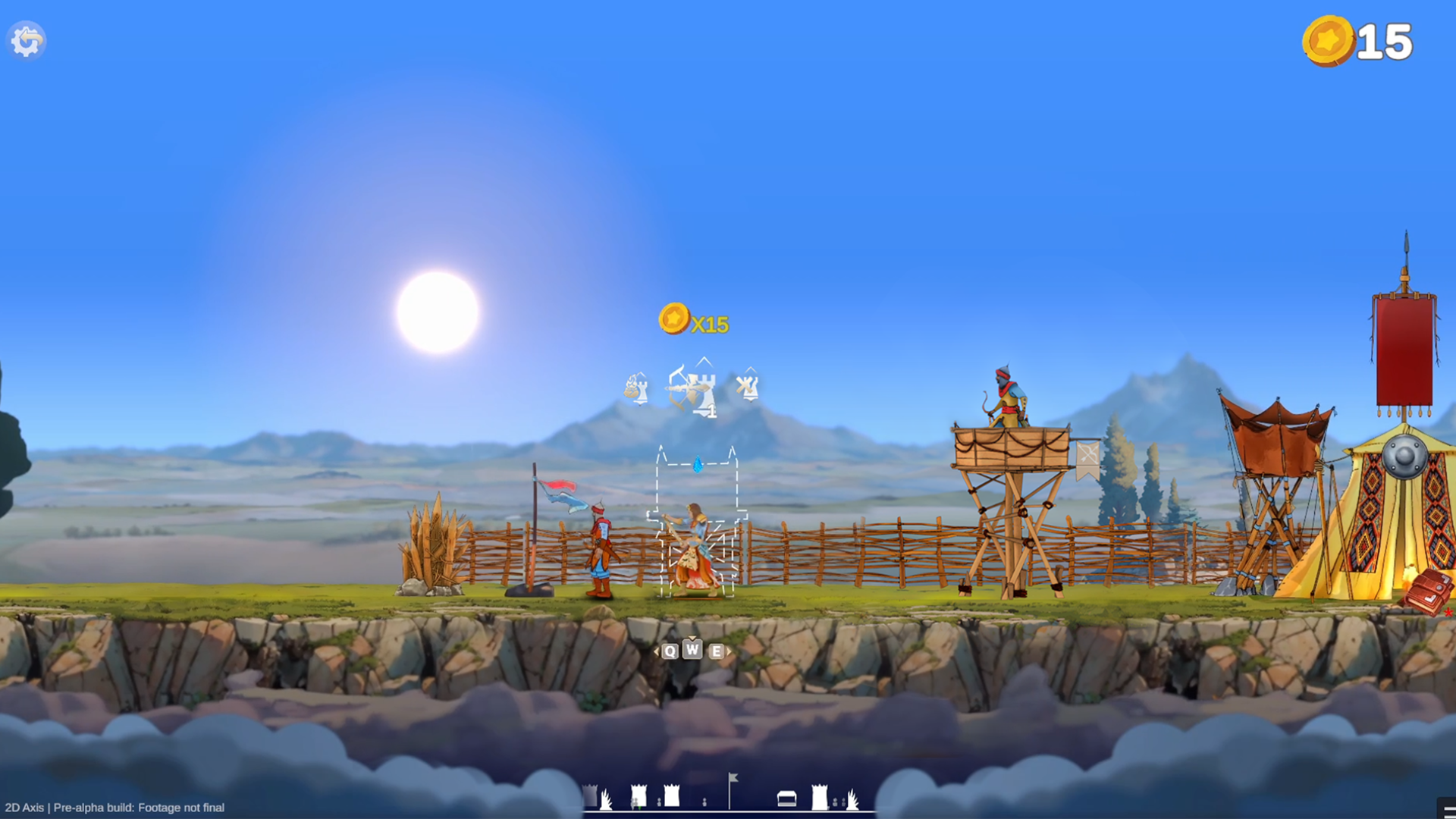
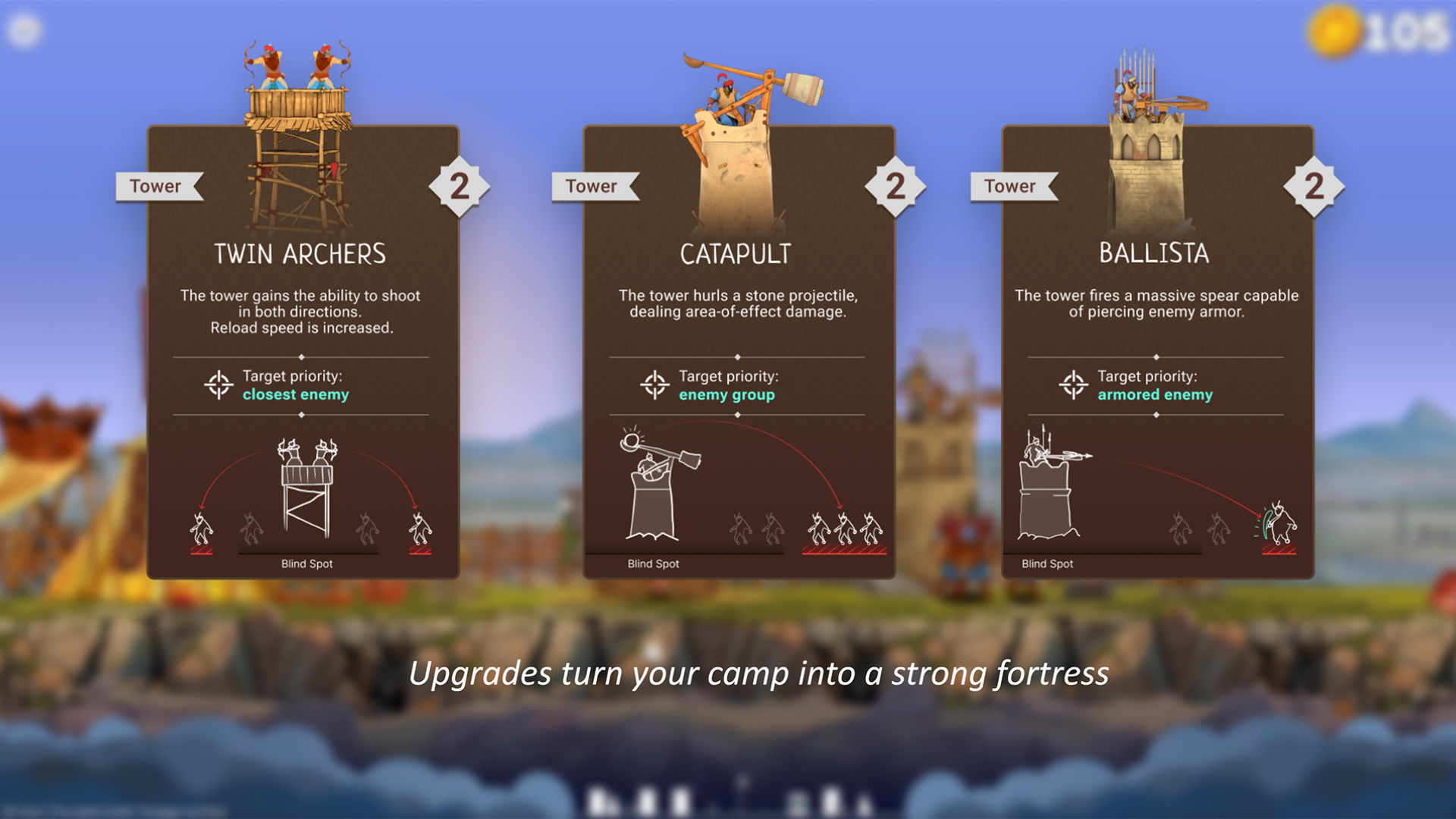
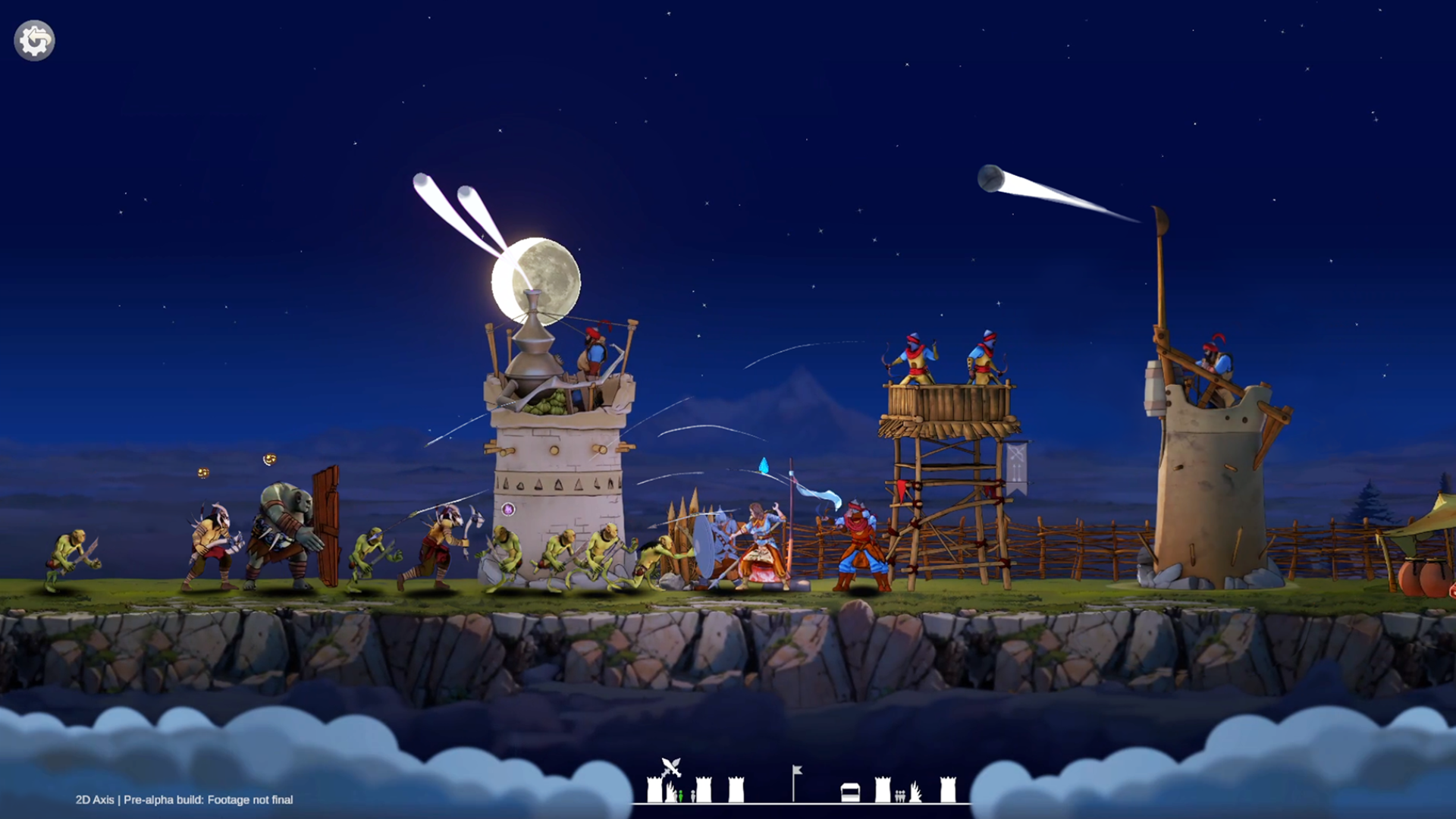
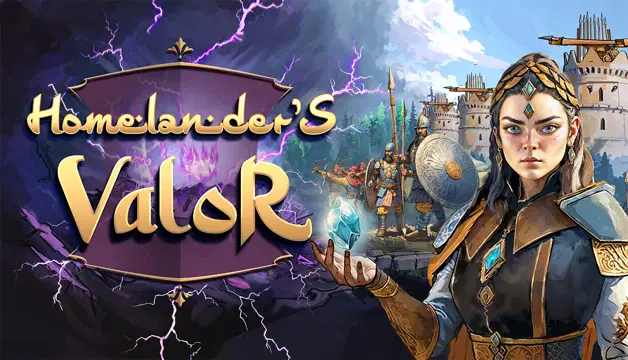
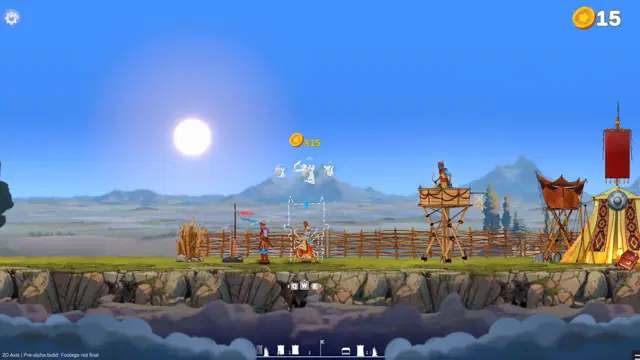
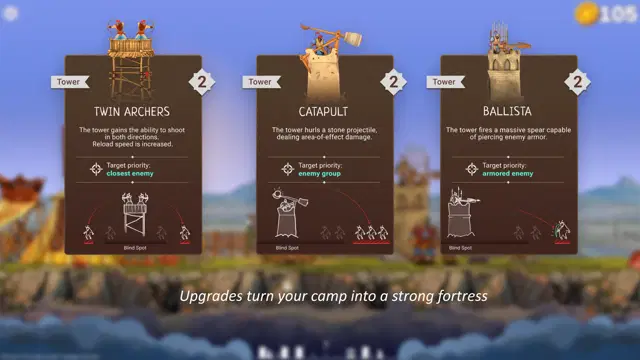
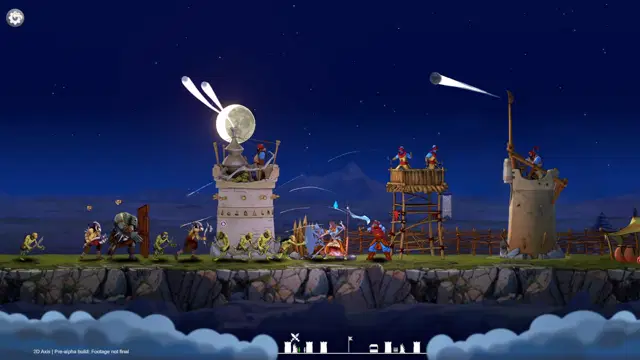
Footage from the new game by studio 2D Axis. The game is in development and its final appearance will differ.
State support plays a significant role in the development of Uzbekistan's game development sector. One example is IT Park. This organization provides tax and operational benefits and develops accelerator initiatives. IT Park fosters an environment that helps young teams not only launch projects but also try their hand at the international market. As part of these initiatives, large-scale events are held, such as Game Gap, where representatives of global studios and local developers discuss global trends.
The development of the gaming industry in Uzbekistan is, first and foremost, an investment in the youth, as game development is a field where one can realize themselves as a programmer, artist, and writer. Today, we are witnessing a trend where more and more indie teams are entering the international market, and this provides an opportunity to showcase Central Asian culture to the world through a modern format. The state is not standing aside and is creating initiatives, including IT Park, where studios can work for export with minimal overhead, making Uzbekistan a promising hub for launching gaming projects.
Sevara Hidoyatova, Head of the Department for Attracting International Software Products
At the same time, the industry also faces a gray area in game distribution—piracy. For large, giant studios, this may not be so critical, but for small companies, these are tangible losses, especially at the start. On the other hand, it is informal marketing, as the game still finds its user—albeit through unconventional means. The exact effect is difficult to assess, but for the Uzbek industry, it is both a risk and a way to expand its audience.
Why It's Difficult to Reach a Global Level
One of the main challenges for Uzbek studios is entering the international market. The competition is extremely high, as even minor mistakes in optimization and marketing can cost a project its place on a platform or the rapidly shifting attention of players. And with a small budget and limited team experience, there is almost no room for error.
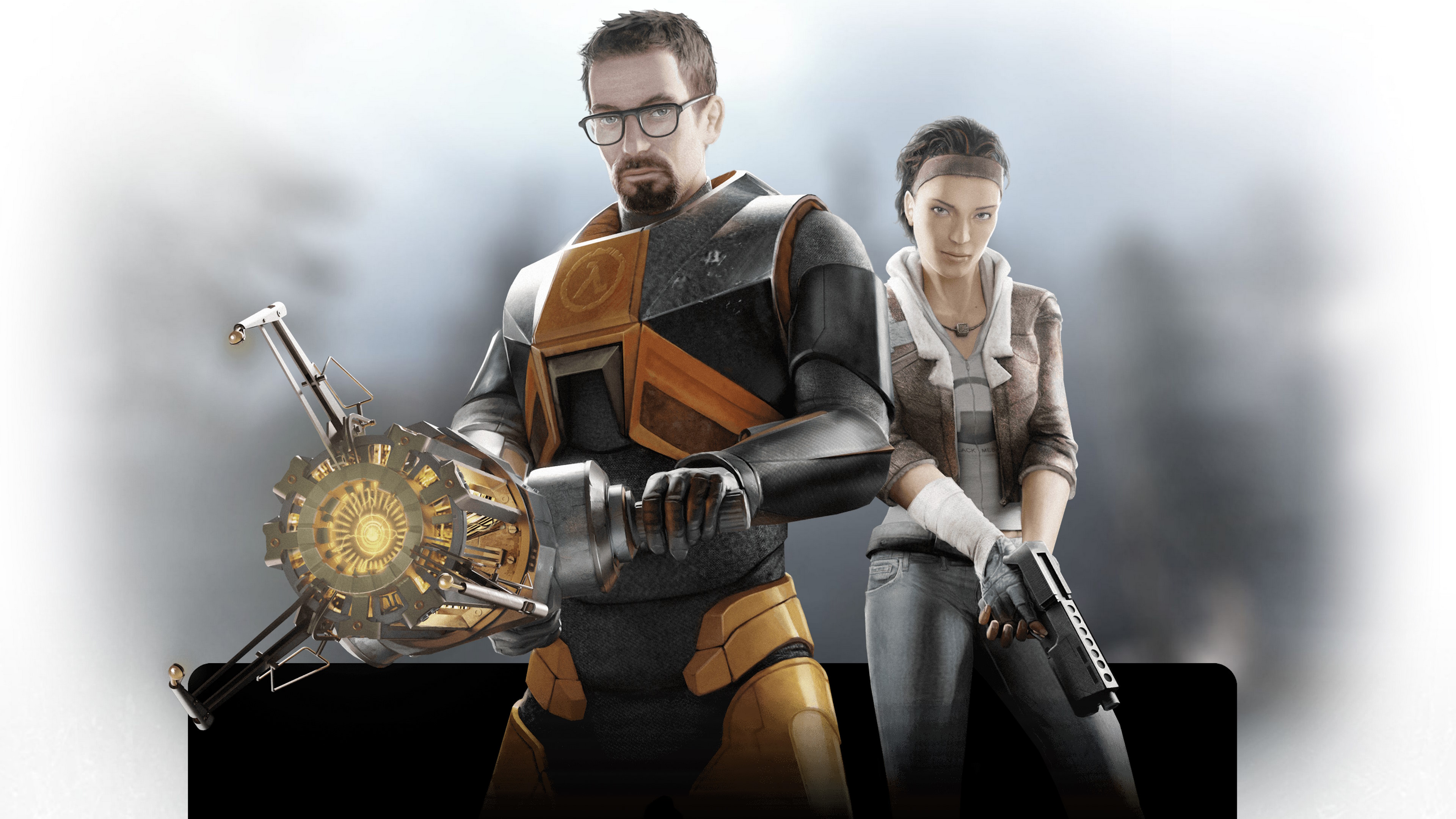
And once again, it's about money. The lack of investment and "long money" (financing provided for the long term) is the second major obstacle for Uzbek game studios. Local investors are not always willing to take risks, while attracting international ones is difficult. More often, local companies receive funding for experimentation, but not even for full-fledged AA-level production.
The third factor of complexity is the shortage of production culture and experience with large-scale projects. Only a small number of specialists who have worked in major studios join local teams. Consequently, the lack of understanding regarding development cycles, asset integration, and team management often leads to even talented groups underestimating the time and resources required to create a complex and ambitious project.
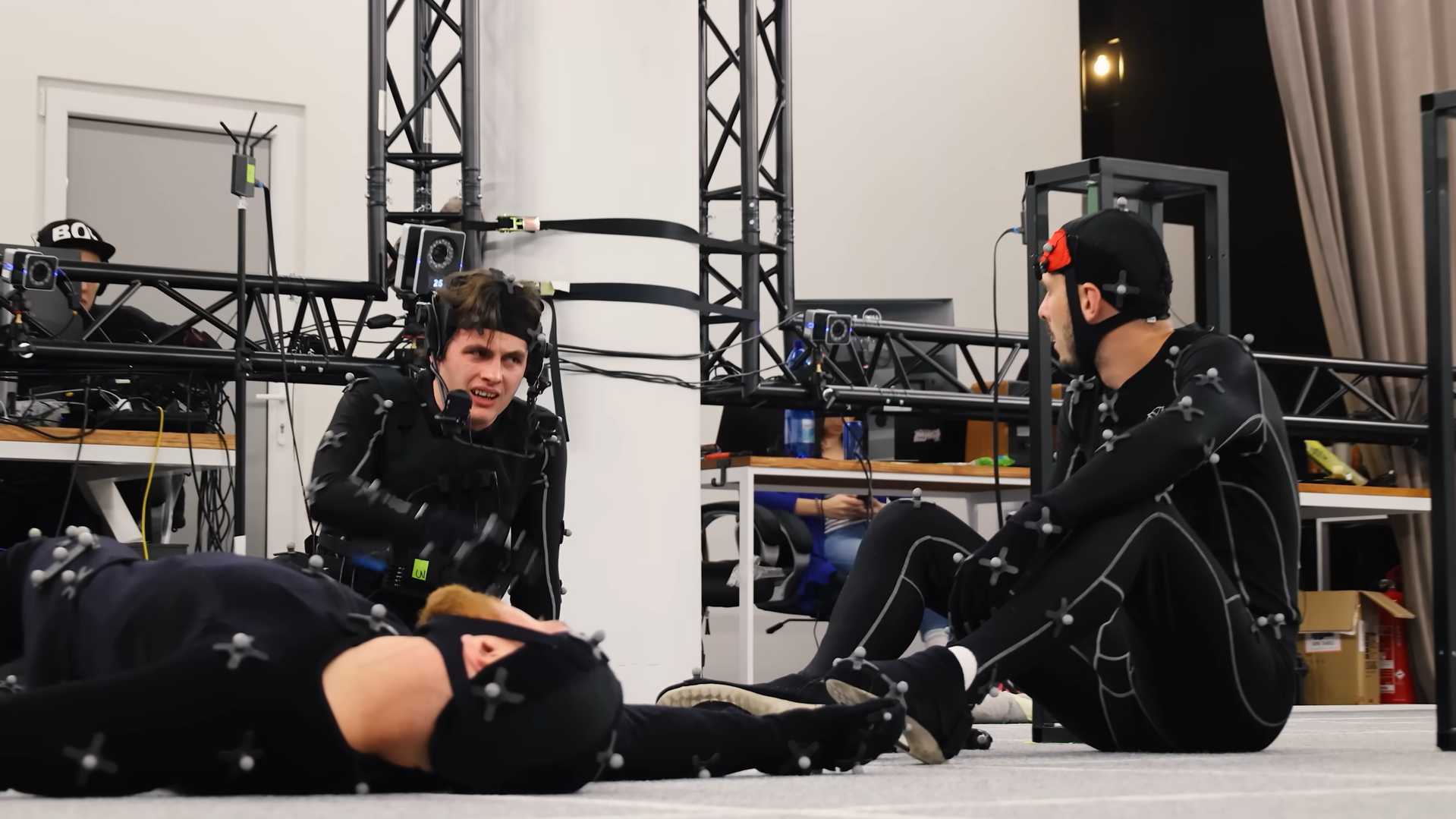
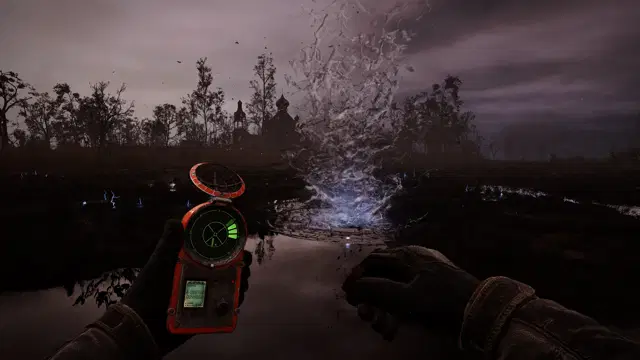
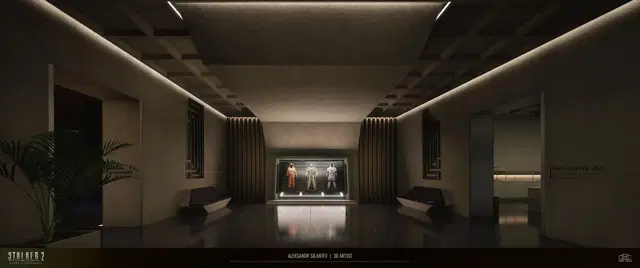
What it's like inside the world of AAA game development at major international companies is known to Alexander Silantyev, an environment 3D artist and employee of GSC Game World, who worked on S.T.A.L.K.E.R. 2: Heart of Chornobyl.
Hundreds of specialists are involved in AAA production (and in the case of S.T.A.L.K.E.R. 2, over five hundred), with their roles strictly defined. Every asset undergoes multi-stage verification, from automated tests to internal QA. Without producer discipline, a project of this scale inevitably descends into production hell with endless revisions.
The main difference between Uzbekistan and the international market is not in technology, as advanced tools are already available to everyone, but in experience, funding, and production culture. For a project of AA or AAA level to emerge in the country, long-term investments are needed, along with producers and art directors who have been through a full development cycle, and an influx of specialists capable of cultivating this culture locally.
Alexander Silantyev
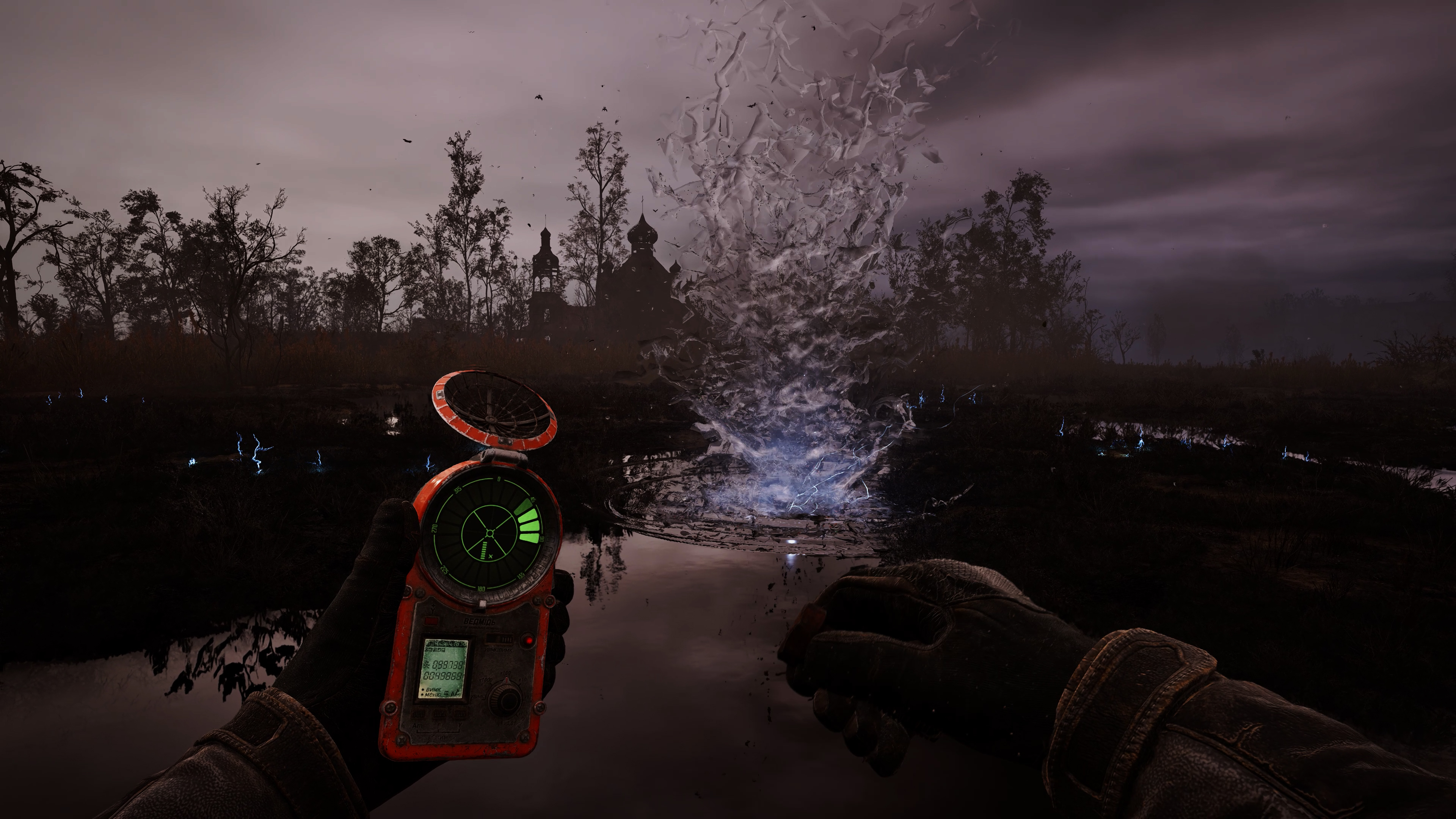

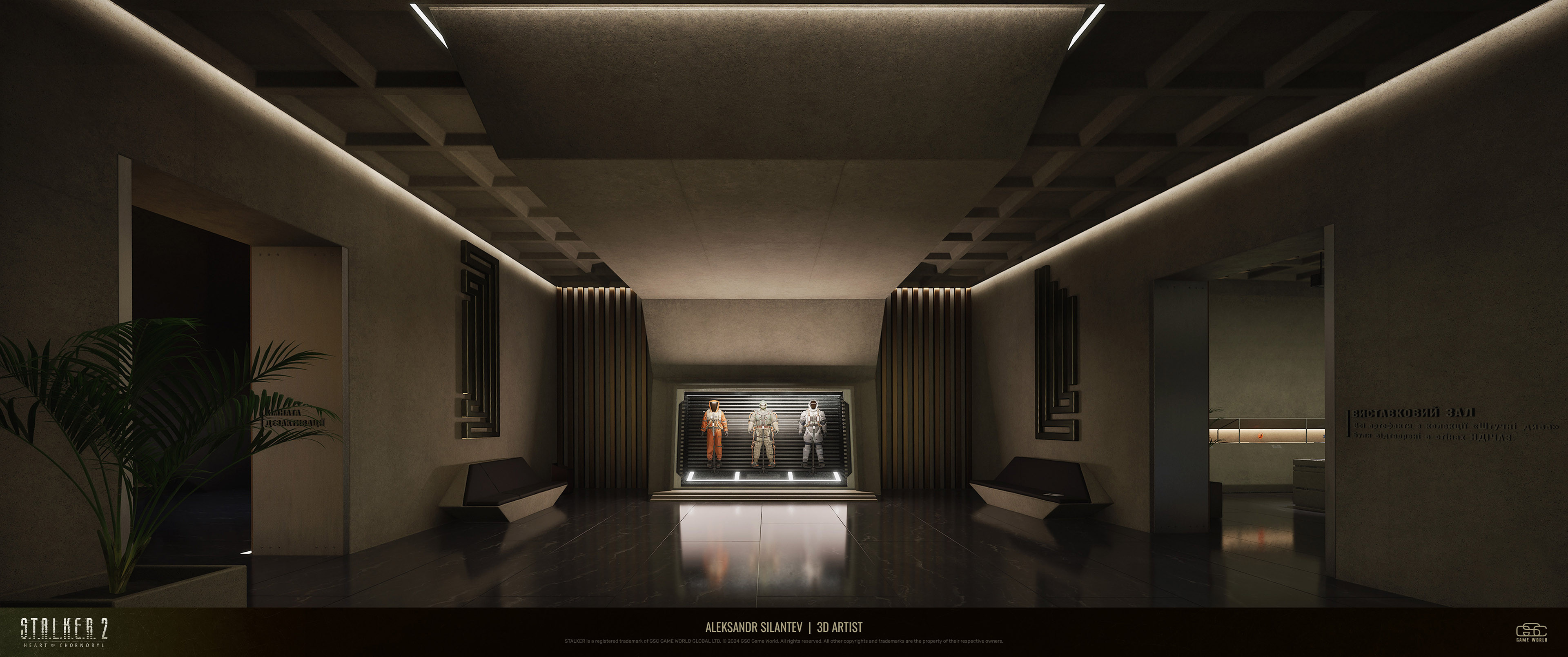

The local market remains nascent, but infrastructure is developing. Accelerators, educational initiatives, and international exchanges provide growth opportunities. This means Uzbek companies are narrowing the gap with global standards, though the path ahead is still long and demanding.
An Inside Look: What Uzbek Gamers Think
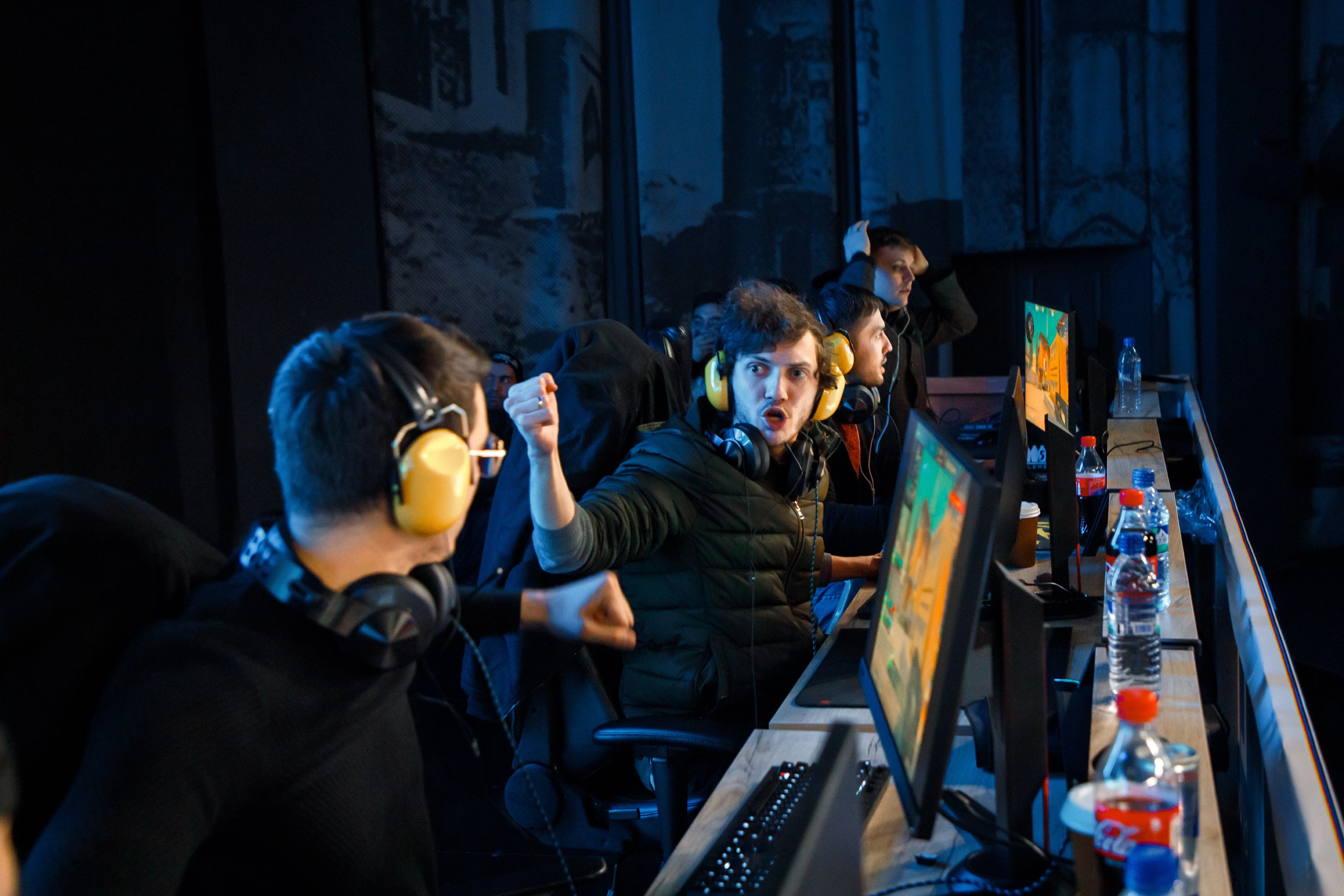
The video game industry is not just about developers and investors; it's also about the audience. How willing are players to trust new local projects? What kind of game would make them choose to pay for it over another installment in a franchise or a new title from an already established studio? We asked representatives of the gaming community to find out.
Fyodor Davydov, lead software engineer, views the situation with cautious optimism:
When considering the CIS region as a whole, the foundation in programming and game development strengthens each year, acquiring new projects and prospects. This, in turn, creates a basis for improving the quality of studios and their competitiveness. While it is not yet about competing with global companies, the Uzbek technical school, national character, and ambitions could elevate the region to a new level.
Automation systems engineer, Ruslan Gazizulin, views the situation as a player:
The key growth driver is a strong script, as without an ambitious script, it's difficult to create a game that truly captivates. However, a lot also depends on the game mechanics, since everyone has different preferences. There is no universal recipe, but the combination of a compelling story, well-thought-out mechanics, and stable funding is the essential minimum.
According to Nurlan Sheranov, former editor-in-chief of the video game and esports publication Damage.uz, the explicit demand for local games is still relatively low.
Access to global releases is incredibly straightforward thanks to modern distribution—just log into Steam and you're faced with tens of thousands of projects, making it difficult for local developers to break through. And yet, the rich mythological tapestry of Central Asia could serve as the foundation for a potential "Witcher"-like game. One day, such games could very well stand shoulder-to-shoulder with global hits.
According to Anastasia Lazutkina, an artist and animator actress, there is no formula for the perfect game:
It's not always about genre or graphics, because even indie projects can sometimes captivate with their soul. A reasonable price and technical stability are important, but a game about cats, especially on the level of Stray but in a local setting, I would buy without a second thought.
Timur Kholmatov, a photographer and cosplayer, is ready to support the Uzbek studio with a sum of money, but emphasizes the importance of transparency:
Trailers, gameplay reviews, and more information about a project before purchase are important. This is the stance of any mature player who is open to new experiences but not willing to buy blindly.
Opinions converge on one point: there is no blind advance of trust yet, but what undoubtedly exists is interest and cautious hope. Players are ready to support local projects provided there is integrity, quality, and a strong idea. This means the demand for the industry exists, but for now, it is quite demanding.
Yet the claim that Uzbekistan has no gaming industry is unfair. One example is Windrose by Windrose Crew, a game that became the world's most popular in the pirate genre on Steam, even surpassing the legendary Assassin’s Creed: Black Flag. This very clearly shows that local developers have the potential to create new products that will appeal to a global audience. So, a national game development scene is not just an abstract dream—we can quite reasonably expect new achievements in this field. The road is long, but the first steps have already been taken.