
For the peoples of Central Asia, livestock and all related practices
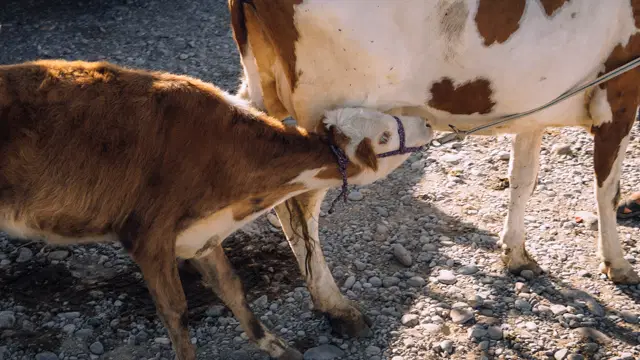
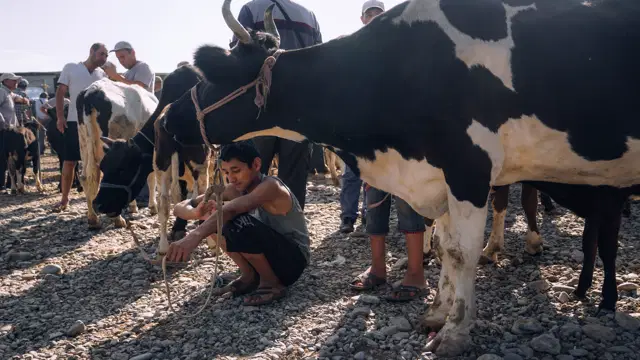
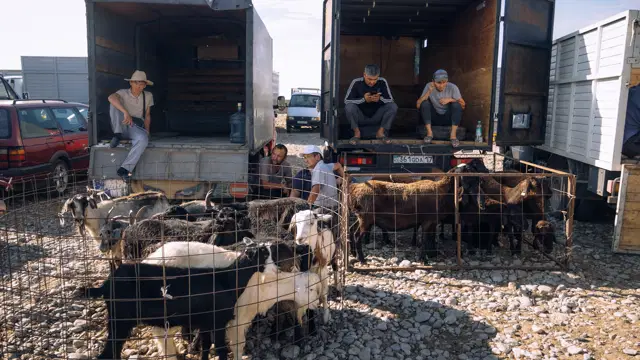
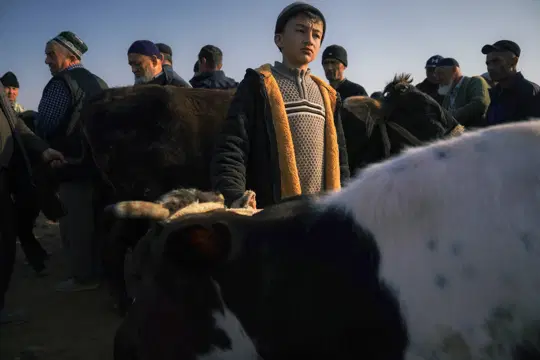
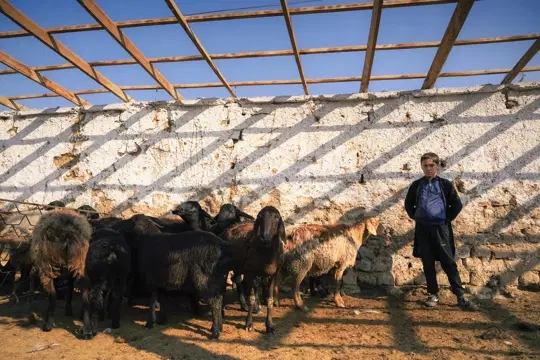
hold special significance. At the mol bazaar (mol meaning bull, or more broadly livestock in Uzbek), cattle, sheep, goats, horses and donkeys are sold.
Occasionally, poultry can also be found. These markets are held near cities and large settlements, taking place once or twice a week at weekends, drawing farmers, buyers and middlemen from across the surrounding region.
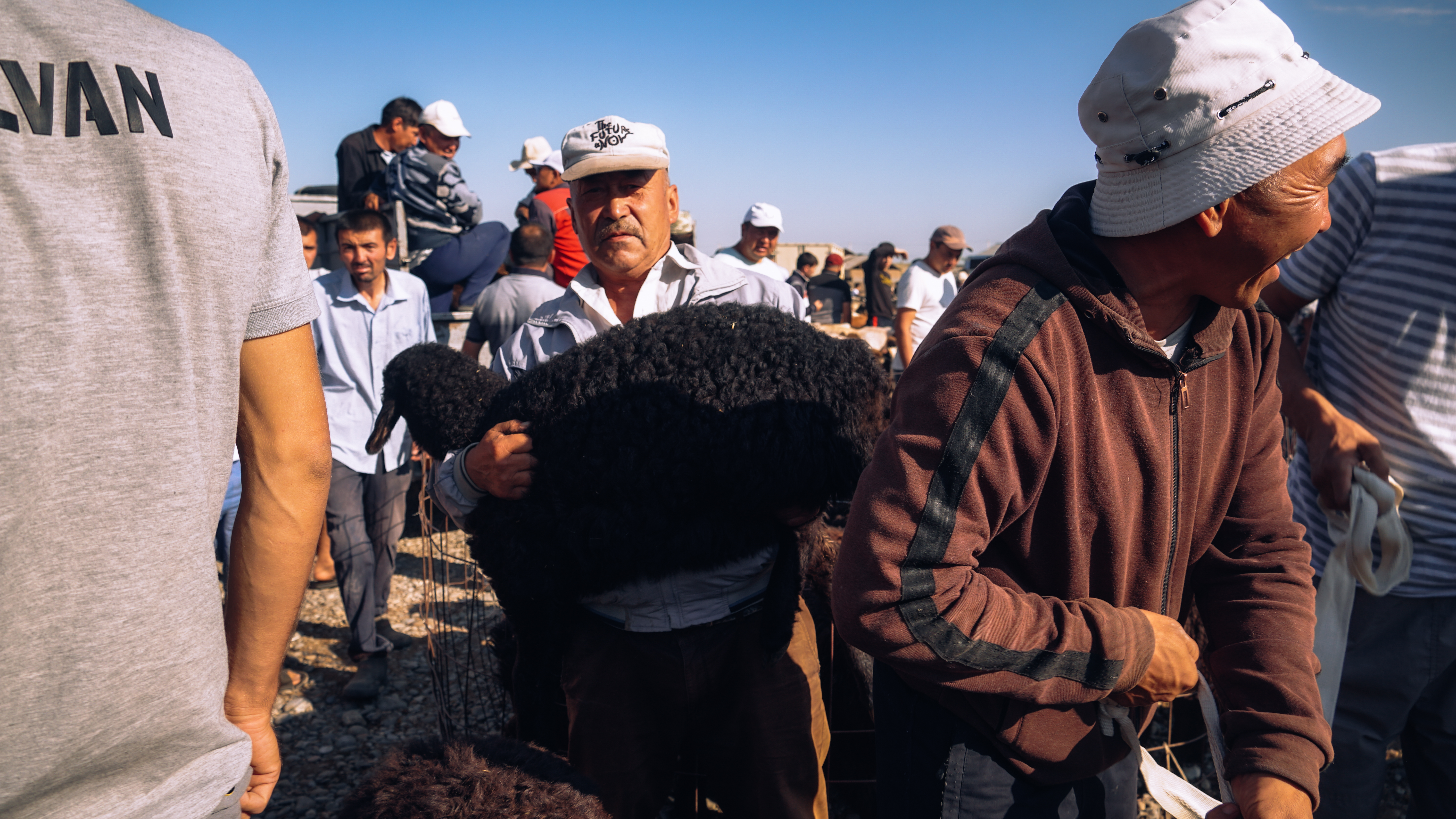 Photo: Ildar Sadykov
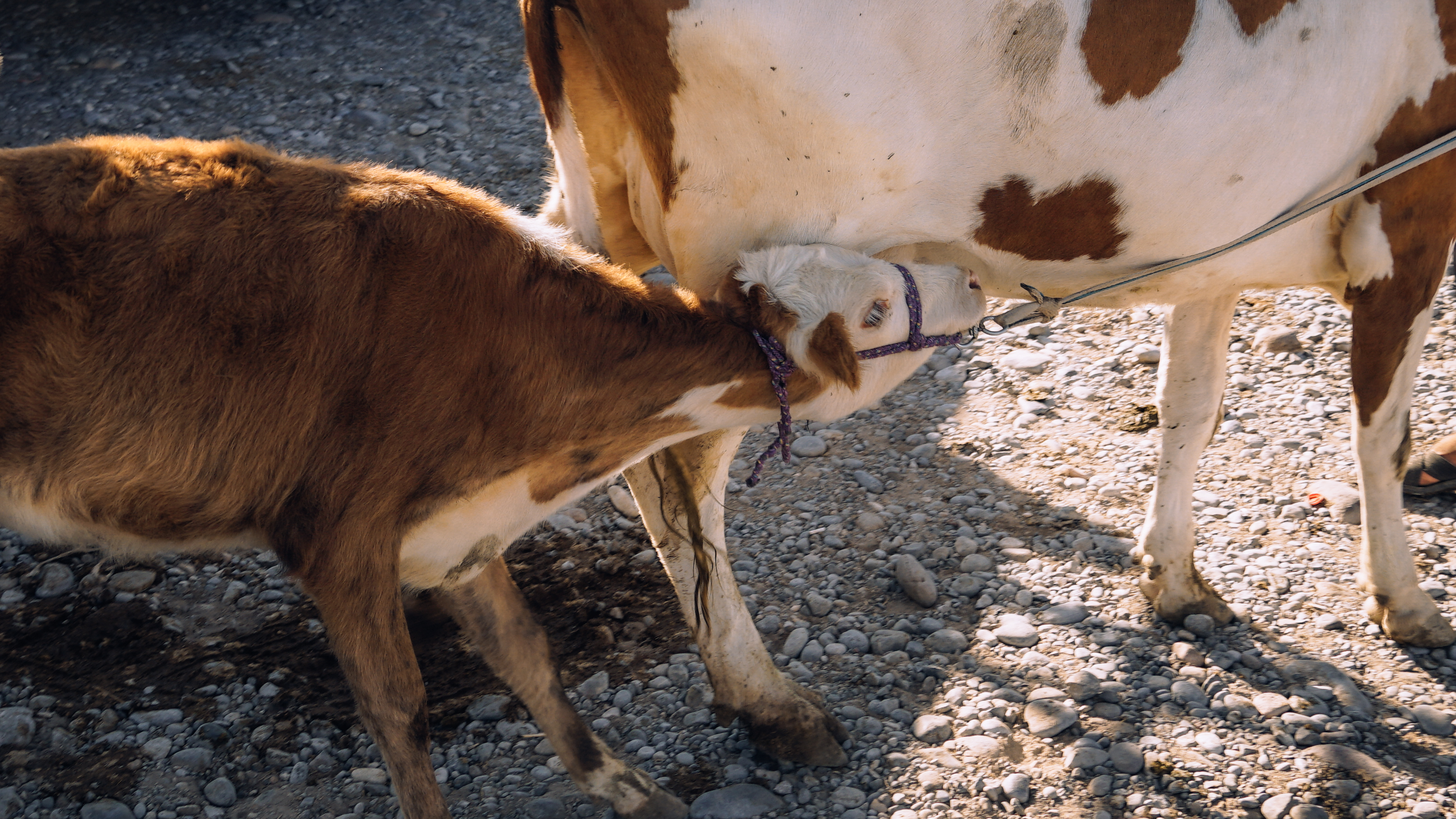 Photo: Ildar Sadykov
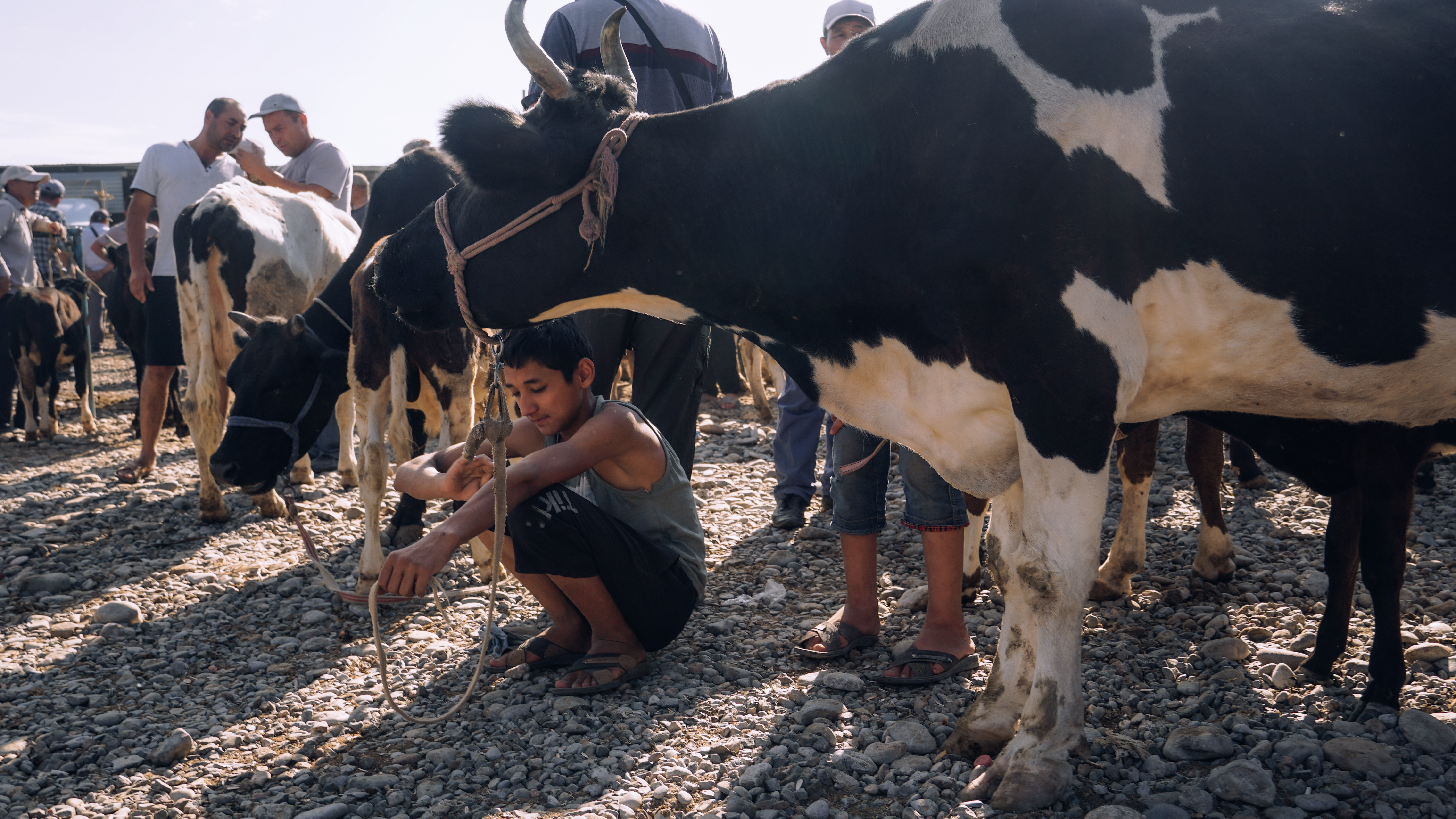 Photo: Ildar Sadykov
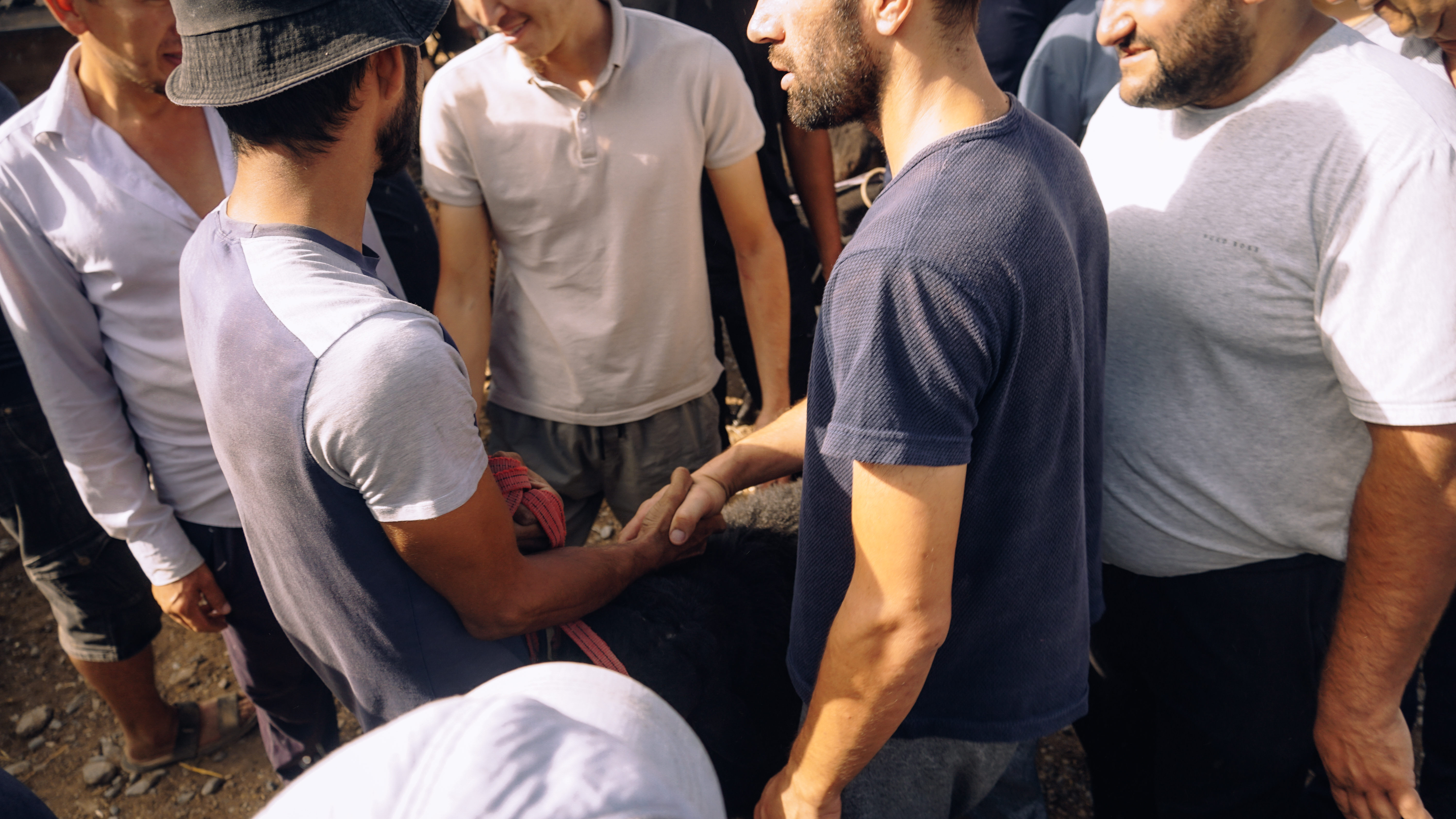 Photo: Ildar Sadykov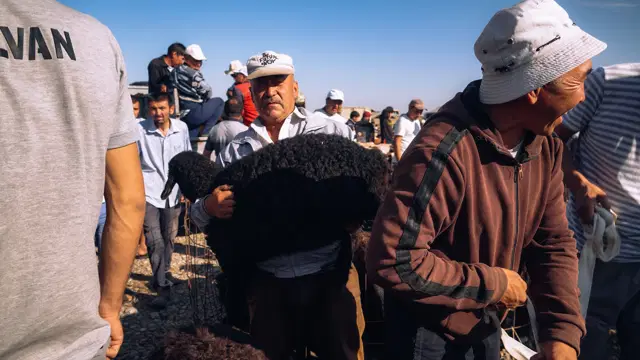
The mol bazaar opens very early, at dawn or even before sunrise, and that is when all participants gather.
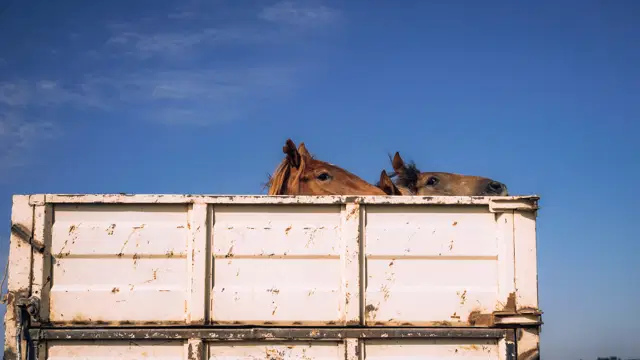
In Termez, for example, there are two such markets, operating on different days. In general, livestock markets across the region are similar, though there are local variations. In Uzbekistan and Central Asia as a whole, where different regions have historically specialised in different types of agriculture, the scale of livestock markets depends on local demand for specific animals. In Shymkent, for instance, the main commodity is horses.
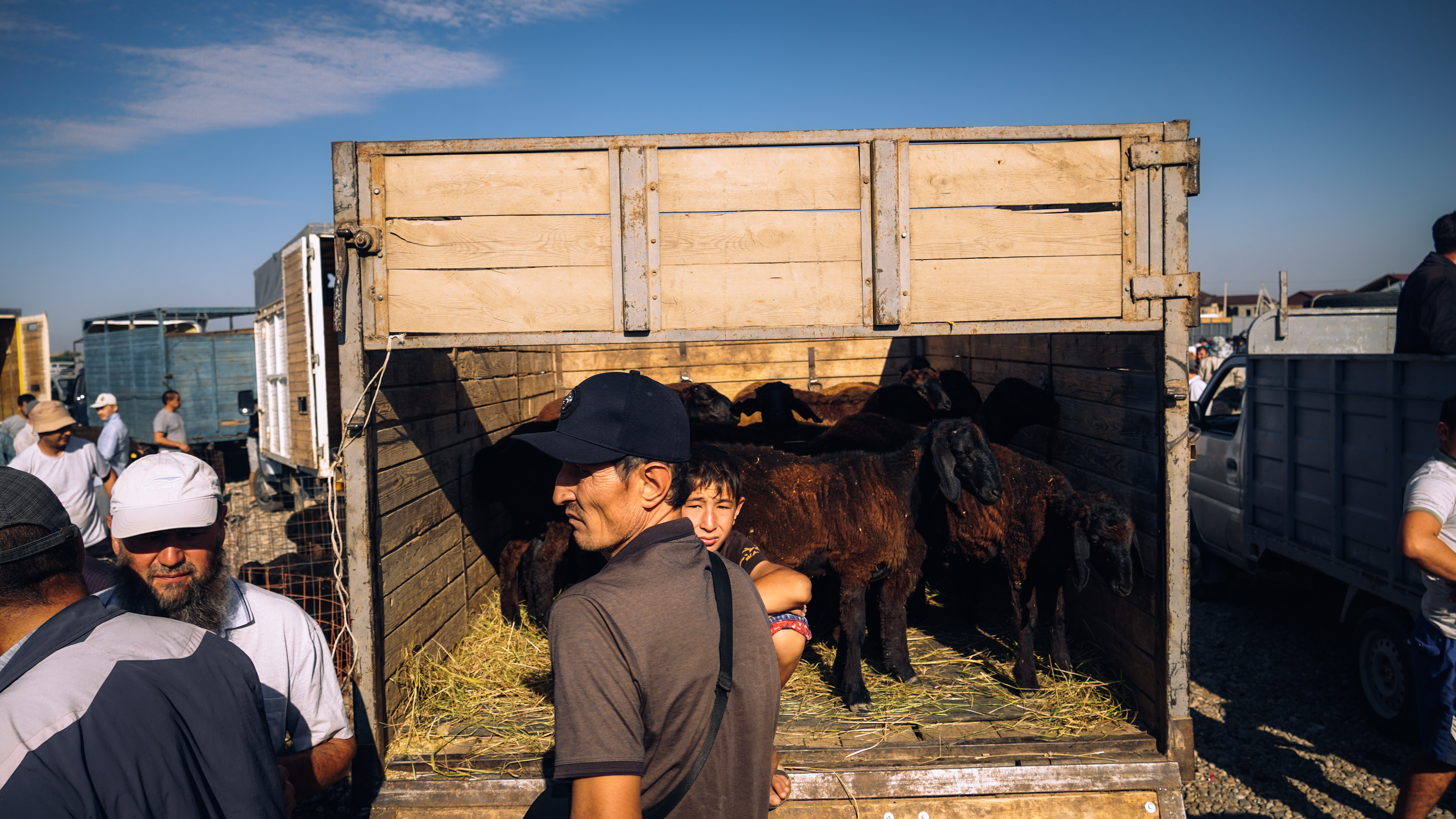 Photo: Ildar Sadykov
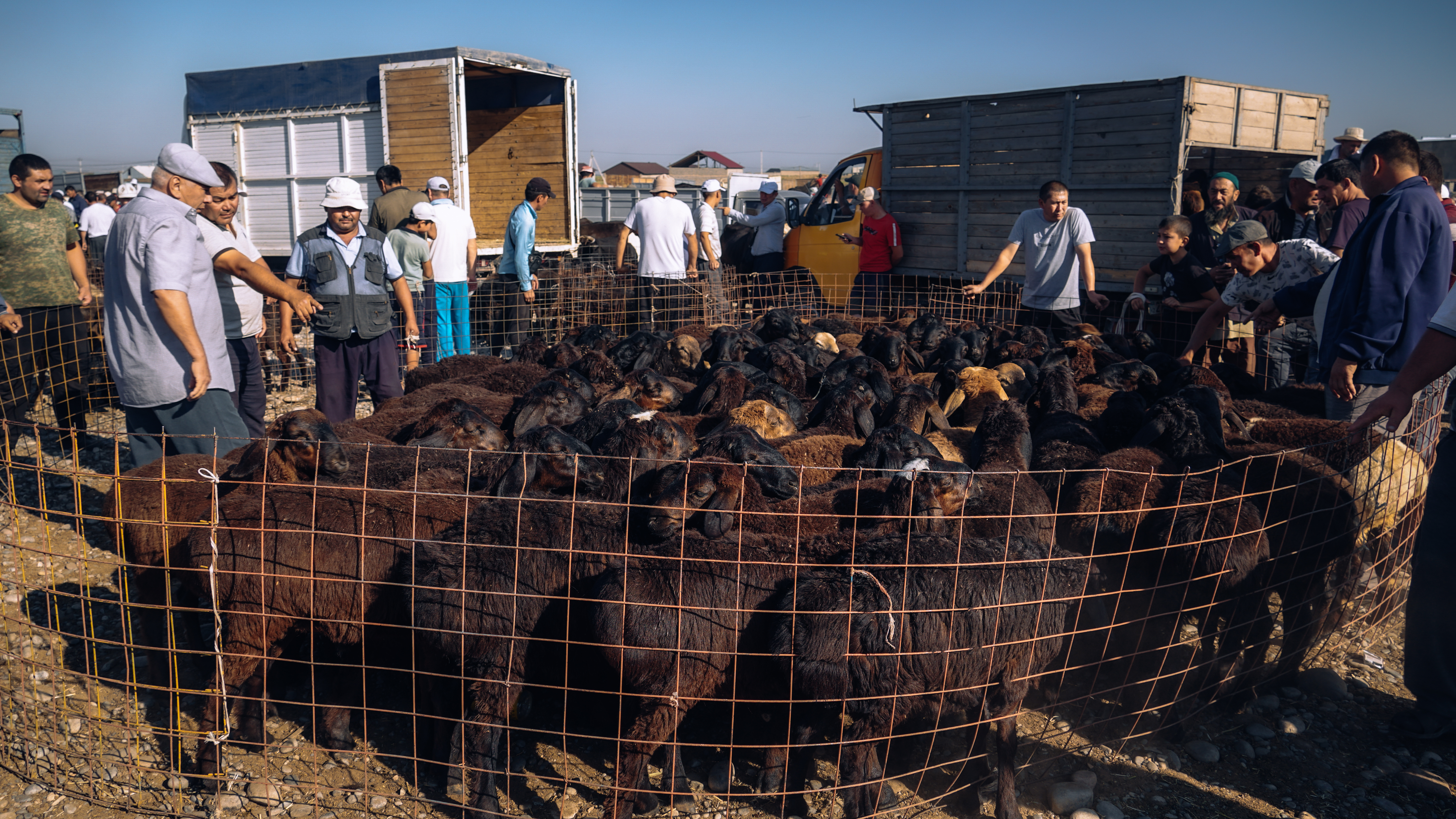 Photo: Ildar Sadykov
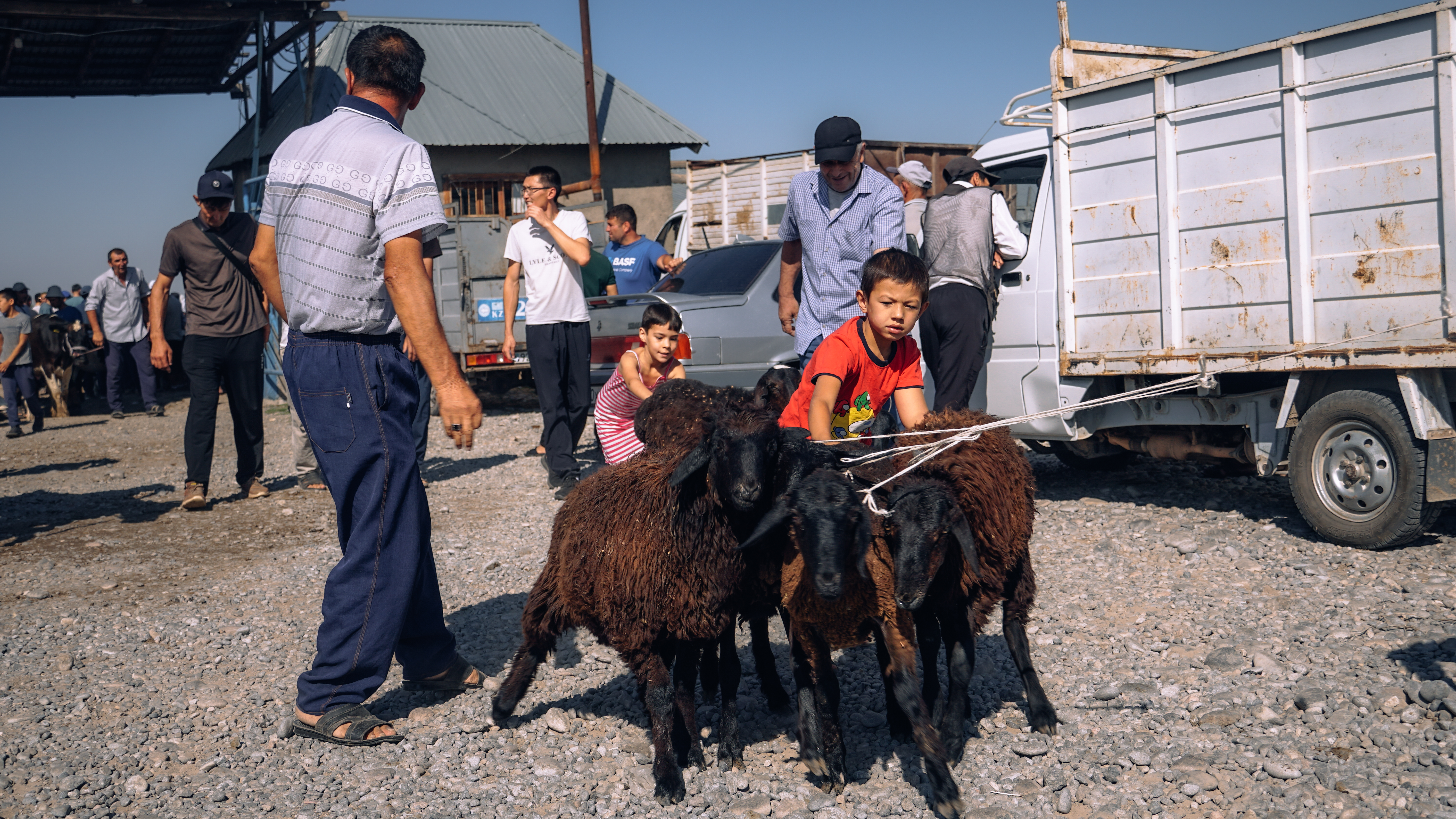 Photo: Ildar Sadykov
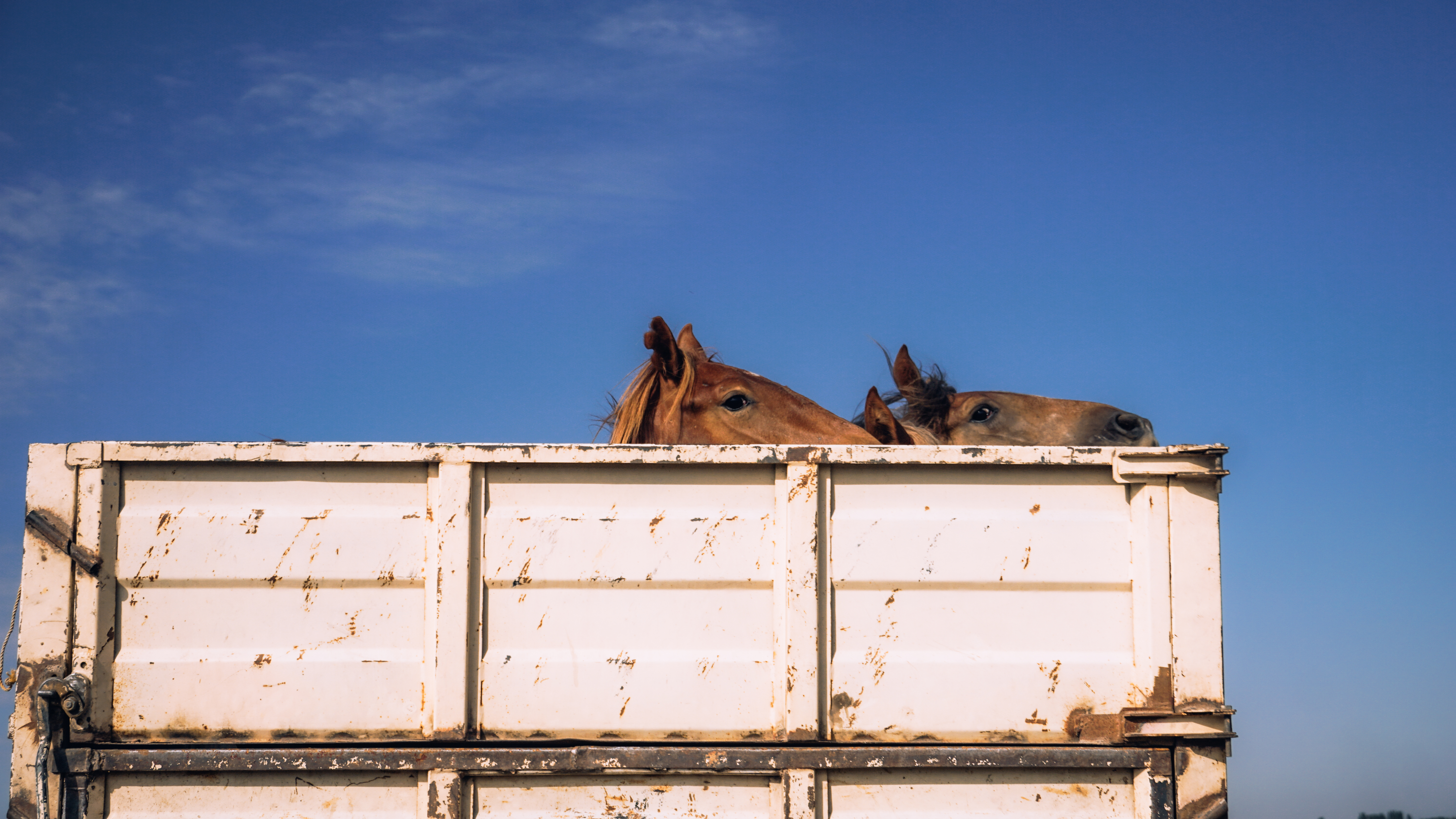 Photo: Ildar Sadykov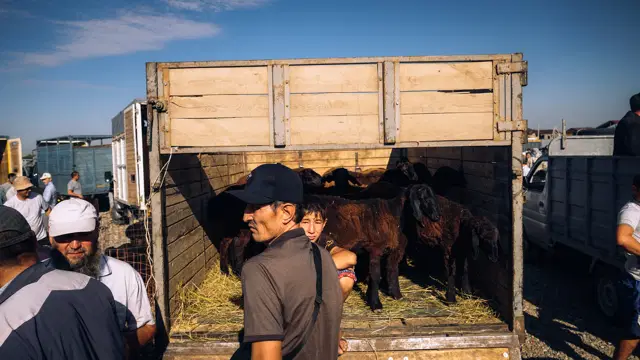
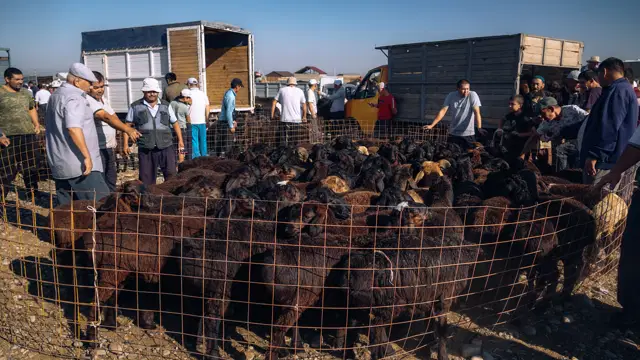
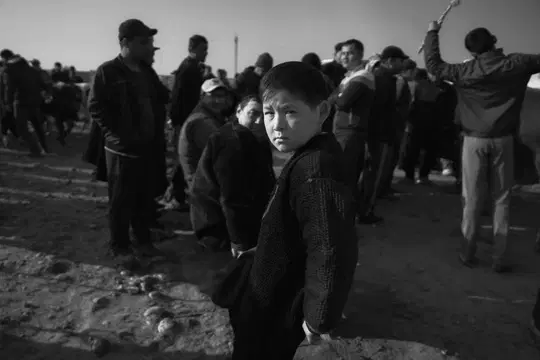
I had long dreamed of photographing a mol bazaar in detail: the process of buying and selling, the living flow of people and animals, the morning hum of voices, the excitement of bargaining, the raw atmosphere, and the complete absence of polished imagery or any attempt to impose order on the chaos. Everything happens here in its most unfiltered form, as it has always been.
Ildar Sadykov
A livestock market is also a place of interaction and communication. Its participants are almost entirely men, which gives mol bazaars a distinctly masculine energy. Trading here is conducted as if for the last time, even though everyone knows the market will open again the following week.
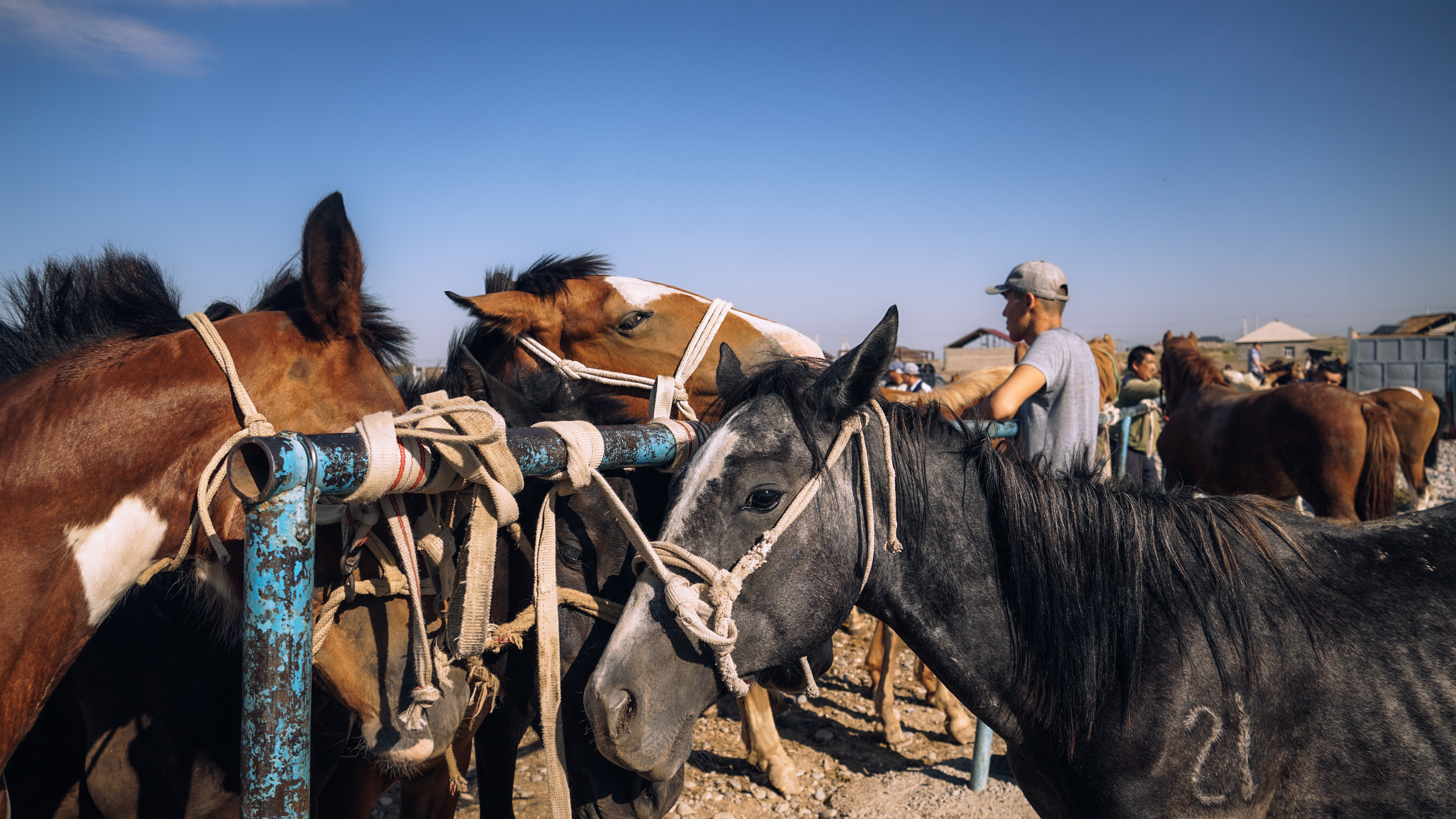 Photo: Ildar Sadykov
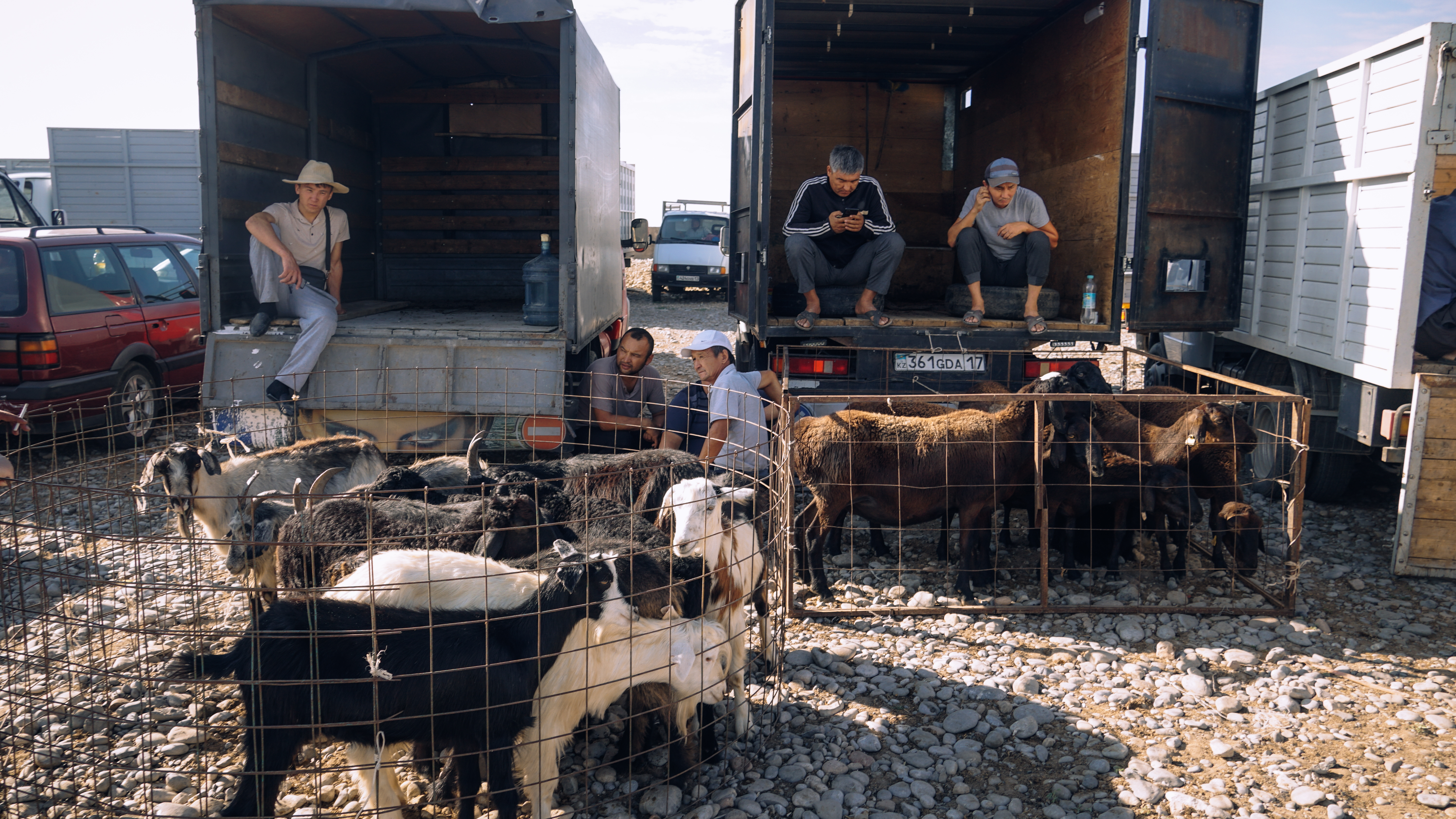 Photo: Ildar Sadykov
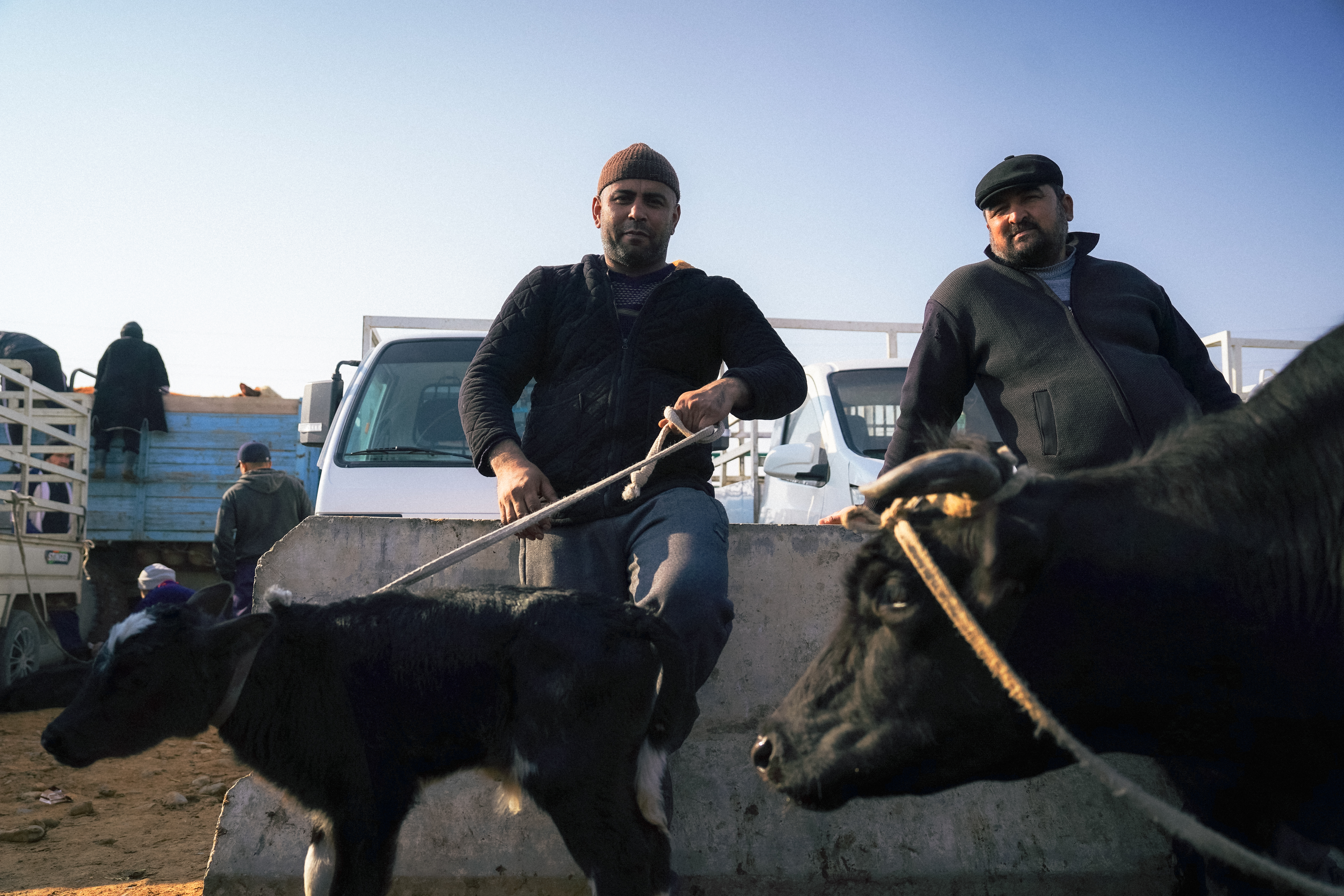 Photo: Ildar Sadykov
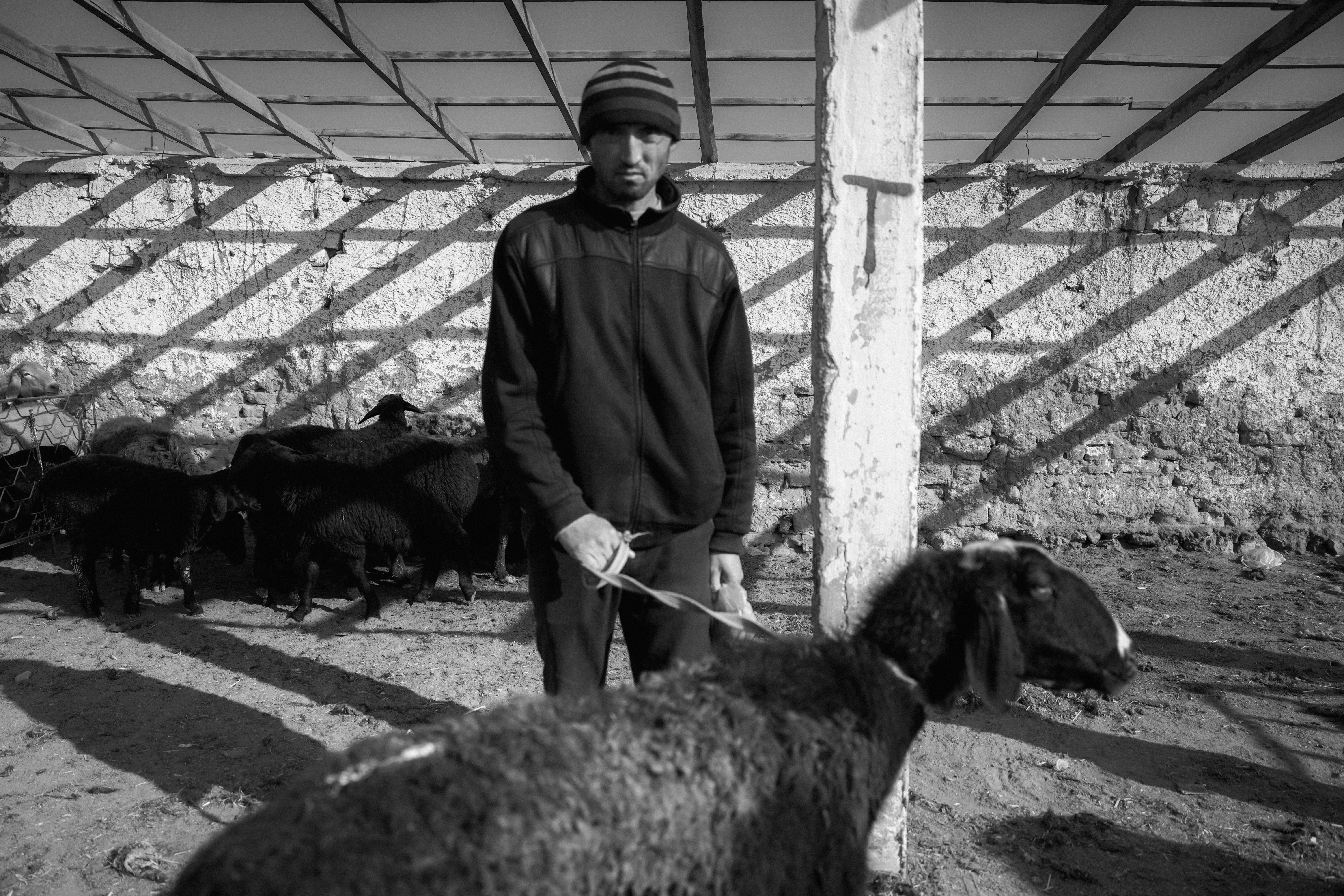 Photo: Ildar Sadykov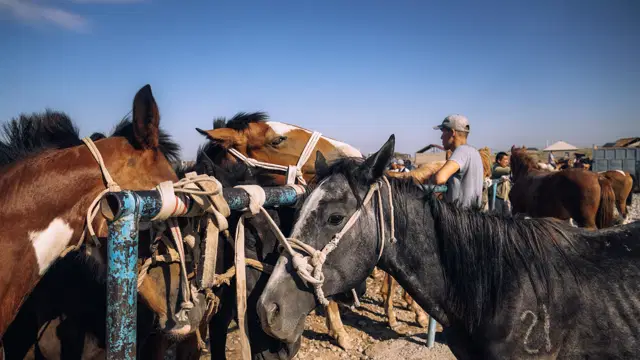
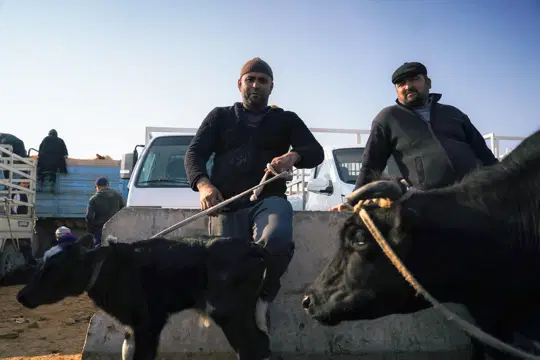
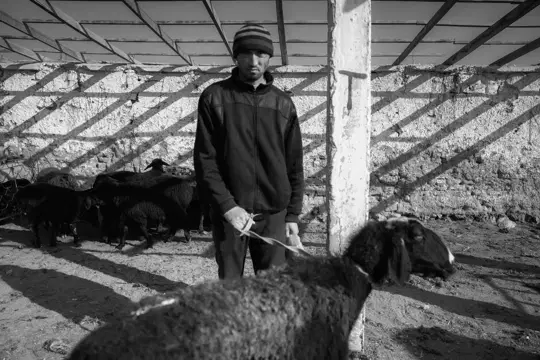
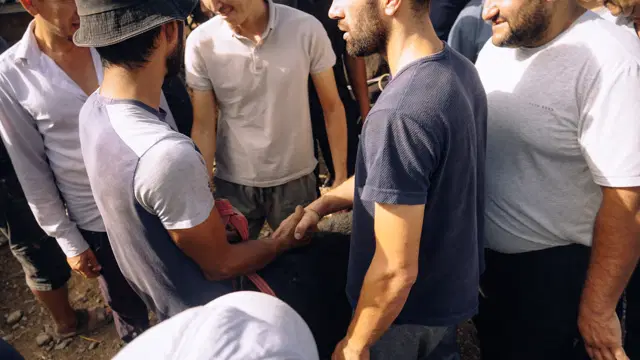
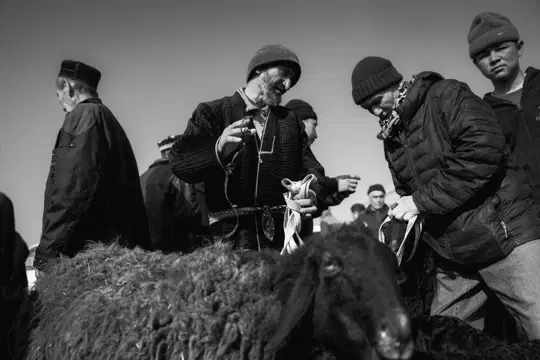
The most important moment is the handshake. It marks the completion of a deal and is so binding that the buyer may even leave without paying immediately, yet the transaction is still considered complete and the animal sold. There is even a special intermediary called a dalol, a broker between buyer and seller who actively participates in negotiations, helps close the deal, and receives a share of the profit.
Animals are loaded into the backs of rattling cars, and only God knows whose days are now numbered and who will go on to green pastures or into a warm barn.
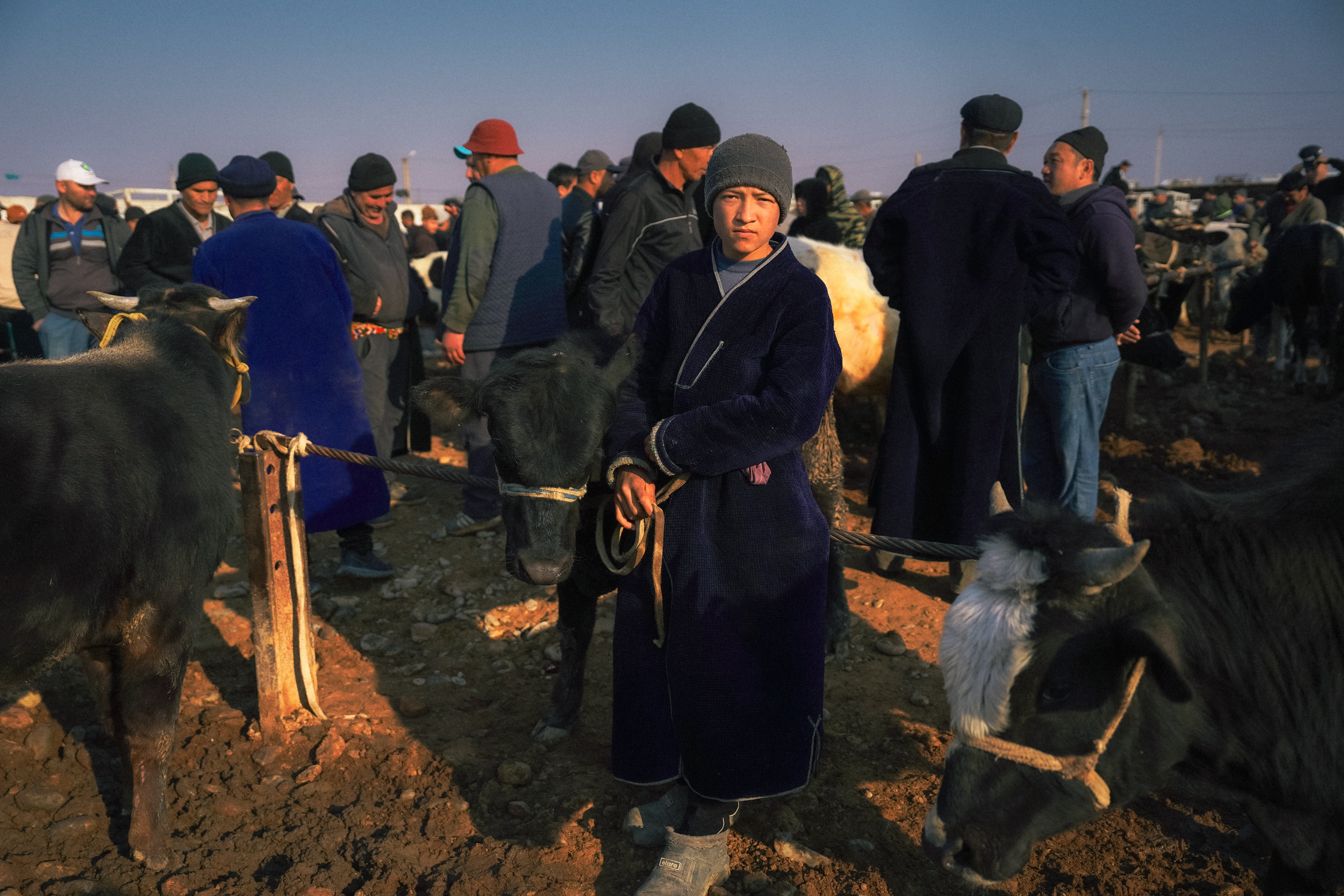 Photo: Ildar Sadykov
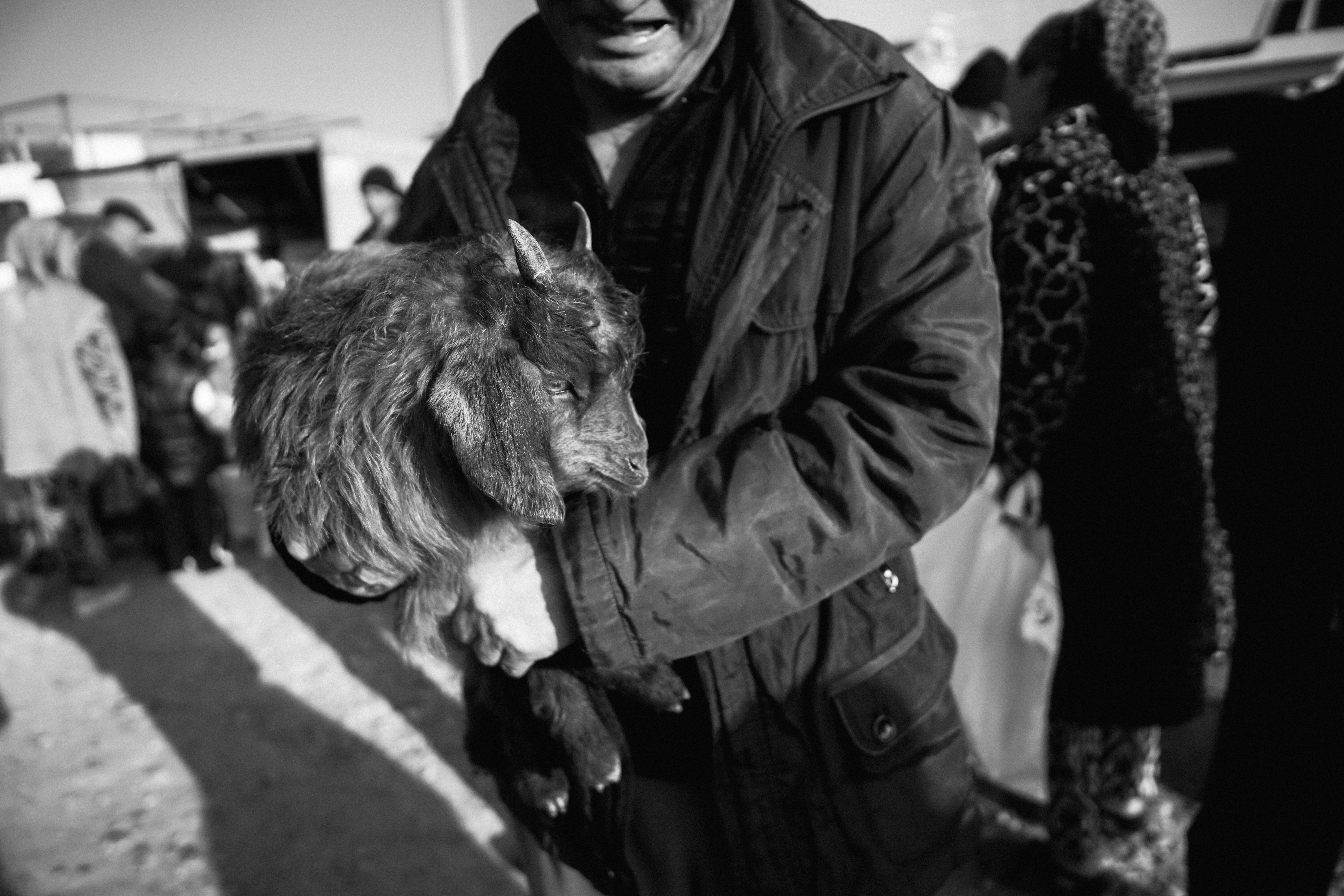 Photo: Ildar Sadykov
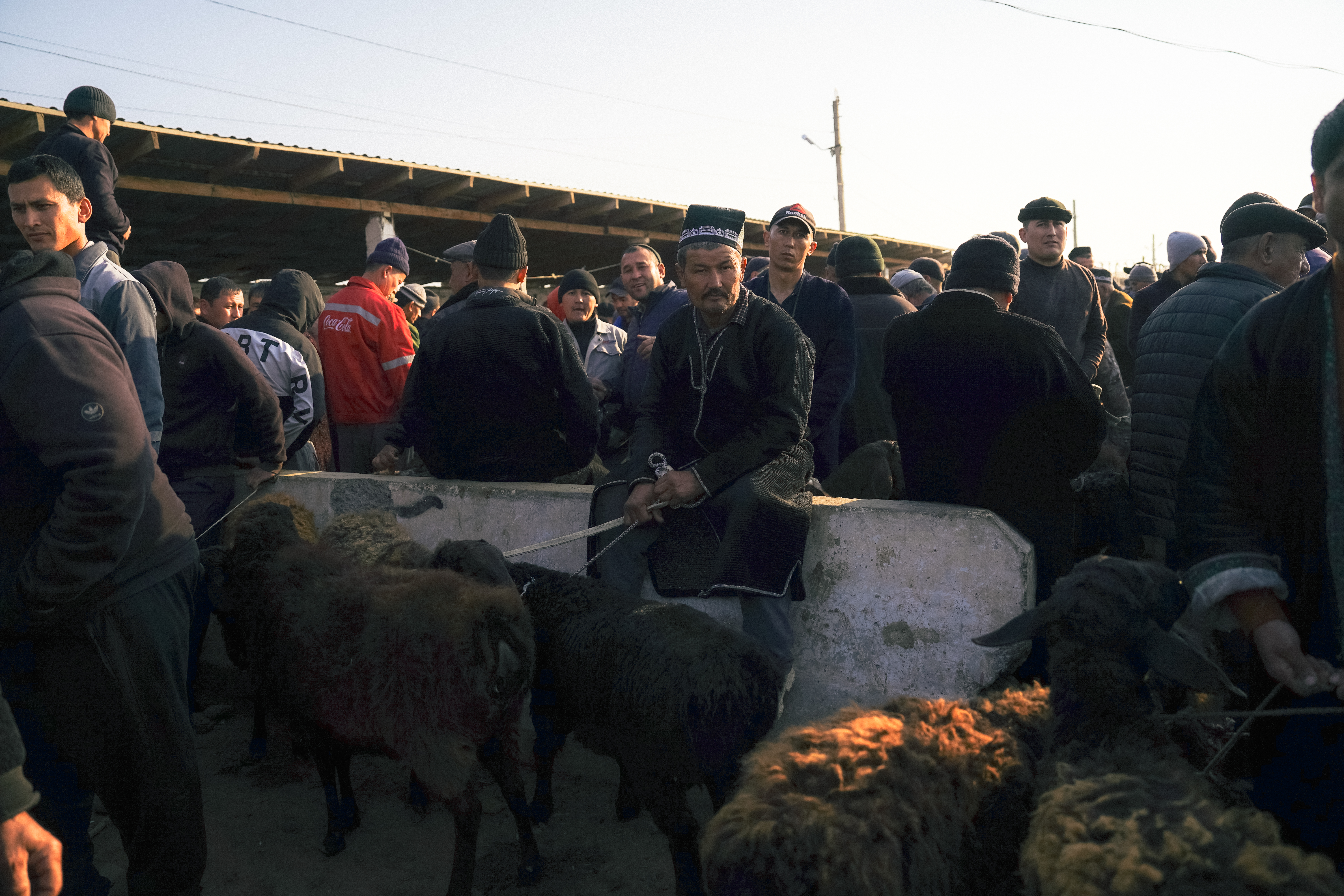 Photo: Ildar Sadykov
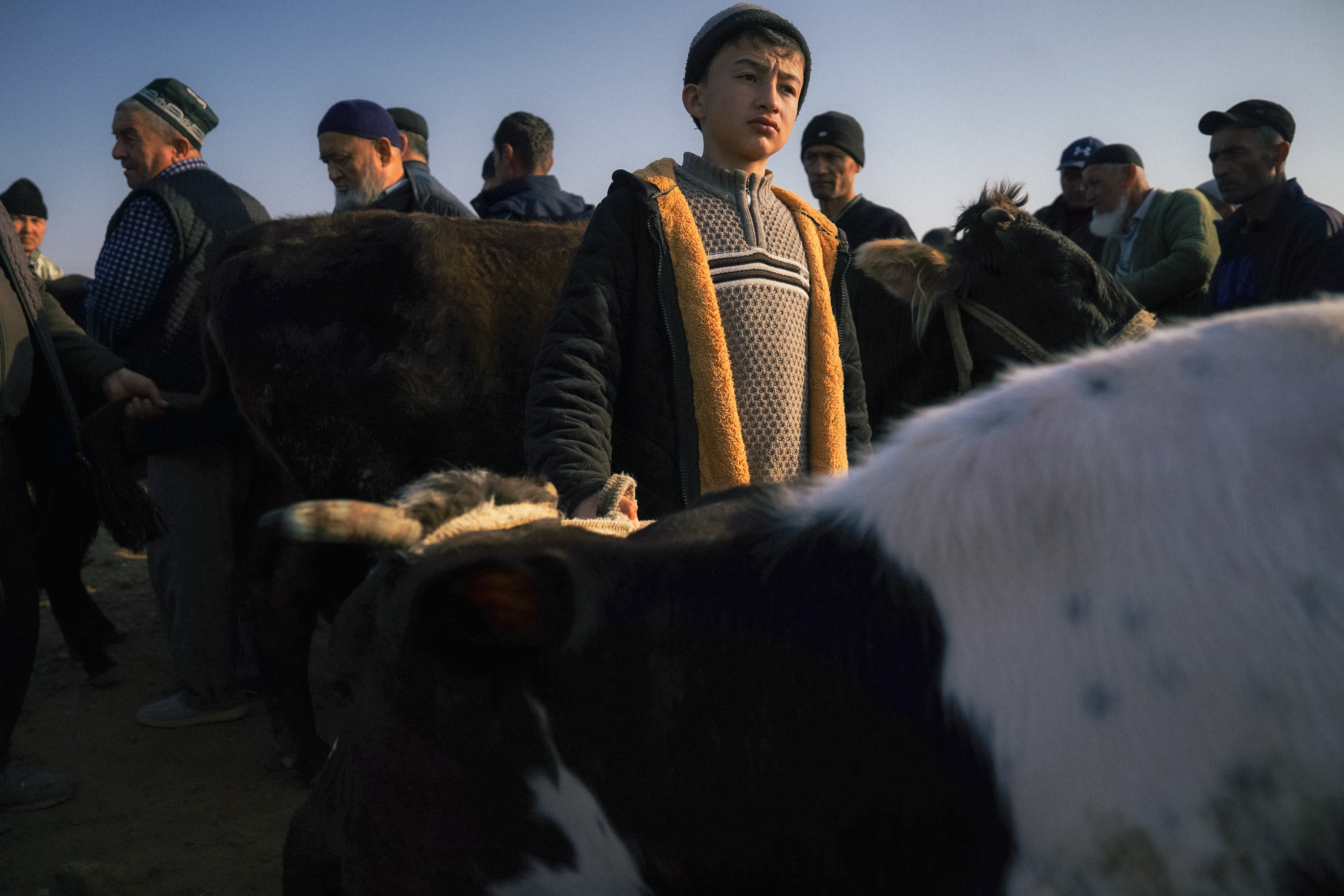 Photo: Ildar Sadykov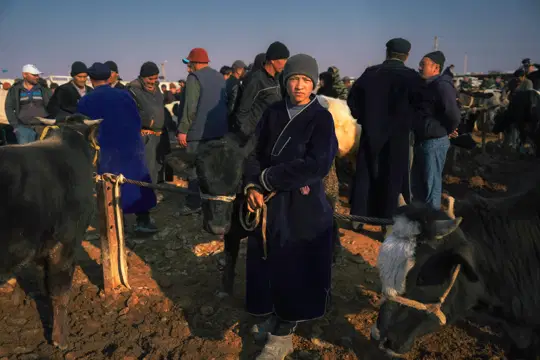
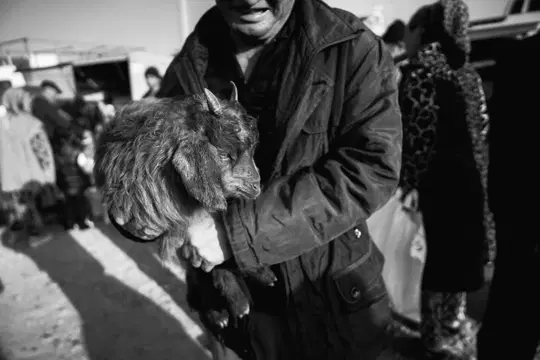
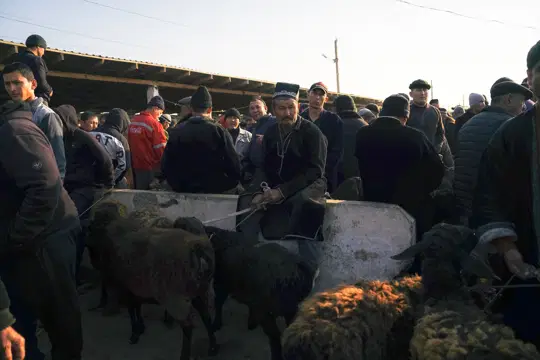
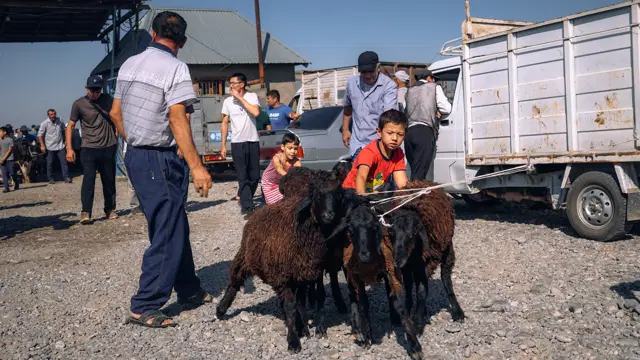
To someone from a different cultural context, the way livestock is handled at the mol bazaar may seem harsh and inhumane. Animals are whipped and driven on, and sheep are tied in a particular way, head to head, so that they cannot move. They are even trimmed on the spot by specialist “barbers”. Livestock is seen as a source of income and livelihood, an investment, or a commodity that can support a family for a long time. It is also a kind of showcase of a breeder’s achievements, something to take pride in. Prices start at around 100 US dollars and can reach thousands for elite animals.
Animal husbandry is part of Uzbek cultural identity and a key sector of the economy. Perhaps that is why places like this are always charged with a particular vitality, something you cannot help but absorb.
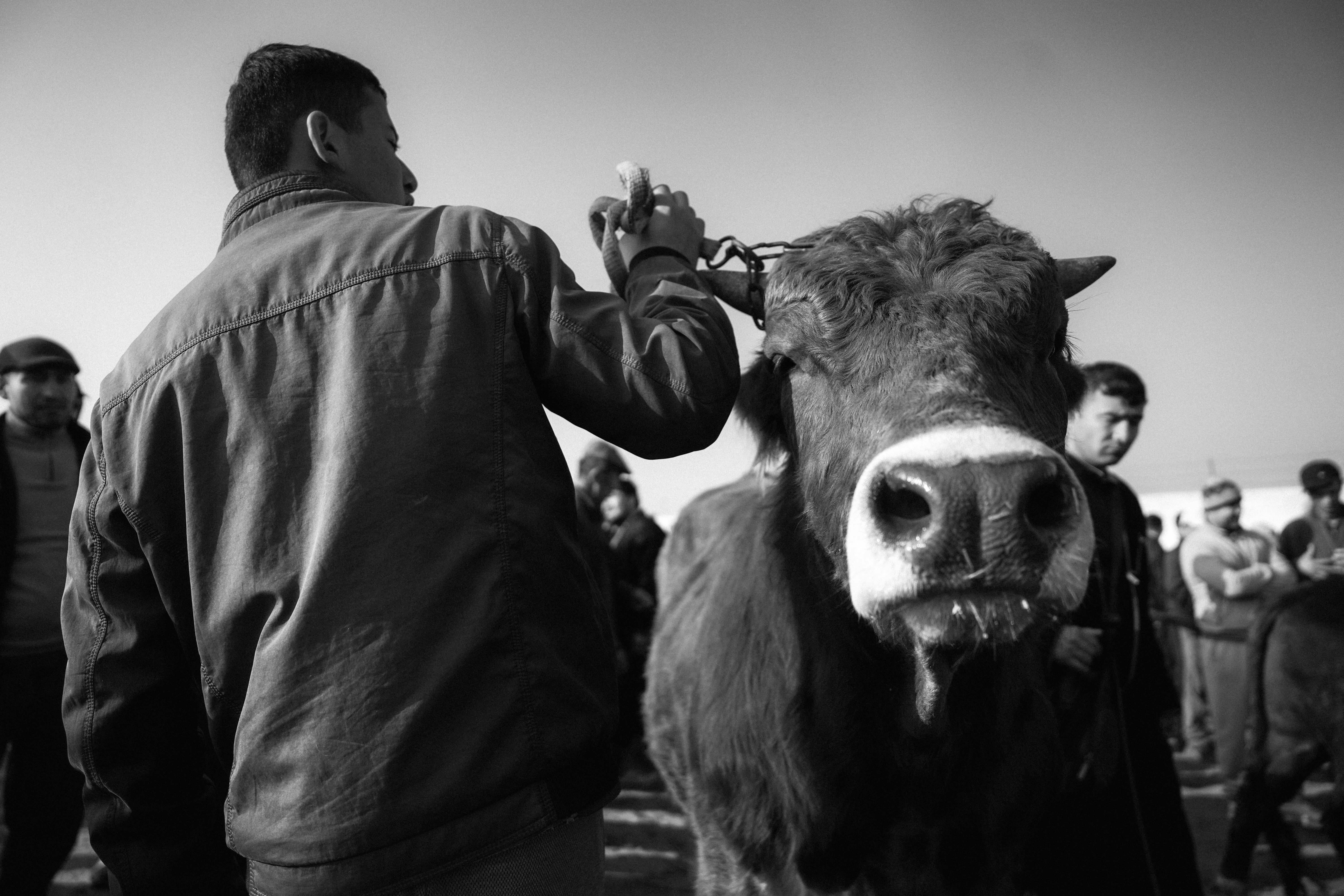 Photo: Ildar Sadykov
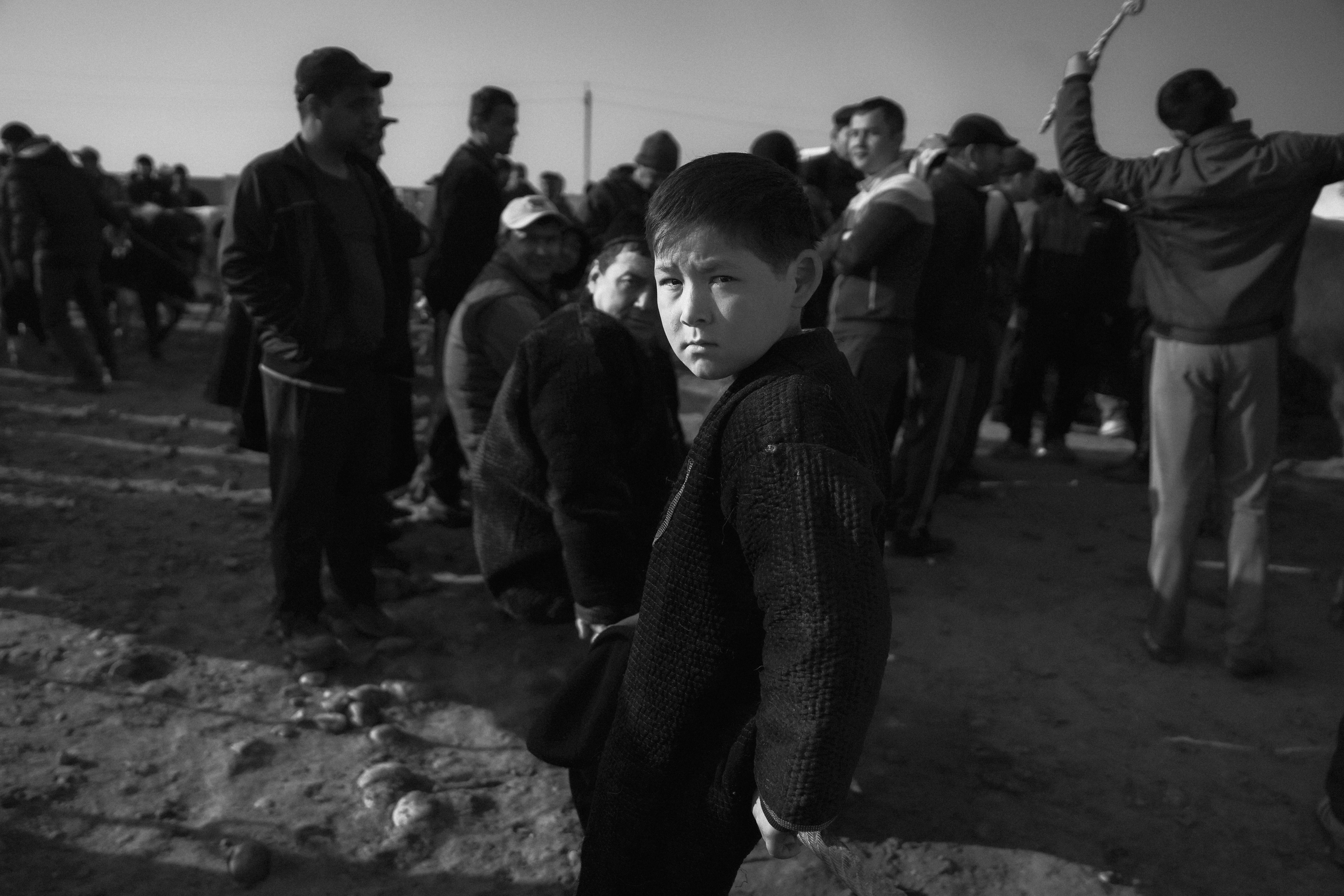 Photo: Ildar Sadykov
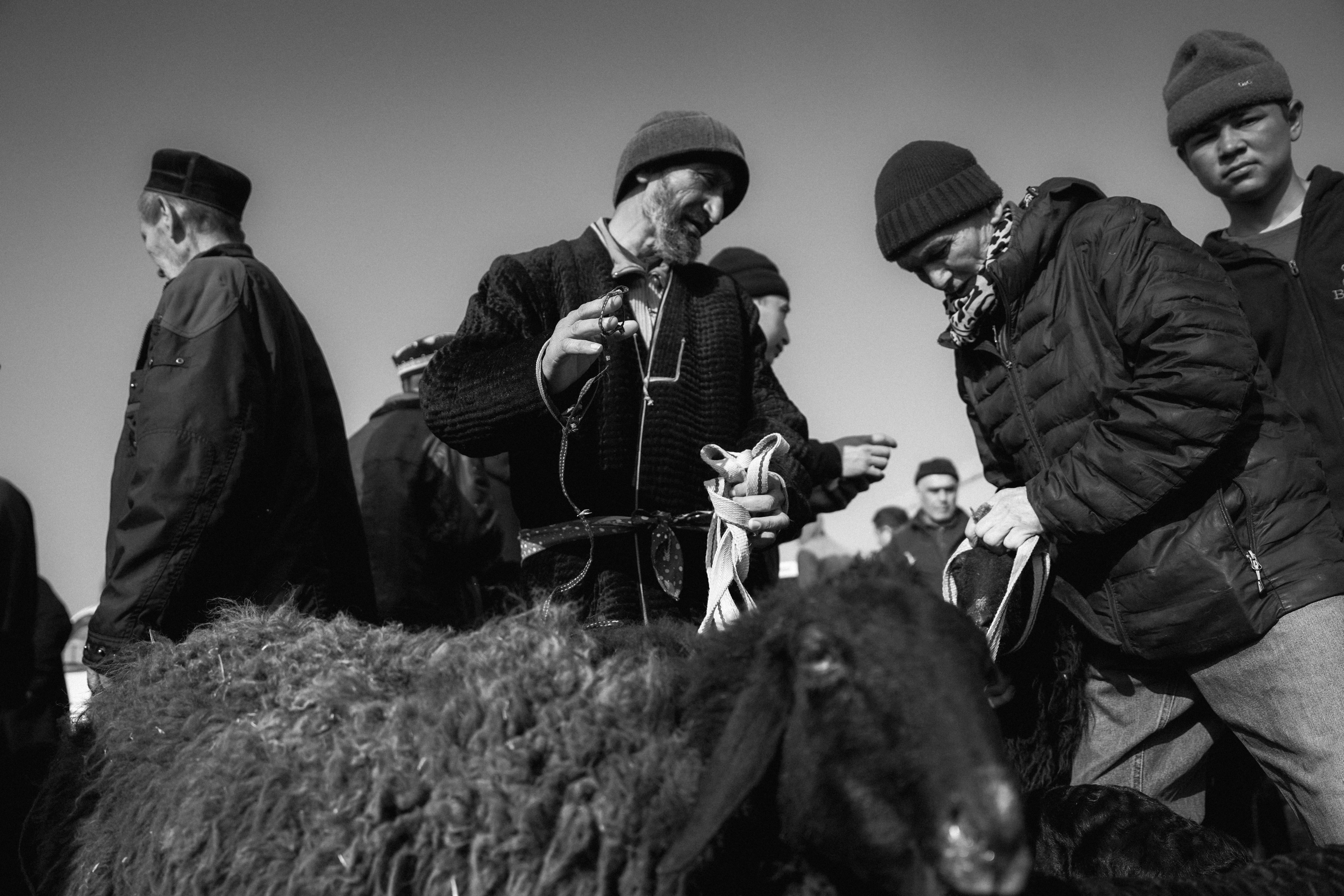 Photo: Ildar Sadykov
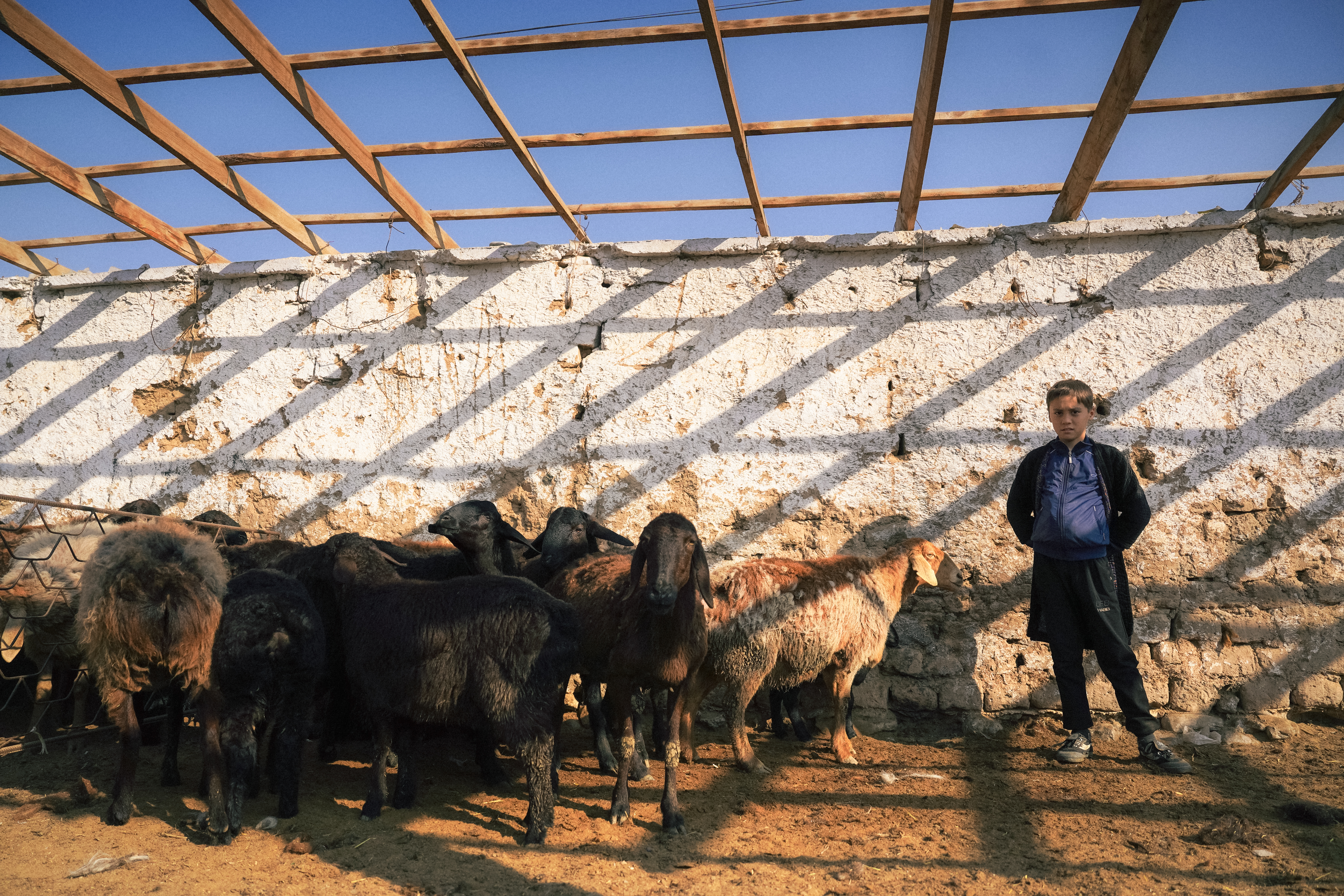 Photo: Ildar Sadykov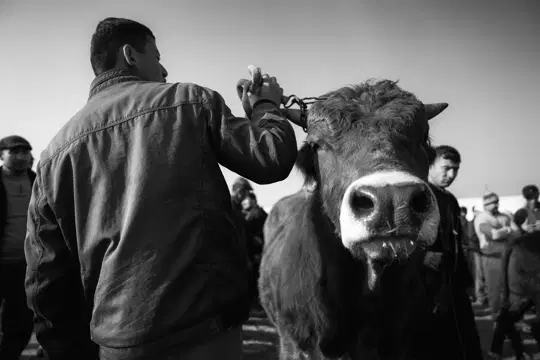
In any case, mol bazaars remain an integral part of our traditional rural culture. Like kupkari and cockfighting, the mol bazaar exists somewhere between archaic tradition and the necessities of survival.


