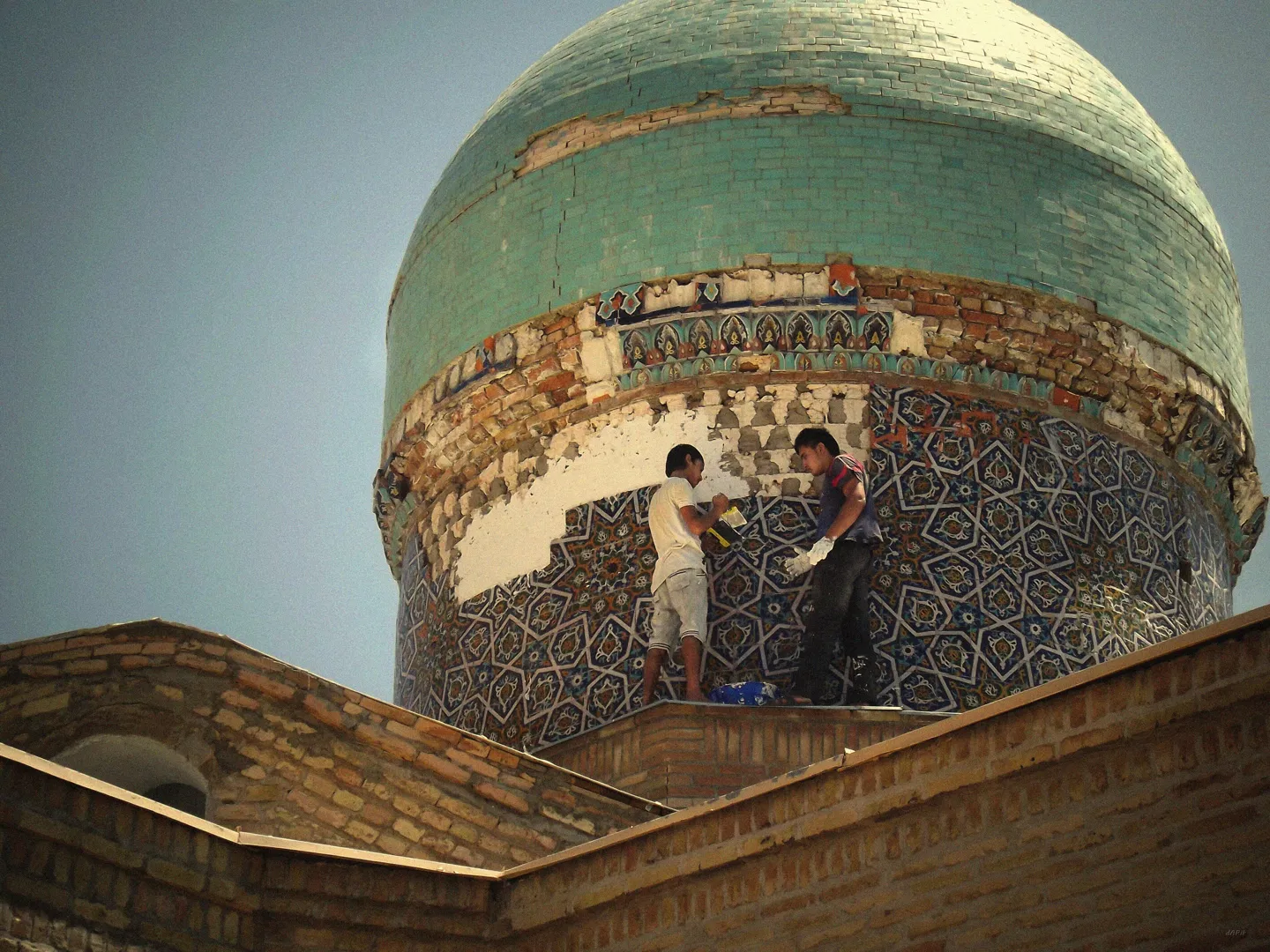
What should an urban environment be: convenient from the standpoint of infrastructure, attractive in the eyes of residents, or practical from a business perspective? In reality, of course, it should be all three at once. And while all interested parties continue debating how to achieve that ideal balance, why not recall the synergy between beauty and practicality that architecture once possessed, nearly lost, and is now searching for again?
One project to draw them all
When discussing urban environments, many people focus on seismic resilience, commercial efficiency and infrastructure, while the appearance of the buildings that surround us every day and shape the scenery of our lives often remains an afterthought. Fortunately, this imbalance is receiving increasing attention. Particularly encouraging are the efforts of the Association of Young Architects and events such as the Tashkent Urban Forum held on 23 April
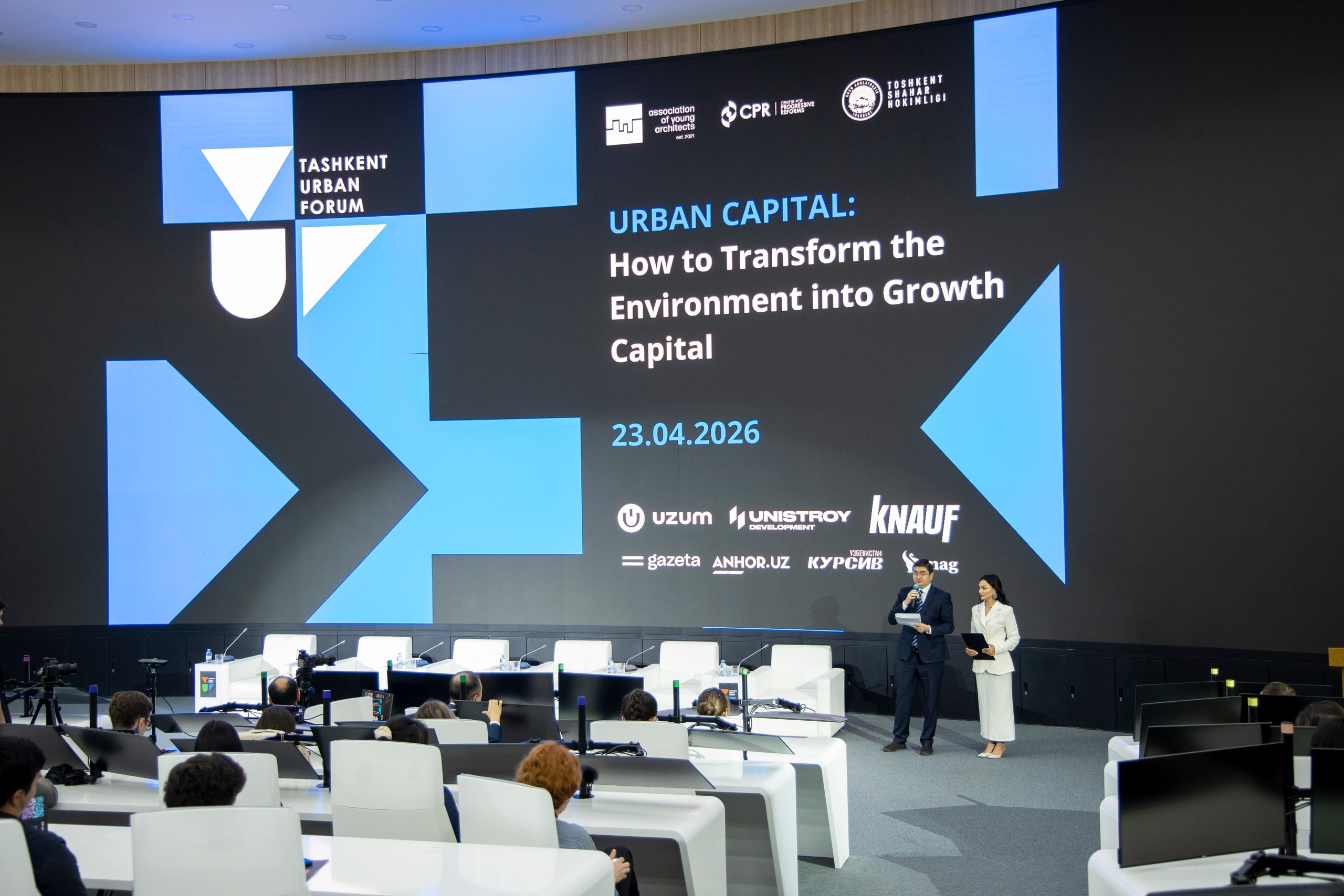 Source: Press Service of Tashkent Urban Forum
At this very forum, Dr Beatriz Plaza mentioned in her lecture a phenomenon that could allow not only Tashkent, but virtually any city in Uzbekistan or Central Asia, to become one of the world’s cultural centres. This phenomenon is known as the “Bilbao Effect”, also referred to as the “Guggenheim Effect”.
When the city of Bilbao in Spain's Basque Country found itself on the brink of economic collapse, the authorities decided on an unexpected experiment: to build an architectural wonder capable of attracting global attention. That wonder became the Guggenheim Museum, completed in 1997.
The museum was featured across international media, while guidebooks in dozens of languages urged visitors to see this "new wonder of the world" in person. The result was a sharp rise in tourism and the effective rescue of the city from economic decline.
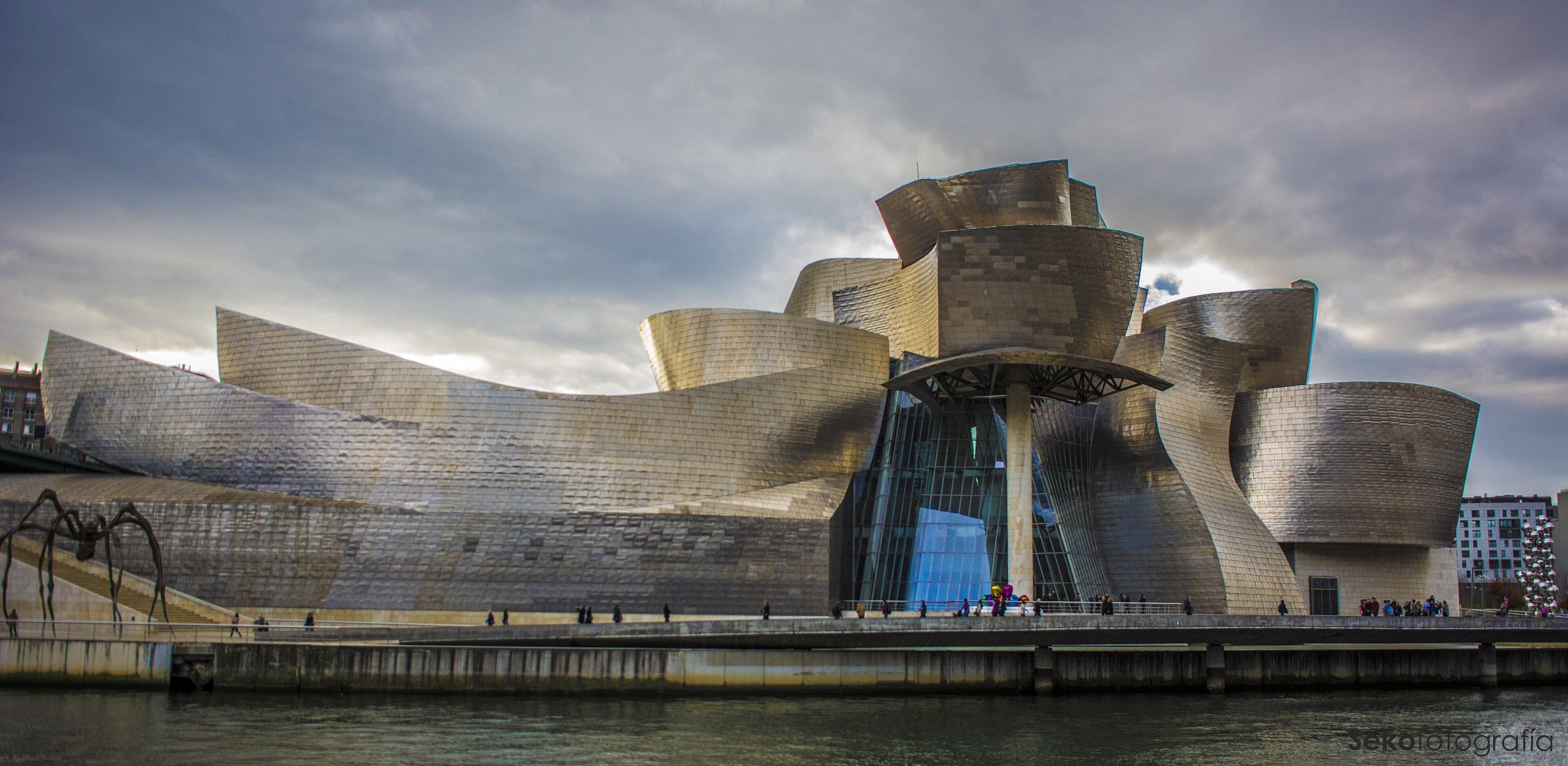 Photo: Sergio S.C
Yet the project succeeded largely because of the skilful synergy between architecture and art. Historically, global practice has relied heavily on the alliance between architect and artist. The architect determines the structure, while the artist fills it with visual meaning.
A lost alliance
For many years, this approach was standard practice in Tashkent. Monumental murals, mosaics, reliefs and decorative elements were created as an integral part of architectural concepts rather than added afterwards. The result was buildings that served not only practical functions, but also shaped the city’s visual identity. Many projects from that era are still studied today and held up as examples for future architects, including those abroad.
The collaboration between architect Yevgeny Rozanov and artist Kadyrjan Khaidarov gave Tashkent the distinctive ornamental entrance of the Dvorets Drujbi Narodov (Palace of Friendship of Peoples), while architect Sergo Sutyagin and artist Arnold Gan created the Kosmonavtlar metro station. Another striking example is the mosaics of the Zharsky brothers, still visible on buildings throughout the city.
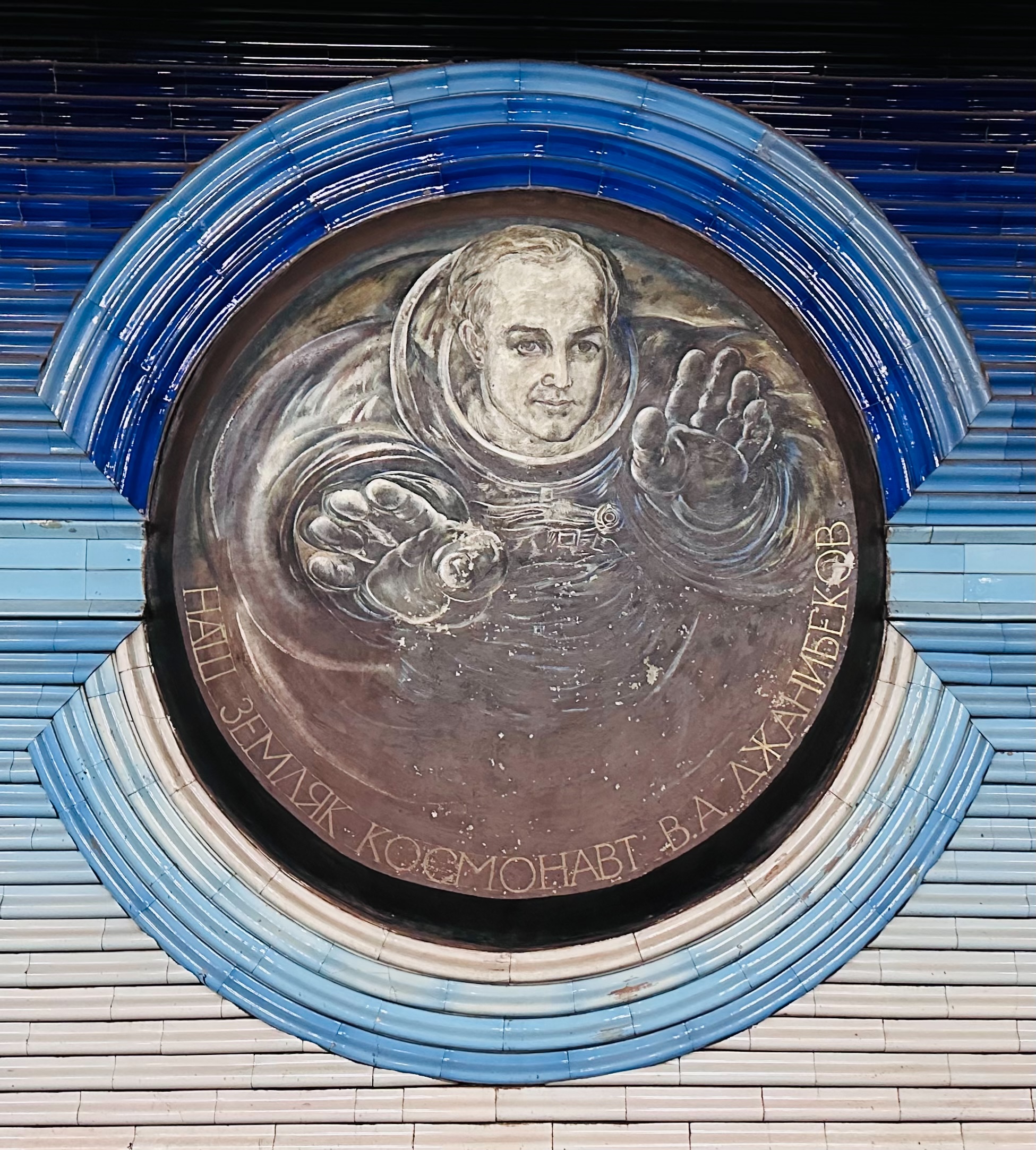 Photo: Kagansky
Over time, however, this practice began to disappear. It was replaced by something entirely different. Fatima Abdurakhmanova, academic supervisor and consultant of the Mosaics of Tashkent project and author of Art for Architecture, describes the situation as follows:
In my opinion, Uzbekistan is already actively making use of the so-called ‘Guggenheim Effect’ by creating new cultural and tourist centres of attraction. This can be seen in projects such as the Islamic Civilization Center in Uzbekistan, the Imam al-Bukhari Memorial Complex, Samarkand’s Eternal City, as well as new developments in the regions, including Margilan and Fergana. Such spaces become not only architectural landmarks, but also important symbols of urban identity.
And yet it is worth remembering that the tradition of close collaboration between architecture and art, so characteristic of Soviet modernism, was gradually lost. Artistic work requires time, care, and a comprehensive approach, while after independence the entire system of organising the architectural process changed. Institutions that once supervised and supported the artistic components of projects disappeared, including artistic production workshops and mechanisms for the professional approval of monumental art.
Meanwhile, both global and regional experience demonstrate that integrating art into architecture can create a richer and more expressive urban environment. Such projects, however, demand significant investment, long-term planning and an understanding of culture as part of urban policy. In neighbouring Kazakhstan, for example, the renovation of the Tselinny cultural centre in Almaty became a notable example of integrating contemporary art into an architectural project, while also showing that such initiatives involve significant financial costs substantial financial resources and are more often realised when backed by major private investment and stable institutional support.
Today, initiatives and competitions aimed at developing the architectural environment are also emerging in Uzbekistan, yet many interesting and artistically ambitious ideas remain at the conceptual stage. This is where not only professional dialogue becomes especially important, but also genuine interest from both the state and business in supporting culture as a strategic investment in the quality of the urban environment and the identity of the country.
Why did we lose this alliance?
Artistic work requires considerable effort and time. And it was precisely the need for additional time that ultimately took its toll on the city's architecture.
It is no secret that Tashkent ranks among the three most populous cities in the CIS and leads in terms of population growth. Under such conditions, priorities shifted towards speed and economic efficiency. The city needed to build quickly and on a large scale. As a result, the visual aspect of new developments became secondary, since it did not directly affect construction deadlines or the project's core performance indicators.
Naturally, this was not the only reason, but the full list of contributing factors still needs to be compiled and examined by those responsible in order to avoid repeating past mistakes, from ignoring prevailing wind patterns to placing excessive strain on power grids.
Another consequence was the proliferation of standardised solutions. Architecture became increasingly uniform (or, put simply, faceless), while the artistic component almost disappeared from the process. Under such circumstances, there was little room left for individuality. And the problem lies not only in the absence of expressive features, but also in the rupture with the capital's previously established visual identity.
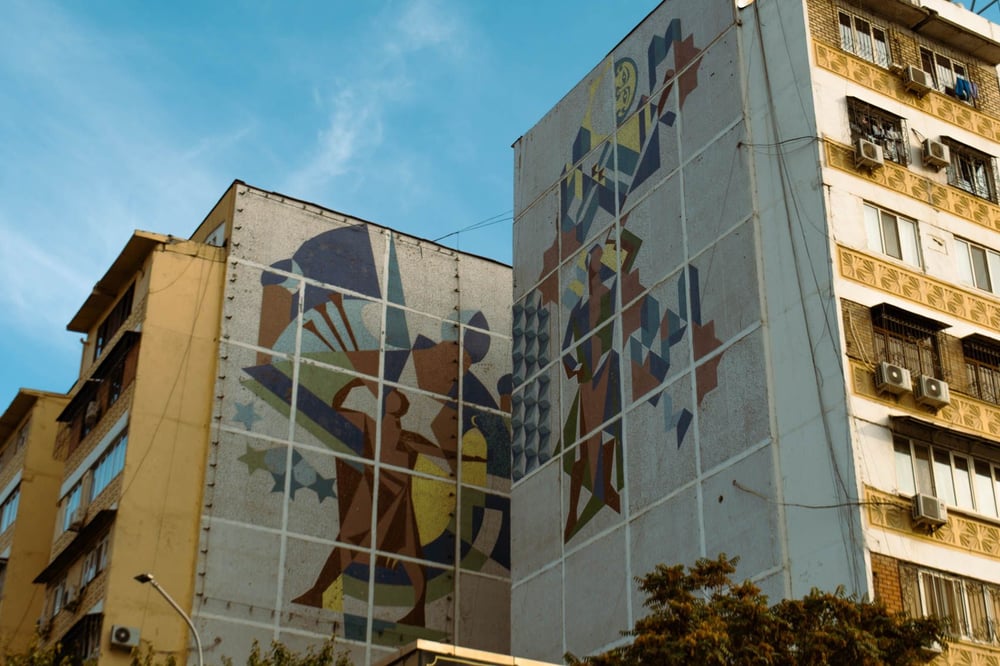 Photo: Alena Fisunova
The disappearance of mosaics, murals and other decorative elements gradually erased visually compelling solutions from the urban landscape. The housing shortage may have been resolved, but at what cost?
What now?
Today the situation is beginning to change. At the level of city policy, among professionals and even ordinary residents, there is a growing demand for the quality of the urban environment. Fortunately, this concerns not only engineering standards and environmental regulations, but also aesthetics. And this is entirely logical. Interest in exhibitions, contemporary art and cultural initiatives continues to grow, showing that audiences are ready to engage with more sophisticated visual solutions.
Particular public attention is currently focused on the introduction of a design code in the capital, accompanied by heated discussions over some of the less conventional approaches to its implementation. Farkhad Kuchkarov, Director for Development and Strategy at Depot and curator of the KUCH agency, shares his thoughts on the matter:
Let's discuss whether the introduction of a design code is timely today. I remember how, in the early 2010s, Strelka came to Tashkent with its first lectures on the importance of urbanism and design codes. These discussions have been ongoing for quite a long time, and we are now seeing the scale of such inertia, ten to twelve years. Was it delayed? Yes. Is it too late? Certainly not.
A design code is extremely important and serves as one of the flagship instruments among what might be called second-tier agents of emotional perception and behavioural influence. These are non-verbal, deeply subconscious transmitters of signals important to people. Speaking about the impact of design codes in different countries and cities, we can confidently say that they form part of broader social and political projects. In Rotterdam, they were recognised as key factors in the city’s investment appeal, while in Finland they became part of state policy and the national brand Design from Finland.
In Uzbekistan’s case, several important factors make a design code not only timely, but necessary. The country is gradually shifting from a resource-based and industrial economy towards monetising its natural and cultural assets, history and landscape, through tourism, alongside the development of modern industries, IT and outsourcing.
Consequently, design as a discipline, visual culture as a means of communicating the country's identity, and design codes as a way of making life more comfortable while emphasising modern standards are not simply trends or the whims of certain individuals. On the other hand, our extraordinarily rich visual heritage, distinctive architecture, and the blend of historical legacy with rapidly developing ultra-modern structures all demand awareness and attention from architects, designers, urbanists and marketers alike. Only in this way can we build the complex emotional perception through which people come to understand the cultural and social positioning of a city or country.
In Uzbekistan’s case, several important factors make a design code not only timely, but necessary. The country is gradually shifting from a resource-based and industrial economy towards monetising its natural and cultural assets, history and landscape, through tourism, alongside the development of modern industries, IT and outsourcing.
A solution that benefits everyone
This brings us back to Bilbao and its famous effect. Architecture has a profound influence on how a city is perceived, on its investment appeal and on its ability to retain human capital.
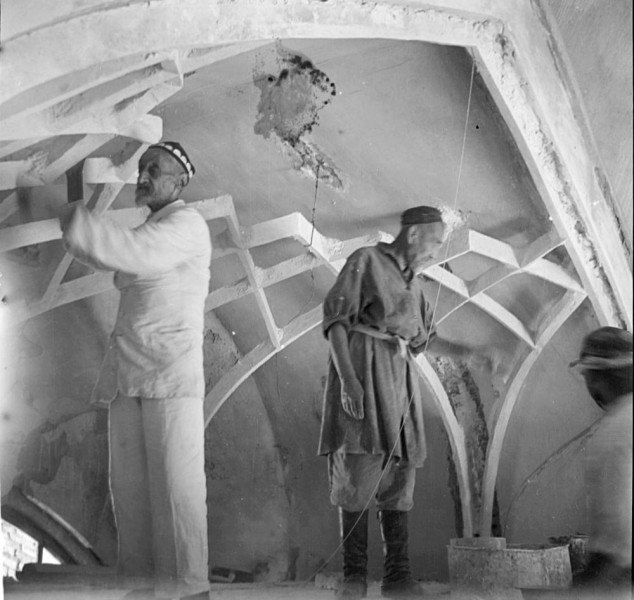
Most importantly, the tradition of collaboration between architect and artist once rested on institutional support. The artist was regarded as a full participant in the project rather than an outside contractor brought in to complete a single assigned task. This preserved artistic vision and prevented purely formal solutions. The works we inherited as a result remain relevant to this day.
The market has, in a sense, come of age. For developers, integrating artists into projects offers several direct advantages: it distinguishes a building from standard developments; it increases the symbolic value of a project, which may later translate into economic benefits; and it provides an additional media resource, allowing projects to be promoted through cultural discourse.
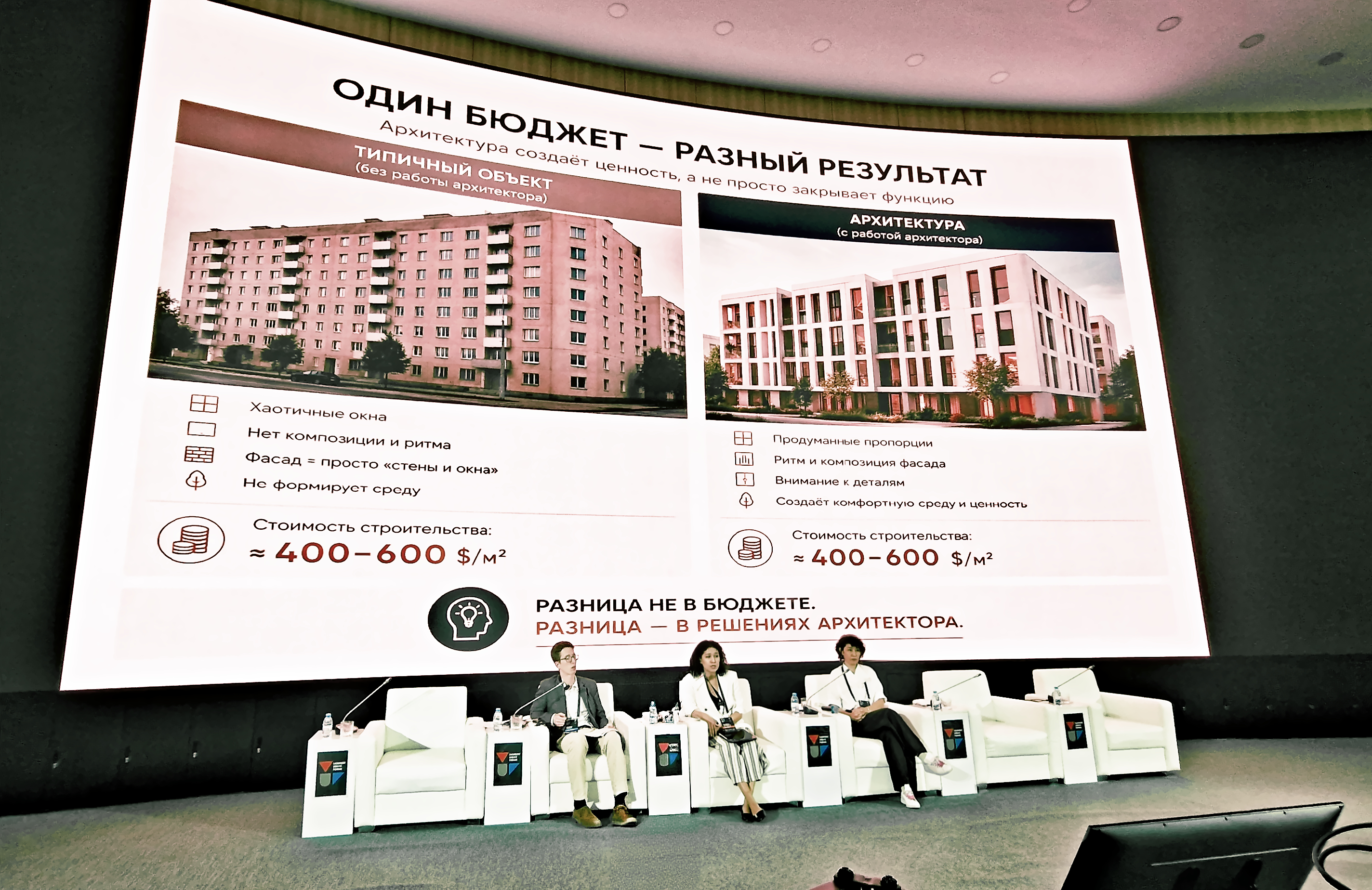
At the Third Tashkent Urban Forum, Takhmina Turdalieva, Chair of the Association of Young Architects of Uzbekistan, noted that constructing a thoughtfully designed and artistically distinctive building costs no more than erecting a standard one.
Architecture is not about increasing budgets. With the same level of investment, a building can either remain standard and faceless or become unique and shape its environment. The difference arises at the design stage, in the planning, compositional, and material choices made by the architect. These determine not only functionality but also the artistic character of the building. Architecture, therefore, is first and foremost a matter of competence and professional expertise, rather than merely a process of construction.
For architects, such collaboration creates an opportunity to work not only with form and layout, but also with artistic content, enabling more complex yet ultimately more effective solutions.
Artists, meanwhile, gain the city itself as a platform for their work; an opportunity to move beyond galleries and into the everyday lives of millions. Germany, for example, has long maintained the Kunst am Bau principle, under which a fixed percentage of public construction budgets must be allocated to integrating works of art into architectural projects. Adopted in 1950, the law has been regularly updated ever since.
We have already passed the stage of explosive growth and the need for speed at any cost. And now, as we confront the consequences (polluted air, faceless development and the loss of important artistic and architectural heritage), perhaps the time has come once again to invite architects and artists back to the same table.
Because no city can truly become efficient, beautiful and sustainable without listening to experts in each of those fields.
Read also
 Architecture & Urban Environment
The Architecture of Tomorrow: New Identities, Emerging Technologies and the Human Factor
Damir Ussenov
 Architecture & Urban Environment
Walking Almaty’s Modernism: Architecture Against the Mountains | A Photo Essay
Alfiya Kalmaganbetova, Amira Kassenova
 Architecture & Urban Environment
FLOW Park: A New Space for Active Recreation in Almaty | A Photo Essay
Amira Kassenova, Gulsara Kenbaeva
Newsletter
A letter from the HD editors
Once a week, we send the best stories, events, and cultural discoveries from Central Asia.