Where did the mahalla come from — and why are they called that
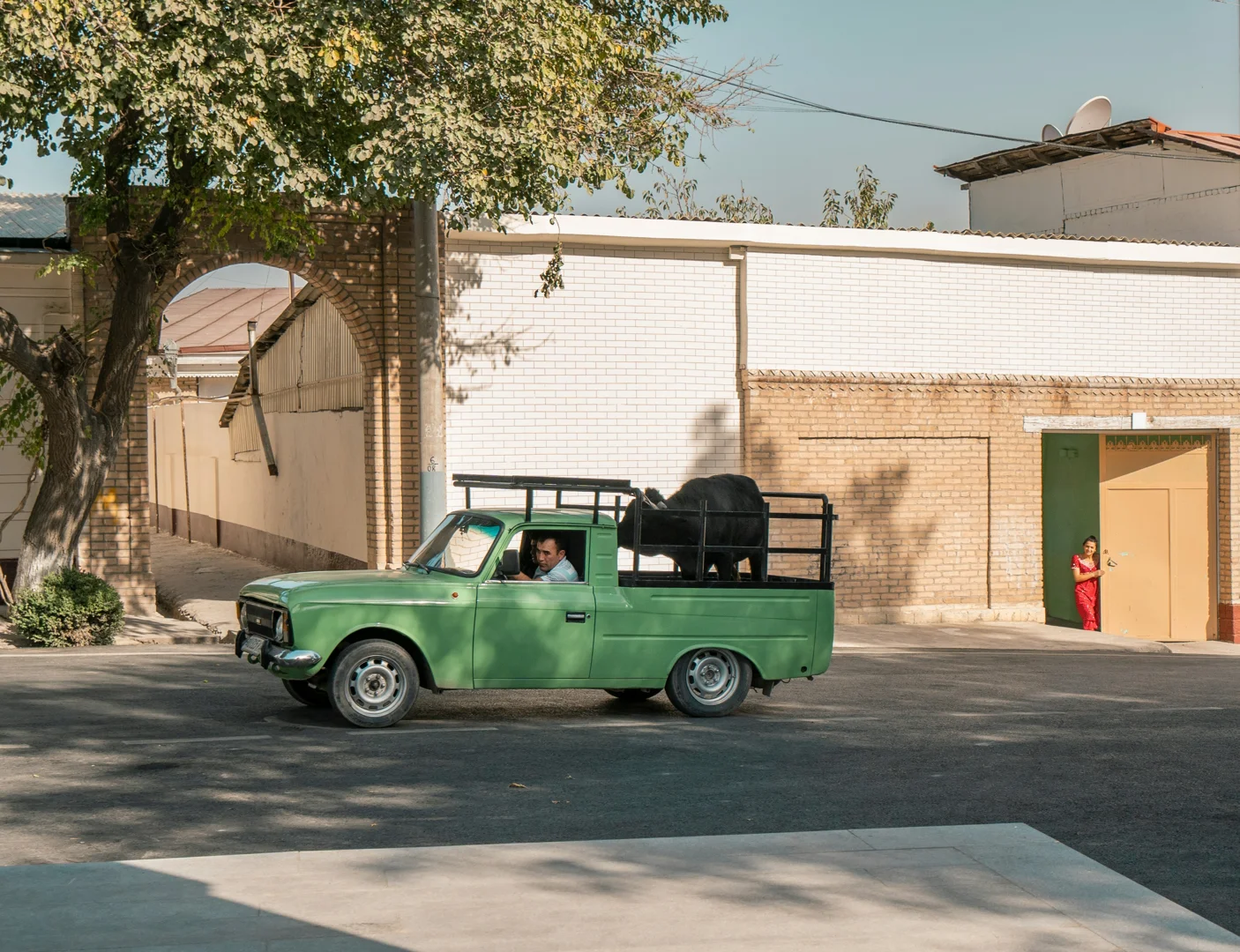
The term mahalla (محلة [mahalla]) comes from Arabic and translates to “quarter” or “camp.” In traditional Islamic cities, mahallas developed around a mosque, bazaar, or craft street, with names reflecting the professions of their residents.
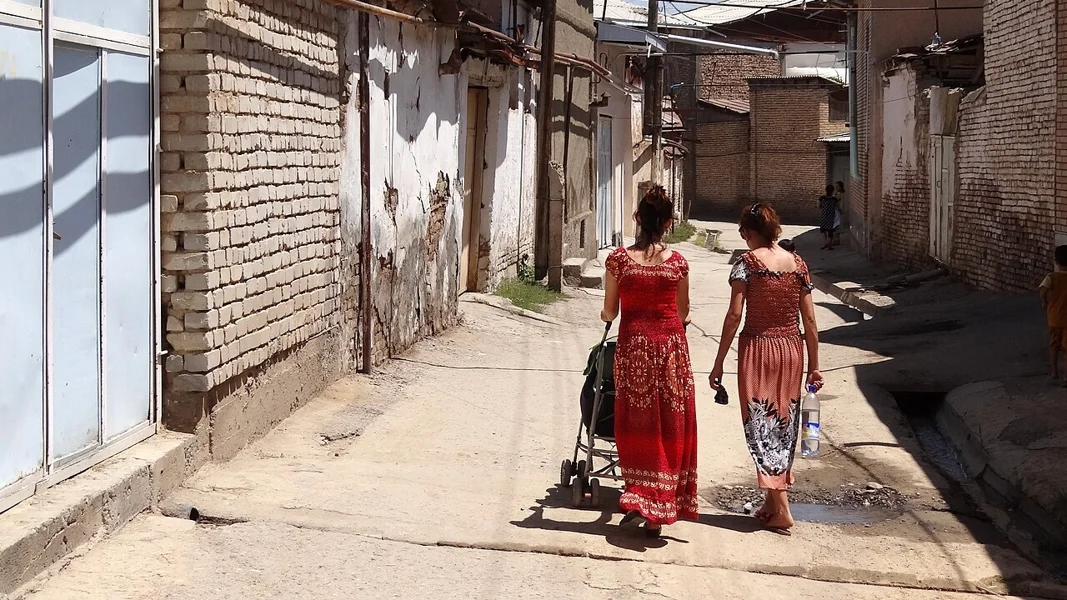
If potters lived there, the area might be called Kulolon; if jewelers — Zargaron; if tanners — Charmgaron; if needle-makers — Suzangaron. Sometimes a mahalla was named after a nearby architectural landmark (Guri Amir) or a water source (Obi Mashat). In other cases, the name indicated the origin of the settlers who had established the quarter: Toshkandi, Urguti, Dahbedi, and Havosi.
The situation was not unique to Uzbekistan. In other Muslim-majority countries — Tajikistan, Turkmenistan, Azerbaijan, Iran, and Pakistan — the mahalla remains a vital part of urban structure, with residents often participating in local self-governance.
The Persian poet and thinker Nasir Khusraw, who traveled throughout the Middle East in the 11th century, wrote, “The city of Cairo consists of 10 mahallas." Nearly a thousand years have passed since then, yet in Tashkent, the word mahalla remains as familiar as ever.
What’s inside a mahalla: the guzar
A mahalla isn’t just a group of houses. It’s space where people know you. A neighbor might ask why you’re returning so late. And on holidays, no one is surprised if you offer your neighbors some plov.
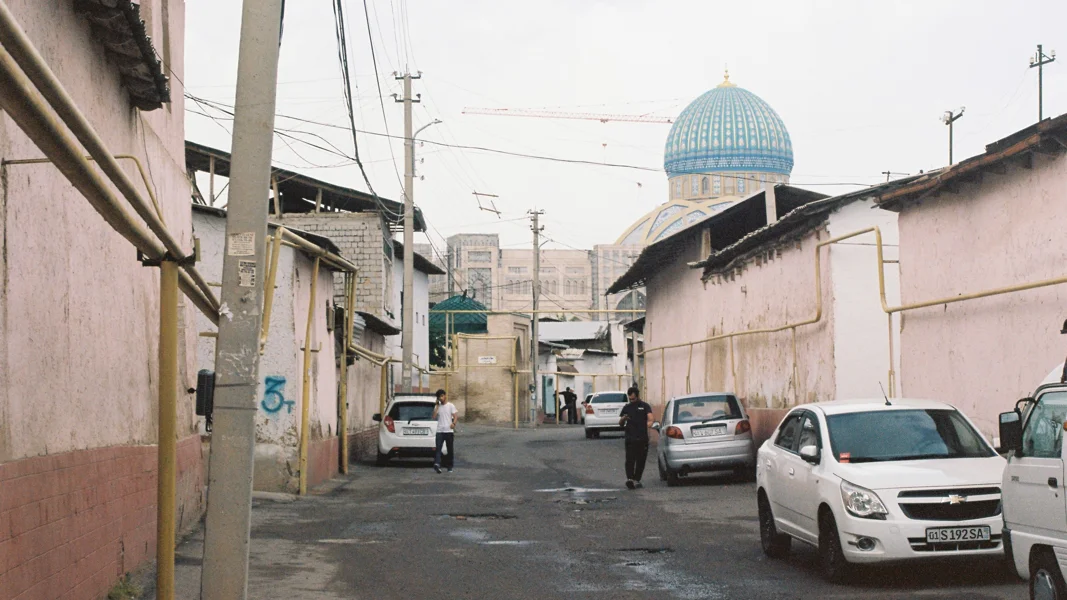
Within the mahalla, there's an even more intimate space — the guzar. It’s like a small quarter within a quarter, a focal point where everyday issues used to be resolved: a teahouse and a baker worked here, meetings were held, and folk celebrations were organized. In the past, each guzar had its own elder - an aksakal - who maintained order and helped settle disputes.
Today, guzars are gradually disappearing. Now, people no longer hear news from a neighbor but on Telegram. Flatbreads are bought at supermarkets, not from the local baker. But in the oldest mahallas, guzars are still alive — albeit not in the same form as before.
Mahalla vs. high-rises
The mahalla continues to exist, but it's evolving along with the city. In new districts, life looks different: neighbors may not see each other for years, except in the elevator, where sometimes they don't even greet each other. Evening gatherings by the gate are a thing of the past, and many issues are now resolved in group chats, not in the courtyard.
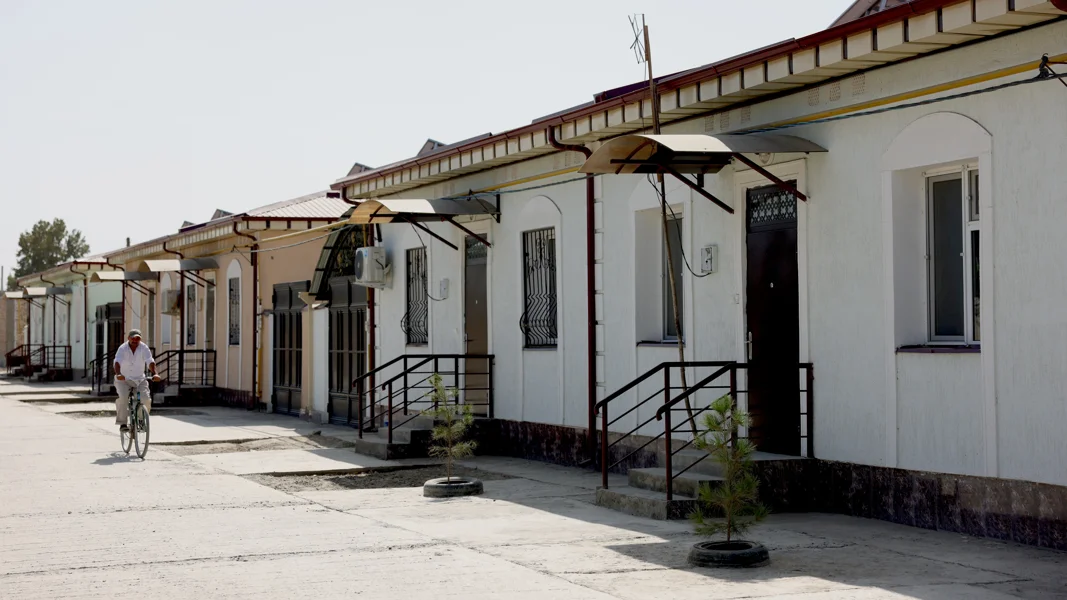
High-rise buildings are replacing old houses, and with them, the mahalla way of life is fading. It’s hard to imagine that the same principle of community will work in modern residential blocks, where your neighbor is just a silhouette behind a door.
Yet traditions don’t disappear immediately. In some places, despite the concrete walls, the mahalla spirit remains: someone still brings treats to the neighbors, someone invites them to their celebrations, someone keep an eye on the kids in the courtyard. And as long as some people are willing to pass on the principles of respect for elders to the next generation, the mahalla will live on.
Why love the mahalla
It might not be love at first sight. A mahalla can be noisy, demanding, and too attentive to other people's lives. But without it, Tashkent is just a city like any other. With it, there’s something deeper — a sense of belonging. A mahalla is not just where you live. It’s where you feel part of something greater.