Kettik!
This week’s guide
Today, April 9, Amir Temur would have turned 689 years old. Or 32,507 days. Impressive, right? We were also impressed — and we dedicated this issue of Kettik! to the man who left behind dozens of places to walk, remember, and be amazed by.
Tashkent
Amir Temur Square
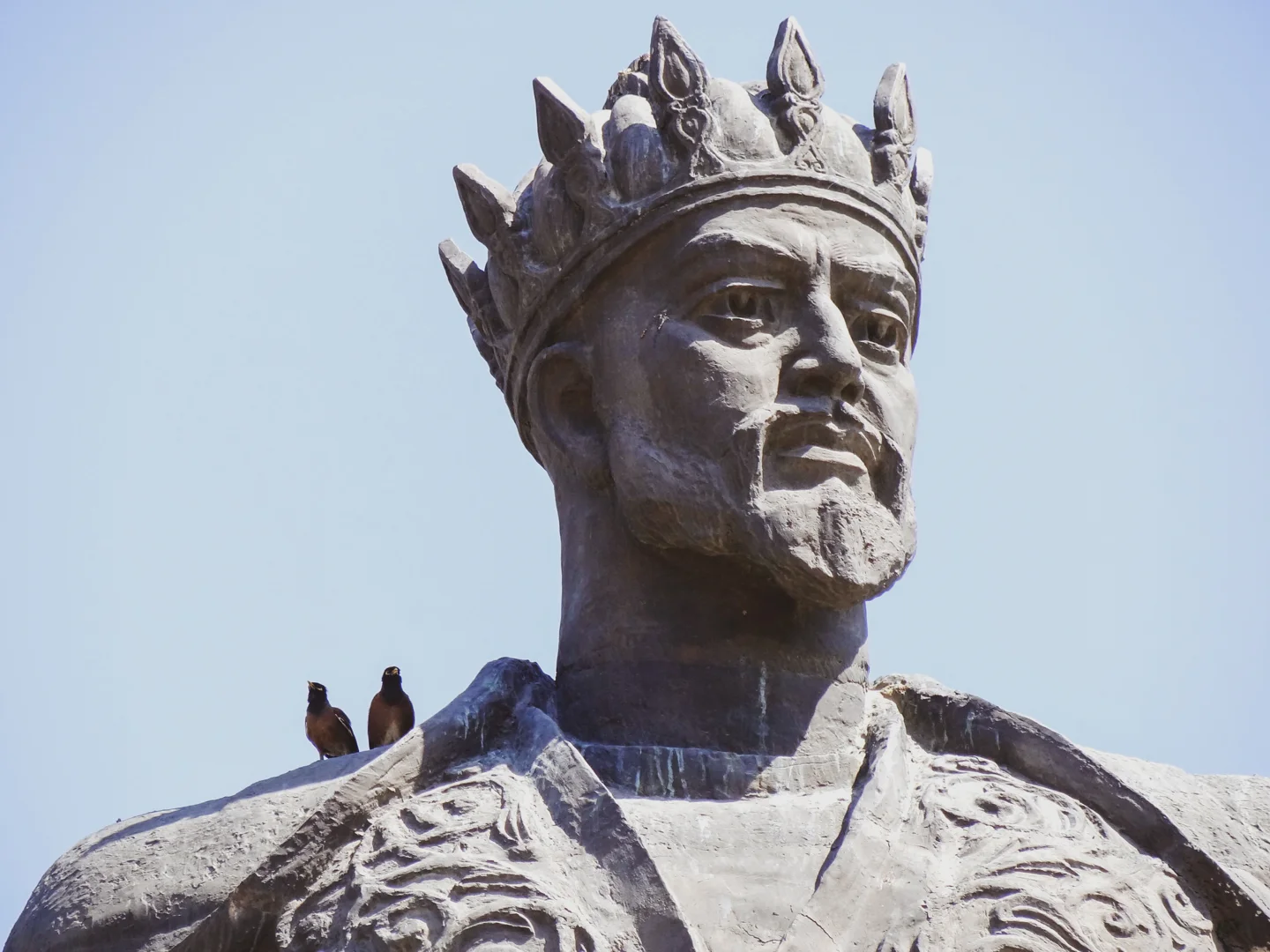
A statue of Amir Timur is installed on the square, depicting him on horseback, which symbolizes his greatness as a ruler, conqueror, and empire builder.
Location: here
Timurid History Museum
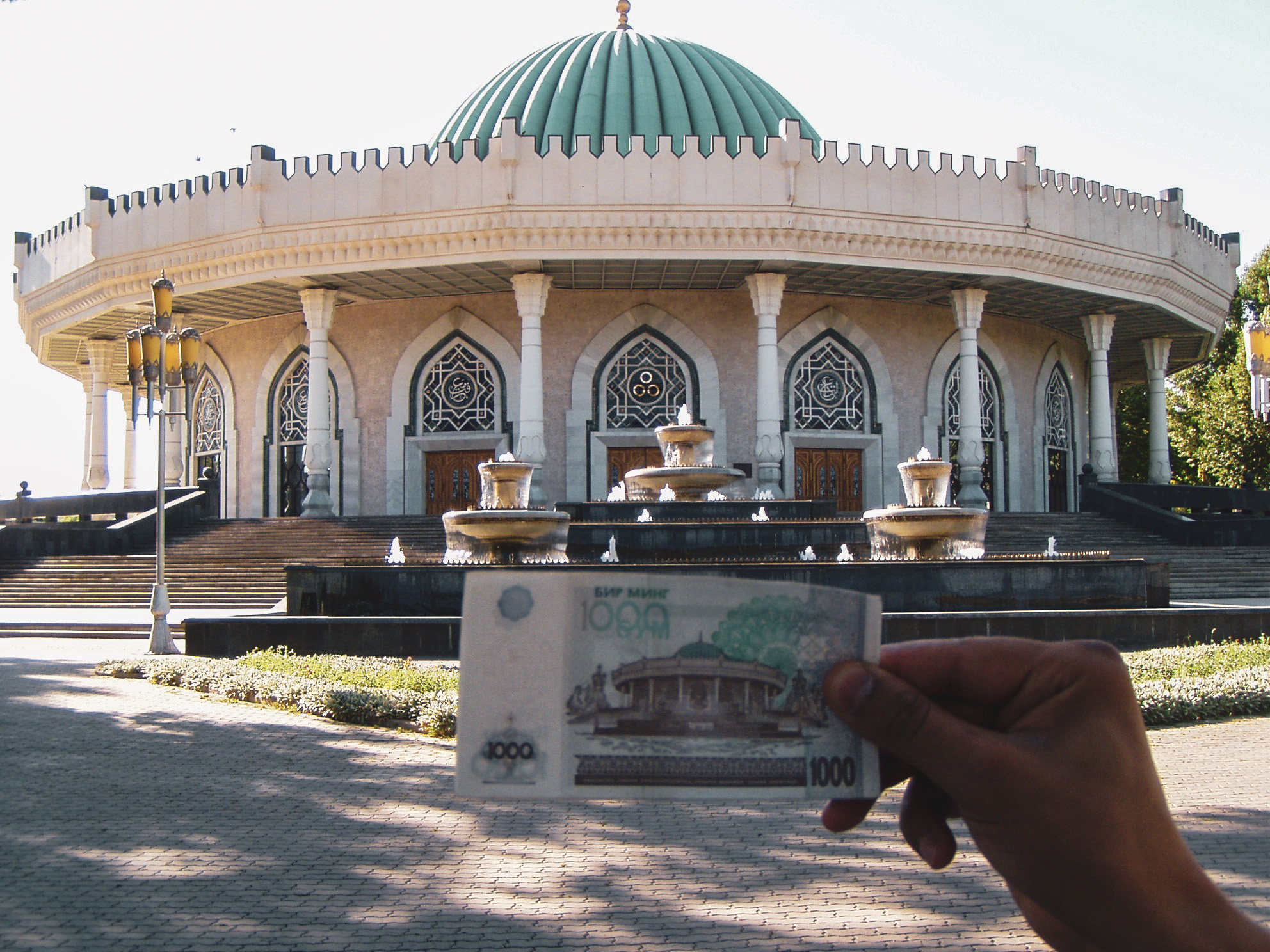
The museum in Tashkent is dedicated to the life and legacy of Timur and his dynasty. It houses historical artifacts, weapons, manuscripts, and items reflecting Timur's cultural and political influence.
Location: here
Samarkand
Gur-e-Amir
Gur-Emir is the mausoleum where Amir Timur himself, his sons, and his grandson Ulugbek rest. The mausoleum is the main burial place of the Timurids and symbolizes Timur's spiritual and cultural legacy.
Location: here
Registan
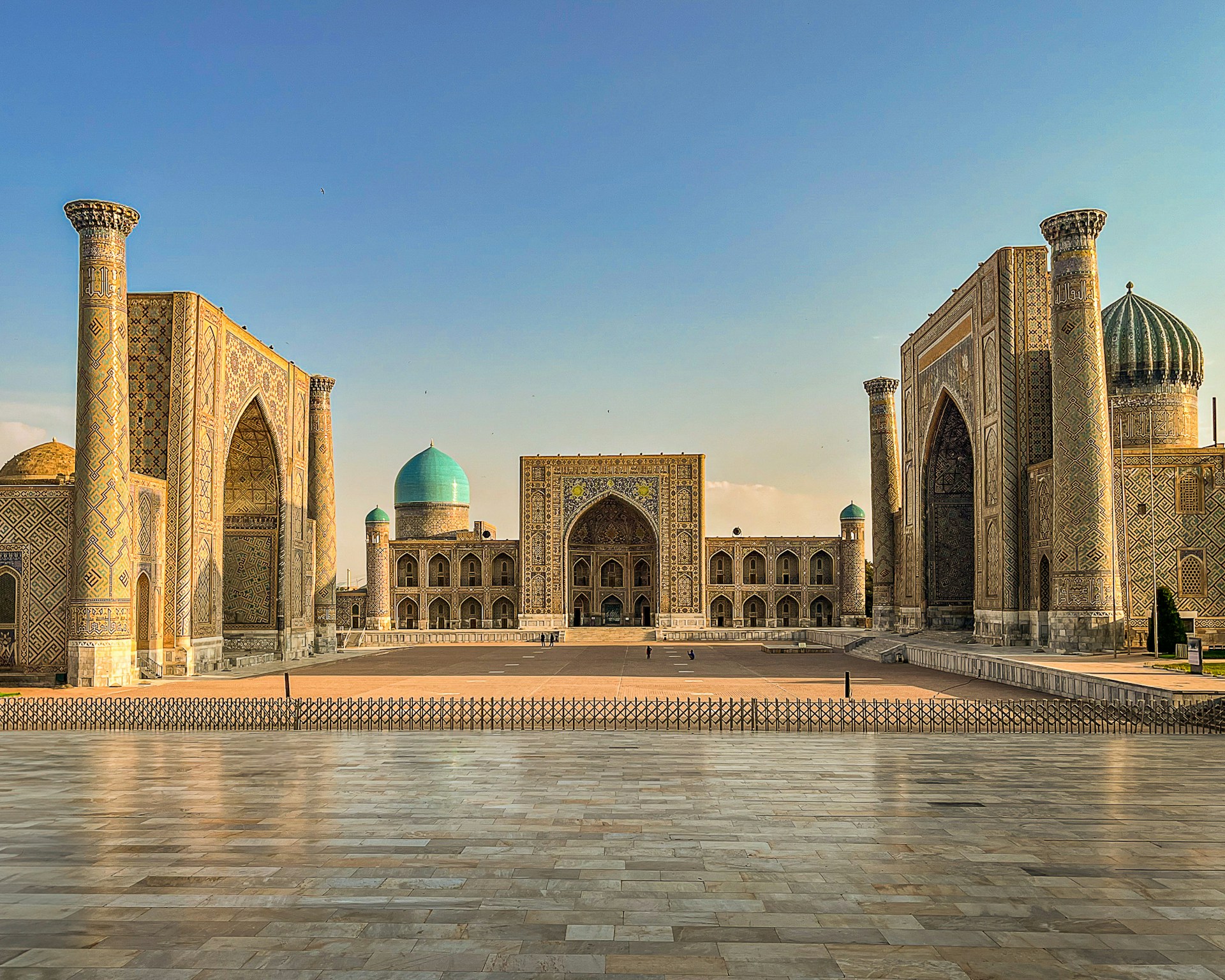
Registan became the center of Samarkand under Timur, although the madrasahs here were built by his descendants. However, it was Timur who began to shape and strengthen the square itself as an important center of power and knowledge.
Location: here
Bibi-Khanym Mosque
According to legend, the mosque was built by Timur's wife — Bibi-Khanym — in honor of his return from the campaign to India. The history of its construction is shrouded in romantic and dramatic tales about a daring architect and the price paid for completing the work.
Location: here
Ulugbek Observatory
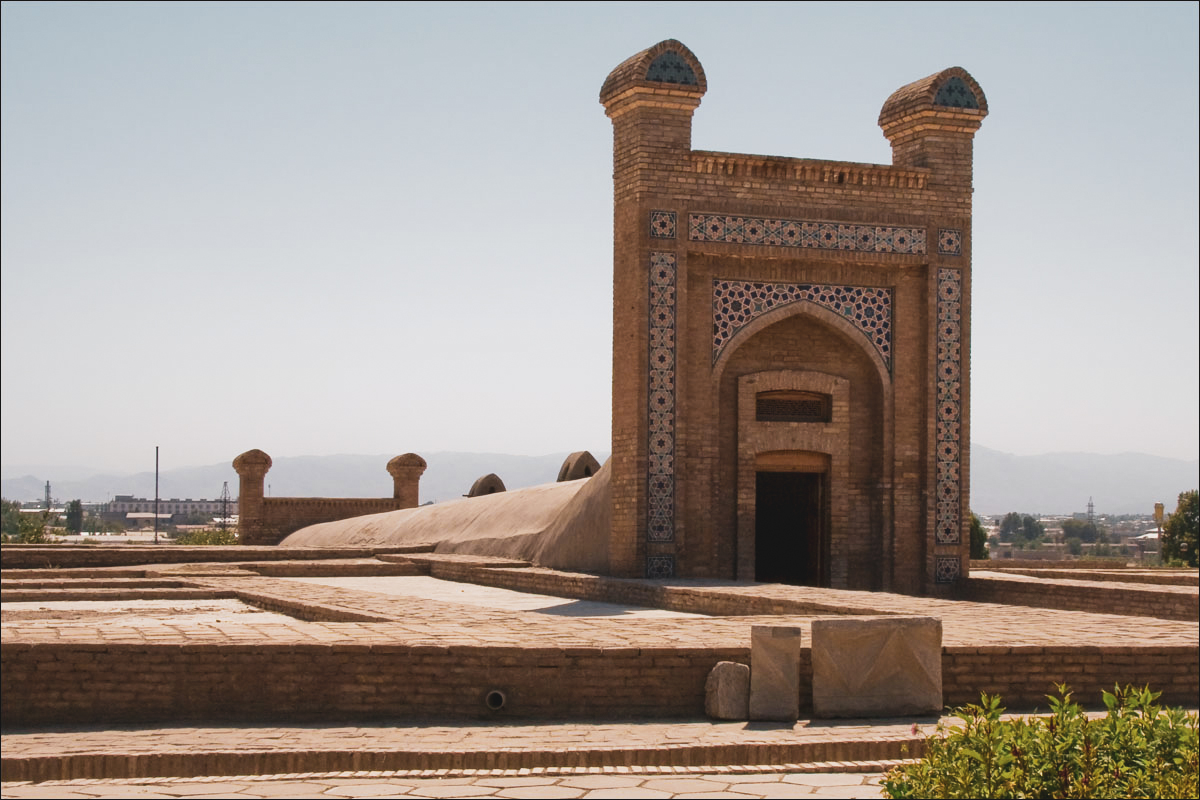
Although the observatory was built during Timur's grandson's time, the fundamental principles of scientific approach and respect for knowledge were established by Amir Timur himself.
Location: here
Shah-i-Zinda
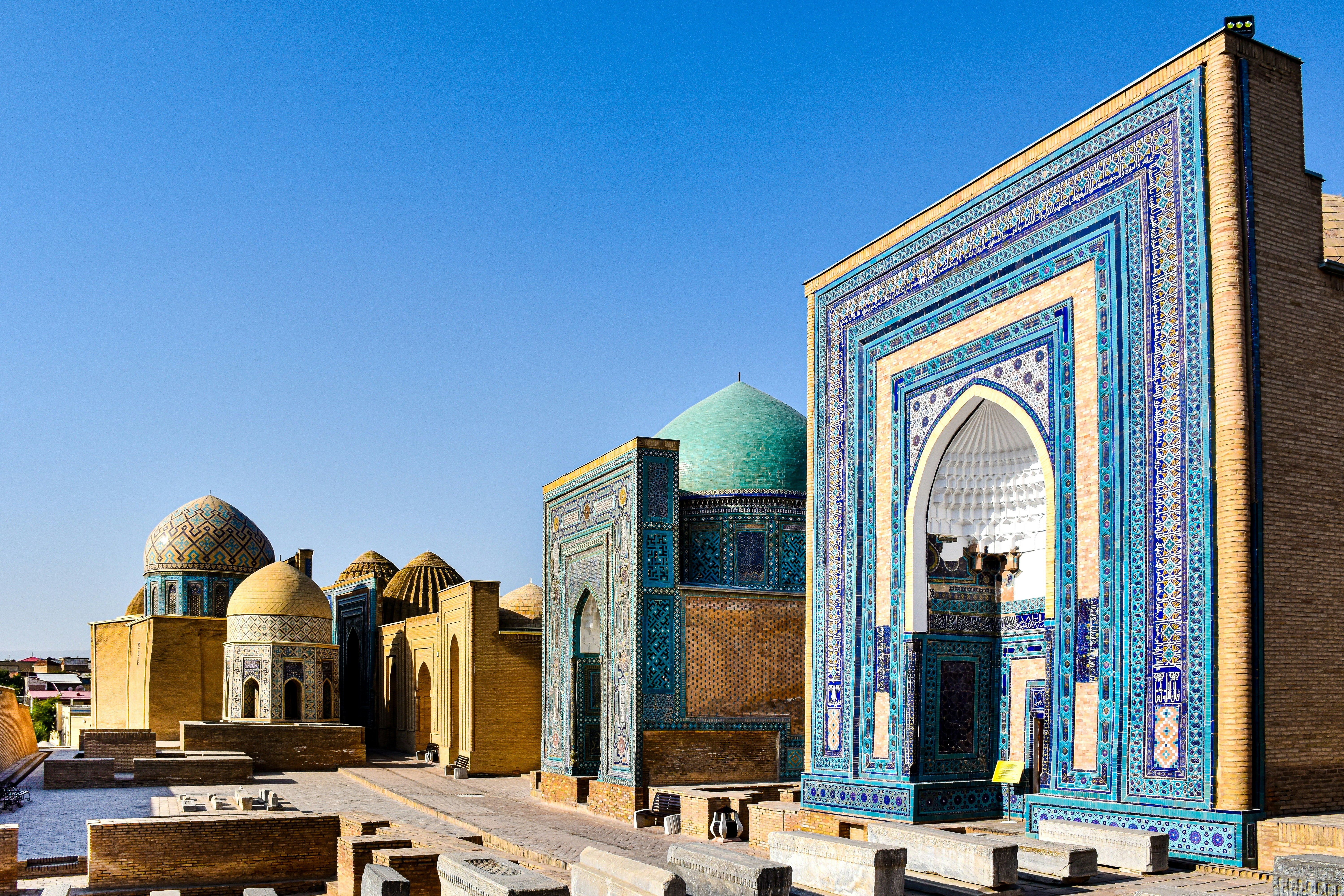
The Shah-i Zinda necropolis was an important burial site, including for members of Amir Temur's family and high-ranking military commanders. The site became a symbol of respect for the spiritual legacy of the most important personalities of the Timurid era.
Location: here
Shakhrisabz
Ak-Saray Palace
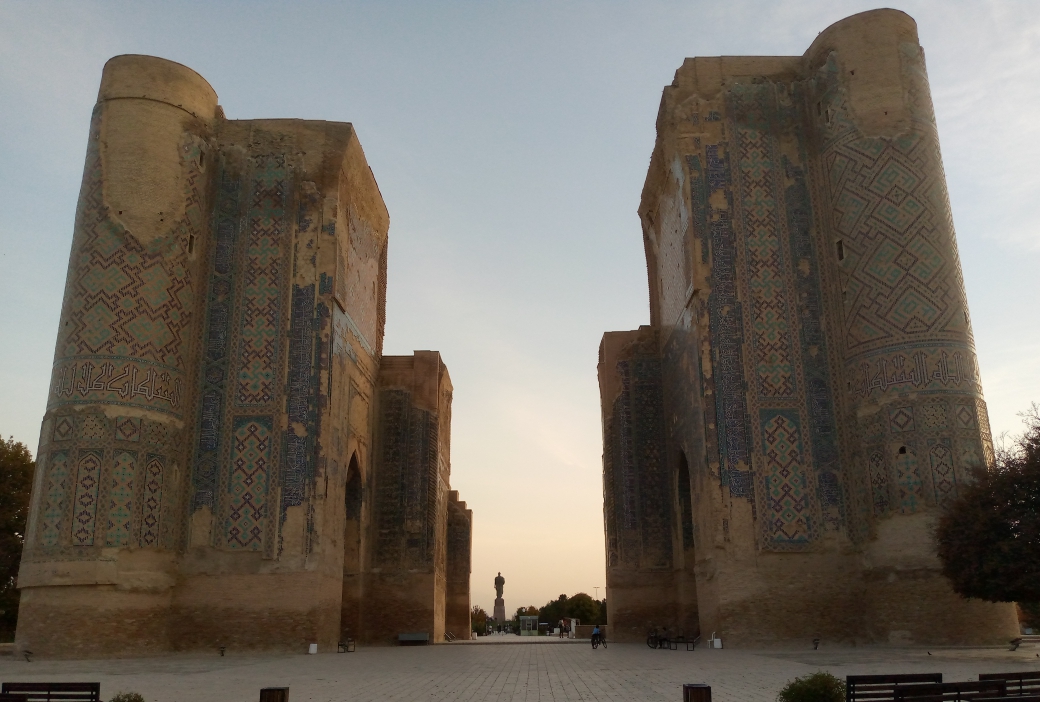
Ak-Sarai was built by order of Amir Timur as a symbol of his greatness and power. It is one of Timur's most ambitious buildings, originally conceived as his summer residence.
Location: here
Durut-Tilovat Complex
The complex houses the mausoleum of Sheikh Shams ad-Din, the spiritual mentor of Amir Temur. Temur revered his spiritual teachers, and this place became an important symbol of respect for wisdom and traditions.
Location: here
Jahangir Mausoleum
The mausoleum was built in memory of Amir Temur's eldest son, Jahangir, who died at a young age. It reflects Temur's deep connection with his family and their role in consolidating power.
Location: here
Previous issues
Newsletter
A letter from the HD editors
Once a week, we send the best stories, events, and cultural discoveries from Central Asia.