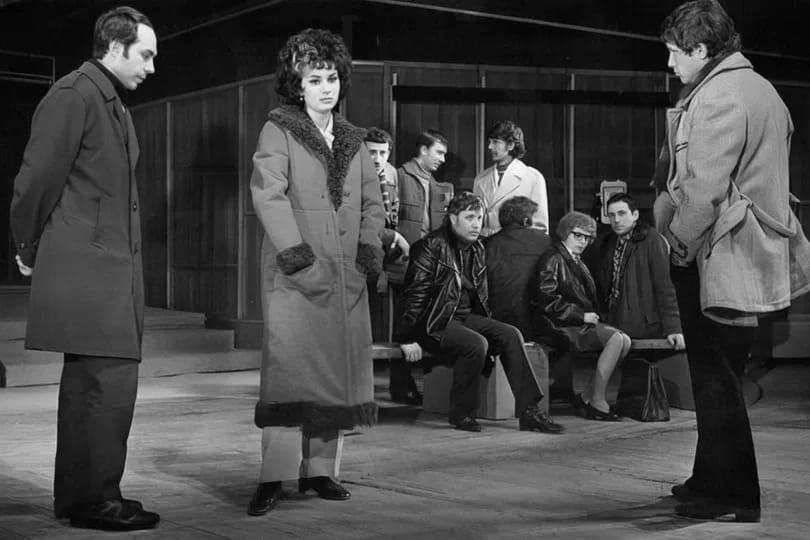
Back in the nineties, this area of video production allowed a thousand now-famous directors to build their careers, and helped artists increase their recognition and complement their musical statements with visuals. Paradoxically, thirty years later we are witnessing a similar situation in domestic music video production.
David Fincher, Spike Jonze, Michel Gondry, and many other major directors started with music videos. Clipmaking became a significant part of visual culture when MTV began crediting directors. Music video production reached such a level that regulations appeared and a TV clip policy was developed, and the industry became commercialized, thereby pushing out the previous freedom of expression.
Creators found a way out here as well: individual creators and productions began working directly with artists, and the new platform became the internet itself.
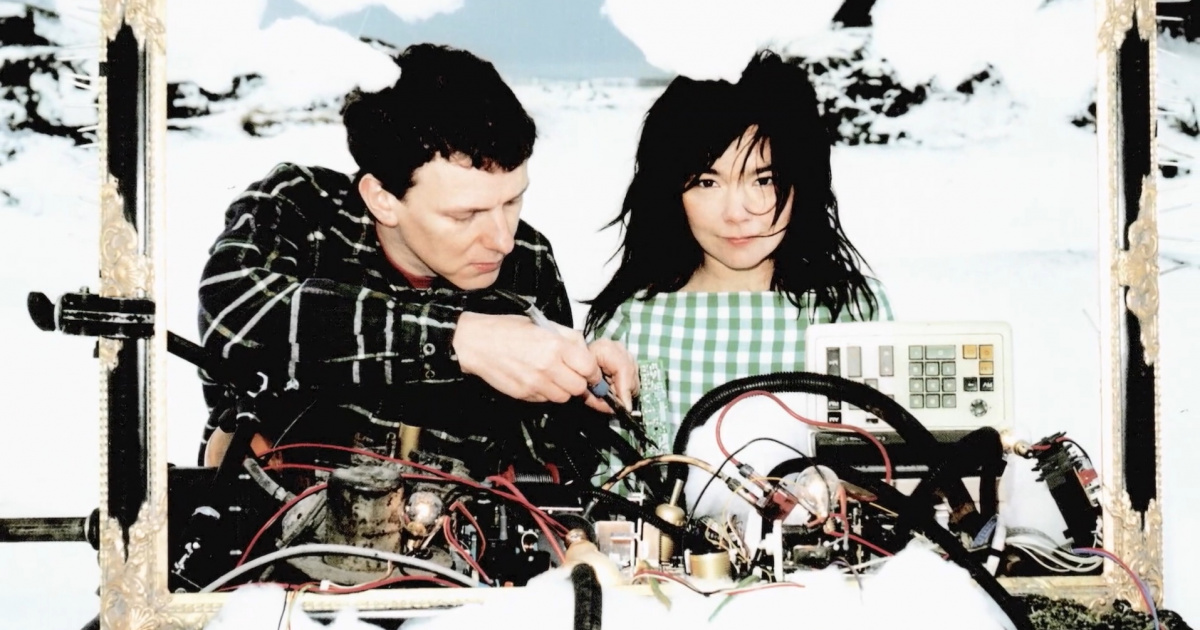 Michel Gondry - Do it yourself, 2023
According to our observations, similar processes can be traced in Uzbek music video production. Today, our industry is going through a formative stage. This field is gradually becoming a separate part of visual culture, where directors together with artists search for their own language, attract investors and advertising productions, thus balancing between commerce and creativity.
We set out to trace the trajectory of this movement – we gathered some historical background on the trends in music video production in our country and spoke with several key figures in the local industry: editor Vakhobzhon Norbutaev, directors Damir Mubinov and Doni Akhmadjonov, founder of the production company Abstract Visuals Bekzod Abduvaliev, marketer Alisher Mamadaliev, and the group Kasta about what is happening now and what preceded the current trends.
From glossy pop videos to weddings: music video production in the 2000s
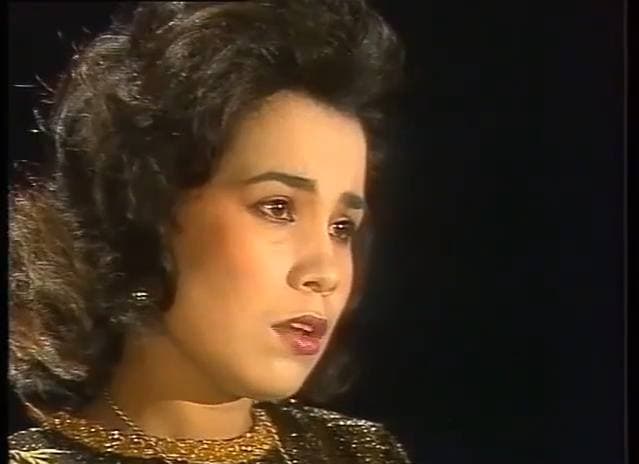
After the collapse of the USSR, the music industry in Uzbekistan was formally independent, but resources were limited: music videos were often shot "on location" (studios, stages, simple locations), and promotion was done through television, music programs, and cassettes, DVDs. Many stars who had already become established in the '90s continued to release "television" music videos. For example, Yulduz Usmanova or the group "Jonim".
The main change in music video making since the early 2000s is that videos have been created by three different generations of creators. In the early 2000s, these were old-school professionals: directors and cinematographers who had previously made films for Uzbekkino. They brought a cinematic approach and extensive experience with visual language to music videos.
Damir Mubinov –– director of music videos and commercials
Then there was a kind of decline, as a result of which wedding studios unexpectedly took the leading positions. Throughout the entire period before the emergence of a full-fledged advertising market, the main resources—equipment, specialists, and budgets—were concentrated there, so many music videos were created within the wedding industry.
 Shahzoda
 The early 2010s: the internet and YouTube change the rules
Next, the industry faced a shift to digital distribution: artists create channels on YouTube and pages on social networks; music videos start to have a longer lifespan and gain an international audience. Budgets increase, quality improves, and a clip culture of "virality" emerges (long plays, remixes, live performances).
However, commercialization is beginning to push out creativity. The videos with the largest reach are those with simple plots and craftsmanship, bright presentation, and universally relatable characters.
The situation changed around 2018–2019, when the advertising industry began to actively develop in the country. Production companies focused exclusively on commercial videos entered the market. They brought a new level of visual quality, but mostly worked with high-budget projects.
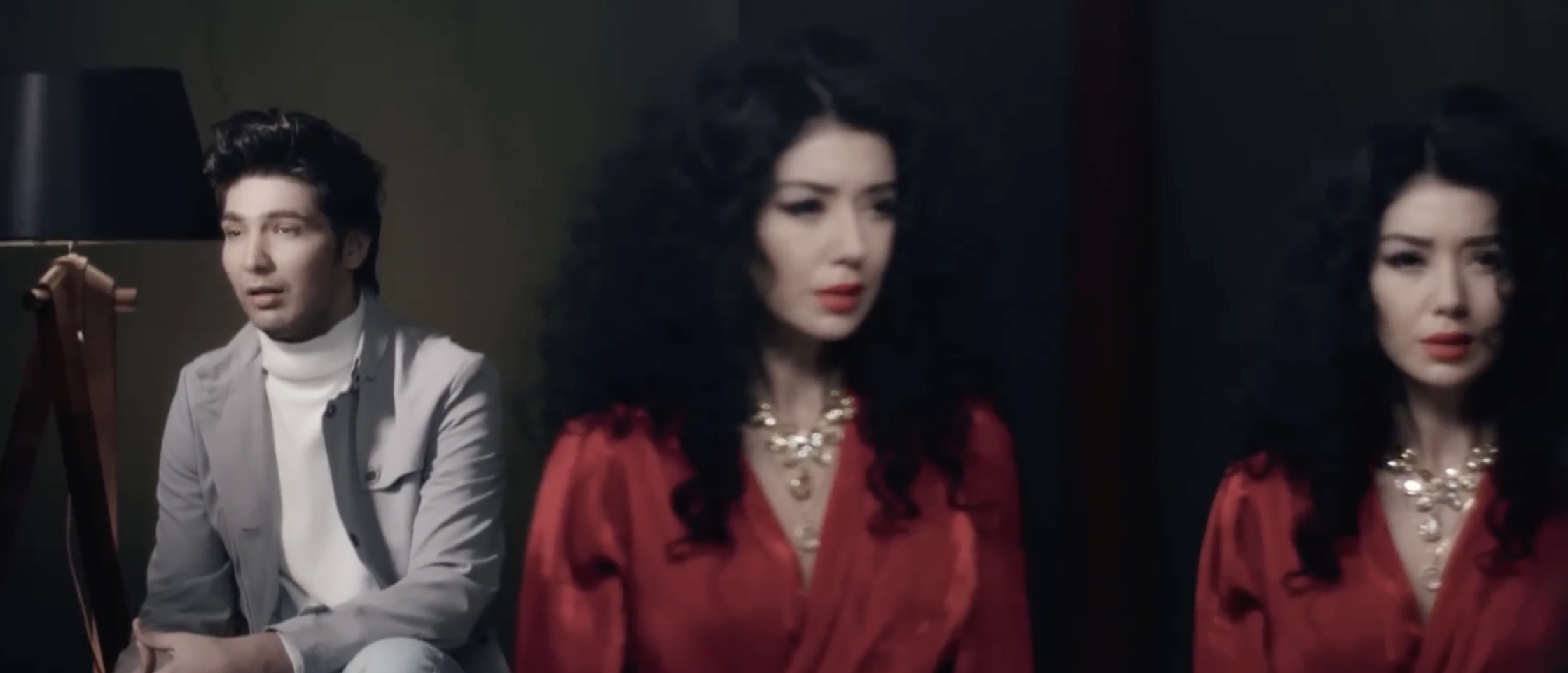
Clipmaking in Uzbekistan today
Experts in the field of clip making agree that today the industry is experiencing a stage of growth.
The current state, it seems to me, is good. At the same time, there is room for growth. I have analyzed music videos by Konsta, Jahongir Otajonov, the group Q.zlar — and I saw that there is storytelling, there is soul, these videos are truly well-crafted.
Vakhobzhon Norbutaev, known as Vakha Montazh, editing director, Shoom Production
However the lack of specialized education and weak infrastructure undoubtedly become key barriers to the development of the industry. If we compare, for example, with Kazakhstan, our industry is significantly lagging behind. The level of music videos in neighboring countries is noticeably higher.
The music scene is unofficially divided into two camps: there is the old pop scene, surviving on weddings and private concerts, and the new wave of artists who are looking for a different path. In particular, this involves developing visual culture: for example, Lailo Rikhsiyeva’s music videos are more like creative manifestos, while Konsta addresses social issues in an accessible way. This proves that you can be a niche artist, raise important topics, talk about pain, and still attract a large audience.
Vakhobzhon Norbutaev noted that recently, Konsta's music videos have become especially significant for the industry:
Many directors have worked with Konsta; he has shown that it is possible to film with different people just as well and professionally. I studied Doni Akhmadjonov’s works for Konsta and Q.zlar, and Sardor Fakhretdinov’s music videos for Jahongir Otajonov—there is a concept there, there is tempo and rhythm. These directors are setting a new pace, a new direction in Uzbekistan. We are used to music videos in the style of "story – track – story," but they lead the narrative from beginning to end, which is woven into the musical part.
The industry is in search of form
The founder of the production company Abstract Visuals, Bekzod Abduvaliev, notes that a new generation of creators has emerged who are beginning to see a music video not as a commission, but as a form of self-expression.
A new school is being formed now. This is cool because for a long time there was an old, conservative system, and it still works. But today new creators, performers are emerging, business is starting to get involved in this story. Everything is just beginning, and that’s encouraging.
Bekzod Abduvaliev
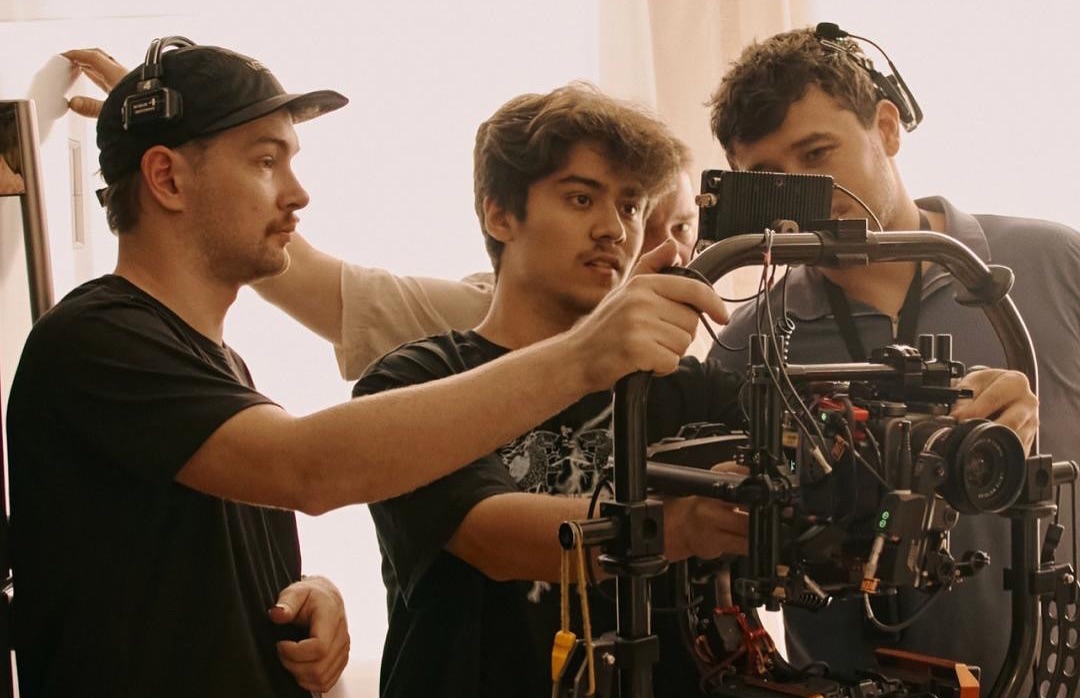 Abstract
Clip space forms a new generation of young creators — often self-taught, raised on digital culture:
Today, music videos are made by guys who are 18–20 years old. Many of them have never worked in film, at weddings, or in production companies. These are zoomers who started out filming reels, snippets, developing a visual language on social media, and then moved on to full-fledged music videos. Among them are true auteurs who have something to say, and that’s when truly interesting works emerge.
Damir Mubinov
At the same time, many independent musicians have emerged in the country, creating music at home and developing local brands and the underground scene. Such artists often collaborate with young music video directors for joint creative projects.
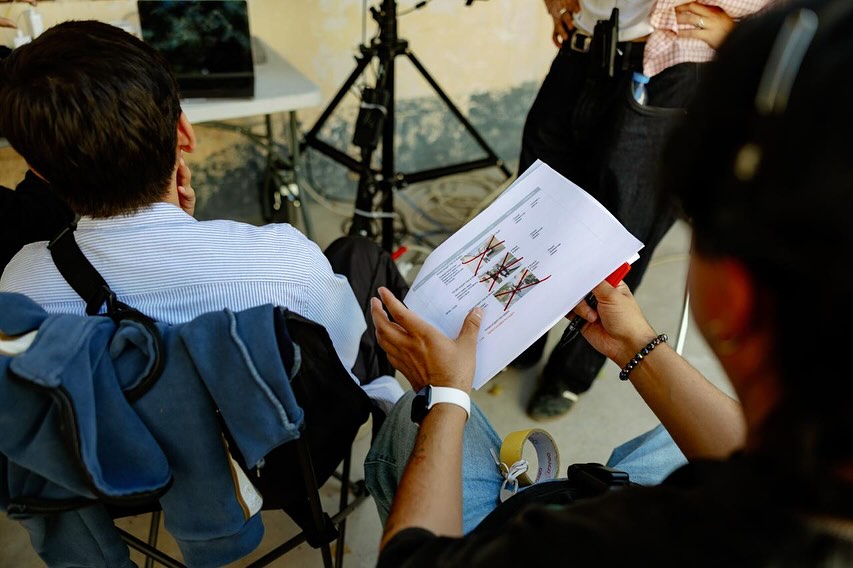 Buro Notfrom
 Make money from advertising or spend money on music videos?
Observing the changes in video production, particularly the significant growth of advertising productions, we decided to ask the following questions: what is the difference between an advertisement and a music video? How does one influence and/or help the other?
Experts noted that working on music videos involves more creative engagement and freedom. This is not about the abstract meaning of freedom, but a very specific one:
Advertising has a hierarchy — at the top is always the client. The agency, creatives, and director can come up with how to present the idea, but the final word always belongs to the client.
Vakhobjon Norbutaev
The standard scheme works in advertising: the client sets a specific direction, and the agency and production are the executors.
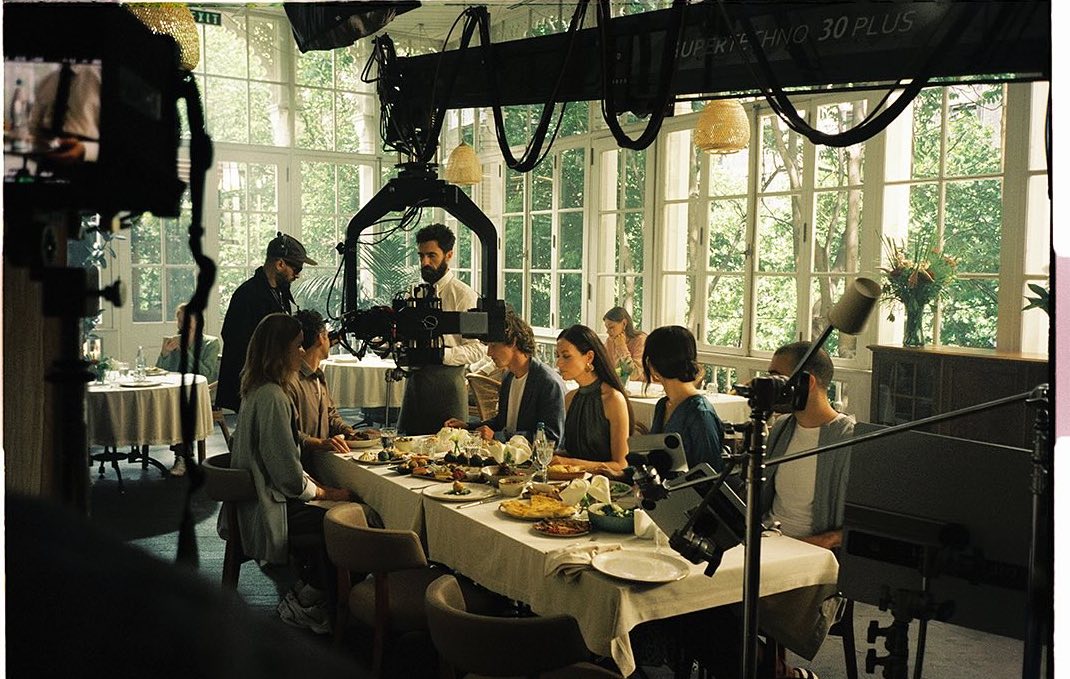 Abstract
 Bekzod Abduvaliev on how advertising is created:
We—as a production—always work according to a structure, but in music videos, especially when the team works for free or invests their own money, real freedom emerges. It's like a privilege—you just create an idea that you truly like.
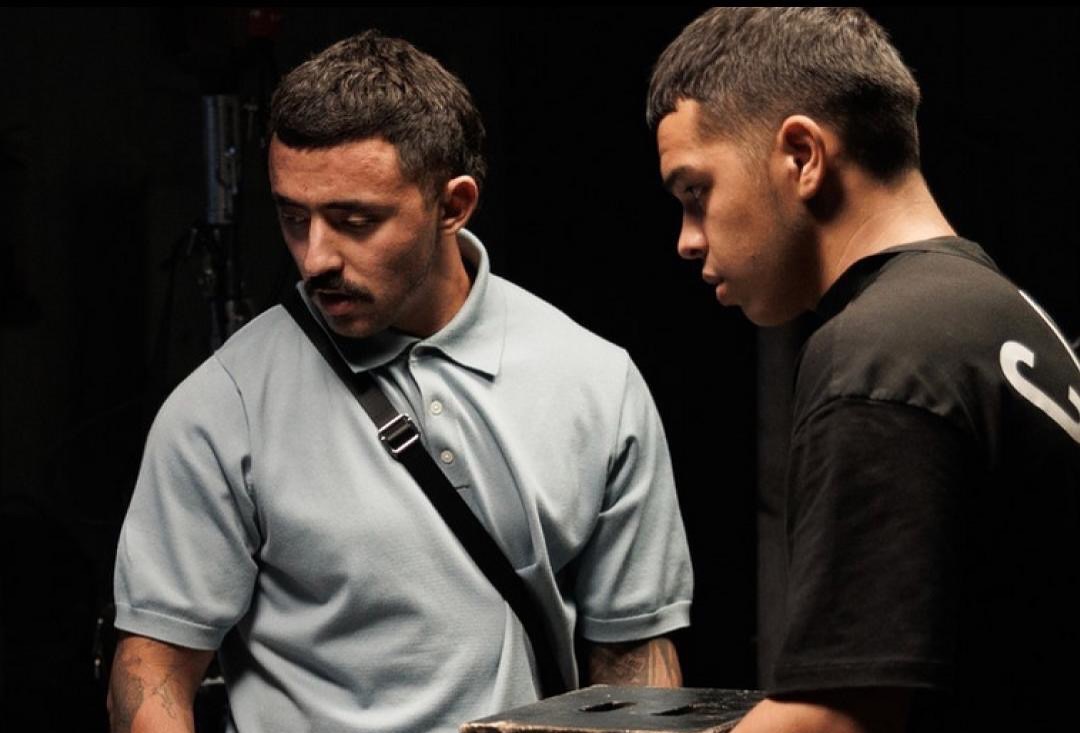 Abstract
 Damir Mubinov described the role of the director in music videos and advertising:
In advertising projects, everything starts with a brief. The idea is not invented by the director, but by the advertising agency. Most often, the script is written by another person. The director brings it to life, but it is not his own creative work, whereas a music video can be entirely an auteur piece: the director has his own idea, his own pain that he expresses through the video, and the artist has his own pain in the lyrics. And when all of this comes together, the result is a work that touches you for at least two reasons—and that is the main difference.
Vakhobzhon on the profit and significance of clipmaking:
Music videos bring clients, and clients will then bring money. It's necessary to separate creativity and commerce: advertising brings money, but music videos allow for self-expression.
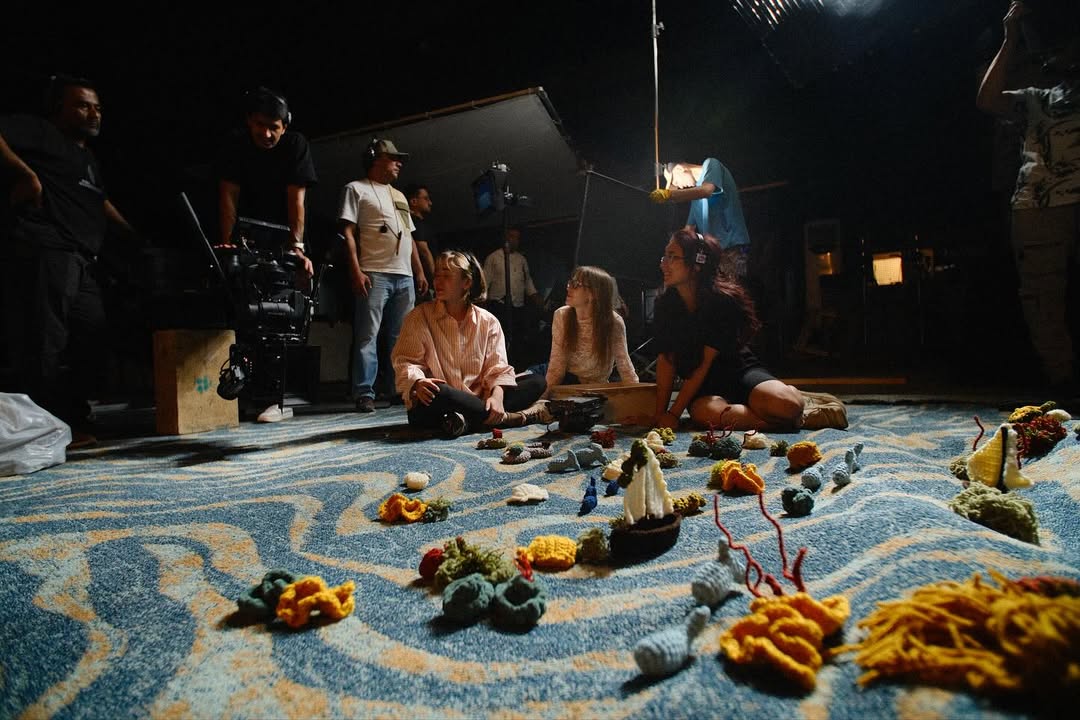 Shoom Production
 Clipmaking as a Space for Creativity and Self-Realization
According to Bekzod, it is precisely creative freedom that attracts major production companies and filmmakers to music video making. For many, this is not a commercial project, but a PR and image story, an opportunity to showcase the level of production and make a name for themselves.
In Russia, Kazakhstan, and other countries, creators have an internal KPI—two or three creative projects a year. These can be music videos, short films, social videos. People do this for free, simply because they need to express themselves. That's why they go there, because it's a thrill, it's freedom.
Bekzod Abduvaliev
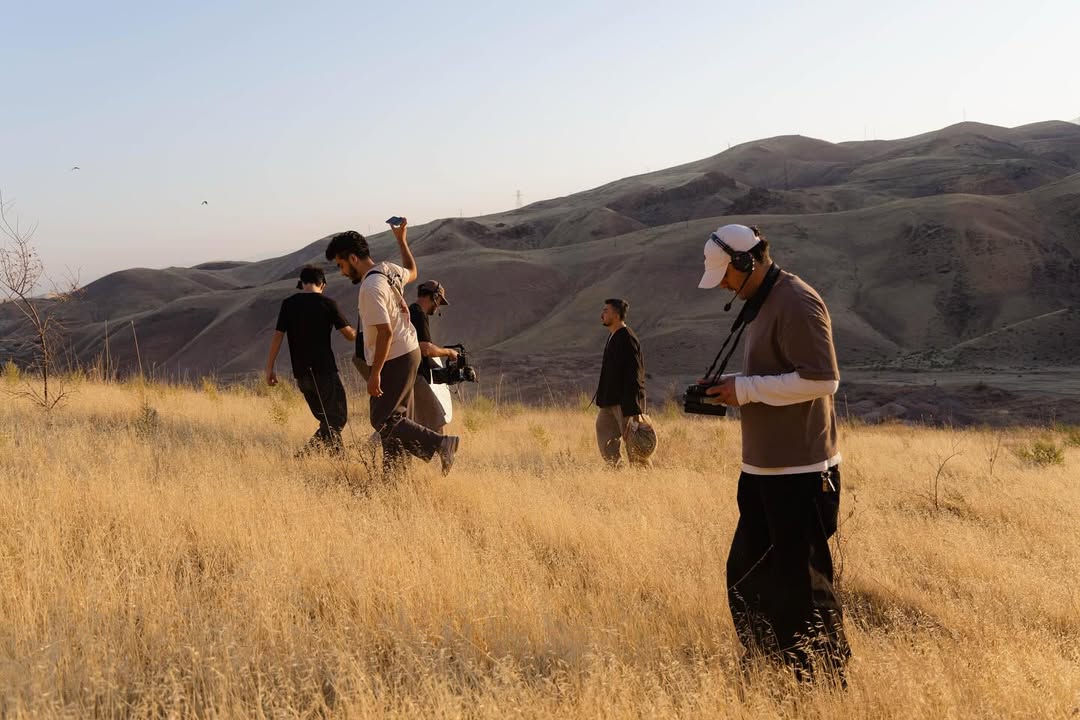 Buro Notfrom
The impact of production on clipmaking
Damir Mubinov noted that production has a direct impact on the development of music video making. According to him, production companies are interested in creative projects because they help attract attention, strengthen reputation, and gain recognition at festivals:
Often the initiator is the production itself—the director may come and say: “I want to shoot a music video, let's find a client and do it together.” There are cases when the production partially or fully covers the expenses just to bring a cool project to life. Production is a team capable of ensuring the quality and scale that cannot be achieved alone. In essence, without production, the music video might simply not happen.
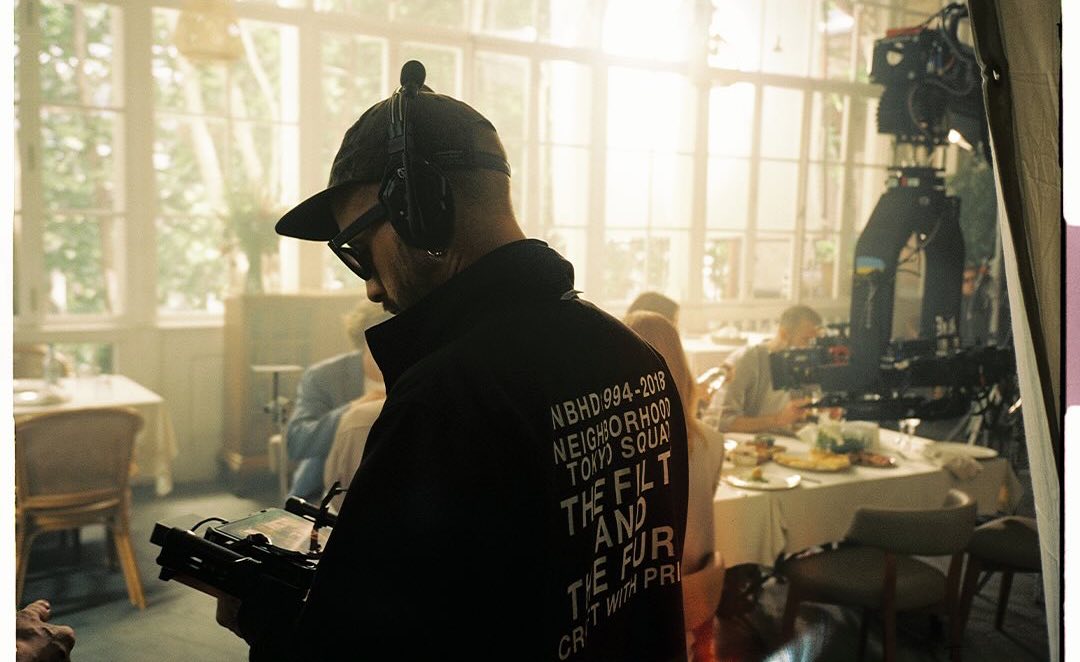 Abstract
Successful cases: music video for Kasta
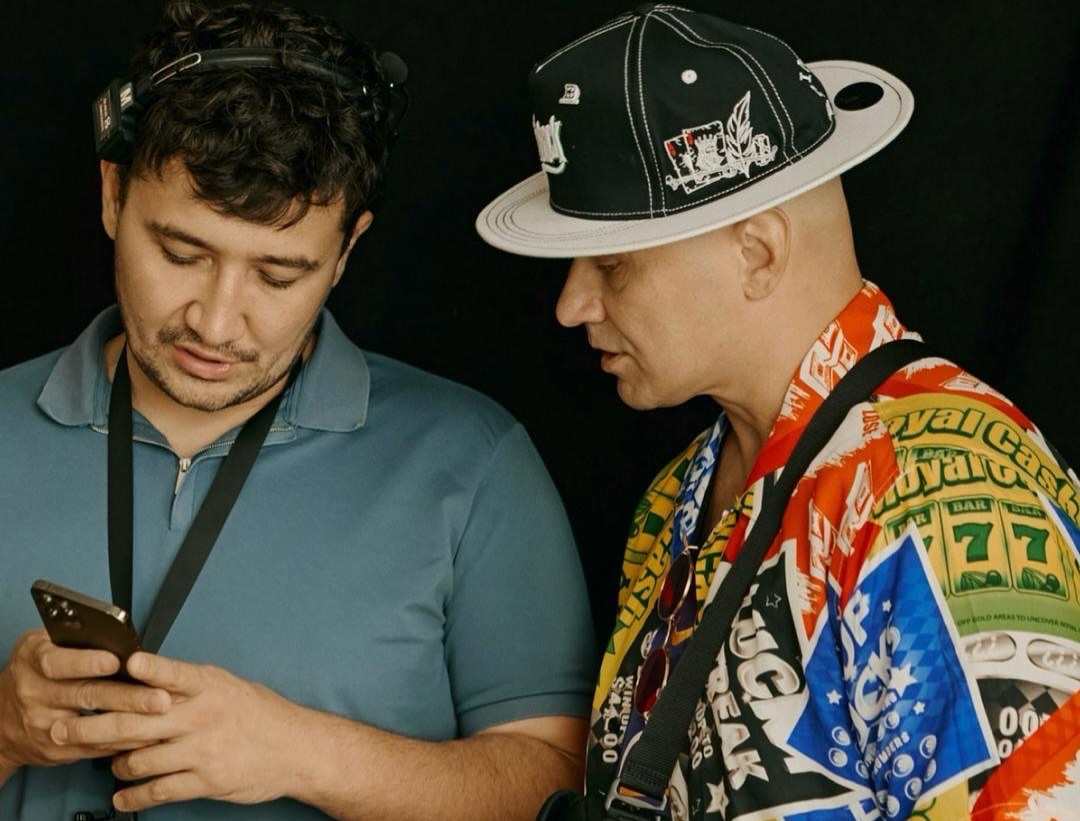
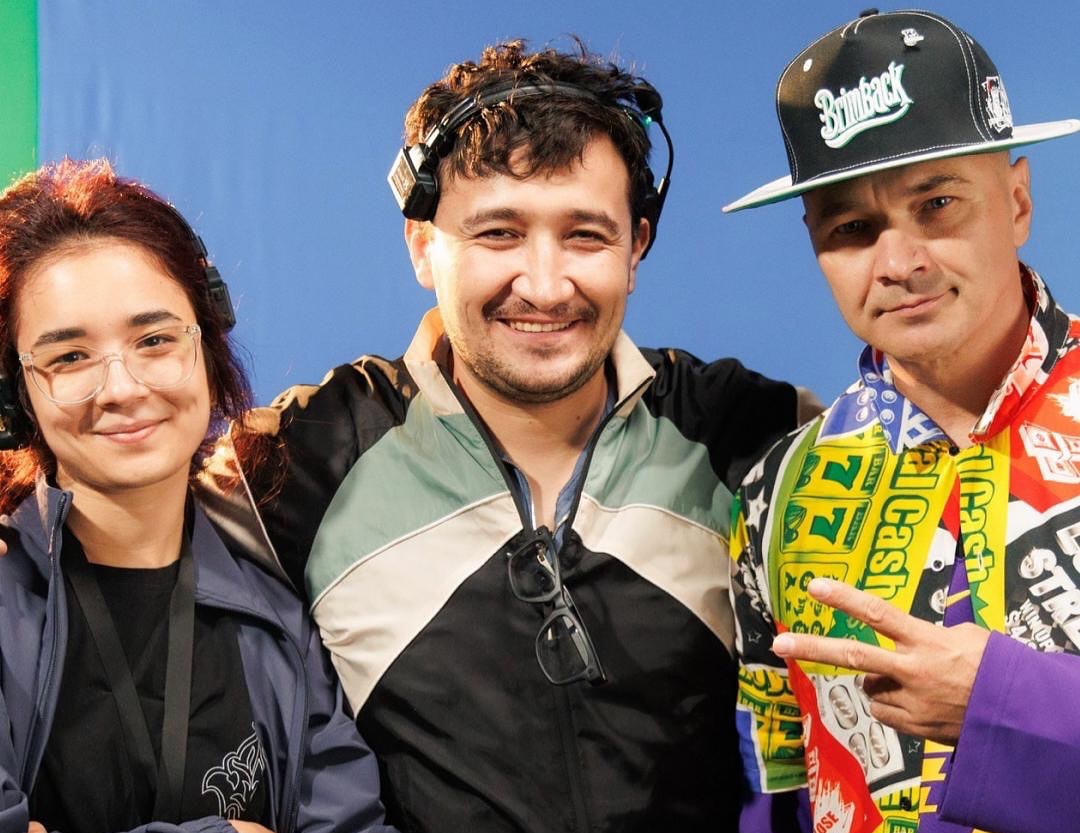
On November 9, Kasta released a new music video "Sozvon," produced by Abstract VS and SEKTA Agency. According to the project team, Vladi already had the idea, and the director needed to bring it to life, resulting in a collaborative work:
I joined the project, the guys arrived in Tashkent the day before the concert, and we literally shot the video in one day. Before that, we had been calling each other for a whole week, discussing all the details for hours.
Damir Mubinov
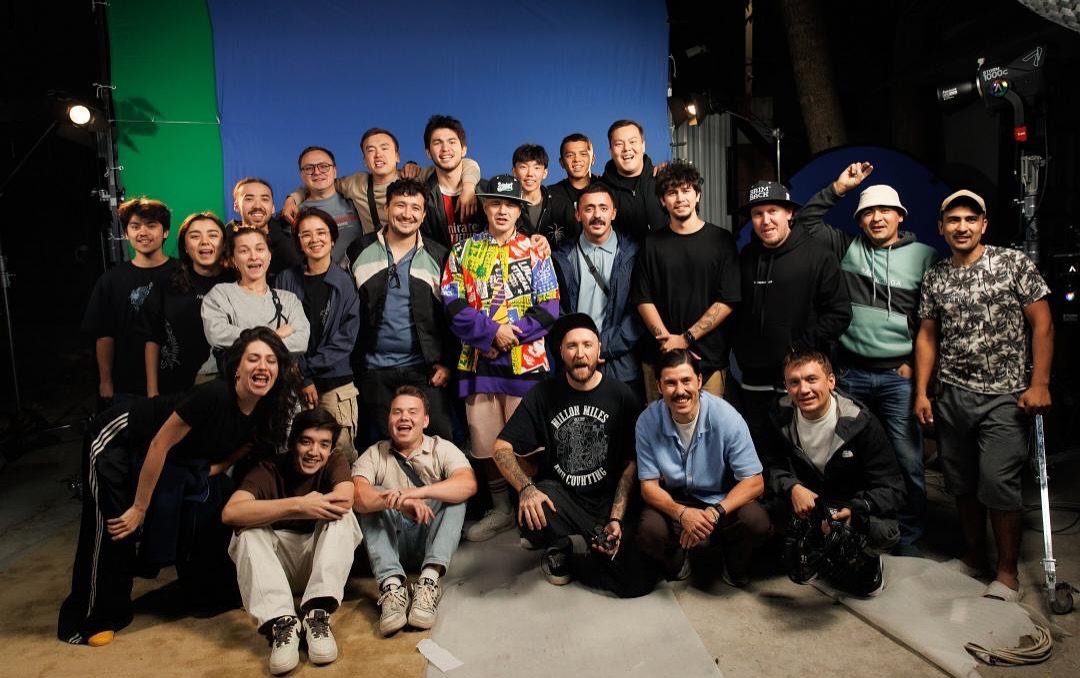
We talked with Vladi about the music video:
We were planning to shoot an intimate music video, maybe even on a phone. I called Sergey Kim, our acquaintance, and asked if he had a cameraman. He said, "I have an idea, send me yours." I sent it—and somehow everything started moving. In the end, there were 30 people on set, everything was very well-coordinated, a great team.
During his stay in Tashkent, the artist shared his impressions of the development of the music industry in Uzbekistan and recalled how his own journey began:
The industry here is just beginning to develop. You showed a few of your videos—great work, neat visuals, attention to detail, interesting artists. Cooperation at an early stage is very important. The main thing is that the process itself brings enjoyment.
Vladi
 Abstract
 We asked the musician about the filming of the video "Red Train" –– this is one of the band's first video works, which has an inspiring creation story:
There were people who dared to invest money. When they sent the tape with the music video, it felt like a birthday or New Year's Day—a celebration.
Vladi
Successful cases: AI clip by Konsta
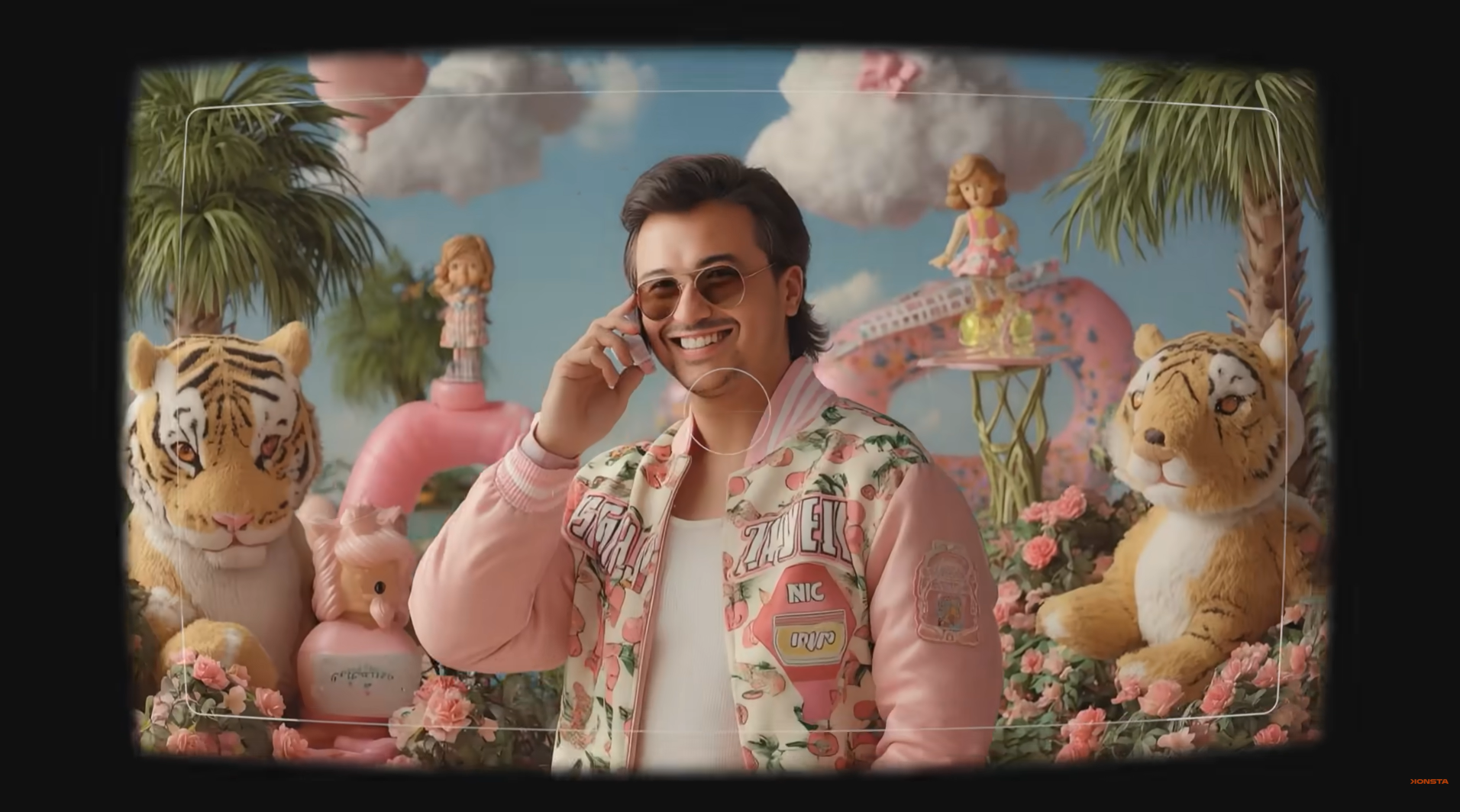
Damir Mubinov — the director of the AI music video for Konsta — said that the idea to create such a project came up a long time ago. During this time, he managed to complete two projects: one for Konsta (for the song Ismim Sharif), and the second — for the group Kasta.
According to him, the first project was born out of a desire to create a full-fledged work with a neural network, and not just a short video:
I was looking for something that would fit this well. Konsta had a track about the artificiality and fakeness of people, some artists. I thought that the fakeness of people and neural networks are very similar, and made this kind of metamodern music video.
Work with artists, Konsta's music video
I can't say that I've shot a lot of music videos, but from experience: I tell the artist, "This is how I see it," and most often I hear, "Cool, let's do it." Or a suggestion on how to make it even stronger," says Damir Mubinov.
The director on his work experience:
When I was shooting the last music video for Konsta, the guys had no idea what the result would be. I just gathered everyone and showed them the finished work. That's impossible in advertising. There you have to keep the client informed of every step, get everything approved and agreed upon. But in music videos, that's not necessary. That's why many people are willing to work on a creative basis, sometimes even for free.
Speaking about the technologies that will change music video production in the coming years, Damir notes that the main driver will be artificial intelligence:
Inside this field, a lot more new things will appear — there will be many technological breakthroughs that will start being used in music videos. There are already neural networks that can change the angle or add camera movement within the filmed material. And then there are cameras and lighting. They are becoming cheaper, lighter, and more efficient. In other words, the “hardware” is getting better, and the software is getting smarter.
What is hindering the development of clipmaking?
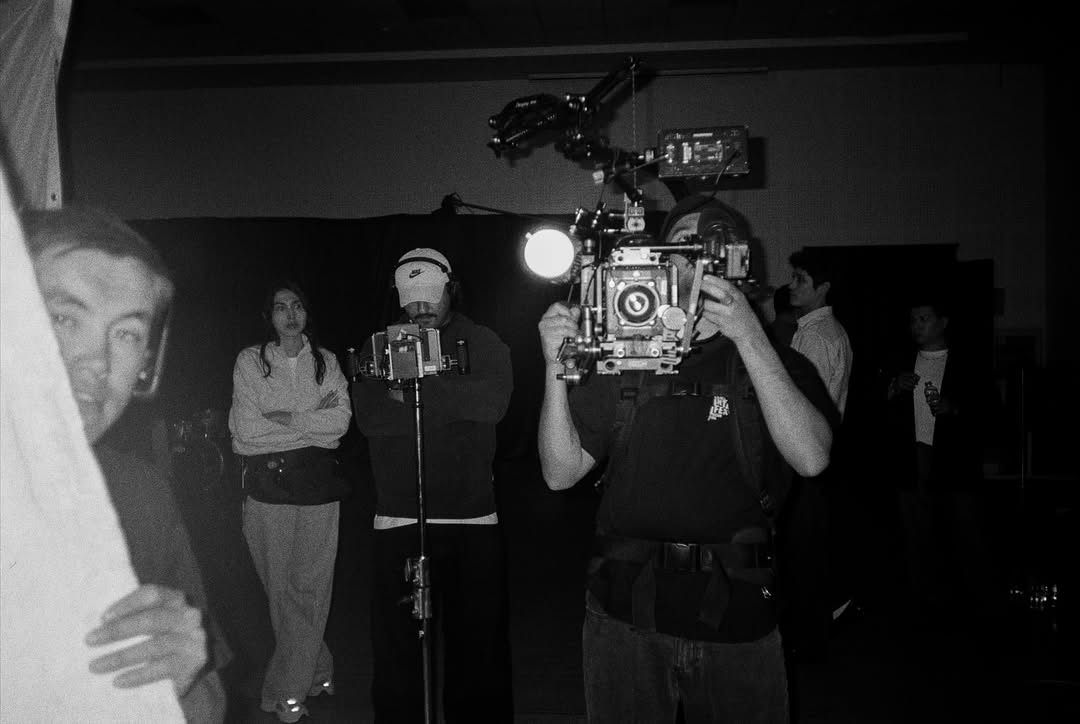
Lack of education and weak infrastructure undoubtedly become key barriers to the development of the industry. Directors, cameramen, and producers are hardly ever taught music video production anywhere. In addition, artists and directors do not always find each other. Many ideas remain unrealized due to the lack of platforms for communication and joint initiatives.
The main problem with music videos is that there are simply too few of them. The music industry is only just taking shape.
Doni Akhmadjonov
The founder of Abstract production notes that one of the main obstacles is the lack of understanding from businesses. Companies and contractors do not yet see value in music videos as digital content, even though it is precisely this content that gathers views and builds an audience.
The main barrier is for businesses to realize more quickly that digital content really works. A music video is not a source of income, it's a creative story. For a long time, we treated it like advertising: there's a shift, there's a rate—what difference does it make what you're shooting? This approach kills creativity.
Bekzod Abduvaliev
Abduvaliev is confident that the industry needs new creators and sponsors willing to support original projects in order to grow. Business should become an accumulator of clip-making, not just its consumer.
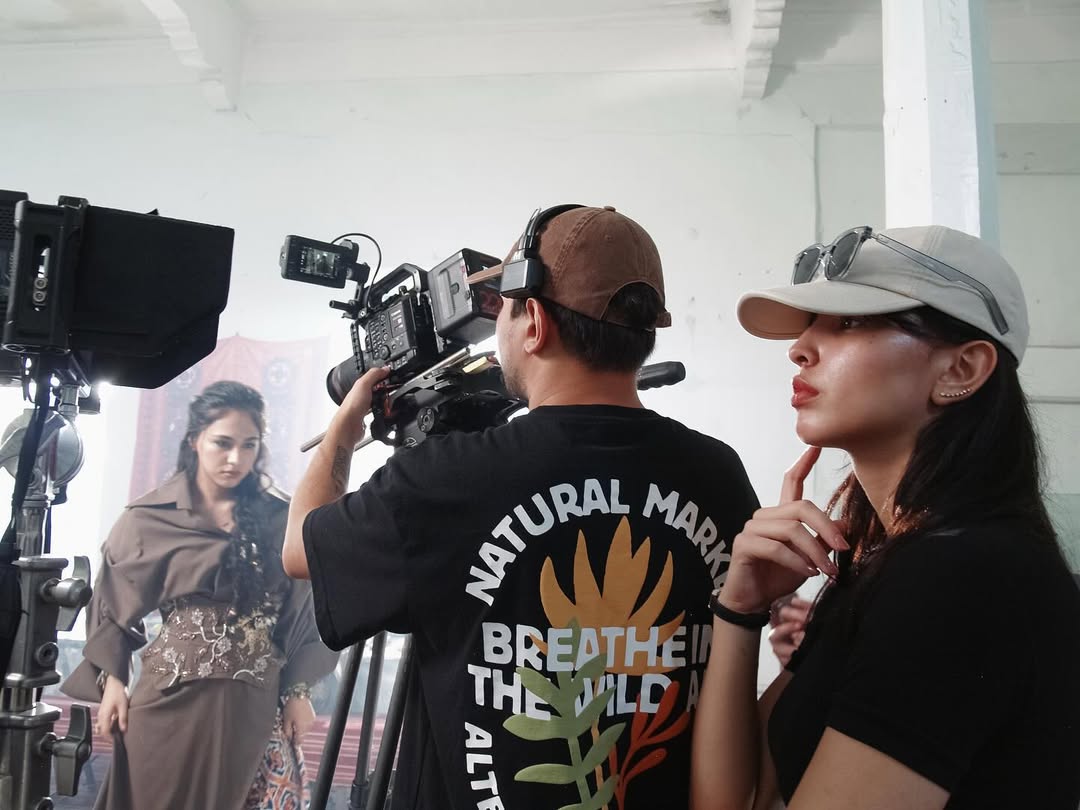
Damir Mubinov notes that the main barrier to the development of clip making remains the budgets. Video is an expensive product: even if the director works for free, money is still needed for equipment, locations, and many other details.
Not everyone is ready to allocate a budget for music videos, because unlike advertising, music videos do not generate direct sales. A commercial client does not earn from them right here and now. Brands get involved with music videos only if their values align. For example, if a brand supports ecology and the artist has a song about ecology, then they might join in. But this is more of an exception.
Damir Mubinov
Vakhobjon, as a professional editor, highlighted an issue such as delegation:
The main barrier to the development of the music video is the habit of working alone. Many videographers are used to shooting, editing, and coming up with everything themselves, which lowers the quality of projects and hinders delegation. This is a big problem for the overall market, because as a result, we end up with some kind of universal soldiers. For the people who hire them, this is beneficial, because the price will be lower than hiring individual specialists.
Vakhobjon noted that this undercuts the market and lowers the quality of projects. He emphasized that many people think only from their own perspective, and there is a lack of trust within the team. For the industry's progress, it is important to learn to work with a team, delegate tasks, and trust colleagues, understanding that sometimes they can do even better than you expected.
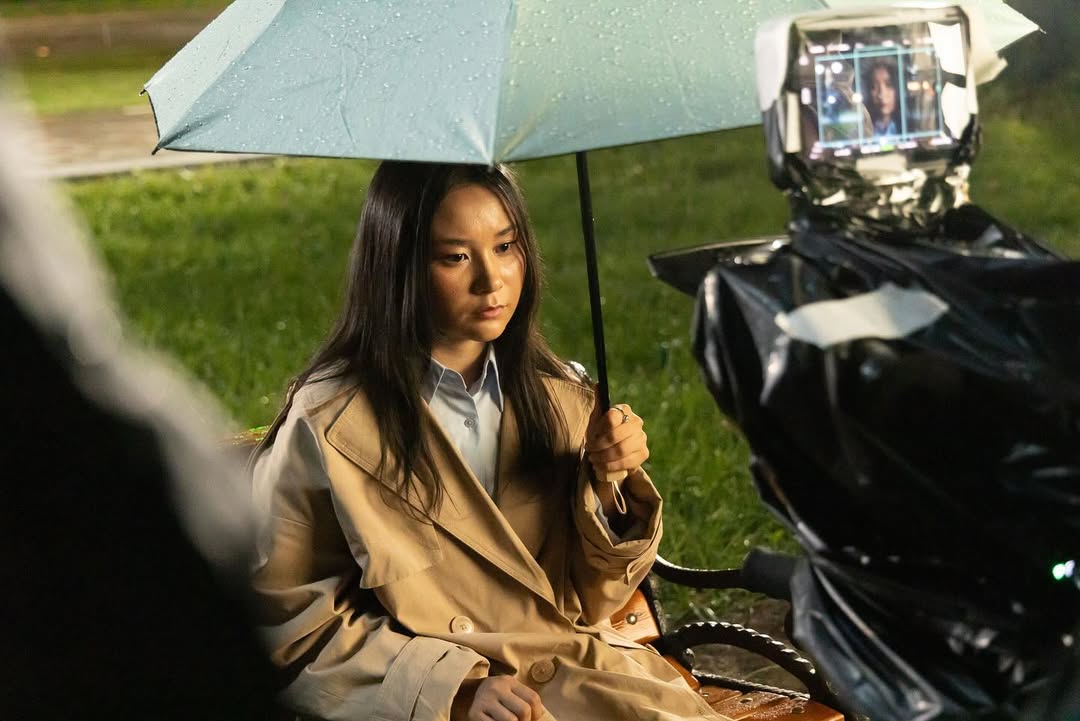 Shoom Production
 Not every song needs a music video
Another barrier Damir sees is that not all tracks are suitable for music videos. According to him, many songs are written on their own, without visual potential:
Not all artists understand this. Some get offended when I say: “What other tracks do you have? Let’s listen.” Both sides need to understand this creative altruism.
When he is approached with an offer to shoot a music video, he always starts by listening to the track: if the music doesn't resonate with him, he declines, because he won't be able to do quality work without an internal response.
He emphasizes that most directors in Uzbekistan shoot music videos for free and have the right to choose which song to work with. The team joins the project only if they genuinely feel the material, and it is important for artists to understand this creative dedication.
In addition, Damir notes that young music video directors often lack an understanding of the market: many offer ideas to artists without considering the client's interests and without understanding business processes.
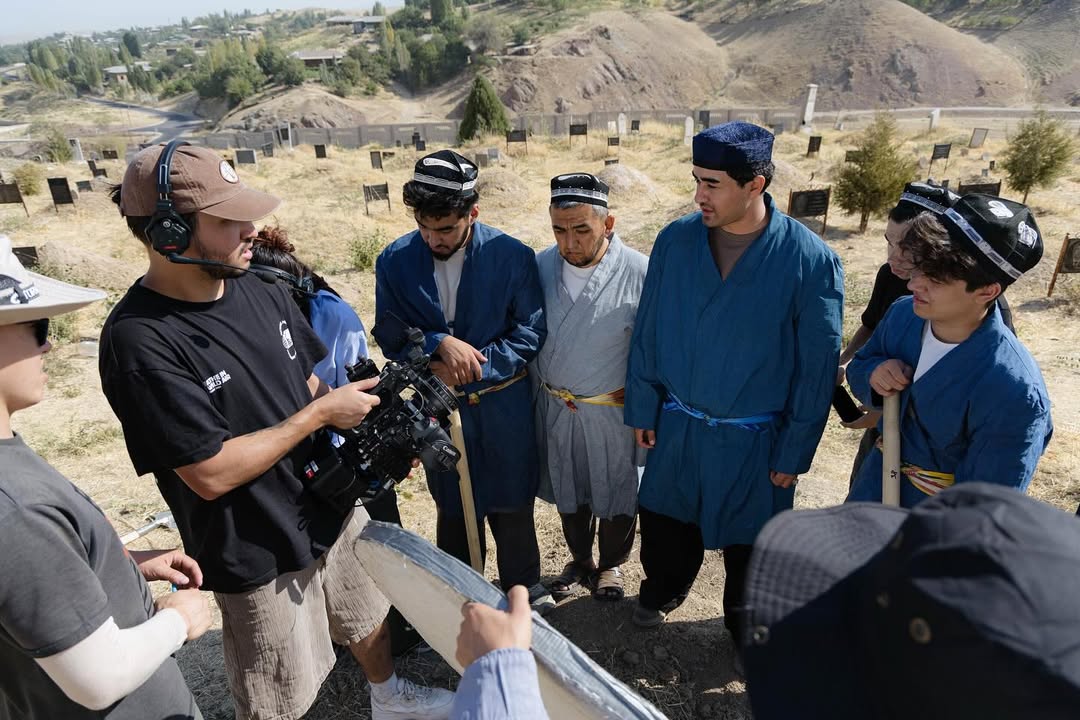
Toy-making is becoming a thing of the past
The music video industry in Uzbekistan began to change not only due to the emergence of new artists, but also thanks to updates and experiments from already well-known performers.
A vivid example is artists like Lola, Jahongir Otajonov, and Munisa Rizaeva, who actively introduce new visual formats and ideas into their music videos, demonstrating that it is possible to combine commercial success with creative experimentation.
Director Doni Akhmadjonov worked on the latest music video Mish-Mish by Munisa Rizaeva.
The stage is beginning to change, artists are ready to update their visuals and experiment. We succeeded in doing this with Mish-Mish. It is very important for artists to show trust in creators/directors and find common ground. A vivid example is the collaboration in the series of music videos by Jahongir Otajonov and Sardor Fakhriddinov. I really like their video Happy Birthday.
Doni Akhmadjonov
Alisher Mamadaliev — Sales and Marketing Director at SAVR, Kulinar, Nishon Group, Papa of the “Light Retro” brand — on changes:
The last two years, music video production has started to develop rapidly, but again, this is thanks to a few individuals in the industry who are passionate about it, who come together, create, and thus shape the modern culture of our region. Our contemporaries — Konsta, Mirshakar, Azam, Jamshidkhon — do you think what they do comes easily to them? No, but they don't stop, they keep creating! By highlighting important social issues, they inspire like-minded people in the industry to unite and convey these messages to society.
Initiatives for Developing the Future: How a Community is Formed
Buro Notfrom, together with Tashkent Film School, organized a series of meetups for film and video production professionals. They bring together directors, cinematographers, production companies, and the musicians themselves.
Doni Akhmadjonov — the founder of the production company — explains that his team strives to show what is happening in the city and to document the process of the local scene’s development:
The most important things at meetups happen after the official part—when people go outside, talk, and get to know each other. This is the living industry. After one of the meetups, we created a group chat where directors and musicians can connect directly. Activity is still low, but the very fact of coming together is a step forward. Without a community, development is impossible.
 Buro Notfrom
 Business invests in creativity: the role of brands and support
A rare example of conscious support for creative initiatives is the brand SAVR. Sales director Alisher Mamadaliev was one of the first to start supporting videos and podcasts of little-known bloggers, comedians, and creators.
The PR potential of such a move is clear — the performers have their own audience. And by supporting the creative endeavors of these performers, the brand wins the loyalty of this audience.
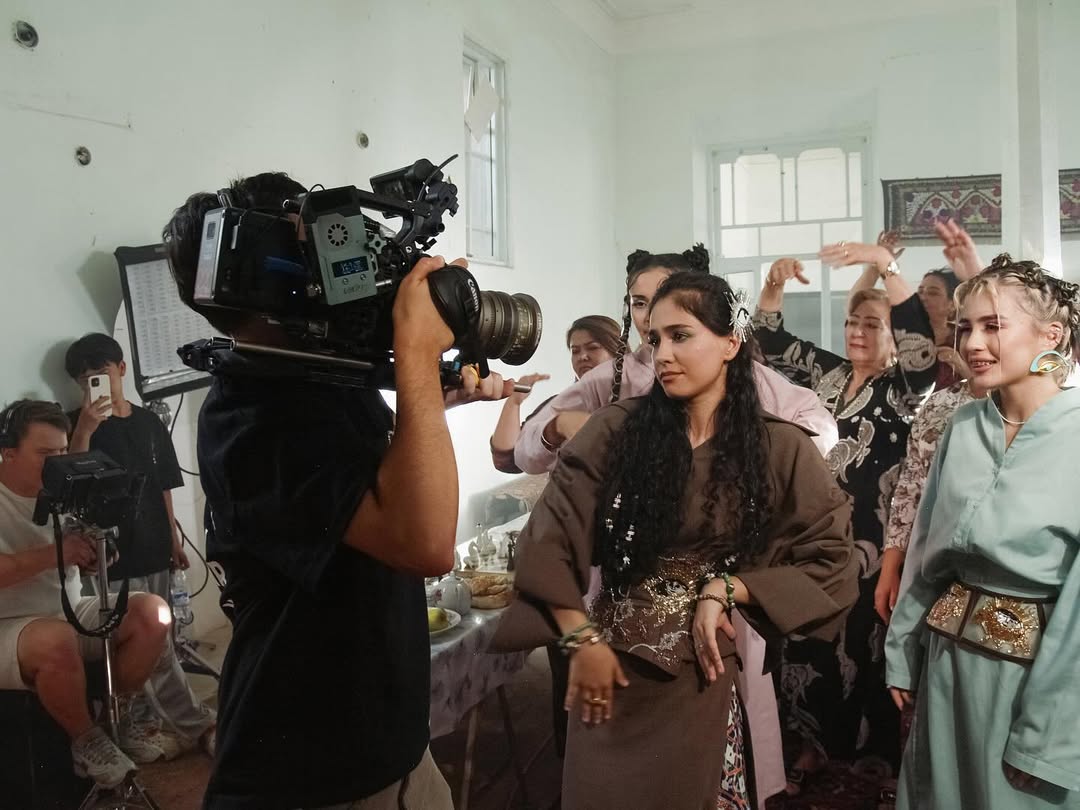
We talked with Alisher about the line between creativity and commerce:
In my case, there is no barrier between commerce and creativity; here it is important to understand—what do people mean by commerce? Direct, straightforward product placement, trade activities, or direct monetization. But we look at it from a different angle. We create an emotional connection through creativity, and commerce in our case is more about the discipline of constant support, which in turn leads to responsibility towards society, creators, and the industry.
Alisher Mamadaliev
SAVR systematically sponsors creative projects. Its contribution allows young creators to shoot their own work, pitch ideas, and develop in this field. Without its support, many artists would remain less visible and ideas unrealized. One of the latest works is a music video for the track Okean by the up-and-coming and already successful musician Rishat.
For us, for the SAVR brand team, it is very important to support talented creators who are socially active, bold, and engaged with what is happening around them. But even more important is to create together with them. Many projects we develop in collaboration with musicians, directors, creators, and artists, from the concept stage to implementation.
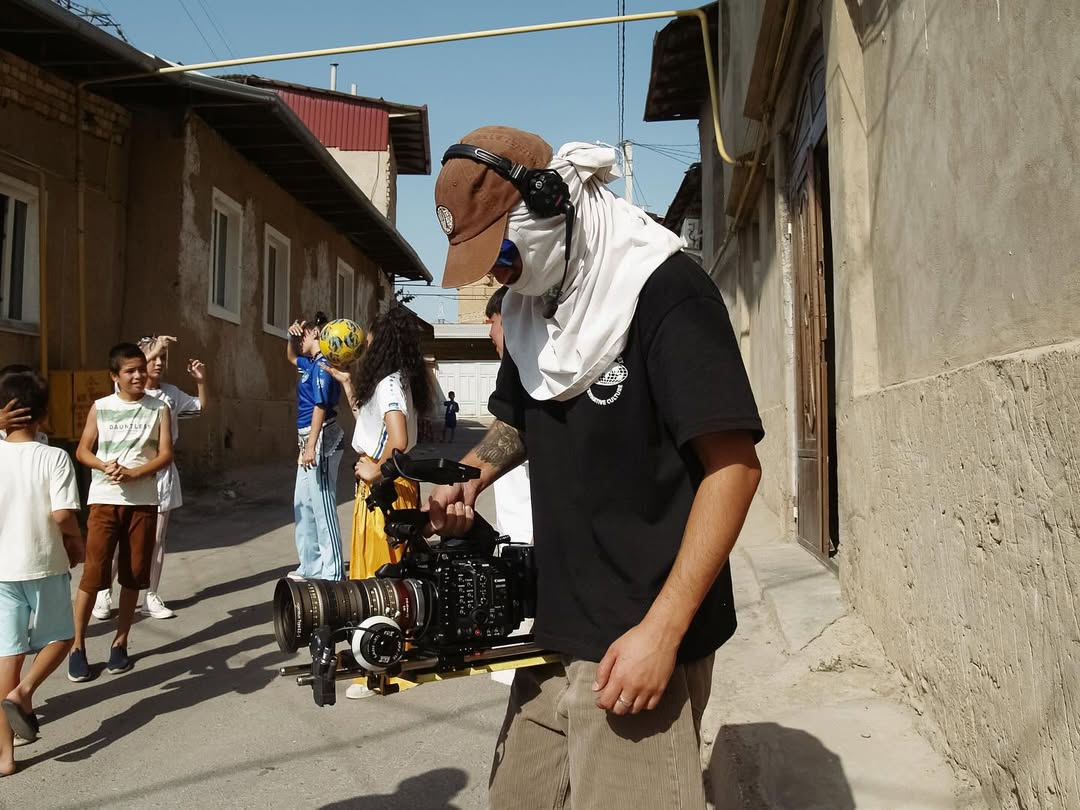
Alisher, professionally engaged in his business, supported the music videos of Q.zlar, Konsta, the Nqe.podcast podcast, and many other aspiring creators.
Directors and artists need support to bring their ideas to life. SAVR is a vivid example of a brand that builds long-term communication with its audience. SAVR gives creators the opportunity to be heard. This is an example for other brands—supporting culture means developing it.
Doni Akhmadjonov on Alisher's work
Thus, thanks to the joint efforts of productions and enthusiasts, it became possible to shoot music videos with major artists. Often the budgets are minimal, but the idea and involvement make up for everything.
For beginner clipmakers
Clipmaking in Uzbekistan is growing "from the ground up" on enthusiasm, curiosity, and the desire to create. The industry is still small, but it has enough energy to keep moving forward.
To shoot a music video, all you need is a camera and an idea. Everything else is a matter of desire.
Doni Akhmadjonov
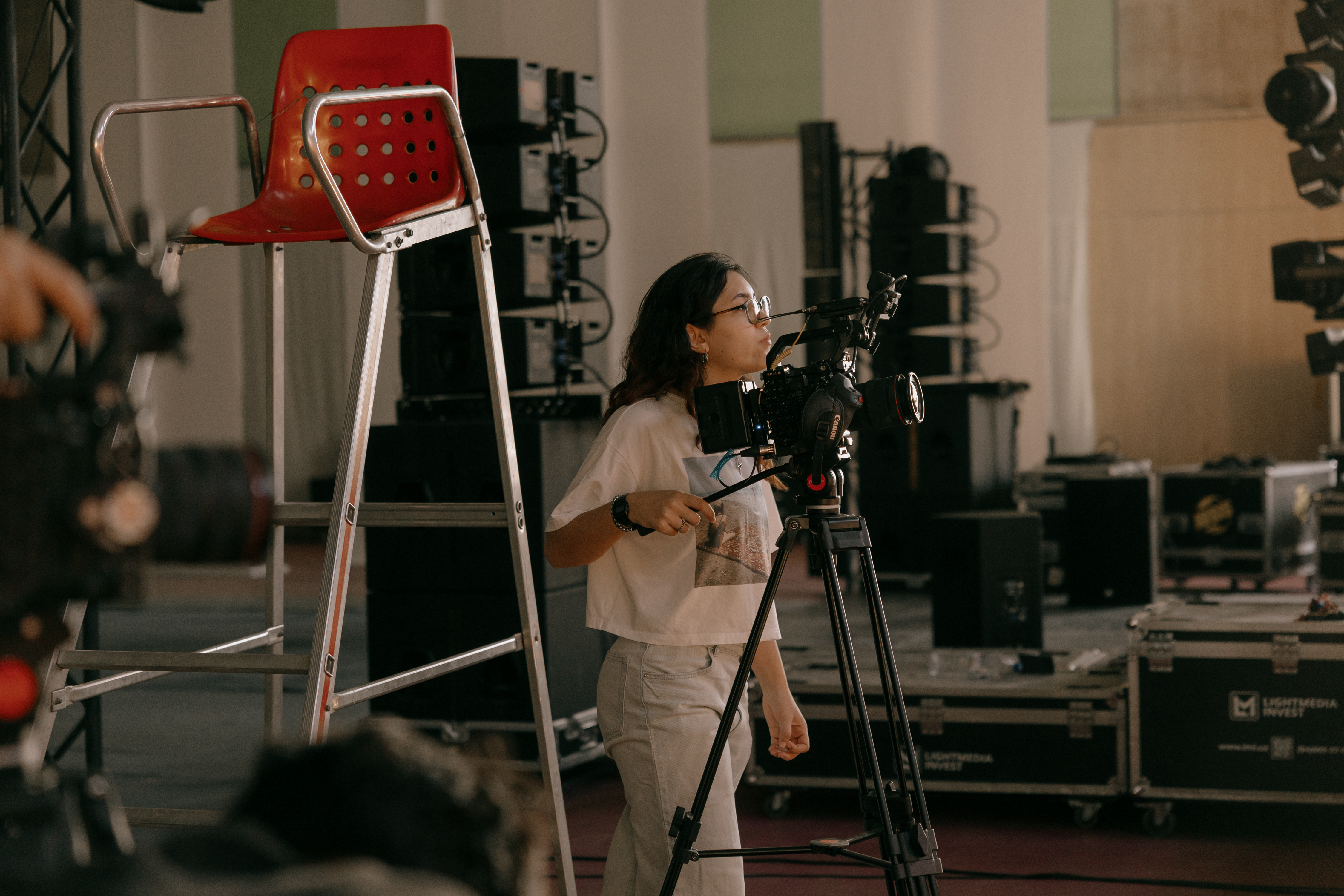
Vlady (Kasta group) noted a feature of local video production:
Develop your ethnic component, try to bring it to the international level. When bright personalities and a strong subculture emerge, real movement will begin.
Answering the question about advice for aspiring directors, Damir Mubinov also emphasized that the most important thing is to simply start filming. In his opinion, you can bring an idea for a song to life with minimal resources: shoot a snippet, work with available locations.
The main thing is to think less and do more. You need to show your work to other directors, clients, get feedback, and grow. Don’t wait for perfect conditions or big-name artists. Don’t dream that Kendrick Lamar will call you tomorrow and offer you to shoot his music video. It’s better to pay attention to those performers you can work with right now—those who don’t have music videos yet and would be happy to collaborate. Maybe this very artist will make it big later, and the video will become a turning point for them. And even if not—you’ll have work for your portfolio. The main thing is not to be afraid and to keep shooting constantly.
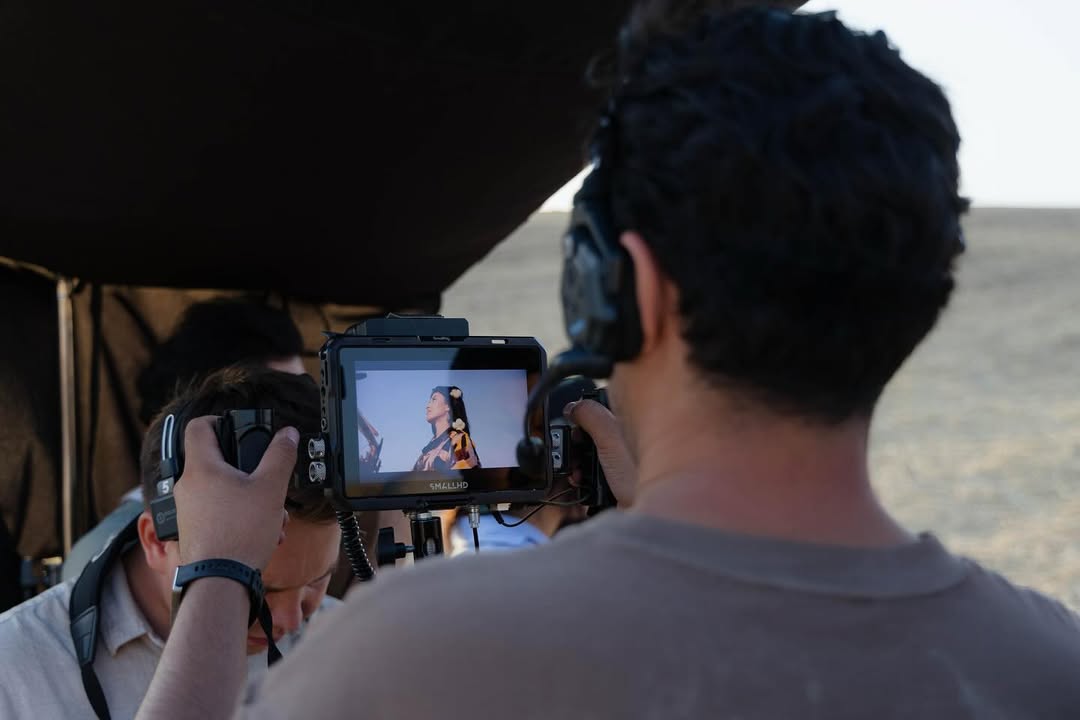
Vakhobjon noted that music videos usually do not bring direct profit, but they create a reputation and attract clients who may subsequently generate income.
In order for clients to come, it is important to first express yourself creatively and showcase your work.
Vakhobjon Norbutaev
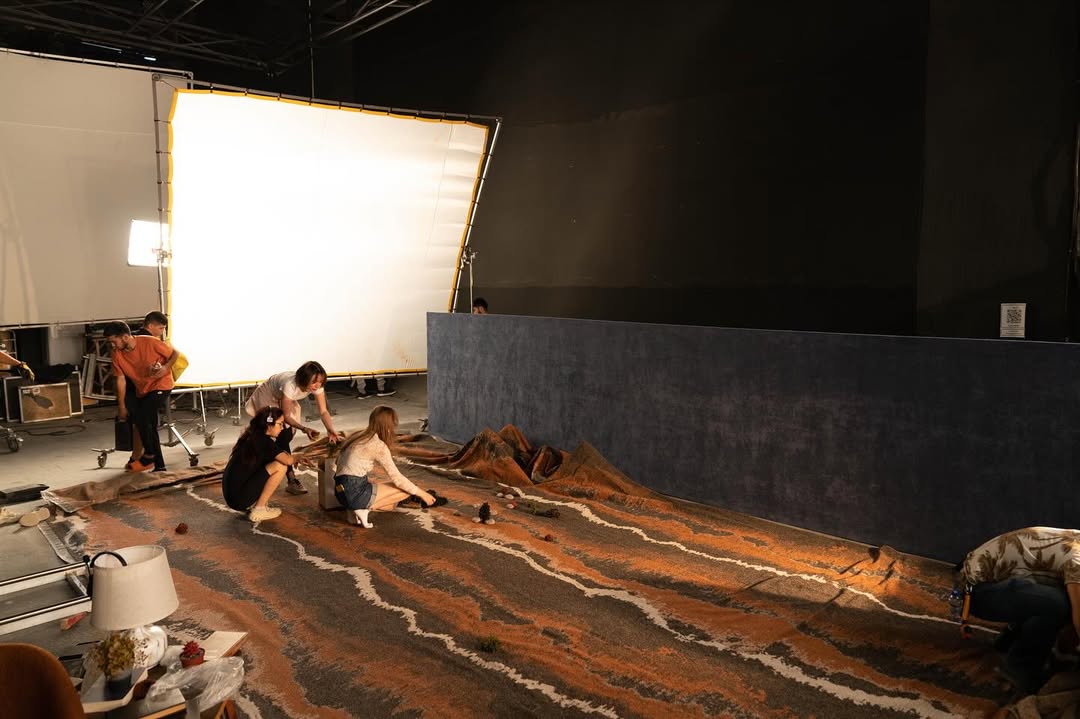
The future of clip making: why is it necessary and is it worth developing this field?
Clipmaking needs an economic model of sustainable growth, where creativity delivers measurable results: not just “it turned out cool,” but clear metrics—views, engagement, ticket/merch sales, subscriber growth, media reach.
In response to the question about the significance of music videos for the industry, Damir Mubinov notes:
It's hard to get into movies, advertising is purely a service, there is no freedom there and never will be. There’s also reportage, weddings; SMM is also a service—with no room for expression. But music videos are all about creativity, emotions, and social topics. Cinema can talk about important things, and music videos can too. Music video making should live on. It needs to be developed—and that depends both on ourselves and on external circumstances: business, the economy, and the overall situation in the country.

For filming music videos in the future, direct support will play an important role. Alisher on who inspires local music video production and supports new talents in his opinion:
As for the video production industry, Bekzod Abduvaliev and his team Abstract are an example for everyone. These guys are always ready to support our (and not only our) talented creators, and they do it absolutely sincerely, without any commercial motivation. They have a lot of such works! A recent example is the music video for Kasta, which they shot in Tashkent. Doni Akhmadjonov and his team have done several significant projects with young musicians this year [Q,zlar, Rishat]. In general, there are people and there is faith. And it seems to me that the more people like this we have in our society, the faster and stronger our local, modern cultural code will be formed!
Thus, clip making in Uzbekistan today is becoming not an auxiliary branch of the music industry, but a full-fledged space for self-expression. It is still searching for a stable form, but is already acquiring its own symbols and heroes. One day, these creative initiatives will become the foundation of a strong industry, capable of inspiring no less than MTV once did.
Read in our article about which tools marketers use and how they turn patriarchal and gender stereotypes into visual kitsch and an advertising tool: