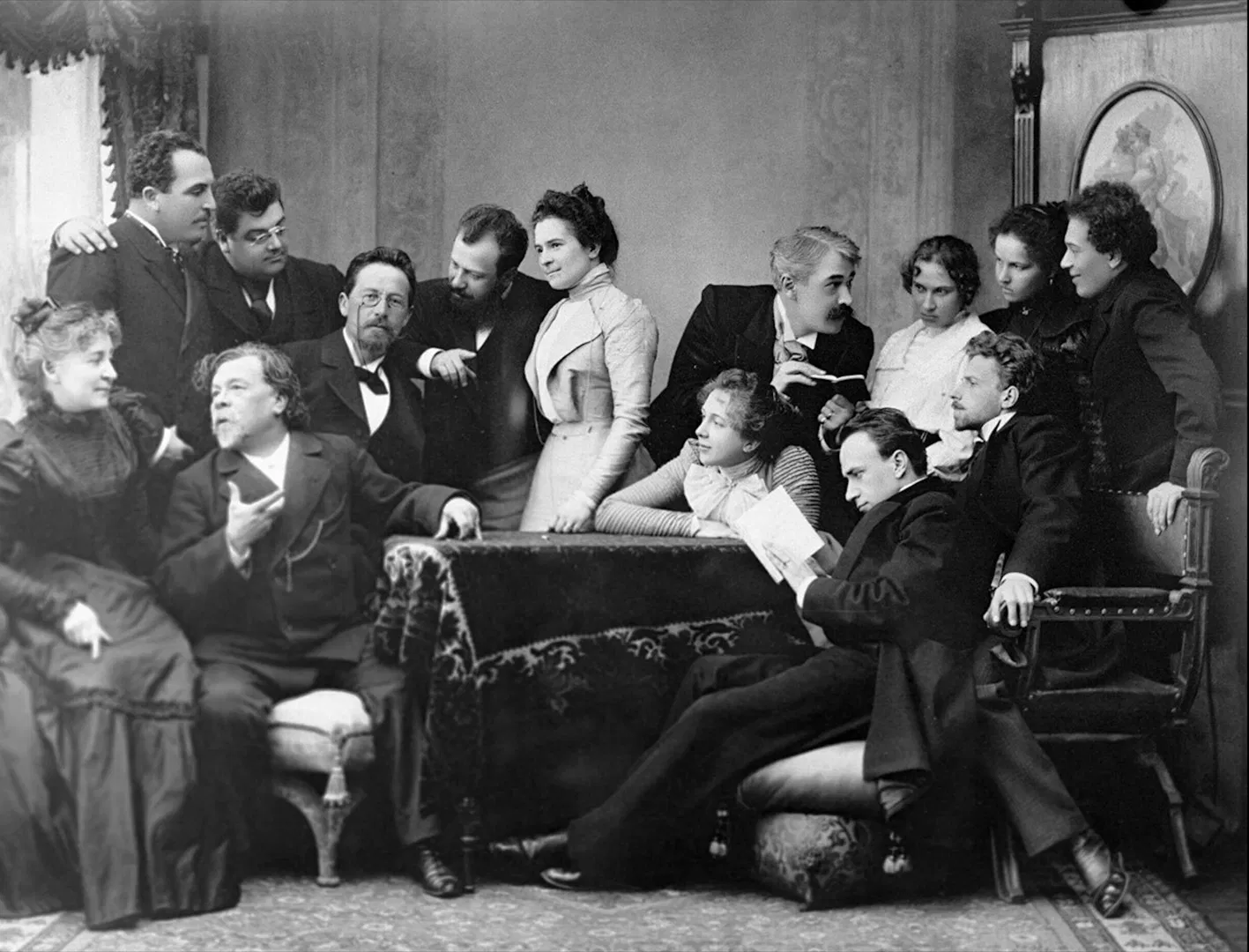
One can revere Tolstoy's intellect. Admire Pushkin's elegance. Value Dostoevsky's moral quests. Gogol's humor. And so on. Yet, one only wishes to be like Chekhov.
Sergei Dovlatov
It is impossible to write about Chekhov in the customary language of criticism. He himself would have dismissed any attempt to place him on a pedestal, responding with some sharp remark or elegant joke. His ironic distance from his own work, his light tone, his rejection of pathos and moralizing—all this masked the radical nature of the transformations he produced.
In this material, we do not set ambitious goals to cover all of the writer's work or analyze selected pieces; we want to outline the key milestones of the writer's history and focus on the distinctive features of his work, which will undoubtedly inspire you, dear readers, to become more closely acquainted. We will attempt to provide our own answer to the question: what did Chekhov contribute to world literature and how did he thereby change the game?
Methods of physician observation
Chekhov is a rare and precious case in literature: the lightness of his writing was destructive: it dismantled the cumbersome structures of romantic pathos, excessive explanations, and authorial moralizing. His irony, on the contrary, was constructive: it revealed the depths of the human psyche hidden beneath harmless everyday trifles.
Chekhov entered Russian literature not as a conqueror, but as a guide-explorer who showed readers a new path where genuine life resided. He changed the language of narrative without proclaiming a single manifesto; he became the father of a new literary era, all while maintaining the self-irony of a man for whom writing was, after all, not even his main profession, but a craft among other pursuits.
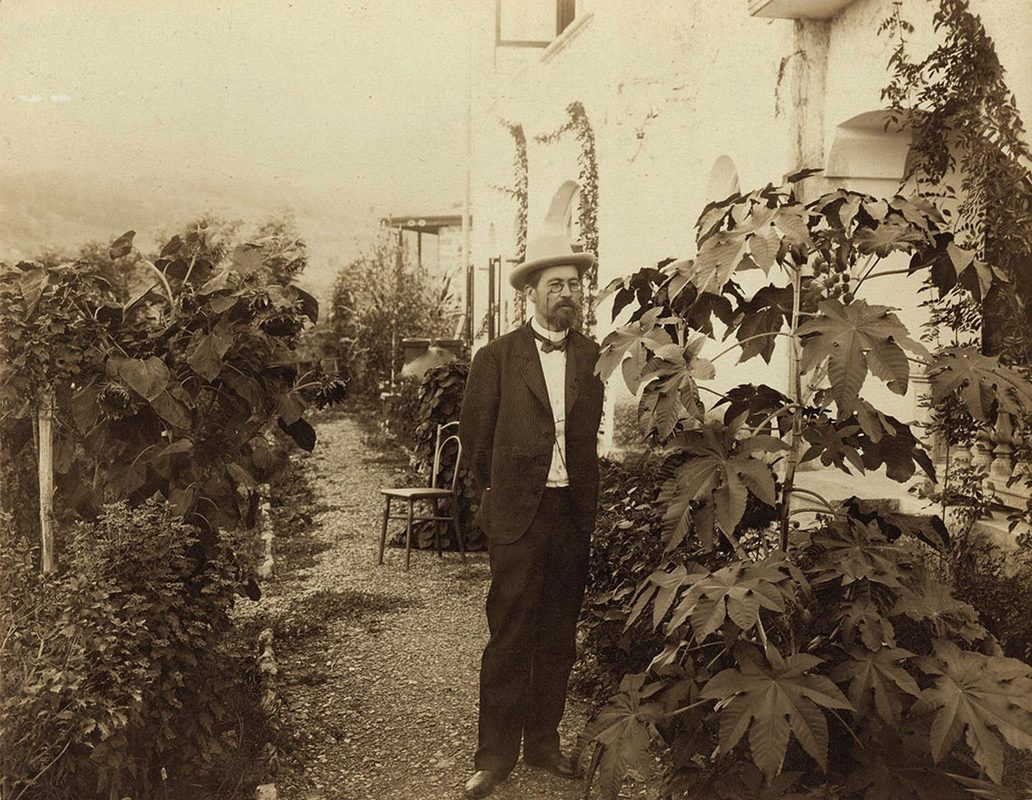
Chekhov practiced medicine for most of his life; writing did not immediately become his main occupation. He wrote his early stories to earn money as a medical student. It was not a choice between two callings, but rather a necessity. His medical education instilled in him a habit of precise observation, recording details, and in a sense, even diagnosis.
A doctor looks at a patient first and foremost as a set of symptoms to be understood; their judgment can interfere with treatment. A doctor is trained in silence—not indifferent, but active listening. Chekhov transferred this method to literature. His characters are not bearers of ideas, like Tolstoy's and Dostoevsky's, and not objects of ridicule, like Gogol's.
The most vivid evidence of this approach is his expedition to Sakhalin in 1890. When Chekhov announced his intention to travel to the island, which housed a major penal colony, his contemporaries were perplexed. This was not a tourist trip nor a philanthropic pilgrimage. His medico-sociological expedition involved interviewing a large portion of the island's population, statistical analysis, and comparing data with other regions of Russia. When Chekhov published "Sakhalin" in 1895, his book drew attention to the previously unknown Sakhalin colony and added pressure for the reform of the Russian penitentiary system. It was the work of a doctor and a sociologist simultaneously—an accurate recording of facts that had political consequences.
Ward No. 6: From a Clinical Case to a Literary Phenomenon
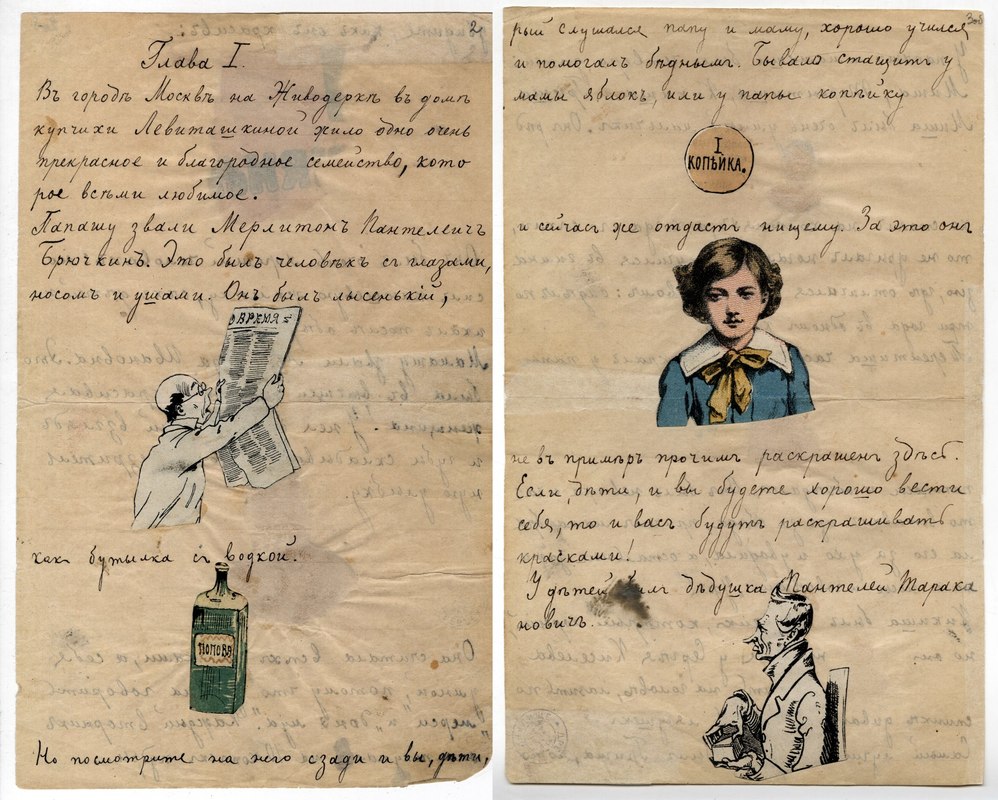
The story "Ward No. 6" (1892) demonstrates this transformation of method to perfection. On the surface, it is a tale about a provincial psychiatric hospital, whose unwelcoming and rusty premises create an atmosphere of doom, but behind this lies a clinical analysis of systemic cruelty, executed with the precision of a medical report.
Chekhov does not describe suffering in the manner of Dostoevsky—with deep psychological reflections and a demand for repentance. He simply observes. The nails on the fence, "sticking up sharp" (as described by the narrator), are details that implicate the reader himself. The characters do not become symbolic figures of good and evil; they remain people trapped in a system that none of them fully controls.
The story of Doctor Ragin, who initially defends patients with words about philosophy and humanism but then gradually degrades and ends up in the ward himself, is built on the logic of clinical observation, not literary morality. The hero gradually changes his speech. First, he says "quite right"—an official, self-assured phrase. Then, as he changes under these circumstances, he uses "yes, yes, yes" in his speech—this is already the phrase of a broken man, a man losing his will. In this small shift lies the entire spectrum of emotions: embarrassment, fear, doubt, sadness. The phrase is a marker of the fall. This points not to the triumph of justice (as it would be in a Victorian novel), nor is it a profound exploration of guilt and conscience (as in Dostoevsky). The author records how the system destroys a person, how ideals shatter against reality, how even the doctor himself becomes a victim of his own medicine.
Rejection of the conventional drama formula: the structure of the letter
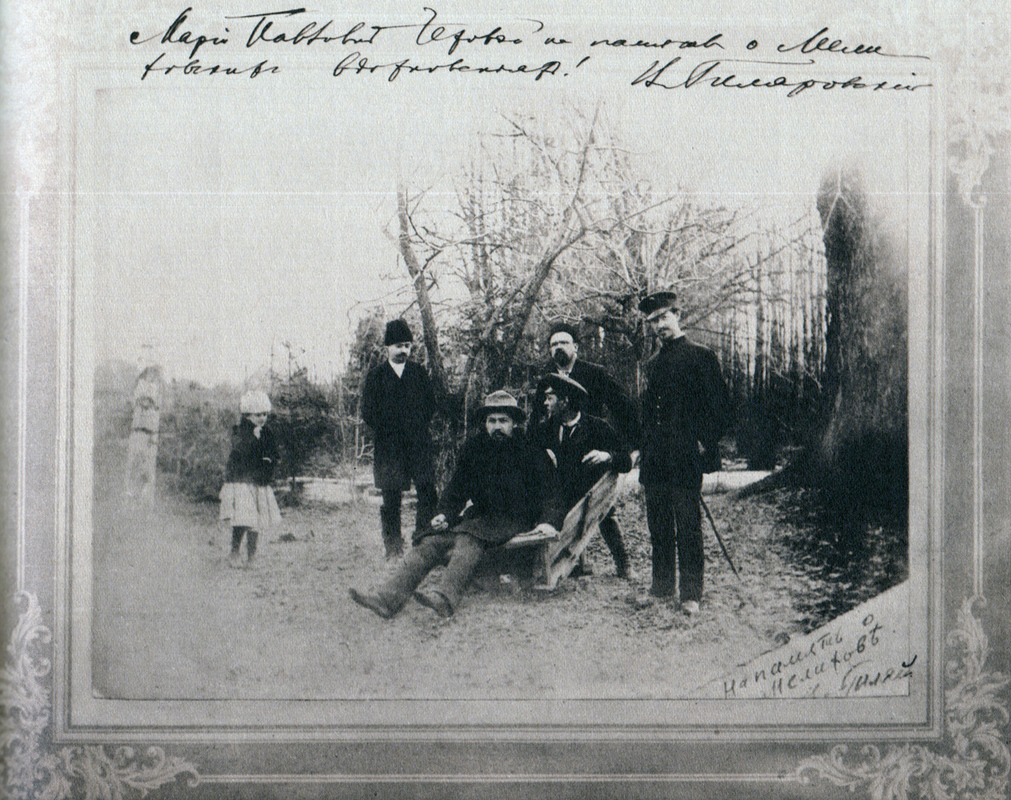
What struck contemporaries about Chekhov was not what he added to literature, but what he removed from it. "Having written a story, one should cross out its beginning and end," Ivan Bunin quoted Chekhov. This was his working instruction, his formula. Let's recall "The Lady with the Dog": Nabokov has a wonderful observation that the story begins "without a knock," right in the middle of life, without introducing the characters or providing a backstory. We don't know who Dmitry Gurov is at the beginning of the story, except that he is strolling along the promenade and sees a lady with a dog. Everything else we learn gradually, just as we get to know real people—through details, behavior, manners, actions, pauses, and silence.
In the story "The Magistrate," we also don't begin reading from the very start: the proceedings are already underway, the conflict is in full swing. The characters are fighting over the space of a fence, and Chekhov doesn't bother us with backstory. In "The Name-Day Party," a young man hurries to a reception, thinks about money, and now he is already there, already beginning to invent lies. No introductory information, no introductions.
This changed the story as a form: before Chekhov's prose, the reader occupied a passive position of an observer, and from the correct and comfortable distance. In Chekhov, however, the reader is thrown right into the middle of life, having to figure out the situation as the action unfolds. This demands activity from the reader, not a direct and accessible consumption of meaning.
Chekhov's Paradox
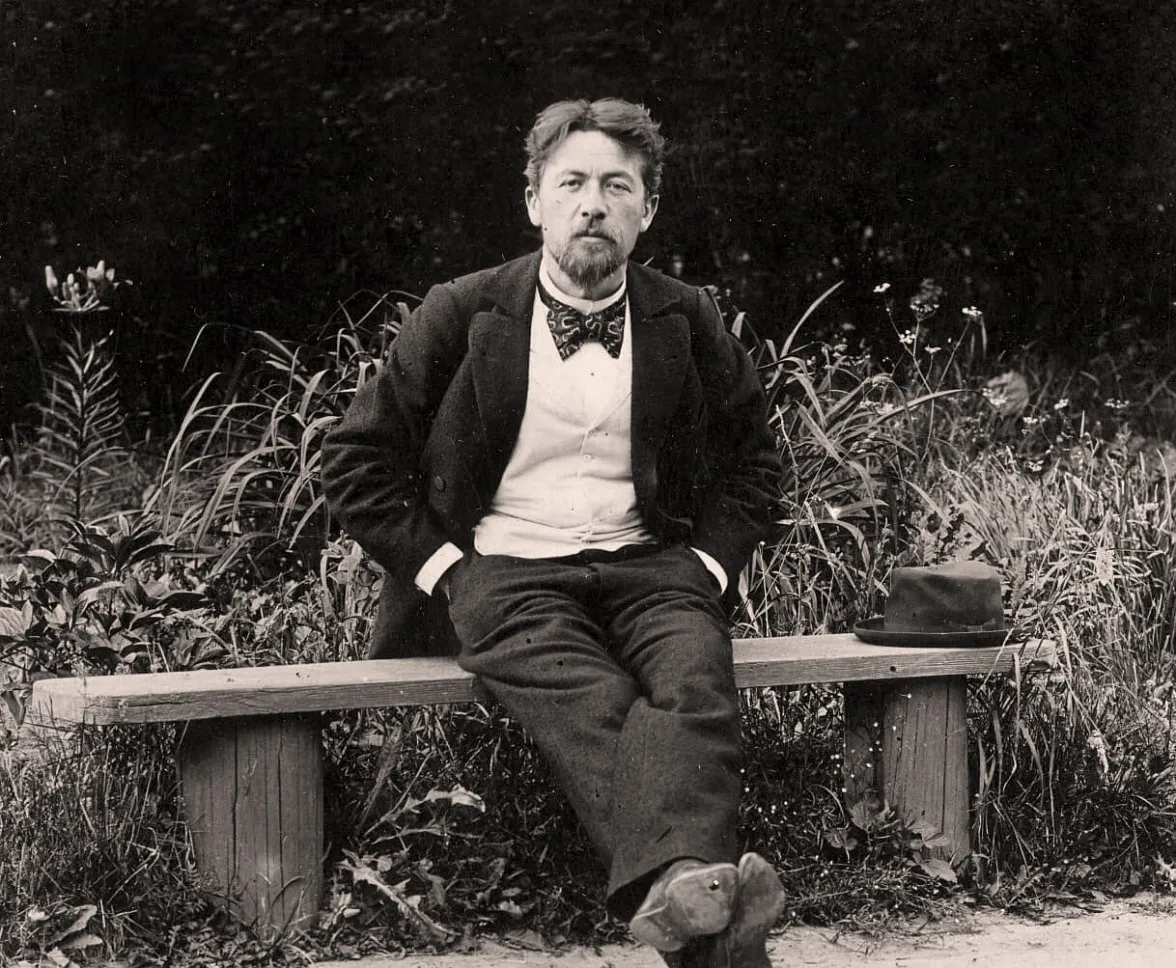
British author John Middleton Murry said: "Chekhov was far ahead of everything that is called modern in literature. It is his work that literature should now measure up to."
The revolution of Chekhov began with a paradox that critics could not understand for a long time. He called "The Cherry Orchard" a comedy, but where is the humor here? People are losing their estate, their world is falling apart. Contemporary critics were confused. Is it a comedy? Is it a tragedy? But Chekhovian reality is not much different from actual reality, for it does not fit into familiar literary categories, and no one defines it as a tragedy or a comedy.
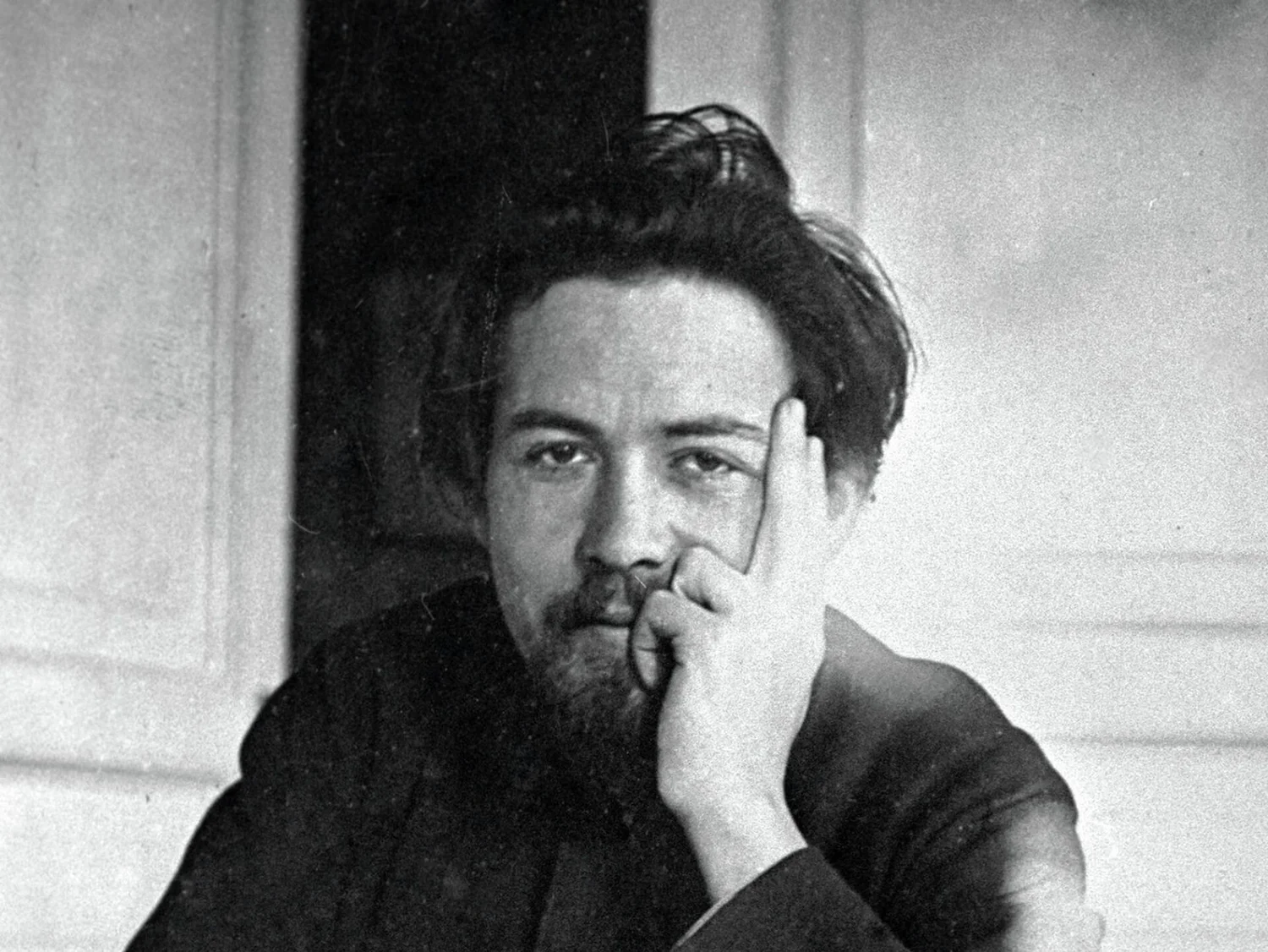
In "The Cherry Orchard," there is no traditional plot development. There is no climax in the classical sense—no moment where the hero fights against fate and either wins or falls. Instead, Chekhov builds a "new poetics of the play: presence through absence." The estate is being sold, the event is happening, but we learn about it almost in passing, amidst conversations about love, the past, and dreams. The real action—the sale of the estate—is obscured from us by the living streams of human interaction, and we see people talking about everything except what is happening to them.
Before Chekhov's letter, stories and plays were constructed as a chain of cause and effect: a hero wants something, obstacles arise before him, he struggles or gives up. Every element served the plot. Chekhov broke this structure. The "principle of plot uncertainty" becomes the basis of his poetics. An open ending does not mean the author forgot to finish the story. In his refusal of excessive explanations and additions, Chekhov does not reward the reader with clarity at the end of the work, thereby creating a feeling that the character's life continues beyond the text, that a denouement will never come. The future of the characters remains uncertain, and in this uncertainty lies all of Chekhov's honor, all his revolution against literature that believes it can explain life. This is the most subversive lesson a writer can give in a world that demands certainty from us.
Theatrical Reform
A telling example: On May 29, 1911, an independent London theatre association first presented Chekhov's "The Cherry Orchard" on the British stage. The premiere sparked public interest, but theatre critics were negative. Reviewers complained about the disjointed plot, imperfect scenery, and the strange mix of serious scenes with comedic ones. However, the reaction of Bernard Shaw — a famous 20th-century playwright — was different. According to his biographer, after the performance, Shaw said to the play's director Kenelm Foss:
I feel like I need to tear up all my plays and start over.
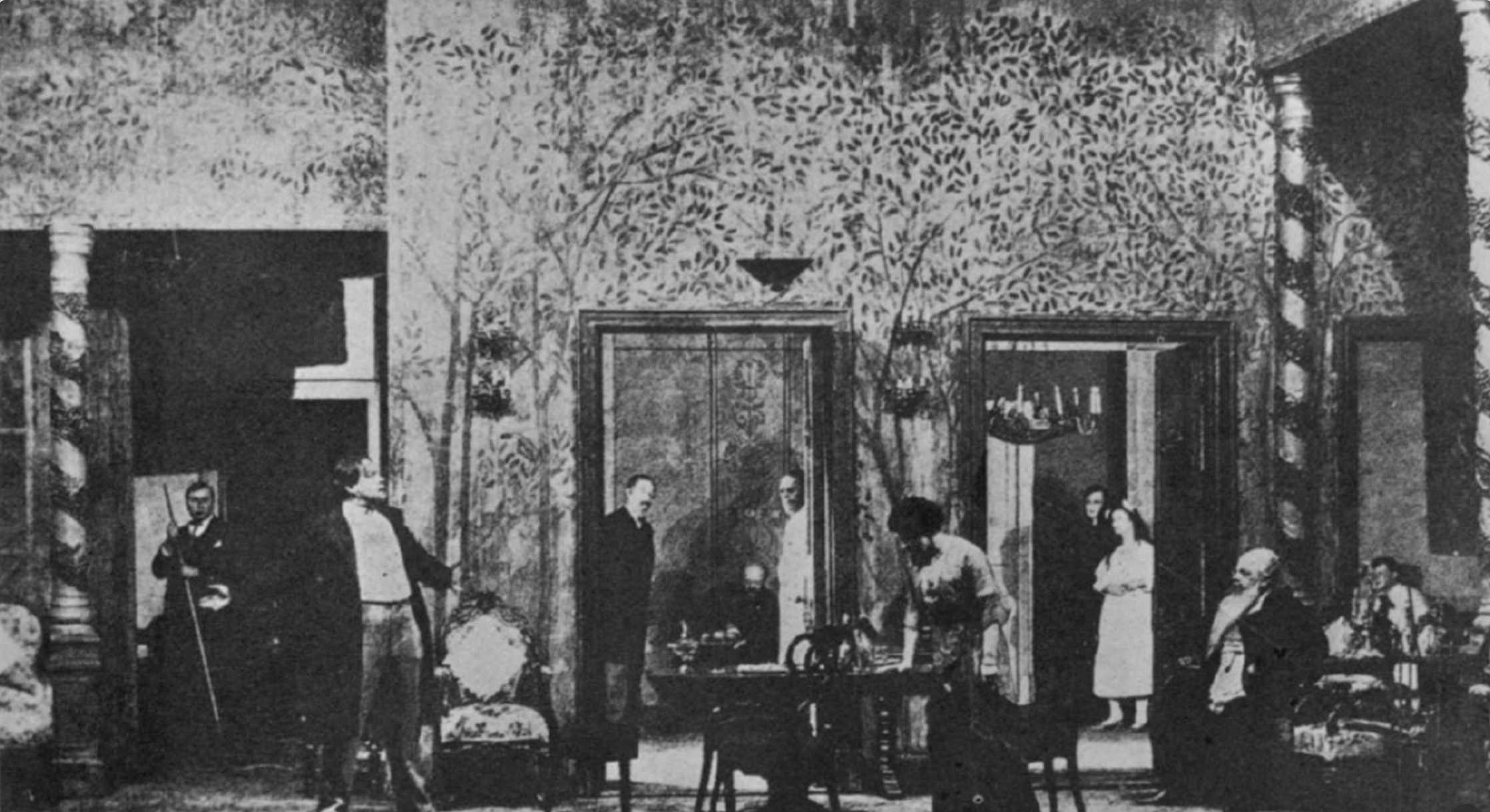
Theater before Chekhov was a space for spectacles. Melodramas with their characteristic loud exclamations, heroic deeds, or grotesque villainy were commonplace. Actors shouted, wept, made grand gestures. The audience came to experience emotions in a concentrated form—either horror, or compassion, or triumph.
Chekhov arrived with a completely different philosophy. For example, "The Seagull" is not a melodrama about a caught lover, as it seemed to the audience at that first premiere in 1896. What's important here is something else: the story about how people live side by side but do not see each other, how life passes in vain through ignorance, through the inability to listen, was unusual for the perception of that audience, but fundamentally changed the approach of theater directors and playwrights to working on form.
The influence of Chekhov's approach extended far beyond Russia. For example, Hemingway learned from Chekhov. Chekhov discovered what would later be called "subtext" in theater and the "Iceberg Principle" in literature. The "Iceberg Principle" — that seven-eighths of the content lies beneath the surface of the text — is precisely Chekhov's principle of silence and subtext. In the 20th century, writers from Alice Munro to Samuel Beckett would develop the techniques that Chekhov discovered: the use of silence, the unsaid, and uncertainty as a way to convey deep truths about life.
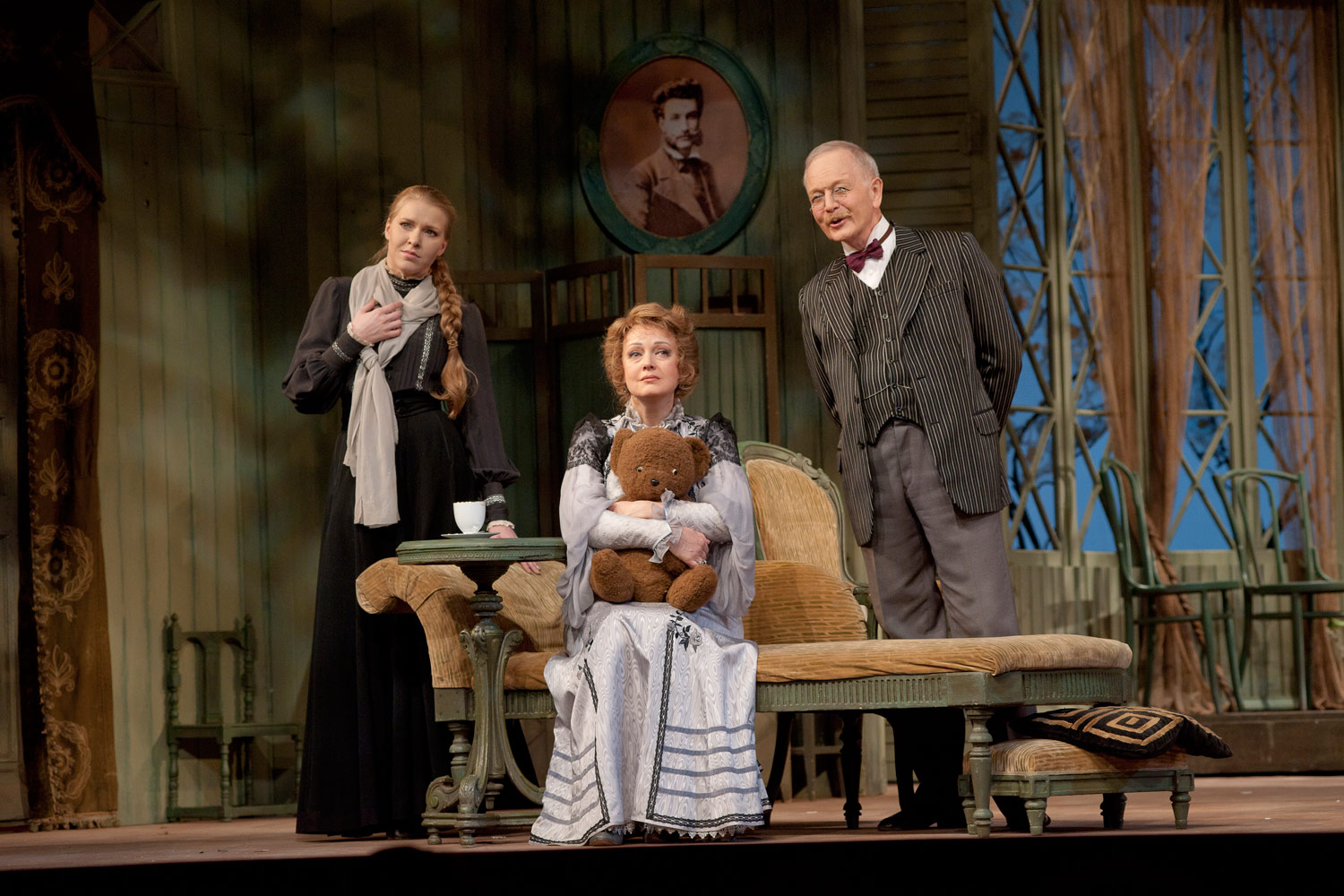
Chekhov remains relevant because he avoided the main trap of relevance—he didn't write about fashion. He wrote about the eternal, about how a person lives, how they think, how their inner world changes when it seems like nothing is happening. We read his contemporaries—Tolstoy and Dostoevsky—as we read historical documents. We read Chekhov because he speaks about us. His characters are us, his problems are our problems, his doubts are our doubts.
There is something Chekhovian in each of us. We live in uncertainty, we do not know what will happen tomorrow, we dream and do not know if our dream will come true. We say one thing while meaning another. We await a big event that may never come, or it comes so quietly that we miss it. Chekhov's paradox is prosaic: the less he explains, the more we understand about ourselves.