"Theater of Memory" in Dushanbe: How the Lohuti Theater will become a platform for memory research
In mid-February, Dushanbe will become a platform for a three-day experiment with collective memory: from February 13th to 15th, the Lohuti Theatre will host the "Theatre of Memory" activism weekend, combining an exhibition, a performance, and inclusive practices.
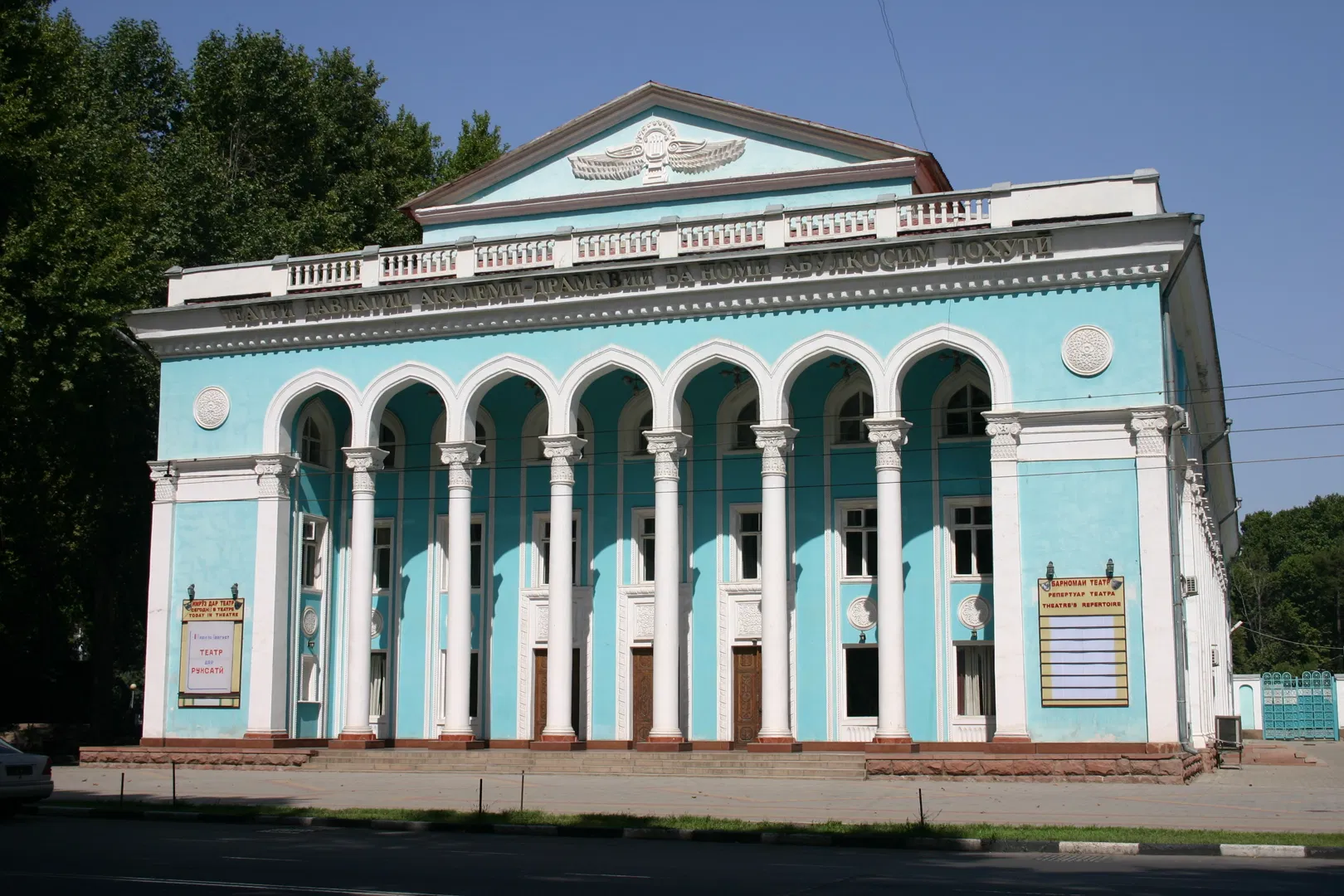
The organizers envision it as a living archive of the city, where residents themselves become the custodians of the recent past, not yet described in textbooks.
A three-day multimedia exhibition titled "Theater of Memory" will unfold in the theater space, featuring video installations, soundscapes, and objects collected based on the personal stories of Dushanbe residents. Concurrently, an inclusive performance will be presented, directed by the invited British director Catherine Paskell, who works extensively with documentary theater and the democratization of culture.
The project is conceived as an inquiry: artists and participants use their own memories to answer the question of how to speak about trauma, loss, and the city's transformation through the language of art, rather than official reports.
The curators draw on the idea of the "theater of memory" by the Italian thinker Giulio Camillo, who dreamed of a perfect mechanism for training memory. In Dushanbe, this concept is being developed "from the other side": instead of filling memory with new information, the authors attempt to carefully extract existing memories—of war, migration, vanished courtyards and places that lived only in oral tradition. The artists act as witnesses and storytellers: their works become a kind of "stage" onto which the viewer can project their own experience.
A separate focus of the weekend is the inclusion of artists and actors with disabilities at all stages: from concept development to participation in the performance. Their perspective and bodily experience are woven into the overall narrative, not relegated to a separate "social" block: the organizers emphasize that this is not about token representation, but about co-creating a new cultural language. In the regional context, "The Theater of Memory" is described as a metaphor for a broader process — an attempt to articulate the traumas of post-socialist and post-conflict society through art instead of oblivion.
According to the project team, the activism weekend is becoming a platform where city residents can safely share stories and experiences that rarely make it into official chronicles. In a city actively developing digital and business events—from international forums to technology festivals—"Theater of Memory" offers an alternative focus: not on the future, but on living through and making sense of the recent past. The organizers promise to reveal details about the program and participation in the initiative on their social media, including Instagram.
Newsletter
A letter from the HD editors
Once a week, we send the best stories, events, and cultural discoveries from Central Asia.