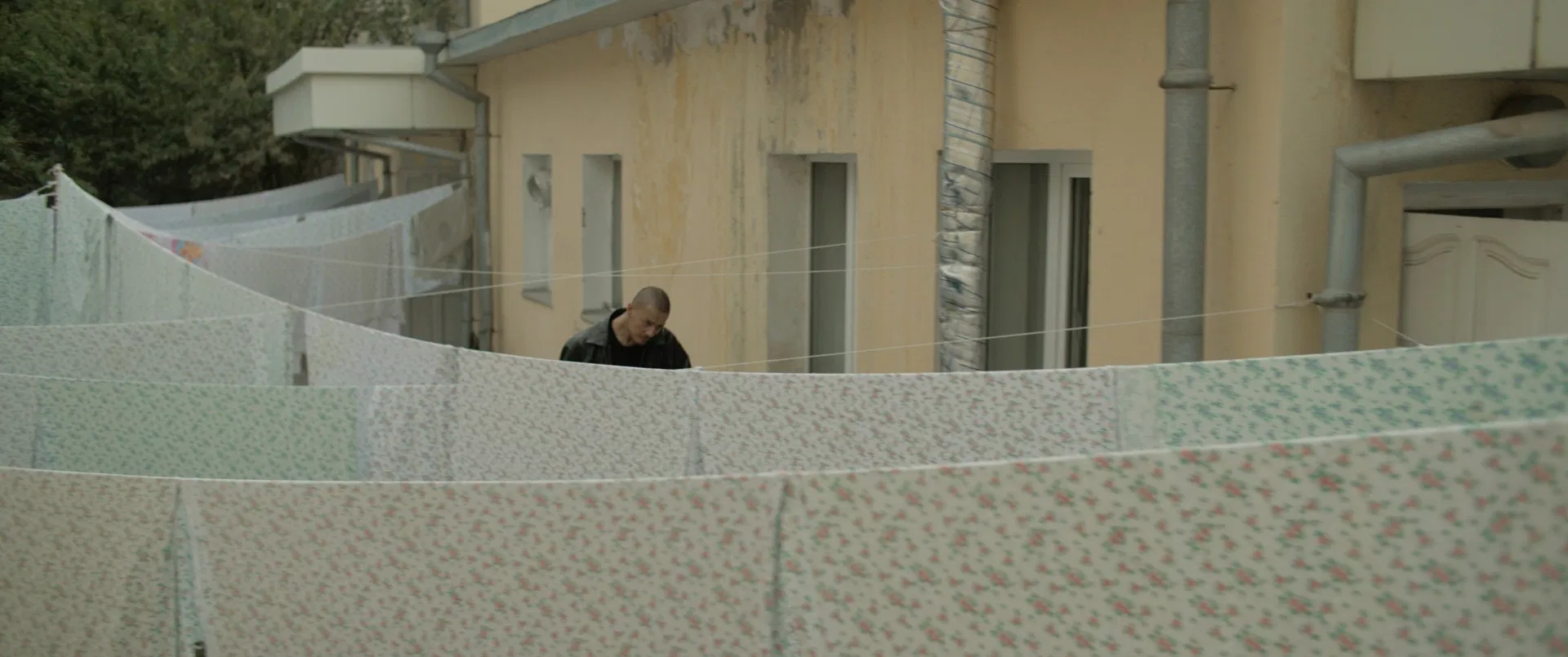
Hearts that burn with love are in a space where it is difficult to truly express that love.
Varya Garib
About the film
The film was shot in Tashkent in October 2024 and previously participated in the Women Watch Uzbekistan 2024 film project accelerator, where it was presented by director Varya Garib and producer Vasilisa Inshutina.
Yuragim is the story of Saida: she works as a schoolteacher and a translator for foreign businessmen. The heroine faces the fact that the new job turns out to be much more difficult and morally ambiguous than it seemed at first glance. The search for one's own path where it seems the choice has already been made for you.
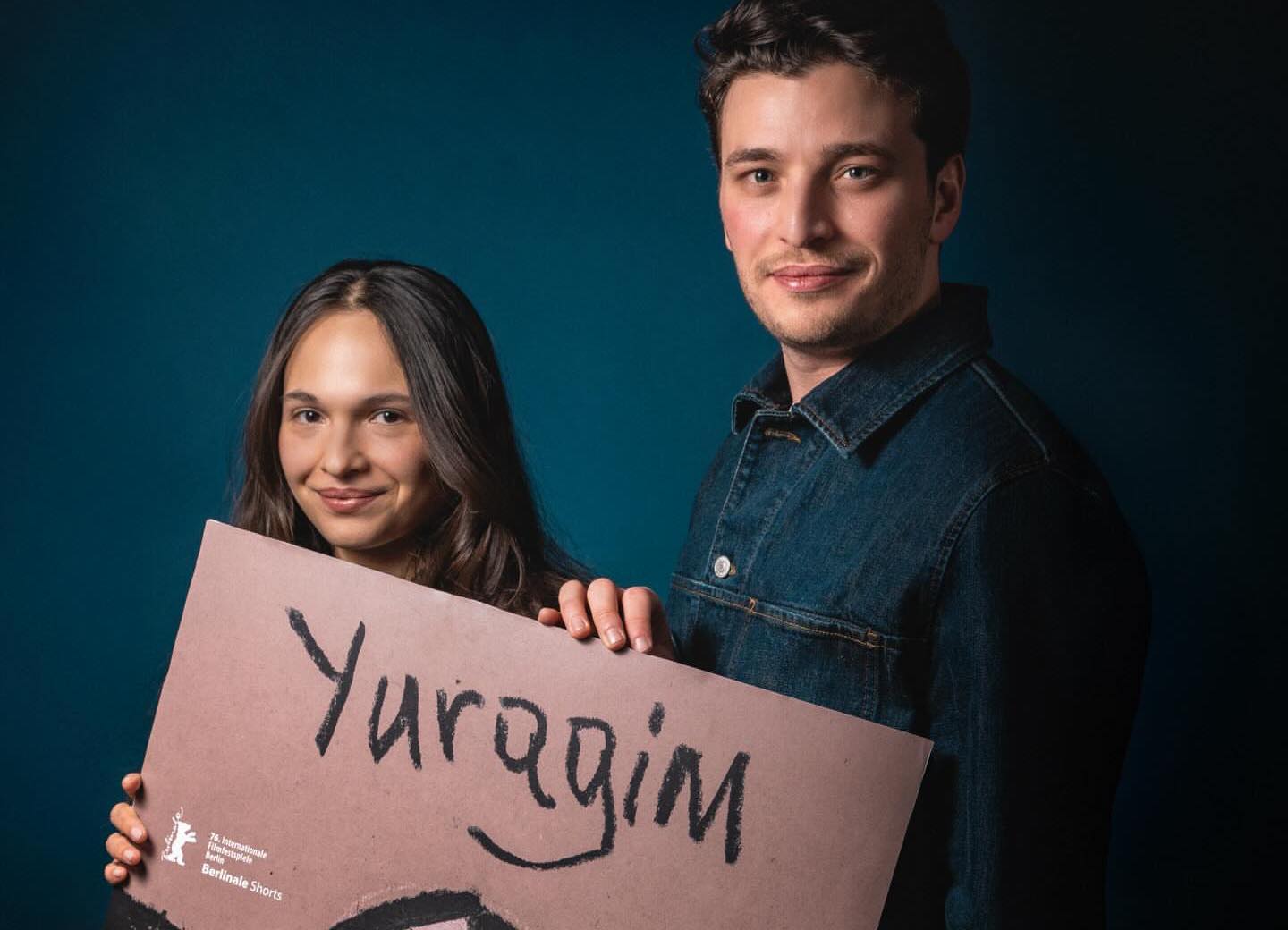
We spoke with directors Varya Garib and Kirill Komar to understand how Yuragim constructs its story — from the idea and ethical decisions to working with space and non-professional actors.
Autobiographical nature of the film
Varya Garib is originally from Uzbekistan and spent her first years in Tashkent before continuing her education in Europe. It would be logical to assume that the heroine's return could be a biographical reflection, but the director notes:
The film is not autobiographical. But the feeling of being trapped, constrained—perhaps there is something autobiographical about that. However, I think it is not related to the Central Asian context as such.
Varya Garib
The co-director of the film, Kirill, is originally from Odessa, grew up in Germany, and lives in Vienna, where he began his directing career with music videos and commercial projects before fully dedicating himself to cinema. His involvement in creating the story also changed the initial concept:
When we started working with Kirill, we edited the script. We stepped away from my own life and focused on a fictional heroine – Saida. The first version of the script, which was written back in the summer of '23, was super-autobiographical. But over the years of work, all of that dissolved, and what remained, I guess, was just a certain personal feeling about life.
Varya Garib
Identity, Immigration, and Ethical Issues
The most important thing we can say about the film at the moment is how hearts that burn with love exist in a space where it is difficult to truly express that love—a space that is rather harsh, cold, oppressive—it destroys this heart; it seems to freeze, to die, unable to find an outlet for this love.
Varya Garib
Kirill separately notes the authors' position that the experience "between countries" is close to them, but at the same time they consciously avoid preachiness:
Regarding the theme and message: identity and immigration. Yes, we are familiar with it, we both grew up that way, and it is part of our identity. But we didn't want to teach anyone, because, it seems to me, if you start teaching, the film dies at that very moment.
Kirill Komar
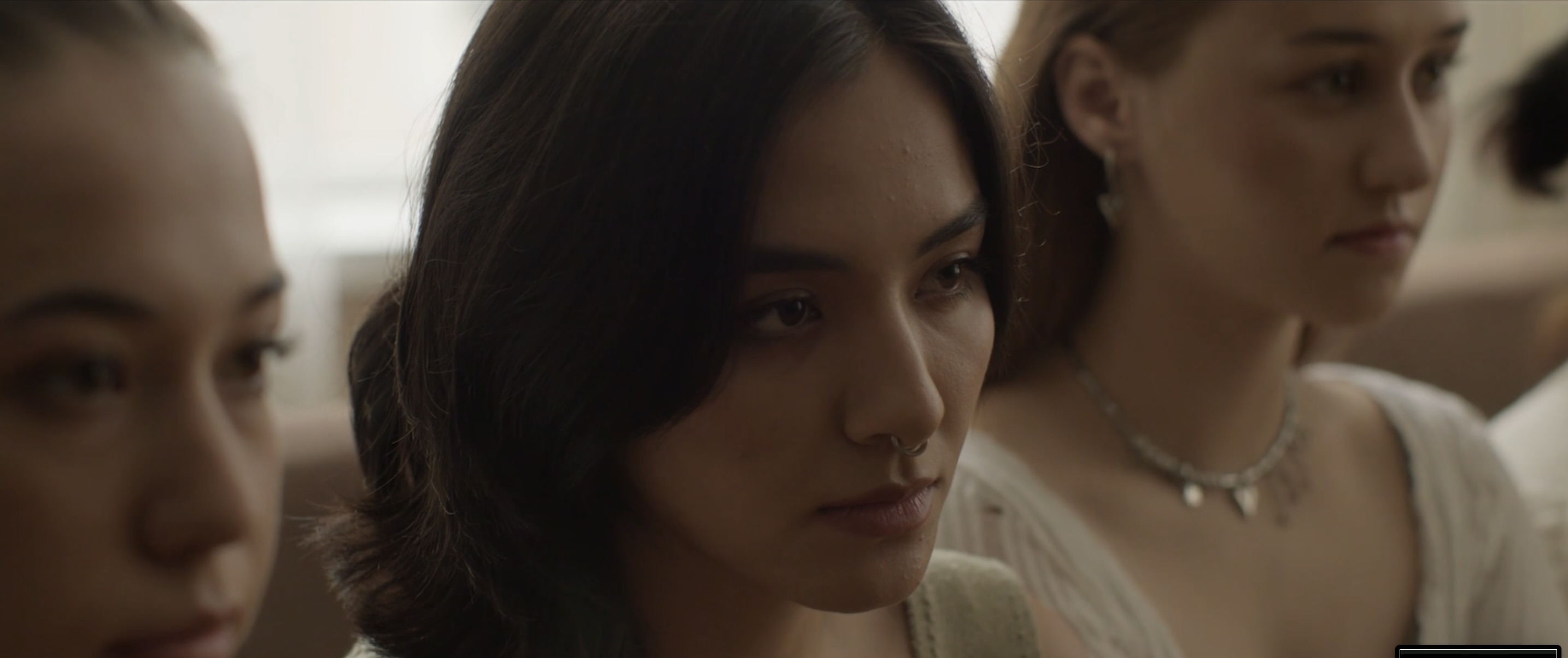
The same logic applies at the level of form: the three languages — Uzbek, Russian, and German — appear not as a deliberate device, but as a natural environment in which the characters live.
Different languages are also simply our reality, the one we grew up in. There were many languages around us. And that's what we know, have seen, and heard. And these languages speak more about the world, not about the characters. And it's non-judgmental, just a fact. Our film states our vision of the world and, in particular, of Uzbekistan, where this multilingual environment exists.
Varya Garib
This principle is then extended: the environment is primary, not the character's action.
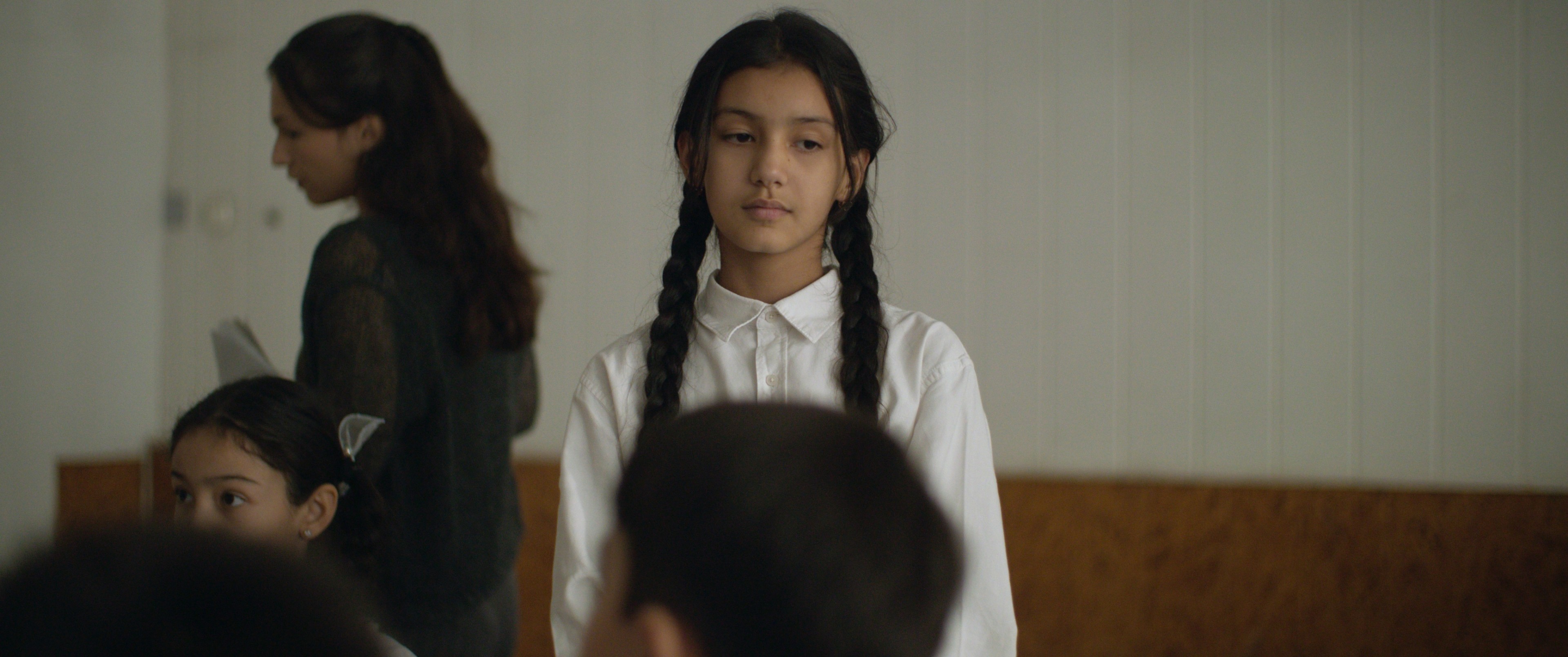
What was the most important thing about this job?
One of the key principles for the team is to showcase Uzbekistan without turning it into a picture for an external viewer:
When directors film something in their home countries with Western audiences in mind, exoticization often occurs — I find that distasteful. Therefore, it was important, on one hand, to show what Uzbekistan is like — through our lens, of course — and on the other hand, to do it as simply as possible.
Varya Garib
The directors deliberately rejected professional actors: they needed a sense of raw, unpolished reality.
This is very interesting because it adds a different kind of truth, a different sense of people and space. It's probably also related to this exoticization: we are not adding it, but rather, so to speak, 'powdering over' it.
Kirill Komar
Space as a key element
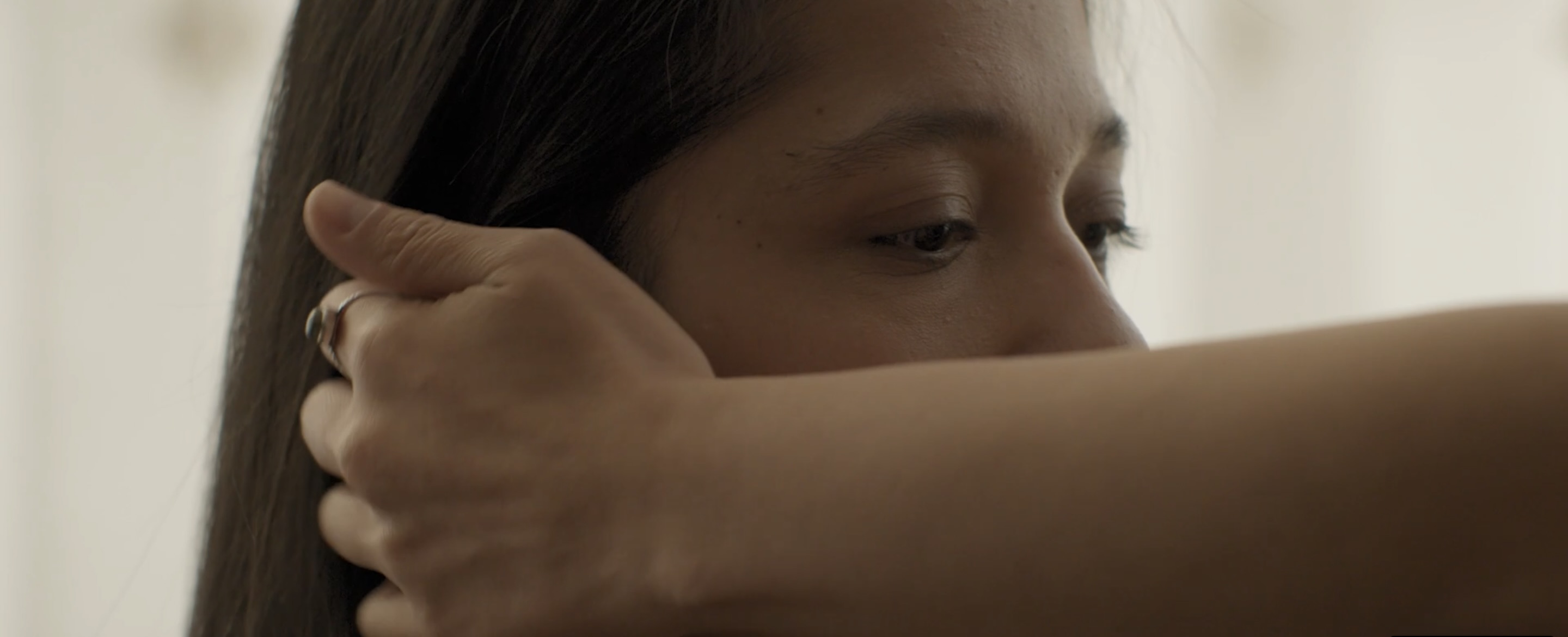
Space is primary, and it dictates the rules of the game for the character as well. It's important for us to work with the location; it gave us a great deal during filming.
Kirill Komar
This idea then becomes not only artistic but also practical:
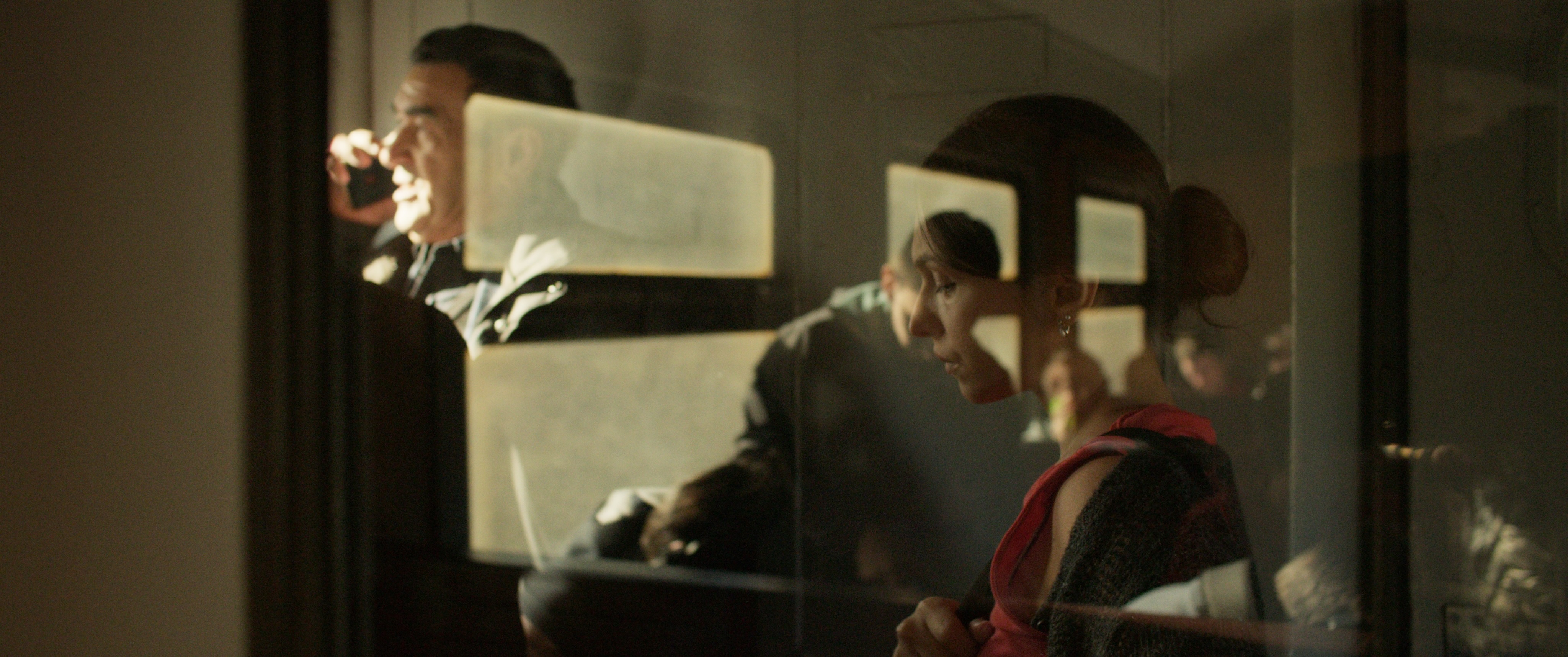
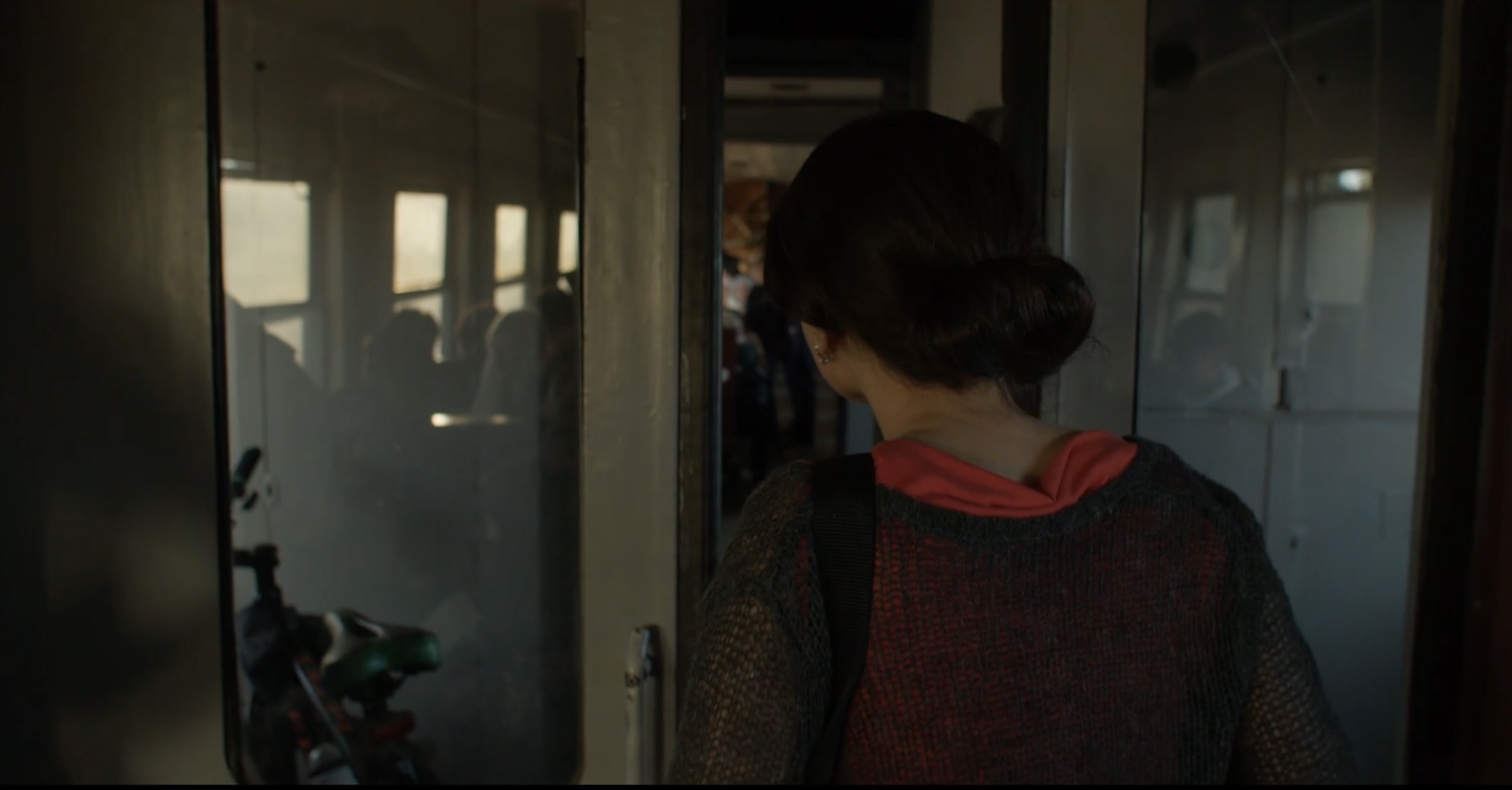
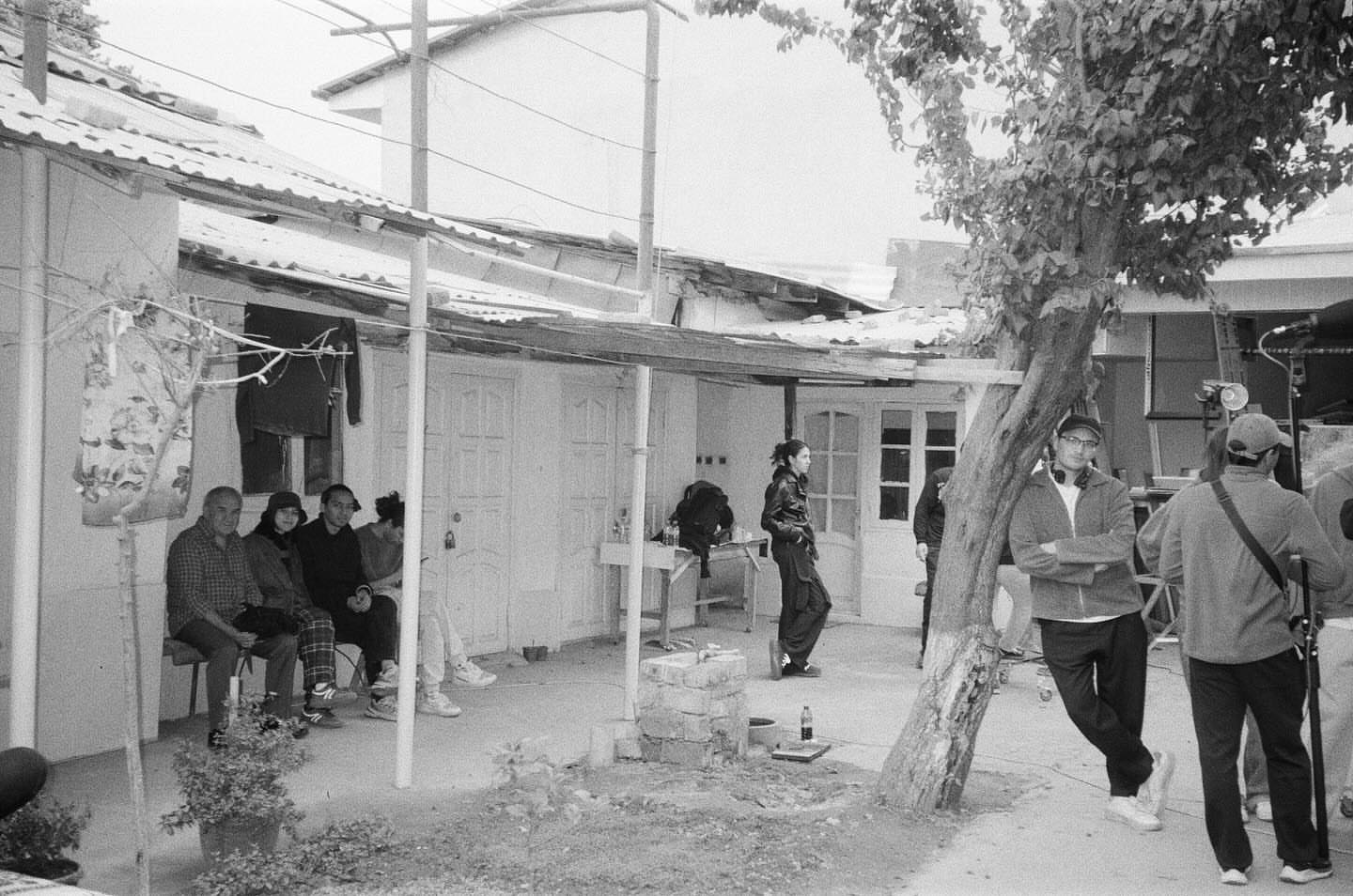
This principle — to trust the place — manifested not only in the choice of locations but also in how the team filmed many scenes. Hence the documentary nature of a number of episodes: scenes on the train and certain moments on location were filmed to allow for freedom.
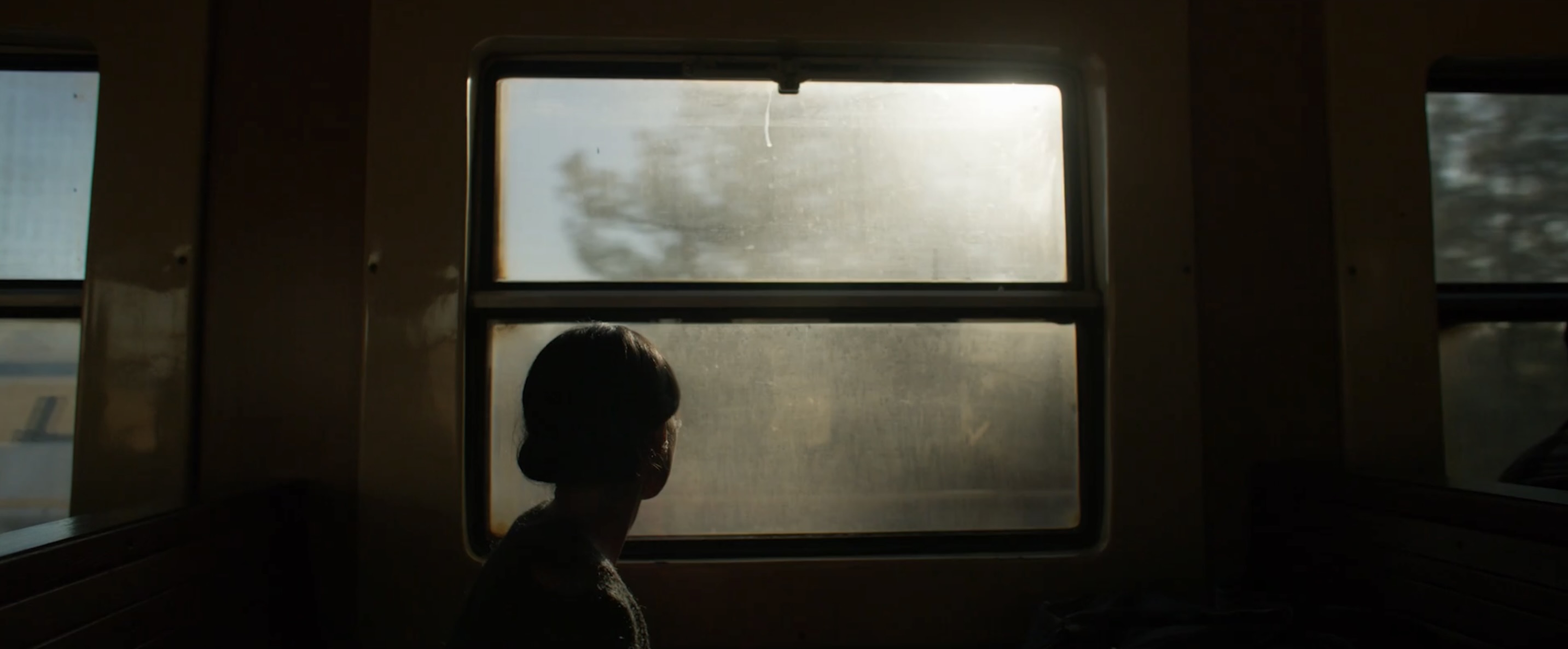
We believe that space possesses its own magic, and we don't need to control what happens within the frame. This hyper-control, which, for instance, is very common in more commercial cinema — it seems to kill this magic.
Varya Garib
When such a method works, it brings into the frame something that cannot be directed in the conventional sense.
The space of Uzbekistan has given us many moments that cannot be staged or directed. It's something as if from above.
Varya Garib
On collaboration
Varya notes that in her tandem with Kirill, there is no strict division of duties: the director describes their work not as a rigid separation of roles, but as a flexible team scheme.
Kirill adds that a shared understanding and an emotional approach to work play an important role. Varya clarifies that it's specifically about returning to the film's original feeling:
If one of us loses that feeling which was originally embedded in the film and begins to approach the filming too clearly and rationally, the other tries to bring them back into the feeling, into the sensation of space, and reminds them of what the film actually wanted to convey from the very beginning.
Varya Garib
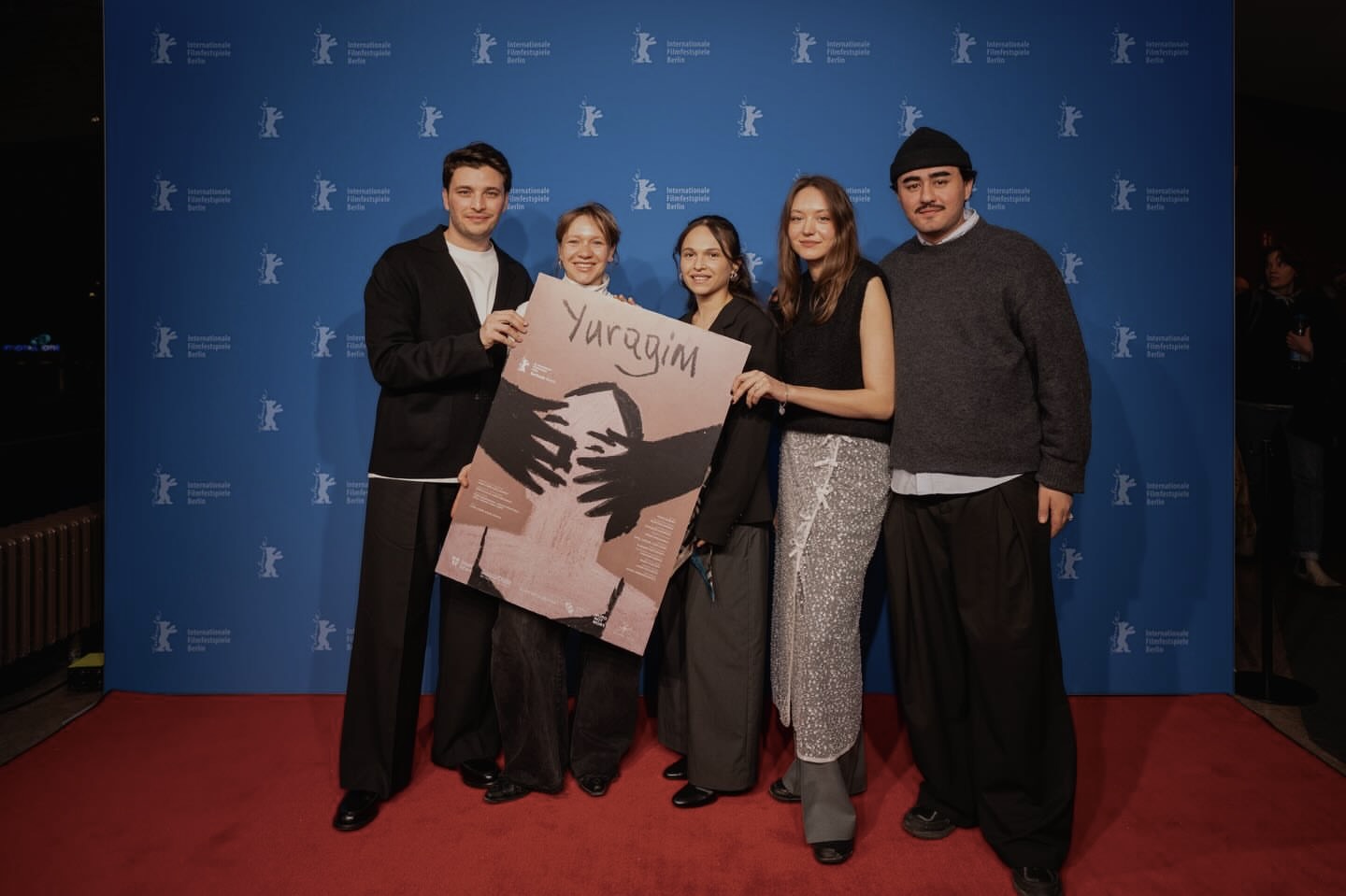
Since Varya is acting in the film as an actress, a special dynamic arises on set: she simultaneously "holds" the director's perspective inside the frame, while Kirill does so from outside, behind the camera, which the director believes works especially well in this film.
Varya adds:
Yes, probably, it's as if some magnetic field is being created, because there's one magnet there, and another magnet behind the camera.
<br>
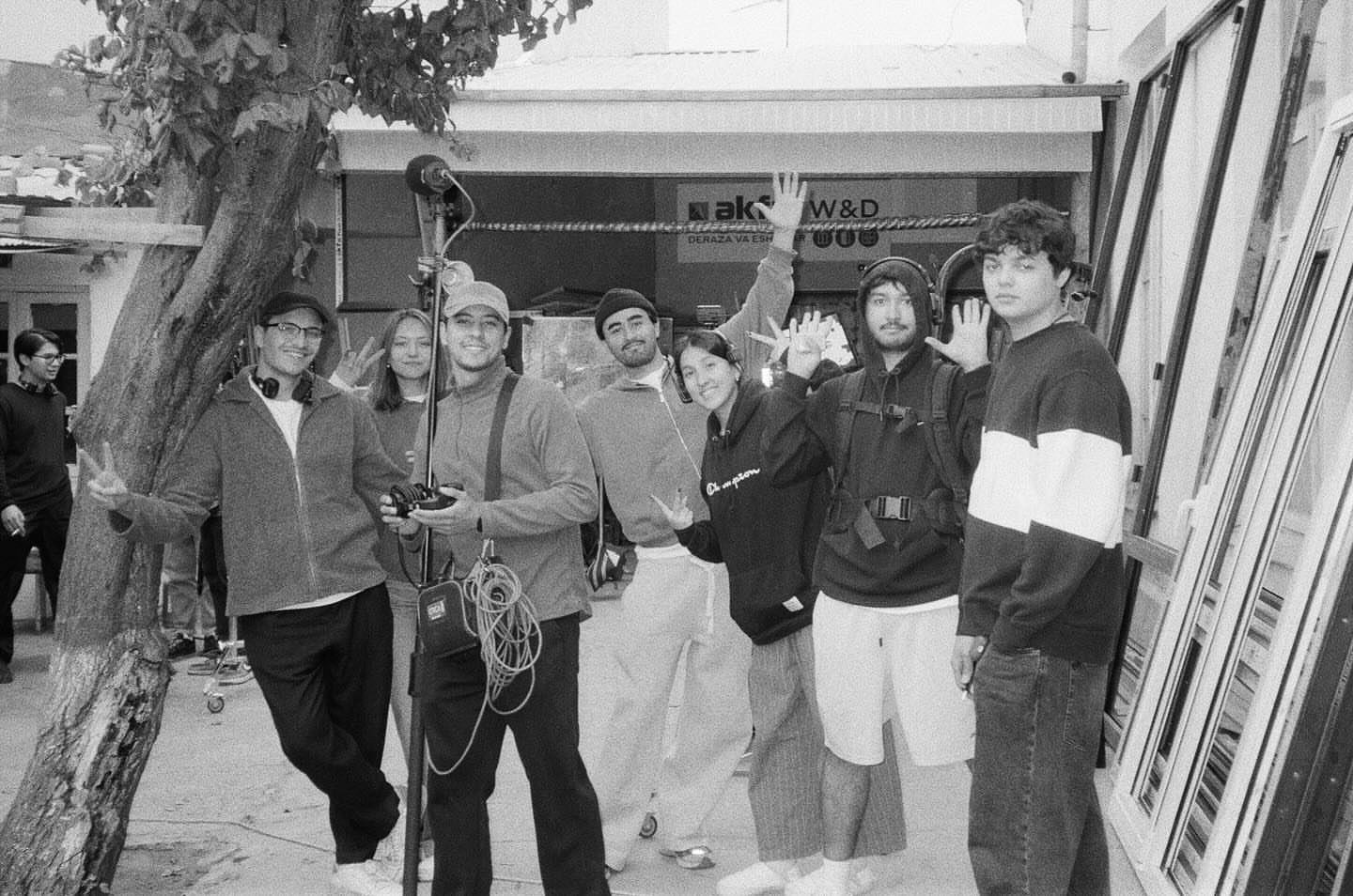
About the filming experience in Uzbekistan
Well, overall we are very happy that we were able to work in Uzbekistan. We had an amazing team, thanks to which the entire film came together. We had a collaboration with the Tashkent Film School, for example.
The people were motivated, interested, they are very generous in terms of their work, their attention to the project. It was something magical, good, we haven't experienced anything like that on other shoots yet. We will never forget this, this team is forever in our hearts.
We are grateful that they believed in us, back then we had nothing in our pockets, so to speak. God willing, we will film something else in Uzbekistan. Special thanks to Vasilisa and Doni, because they also took on the film and thanks to them we organized everything in Uzbekistan. Without them and without their professionalism and support, of course, nothing would have happened.
Varya Garib
Project Information
Yuragim is a co-production between Uzbekistan and Austria; runtime is 19 minutes. It was produced by Zanzara Films and Buro Notfrom. The project participants include producers (Uzbekistan) Doni Akhmadzhonov and Vasilisa Inshutina, co-producer Grigory Bagaev, cinematographers Sasha Kulak and Murat Ibragimov; the music was composed by Bhima Yunusov and performers Dado, Masa & Asl Wayne.