
Unofficial name
A classmate of mine recently came to Tashkent. He's been in Russia for many years, but some business dealings brought him here. We met, talked, and he got the idea to go to Tezikovka. Said and done. We hailed a taxi, agreed on the price, and off we went. We're driving along the Small Ring Road and suddenly my classmate says to me:
— I don't understand, where is Tezikovka? — the driver and I exchanged glances, and he turned the car around at the intersection with Kichik Beshagach Street. He pointed to a nice restaurant with a sign that read "Tezikova Dacha." — Here it is. — No, I don't need a restaurant, I need the market, Tezikovka, the flea market.
Upon learning from us and the driver that the famous bazaar was no more, he frowned, grew despondent, and we drove on to Yangiabod. Such is this short life story.
And here's the backstory...
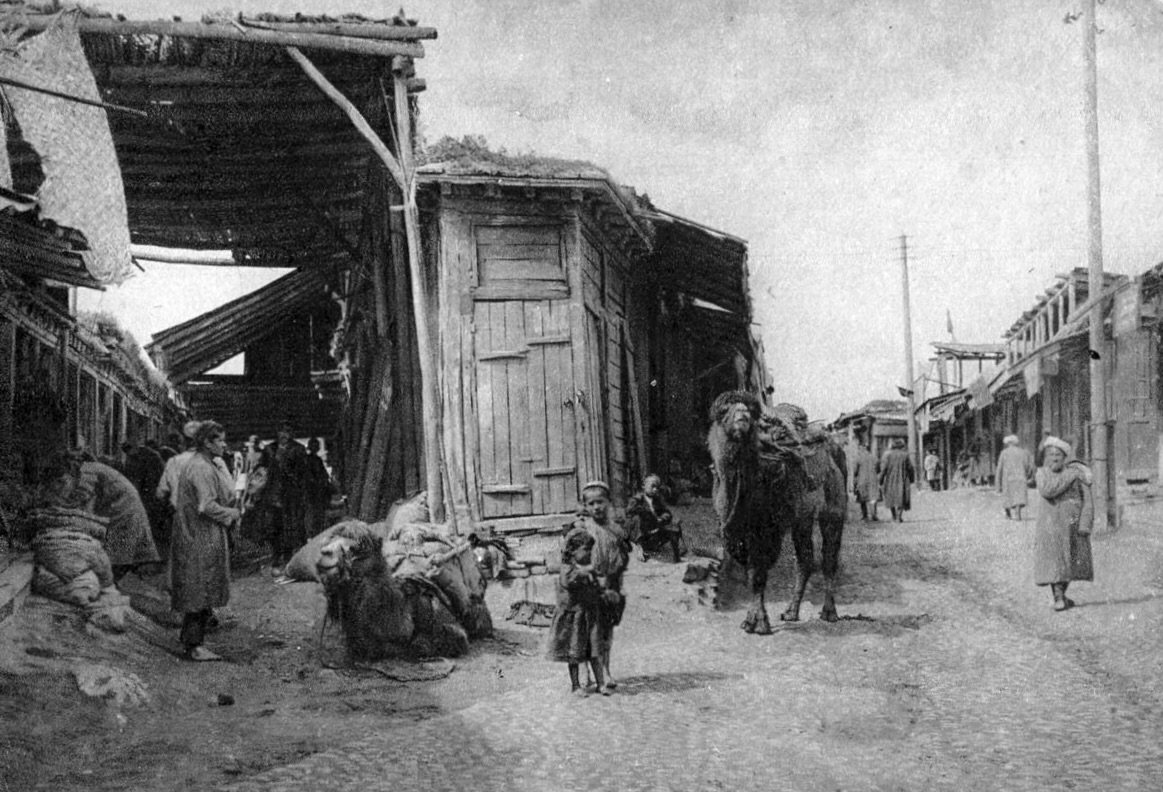
According to one version, "teziks" were traders who originated from modern-day Tajikistan. Supposedly, it was they who gave the name to the small bazaar that emerged at the end of the 19th century near the ancient canal, and even to the entire area. But that was not the case. There are archival documents and descriptions by historiographers of that time where the surname "Tezikov" is listed among many "honorary citizens" of Tashkent. Such a title was not granted to just anyone, but only to those who rendered significant services to Tashkent. It was precisely such a citizen that the settler Ivan Dmitrievich Tezikov, who had lived in Nizhny Novgorod, became. In the second half of the 19th century, he received a government loan for resettlement and the development of the still-unoccupied lands allocated to him in the vicinity of Tashkent.
Since there was no railway to Turkestan yet, the Tezikov family traveled to their destination by horse-drawn transport, and on the final stretches—by camels altogether. Horses simply could not withstand the strain of the long journey. Upon arrival in the city, Tezikov was allocated a fairly large plot of land located directly along the bank of the Salar canal. Subsequently, a two-story mansion and a small leather factory were built here.
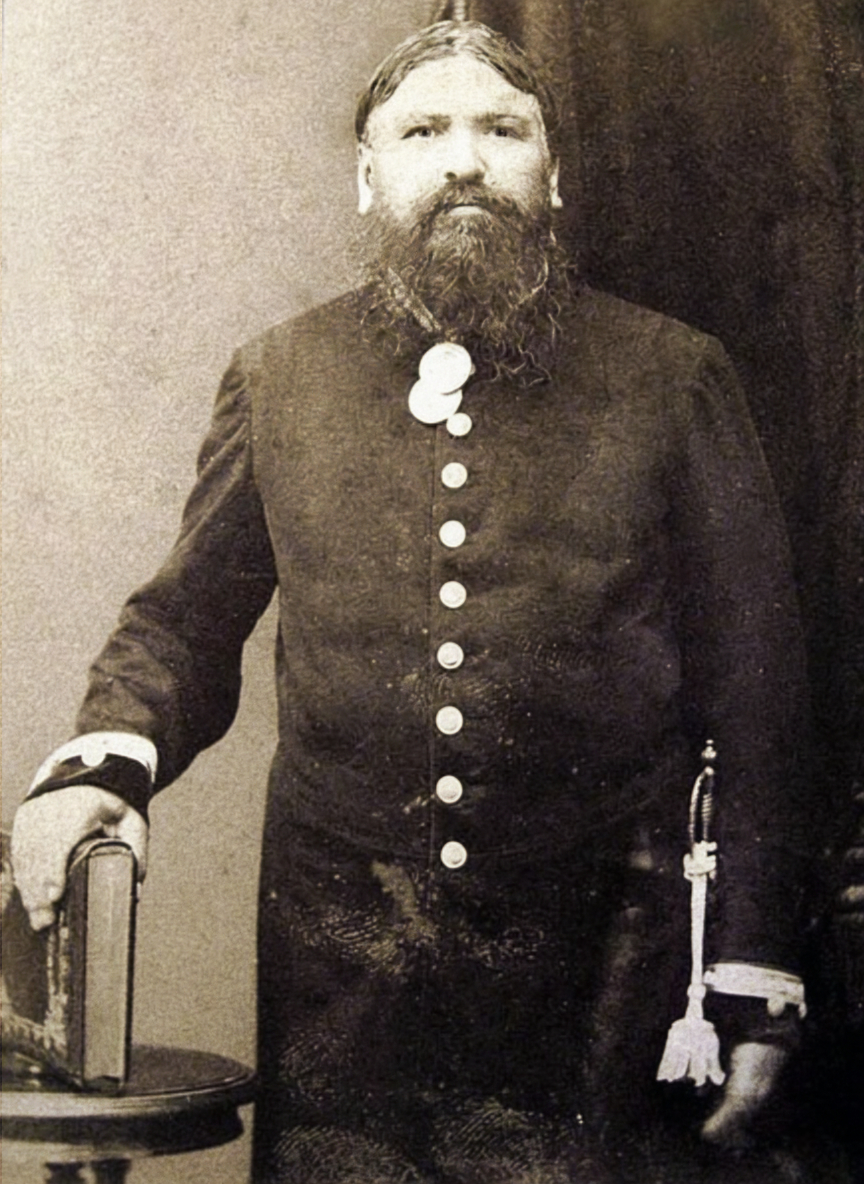
Tannery
There's a slight hitch with the factory's history. It turns out the production didn't immediately belong to Ivan Dmitrievich. In fact, the future merchant of the second guild worked at that very factory in the position of a technician. And the establishment itself belonged to the merchant Kuvaytsev and was the city's second leather enterprise.
The factory was literally situated on the bank of the Salar and was almost completely destroyed on January 1, 1878, during a major flood when the canal waters overflowed their banks. The factory owner was unable to restore production, and it was then that the future enterprising merchant bought the remnants of the operation from Kuvaytsev and revived the factory, which lasted until the well-known events of the first quarter of the 20th century. Raw materials for the factory were purchased from local residents for quite modest sums, which, however, fully satisfied the suppliers.
Subsequently, not far from the Voskresensky Bazaar (the modern territory of the Alisher Navoi State Academic Bolshoi Theater and the adjacent square), more precisely — on the territory of the "Tashkent" hotel (I will call it by its original name), Ivan Dmitrievich built a store for selling finished products — tanned leather. By 1888, Ivan Dmitrievich was elected as a trade deputy to the city council. He received the title of a merchant of the second guild and for various merits he was awarded the large silver medal on the ribbon of the Order of Saint Stanislaus.
Among the cohort of orders of that time, the award wasn't particularly remarkable, but it still had to be earned. For what merits was the merchant honored with such relatively high awards for that era? Here he is in front of his pavilion at one of the industrial exhibitions, promoting his products. Moreover, the output of his factory was of very high quality, and therefore likely garnered interest not only from the civilian population.
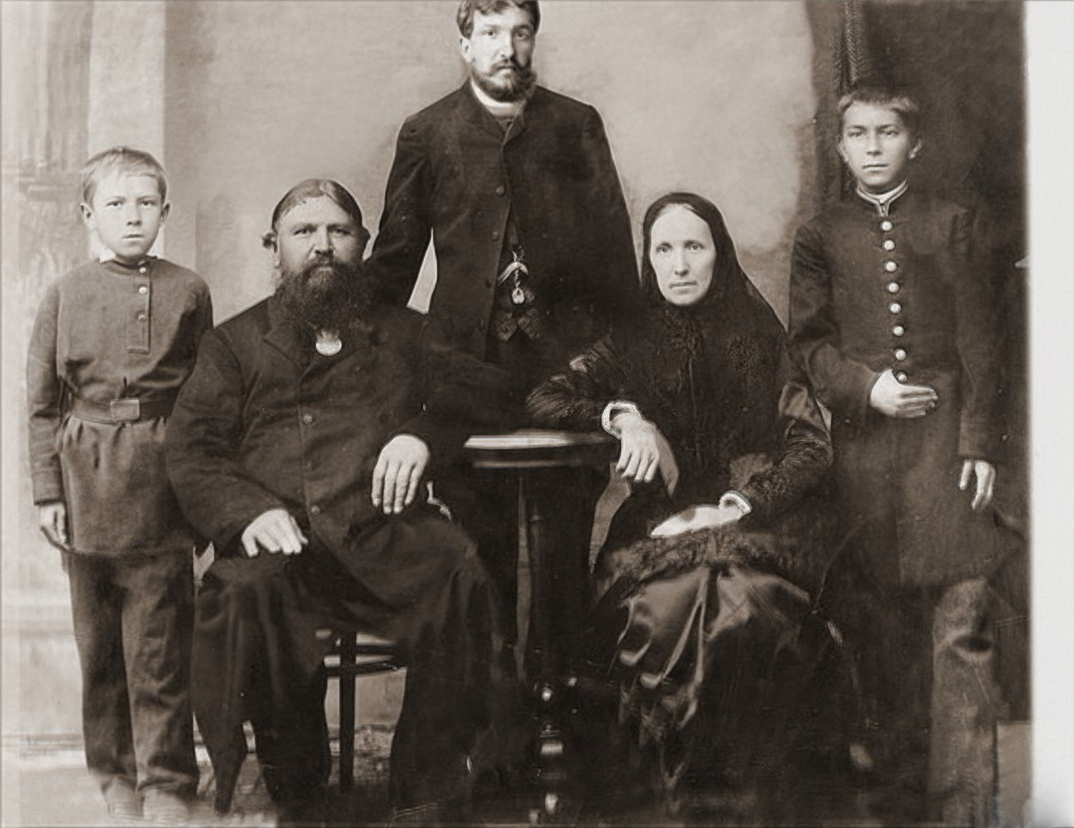
And here he is with his family, whose descendants have scattered all over the world. Moreover, the merchant often financially supported various initiatives of the city authorities, becoming one of the patrons of our city. Hence the merits and honestly earned awards.
Two Tezikovkas
But does the esteemed public know that in our blessed city there was not one, but as many as two Tezikovkas? How can that be, the reader might ask? Where is the second one, why do we know nothing about it?
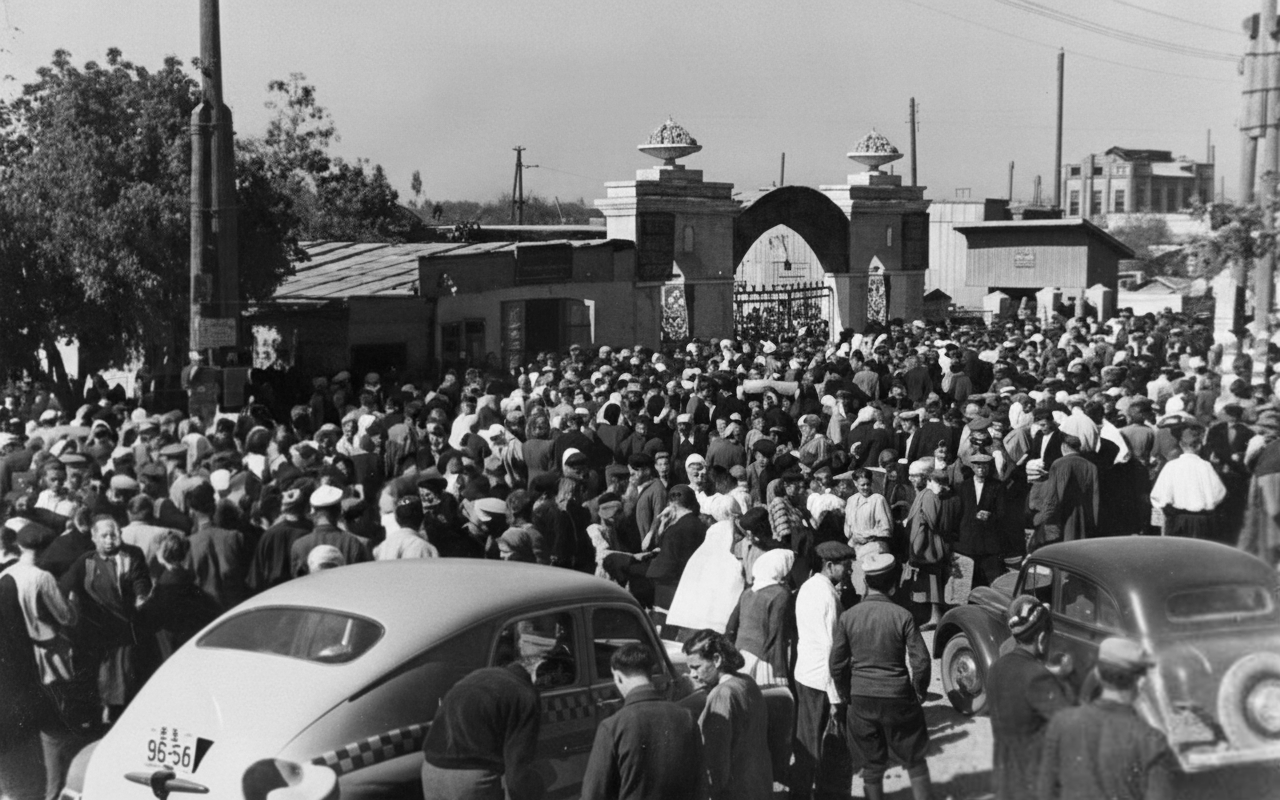 Photo: Viktor Fyodorov
The documents confirm that the matter occurred as follows. The first Tezikovka appeared after the submission of a corresponding petition, dated February 1878:
Enclosing herewith for Your Excellency a copy of the protocol of the Fair Committee dated February 17th, I have the honor to request the intercession of His Excellency the Chief of the Region for the lease of 4 desyatins of land on the Karasu River for a period of 4 years to the merchant Tezikov for the construction of a tannery, the manufacture of hide glue, and a saddlery workshop.
Although the Karasu canal is mentioned, in all cases it refers to the same factory on Salar, where the market, known almost throughout Uzbekistan, later emerged.
And the second "Tezikovka" was located not far from the modern Parkent Bazaar. This area once belonged to the merchant Nikiforov, hence the now-lost toponym "Nikiforov's lands." And it was precisely the country estate of the successful merchant that was located here, whose heirs submitted the following petition in 1903:
I most humbly request the Syr-Darya Regional Administration to permit the construction of a brick-burning kiln of the "Hoffmann" system to replace the existing kilns of other systems on the land plot of the Heirs of I. D. Tezikov in the Sheykhantaur part of the Buz-Aryk locality, according to the project approved by the Construction Department of the Syr-Darya Regional Administration by protocol dated July 14, 1903, No. 2061.City of Tashkent, August 20, 1903.Semyon Tezikov.
I truly don't understand why the petition mentions the Sheykhantaur part of the city, since the daha of Sheykhantaur was located further to the northwest, but, as they say, what is written with a pen... We will conclude that in the mentioned year, Ivan Dmitrievich was no longer among the living. He found his rest in the ancient (for those living today) Botkin cemetery, not far from the chapel-church of Saint Alexander Nevsky.
In his works on the history of Turkestan and Tashkent, the renowned historiographer A. I. Dobrosmyslov wrote about the production of building materials as follows:
At the beginning of the 20th century, there were 30–35 brick factories in Tashkent, all of them relatively small in size, except for 4–5. The largest factory, that of Tadjiusupov (formerly A. E. Malov), existed for more than 40 years and produced up to 3 million bricks, followed by the factories of the merchant Ilyin (existed for about 15 years), Umar Isakov (existed for about 20 years), S. I. Tezikov (existed for about 15 years), etc.
According to documents, the production itself lasted until 1917, when it ceased operations. The toponym, however, remained, as did the merchant's house, later converted into a library. But, alas, this house also did not survive to our time due to a fire that claimed yet another, albeit silent, witness to "the days of yore."
The good old bazaar
The market, which had existed since the late 19th century, continued its life until the late 90s of the last century. For nearly a hundred years, if not more, one could buy everything their heart desired and their pocket could afford. There was a fairly strict division into sectors. In one, you could buy any kind of decorative bird, in another—the rarest species of aquarium fish, in a third—a necessary vacuum tube or diode that was impossible to find in radio stores.
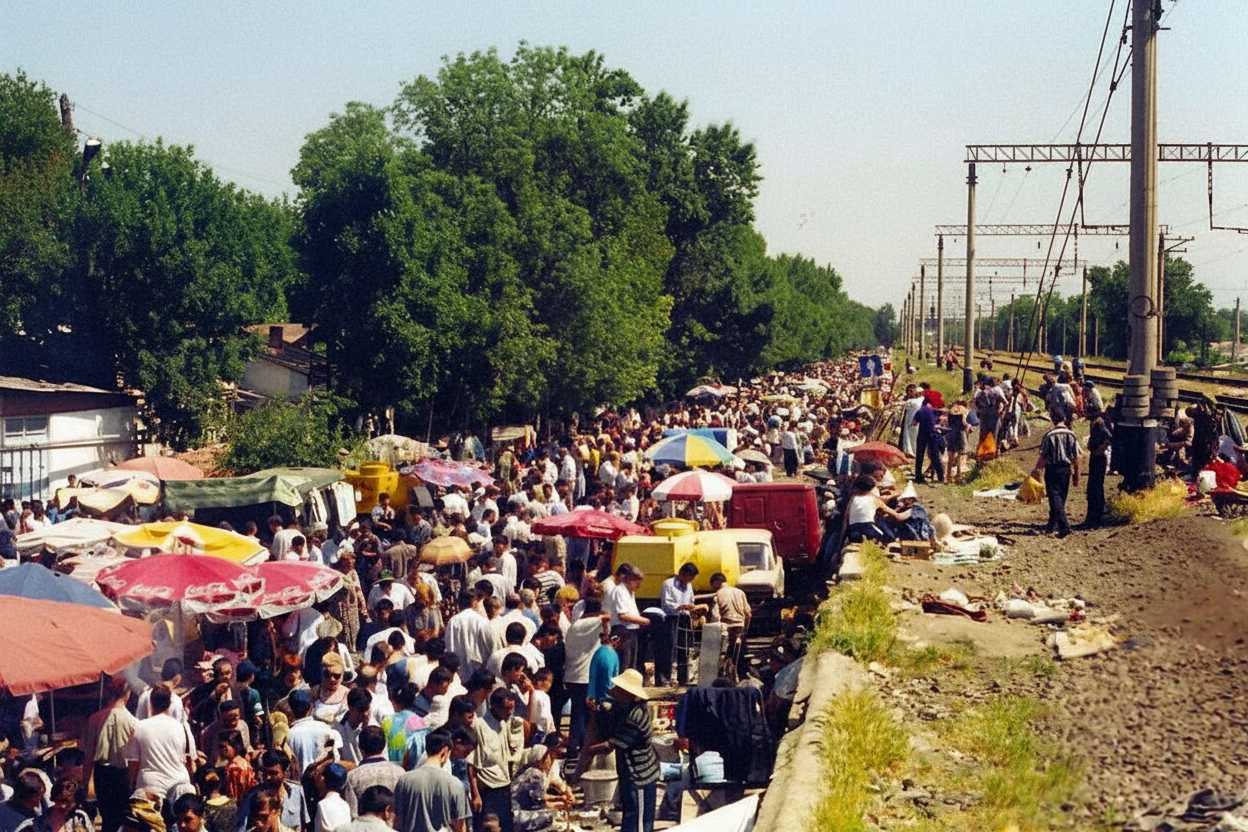 Photo: Alexander Metelyov
They say you could even sell an elephant here, but there was no demand for them. In general, the "animal" row had so many creatures that any self-respecting zoo would be envious. Here, for a literally symbolic price, one could buy (procure) any necessary item—be it an icon, a camera, or a series of postage stamps. Tezikovka experienced a particular surge in its activity during the times of the most recent and terrible war. Tashkent received a huge number of evacuated people from the western regions of the country. Those among them who needed to sell some item or buy something they needed naturally turned to the services of this market.
The end and new beginning of the legendary market
And in its final years, the market was known for its cheapness and peculiar democracy. Here, even a meal cost two to three times less than in the city center. However, the quality of the food was correspondingly low. Although, in most cases, eating there ended without any consequences.
Alas, in the early 2000s of the 21st century, the city's leadership decided to move the historical market to the territory of an abandoned industrial warehouse. With this decision, some of the unique charm of the old "flea" market was lost.
The Tashkent Flea Market is no more. It remains only in the memory of the people. But the items, sometimes bought for a pittance, remain with our citizens as a keepsake, a reminder of times past, of the businessman whose name is forever etched on the folk map of Tashkent. Now, in its place, an endless stream of thousands of cars and trucks, buses of various types, classes, and tonnages, runs ceaselessly. The small ring road has been laid here, making it easy to travel from one part of the city to another. And still, driving along it, you can't help but remember that old, yet kind market... although, many city residents who still live in that area even today say: I live on Tezikovka.
It's unlikely that I'm revealing any "military" or other secret in our space-computer age with a simple guess and a precise statement—in those bygone days, quite recent ones, military units were scattered all over Tashkent—you wouldn't have had enough fingers on both hands to count them all. And on the present-day location of "Tezikovka," reborn like a Phoenix from the ashes, there was a similar establishment, the structures of which were built in 1966.
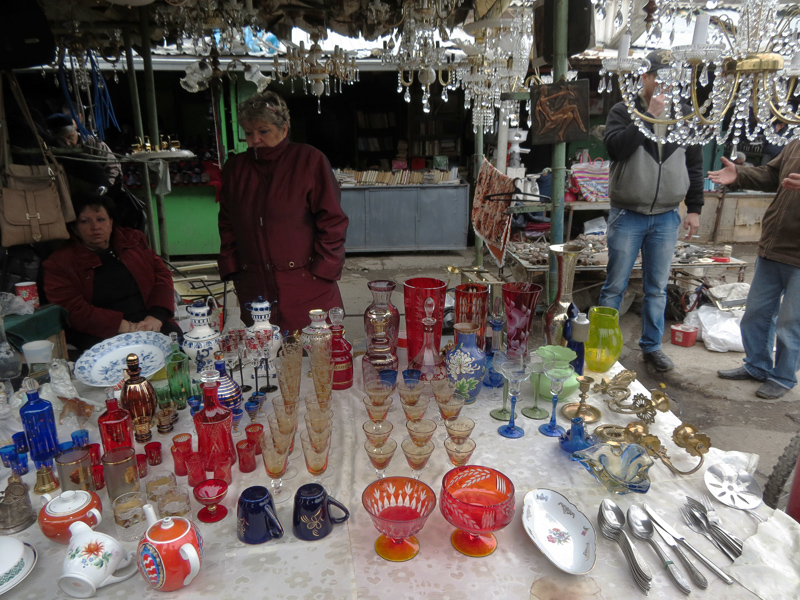 Photo: Ilya Buyanovsky
Through the residential area, now known as Panelny, there was a railway branch leading to this territory. Most likely, there were quite extensive warehouses for various goods here—so-called transit sheds, which were vacated by military personnel in the early 1990s for various reasons. A bit later, the city administration decided to relocate the bustling flea market precisely here—to the territory of the abandoned warehouses.
Yes, it is now called the Yangiabad Universal Market, where, as before, you can buy everything your heart desires, even something to eat: if you want it to-go, or if you want to sit at a table. But still, many to this day call it Tezikovka, even though it's in a completely different location.


