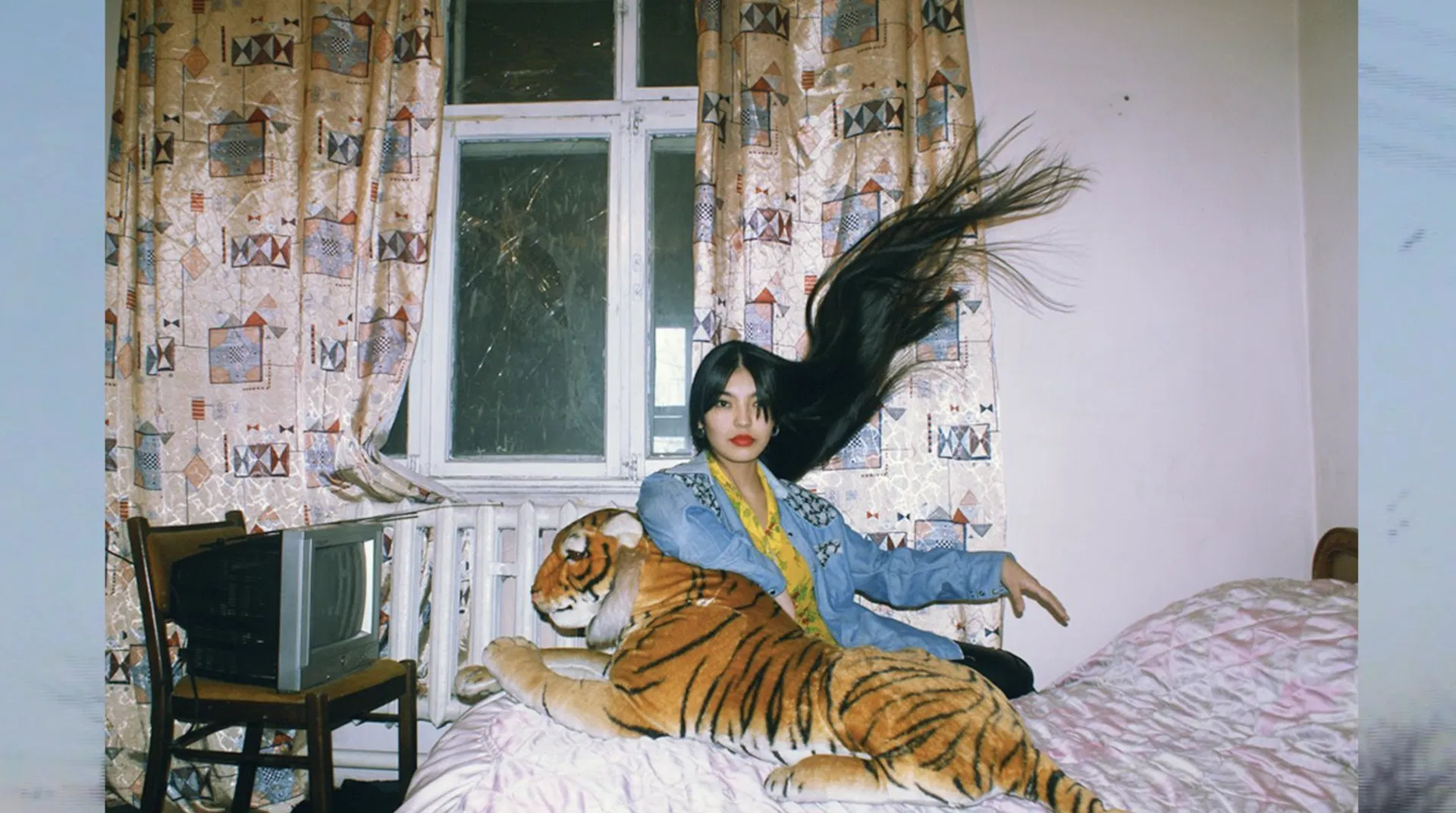
It does not disappear, nor is it preserved in a pure form, yet it cannot simply be forgotten, not least because memory can be uncomfortable. Instead, it is constantly rewritten, while the archive itself ceases to be stable: it fragments, loses its captions, faces and histories, and returns to culture not as fixed memory, but as material for reinterpretation. The same applies to photographs: they become a way of reimagining reality.
Here, we take a closer look at how this process unfolds.
A hotograph does not guarantee accuracy or identity
This is what anthropologist Sergei Ushakin calls vicarious photography, a practice of working with images that are no longer directly accessible. Put simply, it is a way of reinterpreting the colonial past within a postcolonial framework. In this case, it refers to examining life in the Soviet Union after its collapse, when previously imposed meanings and images can be reconsidered in a new light.
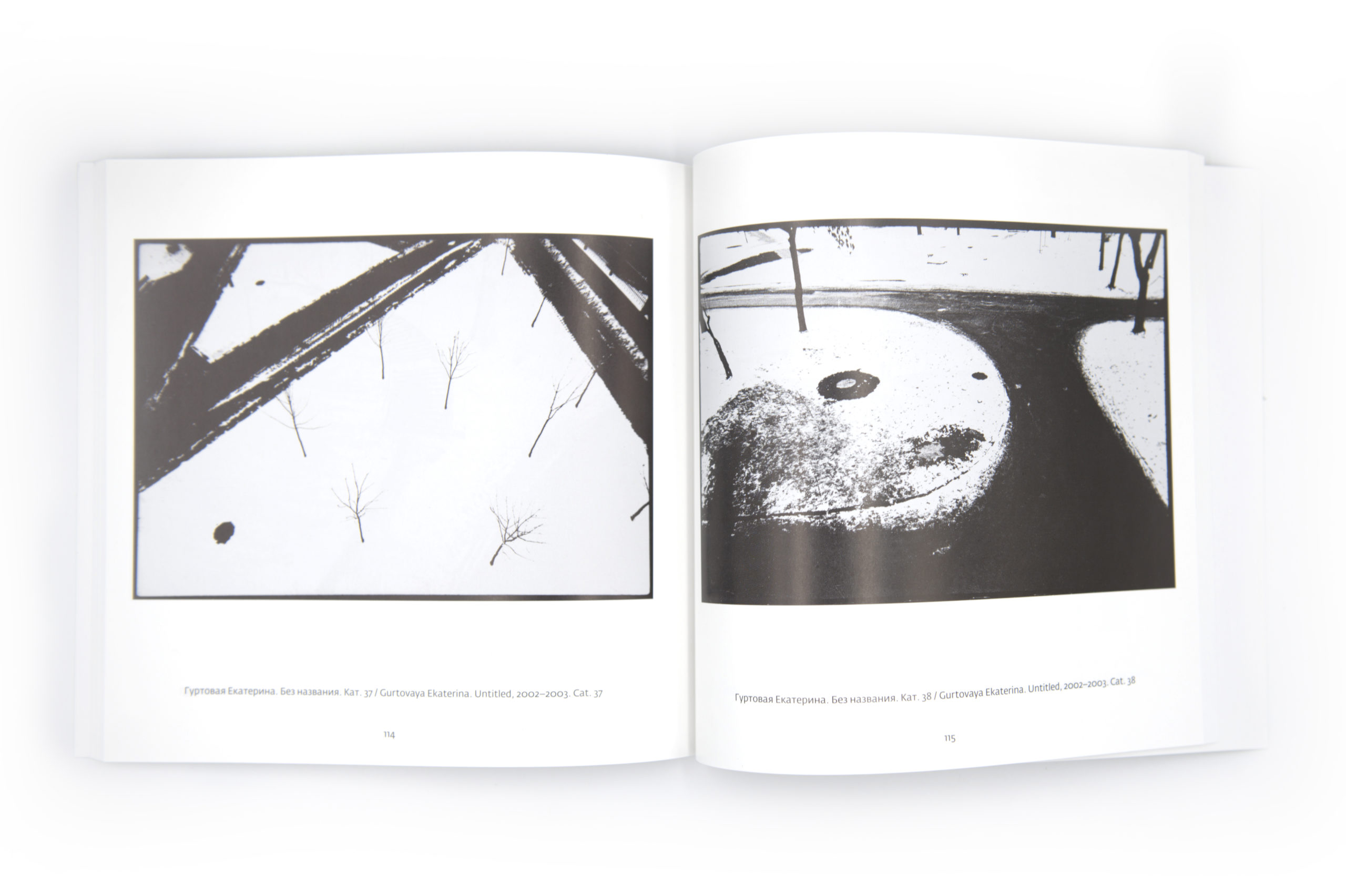
Such images are a form of secondary (readymade) photography, which artists find, select, combine, and sometimes visually transform in order to construct an archive of a period to which there is no direct access. The impossibility of identifying the origin of the photographs, the absence of information about the depicted subjects, and the visual alterations caused by the passage of time are key features of vicarious photography, completely erasing any possibility of recovering the original context or meaning of the image.
Such images lose their "truth", but their meaning is no longer fixed. It depends on context, the viewer, and time. All that remains is the possibility of new interpretation. In this sense, the archive reproduces the past rather than preserving it.
The contribution of the Minsk School
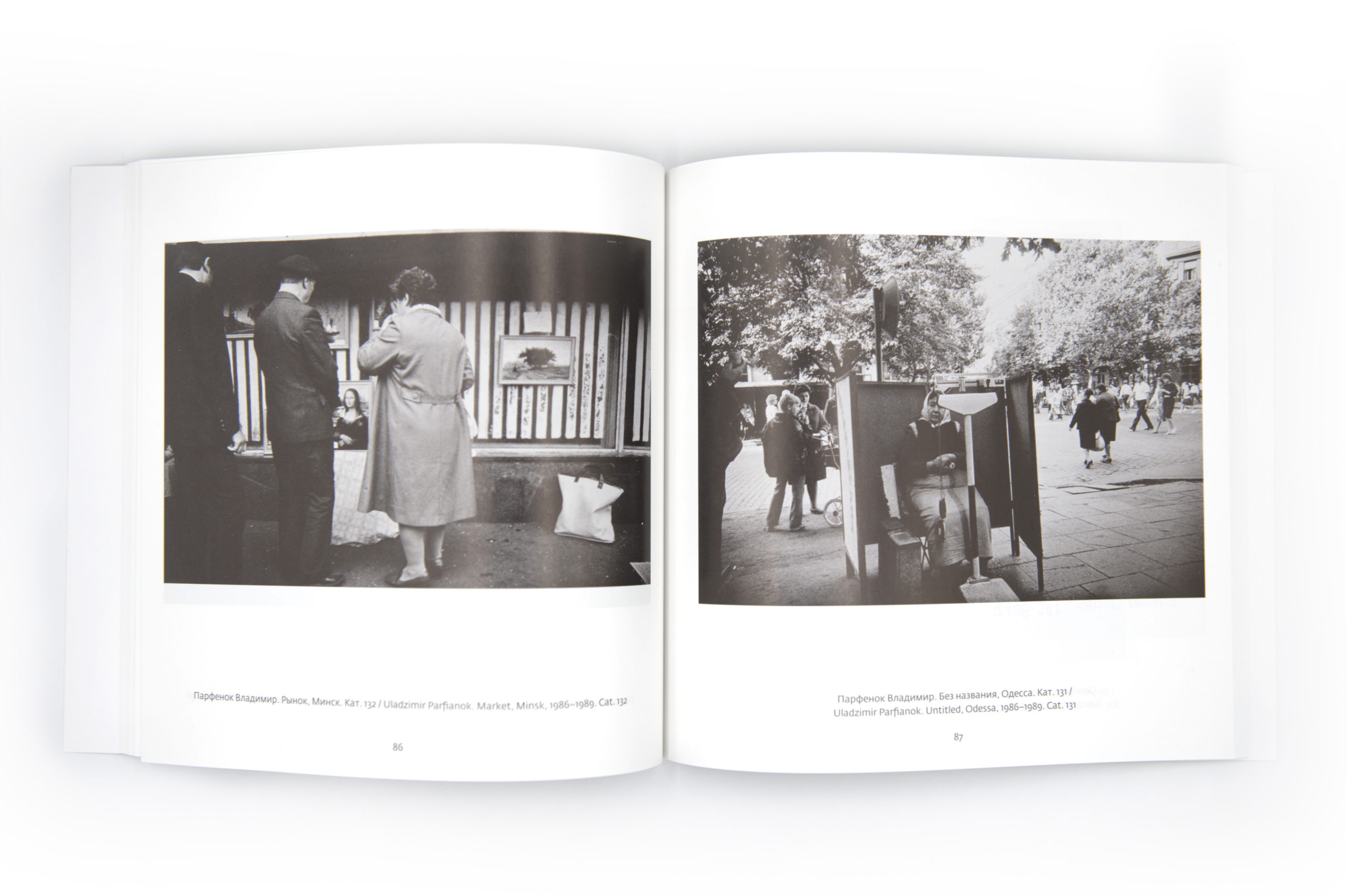
The decontextualisation of found photographs is one of the defining features of the Minsk School of Photography in the 1980s and 1990s. In simple terms, it refers to the removal of an image from its original environment: the photograph is stripped of its caption, author, place, and the circumstances of its creation, everything that once anchored it to a specific meaning.
By reworking found images and deliberately highlighting their secondary status, artists used the visual language of the period to distance themselves from Soviet photographic practices. This could involve rephotography, cropping, enlargement, multiple exposure, colouring, montage, and similar techniques.
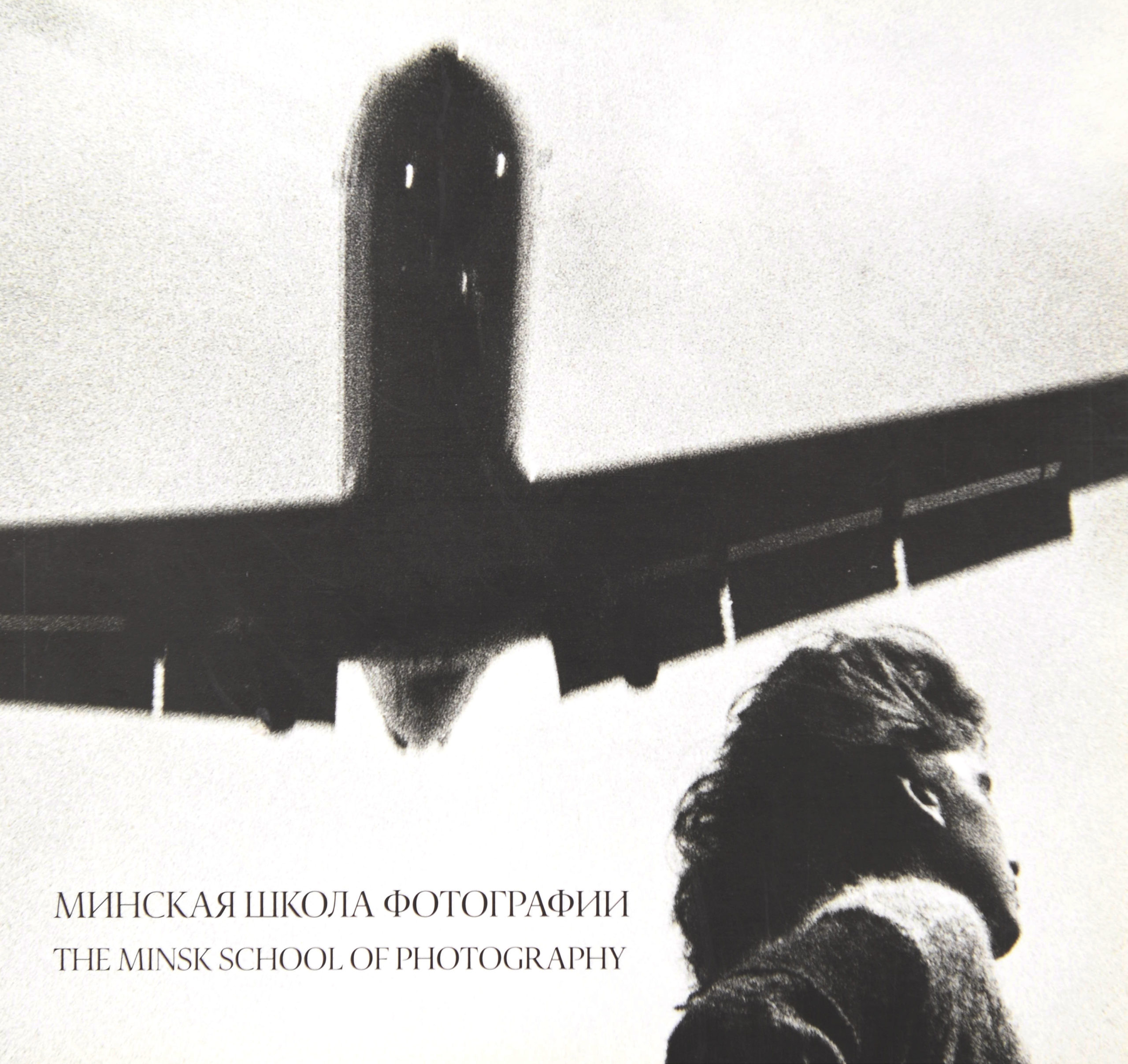
The Minsk School of Photography is an informal association of Belarusian photographers that formed around the Minsk Photo Club in the 1960s, where artists experimented with archival and found imagery. What mattered to them was not the documentary recording of reality, but photography itself as a carrier of memory, ideology, and distortion.
By erasing subjectivity, their vicarious photography develops a mode of engaging with history that allows for presence without identity or identification. As an example, Ushakin refers to the works of photographer Sergei Kozhemyakin from the Family Portrait project. One of these is Presence, in which a military figure is shown only up to the shoulders. Despite the absence of a key detail, the man’s head, the photograph does not lose its sense of subjectivity. Rather, it emerges not through the face, but through attention to uniform, posture, and objects.
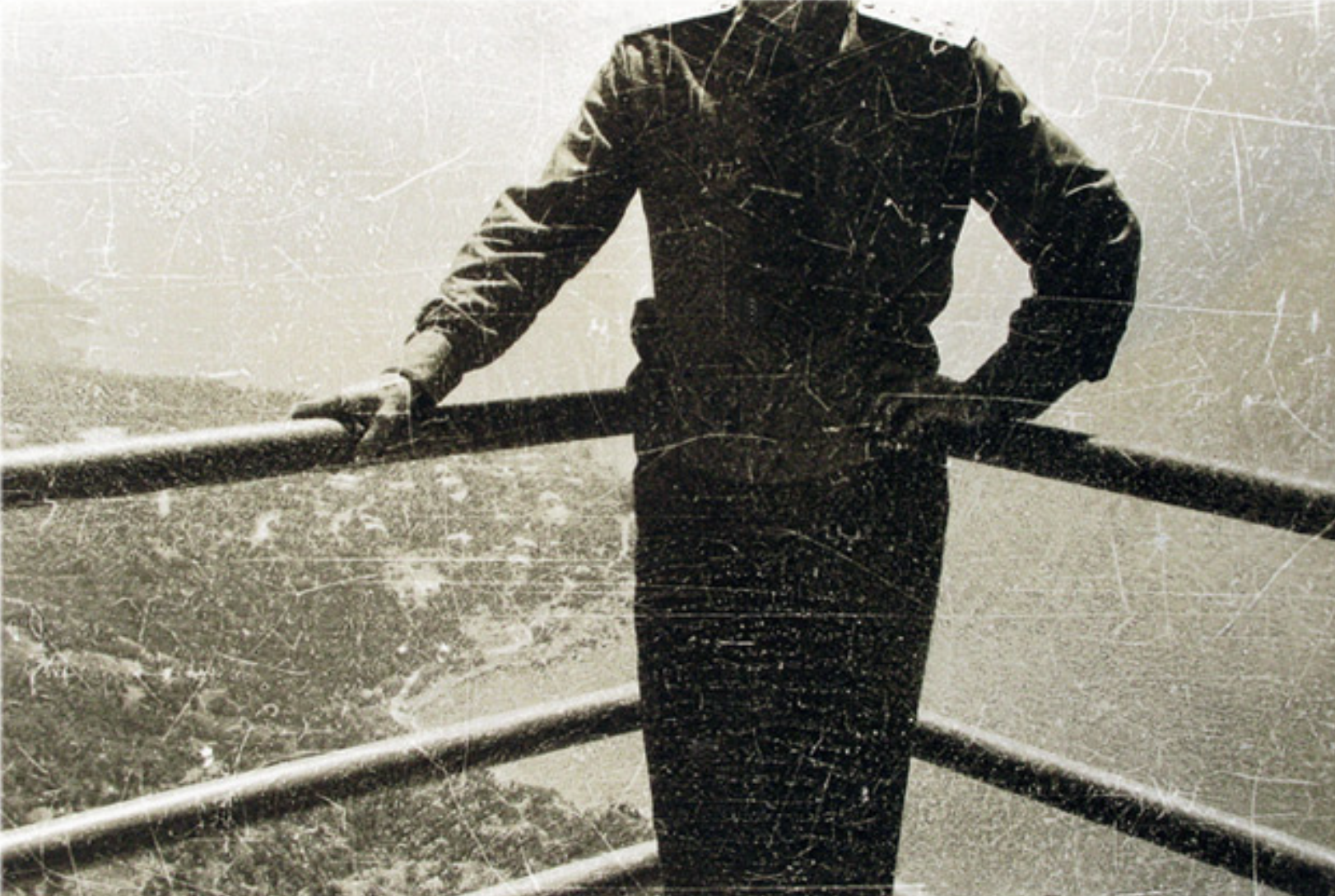
All the photographs in Kozhemyakin’s series were sourced from his relatives’ family archives. He simply rephotographed the originals, without introducing any further alterations. Unlike many other representatives of the Minsk School, Kozhemyakin deliberately avoided interfering with the documentary integrity of the material. He does not impose a sense of “historicity” through scratches or added effects to manufacture atmosphere. Only the context is altered, and in this case it remains fluid. Within vicarious photography, and in Kozhemyakin’s Presence in particular, presence serves to confirm the absence of the subject. There is also another kind of absence: the photographer’s authorial trace. The authorship of the original image remains unknown.
In this way, vicarious photography enables a form of contact with the past that does not depend on identity or identification. The images neither document nor objectify the photographer’s gaze; instead, his role as curator comes to the fore. This became a form of postcolonial appropriation, reproducing the visual codes and underlying frameworks of the Soviet period while shifting their emphasis and focus.
The Minsk School of Photography (MSF) became a point of departure for the subsequent emergence of photographic schools at both regional and republican levels. Its practitioners reflected not only on Belarusian and Soviet history, but also on the possibilities of photography as a medium. Belarusian photography set a direction that was taken up in other Soviet republics. In post-Soviet Central Asia, however, it took longer for artists to begin developing their own approaches and methods for rethinking the Soviet past.
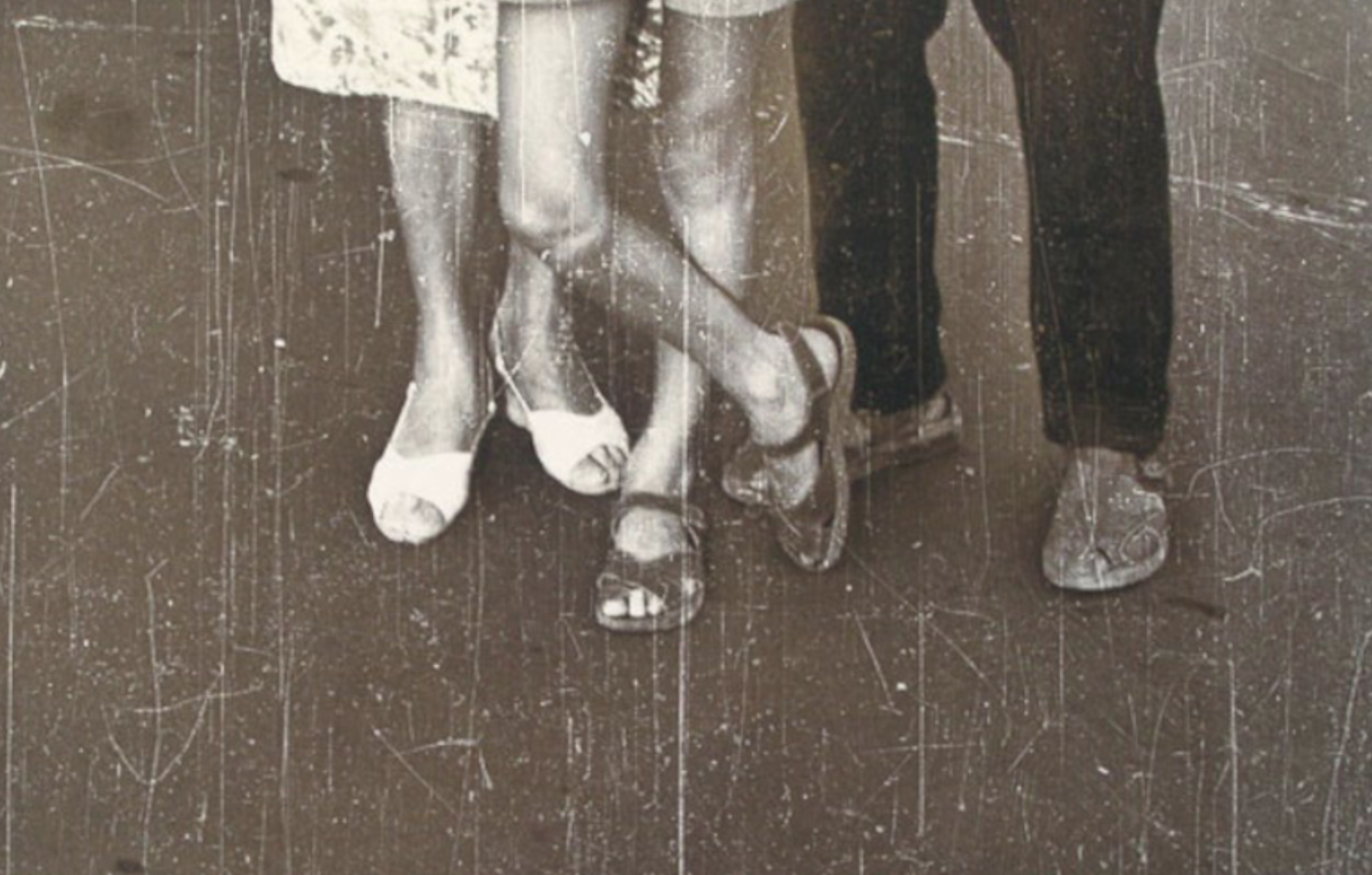
After the USSR
For Belarusian artists, this was largely an aesthetic gesture; in Central Asia, however, such practices gradually became a way of engaging with a far more complex issue: identity in the aftermath of empire.
After 1991, the region found itself in a position where the past could no longer be preserved, yet could not be fully abandoned either. What followed was a quieter process: the past was no longer archived, but reassembled.
The same frame in another era
For artist Yerbossyn Meldibekov, the ritualised encounter between a person and a monument has become a subject of sustained research and documentation. His work records and deconstructs the paradoxes of cultural identity.
The Kazakh artist was completing his studies at the Almaty Theatre and Art College when the Soviet Union collapsed in 1991. After more than seventy years of Kazakhstan being part of the USSR, the country entered a period of economic, political and social upheaval. Trained as a monumental sculptor, Meldibekov later turned to the cultural legacy of monumental architecture in the newly established state. His critical engagement with monumental culture is evident in the photo project Family Album (2011), which documents processes of social change and broader strategies of nation-building.
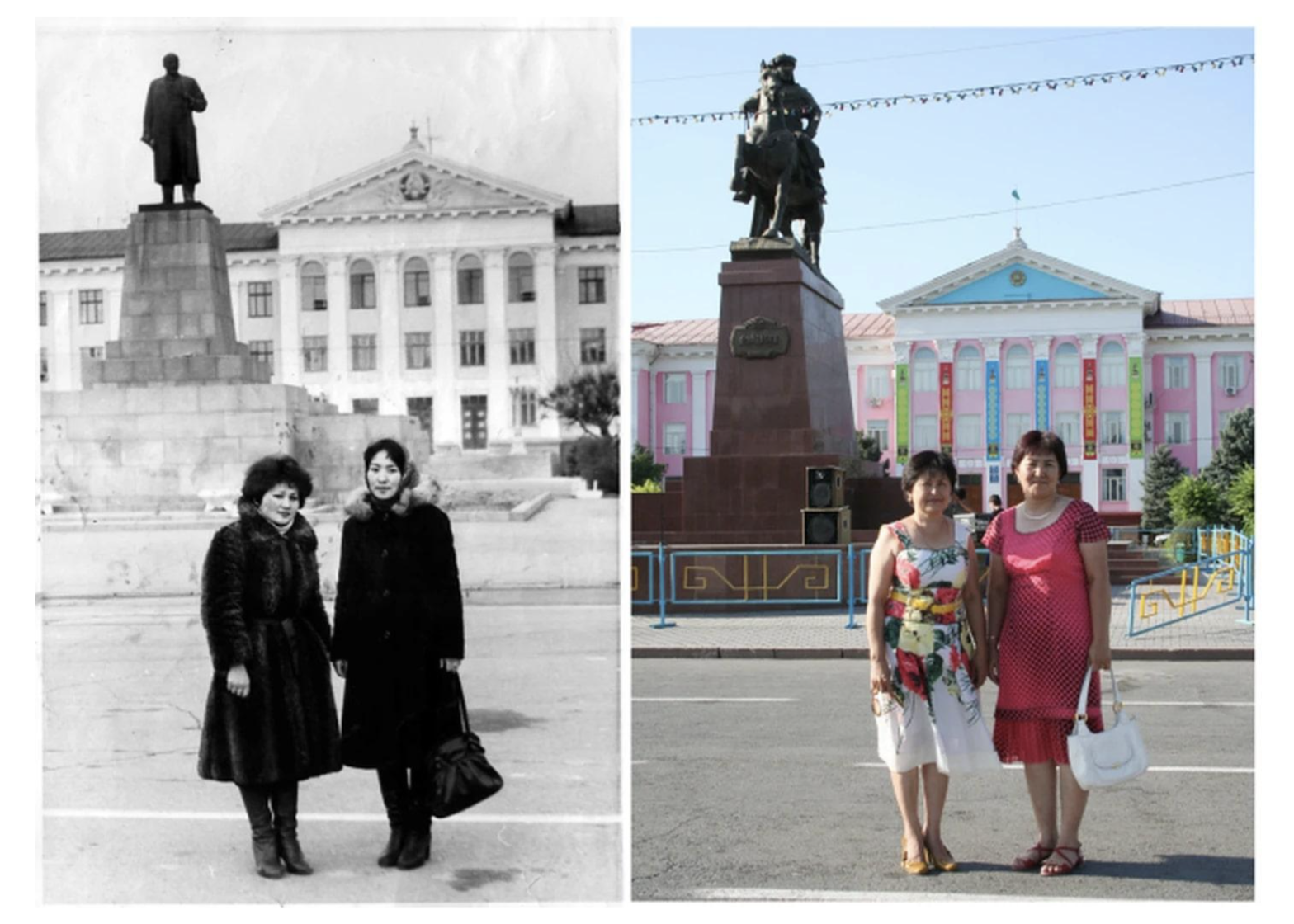
In the Soviet Union, there was a tradition where newlyweds would pay their respects to a symbol of power—typically a local Lenin memorial—with the belief that it would ensure future family prosperity.
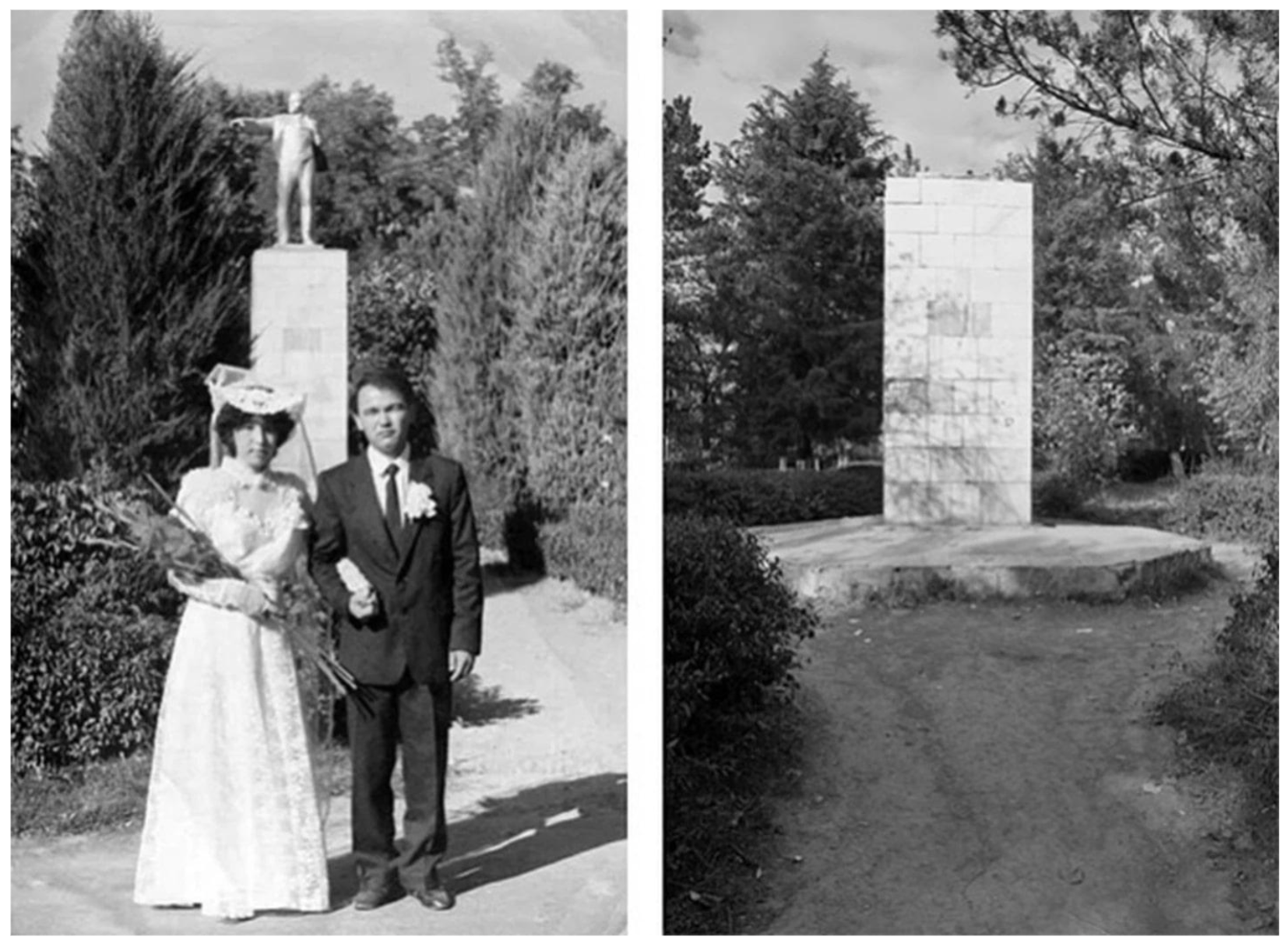
This project grew out of a set of observations that converge across different parts of Central Asia. The first concerns the way monuments in Tashkent’s central square have been repeatedly replaced over the past 120 years, from Lenin, Stalin and Konstantin von Kaufmann to the present monument to Amir Timur, each time reinforcing a new ideology.
The second emerges from working with family archives, where these time shifts are quite literally recorded. A comparison between photographs taken twenty years ago and those from today suggests that little has fundamentally changed: only the clothing and the figures posed beside the monuments differ. In this way, Meldibekov captures a sense of stillness and detachment in the individual set against the backdrop of a changing system.
In 2018,
Meldybekov's works became part of the Punk Orientalism exhibition, which later evolved into a distinct artistic movement.
On Punk Orientalism
Since the late 1980s, contemporary art in Central Asia has functioned as an alternative public space for reflecting on cultural transformation, as well as broader social and global processes, and the challenges faced by local societies.
At first, the concerns of artists, photographers and sculptors centred on the loss of identity and heritage during the period of Soviet dominance in the region. In the 1990s, nomadic heritage emerged as one of the key themes in Central Asian contemporary art.
By the mid-1990s, however, the contemporary art scene had evolved into a space for broader public discussion, not only of the Soviet legacy but also of creative dissent from dominant state policies and from the nation-building and cultural projects that replaced the Soviet regime.
This does not mean that most contemporary artists in Central Asia produce overtly political or oppositional art. Rather, they play a role in shaping the current agenda, offering an alternative to political propaganda and ideology.
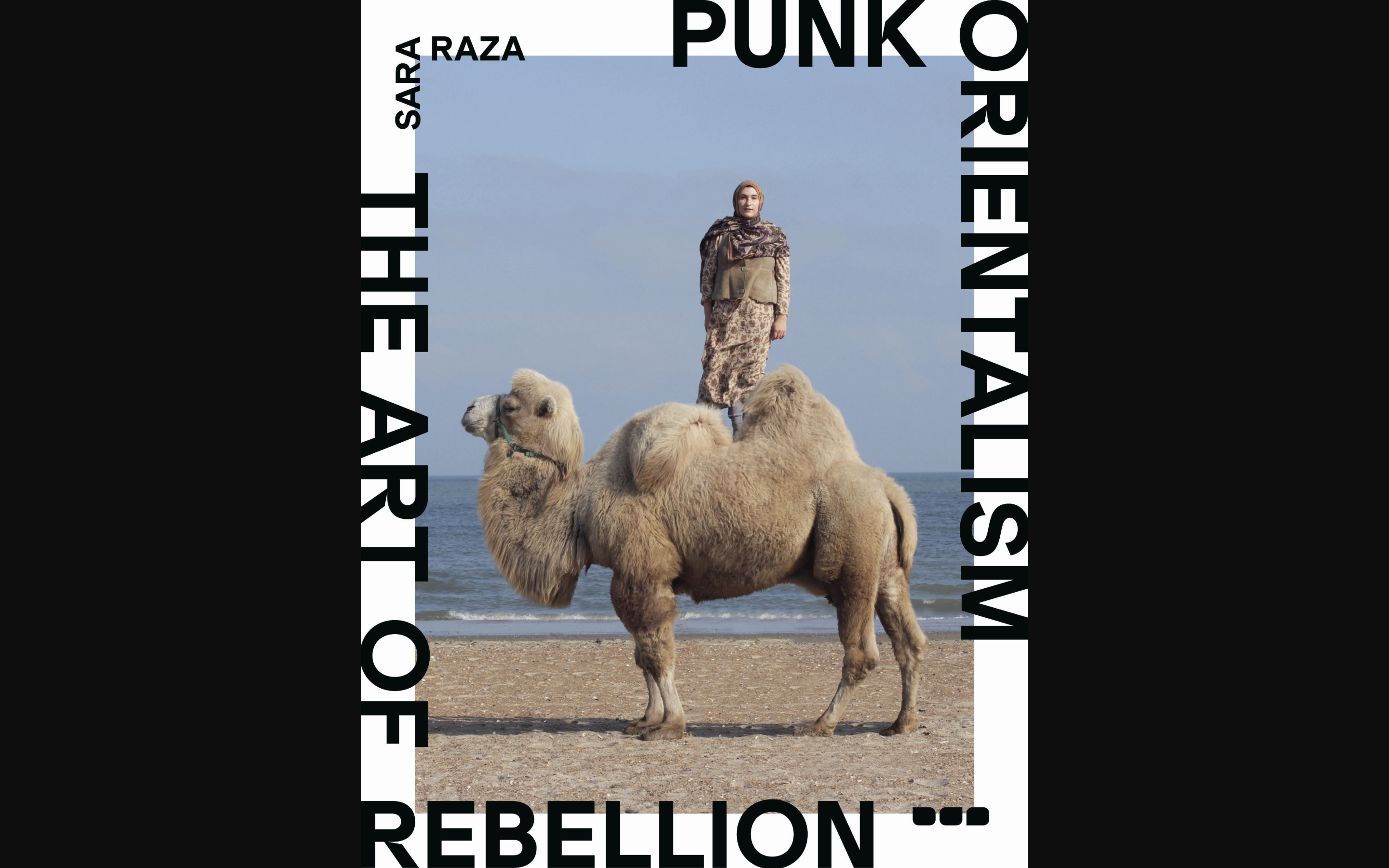
Meldibekov searches for scenes in family photographs he comes across, and then asks the same people to recreate the original image in its location. He carefully composes their positions, pays attention to how they stand, to the placement of their arms and legs, and to the way women’s skirts fall at the knee. Without altering the archival photographs themselves, he shifts their meaning by placing them alongside a second, newly produced image.
Sara Raza is a contemporary art curator and researcher from New York. In 2018, she founded the curatorial platform Punk Orientalism, which focuses on global art and visual culture, with an emphasis on Central and West Asia.
According to Raza, nonconformism was long regarded as an exclusively Western concept. Yet generations of artists in Central Asia and the Caucasus have used art to challenge the ideals and values inherited from the Soviet past, which often exoticised and fetishised the “peripheral” regions of the former Soviet Union. Sarah Raza traces the work of contemporary artists, sculptors, and photographers who engage with this complex cultural and imperial legacy through their own poetic codes.
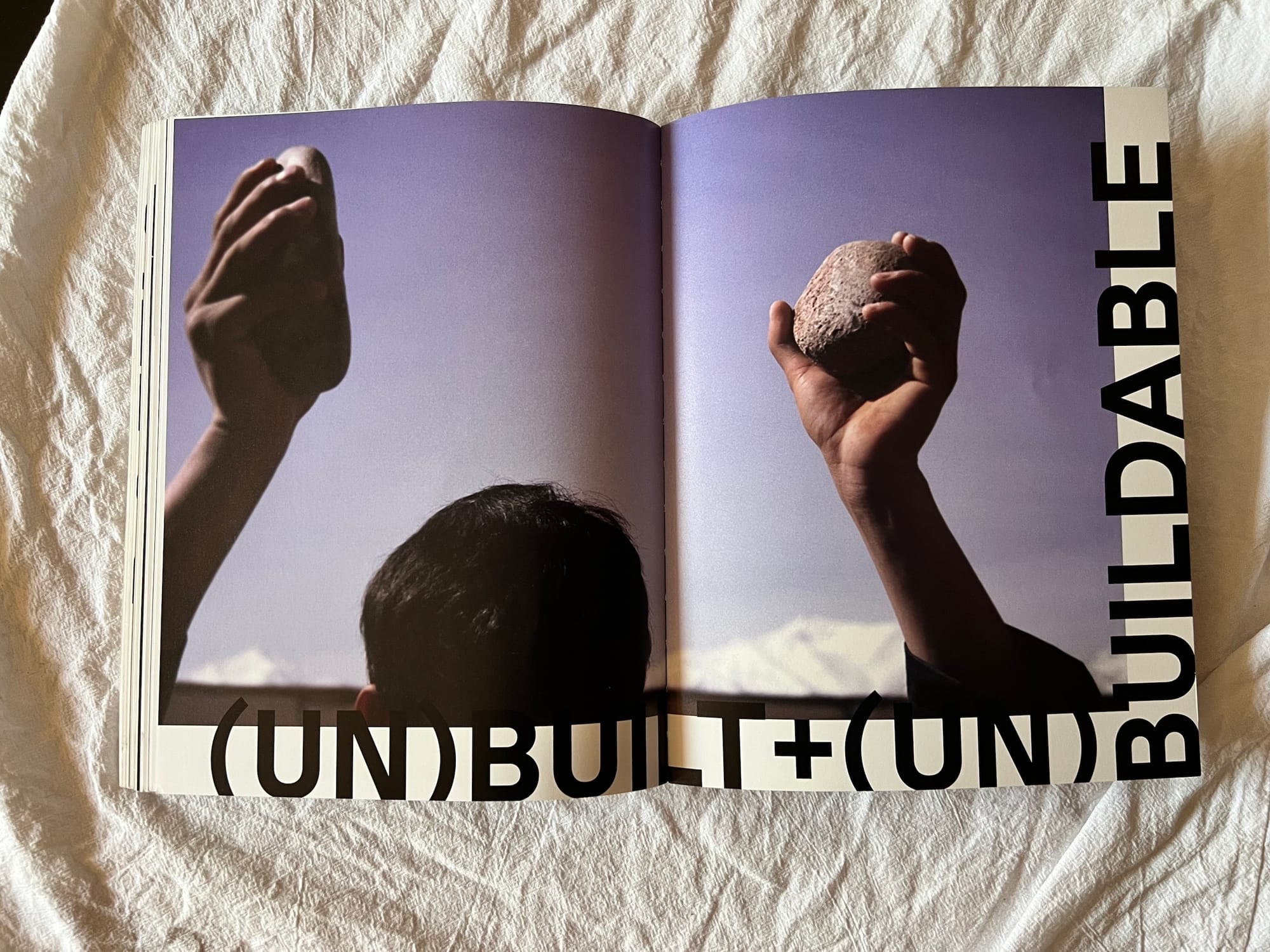
In her book Punk Orientalism, published in 2022, Raza examines artists who have sought, in different ways, to unravel the colonial past. Drawing on the work of 25 artists from Central Asia, the Caucasus, and diasporic communities beyond the regions, she explores themes of mythology, dogma, power, and emancipation from imperial structures. The artists represented span a wide range of practices and geographies, from Afghan-American video artist Lida Abdul, whose films explore spaces of post-destruction in Afghanistan in the aftermath of the war with the Soviet Union, to Kyrgyz-Uzbek writer, artist and philosopher Vyacheslav Akhunov, who spoke out against the forces that silenced people under the Soviet regime. His concerns are expressed in the wooden installation Dyshi Spokojno (Breathe Quietly) (1976–2013), which reflects on Soviet systems of intimidation and control over its citizens.
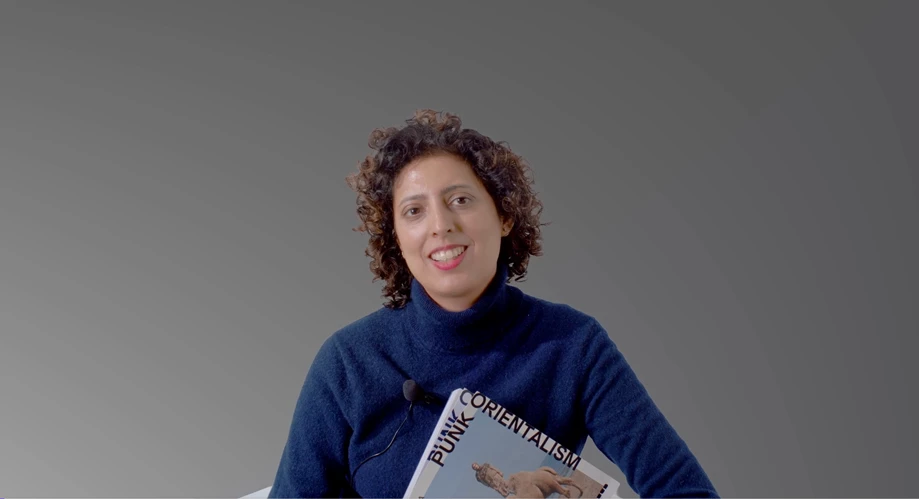
Raza emphasises that artists have played a key role in documenting social and cultural transformations in Central Asian art, yet they remain largely absent from art history. This is partly because the field is still structured around Central and Eastern Europe, leaving the region at the margins of scholarly attention.
Within this context, Raza also turns to architecture, which she describes as an “extension of the state apparatus”, and considers, among other examples, the work of Kazakh artist Yerbossyn Meldibekov. The “punk” concept is combined here with a critical examination of Orientalism and its historical entanglement with imperial assumptions about knowledge of the East. It is possible that “punk Orientalism” may later become a subject of scholarly inquiry, as the term has not previously been established within academic discourse.
A related term, “punk shamanism,” is used by researcher Diana Kudaibergenova in her work Punk Shamanism, Revolt and Break-up of Traditional Linkage: The Waves of Cultural Production in Post-Soviet Kazakhstan, where she analyses new forms of cultural production in the late Soviet and post-Soviet period. Her focus is on how contemporary artists perceive and position themselves within the new conditions of post-socialist cultural space and narratives of national awakening.
A similar line of thought and framing can be traced in Raza’s work; however, her term is not confined to describing a cultural movement in Kazakhstan, which makes the notion of “punk Orientalism” all the more relevant.
Raza argues that, three decades after the collapse of the Soviet Union, local artists need space to come to terms with the past, to radically rework nostalgia, and to articulate their own voice and identity.
One such example in Uzbekistan is the 139 Documentary Center, a now-defunct Tashkent-based cultural platform and independent space for artists, activists and researchers, which opened in 2020.
One of its exhibitions was dedicated to Mustaqillik, Independence Day. Today, however, Mustaqillik is increasingly associated with the aesthetics of celebration, fountains and monumental public squares, rather than with the realities of political and social change.
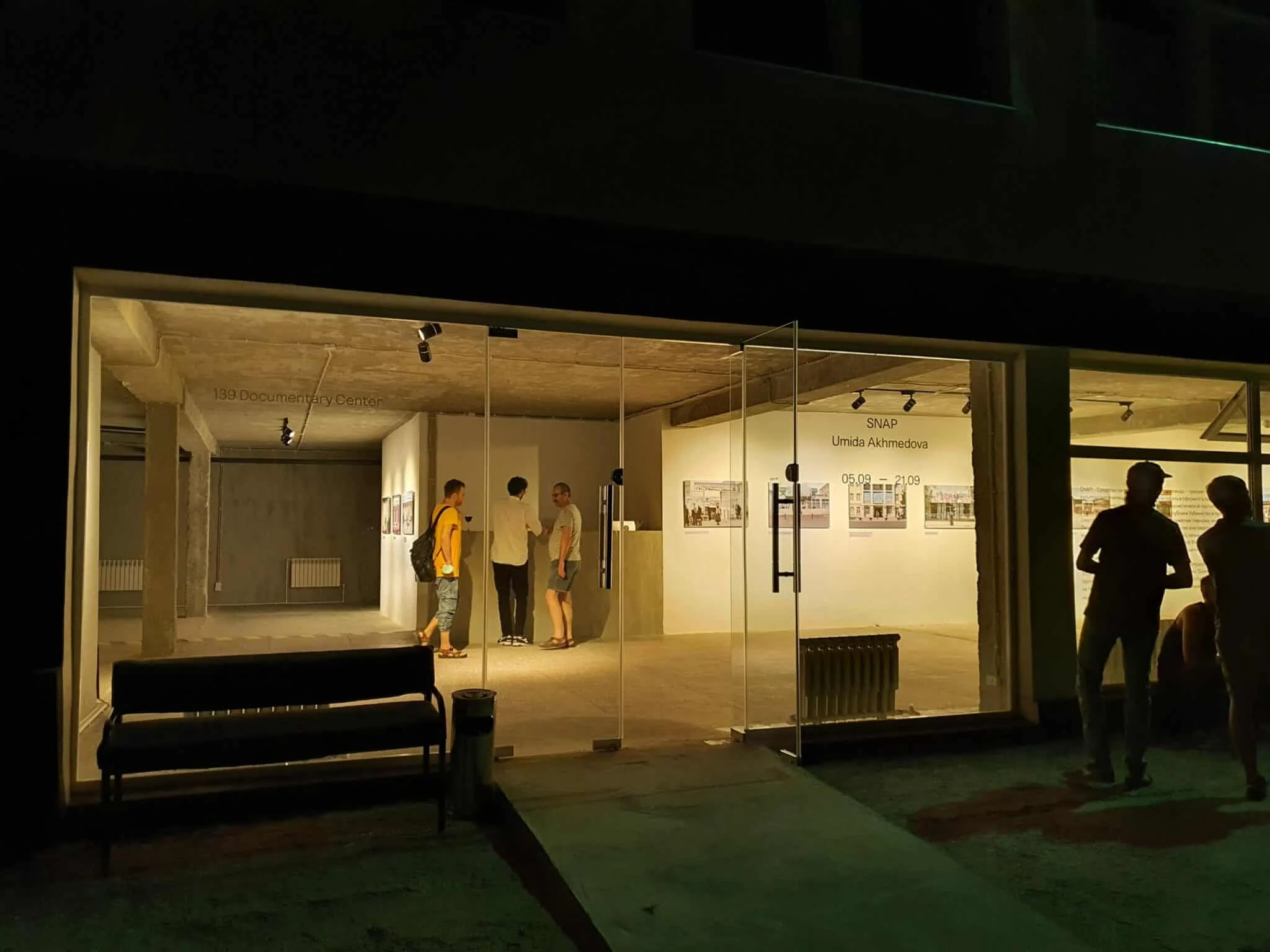
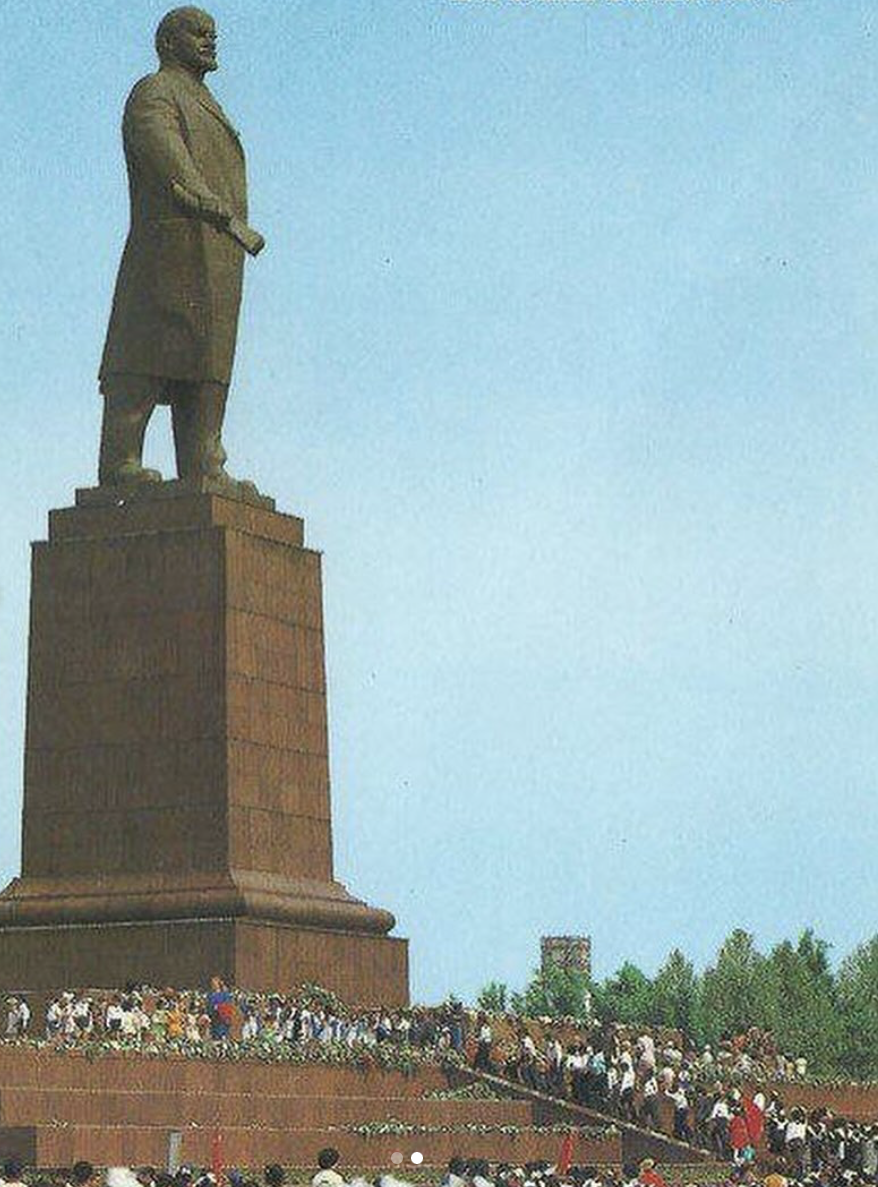
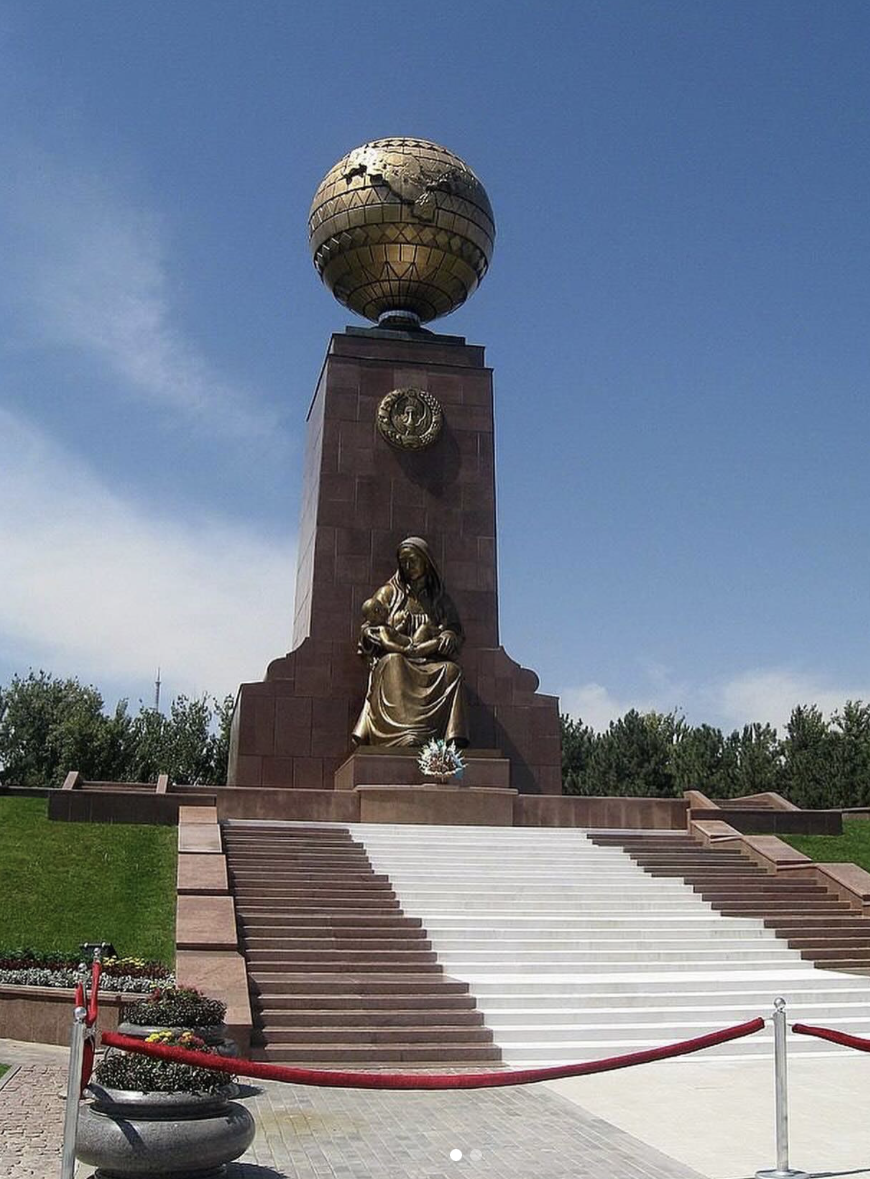
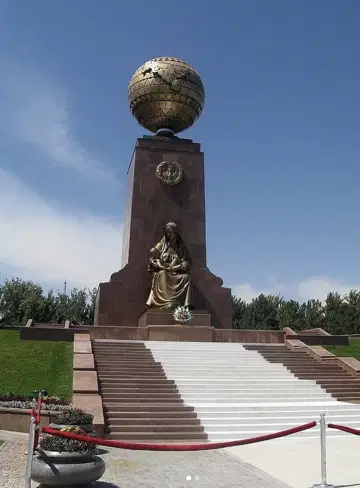
Photographer Alexander Shepelin presented the exhibition Mustaqillik, featuring images he took in the late 1980s and early 1990s, a time when people in Uzbekistan did not fully understand what it was they were celebrating. Shepelin’s photographs are as symbolic as Meldibekov’s works. One of the most striking insights they offer concerns the persistence of change: the pedestal that now supports a globe in central Tashkent is the very same one that once held a statue of Lenin. The base remains unchanged; only one symbol has replaced another, while the system itself remains in place.
It is particularly telling that Raza now finds herself inside this very process. She has been appointed artistic director and Chief Curator of the Centre for Contemporary Arts Tashkent. Her practice, originally oriented towards rethinking the post-Soviet and postcolonial experience of the region, is now becoming part of an institutional framework that is itself still taking shape. This is a significant shift: the language that once described the periphery is beginning to build the centre.
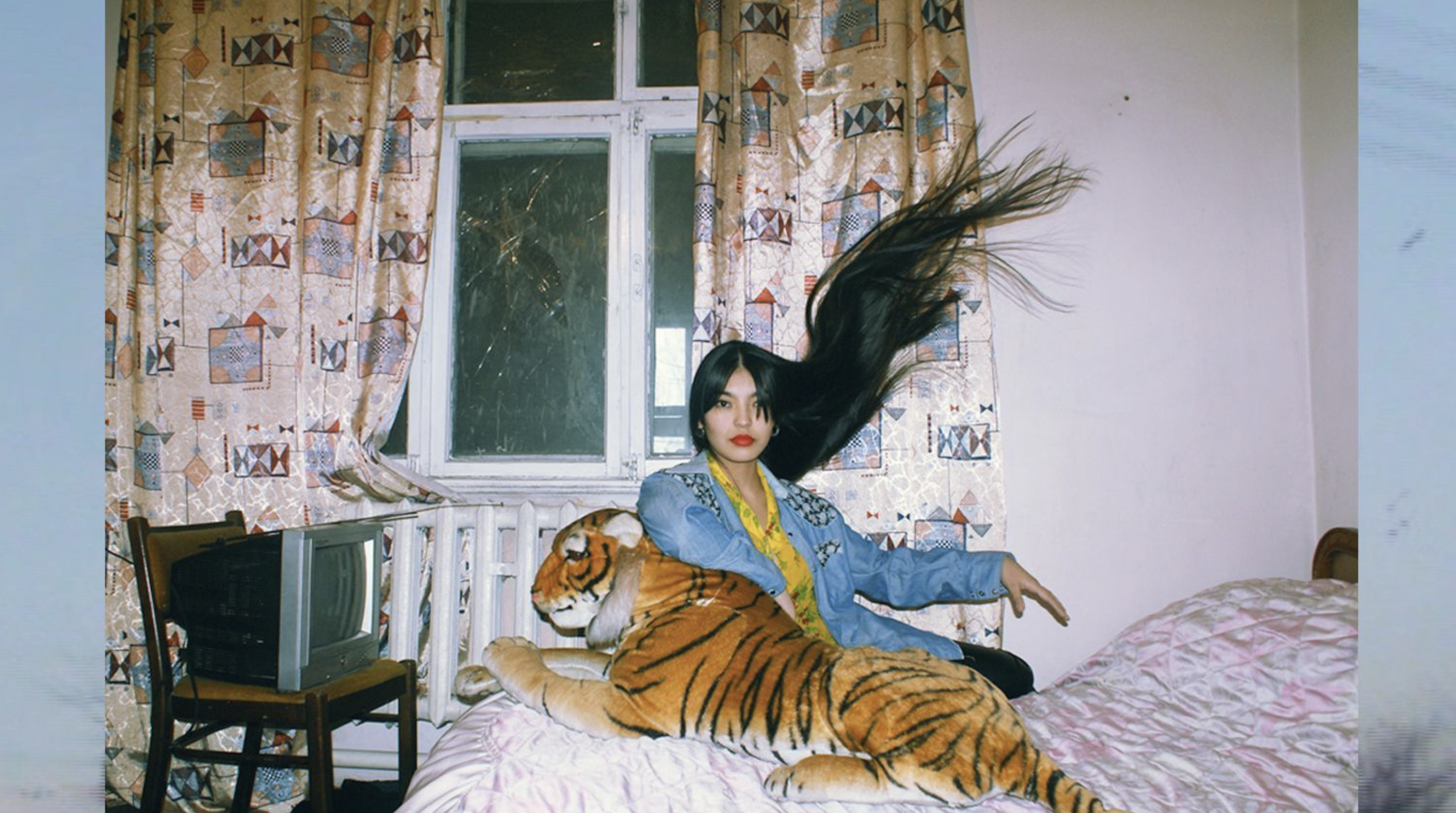
Art as a guerrilla practice
In Central Asia, contemporary art has become one of the few spaces where this work can take place. Not necessarily through direct political engagement or protest, but through images that carry conflict within themselves. Spaces such as the now-defunct Tashkent-based 139 Documentary Center did not function as archives in the conventional sense. They did not fix the past; they set it in motion again, making it open to reconfiguration. History, in this sense, is not a finished narrative, but a set of fragments that can be assembled in different ways.
The past, then, is not simply what has been, but something we must continue to worked with.