Places
The Second Heart of Tashkent's People — a Photo Essay
Ildar Sadykov, Maria Maksimycheva
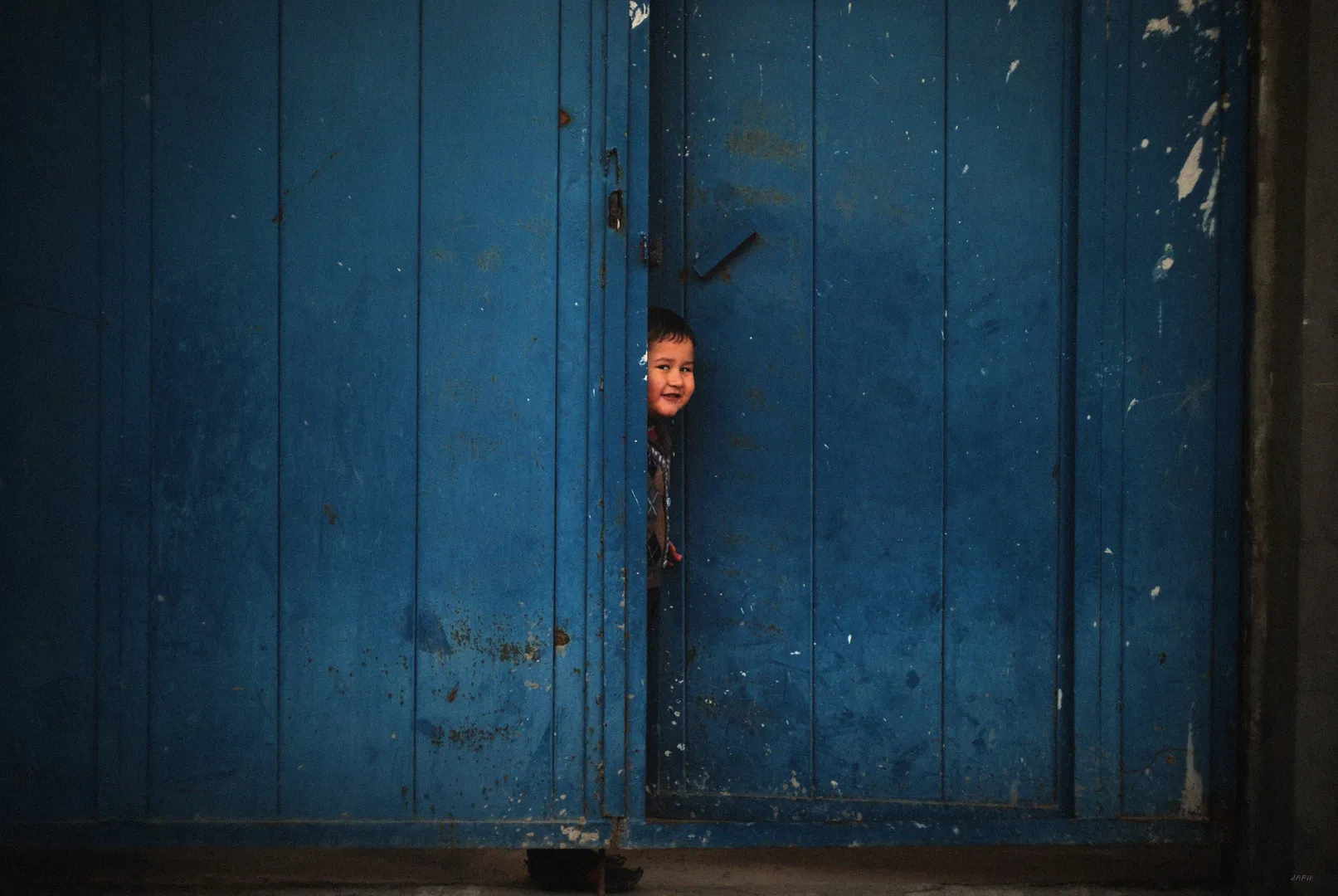
The Old City is a popular destination for tourists, a Tashkent "brand" — the very thing travel guides urge visitors to come and see. Yet this is merely the first, superficial layer. Beneath it lies the collective memory of the city's inhabitants, a vast repository of Tashkent's traditions that cannot be reconstructed from scratch, but can all too easily be erased from the face of the city, reduced to dust, plastered over entirely, and thereby condemned to oblivion. In this photo essay, Ildar Sadykov reflects on a place that holds a singular meaning for him.
The Old City is my "cherry orchard", my "our town" — a place one longs to dash into, if only for a day; my hearth and home. These are those very narrow lanes where the warm wind of our childhood wanders, carrying the scent of freshly baked flatbread, coal, water, and the trilling calls of the bedana quail…
This photo essay is something singular. It is composed of archival photographs I have taken over the course of eighteen years. Yet in my heart, the Old City has lived for half a century already.
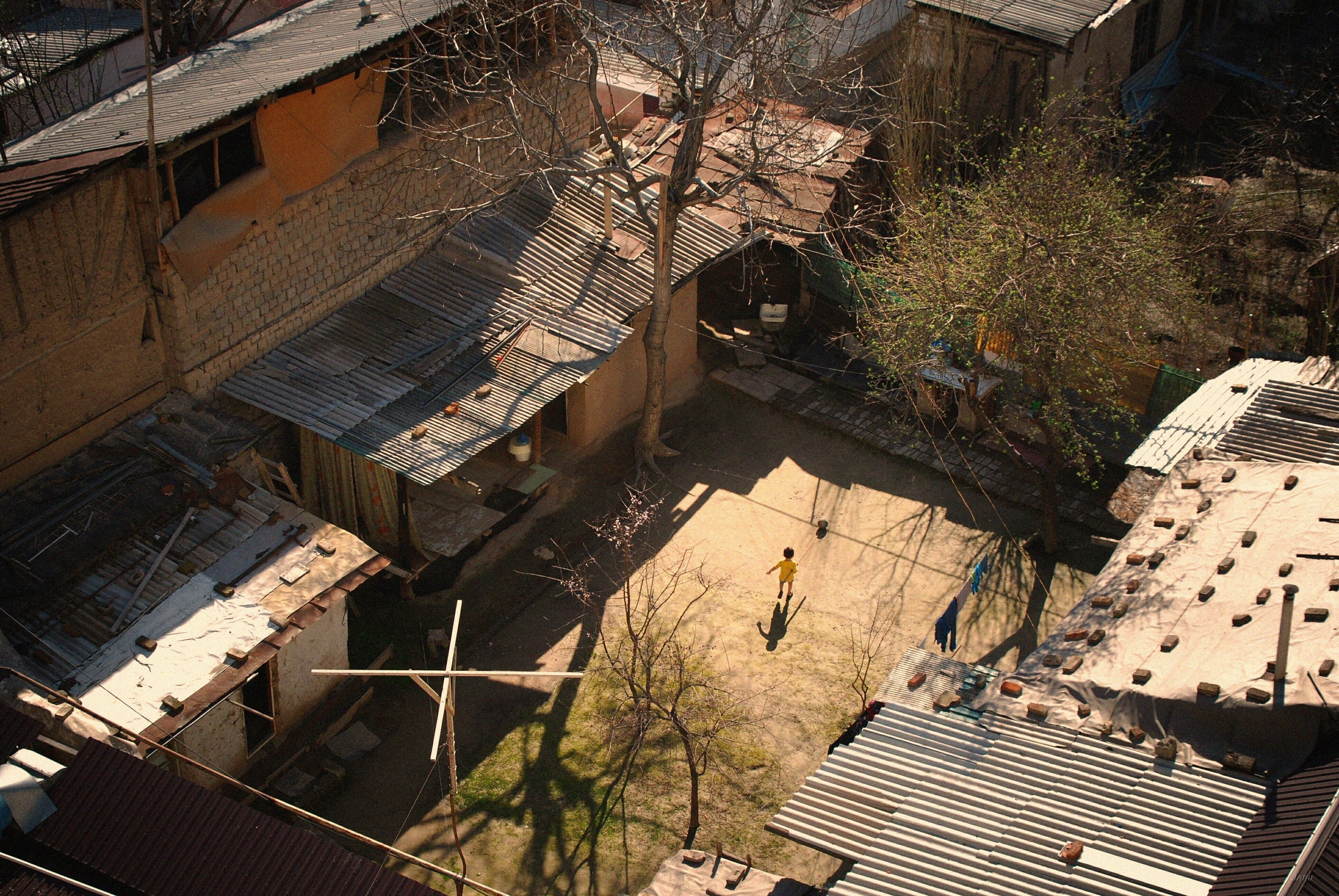
Fifteen mahallas. With each passing day and month, the territory one might genuinely call the traditional "old city" shrinks and contracts. The city strives towards renewal; its people, towards comfortable living. A great many arguments have been waged in recent decades over how best to preserve Tashkent's heritage. Tourism figures continue to rise, inevitably dictating infrastructural change, reconstruction, and renovation. Despite all of this, the Old City — even in the twenty-first century — retains its traditional way of life, characteristic of the past two or three centuries.
The lands around what is now the sacred Khazrati Imam complex, on the banks of the Kalkawuz canal, were once the residence of rulers, set amid lush apple orchards. Nearby, the Chorsu Bazaar — today the most visited in Central Asia — once marked the boundary between the city and the boundless steppe of the nomads, serving as the commercial heart of a vast civilisation.
The inhabitants of these parts — merchants, skilled craftsmen, philosophers, and preachers — grew accustomed to raids and natural calamities, living through the shift of civilisational codes time and again. It is perhaps from this that the remarkable resilience of the Old City's way of life derives, along with the wilful pride of its people, who nonetheless continue to uphold the virtues of generosity and hospitality.
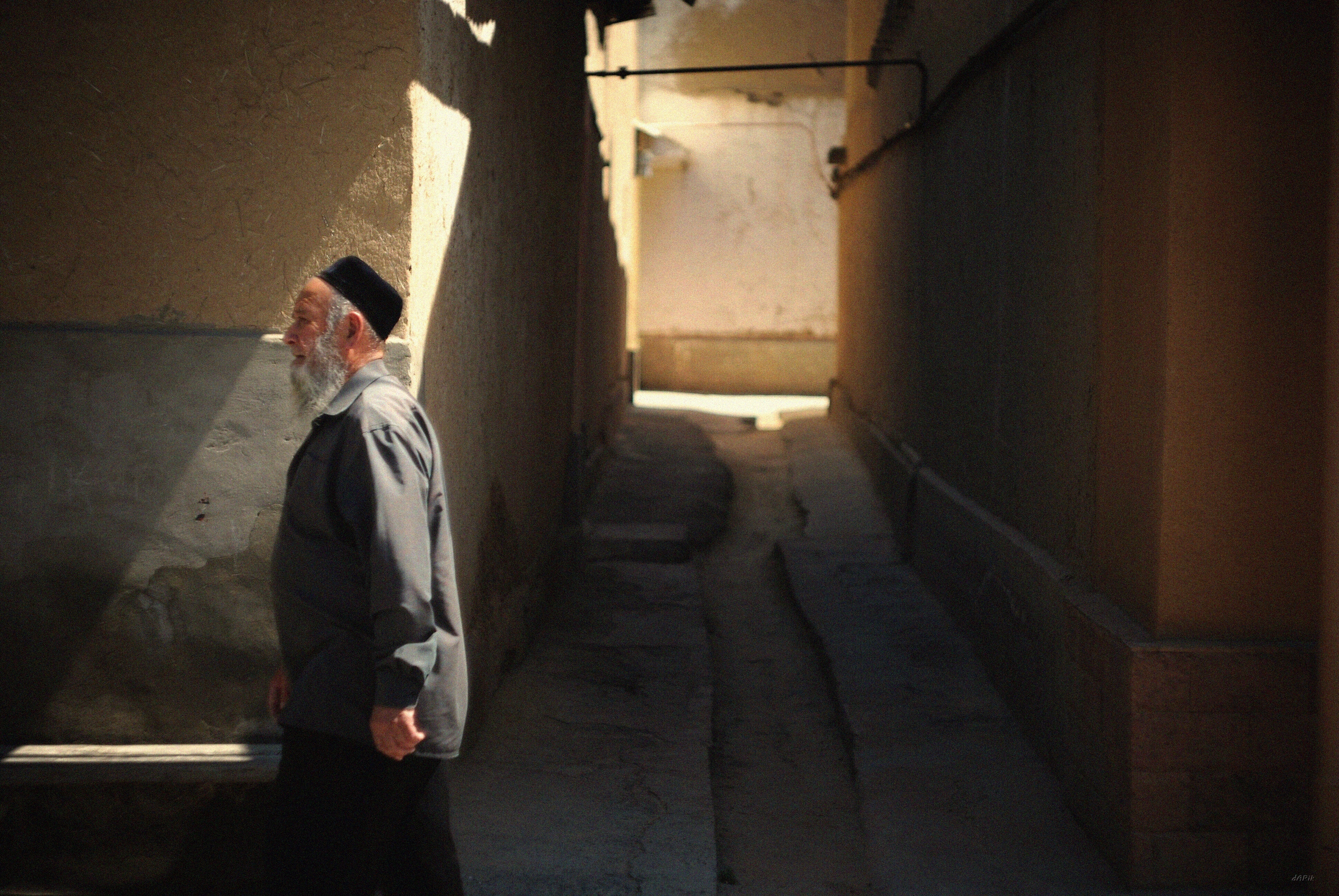
I grew up in the European quarter of Tashkent, yet from earliest childhood I would travel to my grandmother's at weekends. Where Tashkent City now rises, there once stood several old mahallas. My "abi" lived in one of them. My father was born there, as were his brothers and sisters. I was the youngest of twelve grandchildren, and I spent every Saturday and Sunday in that place.
In summer, we all slept on an enormous tapchan beneath a mosquito net. At six in the morning, the first train passing through the nearby Druzhba Narodov station would wake us. The earth would tremble, and we would rise reluctantly to go and play, living the carefree life of children.
Everything written about the Old City in nostalgic posts and articles is, in truth, entirely accurate. We visited one another without invitation, passing food between households — whatever each family had prepared. The tradition of hashar was strong: neighbours helping with the sweeping of a courtyard, with repairs, or with preparations for a celebration. The people of the Old City are kind-hearted, yet wilful. They even have their own manner of speaking — the old-city dialect.
"Eski shahar" as a Tashkent microcosm occupies a very great part of my professional life. My soul dwells on the old streets, in the old alleyways, and in the old windows… though in most cases the windows of the houses face inward onto the courtyard, the outer walls blank — so that neighbours might not gossip. Yet occasionally one comes across old, cracked window frames, painted over many times.
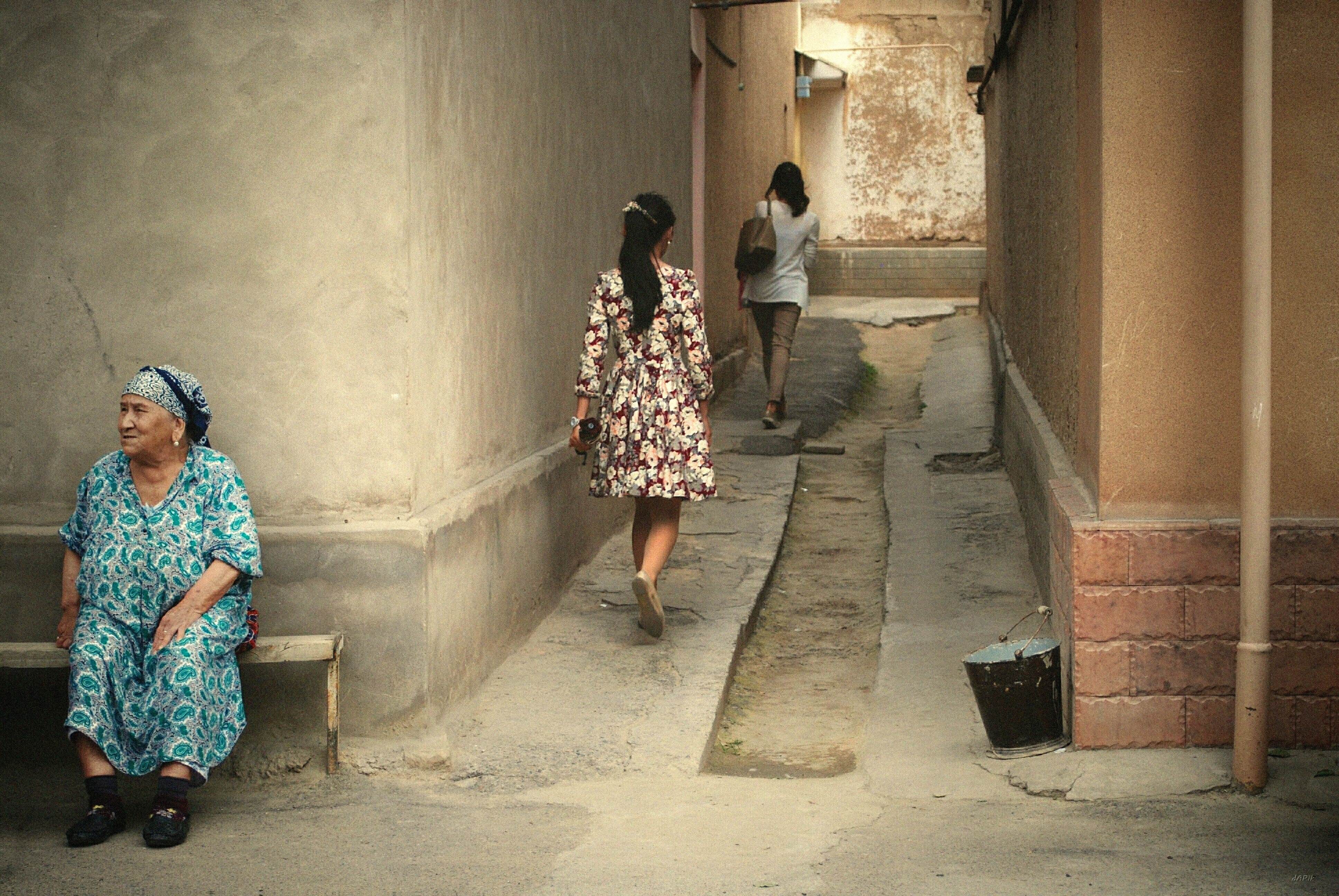
The most vivid impressions of one's life are those childhood ones — from the mahalla, with its smells and sounds. The scent of mud brick and herbs, of cooking and bread, the murmur of water and the sounds of a passing cart mingled with the incessant chirping of a restless quail. Fifty years have passed, yet these memories remain sharp and vivid. I miss that time still.
And so, when I became a photographer, my first thought was to find those sensations again. And I found them in the lanes of the Old City on Sebzar — that very Sebzar which is vanishing before our eyes. The remnants of the Tashkent celebrated in the twentieth century by Zayniddin Vasifi:
Here I liken the dust to a wondrous fragrance,
With which the houris of paradise are perfumed.
With that very dust do angels heal their eyes!...
The Tashkent that, according to legend, was built upon seven hills — though almost no one knows of this. The existence of Tashkent's twelve gates, however, is a matter of historical record. Yet of those, too, only the place names remain.
I am glad that the Old City, despite the civilisation encroaching upon it from all sides, preserves its spirit and its way of life. Here, for instance, one will not find alcohol or tobacco sold freely.
And here, too, one will encounter tourists from every corner of the world. There have always been many visitors from abroad, but since Khast Imam was established as the country's principal sacred complex, their numbers have multiplied many times over. The Centre of Islamic Civilisation now rises on the square, and the district has become a fully-fledged tourist destination — a site of global pilgrimage — which has in turn brought about the reconstruction of the surrounding quarters.
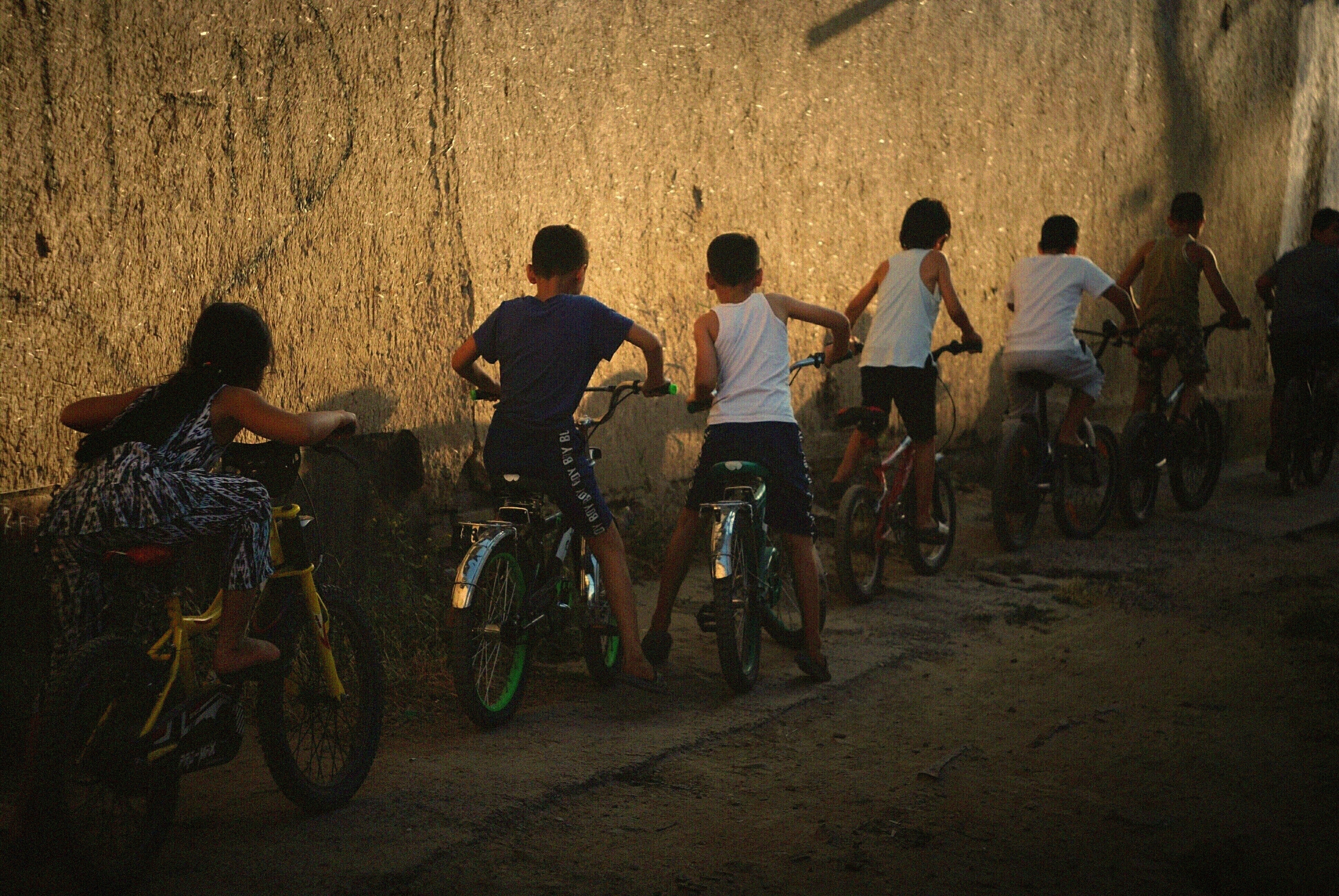
I know every dead end, every passageway. I return again and again to these narrow streets. I notice that the children — the central figures of my work — are not spoilt by gadgets; they play the same games we once played: lyanga, ishak-ishak, and they ride their bicycles with great delight. I remember that as a child, receiving a bicycle as a gift was the greatest dream one could have.
From the end of March through to the beginning of May, kites are flown on the Khast Imam square — another local tradition I have known since childhood, and an enormously popular one. What a variety of kites one encounters here in spring! We have written about this here:
Бегущие за ветром — когда начинается сезон воздушных змеев — фотоэссеВетры в Узбекистане — сезонное явление. Примерно в середине марта в небе над Ташкентом начинаются танцы воздушных змеев. Самая романтичная и тёплая традиция, знаменующая начало весны, — в фотоэссе Ильдара Садыкова.mag.humodoc.com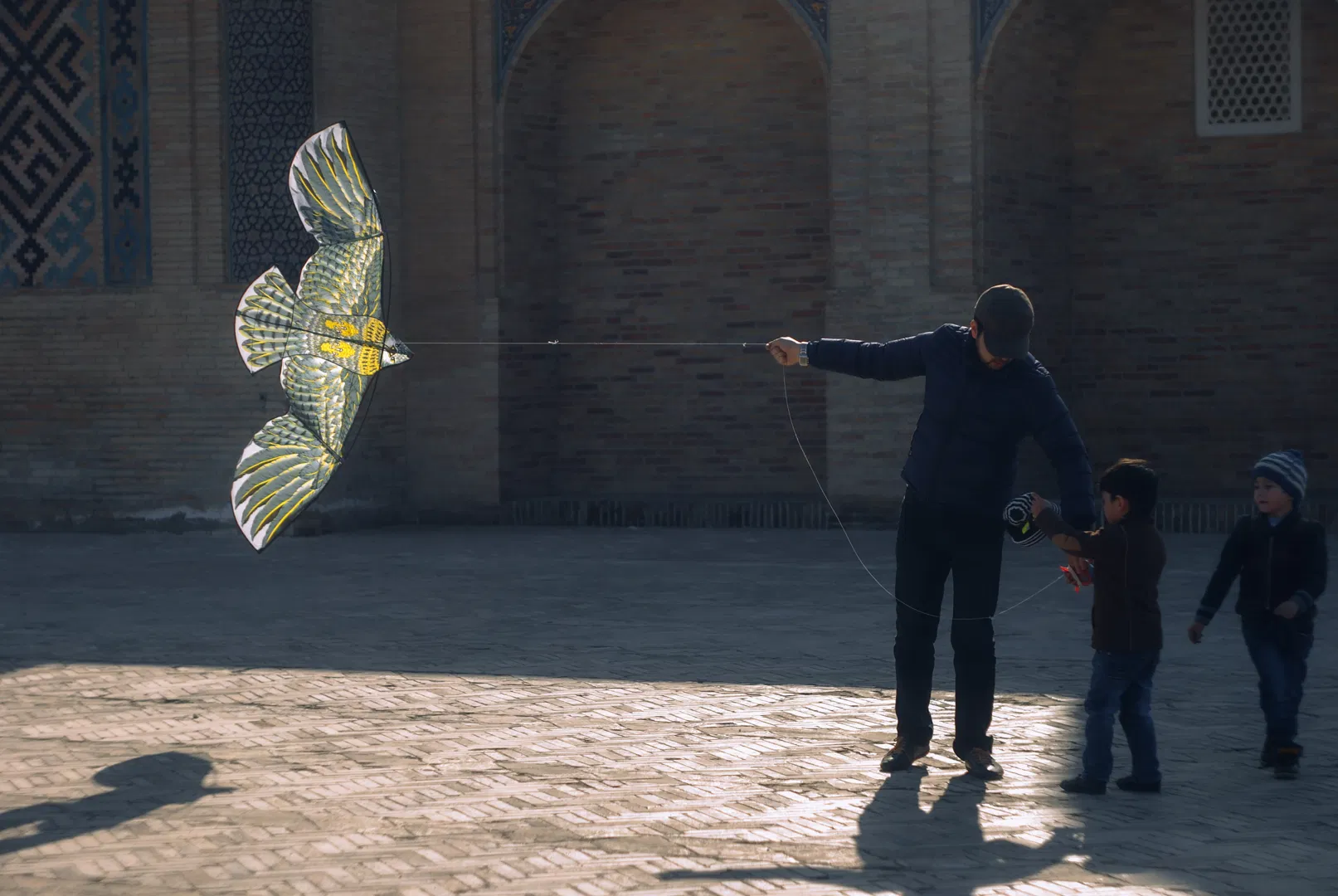
We keep trying to capture the elusive beauty of the Old City — to photograph it, to preserve it. For some it is an exotic quarter; for us, it is our history, our second heart. The old Tashkent will never return, whereas cities of the megalopolis kind exist in every corner of the earth.
To preserve, to restore, to repair the infrastructure — and not to disturb the spirit of the Old City as it lives on in the remaining lanes with their mud-brick walls, the free flow of the canals, the wilful wind in the crowns of the mulberry trees. In the grace of well-kept courtyards, where magnificent flowerbeds and fruit gardens delight the eyes of fortunate guests.
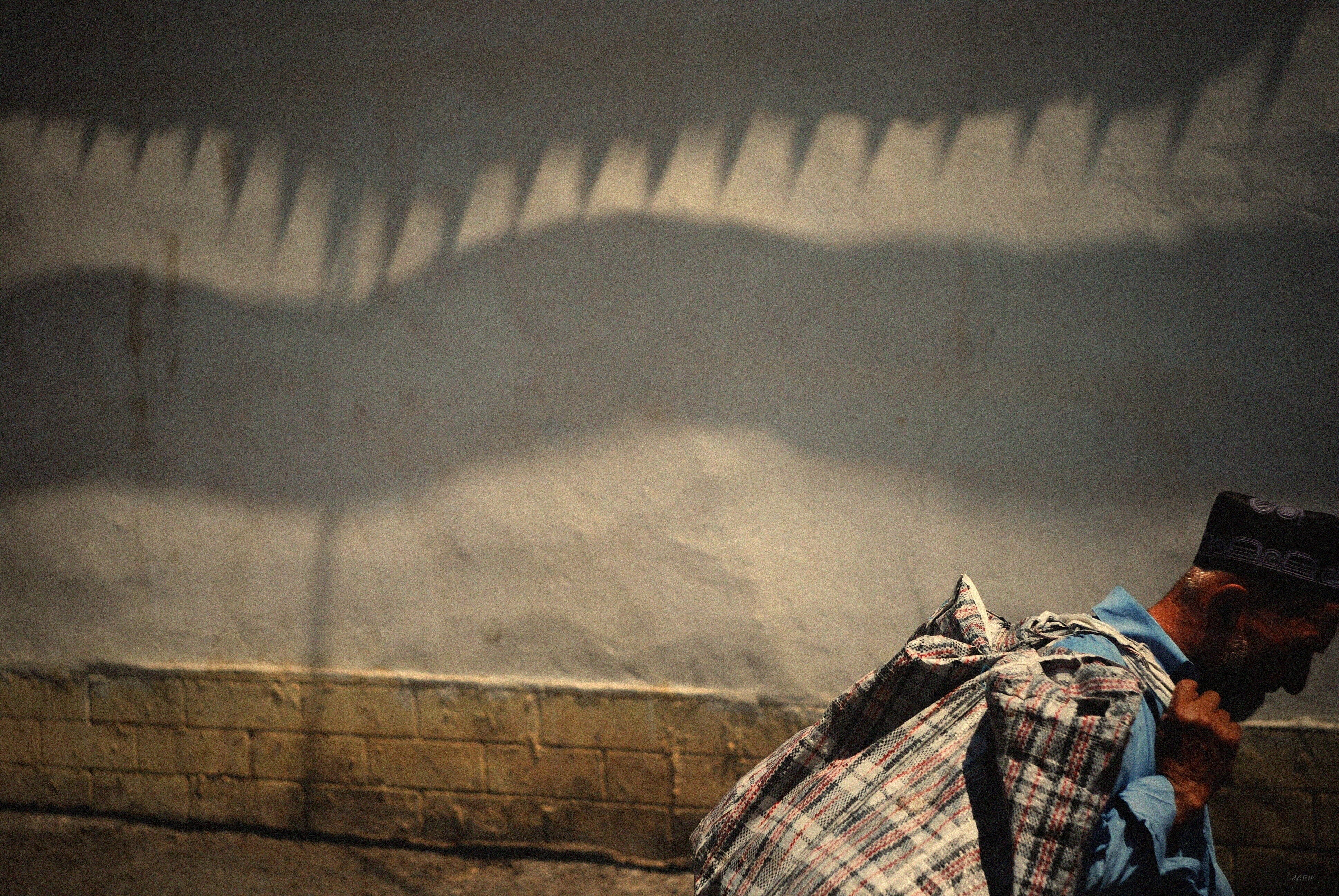
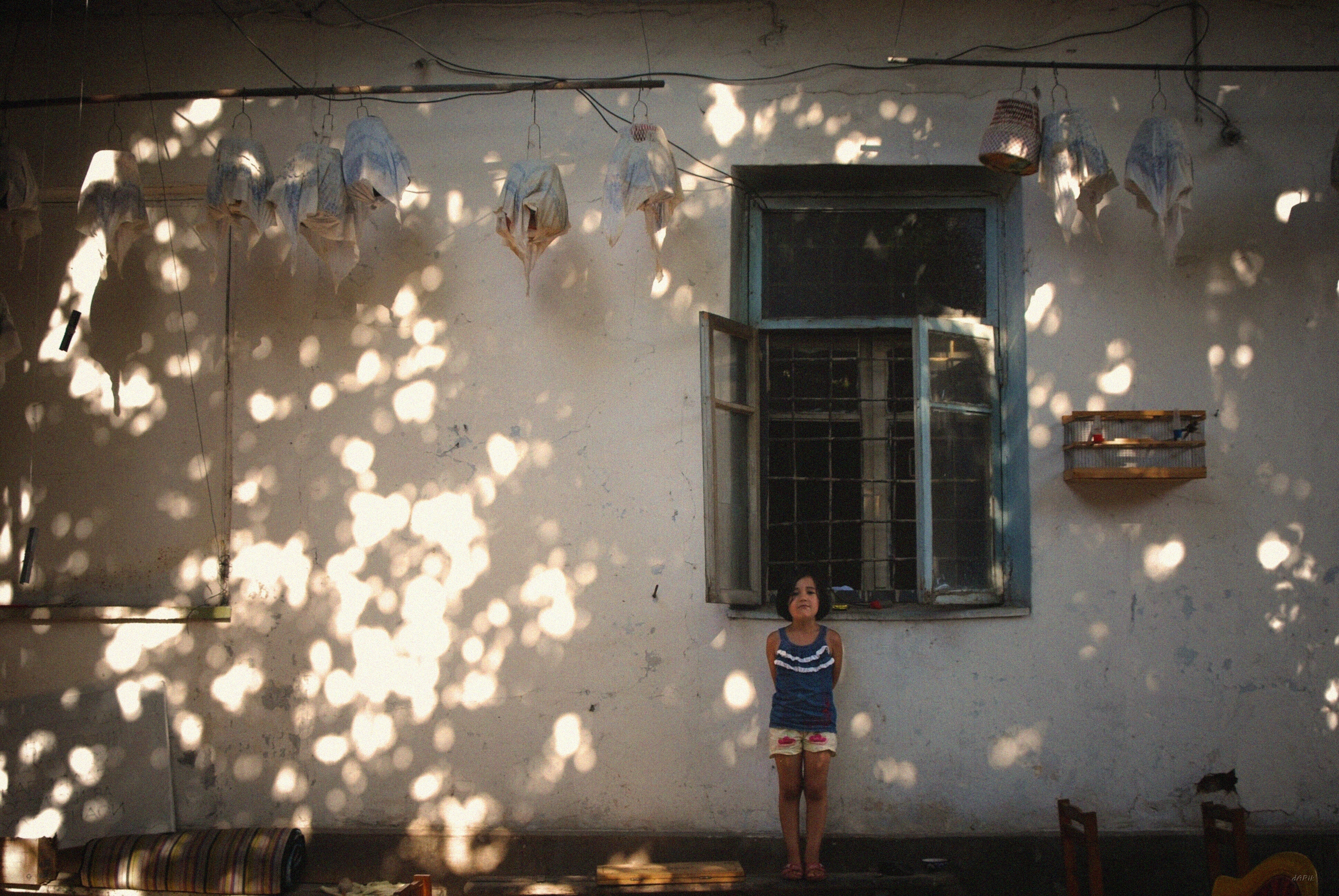
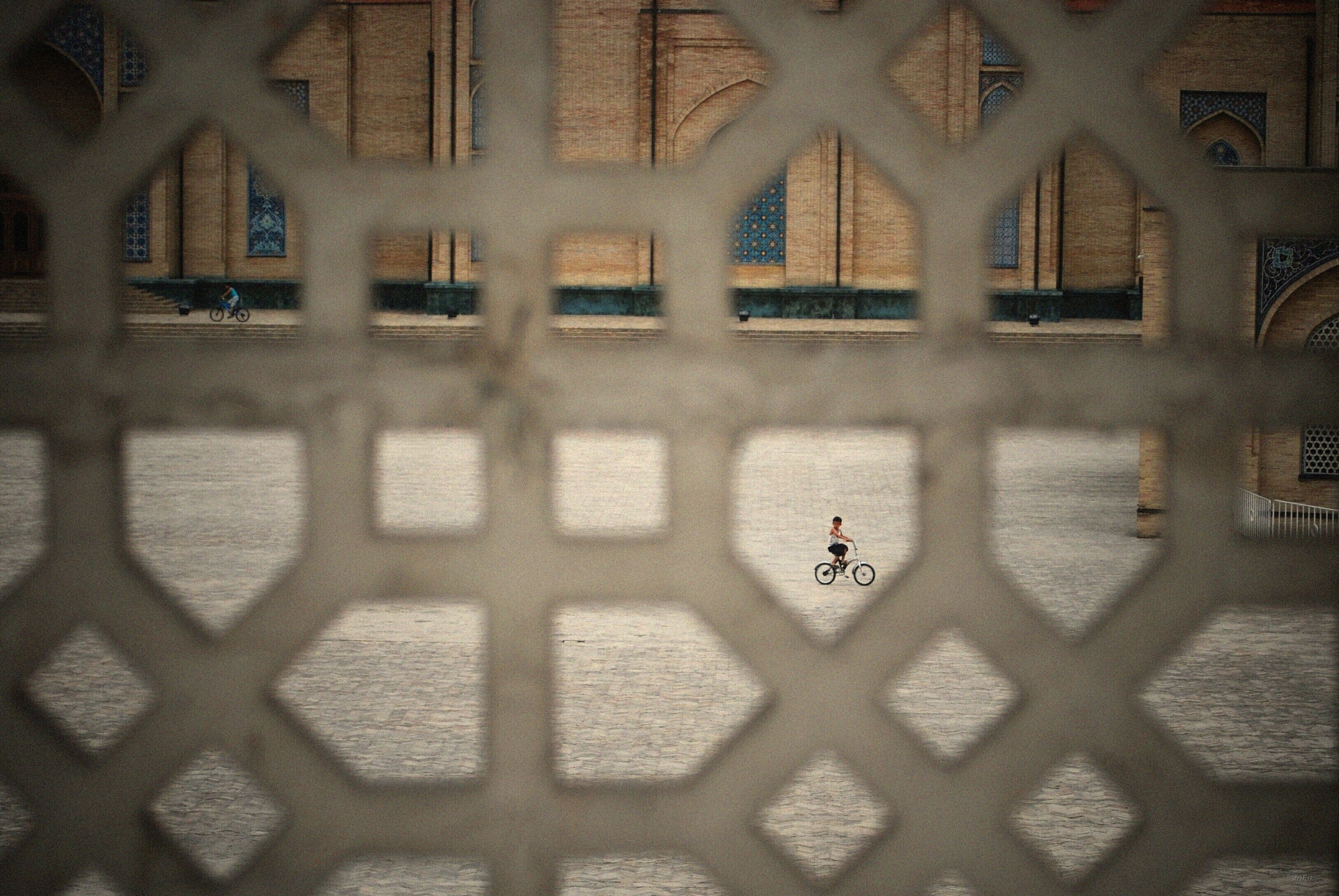
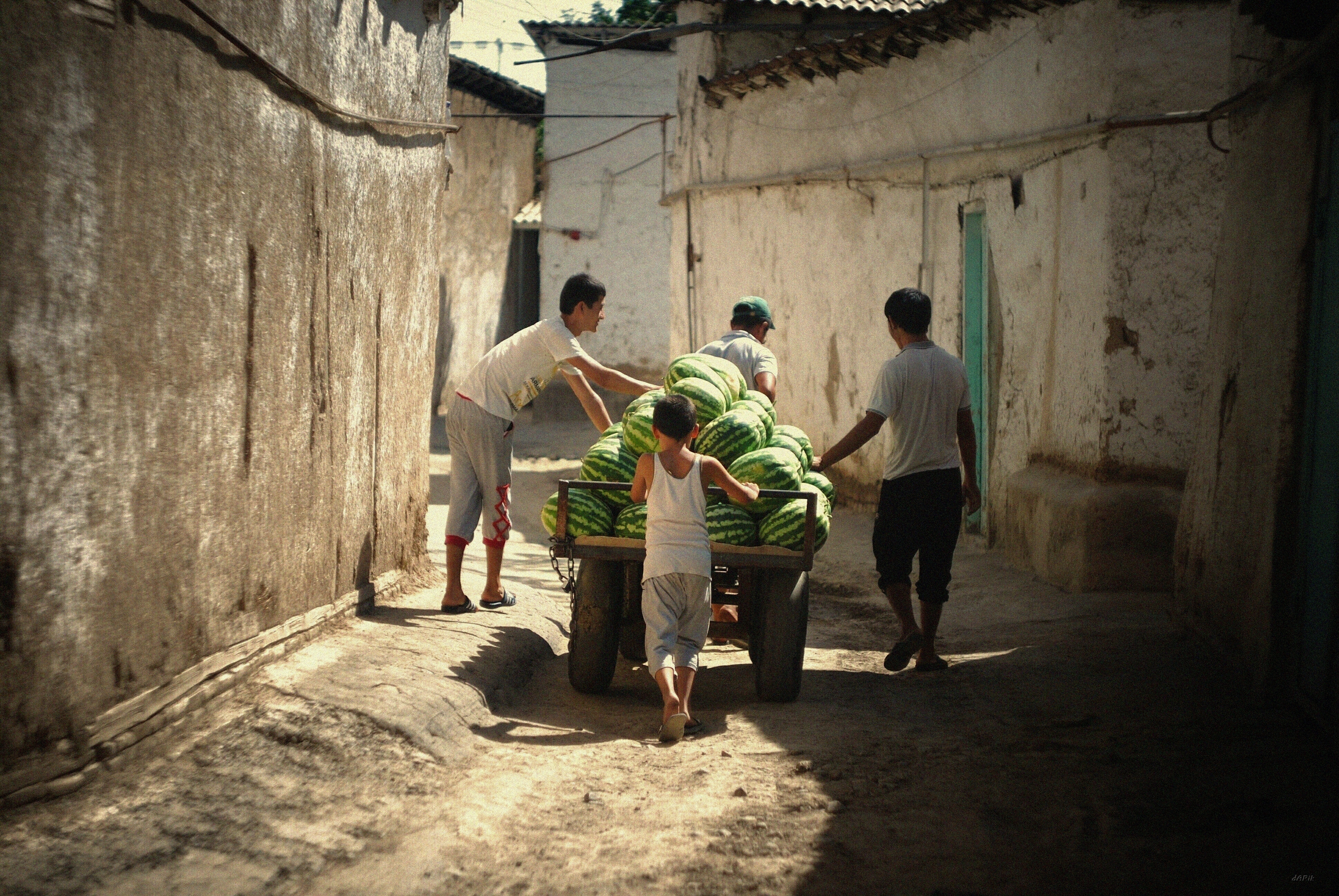
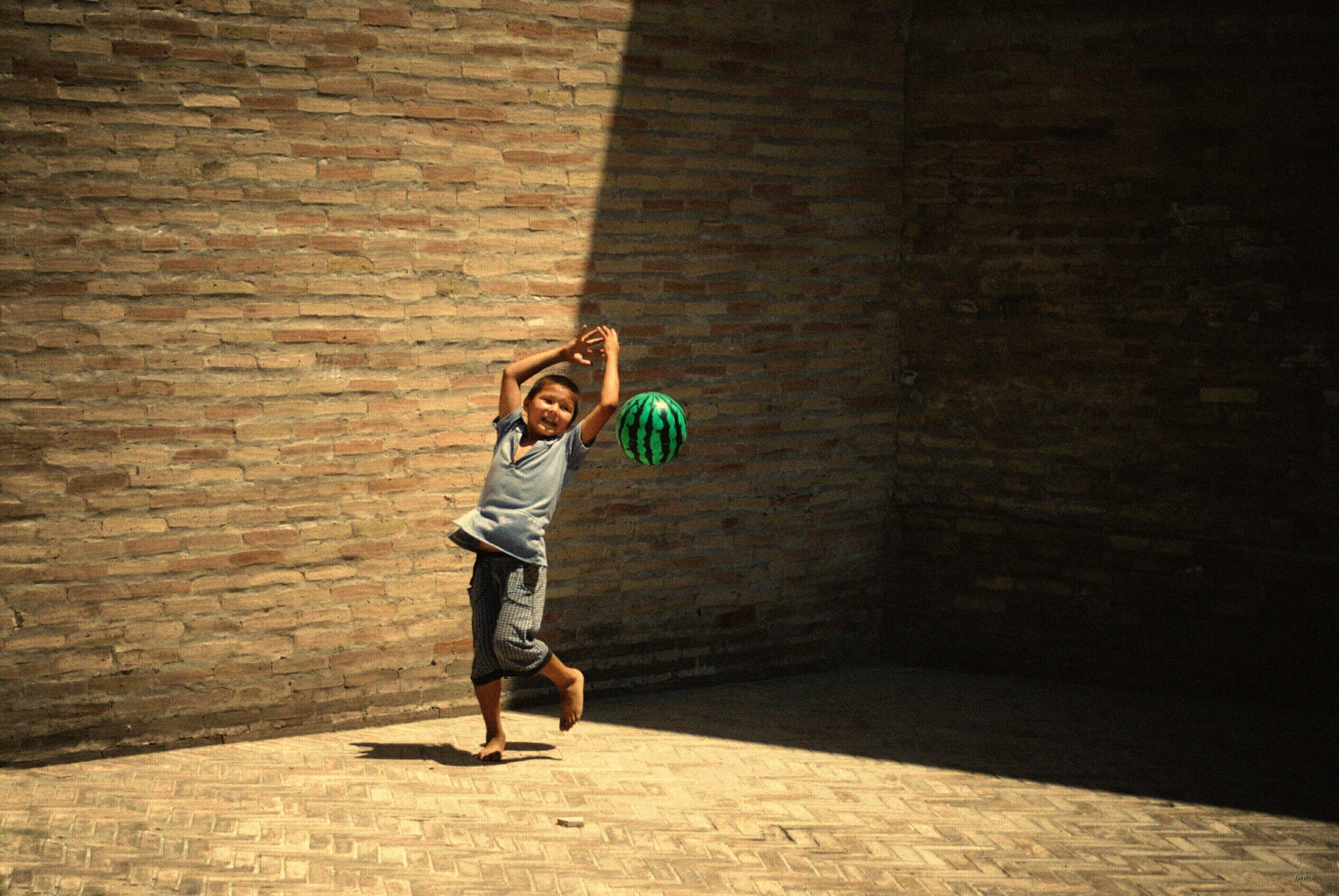
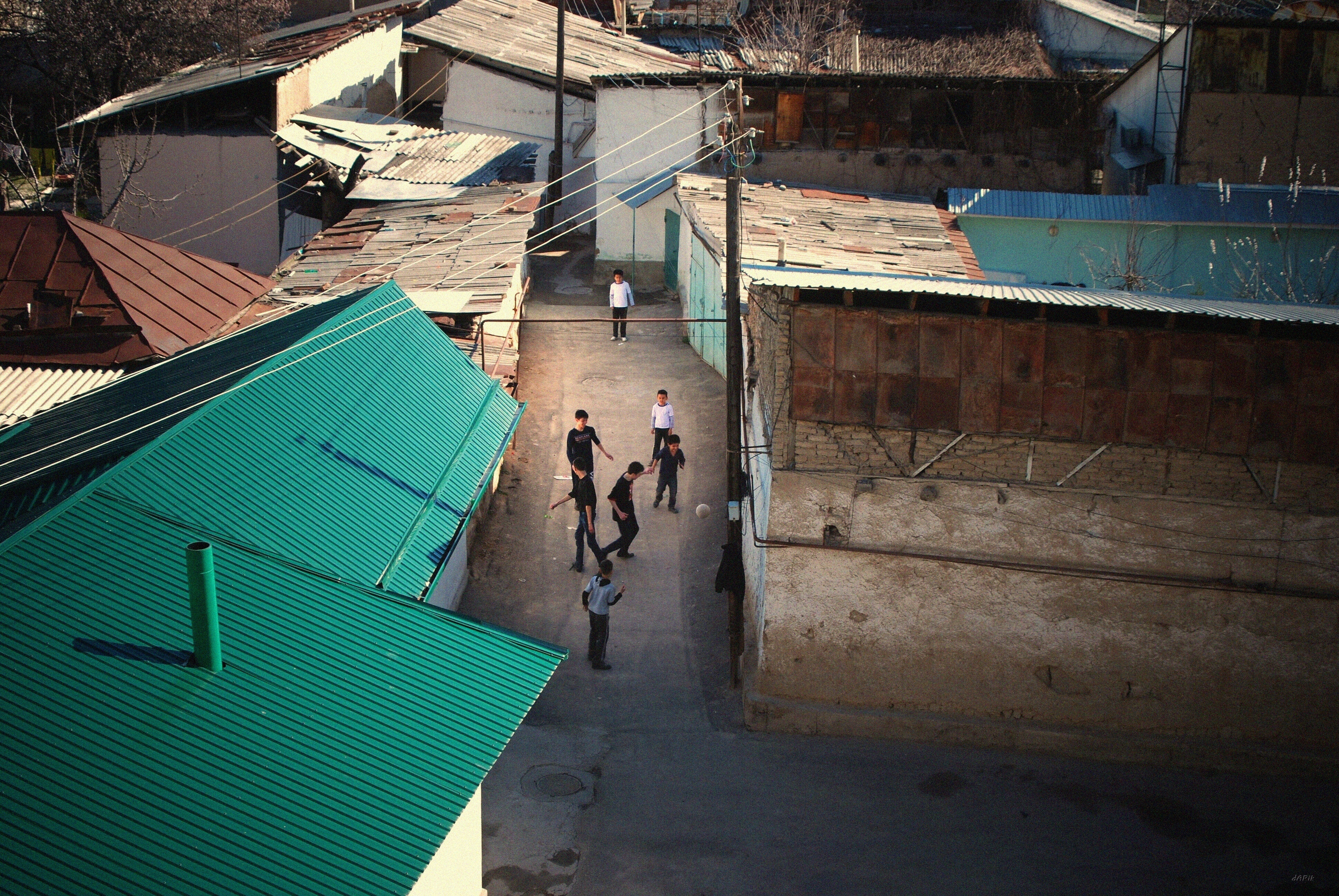
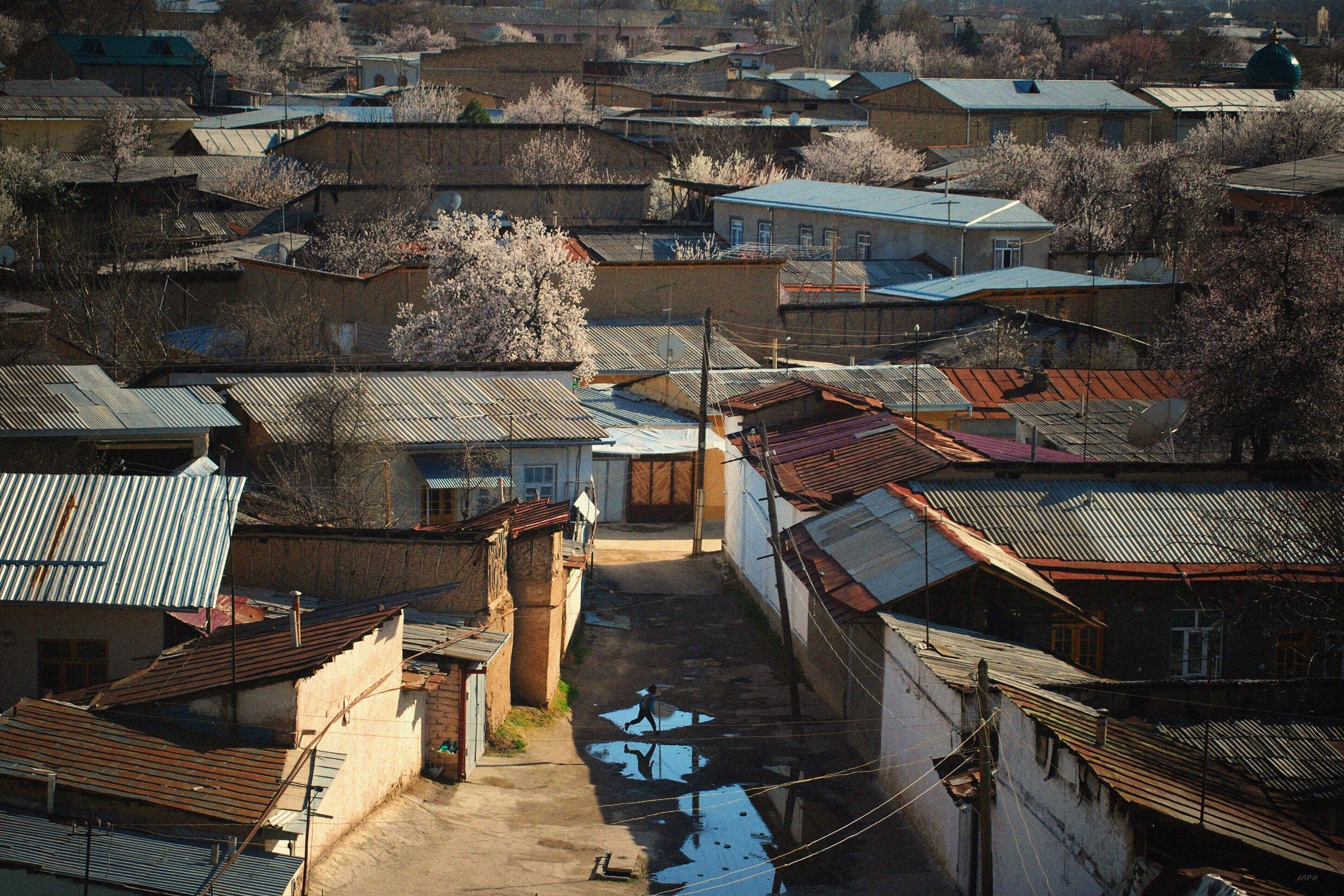
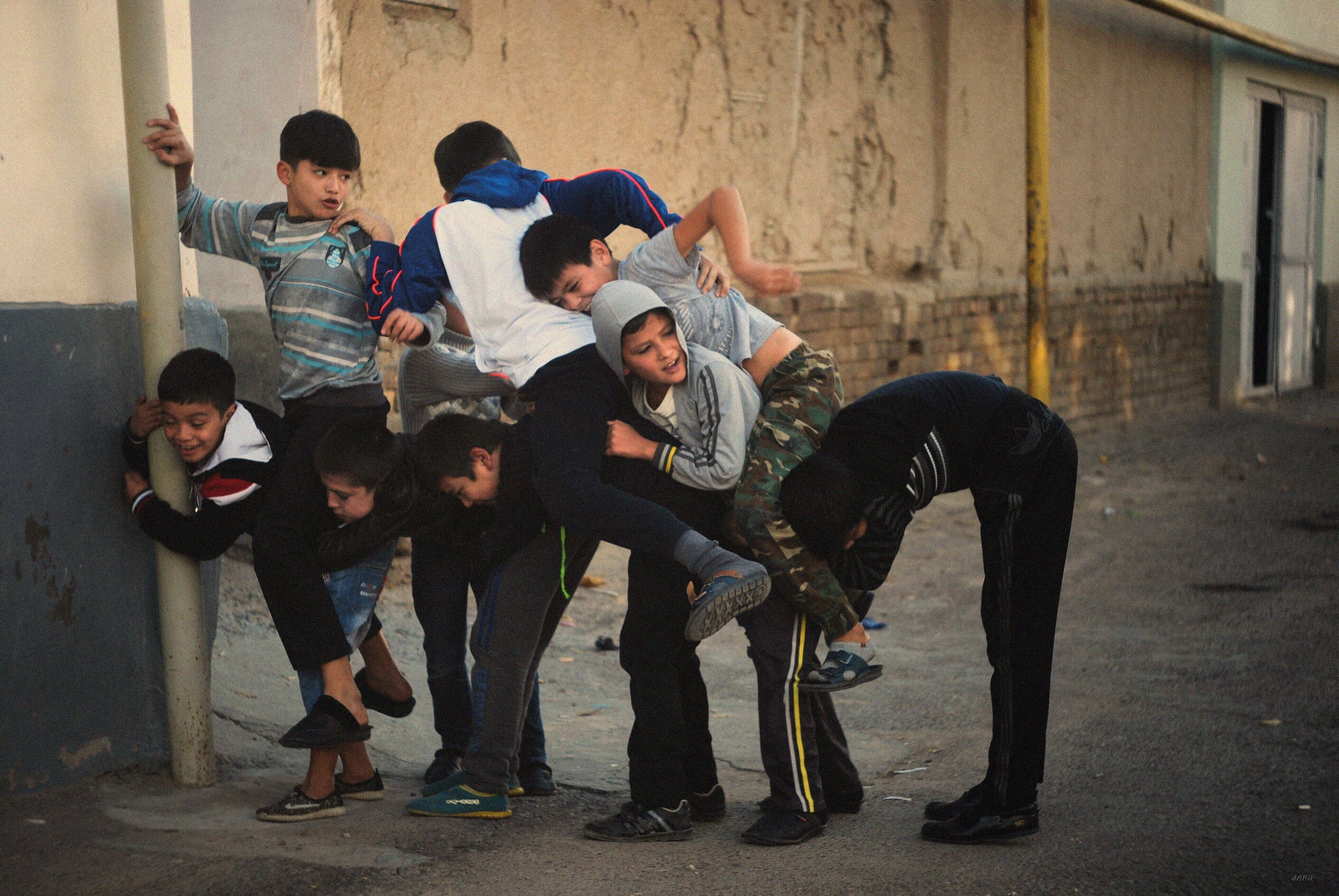
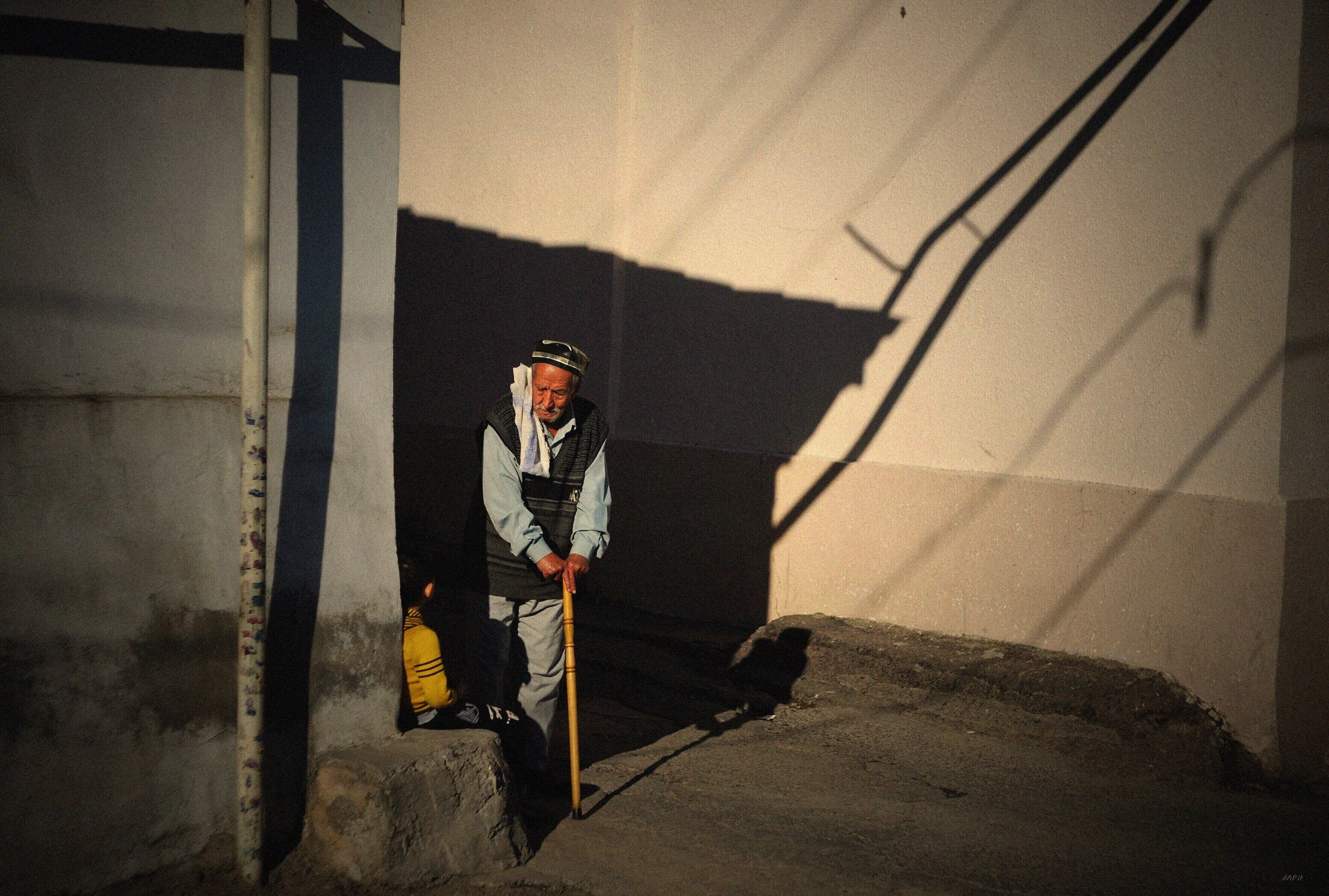
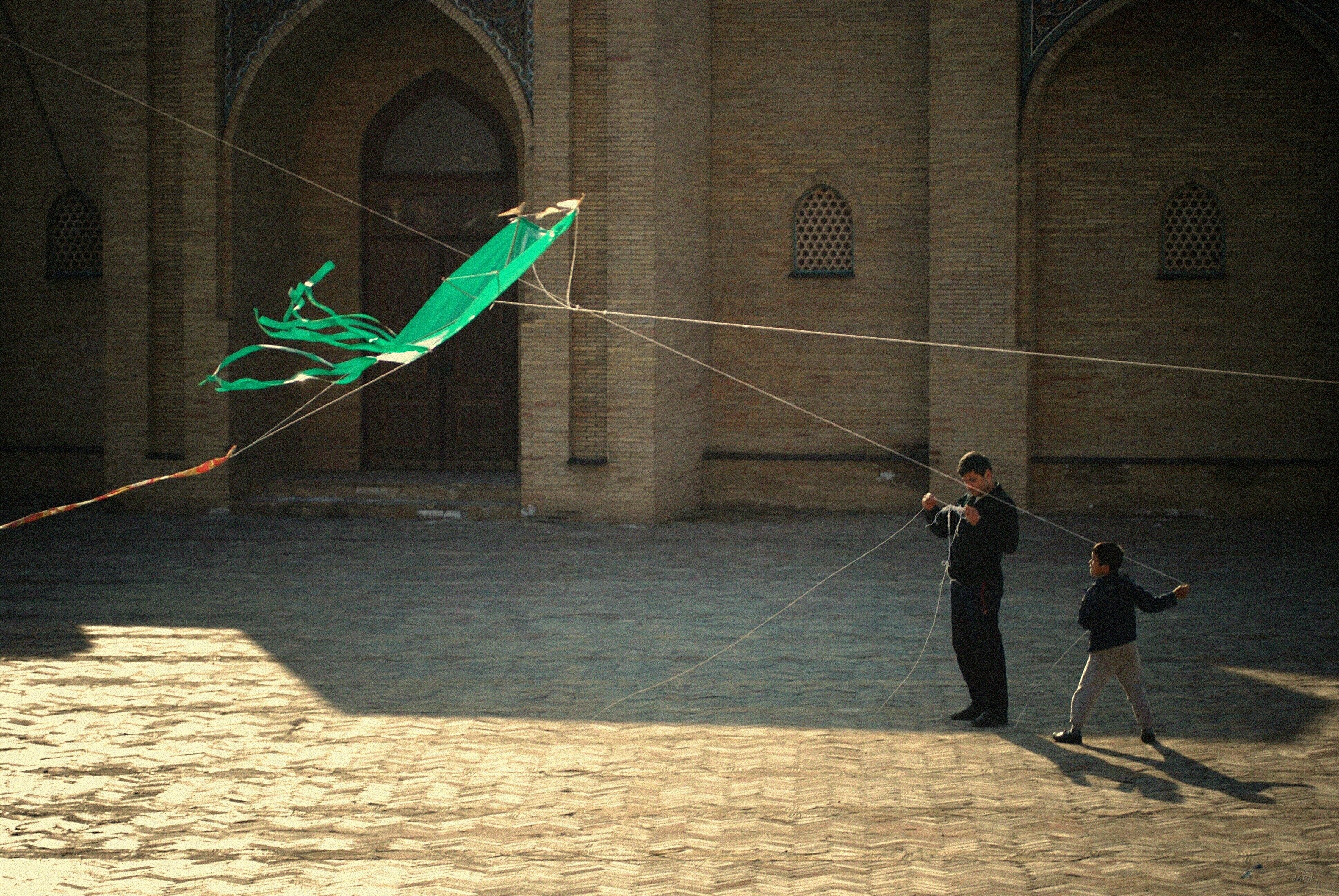
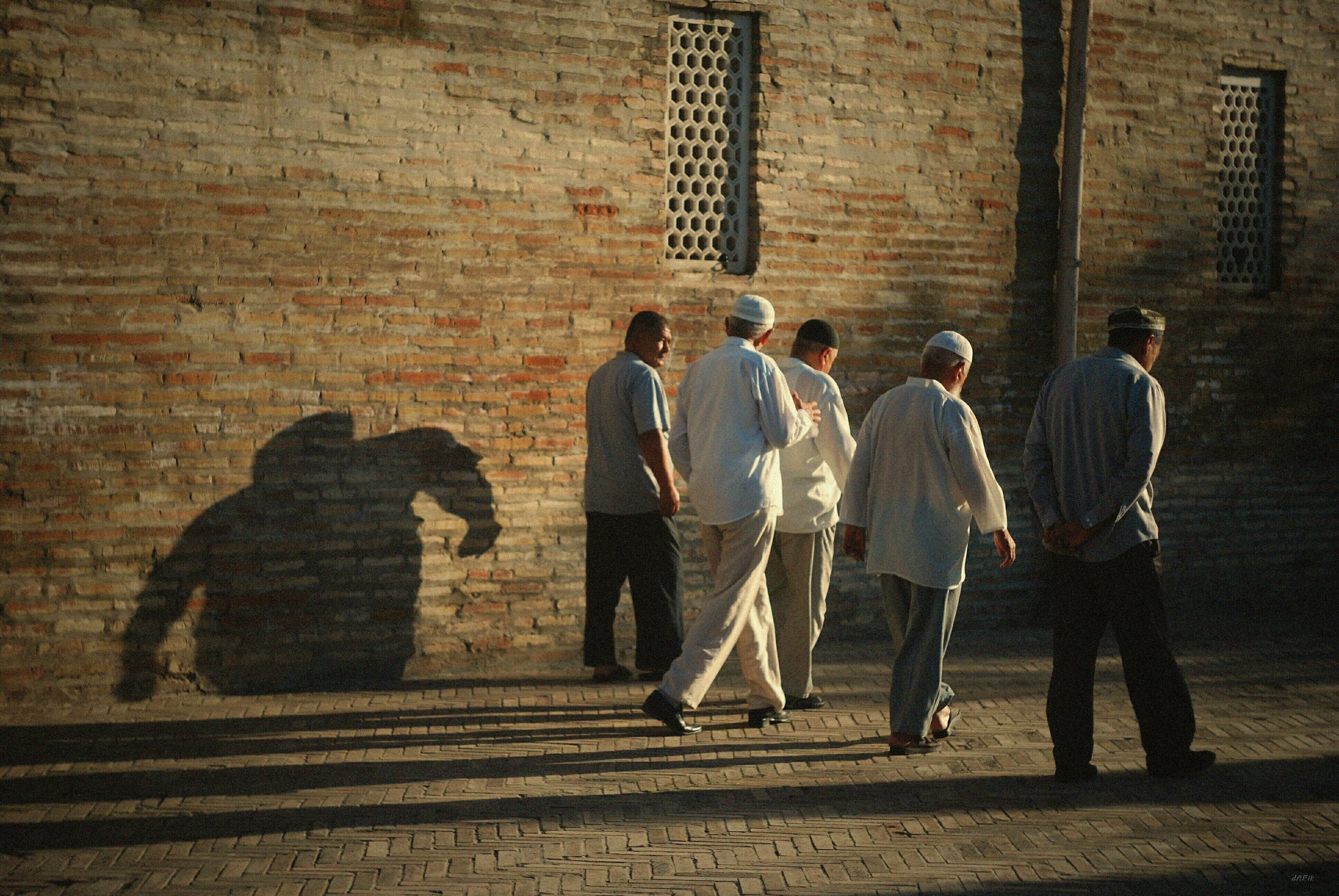
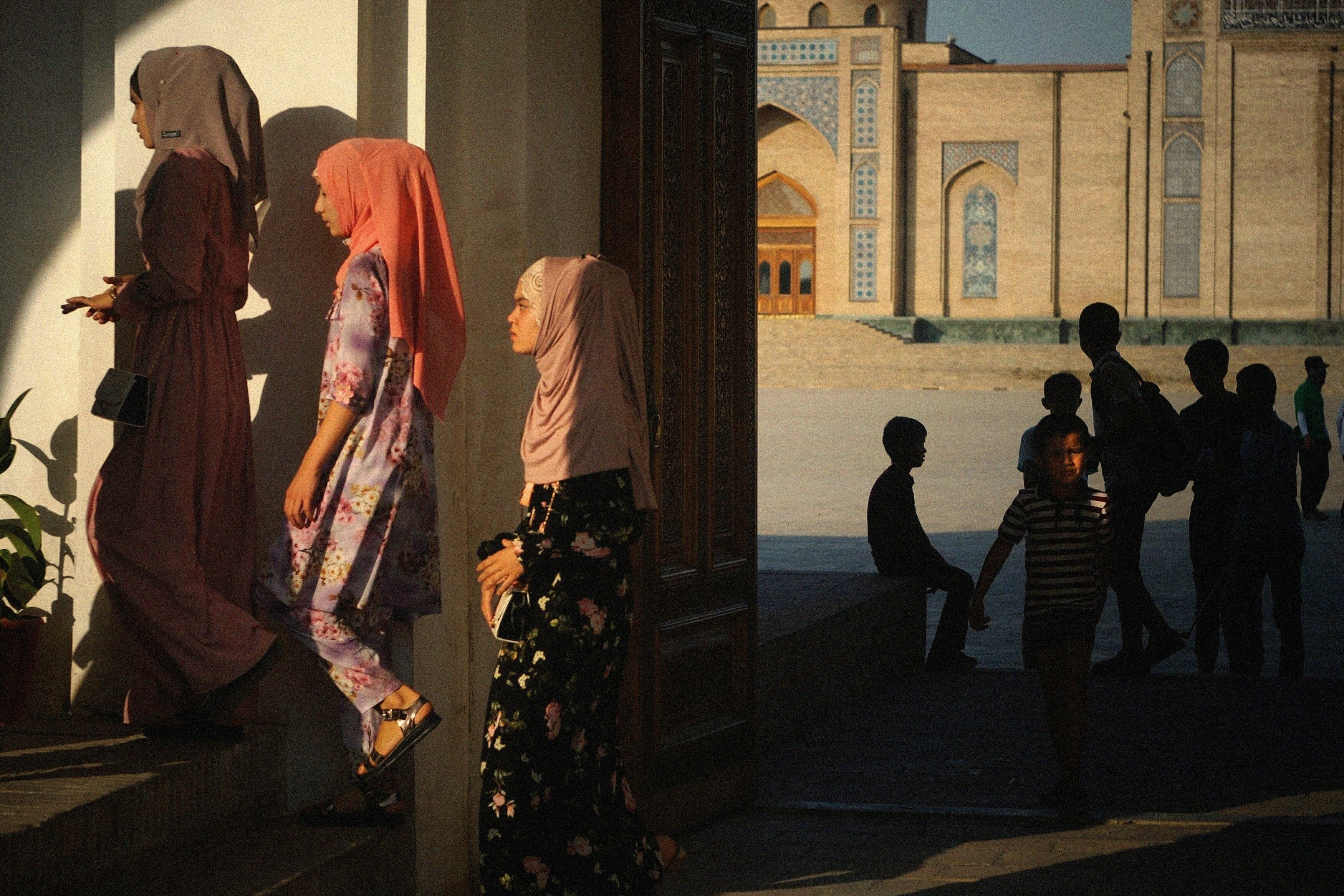
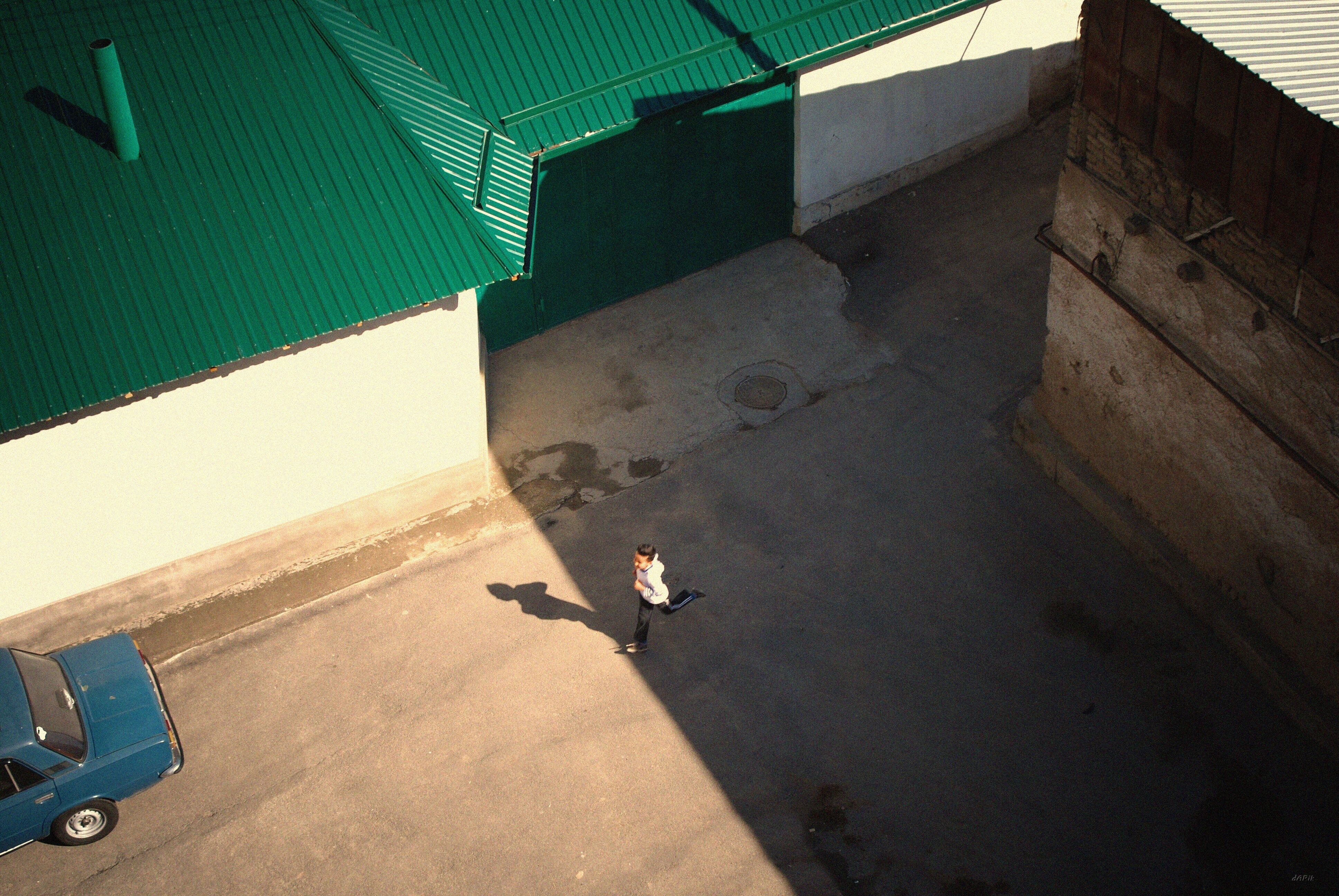
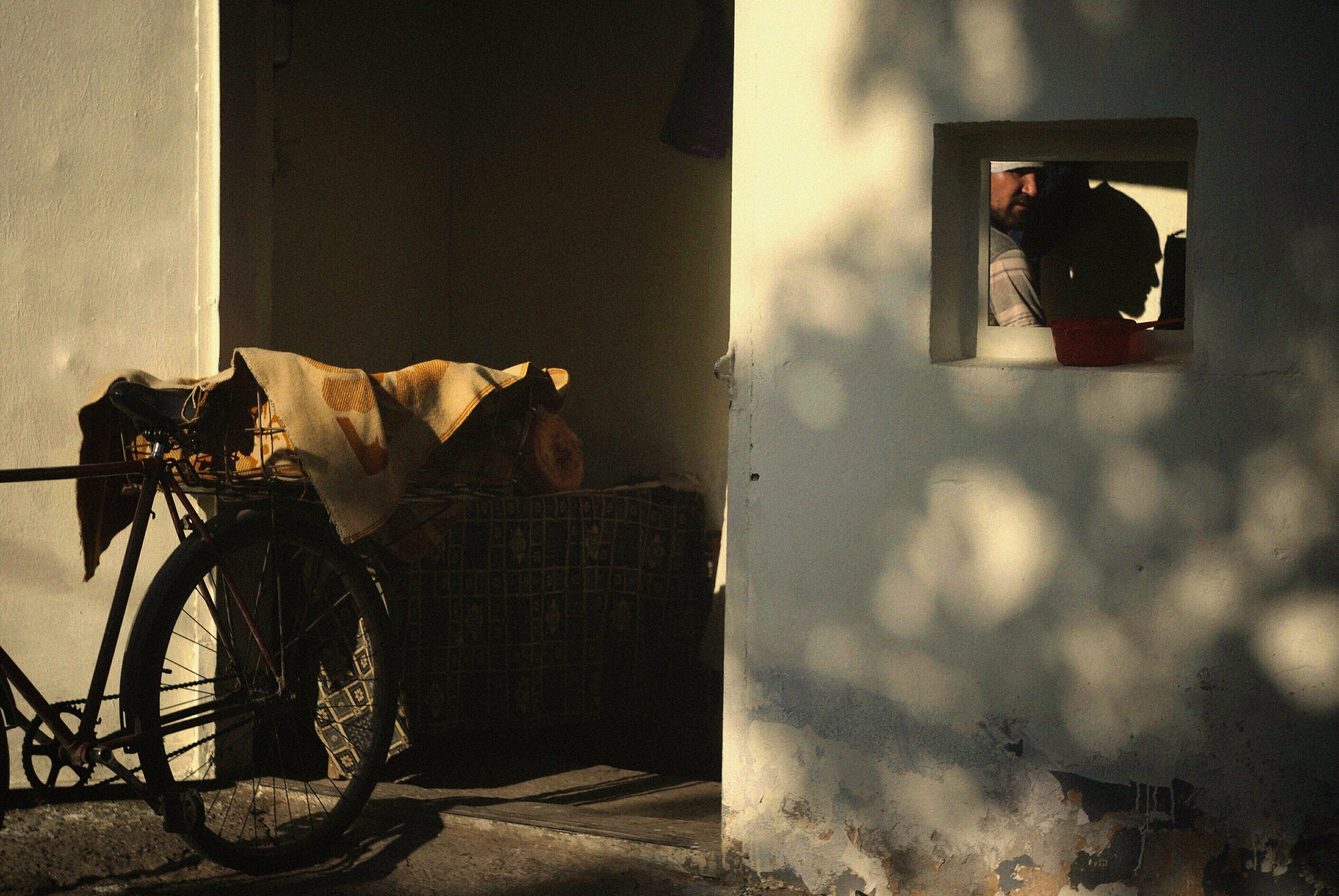
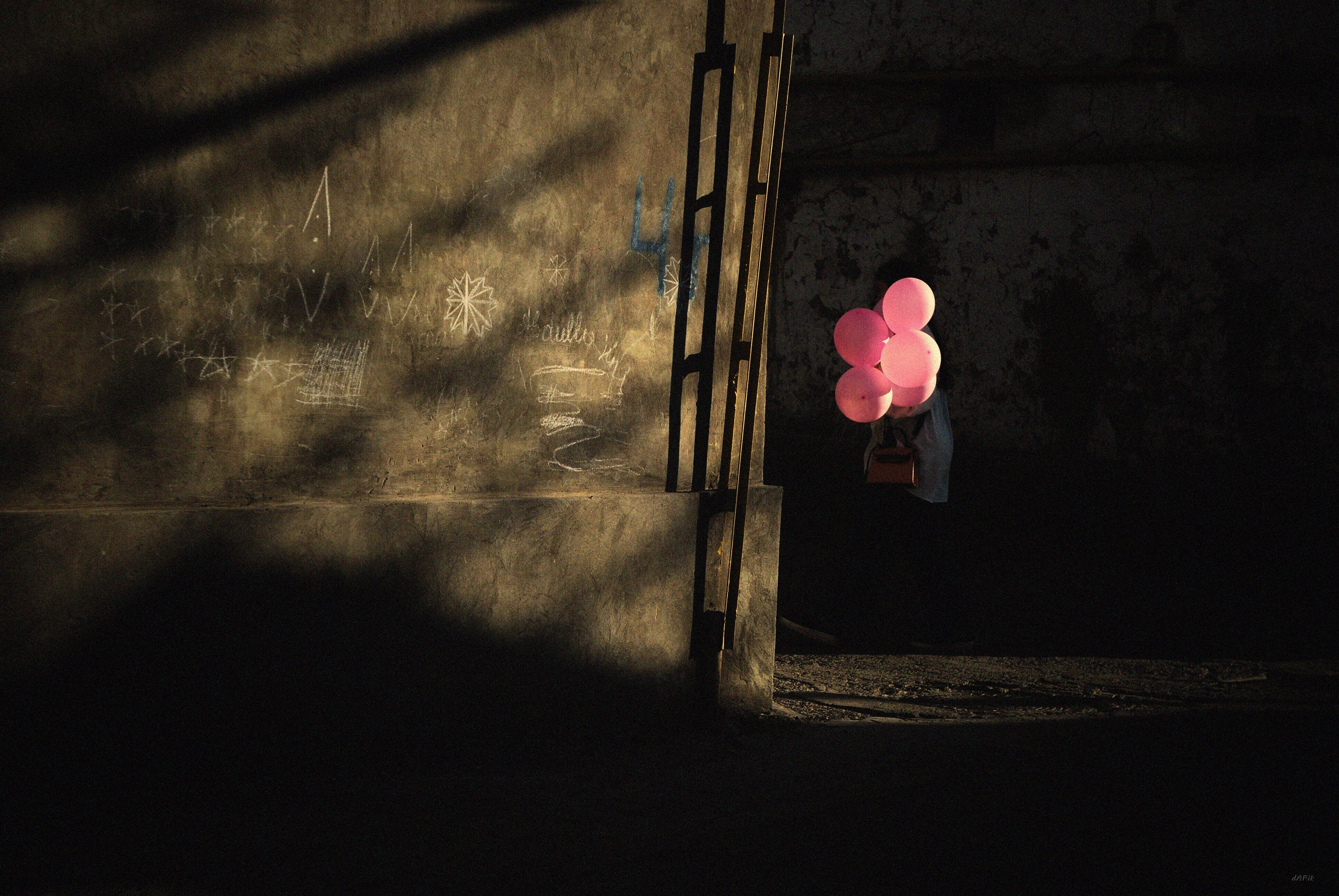
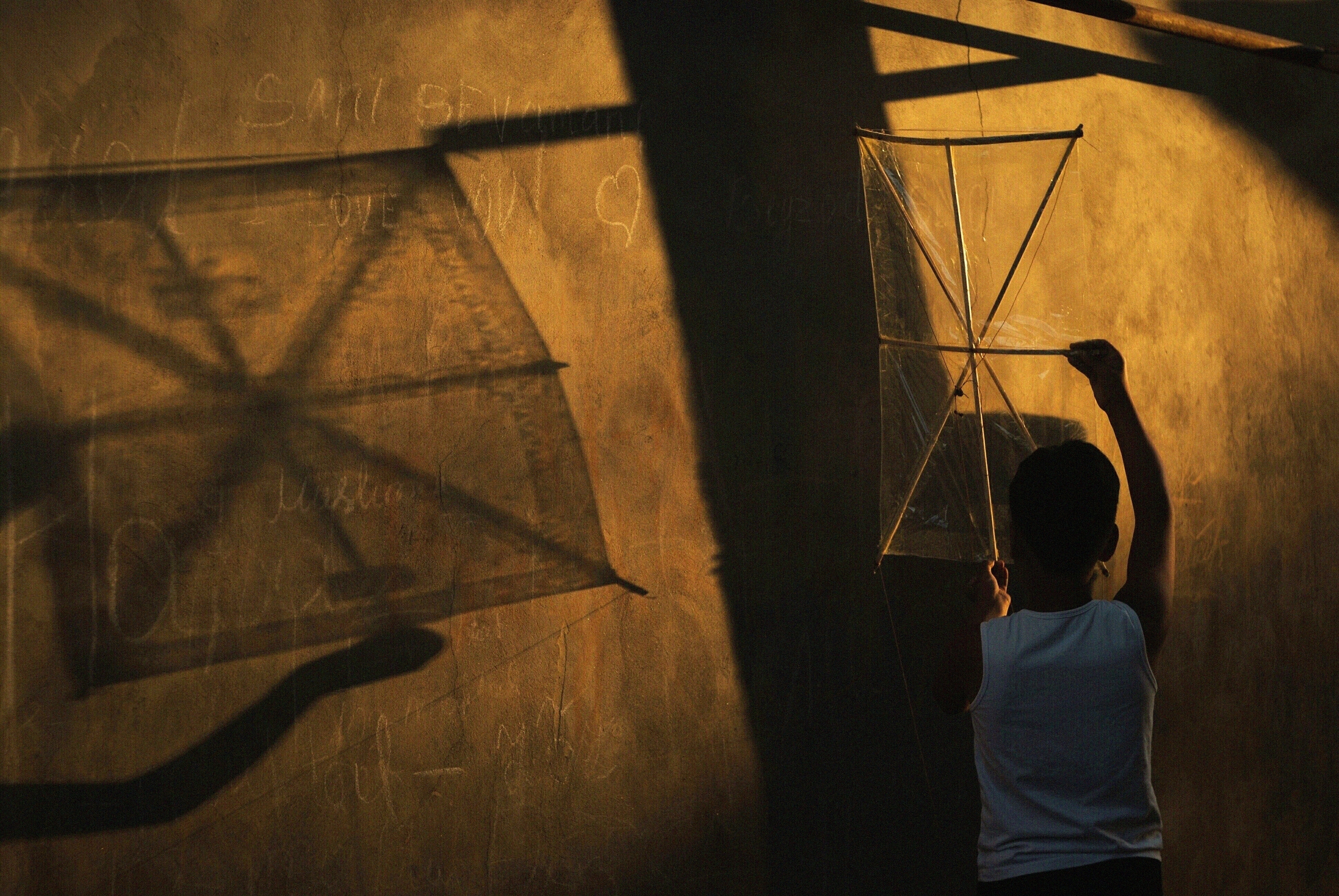
The Old City requires no invention. Everything is already there. And while it still breathes, it ought to be shown to those who appreciate the authentic and have no need of a prettified picture-postcard vision to feel the spirit of the East.
Read also
 Places
Red Earth, Concrete and Sacred Graves — photo essay
Ildar Sadykov, Maria Maksimycheva
 Places
Craftsmanship, Sanctity and Halva: Portraits of Kokand's Iconic Jami Monument — photo essay
Ildar Sadykov, Maria Maksimycheva, Sergey Pogosyan
 Places
In Tune with the Wind — photo essay
Ildar Sadykov, Maria Maksimycheva, Sergey Pogosyan
Newsletter
A letter from the HD editors
Once a week, we send the best stories, events, and cultural discoveries from Central Asia.