Ecology and Economics
Sea Breeze Uzbekistan: how ecology is becoming part of the economy
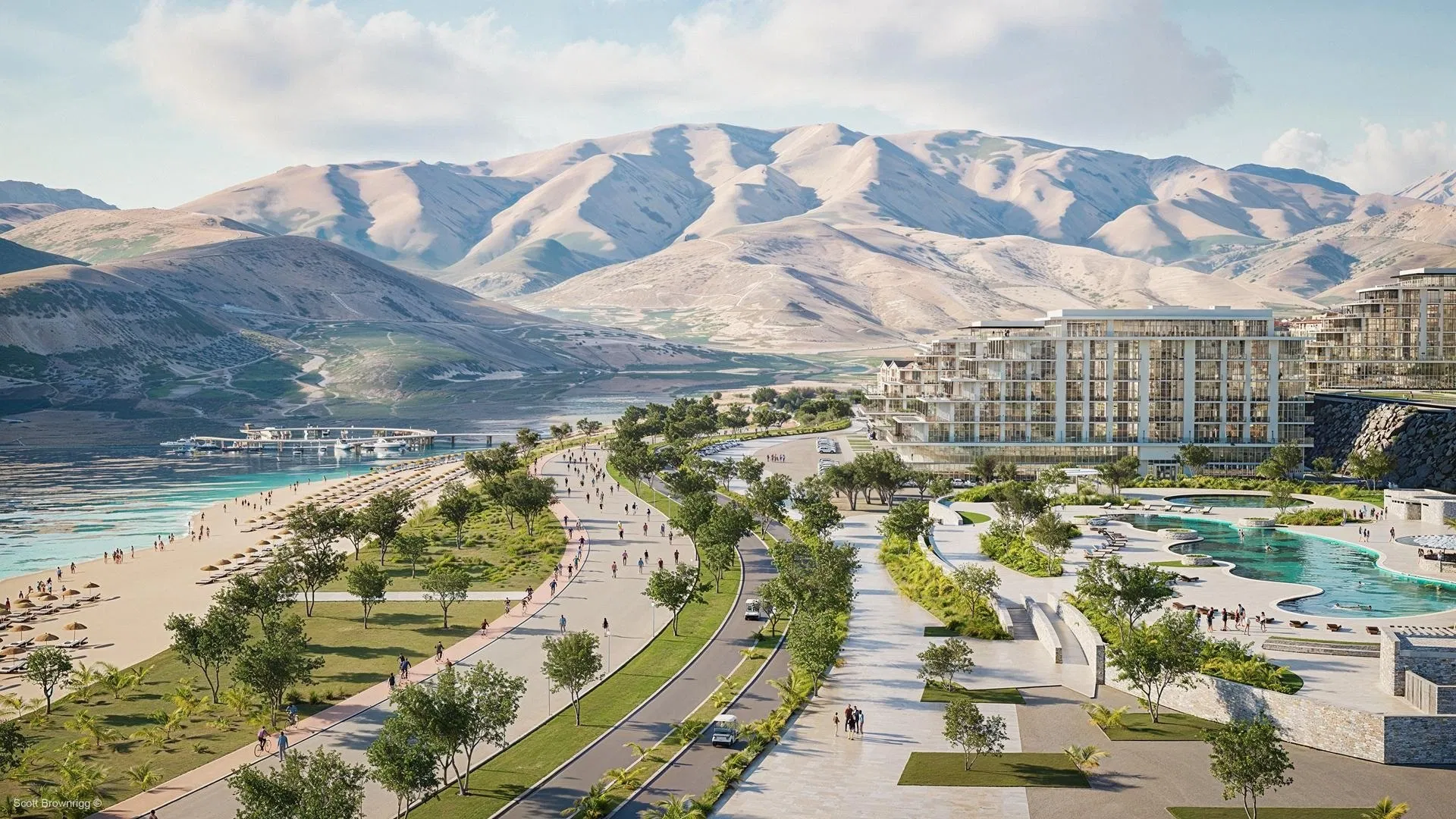
Why the future of Charvak depends not only on what is built here, but also on what value the natural resource will create for society, the investor, and the territory.
Construction at Charvak is already under way — the project is no longer at the discussion stage but is being actively realised. Alongside this, public attention to it is growing in equal measure. It is important to note that this reaction does not constitute a conflict; it is an entirely natural and appropriate societal response to change in a sensitive area.
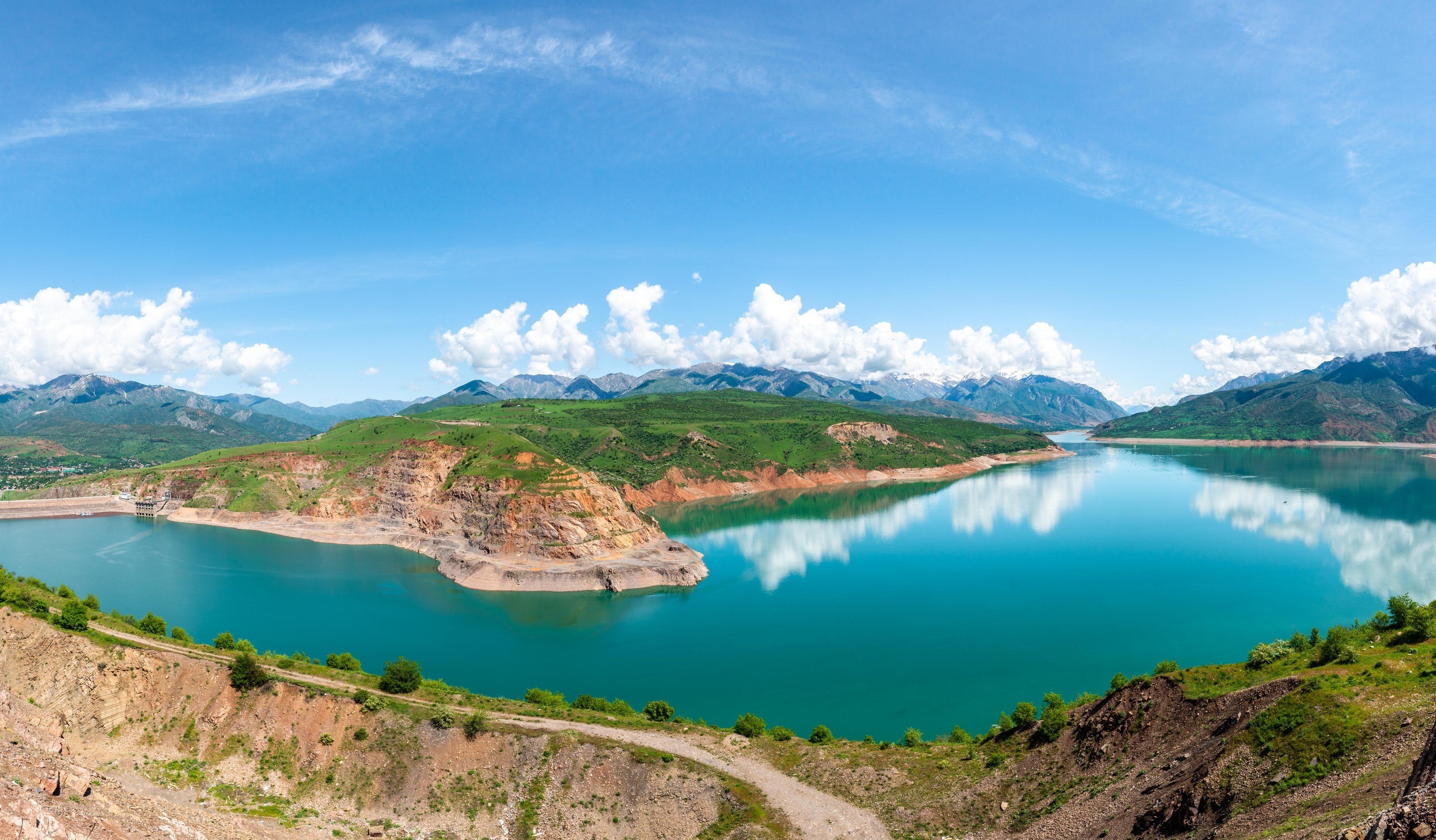
Charvak is not simply an out-of-town destination. It is water, leisure, and a deeply ingrained habit of people coming there — yet there is another dimension that cannot be ignored: it is a strategic resource. The Charvak Reservoir is a strategically vital water facility for Tashkent and the wider region. Bearing this in mind, it becomes clearer why any changes here will always provoke a stronger reaction than an ordinary development project. The city depends on this system.
The moment a large private project enters such a system, the question automatically moves beyond the realm of architecture and becomes a matter of public concern. What residents are currently debating is not the project's appearance but access: will it be possible to walk along the waterfront, will the space remain open, and where does the boundary between public and private lie? So long as there are no clear and straightforward answers to these questions, a sense of uncertainty persists.
It is important to understand where this reaction originates. It is not about any particular development — residents simply carry with them a negative prior experience. People have already encountered situations in which a space is nominally open to all on paper, yet in practice is hedged about with restrictions: paid entry, closed zones, invisible boundaries. It is this experience that shapes expectations.
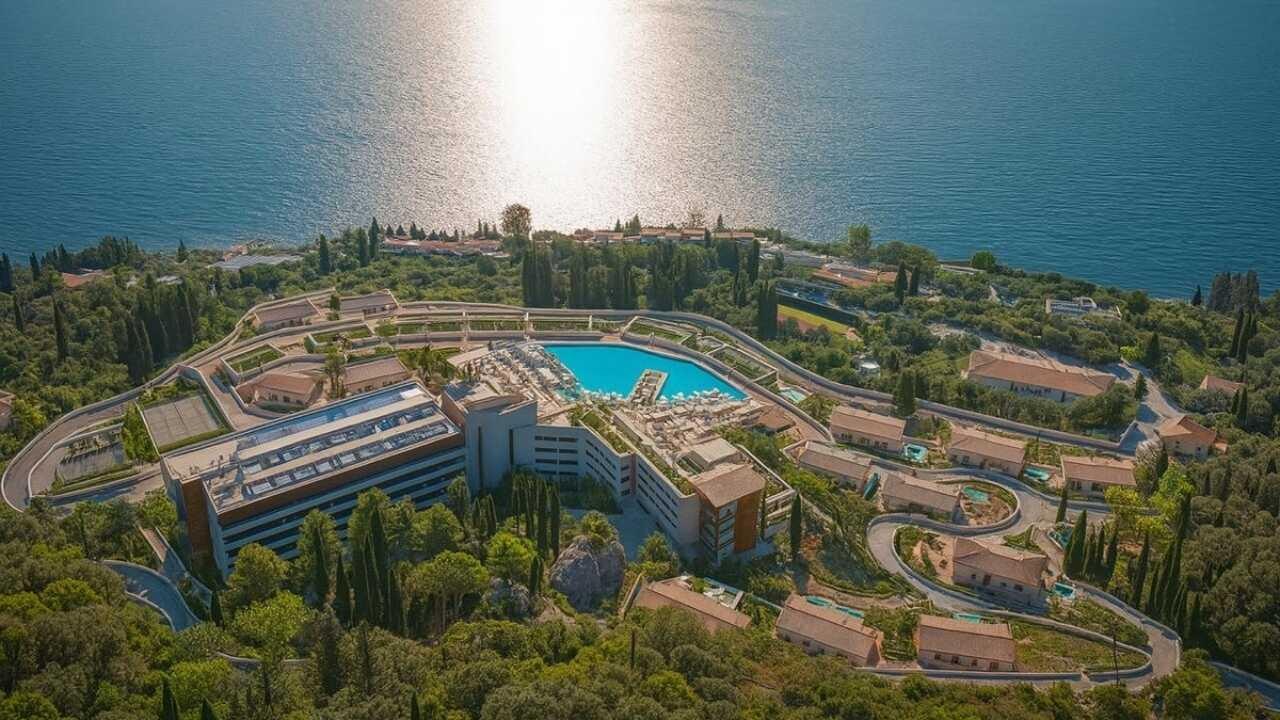
Looking at Sea Breeze Resort in Baku, there is genuine life and genuine access. It is a functioning environment in which residential, leisure, and event uses coexist. The space is rich in scenarios, animated by activity, and it works. Yet there remains a sense that not all areas are fully open.
Residents are given priority, part of the infrastructure operates on a commercial basis, private zones are present, and even where physical access is technically possible, a discernible difference exists in how the space may actually be used. A very subtle feeling emerges: you may be there, yet you are not entirely equal in your access.
This is not an unambiguous shortcoming — it is simply one model among several. But it is precisely such models that people read in advance. And from this arises the central question: will this place become somewhere that feels alien? This is not even fear, and it is certainly not resistance to development; it is simply an attempt to preserve familiar access to an environment that has always been perceived as shared.
Looking at the broader picture, international experience demonstrates that a different scenario is entirely possible. Jumeirah Beach Residence in Dubai, for instance, is a private development, yet it offers open beach access, an uninterrupted promenade, and genuine integration into the city. One does not feel any boundaries there.
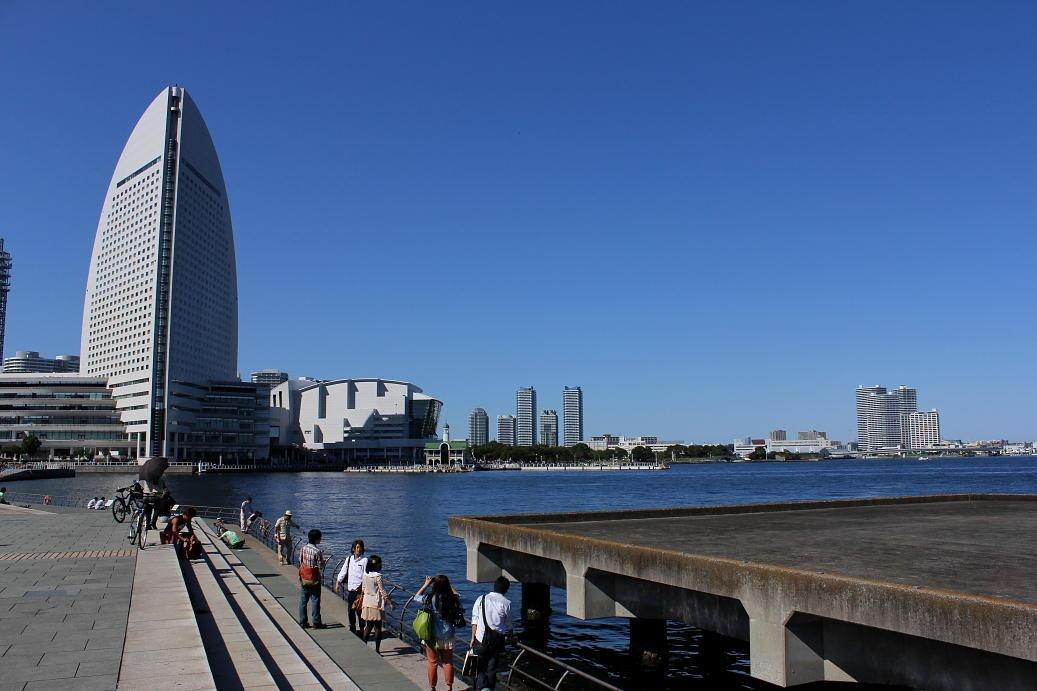
A similar logic is realised at Yokohama Waterfront in Japan, where the very sense of a "project" dissolves entirely, leaving only an urban environment through which one can move freely, linger, and use the space without any additional conditions. Strip away the details, and the distinction between these examples lies not in architecture but in principles — in the degree to which the environment remains continuous, accessible, and suited to everyday life.
Public pedestrian routes and cycling paths along the water are far more than mere landscaping. In international practice, it is precisely such elements that become focal points and generate footfall at the level of both the city and tourism. Long, uninterrupted promenades and cycling routes function as movement infrastructure, connecting territory, generating activity, and ultimately exerting a direct influence on its value.
Such spaces cultivate the habit of engaging with the environment daily rather than occasionally. In this way, a sense emerges that the space belongs to the city, not merely to a single project. Here, ecology connects directly with economics.
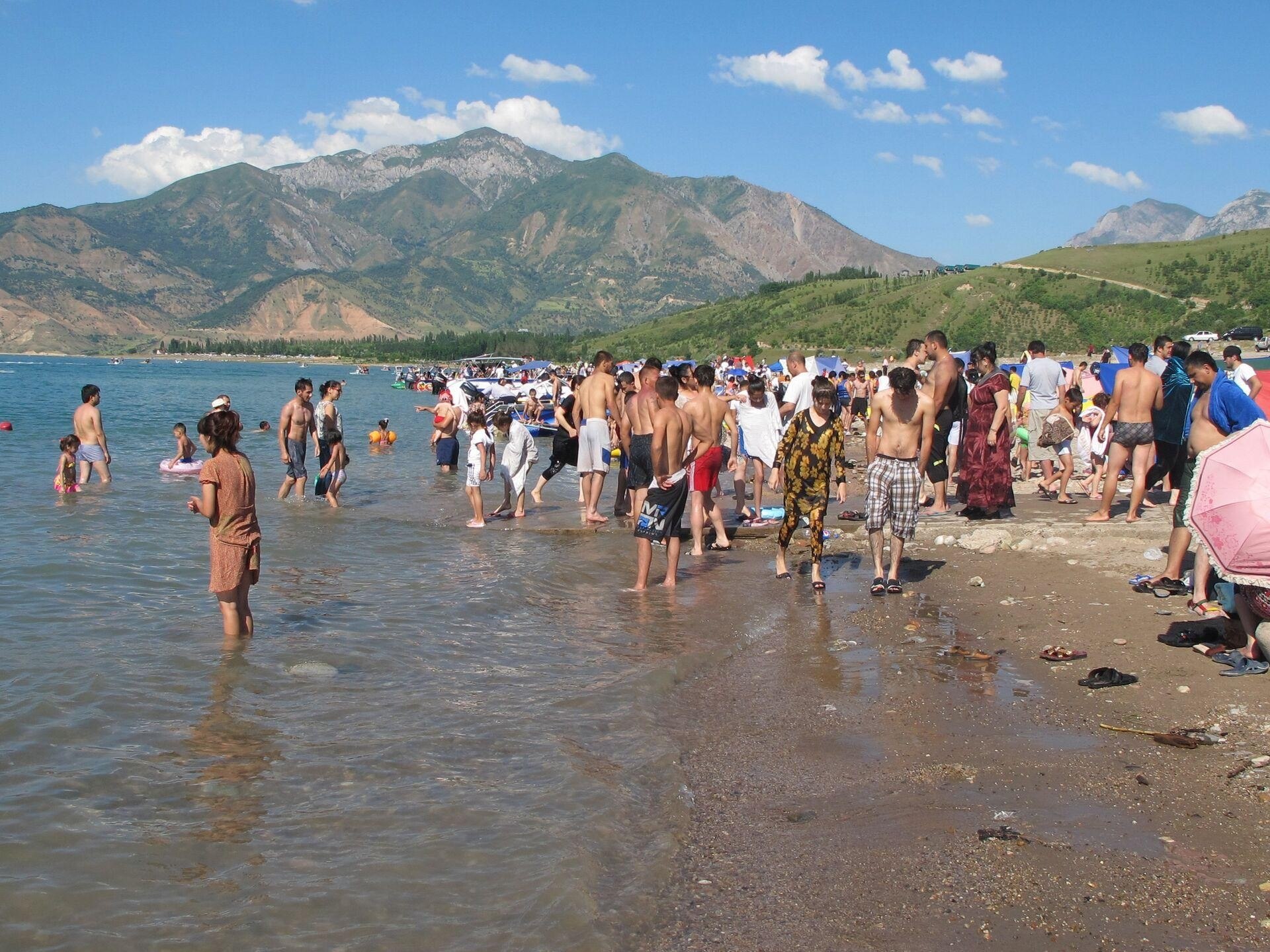
Water, landscape, and open access to them are not a backdrop for development but a constituent part of a territory's value. The longer a natural resource retains its worth, and the greater the range of ways in which a person can engage with it, the more resilient the project's own economics become. Flows of people, services, tourism, and everyday activity emerge, and the territory begins to generate value through means other than square footage alone.
Returning to Sea Breeze Uzbekistan, it is worth noting that the project already has a strong foundation in place: promenades, parks, public spaces, and infrastructure. This is the right direction.
But it is not enough.
The central question is not what will be built, but how it will function and how it will feel. We are in a transitional period in which development is shifting from the design of objects to the design of environments. And here a crucial point emerges: people judge a space not by the beauty of its renders, but by the possibility of simply being within it.
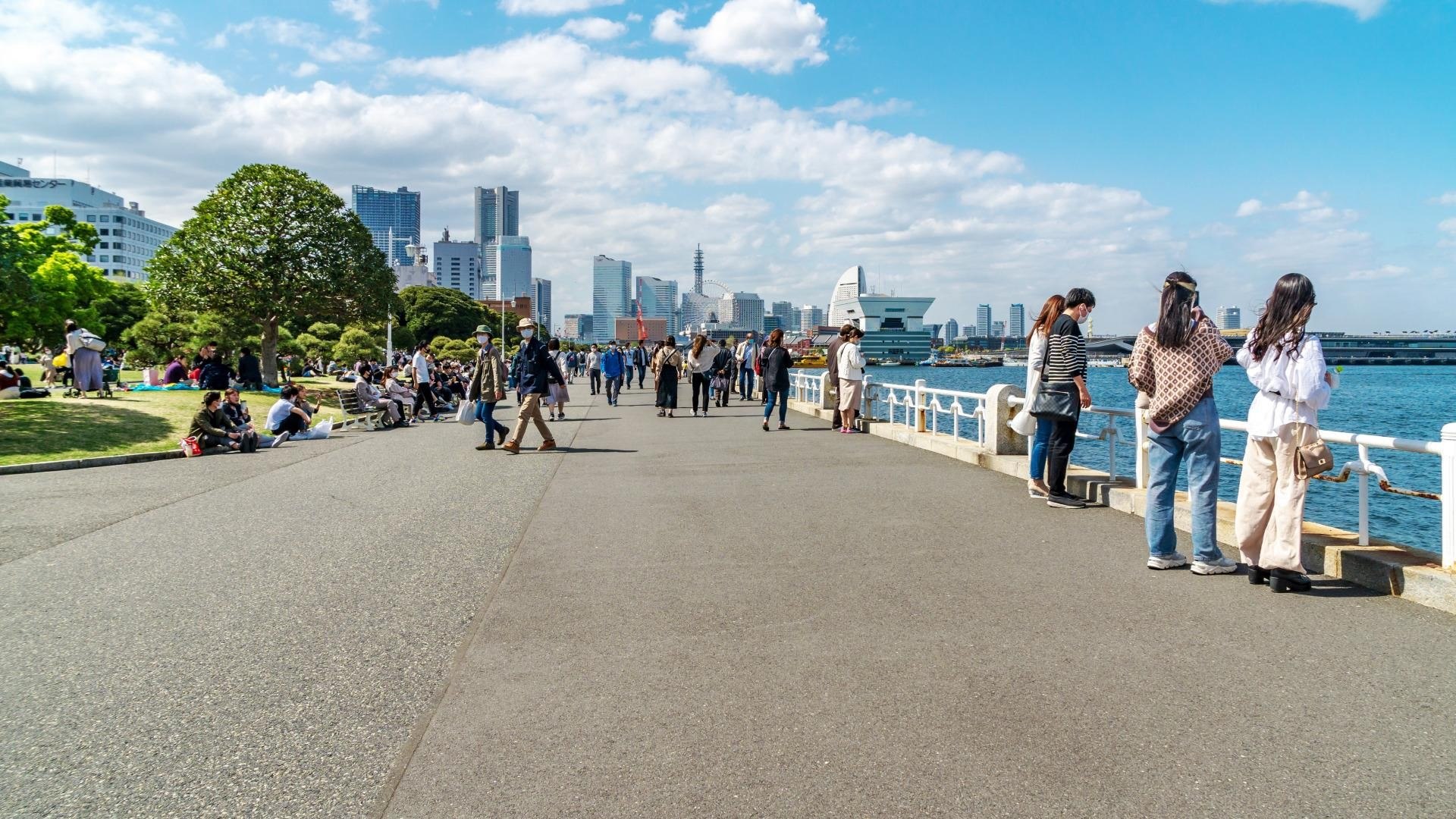
Speaking not of criticism but of what might strengthen the project, the solutions are fairly concrete. First, uninterrupted access along the waterfront must be enshrined as a founding principle. Second, the distinction between public and private space must be drawn clearly and simply. Third, genuine scenarios of use must be demonstrated, not merely visualisations. And finally, an everyday environment must be created — one in which a person can arrive without a particular purpose, remain without restriction, and use the space on a regular basis.
Projects of this kind today demand a different approach — one in which space is shaped not only as architecture but as a system of movement, activity, and life. When that is achieved, it begins to function in an altogether different way.
Perhaps this is where the next model of development for Central Asia is taking shape: a natural resource ceases to be merely a locational advantage and becomes part of the economic model of a territory. It cannot simply be exploited — it must be preserved, integrated into the public realm, and transformed into a long-term asset. At that point, the interests of ecology, society, and the investor no longer stand in opposition to one another.
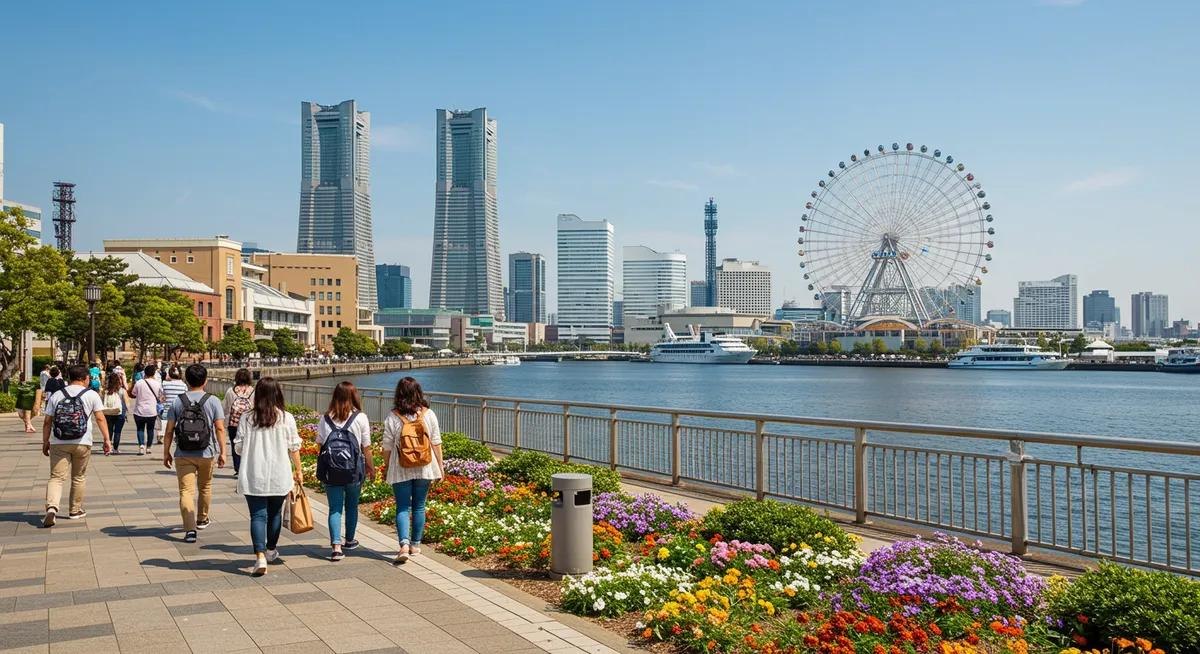
Sea Breeze Uzbekistan is not simply an investment project — it is an opportunity to establish a new model for the region. A model in which private initiative does not constrain the environment, but expands it. Because today, value is created not by the object itself, but by the way people inhabit the space.
Read also
Newsletter
A letter from the HD editors
Once a week, we send the best stories, events, and cultural discoveries from Central Asia.