HD View
AI can Draw Anything Except Reality — Interview with Maxim Zolotukhin
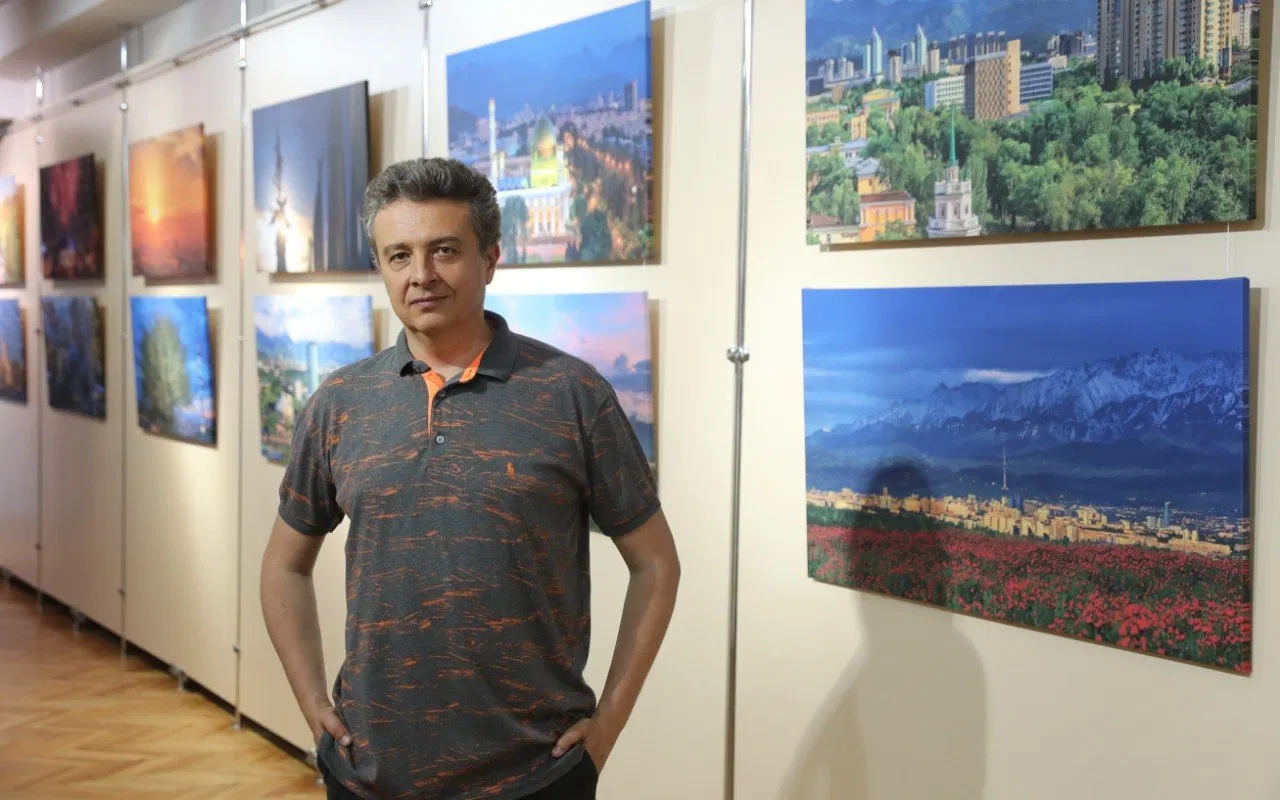
Almaty-based photographer Maxim Zolotukhin on the magic of the film photograph, the disappearance of street photography, the limits of Photoshop, and why artificial intelligence will never be able to replace the human gaze.
Photography has always evolved in tandem with technology. Once, creating a single frame could take hours, and the very act of shooting demanded knowledge, patience, and almost jeweller-like precision. Today, all it takes is pulling a smartphone from one's pocket to capture dozens of images in a second. Film was first supplanted by digital technology, and now photographers must also contend with artificial intelligence.
But has photography's ability to preserve reality changed along with the technology? And where does the line fall between a photograph and an image created by a computer? We discussed this with Almaty-based photographer Maxim Zolotukhin.
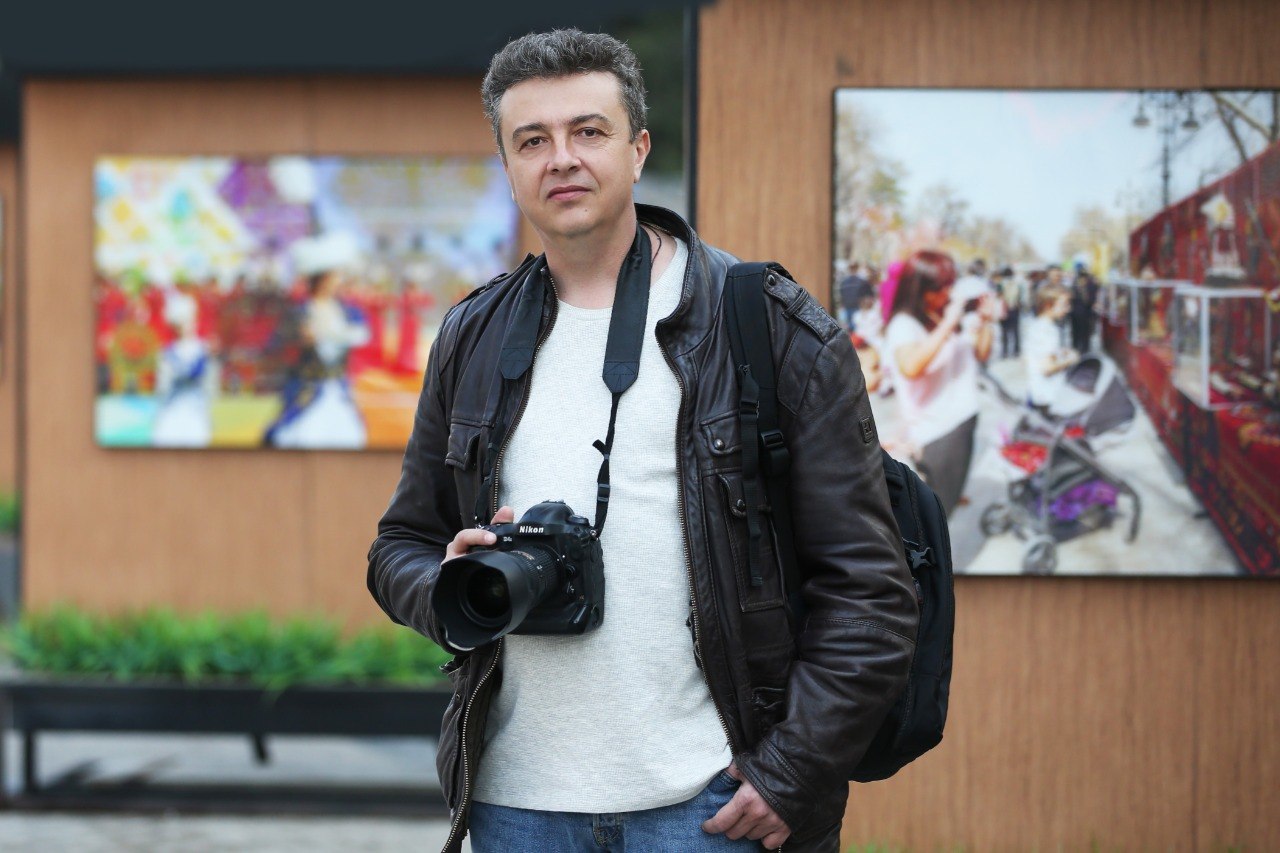
— Maxim, why do old photographs make such a powerful impression on us today? What do they possess that contemporary photography sometimes lacks?
— When photography first appeared, artists were the first to protest against it. Their fear was entirely justified: that photography would take the bread from their mouths. In this sense, history is repeating itself, because today we are asking much the same questions of artificial intelligence — will it take work away from the photographer?
The first photographers worked under entirely different conditions. The process itself was laborious, encompassing both the shooting and the subsequent chemical processing. As a result, every frame was approached with great care: composition was carefully constructed, subject matter chosen, and lengthy preparations made. Photography was as close to painting as it could be — in portraiture as much as in landscape.
Moreover, enormous glass plates were used, and the optics were of incredible quality. There are famous old photographs depicting hundreds of people, where, upon enlargement, one can make out the face of every single individual. It is hard to imagine today just how detailed such an image could be.
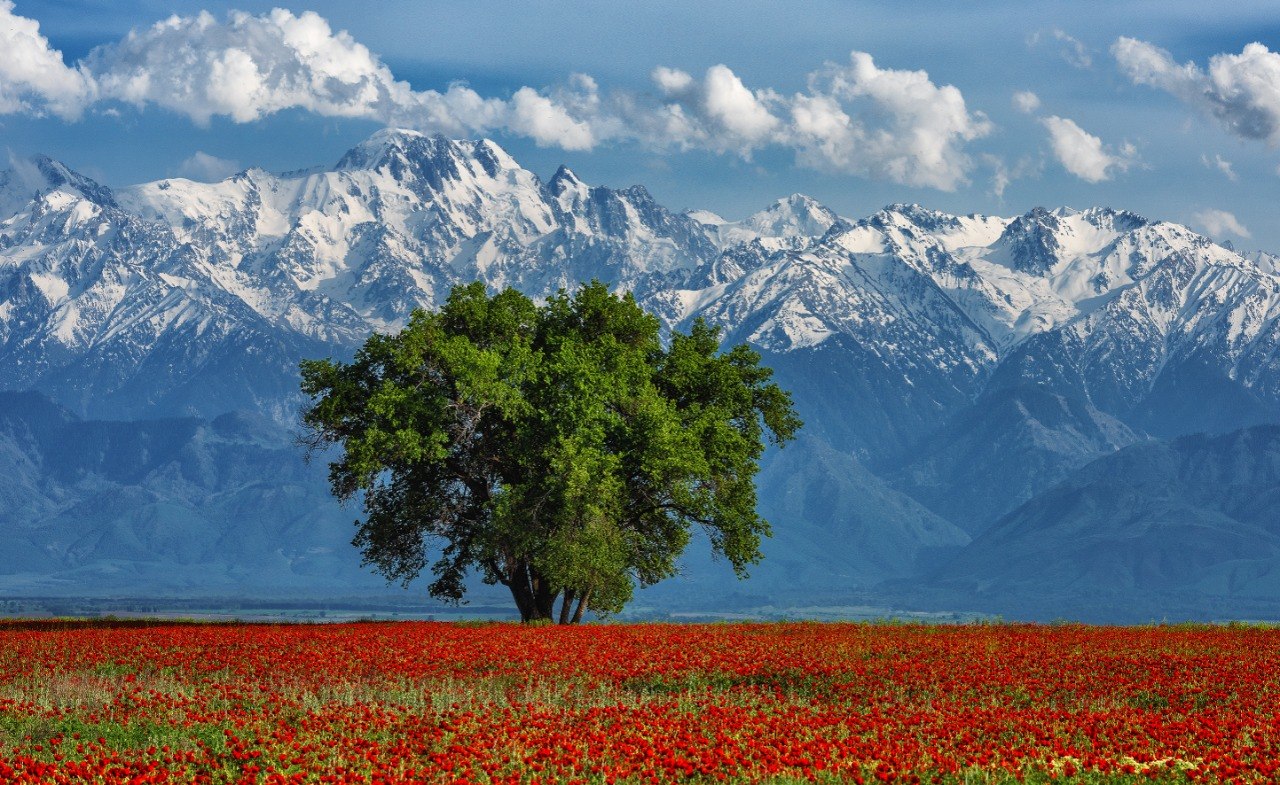 Photo: Maxim Zolotukhin
— When photography became a mass medium, what did we gain, and what did we lose in the course of that development?
— The time required to produce a photograph gradually shrank from several hours to minutes, and then to seconds. At the same time, the range of what photography could capture expanded.
I always say: photography is as vast as life itself. Everything that exists in life has a corresponding direction or genre of photography.
The influence of reportage photography is particularly significant. It made it possible to document events that will never recur: sporting triumphs, disasters, and much else besides. One of photography's chief properties is that it serves as a document.
Painting, of course, can also bear witness to an era, but photography directly records what took place in a specific place at a specific time. The people we see in old images are long gone, yet their gazes, gestures and facial expressions remain alive. And therein lies photography's immense power.
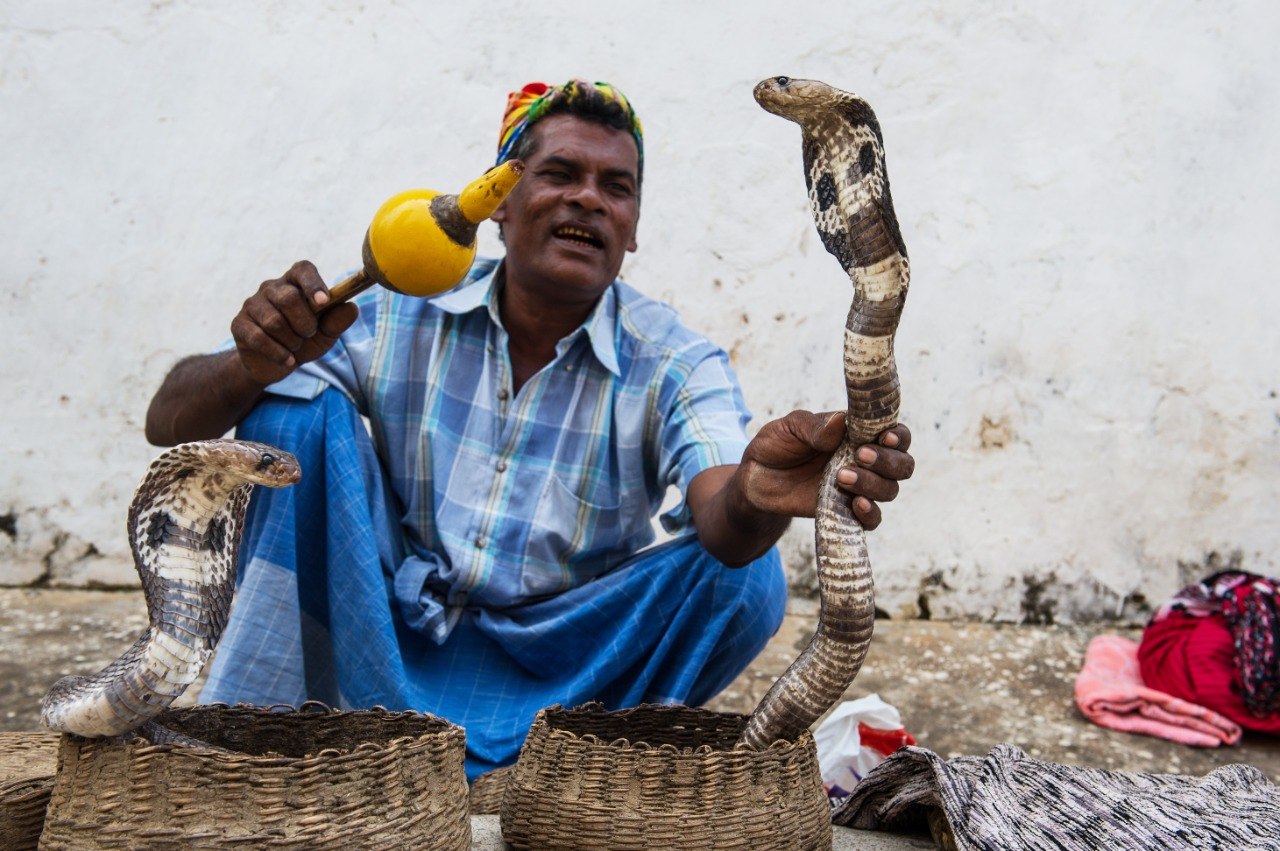 Photo: Maxim Zolotukhin
— You often speak of the 'magical power of photography'. What does it consist of?
— In film photography, it is especially evident. A print was made on paper using silver, and the image consisted of the tiniest, chaotically arranged crystals. When you hold such a print in your hands, it genuinely feels alive. If you dwell on that sensation, the photograph seems almost to breathe.
But once we moved to digital technology, every single point fell strictly into its designated place. Even at the micro level, the image became flatter. That is why, when I prepare a digital photograph for an exhibition, I sometimes deliberately add grain — those chaotically arranged elements. I want to restore to the photograph that micro-dimensionality which film possessed.
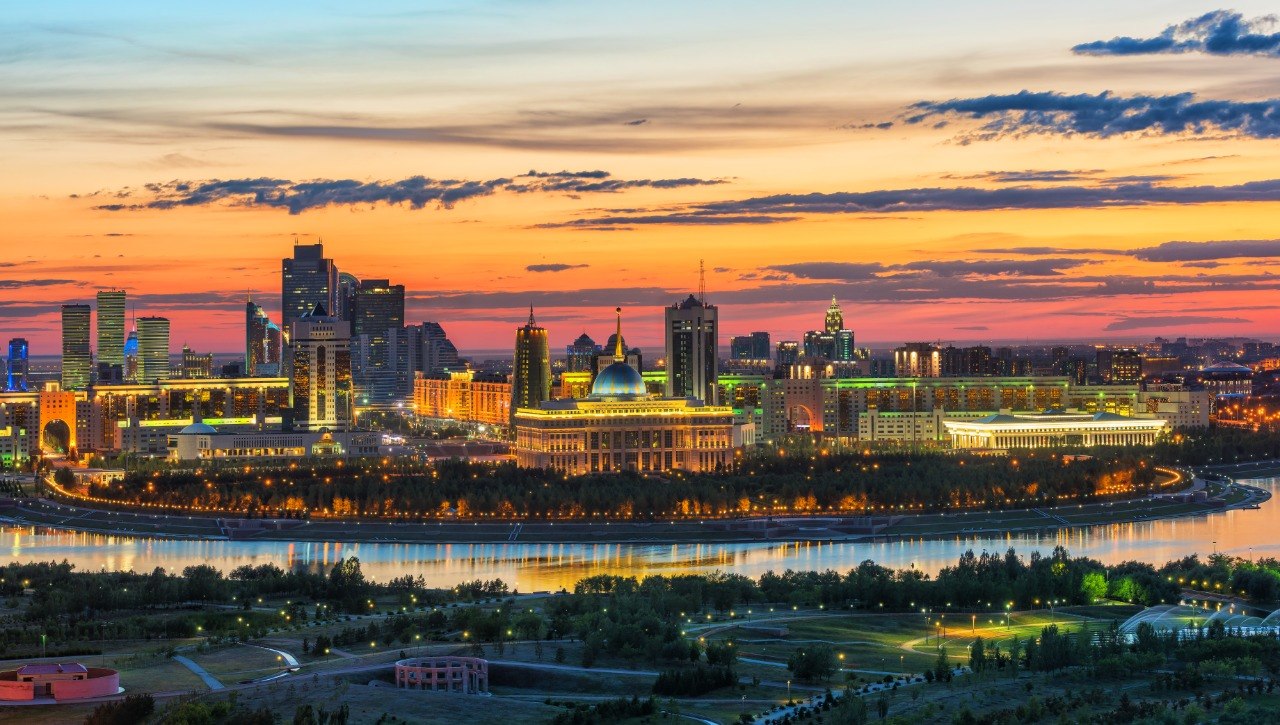 Photo: Maxim Zolotukhin
— Today, virtually anyone can become a photographer, since a camera is no longer a prerequisite — a smartphone will do. Does this devalue the profession?
— In one sense, yes. Photography used to be practised by professionals who underwent lengthy training. There were established canons, criticism, and exacting standards for composition, light and content.
Today, photographs exist in staggering abundance. In a single second, more images are created worldwide than were made in an entire year a century ago. As a result, we find ourselves in a situation where anyone can pass judgement on a photograph. And the criterion all too often boils down to a simple 'like it' — 'don't like it'.
For mass photography, that is perfectly normal. Public opinion influences the market, and if a photographer earns a living from commercial work, they naturally take the client's tastes into account. But in art, there remains professional assessment, a cultivated visual sensibility, and a broader understanding of context. And it seems to me that this is worth preserving.
— So it turns out that today the client exerts a stronger influence on the photographer than the photographer does on the client?
— Yes. It is now very difficult to impose one's own vision of what a photograph should be upon a client.
Many deliberately take the path of cutting costs: producing more shots while spending less time on each frame. Because what the client often needs is not one truly excellent photograph, but a large volume of material.
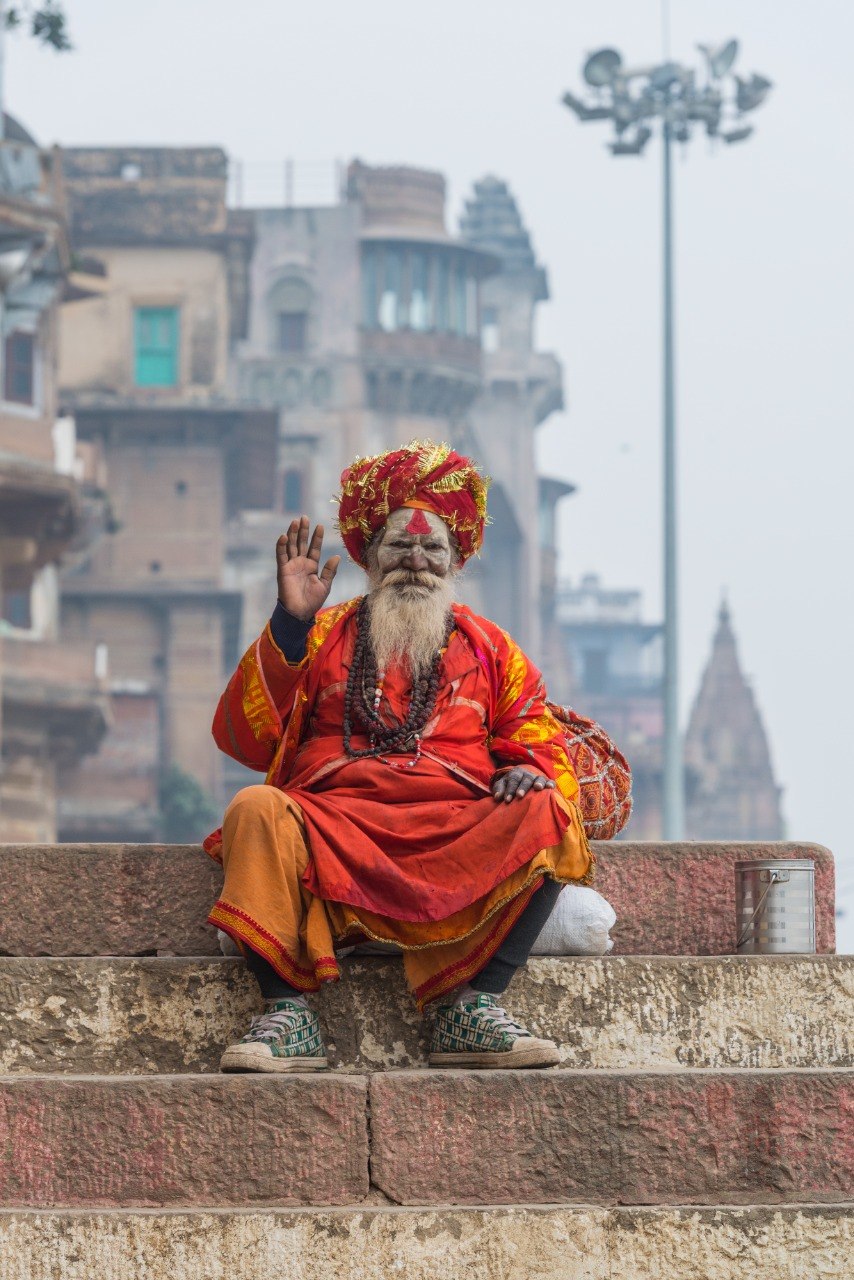 Photo: Maxim Zolotukhin
— There is another issue photographers face, particularly those working on the street: the right to use photographs featuring people. How has this changed the profession?
— Profoundly. In the past, one could freely walk the streets, observe people, take candid portraits, and capture chance scenes.
Today it is far more complicated. If a person is simply walking down the street, photographing them, let alone publishing their image without consent, is already risky. When it comes to a public event, the situation is different. If you have captured a good shot, you can approach the person, show them the photograph, ask permission, exchange contacts, and sort everything out in the proper manner. But for street photography, this is an enormous complication. After all, its very power lies in surprise and chance.
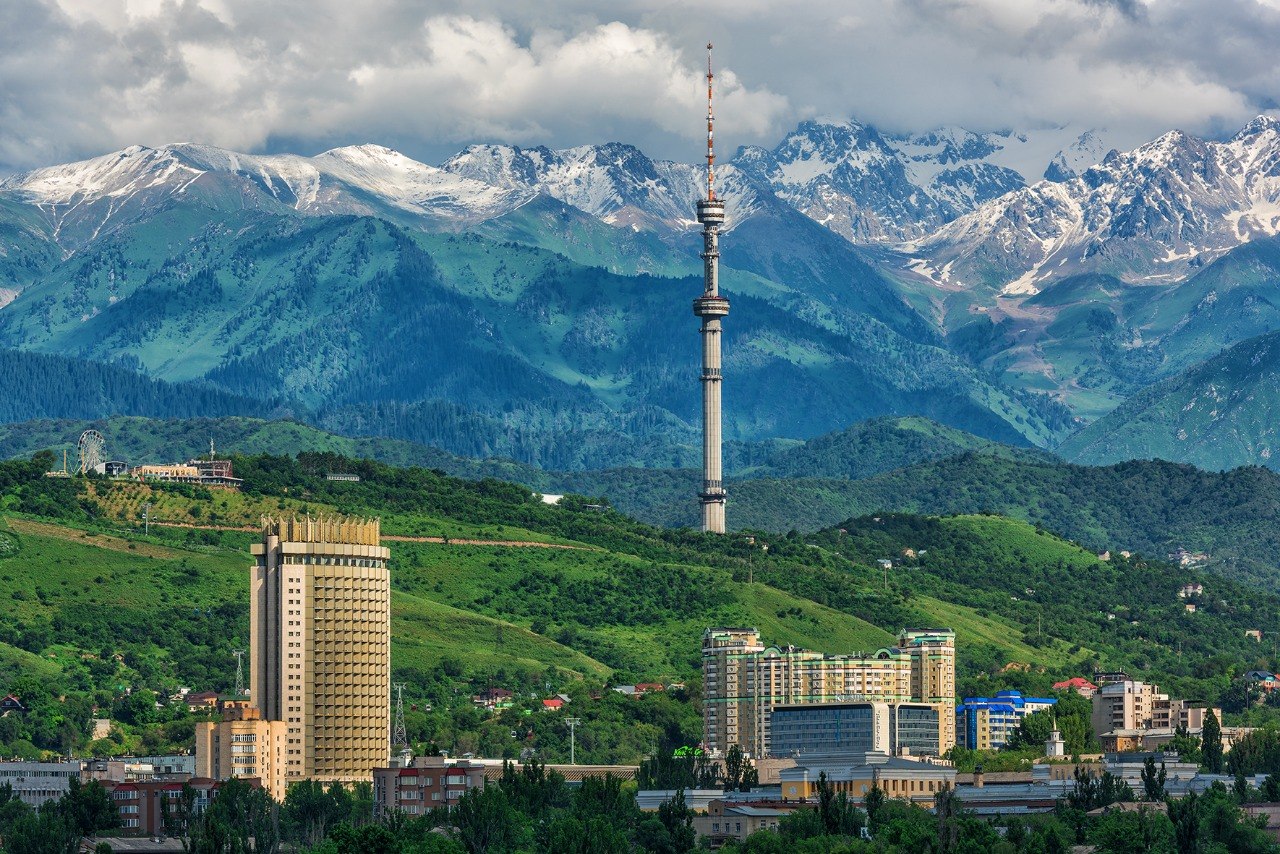 Photo: Maxim Zolotukhin
— Do these moments of chance remain an important part of photography in the digital age?
— Absolutely, this is one of the things that distinguishes photography from artificial imagery.
A person can be in the right place at the right time, take out their phone, and by chance capture a frame that becomes a historical document. There are countless such examples, from military events to sporting triumphs.
A professional, of course, is capable of achieving good results far more often. If they take ten frames, eight may be very good. A person with a smartphone may take ten thousand shots, and one of them will turn out to be brilliant. But that will be a matter of chance.
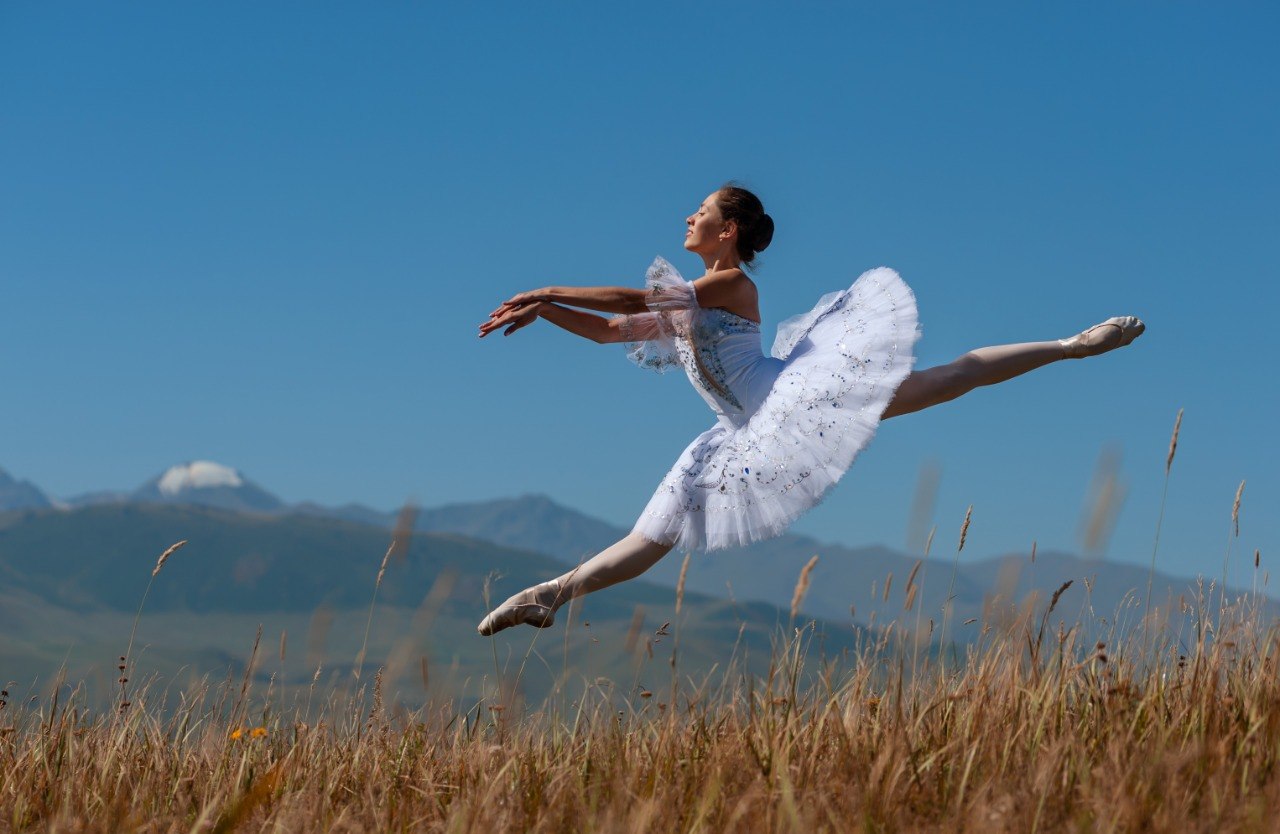 Photo: Maxim Zolotukhin
— And where, for you, does the line fall between a photograph and a processed image?
— Photoshop is just as much a tool as a camera. It can improve an image, or it can do it harm. Removing an unsightly cable from the frame is one thing, but completely replacing the sky or creating an alternative reality is quite another.
Say, for a hotel advertisement, you need a beautiful sky above a recognisable Almaty landscape — the mountains, the television tower, the buildings. If that fits the brief, why not? But if such a work is presented as fine-art photography, I believe the author should be honest. If there have been significant alterations, that ought to be stated.
The same applies to portrait retouching. If a person has been made to look ten or twenty years younger, it is no longer quite a photograph in the original sense.
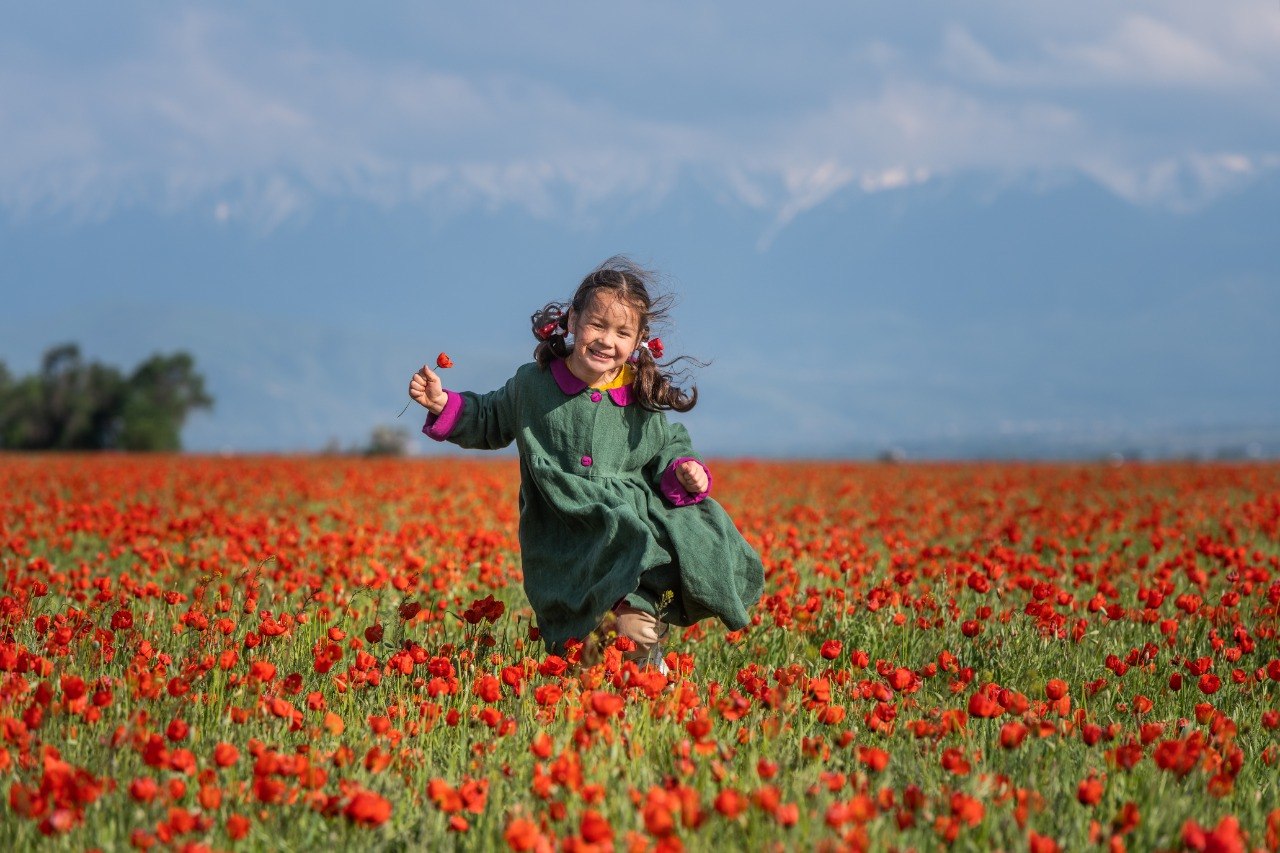 Photo: Maxim Zolotukhin
— And if a photograph has been heavily altered in Photoshop, what does it become?
— More of a collage or another kind of digital image. There are publications and agencies that forbid photographers from touching the image altogether. You may crop, and that is all. The photograph must be published exactly as it was taken.
A fashion magazine has its own rules. If the concept requires making the makeup ten times brighter, there is probably nothing wrong with that. But, in my view, the important thing is simply not to pass one off as the other.
— Today, Photoshop has been joined by an even more powerful tool — artificial intelligence. How serious a challenge is this for photographers?
— There is a real danger that a great many creative people will be left without work. And this concerns not only photographers. Publications are already appearing in which there are almost no photographers left, and illustrations have been replaced by generated images, but this is often quite noticeable, because artificial intelligence cannot depict real life. It creates an idealised version of reality.
From an employer's point of view, it is simple: why send a photographer on assignment when an image can be obtained far more cheaply and quickly? But in terms of content, these are completely different things.
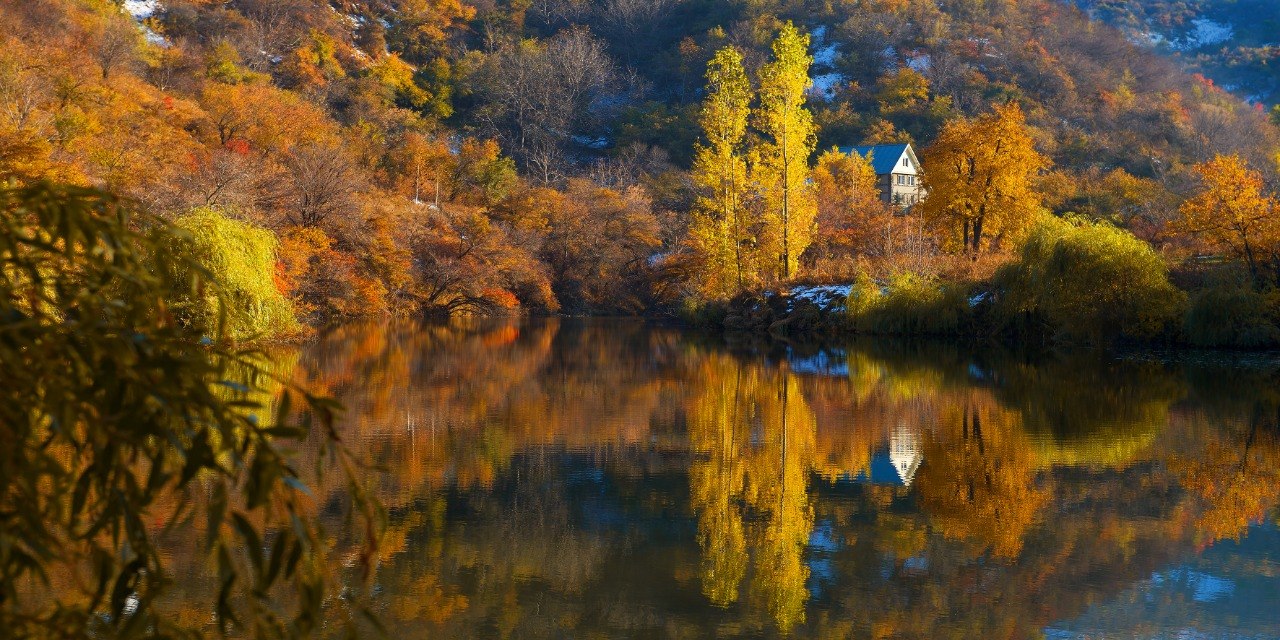 Photo: Maxim Zolotukhin
— So you believe that AI will never be able to replace a photographer?
— It can replace a certain part of a photographer's work, but not the photographer themselves.
Artificial intelligence gathers material from what already exists. It can combine, compile, and stylise very well, but it is incapable of living through an event itself, of being in the right place, of sensing the moment.
It can create a beautiful picture, but an image created by AI is not a document of reality. And that is a fundamental difference.
— But artificial intelligence is already being used in professional photo-editing software as well. Where does the line of what is acceptable lie?
— For me, it is simple: if you use AI to remove stray litter or some technical flaw from the frame, that is one thing. If you are creating an entirely new picture designed to convince the viewer that what they are seeing is reality, that is something else altogether. And right now it is especially important that the viewer understands what they are looking at. If an image has been created by artificial intelligence, that should be indicated.
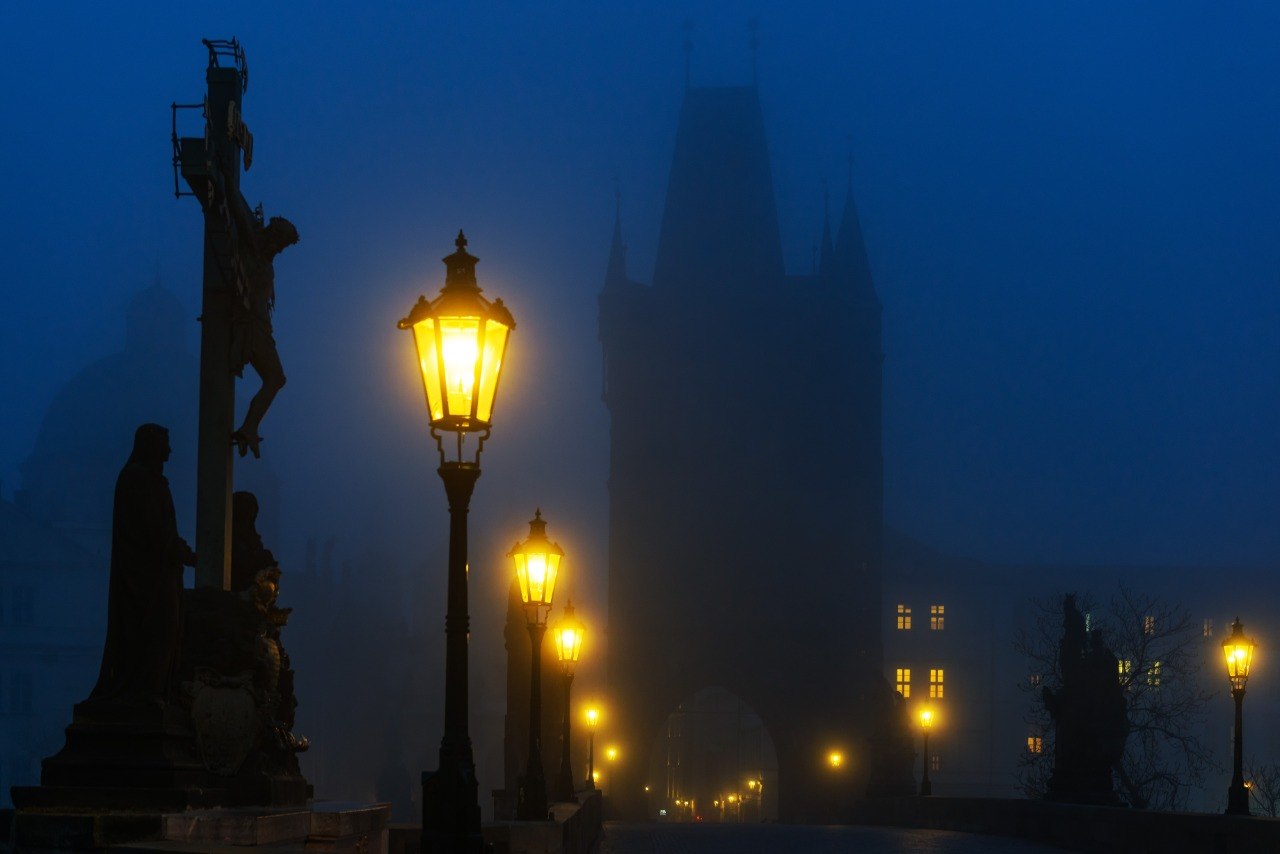 Photo: Maxim Zolotukhin
— Yet you speak not only of the threat, but also of the opportunity for development. Can technology, on the contrary, help a photographer?
— Technology has always been a photographer's assistant. A true creator will use whatever they have at hand. It may be an expensive camera, a mobile phone, or a nineteenth-century vintage camera.
The question is not about technique, but about what a person wants to say and how capable they are of seeing it.
I always say that anyone can learn to take photographs, just as anyone can learn to play the guitar. It is simply that everyone has their own ceiling. And some people may have no ceiling at all.
If a person shoots on a phone and finds it interesting, sooner or later they begin to notice where they succeed and where they do not. Then they start to study the subject and develop. That is what creativity is.
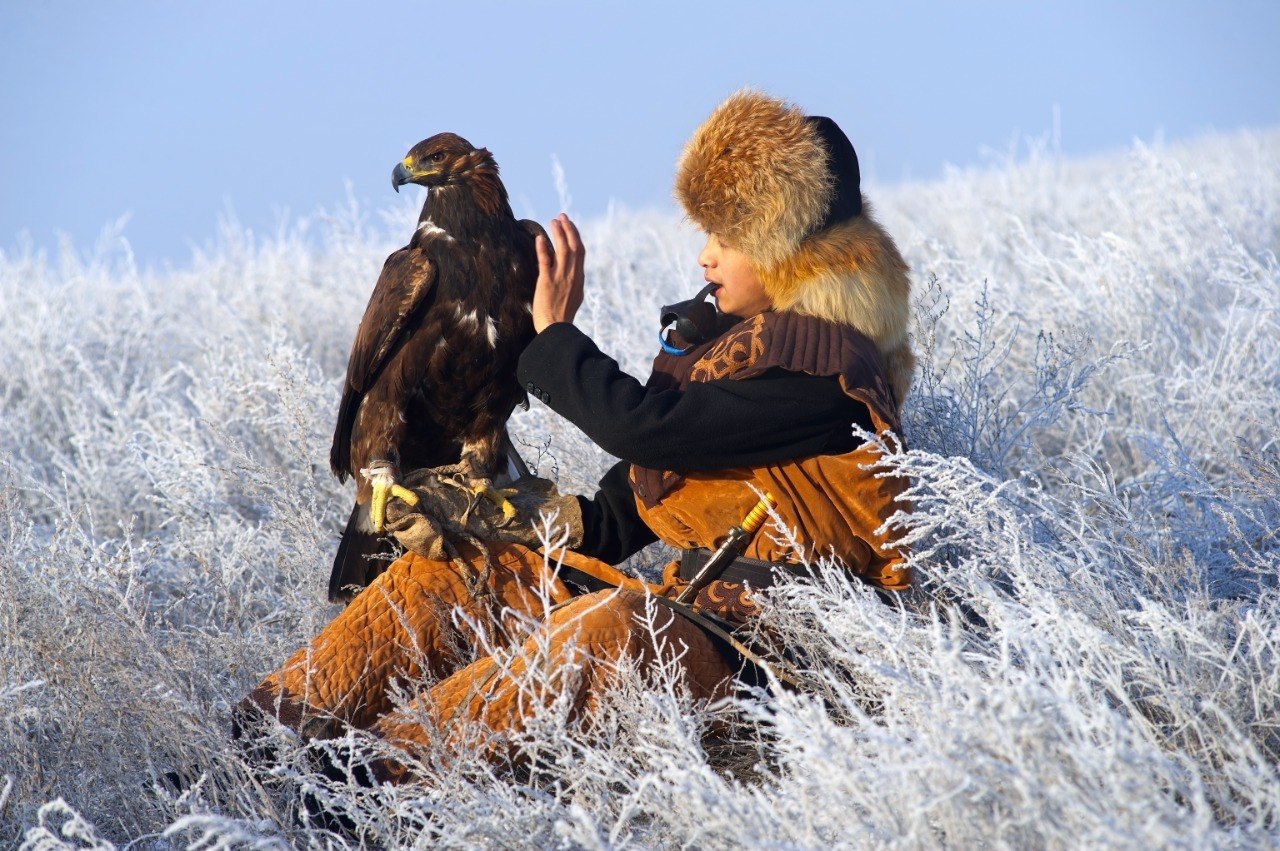 Photo: Maxim Zolotukhin
— Do you have a professional principle that helps you keep from drowning in that vast number of frames?
— I was once given a very good piece of advice by Iosif Lvovich Budnevich — a renowned Soviet and Kazakhstani photographer, the presidential photographer. I asked him how one should work on an assignment. He said: when you go to an event, think up three frames for yourself. One is the main shot, the second is supplementary, and the third is something very small, a detail.
First and foremost, you must solve the task and produce those three frames. After that, you can shoot whatever you like. It is not a given that these three photographs will ultimately be published. But you have a guaranteed result to build upon.
I believe this is a sound principle not only for a professional photographer. Even if someone shoots on a phone, it helps to have at least a rough idea of what they want to achieve. Rather than taking ten thousand shots and then picking the first one that comes along.
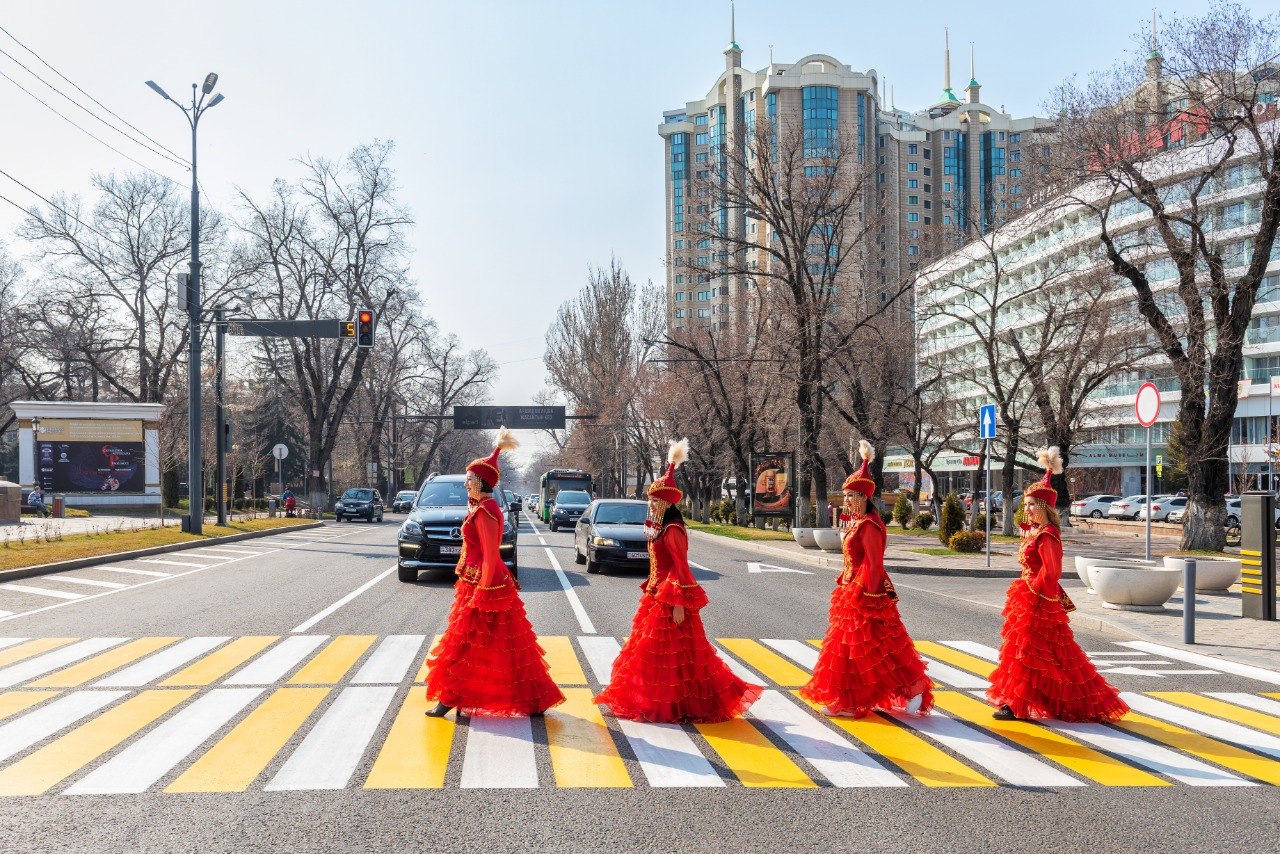 Photo: Maxim Zolotukhin
— What, in the end, will remain of photography that neither a smartphone, nor Photoshop, nor artificial intelligence can take away?
— The human gaze. Technology will keep advancing, cameras will become even more sophisticated, artificial intelligence will produce ever more convincing images, but the person who looks, notices and chooses the moment will never disappear.
The key is that behind the image stands a person — their gaze, their labour, their fingers, their eyes and their understanding of what exactly they wish to preserve.
And perhaps that is precisely why photography will continue to live, because it has something worth preserving.
Newsletter
A letter from the HD editors
Once a week, we send the best stories, events, and cultural discoveries from Central Asia.