Cinema and Performing Arts
BIFF 2026: Winners, Stories and Turning Points at the 4th Bishkek International Film Festival
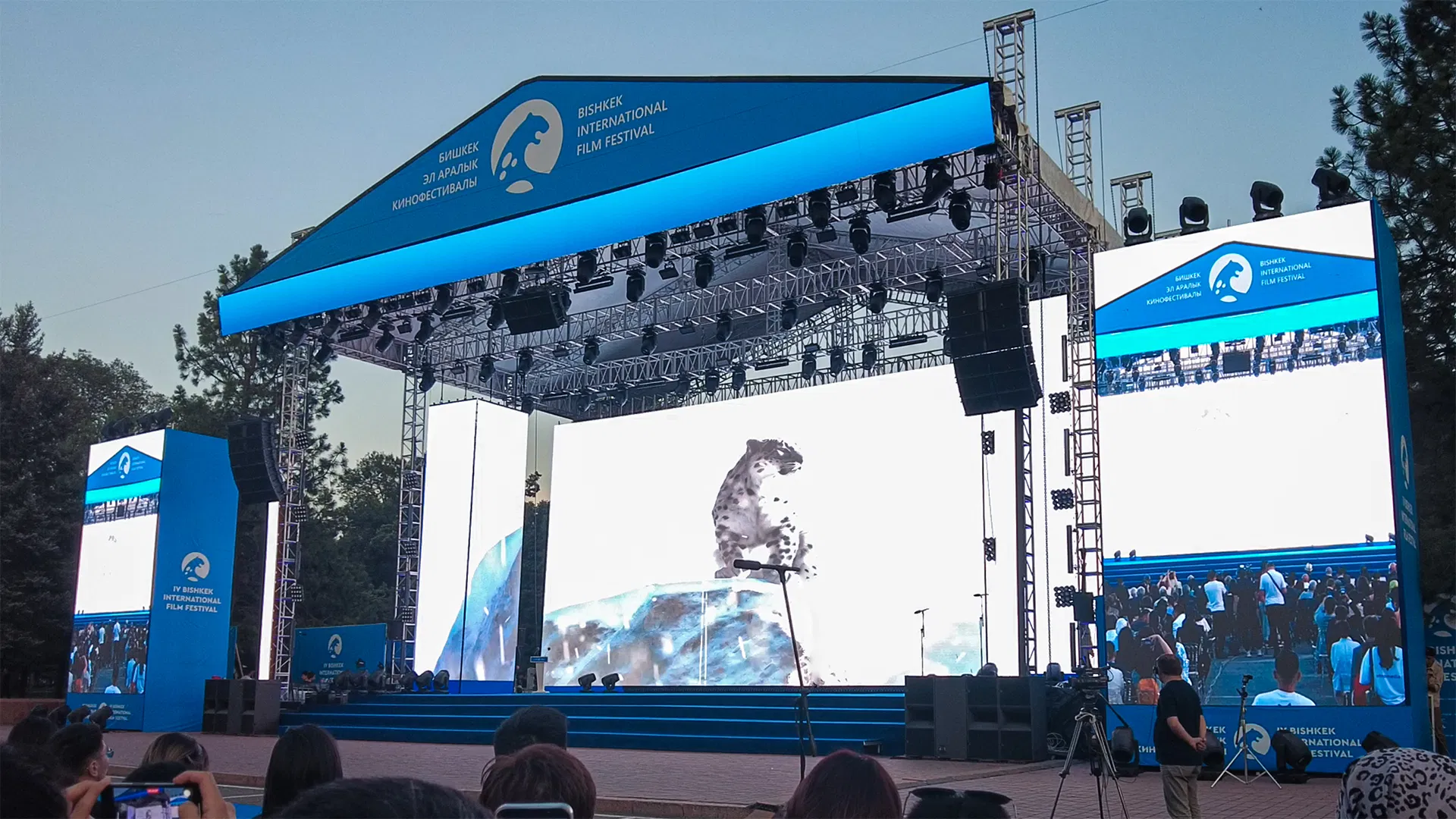
From 7 to 12 June 2026, Bishkek hosted the Bishkek International Film Festival (BIFF 2026) for the fourth time, an event organised by the Ministry of Culture, Information and Youth Policy of the Kyrgyz Republic. This year marked a breakthrough for the festival for several reasons.
Festival Overview
The festival has grown significantly in recent years. This year it brought together film industry professionals from more than 30 countries and presented audiences with dozens of world and national premieres. For the first time, the opening ceremony, held on 7 June, took place outdoors in Turdakun Usubaliev Square, making the event accessible not only to festival guests but to the city’s residents as well.
This year, the traditional blue carpet known as the “Asman Kilem”, or Sky Carpet, welcomed the festival’s special guest Audrey Tautou, whose audience was scheduled for 8 June. A separate programme section was dedicated to a retrospective of Dogdurbek Kadyraliyev, one of the most prominent actors in Kyrgyz cinema.
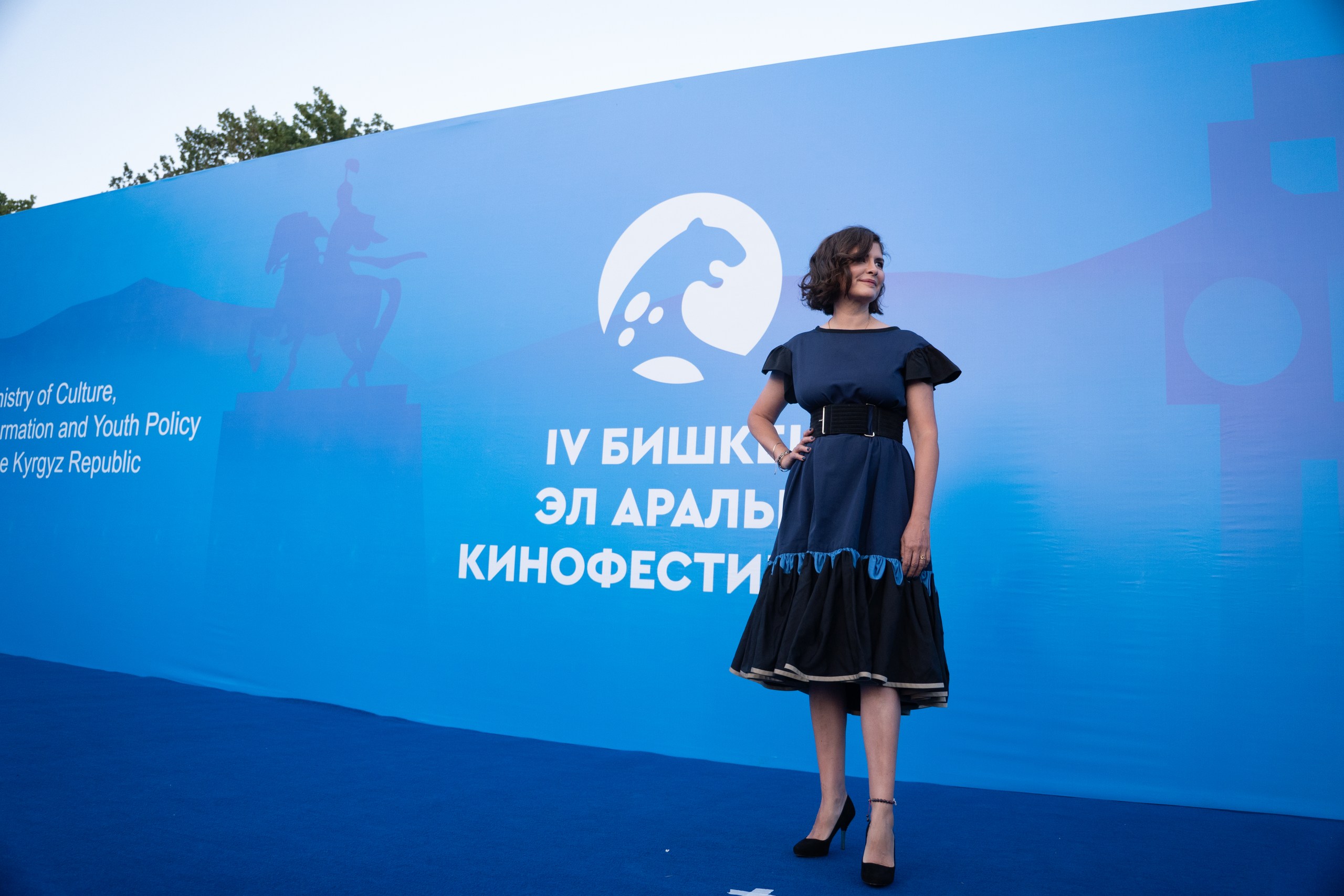 Photo: BIFF Press Office
Audrey Tautou on the festival's 'Sky Carpet'
Another special guest, who also served as a jury member, was Australian actor of Indian origin Mahesh Jadu, known for his roles as Hussein in Tamerlane: Rise of the Conqueror (2026) and Vilgefortz of Roggeveen in The Witcher series. The guest country of 2026 was Mongolia, which was highlighted with a dedicated Mongolian Film Week.
The festival featured three main competition sections.
International Competition opened with the Turkish film Bonds, Roots and Passions, the Sakha (Yakutia) production Fear, and the world premiere of the Iranian film The Divine Ideal of Killing.
Central Asian Competition kicked off with screenings of the Uzbek film Shamsiqamar (Sun and Moon), the Tajik production Another Birth, and the world premiere of the Kazakh film Karabuzhyr. The latter term has no exact translation into English or Russian, but according to director Kenzhebay Dusembaev, the title refers to uneven, rugged terrain in the Kazakh steppe and serves as a metaphor for the complexity and contradictions of the film’s protagonist. Established in 2024, the Central Asian Competition remains, in essence, the only regular platform where films from Kyrgyzstan, Kazakhstan, Uzbekistan, Tajikistan and Turkmenistan compete on equal terms.
KyrgyzBox National Programme, dedicated to the most commercially successful audience favourites from Kyrgyz cinema.
The festival’s prize fund included a Grand Prix for Best Film worth 500,000 som, a Best Director award worth 400,000 som, a Best Acting award worth 300,000 som, and a Special Jury Prize of 300,000 som.
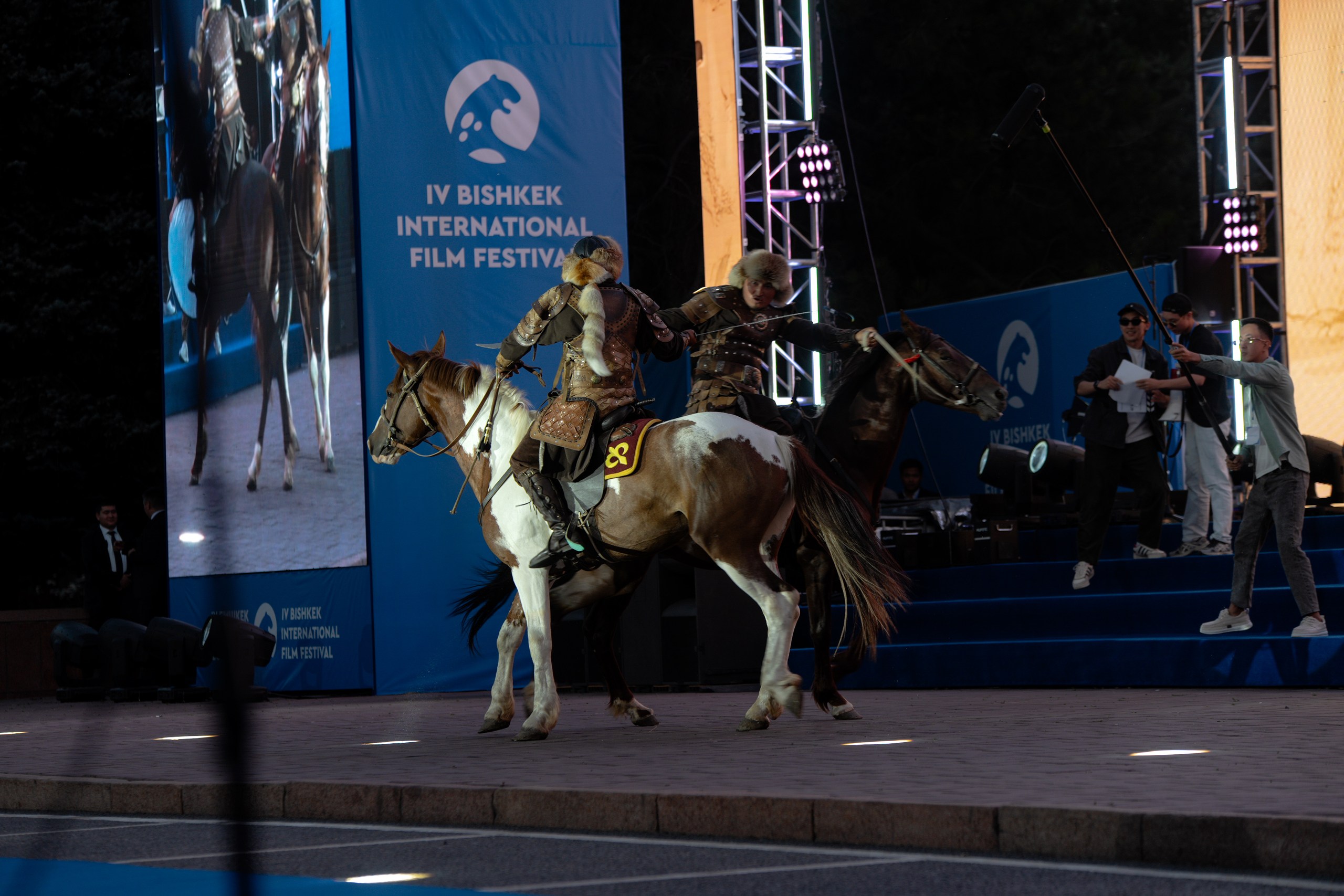 Photo: BIFF Press Office
Part of the show programme at the festival's opening ceremony
Beyond the screenings held at Broadway Cinema, the programme also included open-air screenings, masterclasses, a Script Workshop, the CAF Pitch platform and a new industry initiative, Bars in Progress. The latter provides projects with an opportunity to secure additional funding for the completion of post-production.
Quick Facts About BIFF 2026
| Full Name | Bishkek International Film Festival 2026 (BIFF 2026) |
| Dates | 7–12 June 2026 |
| Venue | Bishkek, Kyrgyzstan |
| Organiser | Ministry of Culture, Information, Sports and Youth Policy of the Kyrgyz Republic |
| Opening Ceremony | 7 June, Turdakun Usubaliev Square (held outdoors for the first time) |
| Special Guest | Audrey Tautou ( audience on 8 June) |
| Retrospective | Dogdurbek Kadyraliyev |
| Guest Country | Mongolia, Mongolian Film Week |
| Competitive Programmes | International Competition, Central Asian Competition, KyrgyzBox |
| Main Prize | Grand Prix 'Best Film' – 500,000 soms |
| Industry Programmes | CAF Pitch, Bars in Progress, Script Workshop |
| Participants | Representatives of the film industry from over 30 countries |
| Next Event | 2027 |
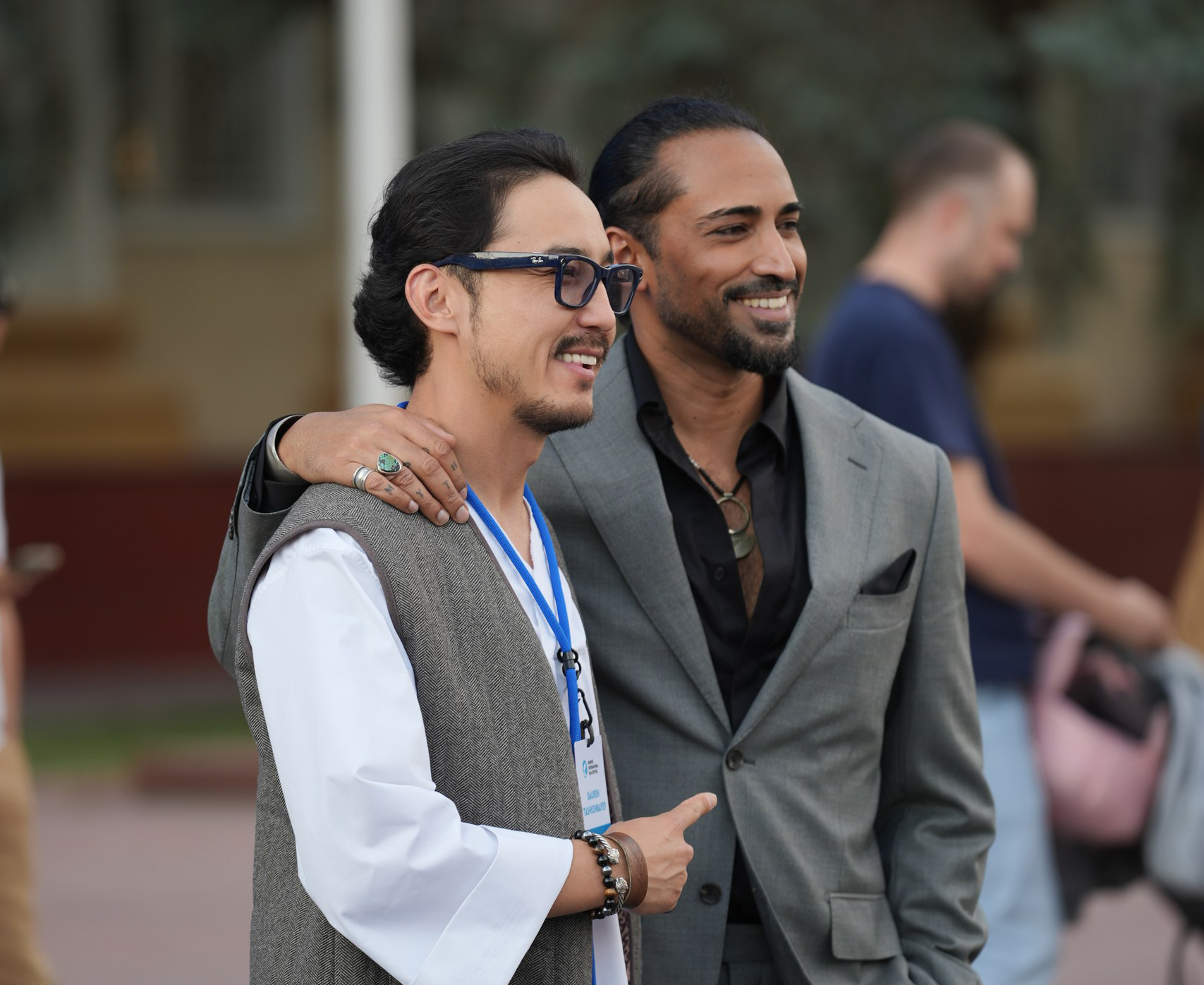 Photo: BIFF Press Office
Actors Dauren Tashkenbaev and Mahesh Jadu
Kazakhstan's "Restart" wins Central Asian Competition
The Best Film award of the Central Asian Competition at BIFF 2026 went to the Kazakh film Restart (Qaitadan) by director Duman Yerkimbek, marking his feature-length directorial debut.
The title refers to a relatively new cinematic subgenre — the time loop. Its most well-known examples include Mirror for a Hero, 12:01, Groundhog Day, which, contrary to popular belief, is not the originator of the trope, Edge of Tomorrow, Source Code, and others.
A teenager, Rauan, finds himself trapped in a time loop while trying to save his village from flooding caused by a dam collapse. The film is inspired by a real tragedy: the Kyzylgash dam collapse of 2010.
Notably, the jury awarded the top prize of the Central Asian Competition to a debut filmmaker with a rather experimental concept.
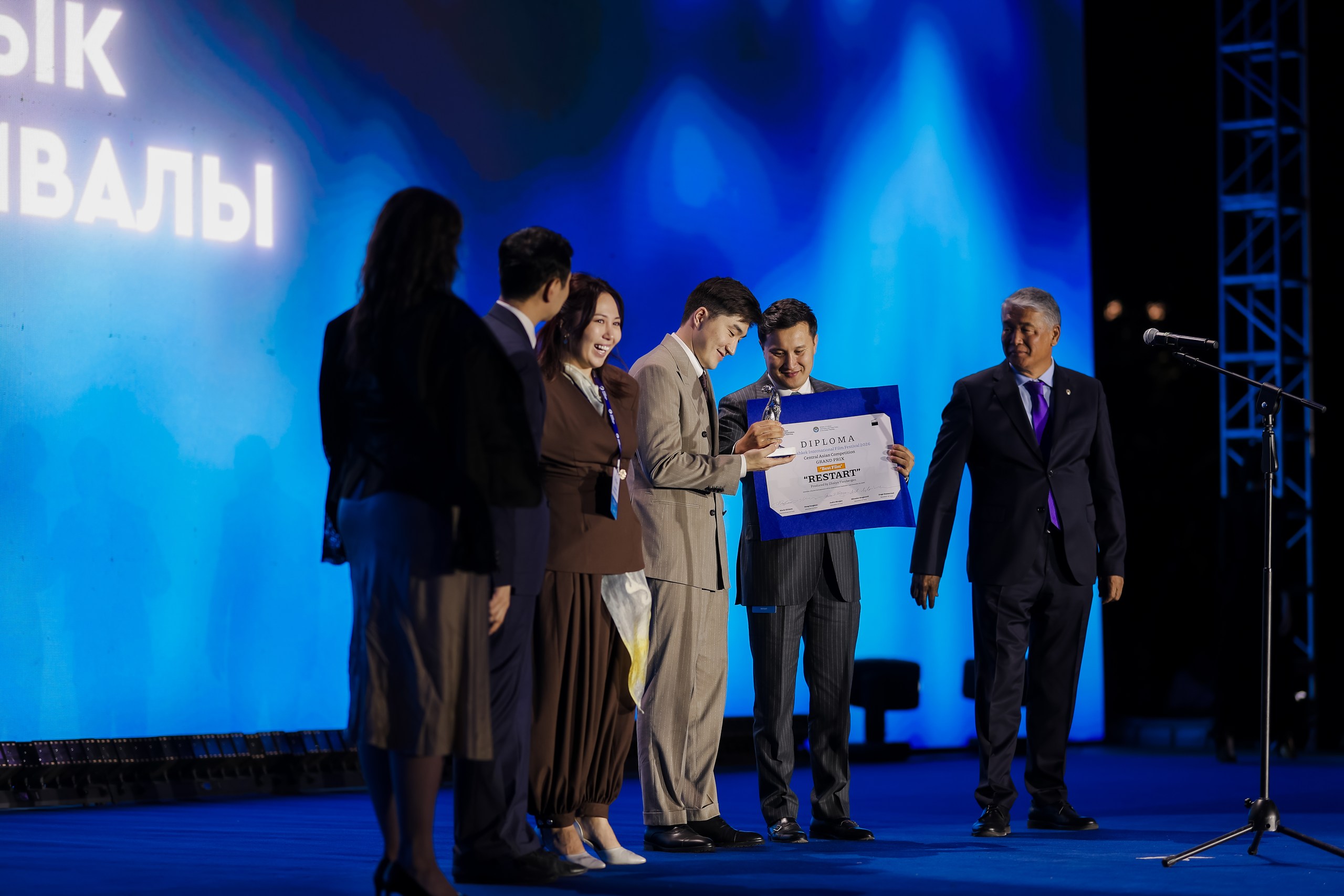 Photo: BIFF 2026 Press Office
Award in the hands of Duman Yerkimbek
Indonesia, Tajikistan and Iran: The Ceremony's Biggest Winners
The Grand Prize of the International Competition went to On Your Lap by Indonesian director Reza Rahadian, who delivered one of the festival’s most touching moments: upon receiving the award, he invited his mother onto the stage and thanked her for her support.
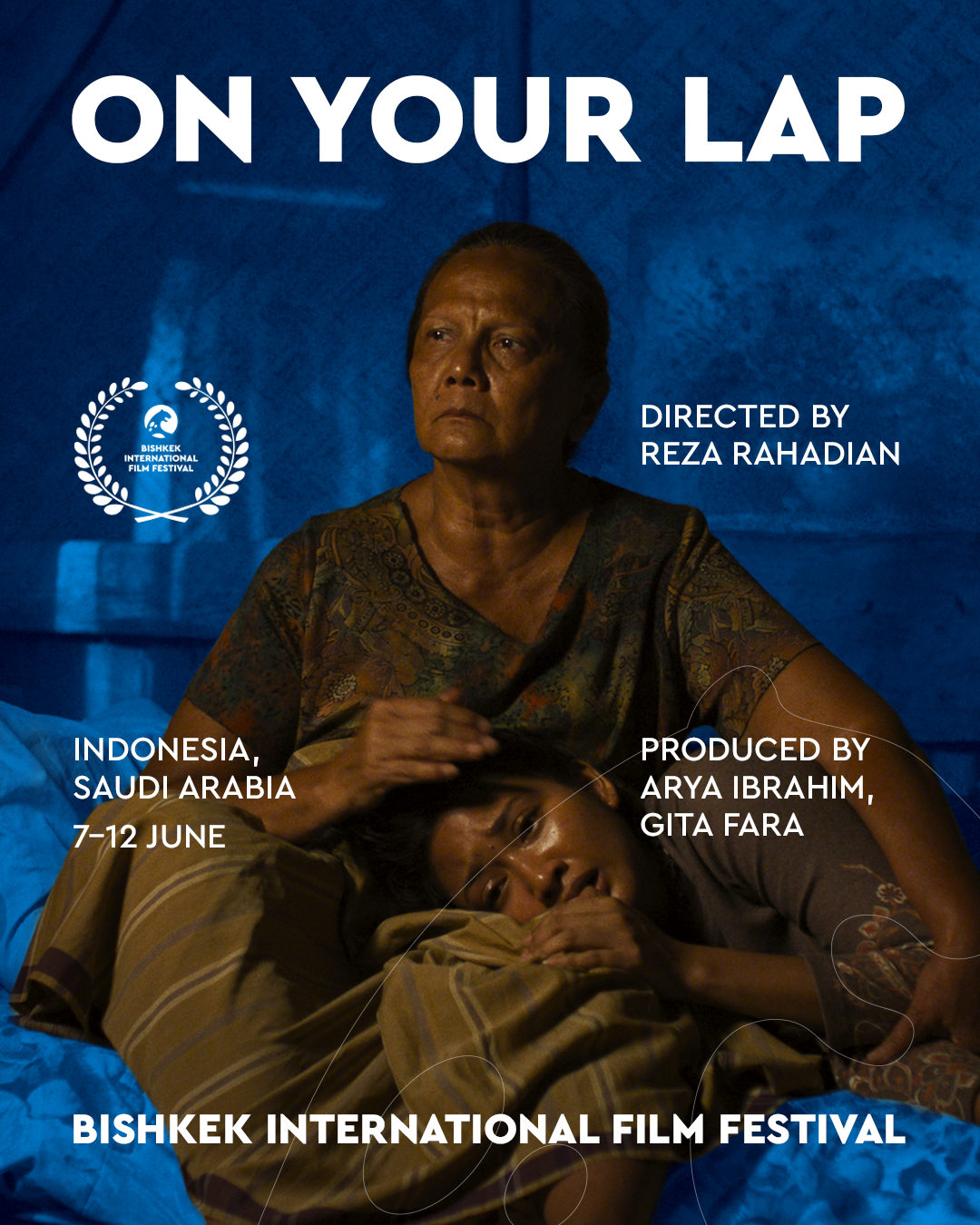 Photo: BIFF Press Office
Poster of On Your Lap
The Iranian film The Divine Ideal of Killing took two major awards: Best Director (credited in the programme as AriobarzaN) and Best Actress (Shabnam Dadkhah).
In his acceptance speech, the director admitted he is usually reluctant to dedicate films, but felt compelled to dedicate both the film and the award to Iranian children who died during strikes by the United States and Israel. He concluded by calling for a minute of silence in memory of the victims.
Tajikistan was represented at the festival primarily by Another Birth, a co-production between Tajikistan, the United States and Qatar directed by Isabella Kalandar. In the Central Asian Competition, the film earned the Best Actress award, shared by Shukrona Navruzbekova and Shoira Abdulgaezkhonova. It also received the FIPRESCI Prize (International Federation of Film Critics) and the Kyrgyz Filmmakers Union Award, described by the jury as “truly auteur cinema”.
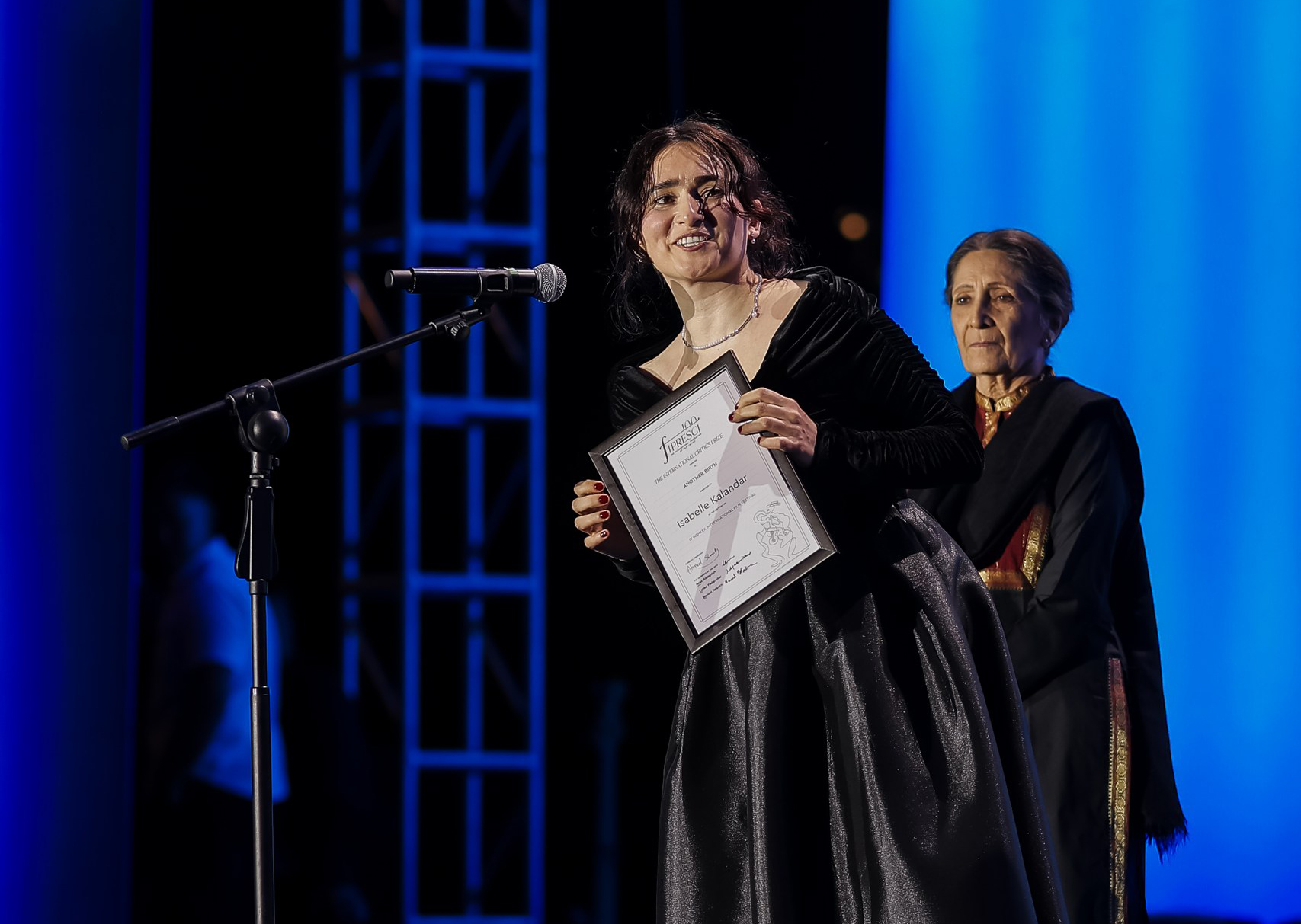 Photo: BIFF Press Office
The Tajik director’s achievements did not end there: Isabella Kalandar also received the Grand Prix of the Bars in Progress industry platform for a new project currently in development, intended as a conceptual continuation of Another Birth. Its title is Life Says: Still We Must Live.
Yakutian sensation at BIFF 2026
The arrival of the delegation from the Sakha Republic (commonly known as Yakutia) was not initially expected to be a major highlight of the festival. In theory. In practice, however, it turned out that guests from this seemingly remote region shared a surprising artistic and philosophical affinity with participants from across the globe.
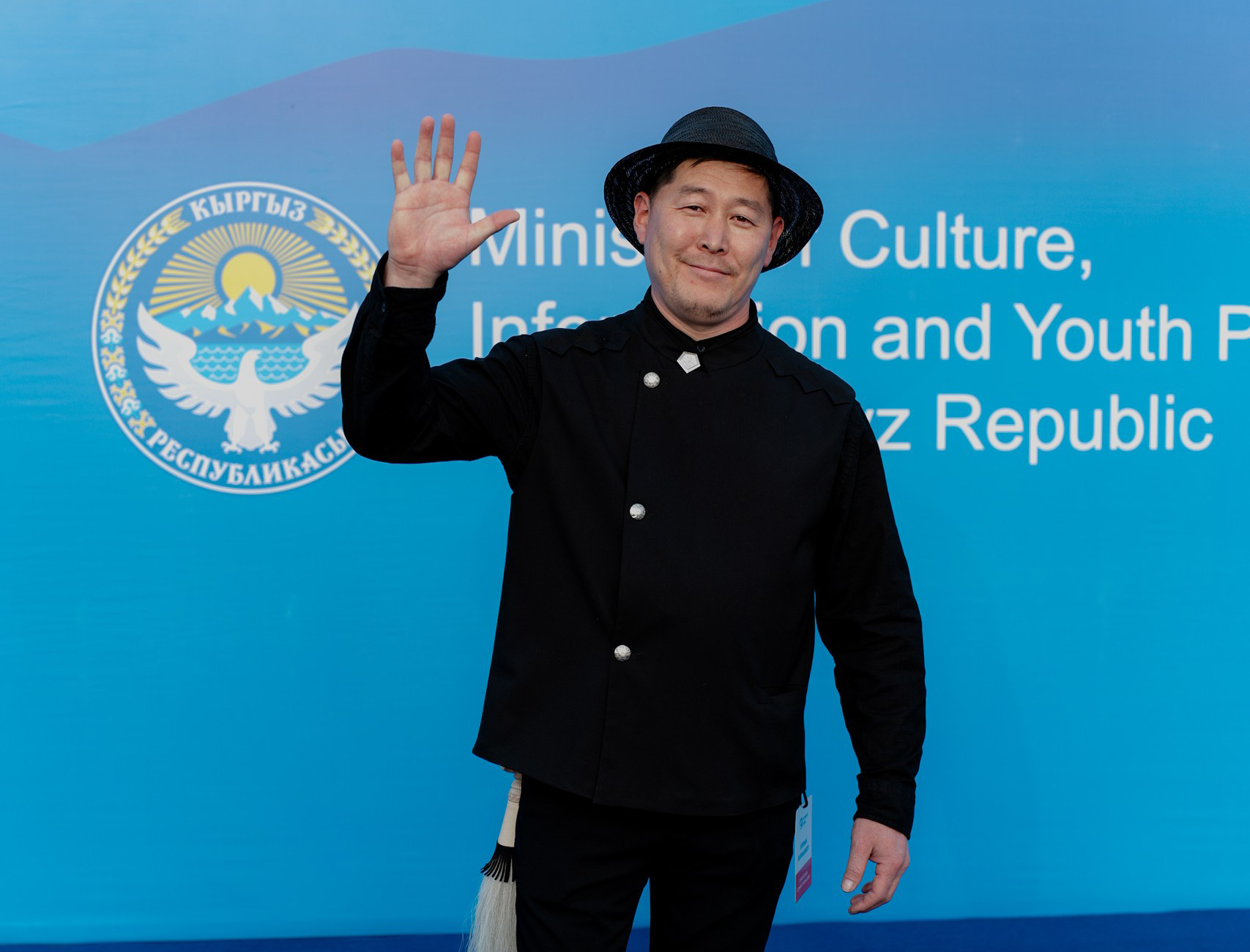 Photo: BIFF Press Office
Director Stepan Burnashev
Stepan Burnashev, director of widely acclaimed films such as Aita, Black Snow, and Dog, served as a jury member for the KyrgyzBox national programme, while director Apollinariya Degtyaryova presented her debut film Fear in the International Competition.
What proved striking was just how close the ideas, approaches and cultural sensibilities of the Sakha people are to those of Central Asia. Shared linguistic roots, overlapping traditions and common social concerns have become a natural catalyst for connection and mutual understanding.
Censorship strikes back
No account of the festival would be complete without addressing a significant, if uncomfortable, episode. The penultimate day of the festival, 11 June, was expected to be marked by the national premiere of the Kyrgyz film Kurak (Ash). Although not part of the competition programme and not promoted as a special event, it was eagerly anticipated by nearly everyone: jury members, special guests, and FIPRESCI critics alike.
The social drama, directed by Erke Zhumakmatova and Emil Atageldiev and based on real events, explores the difficult position of women in a patriarchal society. It had previously won several festival awards, including the Kim Jiseok Award at the Busan International Film Festival.
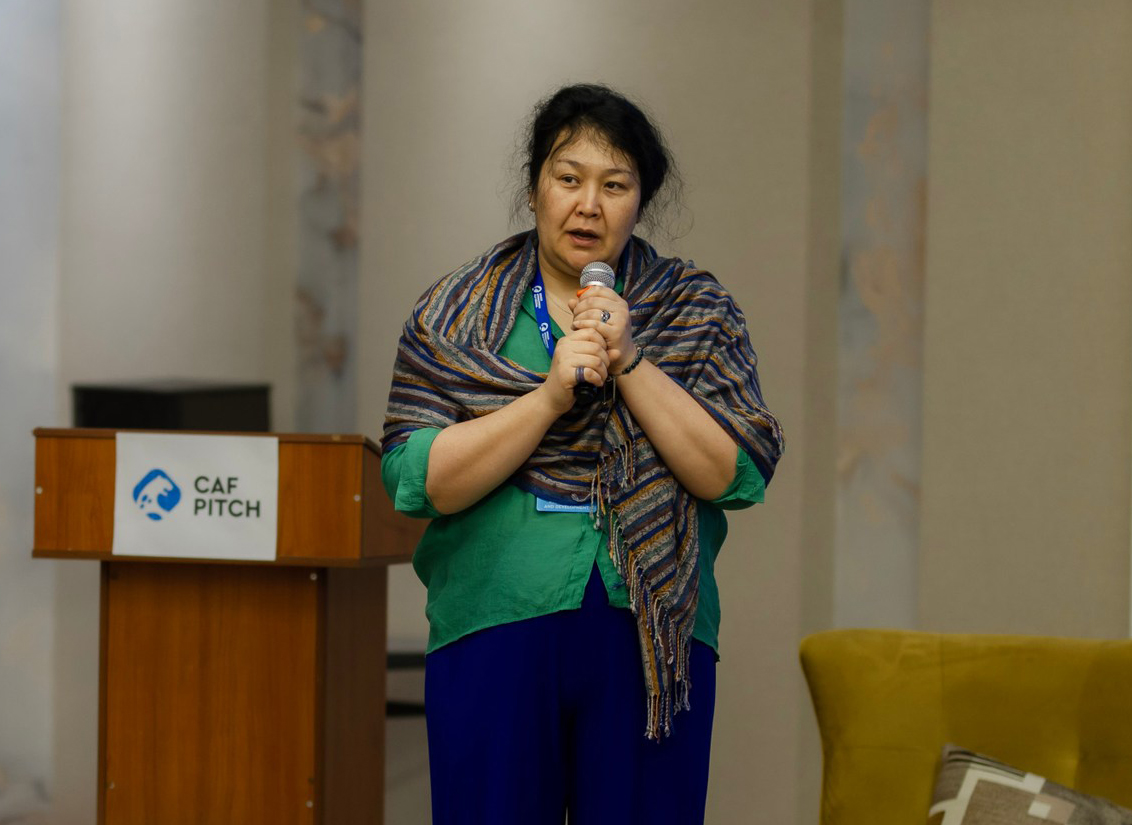 Photo: BIFF Press Office
Director Erke Zhumakmatova
Yet despite all the anticipation, on 9 June, just two days before the screening, the BIFF directorate received an official refusal from the Kyrgyzkino State Film Centre to issue the state registration certificate required for any public screening in Kyrgyzstan.
Zhumakmatova stated that she learned about the refusal only a day before the premiere and was given no explanation. She has publicly called for transparency in film classification procedures, noting that only two of the nine members of the reviewing commission were women.
Unfortunately, this is not the first attempt to restrict the screening of Kurak in Kyrgyzstan.
Organisation and atmosphere of the festival
The efforts of the organisers deserve special recognition. Looking back just a few years, it is hard to imagine a cultural event of this scale taking place in Central Asia.
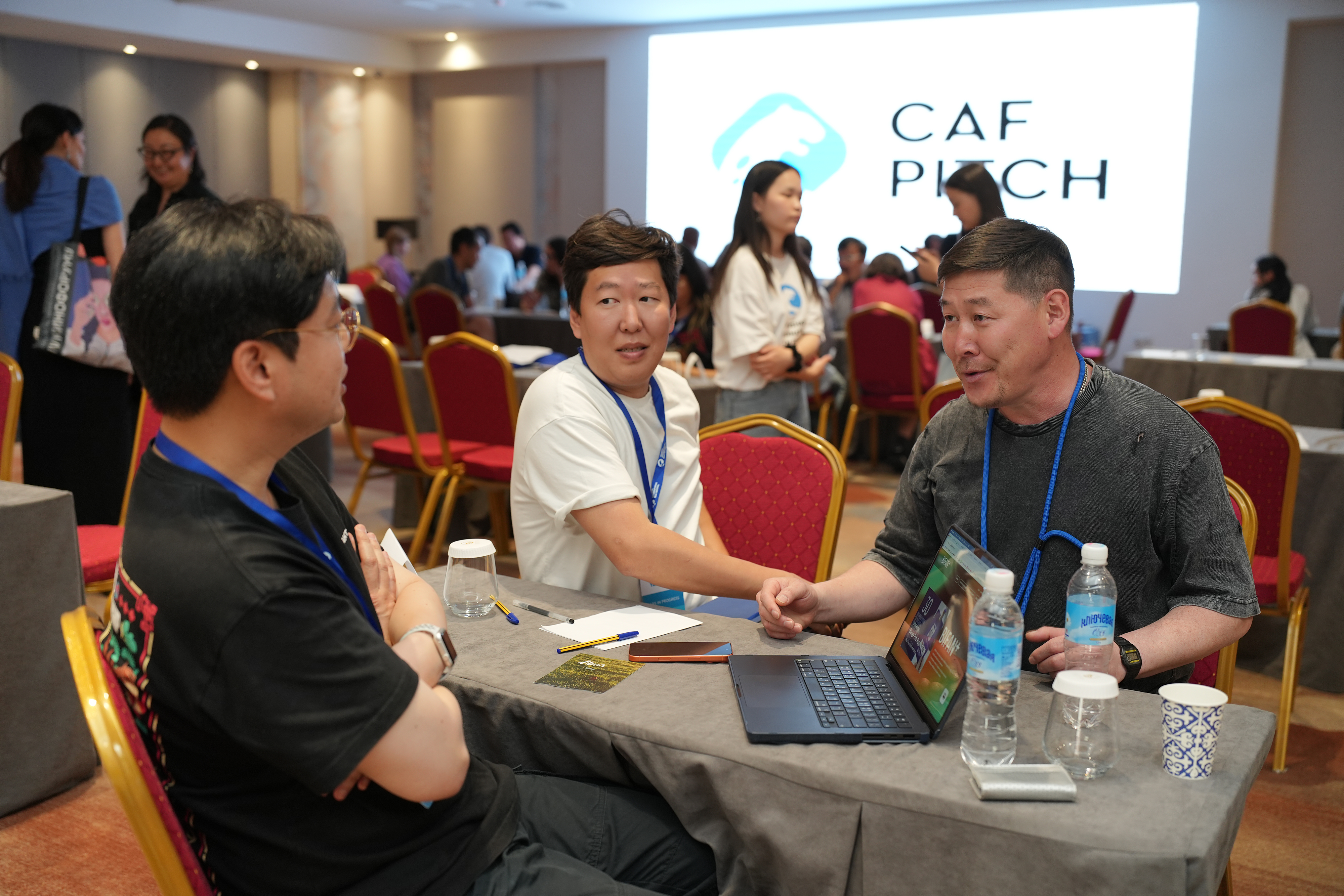
CAF Network Programme
Naturally, there were some organisational shortcomings: coordinating such a large number of guests is no easy task. However, these minor issues did little to diminish the overwhelmingly positive and, without exaggeration, heartfelt impression of the festival. During the closing ceremony, numerous foreign guests and jury members repeatedly expressed gratitude to the organisers and, in particular, to the dedicated volunteer team.
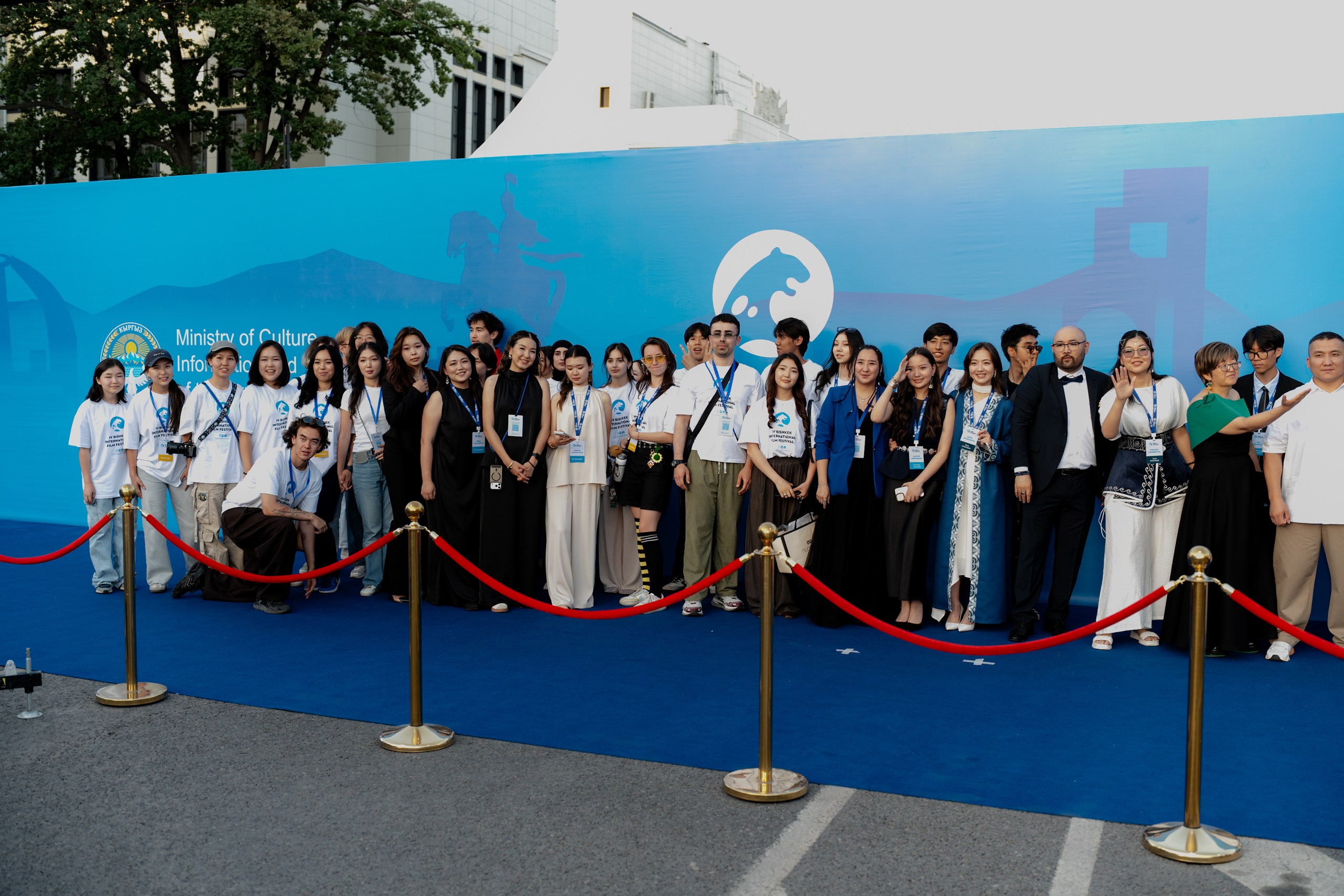 Photo: BIFF Press Office
Personal impressions
Here I will briefly step away from formal style and add a few lines not as editor-in-chief, but simply as a festival guest.
Did I expect that at BIFF 2026 I would hear several internationally recognised critics say, “I actually enjoyed it here more than Cannes”? Was I prepared to debate Central Asian cinema with a British film scholar, a Portuguese critic, and a director from the Sakha Republic? Did I imagine an afterparty where, over a glass of wine, people of different ages, backgrounds and cultures, sometimes with radically different perspectives, would discuss philosophy, everyday life and the poetry of cinema in what felt like a shared language?
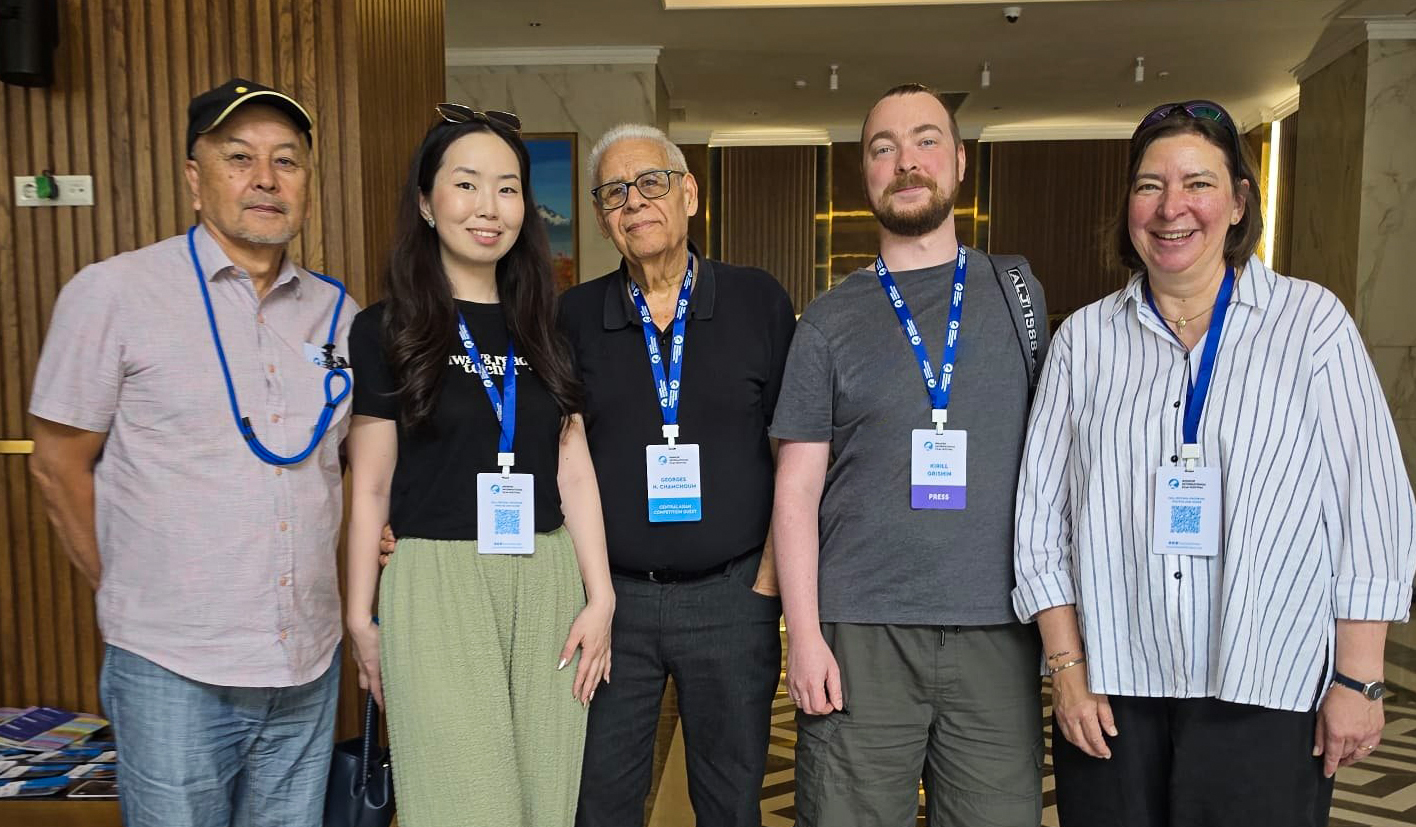
Director Kenzhebai Duisenbaev, Director Apollinariya Degtyareva, Director Georges N. Chamchoum, Editor and Journalist Cyrill Grishin, and theatre and film historian Professor Birgit Beumers
No, of course not. Yet this is precisely the ocean of art and creativity I was fortunate to immerse myself in during the 4th Bishkek International Film Festival.
If you ask me, I would say with full conviction that this is what cultural exchange should look like. You can spend an enormous amount of time discussing culture and art in corridors and panels, but without genuine human contact with those who have already embarked on their own journeys of artistic and intellectual exploration, theory easily remains just that — theory.
Why BIFF matters for Central Asia
Kyrgyzstan’s success in building a regular platform for regional cinema may understandably provoke a degree of envy. The organisers have managed not merely to create the façade of a major international event, but to fill it with genuine intellectual substance, allowing filmmakers to present their ideas, fears and dreams to the world. In reality, the Bishkek International Film Festival is a source of pride for the entire region.
This year, Uzbekistan presented just one film at the festival. Kazakhstan brought three and took the top prize in the Central Asian Competition. Does this mean Uzbekistan is limited in its capacity to develop its film industry and present more works? Absolutely not. However, filmmaking requires support and mutual understanding.
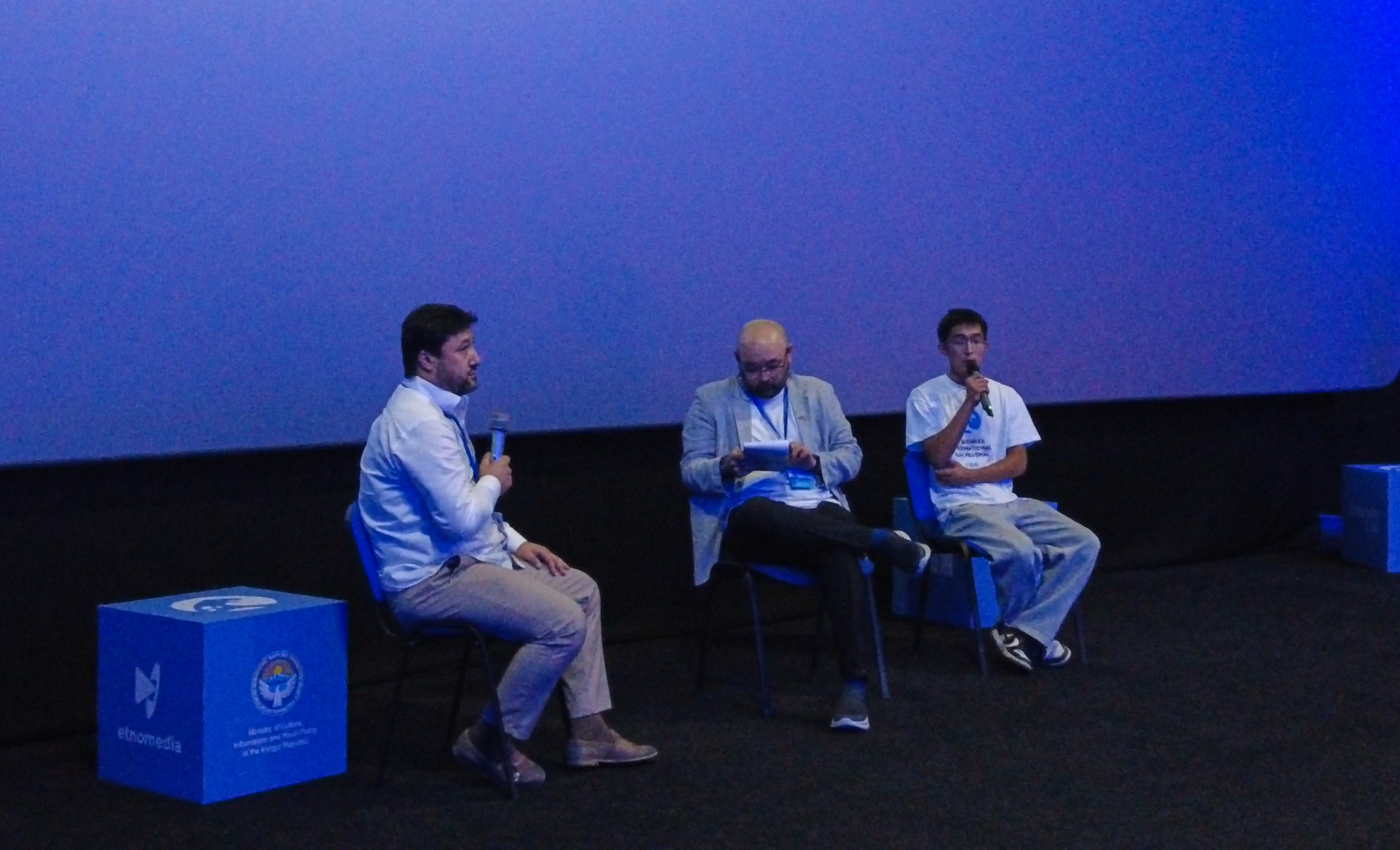
Director Nusrat Khusanov at the Q&A session after the screening of the film Shamsiqamar
Competition is a good thing, but not when it comes at the expense of art or when young talents cannot find the funding and support they need to experiment and develop their own voice. With the introduction of industry platforms such as CAF Pitch and Bars in Progress, which work not with finished films but with projects in development, a new horizon of opportunity is opening up for filmmakers.
In 2026, these programmes offered grants not only from Kyrgyz institutions but also from international partners. For example, the Red Sea Film Festival Foundation and the Shabyt Astana NG Foundation provided independent grants to winners from Kyrgyzstan. In other words, BIFF is gradually becoming a bridge connecting Central Asian projects to wider sources of funding, including in the Middle East.
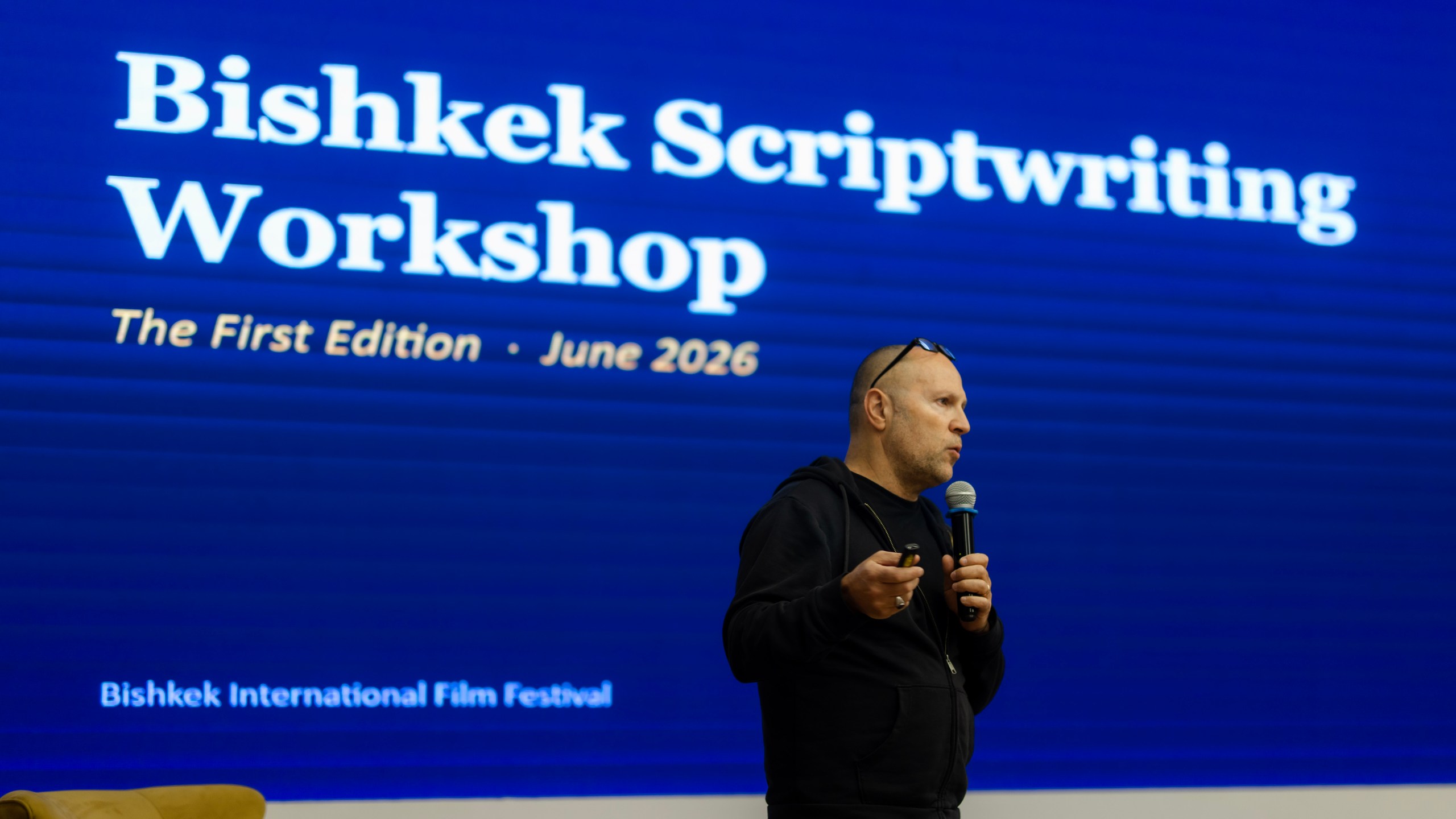
Scriptwriting workshop session
Cinema in Central Asia still lags behind more established industries on the global stage. We continue to rely heavily on themes of rural life, once seen as exotic and fascinating to Western audiences, but now increasingly feeling repetitive. We still borrow techniques from Hollywood without fully understanding their purpose. We still reproduce worn-out clichés and narrative tropes. But we are already searching, already experimenting, and already believing in the magic of cinema. What remains is to keep moving forward — to try, to fail, and to learn from our mistakes.
Newsletter
A letter from the HD editors
Once a week, we send the best stories, events, and cultural discoveries from Central Asia.