What is Inclusive Theatre?
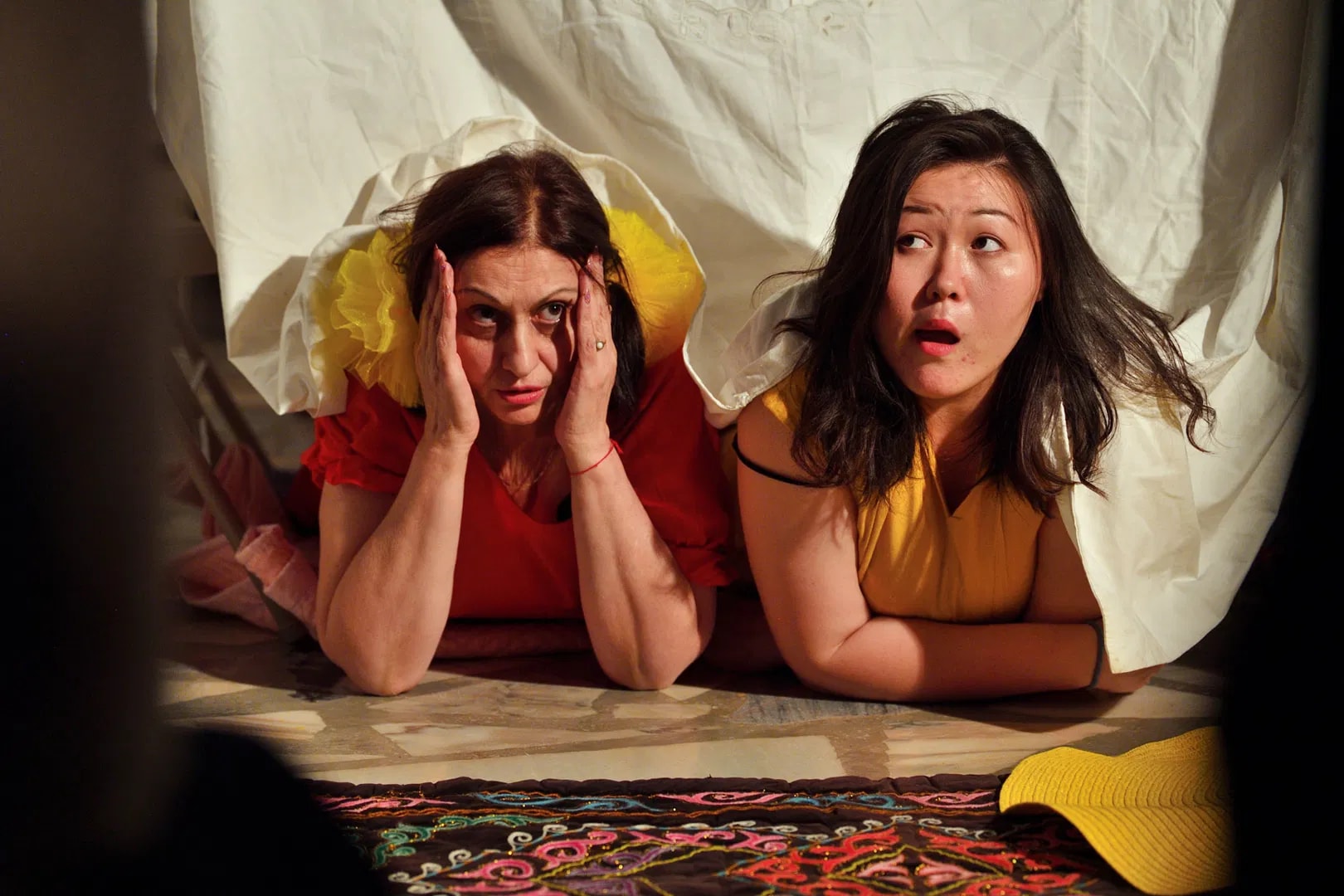
Inclusive theatre brings together people with different life experiences and abilities, including performers with disabilities or developmental differences. Its purpose, however, is not to evoke pity or tell stories of overcoming adversity. Quite the opposite: it seeks to present each individual in all their complexity and uniqueness, granting them a voice and a place within the arts. In such theatre, difference is no longer an obstacle but part of the artistic language itself, transforming the performance into a space where everyone can be seen and heard.
 Source: Photo: personal archive of Katya Dzvonik
Deystvie Bukvalno
Inclusive theatre should not be reduced to a conventional combination of stage, troupe and scenery. Deystvie Bukvalno, for example, is a laboratory where, through theatrical practice, professional actors and adults with developmental differences, including autism spectrum disorder and Down syndrome, create performances, stage artistic interventions and collaborate with interdisciplinary contemporary art projects. The project's curators have trained with theatre practitioners from around the world and now share their expertise, helping to develop inclusive theatre in Kazakhstan.
Over the course of its nine-year history, the laboratory has collaborated on more than twenty projects with contemporary Kazakh artists, cultural institutions and international foundations. Its performers have taken part in the ArtBatFest contemporary art festival, mounted exhibitions within the Efes Art Space programme, created a collaborative performance with visitors to the Tselinny Centre of Contemporary Culture, and presented performances at annual city events.
 Source: Photo: personal archive of Katya Dzvonik
The laboratory was founded in 2017 under the curatorship of theatre producer and arts manager Olga Sultanova, joined by actress and director Katya Dzvonik and actress and educator Elena Vovnova. The international curator of the first educational programme and the first production was Russian director and inclusive theatre specialist Boris Pavlovich.
The economics of “Deystvie Bukvalno”
The theatre has a well-established company of around twenty people. Some join, others leave, but the core ensemble has remained remarkably stable for almost a decade. In its early years, Deystviye Bukvalno was supported by the Soros Foundation Kazakhstan, which made it possible to pay everyone a regular salary. When that funding came to an end in 2020 after nearly five years, the company continued its work through partnerships with international organisations, including the Goethe-Institut, the British Council and Alliance Française. Kazakhstani companies have also supported the laboratory, something that cannot be said of the state.
Thanks to international support, the theatre is able to undertake major projects. One of the most recent projects was the Allvalidation Festival, held for the second time from 29 May to 4 June 2026 with the support of the British Council in Kazakhstan. This year's festival focused on broadening audiences' understanding of what inclusion is. Performances by British artists explored the lives of people living with OCD, ADHD and depression. Over the course of the week, audiences in Almaty also took part in a series of performances, lectures and educational walks. The Kazakhstani showcase featured our production alongside a production by the Adamdart Theatre.
 Source: Photo: personal archive of Katya Dzvonik
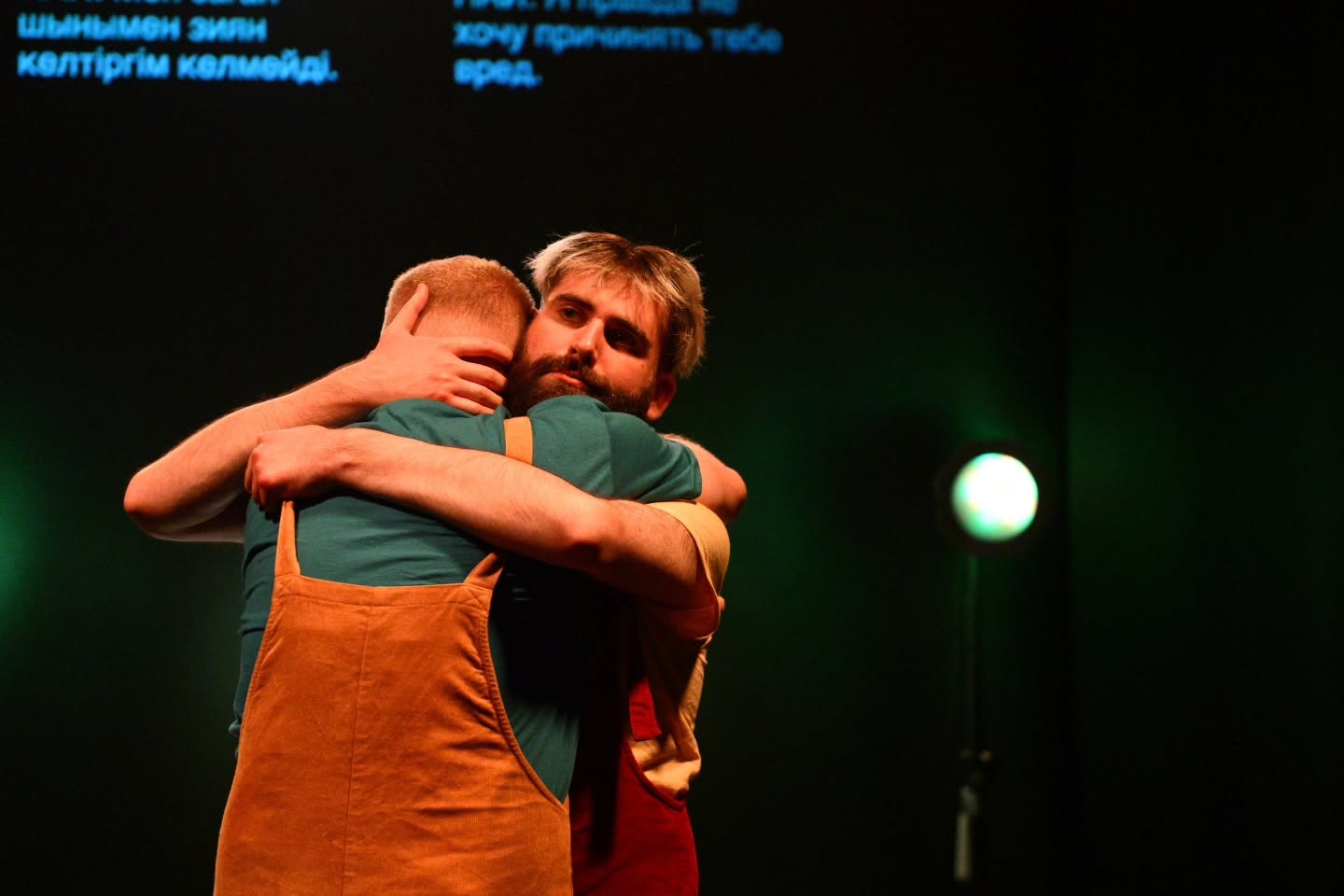
At present, the theatre has two productions in its repertoire: The Tower of Babel, directed by Boris Pavlovich, and Toi, created by the laboratory's curator and director Katya Dzvonik. The Tower of Babel is Kazakhstan's first professional inclusive theatre production and has now entered its third season at the Deystviye Bukvalno theatre laboratory. Inspired by Pieter Bruegel the Elder's famous painting, it explores the search for a common language in a world where people increasingly find themselves confronted with misunderstanding. Toi is also an exploration of community, this time through the lens of traditions and customs. The production reinforces this idea by using multiple languages, including invented ones.
Excluding performers' fees, each performance costs around 500,000 to 600,000 tenge (approximately US$1,000-1,200) to stage. Ticket sales alone rarely cover these costs in full. Without additional funding, staging the productions is simply not financially viable and only results in losses.
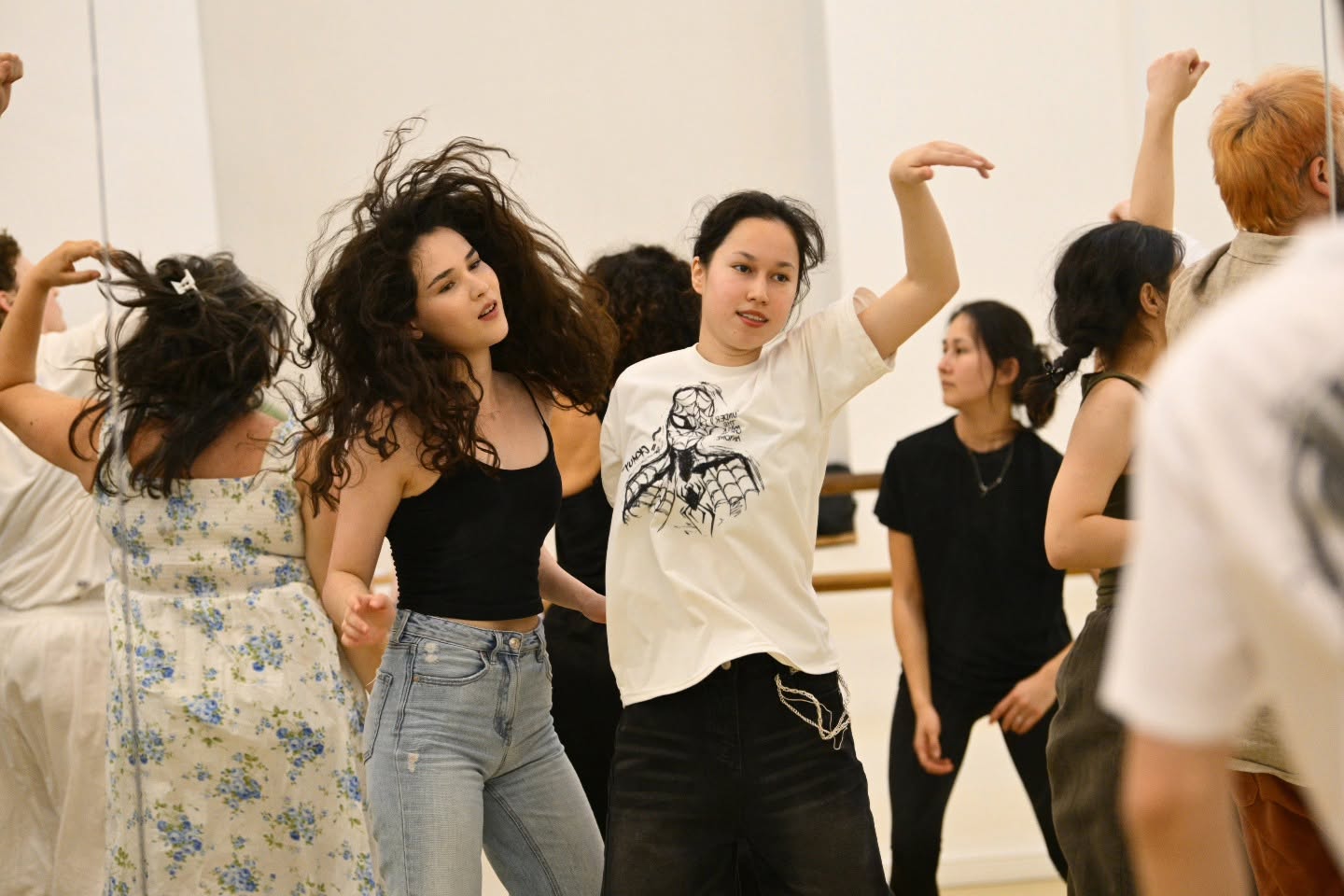
In addition to producing theatre, Deystviye Bukvalno also runs educational programmes and open workshops at the Tselinny Centre of Contemporary Culture, welcoming anyone who wishes to take part. This is inclusion in its fullest sense. Although the company does not have a permanent venue of its own, its productions regularly appear on the programmes of cultural venues across the city.
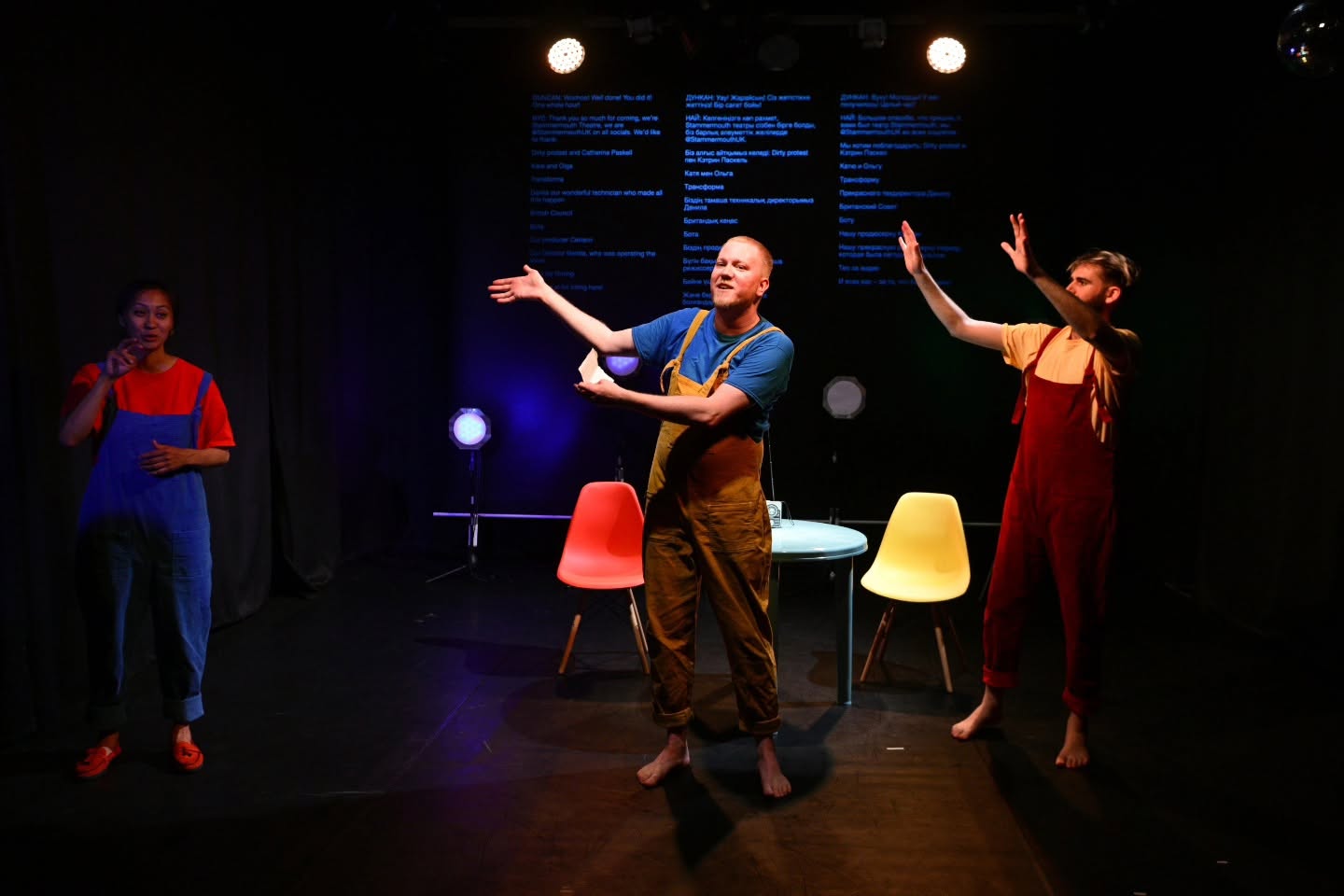 Source: Photo: personal archive of Katya Dzvonik
Adamdart
Adamdart's situation is, in many ways, the reverse. At the beginning of the year, the company finally acquired a permanent venue of its own. At the same time, however, its long-term sponsor withdrew financial support for a number of reasons, putting the venue at risk. Yet it is far more than simply a theatre; it is a fully fledged social platform.
The project's founder, Andrey Pashchenko, has extensive experience in inclusive and theatre projects. However, when he arrived in Kazakhstan in the autumn of 2022, he quickly realised there was little point in trying to find work with a theatre company. The competition was simply too intense, and even if he had succeeded, the salary would not have been enough to cover his living expenses.
Instead, Andrey began looking for opportunities through foundations. Before long, he was approached by the head of one of Almaty's public foundations, who wanted to establish an inclusive theatre in the city. Together, they launched an inclusive theatre company within the foundation.
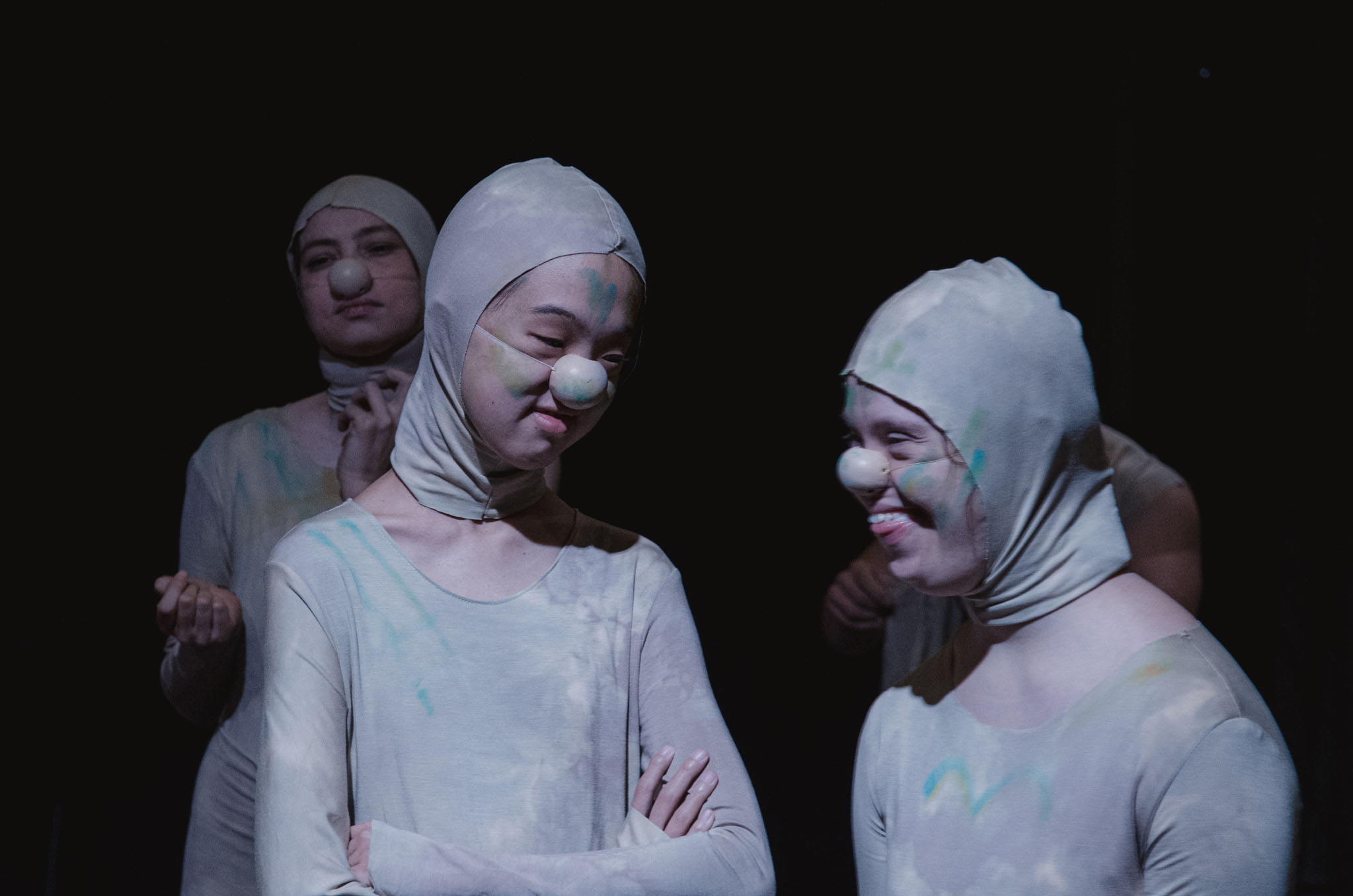 Source: Photo: Andrey Pashchenko's personal archive
The first step was to bring together an inclusive group. To this day, it remains the heart of the theatre. For four years, the company has never stopped working, despite holidays, breaks and periods of crisis. Even when they had no venue, rehearsals continued in parks and other public spaces.
When I worked on inclusive social projects in the past, I was uncomfortable with the way people were separated according to their diagnoses. You would have a group for autistic actors, another for people with Down syndrome, and so on. For anyone else who wanted to join a creative project like that, the barriers to entry were enormous. I wanted to create something completely open: an inclusive theatre that anyone could join, regardless of diagnosis, gender, experience or any other factor."
When I worked on inclusive social projects in the past, I was uncomfortable with the way people were separated according to their diagnoses. There would be one group for autistic actors, another for people with Down syndrome, and so on. For anyone else who wanted to join a creative project like that, the barriers to entry were considerable. I wanted to create something that was genuinely open to everyone: an inclusive theatre where anyone could take part, regardless of diagnosis, gender, experience or any other factor.
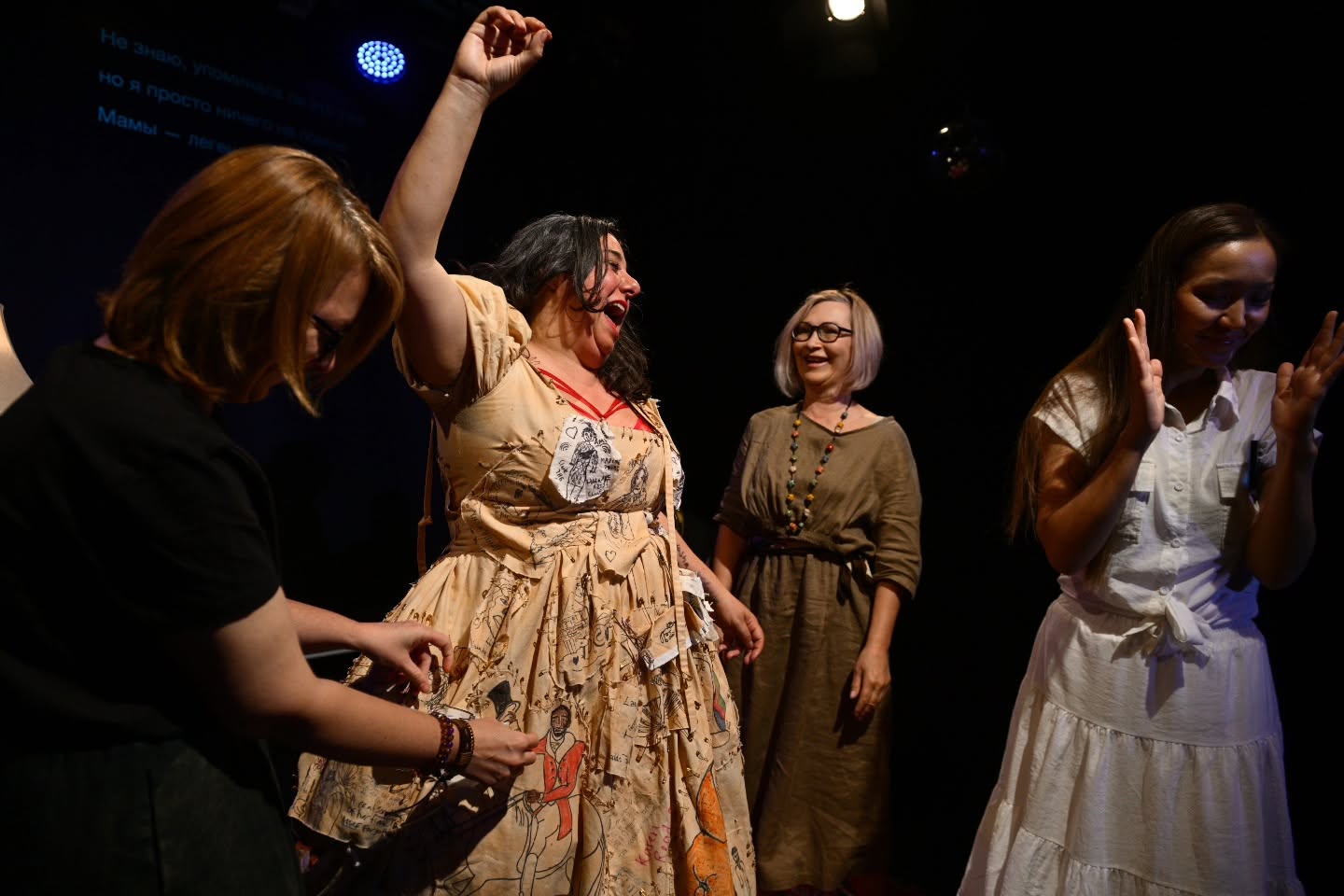
The theatre welcomed people with mental and physical disabilities, local residents, professional actors, and even self-described "troublemakers" from foster families. It was then that Privet, ya v gorode (Hello, I'm in the City) was created, a participatory performance that continues to this day. It is a performance-game with no audience: from the moment people enter the space, everyone becomes a participant and joins the dialogue. In just over an hour, the performance creates a model of a democratic space, with all its vertical and horizontal relationships.
Today, the word "inclusion" is often understood as a synonym for disability. For Adamdart, however, inclusion means ensuring that everyone is included. Financial accessibility is equally important, which is why all of the company's programmes have always been, and will continue to be, free of charge, even though this often places the organisation under considerable financial strain.
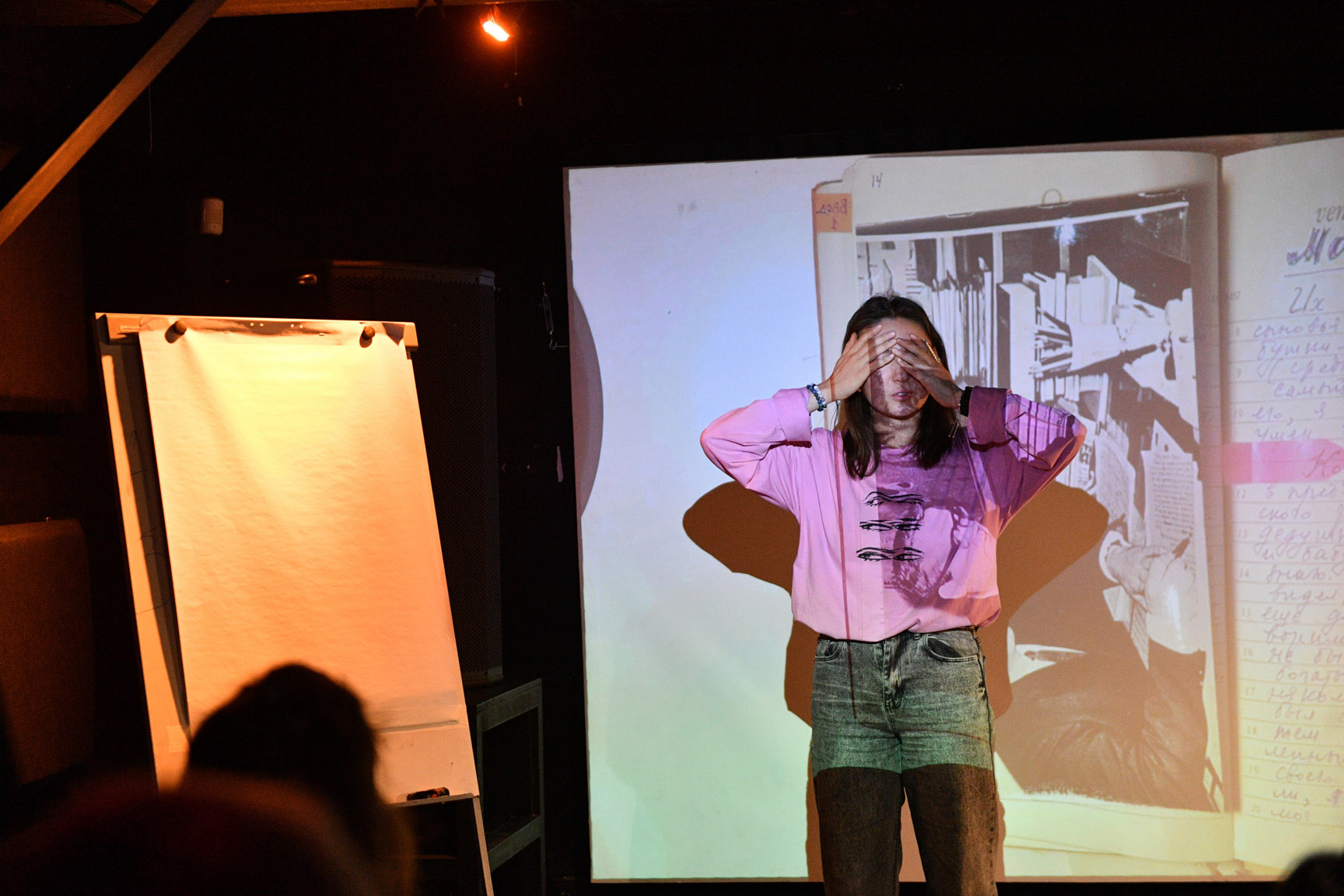 Source: Photo: Andrey Pashchenko's personal archive
Adamdart's initiatives
By the second theater season, a 60+ group was added, which is now also called 50+. There are longevity centers, mountain hikes, chess, embroidery, dancing, and other activities. But the opportunity to go somewhere, especially to a theater, remains quite limited for older people. Moreover, it's impossible to enroll in a theater school to learn a new profession at an older age, let alone gain a relevant foundation in contemporary theater. At Adamdart, a premiere came out this year: the 50+ studio, together with director Mark Kuklin, released the dystopian play "Leak."
However, younger participants can also join the adult group. The theater wants there to be no division into so-called "naive zoomers" and "wise elders." Everyone is equal, equally involved in the process, jokes, and gains experience. The curators chuckle: recently, one of the older group's participants performed a play with a bruise on her face — she had such a great time out with her friends!
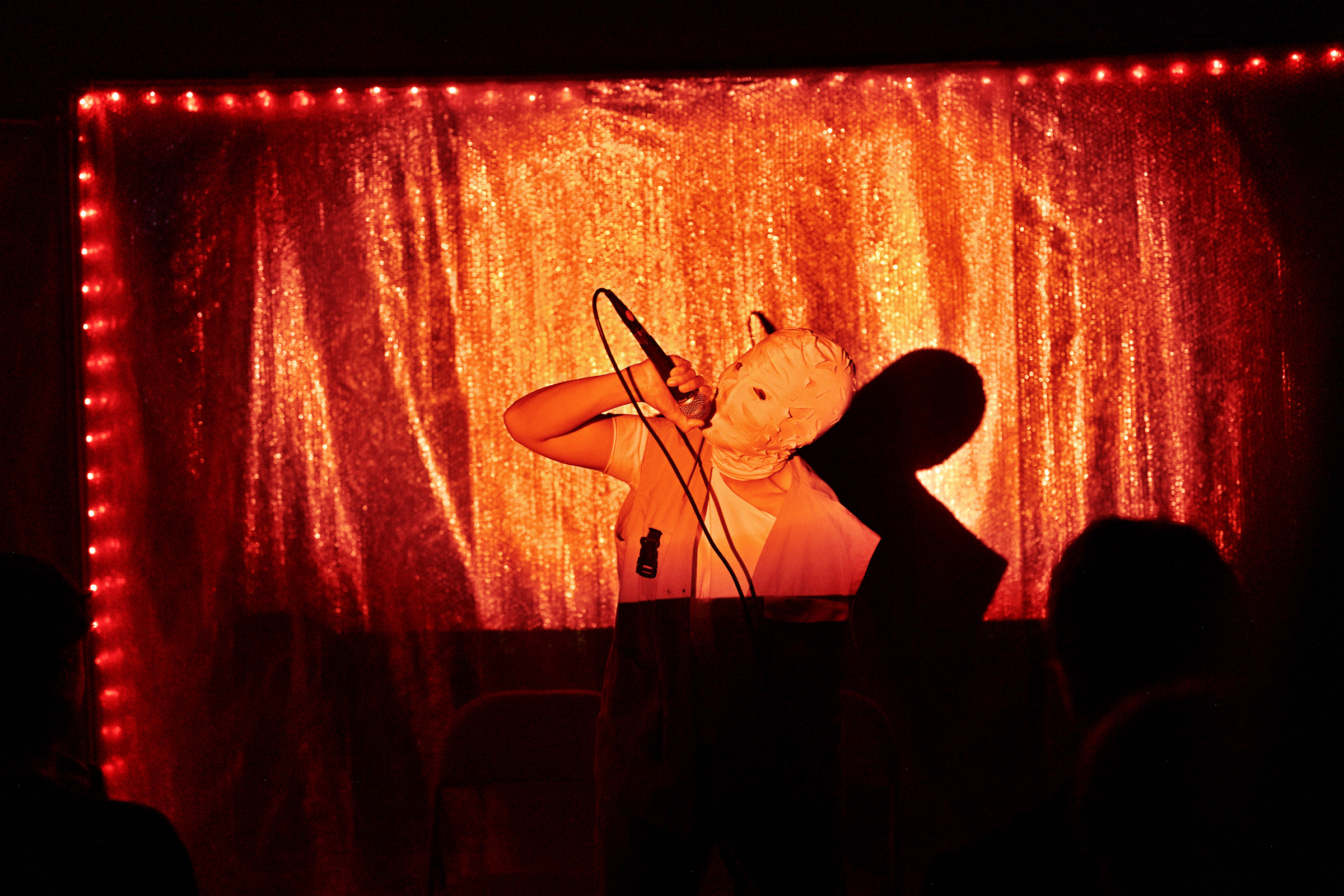 Source: Photo: Andrey Pashchenko's personal archive
How are people recruited for these programs? Through open calls, casting, but in the case of the inclusive group, there is a specific feature.
I directly reach out to foundations, parent chats, and collaborate with inclusive schools to get word of mouth working. This group is quite closed and isolated, so you can't recruit people just through Instagram posts or other social media. You need to go directly to the families of people with developmental disabilities and spread information through existing communities.
Another format of the platform's work is the "Theater Emergency Room." These are mobile performances that can be shown almost anywhere: children's hospices, schools, boarding schools, remote villages, and so on. This is also a story about theater accessibility, but this time territorial. If a person cannot come to the theater themselves for some reason, they can write to Adamdart, and the performance will be brought to them. Even to an apartment, if the person is bedridden and cannot leave home. First, there was the play "The Little Soldier" by director Dmitry Kurochkin, and then the program expanded to include lectures, master classes, and other events.
Unfortunately, the "Theater Emergency Room" is currently on pause: the theater simply lacks the hands and resources. Previously, the play was performed as part of the repertoire, and all the money earned was invested in the "Emergency Room" budget. Because transport, gas, and other travel-related expenses were always needed, since the performances were brought for free. There is an idea to expand the project even further so that not only Adamdart's productions but also plays from other theaters could travel within the project.
In addition, Adamdart runs a Documentary Theater Lab, started together with director Dmitry Sobolev. At first, it was a short course, after which they showed a mini-festival of documentary plays. The program turned out to be quite fruitful, and the participants suggested meeting regularly. As a result, another community formed within the theater. Now, based on the lab, a theater is being born that relies on real documents: interviews, transcripts, archival recordings, and other sources.
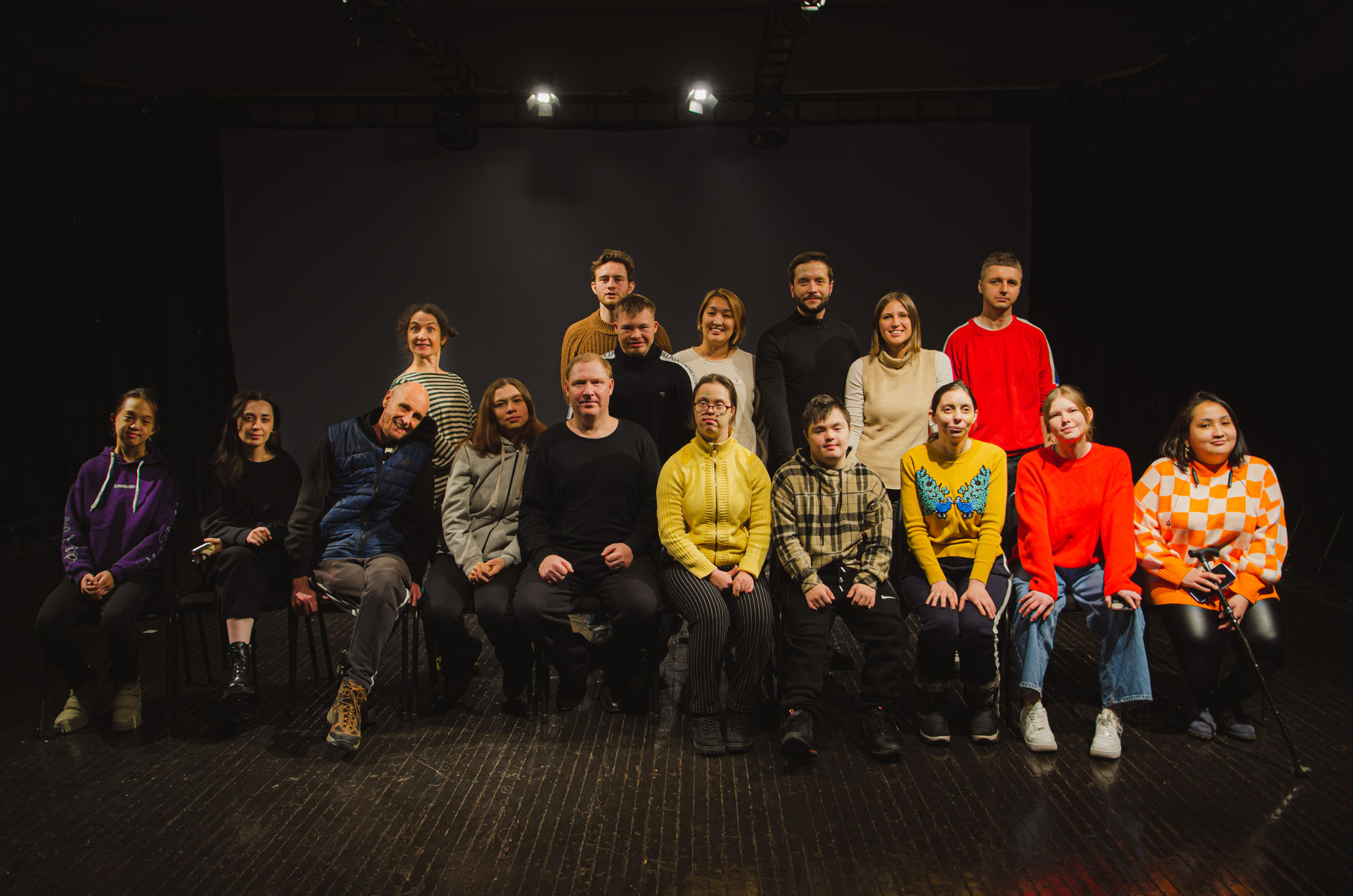 Source: Photo: Andrey Pashchenko's personal archive
To sum up, the situation with inclusive theaters in Almaty is both good and not. There is demand for this format, and it's a lot of work not only on the level of art but also with society as a whole. At the same time, theaters are often forced to work solely on their own resources, because in our society, the topic of inclusion is just beginning to emerge on the agenda. And this is exactly the case where inclusion should work both ways.

Newsletter
A letter from the HD editors
Once a week, we send the best stories, events, and cultural discoveries from Central Asia.