Roundtable
So Close and Yet So Far: Cinema in Conversation with Filmmakers from Yakutia
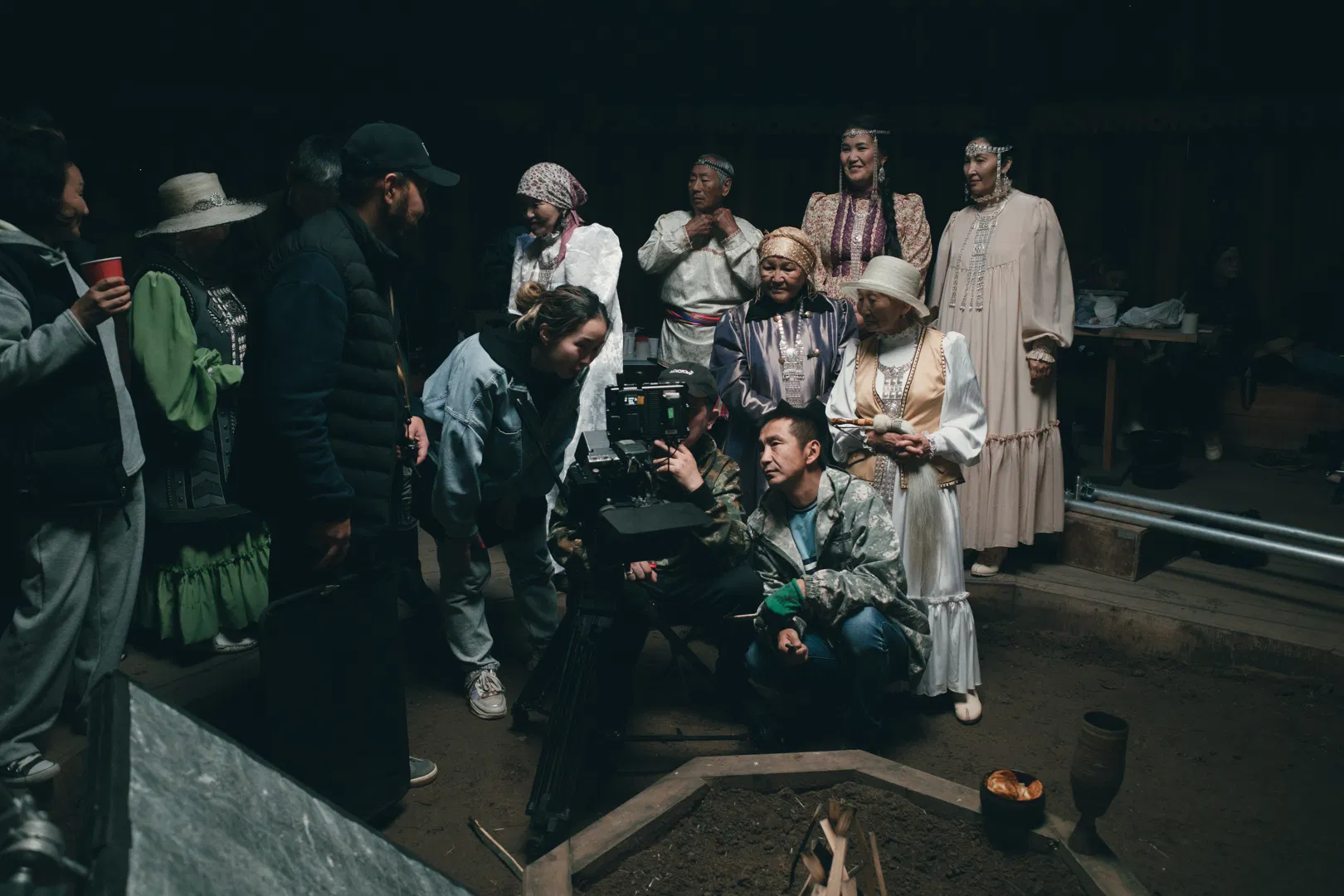
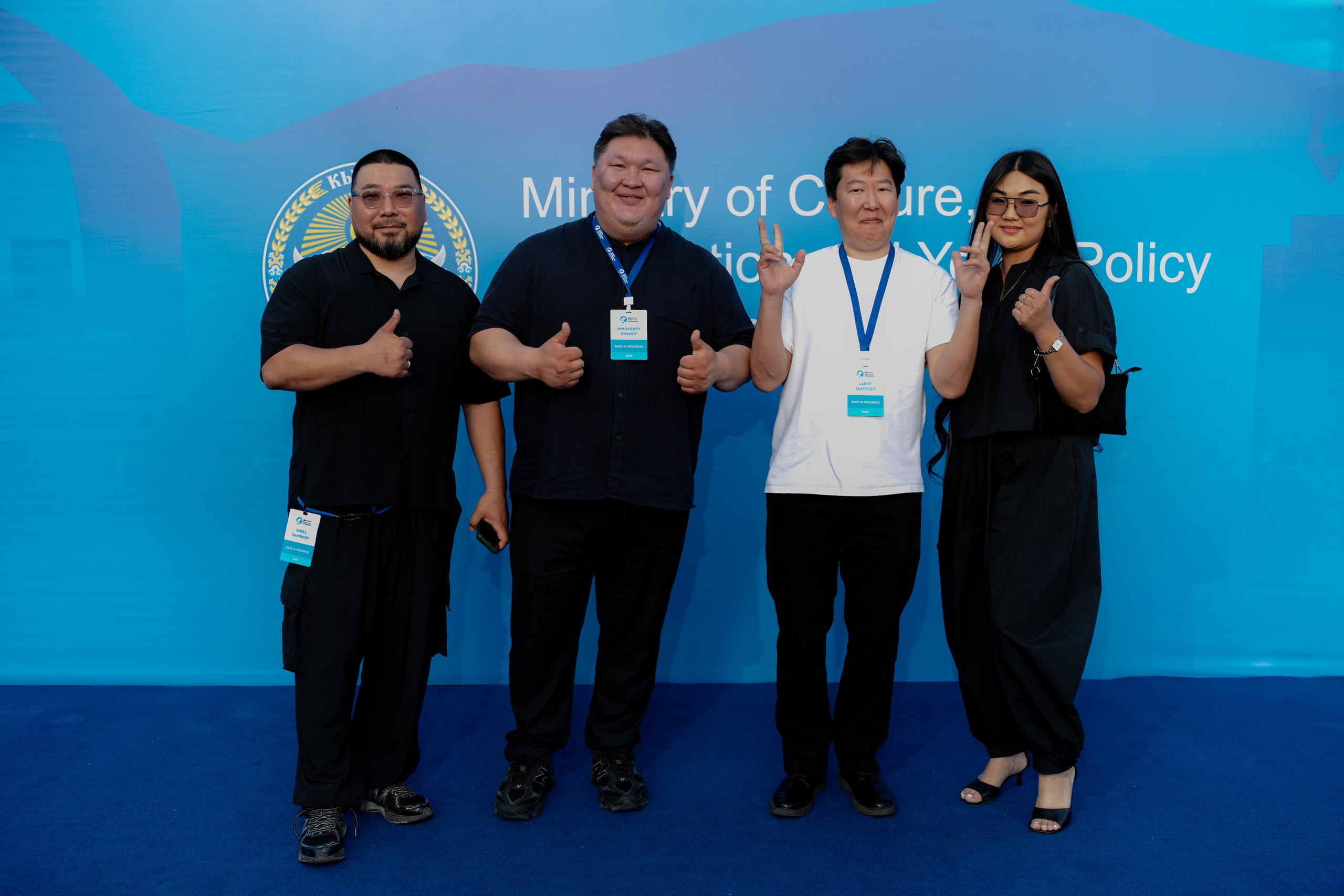
Turkic culture is far broader than it is typically described as being in Central Asia. A vivid example of this is the Republic of Sakha, also known as Yakutia, whose people — the Sakha — share traditions, language, and legends remarkably similar to our own. Today, Yakutian cinema is watched the world over: films are released in wide distribution, whilst directors and producers are in negotiations over co-productions with leading film studios across the globe. We spoke with filmmakers from Sakha — Innokenty Khandy, Apollinaria Degtyareva, and Illarion Yakovlev — about why national colour matters in cinema, and why people are more important than money in the industry.
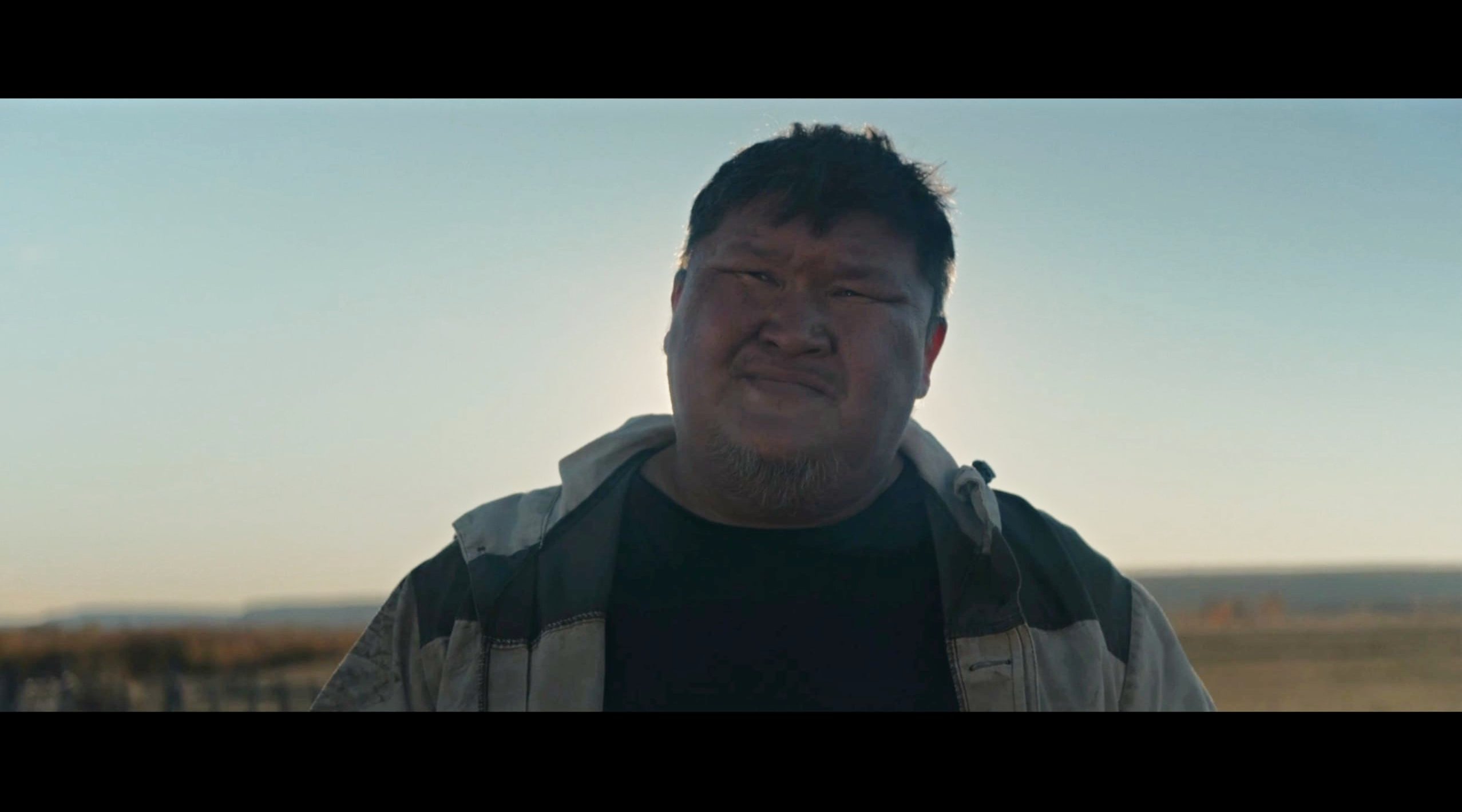
"Don't write rubbish, or someone might actually go and film it," Innokenty Khandy, screenwriter and producer.
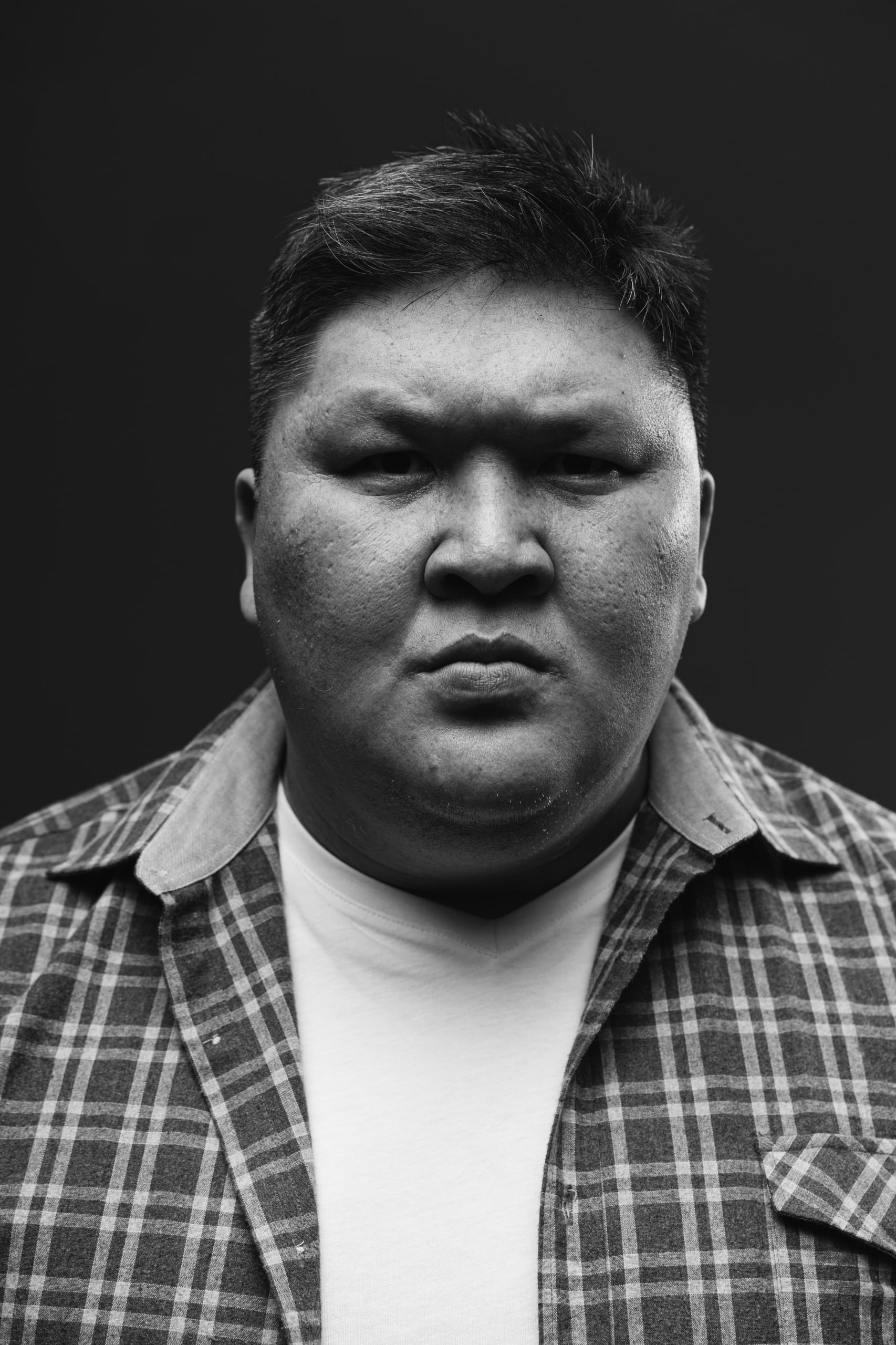
— Yakutian cinema has already earned recognition the world over. Your films are eagerly anticipated, and the names of filmmakers from Sakha are followed with keen interest. Share your experience — how did you get here, and what should one pay attention to along the way?
— Well, I've been rather fortunate. I'm following the path already laid by Styopa Burnashev, Dima Davydov lends his support, Alexei Romanov champions our cause, and Alexei Egorov from Sakhafilm is always on hand to help. It has been a long road — our predecessors laid the groundwork, and we are carrying it forward. There are no shortcuts here; you simply cannot rush the process.
Everyone in the film industry seems to have Netflix in their sights these days. Especially those just starting out. It's become something of a grand campaign — an Operation Barbarossa aimed at conquering the world's leading streaming platform, shared by virtually everyone. And the less you understand about cinema, the simpler it seems to get there. But the moment you begin to delve deeper, you realise just how many obstacles and complexities lie along that path — ones you must learn to navigate.
What I've come to understand, however, is that many of the barriers are of our own making. I began dismantling mine when I started attending film festivals. It is enormously important to engage with other filmmakers — from the United States, from France, from Uzbekistan, from Kyrgyzstan. You quickly realise that they are all just as consumed by cinema as you are. They cannot live without it. And so you must meet people, talk, and collaborate.
— At the Bishkek Film Festival you caused quite a sensation. Everyone remembered you. Why do you think that was?
— The cold has a profound effect on us as creative people. When you spend half the year with minus fifty degrees outside your window and nowhere to go, you inevitably start inventing things. There is a lack of leisure, of social interaction. And so you teach yourself all manner of things and become deeply engaged in whatever you do. We are constantly broadening our horizons — we read a great deal, we explore a great deal.
I think people sense that, and it resonates with them.
— What are your thoughts on producing within the CIS?
— The producer's craft has yet to be properly developed in our part of the world. Across the entire CIS, there is no shared understanding of who a producer actually is, what precisely their responsibilities entail, or how, for instance, a line producer differs from an executive producer. On the whole, producing is still in its infancy. After all, making films is one thing, but taking a project further — that is an entirely different discipline. To sell a film, to secure financing, to make meaningful use of a festival appearance, you need to understand what to say, to whom, and equally, what is better left unsaid.
I have always felt that I am dreadful at getting my ideas across. And yet, somehow, I find myself reaching agreements on all manner of things. Because what matters even more than saying everything precisely and to the point is being remembered. You might speak with someone for five minutes, but you need to leave a lasting impression. Some people are memorable for their appearance, others for their voice — the rest of us must find our own distinguishing quality.
There is also a widespread misconception that money is the most important thing in cinema. In practice, the budget depends enormously on the producer and the director — and on the screenwriter, too. Changing a single line can multiply or reduce the budget of an entire scene several times over.
— Emerging screenwriters frequently encounter the problem that their work is rejected everywhere. This is particularly true of those who have just completed their training. Do you have any useful advice for them?
— Academic education and one's own worldview are very different things. As a child, I devoured Nick Perumov — Adamant of Henna, The Death of the Gods, and others. Then I happened upon Tolkien's work and realised that Perumov was writing fan fiction. It was a revelation to me that one could simply sit down and begin writing something of one's own, drawing on other people's stories and adapting another's lore to suit oneself.
And for a screenwriter, working with other people's ideas is precisely the foundation of everything. At the start of a career, that is difficult to grasp and accept. When you write on commission, you work with a producer and a director whose ideas you must be able to adapt — and you must navigate between their wishes and your own.
I myself consider my very first screenplay to be my finest — I still haven't managed to surpass it. And yet it has never been made. Only very recently did I begin talks with a producer from the United States about that idea. Perhaps this project — In Crimson — will finally see the light of day.
And here is one more piece of useful advice for all screenwriters: even if you find yourself taking on a dubious project for the money, even if no one involved has the slightest interest in dramaturgy and they are perfectly willing to pay for complete nonsense — do not write nonsense. Because they will take it and film it, and your name will be attached to it for ever.
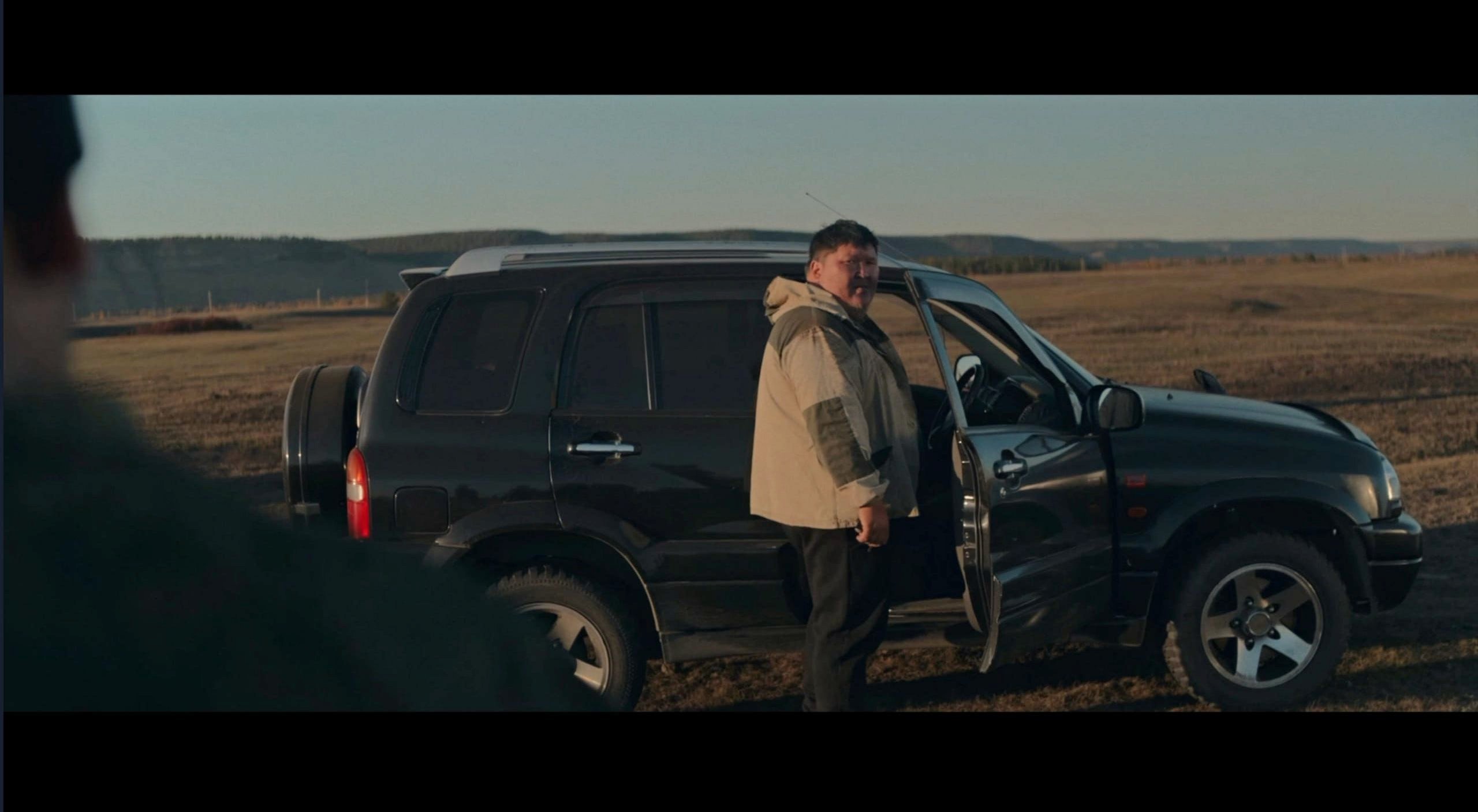
"There is no shortage of ideas. But very few of them ever reach realisation," Apollinaria Degtyareva, director, screenwriter, producer.
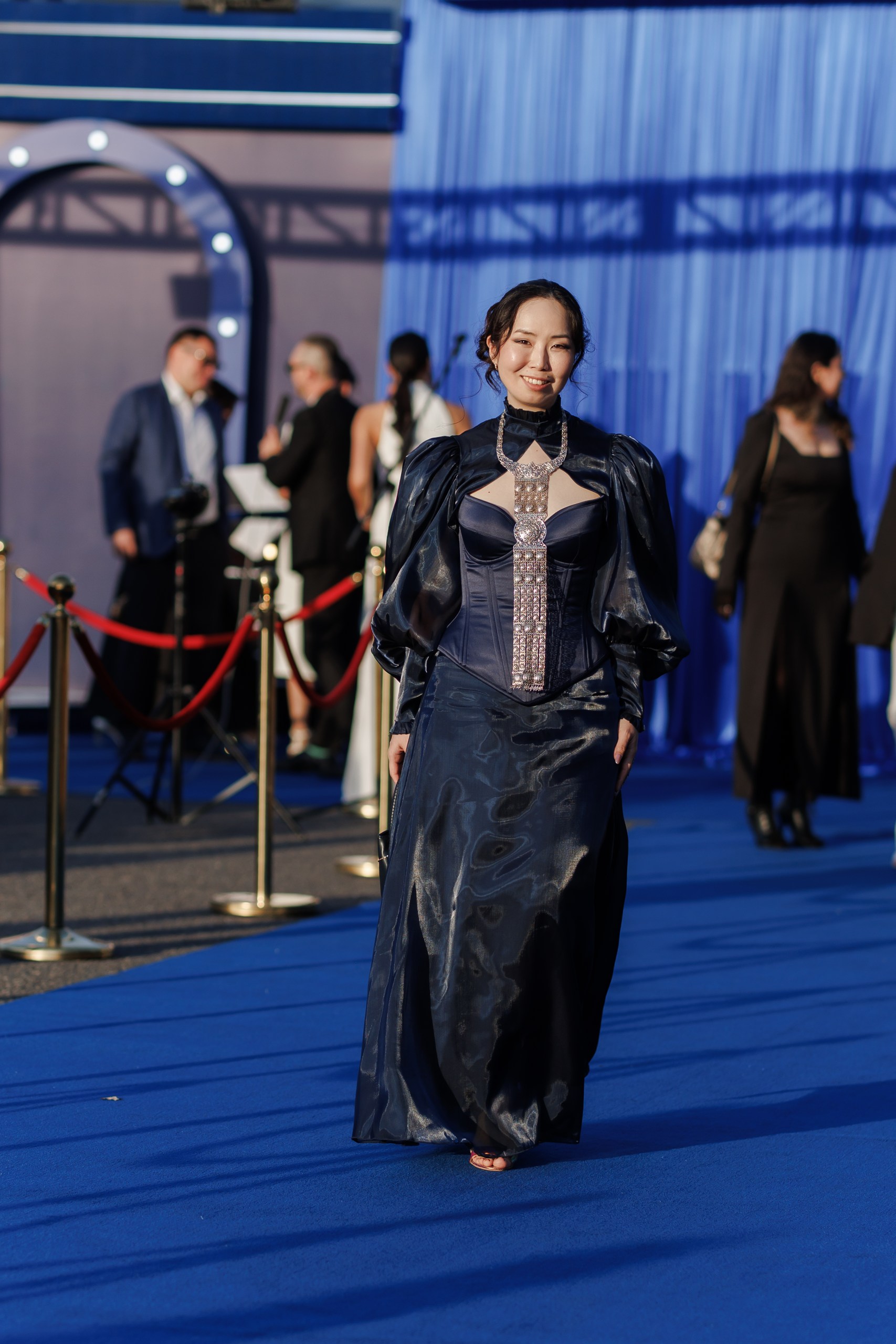
— Over the course of my career I have conducted a great many interviews, but this is a first for me: I suggested speaking with you, Innokenty, and Illarion — and all three of you, quite independently of one another, were ready to talk immediately. I am rather taken aback.
"This is perhaps the Yakut mindset. Now or never. That's how we make films, too. Just today we had a meeting where we decided to start shooting in a month and a half. We immediately ring everyone who needs to be involved, and things get moving. There's a wonderful phrase — not mine, but I've adopted it: you have to throw yourself into the fight first, and think afterwards."
I enjoy working under constraints. It sparks creativity. I loved a colleague's phrase: "Anyone can make a film with money. Try doing it without." If you have a small budget — make something low-budget now, rather than waiting an eternity for a fortune to fall into your lap. And in general, when you work with what you have, you learn far more than when everything is handed to you on a plate.
— Is it difficult to be a woman in directing?
— It's a rather delicate question. At today's meeting we were discussing a project where I am the director, and both the assistant director and the cinematographer are also women. And then a joke comes from our male colleagues: "Be prepared for emotional trouble on set at least once a month." We understand it's a joke, of course, but every joke contains a grain of truth. And there's no escaping the label of being "emotional," even if you conduct yourself with more restraint than some of your male colleagues. The attitude is biased, but it's not worth dwelling on.
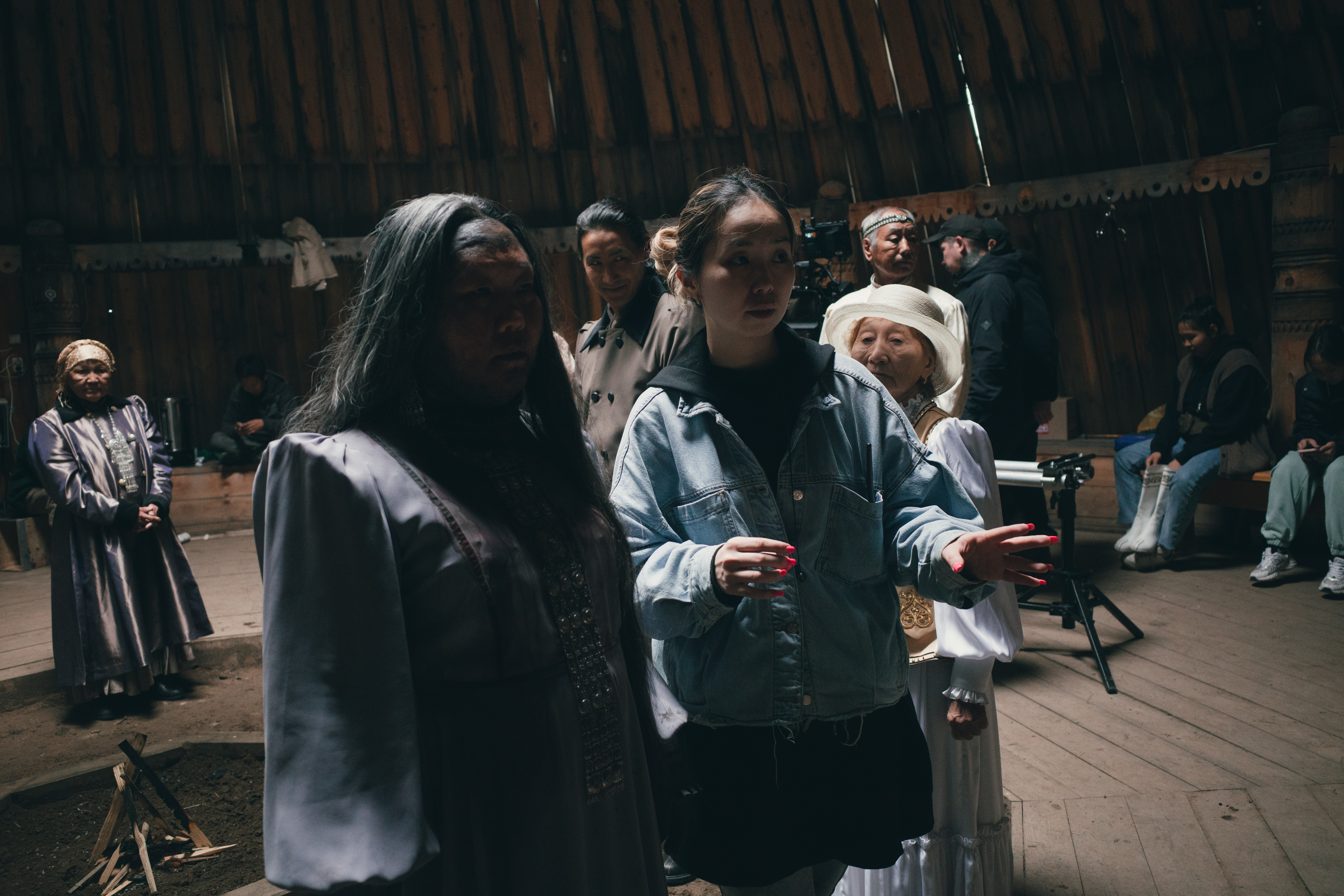
I believe that the more women directors there are on set, the sooner people will grow accustomed to it. Here is a curious paradox: not long ago I sat on an examination panel, assessing the work of future filmmakers, and one piece stood out in particular. A graduating student was analysing female images in cinema, yet not a single film in her selection had been directed by a woman. So I suggested she rename her paper "Images of Female Characters as Portrayed by Male Directors."
There is a widely known term in cinema — the "hero's journey." It is linear, moving from point A to point B. But there is another concept — the "heroine's journey." And that one moves inward. For me, the defining example of the heroine's journey is Michelle Yeoh's role in Everything Everywhere All at Once. Men and women generally have different approaches and priorities, which is precisely why cinema needs both the female and the male gaze.
Today, every woman director carries a great weight of responsibility. The fewer representatives there are in a profession, the more consequential each of their steps becomes. But one must be truly passionate about one's craft and live and breathe cinema. Then people will follow you — people who are willing to go without food or sleep, as long as they get to make films. And it will no longer matter to them whether you are a woman or a man, because you are leading them towards a shared goal.
— You have been making films for many years now. What, in your view, makes a director a director?
— Honestly, right up until 2023 I could not bring myself to call myself a director, even though I had short films, documentaries, and around forty television programmes to my name. Impostor syndrome is remarkably difficult to shake. But when I invested my time, energy, knowledge, and skill into producing my film Fear, I finally felt that I had earned the right to call myself one.
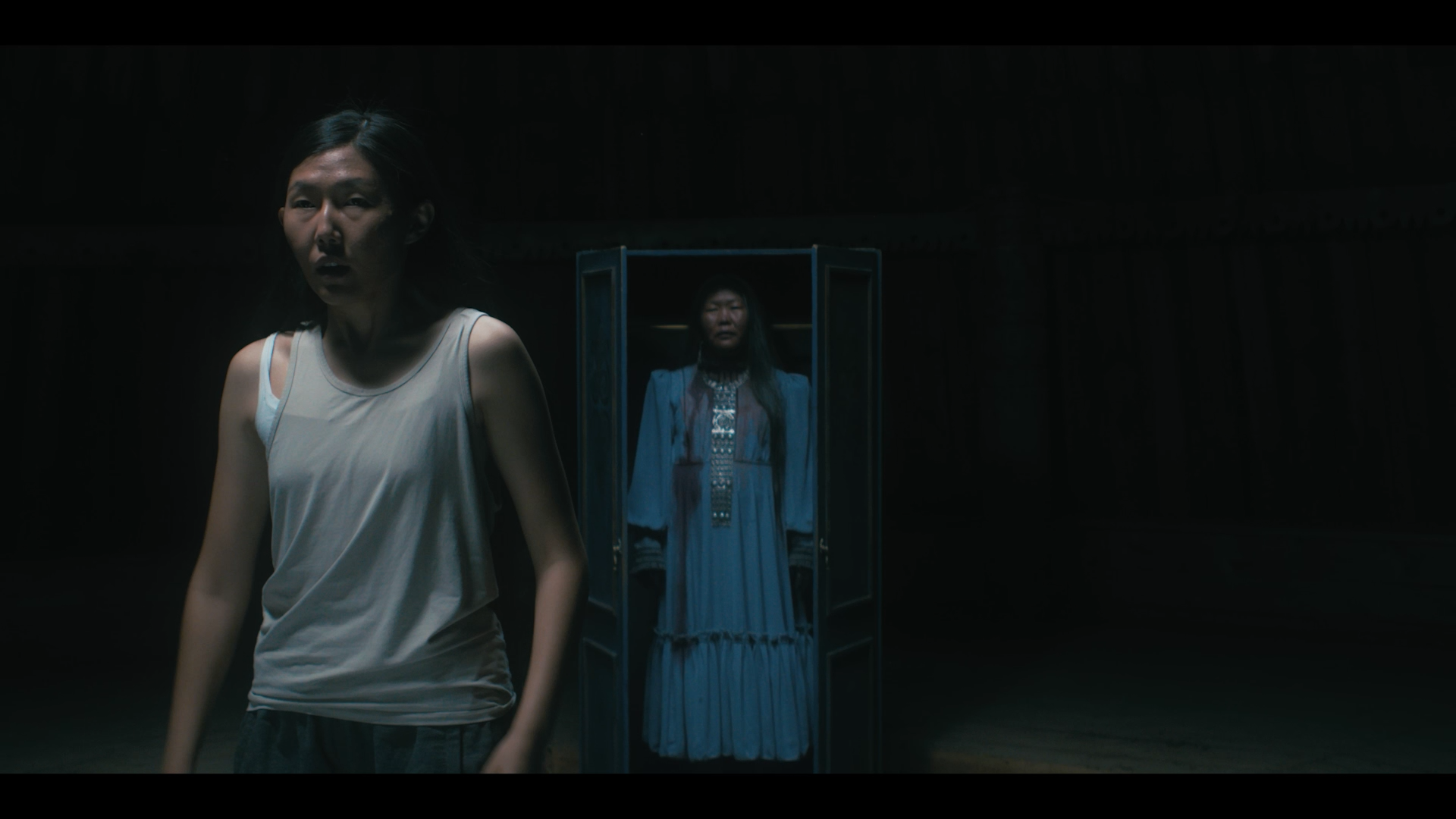
It is my auteur project, deeply personal, and anyone who wishes to develop an auteur work into a feature film must understand that everything depends entirely on them. You have to infect everyone around you with your idea and prove that it is worthy of being made. There is no shortage of ideas. There is no shortage of people with ideas, either. But those who are prepared to carry an idea through the entire production process — from adapting the screenplay to finalising the edit — are far, far fewer.
— How does one know whether an idea deserves to become a film? Where is the line between a banality its author considers a work of genius, and the greatest story in the world whose author believes it is not quite good enough?
— You can take the long route or the short one. The long route is when you build up your visual literacy — studying the finest films in the genre you wish to work in, reading reviews and critical opinions. The short route is simply to go directly to filmmakers, screenwriters, and producers and ask them outright. One person might identify where the dramaturgy falls apart, another might point to weak dialogue, and someone else might tell you the story is well-worn and needs something added — a national flavour, for instance.
And that is far better than stewing in your own juices. There is no need to limit yourself to specialists within your own country, either. The filmmaking community is quite close-knit: if you share a common language, people will guide you. Of course, when it comes to an auteur project, there may be a fear that your idea could simply be stolen. But making a film is so enormously difficult that it is far easier to hire you to make the film from your own idea than to steal it, find a team, and start from scratch. And as a precaution, you can always register your copyright.

— On the subject of national flavour: some directors from Central Asia face the problem of that flavour becoming the central theme of their films altogether. How does one work with it in the right way?
— It is impossible to explain the nuances of national identity in a single film — otherwise you would need to be making a documentary. In the end, if you overindulge in ethnic themes, the audience may simply lose the thread of what the film is actually about. I believe a film should not take an entire bucketful of national culture and highly specific references and upend it over the viewer's head.
It is better to choose one thing and explore it in depth and with clarity. There is a wonderful film by my colleague Lyubov Borisova, "Don't Bury Me Without Ivan". In the story, the protagonist falls into a lethargic sleep. And running like a thread through the entire film is a single idea about our culture — the Sakha people have three souls: one spiritual, connected to the legacy of the ancestors; a second bodily, connected to health; and a third ethereal, connected to feelings and consciousness. And that is the whole essence of its colour.
I also love Disney's Mulan. It has one central idea — you must bring honour to your family. Everything else is set aside. And when the villain refers to Mulan not as a woman but as a soldier, that one small phrase tells us everything about the difference between how her own people regard women and how another nation does. It is precisely these subtle touches that enrich cinema.
Yes, there are moments when one is passionately seized by the desire to portray one's culture on screen in the finest detail, to make the audience fall in love with it — and in those moments it seems like a noble endeavour, after which an endless accumulation of national colour begins to find its way into the screenplay. But no single film can ever fully contain the culture of an entire people. When I watch a film that is overloaded with cultural particulars, I can feel right through the screen how its makers, "with the best of intentions", kept adding more and more of the national element to the story and then could not stop in time... And that turned the film into a catastrophe. So sometimes the perfect truly is the enemy of the good.
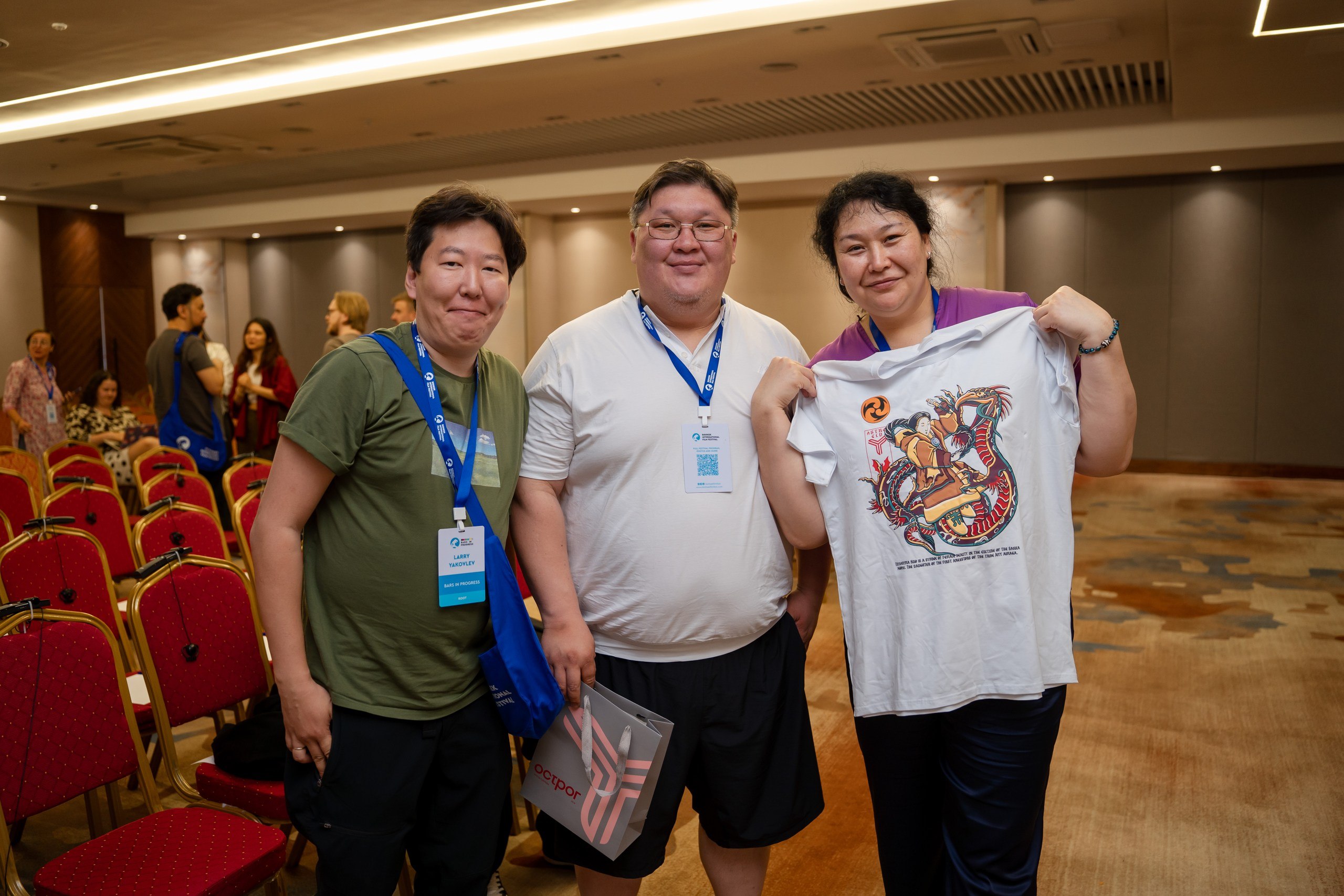
"Do not be afraid to ask for help," Illarion Yakovlev, director and producer.
— The Sakha are also a Turkic people. We share a similar folklore. I have noticed that you frequently use ancient runic symbols in your films. How do you feel about incorporating these ethnic elements into cinema?
— I believe a film should work equally well in any country. It may have its own structure, its own concepts, its own national customs — the audience should sense that this is a different kind of cinema. But at the same time, the underlying logic and the ability to understand what is being said must remain intact.
Yakut horror is developing very actively, because it is built upon our many urban legends. Times change, and the legends transform in order to remain relevant and comprehensible to people even today. Perhaps when legends remain in their ancient form, it becomes harder for people to take them seriously.
Our folk tales are instructive and always carry a moral about good and evil. People believe in them, they believe in the spiritual world. The unfortunate side effect is that horror films sometimes draw smaller audiences, because people are genuinely frightened by what they see on screen.
Take, for instance, my colleague Evgeny Nikolaev, who has made a very powerful horror film — I would say one of the finest we have produced. And in it, the fear does not come from jump scares but from an oppressive atmosphere. People watch it and say: "That's it, I am cursed after this film." There were many comments from viewers who could not sleep at night afterwards. Because it touched something deep, it made them feel and think.
That, I believe, is how folklore ought to work in cinema. Stories should teach something, presenting customs not merely as decoration but as an element of the narrative.
— I have noticed that you and the other filmmakers from Sakha often speak of the achievements of your colleagues, friends, and mentors rather than your own. You speak of your own accomplishments quite rarely. Why is that?
— That is how we were taught. It has been part of our upbringing since childhood — one does not speak of one's own goals and victories. I often hear the saying: "A Yakut has won, but a Yakut will not admit it." Even if you ask someone directly whether a particular achievement is theirs, they may say it is not, even though it was in fact they who succeeded. We are a guarded people in that respect.
Even I, if I achieve something somewhere, will dance around the subject to the very last. I will say: "Well, I gave it a try." People will read the festival news and see that you have won, but they will never hear it from you directly.
Some might see this as a shortcoming, but because we do not know how to boast or indulge our egos, we are always ready to help one another. We love to say "our people". If we know that a gathering of Sakha is taking place somewhere, we head straight there: "Oh! Let's go and join our people." Even friendship itself always carries the warmth of family.
We are accustomed to supporting one another at all times. And we know how to say "help us". For many peoples, asking for help is considered something shameful, but mutual aid brings people together — together one can always achieve more than alone.
— You have added producing to your directing work. How did you come to that?
— I decided I wanted to be a director from childhood. Though I was always afraid of making mistakes. Fortunately, I have an elder brother who taught me that any problem can be solved. Directing did not come easily to me. There are directors who conquer the world with their very first film — the truly gifted ones. I, however, had to climb the steps one by one, from small commercials to music videos and even wedding films, then from those to short films, then television series, and only after all of that to feature films.
And alongside the trust that grew in my work as a director came a broader trust in me as a person. I worked several times as an executive producer, then moved further along. For a producer, honesty is essential. If you see risks, speak about them — there is no need to spring surprises on people later.
I threw myself fully into producing when my wife decided she wanted to become a director. This is her first film, and she made it entirely on her own, without any input from me in terms of direction.
— What advice would you give to aspiring directors? What should they do, and what should they avoid?
— It is better not to dream too big. If you dream too big, reality will constantly disappoint you. The dream in your head is always grander than its realisation. If you want Hollywood, make films until they call you there — don't waste your time trying to force your way in by any means necessary. That is how culture is lost, when you are constantly trying to second-guess and adapt yourself to other people's demands.
Another thing — never spend your own money. It is far better to secure funding through a pitch, from the state, from a foundation — from anyone at all. You behave in an entirely different way when it is your own money on the line.
And always network. Encountered a problem? You are not alone — many others face the very same ones. Talk to people, find out how they solved theirs, what way out they found. Some believe that if they put on airs, success will follow. That is entirely the wrong approach. People are drawn to those who are easy-going and down to earth. Investors, producers, even audiences — they want honesty and openness, not pretension.
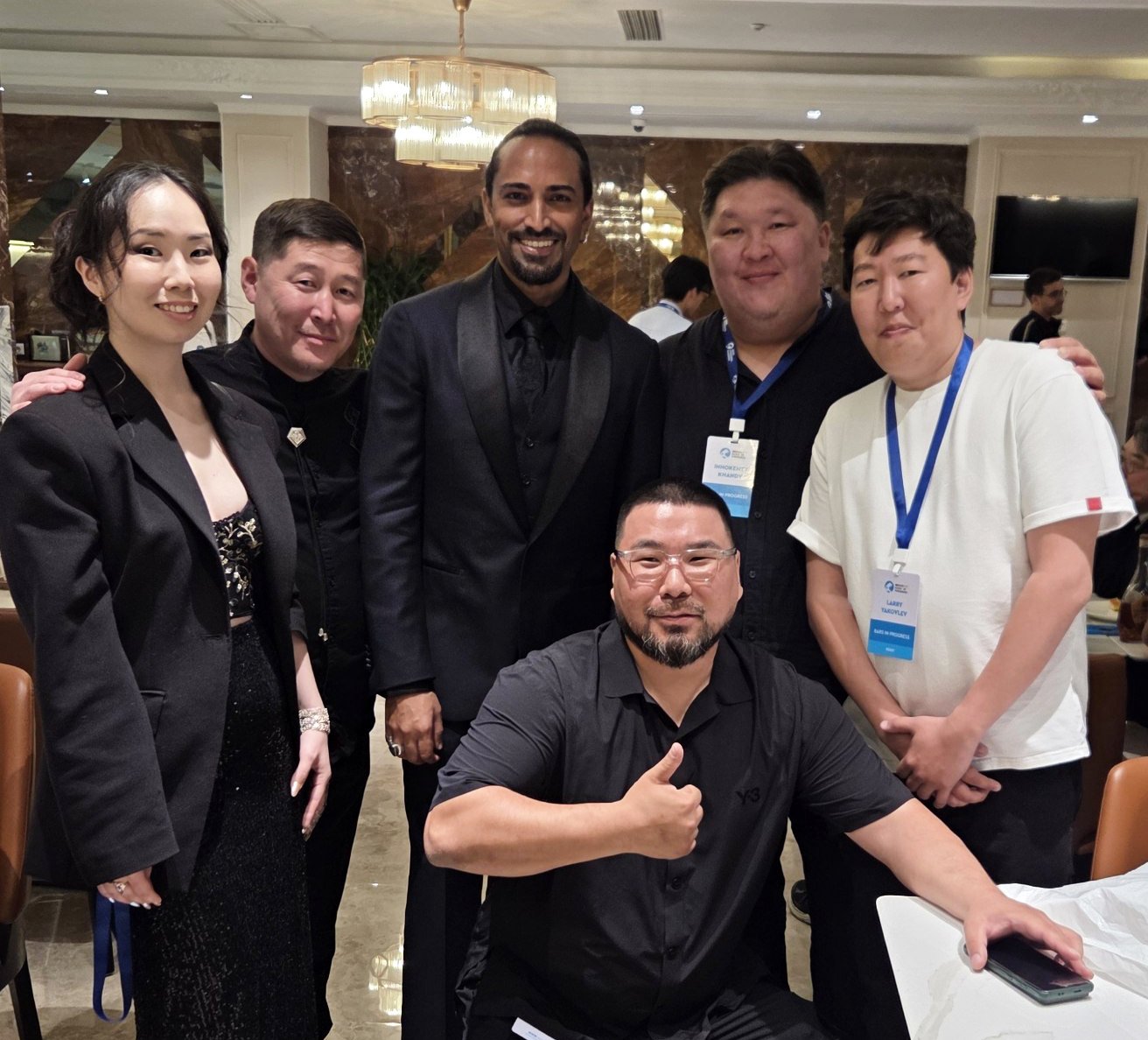
And there is no need to fret about not being invited to Cannes. Very few people are invited there at all. There are a great many local festivals and events these days. You do not need Cannes for networking — connect with everyone you possibly can. You never know where you will meet a true ally.
IV Бишкекский международный кинофестиваль: итоги, победители и сюжетные повороты BIFF 2026С 7 по 12 июня 2026 года в Бишкеке в четвёртый раз прошёл Бишкекский международный кинофестиваль (BIFF 2026) — мероприятие, организованное Министерством культуры, информации и молодёжной политики Кыргызской Республики. И этот год стал для мероприятия прорывным. Сразу по нескольким причинам.mag.humodoc.com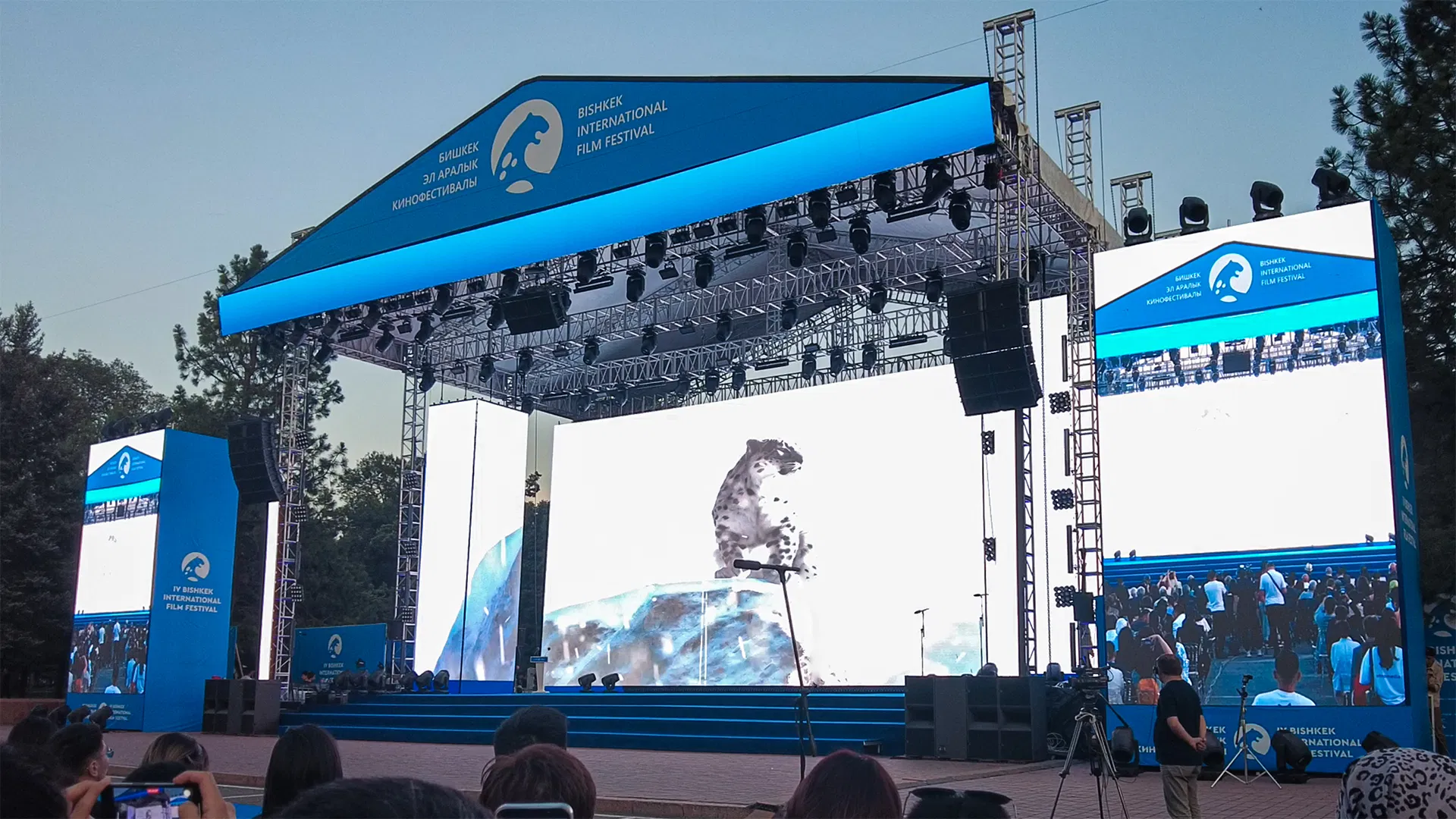

Newsletter
A letter from the HD editors
Once a week, we send the best stories, events, and cultural discoveries from Central Asia.