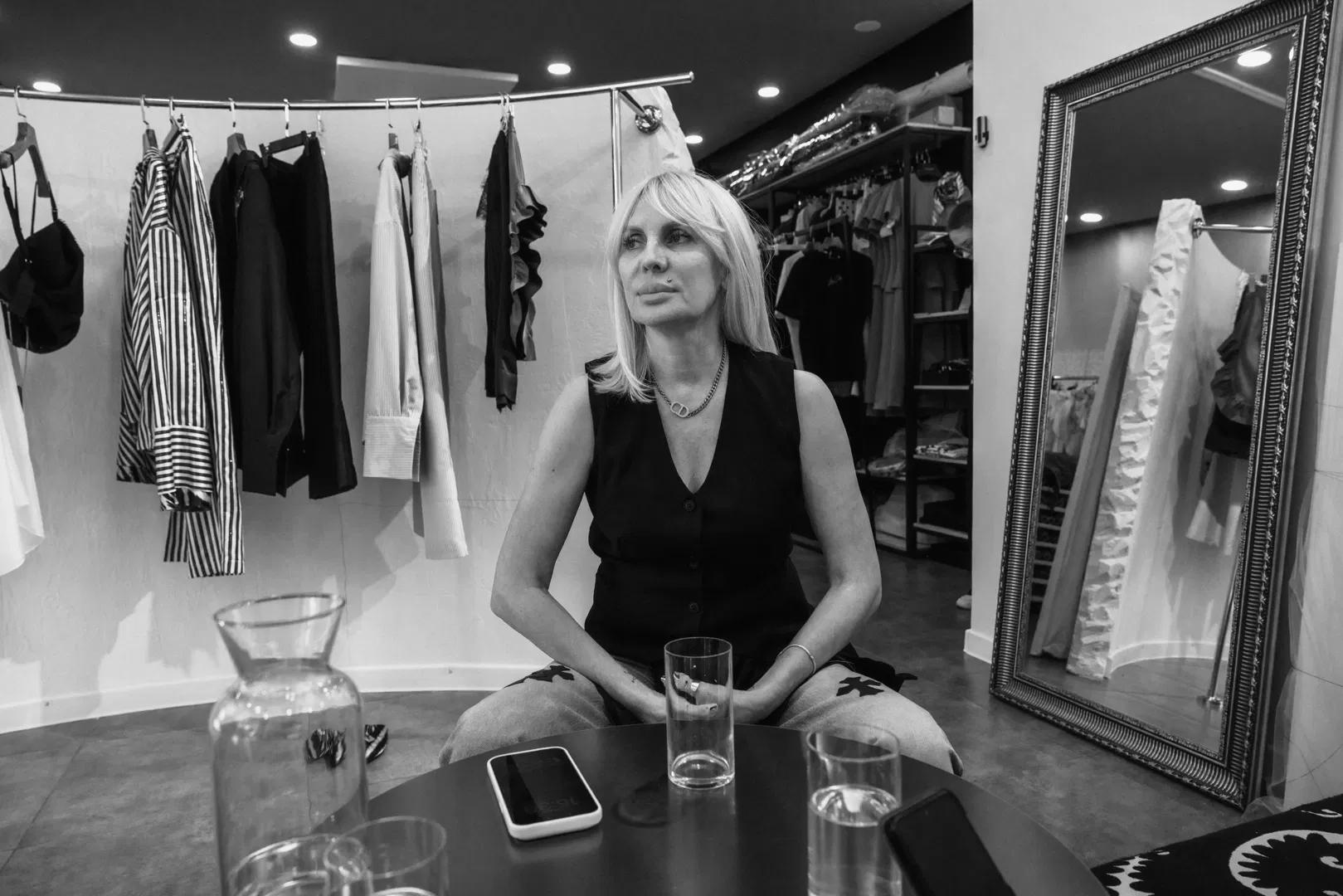
Lilia Palyunina is the founder of the Tashkent-based conceptual brand Liliya Dulat. She has been presenting collections since 2009 — first under her own name, then under the current label. Today, Liliya Dulat works with international showrooms and is building its distribution abroad, while remaining an Uzbek brand with production based in Tashkent. We spoke with Lilia about how a distinctive creative voice is born, why a brand needs a team, and what the words Made in Uzbekistan mean to her.
The story of Lilia Paliunina is not merely the story of a successful designer. It is the story of how a contemporary cultural brand can become part of a country's international image without losing its own identity. And it is perhaps precisely in this that its greatest value lies today. This may well be why such brands are becoming significant not only to the fashion industry. They are gradually shaping a new image of Central Asia — modern, confident in its origins, and capable of speaking to the world in the language of quality, culture, and a distinctive style of its own.
— How does one go from being a "designer" to being a "brand"?
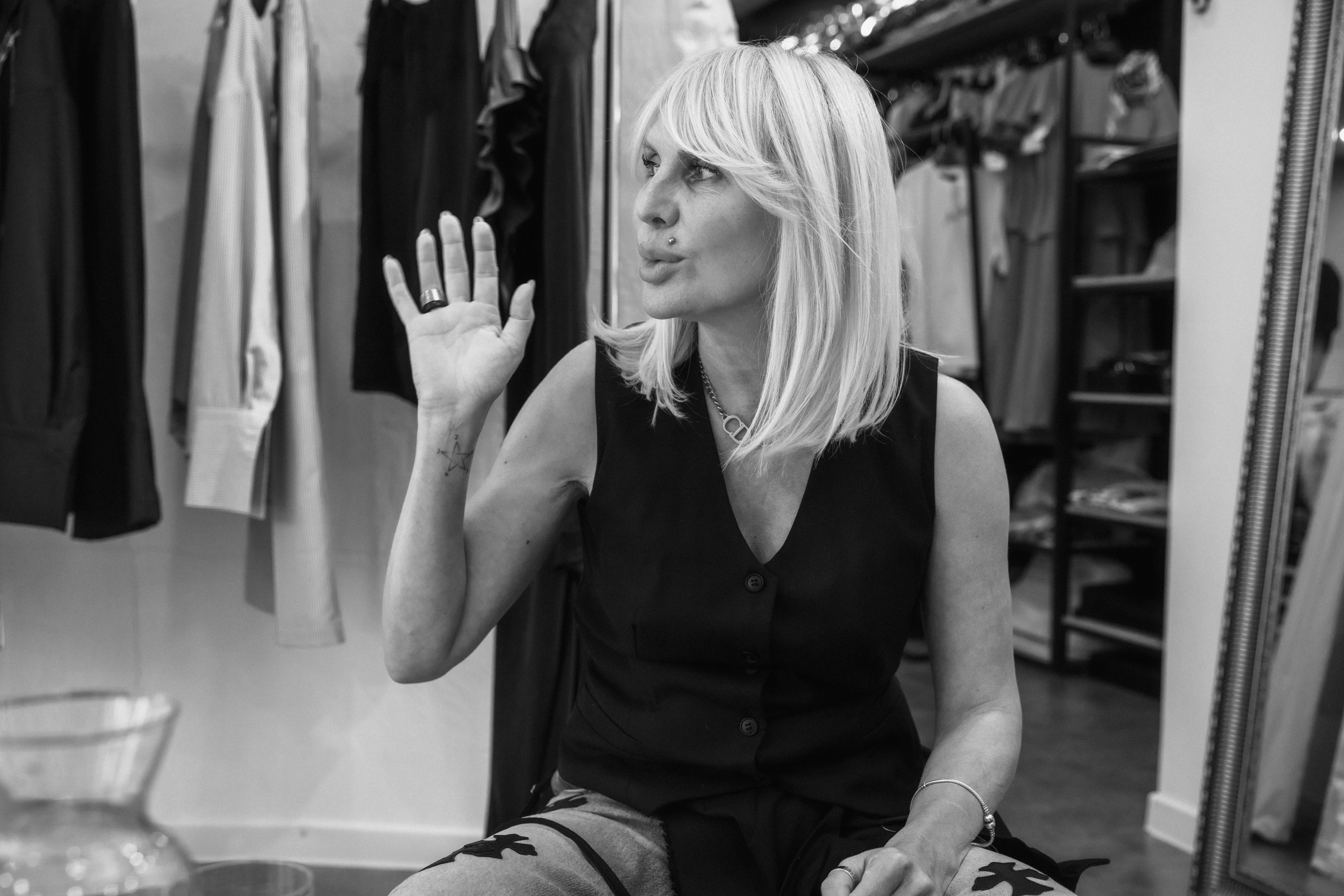
— Some would say it happens when the first boutique opens, when shows begin, when people start recognising your clothes on the street. But for me, I think you become a brand when a team forms around you. When people appear who begin to understand you from half a word. I offer an idea, and they already sense what it ought to become. And it isn't forty or fifty people — it is three or four key individuals from whom you receive feedback. I set a task, we carry it out. If a particular piece becomes popular, it means it is in demand, it means people want to wear it. And when they come back for it again — you understand that this is already a brand.
 Source: Photo: Ildar Sadykov
We have several pieces I would describe as timeless. When people come back for them again and again — that is the most precise signal of all.
And another thing: documentation is essential. We registered the trademark — though that, too, did not happen immediately. There were periods when I doubted myself — whether I wanted this or not. Over the past year and a half to two years I have grown more confident. Before that, there was always some kind of complex: I had done something wrong, something was not quite right. Others were probably doing it better, and I was probably not ready yet. That feeling only passes when people begin to recognise you — not you as a person, but your clothes specifically.
— From the outside, a designer's work looks rather romantic: you conceive an idea, sketch it out, present a collection. What is actually concealed behind all of that?
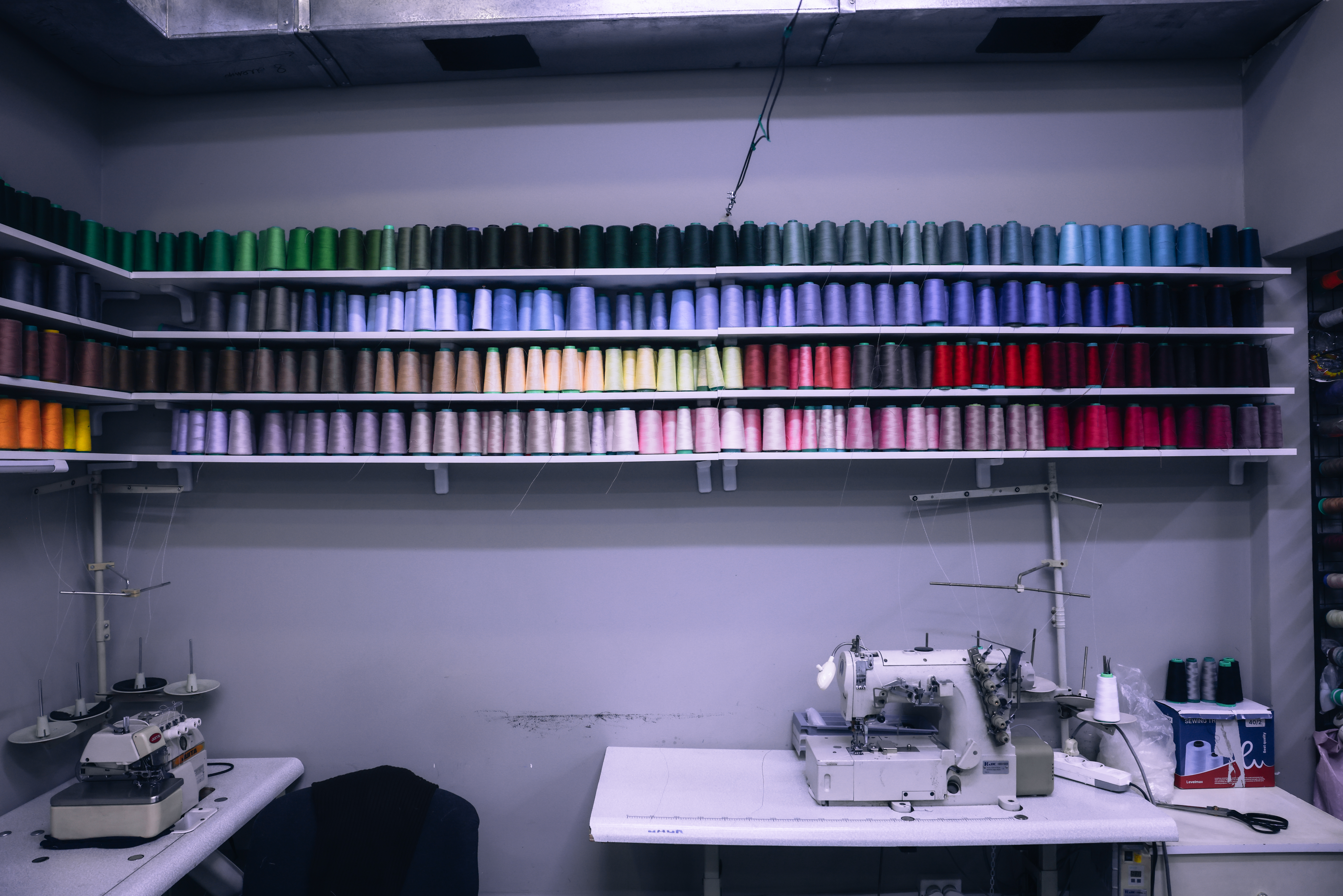
— Everyone assumes that is precisely how it works. In reality, behind every single piece lies an enormous amount of work that no one ever sees. To call yourself a brand, you must travel a very long road.
Behind every collection are dozens of people, hundreds of hours of handwork, endless fittings, corrections, and conversations with pattern-makers, technologists, and craftspeople. The public sees the final picture: the runway, the shoot, the features in magazines.
 Source: Photo: Ildar Sadykov
— How did you realise that the brand had become recognisable?
— When people began saying to me: "I knew straight away that was your dress." Or when people would approach a girl on the street and ask where she had bought what she was wearing. That was when I understood that it was no longer me personally they were recognising, but my brand.
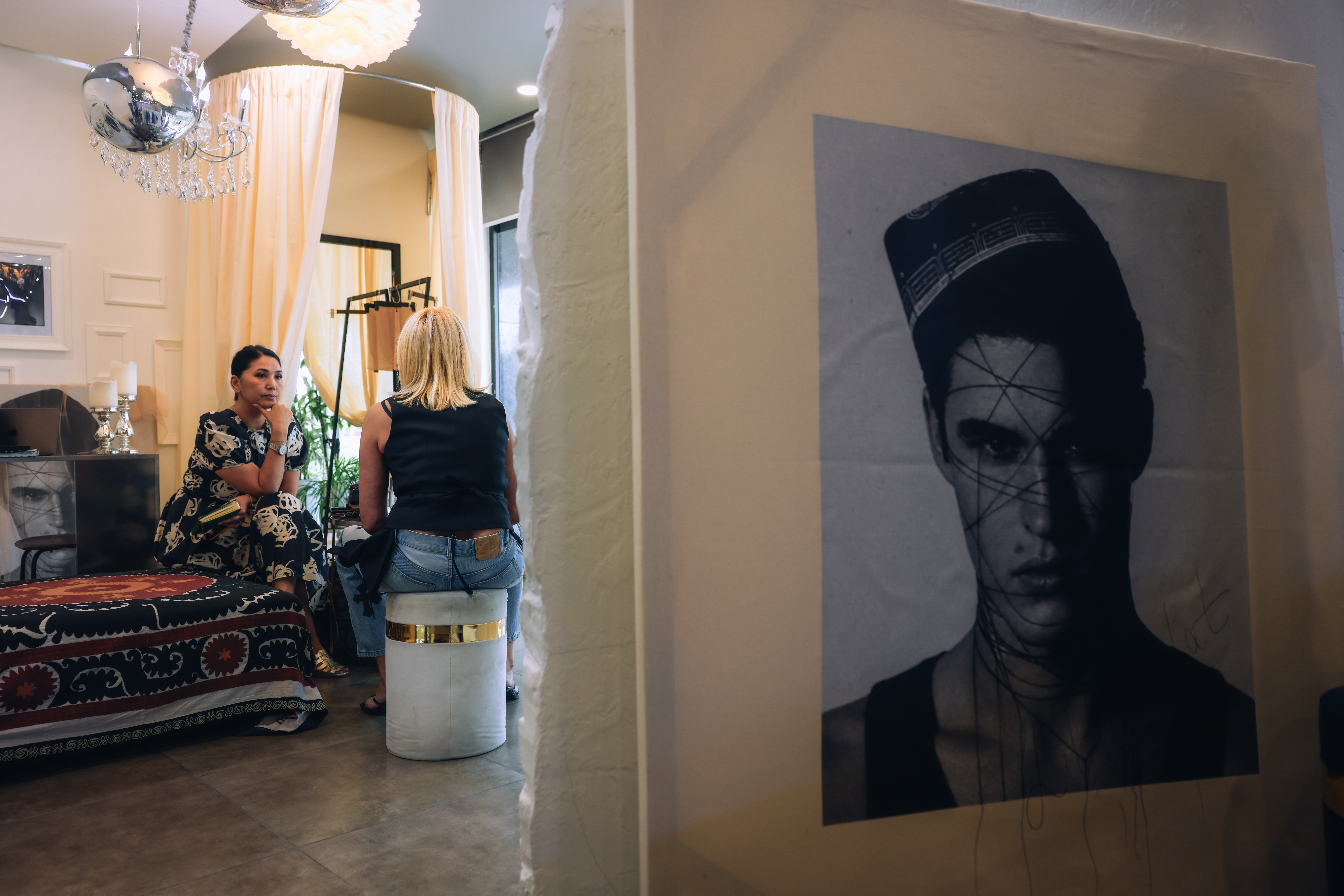
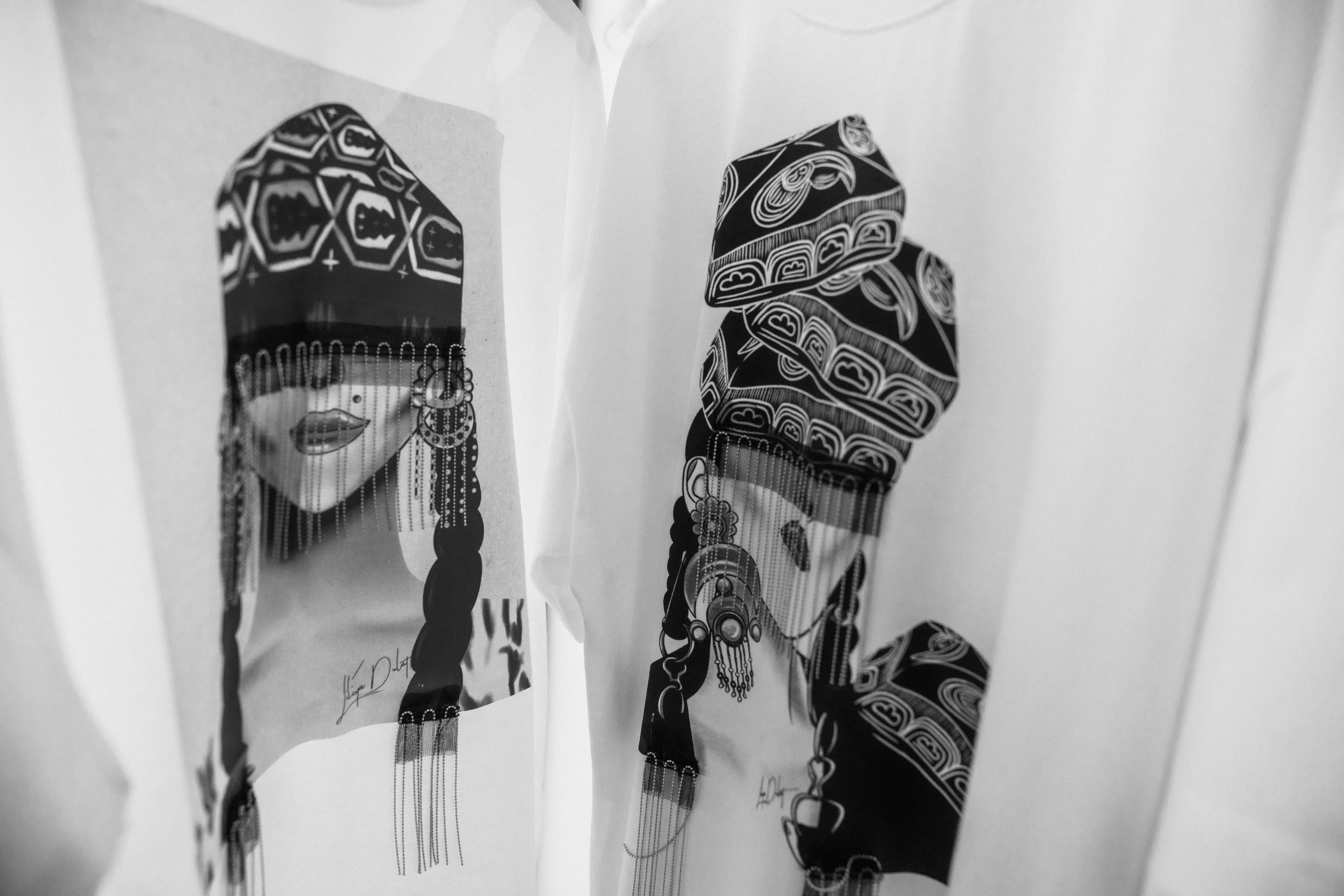
For Lilia, this language took shape gradually: raw edges, loose threads, a very delicate use of traditional textiles. All these details combine into a visual system that cannot be reproduced mechanically. It is particularly fascinating to observe how Lilia works with traditional Uzbek fabrics — she does not attempt to showcase national cloth at any cost. What matters to her is that tradition should not be set in opposition to modernity, but should become a natural part of the garment.
— Many designers today turn to national heritage — some make direct use of visual references, while others incorporate individual elements purely as decorative detail. How do you approach it?
— I have never wanted to overload clothing with national elements. A very small fragment of fabric is quite sufficient to preserve its character. What matters to me is that it should look contemporary and natural. Understated.
 Source: Photo: Ildar Sadykov
— Is recognition always an advantage?
— I remember that after one of my shows, a well-known singer purchased eighteen of my pieces at once. For me — as a designer — that is not simply a large sale; the person is choosing not one item but an entire world that you have created. Then, some time later, I noticed she had stopped appearing. We crossed paths by chance afterwards, and I decided to ask what had happened.
And she said: "Now everyone is wearing your things. And I want something that no one else has."
For any designer, this is not merely a large purchase — it is a gesture of trust. The person is not choosing a single piece; they are choosing an entire world that the designer creates. I think this is where the boundary between mass fashion and an authored brand lies. In one case, collections are made for the market; in the other, one tries to understand a specific individual. And a conversation about a dress unexpectedly becomes a conversation about trust, or about the loss of exclusivity. And then an entirely different request emerges — not to buy a dress, but to create a piece that will exist as a one-of-a-kind.
If someone truly requires absolute exclusivity, we can do that. But it is an entirely different kind of work, a different investment of time, and a completely different approach. In such cases, the task is not simply to conceive a beautiful piece, but rather to understand the person — their character, their way of life, their inner sense of self.
 Source: Photo: Ildar Sadykov
Many people refer to me as "the jacket" — "we're going to Lilia's, for the jacket." I consider it a well-earned association. In architecture there is the concept of vernacular districts: you walk past a place and recognise it immediately by its characteristic details, even though there is no sign. It is the same here — people have assigned me that association themselves. I think that is worth a great deal.
The moment jackets appear on our rail, they are taken immediately. Honestly, it is a law unto itself. I keep a few back as though for myself, and people seem to sense it — and come in looking for precisely those.
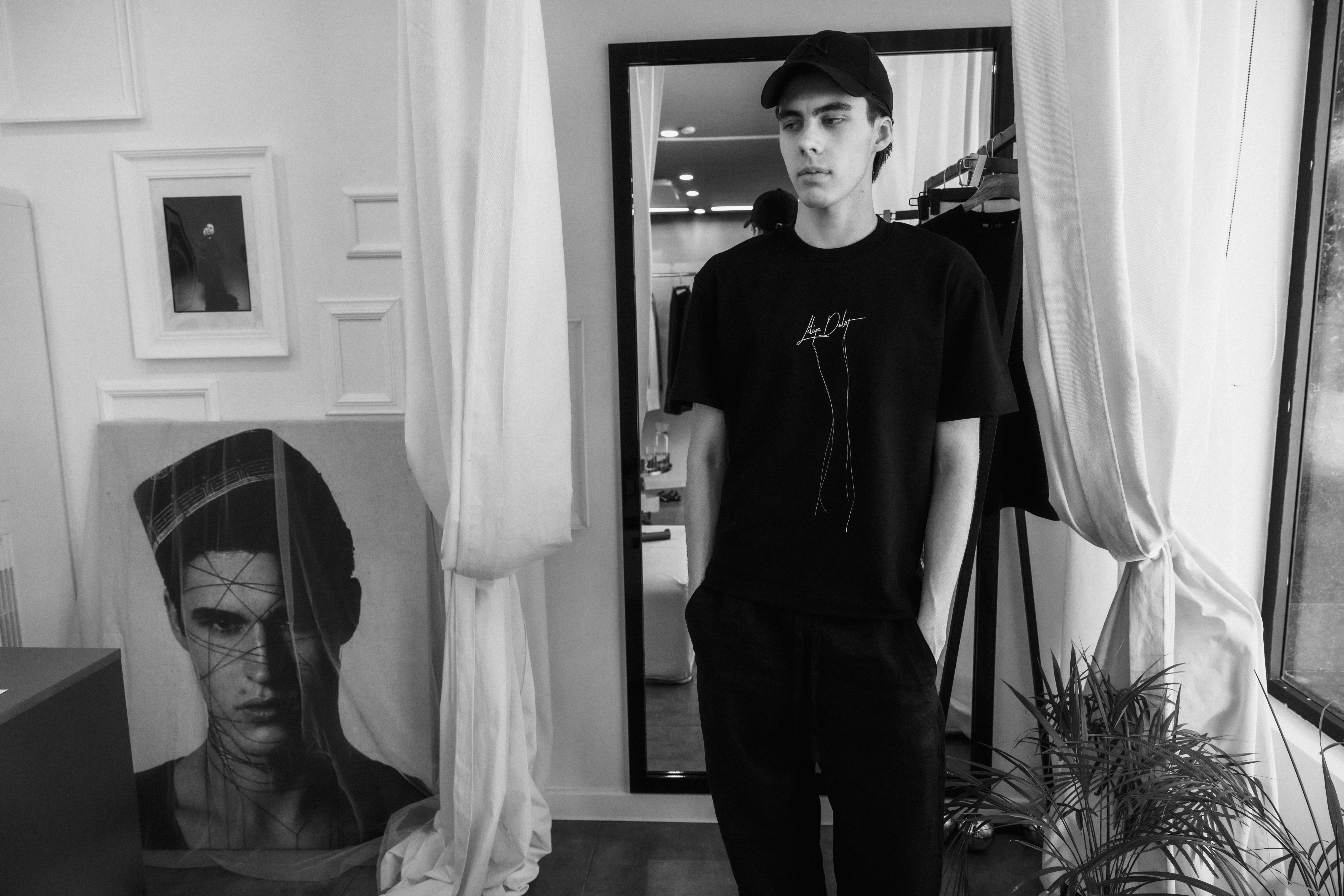
The latest collection was named accordingly — ONE-MAN SHOW SS27. The jacket was its leading player. Its rigour and silhouette carried through into everything: dresses, shirts, trousers — all given just a touch more structure.
Here I find myself thinking of the T-shirt Lilia mentions with a smile — "UZBEKCHECHKA". At first glance, it is a light, even ironic thing, yet it conceals something far greater: the quiet self-assurance of a person who no longer needs to prove her belonging to her own culture to anyone. Love for one's country need not be expressed through elaborate symbols. Perhaps it is precisely such details that gradually transform clothing into a language understood without translation.
— Returning to the subject of the team, how important is it to the development of the brand?
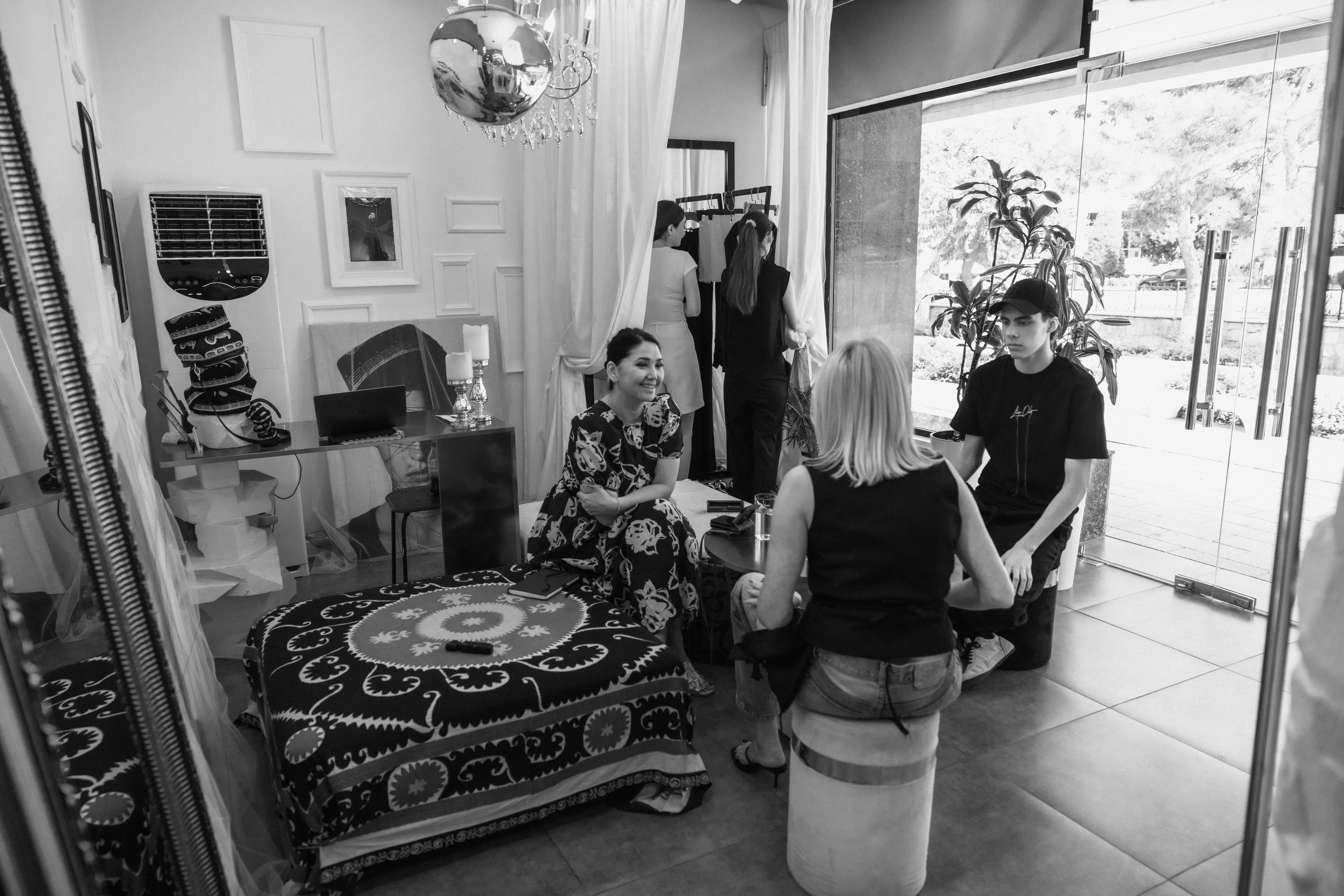
— Perhaps for the first time in many years I felt that I could focus entirely on the creative work, because someone had appeared beside me who took on an enormous share of the organisational responsibilities. That is the brand director — someone the audience will never see on the runway.
You always try to do everything yourself at first: you conceive ideas, oversee production, communicate with people, conduct negotiations. But working in that way, sooner or later you hit your ceiling. And so the next stage of a brand's growth demands the ability to share responsibility with those who share your values.
 Source: Photo: Ildar Sadykov
— Your work is heading to Milan. Was that process a difficult one?
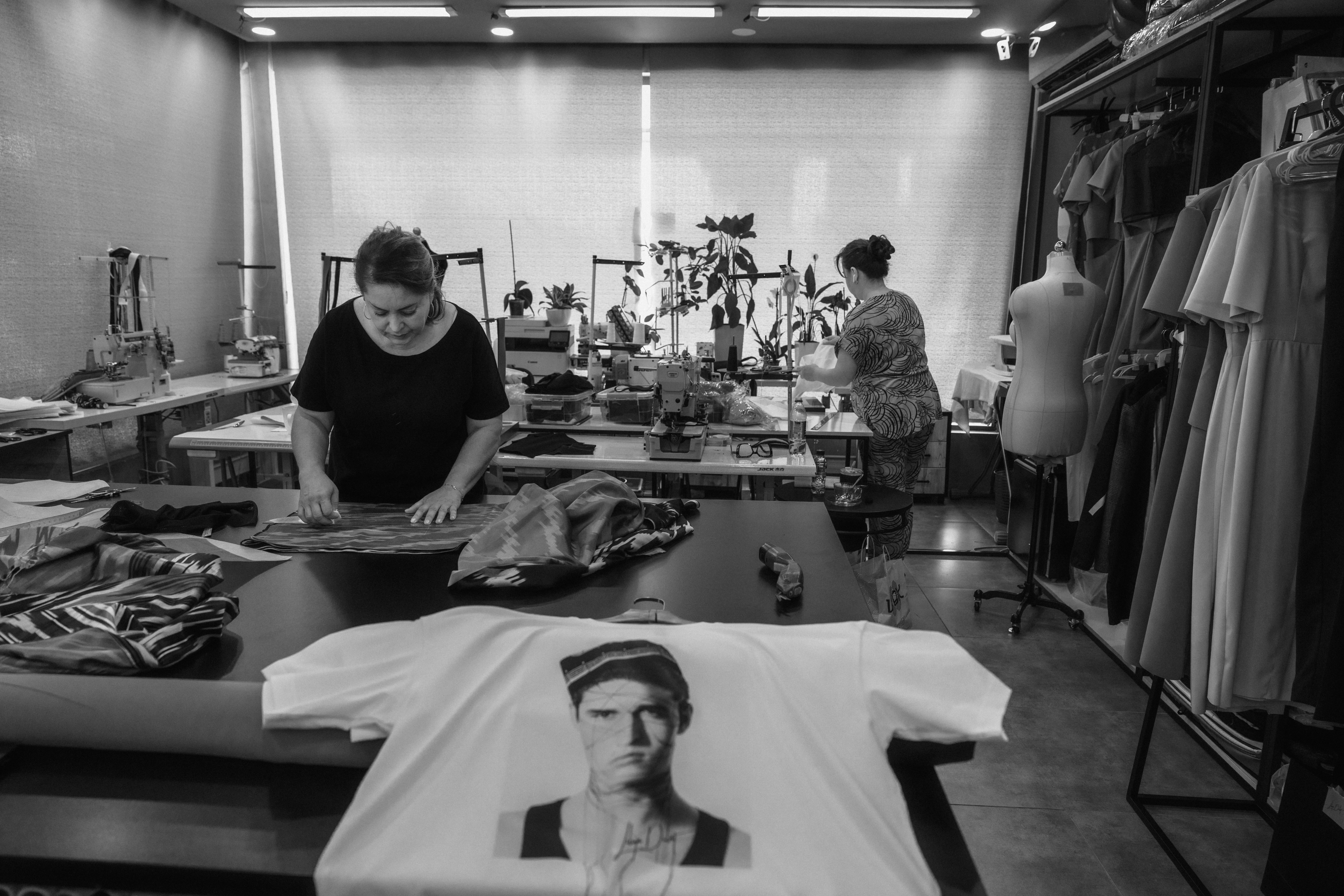
— The negotiations were very lengthy. And the questions extended well beyond the collection itself. Our partners wanted to know who produces the garments, how the work is organised, what volumes the team is capable of delivering, how consistent the quality is, and how the internal processes are structured. What mattered to them was understanding how robust the system behind the designer's name truly is.
One might assume the conversation would centre on sketches, on certain design elements, or perhaps the overarching concept of the collection. In practice, what proved more important was the reliability and consistency of the brand — the team behind it, the seriousness of its approach, and how it envisages its future development.
— Do you feel that through your work you are able to bring greater visibility to Uzbekistan itself?
— It matters deeply to me that our pieces carry the label Made in Uzbekistan. It is not simply a country of manufacture — it is part of our history, our culture, a testament to the people who create every single garment. I want anyone who buys our clothing anywhere in the world to understand where it comes from.
 Source: Photo: Ildar Sadykov
There is a tendency for brands to gain recognition and popularity, and then at a certain point to relocate their production to other countries — for various reasons. Some reduce costs by taking advantage of lower labour rates, others scale up by moving to regions with a larger pool of available workers, and others simply enter new markets in this way. I, however, want the story of my brand to continue in the same place where it began.
I believe that a contemporary brand is perfectly capable of telling the story of a country just as compellingly as any tourism company or cultural education project.
 Source: Photo: Ildar Sadykov
— How do you promote the brand — is there a particular strategy?
— We have no aggressive marketing. We manage our social media organically. There is one risk we have consciously taken on: we have moved away from straightforward commercial shoots. You know the kind — a piece against a white background where it is immediately obvious you are looking at an advertisement. That is something we have almost entirely abandoned. We sell through the overall image, through atmosphere. It is a risk, because many clients do not respond to that approach. But those who stay gradually absorb the DNA of the brand. And then they come back not for the garment itself, but for the feeling it carries.
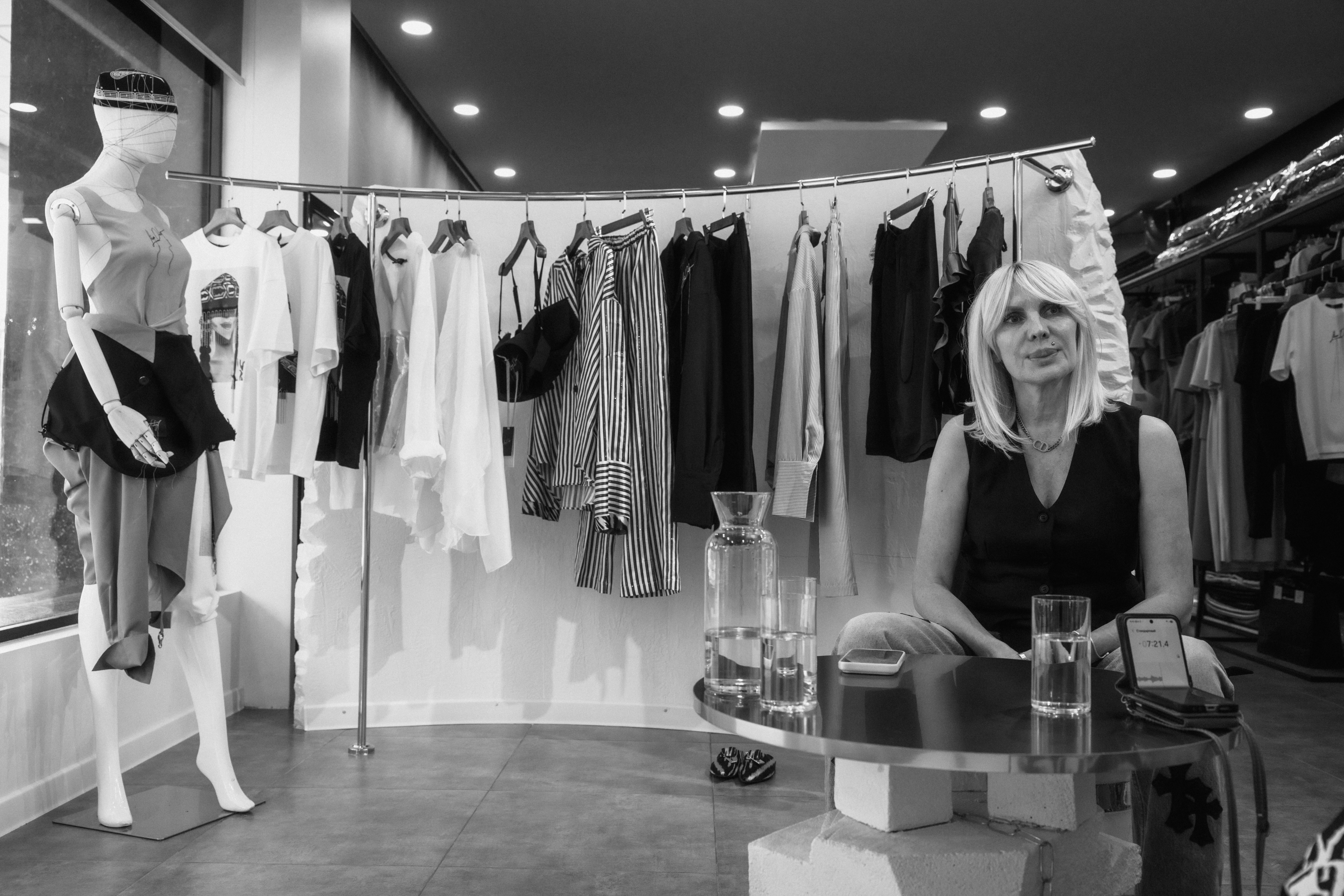 Source: Photo: Ildar Sadykov
— If the brand were one day to open in cities across the world, what would never change about it?
— The aesthetic. Without question. I could no longer move towards a different format — it would mean losing myself entirely. Jackets will always be there — in every collection. Interpreted differently, with new details, but the jacket will remain. The black jacket — always.
The lily embroidery will always be present in the pieces. Not on everything, but it will endure. I will not change the name of the brand. I will not change the logo — it is my signature, my mark. It is already known as such.
And I myself, I suppose, will not change either.
Newsletter
A letter from the HD editors
Once a week, we send the best stories, events, and cultural discoveries from Central Asia.