HD View
The Puppet Theater Should Stay "Alive": an Interview with Dinara Yuldasheva
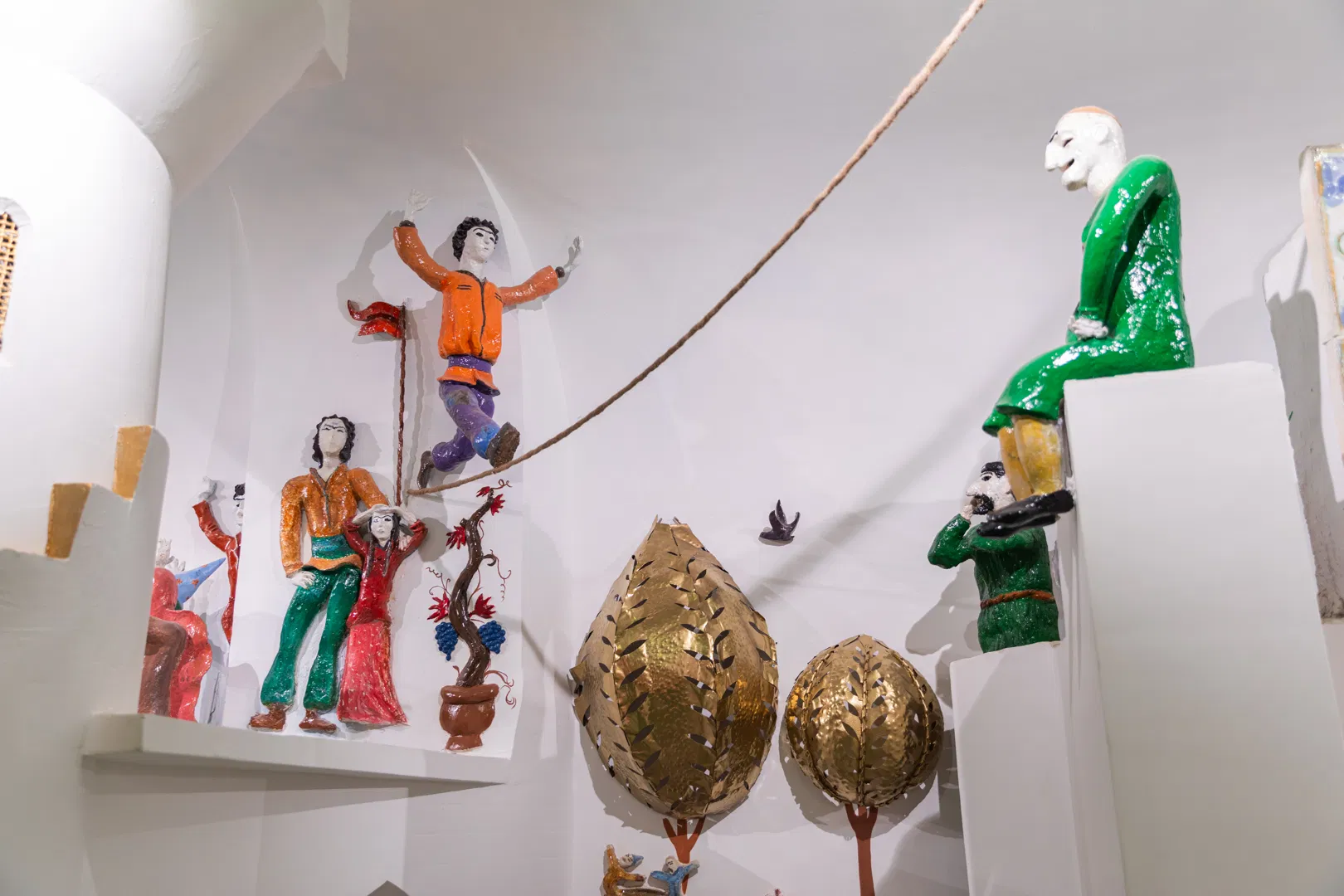
The Uzbek National Puppet Theatre is entering a new chapter. Following the first phase of its reconstruction, the foyer, stage, and audience spaces have been refreshed, certain historic architectural elements of the building have been restored, and with all of this has come a renewed question: what should a puppet theatre be today? In conversation with HD magazine, the theatre's director and principal stage director Dinara Yuldasheva reflects on audiences across generations, productions for children, adolescents, and adults, working with the contemporary child, the national school of puppetry, the craft of the puppet actor, and why it is not enough simply to manipulate a puppet — one must breathe life into it.
"We Are Preparing the Audience for the Grand Theatre"
— The Uzbek National Puppet Theatre has existed since 1939. How, in your view, has its role in the cultural life of society changed across generations?
— The Puppet Theatre was founded in 1939, and naturally the times dictated their own demands. During the war years and the post-war period, the theatre faced both an aesthetic and a moral challenge. It was a difficult era: there were many homeless children, orphans, children who needed support, attention, and guidance. And all of this had to be provided through the medium of theatre. More often than not, it was nursery school teachers and schoolteachers who brought them along, rather than their parents.
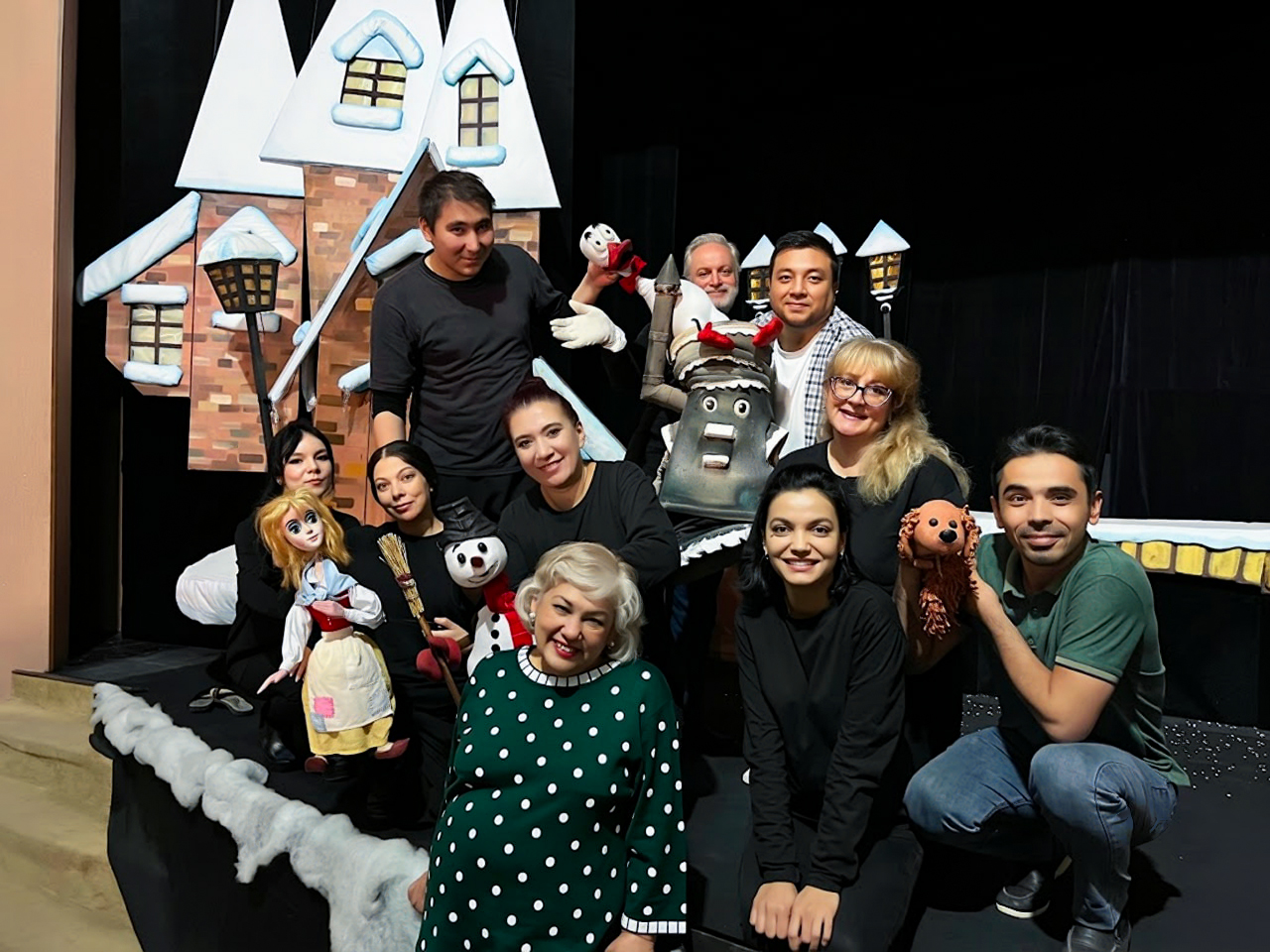
 Source: Source: personal archive of Dinara Yuldasheva
— Have children as an audience changed since then as well?
— Enormously. In the past, if we invited a child up onto the stage, they would be shy, afraid to come forward. Nowadays one is sometimes wary of calling anyone up at all, because if one child steps out, the rest may well follow. Children have become bolder, more uninhibited, more sociable. They take great delight in the interactive elements of a performance.
Yet there is another problem. During the Soviet era, the puppet theatre came to be perceived as exclusively for children, even though historically puppet theatre was born not only for young audiences but, in large measure, for adults as well. Over many years, the same assumption took hold here: the puppet theatre is for little ones.
We are now endeavouring to change that. We are not abandoning our youngest audiences, of course. But we wish to bring adolescents and adult audiences back to the theatre. This is no simple matter — for more than thirty years, the theatre barely addressed itself to grown-up spectators at all. Even when we experimentally staged evening performances, parents with small children would still turn up. Such is the tenacity of ingrained habit.
 Source: Photo: Gayane Avanesyan
"Reconstruction — It Is Not Only Walls"
— The theatre has undergone the first phase of reconstruction. What has changed for audiences and for the company itself?
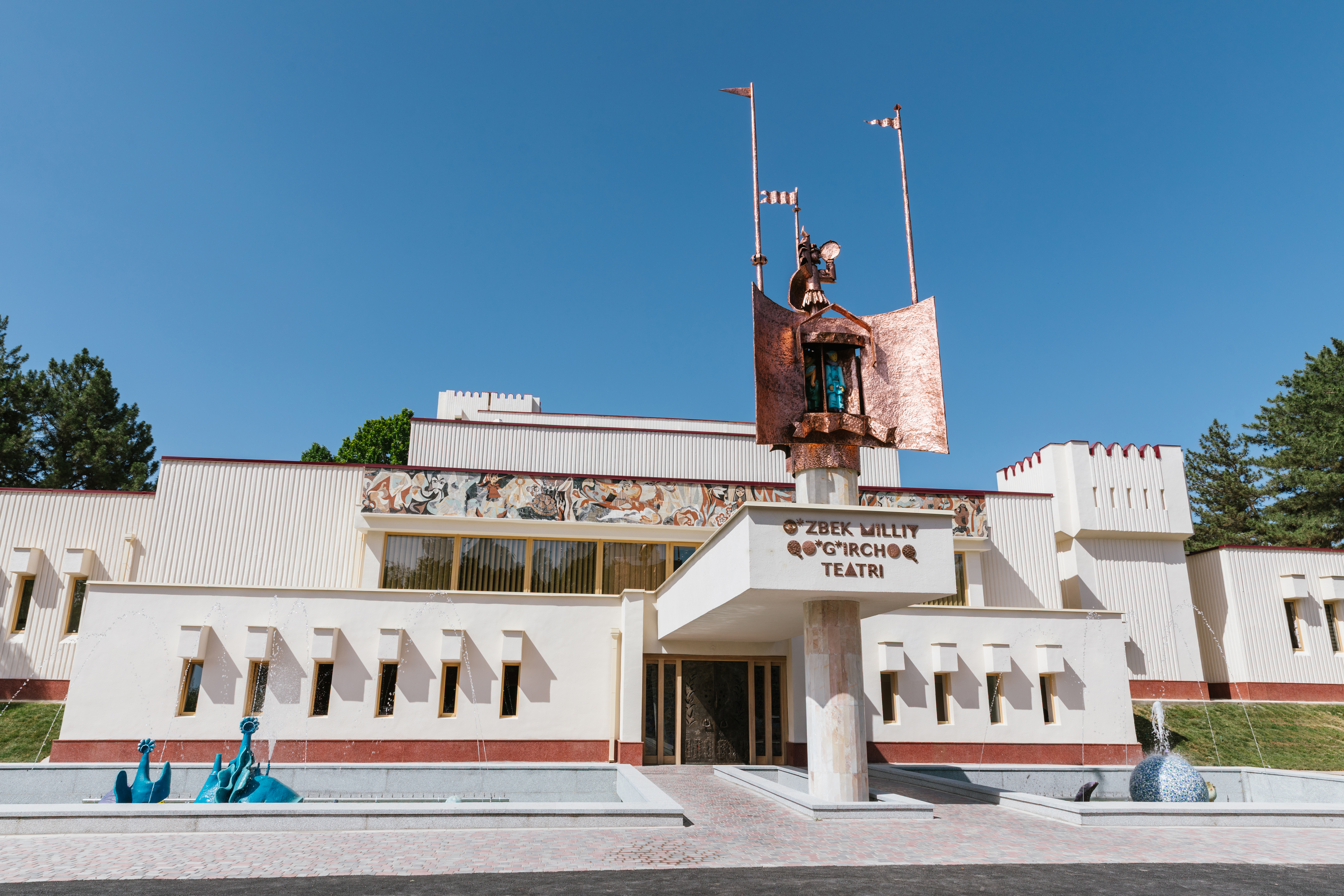
— The first phase of the reconstruction concerned the stage and the two floors of the foyer. The auditorium previously held 350 seats; it now holds 270, as the stage space has been enlarged.
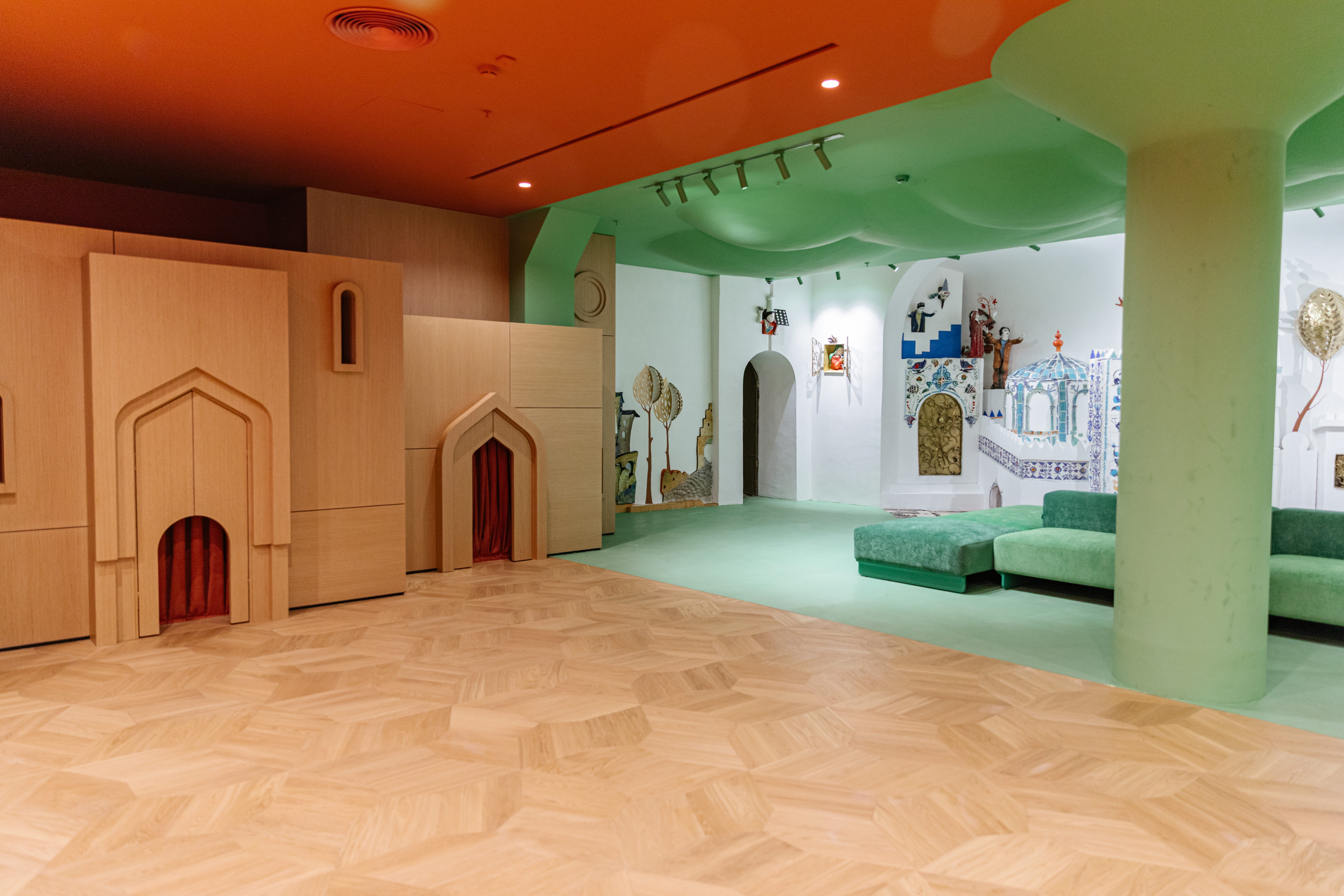
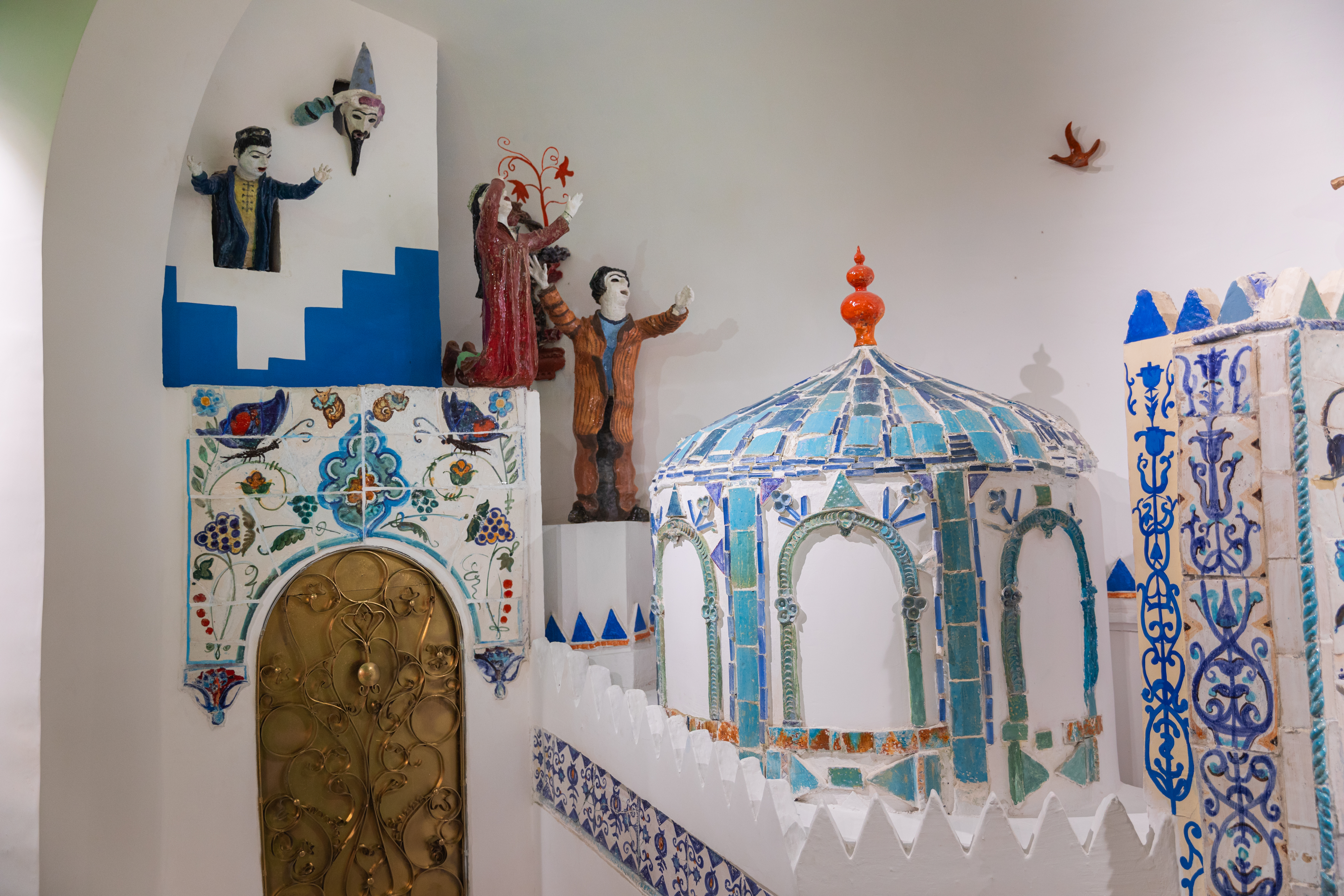
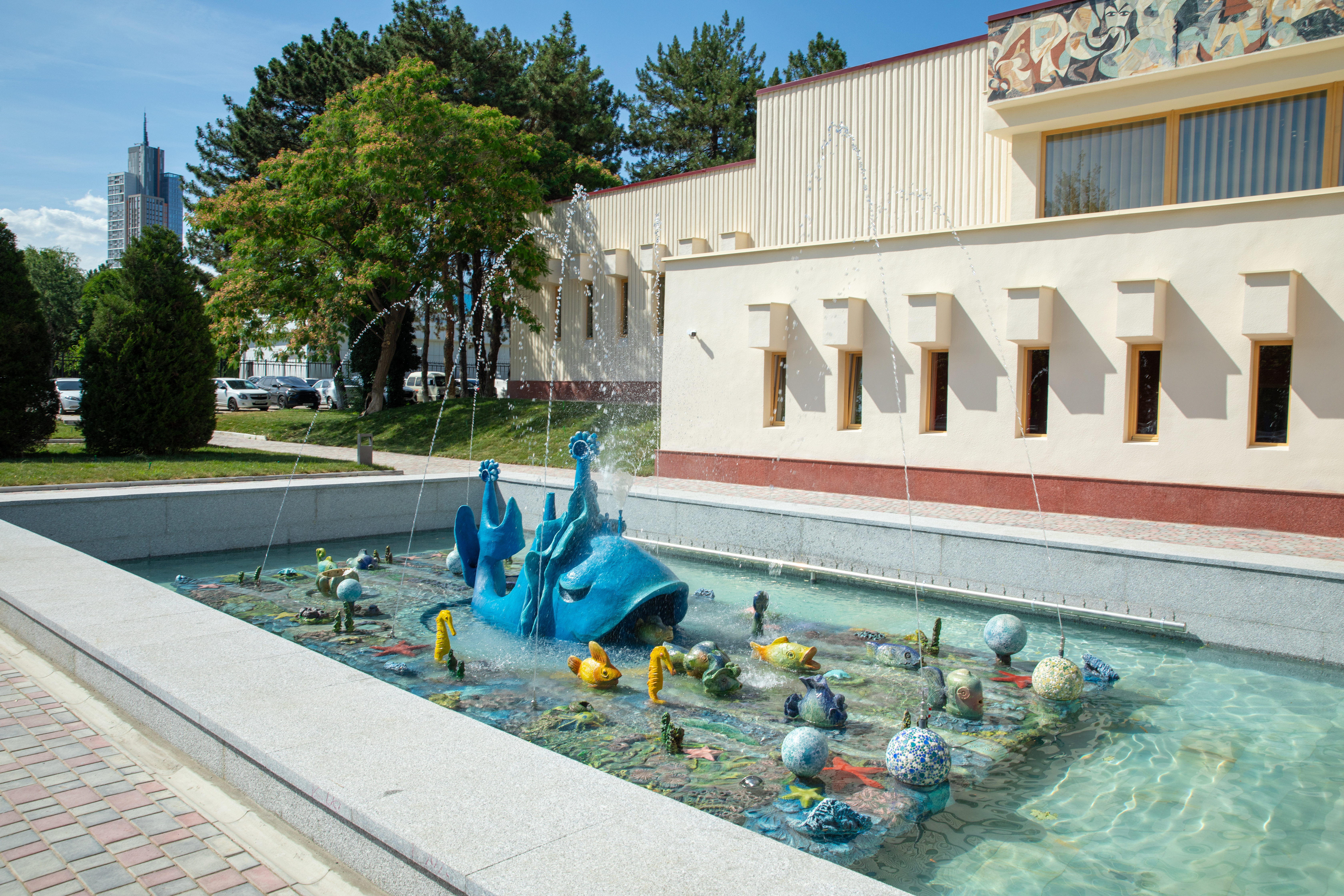
An effort was made to restore certain elements that had been part of the theatre from the very beginning. At the same time, the interiors have become vivid, festive, and toylike in feel: colourful drawings and patterns have appeared, along with a small stage where children can play, have their photographs taken, and feel themselves immersed in an enchanted space. The theatre has always resembled a fairy-tale castle, and from the outset it was clear that its outward appearance would not be radically altered. It has been refreshed — it looks cleaner, brighter — yet its essential character remains unmistakable.
The mosaic depicting characters from fairy tales has been preserved. The sense of enchantment has been preserved. This is deeply gratifying, for many in the audience associate the theatre with precisely that image.
— Which elements were successfully restored?
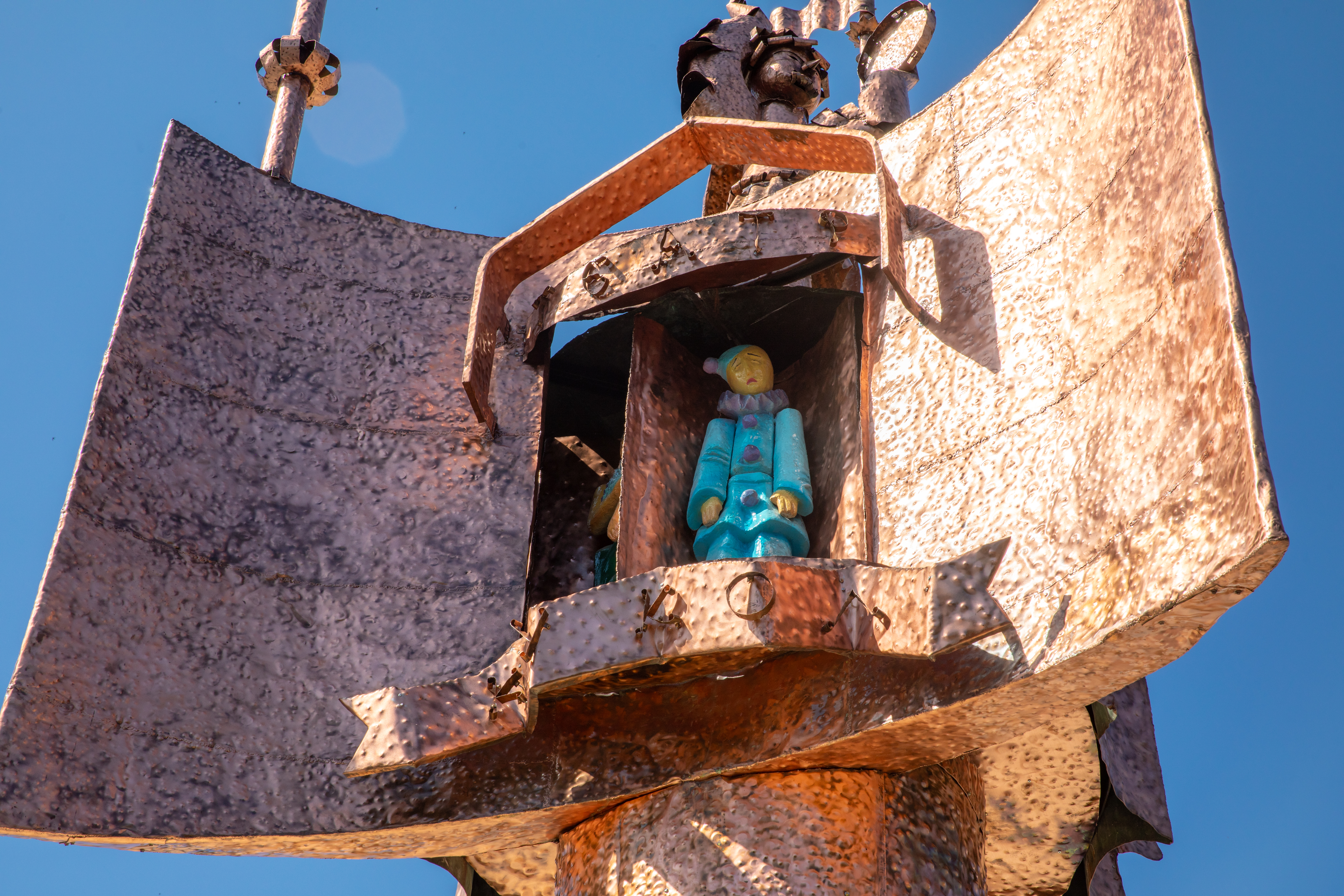
— The puppet mechanisms in the main hall and on the building's façade have been reinstated. There is a sculptural composition entitled "The Round Dance of the World's Puppets," which has once again been set in motion. Certain ceramic elements and façade details have been restored. I am not privy to every technical aspect of the reconstruction, but whatever pertains to the revival of the theatre's historic atmosphere is of the greatest value to us.
Furthermore, the reconstruction has taken into account the needs of children with disabilities. Ramps have been installed so that children in wheelchairs can reach the upper floor, where the principal audience spaces are situated. As far as I am aware, the second phase of the reconstruction will also involve the installation of a lift, which will make the theatre still more accessible.
Another significant innovation is the creation of rooms for parents with young children — something that did not exist before. I believe this will serve as an impetus for establishing a baby theatre — performances for the very youngest audiences. This is a highly sought-after area at present. Such productions help a child discover colours, sounds, objects, and toys, while developing motor skills, attention, and sensibility. It is also convenient for parents, who can come to the theatre as a whole family.
 Source: Photo: Gayane Avanesyan
"The Essential Thing — Is That the Puppet Remains at the Centre"
— Can one say that a new creative chapter has begun following the reconstruction?
— I believe so. Even now, interesting proposals are coming our way, and specialists from other countries are visiting. The production of Caliph Stork was staged by director Roman Boklanov — a native of St Petersburg who currently lives in Germany. It was a most unusual piece of work. There is a great deal of live action, striking costumes, and large puppets — including enormous figures operated by several actors at once.
Not everyone takes immediately to such productions, given that alongside the puppets there are many live performers. Yet this is now a widespread tendency in puppet theatre: the puppet and the actor coexist, though the actors move to the foreground while the puppets are relegated to secondary roles. This is frequently justified by the fashionable word "collaboration."
For me, the essential thing is that we do not become so absorbed in form that the puppet disappears altogether. We are, after all, not a drama theatre but a puppet theatre — the puppet must remain at the centre of the audience's attention.
— How is the theatre's repertoire shaped today? What themes matter to contemporary children, adolescents, and adults?
— It is now vitally important to speak to children about their real lives. There is, for instance, a production whose theme concerns mobile phones and the inability to communicate. The theatre sets itself the task of inspiring the audience to switch off their phones, at least for the duration of the performance. If a child stops staring at a screen and turns their gaze to the stage, it means the production has captured them.
There are productions about friendship, about how children learn to communicate, break free from phone dependency, and think for themselves. There are themes of love for animals. I directed a production called "The Little Door to Dog Paradise." We even ran a campaign: we brought representatives from animal shelters and placed a donation box for voluntary contributions in support of their animals. The children were deeply moved by the characters in that production, because each of them has a difficult fate and a particular relationship with humans.
I am drawn to serious themes of subtle psychology and philosophical inquiry. But the key is not to impose them, but to convey them through artistic and musical imagery… That way, a child receives it not as a moral lecture, but as a story that moves them, stirs their emotions, and awakens their compassion.
We work with a variety of puppet systems: glove puppets, tabletop puppets, life-size puppets, mechanical puppets, and flat puppets. There are productions with live actors, musical productions, and shows for very young children, where it is essential that everything be brief, clear, rhythmic, and easy to absorb.
 Source: Source: personal archive of Dinara Yuldasheva
"Theatre is the art of living communication"
— Why does theatre remain important for a child, even in the digital age?
— Because it is a living art form. A film has already been made, and the audience cannot influence it in any way, however much they laugh or weep.
In theatre, the audience sits in the hall and becomes one of the co-creators of the performance. This is especially true of children. If a child is bored, they will not sit in silent endurance the way an adult might. They will start talking, moving, wandering about the auditorium. And the actor will feel that immediately.
The audience transmits its energy to the performers, and the performers begin to inhabit the production differently. Sometimes it is precisely because of the audience that a production starts to resonate in an entirely new way.
In puppet theatre, as in dramatic theatre, interactivity is of the utmost importance. Children respond, react, and come to the aid of the characters. They remember not only the plot, but the very experience of live participation. It can be difficult for them to sustain concentration for long, even when a production is short. One must therefore seek out a form that holds their attention: rhythm, music, play, and direct contact.
 Source: Photo: Gayane Avanesyan
"National tradition must not become didacticism"
— International specialists, directors, and designers visit the theatre. How does one preserve national traditions in that context?
— When we invite specialists from other countries, we do not wish them simply to bring a ready-made European story and stage it here as it stands. It is both necessary and important that the production contain something recognisable — something connected to Eastern culture, to our folk tales, music, movement, and atmosphere.
For instance, if a production features music, I ask that the performers, musicians, and consultants help weave Uzbek motifs, traditions, and recognisable elements into the score. Not crudely or artificially, but naturally, like a fine thread running through the whole.
— What, in your view, distinguishes the Uzbek school of puppet theatre?
— In my view, the distinguishing quality of the Uzbek school of puppet theatre lies in its preservation of Uzbek cultural traditions and customs, and in its cultivation of respect for elders, a sense of patriotism, hospitality, and generosity of spirit.
Yet in our national dramaturgy, there is unfortunately a tendency towards heavy-handed didacticism — in dramatic theatre as much as in puppet theatre. The moral is often delivered too bluntly: this is right, that is wrong. I consider this a shortcoming.
I wish to move away from moralising. Theatre has an obligation to engage in the moral education of children, but it must not deliver sermons or wag its finger. A child should feel something and arrive at their own conclusions on whatever question matters to them.
I endeavour to interpret folk tales in such a way that the vicissitudes of life and the complexity of choice are recognisable within them. A hero need not always be wholly virtuous or wholly villainous. A person may err, make choices, and change. That is more interesting and closer to reality. In the staging of the folk tale "The Magic Seed," for example, a new interpretation was employed, introducing new characters, the dilemmas of contemporary life, and a more deeply developed conflict. The themes of love, respect, and friendship were given an entirely fresh resonance.
 Source: Photo: Gayane Avanesyan
"A director must see everything in advance"
— Let us turn now to the work of a puppet theatre director. In dramatic theatre, a director works with living actors. In puppet theatre, there are also the puppets themselves and the actors who manipulate them. How much does this complicate the work?
— It is an enormously complex undertaking. When you wish to stage a production, you understand the concept and you understand what the story is about. But the central challenge arises in the question of form. If I am working with tragic material — "The Little Match Girl," for instance, or "The Little Door to Dog Paradise" — I must determine which puppet system is best suited to that particular genre. A nuanced psychological character cannot be created with just any puppet. One must choose the right system.
If I choose a tabletop puppet, that means a "black cabinet," where the actors are dressed in black. The set design must therefore be such that they do not stand out as dark silhouettes. I must think through every single scene in advance: will an actor obscure a piece of scenery, will they step out of the light, where will the puppet be positioned, how should the levels be constructed, how can one ensure that the audience sees the character rather than the technical apparatus.
All of this must be resolved before work begins. Afterwards, it may be too late. I must "see" the production in advance, understand how everything is to be arranged, and only then give the designer a sense of direction.
— How does a puppet actor differ from an actor in dramatic theatre?
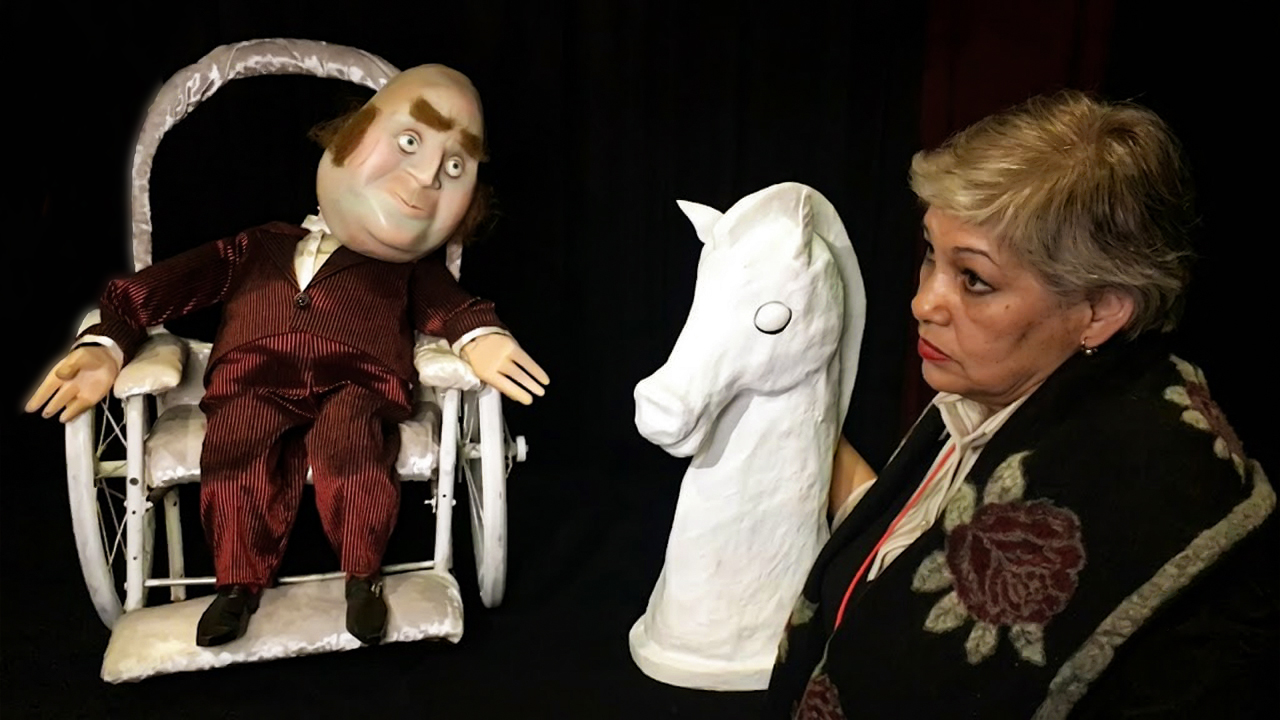
— Puppet theatre occupies a singular place of its own. In every other form of stage art, the actor's primary instrument is the body: physicality, facial expression, gesture, voice. In puppet theatre, much of that falls away. If the actor is concealed behind a screen or working within a "black cabinet," the audience can barely see them. What remains, for the most part, is voice alone.
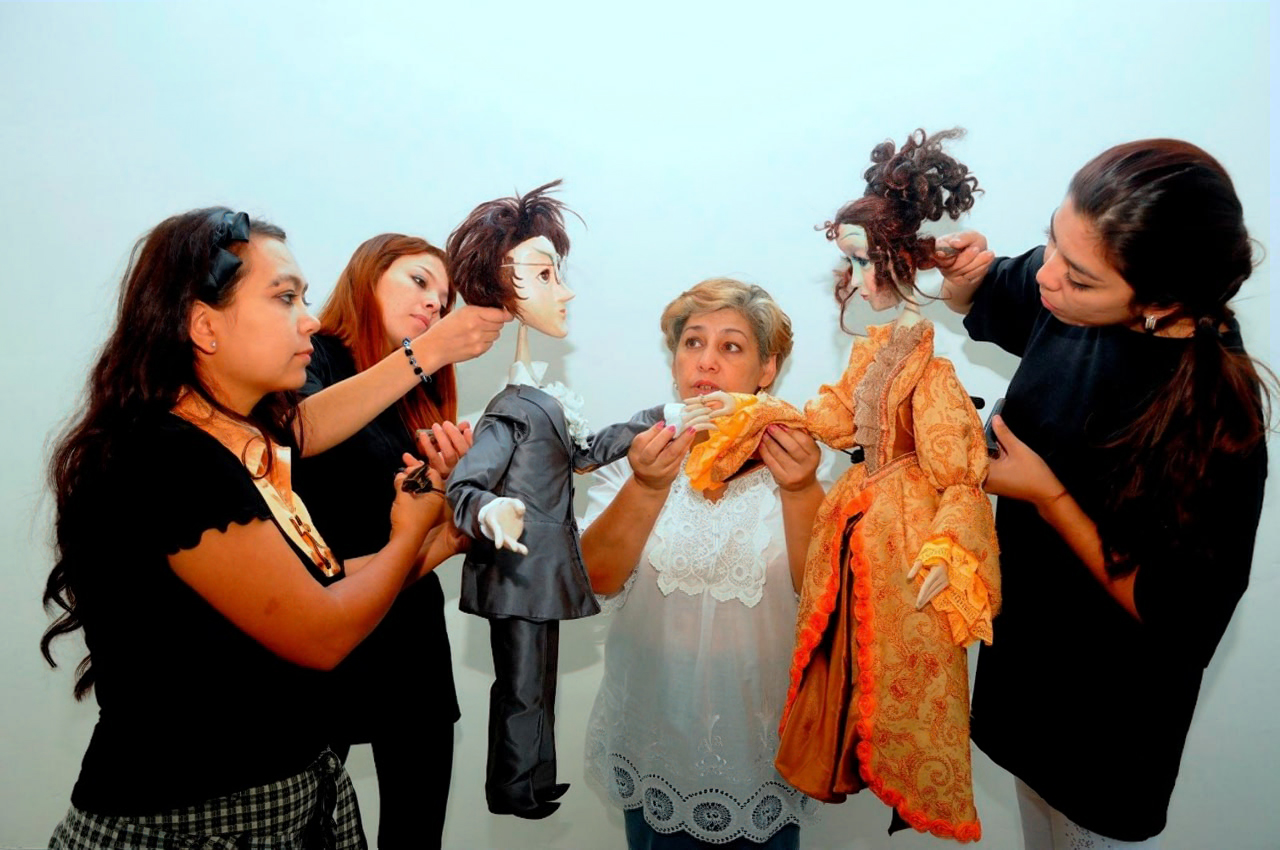
Yet in place of the body, another instrument emerges — the puppet — and the actor must command it with complete mastery. This instrument already carries its own artistic image, conceived by the director and designer, and brought into being by the craftspeople. The actor must find the voice, the delivery, the manner of movement that belongs to that image — so as not to remain a stranger to the puppet.
 Source: Photo: Gayane Avanesyan
One may invest great skill in the manipulation of a puppet. But if one has not invested the soul, the character has not been brought to life. The puppet actor does not merely operate an object — they must animate it.
The demands placed upon a puppet actor are immense. They must command voice, breath, hands, the puppet's movement, and at times its mechanisms as well: eyes, mouth, a crest, various details. They must ensure the puppet sits correctly, that the hands do not live independently of the body, that the legs do not move by chance.
— Can a single puppet appear in several productions?
— That used to happen. Puppets would pass from one production to another. Today, that is no longer possible. Each production calls for its own puppet, created in a particular style and in close dialogue with a specific scenic design. To mix puppets from different productions would be to shatter the integrity of the style.
— Why is it so important to preserve the handcraft of the makers?
— Because the makers, too, invest their soul in the puppet. It is not merely a technical object. Even if a puppet has mechanisms, even if its eyes or mouth can move, it does not live of its own accord. When a puppet stands motionless and does nothing, we say: "Your puppet has died." It comes to life only through action, gesture, the breath of the actor, and the work of the craftsperson who gave it its form.
"There are young actors — what we lack are directors"
— Are there young actors and specialists today who are carrying forward the traditions of puppet art?
— Young actors do exist. The theatre institute graduates actors every year; they come to the theatre and work with energy and imagination. But they need far more practical experience with different puppet systems. It would be enormously valuable if they could explore those systems directly within the theatre itself — learning through practice.
 Source: Source: personal archive of Dinara Yuldasheva
With directors, however, there is a serious problem. There is a shortage of directors in both dramatic theatres and puppet theatres alike. They are trained, and then they seem to vanish. It is an acute deficit.
I have said on many occasions that directors must be attracted, retained, and given incentive. An actor has a grading system: upon graduating from the institute, they enter at one level, then progress, attaining a first grade, a higher grade, eventually becoming a master of the stage. A director has no such system. They arrive, and there is no further progression in grade.
I myself have worked for thirty-five years, and over that time my professional growth has been considerable. Yet my salary remains the same as that of a young director who has only just joined the theatre. That is simply wrong. If we wish to develop the theatre, we must also think about the status of the director.
"One wishes to be part of the world's conversation"
— How would you wish to see the National Puppet Theatre in the years ahead?
— First and foremost, I want the reconstruction to be completed, so that we may return to full working life as swiftly as possible. I am deeply hopeful that our festival practice will continue. Our theatre has visited many countries, taken part in international festivals, and that matters enormously.
Festivals are a profound education. We encounter the experience of different countries, new forms, new genres; we invite colleagues to come to us, and we travel to them in turn. A theatre must not stand still. It must be part of the world's ongoing conversation about the development of puppet art.
 Source: Source: personal archive of Dinara Yuldasheva
The theatre itself is changing, too. We now sell tickets online; audiences receive them on their phones and arrive with a QR code. This is also part of the new theatrical landscape. Our audience is broadening: children and adults who would never have thought of us before are now finding their way to us. Productions with audio description are emerging, and an accessible environment is being created.
And, of course, my deepest wish is for the theatre to remain alive. For children to come here not only as spectators, but as participants. To encounter the puppets, the workshops, the actors — to try their own hand at creating, to take an active part in the life of the theatre. When that happens, the theatre becomes for a child not merely a building, not merely a performance, but an entire world of art that the child begins to discover for themselves.

Newsletter
A letter from the HD editors
Once a week, we send the best stories, events, and cultural discoveries from Central Asia.