HD View
AI Can Draw Anything Except Reality: An Interview with Maxim Zolotukhin
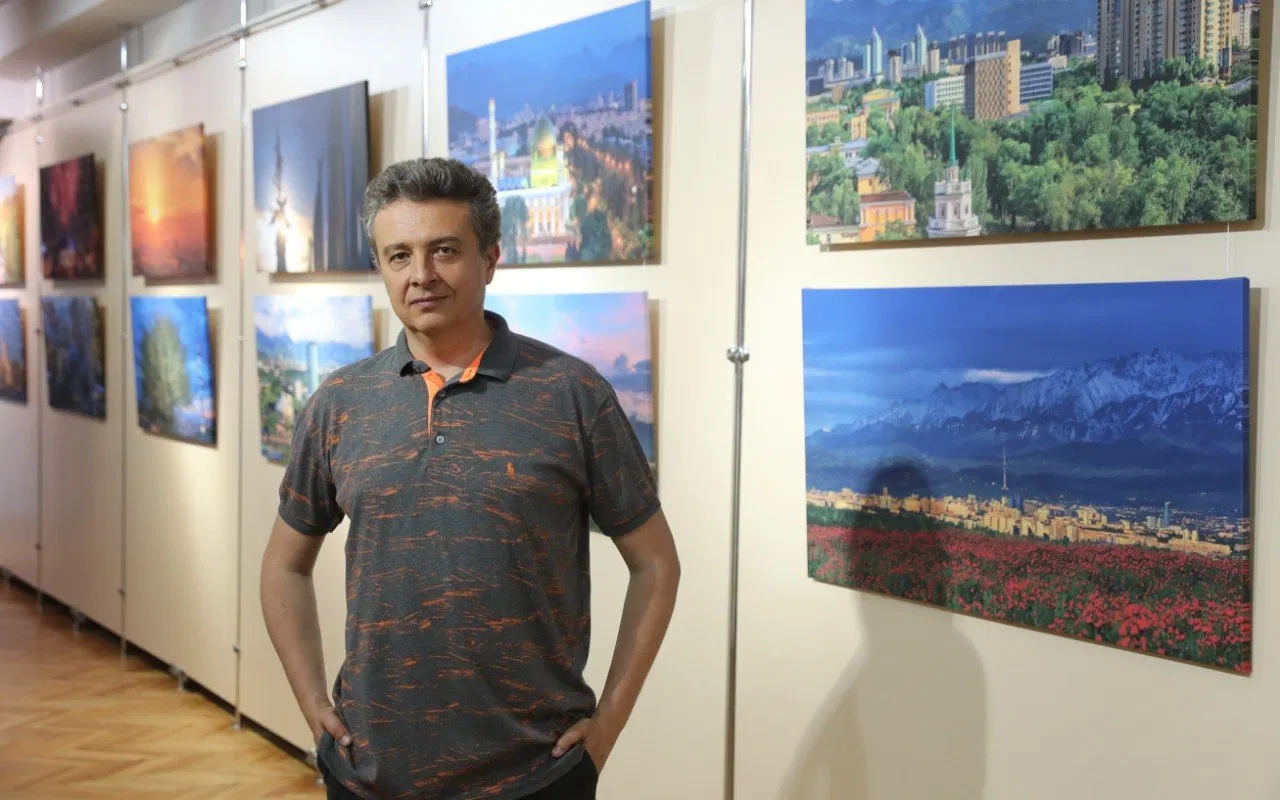
Almaty-based photographer Maxim Zolotukhin on the magic of the film photograph, the disappearance of street photography, the limits of Photoshop, and why artificial intelligence will never be able to replace the human eye.
Photography has always evolved alongside technology. There was a time when creating a single photograph took hours, while taking the picture itself required knowledge, patience and almost jeweller-like precision. Today, all you need to do is pull a smartphone from your pocket and take dozens of pictures in a matter of seconds. Film was first replaced by digital technology, and now photographers also have to compete with artificial intelligence.
But as technology has changed, has photography’s ability to preserve reality changed with it? And where is the line between a photograph and an image created by a computer? We discussed these questions with Almaty-based photographer Maxim Zolotukhin.
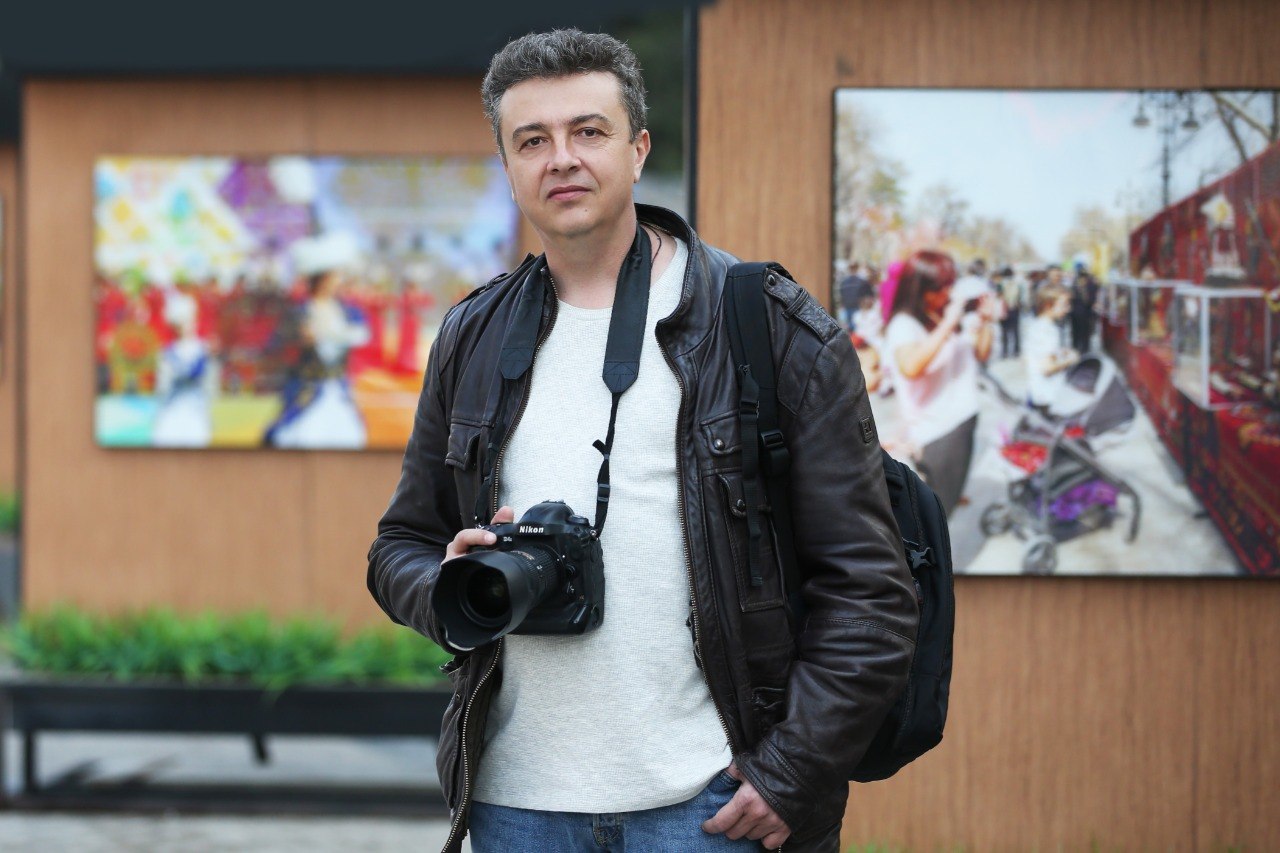
— Maxim, why do old photographs make such a powerful impression on us today? What do they have that contemporary photography sometimes lacks?
— When photography first appeared, artists were the first to protest against it. They had a perfectly reasonable fear that photography would take away their livelihood. In that sense, history is repeating itself, because today we are asking much the same questions about artificial intelligence: will it take photographers’ jobs?
The first photographers worked under completely different conditions. The process was extremely labour-intensive, from taking the photograph to its subsequent chemical processing. As a result, every shot was treated with great care: they composed the image, chose the subject and spent a long time preparing. Photography was very close to painting, both in portraiture and landscape photography.
They also used enormous photographic plates, while the optics were of extraordinary quality. There are famous old photographs showing hundreds of people where, when the image is enlarged, you can make out every person’s face. It is hard to imagine today just how detailed such an image could be.
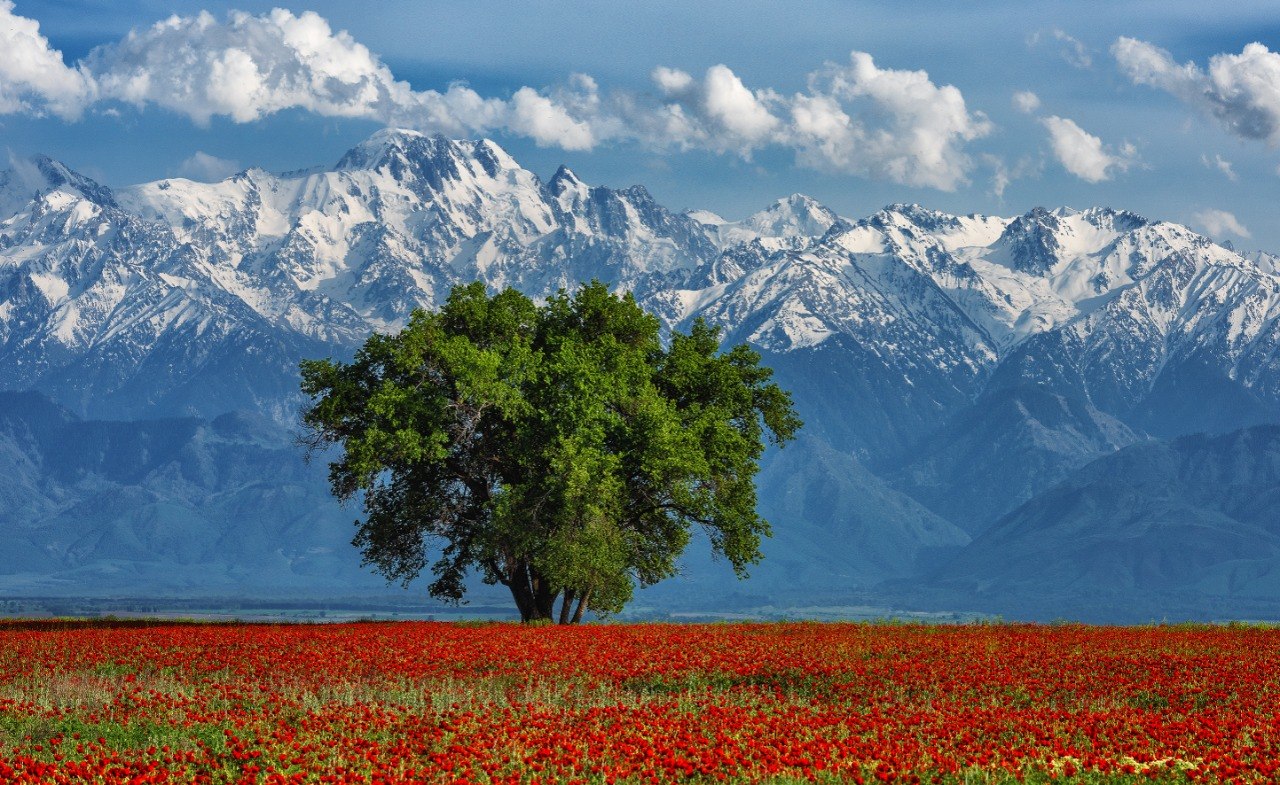 Photo: Maxim Zolotukhin
— When photography became a mass medium, what did we gain and what did we lose in the process?
The time needed to create a photograph gradually fell from several hours to minutes, and then to seconds. At the same time, the range of things photography could capture continued to expand.
I always say that photography is as big as life itself. Everything that exists in life has a corresponding direction or genre within photography.
The influence of documentary photography is particularly important. It made it possible to record events that would never happen again: sporting victories, disasters and much more. One of the most important qualities of photography is that it is a document.
Painting can, of course, also bear witness to an era, but photography directly records what happened in a particular place at a particular time. The people we see in old photographs have long since gone, but their gazes, gestures and facial expressions remain alive. And that is where photography’s enormous power lies.
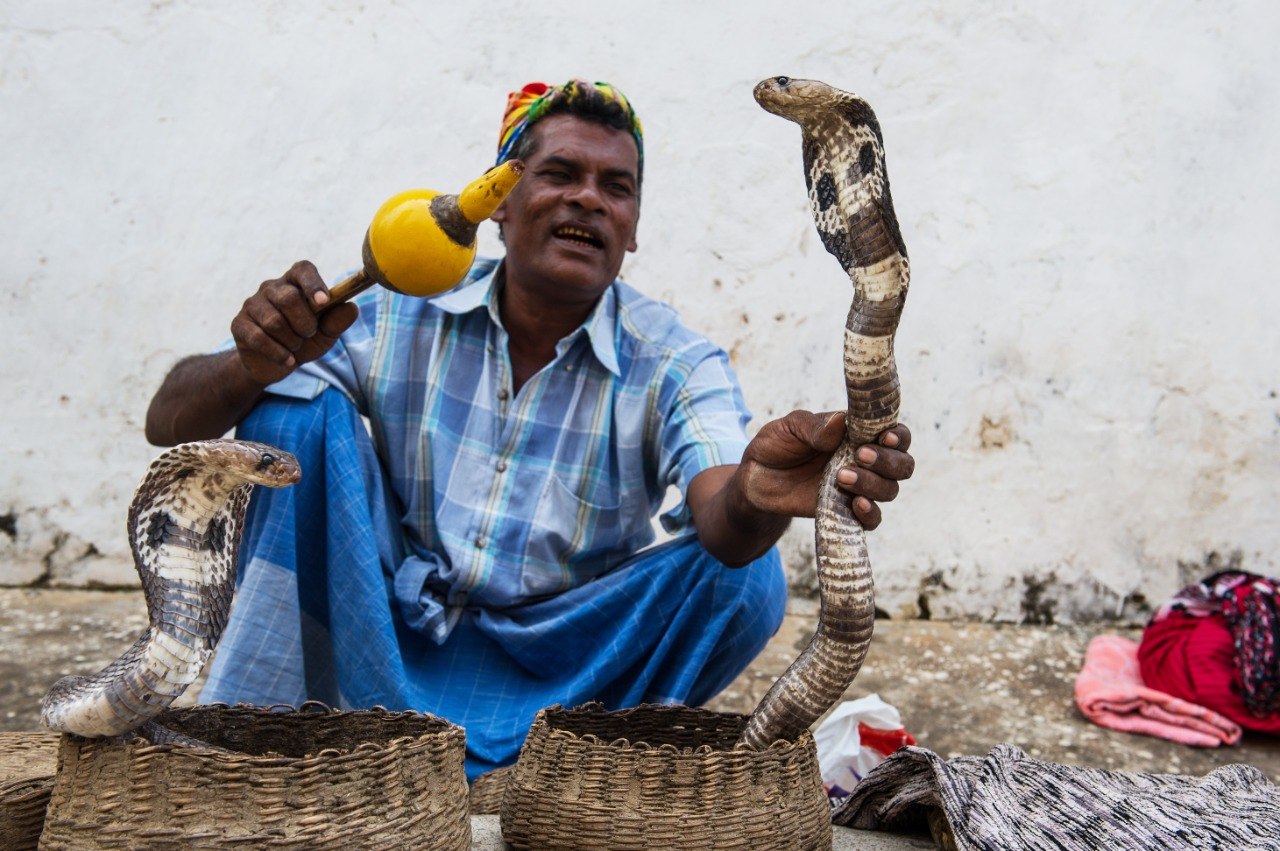 Photo: Maxim Zolotukhin
— You often speak of the “magic of photography”. What does that magic consist of?
— In film photography, it is particularly apparent. The print was made on paper using silver, and the image consisted of tiny, randomly arranged crystals. When you hold such a print in your hands, it literally feels alive. If you really focus on that sensation, it can seem as though the photograph is breathing.
When we moved to digital technology, however, every pixel fell precisely into place. On a microscopic level, the image also became flatter. That is why, when I prepare a digital photograph for an exhibition, I sometimes deliberately add grain, those randomly arranged elements. I want to bring back the sense of microscopic volume that film photography had.
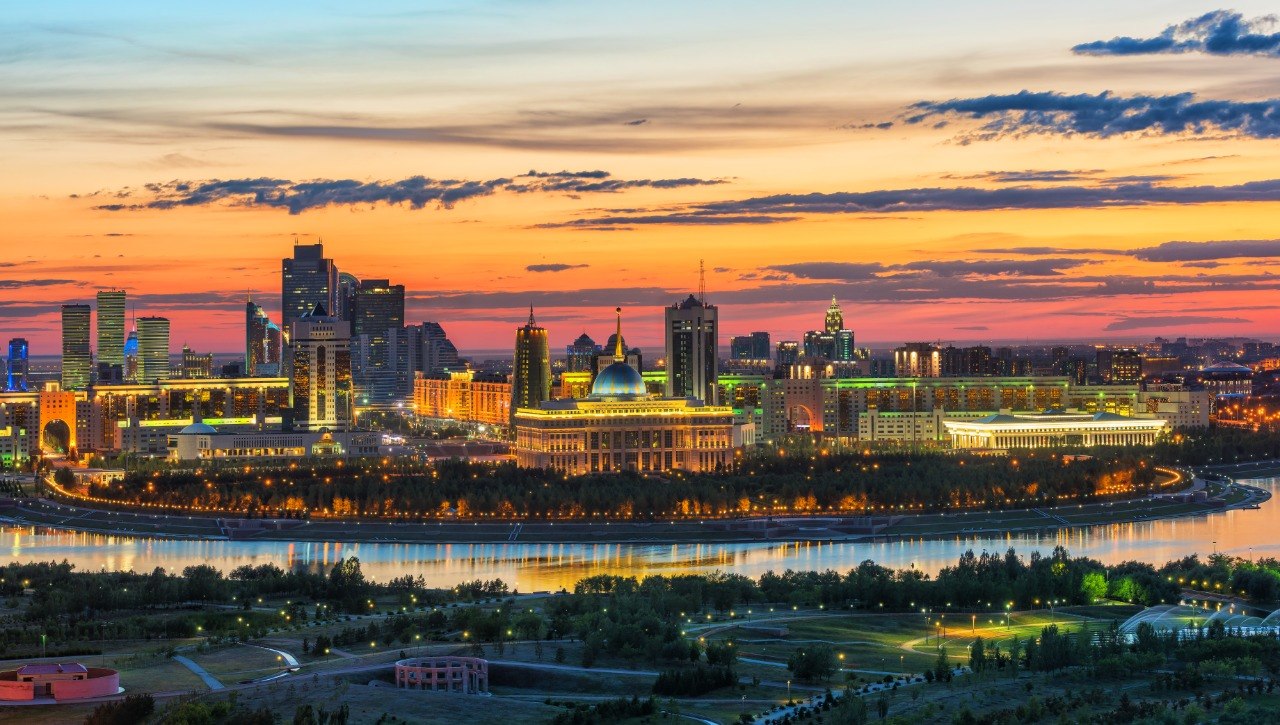 Photo: Maxim Zolotukhin
— Today, practically anyone can become a photographer, because you no longer need a camera. A smartphone is enough. Does this devalue the profession?
— In some ways, yes. Photography used to be practised by professionals who underwent lengthy training. There were established conventions, criticism and exacting standards for composition, lighting and content.
Today, there are an incredible number of photographs. More images are created around the world in a single second than were produced in an entire year a hundred years ago. As a result, we have reached a point where anyone can judge a photograph. And the criterion very often comes down to a simple “like” or “dislike”.
For mass-market photography, that is perfectly normal. Public opinion influences the market, and if a photographer makes a living from commercial work, they naturally take the client’s tastes into account. But in art, there is still such a thing as professional judgement, visual literacy and a broader understanding of context. And I think it is important to preserve that.
— So does the client now have more influence over the photographer than the photographer has over the client?
— Yes. It is very difficult nowadays to impose your own idea of what a photograph should be on a client.
Many people deliberately choose to cut costs: they take more photographs and spend less time on each one. That is because clients often do not need one genuinely good photograph. They need a large volume of material.
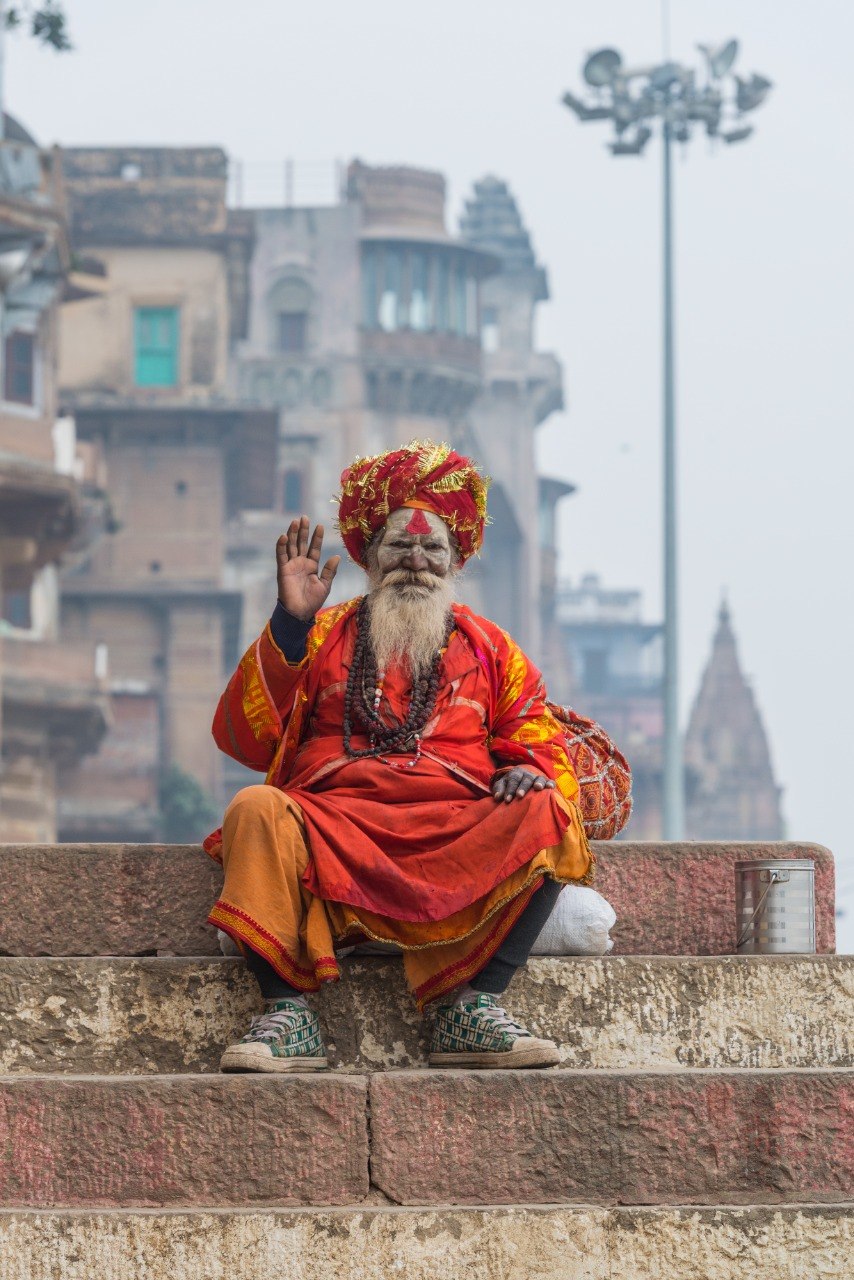 Photo: Maxim Zolotukhin
— There is another issue photographers face, particularly those working on the street: the right to use photographs of people. How has this changed the profession?
— It has changed it enormously. In the past, you could walk around the streets, observe people, take candid portraits and capture spontaneous scenes without much difficulty.
Today, it is much more complicated. If someone is simply walking down the street, photographing them, let alone publishing their image without their consent, can be risky. When it comes to a public event, the situation is different. If you have captured a good shot, you can approach the person, show them the photograph, ask for permission, exchange contact details and take care of the necessary formalities. But for street photography, this is a huge complication. After all, its very power lies in surprise and chance.
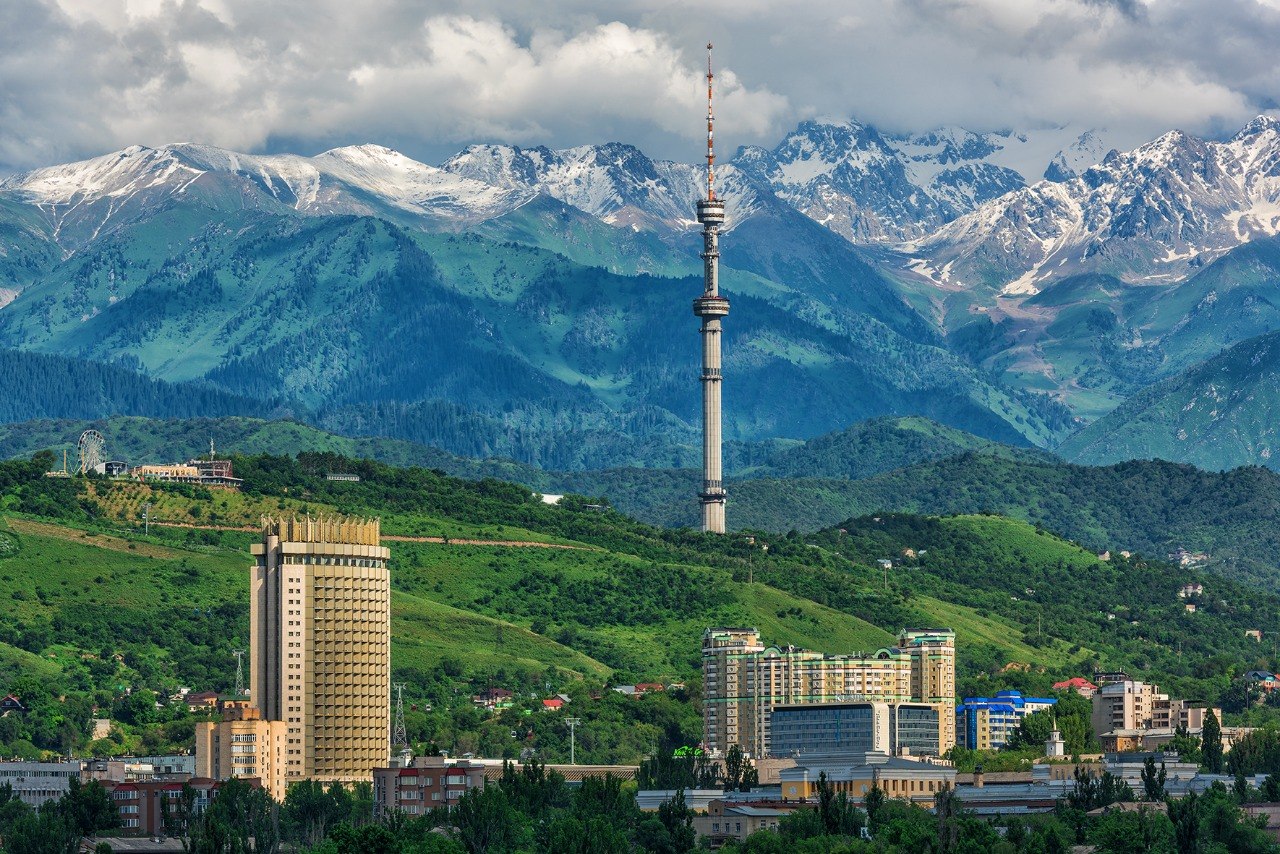 Photo: Maxim Zolotukhin
— Do these chance moments remain an important part of photography in the digital age?
— Absolutely. It is one of the things that sets photography apart from AI-generated images.
Someone might find themselves in the right place at the right time, pull out their phone and happen to capture a photograph that becomes a historical document. There are countless examples, from wartime events to sporting victories.
A professional, of course, is capable of achieving a good result far more often. If they take ten photographs, eight of them may be very good. Someone with a smartphone may take ten thousand shots, and one of them may turn out to be brilliant. But that will be a matter of chance.
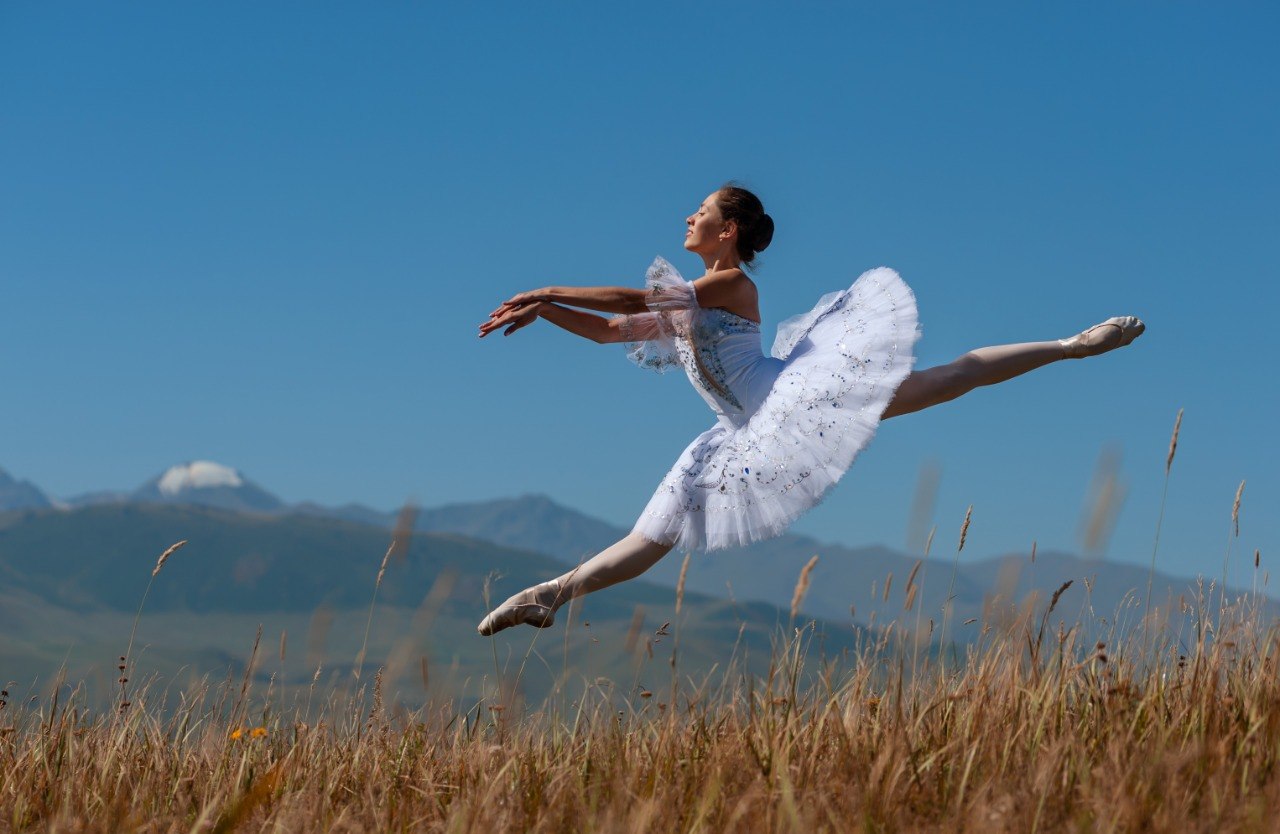 Photo: Maxim Zolotukhin
— And where do you draw the line between a photograph and an edited image?
— Photoshop is a tool, just like a camera. You can use it to improve an image, or you can use it to damage it. Removing an unsightly cable from the frame is one thing, but completely replacing the sky or creating a different reality is quite another.
Say, for a hotel advertisement, you need a beautiful sky above a recognisable Almaty landscape, with the mountains, the television tower and a particular building. If that fits the brief, why not? But if the same image is presented as fine-art photography, I think the photographer should be honest about it. If substantial changes have been made, that should be disclosed.
The same applies to portrait retouching. If you make someone look ten or twenty years younger, it is no longer quite a photograph in the original sense.
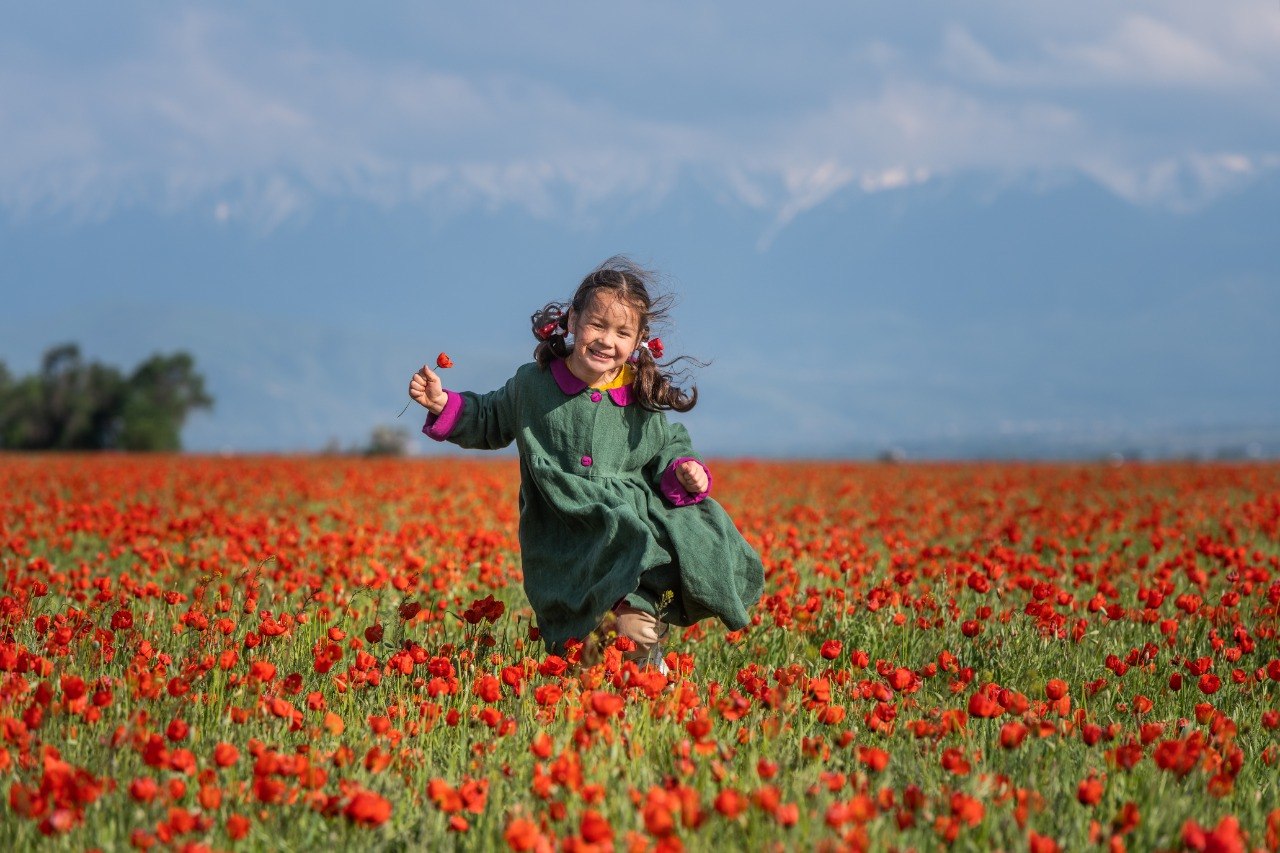 Photo: Maxim Zolotukhin
— And if a photograph has been heavily altered in Photoshop, what does it become?
— More likely a collage or some other kind of digital image. Some publications and agencies don’t allow photographers to alter their images at all. You can crop a photograph, but that’s about it. It has to be published as it was taken.
A fashion magazine has its own rules. If the brief calls for the make-up to be made ten times more dramatic, there is probably nothing wrong with that. But in my view, the important thing is simply not to pass one thing off as another.
— Today, Photoshop has been joined by an even more powerful tool, artificial intelligence. How serious a challenge is this for photographers?
— There is a real danger that many creative people will lose their jobs. And it is not just photographers. There are already publications where there are hardly any photographers left, and photographs and illustrations have been replaced by AI-generated images. But you can often tell the difference, because AI cannot capture real life. It creates an idealised version of reality.
From an employer’s point of view, it is simple: why send a photographer on assignment when you can get an image much more cheaply and quickly? But in terms of content, the two are completely different.
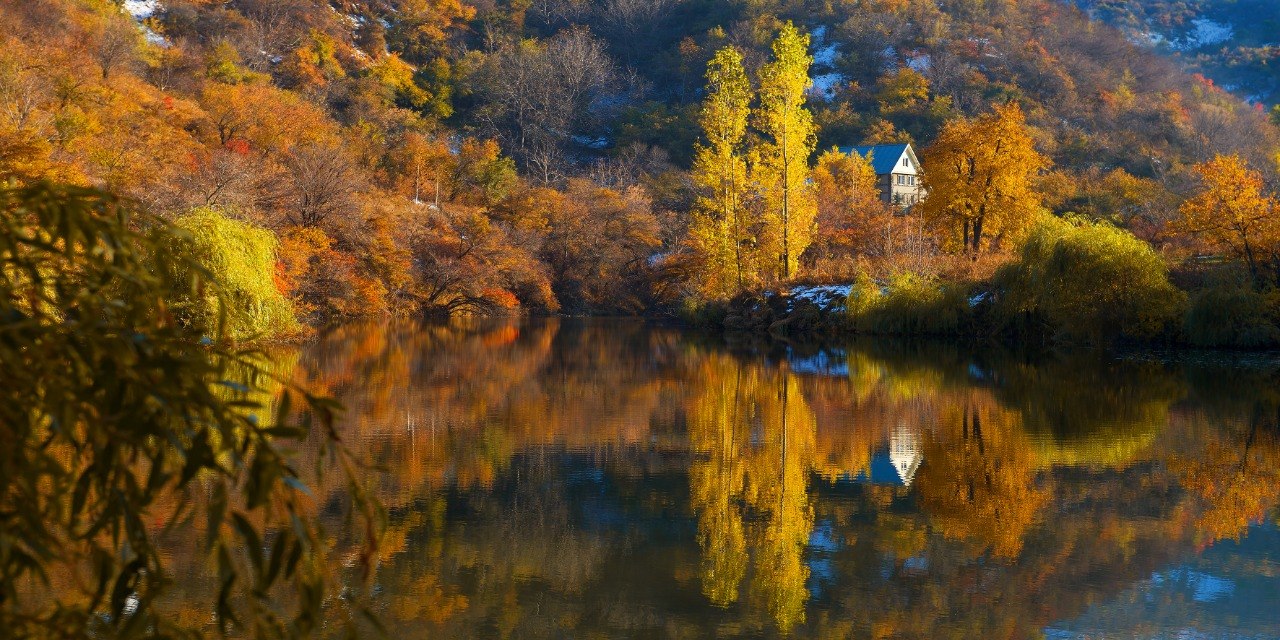 Photo: Maxim Zolotukhin
— So you believe that AI will never be able to replace a photographer?
— It can replace certain parts of a photographer’s work, but not the photographer themselves.
Artificial intelligence draws on material that already exists. It can combine, compile and stylise things extremely well, but it cannot experience an event firsthand, be in the right place or sense the moment.
It can create a beautiful image, but an AI-generated image is not a document of reality. And that is a fundamental difference.
— But artificial intelligence is already being used in professional photo-editing software. Where do you draw the line between what is and is not acceptable?
— For me, it is quite simple. If you use AI to remove some stray rubbish from the frame or fix a technical defect, that is one thing. If you create an entirely new image that is meant to convince the viewer that what they are seeing is reality, that is something completely different. And today, it is particularly important for viewers to understand what they are looking at. If an image has been generated by AI, that should be clearly stated.
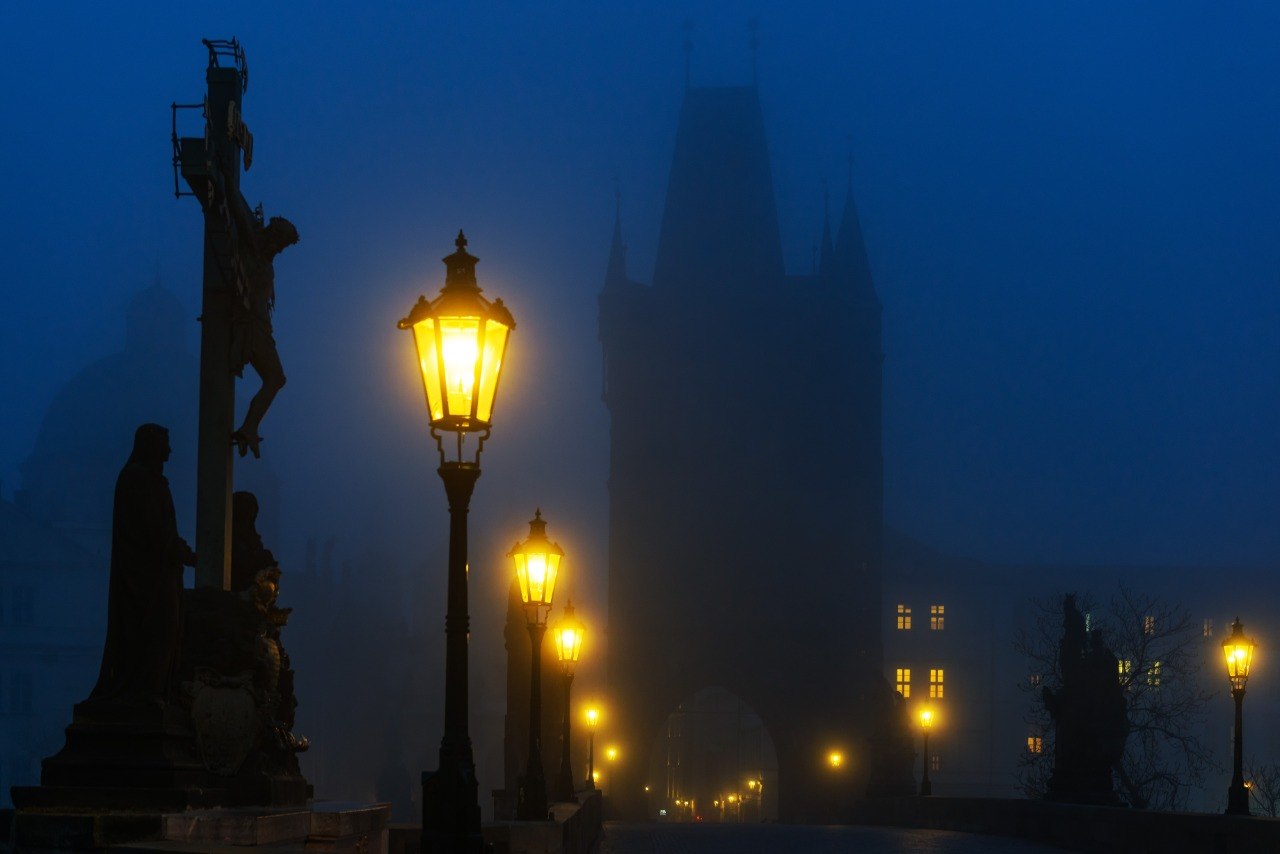 Photo: Maxim Zolotukhin
— Yet you speak not only about the threat, but also about the potential for development. Can technology, on the contrary, help photographers?
— Technology has always been a photographer's tool. A true creator will use whatever they have at hand. It might be an expensive camera, a mobile phone or a nineteenth-century camera.
The question is not what equipment you use, but what you want to say and how well you are able to see it.
I always say that anyone can learn to take photographs or play the guitar. It’s just that everyone has their own ceiling. And for some people, there may be no ceiling at all.
If someone takes photographs on their phone and finds it interesting, sooner or later they start noticing what they are good at and what they are not. Then they start learning, exploring and developing. That is creativity.
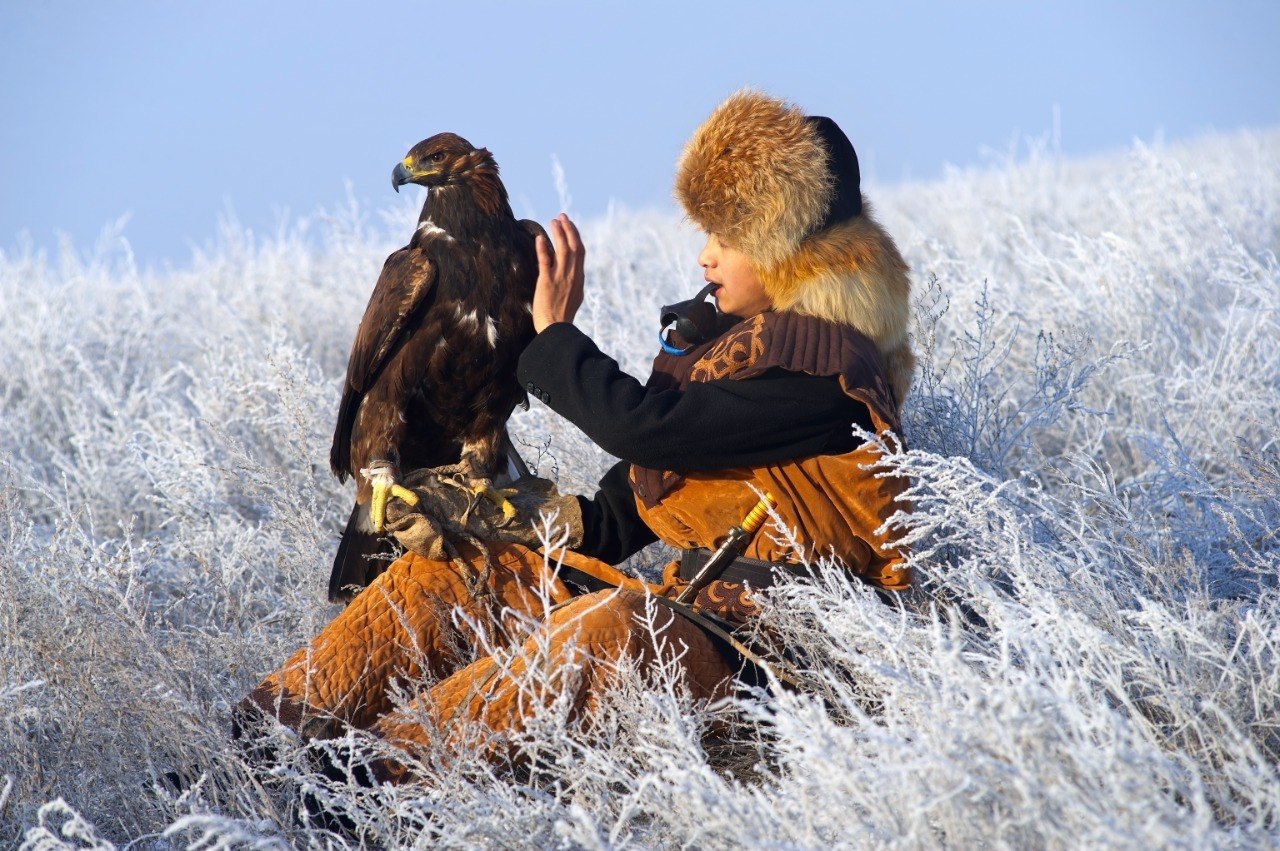 Photo: Maxim Zolotukhin
— Do you have a professional principle that helps you avoid drowning in this huge number of photographs?
— I once received some very good advice from Iosif Lvovich Budnevich, a well-known Soviet and Kazakhstani photographer and presidential photographer. I asked him how you should approach a reportage assignment. He said: when you go to an event, come up with three shots for yourself. One is the main shot, the second is a supporting shot, and the third is a very small one, a detail.
First of all, you need to accomplish the task and get those three shots. After that, you can photograph whatever you like. There is no guarantee that those three photographs will ultimately be published. But you have a guaranteed result to build on.
I think this is a good principle not only for professional photographers. Even if you are taking photographs on a phone, it is useful to have at least a rough idea of what you want to get, rather than taking ten thousand photographs and then picking the first one that comes along.
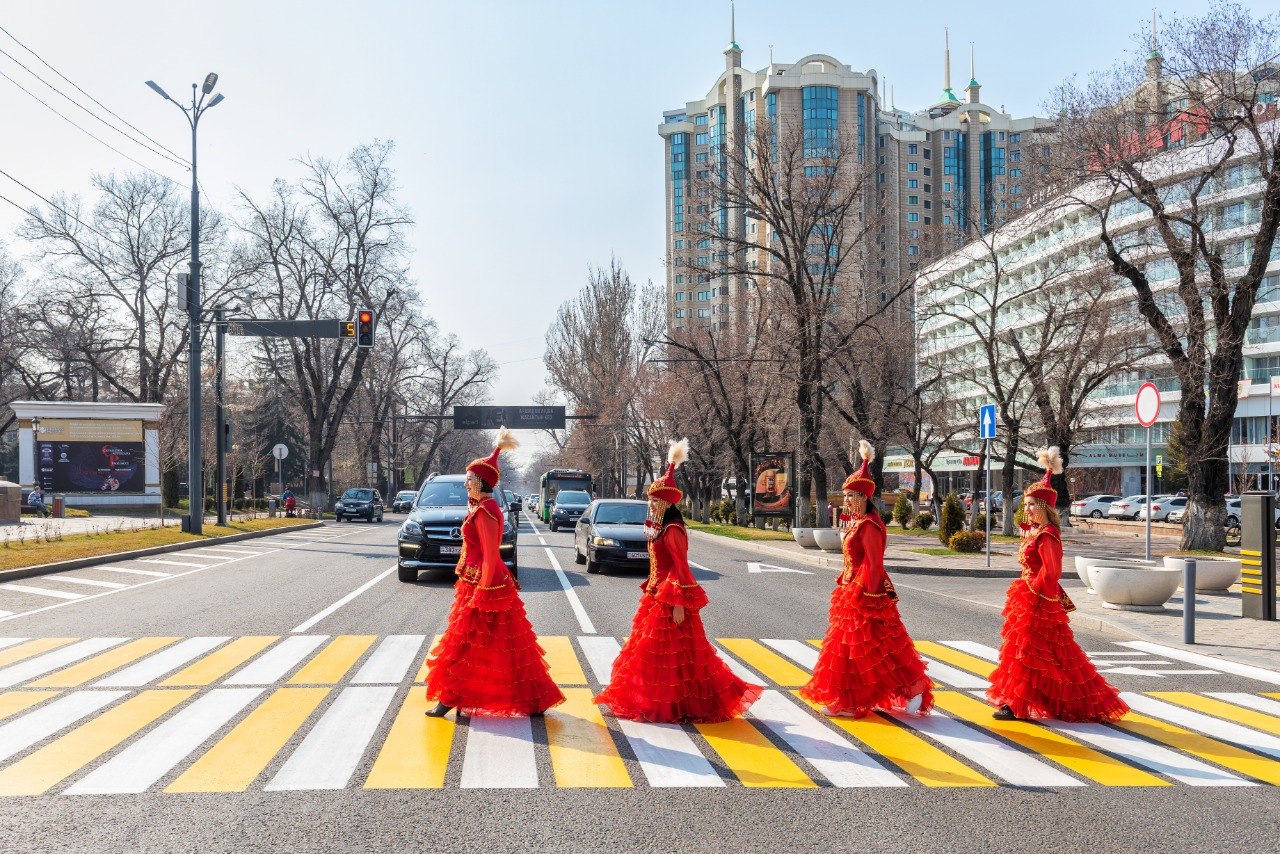 Photo: Maxim Zolotukhin
— So what will photography ultimately have that neither a smartphone, nor Photoshop, nor artificial intelligence will ever be able to take away?
— The human eye. Technology will continue to develop, cameras will become even more sophisticated, and artificial intelligence will create ever more convincing images. But there will always be a person who looks, notices and chooses the moment.
The important thing is that there is a person behind the image, their vision, their work, their hands, their eyes and their understanding of exactly what they want to preserve.
And perhaps that is precisely why photography will continue to live, because there will always be something for it to preserve.
Newsletter
A letter from the HD editors
Once a week, we send the best stories, events, and cultural discoveries from Central Asia.