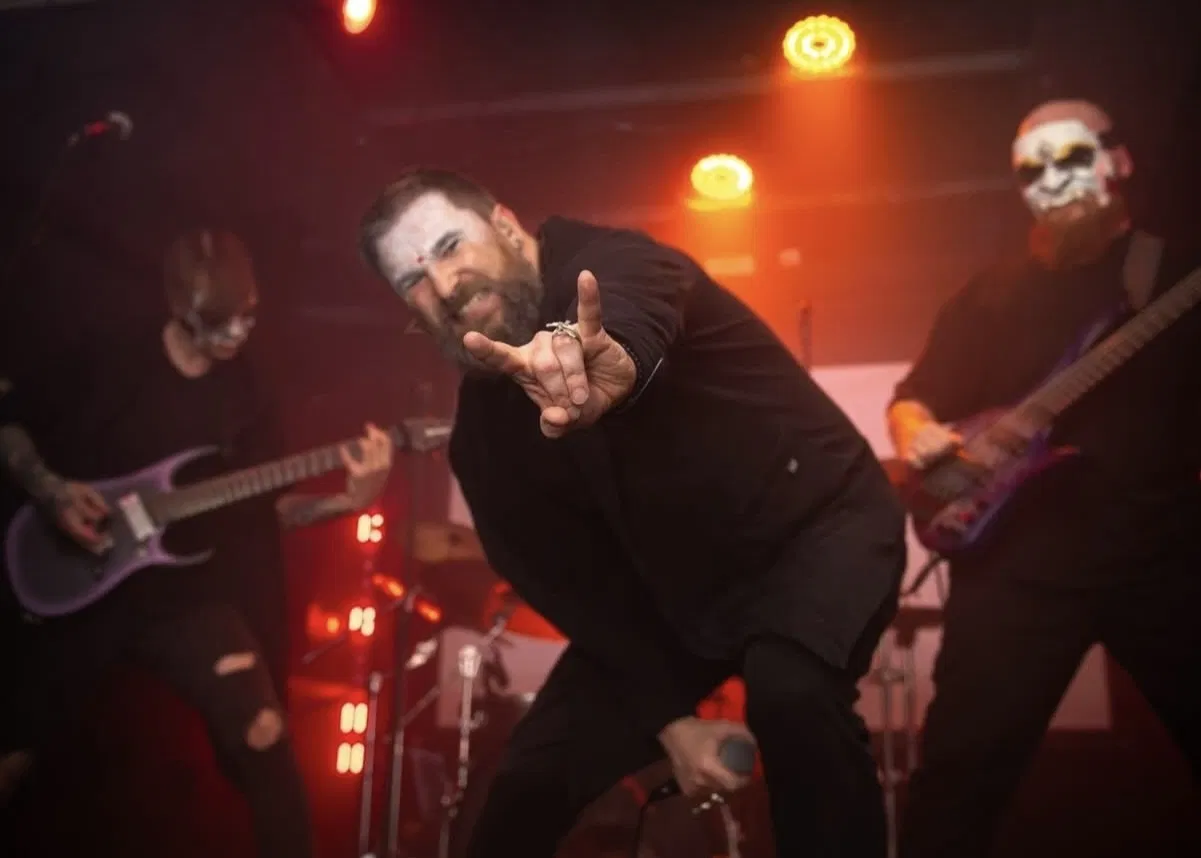
My Own Shiva is a rock band from Bishkek, playing at the intersection of Modern metal, Metalcore, experimental rock, and Melodic djent genres. They perform on stage in a special mysterious atmosphere: with mantras and incense. What does the band achieve more: preserving a Central Asian sound or adopting a Western one?
A brief history of the band
The band formed in 2010 under the name Samana. Some time later, the name was changed to My Own Shiva (MOSH), adding Indian musical flavor and creating special stage personas for their performances. At their concerts, the band members light incense to create a mysterious atmosphere and set the right mood for the audience.
Read the interview with the band here:
Kyrgyz Metal Sharing the Stage with Guns N’ Roses: An Interview with the Vocalist of My Own ShivaMikhail Efimenko is one of the founders of My Own Shiva, a modern metal band from Bishkek that first made waves in 2025, when the group represented Kyrgyzstan at Wacken, the world’s largest heavy metal festival. More recently, the band was featured on several official Apple playlists, a distinction not even every established metal star can claim. We spoke with the musician to get to know him better and discuss an important question for Central Asia’s music scene: Why does heavy music matter, and what opportunities does it offer the region?mag.humodoc.com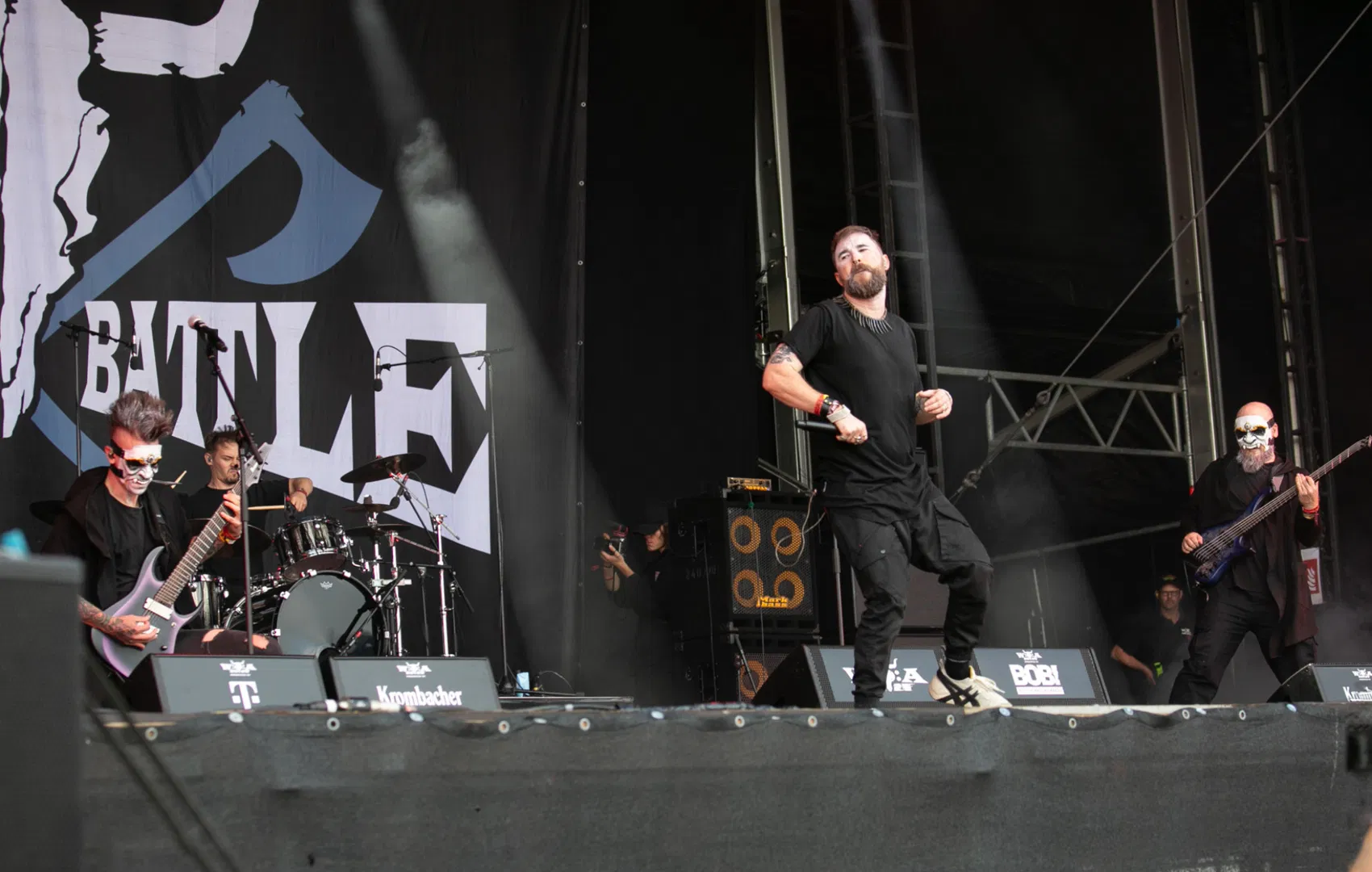
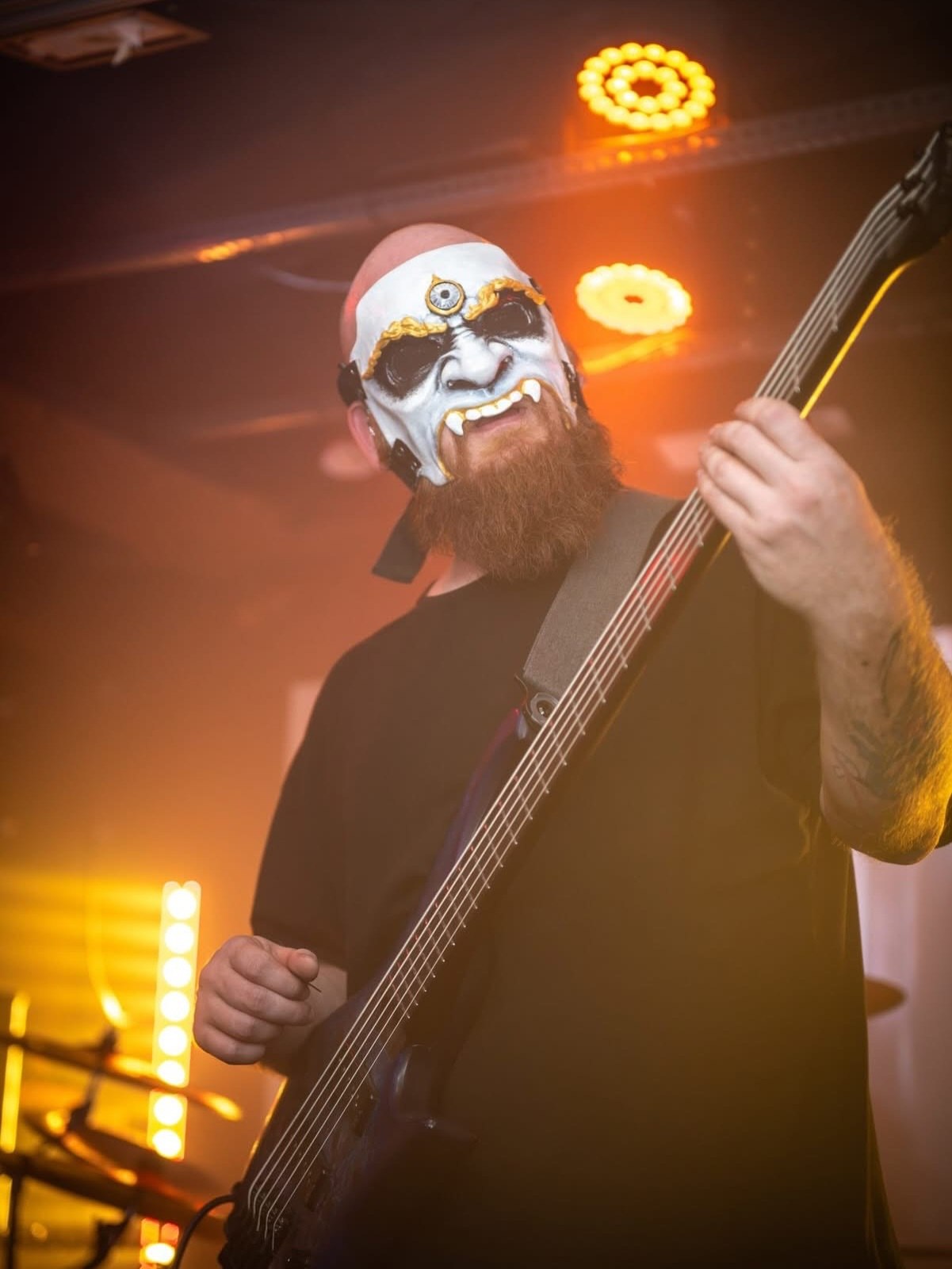
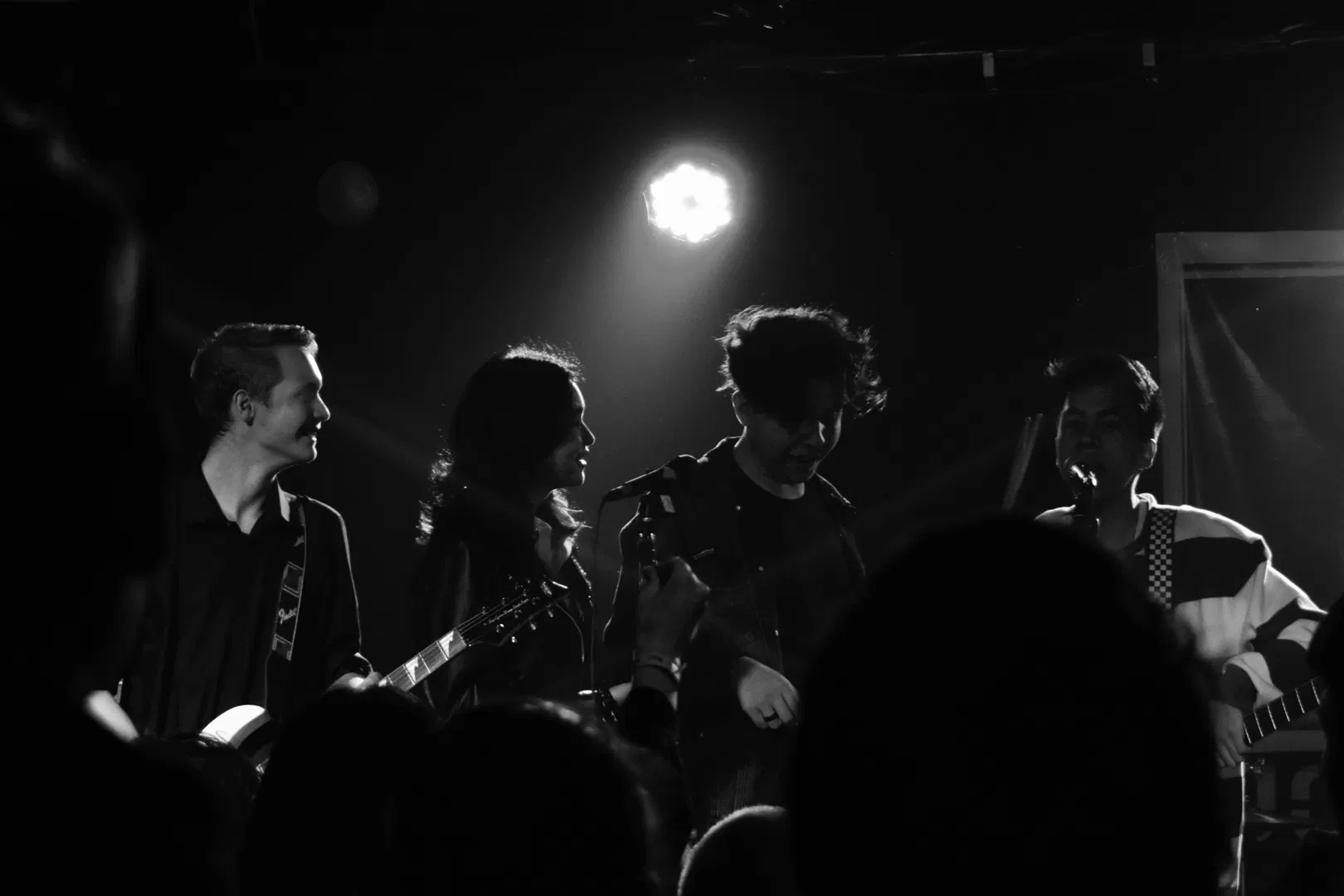
The members' stage personas feature whitened faces with a red dot on the forehead or characteristic masks. The band is known for its thorough preparation for performances, high-quality sound, memorable melodies, costumes, and stage makeup, which makes each of their performances unforgettable.
 Source: Instagram @myownshiva
MOSH's musical genres and techniques
MOSH creates music at the intersection of several genres.
Metalcore - a genre of rock music that combines extreme metal, hardcore punk, and thrash metal.
Modern metal - a subgenre of rock music that combines metal and alternative (a new sound in musical arrangement), and vocal parts often feature harsh vocals.
Djent - an ambiguous term applied to a musical direction in rock music, but which originated as the name of a technique for producing sound on an open string of an electric guitar with overdrive.
The band Meshuggah is considered the founder of Djent. The Swedes' music is based on an eight-string guitar, which creates that low guitar sound, as well as mixed extreme vocal techniques, such as harsh vocals. If we compare My Own Shiva with the creators of "djent," new songs like Wormgod sound quite close to Meshuggah's style - characteristic guitar techniques and rhythm, false cords also sound more aggressive, with fewer Indian motifs. In older songs, for example, Amaranthine, there is a unique sound - not as close to Meshuggah. The influence of the new trend in rock music is noticeably felt, but even here MOSH tries to stand out with something of their own.
Besides Meshuggah, another folk-metal band playing in the djent direction is worth mentioning - Bloodywood. Their music videos feature some deities from Indian culture and traditional clothing. Paradoxically, when compared to MOSH, it seemed to me that Bloodywood's tracks use Indian motifs much less. Their sound is more similar to American bands, while MOSH specifically emphasizes elements of Indian culture.
My Own Shiva vocalist Mikhail Efimenko uses false cord vocals (false cords). This technique allows the use of false vocal cord vibration in the sound, enabling the singer to produce that "scream" or "growl." It sounds aggressive, loud, and rough - false cords are ideal for such rock music genres.
Contrary to popular belief, this is not just screaming. When producing sound, it is important to control breathing, the degree of strain, and the compression of the false vocal cords to extract the desired sound density. Properly set technique allows for longer sound, maintaining density and expressiveness.
 Source: Instagram @myownshiva
Albums and songs
The band has two EPs and one full-length album on Spotify:
- No home (2017) - EP with 5 songs;
- Holograms (2019) - album with 11 songs;
- Lifebound (2024) - EP with 5 songs.
Singles 2025-2026:
- All or nothing (2025);
- Pralaya (2026);
- Black Tongue (2026);
- Wormgod (2026).
The EP No Home features many Indian motifs, the harsh vocals do not hinder understanding the lyrics, and the instruments do not overpower the vocals - a common mixing problem for bands with extreme vocals. In some places, even growl technique is discernible. All tracks share a noticeable common Indian motif.
The album Holograms is notable for its shift in song themes towards philosophical and religious aspects - for example, the songs Karma, Bones of Buddha. The tracks themselves feature melodies referencing Buddhist traditions, with a partial association built around the concept of achieving Nirvana.
The mini-album Lifebound consists of Amaranthine, Awakening, Zodiac, Reality, Oceans. These songs differ in sound from previous works. Ruslan Aidar's voice fit well into the songs - there is an interesting contrast between academic vocals with their softness and harsh extreme vocals. At the same time, in my opinion, there is less Indian influence in the album. Moreover, unlike the debut No home, it seemed to me that the extreme vocals changed slightly from a growl delivery to a more classic false chord.
A connection can be traced across all three albums thanks to "Indian notes," Buddhist themes, and mantras. However, the singles feature noticeably different music, closer to Meshuggah. There is clear growth in instrumental and vocal performance. Different motifs, more aggression - in my opinion, an ideal Western sound.
Amaranthine
The single Amaranthine was released in 2024. For me personally, the song is about being yourself, living in the present, and trying to fix what is. Spiritual motifs are also present, with the band's traditional references to Buddhism. Although the lyrics are structured so that every listener can find their own meaning.
Your life will fly byJust waiting for a new oneDon't say goodbyeWhile you can do it
(Your life will fly byWaiting for another.Don't say "goodbye,"While you can still change something)
In my opinion, this is the strongest lyrical part.
Wake up, back to your senseLet out your inner self
(Wake up, return to your senses,Let out your inner self)
The melody is harmonious, with transitions from a softer to a harsher sound. It somewhat resembles water currents: sometimes calm, sometimes turbulent. At 29 seconds, a calm part plays, where "Om" is clearly heard against Indian motifs. This sound is sacred, but Indians interpret it differently. For some, it is the sound of life, peace, the creation of all living things; for others, it is a calming mantra. From 33 seconds, the sound begins to build - becoming louder and denser. By 59 seconds, the increasing volume smoothly gives way to a calm melody with accented guitar riffs. Then the vocal part begins in extreme vocal technique, followed by the chorus. The vocal part is without "aggression." At the 2:09 mark, a completely different music plays with hints of calm and tranquility. A mantra is also heard. Thus, the piece transforms into a river flow that changes not just in mood. I like this idea. For me, this is the best track. It doesn't let you get bored while listening, the words are clearly audible, as are the Indian motifs. The voices also differ: one is sharper and more menacing, the second is smooth and loud. In short, it's deeply moving. =)
Wormgod
The single was released in 2026. The track made it into Apple's editorial playlists. This is cool and a clear indicator of success for a small Bishkek band. Personally, the track didn't resonate with me, although the lyrics are good:
We raise our HANDS to gods we cannot seeWe hope for MERCY where it cannot beWe name our FEAR as something we denyBut every BREATH reminds us we will die
"We raise our HANDS to gods we cannot see" - this phrase perfectly illustrates modern realities and how religion has transformed from sincere faith into something else.
"We hope for MERCY where it cannot be" - about dying hope, which also perfectly fits modern realities.
"We name our FEAR as something we deny" - fear controls people in many actions. Denying fear sometimes leads to dire consequences.
"But every BREATH reminds us we will die" - a harsh reality that many do not want to accept.
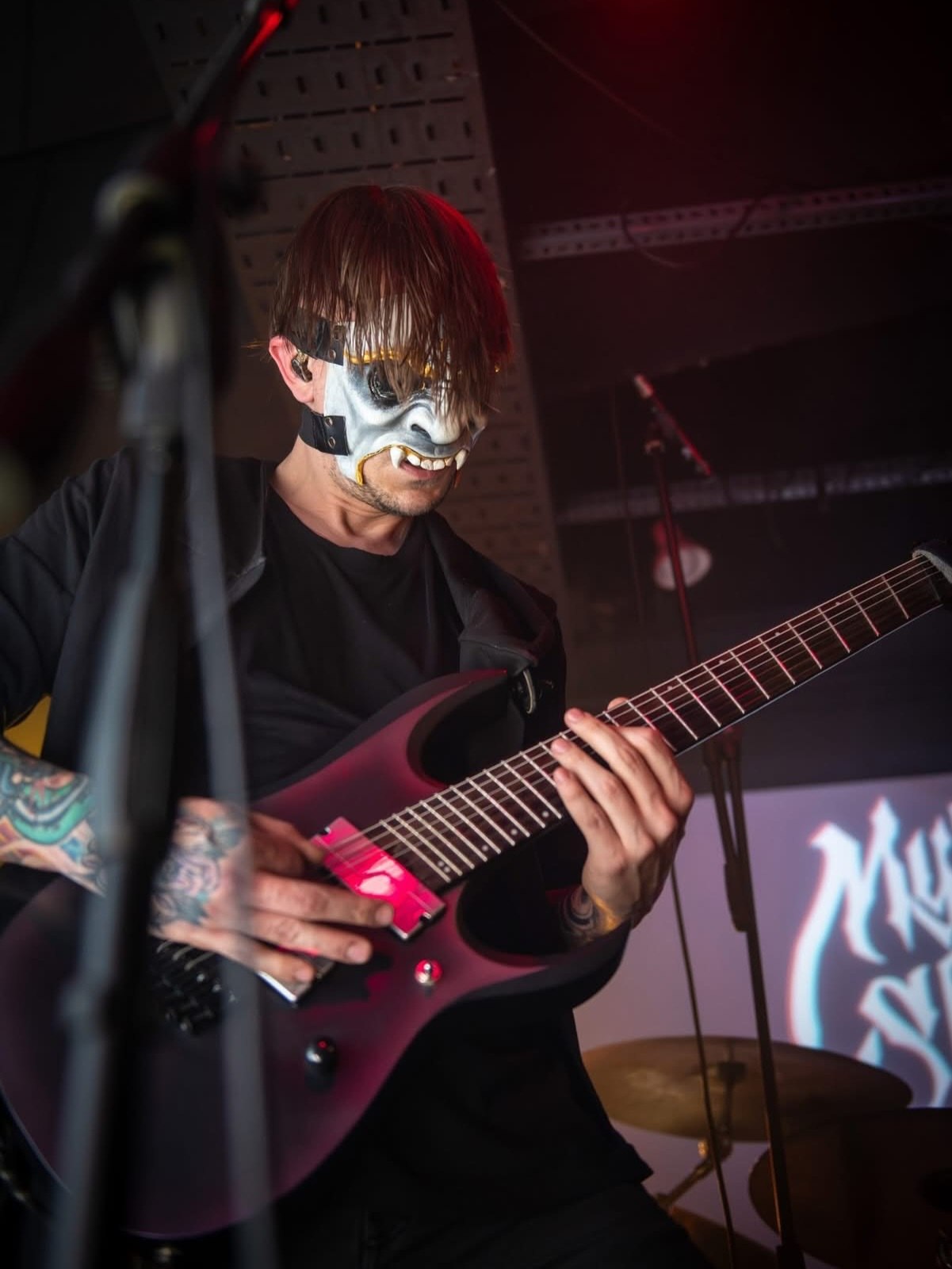 Source: Instagram @myownshiva
Wormgod is a piece about the present, about what is happening. But what don't I like about it? This song has Djent, at times even reminiscent of Meshuggah, but it gives the impression that either there shouldn't be vocals, or they live a separate life. The drums and guitar strongly draw attention to themselves. The vocal part sounds strained, as if the voice wants to overpower the instruments. For me, this is more of a disharmony. Although if you take Meshuggah, they have similar songs. And, in my opinion, it is in Wormgod that "djent" sounds clearer, brighter, and even louder. I lacked balance between the voice and the instruments.
No, this doesn't make the piece worse - it's a matter of "taste and preference." For me, the Indian component was lost in the piece, and I'm not captivated by the imbalance I heard. However, for this genre of metal, this is an absolutely normal approach - which is why I specifically compared this track to Meshuggah. There is something similar to the work of the Swedes.
The overall recording quality is pleasantly surprising - if I were asked what band it was and where they were from, I would never believe they were guys from a neighboring country, and not from Western countries where these styles originated.
Erased
A track from the album Holograms (2019). It starts with a "pop" sound for the first 12 seconds, and then guitar riffs and drums follow.
Empty promises are dead without chance to incarnate
Everything that we had — we have to appreciate
(Empty promises are dead without the possibility of realization, Everything we have, we must cherish)
Deep meaning in the words. There's a slight sense of personal tragedy - I would assume the song was created due to a breakup or loss of a loved one. If one delves into the meanings, it can be analyzed for a long time.
I raise you every time you are alive in memoriesOur bridges burned down, and we`ve got different ways
(I resurrect you every time, you live in my memories,
Our bridges are burned, and our paths have diverged)
I noted the vocal part - the false chord seems to transition into a growl, which is quite unusual for My Own Shiva's sound. The clean vocal parts don't blend very smoothly with the extreme vocals.
I liked the track itself, but relatively less than Amaranthine. I didn't find the same sound for myself. On the other hand, that's what creativity is for - to be different. I missed the Indian motifs.
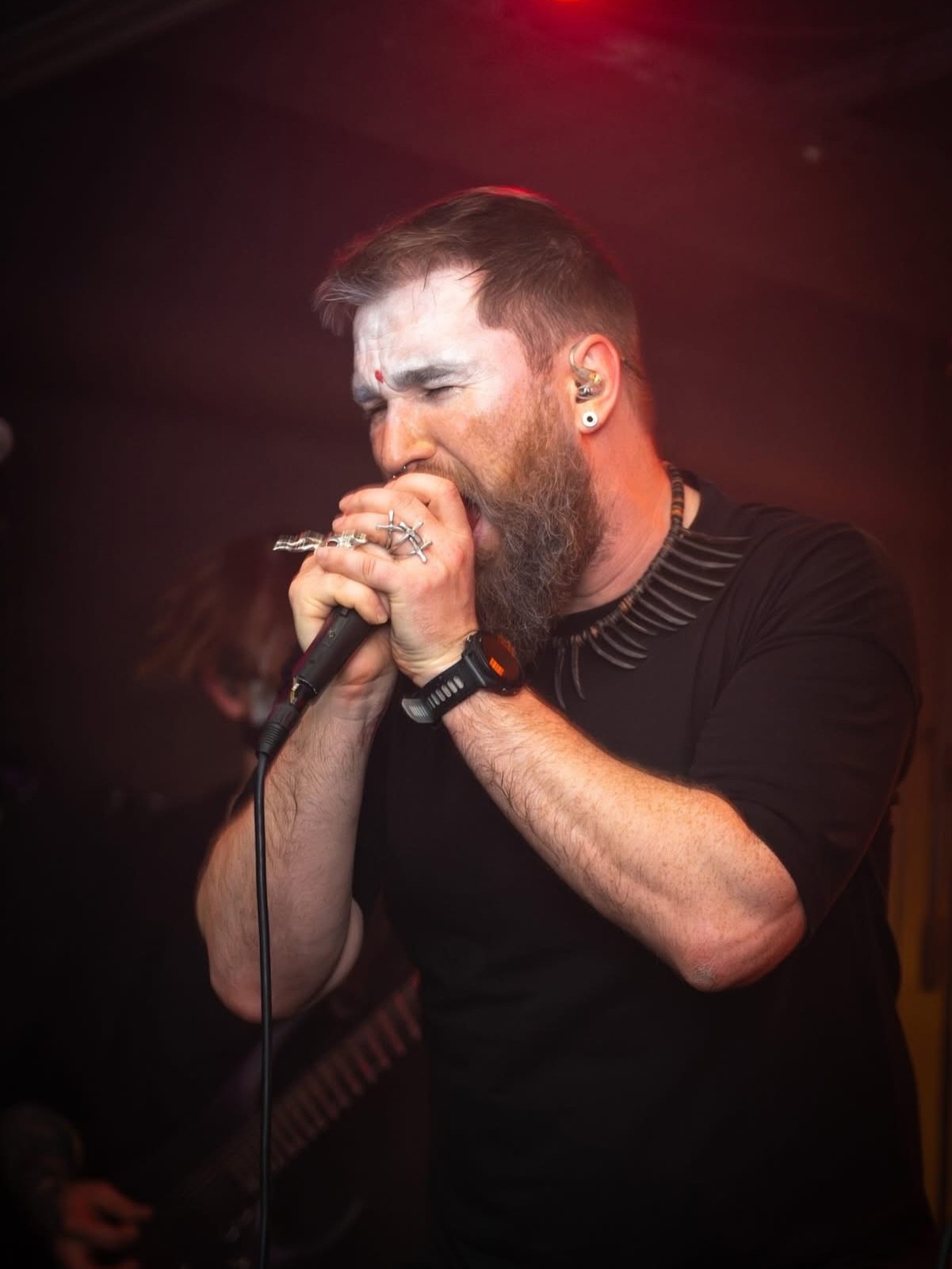 Source: Instagram @myownshiva
Participation in Wacken
In 2025, the members of My Own Shiva traveled to the German village of Wacken to participate in the world's largest heavy metal festival - Wacken.
Wacken Open Air has been held annually in Germany since 1990 and is the largest event for rock musicians from different countries. Previously, lesser-known bands participated, but over time, the number of both participants and visitors grew. Now, the most famous bands in the world perform on stage: Sepultura, Apocalyptica, Papa Roach, Gojira, Guns’n’Roses, and many others. Three days of heavy music, over 75,000 visitors.
Getting into Wacken is very difficult. Bands compete in the Wacken Metal Battle music battle. My Own Shiva won, after which they got into WOA. A short film was even made about it.
They represented not only Kyrgyzstan but also Central Asia. So far, My Own Shiva are pioneers. They are the only ones from the Central Asian region who managed to get into one of the coolest festivals abroad. Consider that they won the "Oscar" of the music world. They not only came to Germany but also showed what Central Asian musicians are capable of.
The 2025 event also featured Tarja (Tarja Turunen), Papa Roach, Gojira, Guns’n’Roses, Marko Hietala (former member of Nightwish), and others.
Participating in cool rock festivals allows participants to find new audiences, expand their creative boundaries in the future, share personal stories, music, mood, and sound. Various label managers may also be present at such events. And that means there's a chance to break through and become global stars.
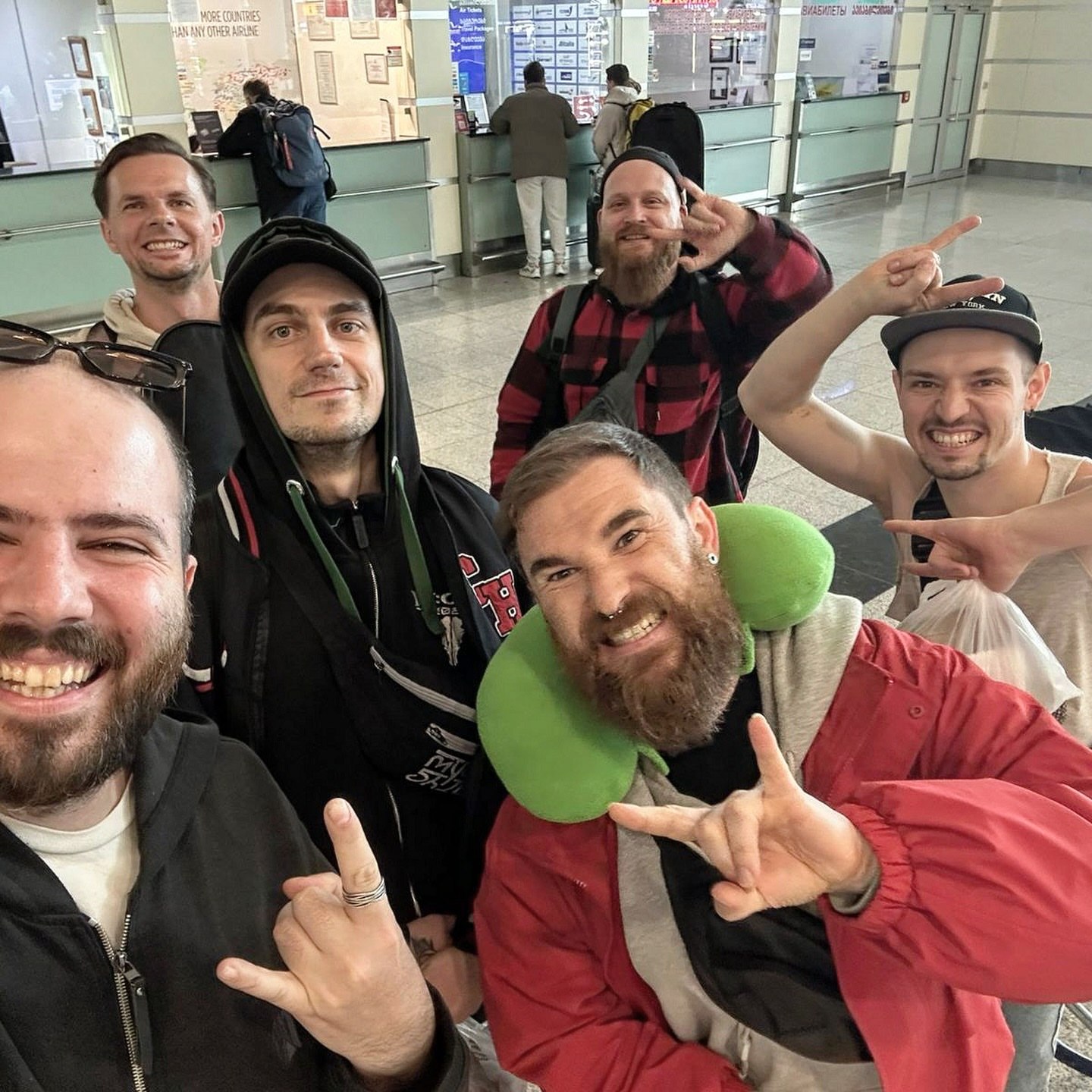 Source: Instagram @myownshiva
So what is the sound: Central Asian or Western?
The band members write lyrics, mix music, play instruments, and sing independently. Mikhail Efimenko is the vocalist and writes the lyrics, while Andrey Alf (guitarist) and Vadim Bykov (drummer) write the music. They record songs in their own Q-Rush Studio. A tremendous amount of work has been done from a sound engineering perspective. The sound is excellent; it's clear that each piece is carefully crafted. There are many experiments.
If you listen to the songs from the Holograms album, Indian motifs are not always clearly audible. In subsequent albums, there is a noticeable blend of Indian motifs with a purely Western sound. The music is very dynamic - smooth transitions from light to heavy sound.
In the band's work, the "signature" Western sound predominates for me. It's nice that guys from a neighboring country have reached such a level in their playing, and on the world stage, representing Central Asia at Wacken. But there are no Central Asian motifs or national instruments directly in their music. Instead, there are other things - Indian motifs, mantras in even greater numbers than with Bloodywood, from whom you would expect something similar much more.
This is neither bad nor good - it's simply the style in which My Own Shiva wants to create, and that's the most important thing. After all, our culture is not hidden solely in national instruments.
Read also
Music and Audio ArtKyrgyz Metal Sharing the Stage with Guns N’ Roses: An Interview with the Vocalist of My Own Shiva
Cyrill Grishin
 Music and Audio Art
A Language Apart: Uzbek Classical Music
Tokhir Rakhimov
 Music and Audio Art
80 People and One Bluetooth Speaker: The Story of “Kuda Propalo Solnce?”
Darya Zabrodina
Newsletter
A letter from the HD editors
Once a week, we send the best stories, events, and cultural discoveries from Central Asia.