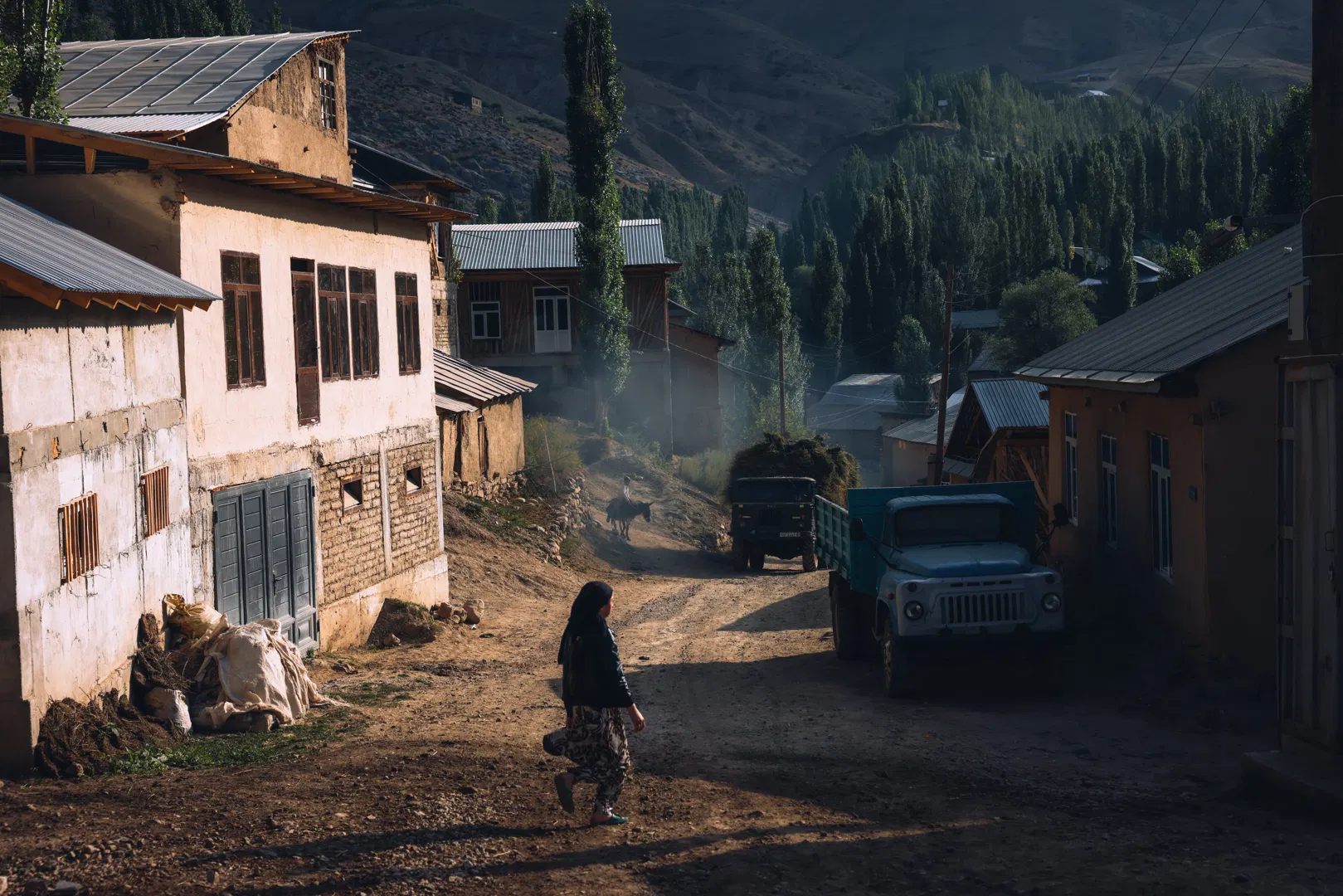
Residents of the Kul village high in the Gissar mountains are convinced that they descend from Macedonians. Like the people of Gilan, they live an isolated life, which is explained by the orthodoxy of their customs. Although Kul is considered the highest mountain settlement in the country, it differs from neighboring Gilan in infrastructure, architectural appearance, and the way of life of its people. The real daily life of one of the oldest villages at an altitude of 3,000 meters - in a photo essay by Ildar Sadykov.
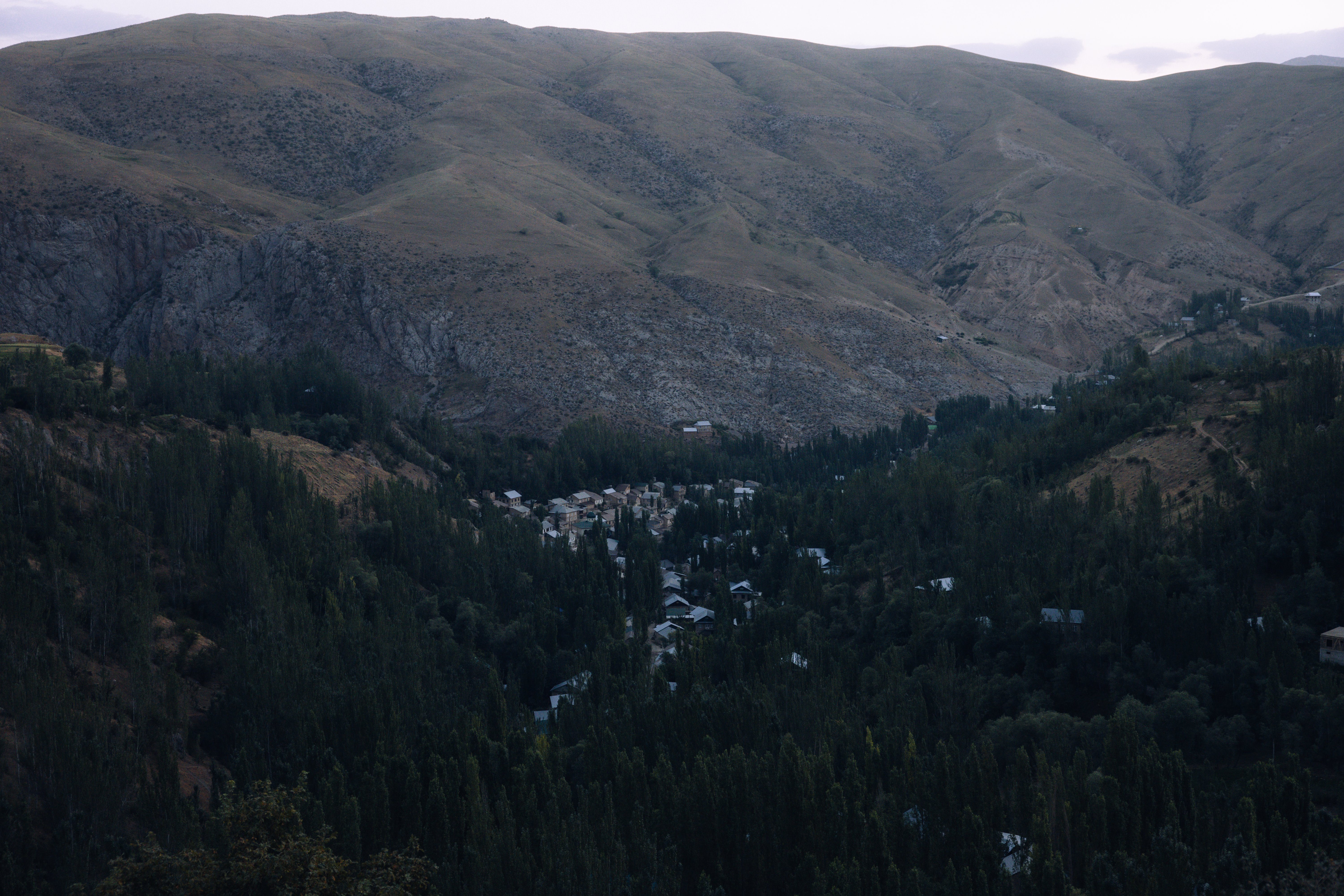
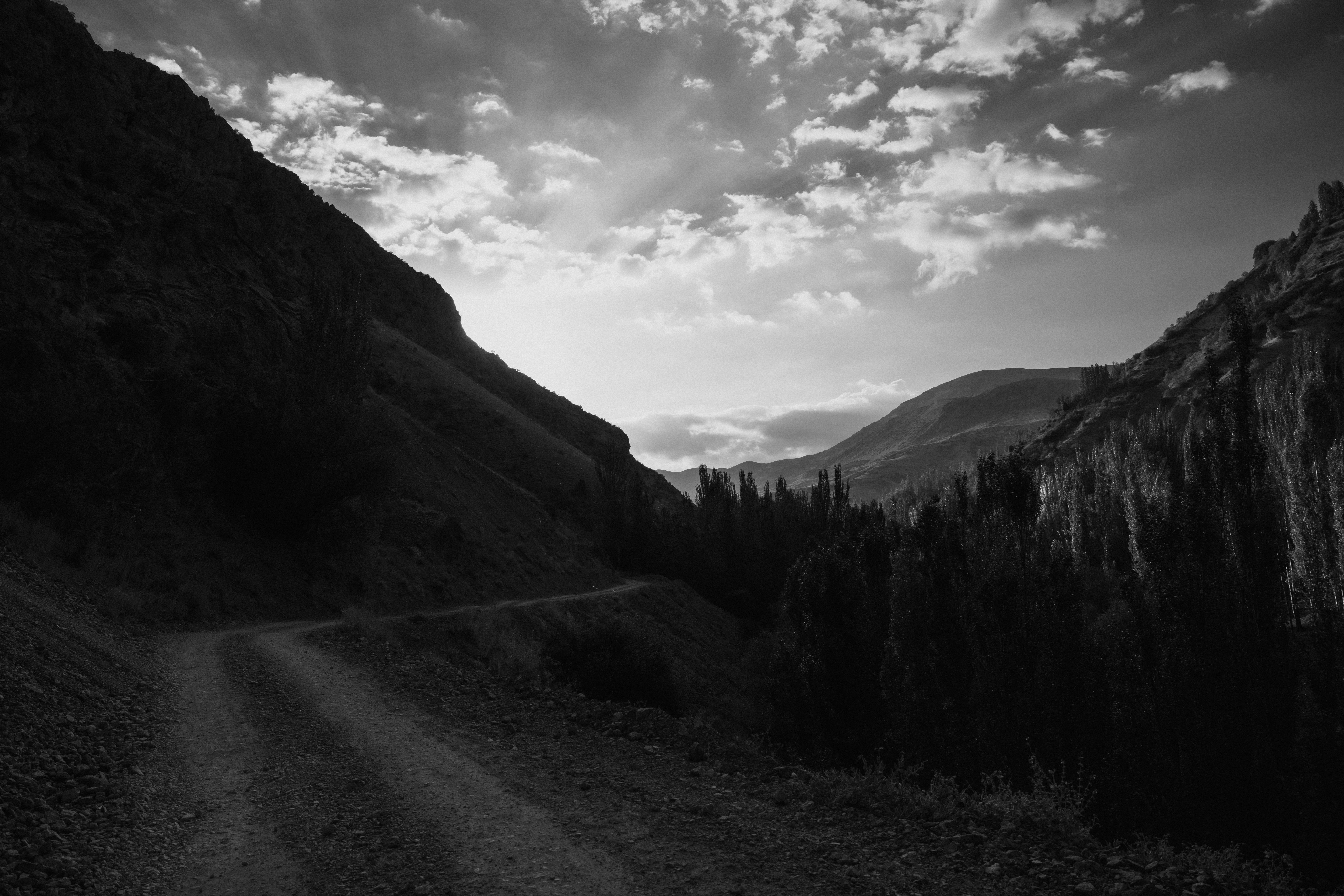
From Gilan to Kul is only 12 kilometers through the mountains. There is no road, though. This distance can only be covered in a Niva. It is best to arrive there at dawn - the view of the former lake at the first light of day is an unforgettable sight of remarkable beauty.
Read about the Gilan water mill in our photo essay:
What’s Ground Will Become Flour — photo essayThe ‘exotic village’ high in the mountains of the Kashkadarya region, 700-year-old Gilan has only in recent years become a mecca for ethnotourism and a source of inspiration for photographers and artists. Admiring the authentic way of life, people rarely consider how life is organised in one of the most inaccessible mountain villages. Yet such a way of life presupposes not only traditional customs and a manner of living, but also ancient means of production. The people of Gilan are almost entirely self-sufficient in wheat, the milling of which is the responsibility of hereditary millers. The old water mill at an altitude of 2,000 metres — in a photo essay by Ildar Sadykov and Sergey Pogosyan.mag.humodoc.com
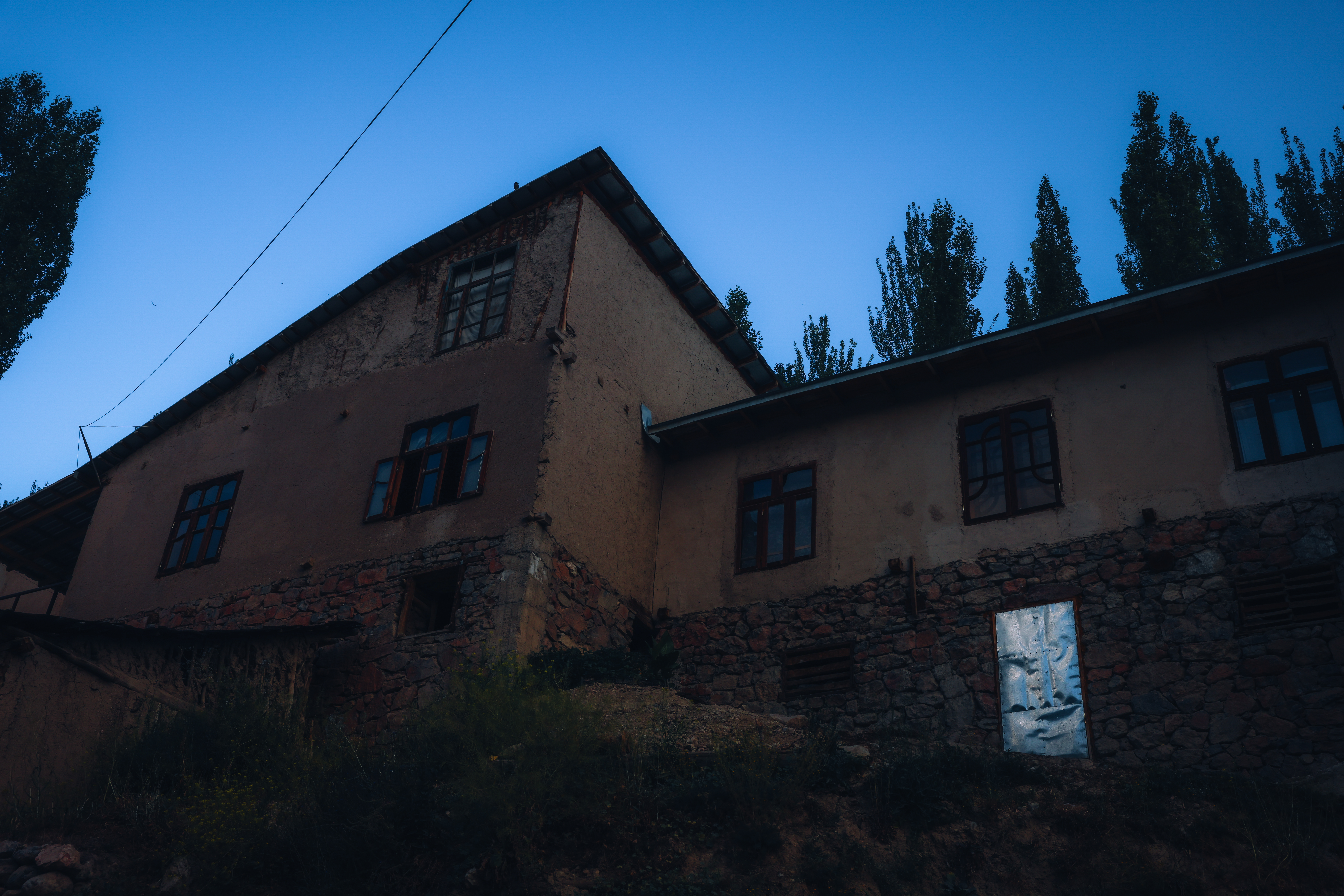
This ancient village with a telling name is unpopular with tourists, if only because of the closed nature of its residents and the absence of old buildings. The residents of Kul themselves regret that they did not preserve their old houses. But they have preserved the purity of their customs: in the village you cannot buy not only alcohol, but also cigarettes.
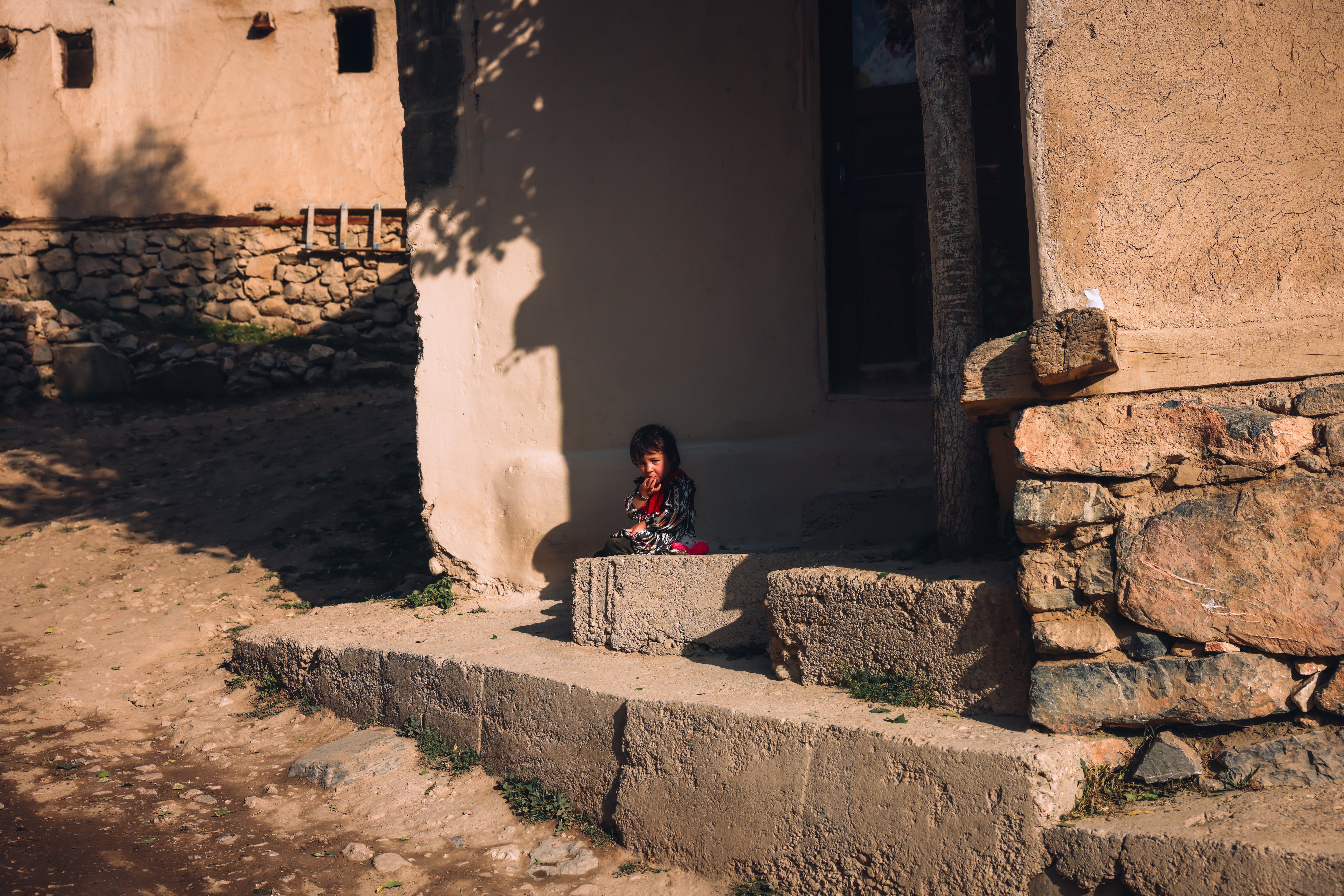
In the first years I traveled to Kul, I could not photograph a single woman or even a girl: the strict customs of the locals did not allow violating their privacy. Six years passed, and I managed to earn their trust and become part of the community of these almost orthodox believers. And the women here are incredibly beautiful, though hard domestic labor ages them quickly…
The population of Kul - is about a thousand people, compared to five thousand residents of Gilan. The beautiful, mostly light-eyed people resemble Afghans in appearance. They also speak Tajik. There are many long-livers here: remoteness from industrial areas, fresh natural food and clean air contribute to this.
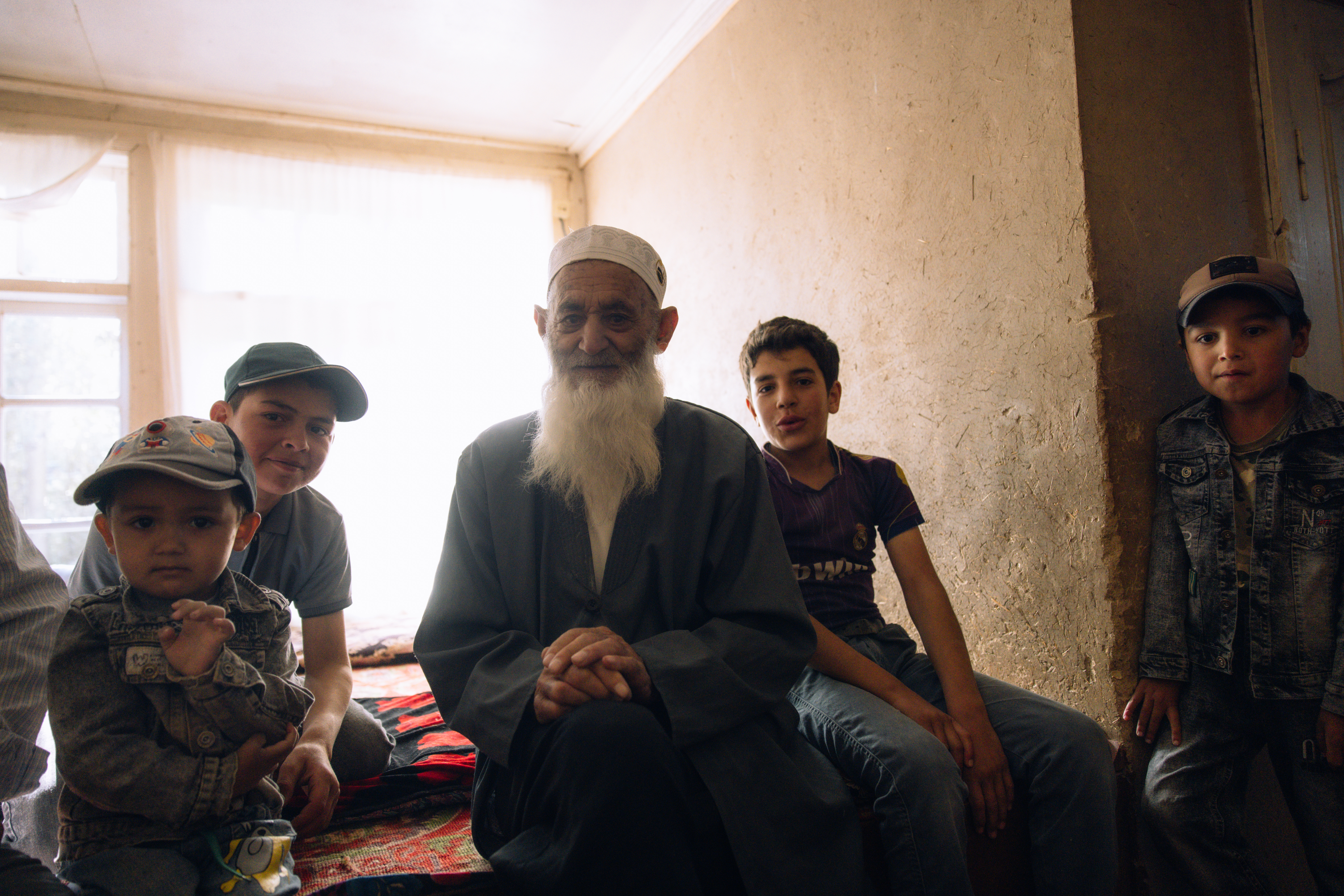
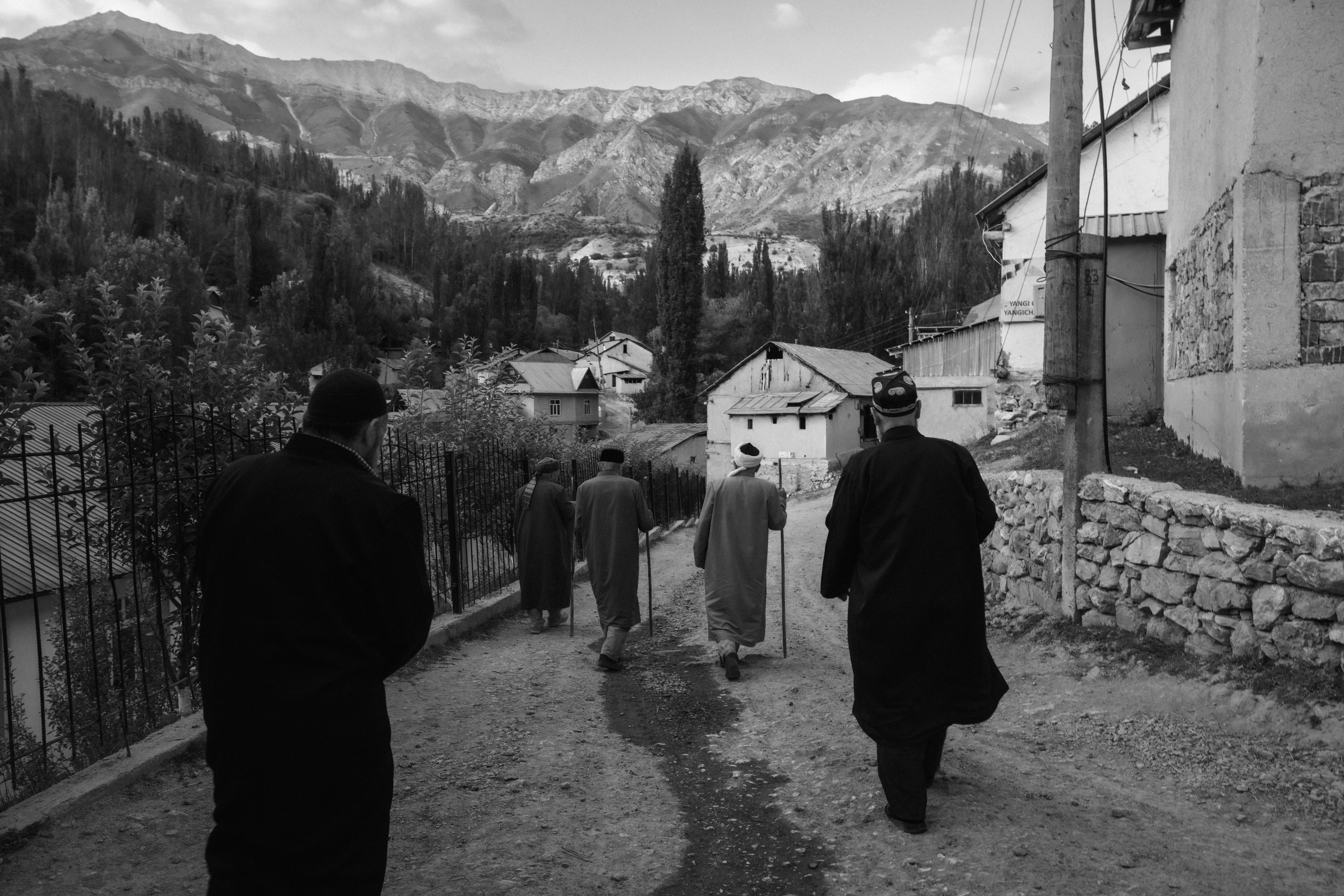
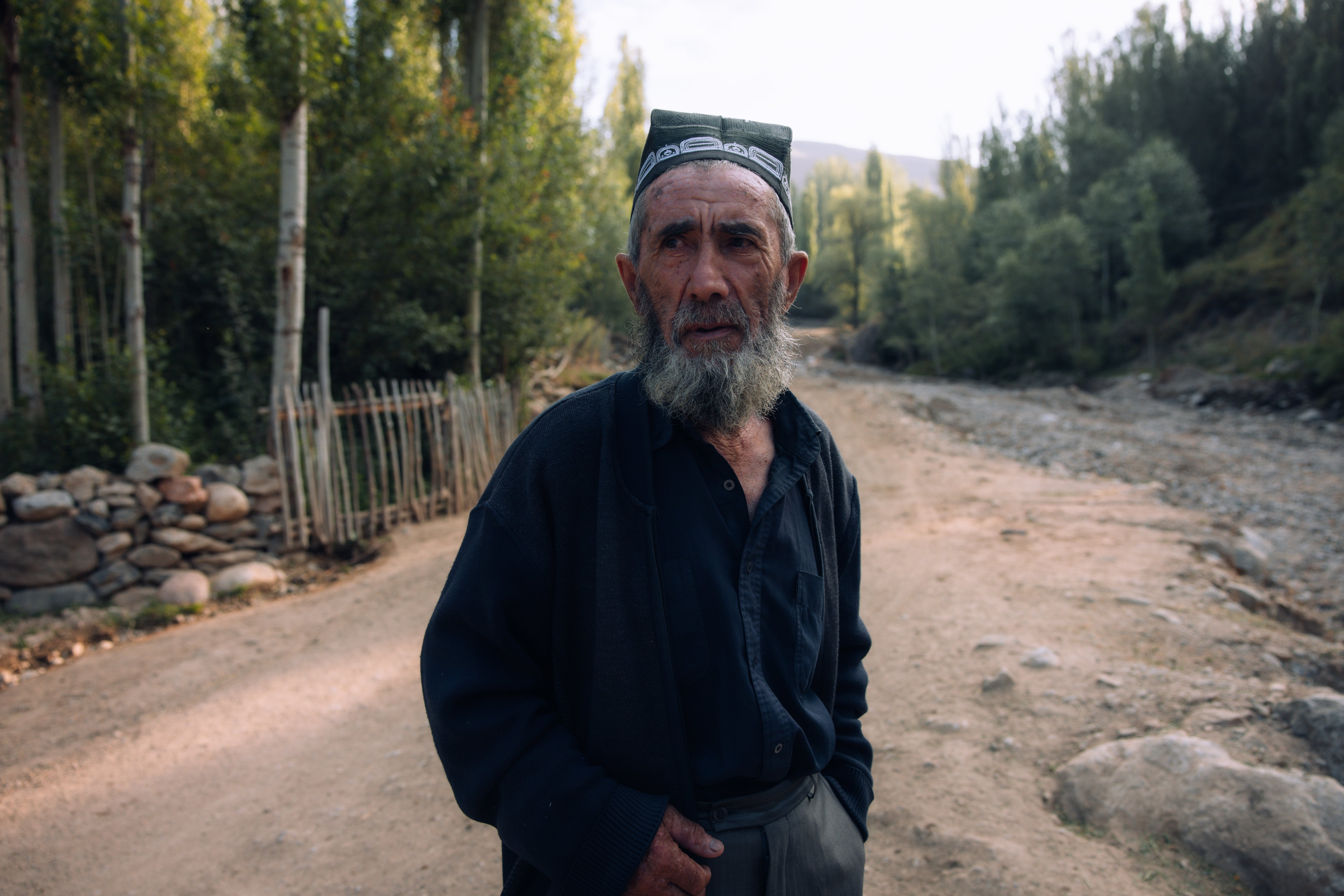
This old man - was once the strongest man in Kashkadarya. Now he is 96, he walks poorly, but his handshake can pin an adult man to the ground.
Life here is quite harsh - for two thirds of the year people work, growing wheat and potatoes and preparing everything necessary for the winter.
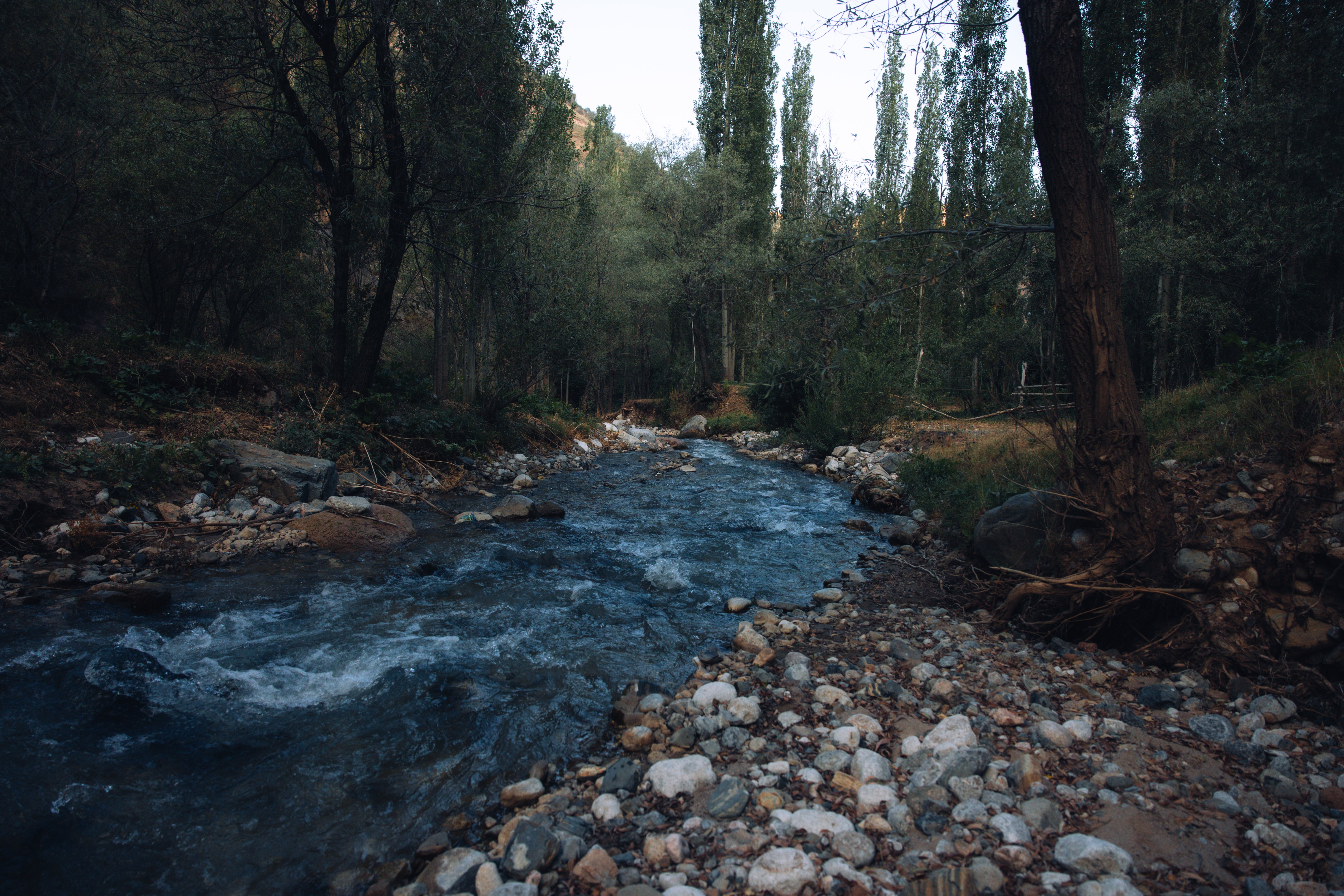
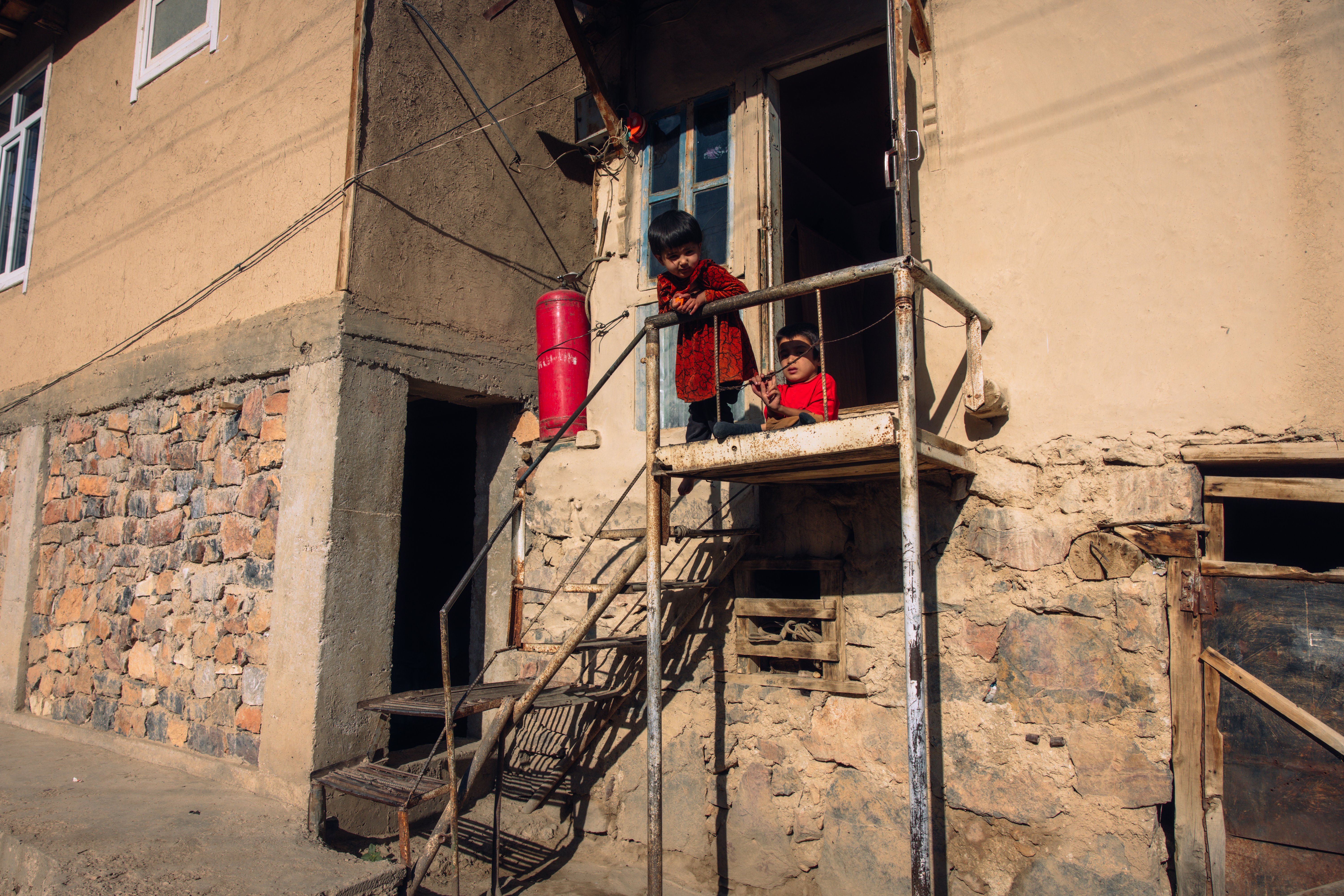
As in Gilan, there is plenty of water in the village. To avoid flooding in spring, houses are built with a ground floor raised above the ground. In general, while in the village and looking at the landscape, you do not feel large differences in elevation. But this is an illusion. The altitude of the settlement - is more than 3000 meters above sea level.
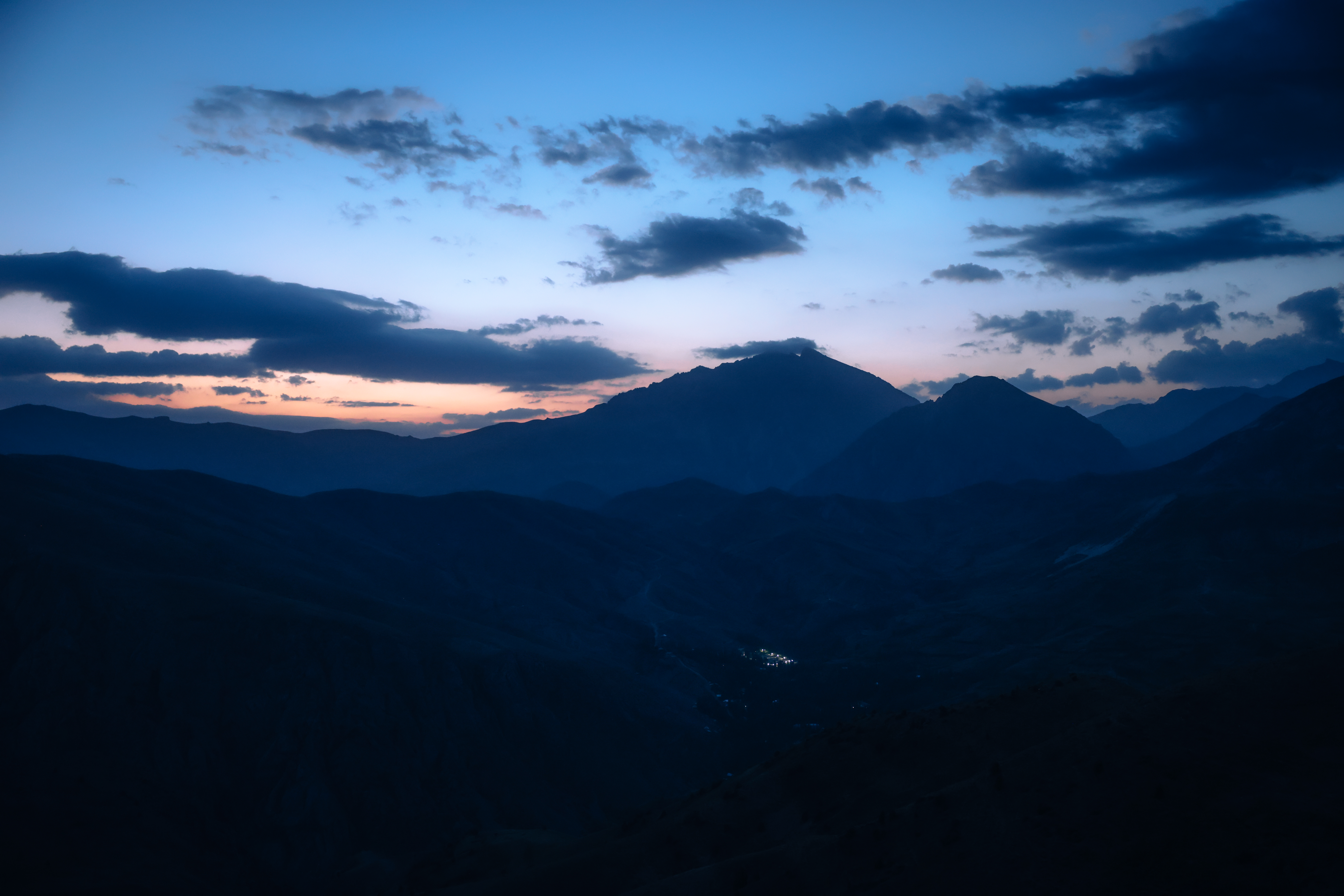
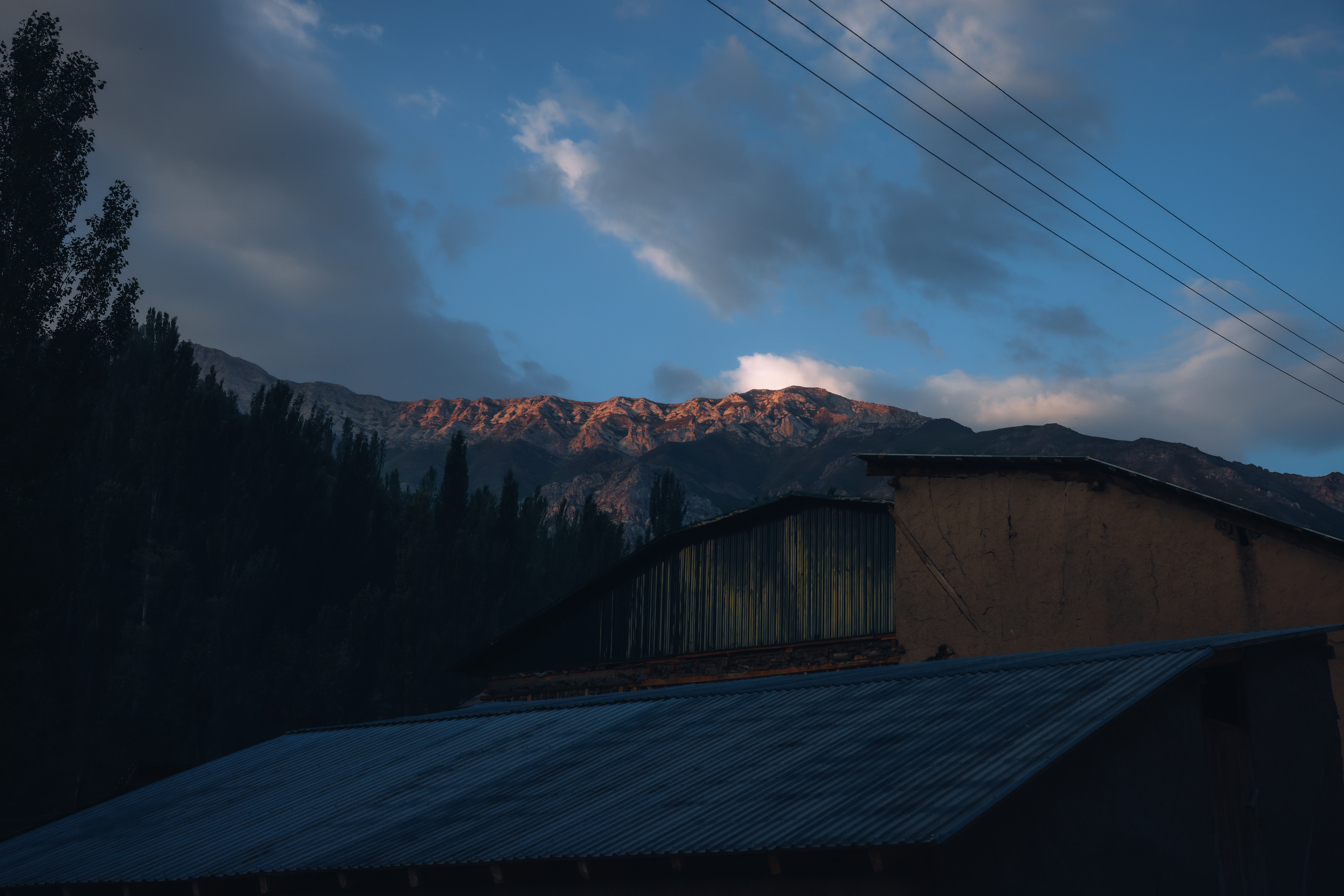
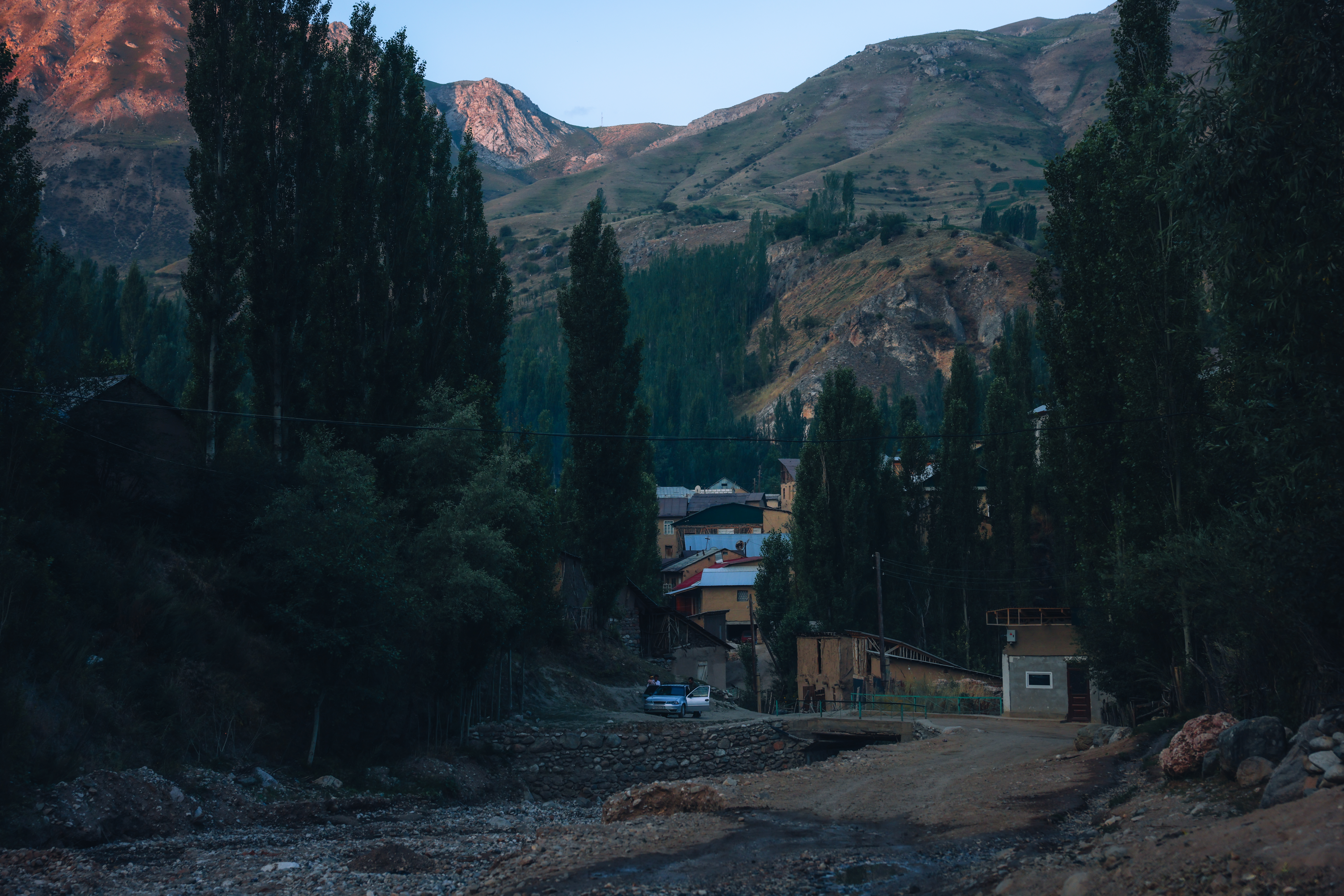
We specifically come to Kul closer to dawn to capture from above the village nestled in an ancient hollow, illuminated by night lights. And together with the village we greet the sunrise here.
The pious Kul residents strictly observe all the commandments of the faith. They are very hardworking, closed off and reluctantly accept outsiders. In the past, if word came that a stranger was in the village, women did not leave their homes. However, behind the outward severity hide kind, responsive people who value friendly ties.
Kul has schools and a hospital, but for childbirth locals call a physician and a midwife from Gilan, and everything happens right at home.
Once I saw a beautiful girl of about 15-17 at a place specially designated for washing clothes. Having already adjusted my lens, I was ready to shoot, but then a boy of about 12 appeared in front of me. I thought he wanted to be photographed. He kept me from taking the shot - silently and without a scandal. It turned out he was the brother of that girl, protecting her from a stranger's eye.
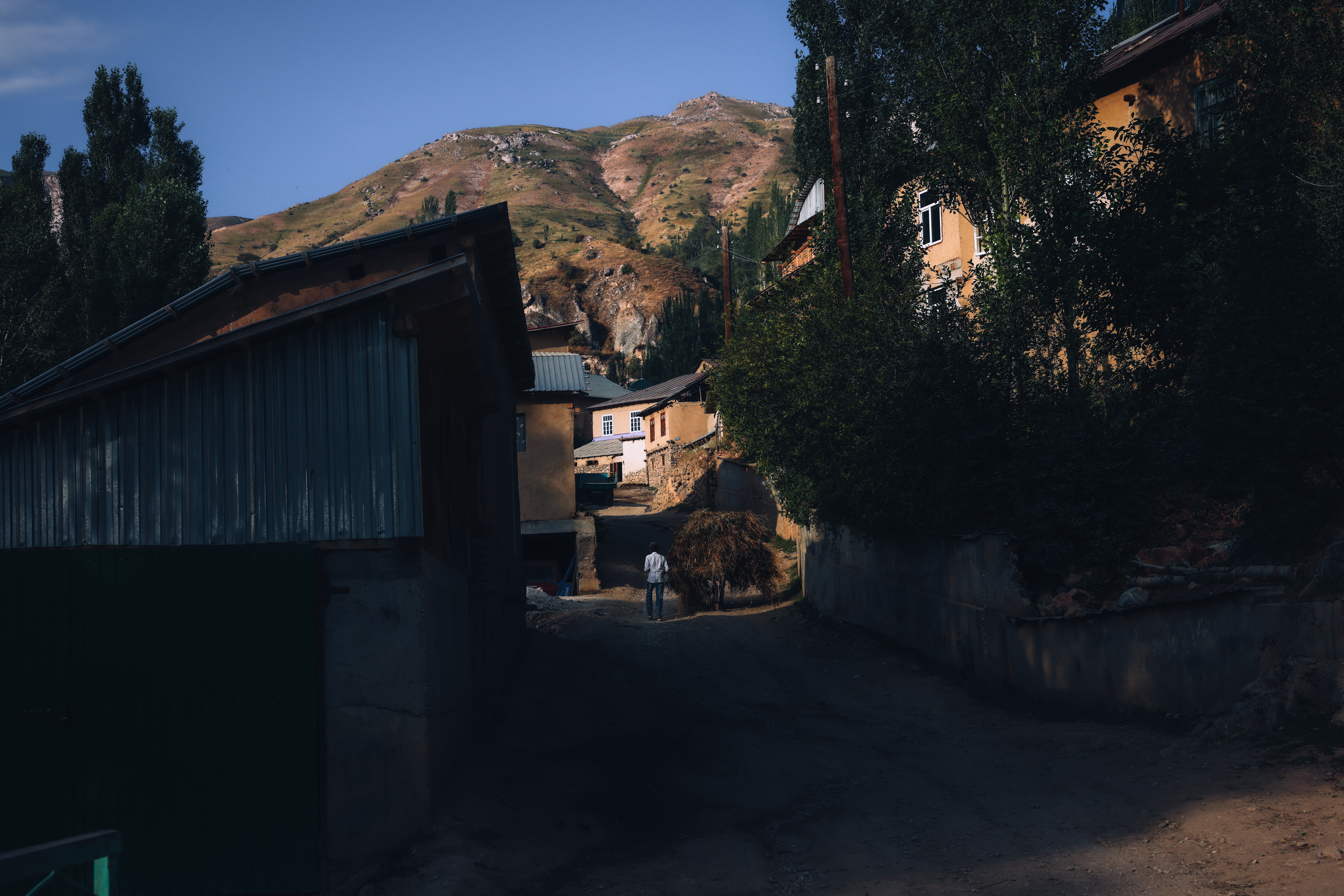
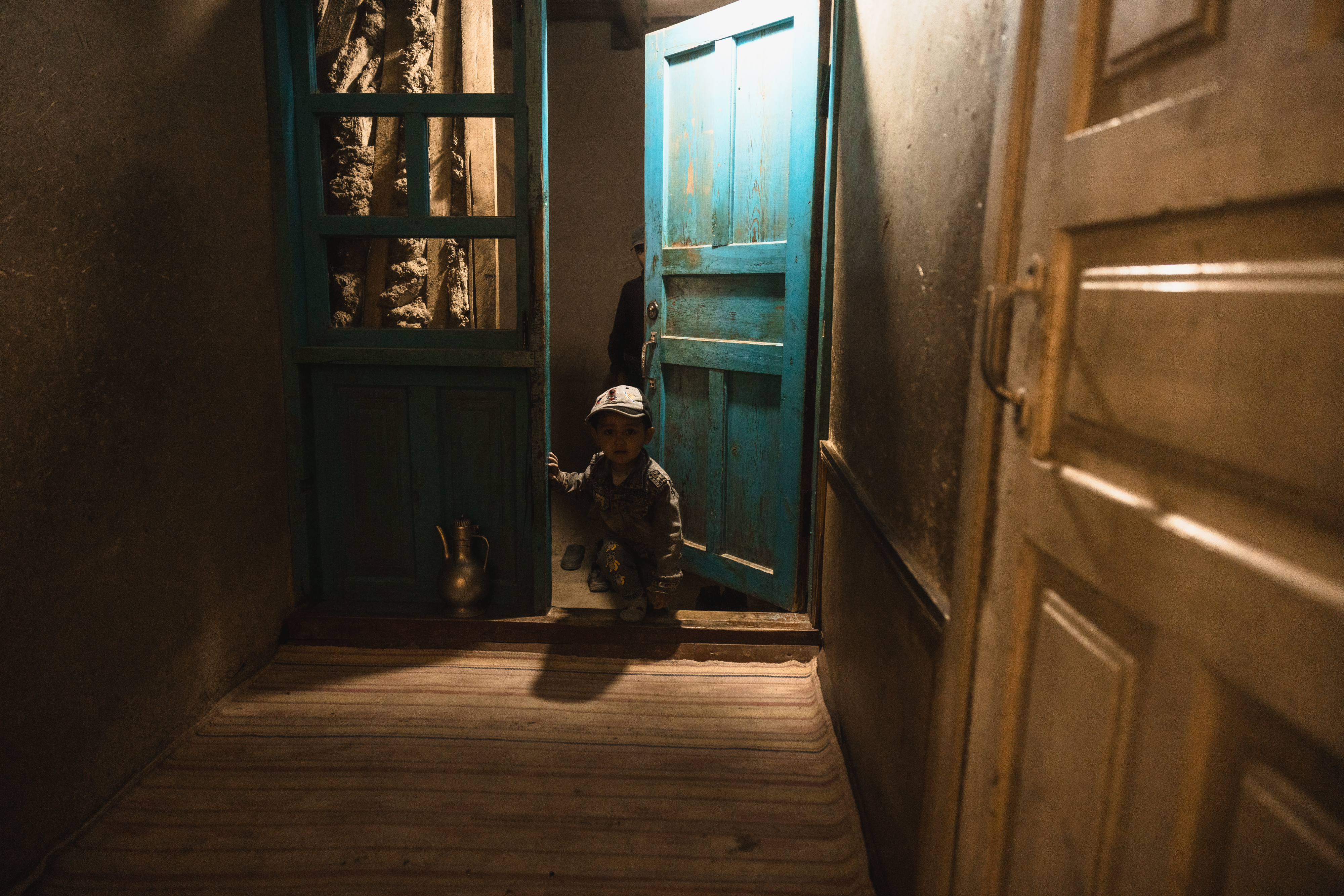
It is no surprise that the households of Kul preserve an archaic, traditional way of life - an old-world mahalla, with chests and hand-woven carpets in the rooms. And there are also interesting traditions. Here is one of them: when a child is born, the mother or grandmother makes an amulet that protects the child until the age of 14. The "design" is individual and complex. Locals say that after it fulfills its purpose, it is destroyed.
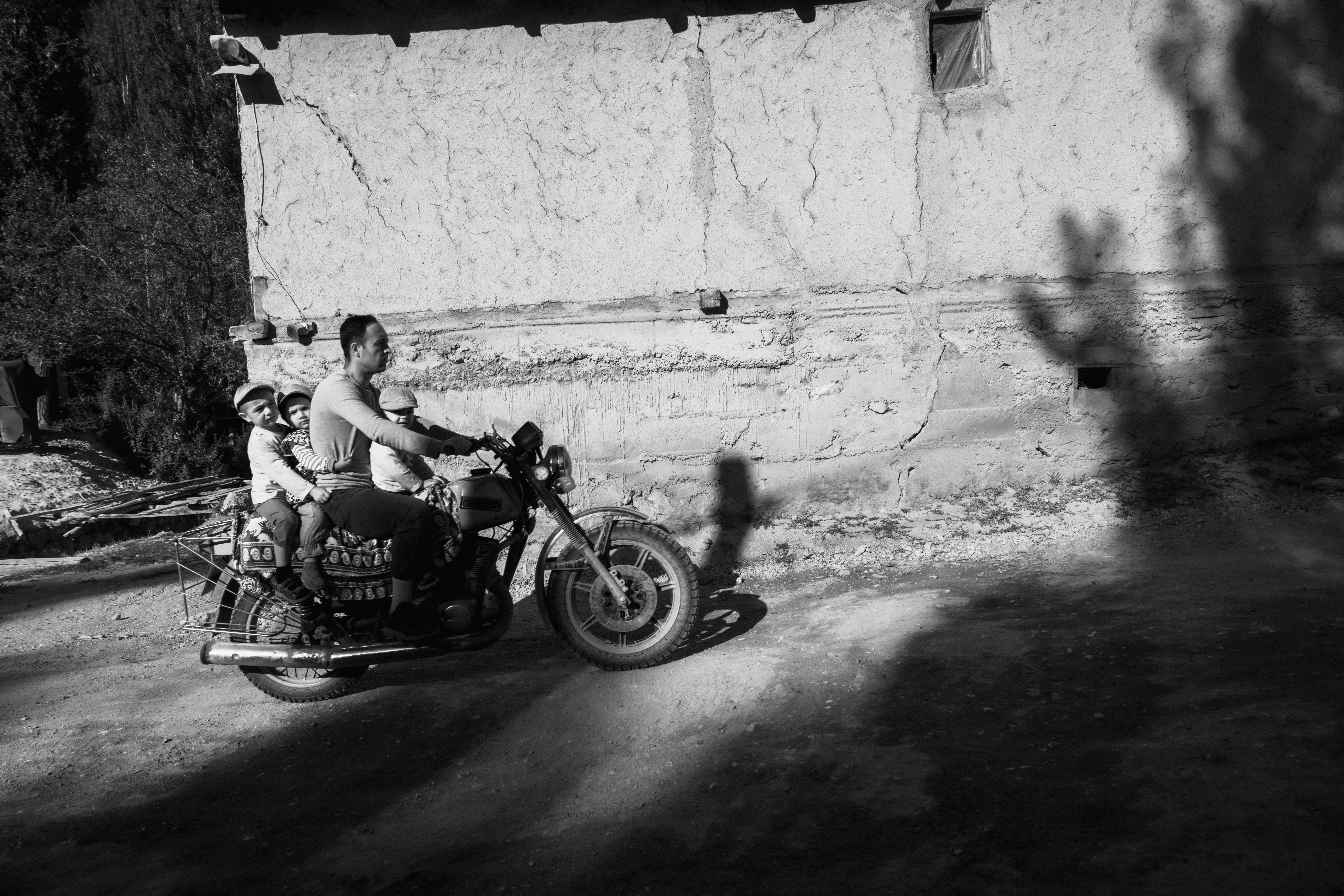
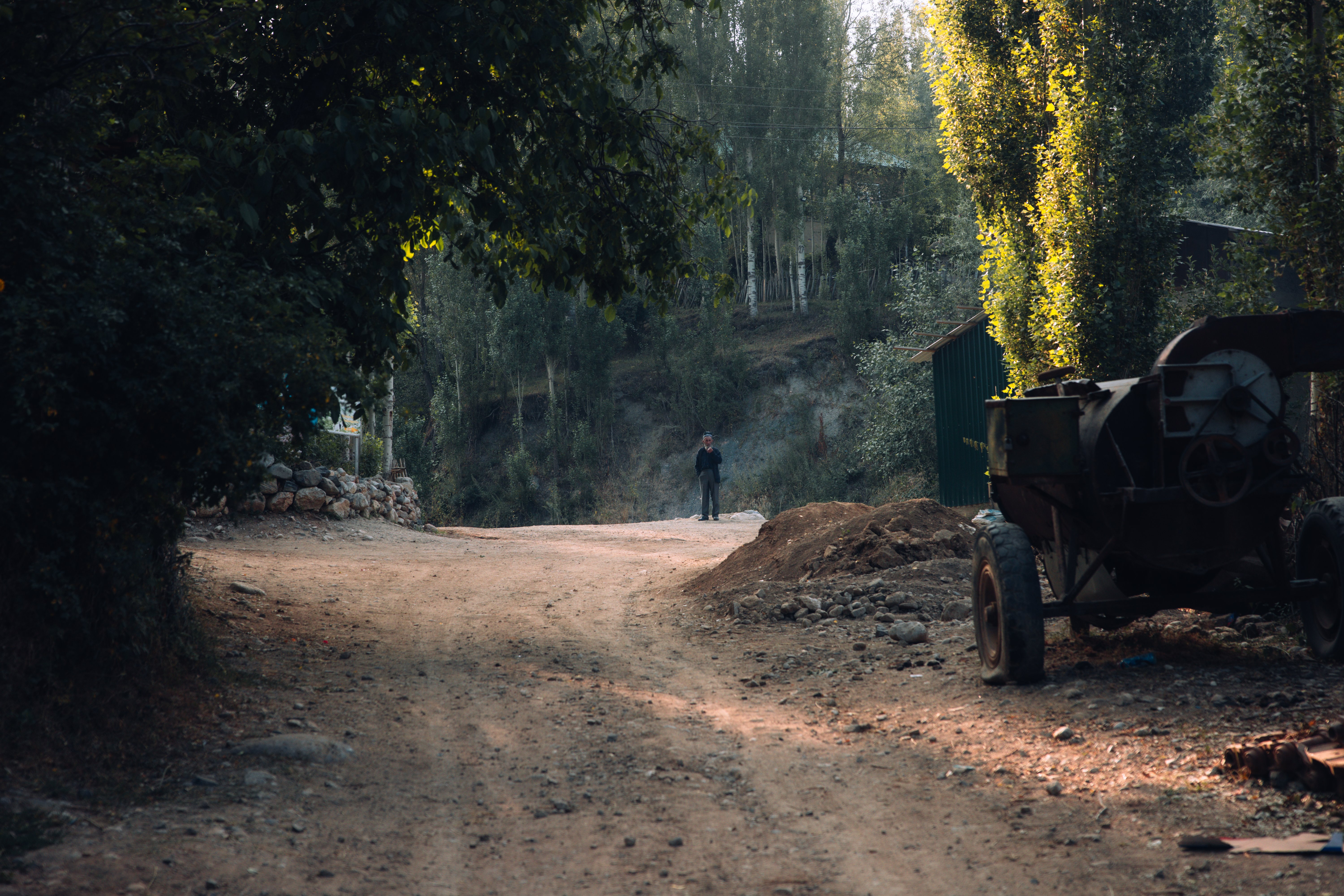
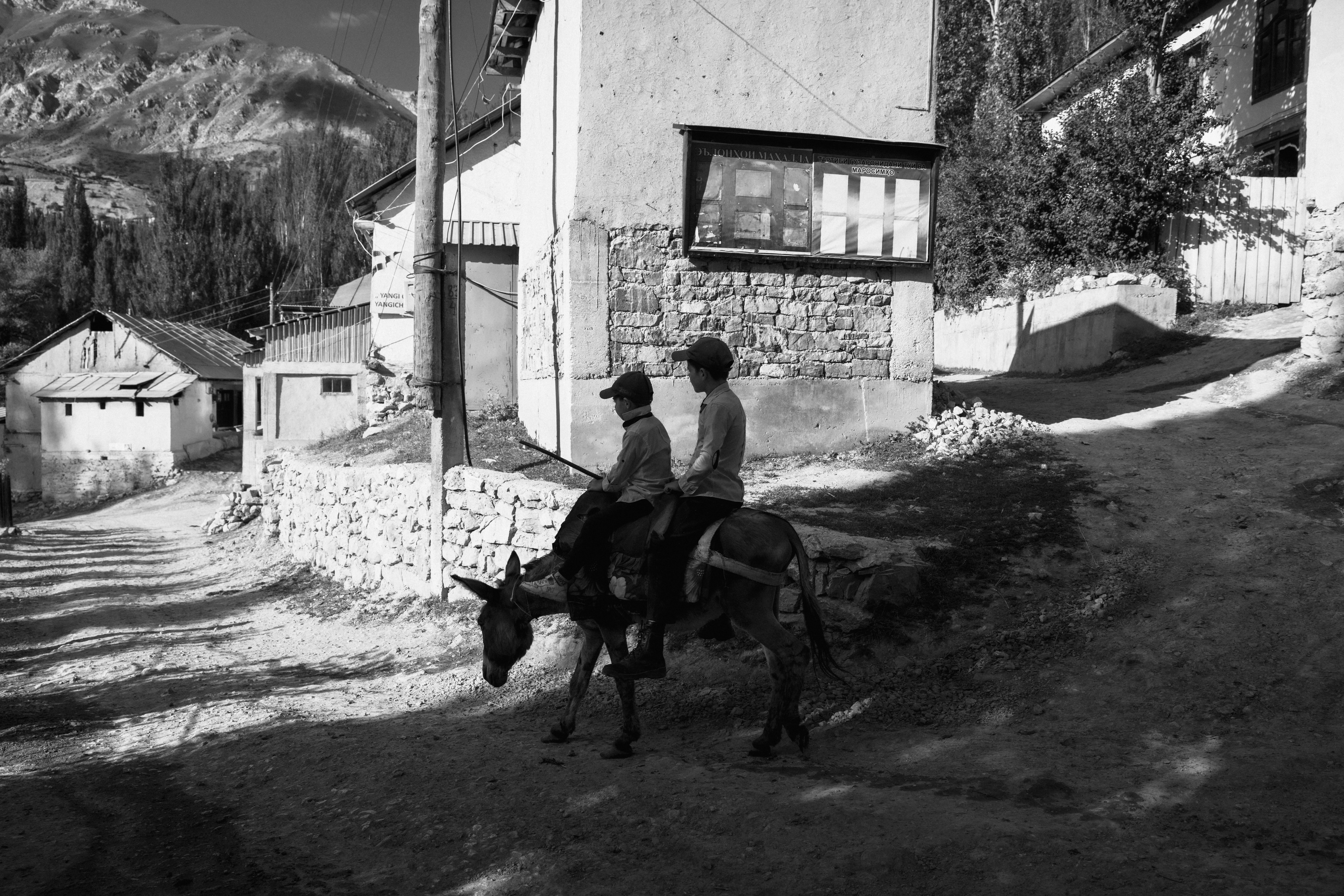
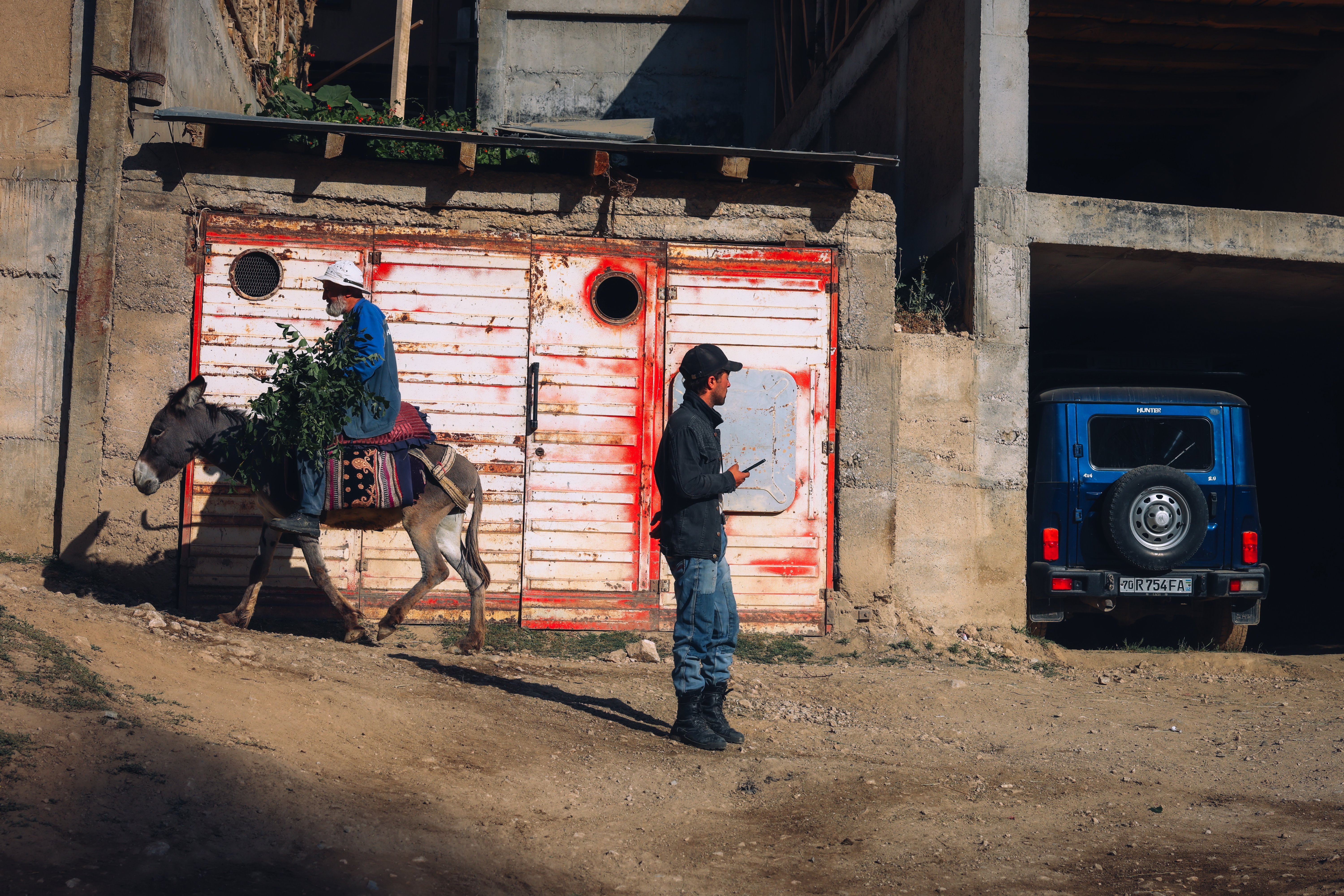
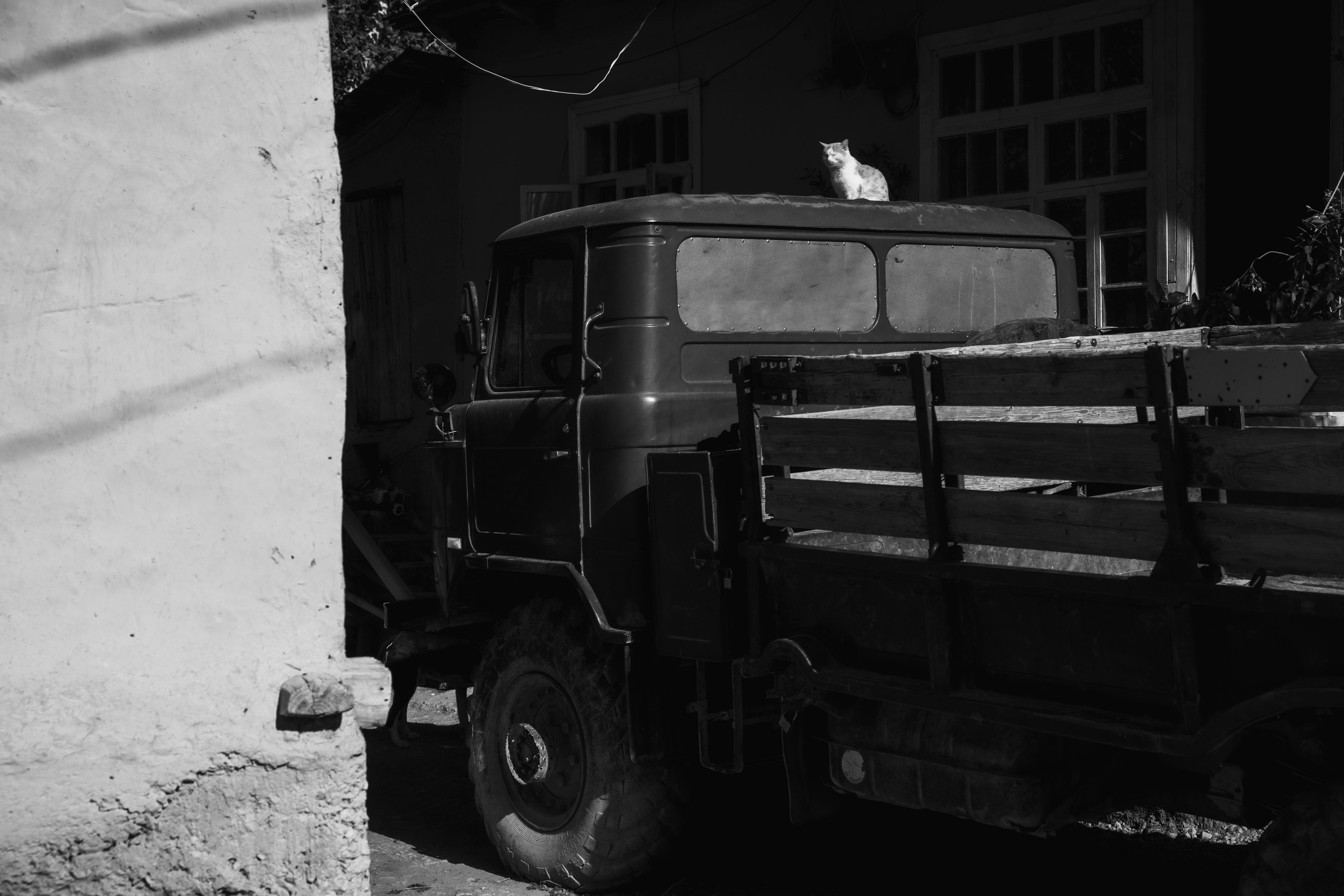
In the village you will not see modern cars - only Nivas and ZILs for transporting building materials, hay, firewood and provisions. Residents get around on donkeys or motorcycles.
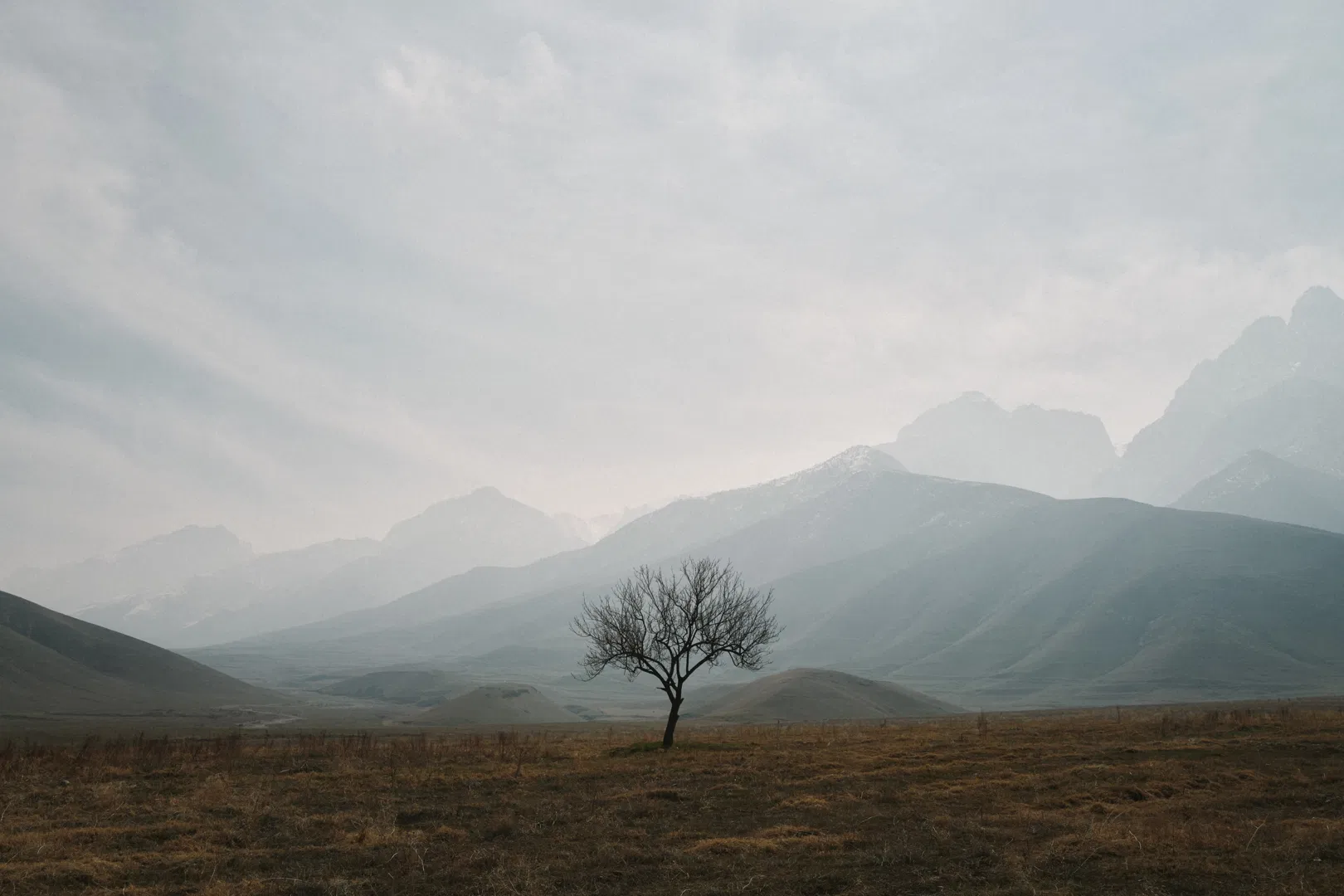
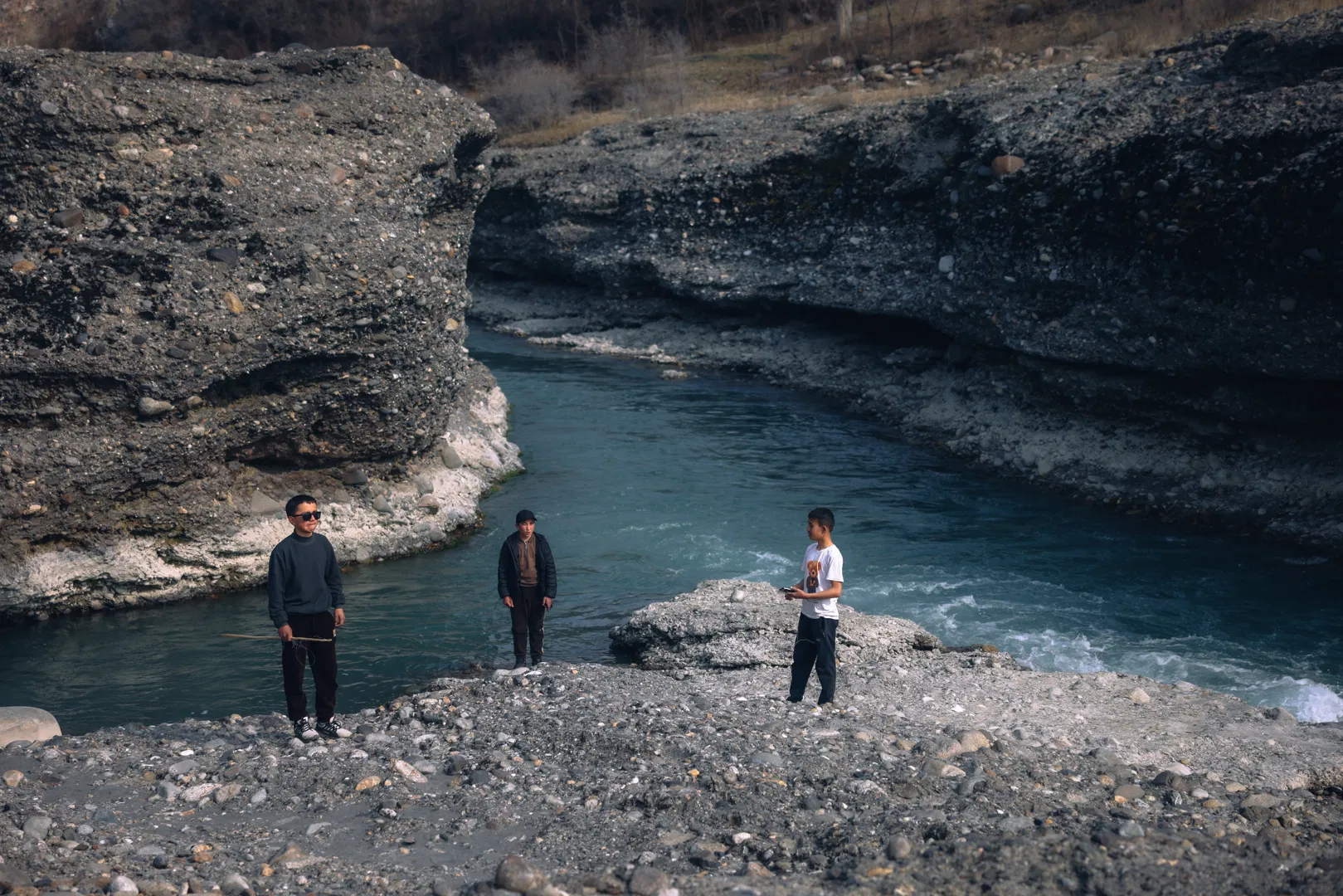
For now, Kul, despite its enchanting views, remains almost inaccessible for ordinary travel: because of its geographic remoteness and the closed nature of its residents. There is hope that a couple of old houses in the village will be restored, and this will make Kul more attractive for especially daring tourists. And life here is not going to change, so let it preserve its strict simplicity for as long as possible.
Newsletter
A letter from the HD editors
Once a week, we send the best stories, events, and cultural discoveries from Central Asia.