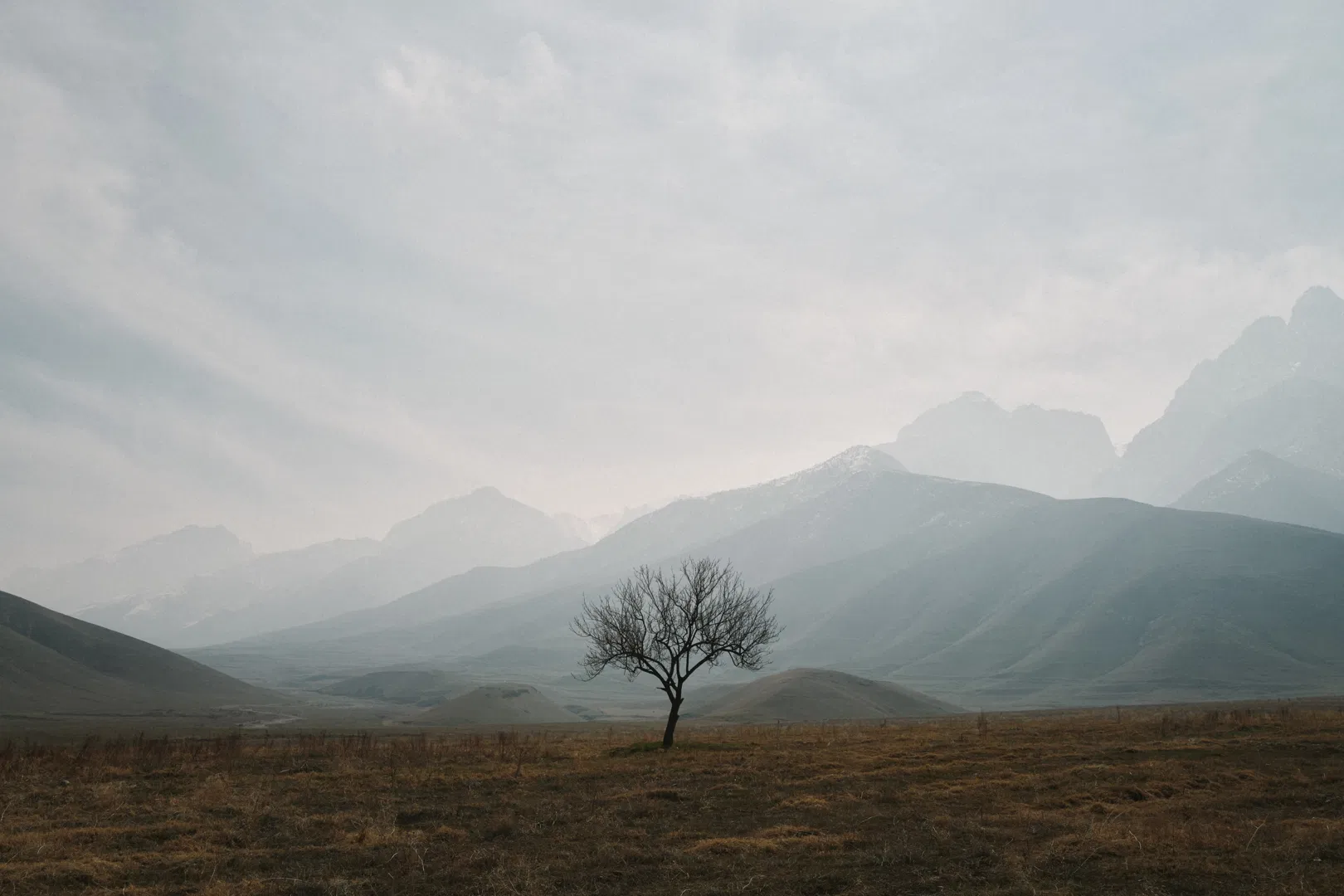
Exploring Sokh, an Uzbek enclave in Kyrgyzstan located 65 kilometres from the border, is fascinating but far from straightforward. As a cross-border settlement, it remains difficult to reach even for researchers, let alone tourists. Yet its landscapes and 3,000-year history as a trading and infrastructure hub during the heyday of Bactria and Sogdia make it an enticing destination for those wishing to follow ancient caravan routes. The remarkable nature of Sokh is the subject of the first part of a photo essay by Ildar Sadykov and Sergey Pogosyan.
The nature of Sokh is inseparable from its economy and history. Since ancient times, the Sokh River has nourished the land of today's enclave and sustained life in the region. The place was known even before the Common Era as an oasis of extraordinary fertility. Sokh is mentioned in the famous Baburnama as a refuge of the great Zahir al-Din Muhammad Babur.
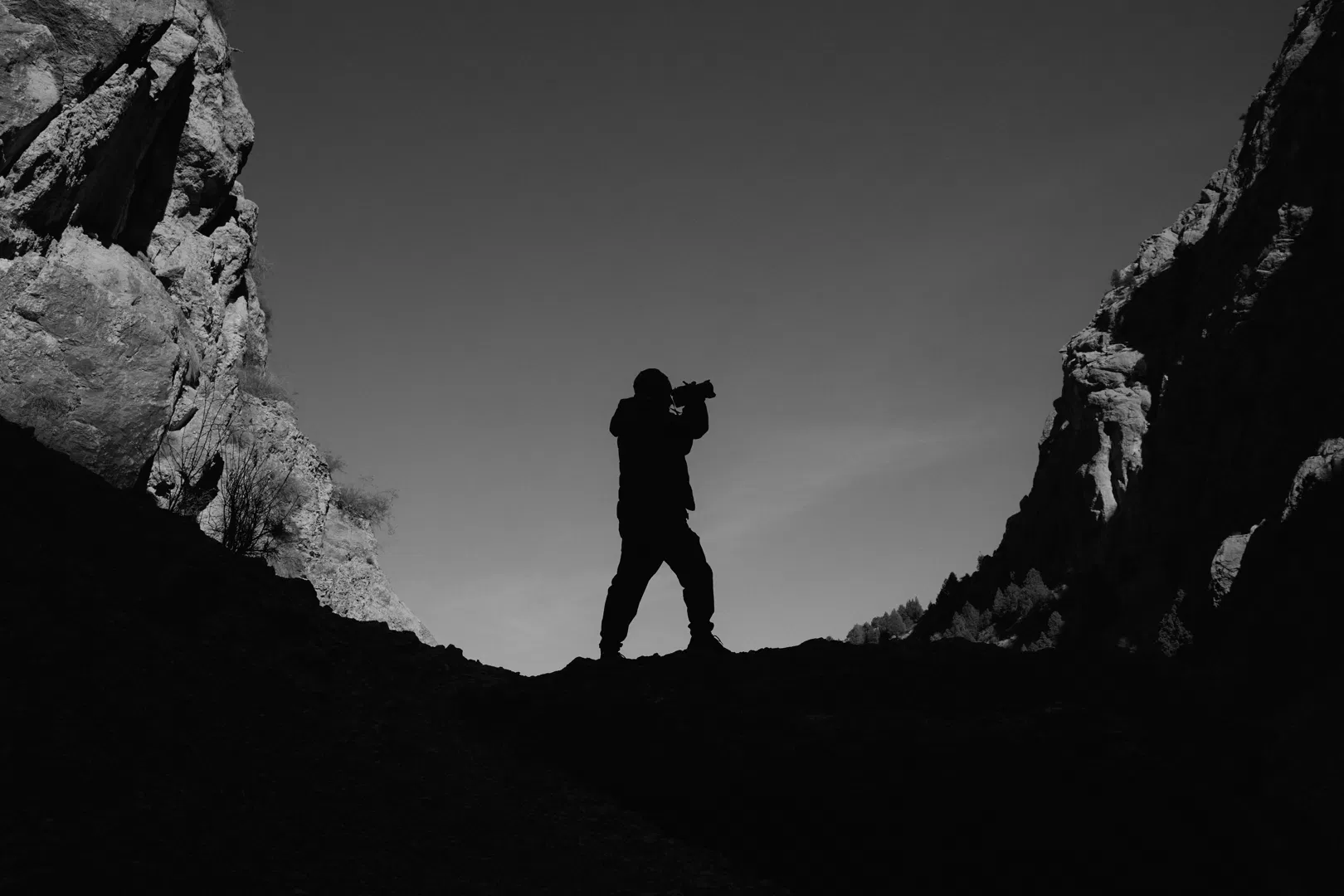
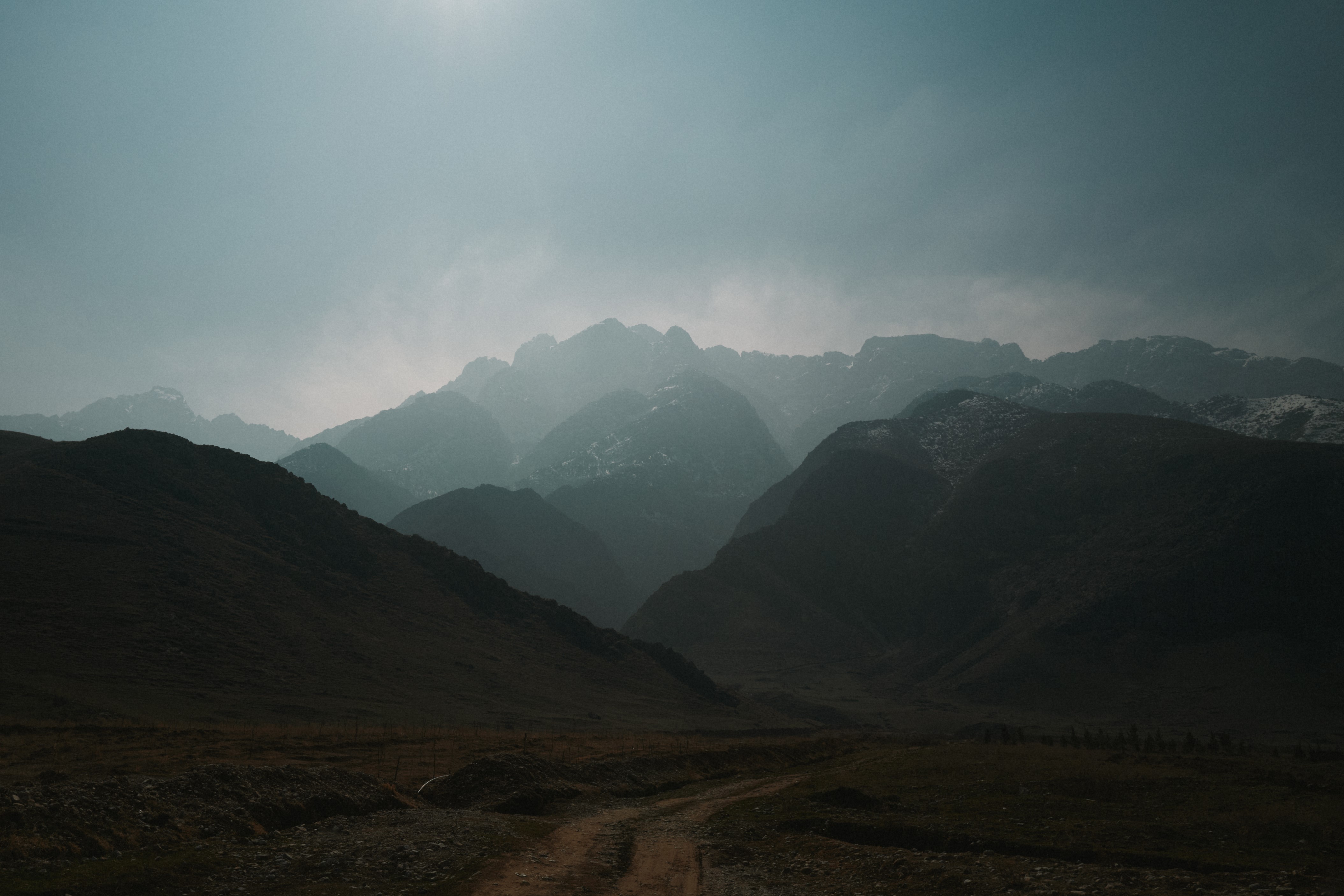 Photo: Ildar Sadykov, Sergey PogosyanPhoto: Ildar Sadykov, Sergey PogosyanPhoto: Ildar Sadykov, Sergey PogosyanPhoto: Ildar Sadykov, Sergey Pogosyan
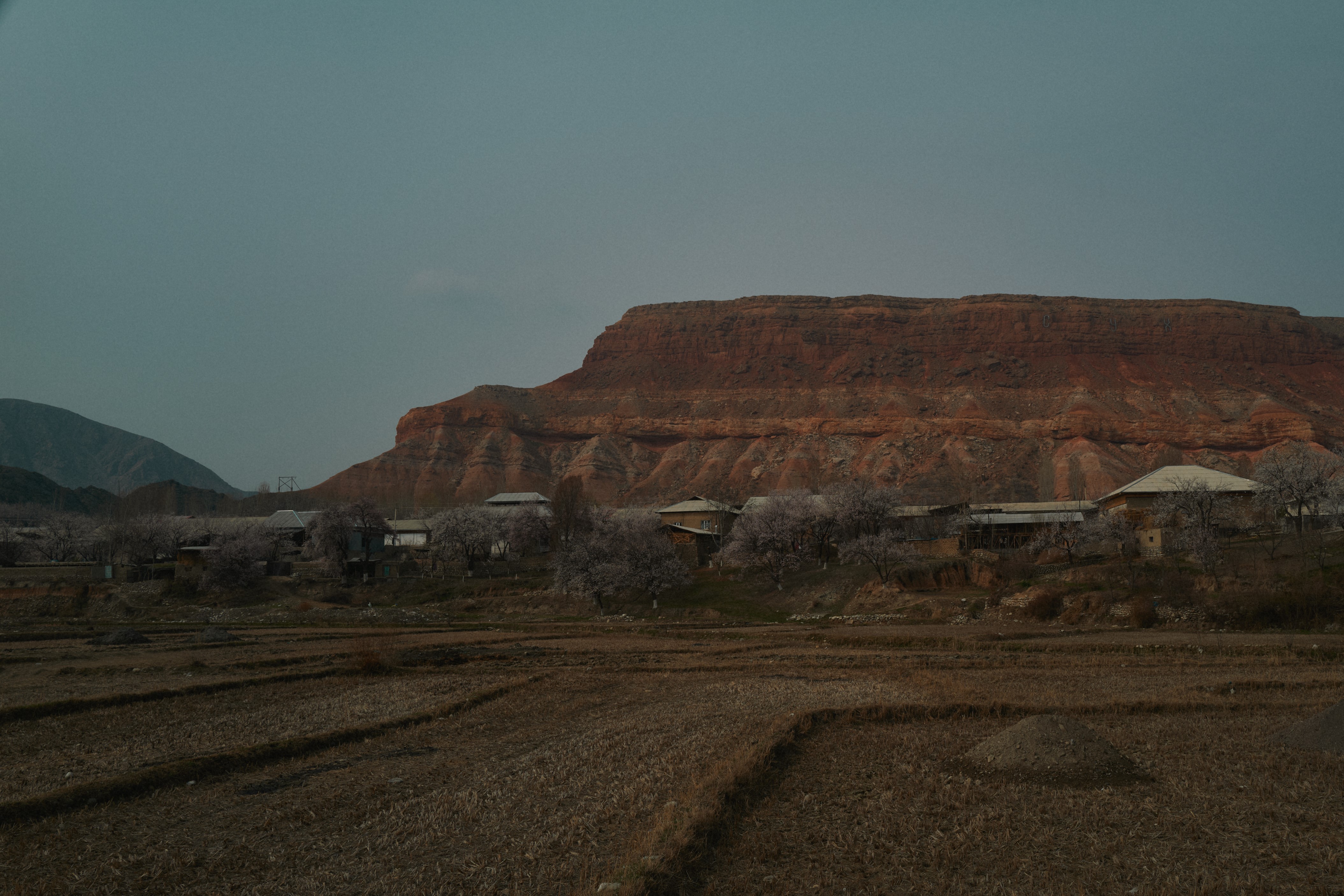
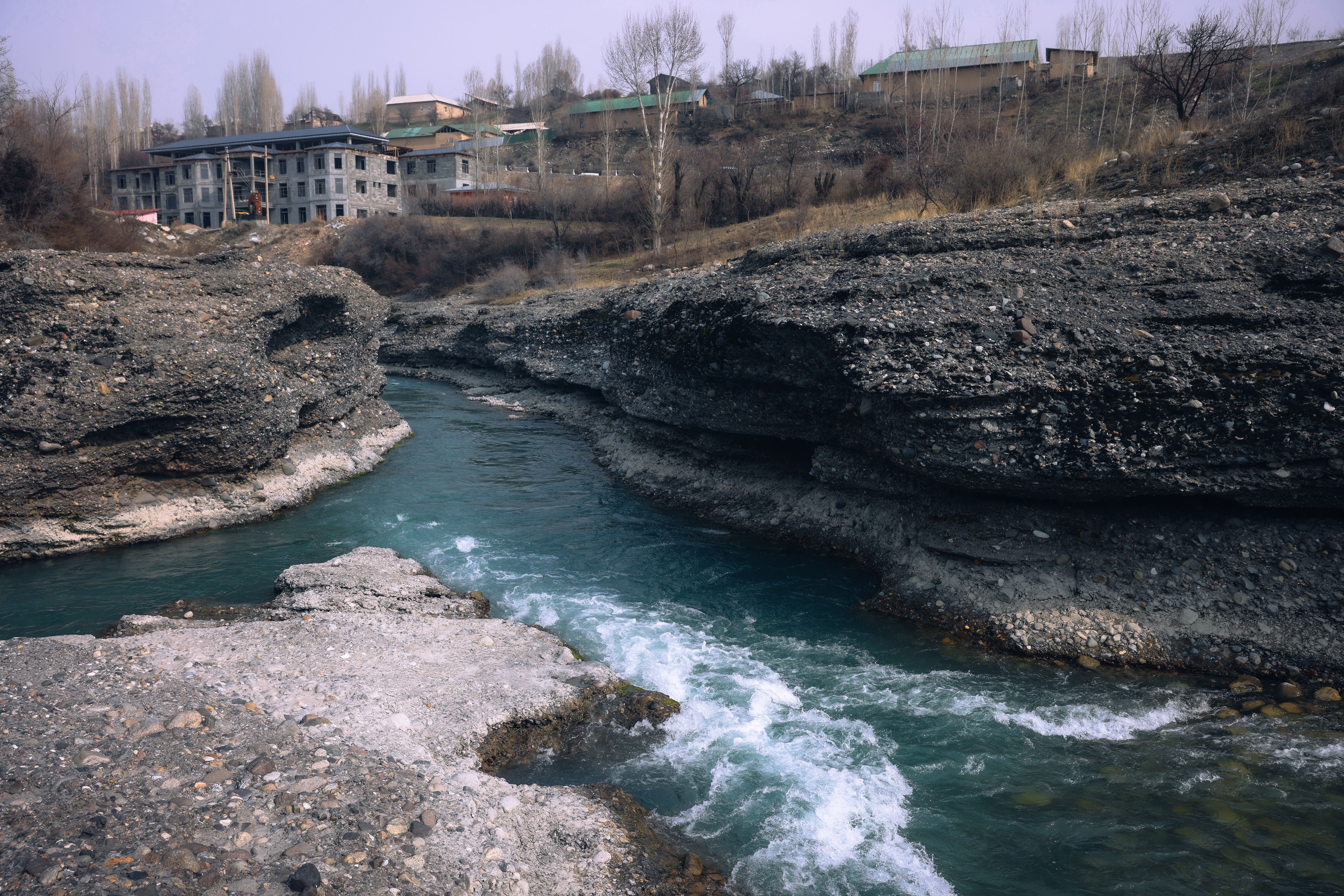
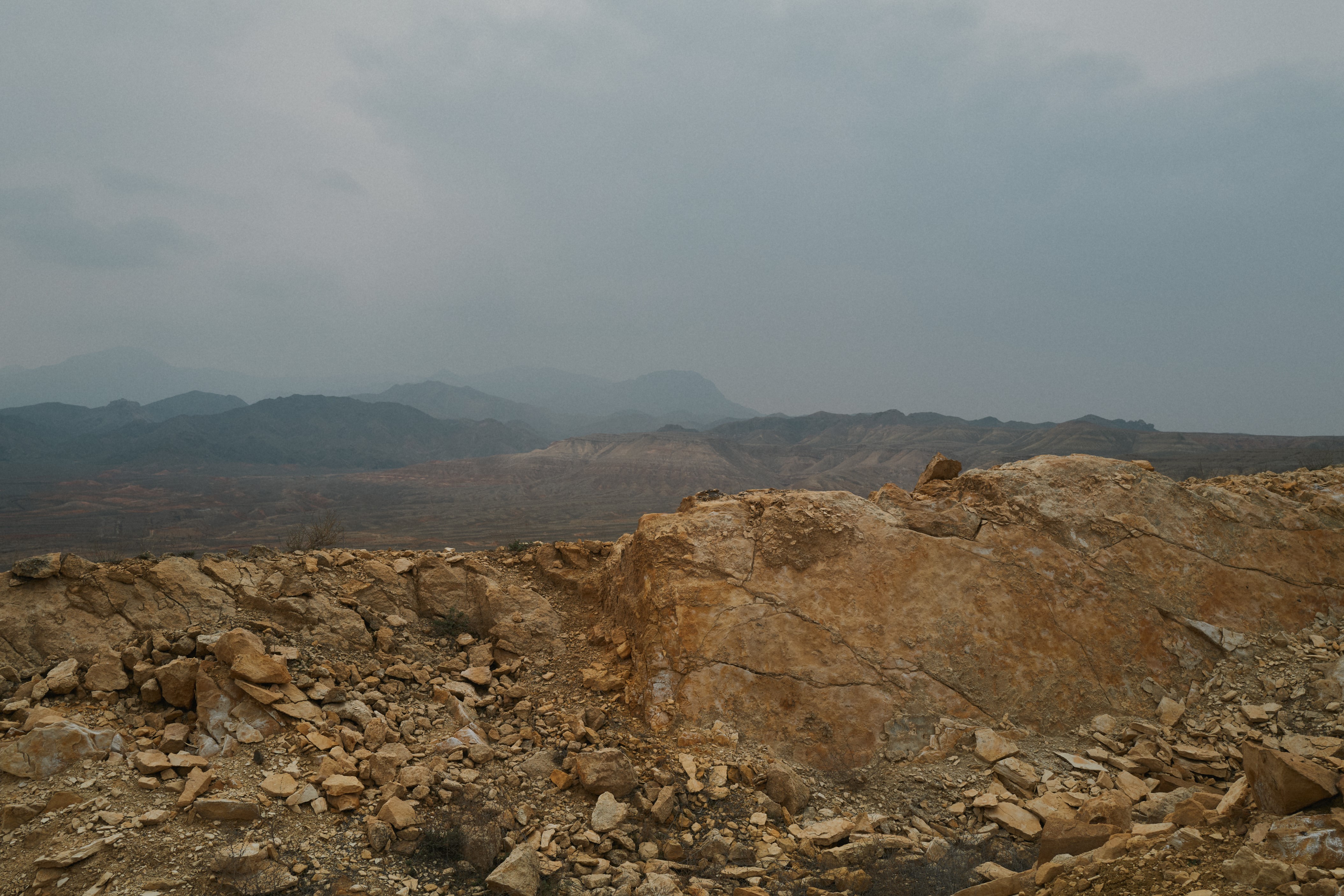
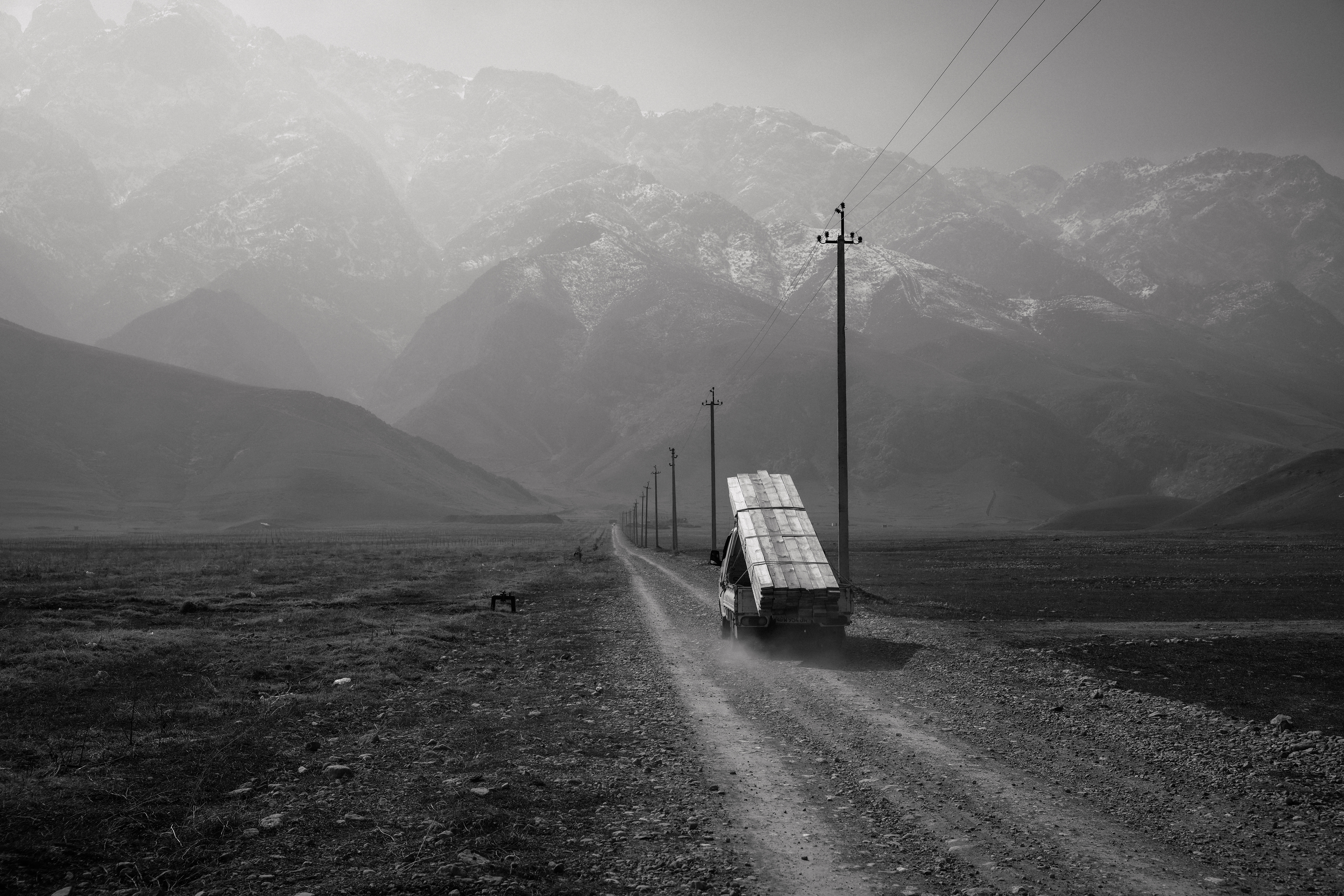
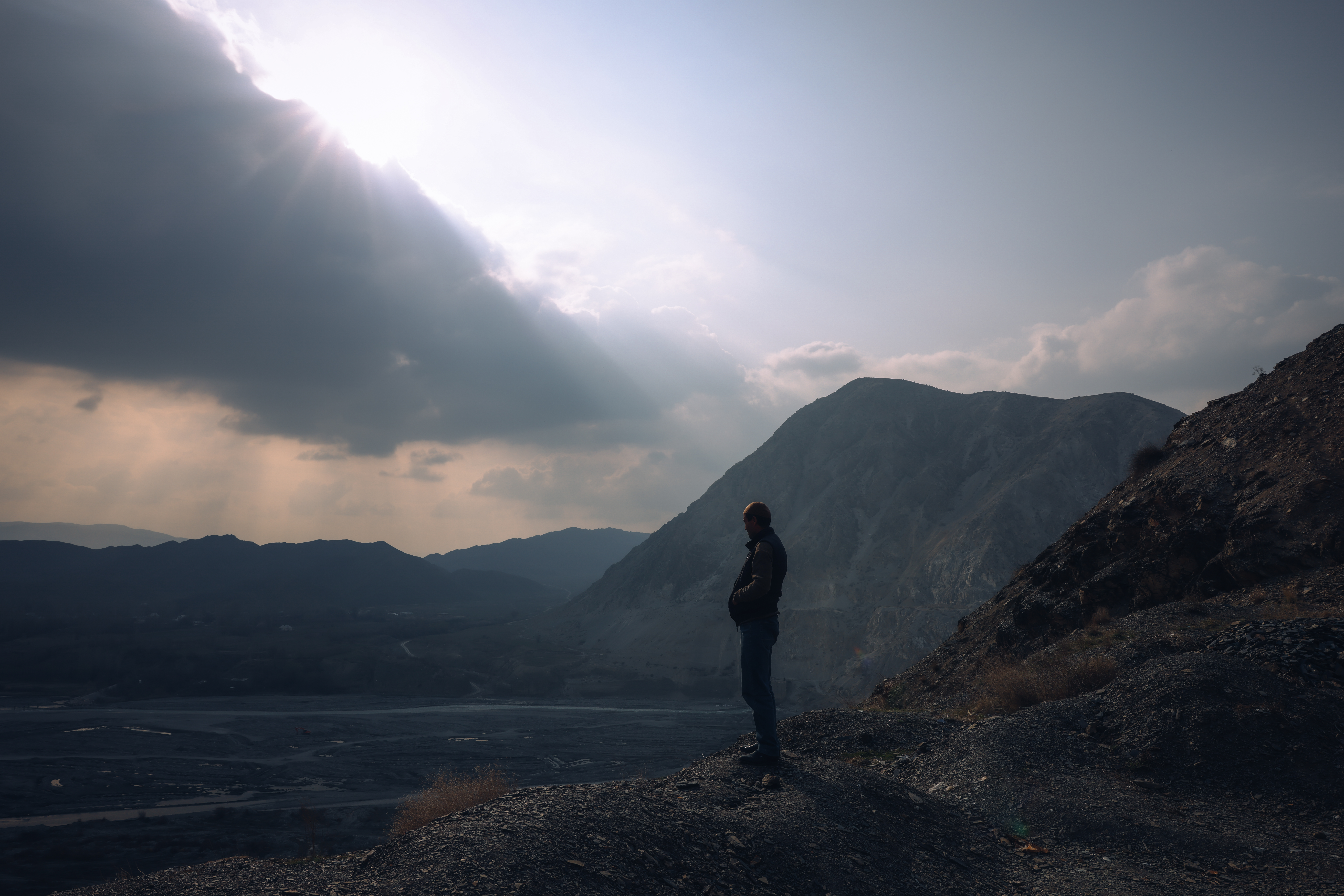
The mountains shape a distinctive landscape here, with villages nestled right up against their slopes, an unusual feature that gives Sokh its distinctive character. Sokh is a remote oasis both physically and administratively. The very geography that once fostered its development now intensifies its isolation, creating a need for new infrastructure and fresh initiatives.
During the three days we spent in Sokh, I saw so many wonders I had never dared to dream of. We deliberately came in early spring, even though people who knew the area insisted that the landscape would not bloom until later. We happened to arrive in time for the Navruz celebrations, which were taking place a little earlier than usual, and we did not regret it for a moment. Everything seemed to breathe with the first stirrings of spring.
I mainly photograph people, and before the expedition I deliberately avoided looking at pictures of Sokh online. I wanted Sokh to reveal itself to me as it truly is, rather than as others see it.
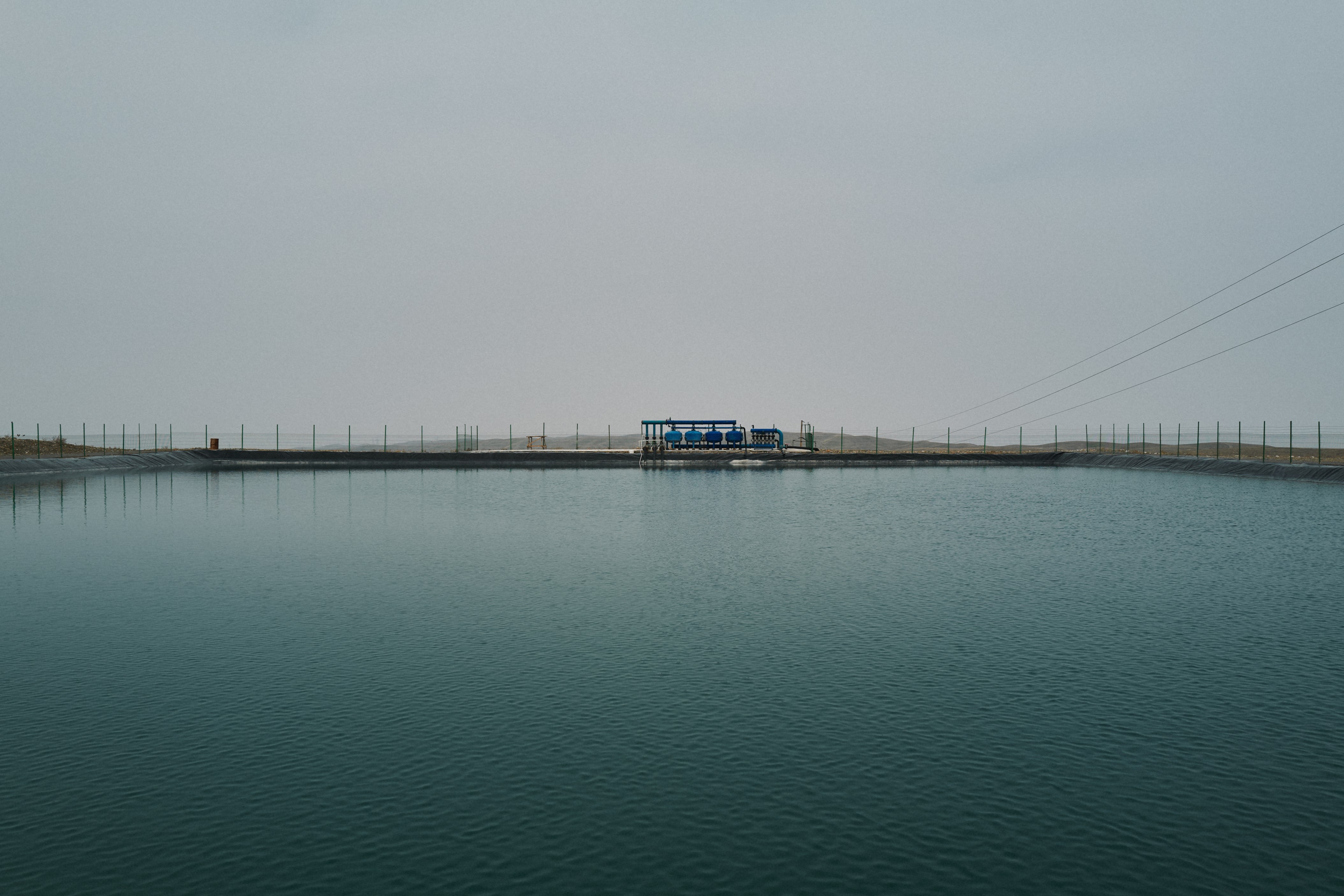 Photo: Ildar Sadykov, Sergey PogosyanPhoto: Ildar Sadykov, Sergey PogosyanPhoto: Ildar Sadykov, Sergey PogosyanPhoto: Ildar Sadykov, Sergey Pogosyan
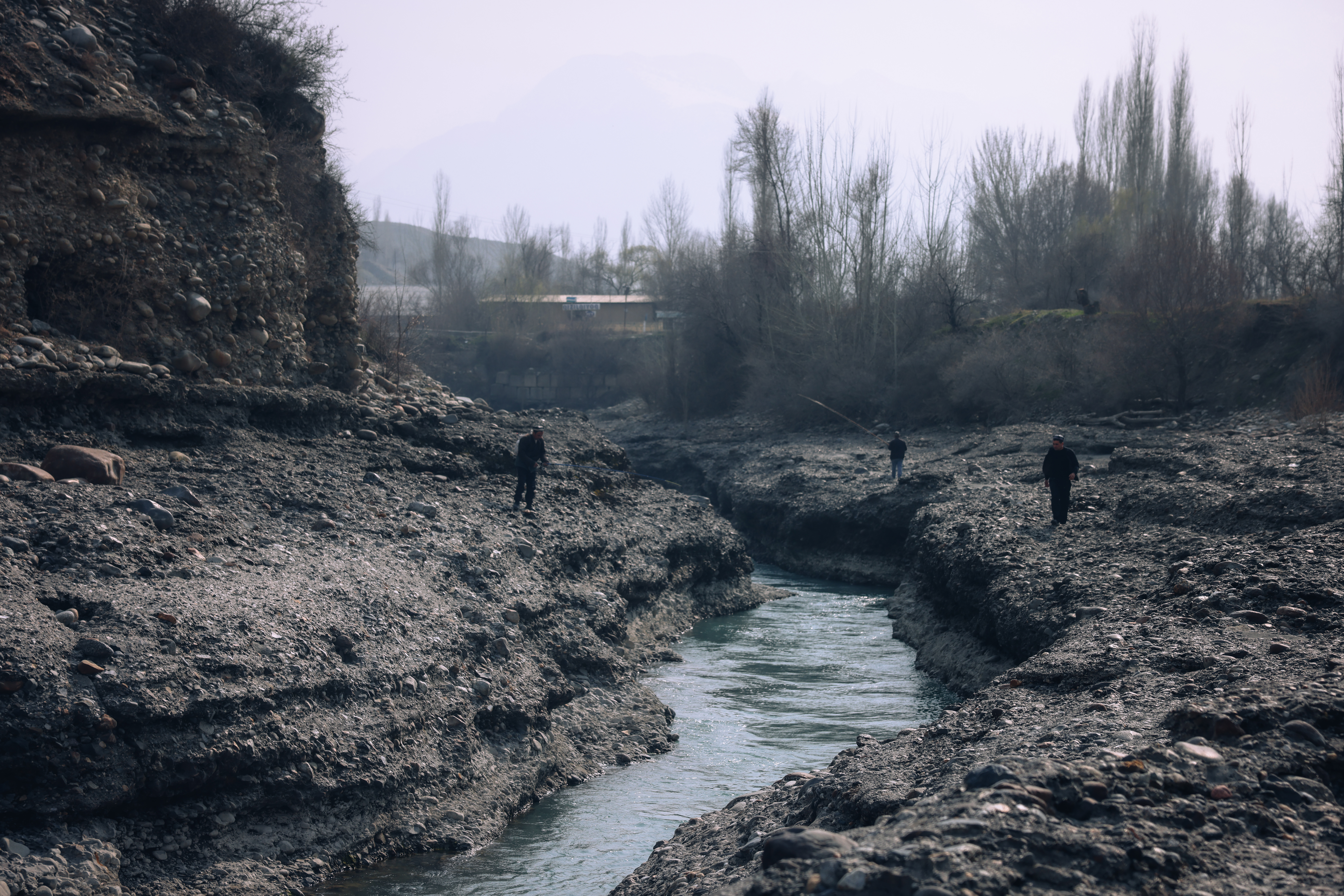
The life-giving Sokh is a capricious river. There is plenty of water, but its channel narrows dramatically in some places, where people cross it on foot, while in others it spreads much wider. Sadly, swimming is not possible because of the powerful current. Yet its pristine scenery could make an idyllic setting for relaxation.
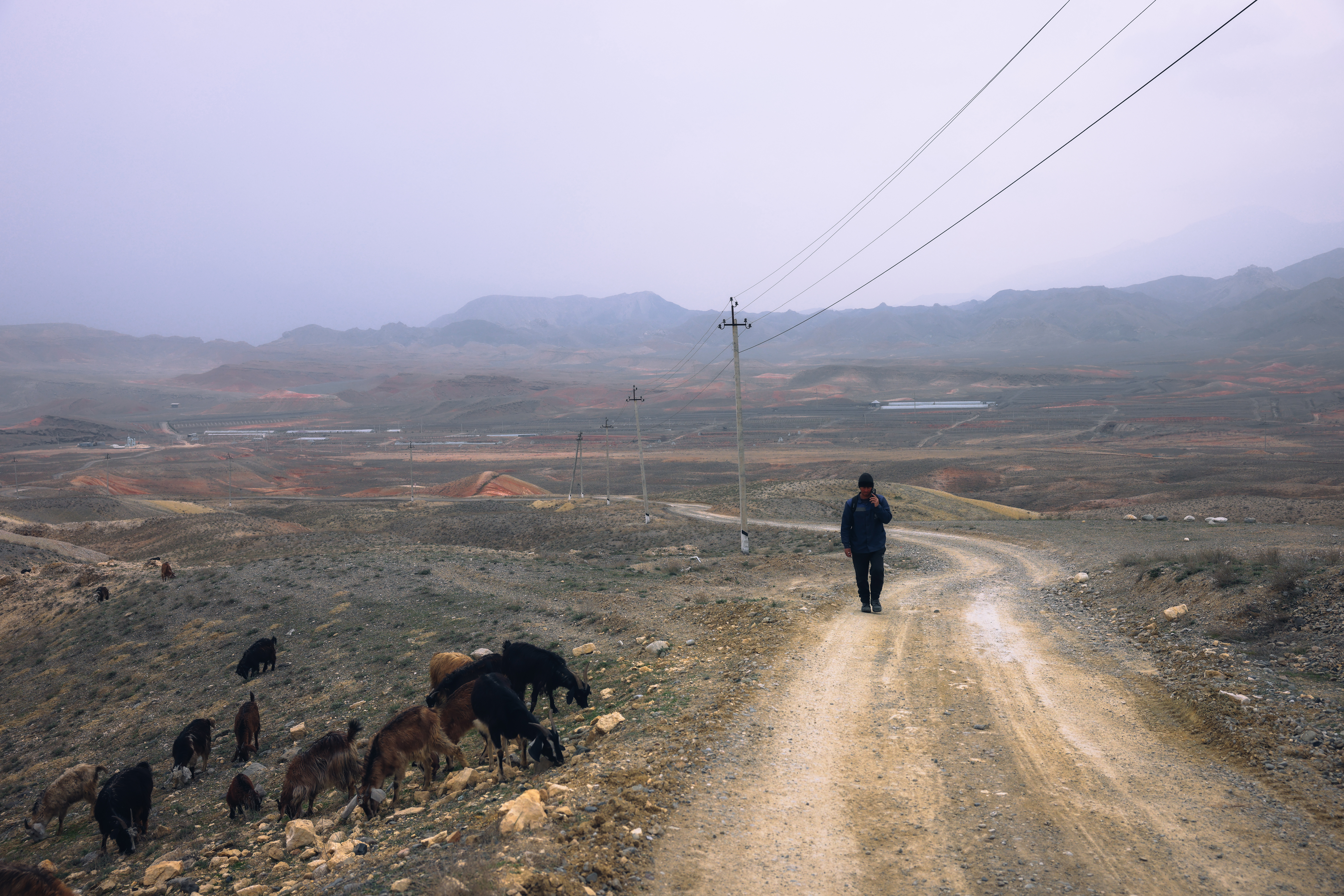
Despite construction already under way on tourist facilities, international journalists, tourists and bloggers rarely visit Sokh. We had the feeling that we were the only guests staying at the hotels. The enclave has a population of around 90,000, most of whom are Tajik-speaking. Russian has gradually fallen out of use, and we encountered language barriers and communication difficulties more than once.
Nevertheless, the hakim himself came out to greet us and immediately instructed everyone, from the highest officials to ordinary residents, to treat us as honoured guests and provide every possible assistance with our work.
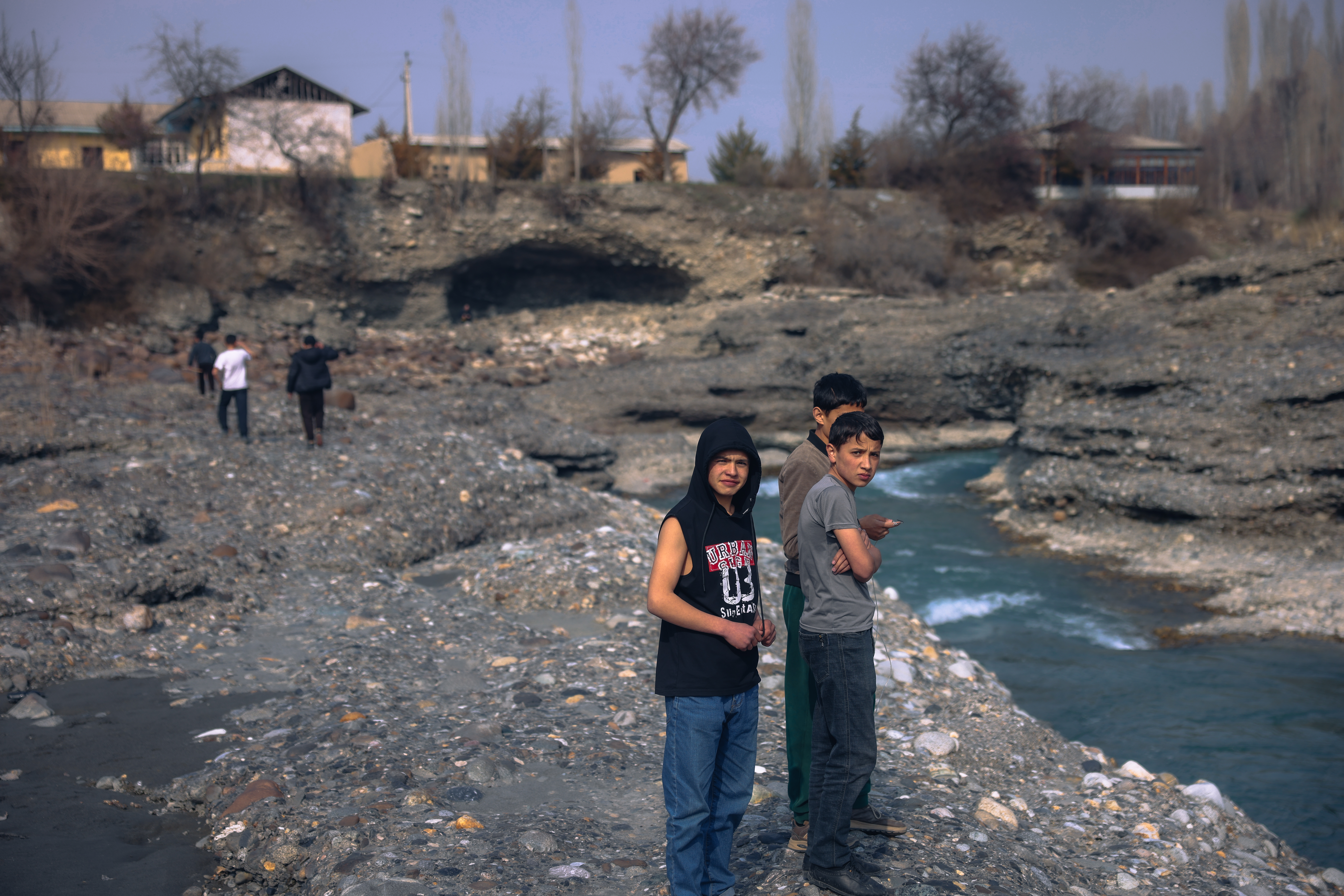 Photo: Ildar Sadykov, Sergey PogosyanPhoto: Ildar Sadykov, Sergey PogosyanPhoto: Ildar Sadykov, Sergey PogosyanPhoto: Ildar Sadykov, Sergey Pogosyan
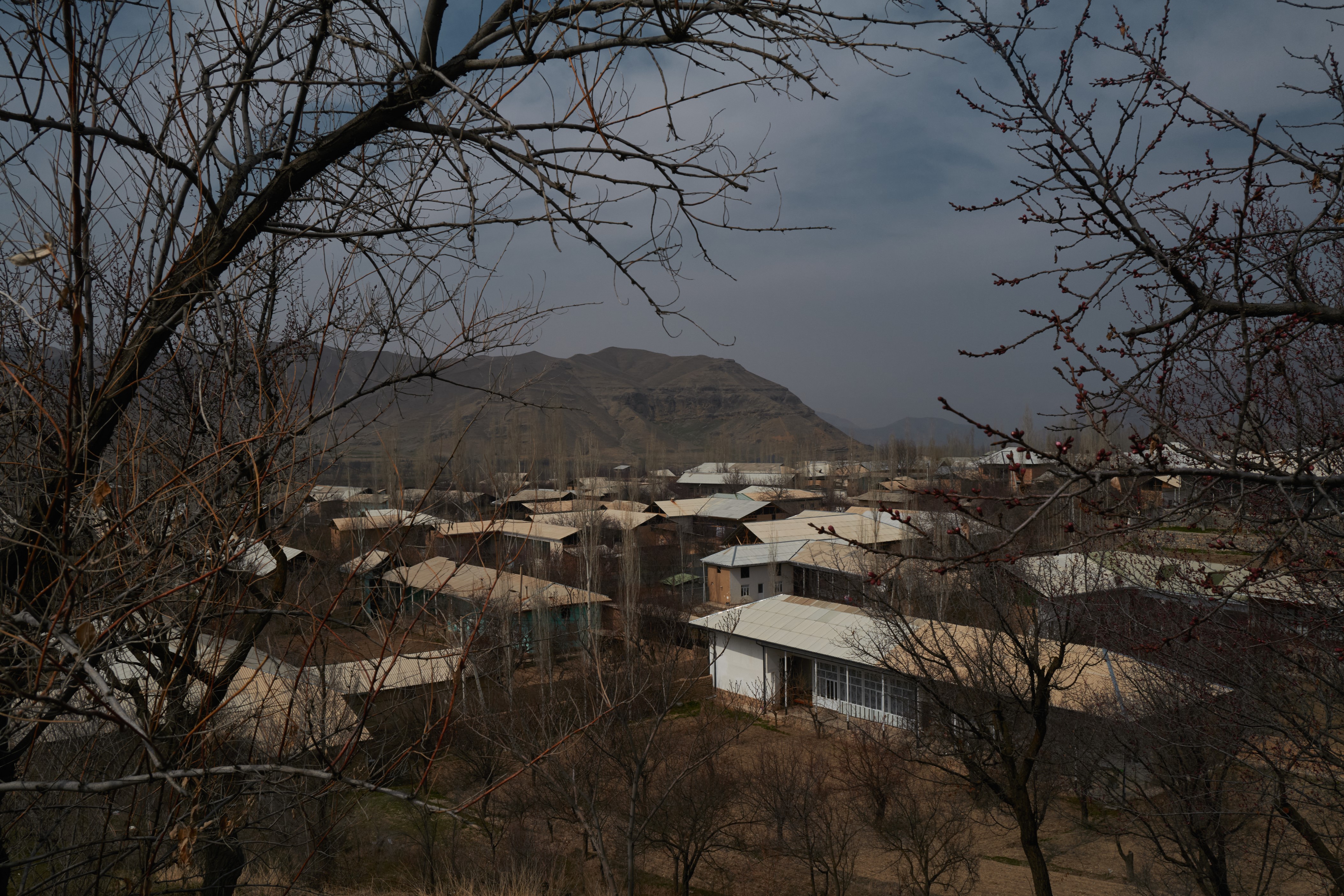
Sokh consists of around 30 densely populated villages.
Kairak greeted its guests with morning mist, haze and birdsong. Nightingales and canaries are common in the area. It was here that our delegation also met some of the first Russian-speaking residents.
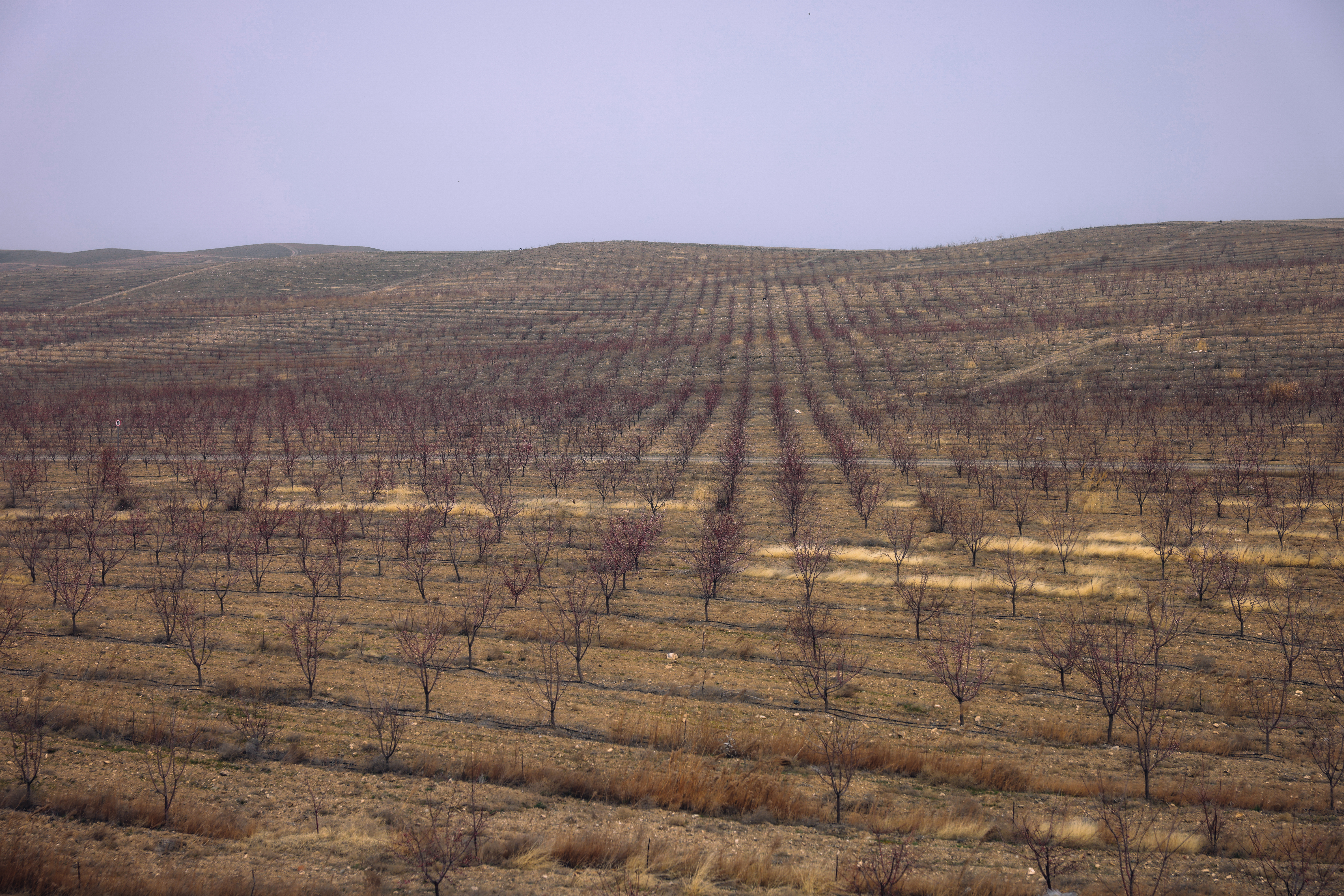
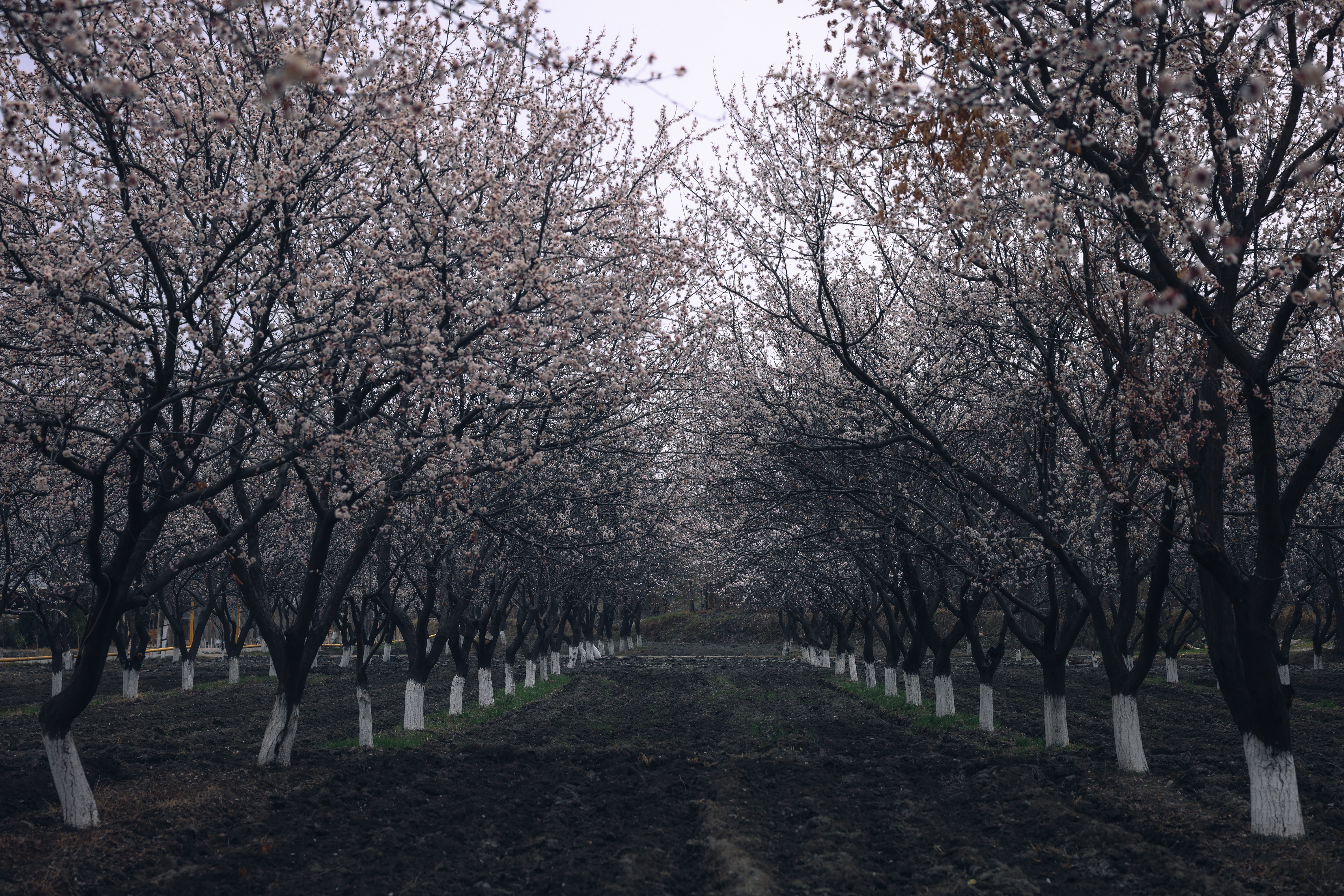
Next came the apricot orchards. Higher up in the foothills, the apricots had not yet blossomed, while down below, the change in elevation created a completely different climate, and the trees were already in full bloom.
The mountain dwellers have devised a drip-irrigation system that makes it possible to cultivate orchards. Pipes were laid through the clay mountains to collect water in a reservoir at the highest point. It struck me as a true marvel. The water is then released from the reservoir into the orchards for irrigation.
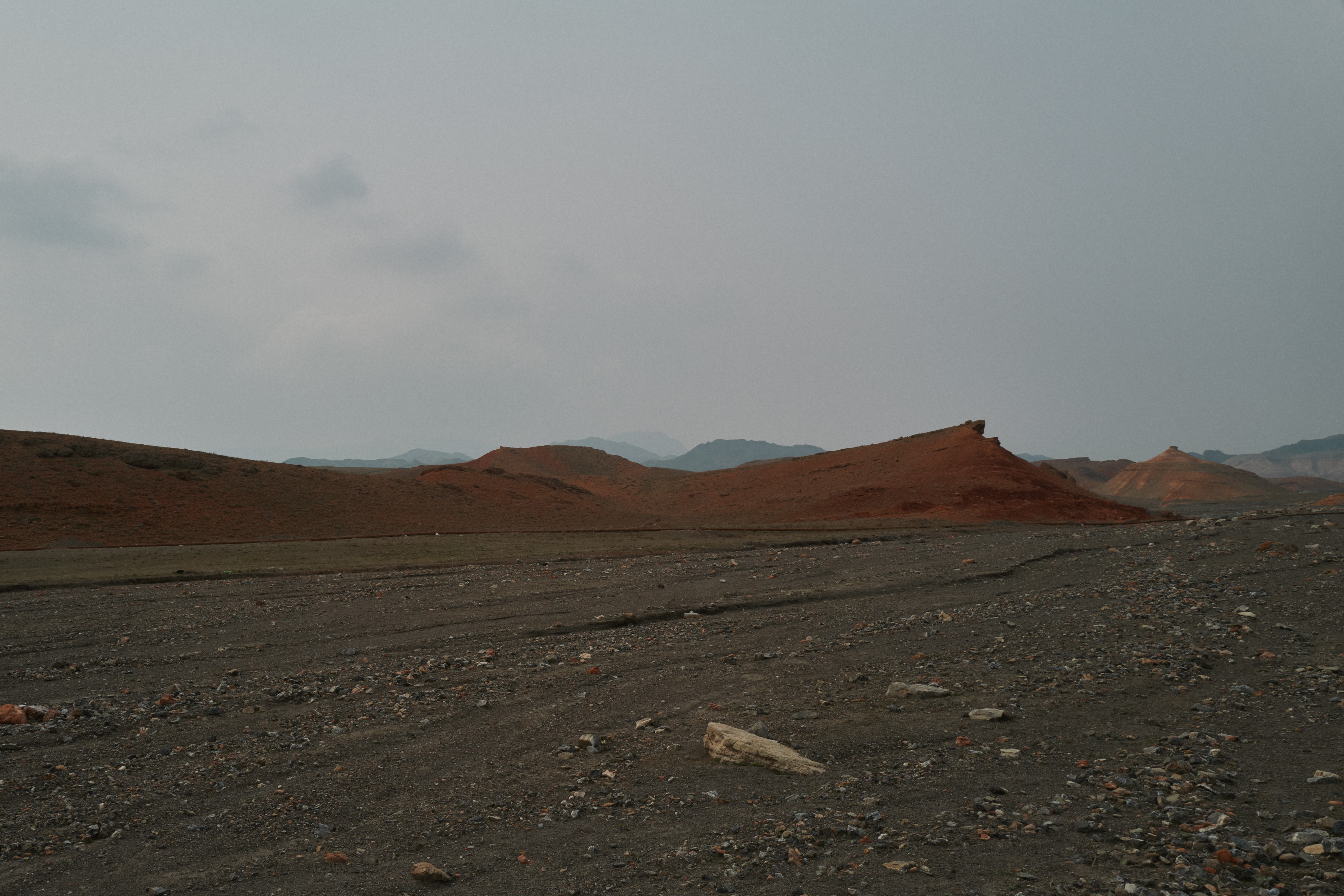 Photo: Ildar Sadykov, Sergey PogosyanPhoto: Ildar Sadykov, Sergey PogosyanPhoto: Ildar Sadykov, Sergey PogosyanPhoto: Ildar Sadykov, Sergey Pogosyan
The people of Sokh are remarkably resourceful and hardworking, which is hardly surprising. For thousands of years, horticulture has provided a livelihood for local people and their large families. There have been attempts to grow raspberries, but they failed to take root. Rice is now the area's main crop.
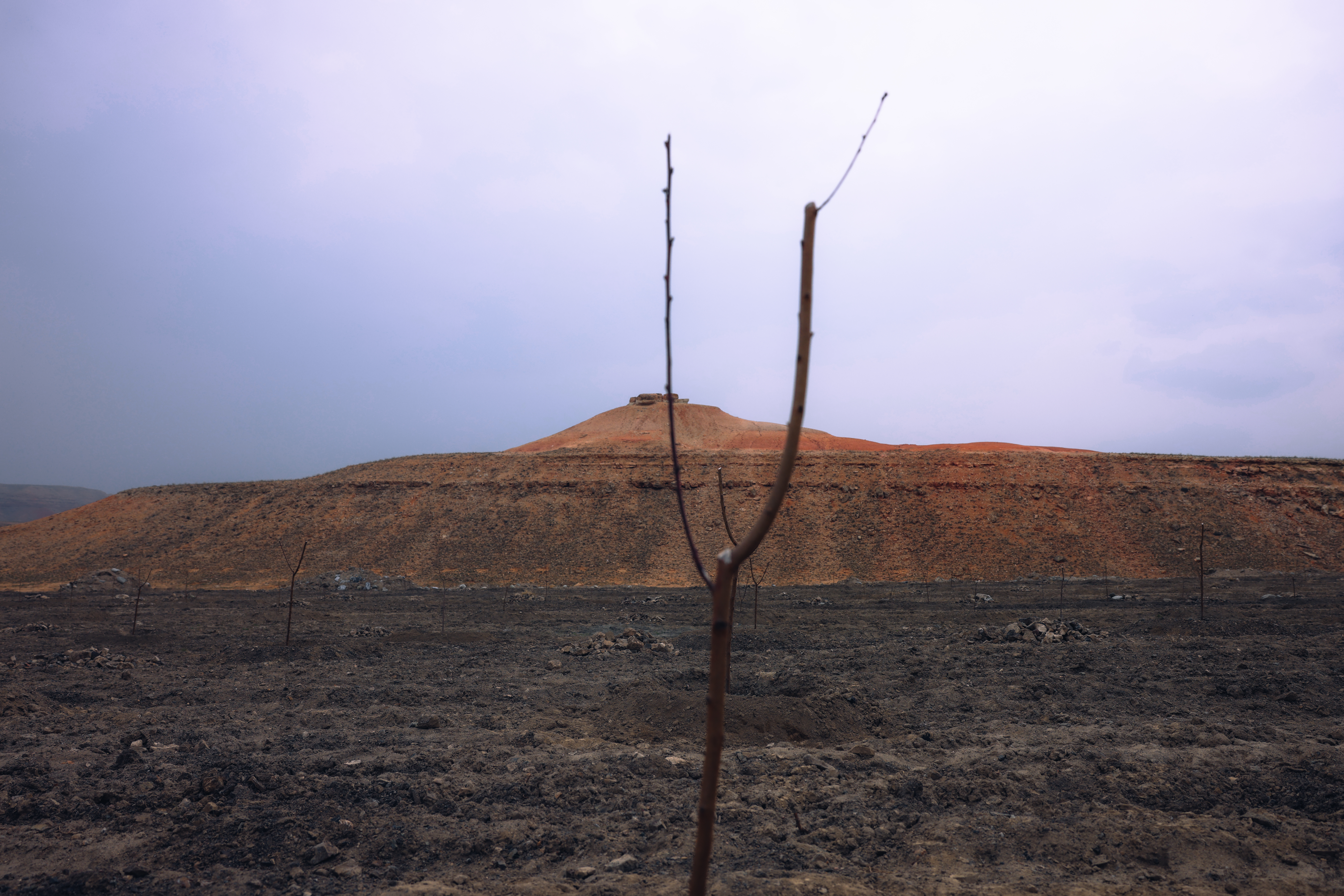
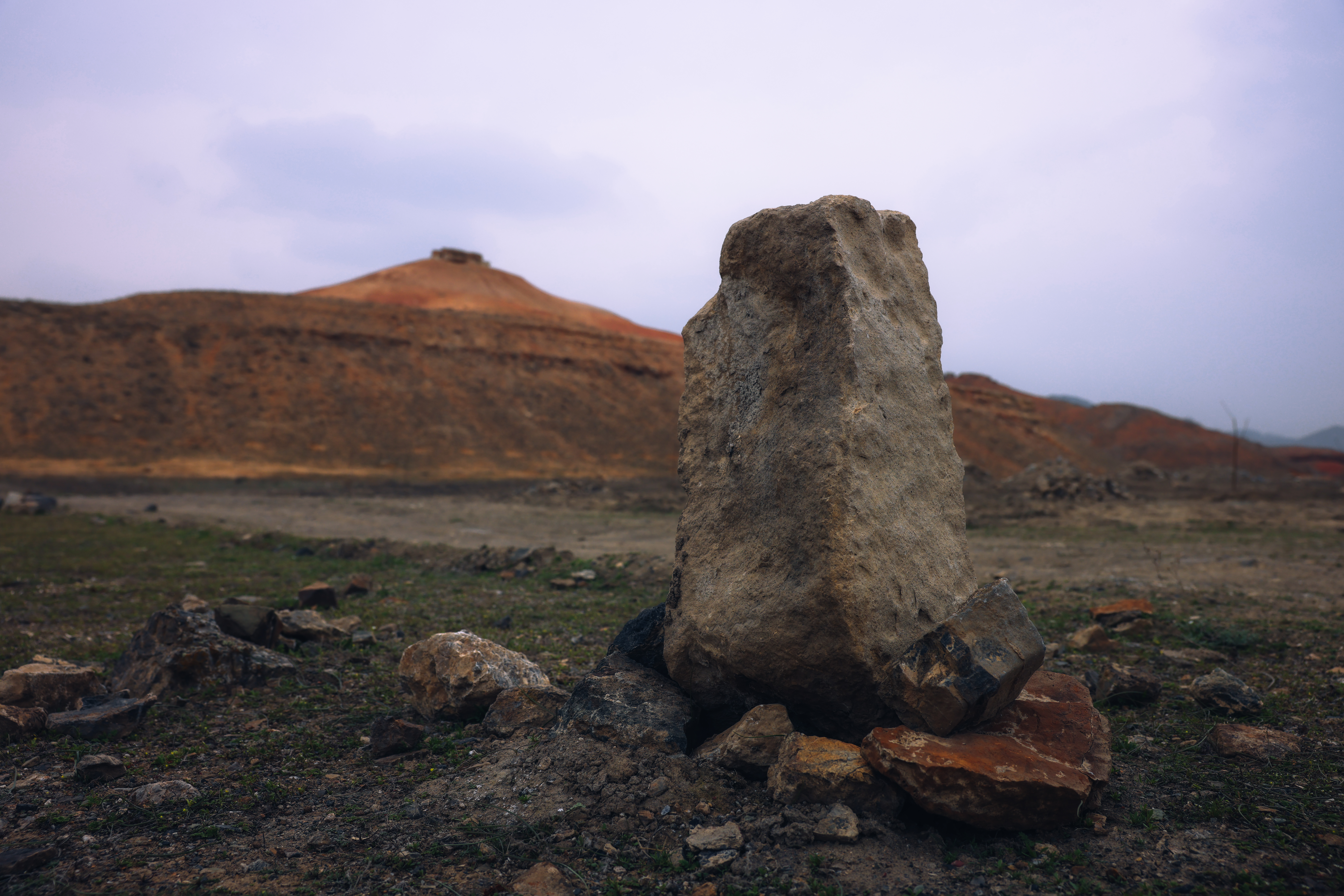
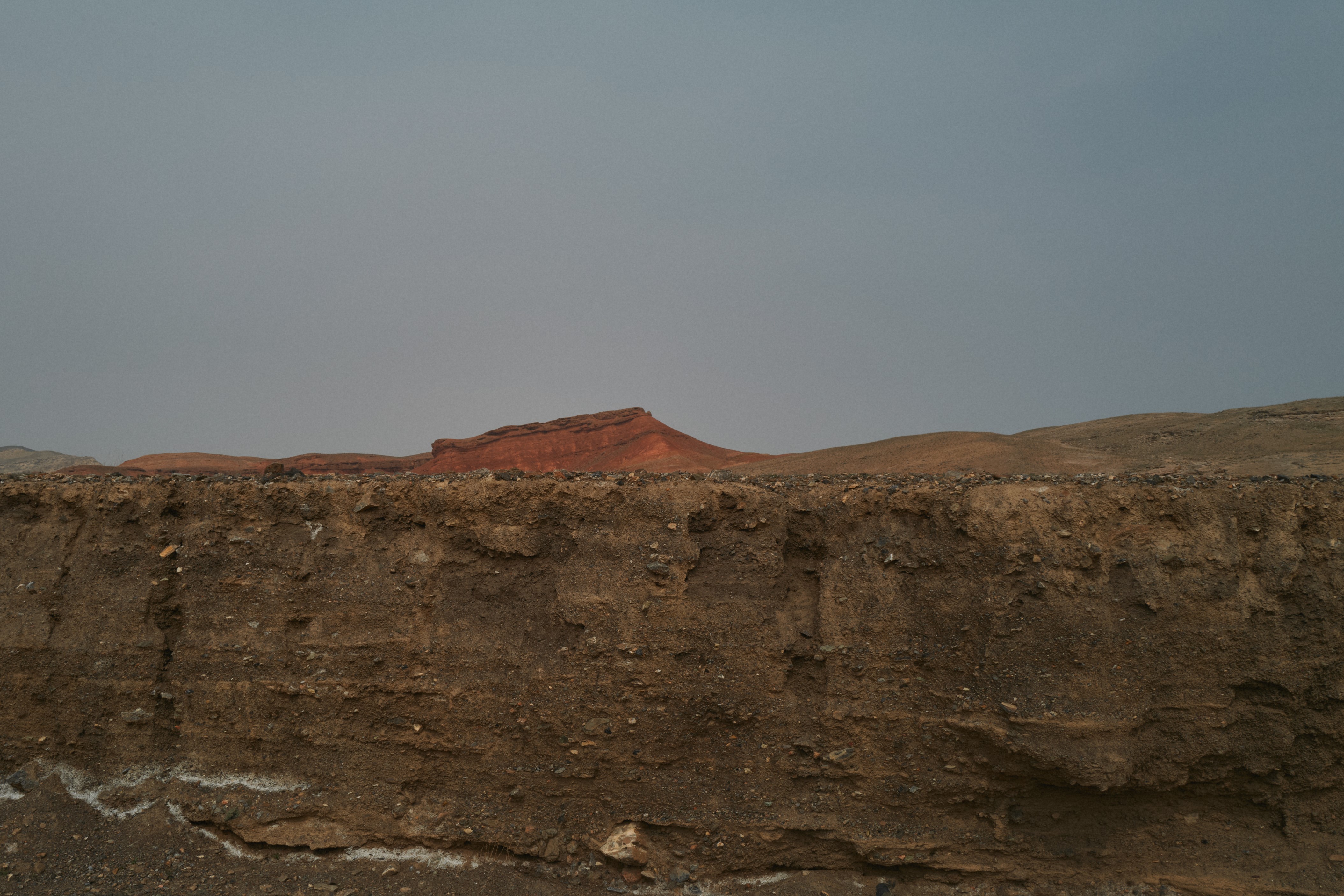
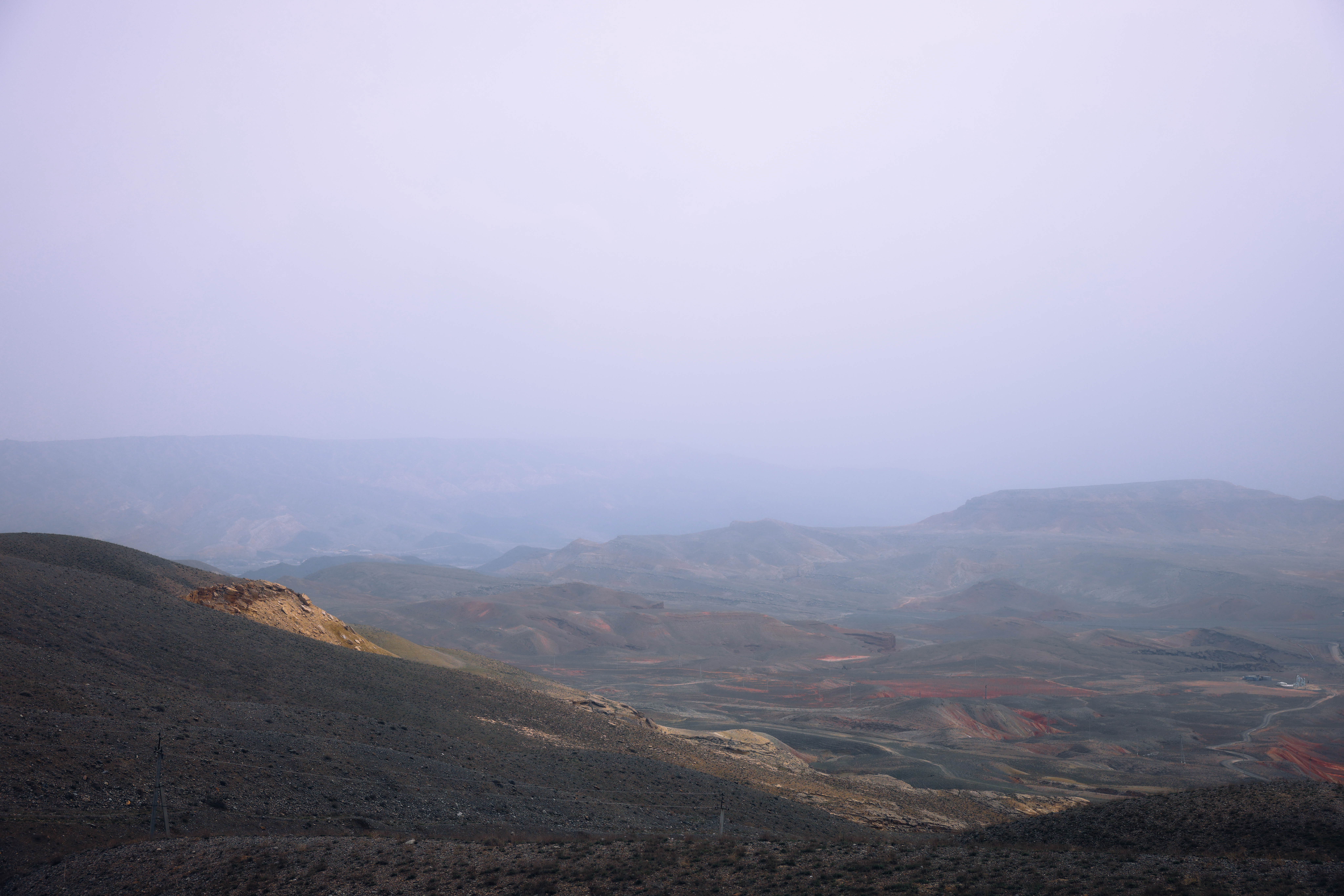
One of Sokh's main landmarks is Plov Mountain. It really does look like a lyagan, a traditional serving dish, piled high with rice and meat. The layers of rock here are striking in their colours, ranging from yellow and red to white and green. They are, quite literally, cross-sections of history.
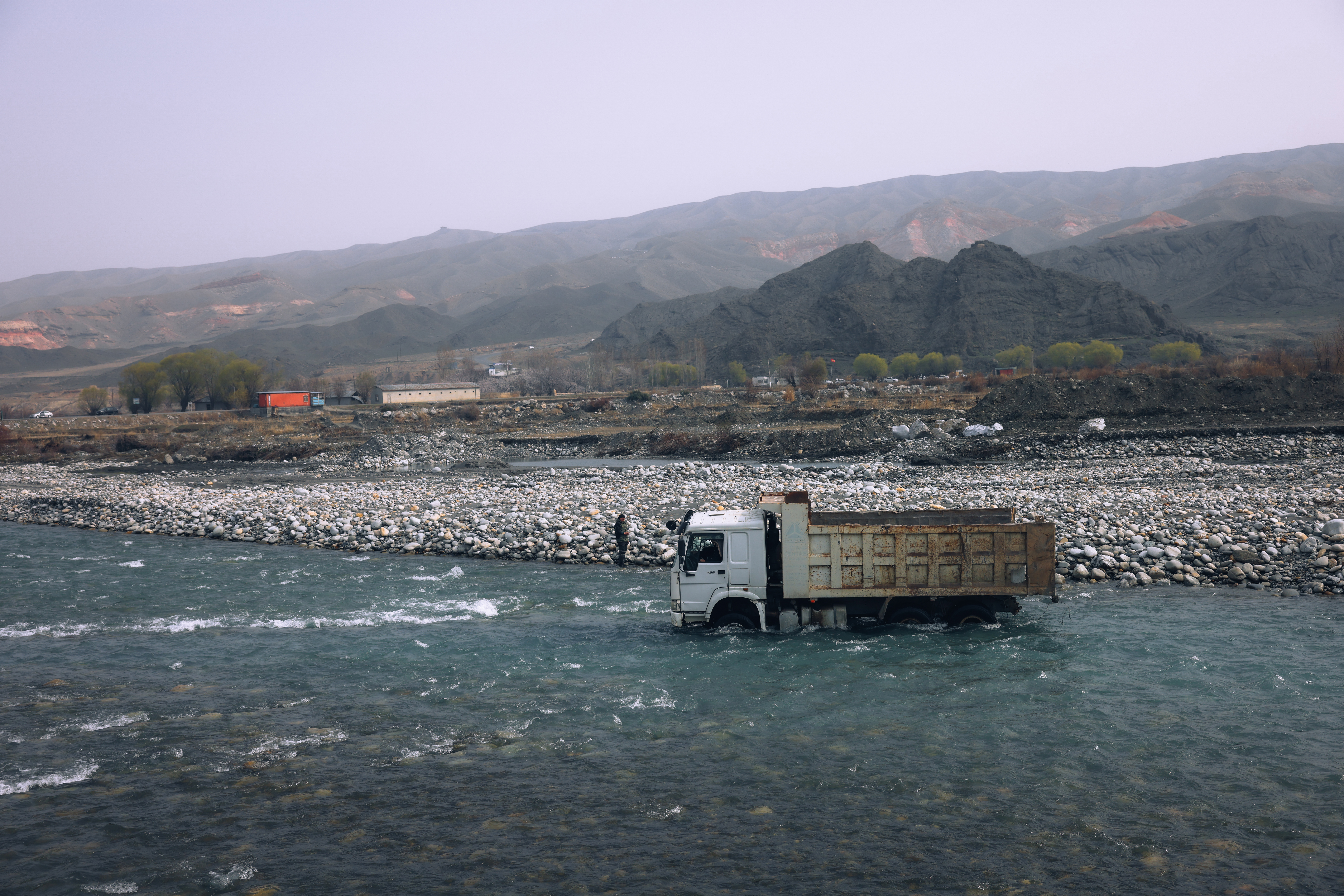 Photo: Ildar Sadykov, Sergey PogosyanPhoto: Ildar Sadykov, Sergey PogosyanPhoto: Ildar Sadykov, Sergey PogosyanPhoto: Ildar Sadykov, Sergey Pogosyan
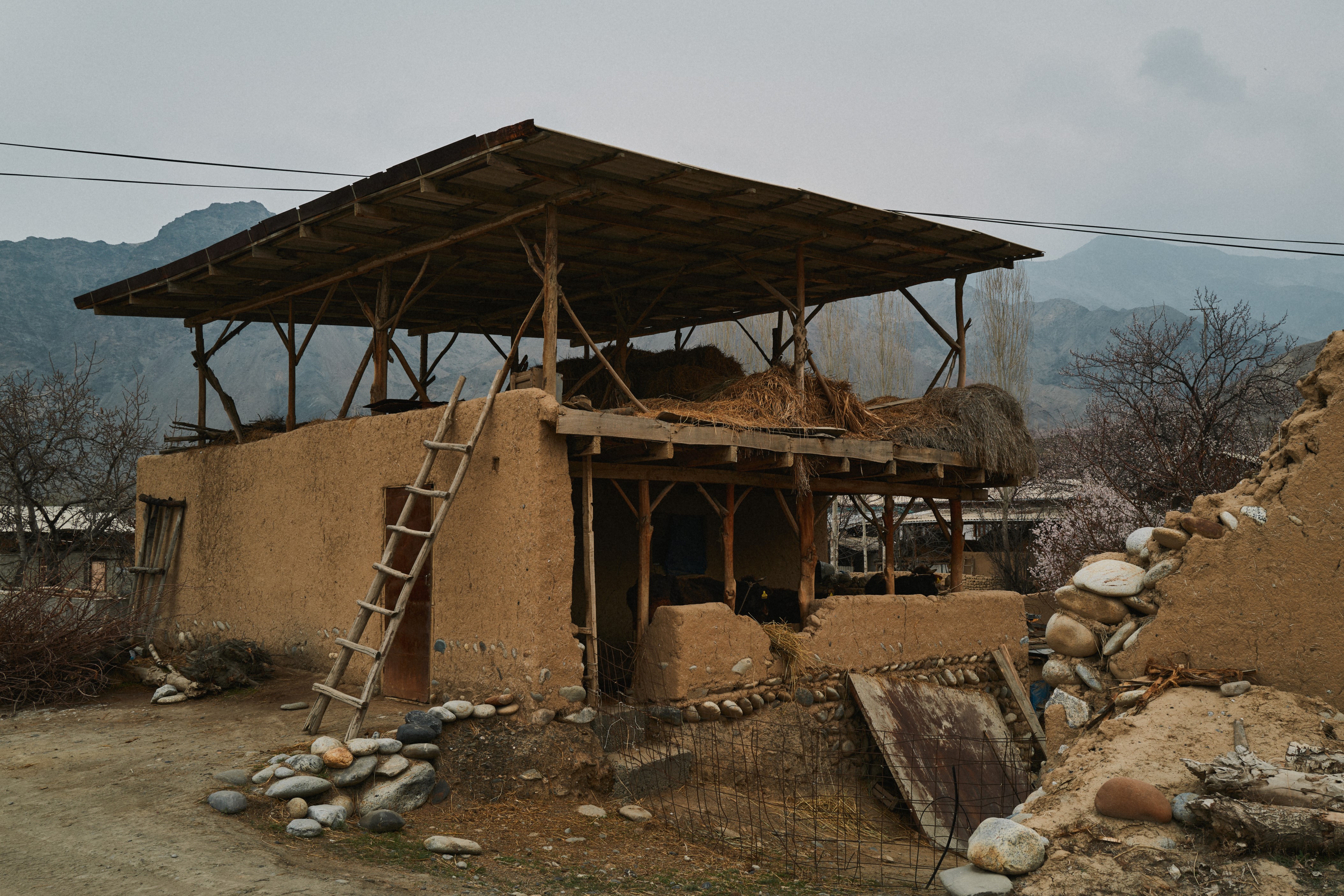
And beneath it all lies an ordinary kishlak, home to people who hope that their village will become a new tourism hub for the Fergana Valley.
The eternal dialogue between water, mountains and people is the essence of this land. The river that gives life to the oasis, the mountainous terrain that shapes the character of the place, and at the heart of it all, the people who have spent millennia learning to overcome limitations through creation and building.
Find out more about Sokh in our article:
Cross-Border Enclaves: Sokh DistrictThe transformation of the Sokh District from a strategic node along ancient trade routes into an isolated cross-border enclave represents a classic case study in political geography and regional economics. The development of this territory over three millennia demonstrates a direct correlation between demographic and economic processes and the hydrological regime of the Sokh River, which has long been a principal driver of economic development in the Fergana Valley.mag.humodoc.com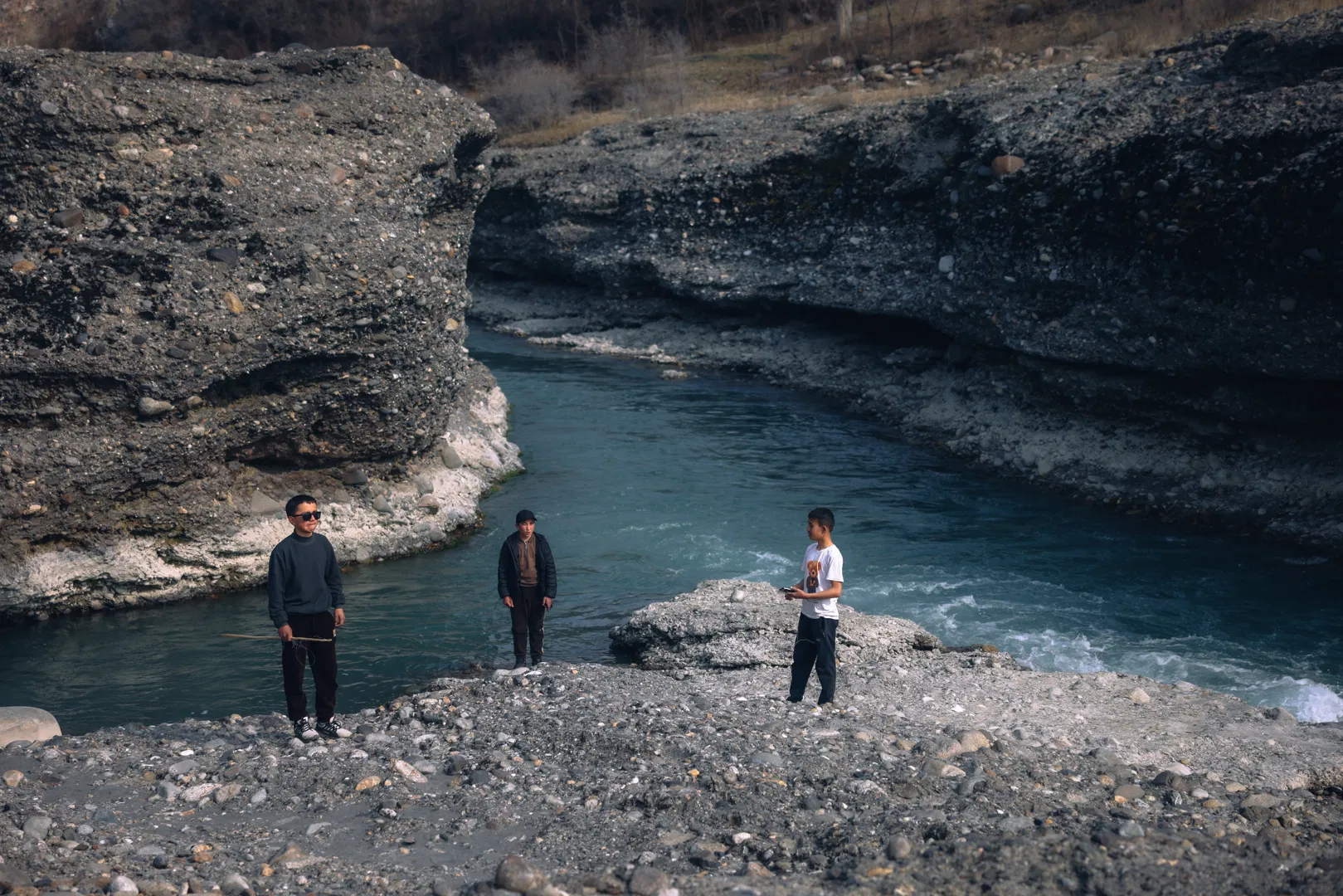
Newsletter
A letter from the HD editors
Once a week, we send the best stories, events, and cultural discoveries from Central Asia.