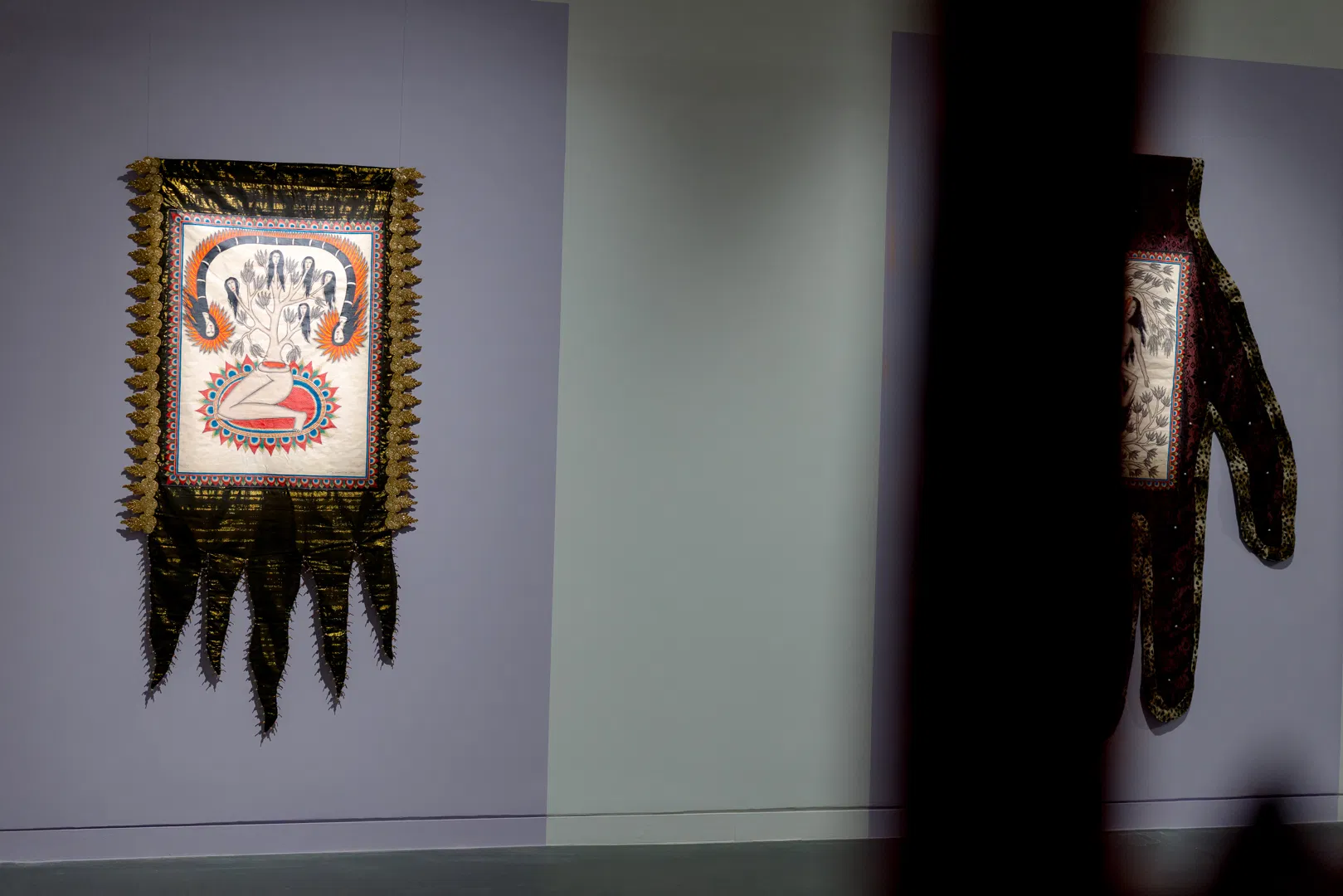
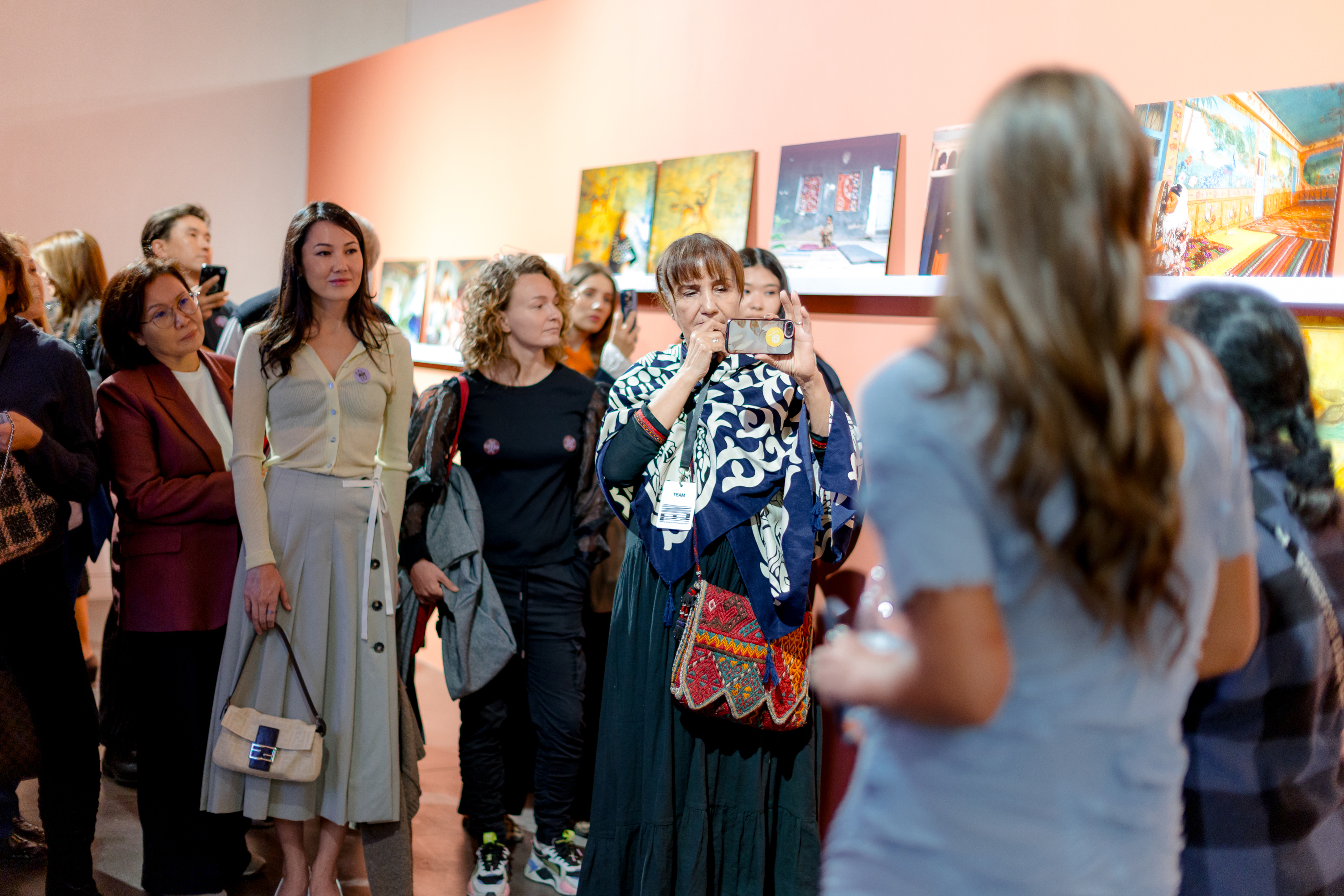
The international exhibition Himoya at the Tselinny Centre of Contemporary Culture brings together artists from Central Asia and other parts of the world. Through textiles, photography, painting, video and installation, they explore women’s memories, family histories, spiritual traditions and forms of resistance. Here, heritage is not a frozen past, but a living source of strength that connects generations and opens up new ways of speaking about the body, identity and belonging.
Ahmed Umar
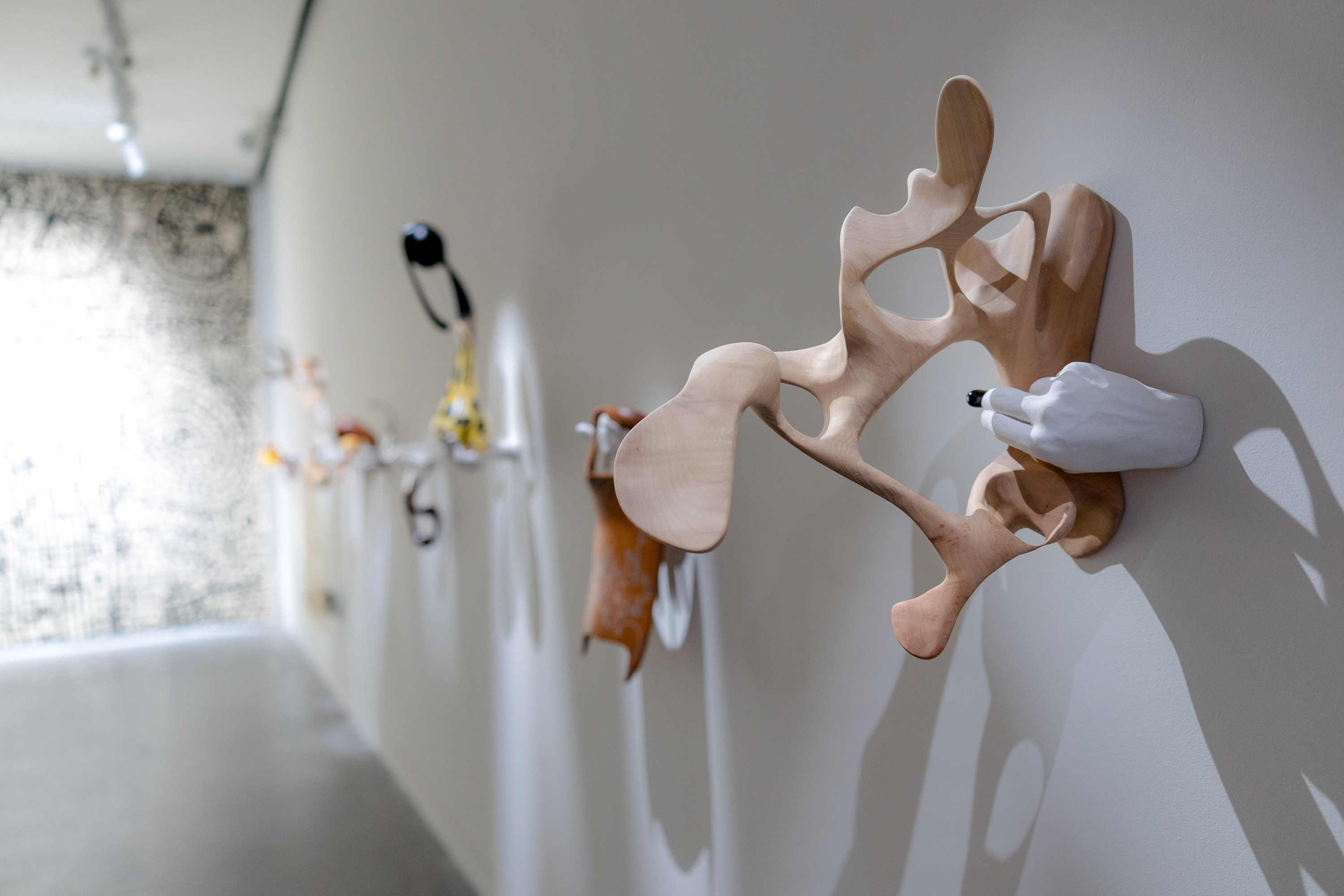
In his series Glowing Phalanges, the Sudanese artist reinterprets amulets and prayer practices, bringing sacred symbols into dialogue with personal history and the experience of migration. His sculptures reflect on faith, protection and a person’s right to their own identity.
Almagul Menlibayeva
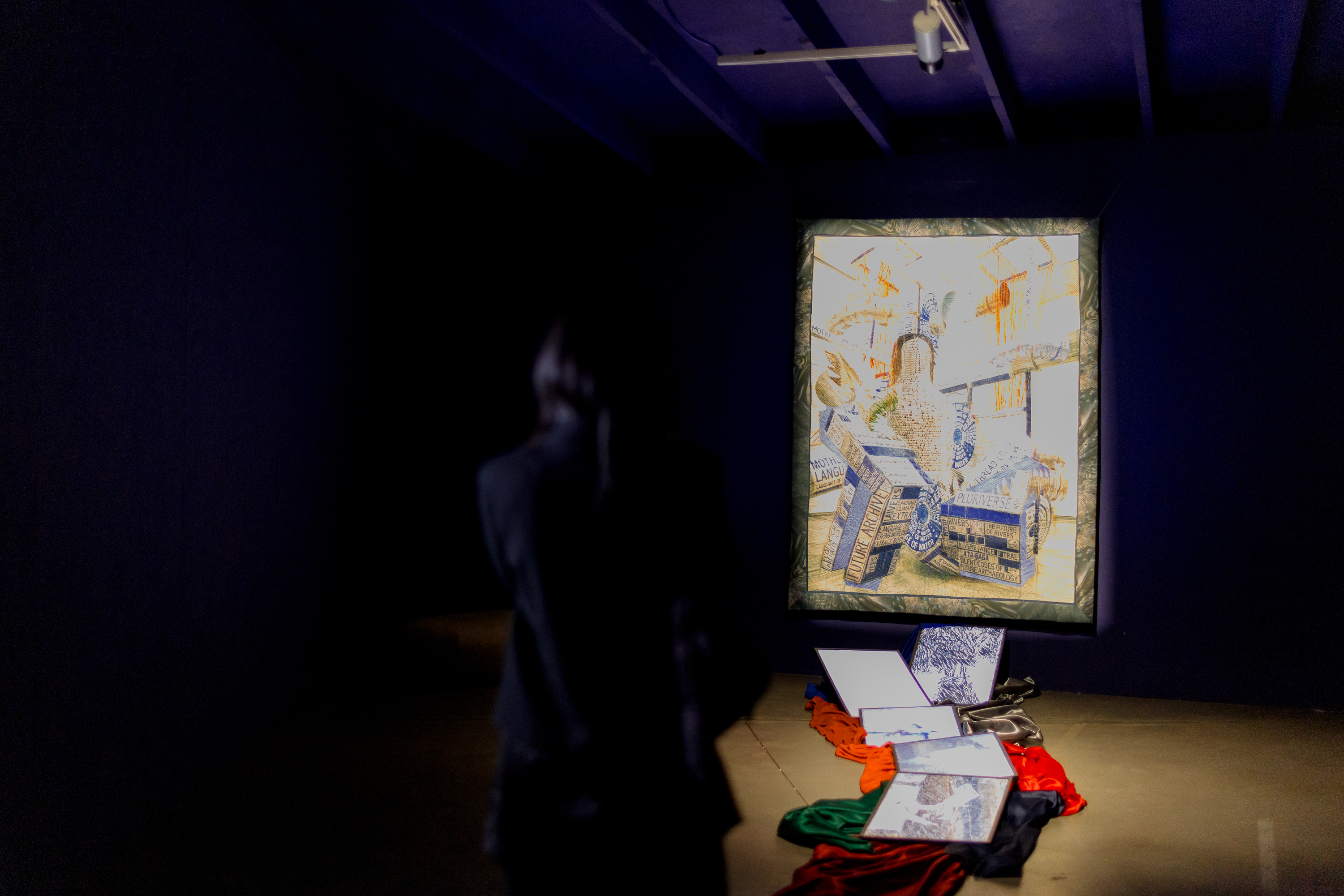
The Kazakhstani artist explores the memory of the famine of 1931–1933 through her family’s maternal lineage. In the installation The Second Reprogramming, textiles, video and sound form a map of historical trauma and the interrupted transmission of experience between generations.
Ana Maria Millán
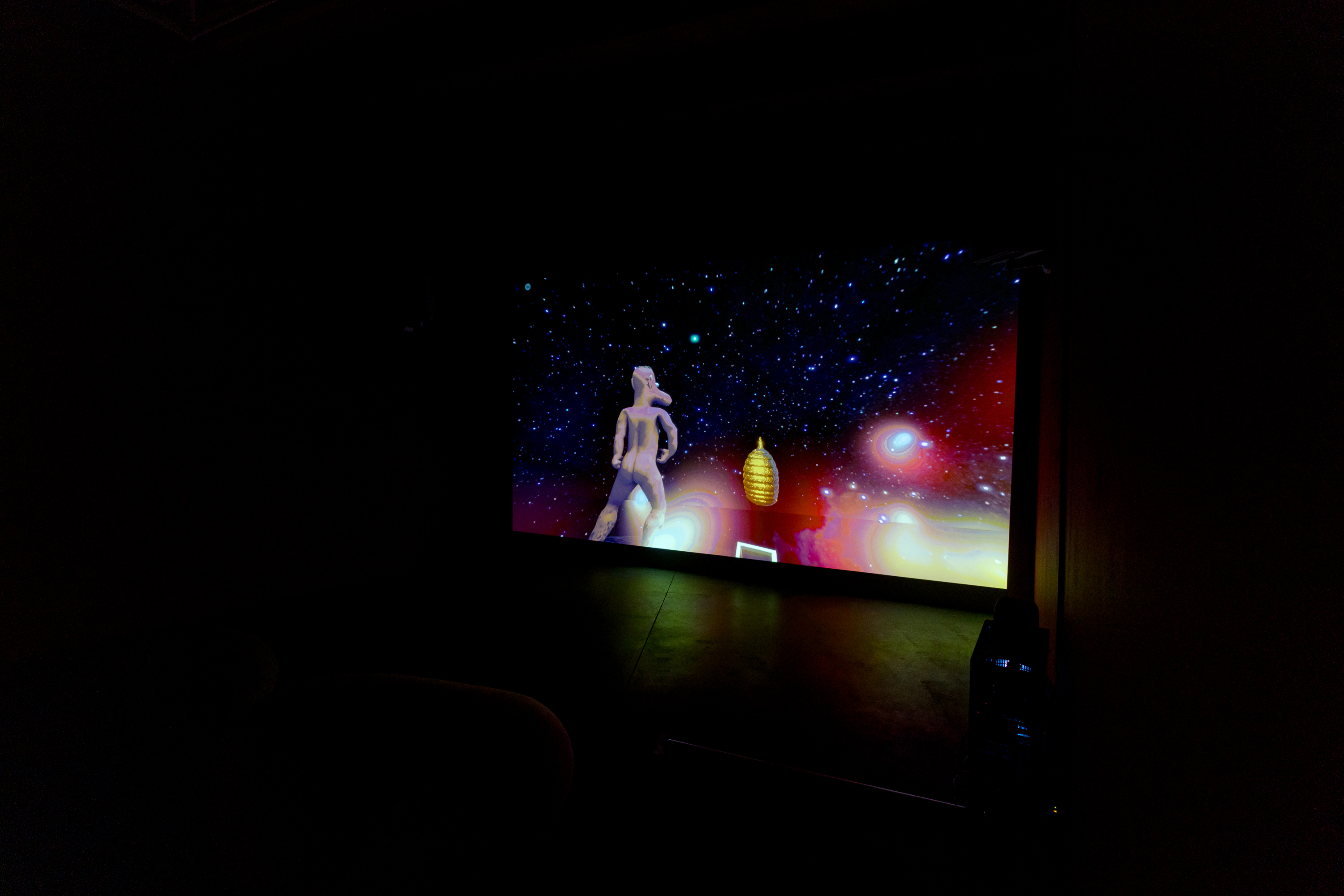
Collective imagination becomes an artistic method. Working with young artists from Almaty, Millán creates fantastical worlds in which humans, nature and mythological beings exist in constant interaction. Her video game To the Mountains invites players to imagine different ways of connecting with the world around them.
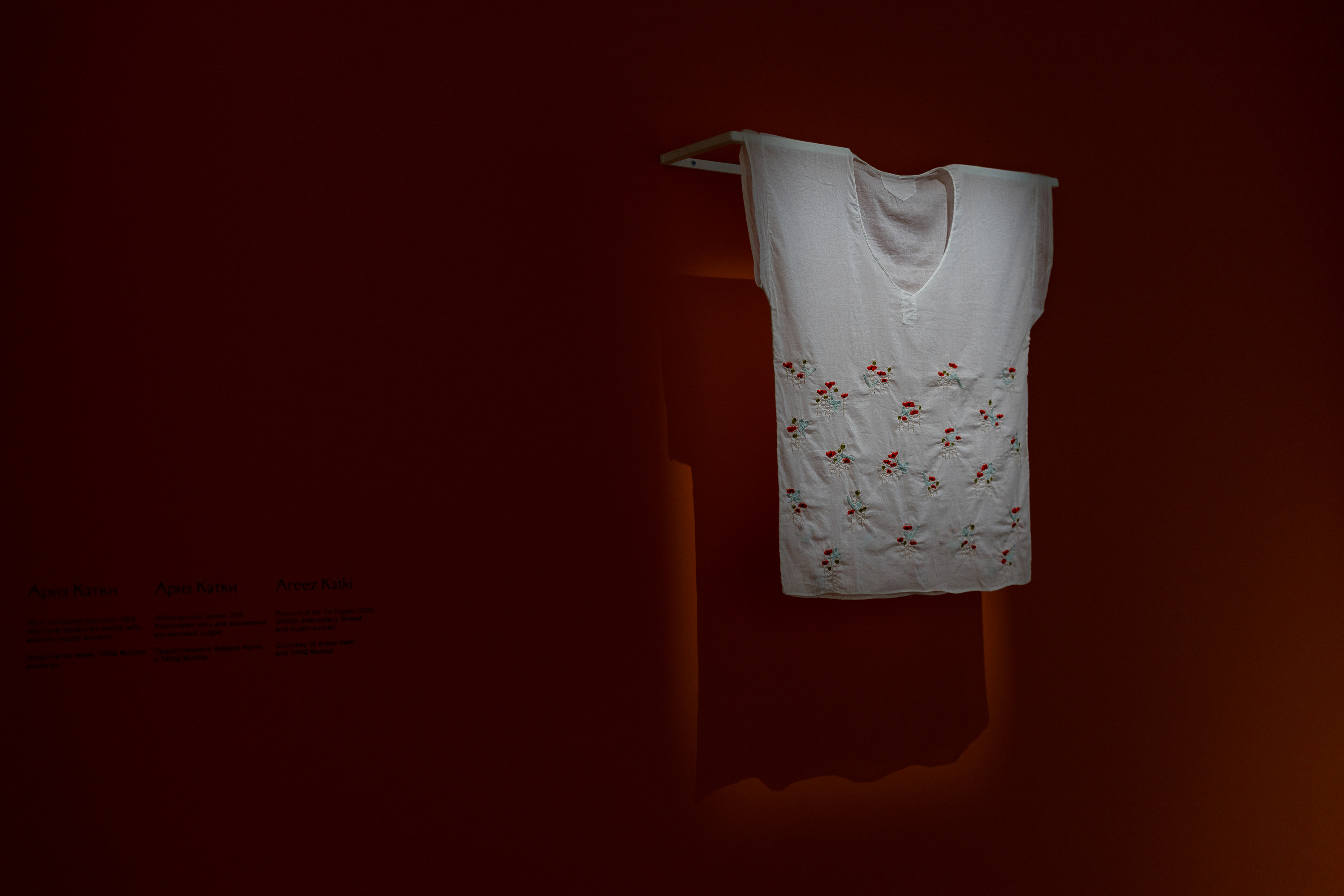
Areez Katki
For the artist, textiles and embroidery carry spiritual and family memory. Drawing on Zoroastrian traditions and the craft knowledge of the women in their family, Katki brings together ancient symbols, embodied experience and queer identity.
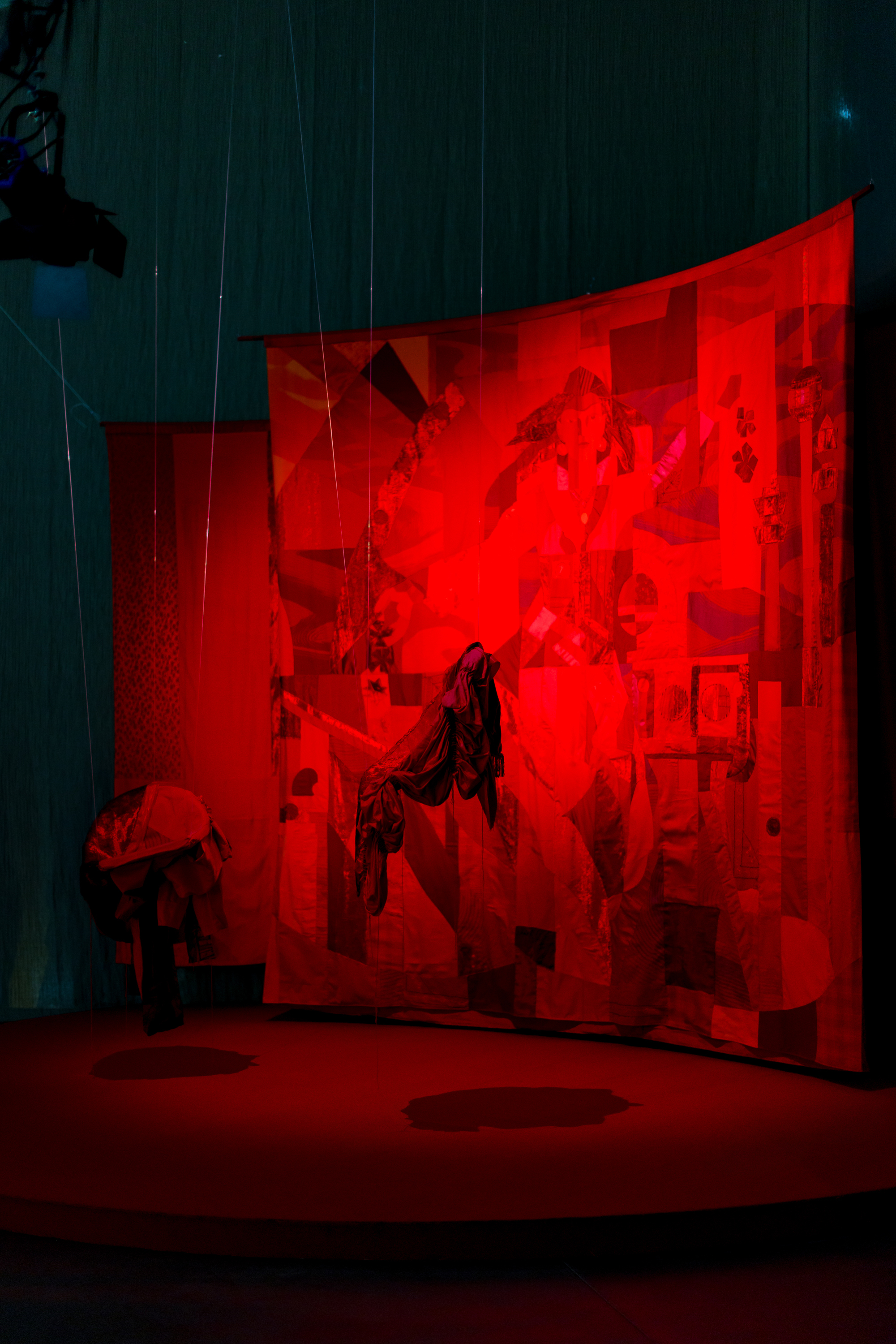
Aziza Kadyri
In her installation Iron Mother, the artist gives a voice to her grandmother, Umida, one of the few women to have played a leading role in the construction of the Tashkent TV Tower. This family history becomes a reflection on women’s leadership, labour and their right to claim a place in history.
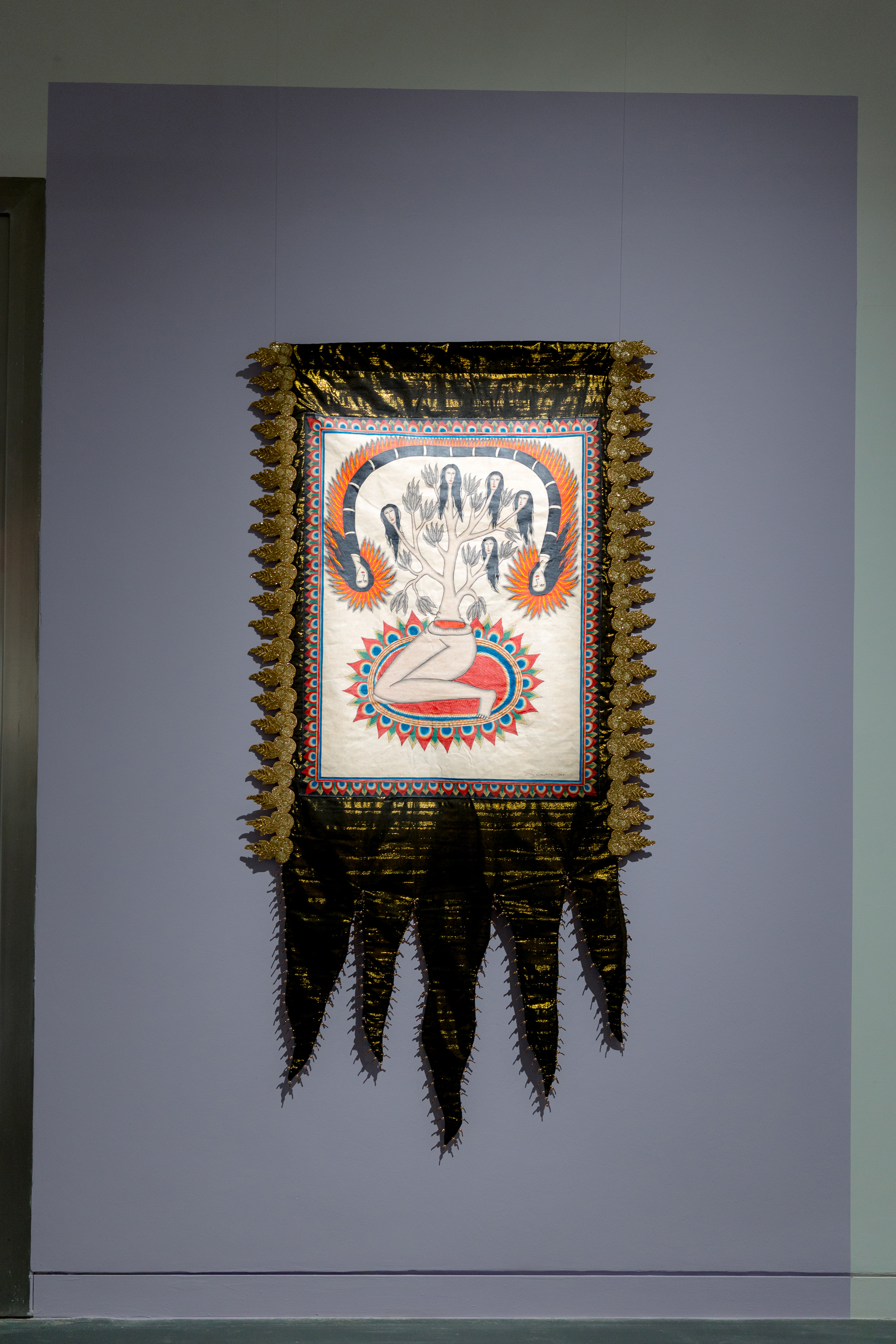
Citra Sasmita
Drawing on Balinese mythology and the traditional Kamasan painting tradition, the artist challenges established visual hierarchies by bringing women to the foreground. Her work brings together female strength, the forces of nature and a critique of patriarchal ways of seeing the world.
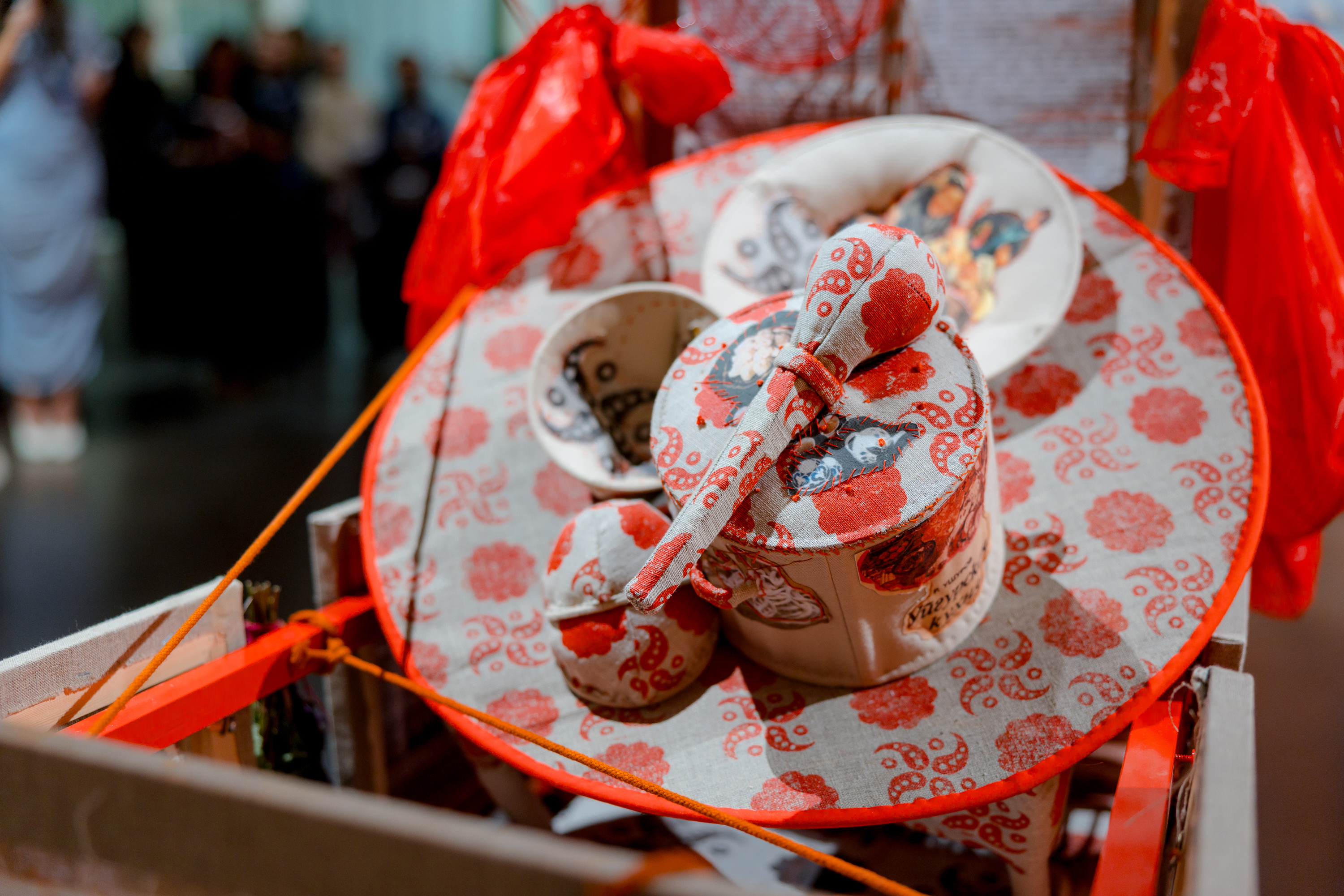
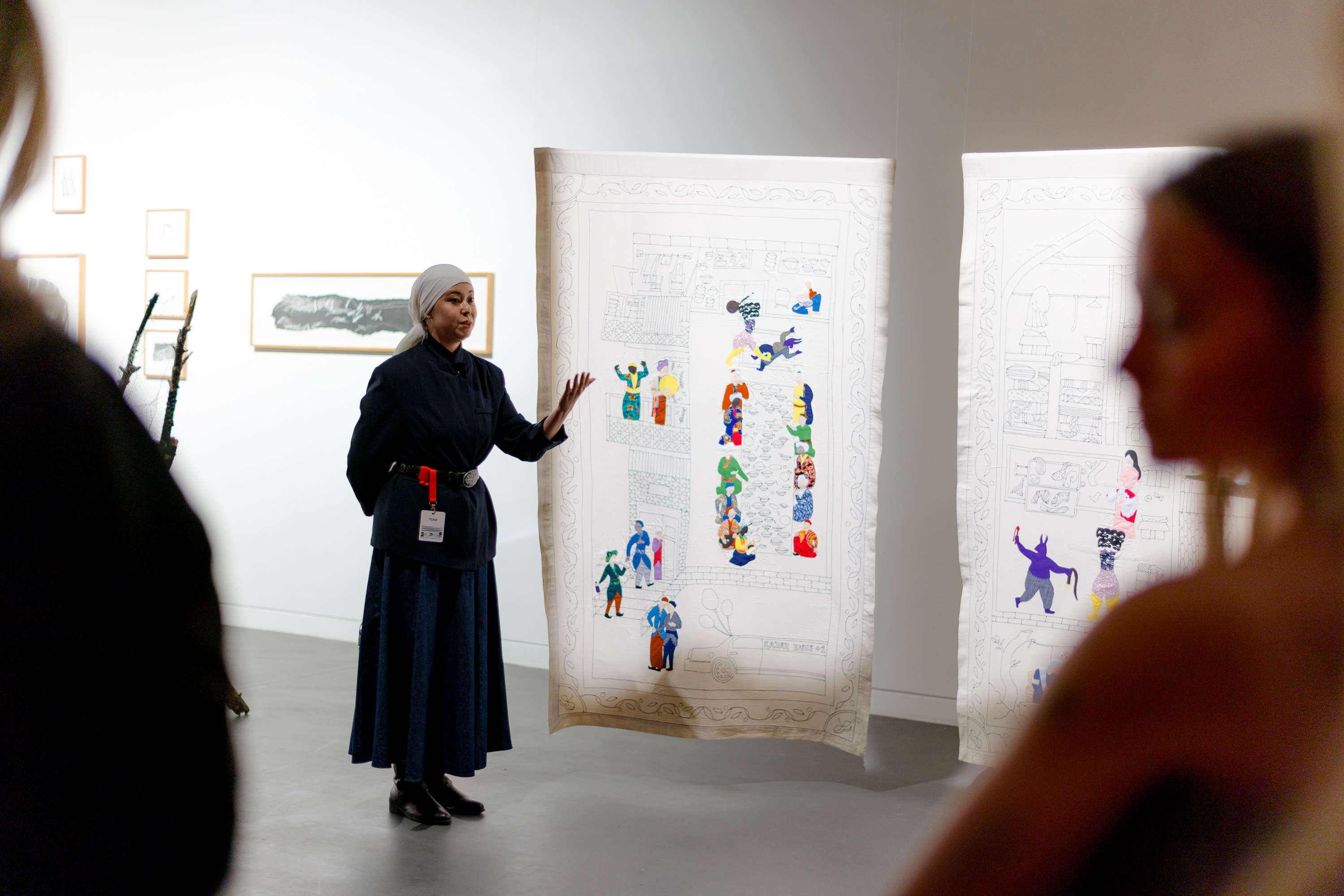
Güzel Zakir
In A Taste of Resilience, personal family history intertwines with the culture of Almaty’s bazaars, culinary traditions and the collective memory of the Uyghur community. A textile-covered cart becomes an image of home that can be carried from place to place without losing its history or way of life.
Haegue Yang
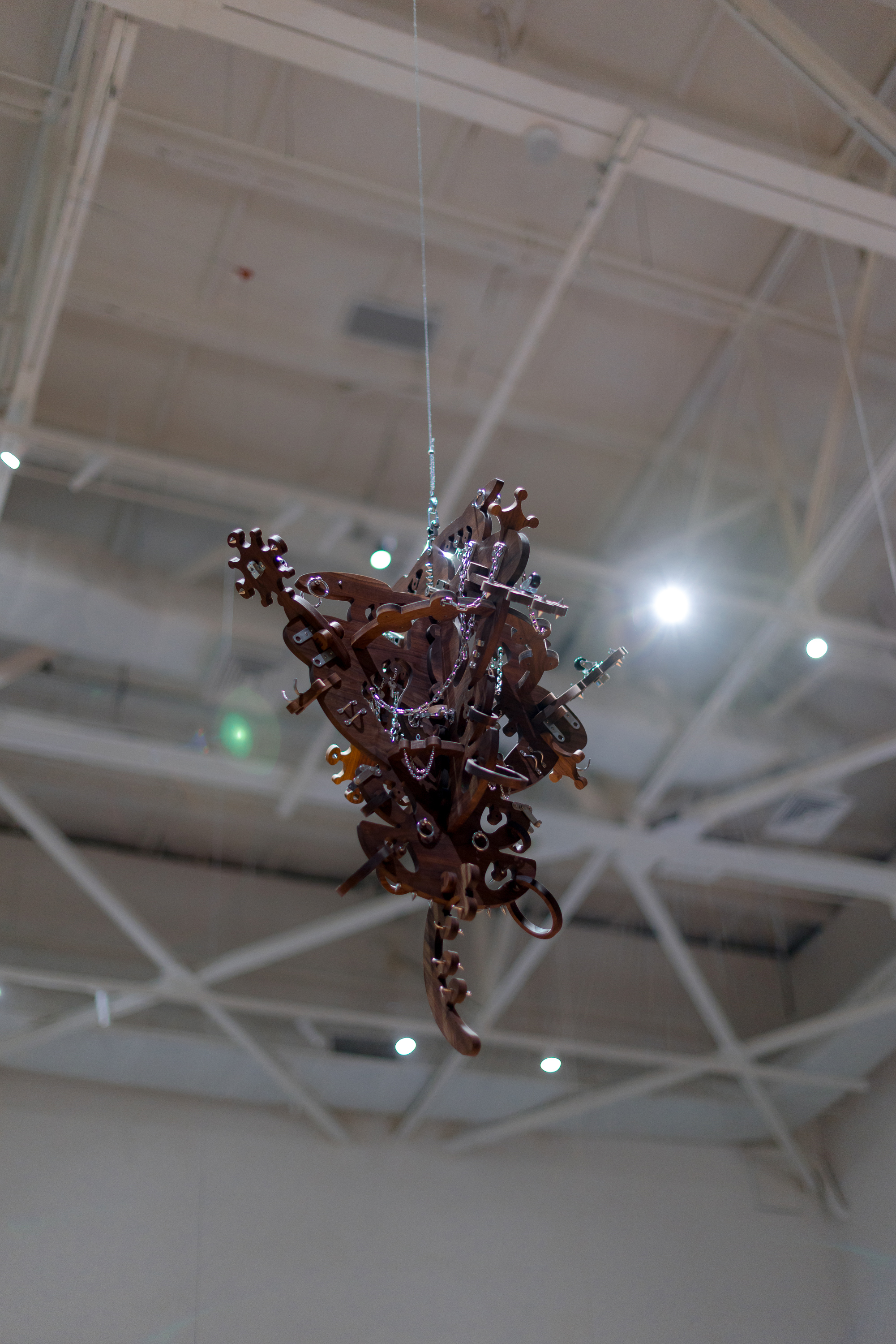
Reworking everyday metal objects and sound-producing instruments, the Korean artist creates sculptural beings in which the mechanical merges with the organic. Alongside them, women’s stories of transformation, isolation and resilience come to life.
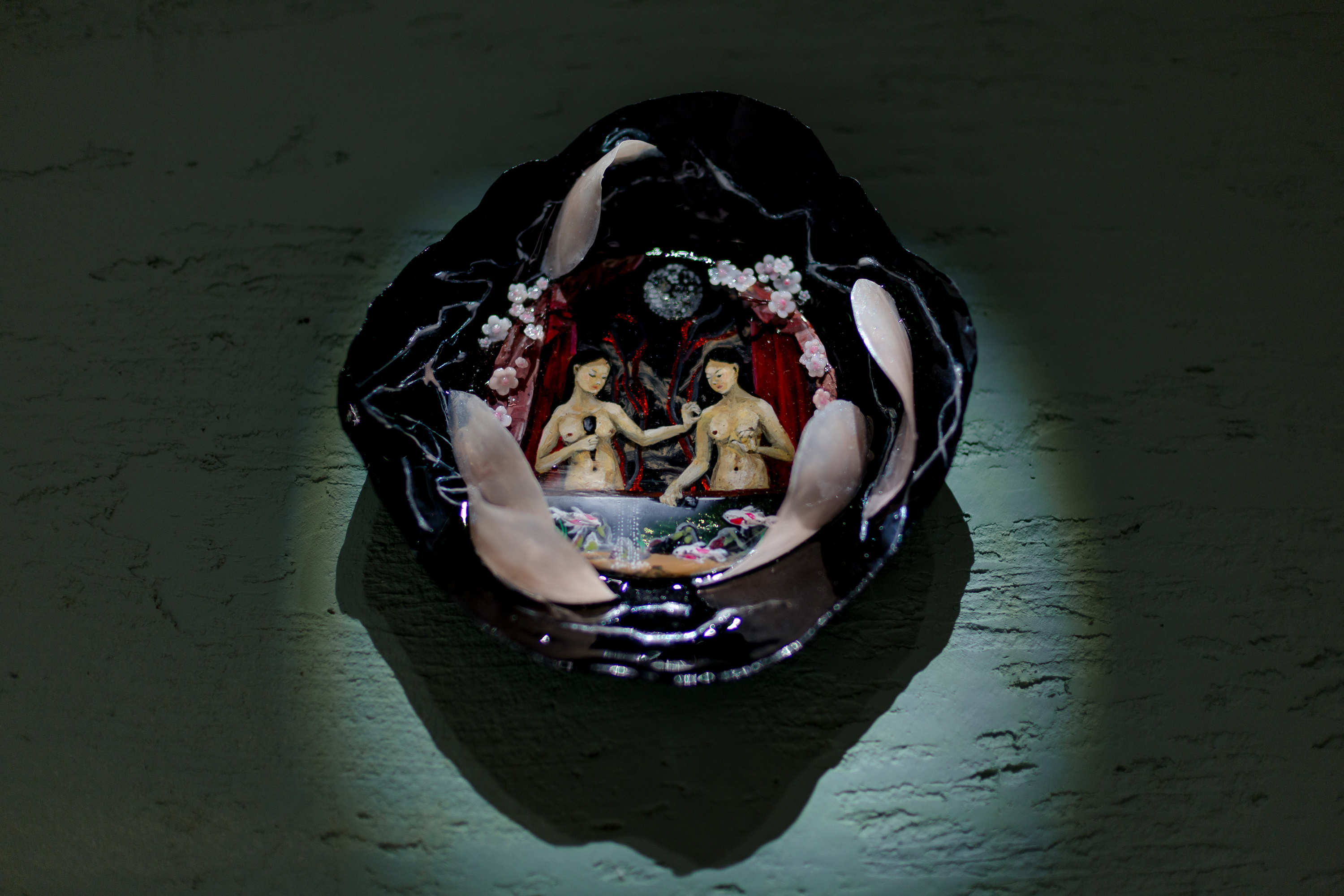
Hoa Dung Clerget
Through gel nail polish, painting and video, the artist explores representations of Asian femininity, the experience of migration and labour in nail salons. Her work challenges cultural stereotypes, portraying women not as objects of someone else’s gaze, but as protagonists of their own stories.
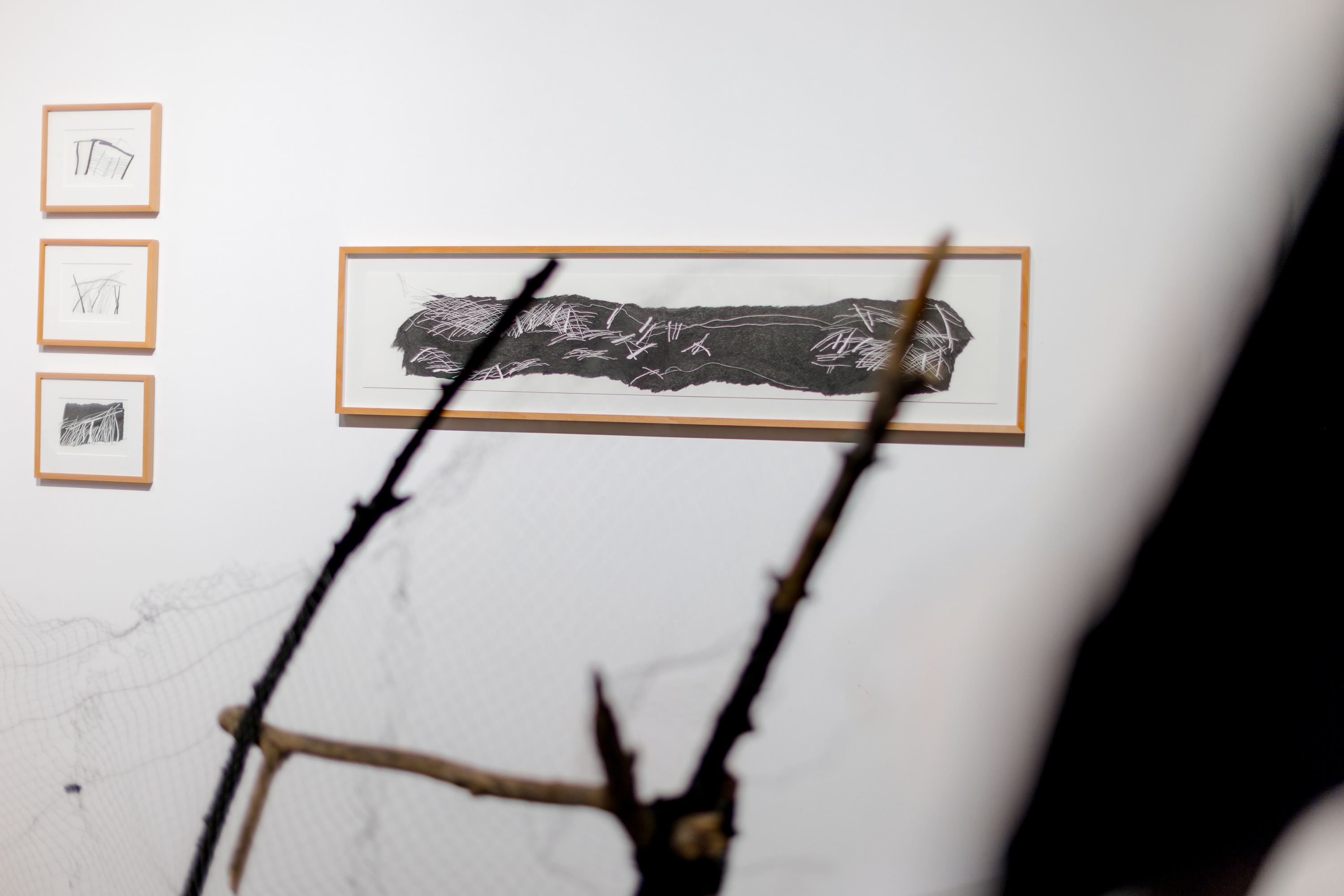
Jazgul Madazimova
In her installation Rabitza, the artist uses wire mesh as a metaphor for the fragile boundary between home and the outside world. She explores the lives of Central Asian women who are compelled to leave home in search of work, asking what allows them to retain a sense of home while living far away.
Nara Beibit
In The Tale of the Seven-Headed Mother, the artist reimagines Zhalmauyz Kempir, a demonised figure from Kazakh folklore, as a symbol of maternal protection and strength. Her textile panels bring women’s experiences of motherhood, loss and survival into the realm of a contemporary epic.
NAOMI
In Graceful Ghost, to My Mothers, heroines from Korean and Chinese legends come together in a single narrative. Through images of water, the artist explores grief, sacrifice, love and the invisible bonds connecting women across different eras.
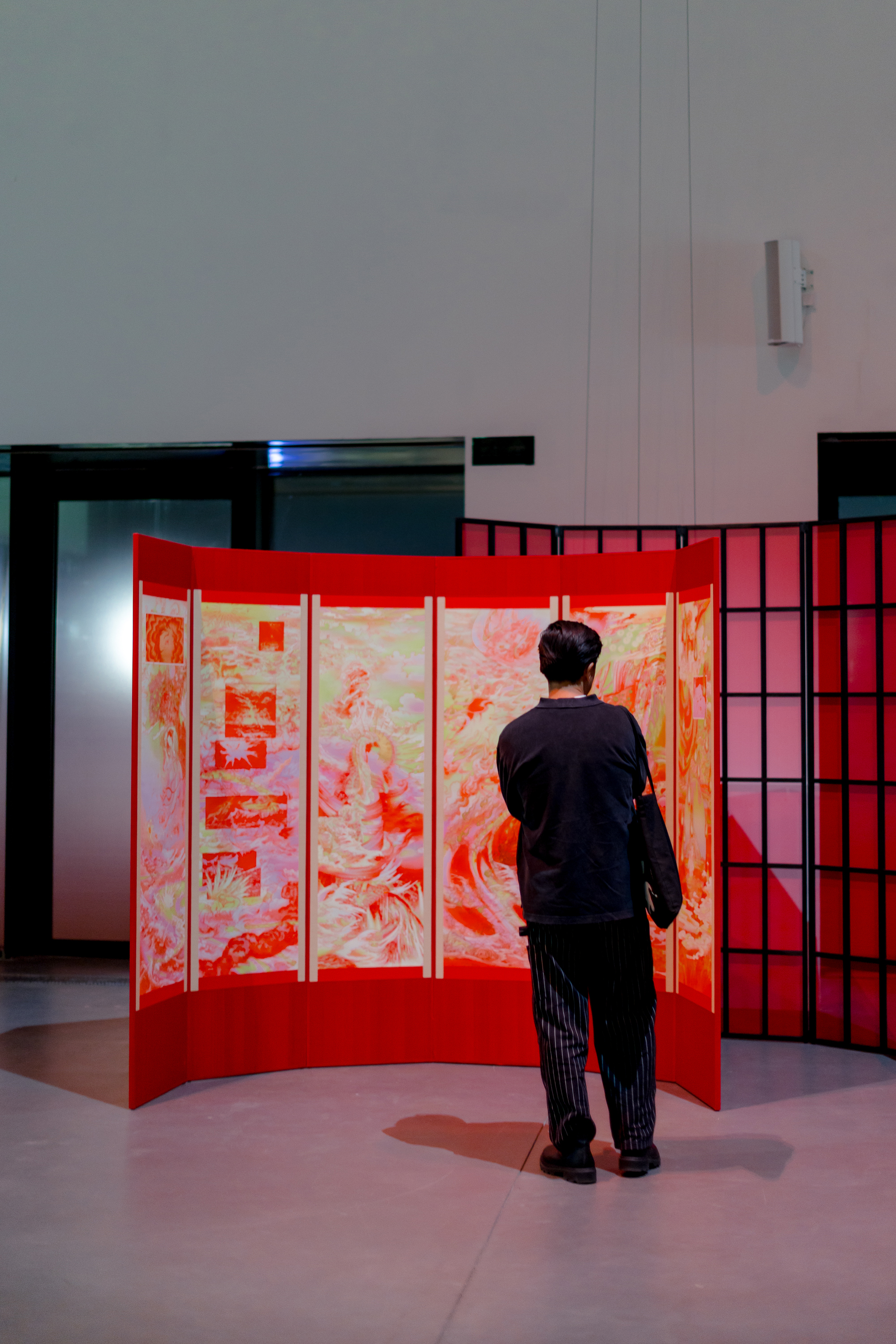
Oyjon Khayrullayeva
In her five-part work Panja, the artist tells the story of her great-grandmother, linking different stages of her life to bodily memory and the imagery of Islamic miniatures. The personal narrative gradually becomes an attempt to create a mythology of her own and restore women’s right to author their own stories.
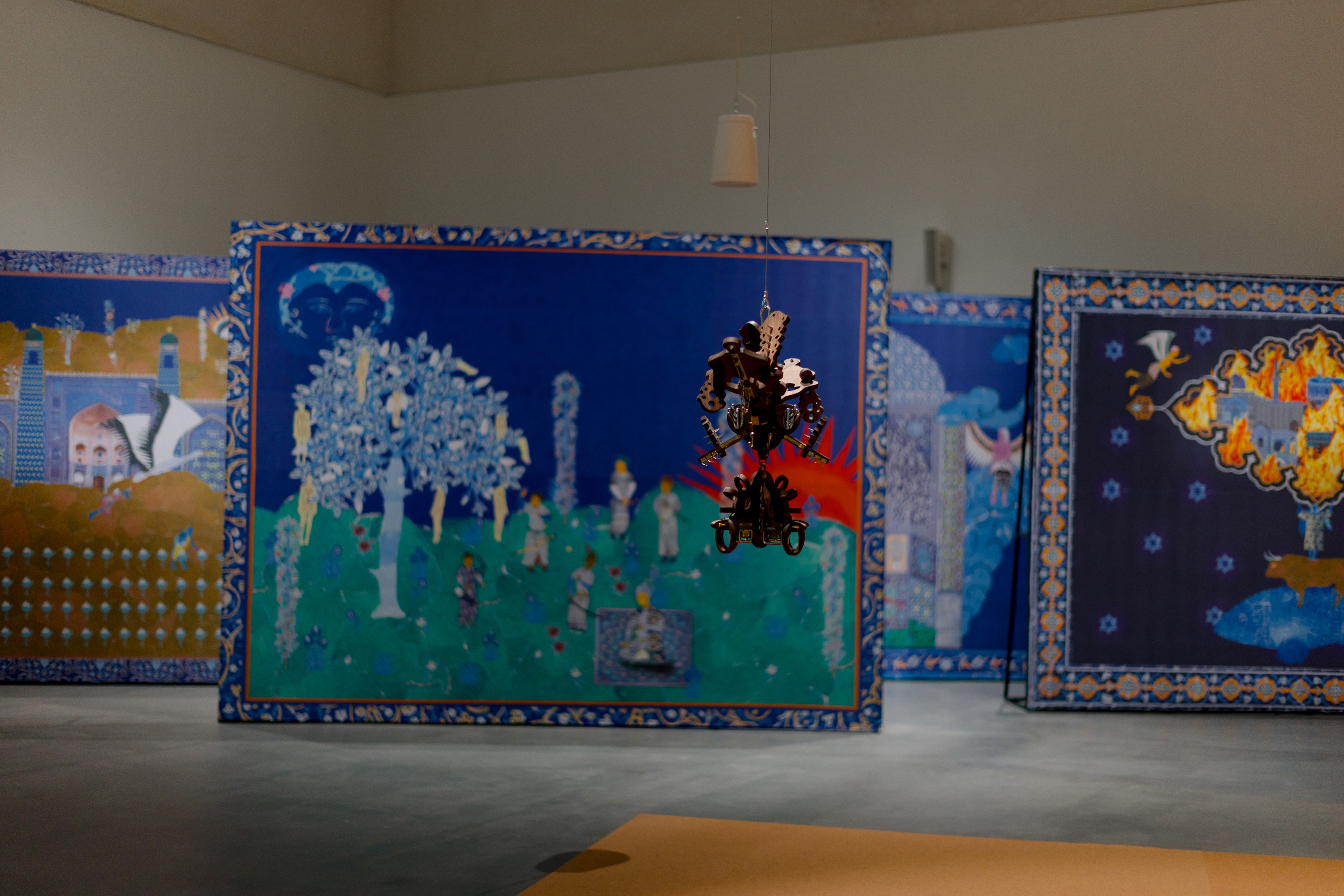
Radina Yassuyeva
In the work of Kazakhstani artist, the female body becomes a site where social expectations collide with personal freedom. Through themes of motherhood, traditional roles and cultural symbols, Yasueva explores inner resistance and the strength required to preserve one’s identity.
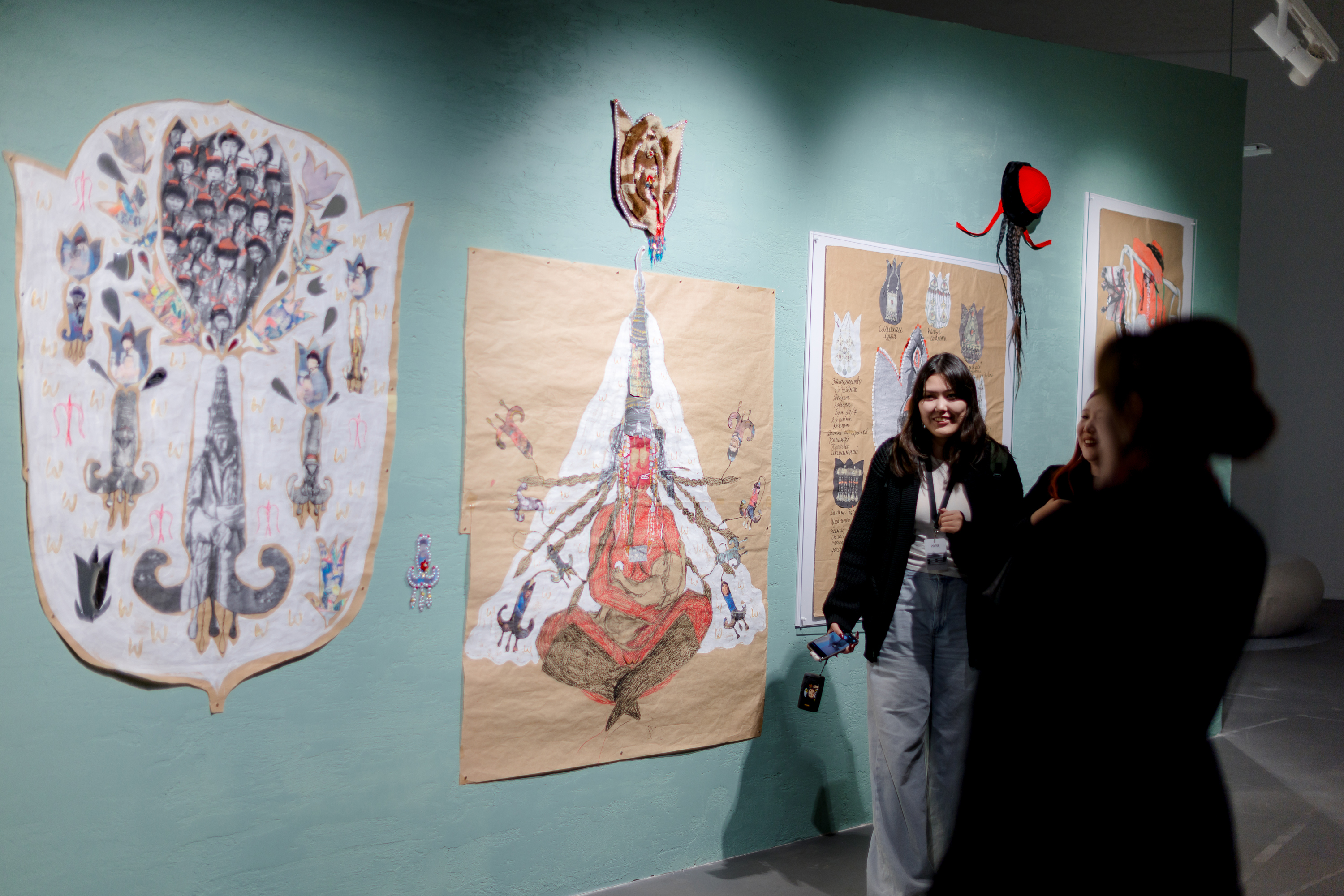
Rajni Perera
Gatekeeper is a fantastical hybrid of woman and bird, bringing together Sri Lankan mythology, ancestral memory and ecological imagination. Through this figure, the artist reflects on motherhood, migration and the search for a future capable of sustaining life.
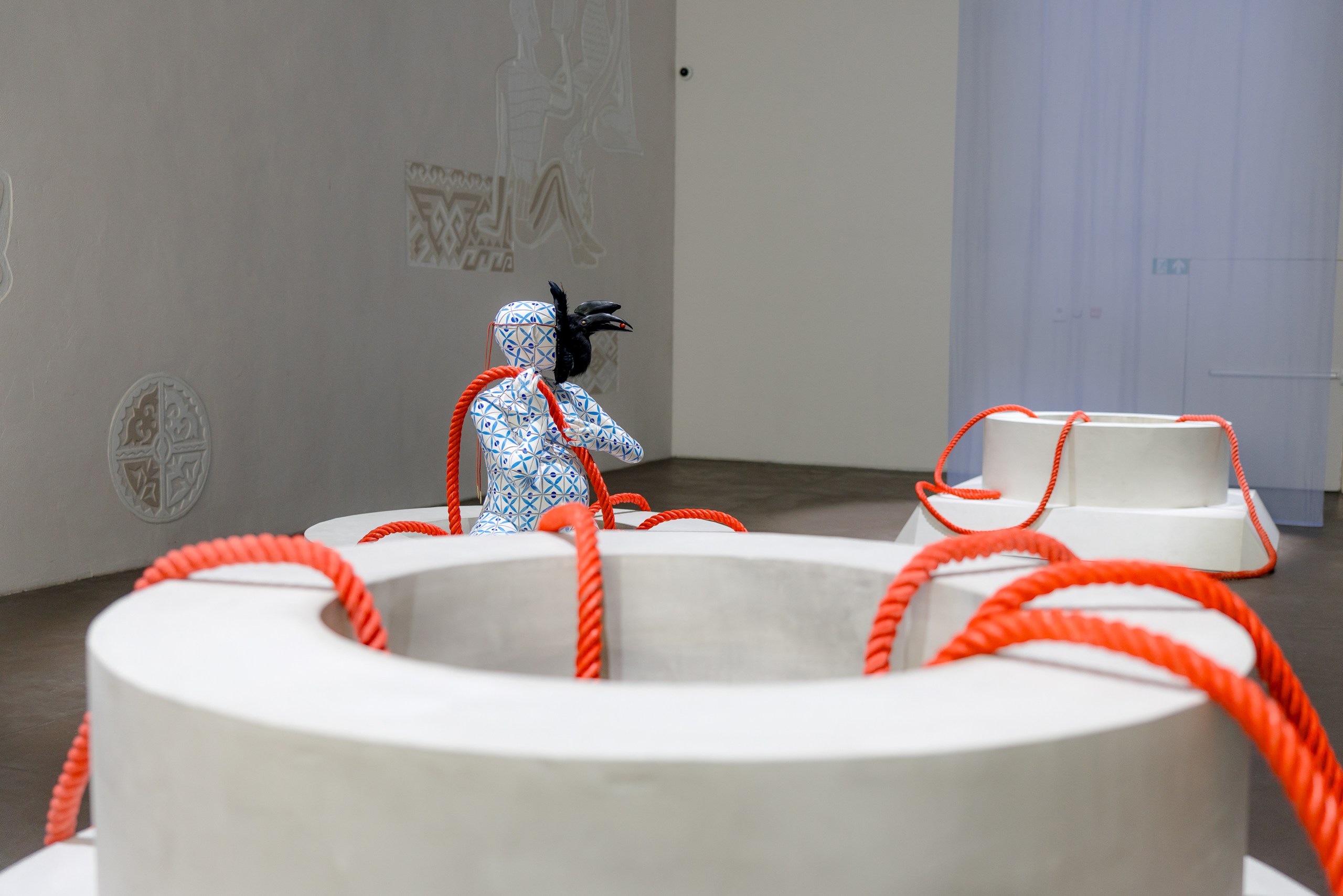
Rithika Pandey
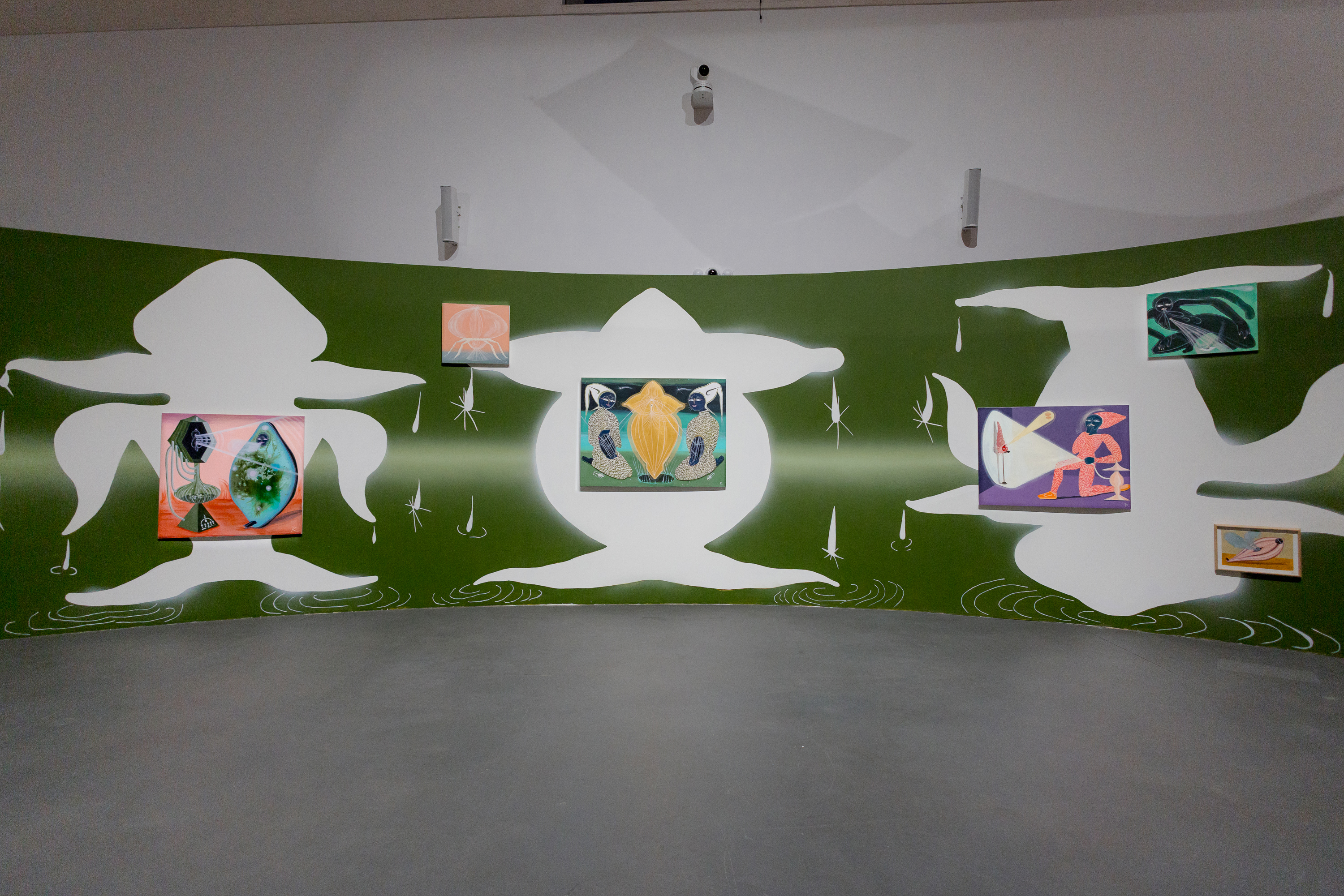
In her paintings, the artist creates speculative worlds in which mythology, technology and natural forces give rise to new forms of life. Her heroines and hybrid beings invite us to imagine a future beyond the familiar boundaries of the human body and linear time.
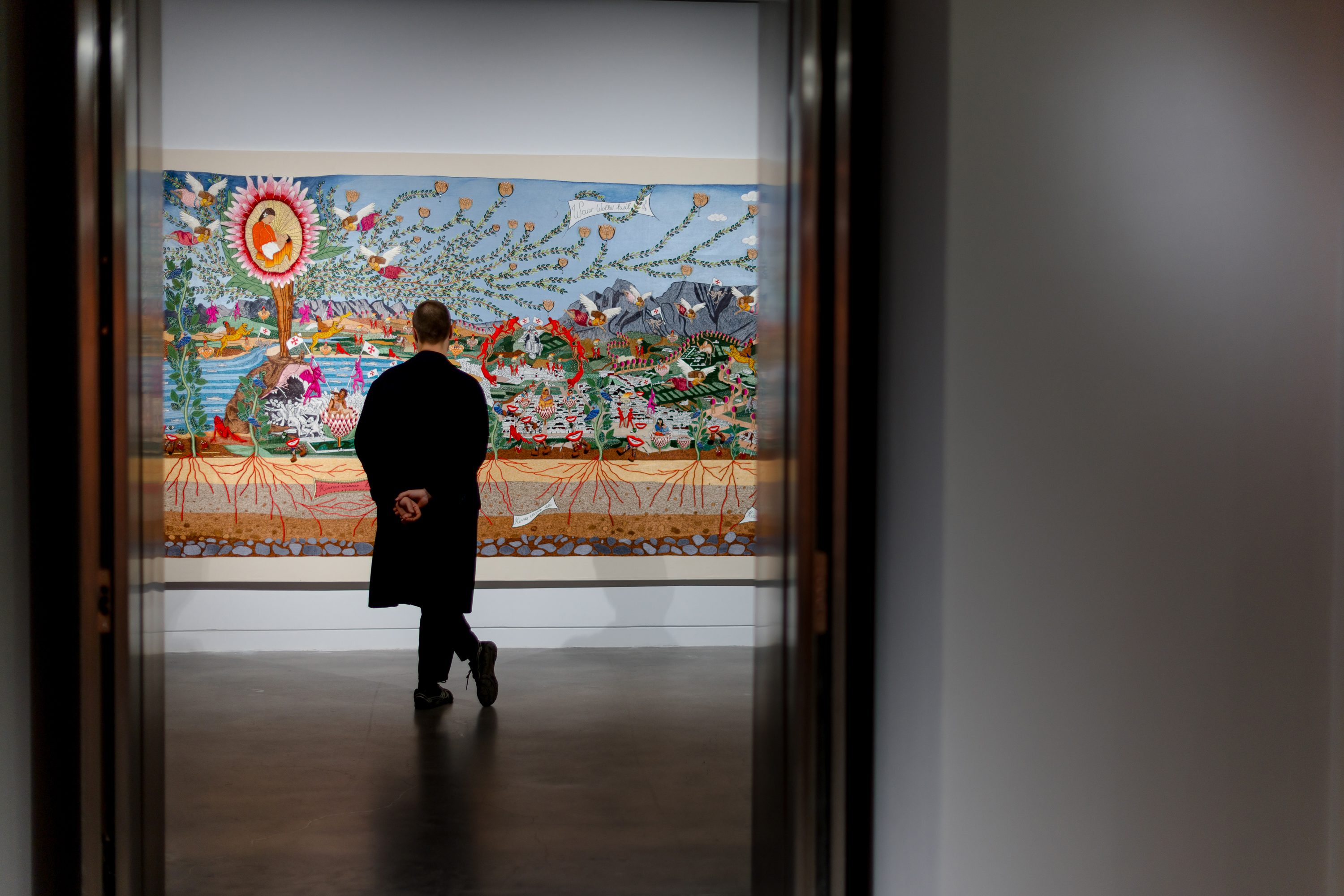
Thania Petersen
Embroidered textiles and performance connect South Africa, Indonesia and Central Asia through oral histories, music and ancestral memory. The artist explores the legacy of forced displacement, the bonds between women and the traditions that continue to live through transmission from one generation to the next.
Umida Akhmedova
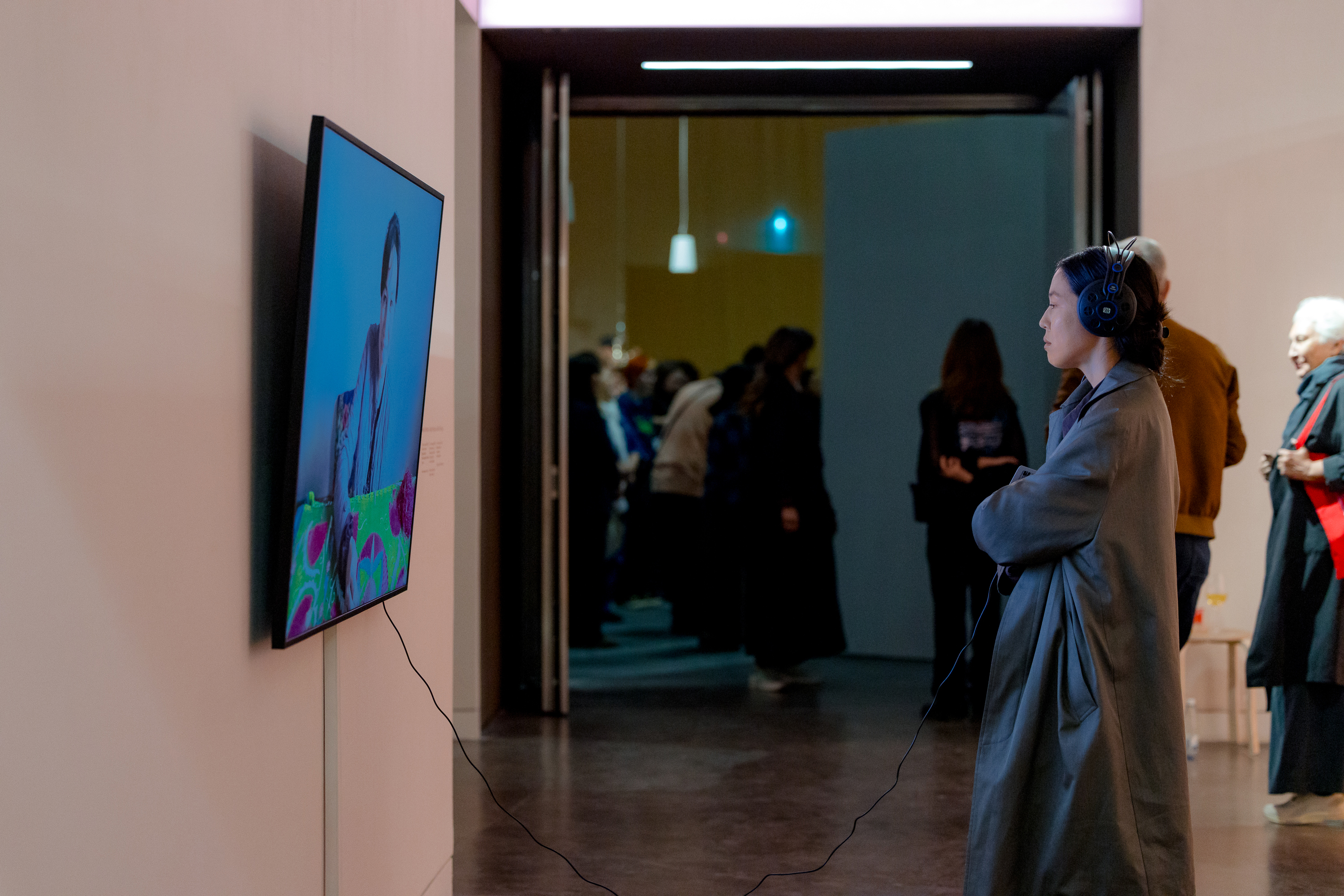
In the documentary video MI: Mission Impossible, created in collaboration with Zilola Saidova, women from remote villages in Uzbekistan speak about unfulfilled dreams and opportunities denied to them. Their personal stories become a reflection on the right to choose one’s own path.
Yelaman Muqtarkhan
In experimental videos, the artist explores gender identity, bodily autonomy and family relationships. By challenging familiar roles and ways of perceiving the body, Muktarkhan creates space for a conversation about acceptance, freedom and the possibility of being seen without prejudice.
Zarina Mukanova
In the audio work Spiritual Steppe, the steppe emerges as a living landscape of kinship, movement and memory. The artist’s voice invites listeners to tune in to the rhythms of the earth and to understand belonging not as an attachment to a single place, but as an enduring connection between people, ancestors and the world around them.
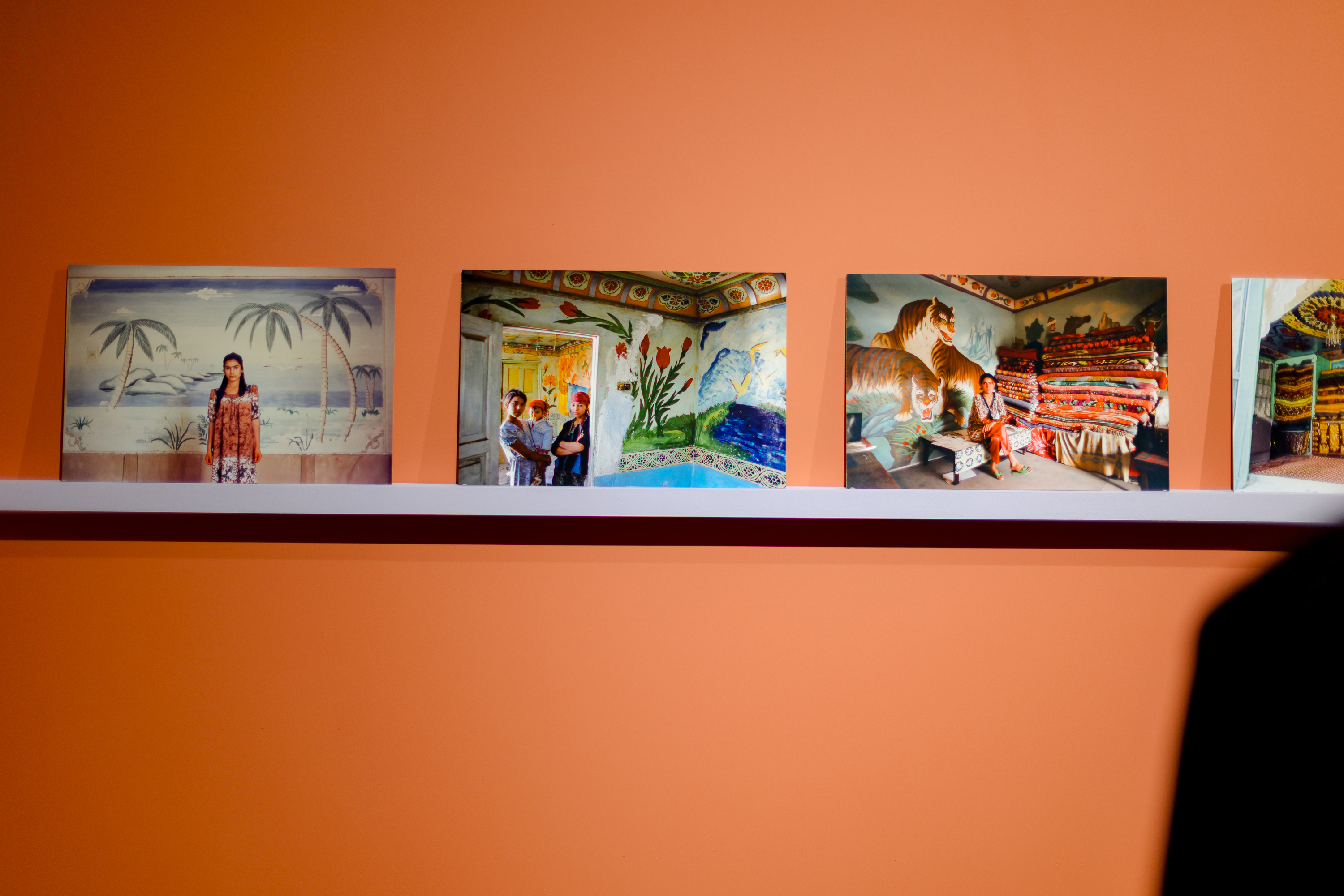
Zilola Saidova
In her series Guardians of Walls, the photographer documents the interiors of homes belonging to women from the Mugat community in Central Asia. Painted walls and domestic spaces bear witness to cultural identity and everyday life, both of which risk disappearing as houses are rebuilt.
Photos courtesy of the press service of the Tselinny Centre for Contemporary Culture
Newsletter
A letter from the HD editors
Once a week, we send the best stories, events, and cultural discoveries from Central Asia.