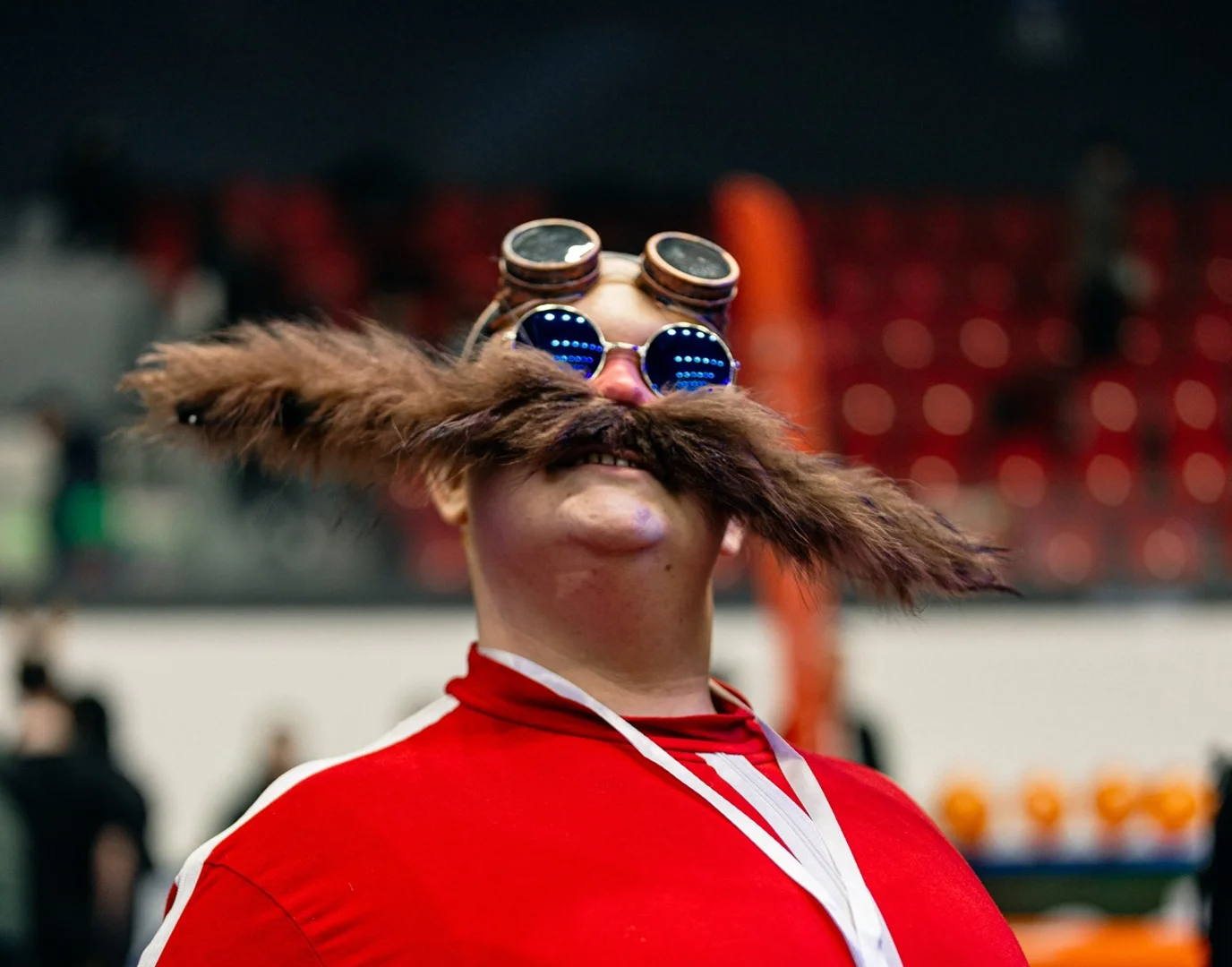
From the first masquerade balls to costume battles at Comic Con, HD Magazine traces how cosplay in Tashkent has grown from three people meeting in a park to a community of thousands of heroes in armour and wigs.
As far back as the 13th to 19th centuries, people were taking on the roles of different heroes, from mythological characters to historical figures. Following the Venetian tradition, they dressed up as animals or played archetypal characters such as Columbina and Harlequin. You could find them at masquerade balls. Of course, those balls were a far cry from today's cosplay festivals, but the idea was surprisingly similar: for one day, hide behind a character and allow another side of yourself to emerge through someone else.
There are plenty of differences between a ball at the court of Marie Antoinette and Comic-Con International. Cosplayers create their own looks, working with vast lengths of fabric, papier-mâché and sophisticated materials such as EVA foam. The stuff can haunt fans' dreams long after the latest parade is over. At court, meanwhile, fashionable ladies rarely managed without the help of dressmakers and milliners. The balls were an elite pastime. Cosplayers, on the other hand, can be anyone from train conductors to neurosurgeons. And the level of commitment is on another scale altogether. A ball was a one-off occasion, while for a cosplayer, a character can become part of everyday life.
From Worldcon to Japan: The Origins and Evolution of Cosplay
Modern cosplay culture did not appear overnight. At the earliest Worldcons, science-fiction conventions, people were already turning up in costumes inspired by characters from books, films and comics, although this was still something of a rarity. The real boom in costume festivals came in Japan. Manga and anime became firmly embedded in everyday culture, and you could see everyone from schoolgirls clutching manga volumes to serious-looking men in suits.
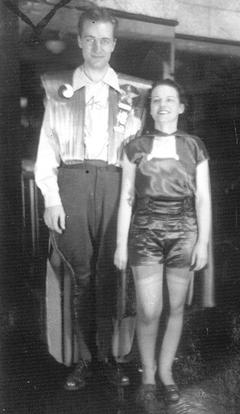
Myrtle Douglas and Forrest J Ackerman in their “futuristic costumes” at the first World Science Fiction Convention, Worldcon, in New York, 1939.
Costuming as favourite characters was, of course, mainly a youth phenomenon. Inspired by manga and anime, fans were already turning up at events such as Comiket in elaborate, meticulously crafted costumes by the late 1970s. They took part in parades and stayed in character. The bar for quality has only risen since then.
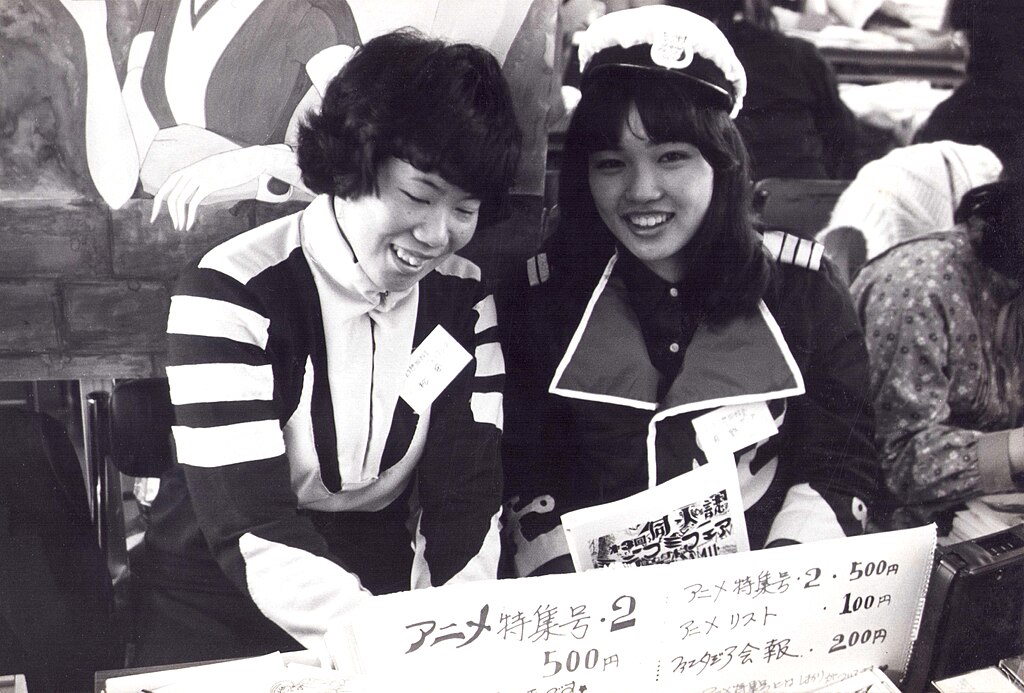 Photo: Labyrinth78
Cosplay inspired by the anime Space Battleship Yamato at Comiket 8, April 1978. Photo: Labyrinth78
Expanding the Boundaries
In the 1990s, cosplay festivals began spreading around the world. Comic Con, Anime Expo and Gamescom emerged in Europe and the United States; Hinode and Igromir in Russia and the CIS; Cosplay Mania in the Philippines; ChinaJoy in China. Despite the growing popularity of geek culture, Uzbekistan had to wait until the late 2010s for its first festivals to appear.
Level One: Three People in a Park
Sometimes it feels as though the days when loving anime could get you picked on are long gone. In reality, that was only about fifteen years ago. The Japanese pop-culture community was already thriving online, but anime fans were barely recognisable offline. Perhaps there was a badge on a backpack or an anime opening used as a ringtone. Old-timers remember it well: “If we somehow managed to get three people together in a park, that was a major event!”
Marvel fans were only just discovering the first phase of the Marvel Cinematic Universe with Iron Man. The frenzy surrounding the Infinity Saga was still a long way off. Superhero figures were mostly something you'd find in toy shops, while the comics that you can now pick up in an ordinary Korzinka supermarket were hardly mainstream reading.
The audience grew up, and “geeks” gradually stopped being seen as strange. Pokémon fans were buying tickets to see Spider-Man with their own money rather than saving up from their school lunch money. The hobby grew up with its fans, and cosplay slowly became more accepted.
Then came lockdown.
With people looking for something, anything, to occupy themselves, many turned to geek culture: anime series, cinematic universes and tabletop games. For some, it was simply a way to pass the time while stuck at home. For others, it was an introduction to the pleasures of fictional worlds, where they decided to take up permanent residence.
There were still three years to go before Uzbekistan's first major festival.
Geek Con 2023: The Curtain Goes Up
On 24 September 2023, the Alpomish Ice Palace became the venue for Uzbekistan's first major geek-culture festival, Geek Con. It arrived with DJ sets, orchestral themes from films, an artists' alley packed with merchandise, retro games and photo zones.
Characters from all kinds of universes took over the ice palace. Groups of Genshin Impact characters moved from one photo zone to another, the forces of light and darkness from Star Wars faced off in battle, while a whole host of anime characters admired one another's costumes and weapons crafted by hand.
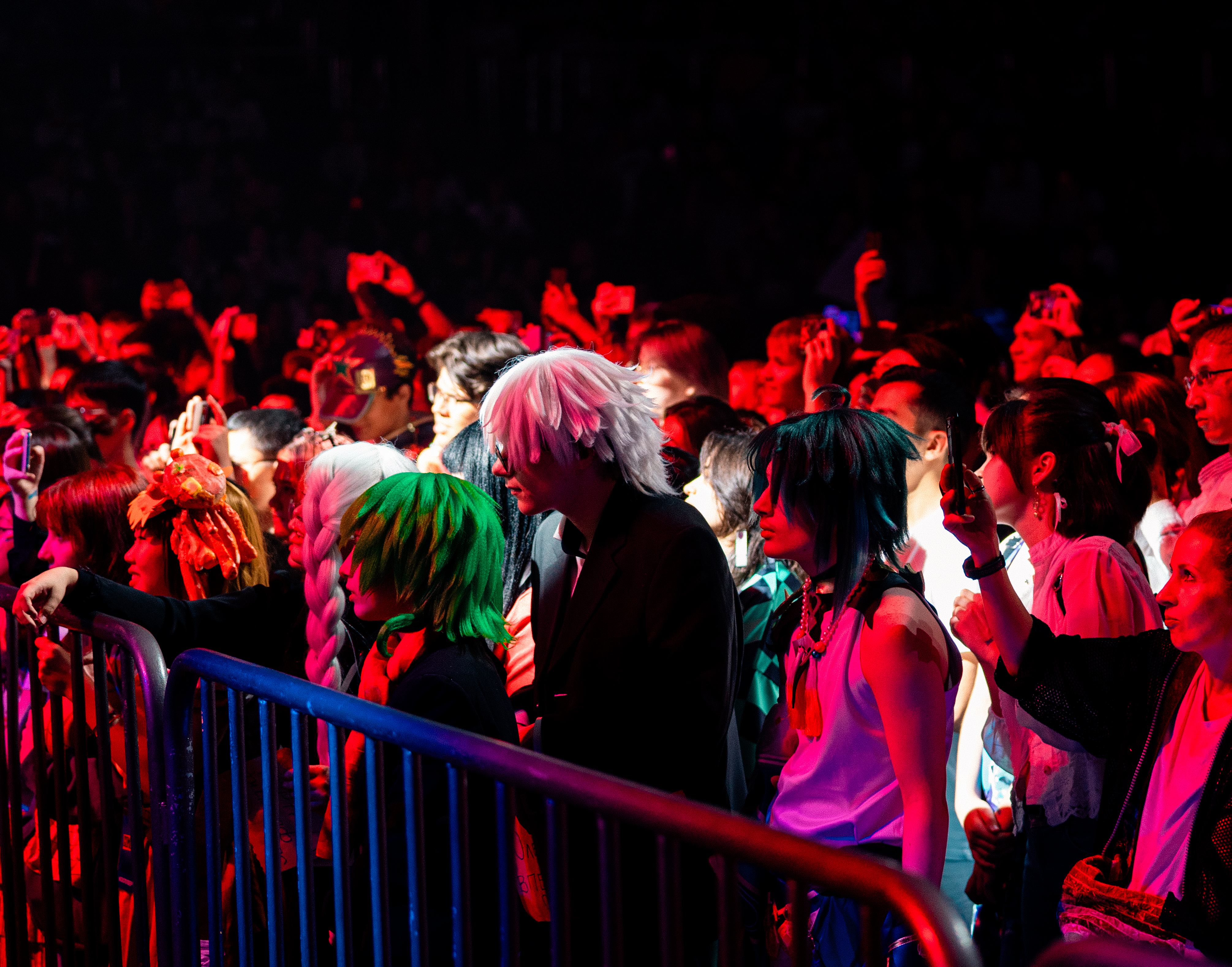 Photo: Timur Kholmatov
Comic Con 2024 Festival in Tashkent. Photo: Timur Kholmatov
At the height of the festival, stars of the Russian dubbing world took to the stage: Aleksandr Gavrilin, Islam Gandzhaev, Ivan Chaban and Nikita Moiseyev. They talked about their careers, chatted with fans and delivered iconic lines. The audience responded with pure delight.
The cosplay parade drew a huge crowd. Participants presented their characters, danced and threw themselves into their roles. The judges delivered their verdict, and the winners went home with cash prizes.
The first festival only left people wanting more. The sequel did not take long to arrive.
Comic Con Tashkent 2024: Going Full Scale
On 15 and 16 June 2024, Humo Arena was completely taken over by geeks as Tashkent hosted its first official Comic Con. A huge marketplace, artists' alley, themed zones and D&D battles all became part of an atmosphere unlike anything the city had seen before.
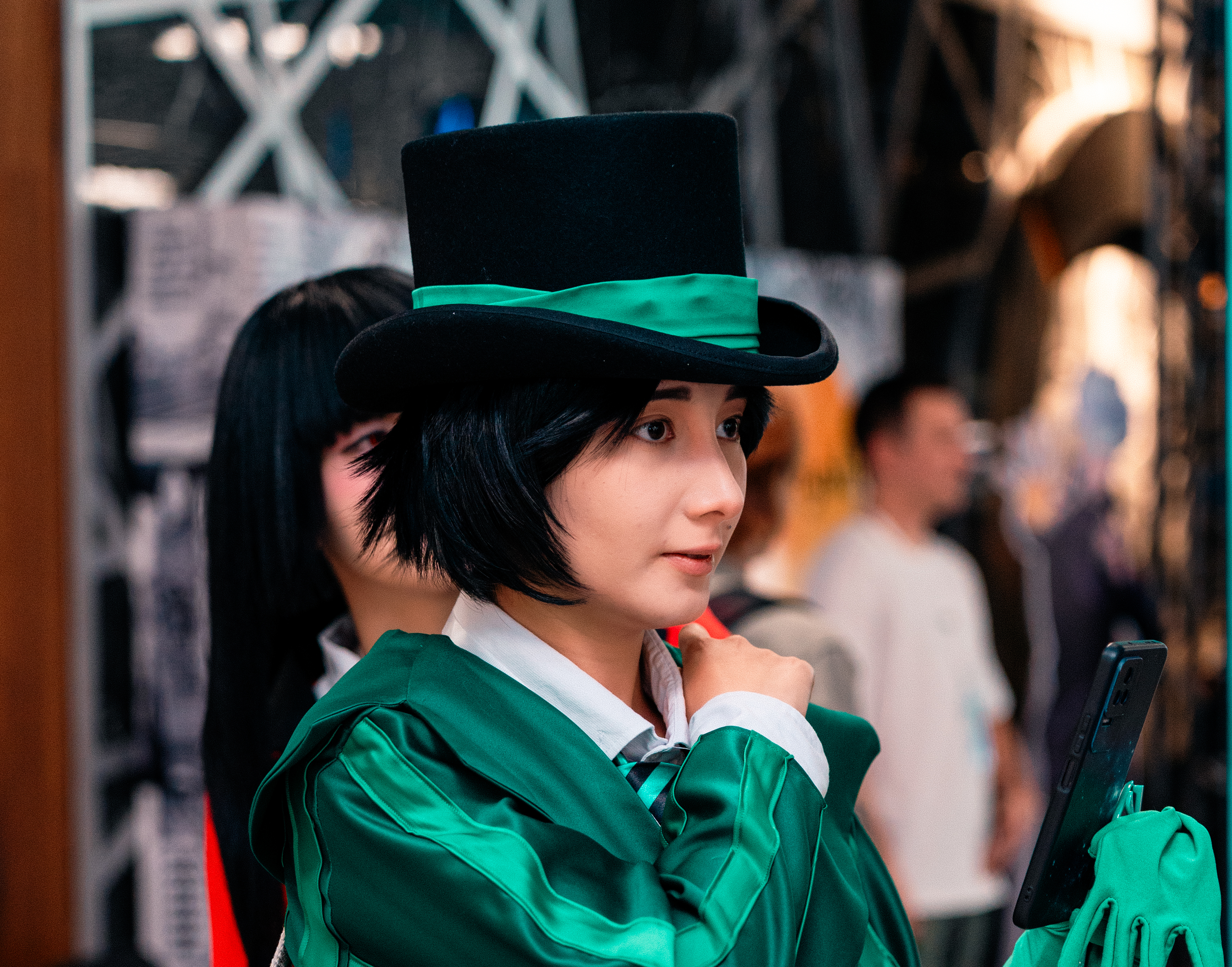
Comic Con 2024 Festival in Tashkent. Photo: Timur Kholmatov
Security staff sent knights through metal detectors and carefully inspected blasters and swords. The festival was so big that at times it spilled out onto the streets around the arena, with passers-by stopping to stare at visitors from other universes. Some looked baffled. Others were clearly intrigued.
The heart of the event was the cosplay competition. On the first day, group performances brought choreography, vocals and acting to the stage, turning scenes from films, games and anime into miniature live productions. The solo performances continued into Sunday evening.
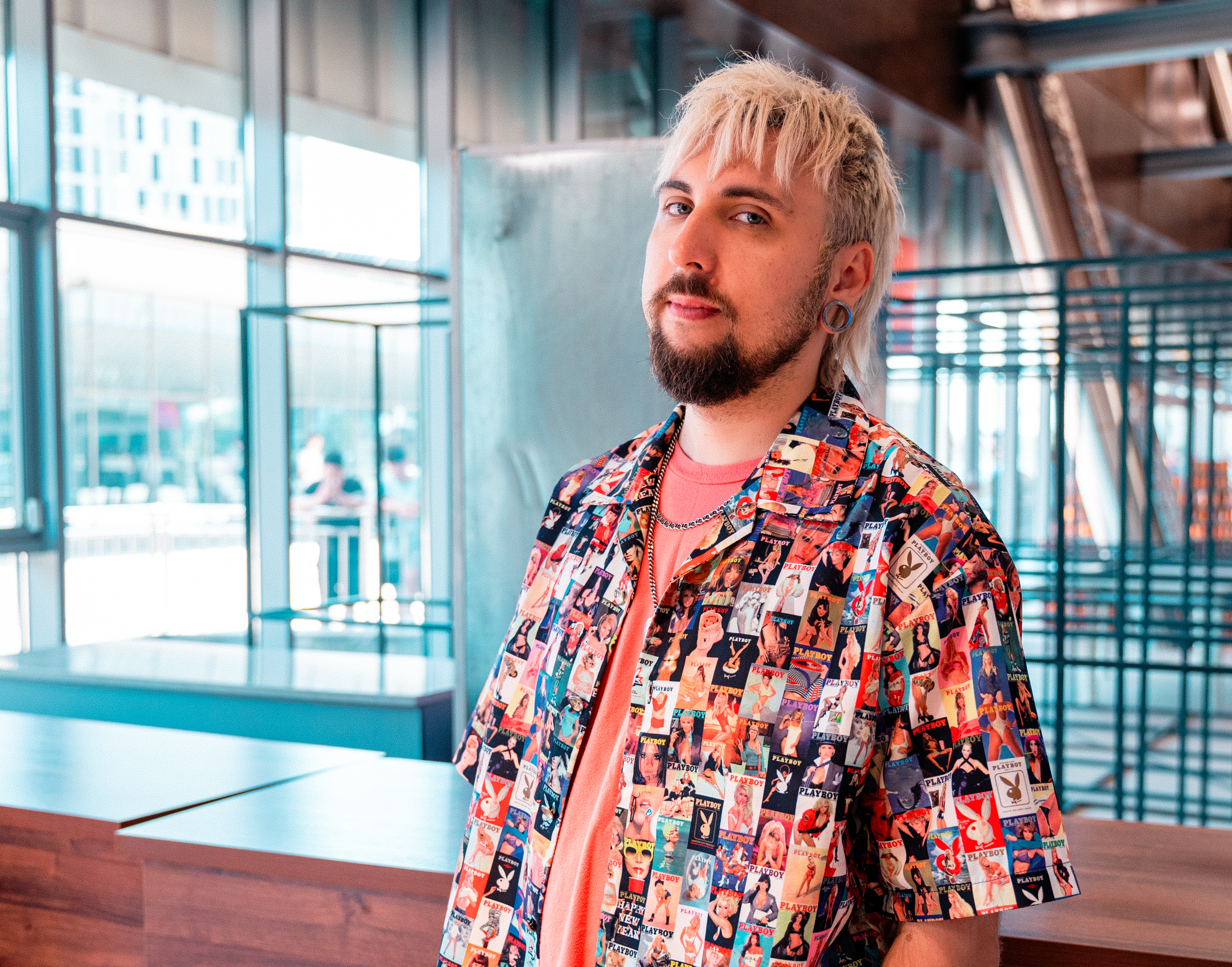 Photo: Timur Kholmatov
Blogger Max +100500 at Comic Con 2024 in Tashkent. Photo: Timur Kholmatov
The festival's guests were another major attraction, including well-known bloggers Maks +100500 and “Ugolok Akra”, as well as some of the biggest names in dubbing. Evgeny Ivanov broke hearts with the line, “You were my brother, Anakin!”, while Pyotr Glants went full Deadpool, signing posters without a pause.
Comic Con cemented its success: bigger scale, sponsor support and plenty of media coverage. Enthusiastic fans stepped out of the shadows and claimed their place in the city's cultural landscape.
Geek Con 2: To Be Continued
The success of the debut quickly got a sequel. In December 2024, Geek Con 2 returned to Alpomish Palace, only bigger, busier and louder.
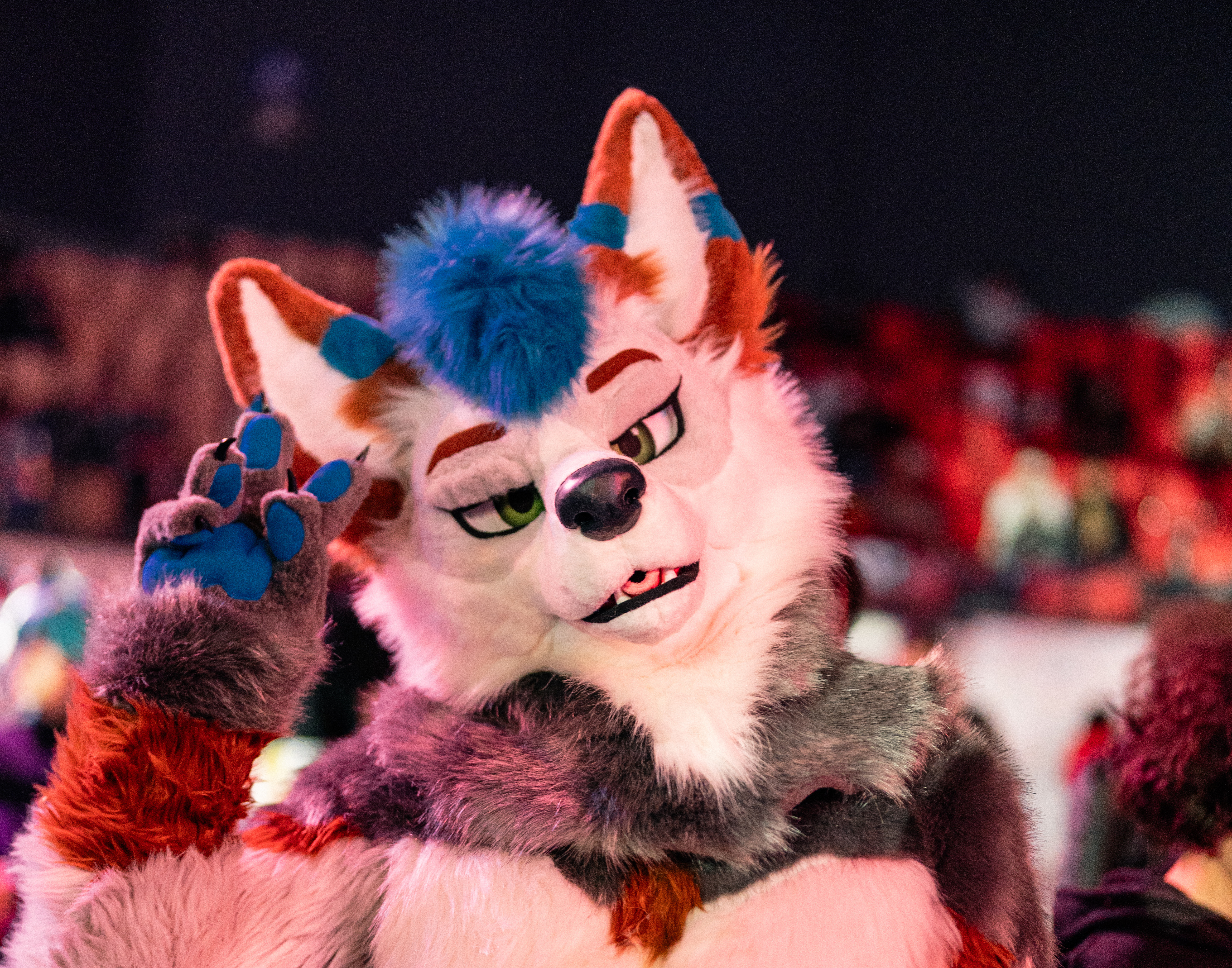 Photo: Timur Kholmatov
Geek Con 2024 Festival in Tashkent. Photo: Timur Kholmatov
This time, Tashkent welcomed Lina Ivanova and Ivan Zharkov. The former proved to festival-goers that it is “LeviOsa”, not “LeviosA”, while the latter unsuccessfully searched for his Mjölnir among the many treasures on display. For serious anime fans, there was also a special appearance by Vyacheslav Kozlov, who spoke about the early days of anime dubbing.
Once again, the most eagerly awaited moment was the cosplay parade. Warriors, heroes and villains of every description took to the stage, bringing everything from short sketches to full-blown dance performances to life. An atmosphere of freedom and creativity filled the venue. A year earlier, it had been a first step. Now it was a confident stride forward.
Life Between Festivals
Cosplay does not disappear when the festivals end. Between events, the city's cosplayers keep the scene alive, making sure their creations do not gather dust and their wigs do not lose their shine. They get together, organise competitions and simply hang out.
Kitsune café holds anime-themed weeks, offers discounts to cosplayers and runs quizzes and workshops. It is a safe space for geeks: 100% understanding, 0% judgement.
But it is not all perfect.
In August 2024, the atmosphere at a cosplay competition organised by Nishtyaki shop at Riviera shopping centre was disrupted by an unexpected visit from law enforcement. Participants, including minors, were taken to a police station. No violations were found, but the incident left a bitter aftertaste. Even as cosplay becomes more widely accepted, it can still be misunderstood.
For now, the online world remains a safe haven for the geek-culture community. The Cosplay Art of Uzbekistan Telegram channel is buzzing with activity: announcements of upcoming festivals, finds for cosplayers and themed polls. Most importantly, it hosts online competitions supported by the community, which, despite increasingly stepping into the real world, is still very much “online”.
Who Is Behind the Mask?
Behind every character is a real person. Someone sees a reflection of themselves in a hero. Someone simply loves the style. And someone takes their first steps onto the stage and unexpectedly walks away a winner. HD Magazine spoke to members of Tashkent's cosplay community. Here's what they had to say.
Dali Rakhimkulov: "I Just Wanted to Become Dante"
On stage, he is Dante from Devil May Cry and Major Nechaev from Atomic Heart. Off stage, he is a composer and sound designer for video games, while also completing an engineering degree in oil and gas.
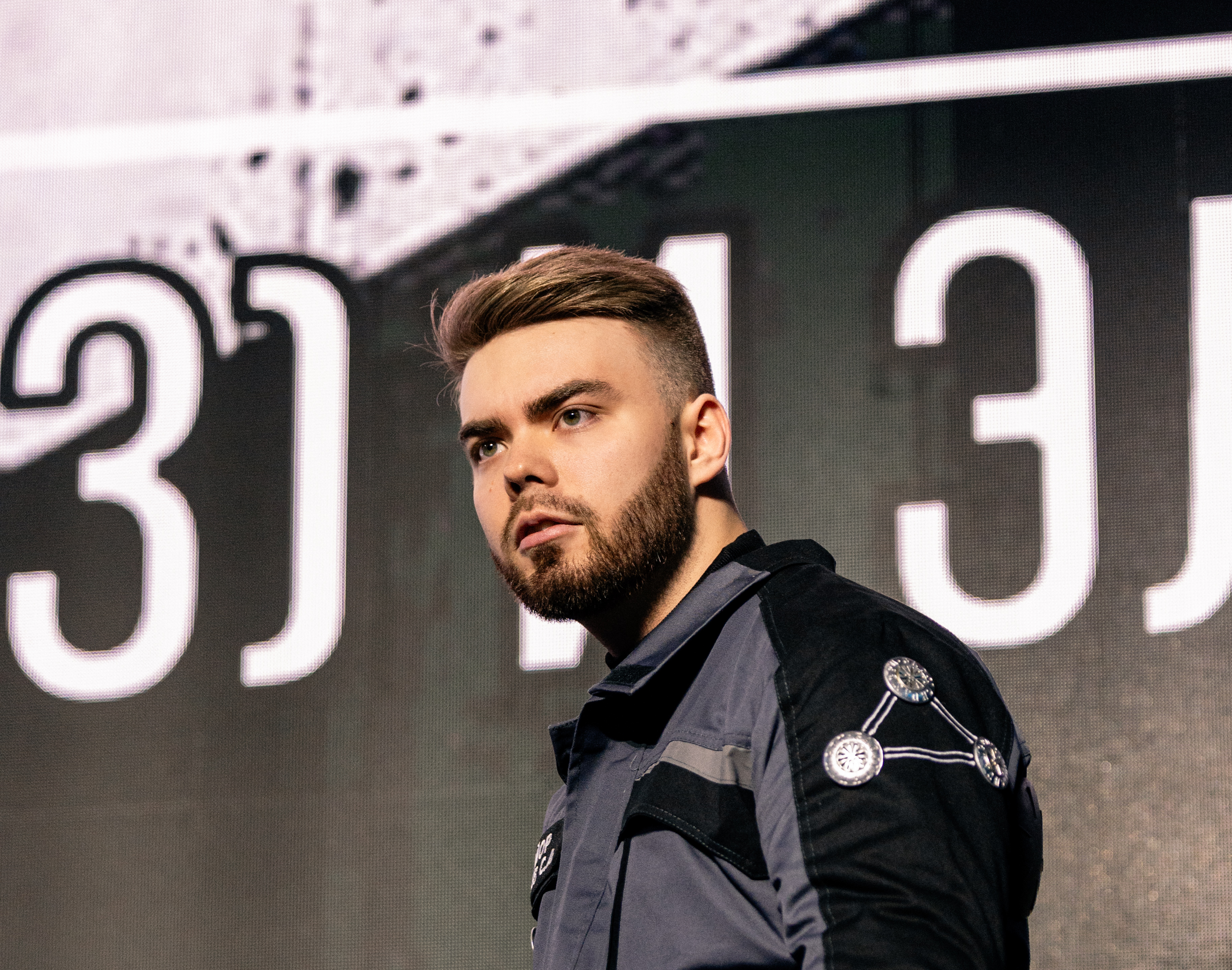 Photo: Timur Kholmatov
Dali Rakhimkulov as Major Nechaev from the video game Atomic Heart. Photo: Timur Kholmatov
Cosplay gives me the chance to feel the character's strength, to experience their aura. I don't make costumes from scratch. I put them together from clothes and individual pieces. Wigs are my personal nightmare: they're hot and uncomfortable, but you put up with it for the sake of the character. The hardest part is finding yourself in the character. But once you do, the stage feels like home.
You can follow Dali's work and costumes on Instagram: @dalirakhimkulov.
Rustam Yunusov: "My Wife Talked Me Into It. Then Everything Changed"
At Comic Con Tashkent 2024, he stormed onto the stage as John Wick and immediately took a prize in the competition. In everyday life, he is a content creator and voice artist who says the festival helped him change careers and find new inspiration.
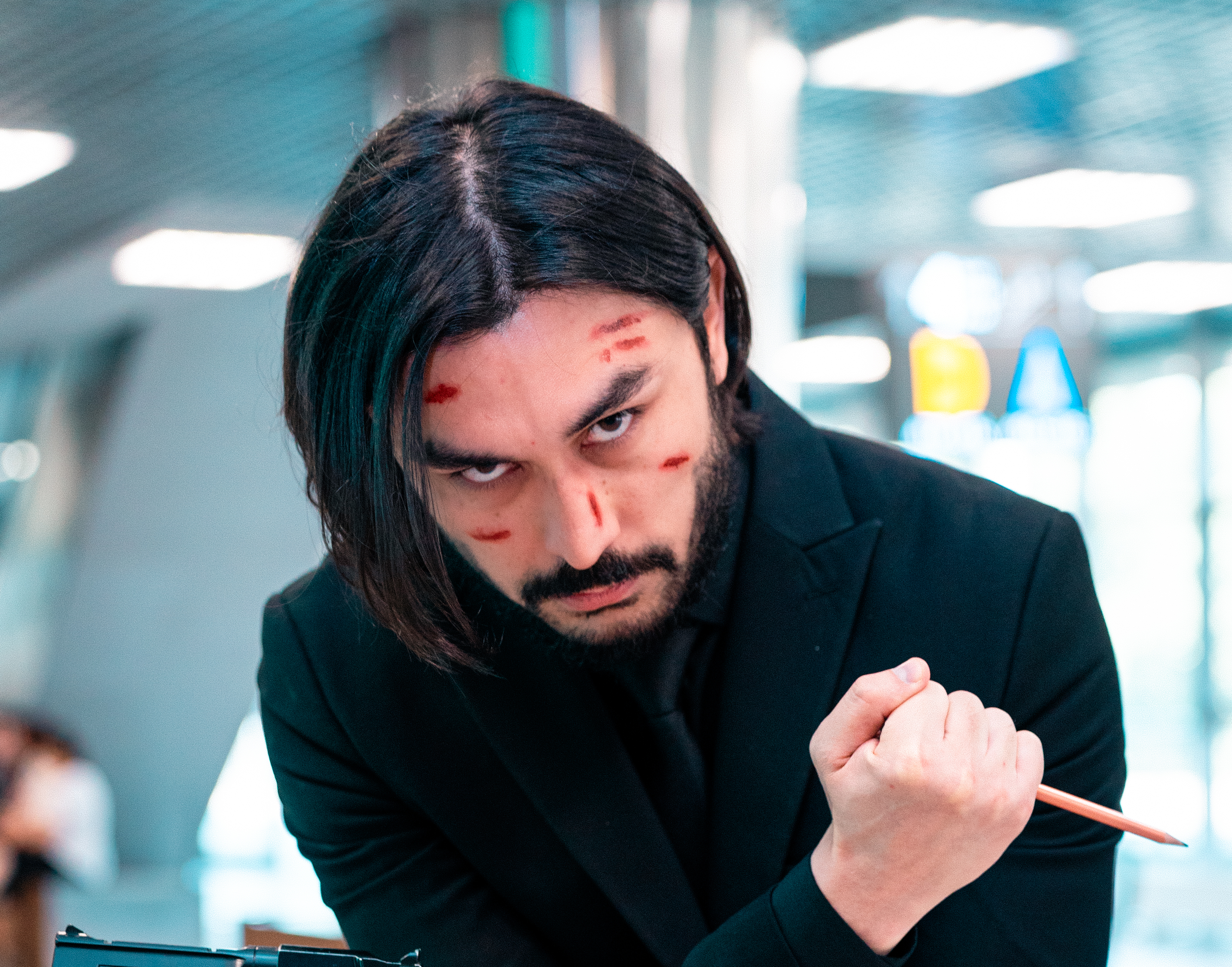 Photo: Timur Kholmatov
Rustam Yunusov as John Wick in the film of the same name.Photo: Timur Kholmatov
I wasn't planning to compete. I just wanted to watch. But my friends kept saying I looked like John Wick. So I had to binge all the films and practise the stunts with my wife. It turned out great, and I was hooked. For me, cosplay is a way of expressing myself, staying active and inspiring other people.
You can follow Rustam's work and costumes on Instagram: @rustam_film.
Final Credits: What's Next?
Cosplay in Uzbekistan is still young, but it is growing fast. There will be challenges ahead and plenty of discoveries, and perhaps some more misunderstanding along the way. But there will also be applause, lightsabers and heroes who do not need a passport because they already have a badge. And this is only the beginning. The post-credits scene is still a long way off.
Cover photo: Timur Kholmatov

Newsletter
A letter from the HD editors
Once a week, we send the best stories, events, and cultural discoveries from Central Asia.