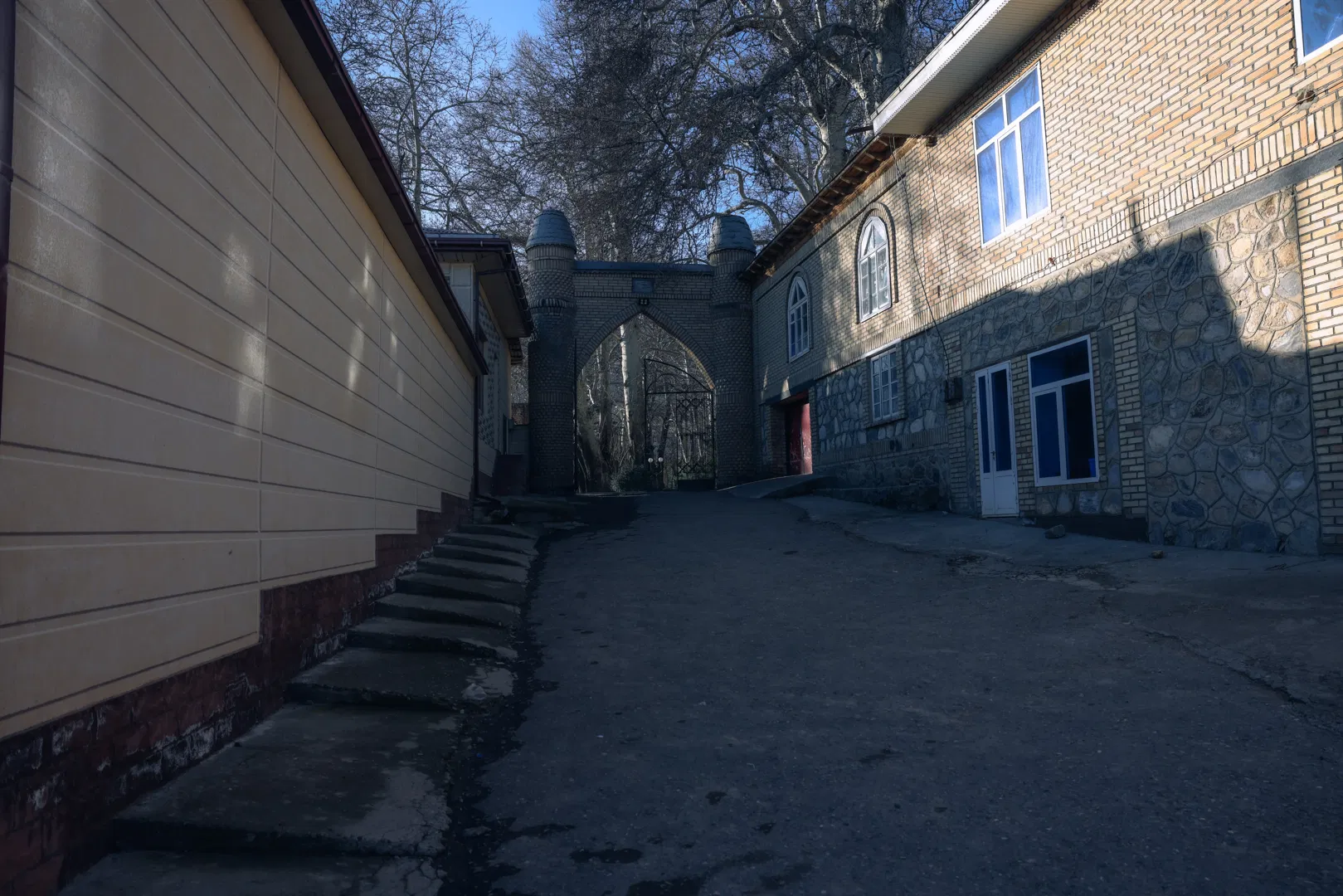
About 40 kilometres from Samarkand lies the ancient town of Urgut, where local tobacco for cigarettes is produced. It is known for its enormous bazaar, which often features in fashionable guidebooks to the country, and for its splendid views of the Zarafshan range. Yet it is something else that draws people here.
 Source: Photo: Ildar SadykovSource: Photo: Ildar SadykovSource: Photo: Ildar SadykovSource: Photo: Ildar Sadykov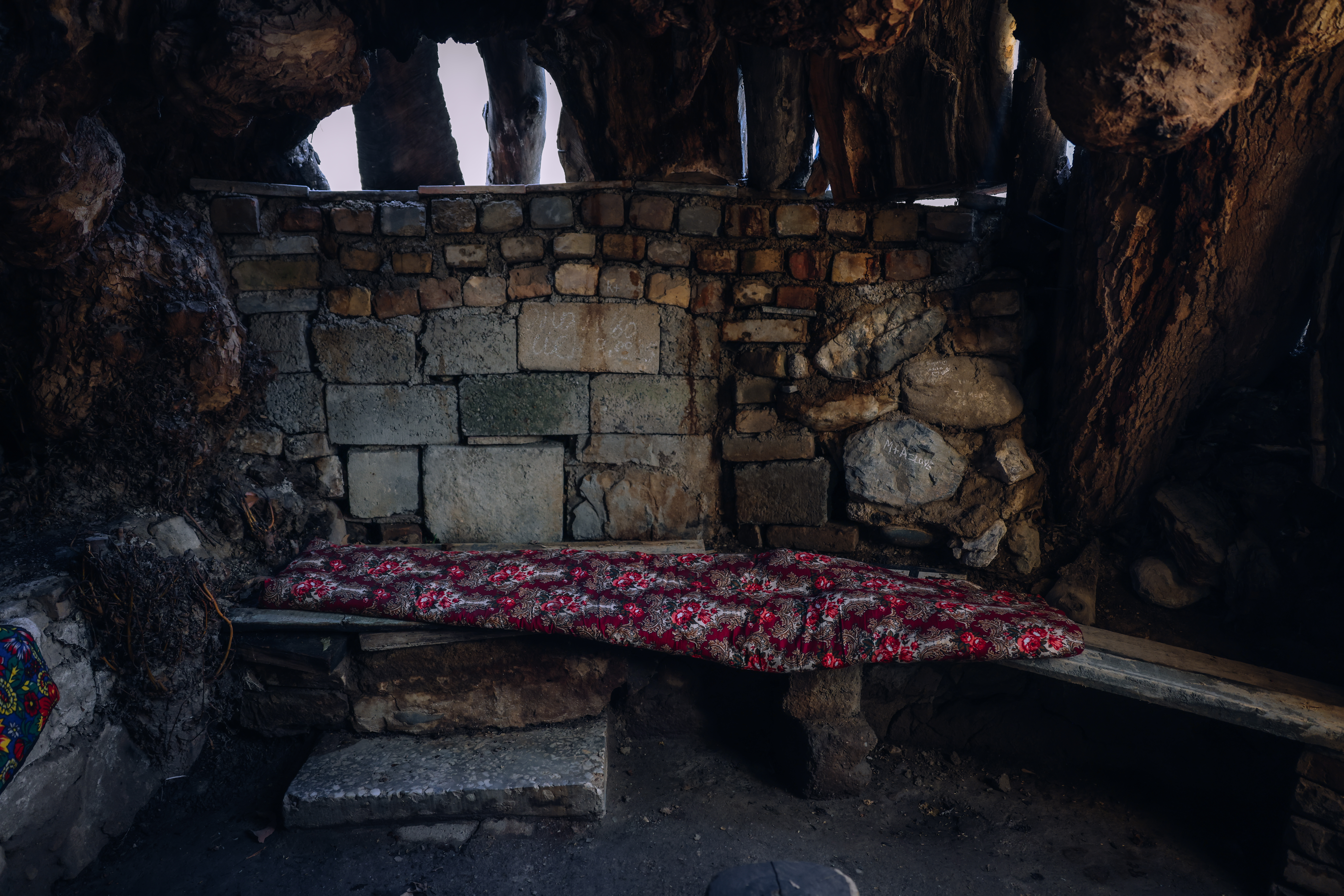
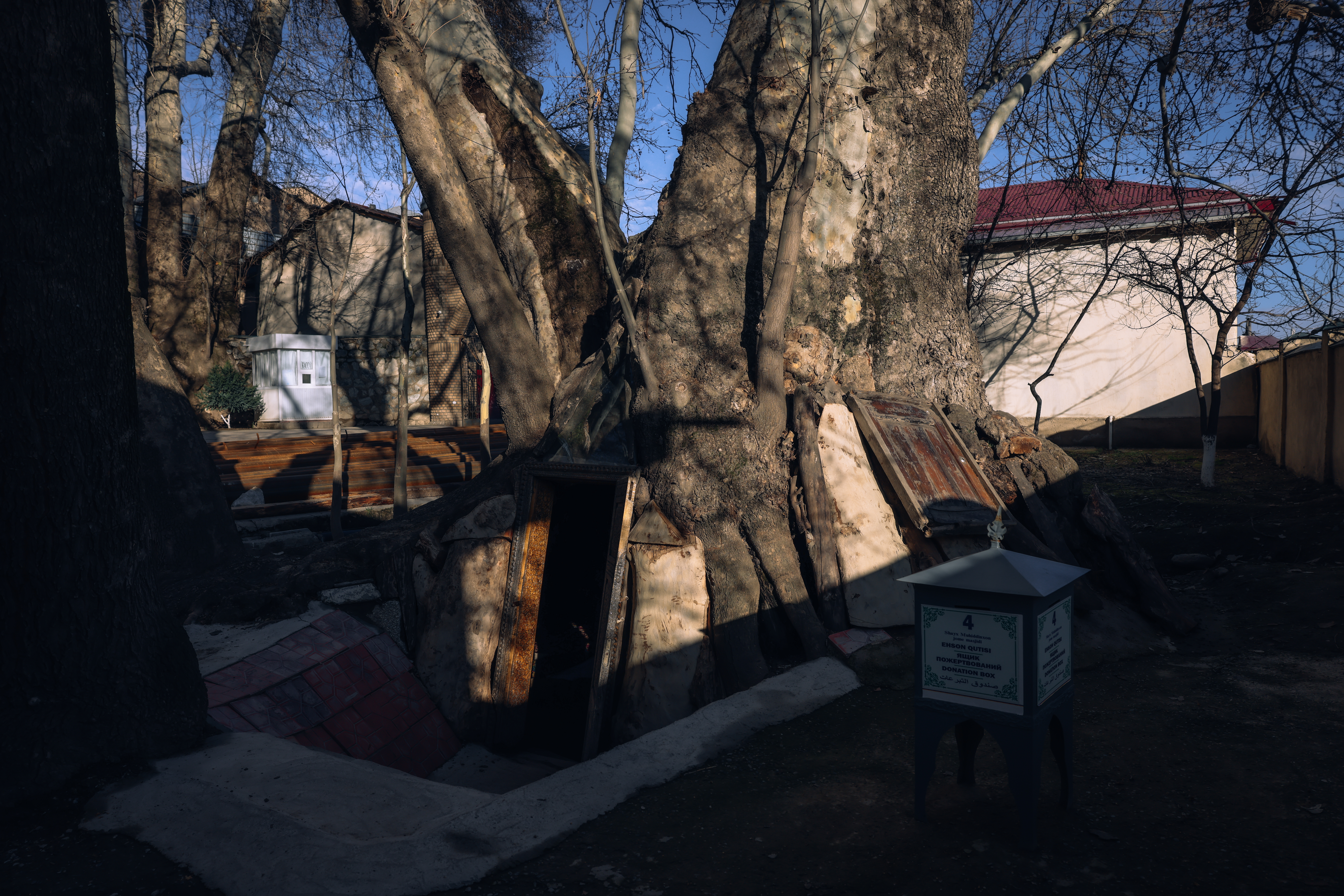
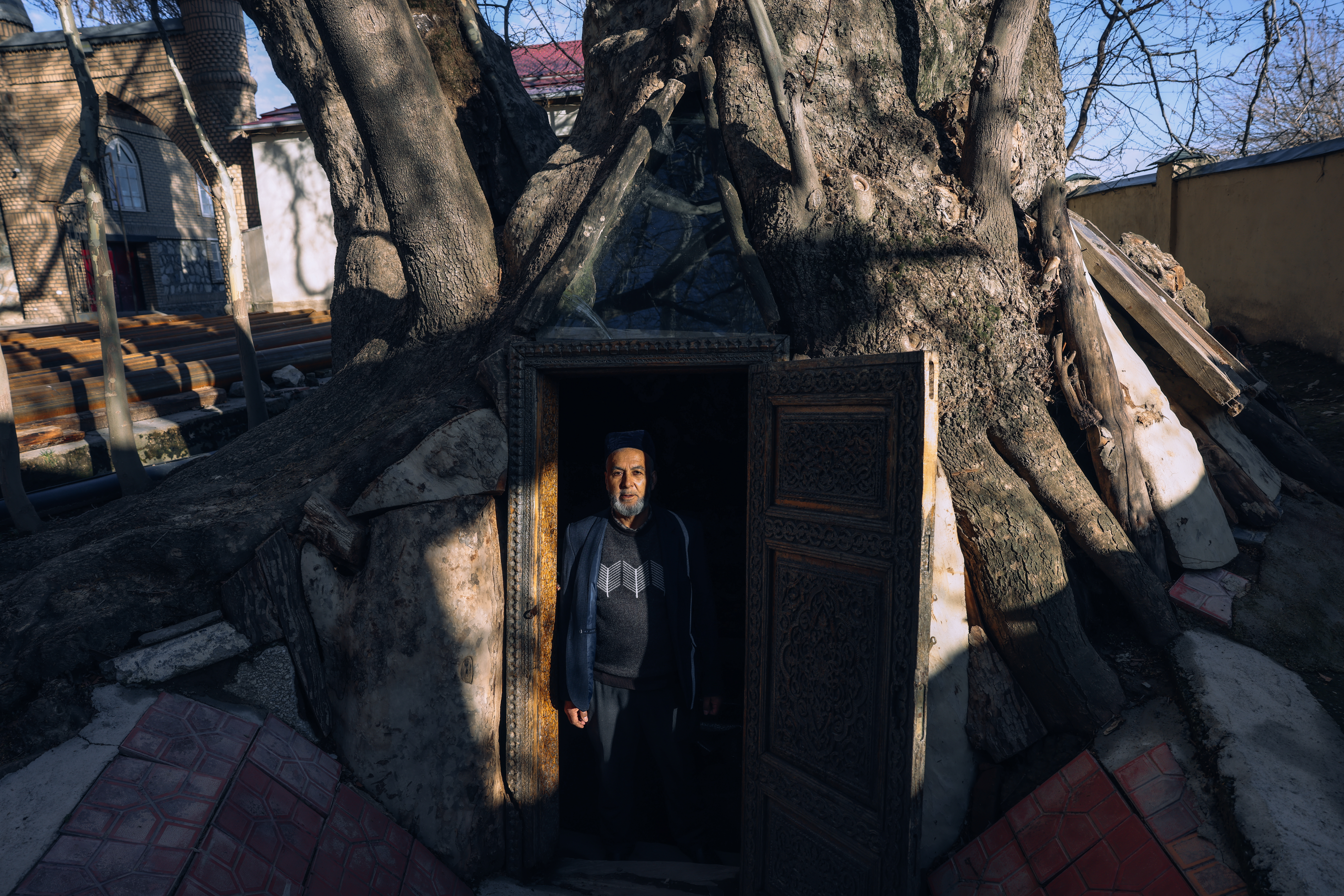
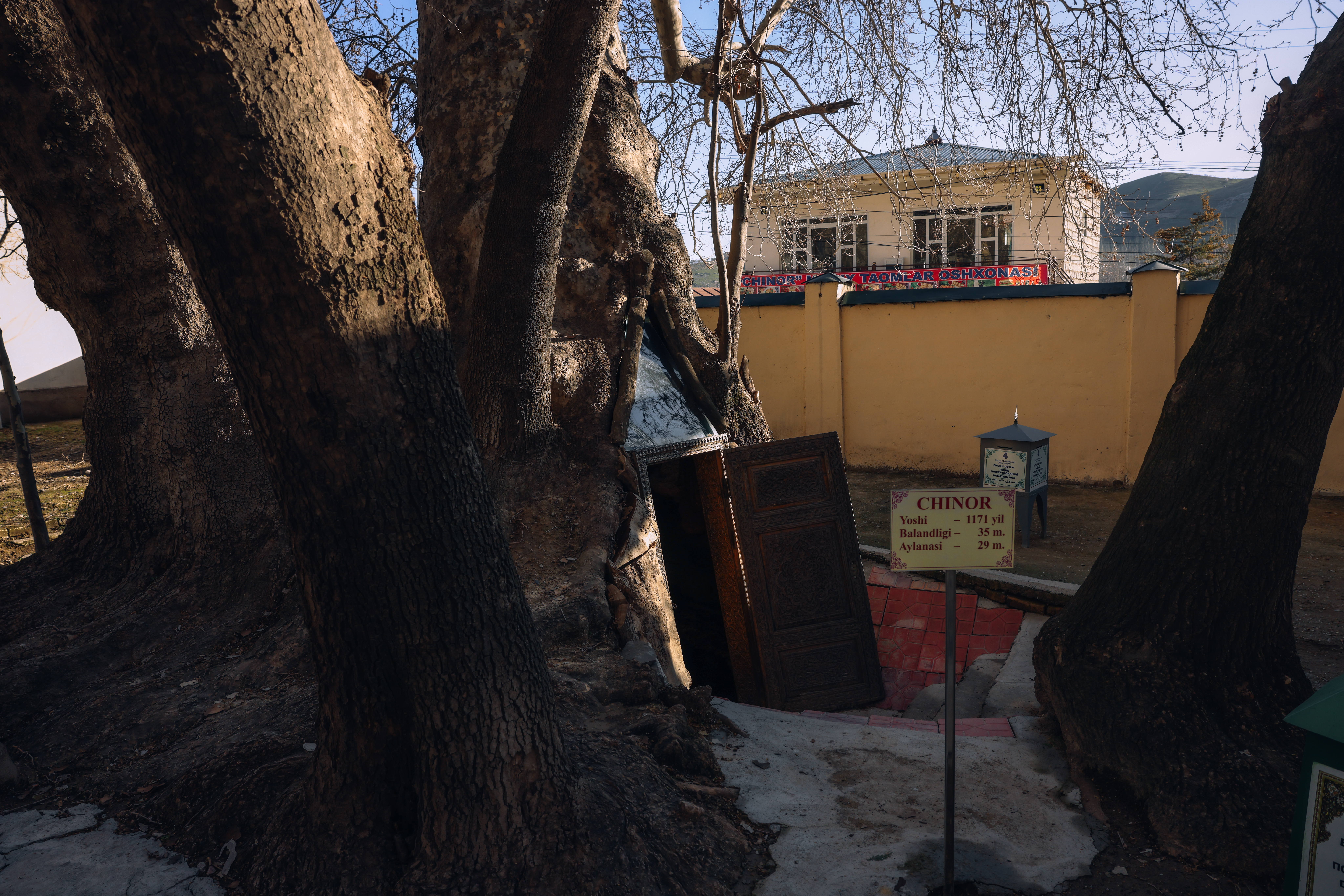
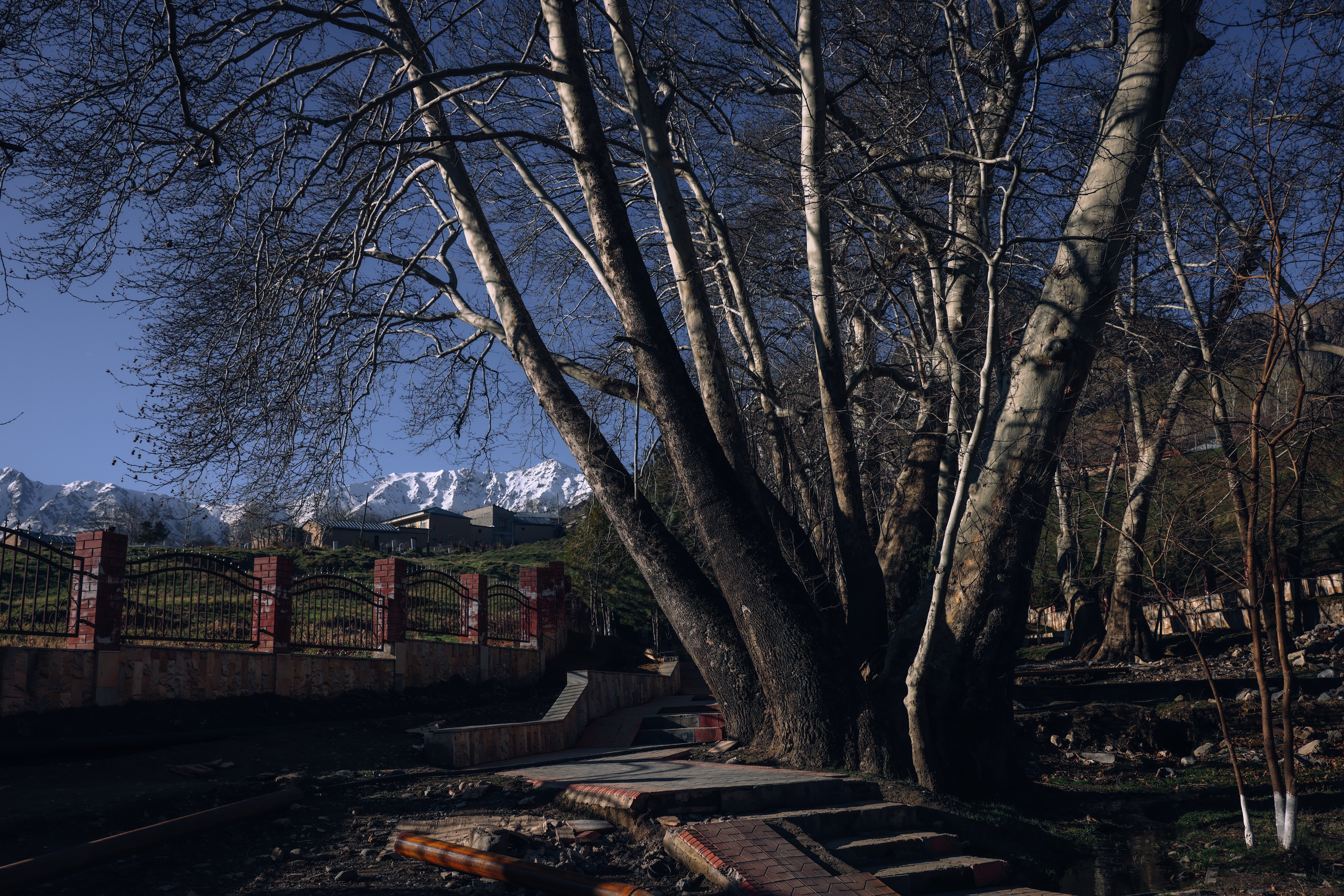
Some five kilometres from the centre of Urgut stands a legendary grove, home to an enormous plane tree sixteen metres in girth. Chor-Chinor means "four plane trees" in Tajik. Today there are far more than four: the grove grew from an entire dynasty of plane trees, and the four named in the title are its founders. The oldest trees are around 1,200 years old, the younger ones around 600.
Inside the largest plane tree is a hollow space that once served as a shelter for a Sufi school. It is said that up to forty people could fit inside. Later, the village elders gathered here. Today pilgrims come instead. An elderly caretaker reads prayers here in exchange for sadaqah.
 Source: Photo: Ildar SadykovSource: Photo: Ildar SadykovSource: Photo: Ildar SadykovSource: Photo: Ildar Sadykov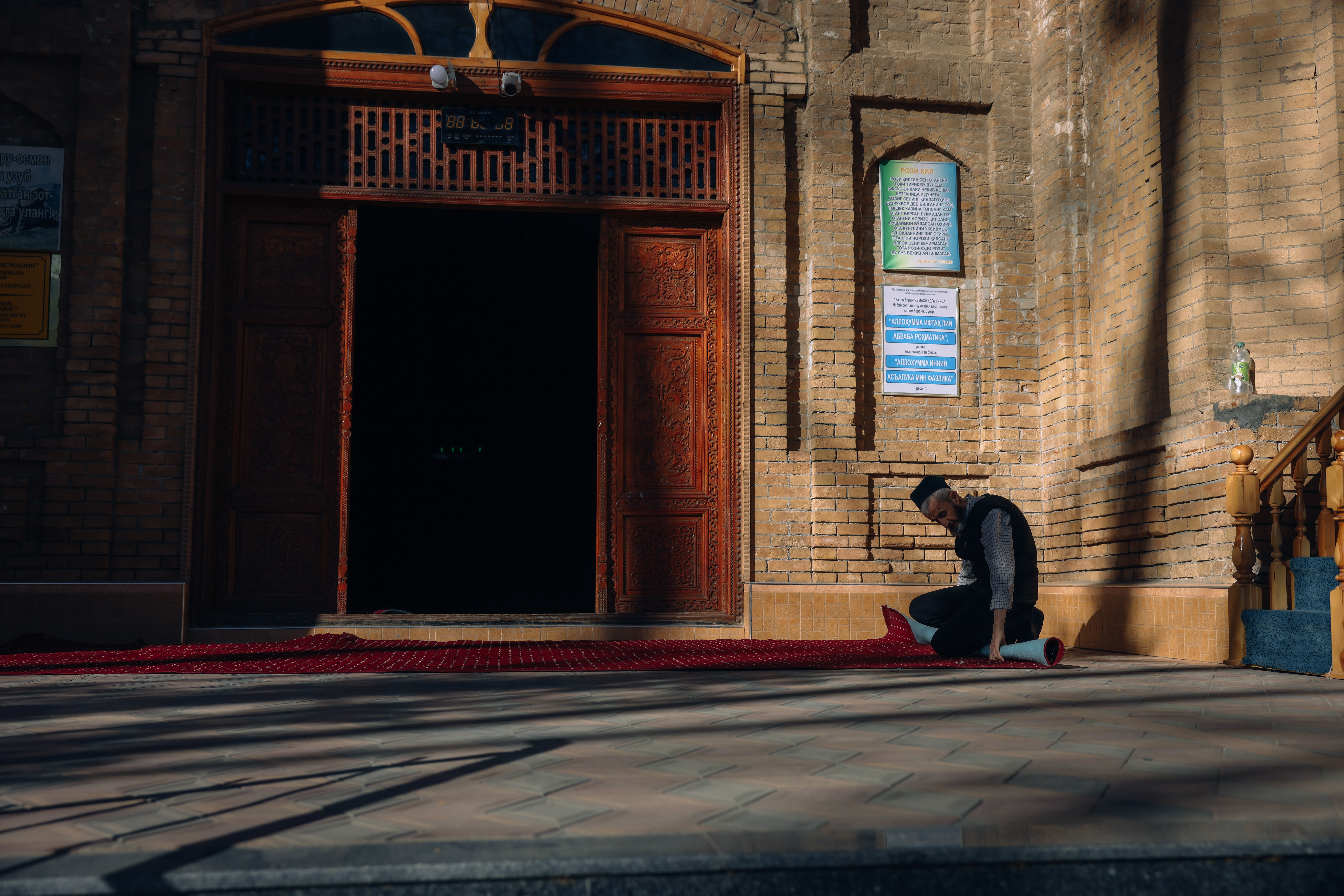
The roots of the trees emerge from the ground and spread along the surface. The enormous trunks branch outward in every direction. When the trees come into leaf, their canopies block out the sun, casting a magical shade.
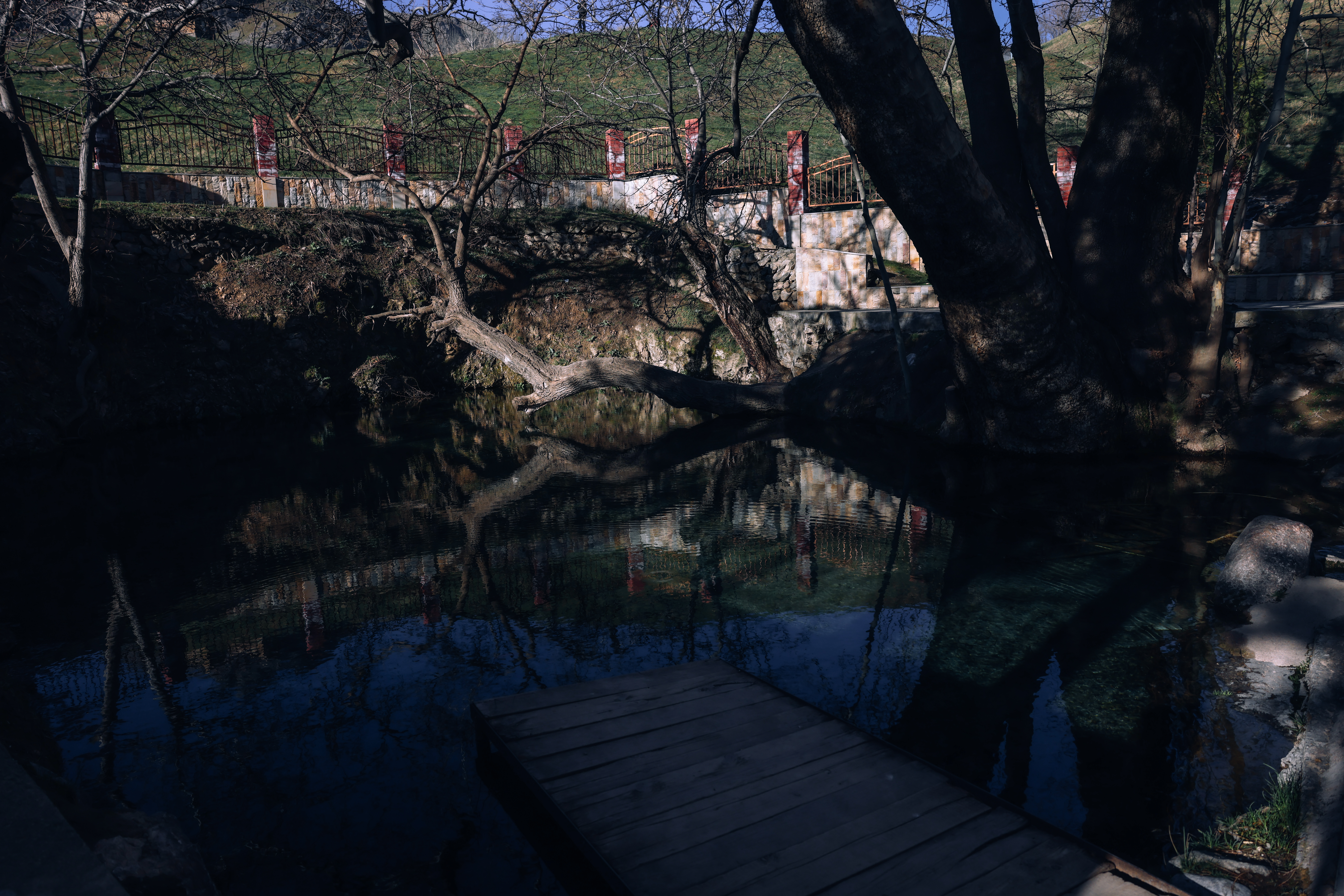
At the centre of the complex is a spring. Water rises from a stone of unusual shape and collects in a small pool. Locals tell the legend of a hero who stole this stone from evil spirits. As soon as the stone was placed here, a spring of astonishingly fresh and pure water burst forth from it. The hero then planted the shoots of four plane trees, brought by magical birds, which is why these trees remain untouched by time and continue to grow to this day.
 Source: Photo: Ildar SadykovSource: Photo: Ildar SadykovSource: Photo: Ildar SadykovSource: Photo: Ildar Sadykov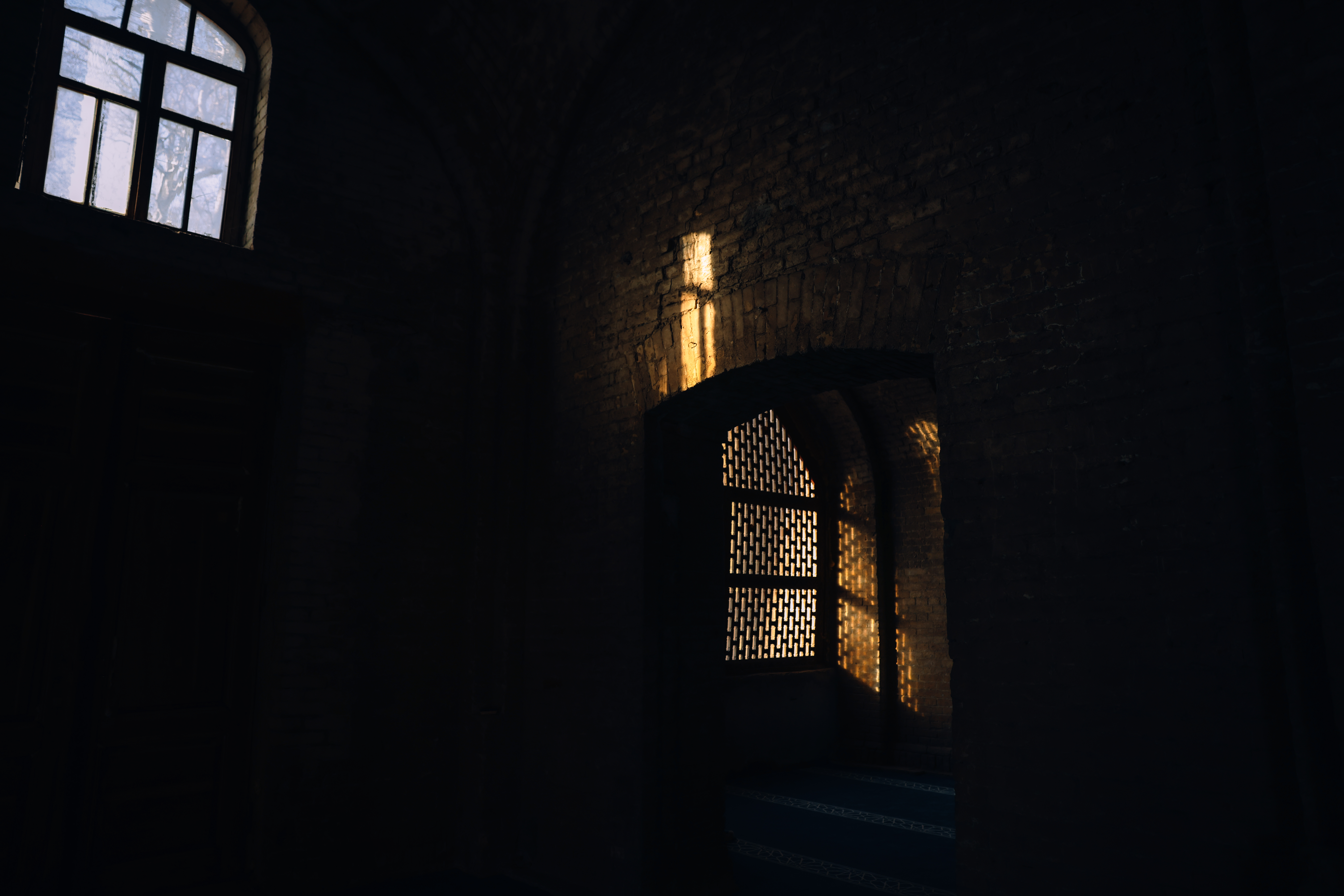
Standing inside the hollow tree, it is hard to grasp its age. It is even harder to imagine how many people have passed through here over the centuries. Perhaps that is the secret of this place's pull: a sense of eternity seems to wrap around you, compelling your thoughts to turn towards the Almighty.
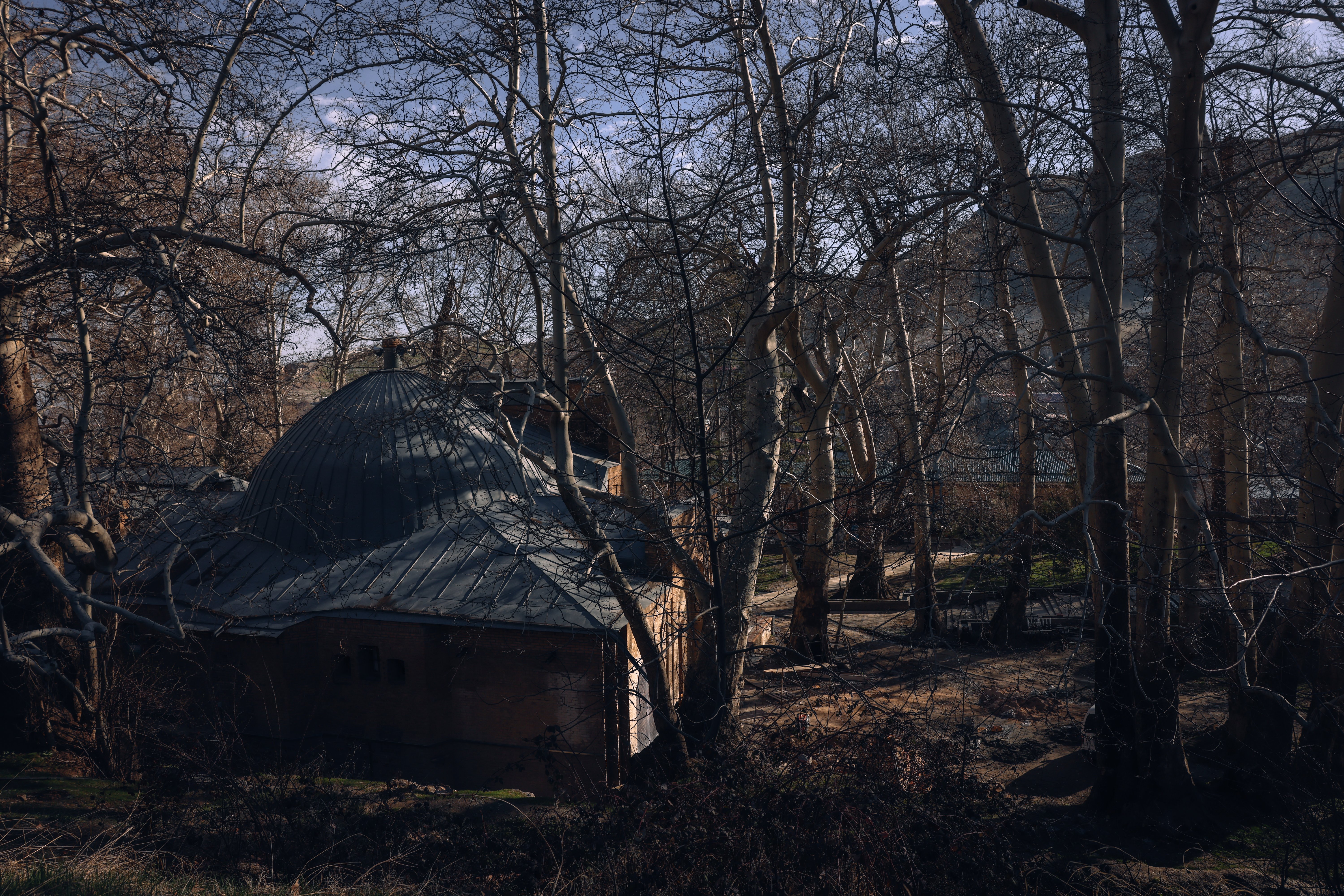
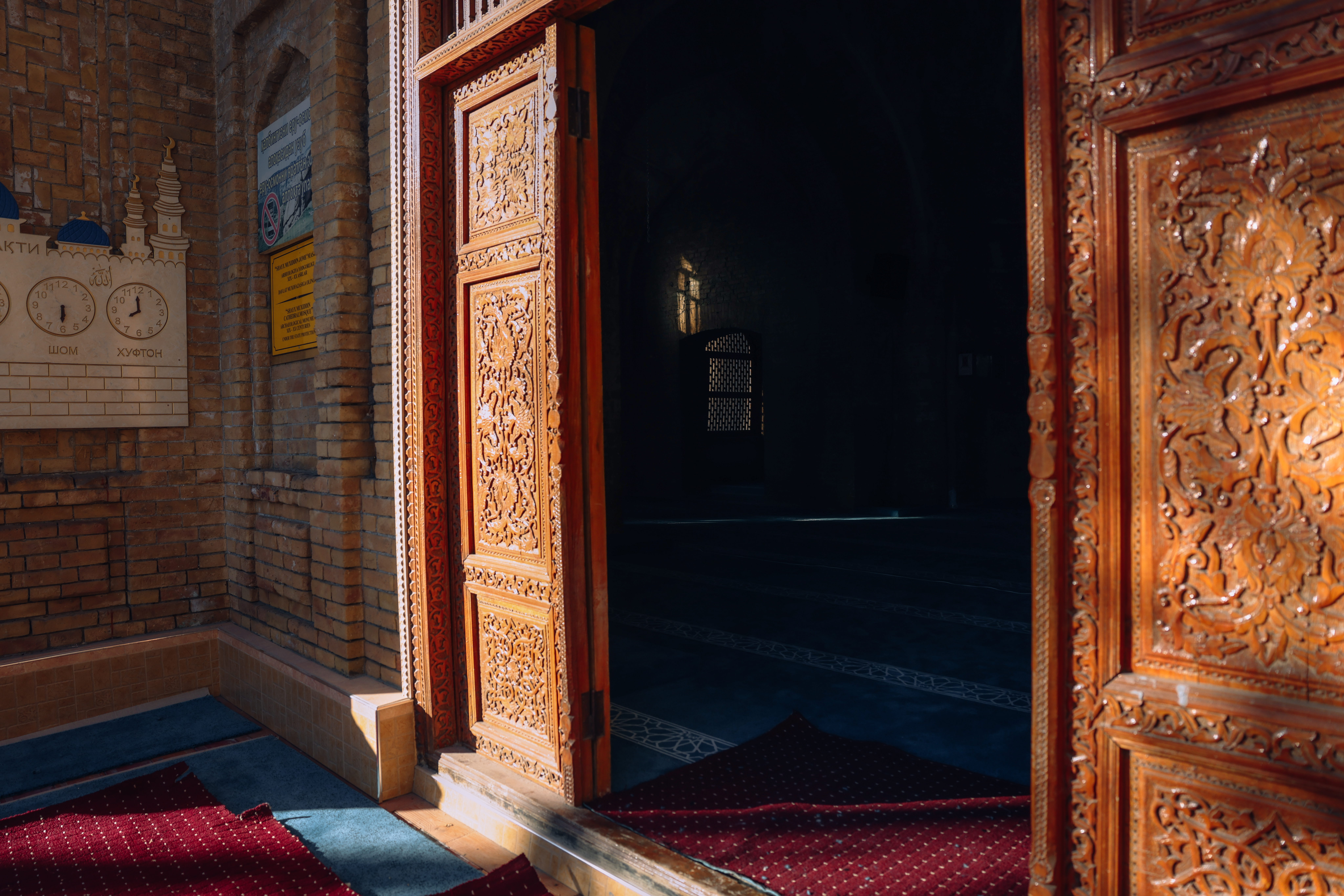
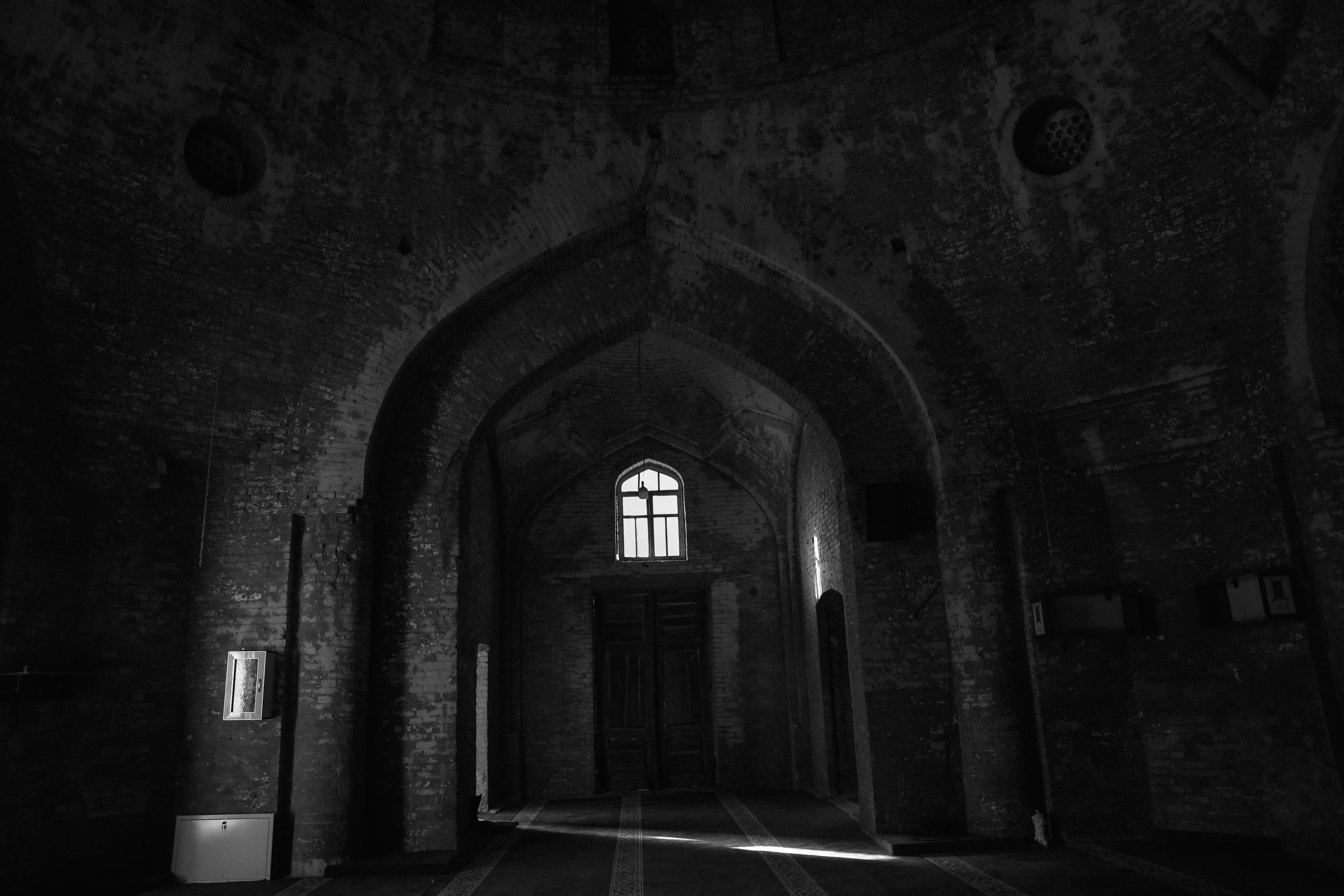
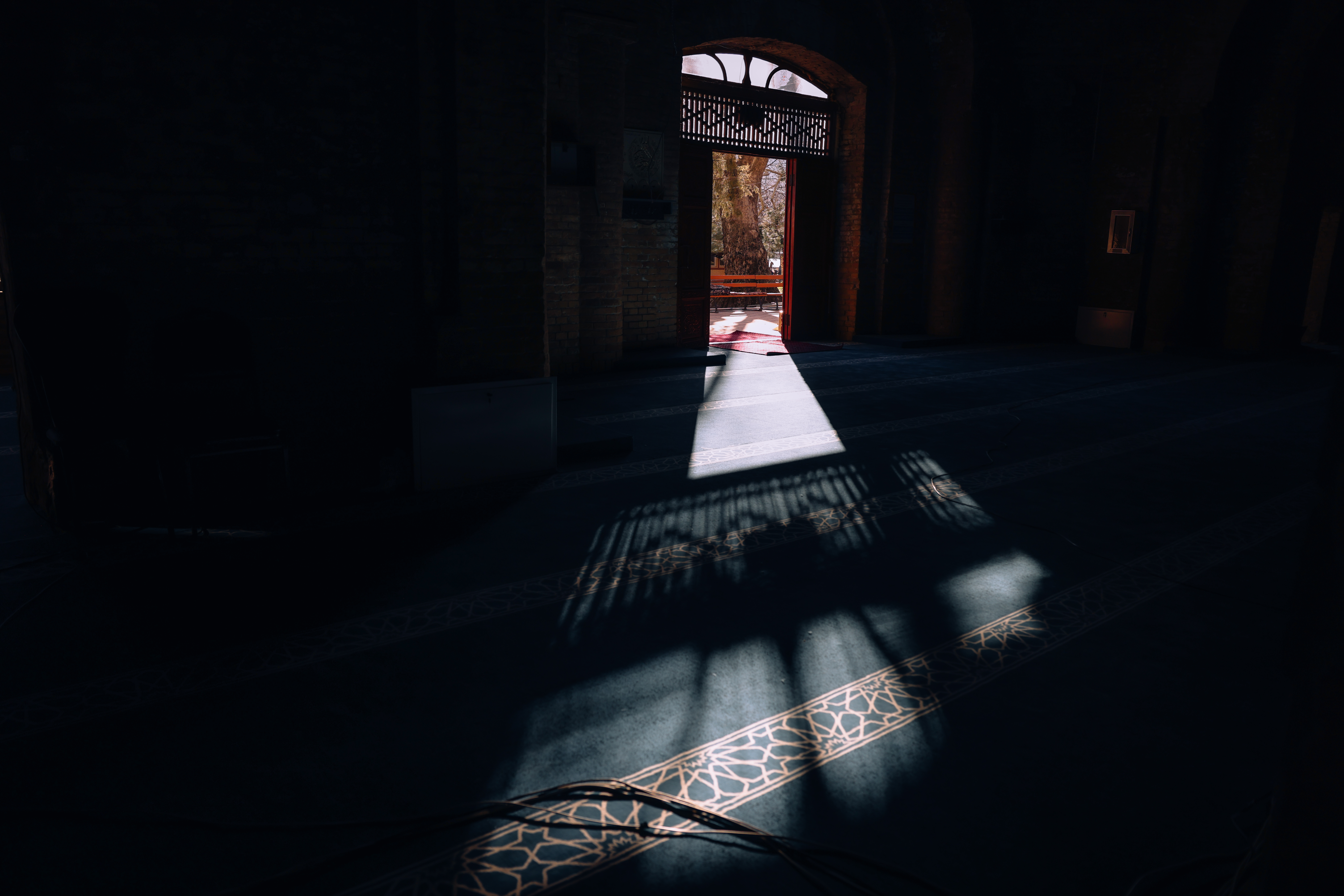
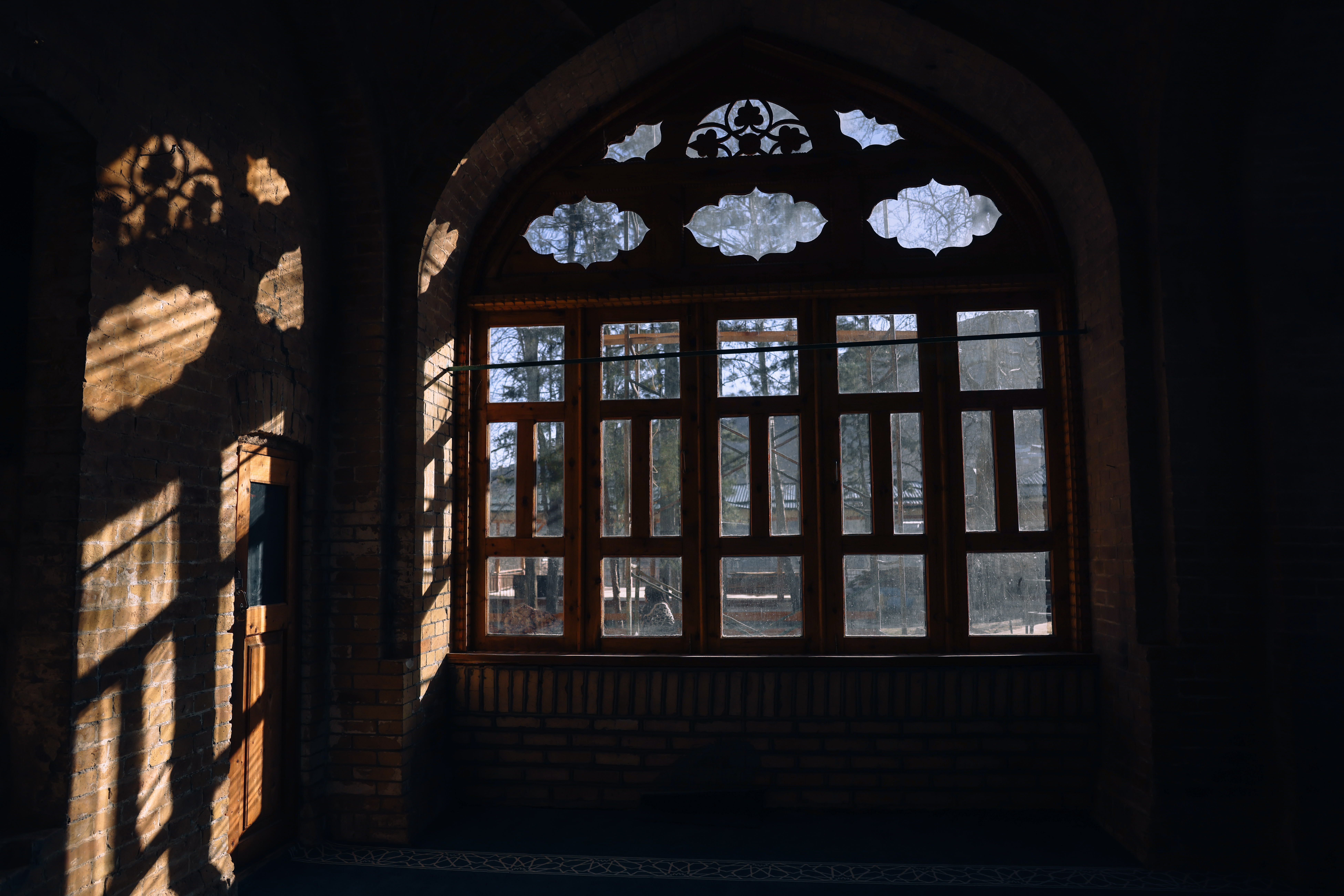
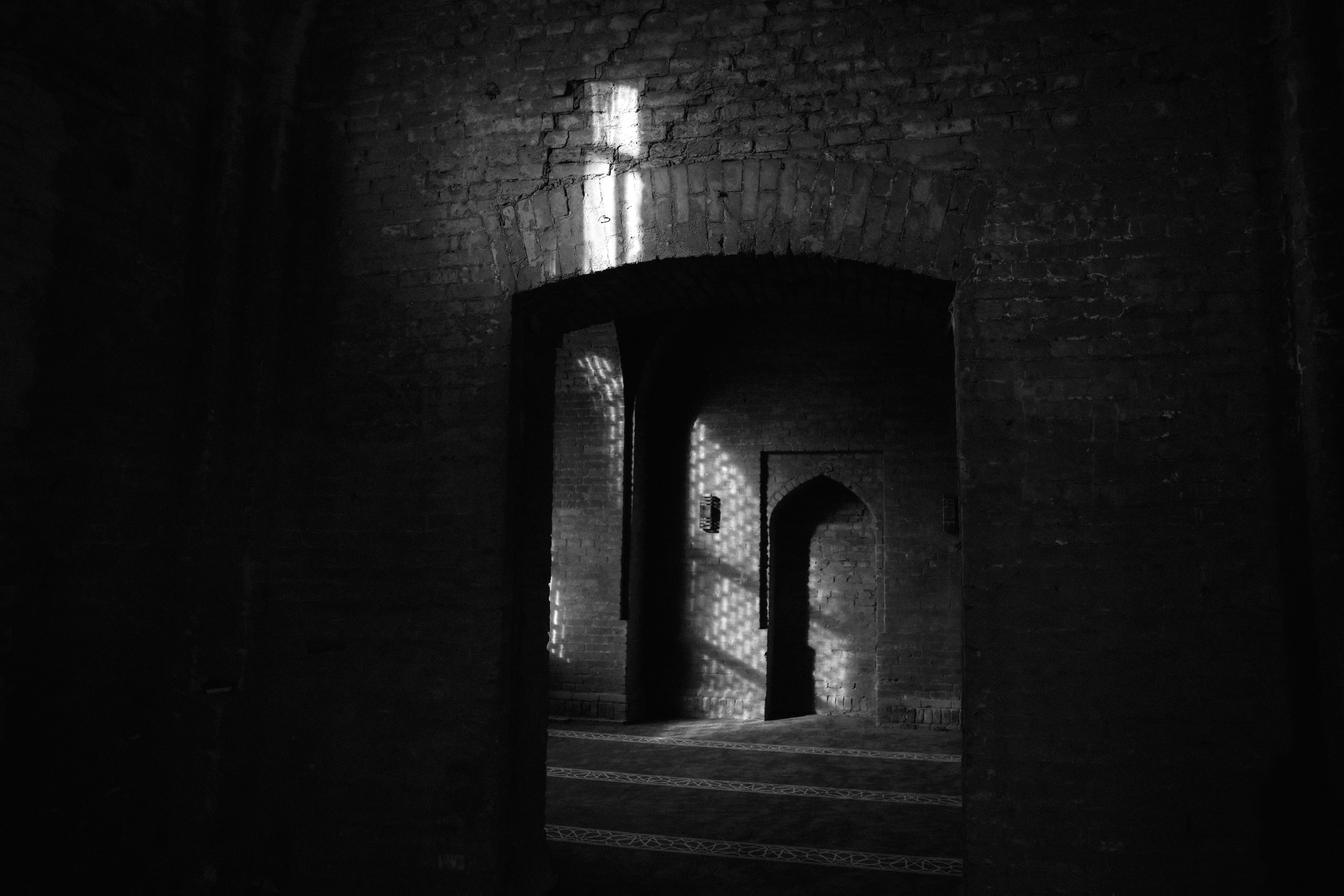
The old mosque is gradually being restored. There is no electricity inside the building. Light enters only through the windows and doors. In the middle of the day, this proves to be enough.
 Source: Photo: Ildar SadykovSource: Photo: Ildar SadykovSource: Photo: Ildar SadykovSource: Photo: Ildar Sadykov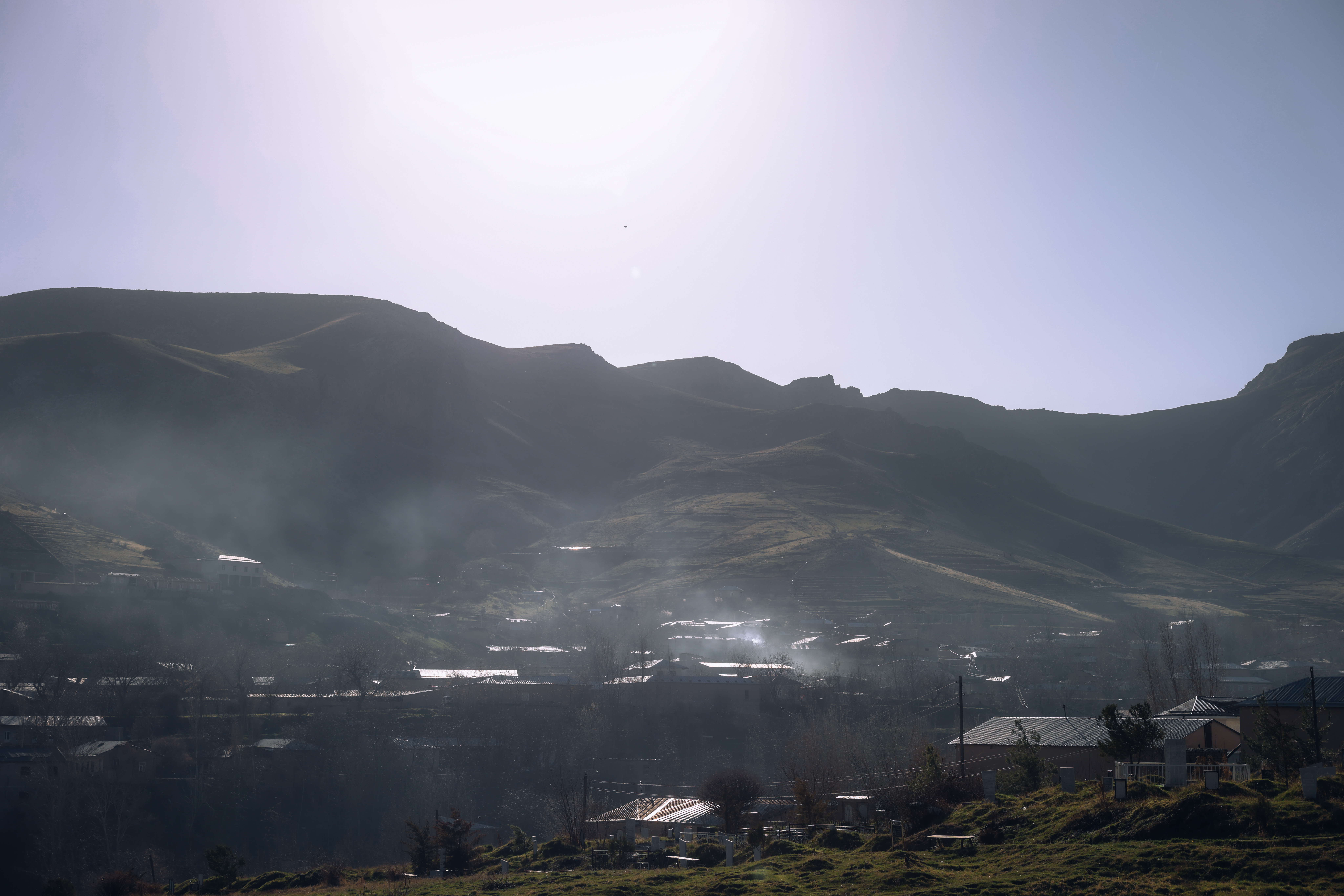
The complex is looked after by an elderly caretaker. He shows visitors around, opens the doors of the mosque and tells stories he heard from his elders, reciting prayers as he goes.
One of the locals' favourite stories concerns the Soviet era, when there was an attempt to destroy this place. Excavators were brought in to uproot the trees, but the machinery could not move the giant trunks.
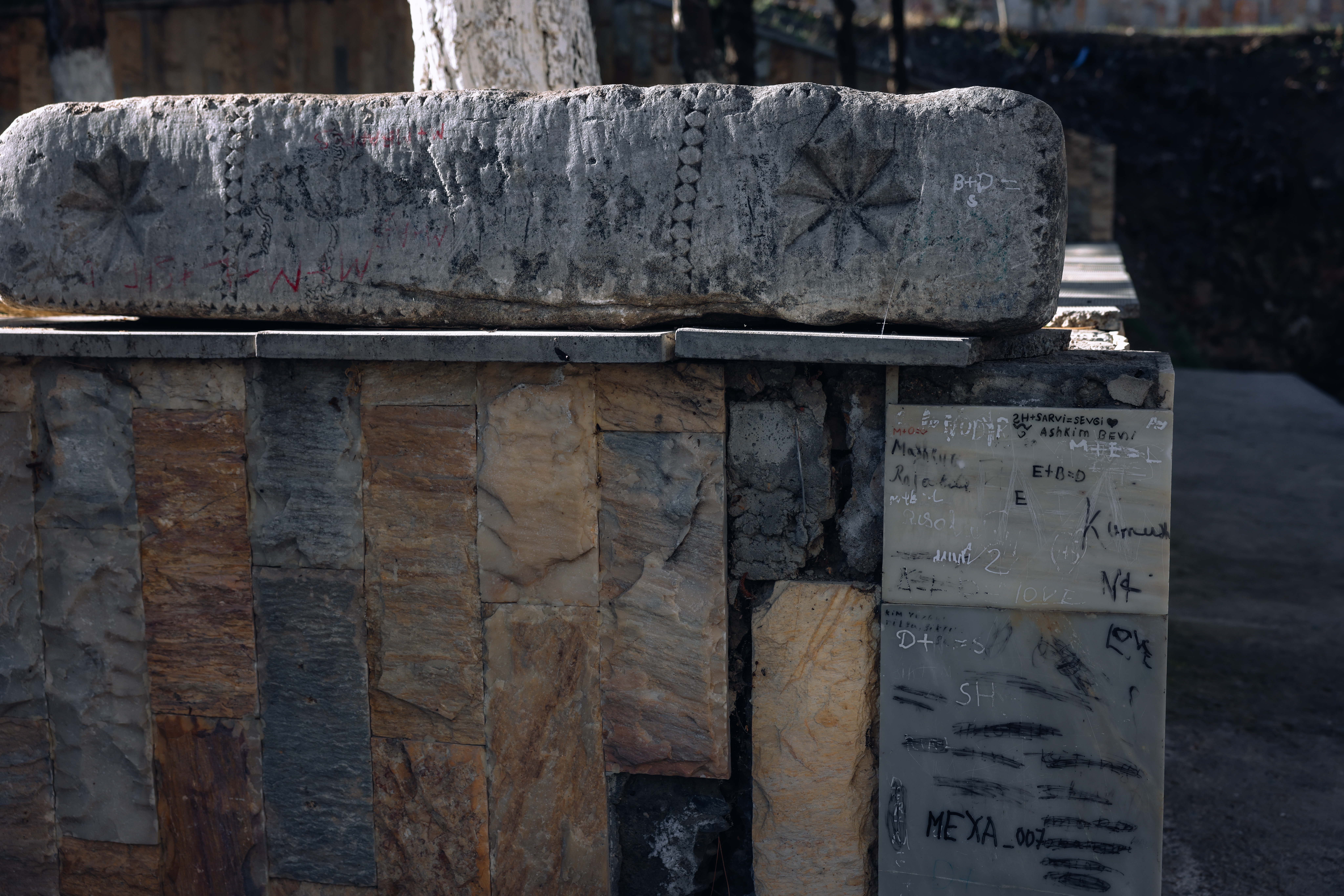
Today the sacred complex faces a different threat. Renovation works are under way, and rumour has it that the area is to be paved over with concrete. As a tourist site, the complex is meant to become more accessible. But how much more change can a place that has lived for over a thousand years withstand? And will these changes truly be for the better?
 Source: Photo: Ildar SadykovSource: Photo: Ildar SadykovSource: Photo: Ildar SadykovSource: Photo: Ildar Sadykov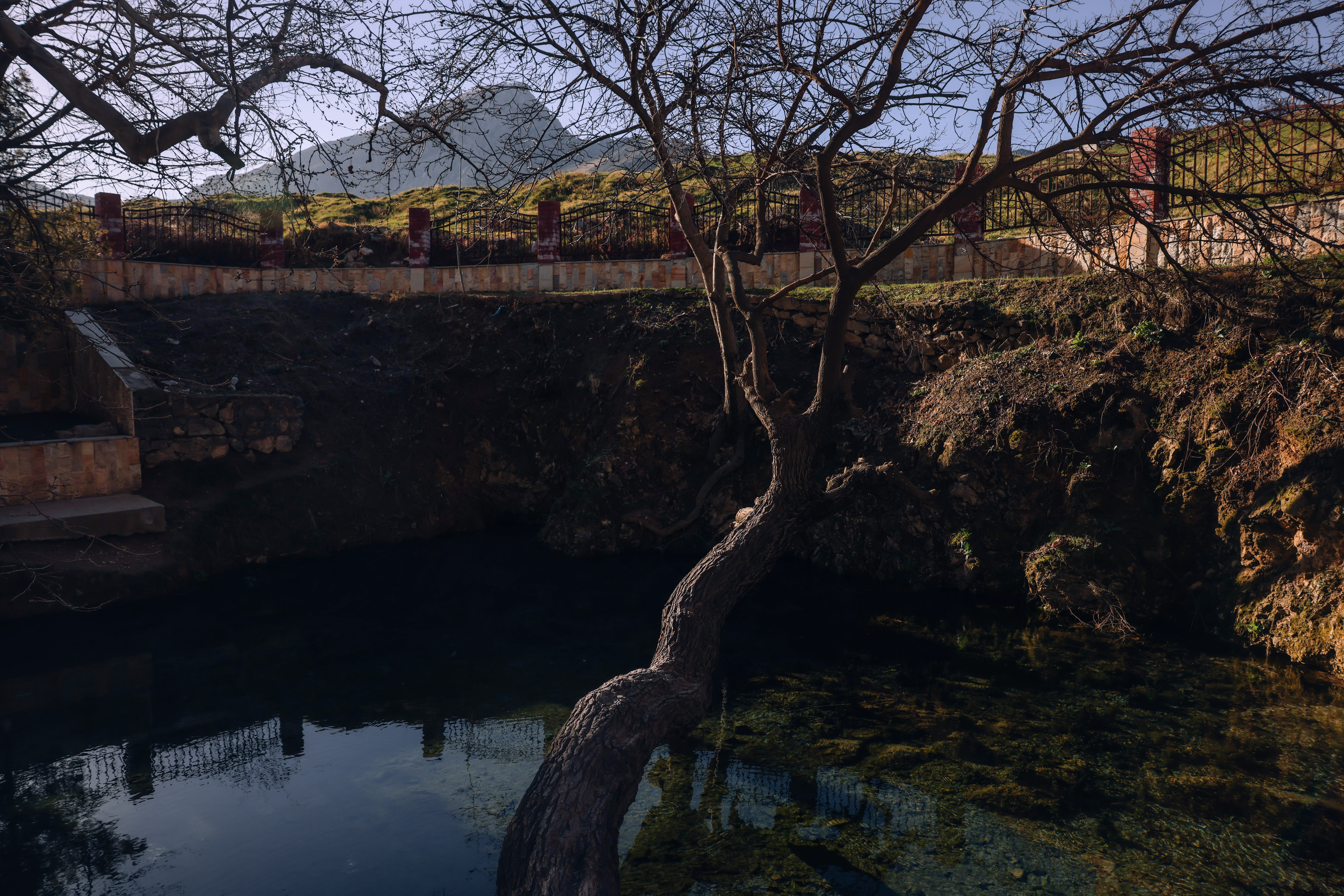
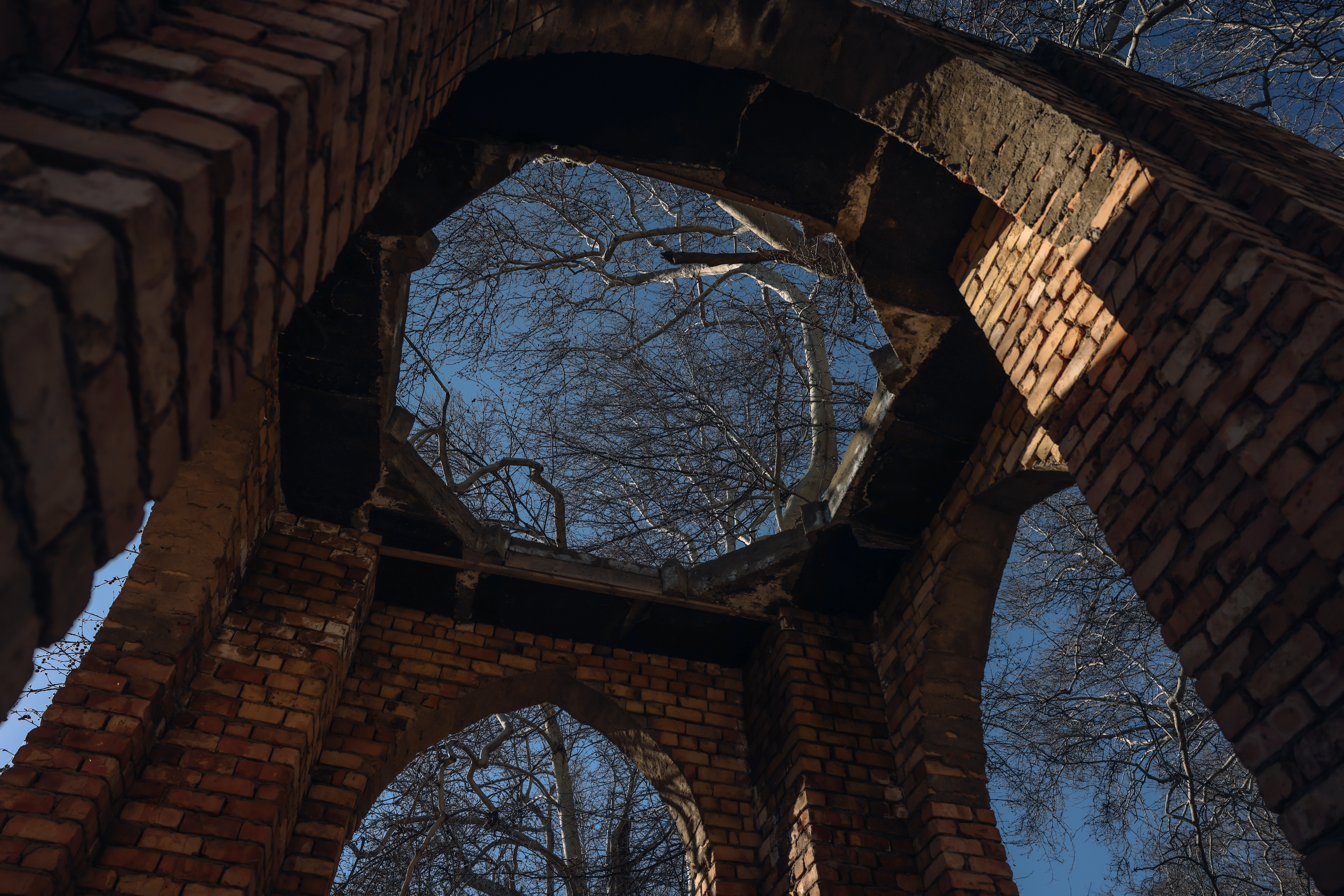
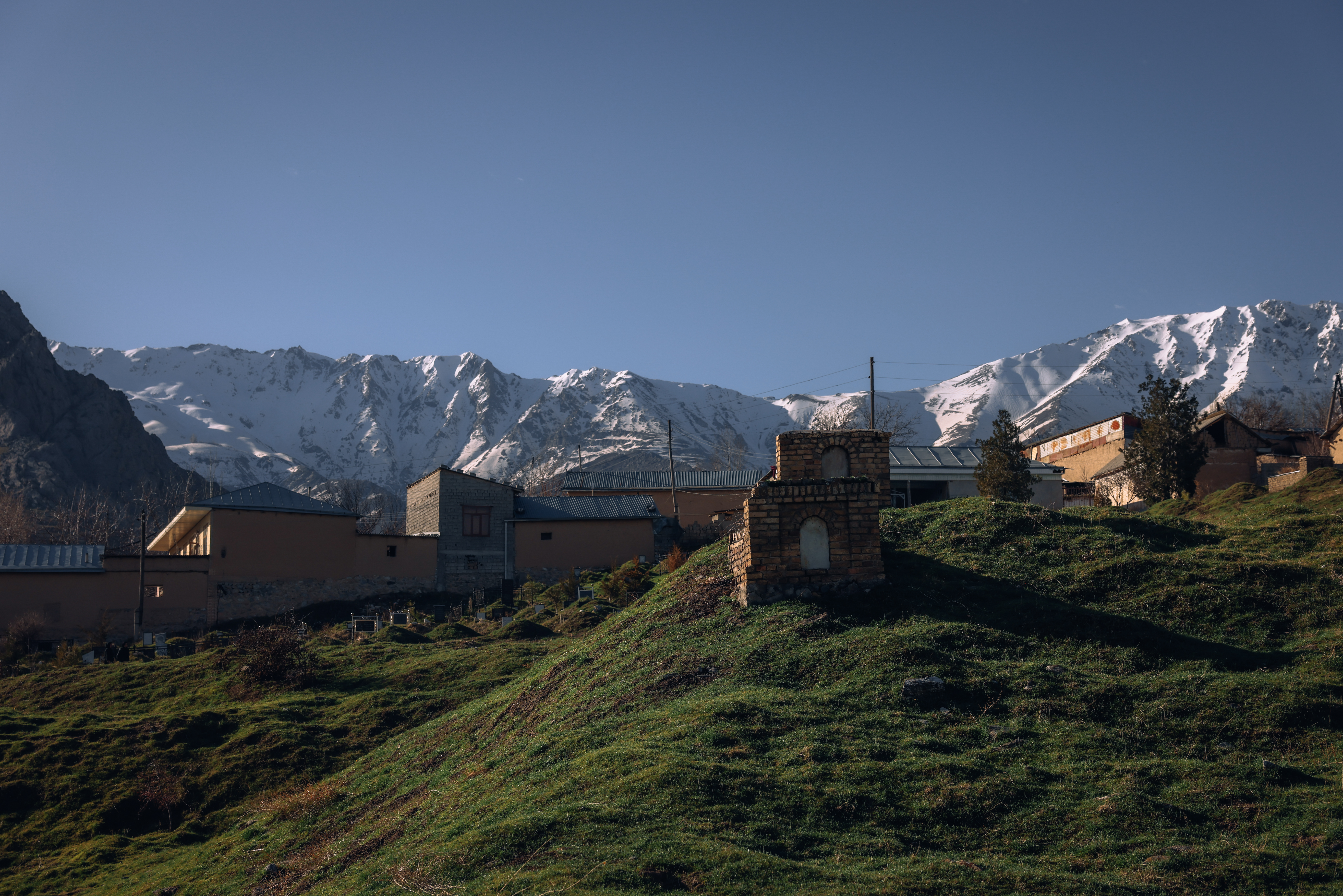
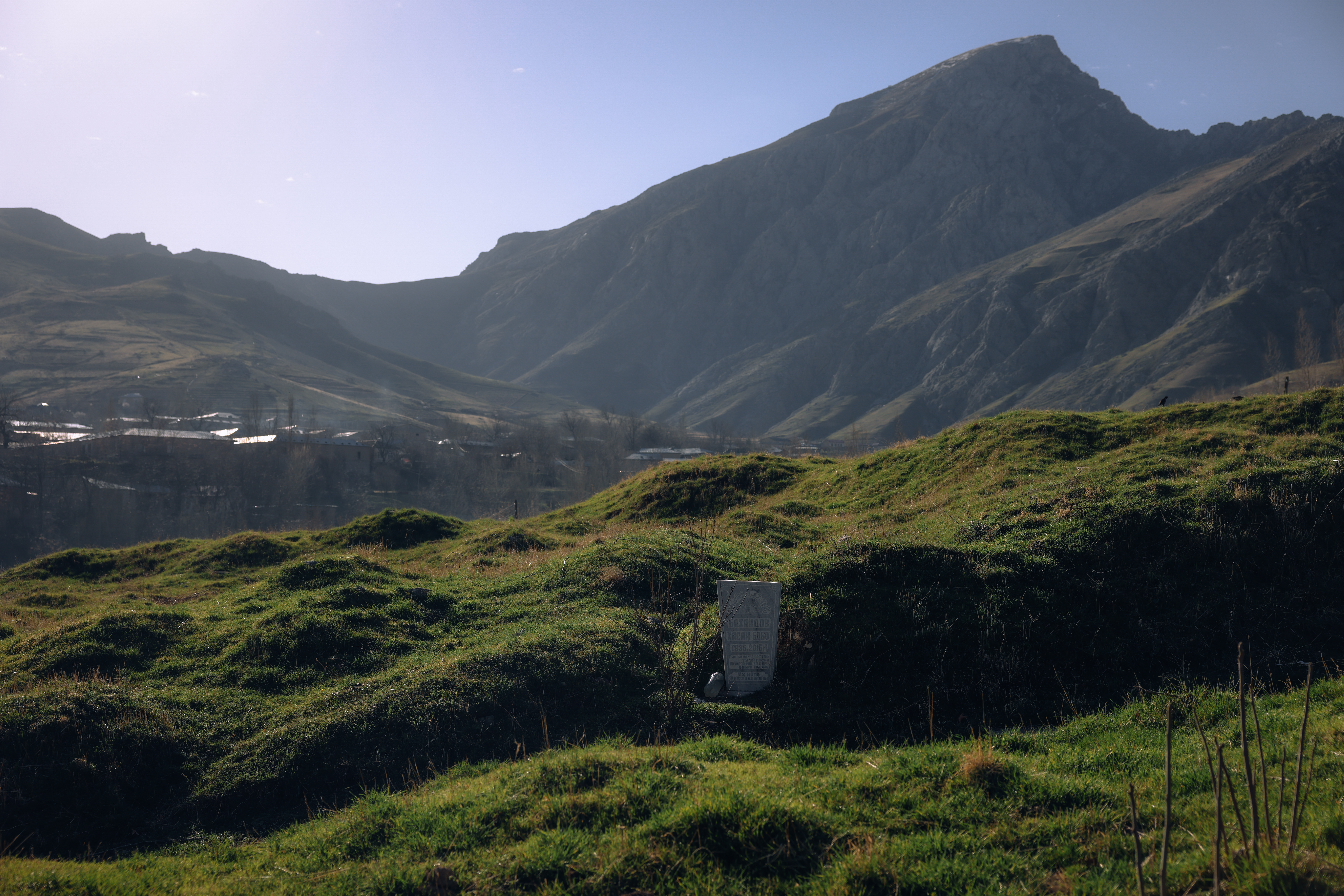
A reminder of the impermanence of human life, an old cemetery surrounds Chor-Chinor. Beyond it, the town enfolds the site, carrying a rich and ancient history of its own. But that is a story for another time.
Read also
 Places
Red Earth, Concrete and Sacred Graves — photo essay
Ildar Sadykov, Maria Maksimycheva
 Places
Craftsmanship, Sanctity and Halva: Portraits of Kokand's Iconic Jami Monument — photo essay
Ildar Sadykov, Maria Maksimycheva, Sergey Pogosyan
 Places
In Tune with the Wind — photo essay
Ildar Sadykov, Maria Maksimycheva, Sergey Pogosyan
Newsletter
A letter from the HD editors
Once a week, we send the best stories, events, and cultural discoveries from Central Asia.