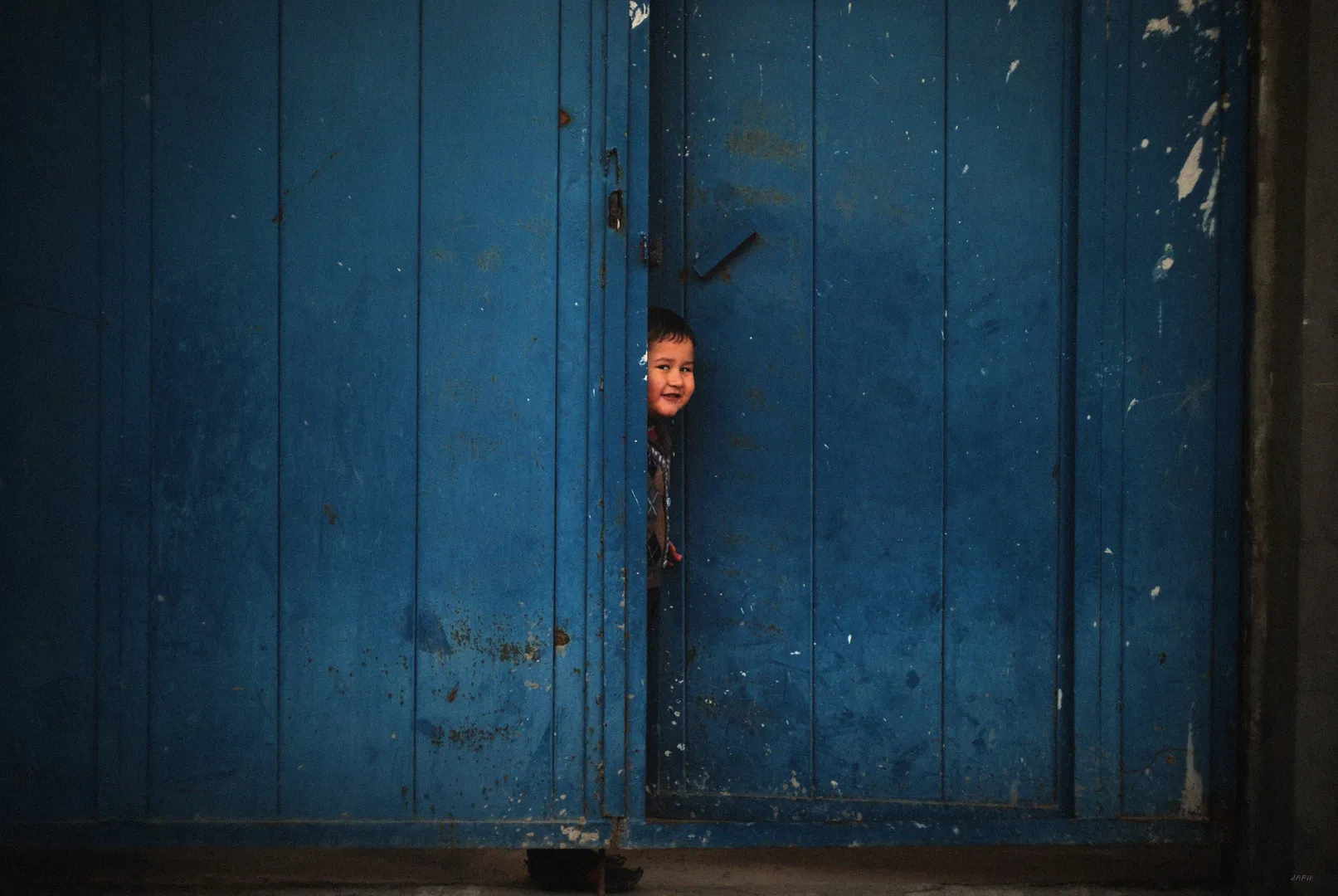
The Old City is a favourite destination for tourists, a Tashkent "brand", the very place guidebooks urge visitors to come and see. Yet that is only the first, most superficial layer. Beneath it lies the collective memory of the city's inhabitants, a vast repository of Tashkent's traditions that cannot simply be recreated once lost. It can, however, be easily wiped from the face of the city, urned to dust, plastered over entirely and, in the process, consigned to oblivion. In this photo essay, Ildar Sadykov reflects on a place that holds a deeply personal meaning for him.
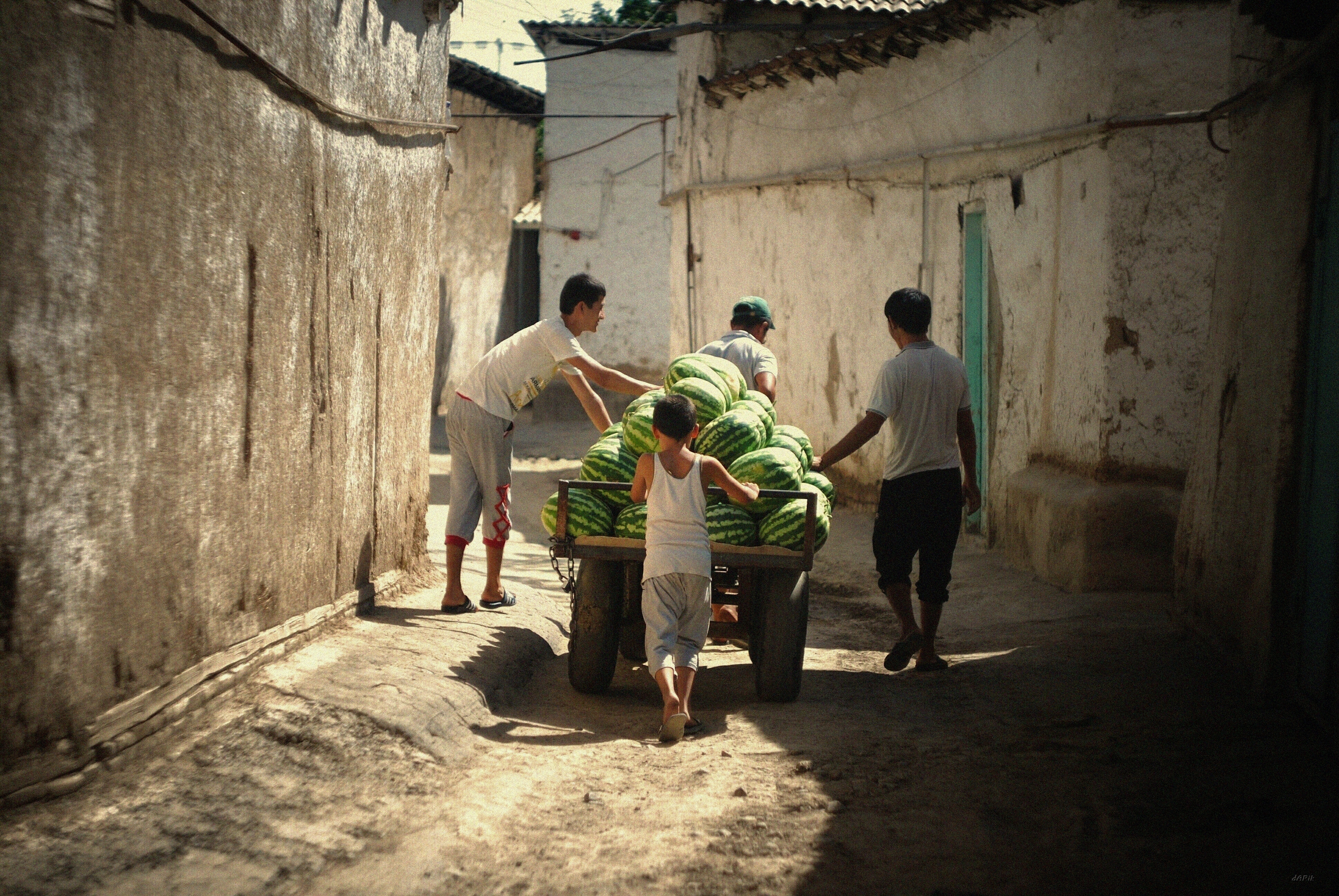
The Old City is my "cherry orchard", my little town, the place I long to go back to, even if only for a day, my own hearth and home. These are the narrow lanes where the warm wind of childhood still seems to wander, carrying the smell of freshly baked non, charcoal and water, along with the calls of the bedana.
This photo essay is particularly close to my heart. It brings together photographs from my archive, taken over the course of eighteen years. Yet in my heart, the Old City has been living for half a century.
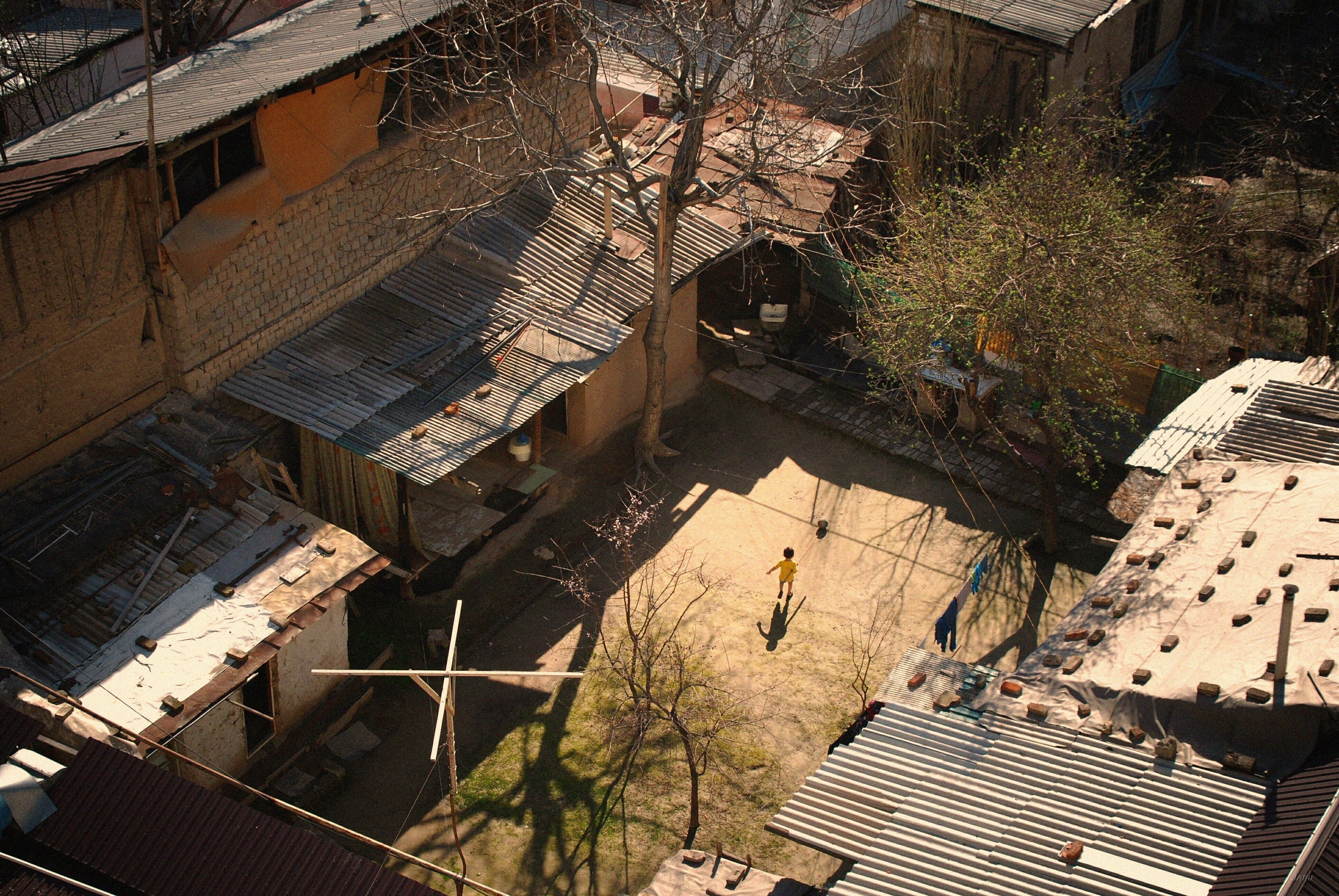
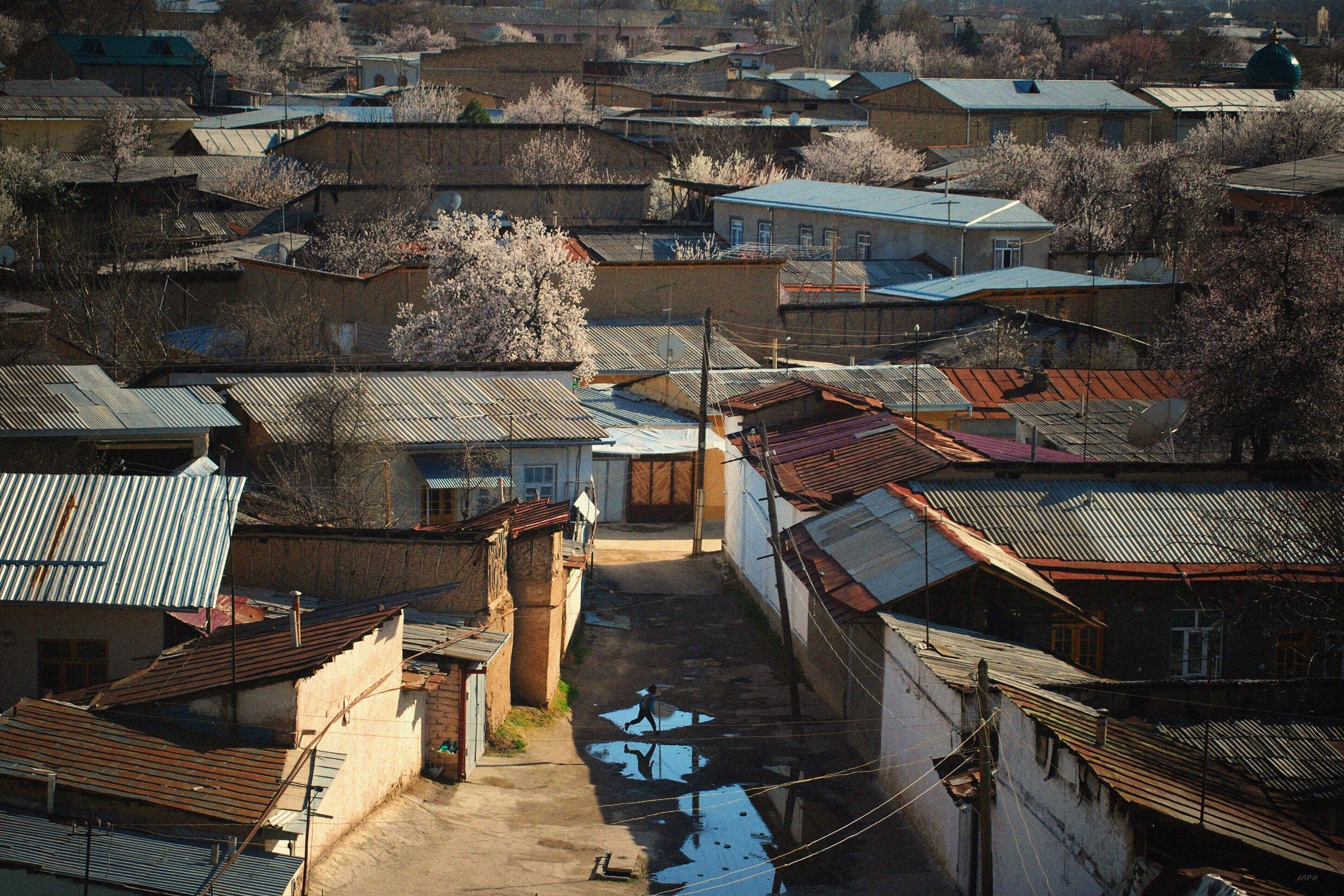
Fifteen mahallas. With every passing day and month, the area that can traditionally be called the Old City keeps shrinking before our eyes. The city strives for renewal; people want greater comfort in their everyday lives. For decades, there has been no shortage of debate over how Tashkent's heritage should be preserved. Tourism figures continue to rise, inevitably bringing changes to infrastructure, redevelopment and renovation. Yet even in the twenty-first century, the Old City continues to preserve a traditional way of life characteristic of the past two or three centuries.
The area around what is now the Hazrati Imam complex, on the banks of the Kalkauz canal, was once a royal residence surrounded by lush apple orchards. Nearby, Chorsu Bazaar, now the most visited in Central Asia, marked the boundary between the city and the vast lands of the nomads. It was a centre of trade at the heart of a vast civilisation.
The people who lived here, merchants, skilled craftsmen, philosophers and preachers, grew accustomed to raids and natural disasters, living through repeated changes in the world around them. Perhaps this is where the remarkable resilience of the Old City's way of life comes from, along with the wilful streak and proud character of its people, who have nevertheless retained their generosity and hospitality.
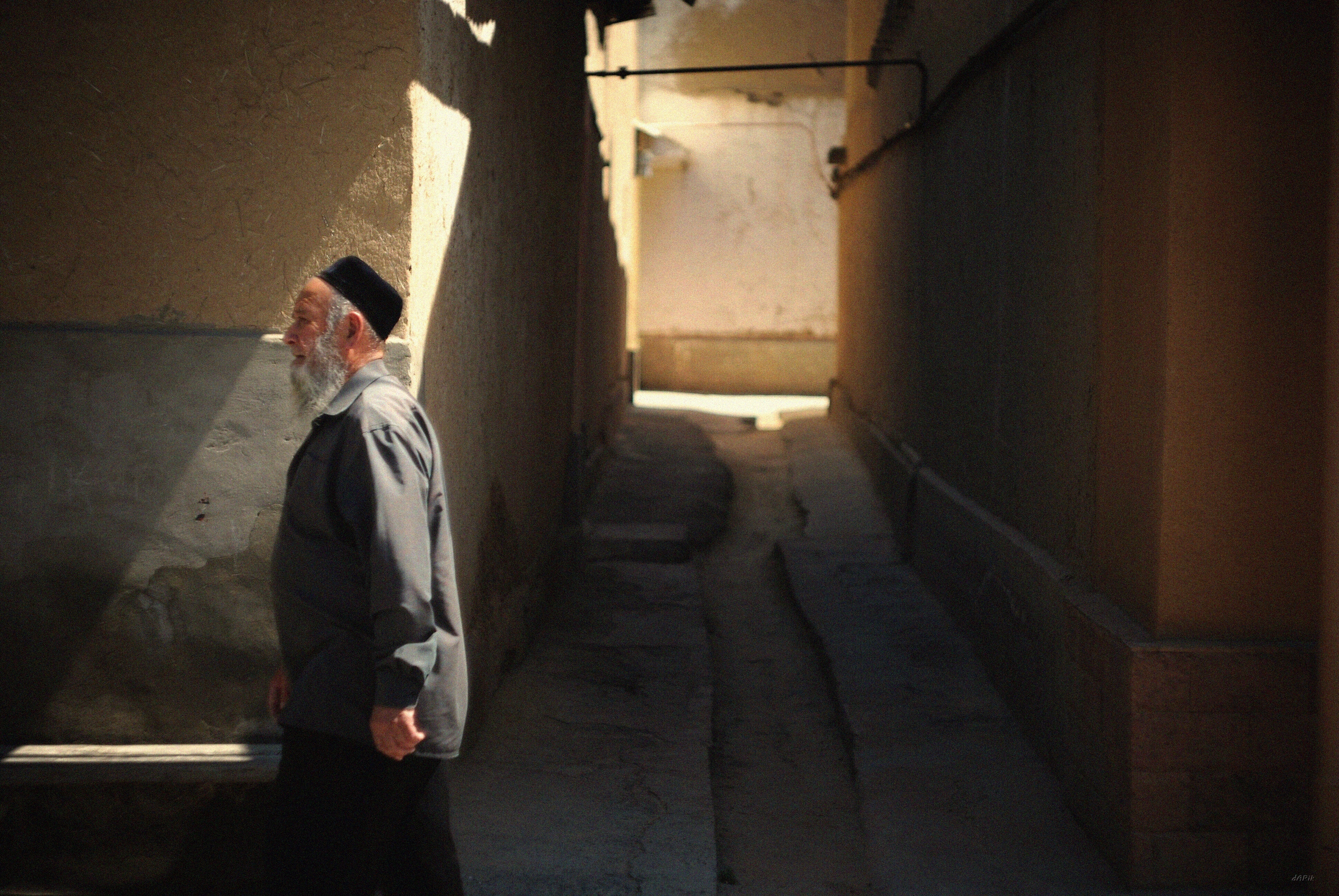
I grew up in the European part of Tashkent, but from an early age I would spend every weekend at my grandmother's house. The site of today's Tashkent City once housed several old mahallas. My abi lived in one of them. My father, along with his brothers and sisters, was born there too. I was the youngest of twelve grandchildren, and every Saturday and Sunday I was there.
In summer, we all slept on a huge tapchan beneath a mosquito net. Every morning at 6, we would wake to the sound of the first train passing through the nearby Druzhba Narodov station. The ground would tremble, and, reluctantly, we would get up and go off to play, living the carefree life of children.
Everything written about the Old City in nostalgic posts and articles is true. We would drop in on one another without an invitation, bringing food round to each other, whatever someone happened to have cooked. The tradition of hashar was strong: neighbours would come together to clean a courtyard, help with repairs or prepare for a toy, a family celebration. The people of the Old City may be kind-hearted, but they are also strong-willed. They even have a way of speaking all their own, the distinctive Old City dialect.
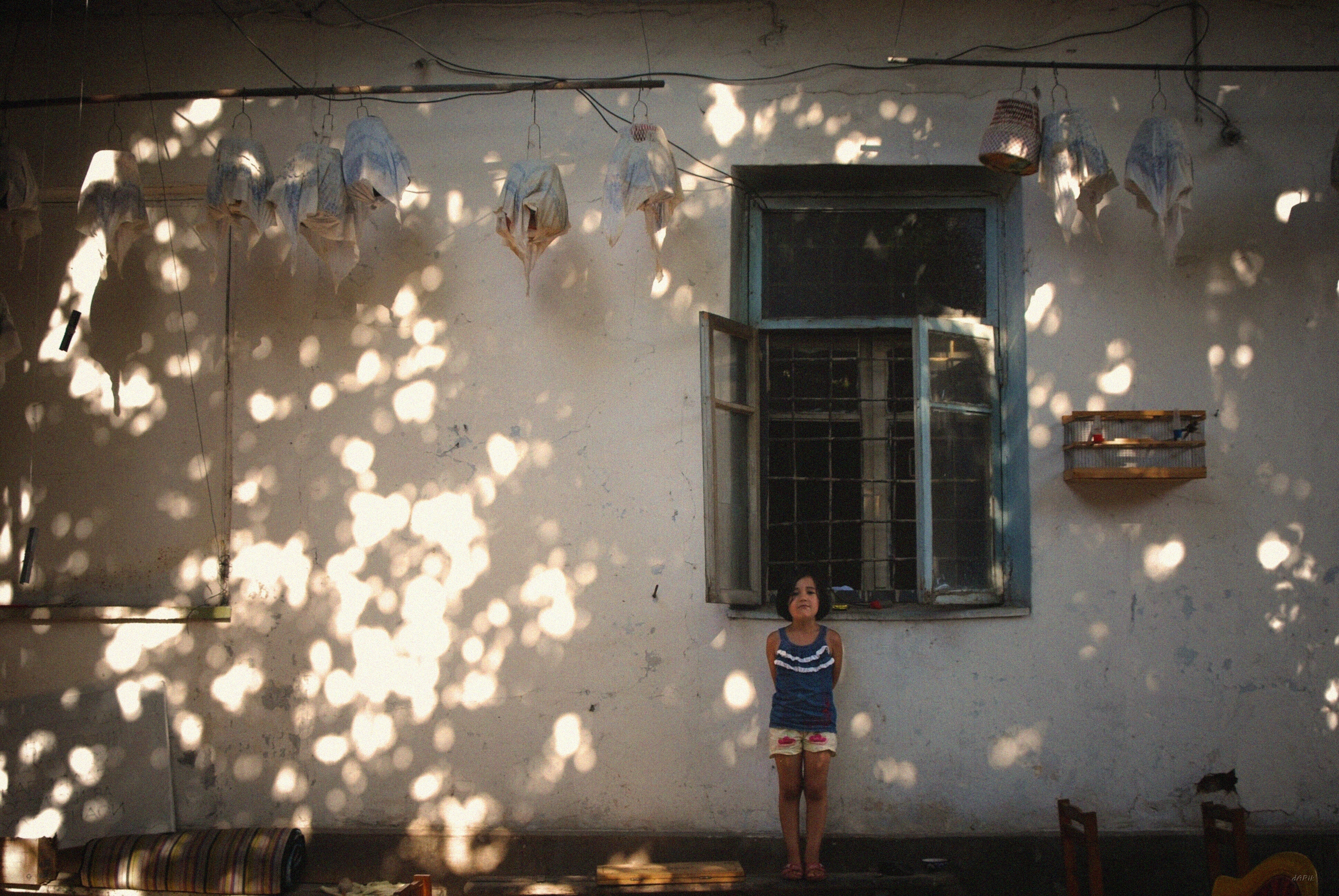
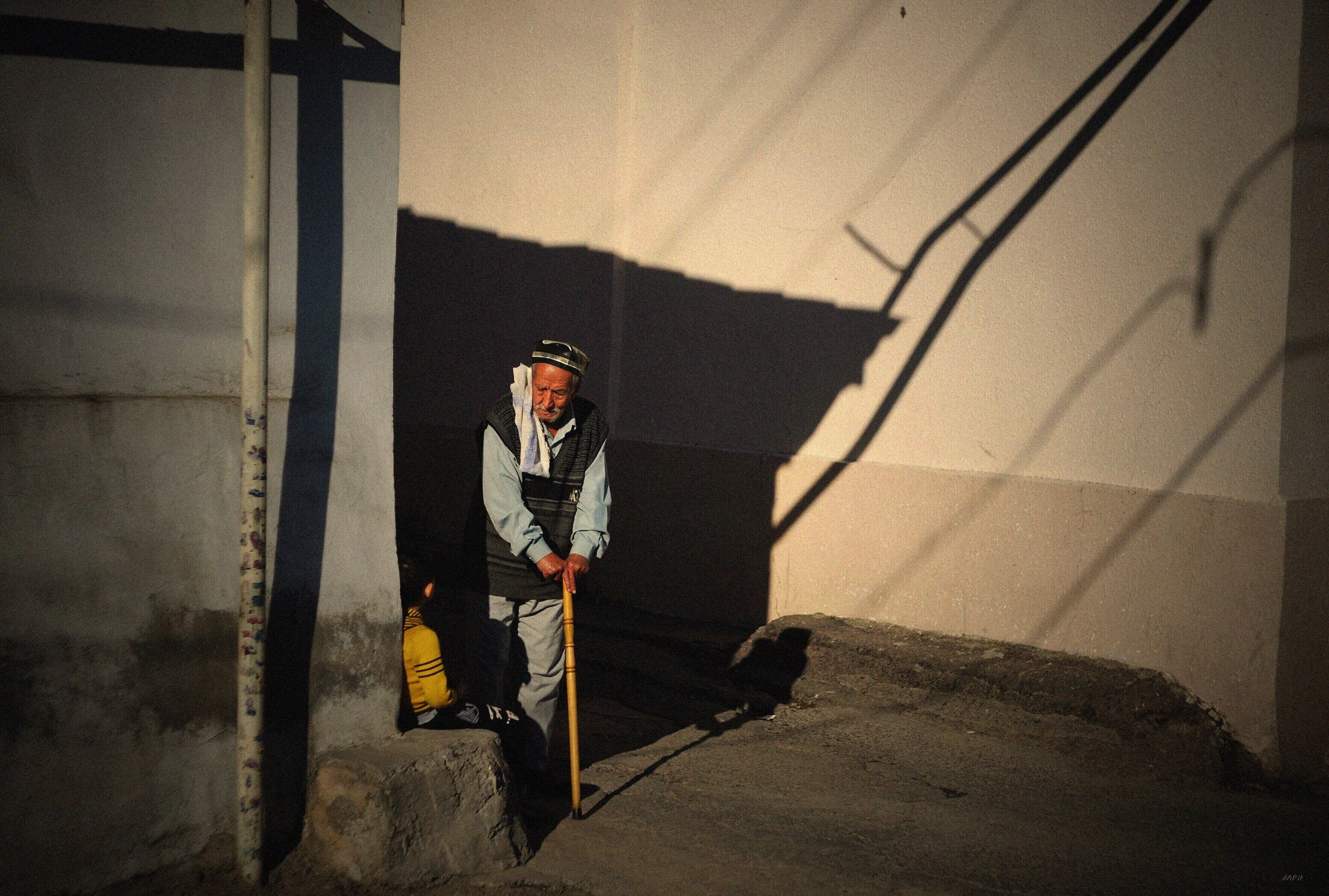
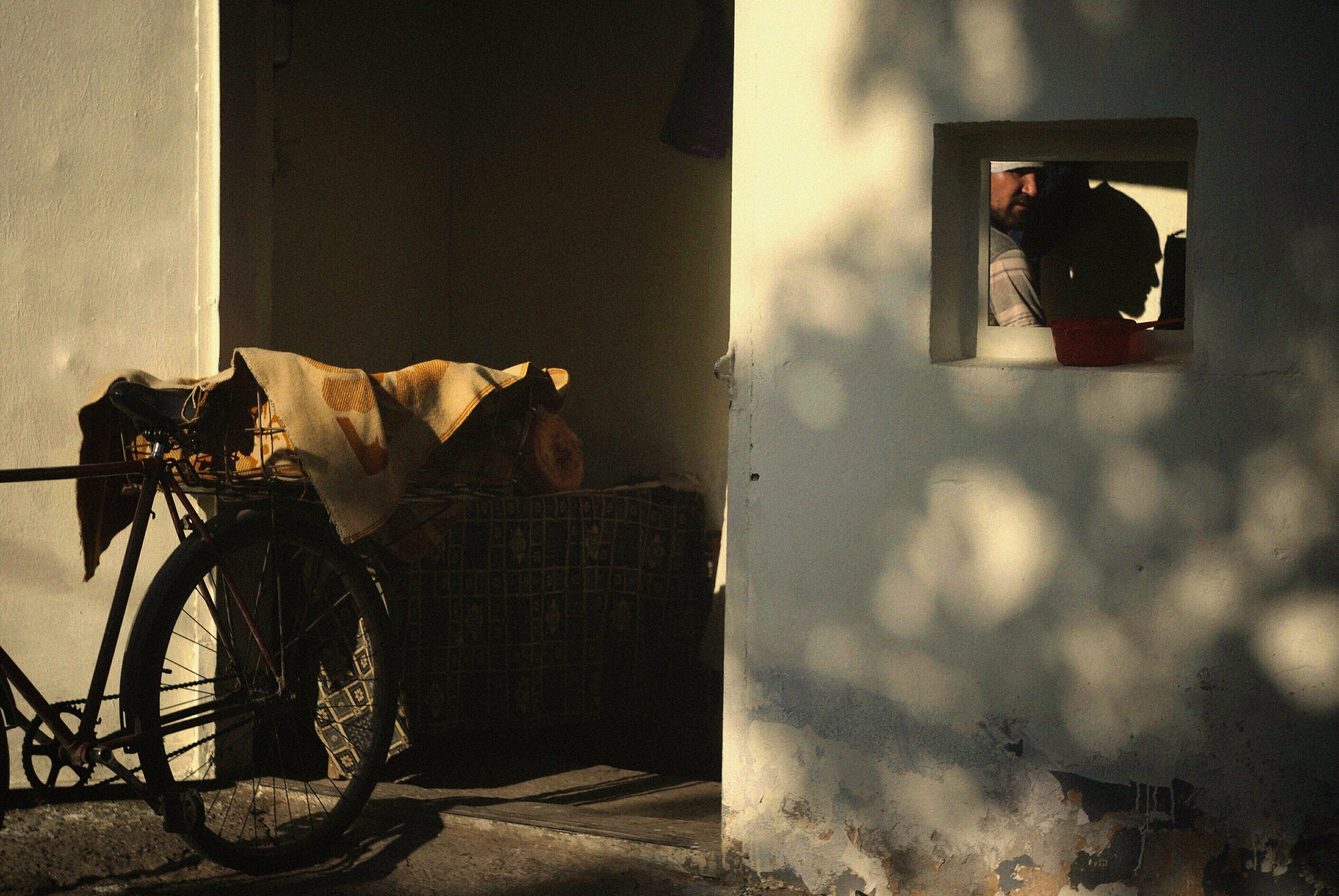
Eski shahar, the Old City, as a microcosm of Tashkent, has occupied a huge part of my professional life. My soul lives in its old streets, old lanes and old windows. Most houses have blank walls facing the street, with their windows opening onto the courtyard instead, so that neighbours would have nothing to gossip about. But every now and then you come across an old, cracked window frame, painted over again and again.
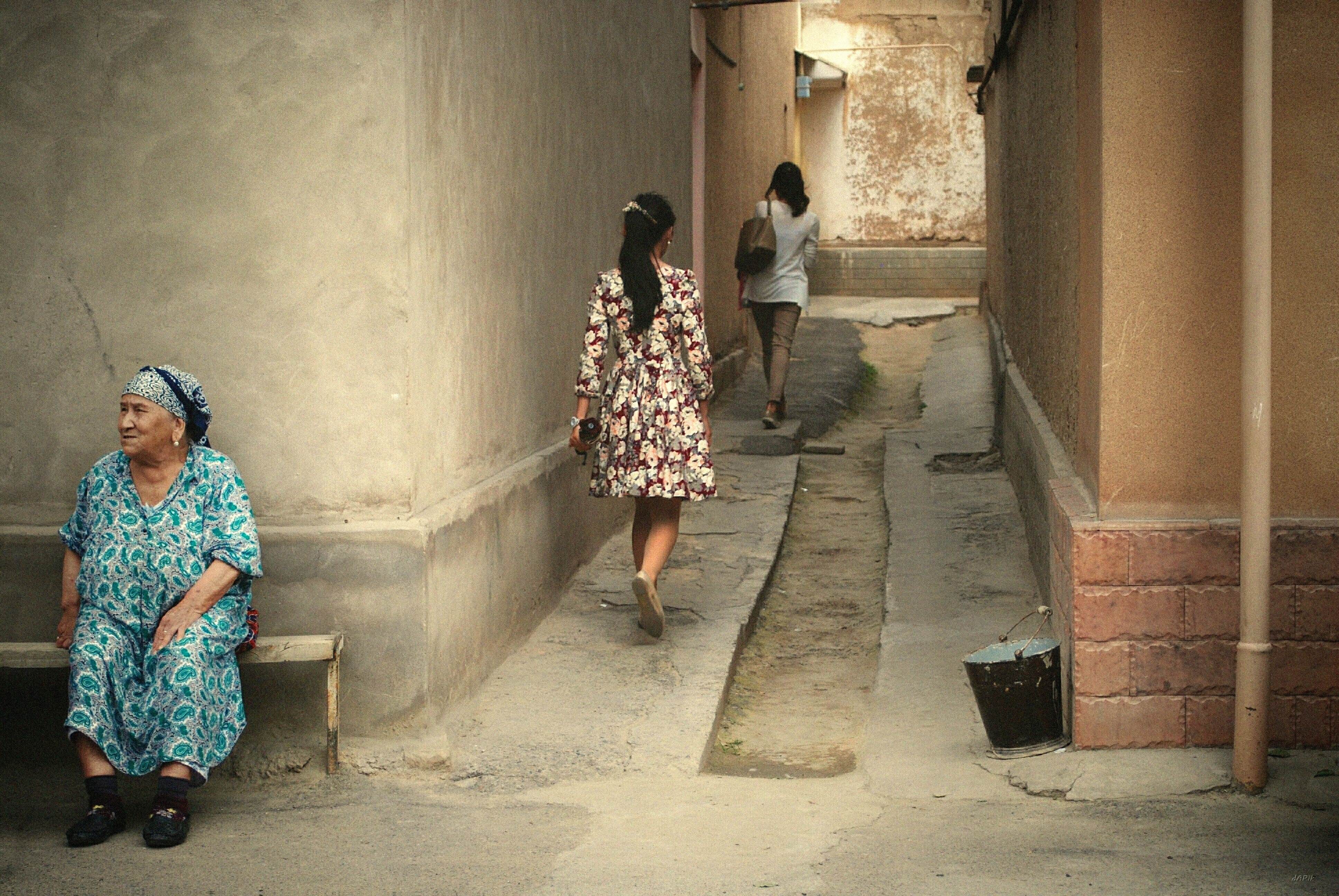
The strongest impressions we carry through life are often those of childhood, shaped by a mahalla and all its smells and sounds. The scent of mud brick and grass, home cooking and freshly baked bread, the murmur of running water and the rattle of a passing cart, mingling with the incessant chirping of bedana. Fifty years have passed, yet these memories remain clear and vivid. I still miss that time.
So when I became a photographer, my first thought was to find those sensations again. I found them in the lanes of the Old City in Sebzar, that very part of Tashkent that is now disappearing before our eyes. These are the remnants of the Tashkent celebrated in the sixteenth century by Zayn al-Din Wasifi:
I liken this dust to that wondrous scentWith which the houris of Paradise perfume the air,The very dust the angels use to heal their eyes!…
The Tashkent that, according to legend, was built on seven hills. Almost no one knows that story today. The city's twelve gates, however, are a matter of historical record. Yet of those gates, too, only the place names have survived.
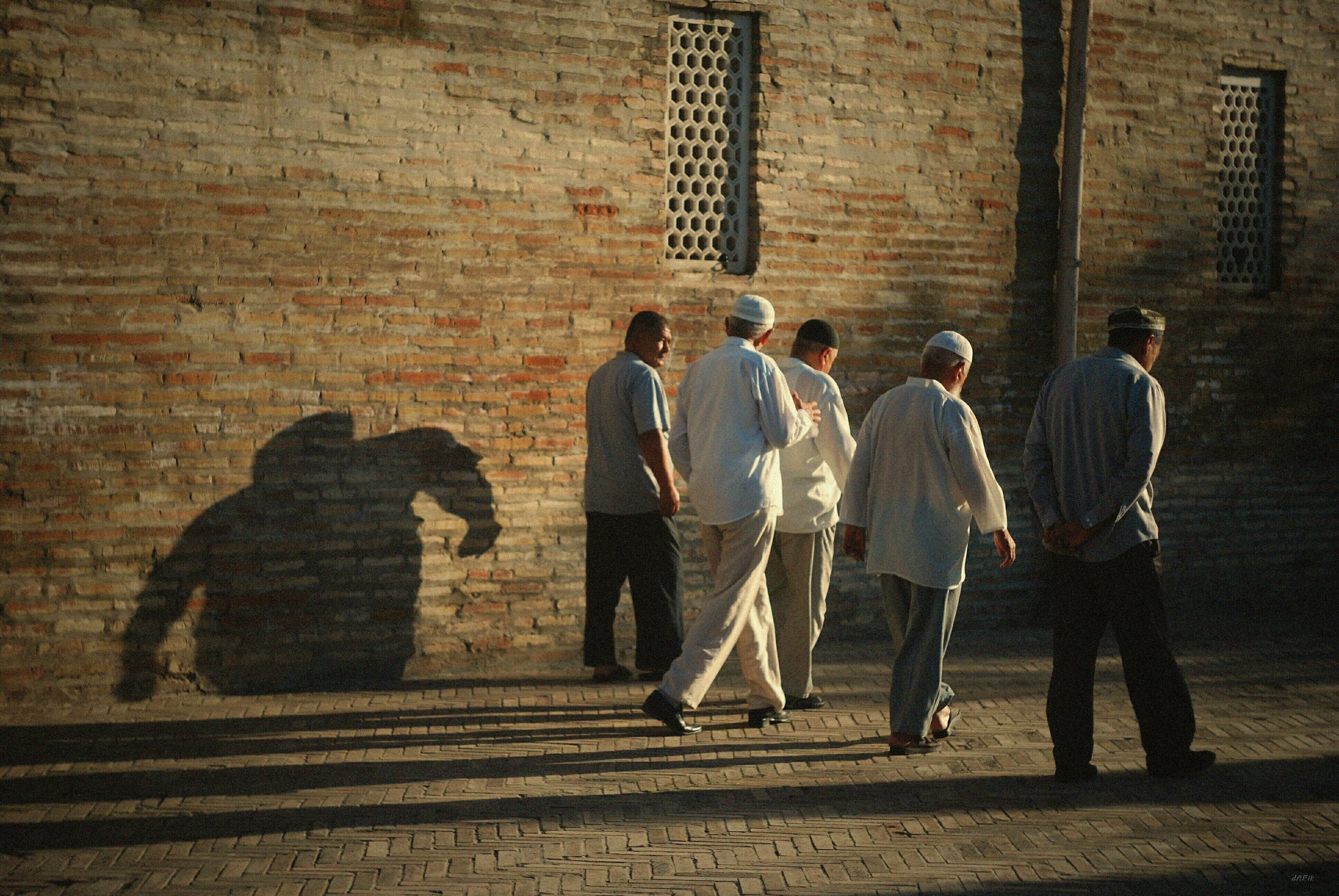
I like that the Old City has managed to preserve its spirit and traditional way of life, even as the modern city has grown up around it. For example, you will not find alcohol or tobacco freely sold here.
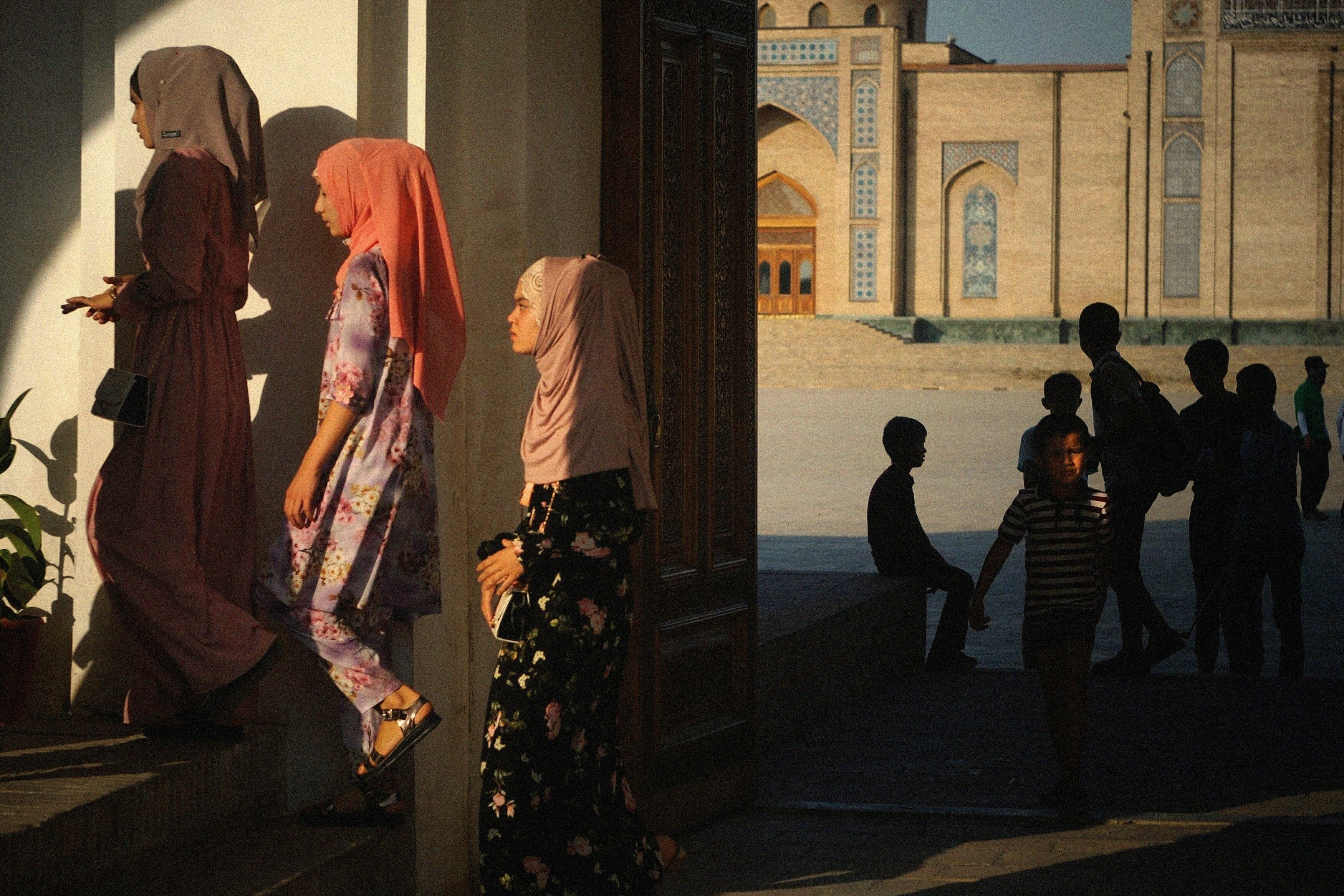
And you will find tourists from all over the world. There have always been plenty of foreign visitors, but after Hazrati Imam became the country's principal religious complex, their numbers increased dramatically. Now the Islamic Civilization Center rises above the square, and the area has become a fully fledged tourist destination, a global point of attraction. This, in turn, has brought redevelopment to the surrounding streets and neighbourhoods.
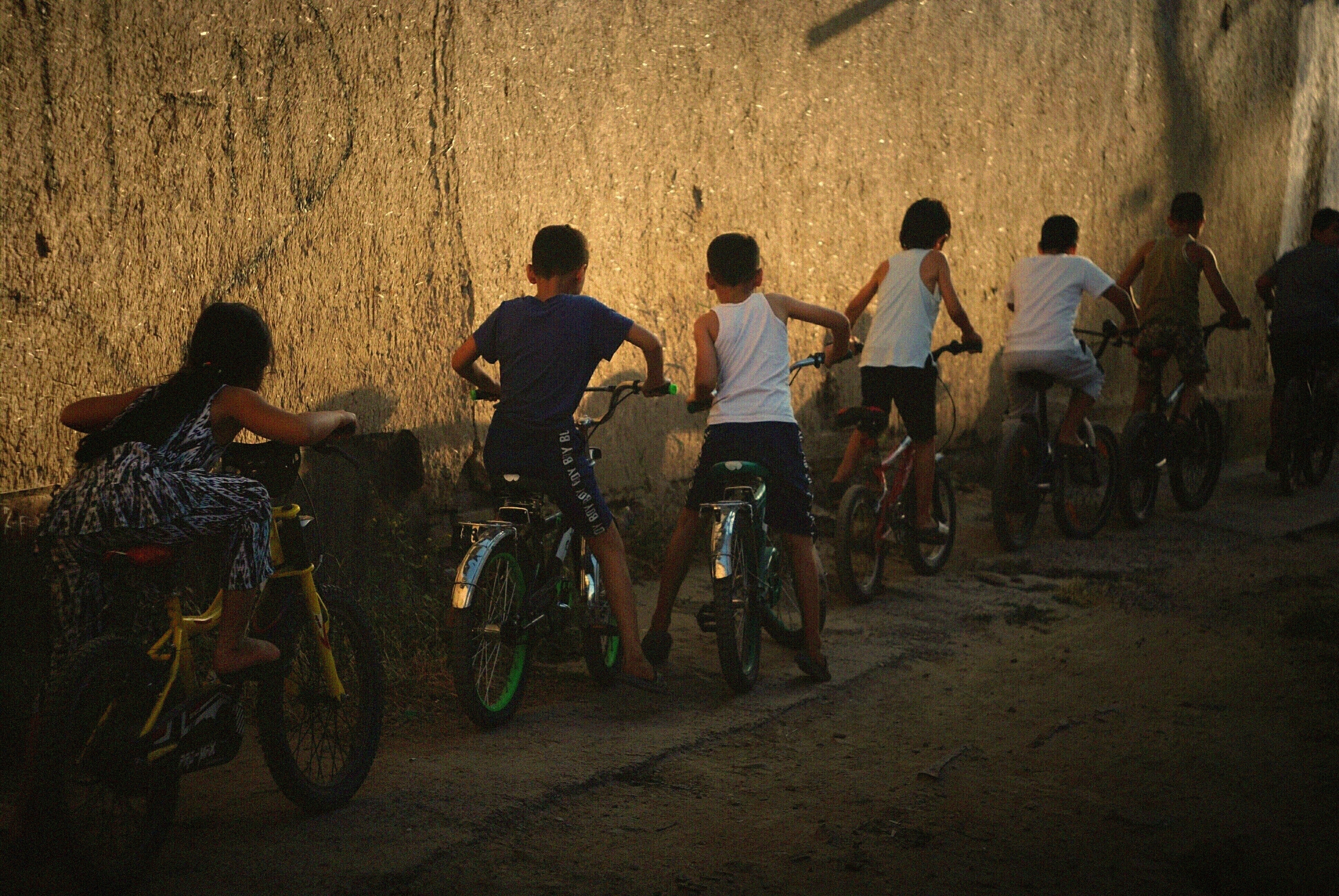
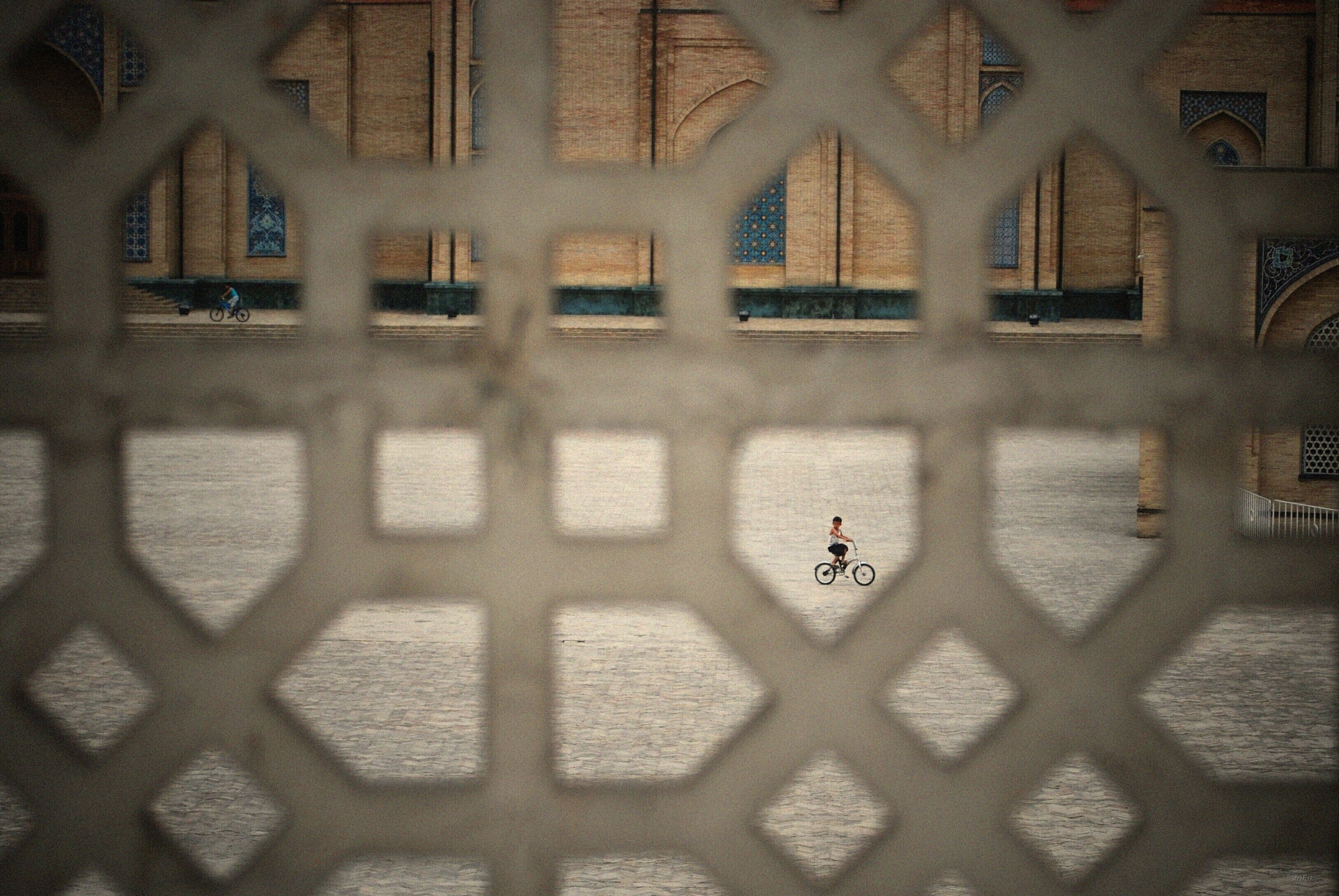
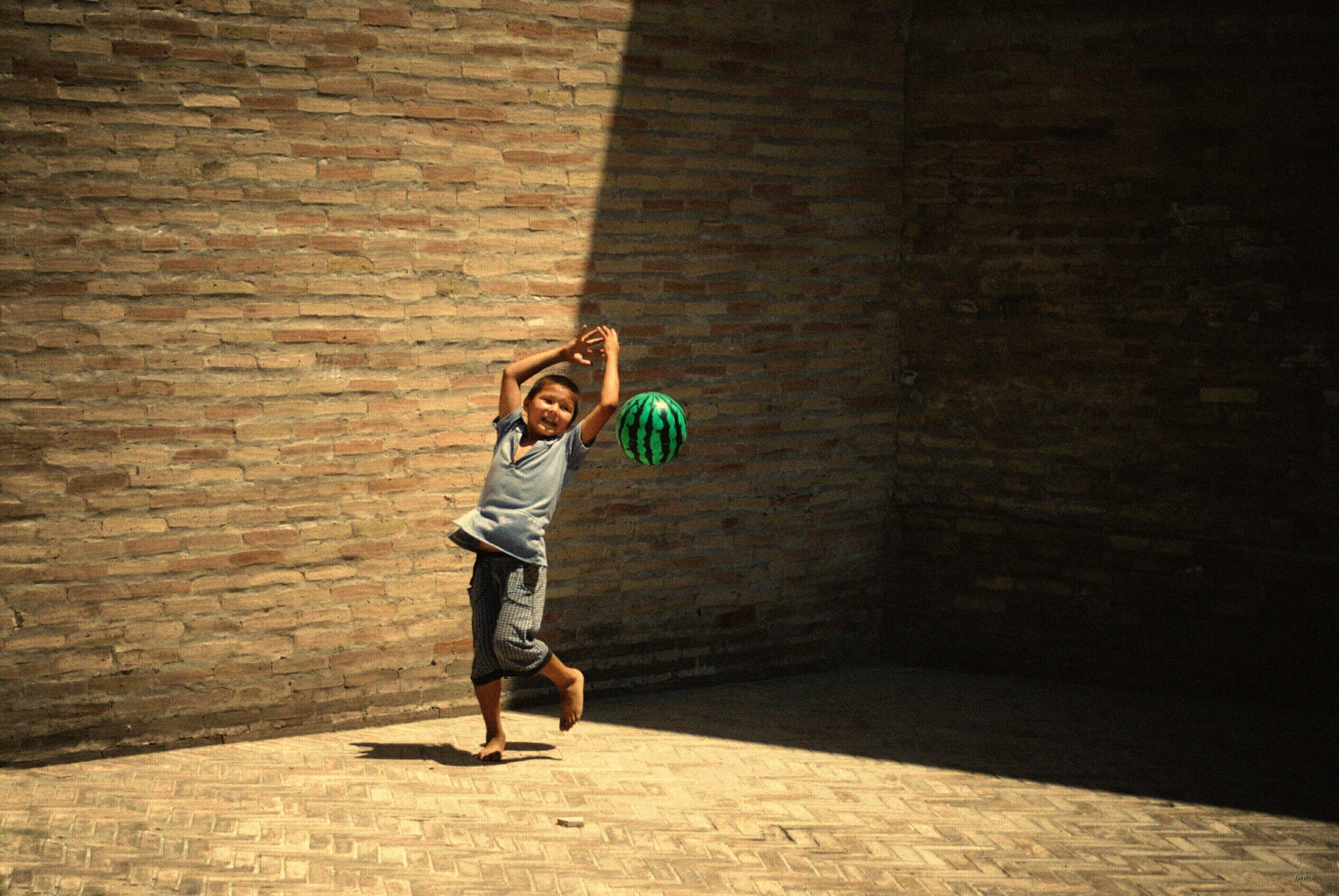
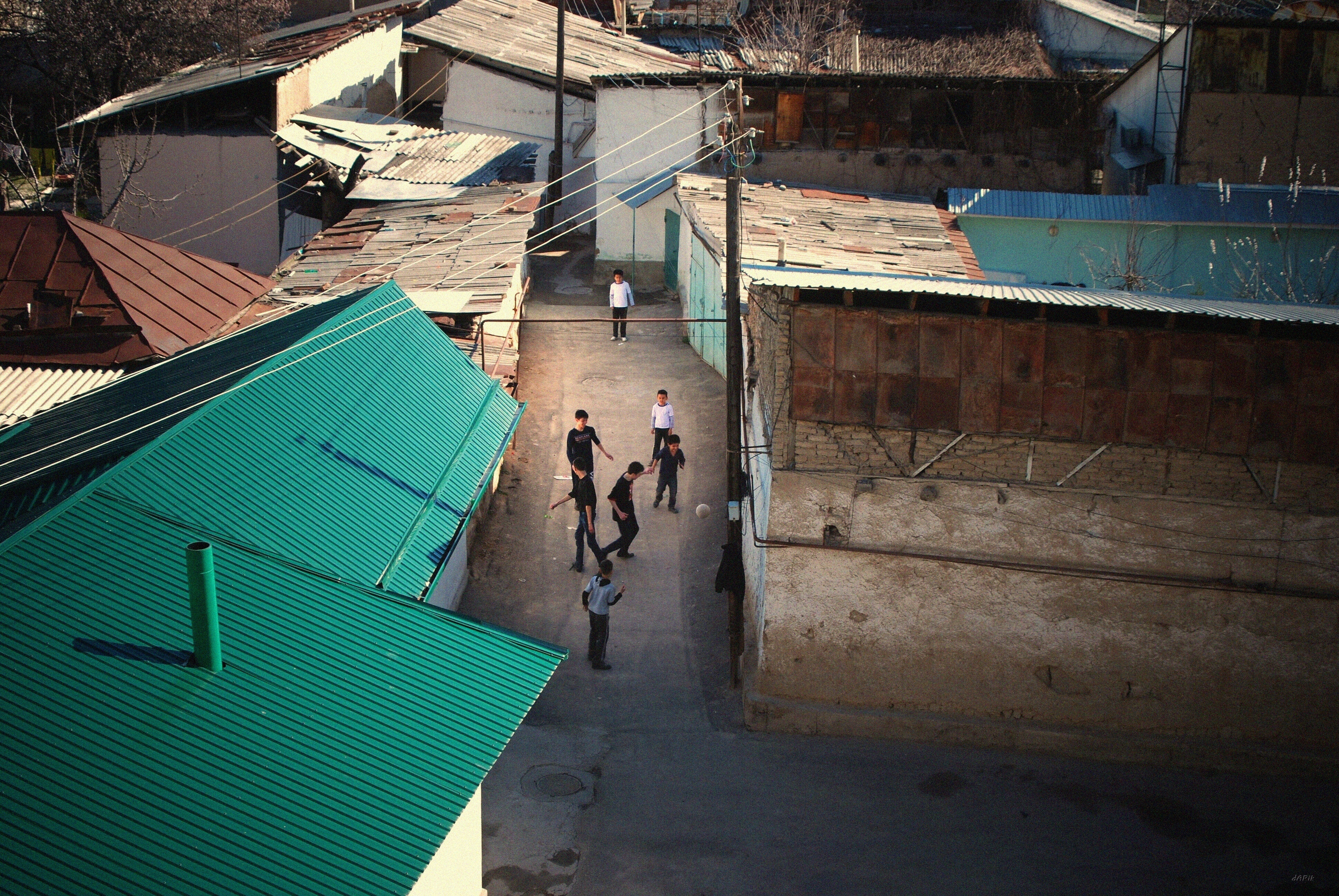
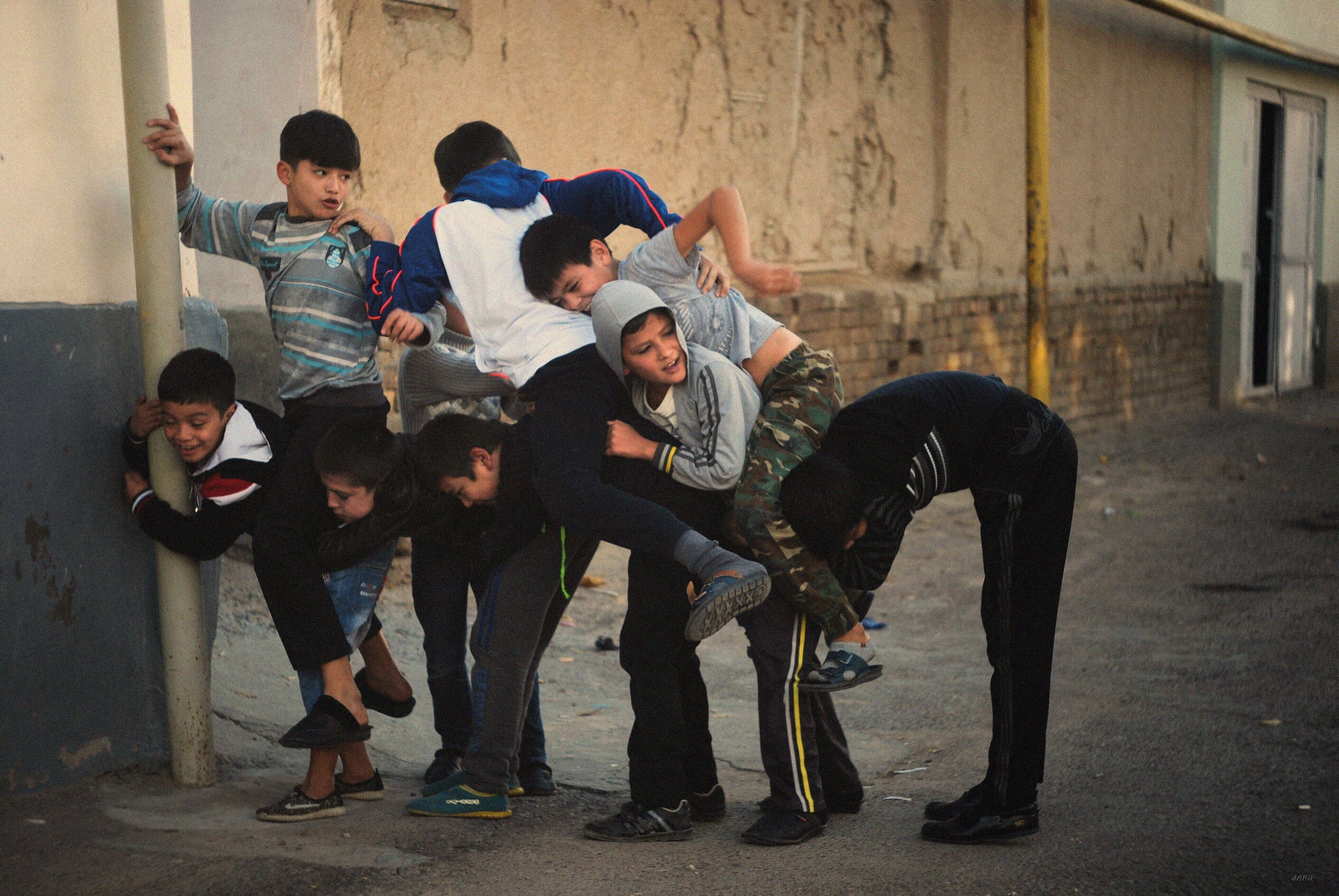
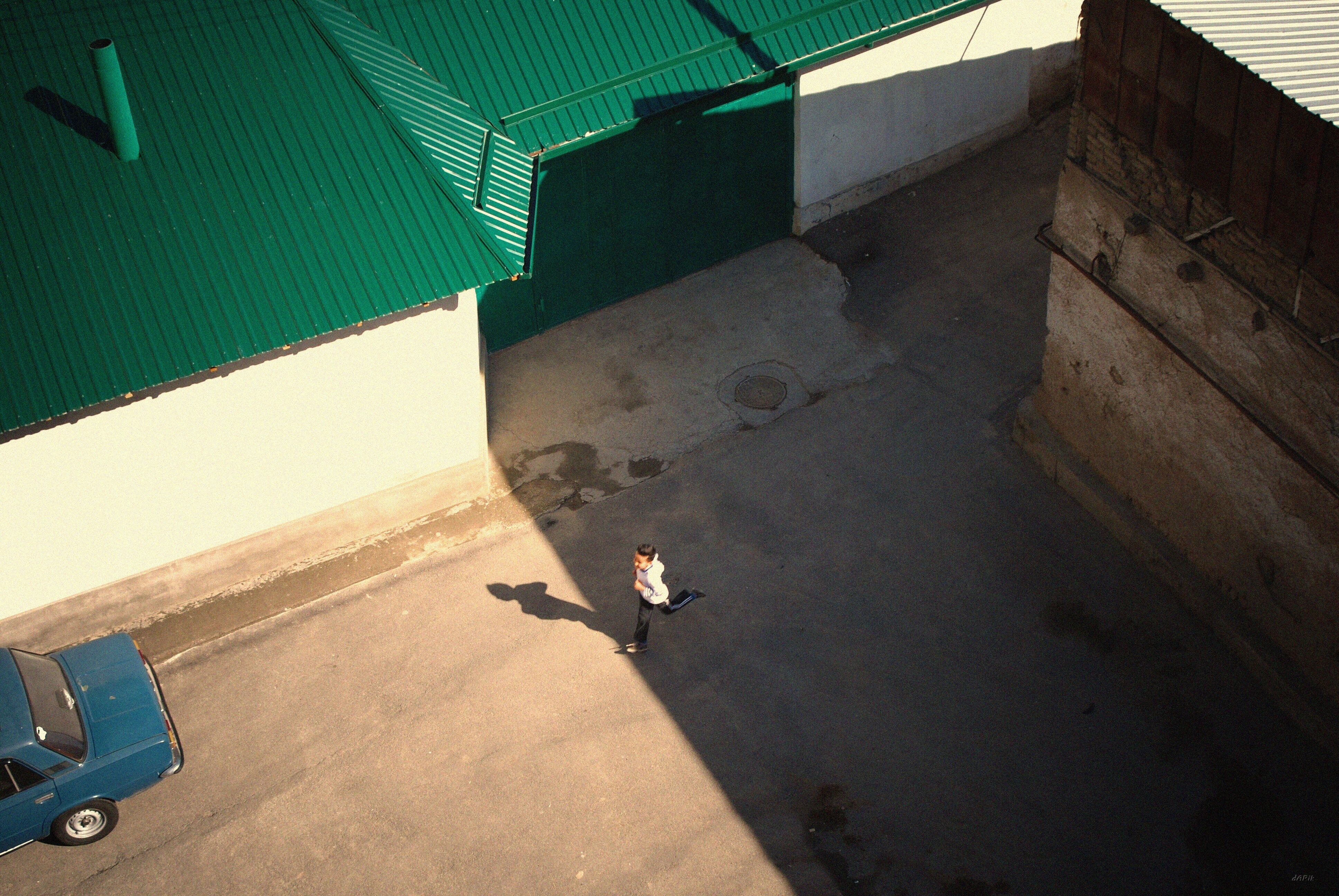
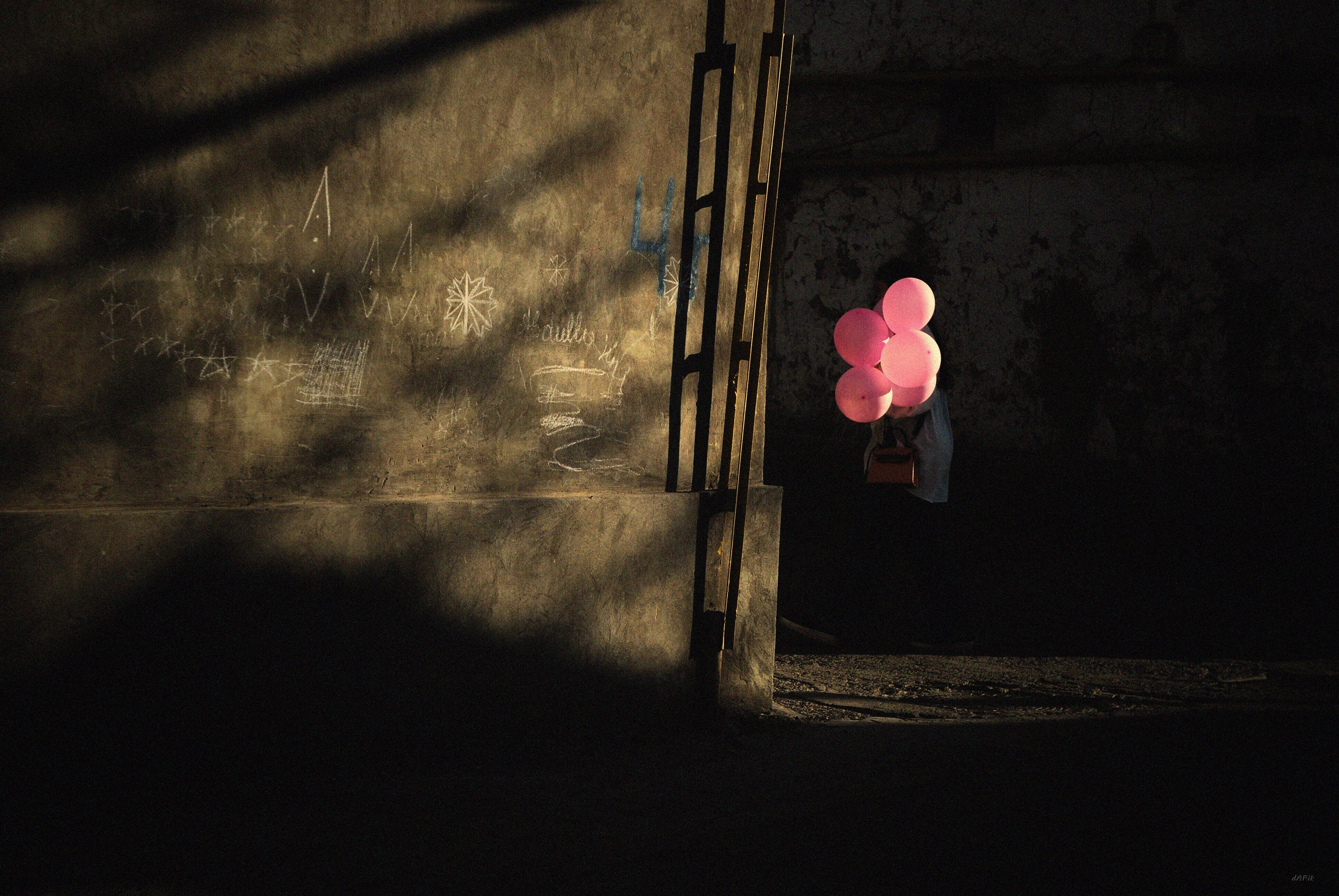
I know every hidden corner and every passageway. I return to these narrow streets again and again. I notice that the children, the central characters in my work, have not been spoiled by gadgets. They play the same games we did as children: lyanga, ishak-ishak, and they happily ride their bicycles. I remember that, as a child, getting a bicycle as a present was my greatest dream.
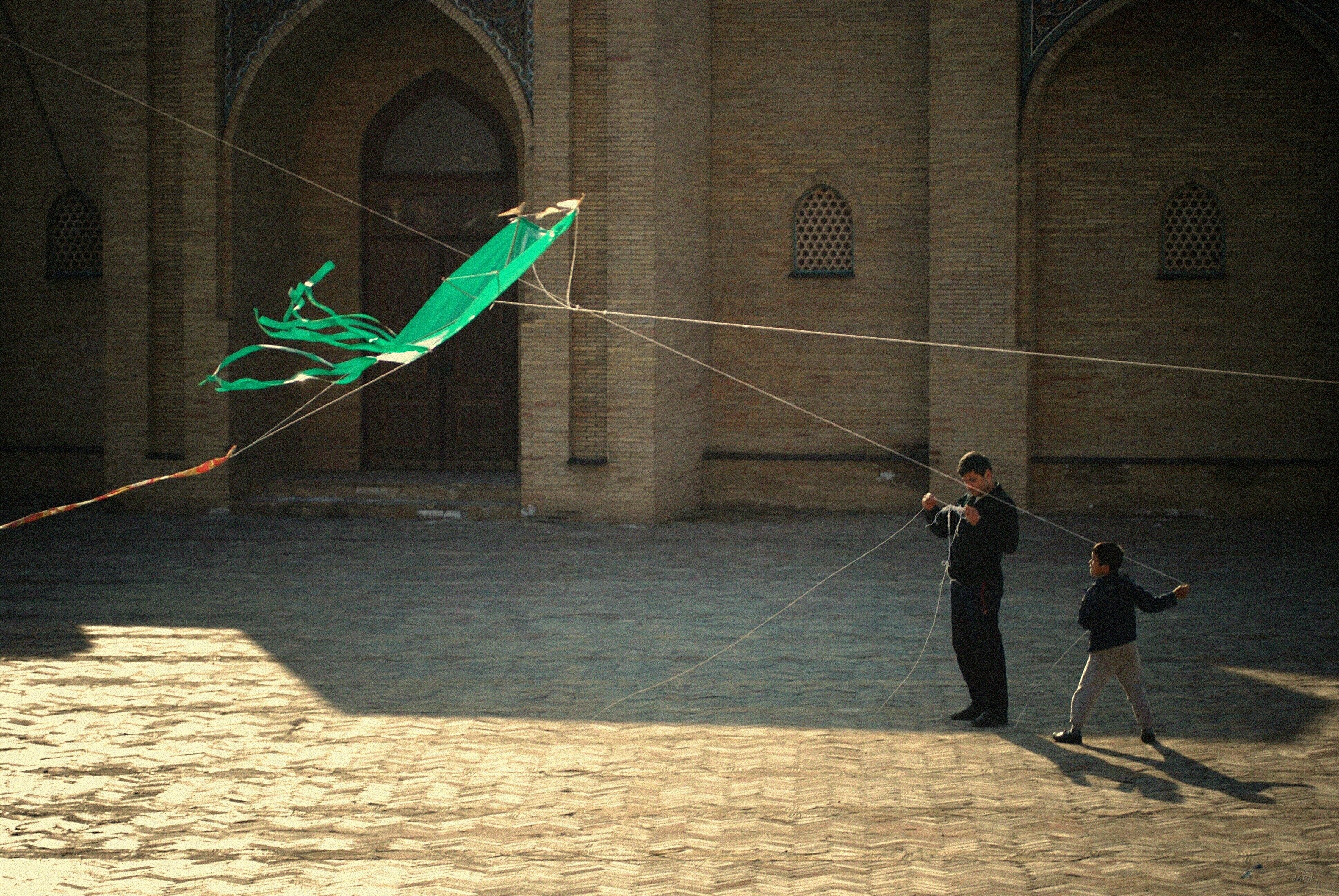
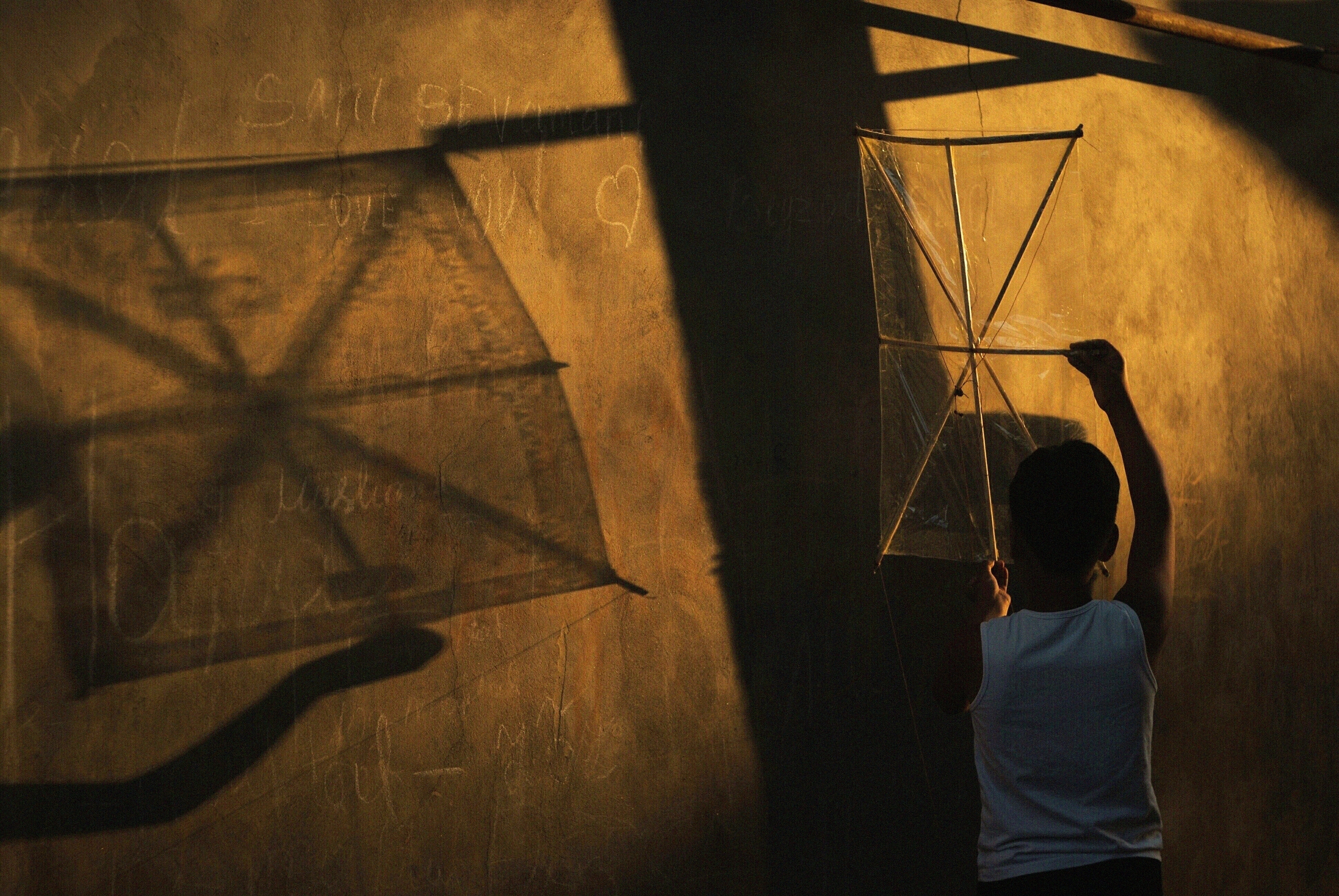
From late March to early May, kites fill the skies above Hazrati Imam Square. It is another local tradition, one I have known since childhood, and it remains hugely popular. Come spring, you see kites of every shape and kind flying overhead. We have written about it before:
Chasing the Wind: When Kite Season BeginsWinds in Uzbekistan are a seasonal phenomenon. Around mid-March, the skies over Tashkent fill with the dance of kites. This most romantic and gentle tradition, marking the arrival of spring, is captured in Ildar Sadykov’s photo essay.mag.humodoc.com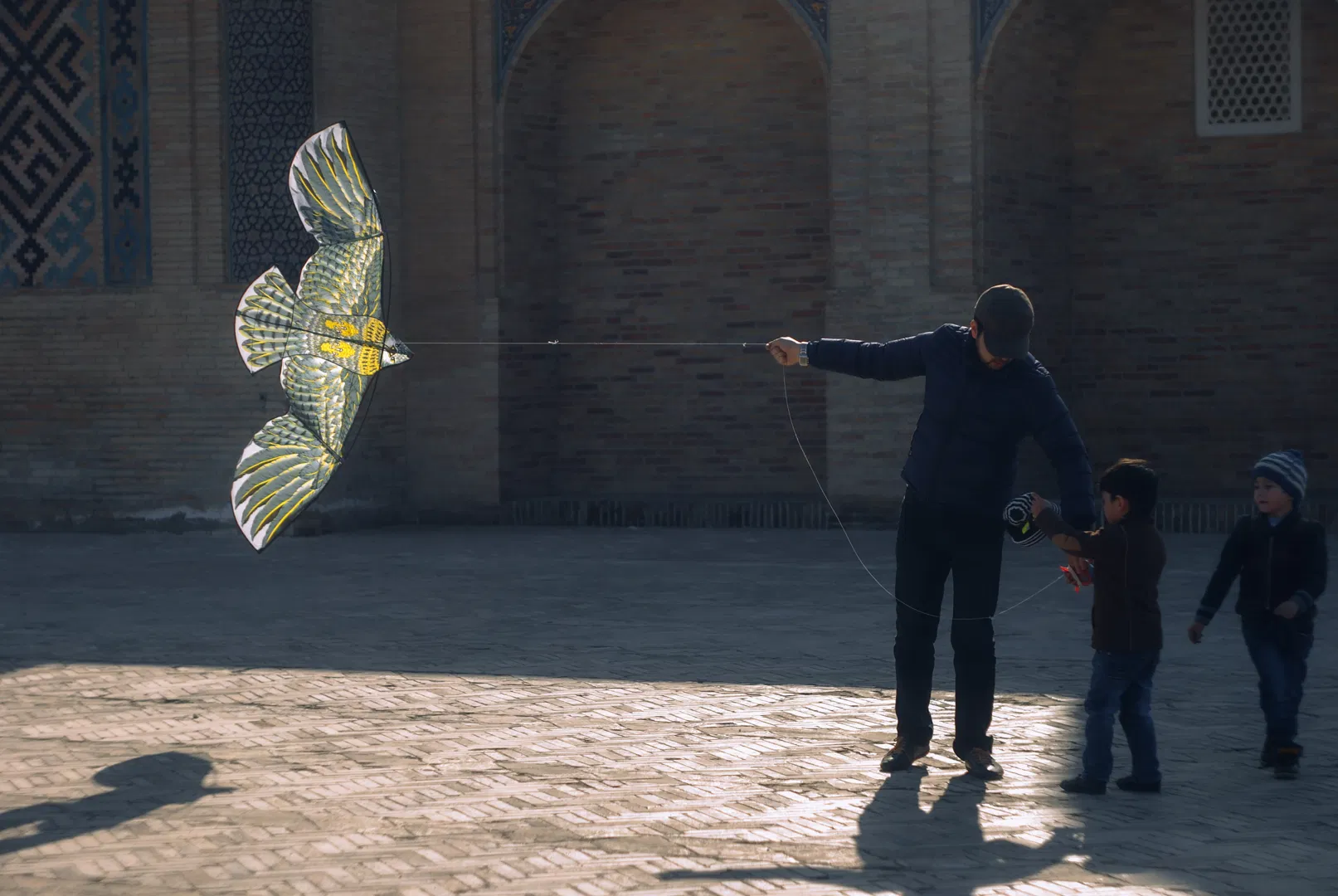
We keep trying to catch the fleeting beauty of the Old City, to capture it and preserve it. To some, it may be an exotic neighbourhood. To us, it is our history, our second heart. The old Tashkent will not return, but there are metropolises everywhere in the world.
The Old City needs to be preserved and restored, its infrastructure repaired, while allowing its spirit to continue living in the remaining lanes, among mud-brick walls and freely flowing canals, beneath the wilful wind moving through the crowns of the mulberry trees. It lives in the grace of sturdy courtyards, where wonderful flowerbeds and fruit gardens delight the eyes of the fortunate enough to enter them.
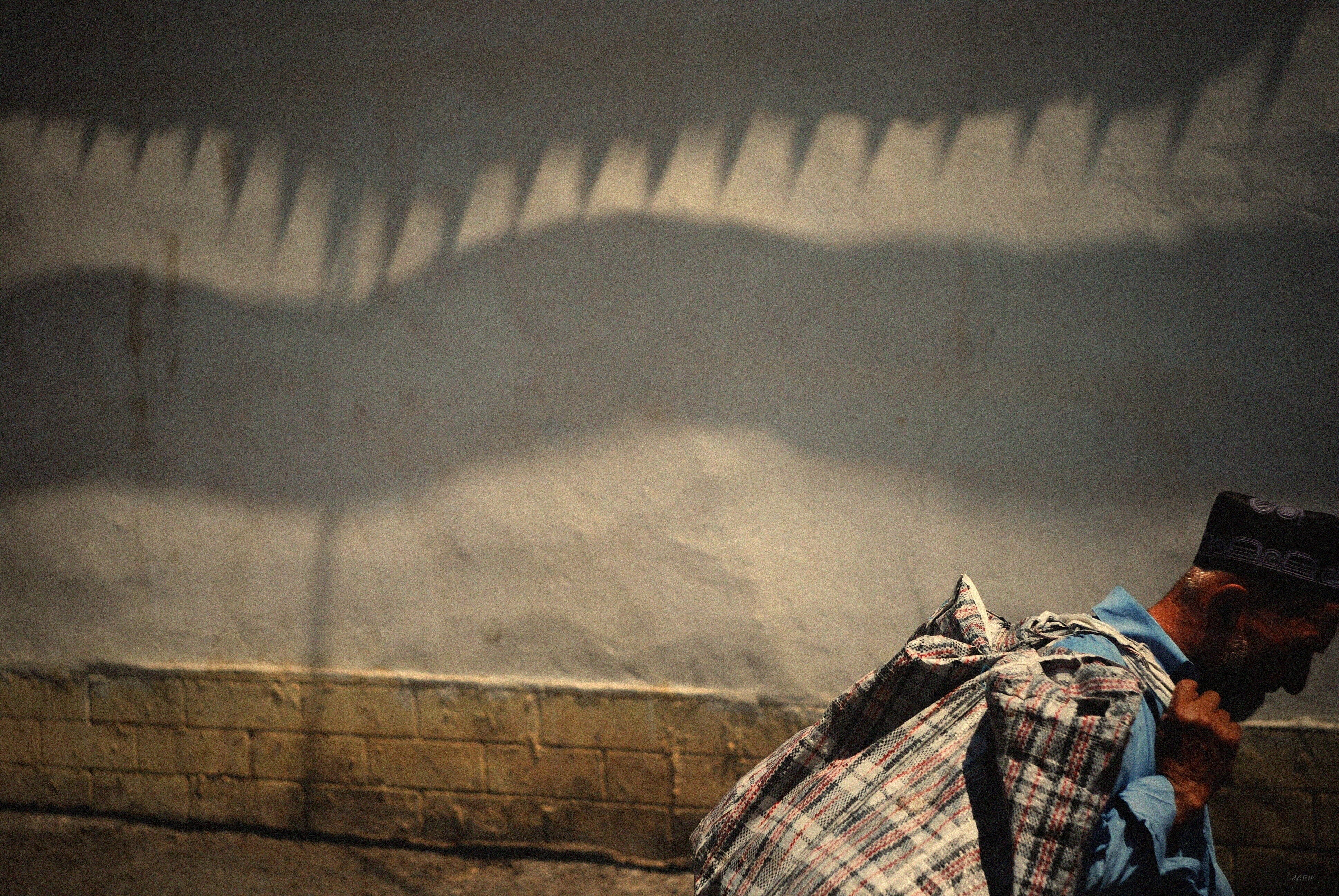
There is nothing to invent for the Old City. Everything is already there, and while it is still alive, it should be shared with those who value authenticity and do not need a picture-postcard version of the East to feel its spirit.
Newsletter
A letter from the HD editors
Once a week, we send the best stories, events, and cultural discoveries from Central Asia.