Traditions
The Wizard’s Workshop: A Visit to Alisher Nazirov — photo essay
Ildar Sadykov, Maria Maksimycheva, Sergey Pogosyan
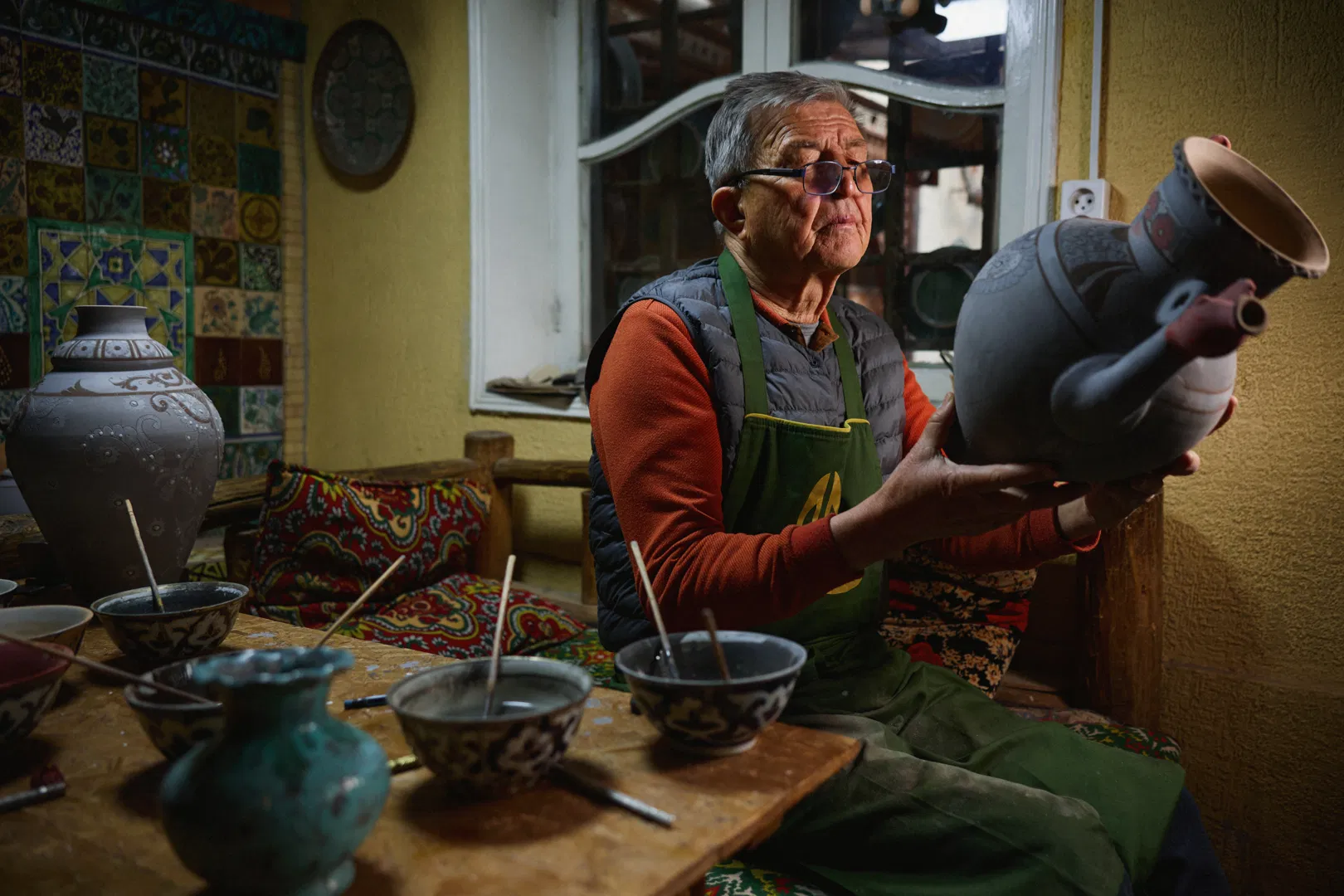
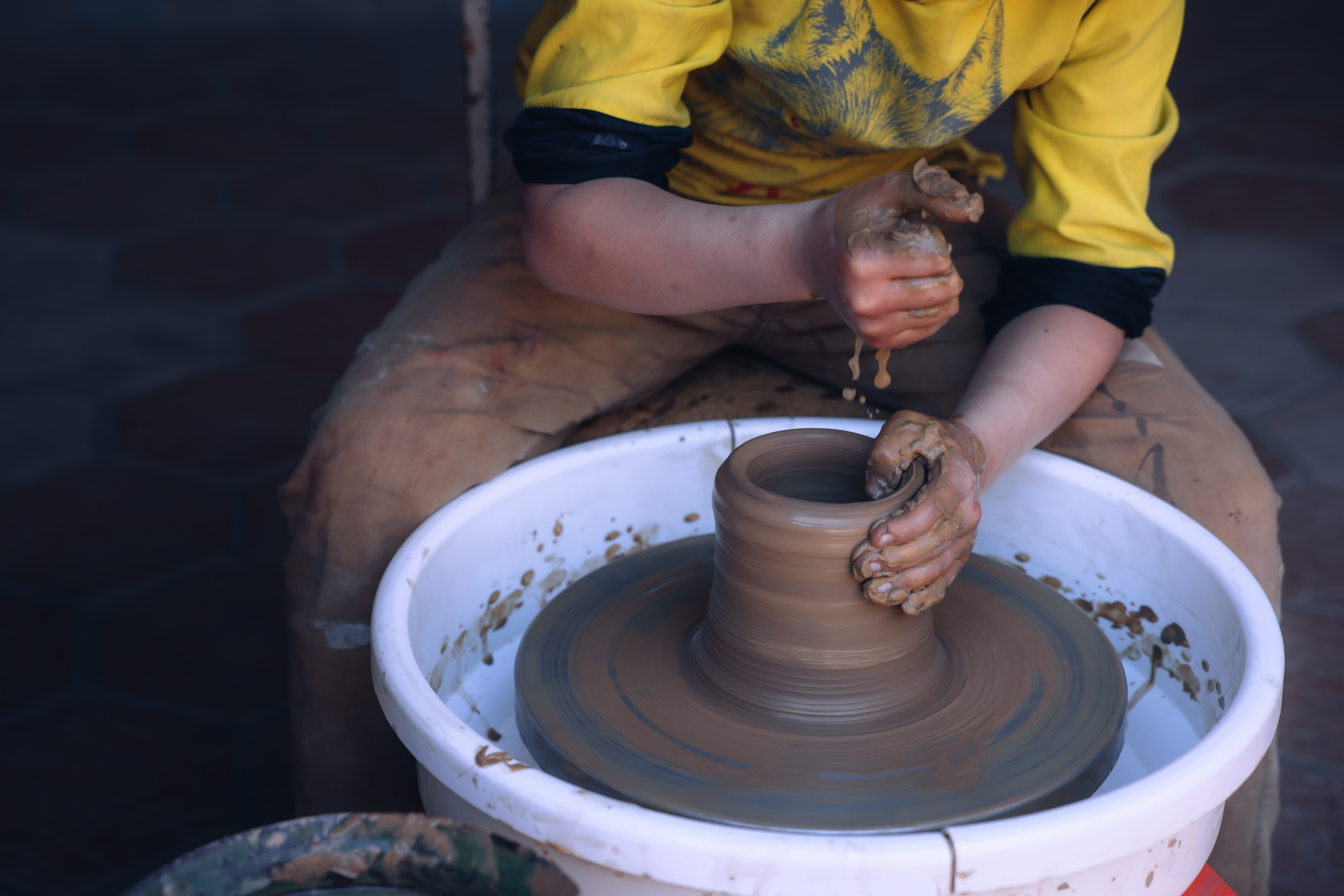
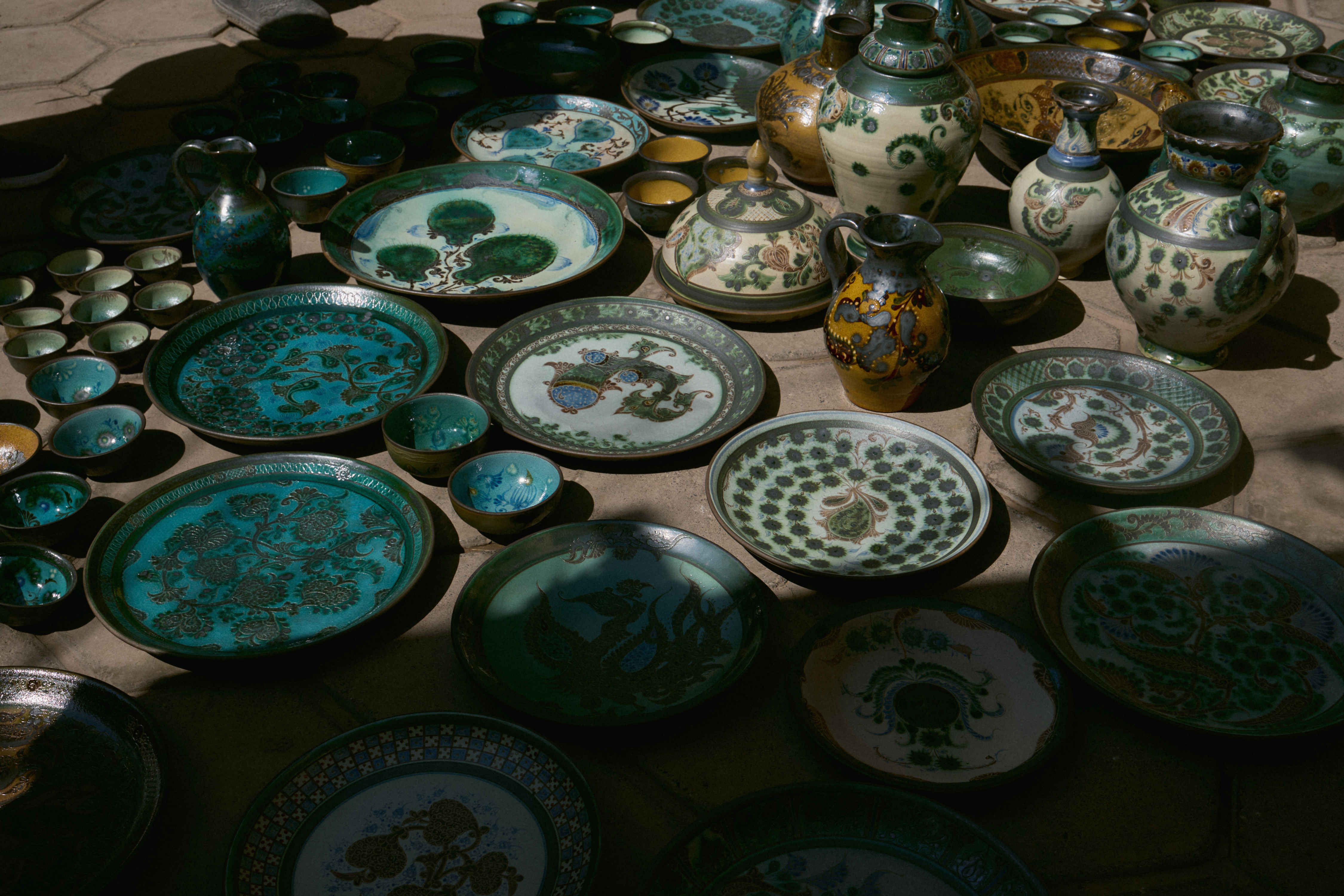
Rishtan ceramics, with their distinctive blue glaze, have long been one of Uzbekistan's most recognisable cultural brands, carrying the country's rich tradition of applied arts far beyond its borders. For nearly two centuries, local craftsmen have fashioned pottery from the region's red clay, creating pieces that have found their way around the world as souvenirs, museum exhibits and prized possessions of royalty, collectors and gallerists alike.
 Source: Photo: Ildar SadykovSource: Photo: Ildar SadykovSource: Photo: Ildar SadykovSource: Photo: Ildar Sadykov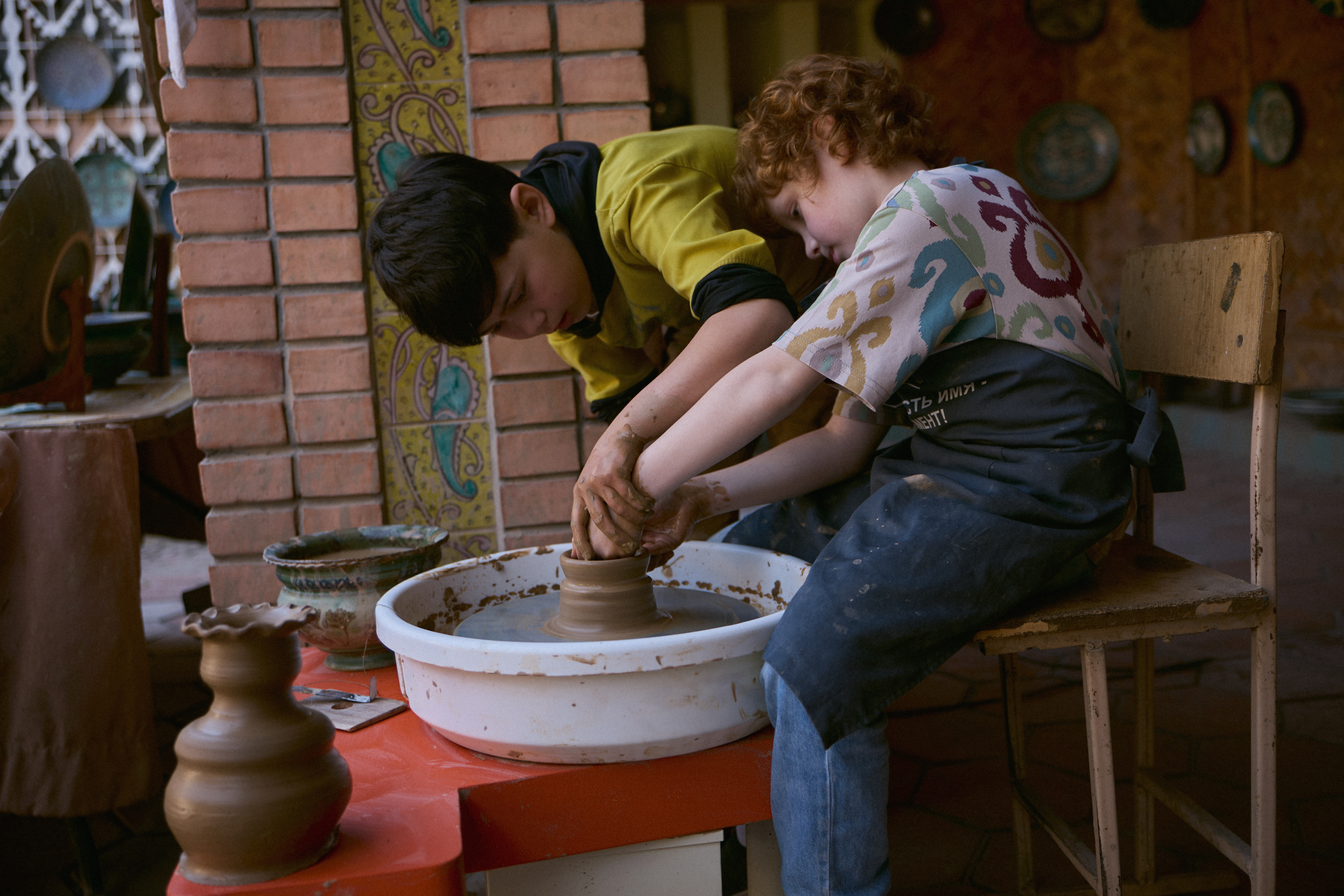
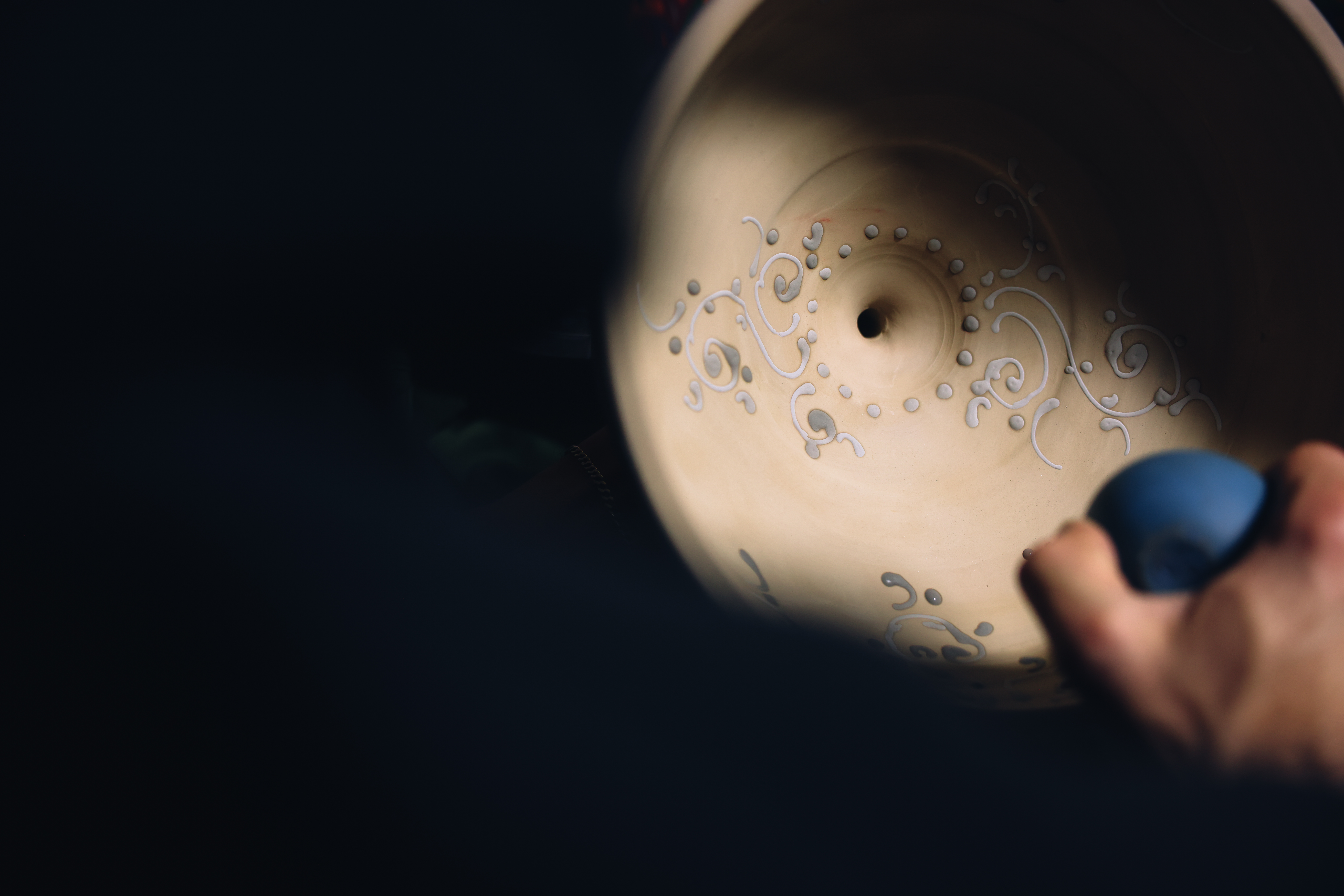
A small town in the Fergana Valley, Rishtan has always been rich in talented kulols and nakkoshes who created fine ceramics not for everyday use but as works of art. In the 20th century a factory was established here, absorbing entire artels of ceramicists; regional patterns were standardised and reduced to a stamp.
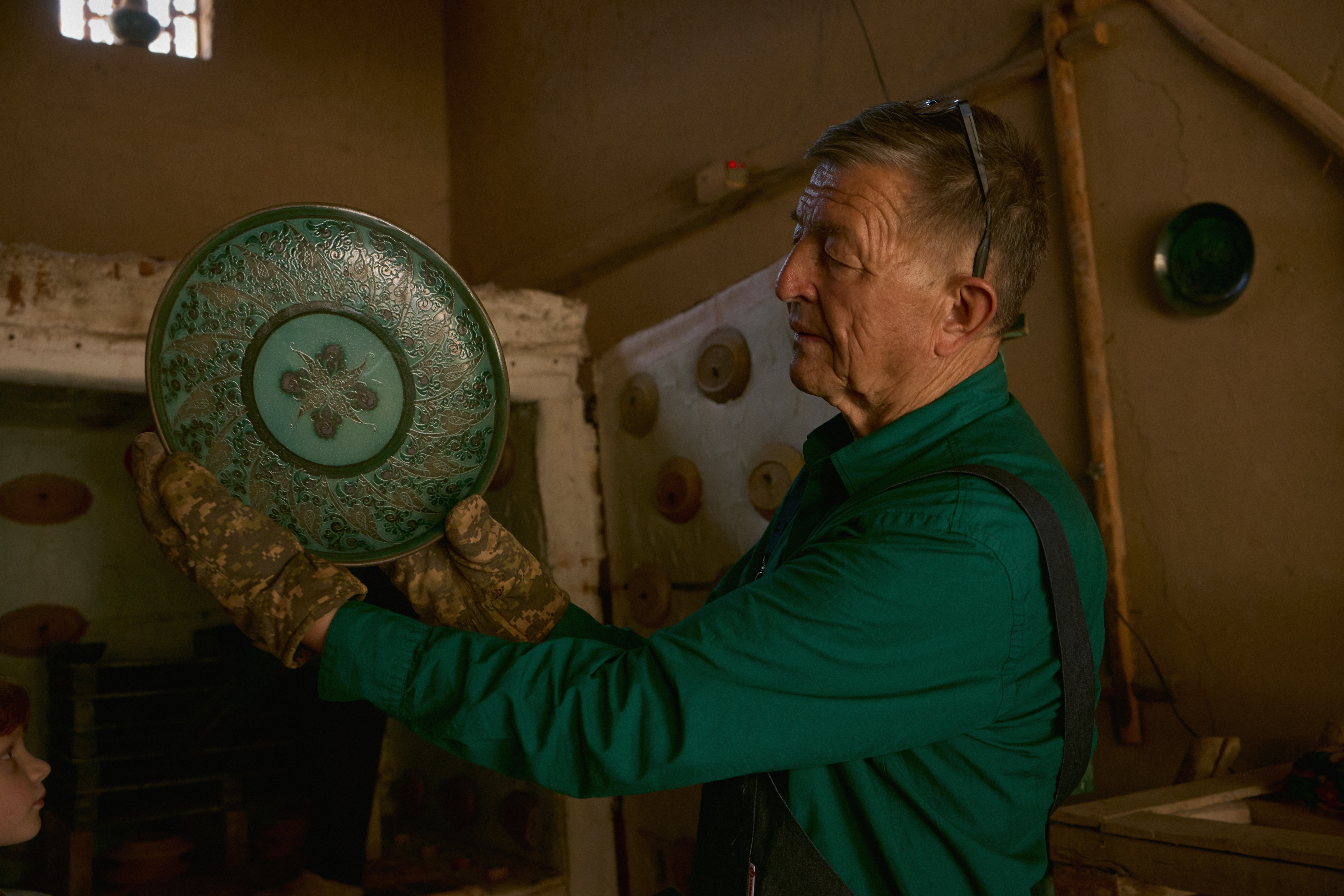
Later, amid the ruins of the Soviet era, hereditary craftsmen began painstakingly restoring traditional forms, recipes and meanings, reviving the region's ceramic school piece by piece. One of the leading figures in this revival was Alisher Nazirov. Contrary to popular belief, he was the first in his family to take up ceramics, with his relatives following in his footsteps later. Nazirov elevated artistic experimentation with traditional ishkor glazes to an entirely new level, introducing metal oxides to broaden their range of colours, textures and surface effects.
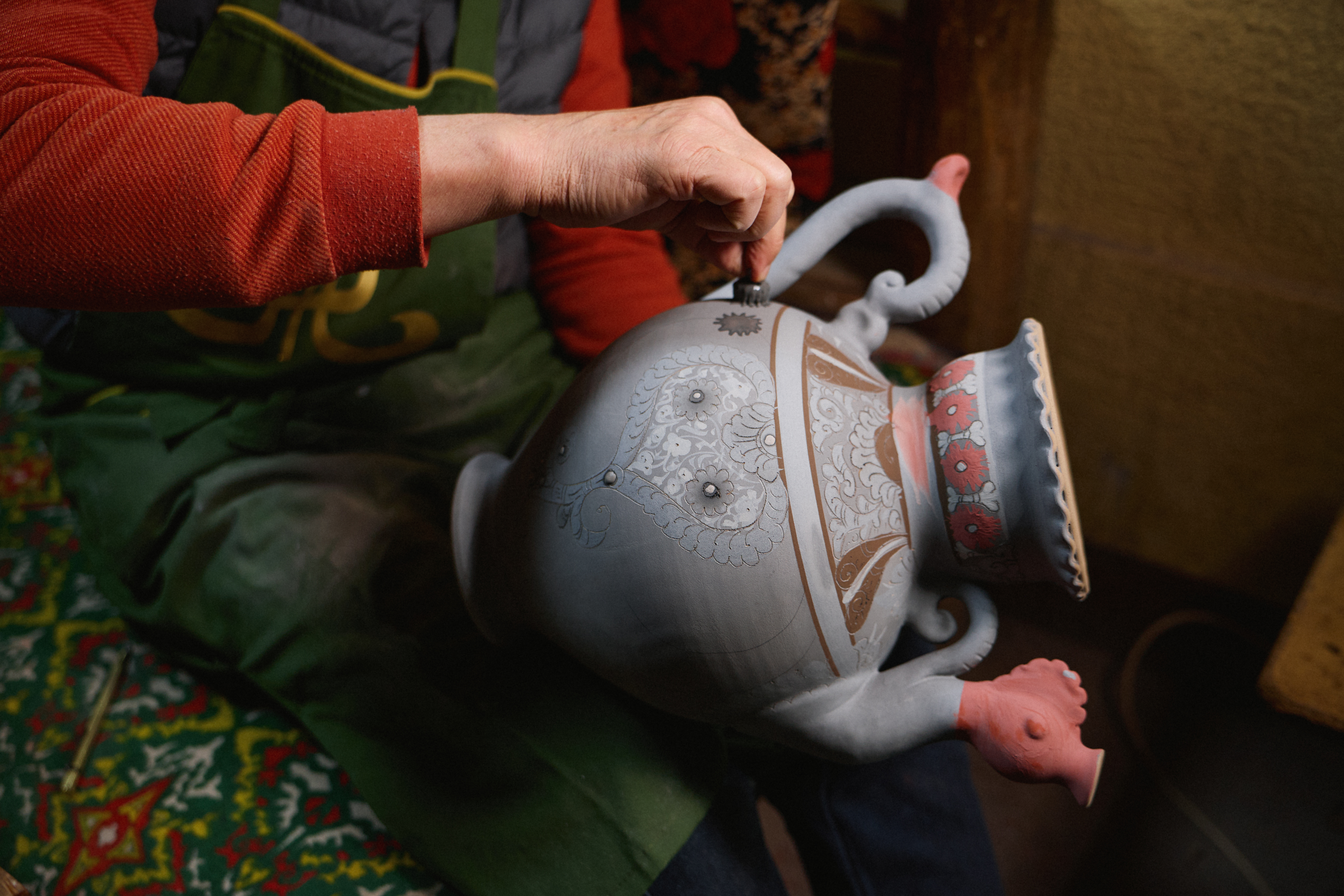 Source: Photo: Ildar SadykovSource: Photo: Ildar SadykovSource: Photo: Ildar SadykovSource: Photo: Ildar Sadykov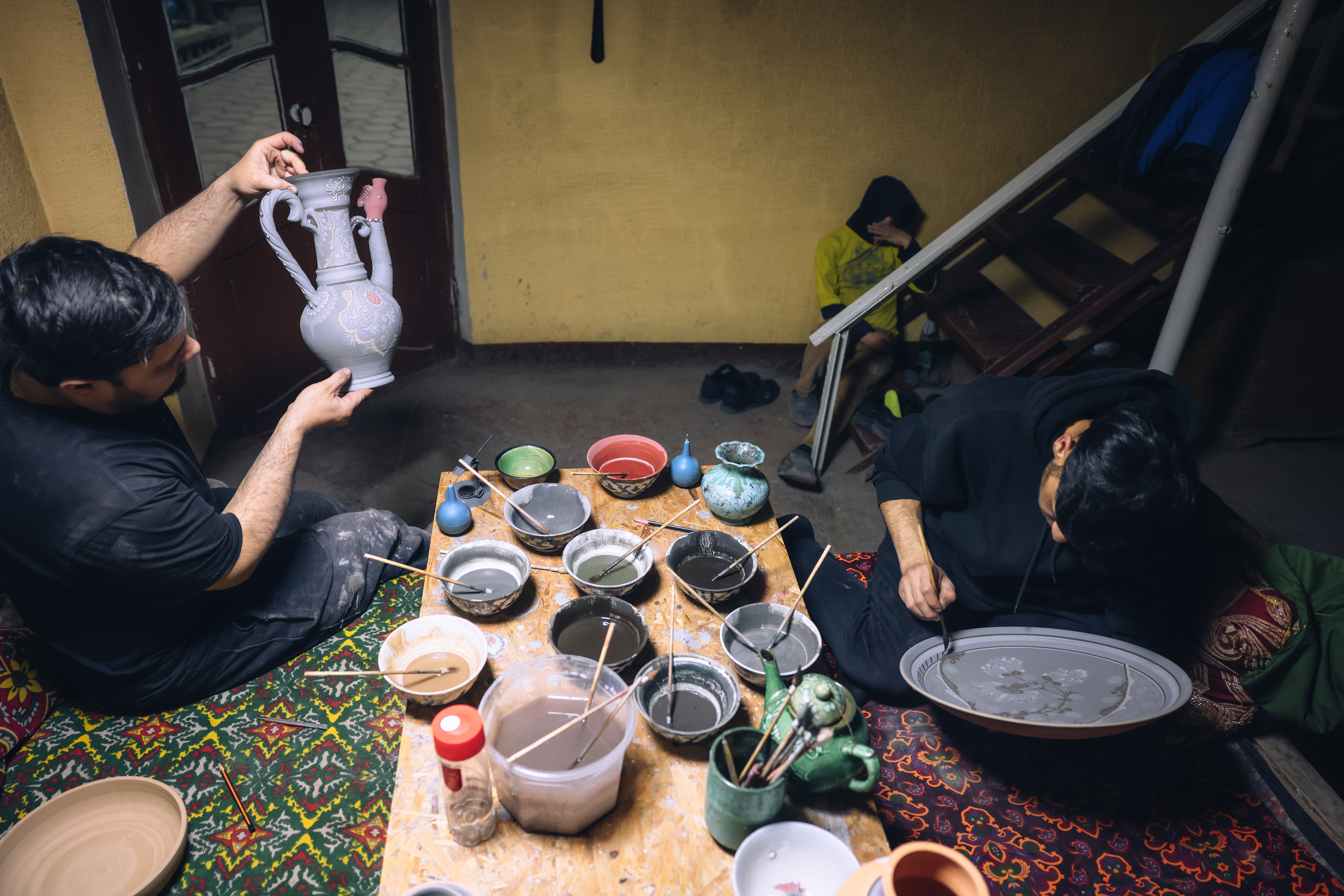
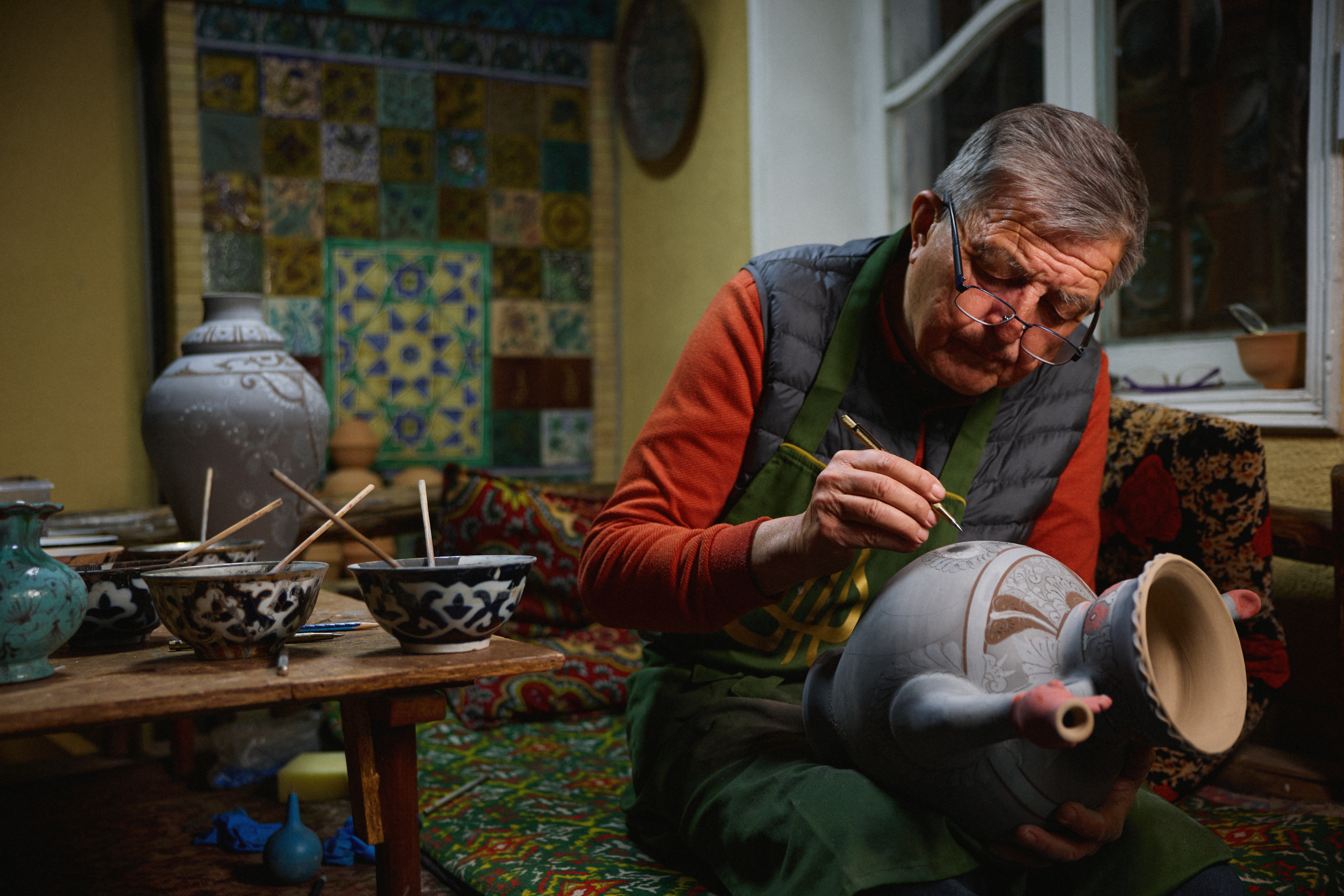
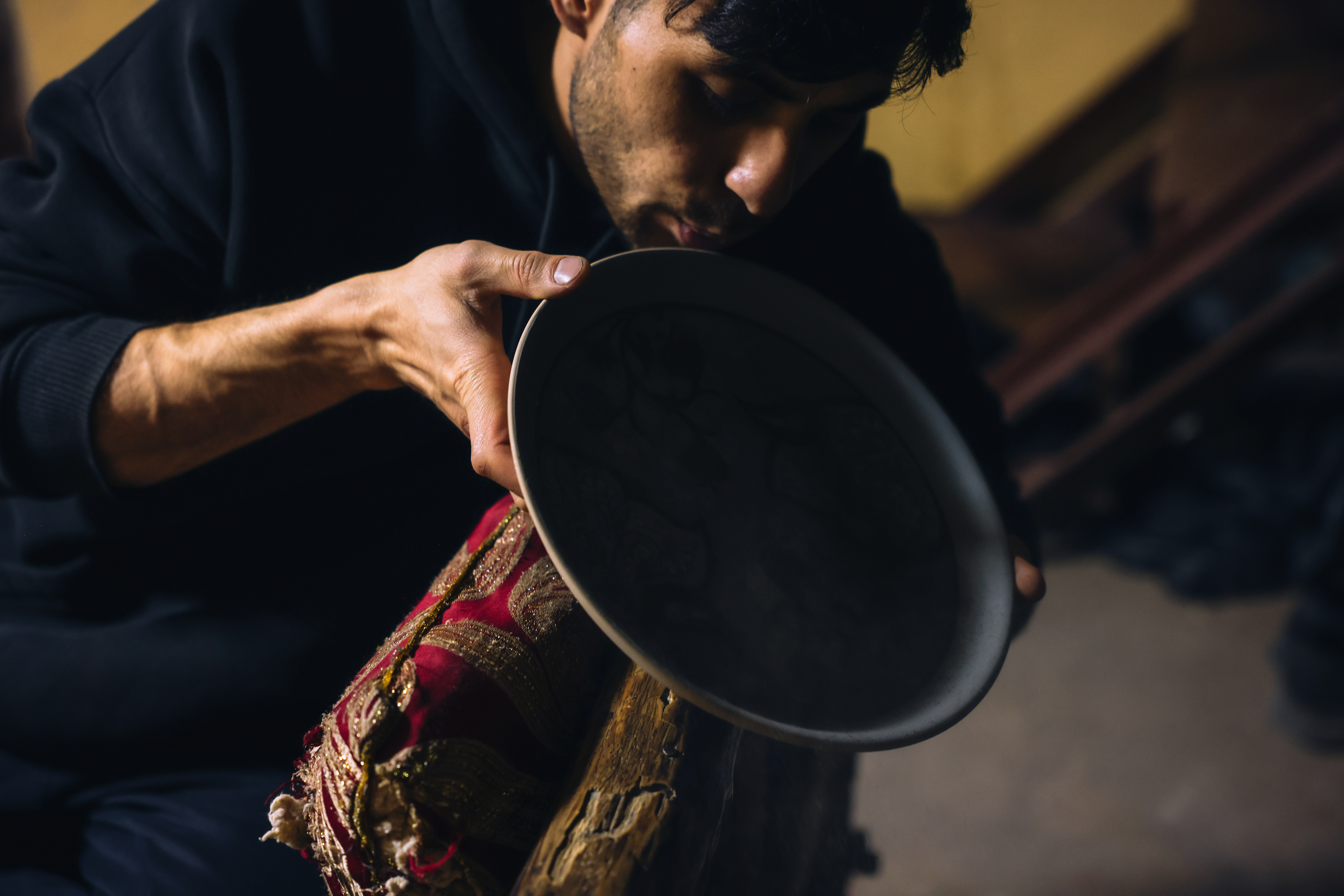
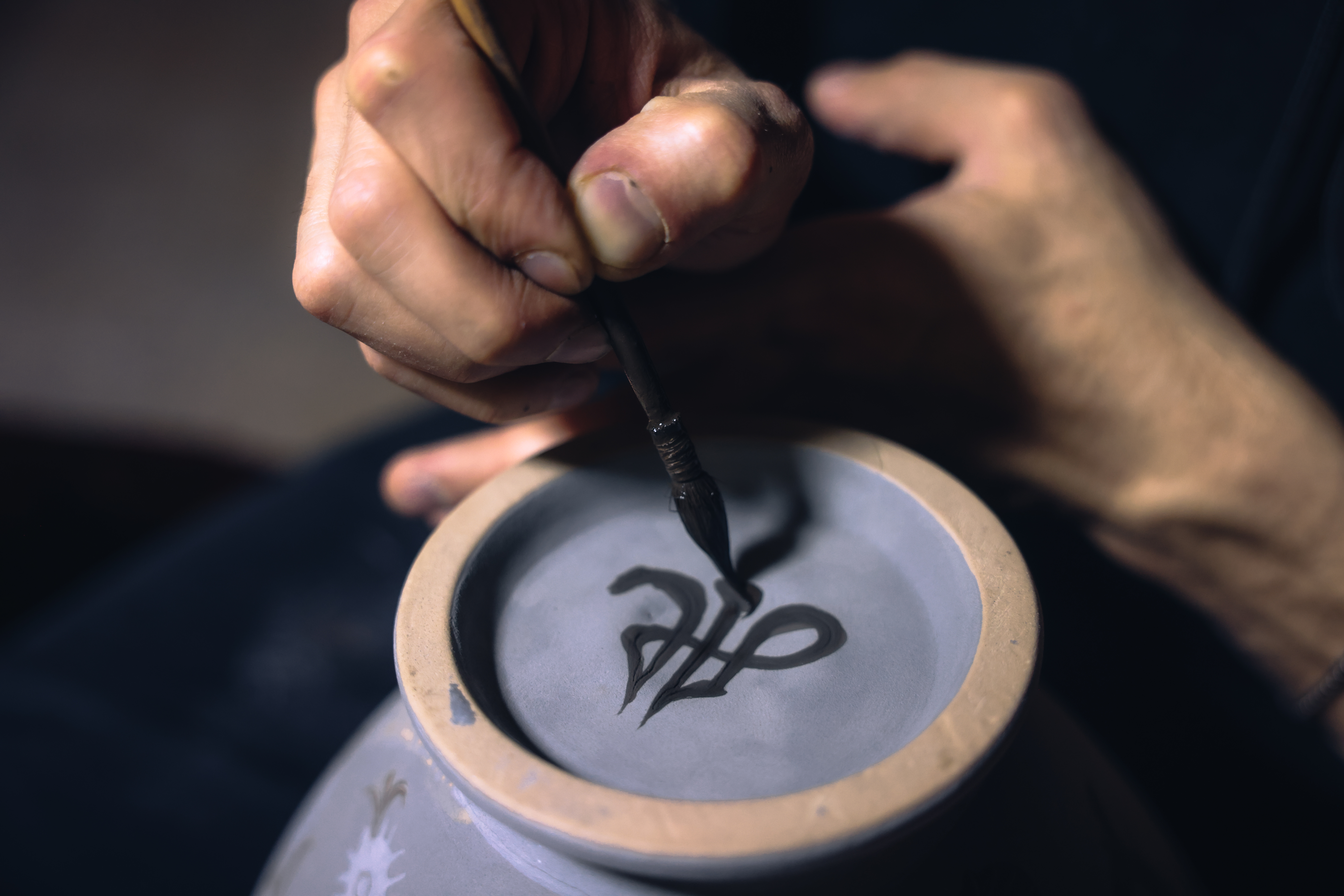
His workshop in his native Rishtan welcomes foreign visitors with a frequency that rivals some diplomatic missions. Captivated by his stories, guests watch as extraordinary patterns emerge beneath the master's brush. Nazirov's artistic universe is the product of knowledge, experimentation, exceptional talent and a distinctly Eastern spirit of contemplation.
His name is known far beyond Uzbekistan, from Japan to Europe. His works can be found in the collections of the State Museum of Arts of Uzbekistan, the State Museum of Oriental Art in Moscow, the Russian Ethnography Museum in St Petersburg, the Asakura-san Ceramic Museum in Komatsu, and numerous private collections around the world. His work has been featured by the BBC and many other international broadcasters. Significantly, Nazirov studied under Asakura Isokichi, a ceramic master designated a Living National Treasure of Japan. Through this connection, Japanese artistic motifs and a profound understanding of Eastern philosophy found their way into his work, leaving a distinctive and recognisable imprint.
 Source: Photo: Ildar SadykovSource: Photo: Ildar SadykovSource: Photo: Ildar SadykovSource: Photo: Ildar Sadykov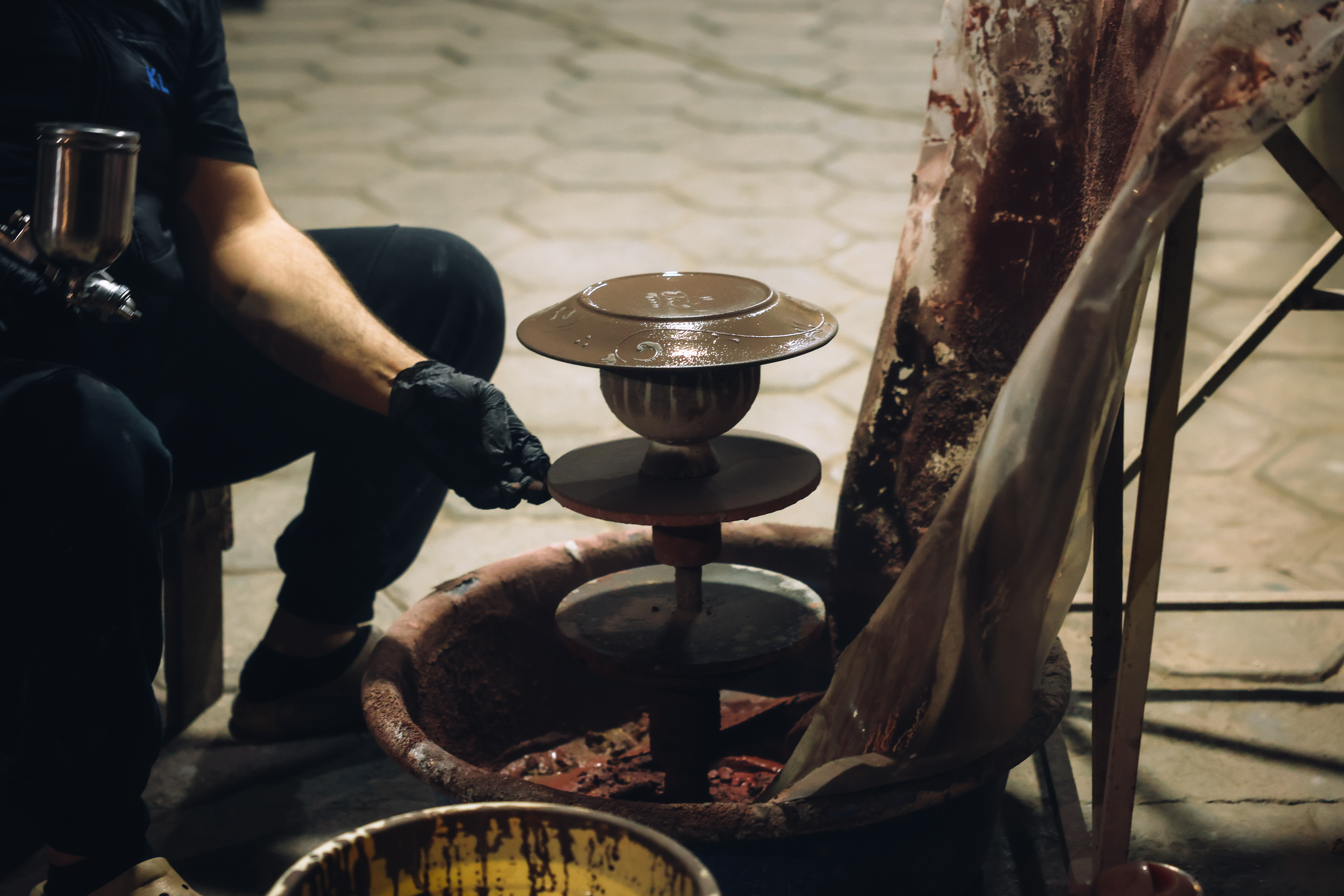
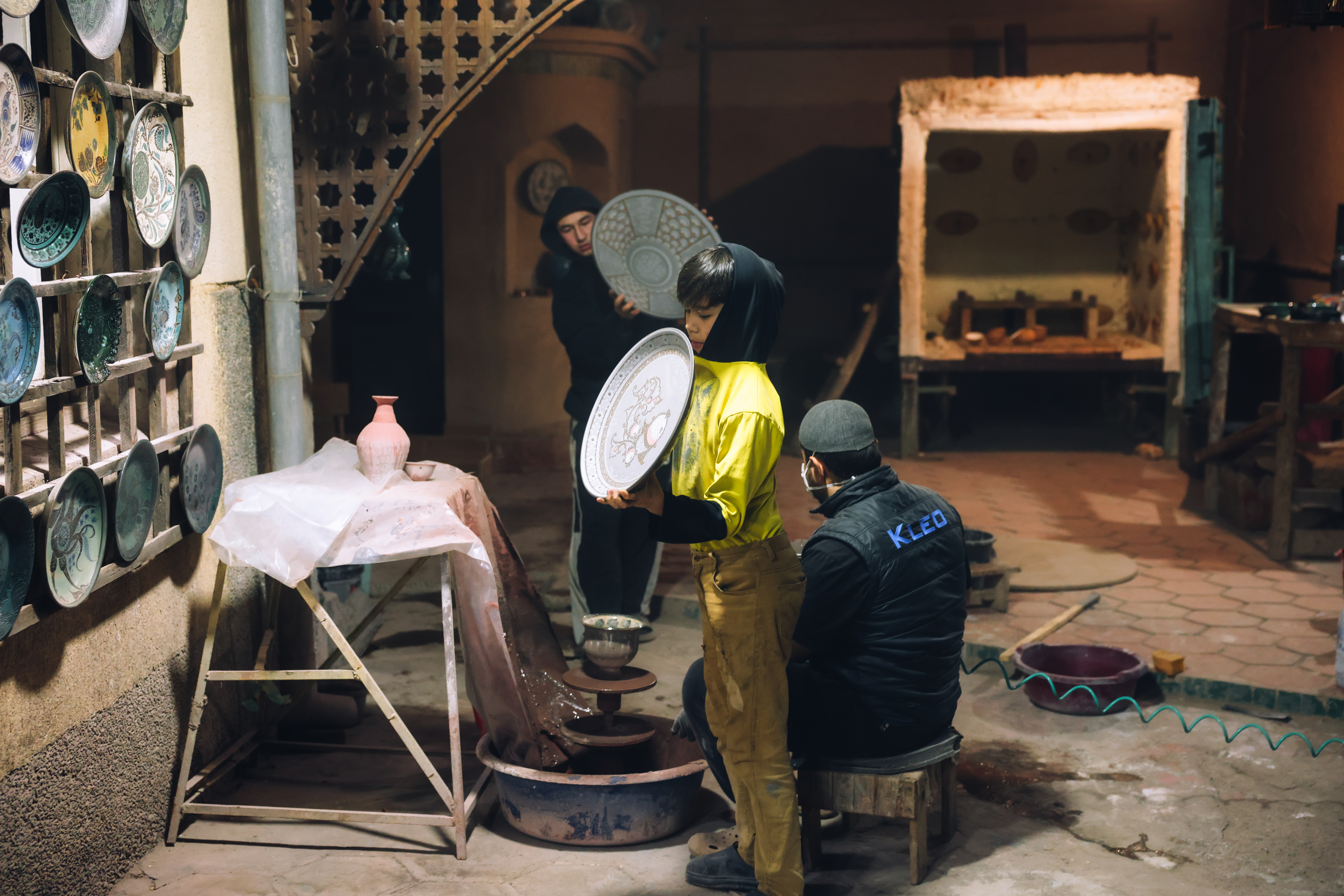
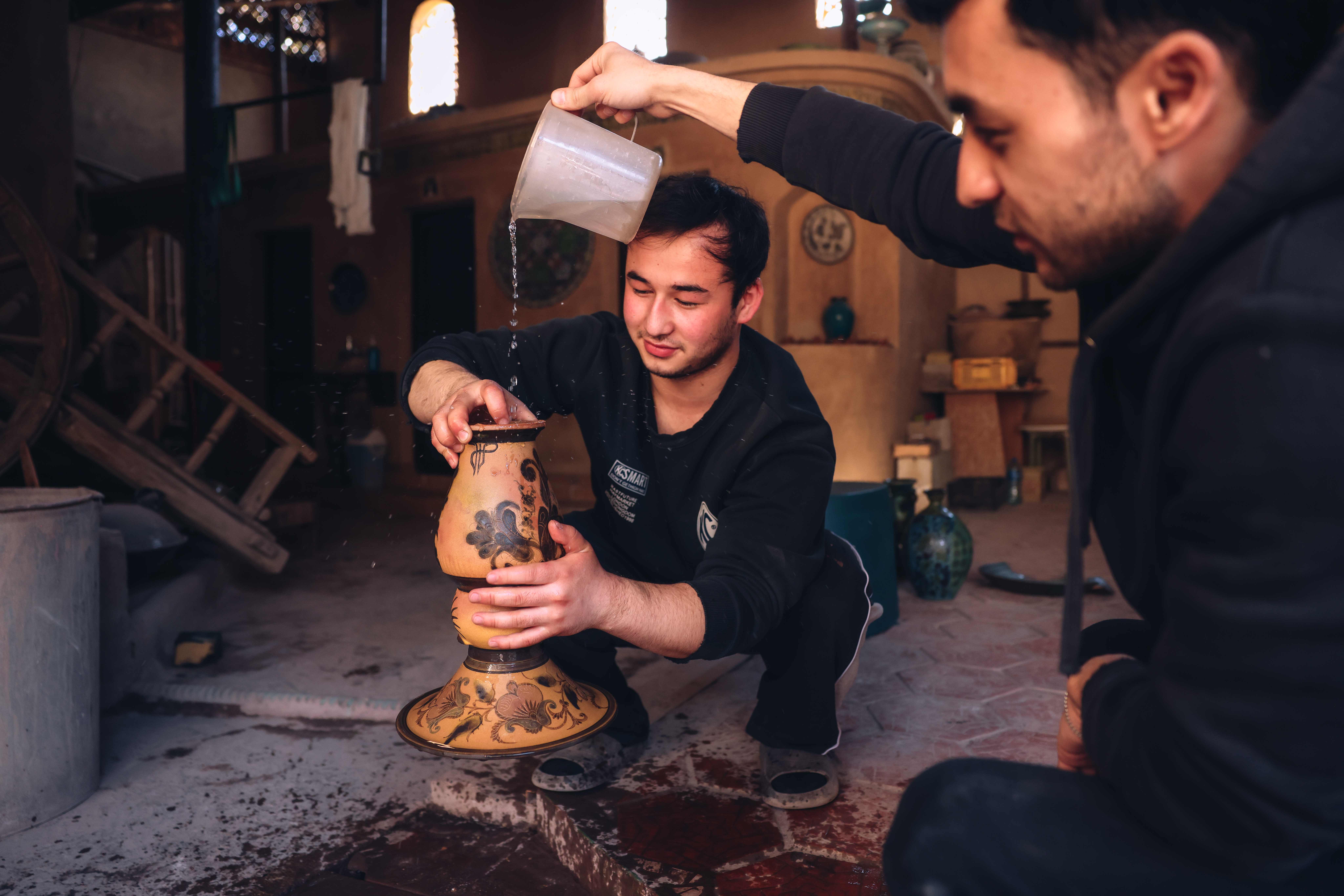
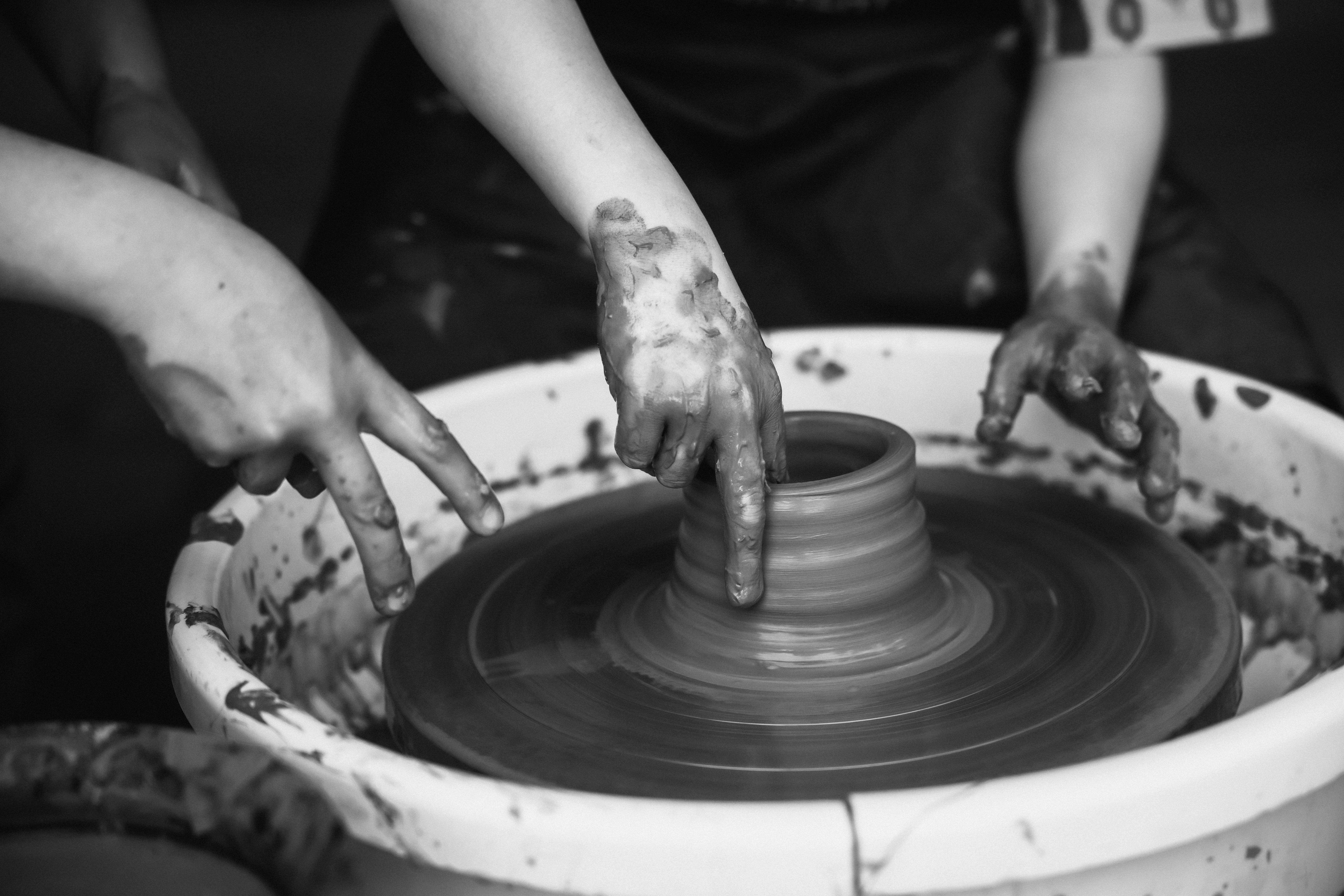
The master, or usto, works in his studio, but never alone. Skills acquired from teachers are traditionally passed on to apprentices, and this continuity remains one of the craft's most enduring principles. Young men who dream of becoming ceramic artists live and work alongside Alisher-aka, learning from his example. Yet it is not only students who stand in awe of the renowned ceramicist's mastery, discipline and remarkable refinement. The flow of visitors to Nazirov's workshop never ceases. Those who enter find themselves not in a pottery shop but in a magical world where the observer is every bit as important as the creator. It is a place with its own traditions. Perhaps that is why it attracts even those with little prior interest in ceramics.
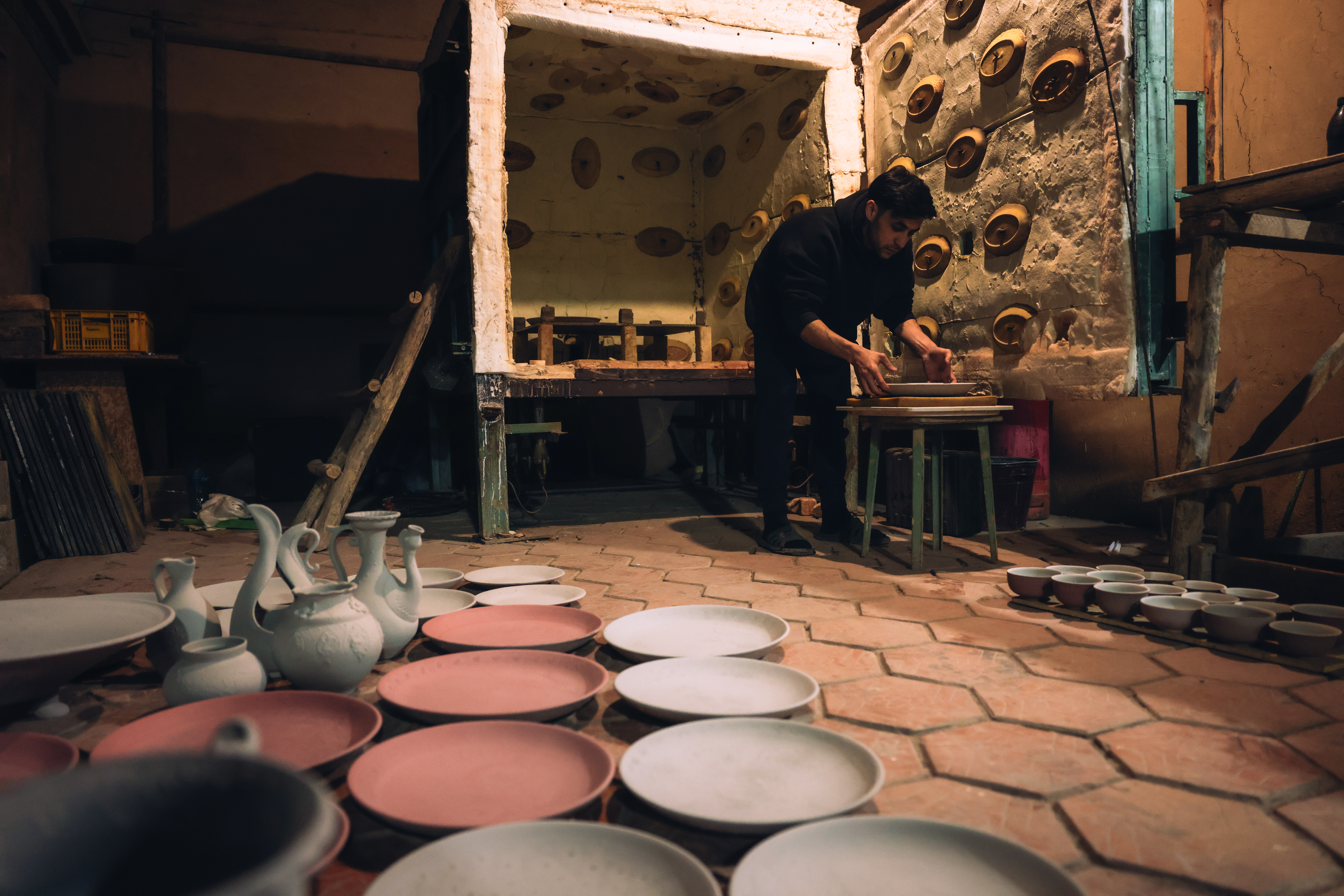 Source: Photo: Ildar SadykovSource: Photo: Ildar SadykovSource: Photo: Ildar SadykovSource: Photo: Ildar Sadykov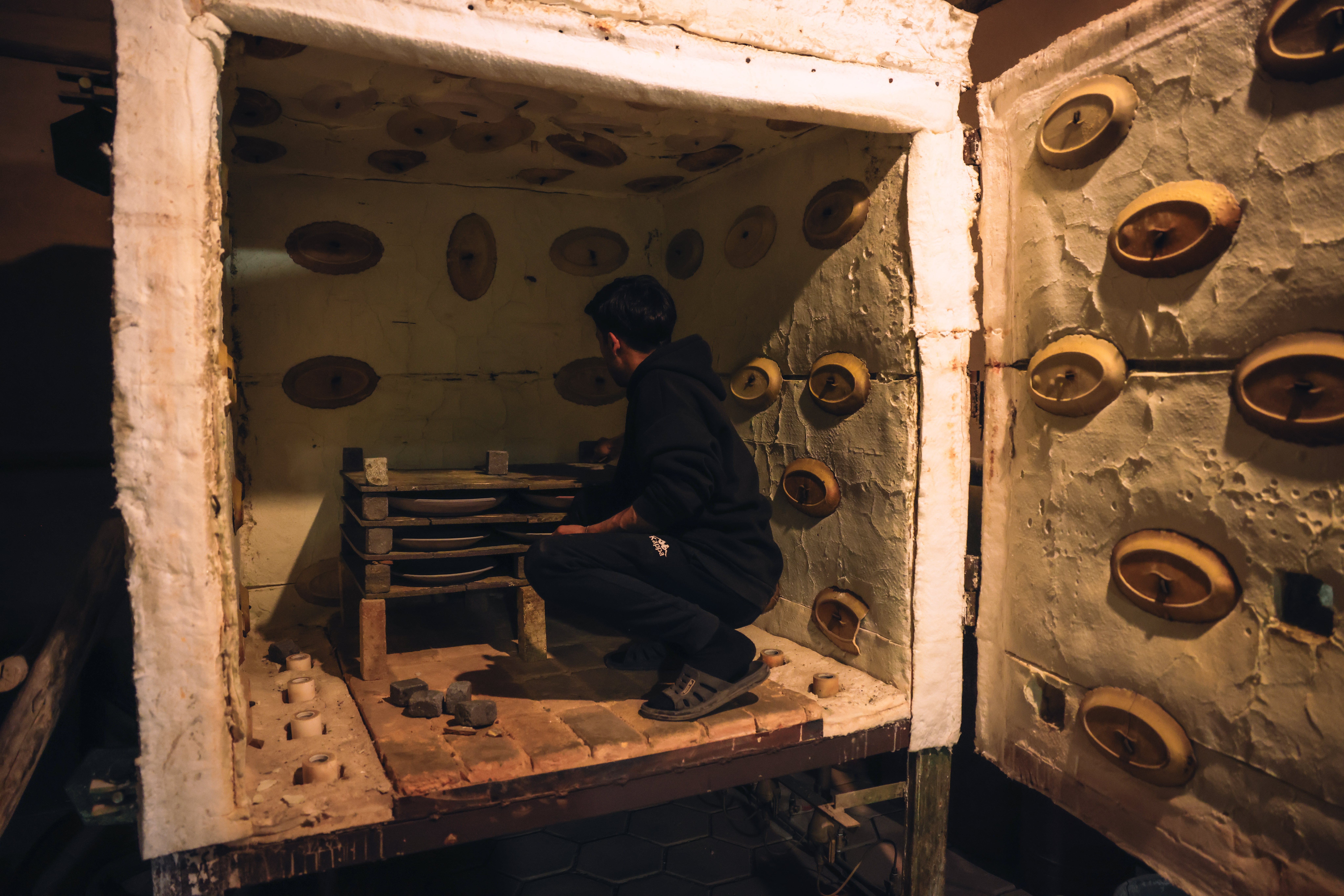
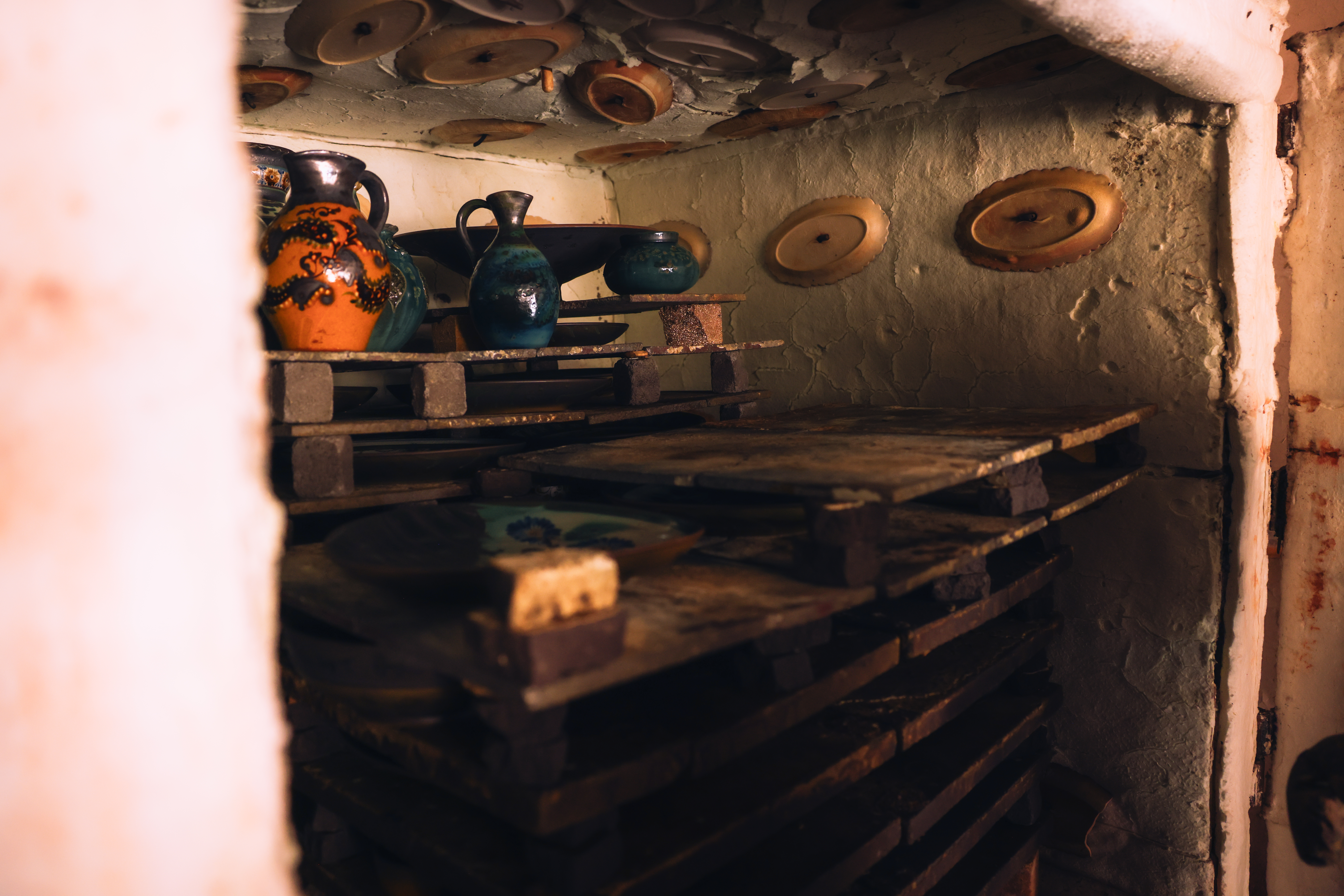
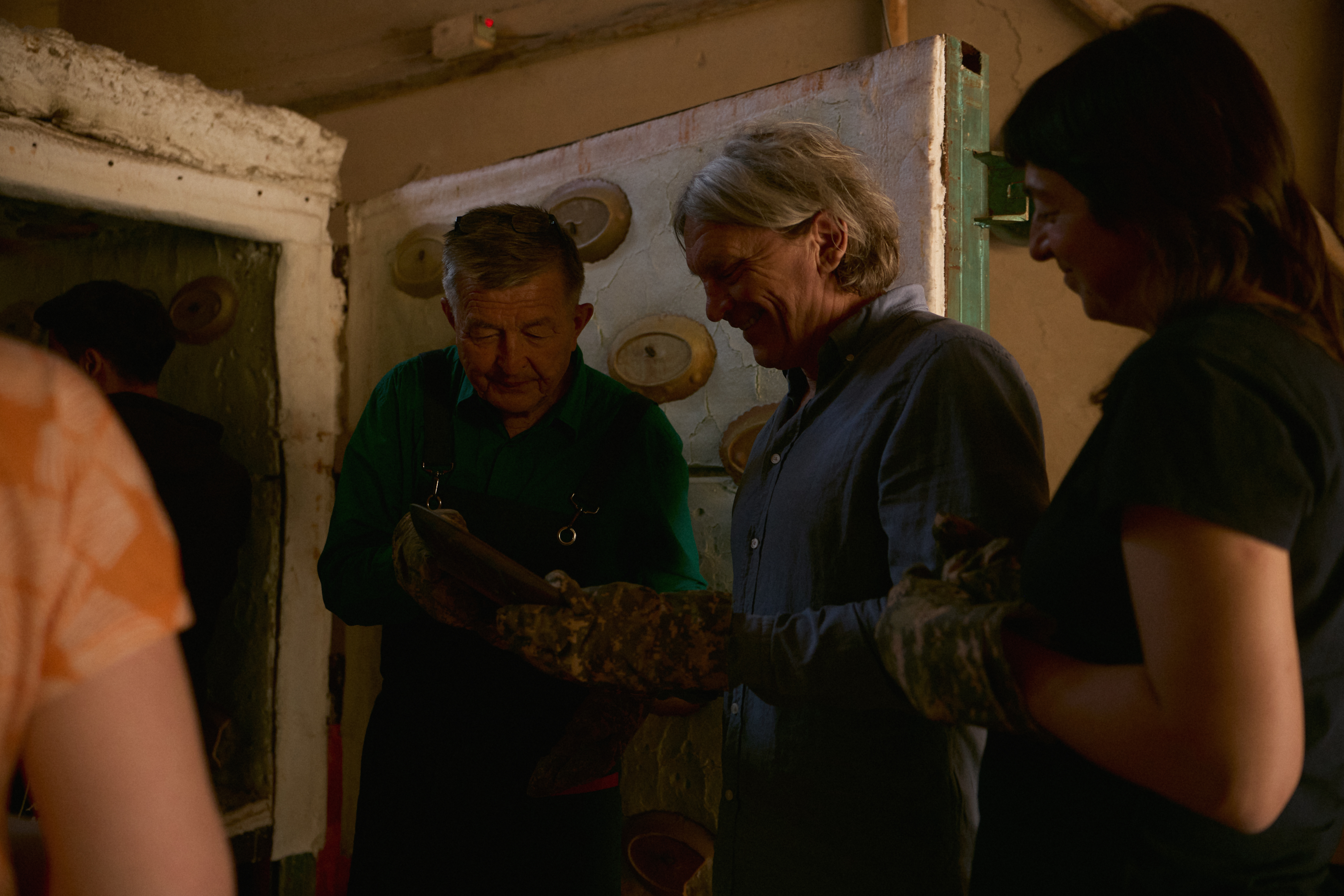
Alisher Nazirov and I have been close friends for many years. We have worked together on numerous projects, and this July our film The Four Elements will be released. The title was chosen deliberately. I am convinced that ceramics is the only applied art form that brings together all four elements: earth, air, fire and water.
Specialists and admirers of Nazirov’s work regard his ceramics as the pinnacle of a distinctive personal style, one that brings together ancient traditions of form, Japanese motifs and the intricate ornamentation of Uzbek art.
 Source: Photo: Ildar SadykovSource: Photo: Ildar SadykovSource: Photo: Ildar SadykovSource: Photo: Ildar Sadykov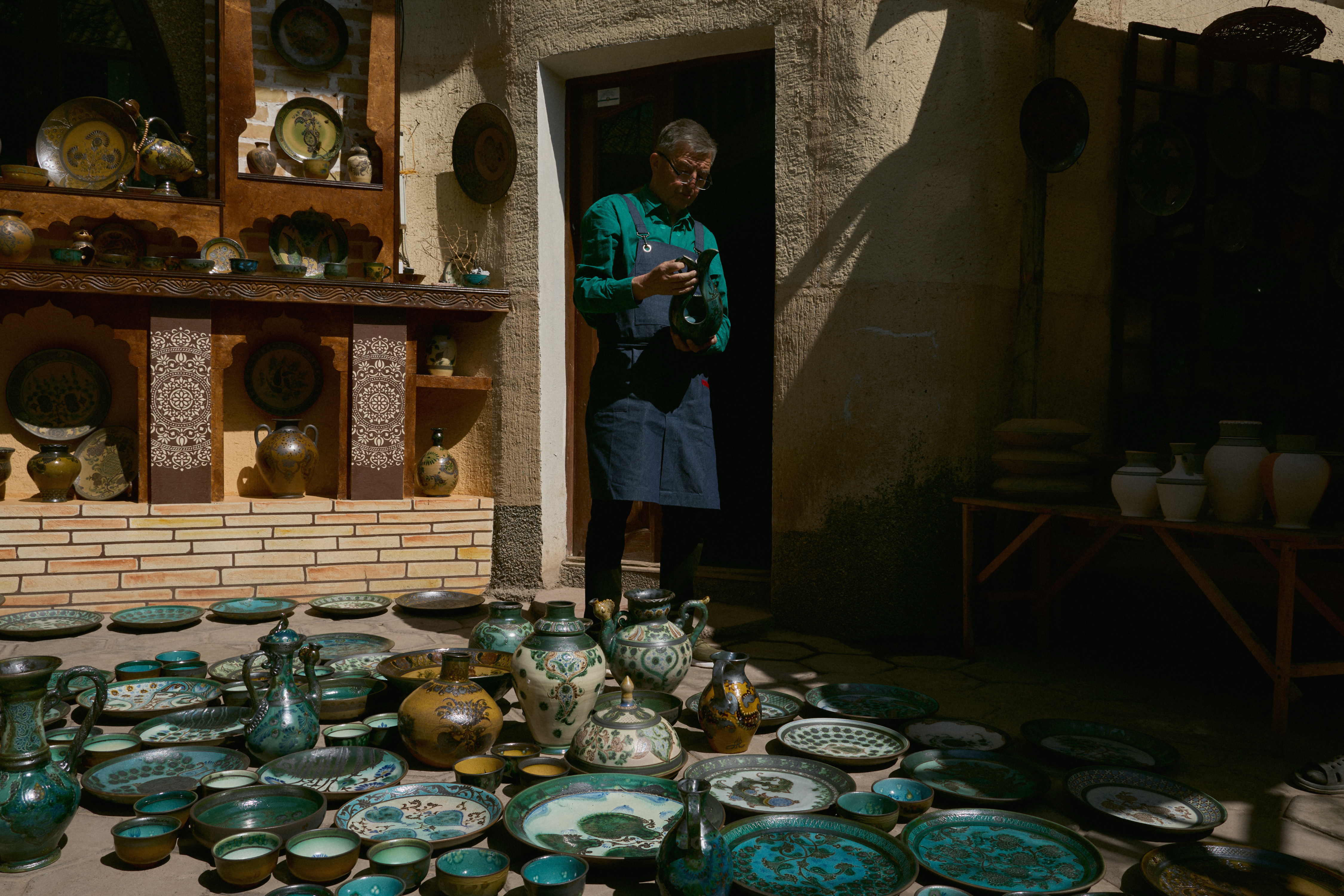
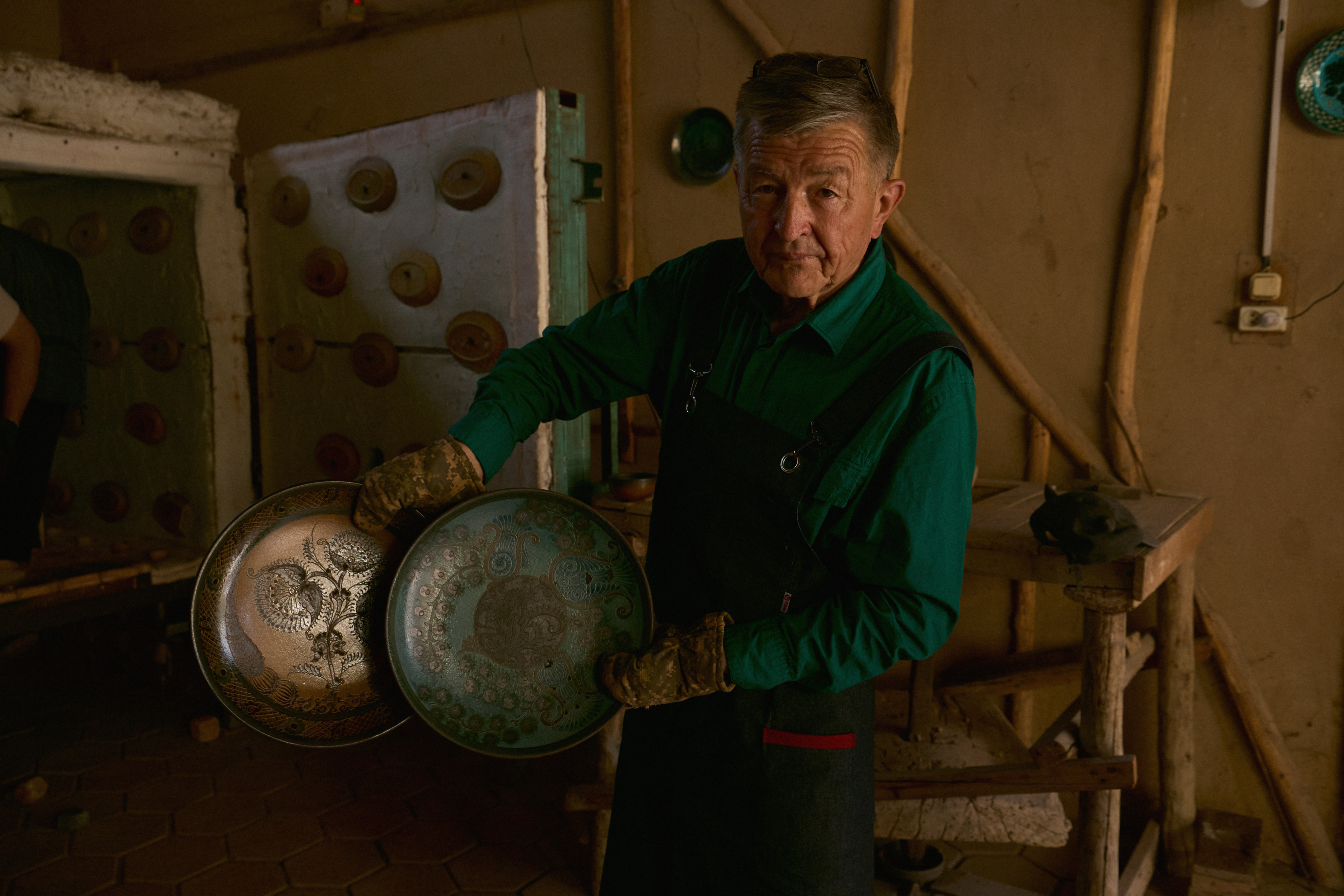
When my soul is heavy, when I hit a creative wall, I come to Alisher-aka's workshop just to be here. I watch his students at work. I take photographs. I see foreign visitors arrive and slowly fall under the spell of the place. I leave inspired, with a lighter heart. And I know for certain I'm not the only one. That's the magic of Alisher Nazirov's world.
For the past two years we've been working on a project to revive the ancient traditions of Uzbek ceramics. Alisher Nazirov has been invited to become a member of the Academy. A book is in the works, and I'm hoping it'll be illustrated with my photographs. What still amazes me is that a man who's become, in many ways, the face of Rishtan ceramics is better known outside Uzbekistan than at home. And yet, he really is a national treasure!
Read also
 Traditions
Running is the new coffee: how a simple physical activity became the trend of the last decade
Christina Inyakina
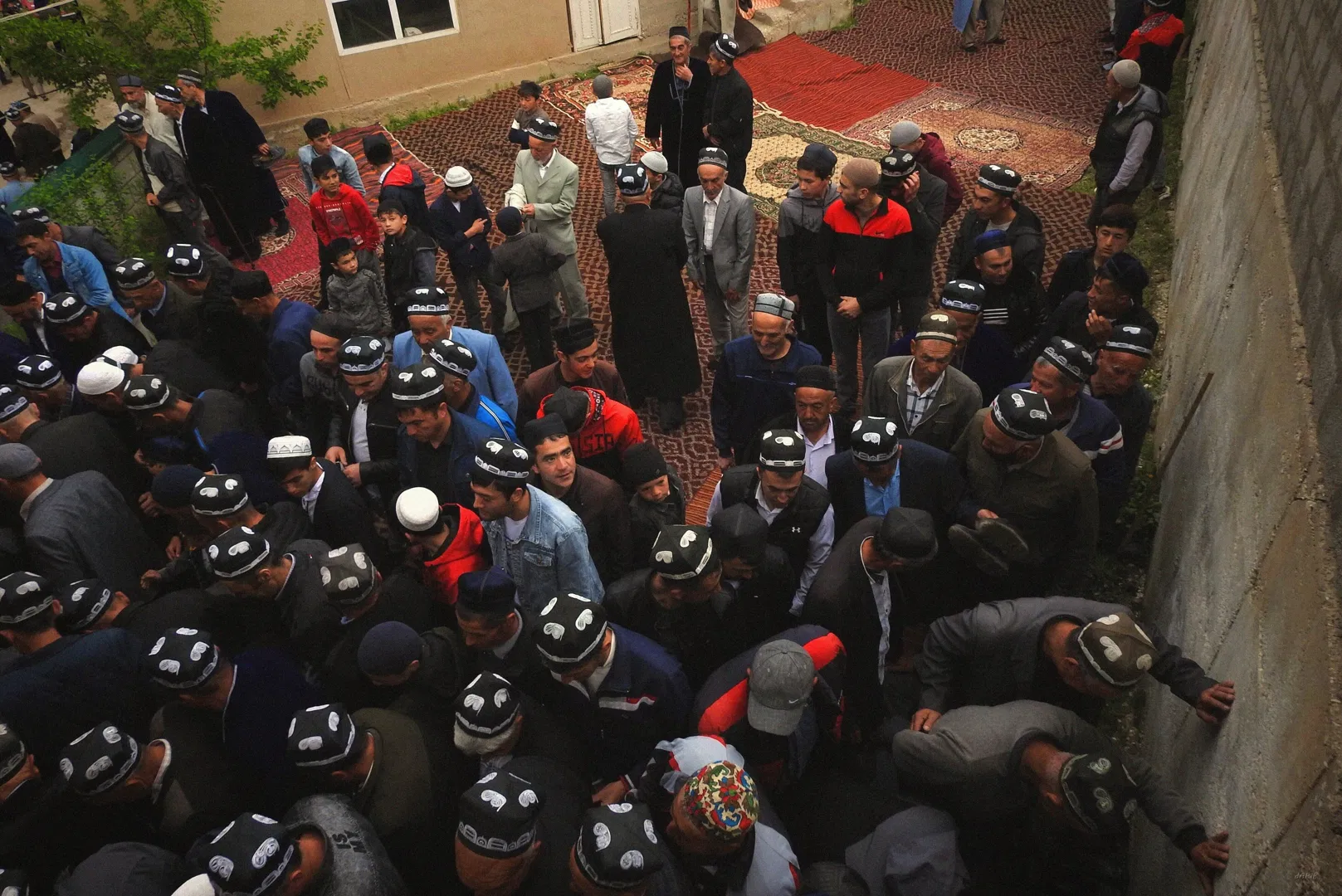 Traditions
The Inner Light of Kurban Hayit — photo essay
Ildar Sadykov, Maria Maksimycheva
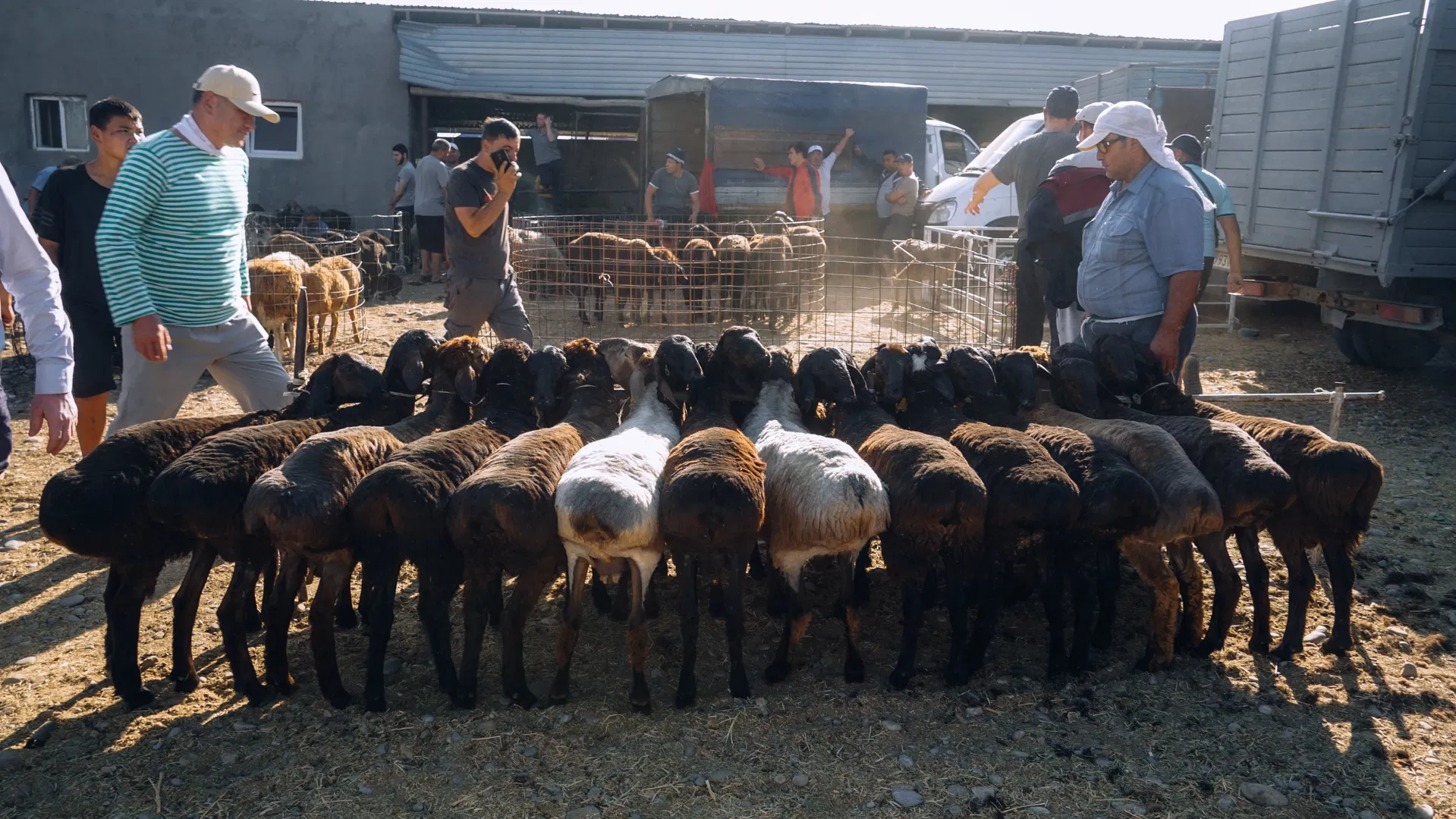 Traditions
Mol bor joyda — baraka bor, or “Where There Is Livestock, There Is Prosperity” — photo essay
Ildar Sadykov, Maria Maksimycheva
Newsletter
A letter from the HD editors
Once a week, we send the best stories, events, and cultural discoveries from Central Asia.