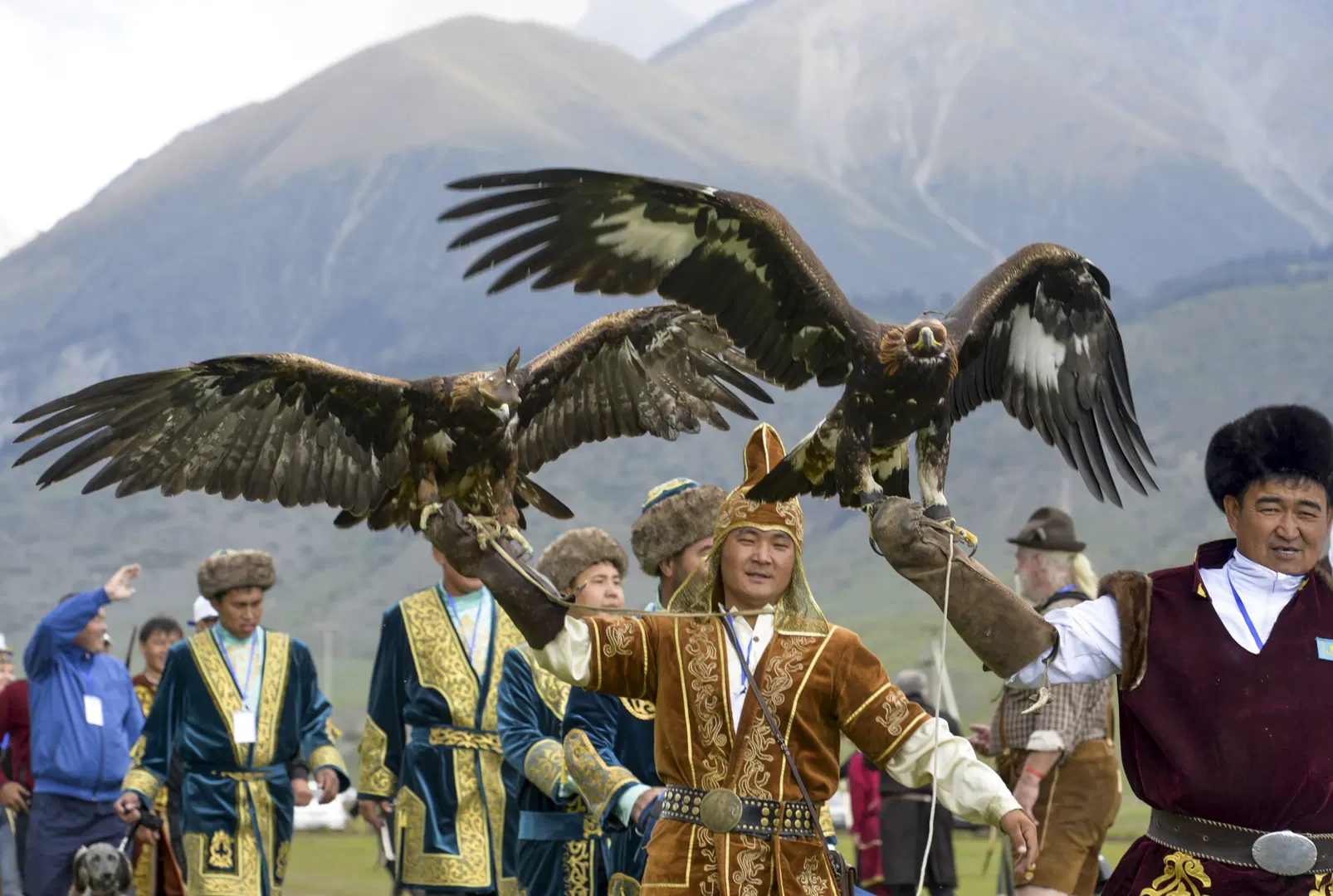
The World Nomad Games have evolved from national games into an international system of ethnosport. They began as a bold local experiment, and today they aspire to become a global cultural and sporting platform. What needs to happen next to ensure that the traditional element does not dissolve into a festival spectacle, but instead develops into a global industry in its own right?
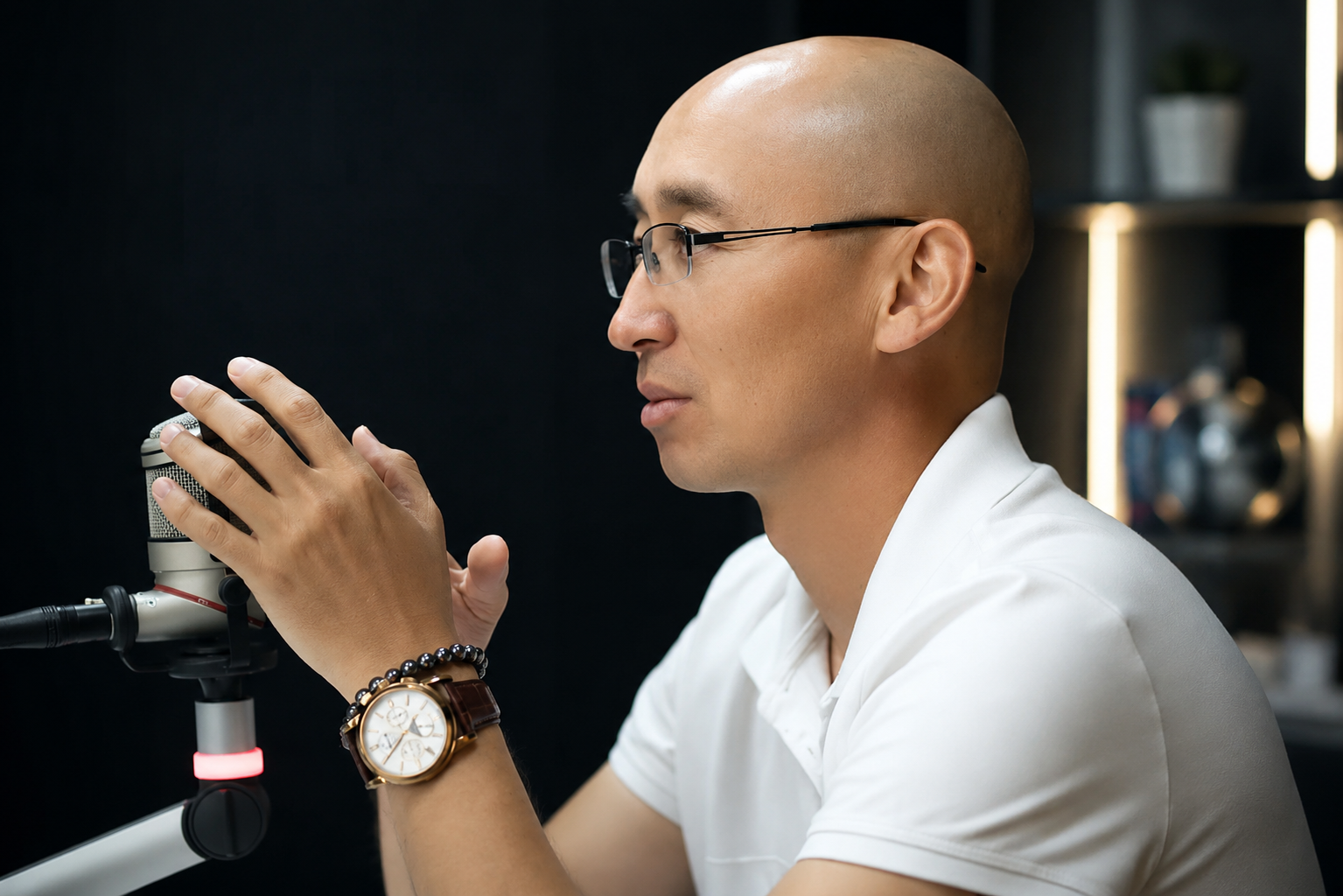
HD Magazine spoke to Maksat Chaky, one of the people behind the first World Nomad Games in Kyrgyzstan and now President of the Central Asian International Trade Chamber.
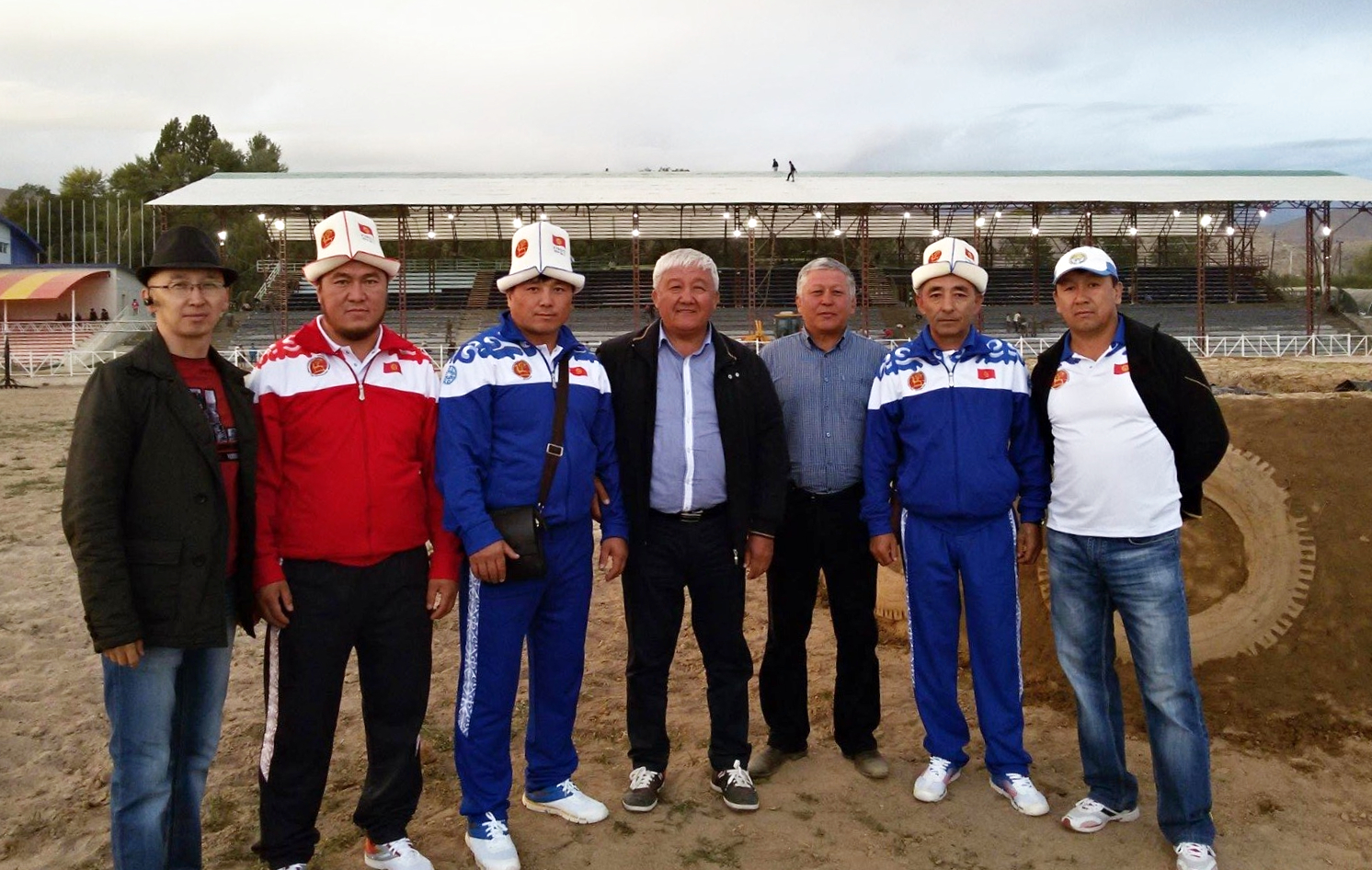
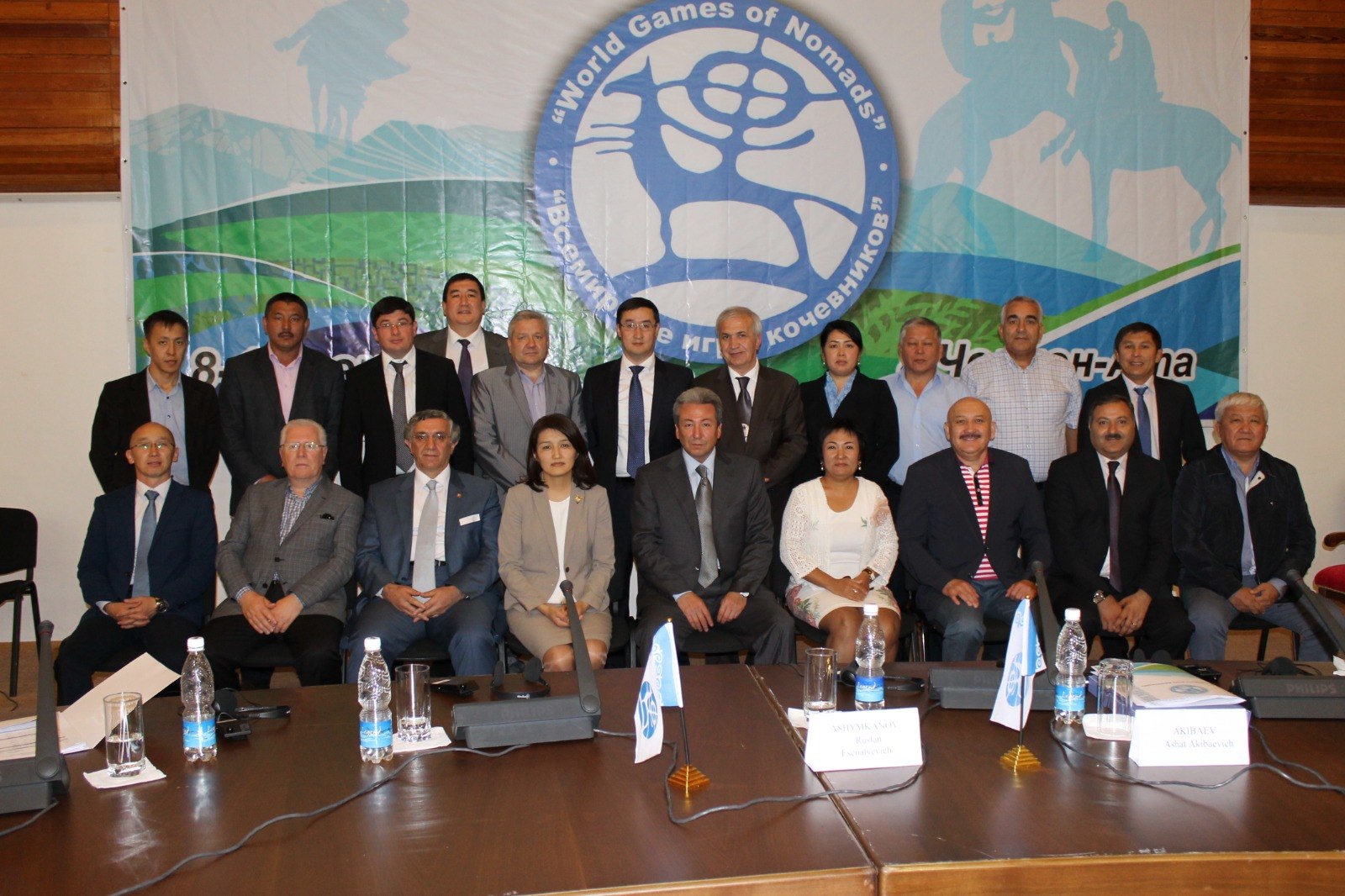
In 2014, representatives of 19 countries travelled to the first World Nomad Games. Fewer than 600 athletes competed in around ten disciplines. Today, more than 100 countries take part, the number of participants is approaching 3,000, and the programme for the sixth Games includes 43 sports. Over twelve years, an initiative born in Kyrgyzstan has evolved from a regional experiment into an event with a global reach.
— Who first proposed creating such a large-scale project?
— The idea goes back well before the first Games. In 1995, during celebrations marking the 1,000th anniversary of the Manas epic in Talas, Kyrgyz director Bolot Shamshiev spoke of a major Olympics of national sports practised by nomadic peoples.
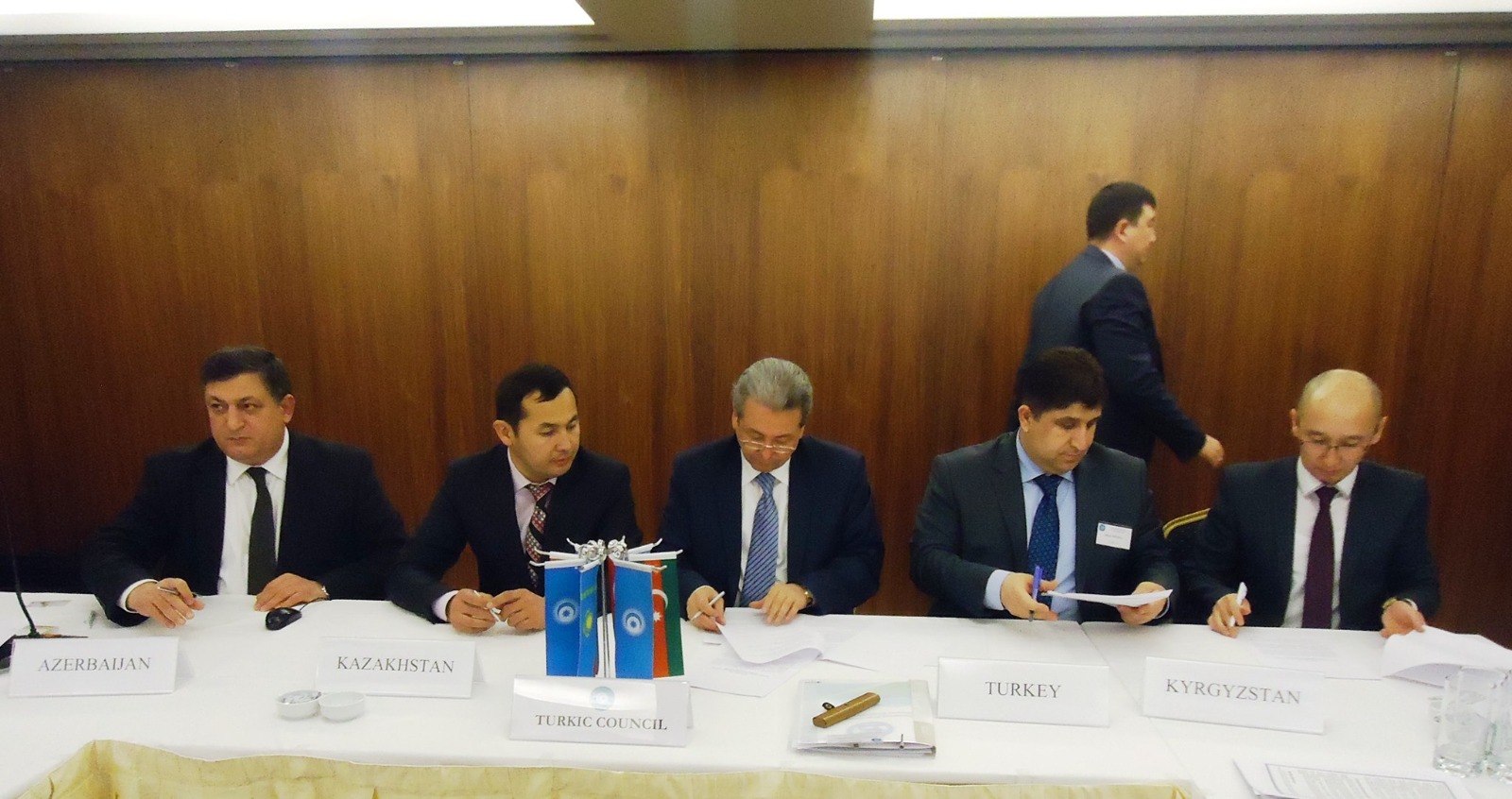
The decisive state-level step came in 2012, when the Second Summit of the Cooperation Council of Turkic-Speaking States endorsed the initiative of the Kyrgyz Republic to hold the Nomad Games on a regular basis. The first Games were held at Lake Issyk-Kul in 2014.
The aim was not simply to preserve traditional games, nor even merely to bring nomadic peoples together. It was to create an international platform where national sports could coexist and reach a global audience.
In essence, the idea was to create an alternative to the Olympic model, a system of its own rooted in national games, heritage and identity. Sport was just one part of this much larger framework. The project was also intended to serve as a tool of cultural diplomacy, tourism, international image-building, the creative economy and soft power.
 Source: Maksat Chaky’s personal archive
— What should be done with this legacy next? How do you see the Games developing?
— Of course, we could continue staging spectacular ceremonies, building ethnovillages and attracting thousands of spectators. But if traditional games appear on the world stage only once every few years, they risk remaining a spectacular cultural festival. The next step is to create a sustainable system: international federations, unified rules, rankings, qualification, regular championships, professional clubs, media rights and a viable commercial model.
In other words, the World Nomad Games need to evolve from an event into a fully fledged sporting system.
— Why is sport particularly capable of making traditional culture accessible to the world?
— Because traditional sport is culture in action. A museum can display a saddle, a bow, traditional clothing or other forms of historical heritage behind glass, while a festival can showcase music, dance and cuisine. But a sporting competition puts the spectator in the midst of the action, allowing them to experience it firsthand and see the values that shaped the culture.
For nomadic peoples, these values included speed, strength, endurance, quick reactions, courage, horsemanship, the interaction between human and horse, and the ability to act both individually and as part of a team.
You cannot fully understand kok-boru simply by looking at historical artefacts. The spectator has an emotional experience. This is precisely why a traditional game can become a powerful tool for cultural communication.
First, a person sees the competition and feels excitement, admiration or surprise. Then they become interested in the culture that created the game. This is one of the World Nomad Games’ greatest international opportunities: to engage foreign audiences through vivid and accessible action, and then lead them towards the country, its culture and its history.
 Source: Maksat Chaky’s personal archive
— In what form can national games become part of the World Nomad Games?
— This is not an easy question. Turning a national game into an international discipline also has a downside: the more global the game becomes, the greater the need for standardisation. We need clear rules, standardised playing areas, participant categories, a scoring system, judging criteria, qualification requirements and safety standards.
If a game is left entirely in its local form, it may be difficult for an international audience to understand and challenging to organise competitions between countries. But if it is fully adapted to modern sporting standards, we may end up with a new sport that has kept its name but lost its essence.
That is why the key is to distinguish between the core and the shell.
The core is the historical essence of the game, its character, traditional techniques and connection to the culture. These elements must remain intact. The shell can change: the duration of the match, the size of the playing area, the scoring system, safety requirements, referee qualifications and the television format.
For ethnosport, this is doubly important. The rules should be developed not only by sports experts, but also by tradition bearers, historians, ethnographers and sports management specialists.
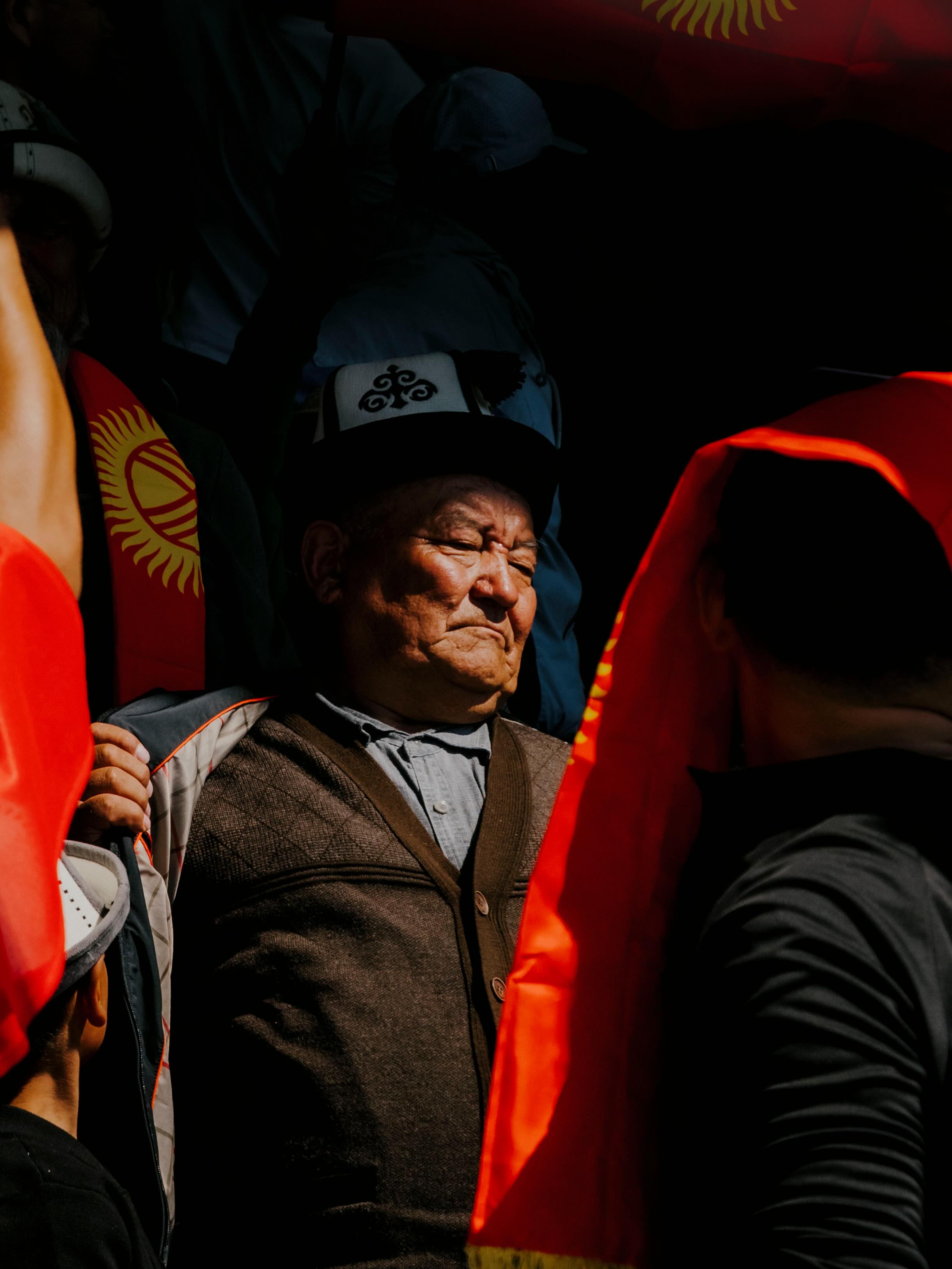 Photo: Lucy Rose Laucht
The formula here is quite precise: unify the rules, but do not unify the culture.
— Which games today have the potential to become global sports?
— Equestrian sports have particularly obvious potential. Kök-börü has already become a recognisable symbol, but there is also er enish, mounted archery, long-distance horse races and other disciplines. They have the essential qualities of modern spectator sport: speed, risk, skill and a clear sense of drama. But a competition held only once every few years is not enough for genuine international development. What is needed are clubs, championships, rankings and a regular calendar.
Intellectual ethnosports could be another promising area. Togyz korgool, mangala, oware, ordo and other traditional games have an important advantage: they do not require complex infrastructure.
They can be developed in schools and universities, turned into international leagues and digital versions, and brought online.
The third area is national wrestling styles and strength-based combat sports: hapsagay, alysh, mas-wrestling, qazaq küresi and other disciplines that have a sporting logic that is easy for spectators to understand and require virtually no translation.
And finally, there is a huge area that still lies entirely outside international sport: forgotten or nearly extinct folk games.
Hundreds of such practices exist in different parts of Eurasia, Africa, Asia and Latin America. They can be researched, revived and given a contemporary form. In this way, the World Nomad Games could become a platform for reviving forgotten traditions.
— Which games today have the potential to become global sports?
— Equestrian sports have particularly obvious potential. Kök-börü has already become a recognisable symbol, but there is also er enish, mounted archery, long-distance horse races and other disciplines. They have the essential qualities of modern spectator sport: speed, risk, skill and a clear sense of drama. But a competition held only once every few years is not enough for genuine international development. What is needed are clubs, championships, rankings and a regular calendar.
Intellectual ethnosports could be another promising area. Togyz korgool, mangala, oware, ordo and other traditional games have an important advantage: they do not require complex infrastructure.
They can be developed in schools and universities, turned into international leagues and digital versions, and brought online.
The third area is national wrestling styles and strength-based combat sports: hapsagay, alysh, mas-wrestling, qazaq küresi and other disciplines that have a sporting logic that is easy for spectators to understand and require virtually no translation.
And finally, there is a huge area that still lies entirely outside international sport: forgotten or nearly extinct folk games.
Hundreds of such practices exist in different parts of Eurasia, Africa, Asia and Latin America. They can be researched, revived and given a contemporary form. In this way, the World Nomad Games could become a platform for reviving forgotten traditions.
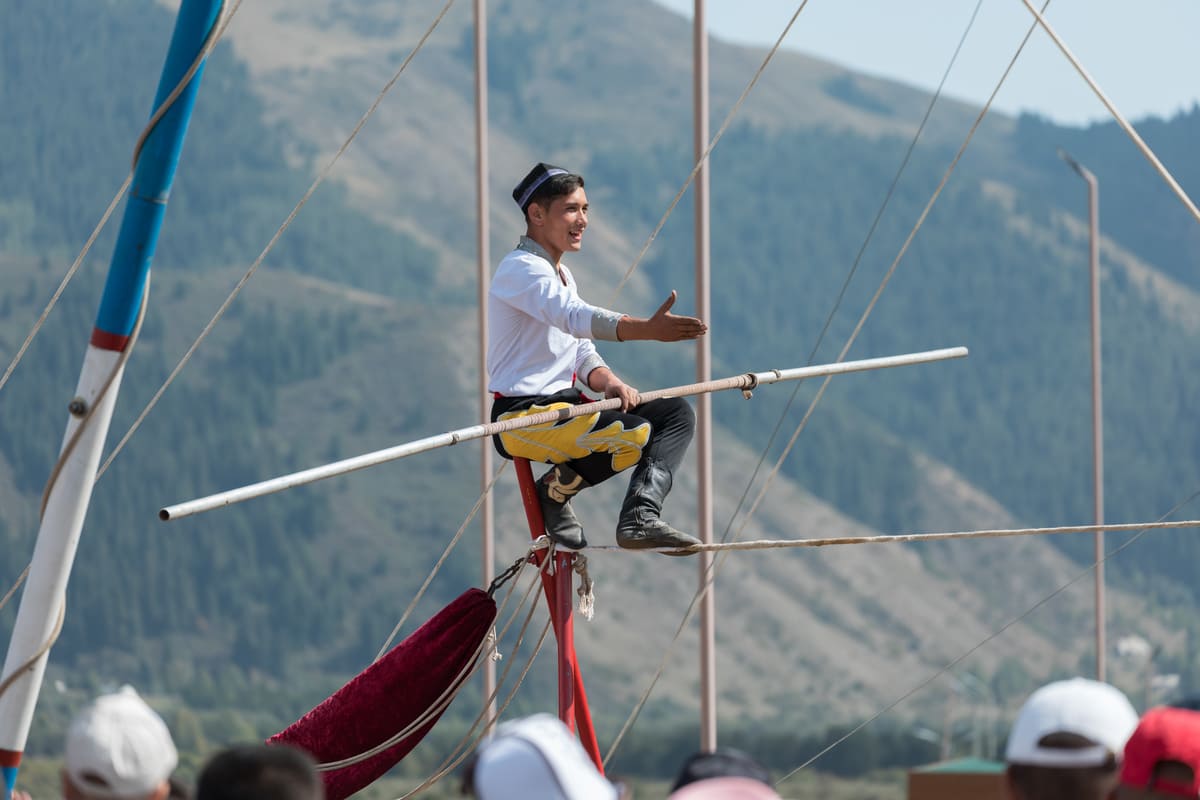 Source: World Nomad Games Press Service
— How do you decide which national game deserves a place on the international stage?
— Antiquity alone is not enough. A game needs to have proven cultural authenticity, a clear competitive outcome, the possibility of objective judging and an acceptable level of safety. It also needs an institutional foundation, such as a federation, association or other community capable of overseeing the development of the discipline.
At the same time, it would be a mistake to require every game to be represented in several countries from the outset. Such an approach would automatically exclude smaller peoples whose unique games have survived only locally from reaching the international stage.
A phased model would be much more sensible:
From a national traditional game to a demonstration sport at the World Nomad Games, and then to an official international discipline.
At the first stage, proven cultural authenticity is enough. At the second, the game gets an opportunity to present itself to an international audience. Only then, once other countries and federations become involved and unified judging and regular competitions are established, can it become a fully fledged international discipline.
So the World Nomad Games perform two functions at once: they preserve rare heritage while helping the traditional games most ready for international development evolve into modern sports.
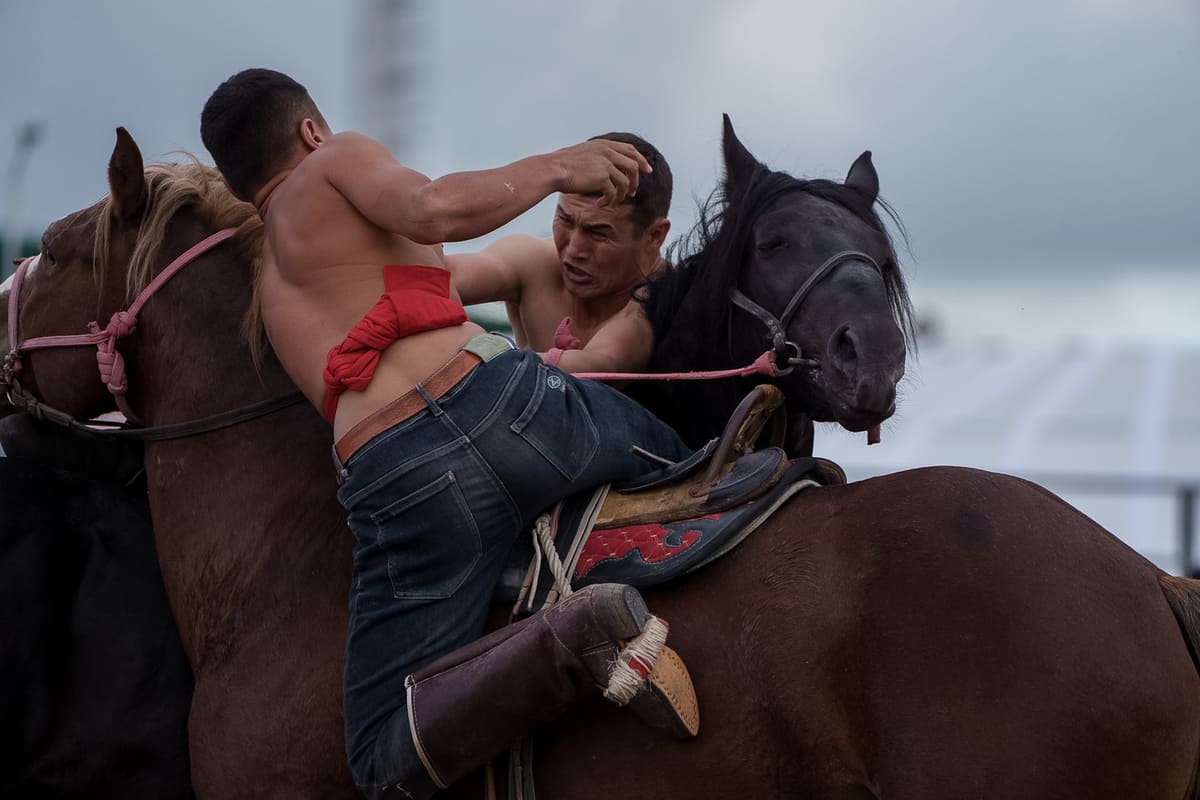 Source: World Nomad Games Press Service
— How do you see the future of the World Nomad Games?
— If we preserve only what has come down to us from the past, the project risks eventually turning into a beautiful open-air ethnographic museum.
But culture only lives when it creates something new. Alongside traditional ethnosport heritage, there can therefore be reconstructed ethnosport: old games that have almost disappeared but have been restored and adapted. And there is a third category, modern ethnosport, created on the basis of traditional culture, national aesthetics, historical practices or gaming heritage.
The important thing is to call things by their proper names. A new game should not be presented as an ancient tradition simply to make it more appealing.
There is nothing wrong, however, with creating modern sporting disciplines inspired by heritage.
In the most compelling vision of the future, nomadic culture will stop merely telling the world about its past and start creating a new culture for the twenty-first century.
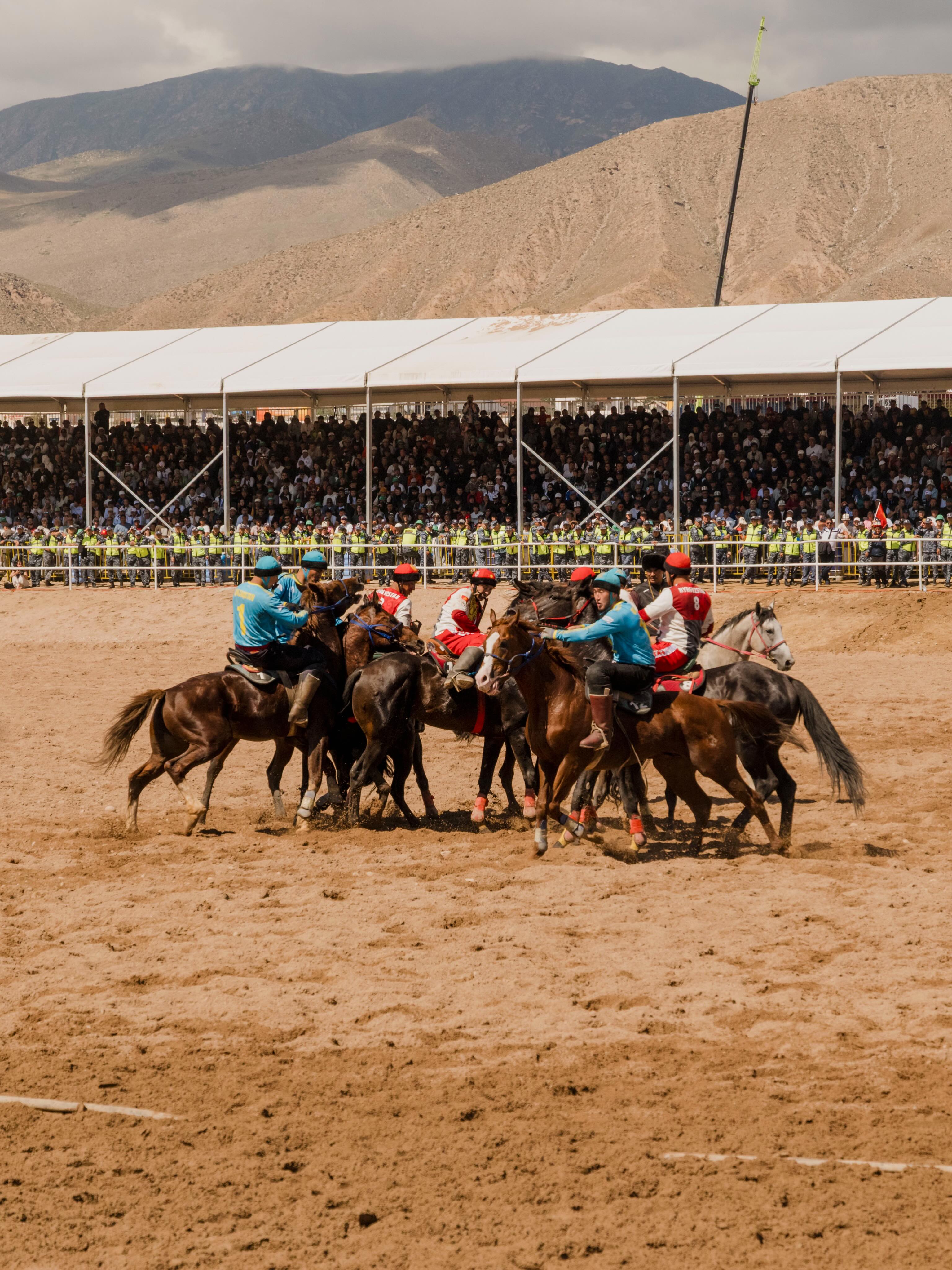 Photo: Lucy Rose Laucht
— How can we engage young people with traditional folk games?
— You cannot keep a young person interested for long by telling them, "This is how our ancestors lived." Culture has to be competitive in the present.
A national hero who exists only in a textbook remains part of the past. A hero who inspires films, music, games, clothing, comics, sports tournaments and digital content becomes part of contemporary culture. The same needs to happen with ethnosport.
A child should not just see kök-börü once at the World Nomad Games. They should be able to play traditional games at school, follow professional athletes, know the champions, watch tournaments online and on social media.
This is how the global industries of football, basketball and combat sports were built: heroes emerged, along with clubs, leagues, rankings, media and an economy.
At the same time, nomadic identity should not be reduced to images of yurts, traditional costumes and historical re-enactments. What matters much more is conveying its essence.
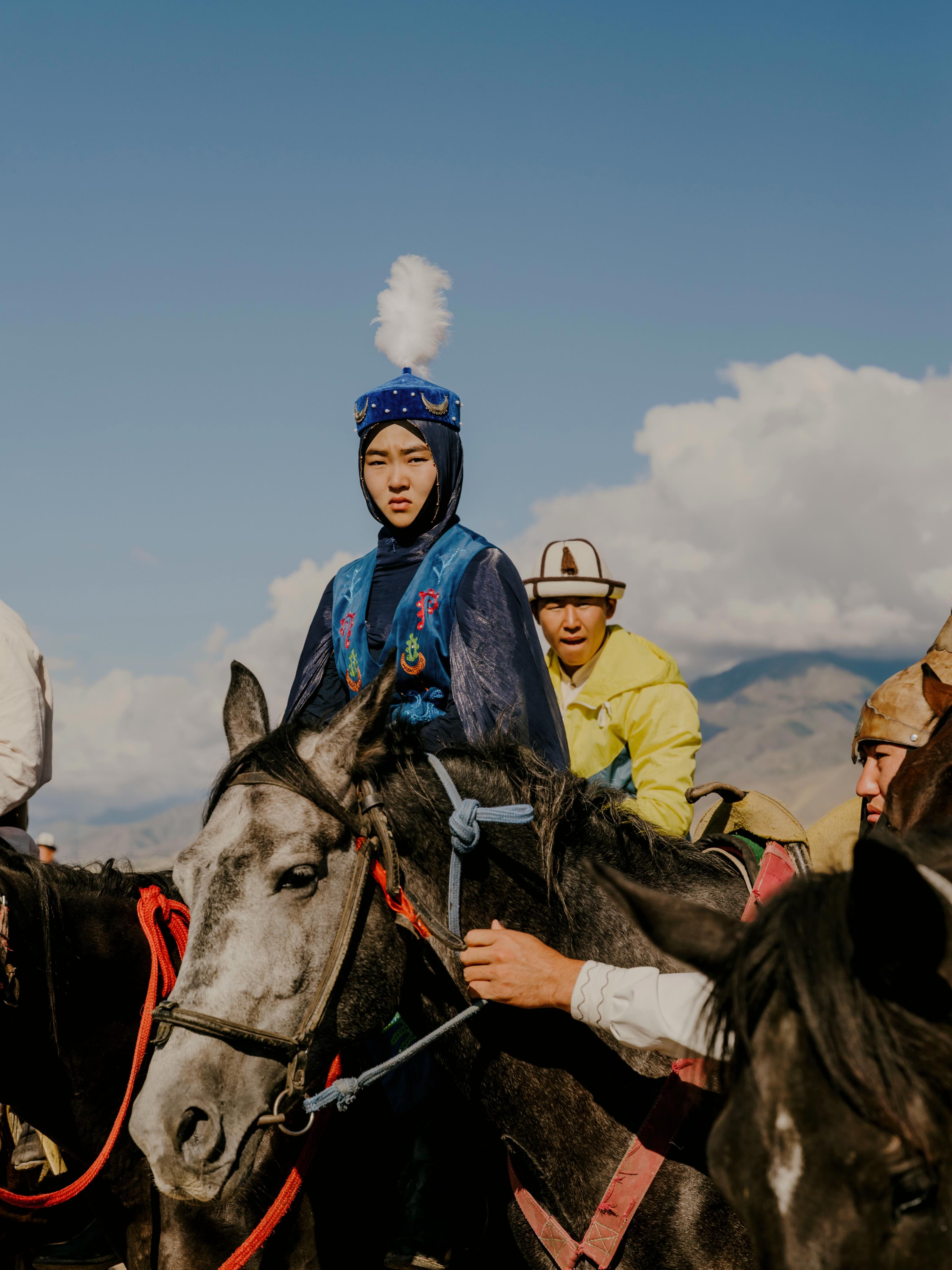 Photo: Lucy Rose Laucht
Young people do not need to be taken back to the past. We need to give the past a chance to enter the future.
Kyrgyz, Kazakh, Mongolian, Yakut and other national games once existed primarily within their own cultural spaces. The World Nomad Games brought them together for the first time around a shared idea, without smoothing out the differences between peoples. A Kyrgyz person remains Kyrgyz, a Kazakh remains Kazakh, a Mongolian remains Mongolian. Each has their own language, history and heroes. At the same time, a sense of a shared cultural space emerges.
Read about the results of the Kazakh team at the 2026 World Nomad Games in our article:
Nomad Games: Team Kazakhstan’s ResultsThe sixth World Nomad Games took place in Kyrgyzstan. Almost three thousand participants from more than a hundred countries came to compete in traditional sports: wrestling, archery, equestrian events, kok-boru, tug of war, togyzkumalak and a dozen other disciplines.mag.humodoc.com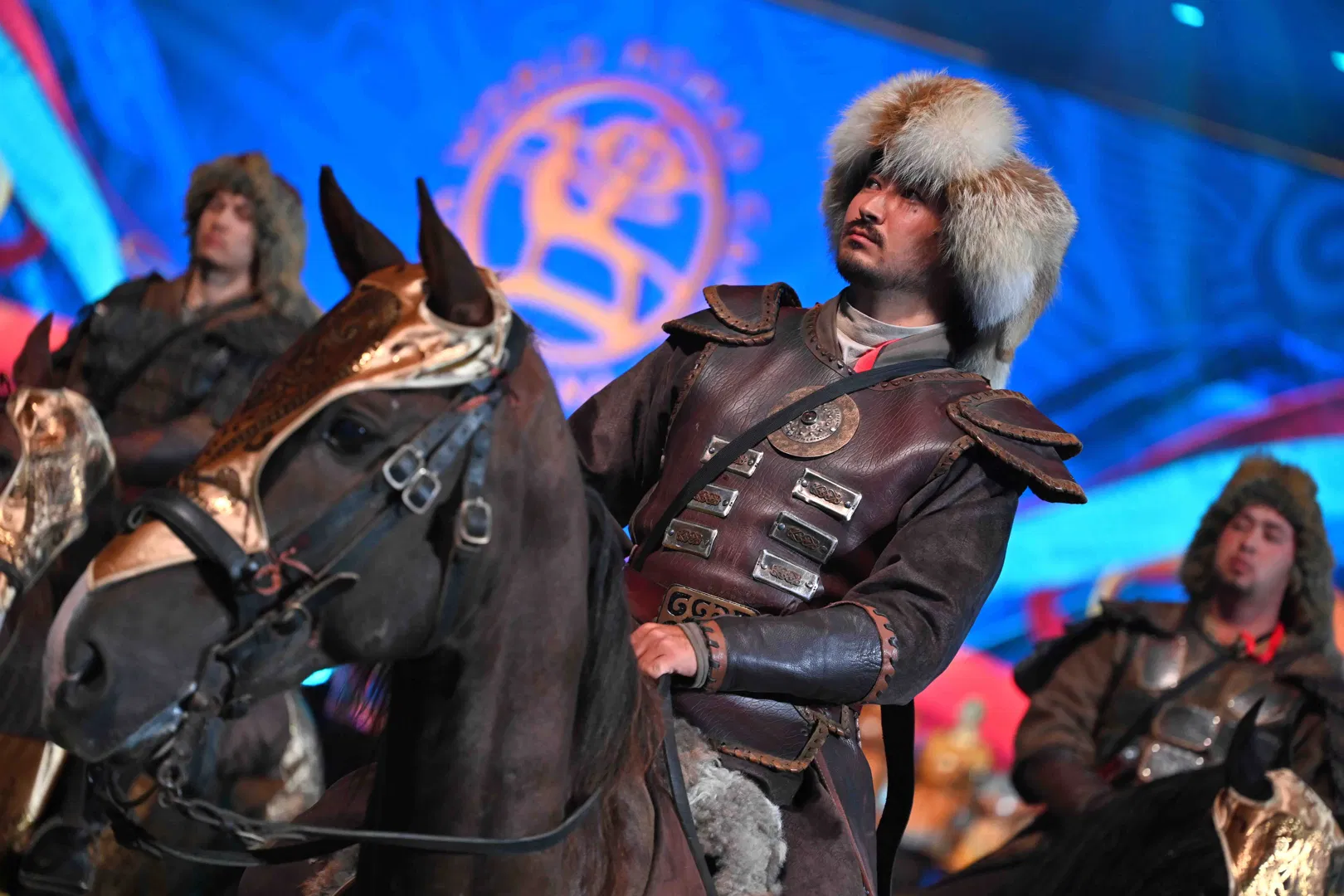
The task now is to capitalise on this energy. Not in the narrow sense of commercialisation, but in the sense of turning cultural capital into long-term development: education, tourism, film, fashion, music, design, sport, international projects and new industries.
Culture can create economic value, generate tourism and provide work for craftspeople, designers, restaurateurs, transport operators, clothing manufacturers and sports equipment producers.
 Source: Maksat Chaky’s personal archive
In twenty years, the World Nomad Games could look completely different. New digital platforms, professional clubs, continental leagues, a world ranking and an international ethnosport market could emerge.
The World Nomad Games must remain international precisely because they do not belong to a single country and do not require peoples to give up their distinctiveness.
In this sense, the project has a clear purpose.
The Olympics universalise sport. The World Nomad Games should affirm the right of peoples to remain different.
If, many years from now, an athlete from a small ethnic community can step onto the world stage in a traditional sport practised by their ancestors, while millions of people in other countries follow their performance, then the original idea will have come to fruition. The World Nomad Games will have found a way to give heritage a future.
Newsletter
A letter from the HD editors
Once a week, we send the best stories, events, and cultural discoveries from Central Asia.