Architecture & Urban Environment
Tashkent Through the Eyes of a Resident and an Urban Researcher
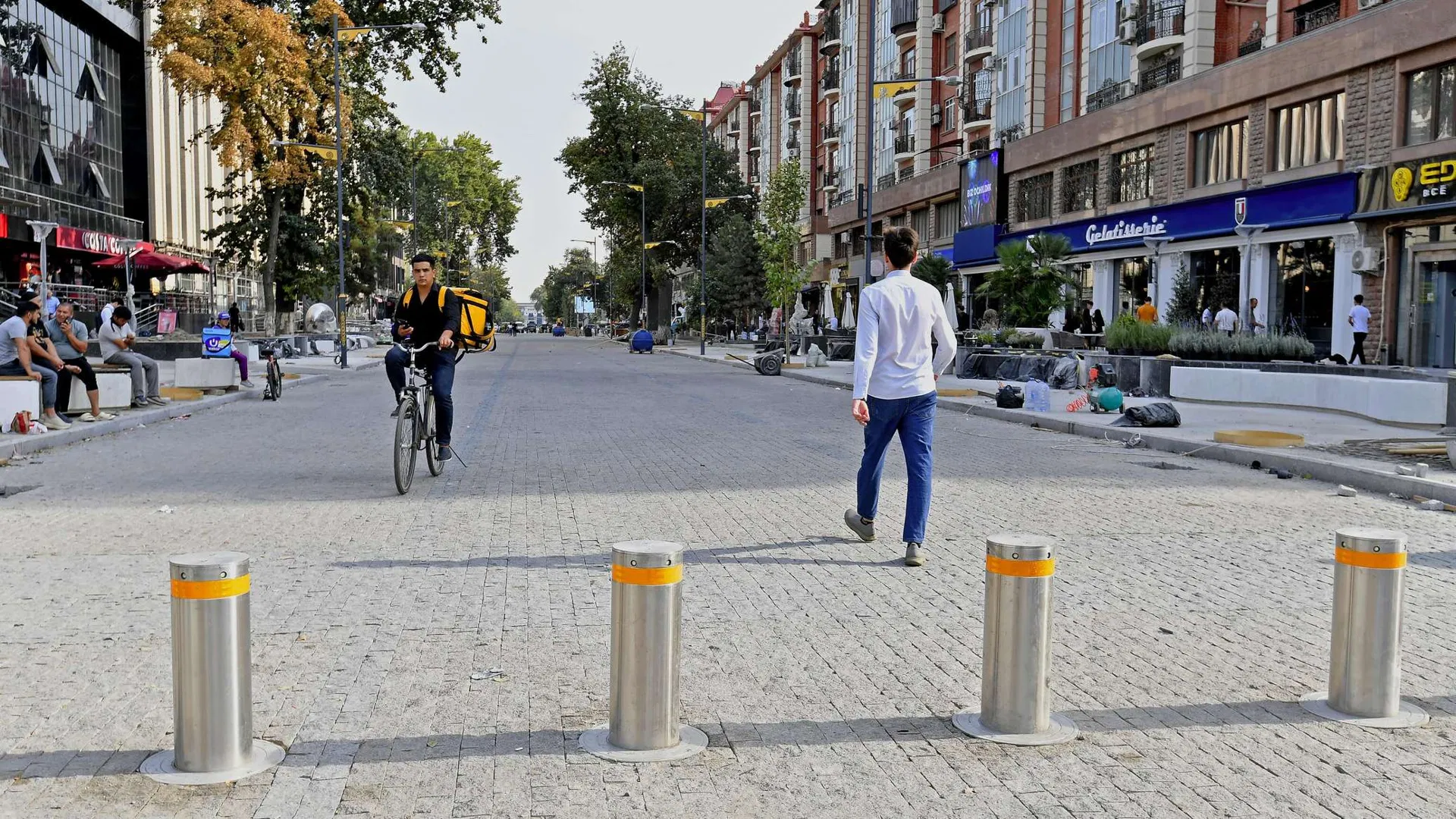
Over the past two years, I have found myself looking at Tashkent through two very different lenses. The first is that of a resident. The second is that of an urban researcher. What is fascinating is that these two perspectives rarely coincide.
When I first arrived in Tashkent, I saw a beautiful, sun-drenched and genuinely welcoming city. That is probably how most people experience it on their first visit: leafy streets, new neighbourhoods, parks and constant construction. But no city can truly be understood in just a few days. To get a feel for it, you have to live there. And it was probably at that moment that Tashkent stopped feeling like a foreign city to me. I found my favourite walking routes, made friends, settled into training sessions and work meetings, discovered favourite cafés and places I kept returning to again and again.
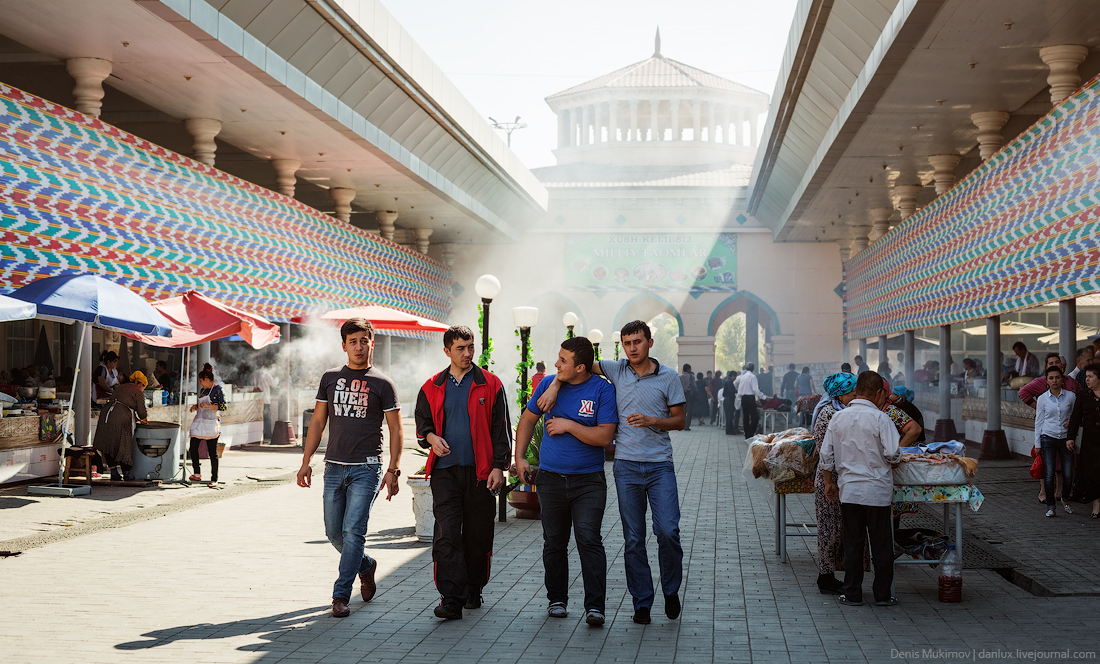 Photo: Denis Mukimov
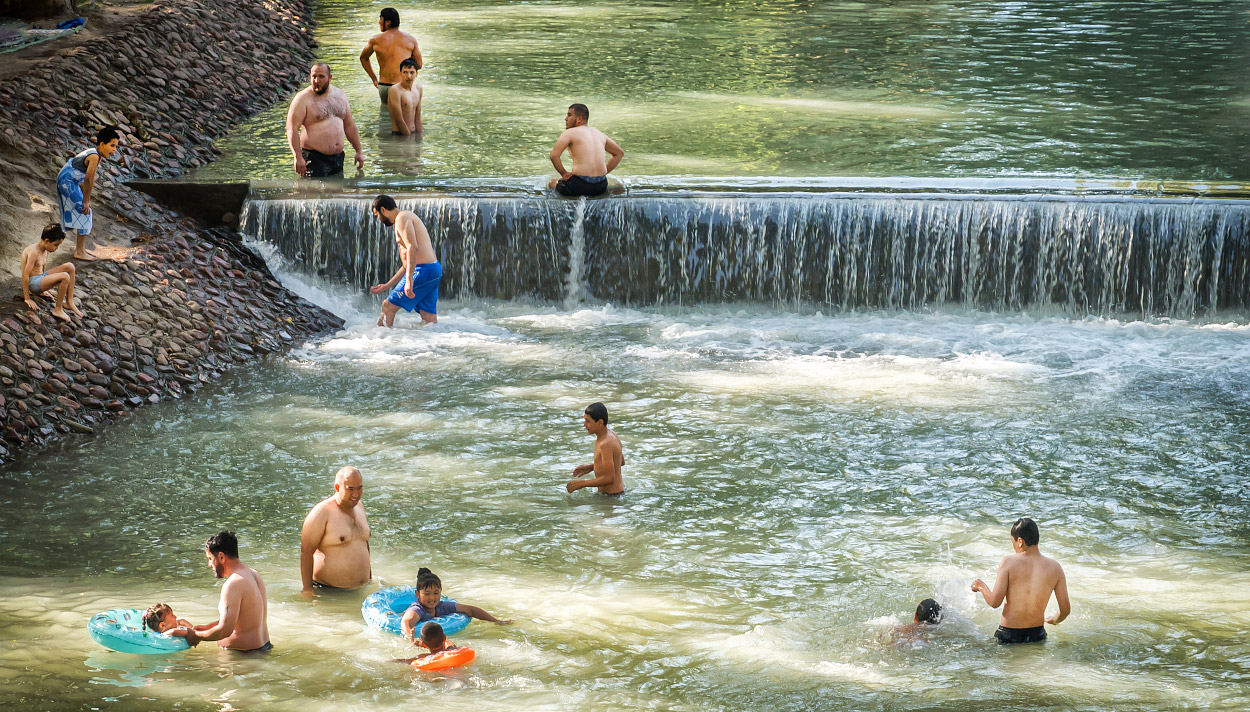
More than anywhere else, I love walking along the Ankhor Canal.
It is there that I feel the city's true rhythm most clearly. People stroll with their children, meet friends, exercise and unwind after work. This place long ago ceased to be merely a picturesque embankment for me. It was on those very walks that I first realised something: the resident in me simply enjoys the city, while the researcher begins looking for answers to questions that most people never even think to ask.
Why do people linger longer in certain places? Why is one square full of life while another simply becomes a place people pass through? Why do families spend hours in one park, yet only stop for a few photographs before leaving another? Some public spaces become part of the city's everyday life, while others remain nothing more than attractive places.
How Do Favourite Places Come to Life?
Over time, I came to understand one simple truth: it is far easier to build a place than to make it part of a city's life.
We have become accustomed to measuring development by the number of new residential complexes, parks, streets, public spaces and shopping centres. Yet after a few years, it often becomes clear that, on their own, they change very little.
 Source: Fergana Media
A city does not begin to live on the day a new place opens. It begins to live when people change their habits. That is why, as I walk through Tashkent today, I find myself paying less and less attention to architecture alone. What interests me is something quite different: where people linger longer than usual, the routes they choose, where they meet, how they spend their free time, and which spaces become part of their everyday lives. People live through their daily routines. They walk their children to school. They go to work. They meet friends. They stop by the shops. They take an evening walk. They spend time with their families. It is these ordinary routines that ultimately shape the true quality of urban life.
Are we really still building cities for people? Or are we still creating individual projects, hoping that life will somehow emerge between them? This is the central challenge today, not only for Tashkent but for many of Central Asia's rapidly growing cities. We still tend to judge a place by its label: a park is for walking, a street is for getting from one place to another, a courtyard belongs to the buildings around it, and a shopping centre is somewhere to shop.
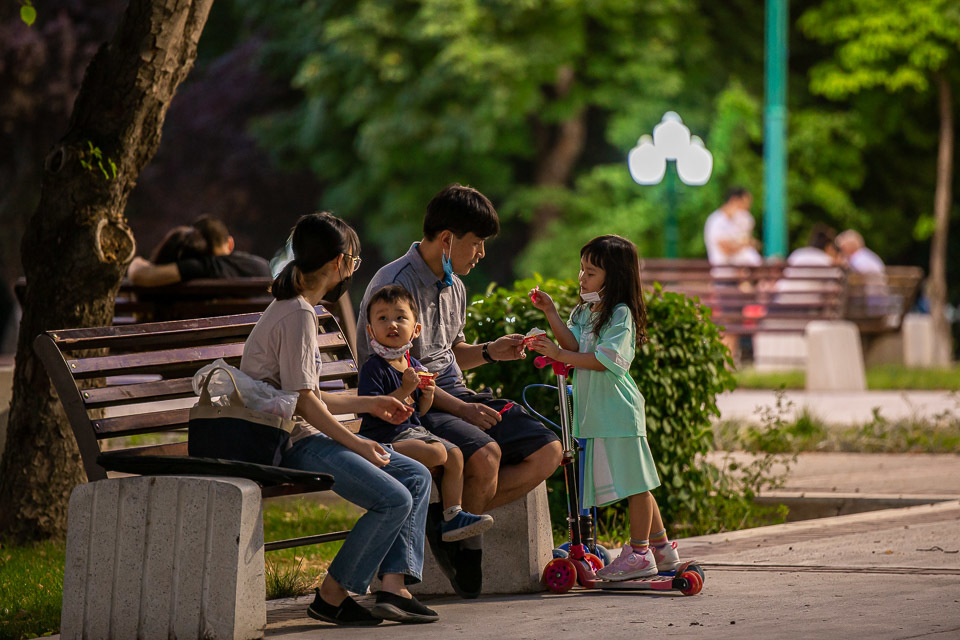
After many years of working with children and helping to train world champions, I came to realise one important principle: habits cannot be imposed, but they can be shaped by the environment. That is why today I find it just as fascinating to observe how the city gradually changes people's behaviour as it is to observe the people themselves.
 Source: Afisha.uz
The next stage of a city's development begins not with the construction of new facilities, but when existing spaces begin to function in new ways and become part of people's everyday lives.
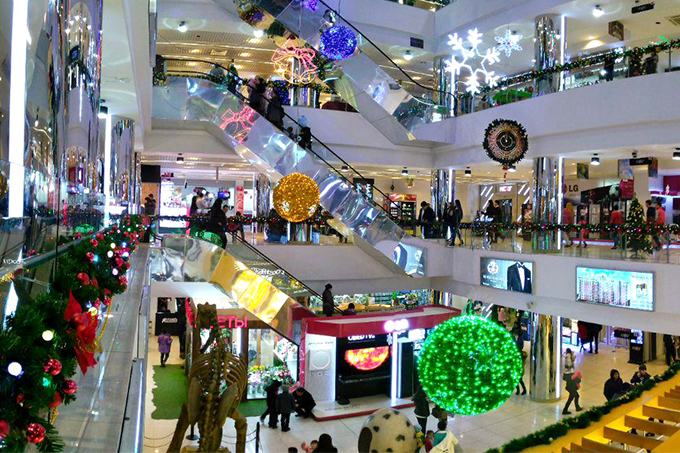
This is particularly evident in the case of shopping and entertainment centres. Only a few years ago, they were perceived primarily as places for shopping. Today, people come here to meet friends, spend time with their children, work, relax, and escape the summer heat. For some, this has already become part of their urban routine; for others, it is simply an opportunity to spend a few hours away from home.
Competing for People's Free Time
There is one statistic I have always wished I could see: how many people actually come to a shopping centre to shop, and how many simply come to spend time there?
The answer to that question would reveal a great deal about how the modern city is changing. Today, shopping centres are no longer competing for purchases. They are competing for people's leisure time as a whole. This means that it is not only commercial real estate that is changing, but the very model of urban life.
 Source: Dreamland Adventure Tourism
The same is true of public spaces. A beautiful park does not automatically become a favourite. What matters is something quite different: whether people want to return the next day, whether new habits emerge, and whether the place becomes part of their everyday lives. If a space encourages people to walk, move, meet and spend time together, it gradually changes the way they live.
That is why I have always been more interested in studying not the places themselves, but the way they influence people several years after they open. Cities are no longer competing through architecture alone. They are competing through the quality of the time people choose to spend outside their homes. Increasingly, we judge a city not by what has been built there, but by how much time people genuinely want to spend away from home.
What Does It Mean for a City to Be Inclusive?
There is one more thing that has always mattered to me, something without which it is difficult to call a modern city truly comfortable. It is inclusion, a concept that, in my view, we still tend to understand far too narrowly. Too often, it is associated solely with creating conditions for people with disabilities. But a modern city is far more complex than that. An inclusive environment is just as important for a parent pushing a pram, an older person, a child on a bicycle, a traveller with a suitcase, someone on a scooter, and anyone who simply wants to move around the city freely. When a city becomes comfortable for all these people at the same time, it becomes comfortable for everyone.
 Source: Afisha.uz
It is fascinating to observe Tashkent at this moment in its development, not so much for what is happening to its buildings and public spaces as for what is happening to its people. New habits are taking shape, new routes are emerging, and new places are becoming points of attraction. People's relationship with public spaces is changing, as is their understanding of what a city should be. These may well be the most important changes taking place today.
It is encouraging to see Tashkent becoming greener, more beautiful and more diverse. As a researcher, I believe the city is approaching an even more interesting stage in its development.
I would like to see us talk more often not only about new projects, but also about how they will be lived in five or ten years' time. That, to me, is the true measure of a successful city: not the number of places that have been built, but the number of reasons people have to leave their homes. Because a city begins not with architecture, but with people.
That is why I enjoy both simply walking through Tashkent and observing it. The resident in me allows me to love the city sincerely, while the expert and researcher help me see not only what it has become today, but also what it may become tomorrow.
Read also
 Architecture & Urban Environment
The Architecture of Tomorrow: New Identities, Emerging Technologies and the Human Factor
Damir Ussenov
 Architecture & Urban Environment
Walking Almaty’s Modernism: Architecture Against the Mountains | A Photo Essay
Alfiya Kalmaganbetova, Amira Kassenova
 Architecture & Urban Environment
FLOW Park: A New Space for Active Recreation in Almaty | A Photo Essay
Amira Kassenova, Gulsara Kenbaeva
Newsletter
A letter from the HD editors
Once a week, we send the best stories, events, and cultural discoveries from Central Asia.